


 购物车
购物车 个人中心
个人中心
The Sleepover Club on the Beach (The Sleepover Club, Book 42)
¥27.27
Join the Sleepover Club:Frankie, Kenny, Felicity, Rosie and Lyndsey, five girls who want to have fun – but who always end up in mischief! A long weekend of camping by the seaside offers a few surprises for the Sleepover Club. Their first surprise is that there are no funfairs or arcades near the campsite – boring! But then they find a mysterious message in a bottle, washed up by the tide… Roll up your combats and paddle on over! AGE 7-9
Scrabble Secrets (Collins Little Books)
¥44.05
Inside this little book lie the secrets of Britain’s only ever Scrabble World Champion.
One Summer’s Afternoon:A perfect summer treat!
¥34.14
This is no ordinary cricket match. This is the Swell Valley One Day Match… More exclusive than the Buckingham Palace Summer Garden Party, and more star-studded than Cartier Polo, the annual Fittlescombe vs Brockhurst cricket match is older than the Ashes, and every bit as hotly contested. The Fittlescombe team have their hopes pinned on local boy Will Nuttley, but 24 year-old Will has his heart set on winning back the love of his life, Emma Harwich. As the champagne goes on ice and the sandwiches are being cut, little do the Swell Valley residents know that Emma has got wind of Brockhurst’s newly arrived ‘secret weapon’, the Argentine heartthrob Santiago de la Cruz. She’s intent on sleeping with the enemy, and it’s throwing Will into a spin…

The Steel Bonnets
¥114.48
From the author of the famous ‘Flashman Papers’ and the ‘Private McAuslan’ stories.
Untamed City:Carnival of Secrets
¥51.50
An extraordinary new world, from the New York Times bestselling author of the Wicked Lovely series. Warriors Kaleb and Aya will stop at nothing to destroy their competition. But when Kaleb finds his fate entwined with that of Mallory, a seventeen-year-old human girl, he can't seem to separate the vicious Carnival contest he's entered from his sudden devotion to her. He and Aya may be prize fighters from the otherworldly Untamed City, but his strange, obsessive connection makes staying away from the witch-ruled human world, and Mallory, harder every day. All Mallory knows of the Untamed City is what her elders have told her – that it's full of debauchery and daimons looking to destroy her. But she knows she's being pulled toward Kaleb with an emotion so fierce that it's utterly foreign. The two are forced apart by Mallory's overprotective witch father, stranded by necessity between warring populations that can't coexist. But when The City's ruler raises the stakes of the Carnival's prize, there's nothing Mallory, Kaleb, or Aya can do to stop the two worlds colliding. Mallory's about to discover her true identity – and stumble into a fate she'd die to avoid. Fans of The Hunger Games will devour this tale of lush secrets, dark love, and the struggle to forge one's own destiny from the bestselling author of Wicked Lovely, Melissa Marr.
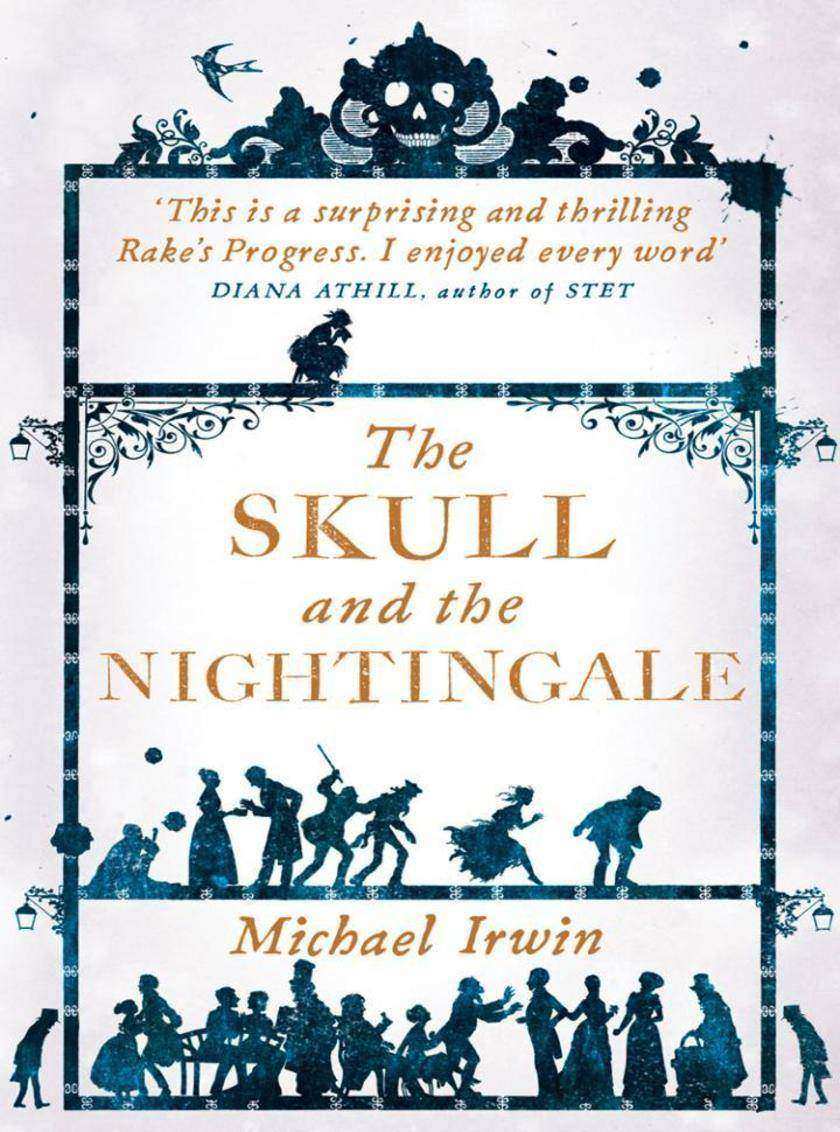
The Skull and the Nightingale
¥66.22
Set in England in the early 1760s, this is a chilling and deliciously dark tale of manipulation, sex, and seduction. When Richard Fenwick, a young man without family or means, returns to London from the Grand Tour, his wealthy godfather, James Gilbert, has an unexpected proposition. Gilbert has led a fastidious life in Worcestershire, but now in his advancing years, he feels the urge to experience, even vicariously, the extremes of human feeling—love and passion, adultery and deceit—along with something much more sinister. He has selected Fenwick to be his proxy, and his ward has no option but to accept. But Gilbert’s elaborate and manipulative “experiments” into the workings of human behaviour drag Fenwick into a vortex of betrayal and danger where lives are ruined and tragedy is always one small step away. And when Fenwick falls in love with one of Gilbert’s pawns and the stakes rise even higher – is it too late for him to escape the Faustian pact?
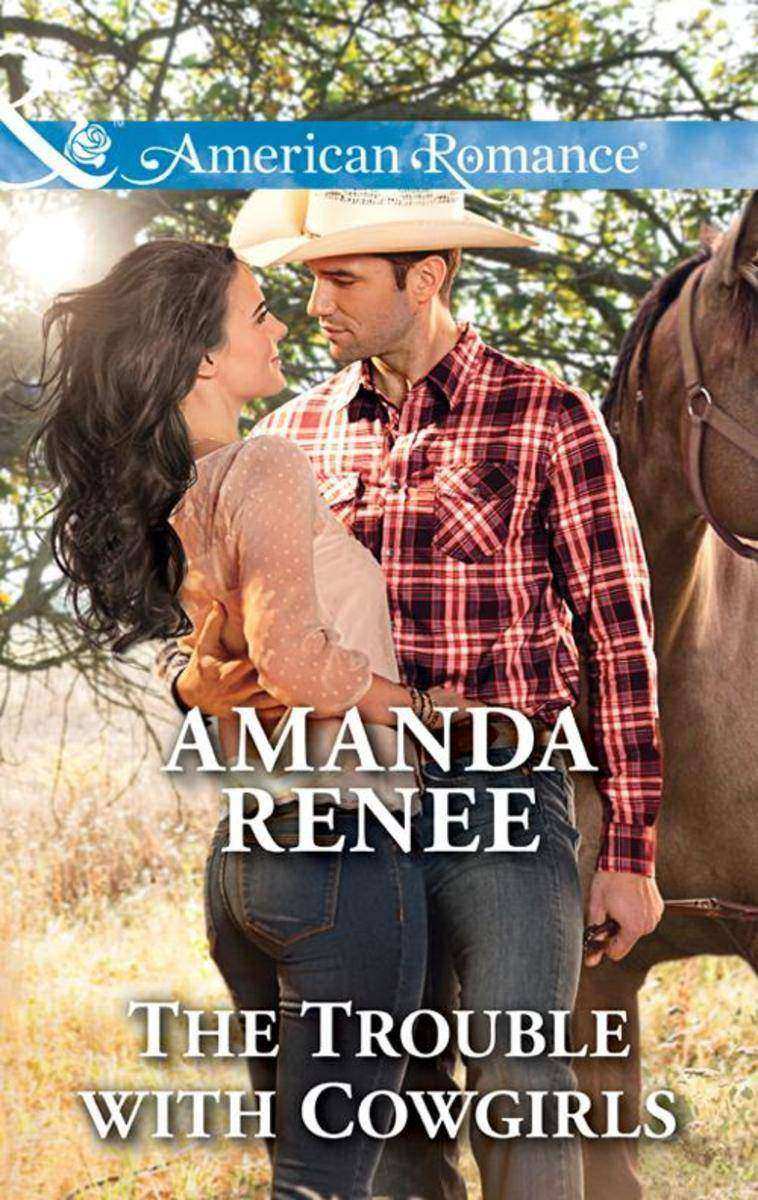
The Trouble With Cowgirls (Mills & Boon American Romance) (Welcome to Ramblewood
¥33.84
THE COWBOY SHE LEFT BEHIND Seeing the love of his life after ten years is a shock for Lane Morgan. Especially when he learns the Italian-born beauty who broke his teenage heart is now a widowed single mother. And she’s the new barn manager at Bridle Dance Ranch—a job that should have been his. Lucy Travisonno never dreamed she’d return to the Texas horse ranch where she and Lane fell in love—much less as his boss! The spark between them is stronger than ever. But there’s something Lane doesn’t know… If she reveals her long-held secret, will Lucy lose her second chance with the handsome cowboy?

Through The Storm (Mills & Boon Heartwarming) (From Kenya, with Love, Book 3)
¥7.26
The biggest risk she'll ever take… Tessa Henning is no damsel. But she’s definitely in distress. If her husband really is involved in the ivory trade, he’ll come after her when he finds out what she’s uncovered. Unfortunately, the only person who can help is Mac Walker. Stubborn, fiercely independent, danger-loving bush pilot Mac Walker—with whom she shares custody of their orphaned nephew. Though Mac’s no knight in shining armor, he can keep her and their nephew safe in the Serengeti while they wait out this storm. But he can’t protect Tessa from the strange weather brewing inside her, stirring up feelings for Mac she wishes she could ignore.
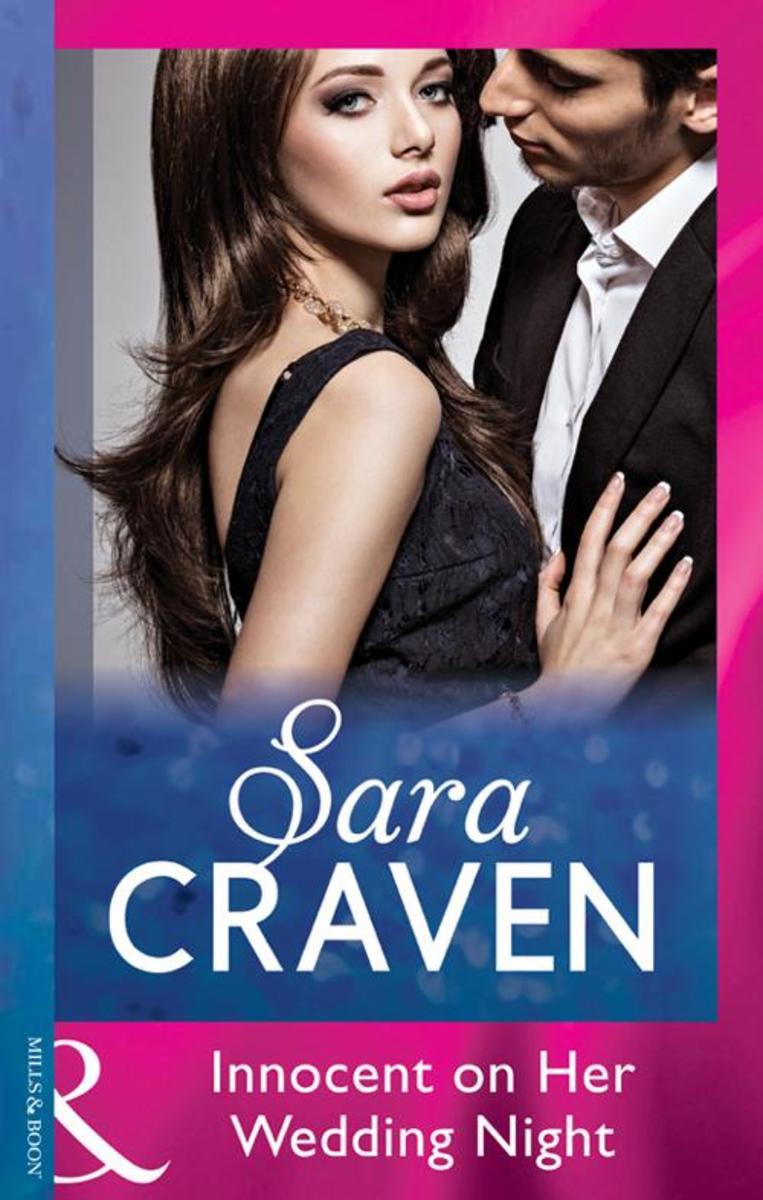
Innocent On Her Wedding Night (Mills & Boon Modern)
¥22.17
Mills & Boon proudly presents THE SARA CRAVEN COLLECTION. Sara’s powerful and passionate romances have captivated and thrilled readers all over the world for five decades making her an international bestseller. Laine waited for her handsome new husband, Daniel Flynn, to come to her on their wedding night…knowing that their marriage was a sham. Daniel didn't love her—he was just fulfilling a promise he'd made to take care of her…. So Laine fled—a married woman, but still an innocent! Two years later, broke and vulnerable, Laine has to face Daniel again. And this time Daniel will take the wedding night that should have been his….
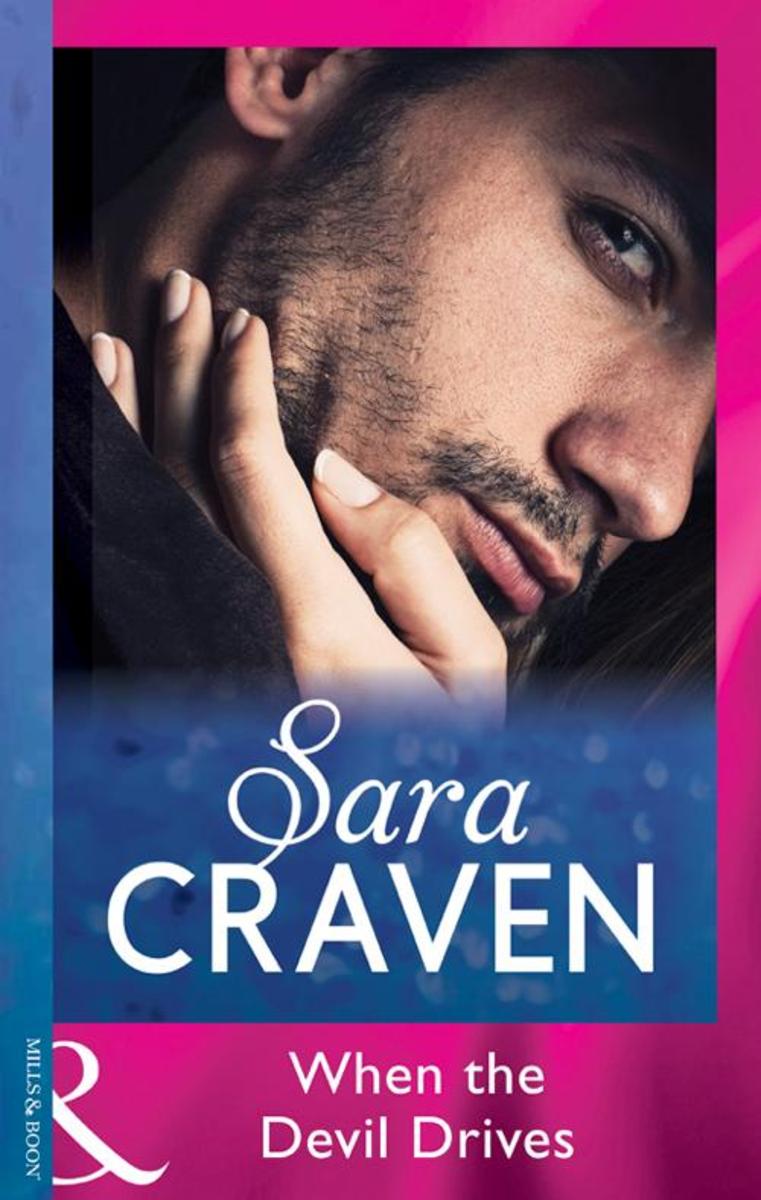
When The Devil Drives (Mills & Boon Modern)
¥22.07
Mills & Boon proudly presents THE SARA CRAVEN COLLECTION. Sara’s powerful and passionate romances have captivated and thrilled readers all over the world for five decades and made her an international bestseller. WHEN THE DEVIL DRIVES Dare she dream of the devil? It was time for Joanna to stop running and face Callum Blackstone. If she had only herself to consider, she’d tell him to do his worst. But refusing to submit to Cals' impossible demands meant financial disaster for her father and brother. Fate has dealt Cal all the best cards, yet still the price he wanted Joanna to pay seemed far too high. Was revenge really his motive?
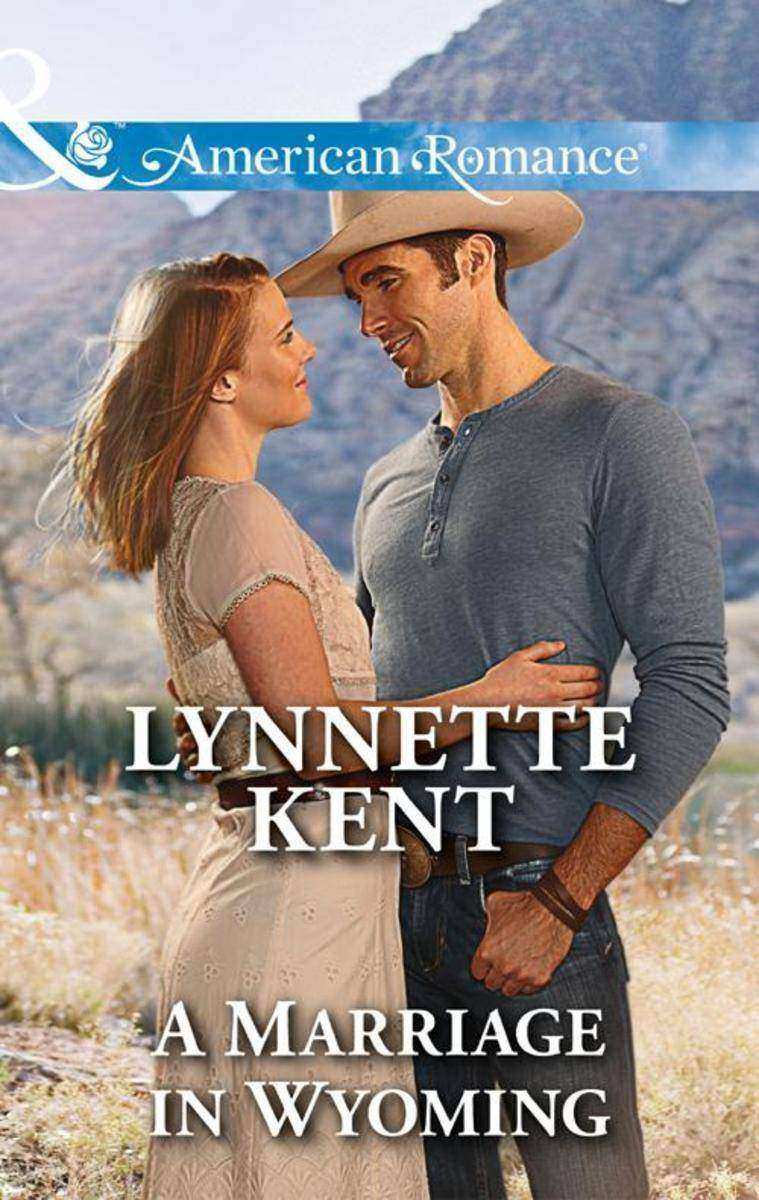
A Marriage In Wyoming (Mills & Boon American Romance) (The Marshall Brothers, Bo
¥33.84
A COWBOY’S FAITH Rancher Garrett Marshall’s life revolves around the Circle M, his work as a minister and his camp for at-risk kids. Until Dr. Rachel Vale comes to town. There’s an instant and powerful attraction between Garrett and the beautiful doctor…one he’s convinced could lead to something wonderful. Rachel can’t fall for the cowboy minister, no matter how kind and ruggedly handsome he may be. His whole life is rooted in faith, and her world is guided by facts. One fact she can’t deny—she’s falling for Garrett anyway. Will Rachel keep her distance, or will she finally let her heart lead her home?

Allegiances (Mills & Boon Intrigue) (The Battling McGuire Boys, Book 6)
¥33.84
An old enemy returns…with a new victim in the conclusion of The Battling McGuire Boys by New York Times Bestselling Author Cynthia Eden Private Investigator Sullivan “Sully” McGuire has a reputation for danger. He’s spent most of his life tracking the men who murdered his parents. The one woman who sees past Sully’s predatorial pursuit is the wife he abandoned years ago. But Celia James has returned, this time with a target on her back. In order to save Celia, Sully is forced to resurrect old demons. New dangers—and dormant desires—bring Sully and Celia close…and old enemies even closer.

English Rose In The Outback (Mills & Boon Medical) (Outback Surgeons, Book 1)
¥27.86
The lady and the surgeon! Lady Daisy Forsythe-York left the army hoping for a new adventure as a doctor in the Outback. She never expected to find it by fainting into the arms of handsome surgeon Oscar Price on her first day! Oscar isn’t looking for love, but there’s something about Daisy! And when they spend an unexpected night together, the Outback surgeon ignites all her desires…Could Oscar’s re-awakening of buttoned-up Daisy lead to more than these two guarded hearts ever expected? Outback Surgeons These Outback heroes aren’t looking for love, but in the caring country town of Meeraji Lake…it’s catching!

Every Time We Say Goodbye (Mills & Boon Heartwarming)
¥33.84
He had her at hello again… After the prom night accident that had stolen the innocence of his small lakeside hometown, Jack Llewellyn had run. The guilt—especially facing his high school sweetheart Arlie Gallagher—had been too much. Now he had no choice. He was back in town, and on Arlie’s radar. Arlie couldn’t believe that after all these years, she still had him under her skin. He was such a changed man…a responsible business owner, a single parent. Would he understand the changes she’d gone through, the secrets she lived with? She was ready to forgive him but was he ready to forgive himself? And did they have to say goodbye this time?

Greek's Pride: The Stephanos Marriage / A Passionate Surrender / The Greek Bride
¥44.24
These Greek men are… ? powerful ? passionate ? prepared to marry! Aleksi–at least until she had his wedding ring on her finger… Ana had secretly hoped her marriage of convenience to Luc Dimitriades would turn into the real thing, yet one year after taking their vows he still seemed susceptible to his mistress. Ana knew she had to leave and fought to resist his passion but Luc knew she was carrying his child… Hot-blooded tycoon Jace Dimitriades knows that women find him irresistible–and Rebekah's no exception. So how come all he's getting from her is the cold shoulder? Jace will show Rebekah that he's different, but it seems the only way is to play his ace–and propose!
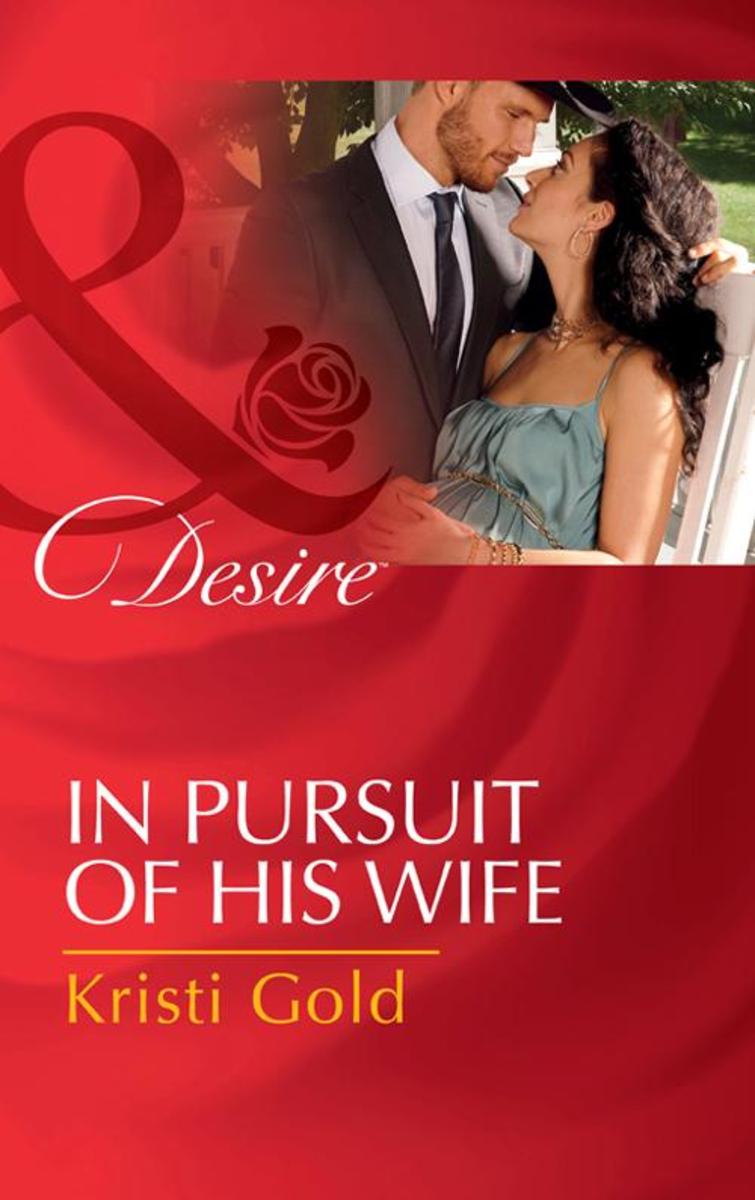
In Pursuit Of His Wife (Mills & Boon Desire) (Texas Cattleman's Club: Lies and L
¥33.84
They married for convenience. Will they stay together for the baby…or for love? Nasira Edwards has come to Royal, Texas, to escape her past and stop her brother from making a terrible mistake. But her own marital mistake has tracked her down. Her husband, shipping magnate Sebastian Edwards, has followed her across the ocean and he refuses to leave Texas without his wife. Sebastian knows their convenient marriage isn’t about love. That’s the way it has to be. But the passion between them is as hot as ever. And he’s come west to coax the beauty back into his bed—while keeping his emotions in check. Then Nasira reveals she’s pregnant….

In The Boss's Castle (Mills & Boon Cherish) (The Life Swap, Book 1)
¥33.84
Falling for her new boss! Maddison Carter is determined to build her perfect life—one that provides the security she’s always craved. But arriving in London for a six-month job swap, she’s tempted by a man who’s totally off-limits—her delectable boss, Kit Buchanan! When Kit whisks Maddison to his Scottish castle, she discovers the secret pain behind his easy charm. Only by helping Kit confront his demons does Maddison realise that no one has a perfect past. But with Kit by her side, she wonders if they could have the perfect future…together!

Rafael's Contract Bride (Mills & Boon Cherish)
¥33.84
A proposal of convenience! Rafael Martinez is determined to prove his worth to the aristocratic family who disowned him. He’s one step away from a business deal that will seal his success, but first he needs an aristocratic wife! Cora Brookes knows exactly how much family disapproval can hurt—and accepting Rafael’s unexpected proposal is her chance to finally redeem herself. It was only supposed to be a paper marriage, but as Rafael helps Cora step out of the shadows, suddenly it seems possible their wedding vows could last a lifetime…

The Doctor's Baby Secret (Mills & Boon Medical)
¥25.21
Expecting the astronaut’s baby! Dr Corrine Carter’s job as medical adviser heats up when daredevil Austin Mitchell joins the astronaut training programme. And it’s soon clear their chemistry is hotter than a Texas summer! For all his cheeky self-confidence, gorgeous Austin makes this relationship-shy doctor feel out of this world. So when their sizzling fling has an unexpected consequence, does Corrine dare to dream of a home and a future with her star-bound pilot…?

The Marshal's Justice (Mills & Boon Intrigue) (Appaloosa Pass Ranch, Book 4)
¥33.84
A Texas lawman will move heaven and earth to keep his former lover and their infant daughter safe A shoot-out on the banks of Appaloosa Creek is the last place Marshal Chase Crockett expects to find his ex-lover. Former criminal informant April Landis is supposed to be in WITSEC, awaiting the birth of their child. But the desperate woman caught in the crossfire isn’t pregnant. Telling Chase he was a father–two months early–wasn’t an option with murderous thugs targeting April and their infant daughter. Despite the violence that divides them, her only prayer is to trust the Texas lawman sworn to protect his family. Until desire ambushes them again, leaving April and Chase at the mercy of a past with no promise of a future.

The Shock Cassano Baby (Mills & Boon Modern) (One Night With Consequences, Book
¥30.61
The proposal he never expected to make… Life as a single man suited Orlando Cassano just fine. He believed in working hard and taking his pleasures whenever he chose. Until his affair with sassy CEO Isobel Spicer ends in a very unexpected result! Orlando may not have had a father-figure growing up but he will be a parent to his child. Yet getting independent career woman Isobel down the aisle will take more than his legendary skills of seduction. For she demands the one thing he’s never given anyone: that he confront his past if they are to have a future…


