


 购物车
购物车 个人中心
个人中心
The Fire Inside
¥49.05
In the tradition of Mark Baker's Cops, more than 100 top firefighters describe the highs and lows of the world's most dangerous profession.Fascinating and packed with emotion,The Fire Inside is a unique look at the unseen world of firefighters who risk their lives for strangers every day In their own words, these male and female heroes vividly describe how they cope with scorching flame, injuries, earthquakes, hazardous waste, and wildfire-and the rewards that keep them climbing back on the fire truck.
Models of Influence
¥223.92
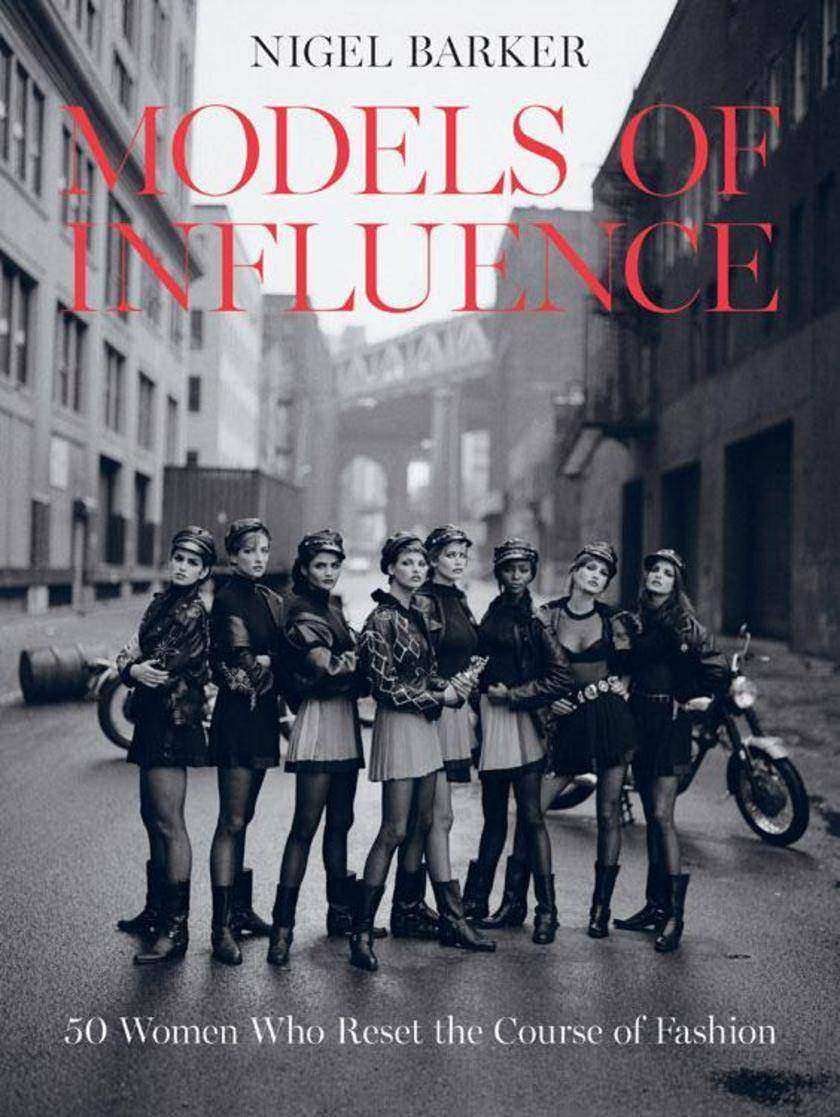
A Collectible Anthology of the 50 Most Inf luential Models in Fashion HistoryIn Models of Influence, photographer, television host, and fashion authority Nigel Barker profiles fifty of the most noteworthy models from the 1940s to the present, revealing how their look or way of modeling not only made an indelible stamp on the industry but also influenced fashion design, the popular way of dress, and notions of female beauty worldwide.Each of the book's eight chapters focuses on a distinct period, from the postwar modeling boom, which ushered in an era of models who communicated a return to glamour, to the present day, with the emergence of media-savvy models who understand the power of branding themselves to the world at large. Each entry highlights the model's background and career, exploring her unique qualities and the secret to her staying power, whether it's her physical characteristics, daring approach to image making, transformative abilities, or a particular energy that captured or even redefined the zeitgeist of fashion and culture of the time.To complement the text, Barker has personally selected more than one hundred full-color and black-and-white photographs from the archives of the world's top fashion photographers Richard Avedon, Irving Penn, David Bailey, Francesco Scavullo, Herb Ritts, and Mario Testino among them to assemble a collectible anthology of many of the finest fashion images from the last seventy years.With an engaging, informative text and a vivid collection of seminal photographs, Models of Influence is the definitive word on the subject.With 110 full-color and black-and-white photographs
Eating Viet Nam
¥88.56
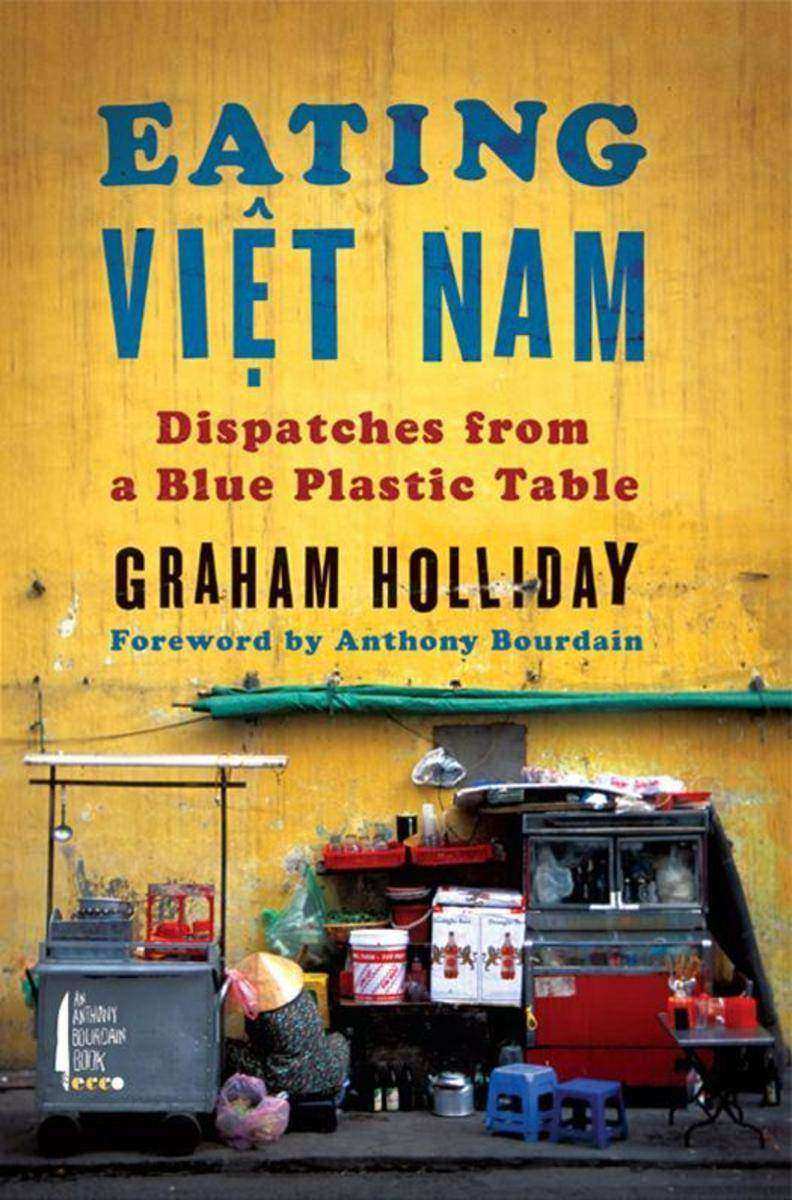
A journalist and blogger takes us on a colorful and spicy gastronomic tour through Viet Nam in this entertaining, offbeat travel memoir, with a foreword by Anthony Bourdain. Growing up in a small town in northern England, Graham Holliday wasn’t keen on travel. But in his early twenties, a picture of Hanoi sparked a curiosity that propelled him halfway across the globe. Graham didn’t want to be a tourist in an alien land, though; he was determined to live it. An ordinary guy who liked trying interesting food, he moved to the capital city and embarked on a quest to find real Vietnamese food. In Eating Viet Nam, he chronicles his odyssey in this strange, enticing land infused with sublime smells and tastes. Traveling through the back alleys and across the boulevards of Hanoi—where home cooks set up grills and stripped-down stands serving sumptuous fare on blue plastic furniture—he risked dysentery, giardia, and diarrhea to discover a culinary treasure-load that was truly foreign and unique. Holliday shares every bite of the extraordinary fresh dishes, pungent and bursting with flavor, which he came to love in Hanoi, Saigon, and the countryside. Here, too, are the remarkable people who became a part of his new life, including his wife, Sophie. A feast for the senses, funny, charming, and always delicious, Eating Viet Nam will inspire armchair travelers, curious palates, and everyone itching for a taste of adventure.
HarperCollins e-books
¥140.08
Where did Beyonc get her groove?Where did Lance Armstrong get his drive?Where did Steven Spielberg get his creative vision?Every success story begins with . . . Mom When Stephanie Hirsch gave birth to her son, she began to think about the kind of person she'd like him to be: generous, family oriented, loving, courageous, and professionally accomplished maybe he'd turn out like Steven Spielberg! But what, she wondered, had Spielberg's mother done so well?What started out as one conversation with Steven Spielberg's mom became a quest to interview the mothers of some of the most talented artists, brilliant journalists, and dedicated athletes of our time.Mother Nurture is an inspiring collection of fifty-two stories filled with commonsense advice and memorable personal tales from caring mothers whose children have reached the apex of their fields, from sports, politics, and music to literature, entertainment, and business.If you're expecting, or a parent, or you just want to thank the woman who raised you, Mother Nurture is both the perfect antidote to piles of contradictory parenting advice and a celebration of the gift of motherhood.
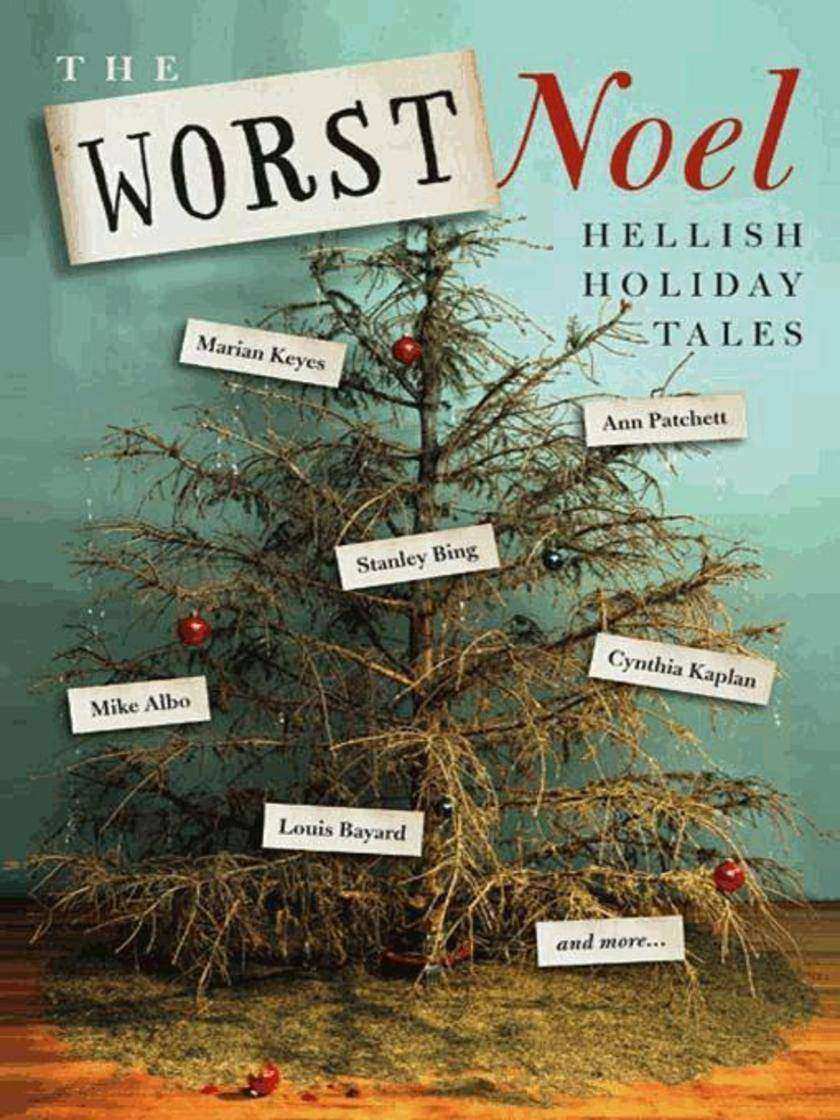
The Worst Noel
¥83.93
Does the thought of mistletoe give you hivesDoes the sound of jingling bellsinstill fear in your heartDo you hide under the covers from the day after Thanksgiving till New Year's DayAnd even if you love Christmas, do thehyperconsumerism, overindulgence, andtinsel-covered everything make you crazy?If you said yes to any of these questions, this is the book for you. You are not alone. Everyone has a Christmas-nightmare story to tell. Some of the best writers around have gone through some of the worst Christmases ever. Their tales of holly-draped horror are gathered here for your amusement, from NEAL POLLACK's Christmas-ham disaster to the accidental Santahood of JONI RODGERS to BINNIE KIRSHENBAUM's receiving what may be the worst gift ever given. And Stanley Bing gives us a peek at the lonely guy's Xmas feast. All this, plus many more recollections of Worst Noels past.So pour yourself a glass of eggnog, chisel off a piece of rock-hard fruitcake, and curl up in the big comfy chair by the fireplace where the stockings have been hung with such care -- and settle in to read The Worst Noel.

101 Reasons to Dump Your Man and Get a Cat
¥83.93
The modern woman has enough hassles without having to put up with the antics of the man in her life. Why endure another day of snoring, football, and wet towels on the floorWith this hilarious, fully illustrated guide, learn 101 reasons why you should dump your chump and hook up with a cat! So, besides the fact that your man's just not that into you, can he scratch his ear with his footIs he adorable when he pounces off the fridge onto your shoulderDo you get to watch him nudge another man aside and eat his foodAnd can you improve his mood by tossing a fuzzy mousie for him to chaseOf course not. There; that's four reasons to dump him and get a cat instead! Plus, you never have to remember how your cat takes his coffee. You don't need to pretend to your cat that you haven't had many other cats. And if your cat thinks your friends are hot, so whatFor every woman who's had enough of men, 101 Reasons to Dump Your Man and Get a Cat is the perfect gift—chock-full of humor, inspiration, and great advice. Why look for love in all the wrong places when it's right across the room chasing its own tail?
The IBM Way
¥61.76
IBM is one of the greatest sales and marketing organizations ever assembled. Established over seventy years ago, it now employs 400,000 people and generates $50 billion a year in revenue. Yet it operates more like a cottage industry than a huge multinational organization.How does IBM do itThat's what even the most successful companies want to know. Now Buck Rodgers, the man who has personified "the IBM way," describes for the first time the reasons behind its extraordinary achievements. He has not written a company history, or an expose, or a book on management theory. He has written a book about everything that makes IBM IBM, as only an insider could.

The Season
¥51.92
Palm Beach is known around the world as the most wealthy, glamorous, opulent, decadent, self-indulgent, sinful spot on earth. With their beautiful 3.75 square-island constantly in the media glare, Palm Beachers protect their impossibly rich society from outside scrutiny with vigilant police, ubiquitous personal security staffs, and screens of tall hedges encircling every mansion.To this bizarre suspicious, exclusive world, New York Times bestselling author Ronald Kessler brought his charm, insight, and award-winning investigative skills, and came to know Palm Beach, its celebrated and powerful residents, and its exotic social rituals as no outside writer ever has. In this colorful, entertaining, and compulsively readable book. Kessler reveals the inside story of Palm Beach society as it moves languidly through the summer months, quickens in the fall, and shifts into frenetic high speed as the season begins in December, peaks in January and February, and continues into April.When unimaginable wealth combines with unlimited leisure time oil an island barely three times the size of New York's Central Park, human foibles and desires, lust and greed, passion and avarice, become magnified and intensified. Like laboratory rats fed growth hormones, the 9,800 Palm Beach residents 87 percent of whom are millionaires exhibit the most outlandish extremes of their breed.To tell the story, Kessler follows four Palm Beachers through the season. These four characters the reigning queen of Palm Beach society, the night manager of Palm Beach's trendiest bar, a gay "walker" who escorts wealthy women to balls, and a thirty six-year-old gorgeous blonde who says she "can't find a guy in Palm Beach" know practically everyone on the island and tell what goes on behind the scenes.Interweaving the yarns of these unfor-gettable figures with the lifestyle, history, scandals, lore, and rituals of a unique island of excess, The Season creates a powerful, seamless, juicy narrative that no novelist could dream up.
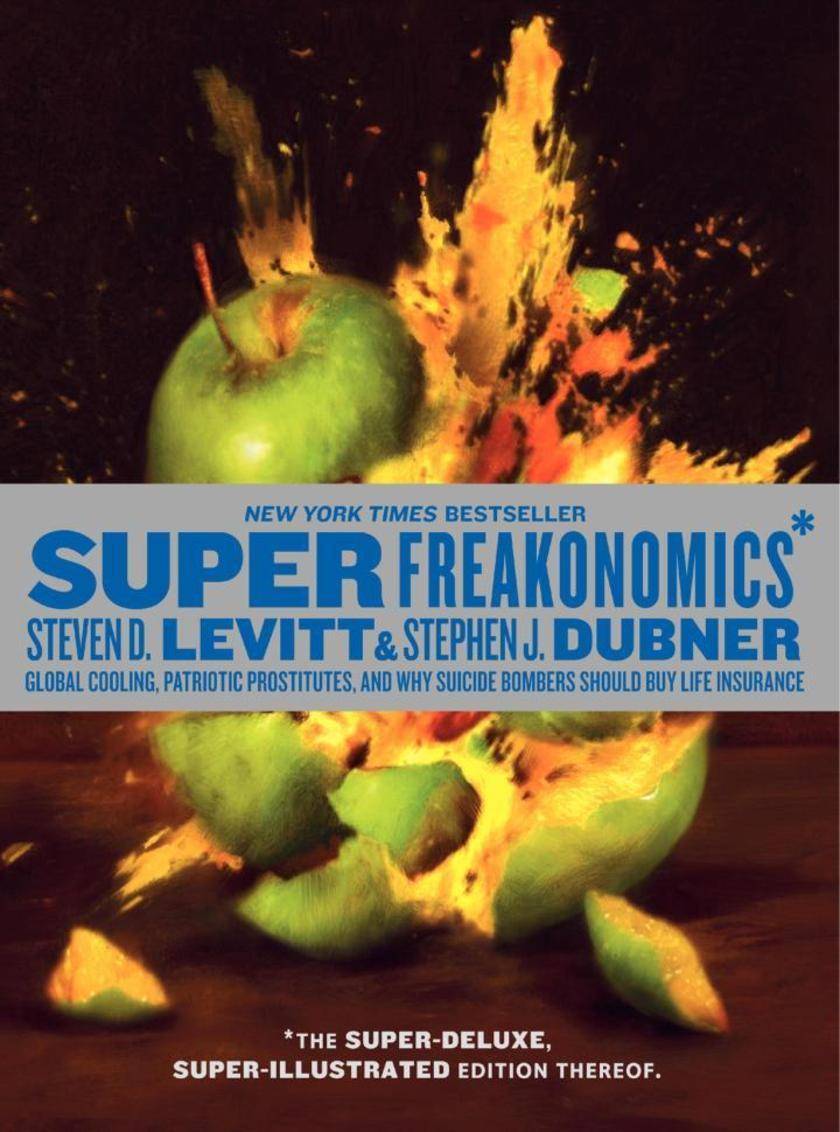
SuperFreakonomics, Illustrated edition
¥223.92
Seeing is believing . . . The Smash Hit SuperFreakonomics is now Bigger and Better SuperFreakonomics was an instant New York Times bestseller that caused a media uproar, continuing the amazing success begun with the groundbreaking, worldwide sensation Freakonomics.With the Illustrated Edition, Steven D. Levitt and Stephen J. Dubner bring alive their smart thinking and great storytelling with an explosion of visual evidence, including: A by-the-numbers tally of a high-priced call girl's career, and a tracking sheet from an intensive survey of Chicago street prostitutes. A visual quiz that lets you pit your memory against the memory of a chess grand master. Images of the hurricane-killing machine and other geo-engineering inventions described in SuperFreakonomics. A look into whether doctors are better at saving lives in TV dramas or in real hospitals. Whether probing the intricacies of sex change oper-ations, the effectiveness of child car seats, or what really motivates people to do good, the Illustrated Edition of SuperFreakonomics employs photographs, drawings, and graphs that will lead readers to see the world in a bold, fresh way.

The Lincoln Assassination Encyclopedia
¥112.23
The definitive A to Z reference on the assassination of Abraham Lincoln The first book of its kind, The Lincoln Assassination Encyclopedia is a truly indispensable guide to one of the most dramatic and fascinating events in our nation's history: the murder of the sixteenth president of the United States. Written by Edward Steers, Jr., acclaimed author of Blood on the Moon and one of the world's leading authorities on the subject, here is an exhaustive, highly readable resource that includes: All the known persons, places, events, and conspiracies connected to the tragedy More than 150 period photographs and maps, many never before published The truth behind the hoaxes, myths, and legends surrounding the assassination A comprehensive narrative and timeline of events . . . and more With a foreword by James L. Swanson, bestselling author of Manhunt: The 12-Day Chase for Lincoln's Killer, The Lincoln Assassination Encyclopedia is the perfect addition to every Lincoln library.
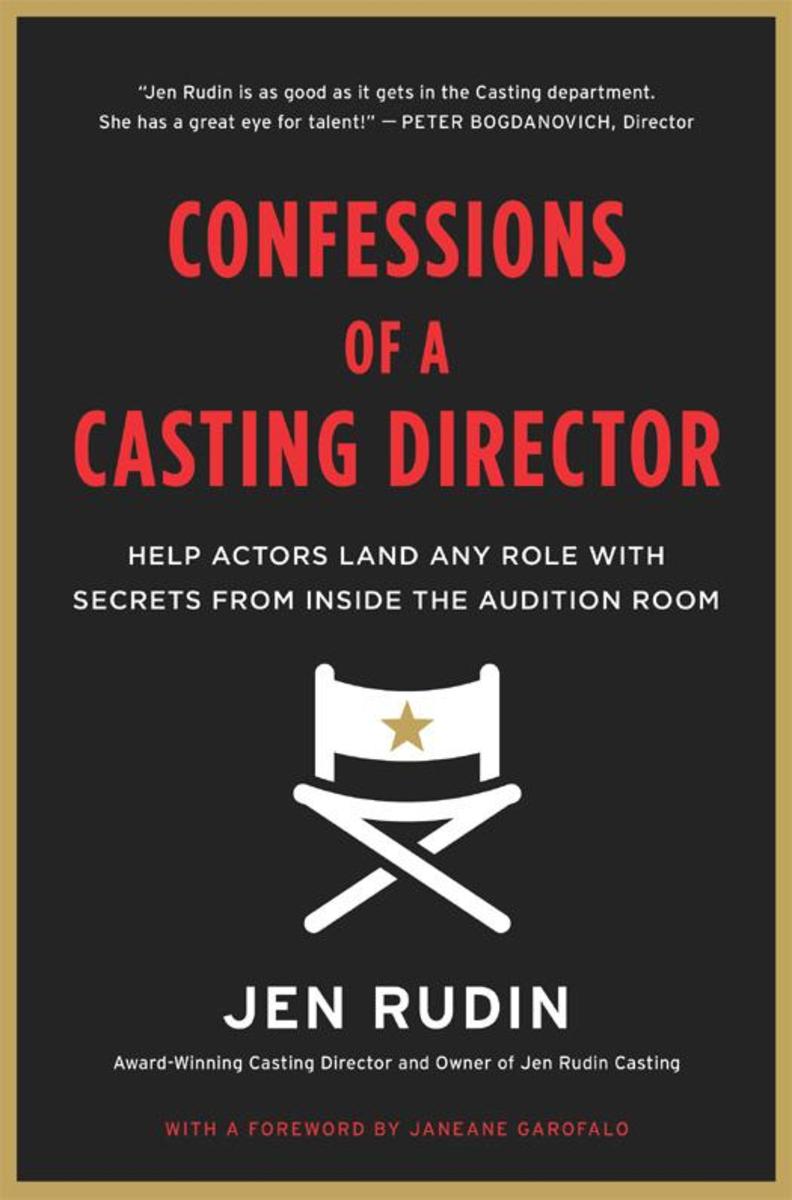
Confessions of a Casting Director
¥110.71
A must-have for any aspiring actor or stage parent––the definitive guide to breaking into film, television, theater, and even YouTube from a top casting directorPacked with information that aspiring actors clamor for, this up-to-the-minute advice from a true expert is essential reading for anyone pursuing an acting career. Longtime casting director Jen Rudin demystifies the intimidating and constantly changing audition process, sharing insider tips on how to prepare for every type of audition, from musical theater, television (including reality TV), and film to voice-overs, animated movies, and even Web series. In this comprehensive guide, Rudin covers everything that today's actor needs to succeed on subjects like: finding an agent or manager, using technology to your advantage, understanding the world of child acting, living in New York versus L.A., turning a callback into an offer for the role, and many more.Every actor should walk into an audition room feeling confident and prepared, and this book is full of the dos and don'ts and surefire tricks to help turn rejection into that first big break. Complete with checklists, easy-to-follow game plans, and advice from successful actors, agents, and industry professionals, Confessions of a Casting Director is like having a private audition coach in your back pocket.

All I Want Is Forever
¥48.39
Talia and Derrick share some of the same bitter memories.From the moment they met as kids, they seemed to understand the haunted look in each other's eyes. Today their lives are far apart in most ways, yet their bond can never truly be severed. They also share a dark secret murder. When Talia returns home to help her ailing foster mother, she and Derrick re-kindle the fire between them and together they exorcise the ghosts of their past by facing life together.

Good Guys Wear Black
¥56.07
Dewey Mitchell loves three things: fixing old cars, football, and family. Although an illness robbed him of his NFL dreams and his hopes for a big family of his own, he's made himself content working the family business and coaching middle school football. But when his town's vibrant new librarian and her young, emotionally challenged son burst into his ordered life, Dewey finds himself inexplicably drawn to the fascinating woman. Boston-born Rose Hanrehan had no idea how different living in a small town would be. But she's determined to start fresh for her son, who deals with Asperger's syndrome, without her overbearing parents judging her every move. Of course, sometimes her new neighbors seem to be equally closed-minded. And there's one new neighbor she can't seem to avoid … in fact, the handsome Dewey, despite his black hat and buried emotions, might end up being the only reason to stay in Kennison Falls. Neither one is looking for love, but what they're starting to feel can't be anything else. Will the longtime bachelor and the free-spirited librarian let themselves fallOr will their differences get in the way of their happy ending?
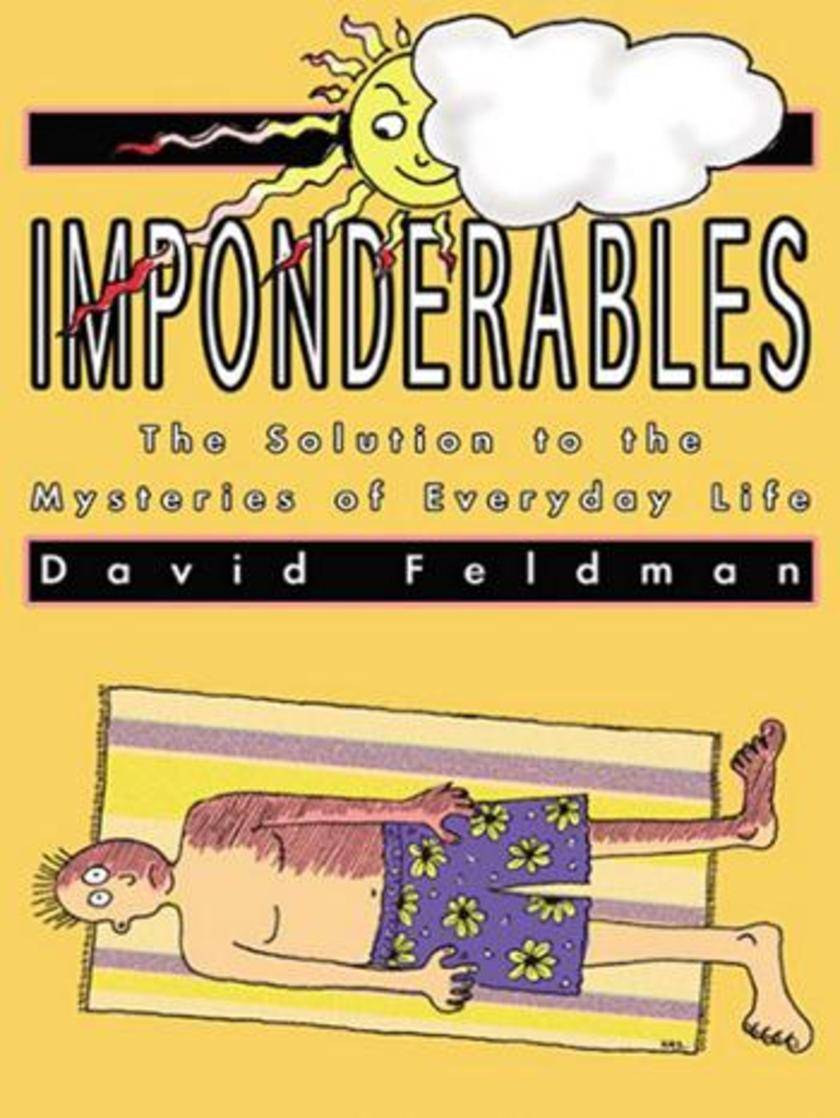
Imponderables
¥72.01
Why does an "X" stand for a kiss?Which fruits are in Juicy Fruit gumWhy do people cry at happy endings?Why do you never see baby pigeons?Pop-culture guru David Feldman demystifies these topics and so much more in Why Don't Cats Like to Swim-- the unchallenged source of answers to civilization's most perplexing questions. Part of the Imponderables series, Feldman's book arms readers with information about everyday life -- from science, history, and politics to sports, television, and radio -- that encyclopedias, dictionaries, and almanacs just don't have. Where else will you learn what makes women open their mouths when applying mascara?

Freud
¥90.77
Referred to as "the father of psychoanalysis," Sigmund Freud is credited with championing the "talking cure" and charting the human unconscious. Both revered and reviled, he was a brilliant innovator but also a man of troubling contradictions sometimes tyrannical, often misrepresenting the course and outcome of his treatments to make the "facts" match his theories. Peter D. Kramer acclaimed author, practicing psychiatrist, and a leading national authority on mental health offers a stunning new take on this controversial figure. Kramer is at once critical and sympathetic, presenting Freud the mythmaker, the storyteller, the writer whose books will survive among the classics of our literature, and the genius who transformed the way we see ourselves.

Better Single Than Sorry
¥77.49
Let's be honest. No woman really wants to be alone for the rest of her life. But does being alone mean you're doomed to be miserable foreverDefinitely not! And does being single have to equal lonelyNo way! You can have the best time of your life when you're single, but you wouldn't know that from our relationship obsessed society, where celebrity magazines devote the majority of their content to who's dating whom and the wedding industry is a $100-billion business. Yet more than a third of marriages end in divorce, and countless other couples languish in unions that shouldn't have happened in the first place.Don't become a statistic love yourself and never settle!Jen Schefft knows that better than almost anyone. In 2003, she got engaged in front of millions of people on television's The Bachelor, only to see it end nine months later when the relationship just wasn't right anymore. A year later, she turned down an engagement on The Bachelorette, and the backlash was relentless. She was labeled a "spinster" by a celebrity magazine, and a noted national talk-show host remarked that she would be "a bachelorette for the rest of her life."This is a terrible message to send to the millions of sensational single women out there, and in Better Single Than Sorry Schefft makes it her mission to let women know that it's better to be single than to be in a relationship that doesn't make you happy. With testimonials from women of all ages single, married, in committed relationships, with children (even single moms) and without this book tells you how to let go of your fear of being alone and how to love yourself and never settle for a relationship that is anything less than you deserve.Written in a conversational style, as if talking with your best friend, Schefft helps you navigate the pressures of a culture that places an unhealthy importance on being in a relationship and shows you how to find happiness in work, home, and the simple pleasures of everyday life. Above all, she shows you how it's far, far better to be single than sorry. Being single is a time to have fun, learn new things, grow, and blossom not a time to feel desperate or depressed, so cherish it!
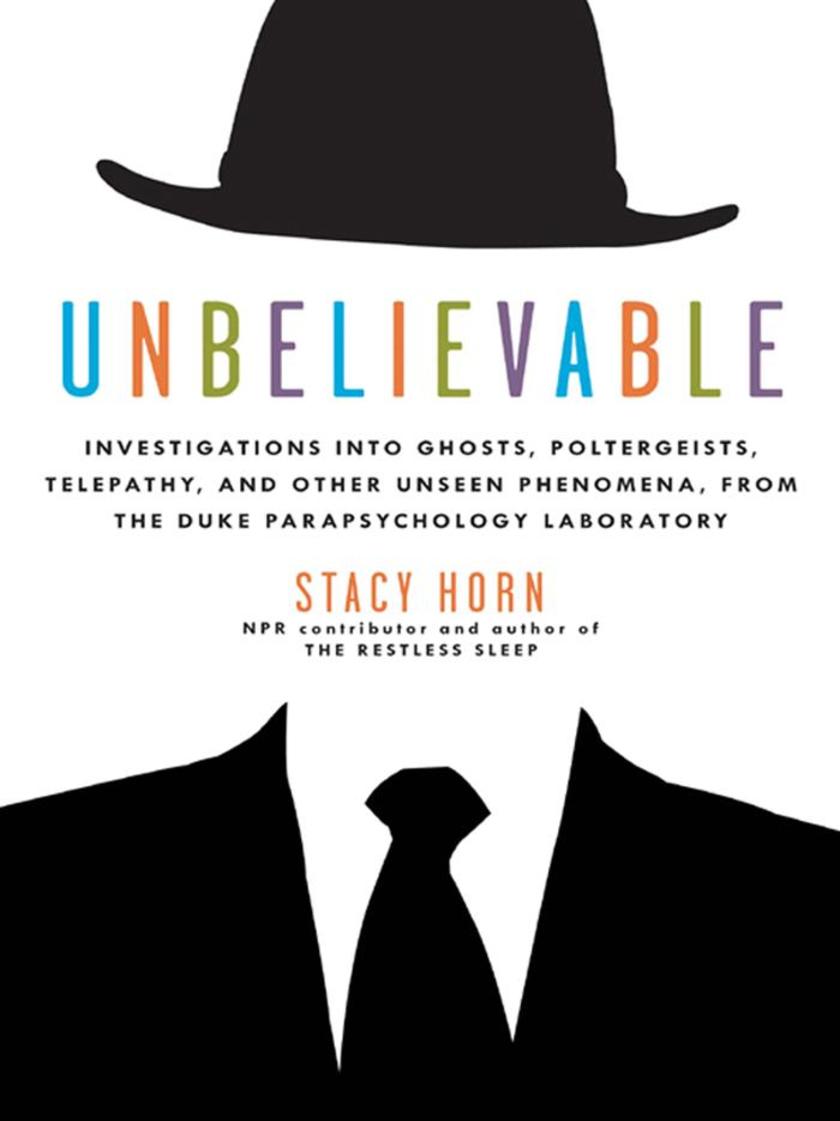
Unbelievable
¥94.10
From The Sixth Sense to Medium, Ghost Whisperer to Ghost Hunters, the paranormal stirs heated debate, spawning millions of believers and skeptics alike. Nearly half of us say we believe in ghosts, and two-thirds of us believe in life after death. What would you make of rain barrels that refill themselvesPsychic horsesMind-reading Cold War spiesFor a group of scientists at the Duke Parapsychology Lab under the leadership of Dr. J. B. Rhine considered the Einstein of the paranormal such mysteries demanded further investigation. From 1930 to 1980, these dedicated men and women attempted to test the bizarre, the frightening, and the unexplainable against the rigors of science, ultimately finding proof that the human mind possesses telepathic powers.
My Index of Slightly Horrifying Knowledge
¥79.38
My Index of Slightly Horrifying Knowledge is a fierce and original collection its generosity of voice and emotional range announce the arrival of a major new poet. At the age of twelve, Paul Guest suffered a bicycle accident that left him paralyzed for life. But out of sudden disaster evolved a fierce poetic sensibility one that blossomed into a refuge for all the grief, fury, and wonder at life forever altered. Although its legacy lies in tragedy, the voice of these brilliant poems cuts a broad swath of emotions: whether he is lamenting the potentiality of physical experience or imagining the electric temptations of sexuality, Guest offers us a worldview that is unshakable in its humanity.
Heaven's Coast
¥83.03
The year is 1989 and Mark Doty's life has reached a state of enviable equilibrium. His reputation as a poet of formidable talent is growing, he enjoys his work as a college professor and, perhaps most importantly, he is deeply in love with his partner of many years, Wally Roberts. The harmonious existence these two men share is shattered, however, when they learn that Wally has tested positive for the HIV virus. From diagnosis to the initial signs of deterioration to the heartbreaking hour when Wally is released from his body's ruined vessel, Heaven's Coastis an intimate chronicle of love, its hardships, and its innumerable gifts. We witness Doty's passage through the deepest phase of grief -- letting his lover go while keeping him firmly alive in memory and heart -- and, eventually beyond, to the slow reawakening of the possibilities of pleasure. Part memoir, part journal, part elegy for a life of rare communication and beauty, Heaven's Coast evinces the same stunning honesty, resplendent de*ive power and rapt attention to the physical landscape that has won Doty's poetry such attention and acclaim.
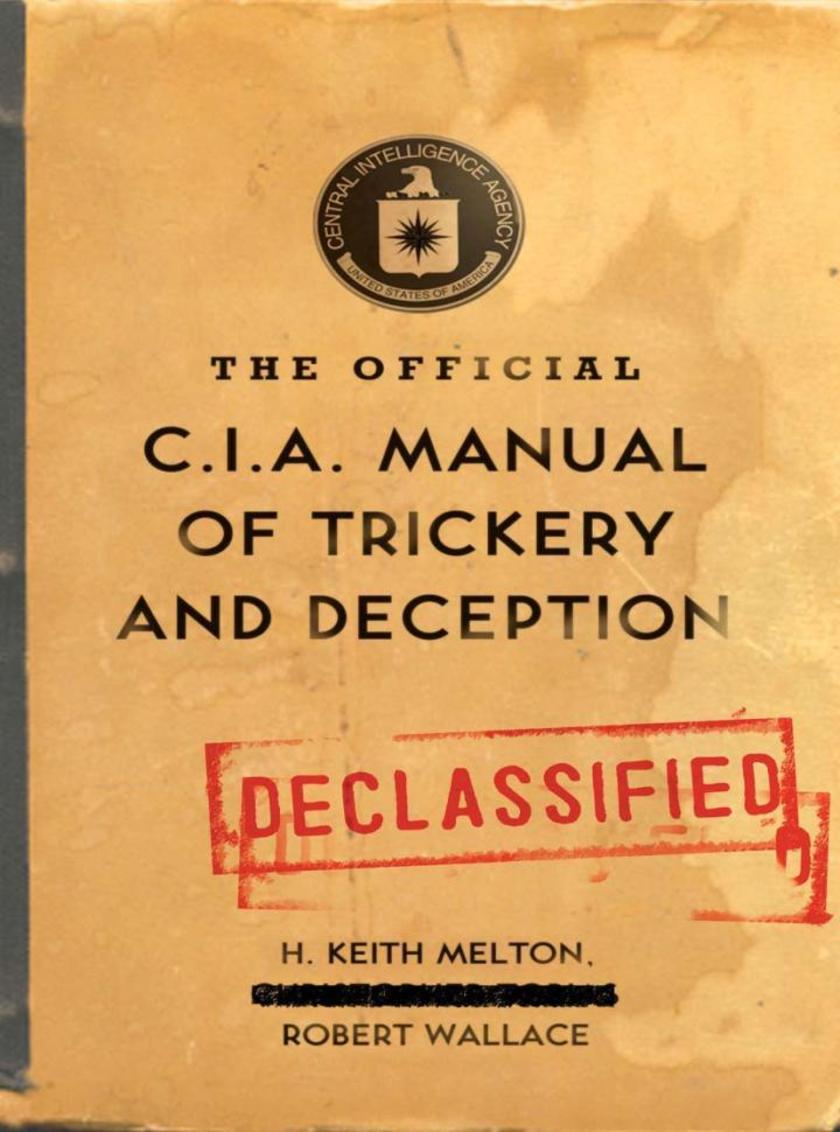
The Official CIA Manual of Trickery and Deception
¥94.10
Magic or spycraftIn 1953, against the backdrop of the Cold War, the CIA initiated a top-secret program, code-named MKULTRA, to counter Soviet mind-control and interrogation techniques. Realizing that clandestine officers might need to covertly deploy newly developed pills, potions, and powders against the adversary, the CIA hired America's most famous magician, John Mulholland, to write two manuals on sleight of hand and undercover communication techniques. In 1973, virtually all documents related to MKULTRA were destroyed. Mulholland's manuals were thought to be among them until a single surviving copy of each, complete with illustrations, was recently discovered in the agency's archives.The manuals reprinted in this work represent the only known complete copy of Mulholland's instructions for CIA officers on the magician's art of deception and secret communications.
HarperCollins e-books
¥198.54
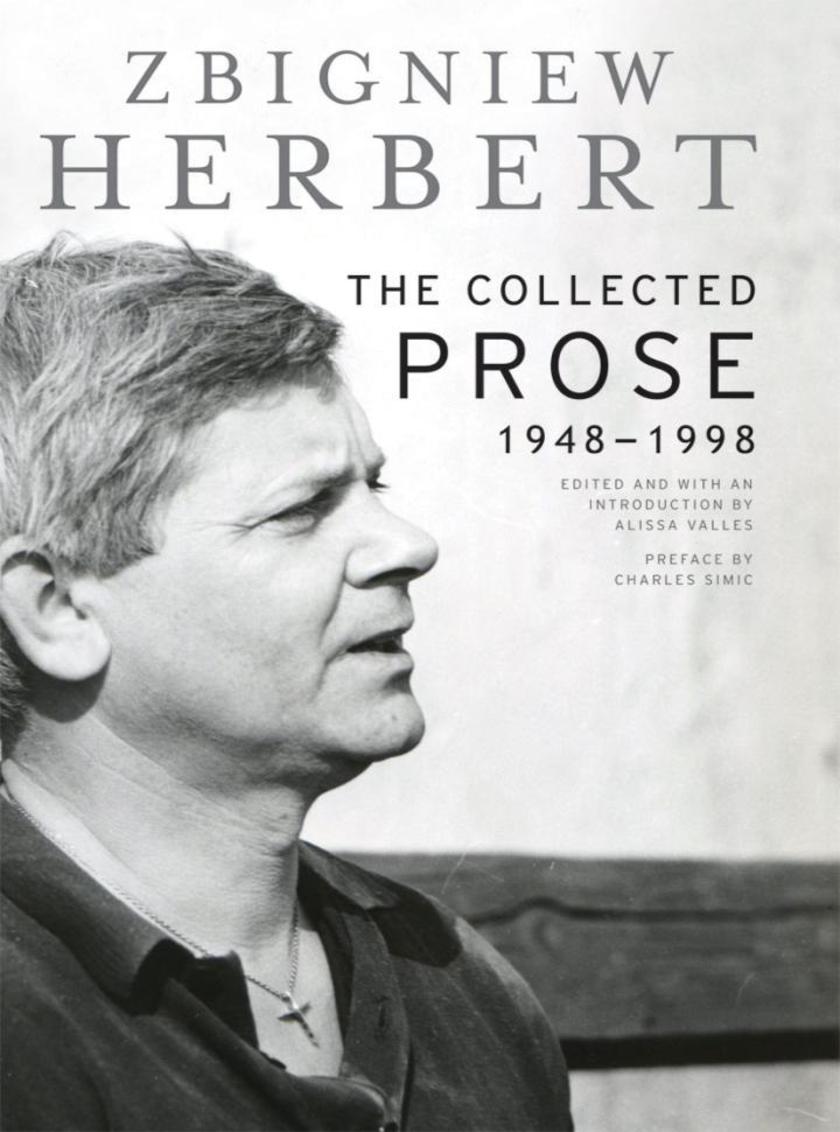
Polish poet and essayist Zbigniew Herbert easily stands beside Nobel Prize laureates Milosz and Szymborska as part of a remarkable literary tradition. Though Herbert is very much an Eastern European writer, the urgency, vitality, and relevance of his work extend far beyond the borders of his particular region and his particular time. His fascination with other subjects from painting to all things Dutch enriched the scope and depth of his poetry, and made for compelling explorations in his essays and short prose pieces.The first collected English edition of his prose work, this outstanding volume consists of four books Labryinth on the Sea, Still Life with a Bridle, King of the Ants, and Barbarian in the Garden. Brilliant and erudite, dazzling and witty, these essays survey the geography of humanity, its achievements and its foibles. From Western civilization's past, as witnessed through the Greek and Roman landscape, to musings on the artistic that celebrate the author's discriminating eye, poetic sensibility, and gift for irony, humor, and the absurd; from a sage retelling of myths and tales that became twentieth-century philosophical parables of human behavior to thoughts on art, culture, and history inspired by journeys in France, Italy, and the Netherlands, Collected Prose is a rich compendium that celebrates the mastery and wisdom of a remarkable artist.


