


 购物车
购物车 个人中心
个人中心

The Playboy Prince (Fast Fiction)
¥11.77
Fast Fiction Hot - short, sexy reads Ella Jamison would do almost anything for her job. After her boss, architect Chase Bryant, rescued her from a humiliating situation, Ella devoted herself to his firm. But now he's asking Ella to escort the Playboy Prince around New York City. Ella despises arrogant, self-centered men like Philippe Montvidant. But the firm needs his account, and the firm comes first. Philippe knows all about duty. His playboy act has given his tiny country much-needed publicity. Too bad the press and people like Ella only see the headlines, and never get to know the true man. And for some reason, Philippe desperately wants Ella to know the real him. But if he manages to open her eyes, will she like what she sees?

The Secret of Cherokee Cove (Mills & Boon Intrigue) (Bitterwood P.D., Book 5)
¥31.10
Detective Walker Nix knew there was more to Bitterwood’s police chief’s ‘accident’ and that someone wanted his boss dead. But when the victim’s beautiful sister, US Marshal Dana Massey, insisted on becoming involved, Nix had a hunch his case – and his heart – was in trouble…
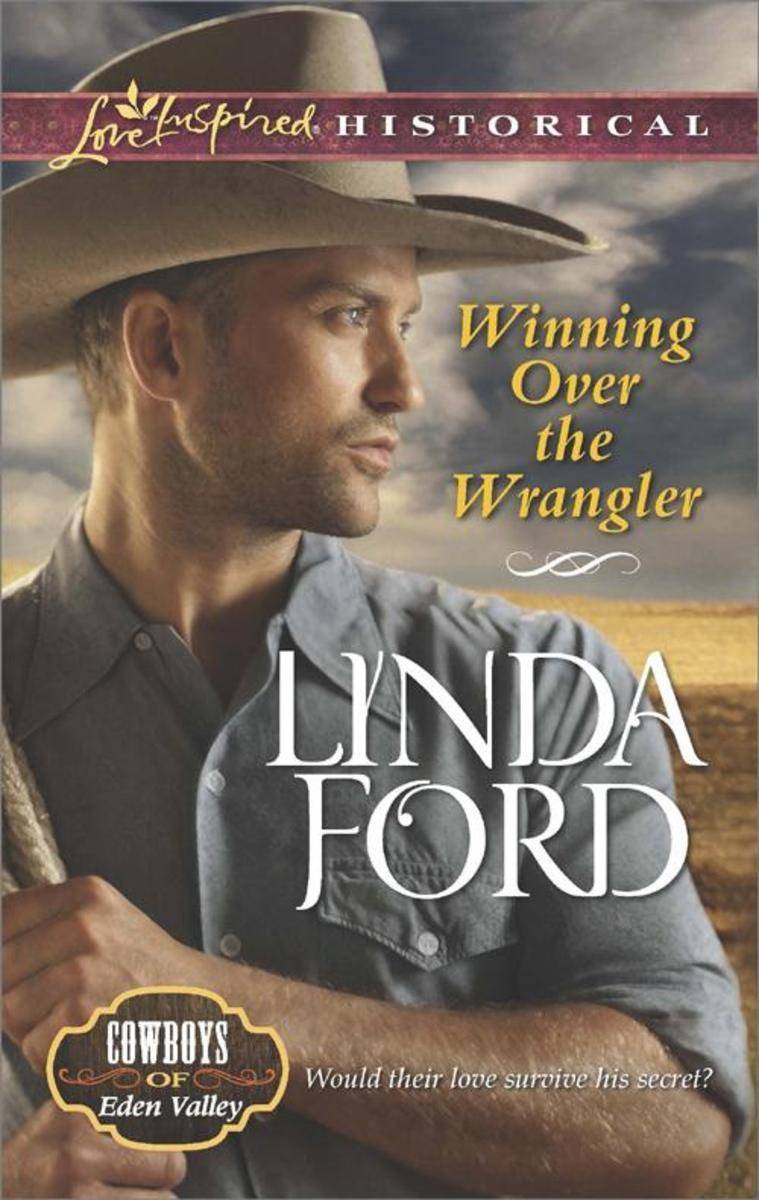
Winning Over the Wrangler (Mills & Boon Love Inspired Historical) (Cowboys of Ed
¥31.10
A COWBOY WITHOUT A NAME The only thing Brand Duggan’s outlaw kin ever gave him was an undeserved reputation. Once he’s through breaking horses, he’ll leave Eden Valley. Staying means risk—and heartache. And he has no business falling for a refined English miss like Sybil Bannerman. The rugged cowboy who rescues her from a stampede is just the kind of man Sybil Bannerman’s editor wants her to write about. Yet she has no idea how big a secret Brand Duggan carries, until her life is threatened. Despite the evidence against him, Sybil can’t walk away—for the man who lassoed her heart is the one she’ll love forever… Cowboys of Eden Valley: Forging a future in Canada’s west country

Wolf Creek Homecoming (Mills & Boon Love Inspired Historical)
¥31.10
ALL ROADS LEAD TO HOME Gabe Gentry used to live entirely in pursuit of carefree pleasure. It cost him his relationship with his brother, and with the one woman who believed in him. Now, with new-found faith, he’s coming home to Wolf Creek, Arkansas, hoping to find redemption and forgiveness, and maybe even a second chance at love. Physician Rachel Stone never thought she’d lay eyes on Gabe again. After their brief time together, Gabe disappeared, leaving Rachel devastated and secretly pregnant with his son. His return stirs up her bitterness…and her attraction. But Gabe’s already burned her once, how can she trust him again, now that her son’s heart is on the line as well?

Yours Forever (Mills & Boon Kimani) (Bayou Dreams, Book 3)
¥30.90
Can the sins of the past . . . Louisiana powerhouse attorney Matthew Gauthier has spent a lifetime safeguarding his prominent family’s scandalous history. So when Tamryn West makes it her mission to dig up the past, Matthew must do everything in his power to stop her. But his plan to distract the alluring history professor begins to send his own passions raging out of control. . . . Become the hope of the future? Tamryn came to the town of Gauthier to find the diary that could be the missing link to her grandmother and her enduring legacy. In the process, she stumbles on the secrets of another family—secrets Matt will protect at any cost. As his sensual touch awakens Tamryn’s deepest desires, will a revelation that could make her career cost Matt his political dreams–and their future together?

A Mom for Christmas (Mills & Boon M&B) (The Wilde Men, Book 3)
¥27.27
Ski patroller Aidan Wilde doesn't get too festive during the holiday season. Not since his wife, Charmaine, fell to her death off Whistler Mountain on Christmas Eve six years ago. Though the whole town had gossiped about his failure to save Charmaine, Aidan has been able to hide the horrifying circumstances of that day from his daughter, Emily. Until Charmaine's cousin, Nicola, returns home. While digging up the truth and finding some unexpected answers, Nicola works her way into Emily's heart and unexpectedly wins over Aidan, too. Might this single dad really be ready to let go of the past and give his daughter the one thing she really wants for Christmas–a mom?
The Perfect Distraction
¥39.24
“Have you met Madeline Maguire?” Sure have, Spike thought. I saw her last night in my dreams. As far as sexy bad boy Spike Moriarty was concerned, Madeline Maguire defined female perfection. When they’d met, she’d walked up and asked to see his tattoos as if she wasn’t the most gorgeous thing on the planet. He – a tough guy who’d make grown men run – had just about passed out. Their connection was definitely two-way…it had to be. But could he ever be the man in a million she was looking for? Surely not with the things he’d done and seen. Still, for as long as she’d let him, he’d give her whatever she wanted, whatever she needed…
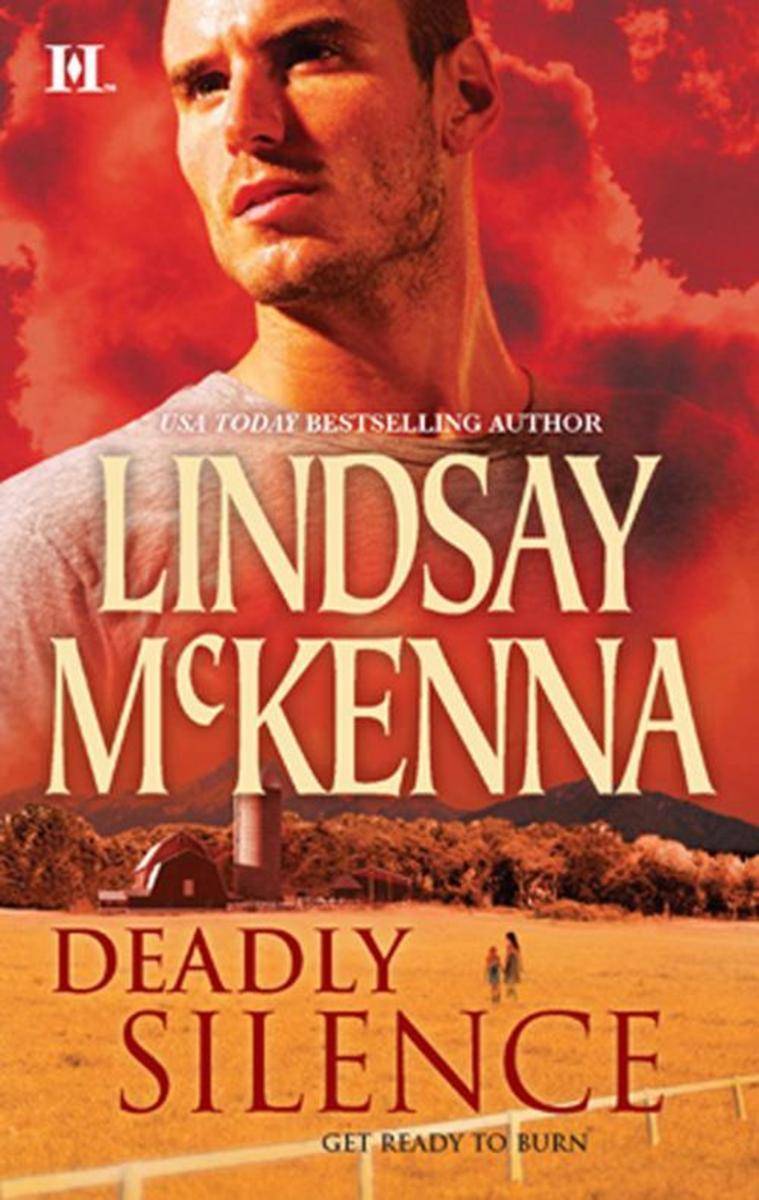
Deadly Silence (Mills & Boon M&B)
¥54.74
Lieutenant Matt Sinclaire has always loved fighting fires–until the fateful day when the flames came for his family. Arson took his wife and has left him alone with an eight-year-old daughter too traumatized to speak–and the ruins of his life are proving difficult to rebuild. When U.S. Forest Ranger Casey Cantrell is assigned to Jackson Hole, Wyoming, the last thing she expects to find is a wounded firefighter and his damaged daughter. But after a chance encounter in the woods, she finds herself becoming almost a mother to the girl. Now, two years after the fire, Matt feels on the verge of finally getting his little girl back, and even of finding love again. But can he protect them from the evil that stripped him of his life once before?

Emmett (Mills & Boon M&B) (Long, Tall Texans, Book 10)
¥27.27
Single dad Emmett Deverell thought moving to Jacobsville, Texas, would mean "quality time" with his children. Then he realized the truth–his kids were uncontrollable! He knew the three little rapscallions needed a woman's influence. But the only female available was Melody Cartman…and Emmett trusted her about as far as he could throw her. Melody's new charges were a force to be reckoned with. But it was their father who proved a handful. That sexy wink of his was enough to send a woman into orbit. She knew Emmett would never forgive her past, though, which was definitely a problem. Because being part of Emmett's family was a habit Melody didn't want to break.

Faithfully Yours (Mills & Boon Vintage Love Inspired)
¥31.10
TEMPORARILY YOURS Taking a new teaching job wasn't as easy as Gillian Langford had hoped. First she clashed with the school's proper–but very handsome–new principal, Jeremy Nivens. Then her aunt decided Jeremy needed a little matchmaking. Now everyone in town believed Gillian would soon be walking down the aisle, leaving her little choice but to go along with the "engagement." But pretending to be Jeremy's intended wasn't difficult at all–which truly had the unlucky-in-love Gillian frightened. For though she had decided never to risk her heart again, Gillian knew Jeremy could change her mind…if she dared give him the chance. FAITH, HOPE & CHARITY: With a little help from these matchmaking ladies, romance is sure to bloom for three very lucky couples. Welcome to Love Inspired?–stories about life, faith and love that will lift your spirits and gladden your heart. Meet men and women facing the challenges of today's world and learning important lessons about life, faith and love.

Father in the Making (Mills & Boon M&B) (Fabulous Fathers, Book 25)
¥27.27
It wasn't Blaine O'Connor's fault he'd never learned how to be a full-time father. But now that his son has nobody else, he intends to do his best. Trouble is, that means taking "helpful advice" from a breathtakingly beautiful woman who thinks he has no business raising a child…. Blaine O'Connor isn't going to be Father of the Year. Yet Bridgette Rafanelli feels she owes it to her godchild to give his wayward dad some badly needed lessons in child raising. But as it turns out, this much-too-charming man is the one teaching her a thing or two–about love!
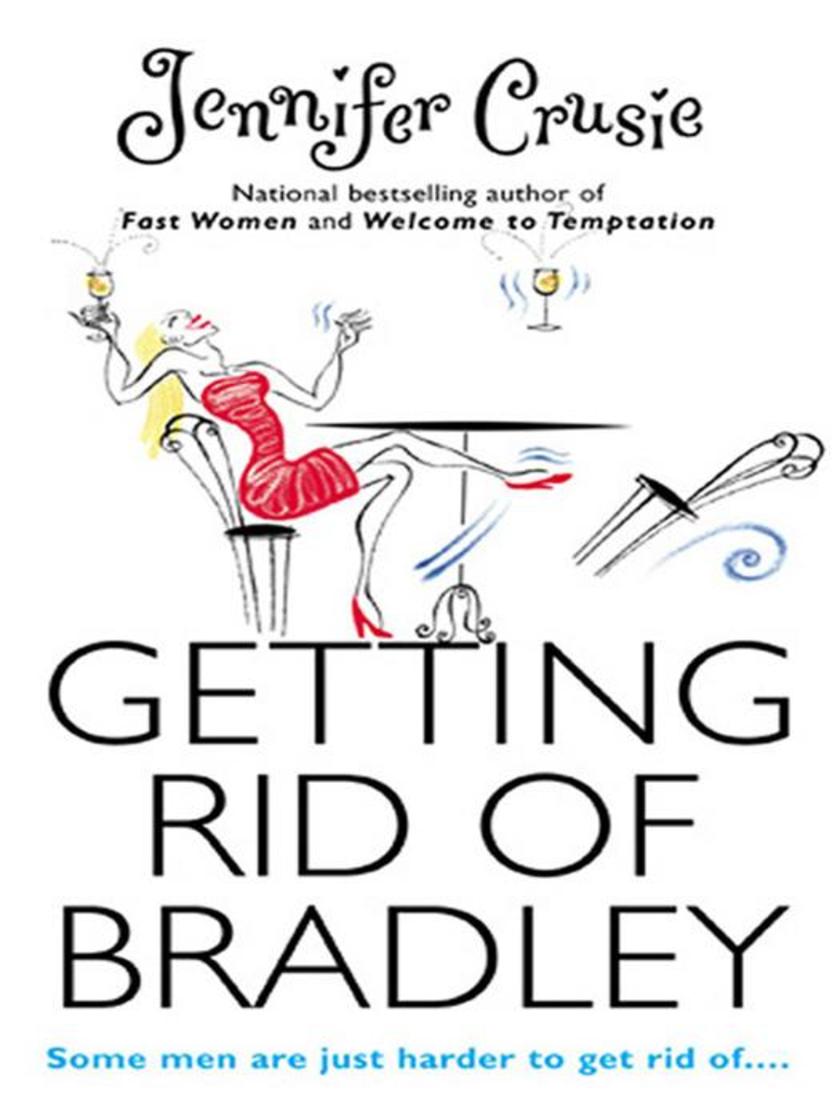
Getting Rid of Bradley (Mills & Boon M&B)
¥27.27
Lucy Savage is not having a good week. Her cheating husband, Bradley, lobbed the final insult when he stood her up in divorce court. A dye job gone wrong has left her hair green. And someone is trying to kill her. To top it off, sexy cop Zack Warren is certain that the very same man Lucy is trying to wash right out of her hair is the same Bradley he wants to arrest for embezzlement. When someone shoots at her and then her car blows up, Zack decides she needs twenty-four-hour police protection. Next thing Lucy knows, Zack has moved in to her big Victorian house, making them both sleepless…and not just from things that go bump in the night!
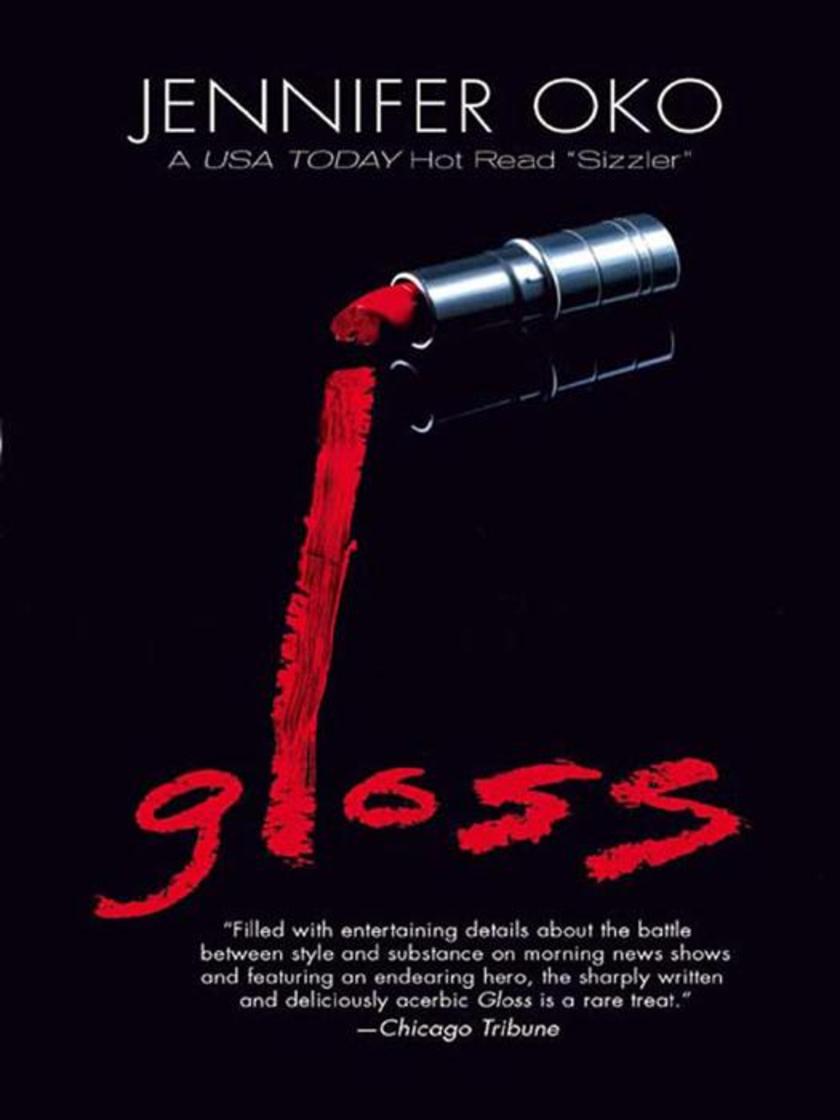
Gloss
¥51.50
It's a new day, U.S.A.! And possibly a whole new world. It was a harmless human-interest story for breakfast television: who would've thought it would land her in jail? New York producer Annabelle Kapner's report on a beauty-industry job-creation plan for refugee women in the Middle East earns her kudos from the viewers, her bosses, even the network suits. But several threatening phone calls and tightlipped, edgy executives suggest the cosmetics program is covering up more than just uneven skin. All this intrigue is seriously hampering Annabelle's romance with handsome, sexy and funny speechwriter Mark Thurber (Washington's Most Eligible Bachelor). Being with him is just getting Annabelle used to A-list treatment at Manhattan's hottest nightspots when journalistic idealism earns her a spot on cell block six. It'll take more than a few thousand "Free Annabelle" T-shirts to clear her name and win back her beau. Especially when she discovers just how high up the scandal reaches–and how far the players will go to keep their secret…
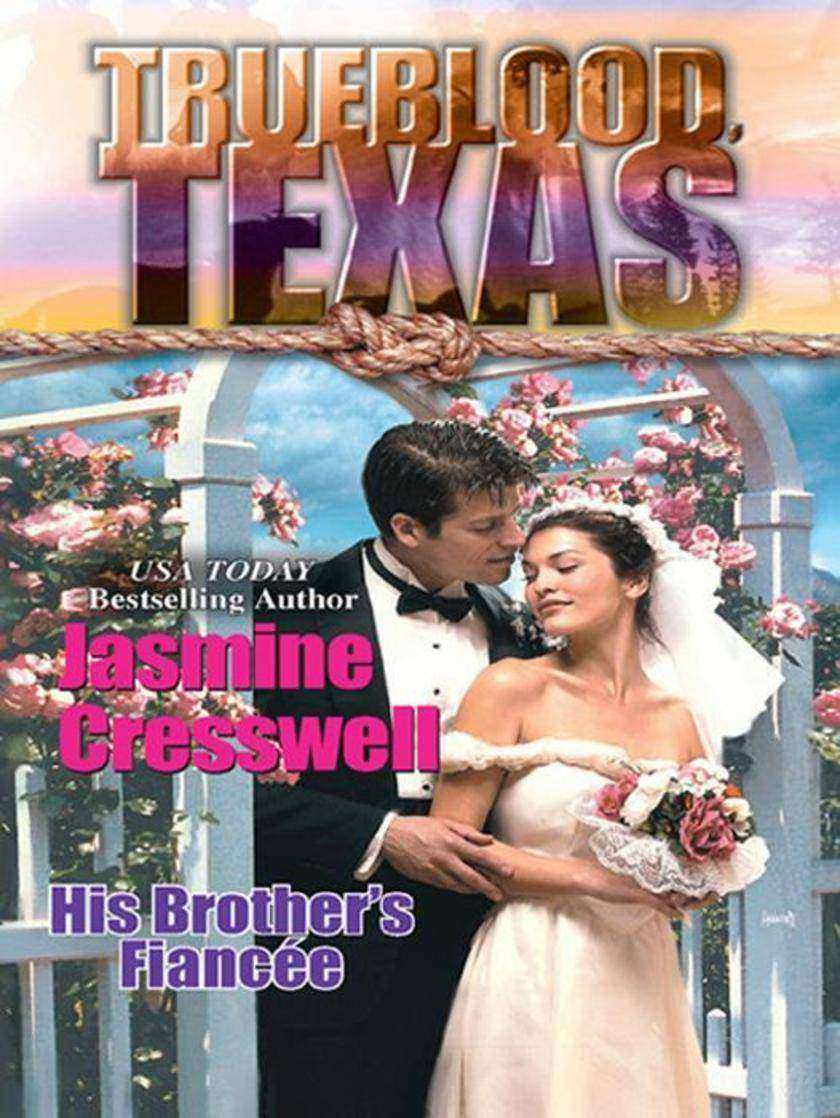
His Brother's Fiancee (Mills & Boon M&B) (The Trueblood Dynasty, Book 2)
¥27.27
Isabella Trueblood made history reuniting people torn apart by war and an epidemic. Now, generations later, Lily and Dylan Garrett carry on her work with their agency, Finders Keepers. Circumstances may have changed, but the goal remains the same. Lost One groom. Emily Sutton is up to her ears in the final plans for her lavish society wedding when her fiancé informs her that he can't marry her. Found A stand-in at the altar: her fiancé's black sheep brother. Emily assumes Jordan Chambers has saved her from the embarrassment of being publicly jilted in order to salvage an important business merger between their families. But Jordan's not motivated by family at all. What he's always wanted is Emily, and he's not about to squander his only chance. Finders Keepers: bringing families together
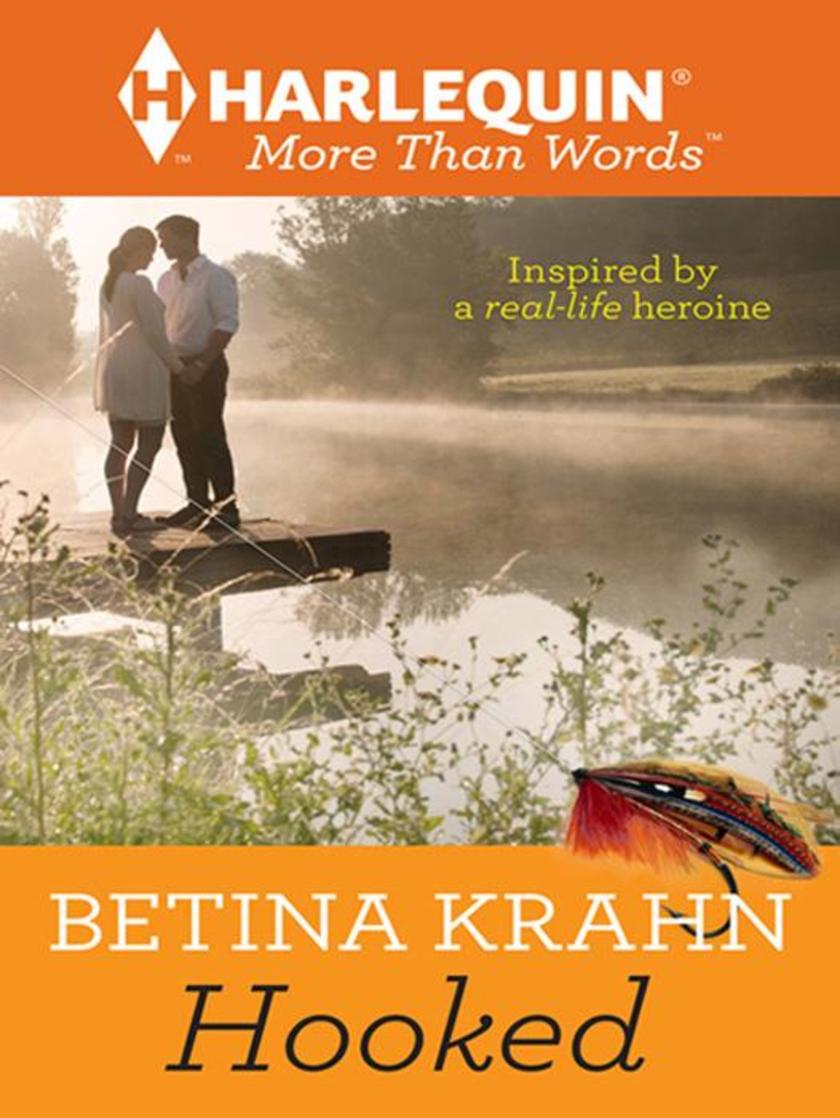
Hooked (Mills & Boon M&B)
¥27.27
More Than Words: Bestselling authors & Real-life heroines We all have the power to effect change–we just need to find the strength to harness it. With every good deed done, and helping hand offered, we are making the world a better place. The dedicated women selected as this year's recipients of Harlequin's More Than Words award have changed many lives for the better, through their compassionate hearts and unshakable commitment. To celebrate their accomplishments, bestselling authors have written stories inspired by these real-life heroines. In this book, Betina Krahn honors the work of Donna Fischer, the Arizona program coordinator for Casting for Recovery, a national non-profit organization that runs fly-fishing retreats for women who have or have had breast cancer. We hope More Than Words inspires you look inside your heart and to get in touch with the heroine inside of you.

Hot On His Trail (Mills & Boon M&B) (The Trueblood Dynasty, Book 11)
¥27.27
Isabella Trueblood made history reuniting people torn apart by war and an epidemic. Now, generations later, Lily and Dylan Garrett carry on her work ith their agency, Finders Keepers. Circumstances may have changed, but the goal remains the same. Lost Her so-called life. Calley Graham's overprotective mother had stood in her way long enough. But all that would change if she could sign on as a rookie investigator for Finders Keepers! Found One tough trail boss. Matt Radcliffe was leading a cattle drive out of New Mexico. He sure didn't have time for a pesky investigator who wanted to drag him back to Pinto, Texas. But Calley figured if she volunteered to take over as camp cook, she could keep her job, and maybe keep the cowboy, too!

Icing On The Cake
¥9.71
When Liz Talbot's husband left her for a woman half her age, Liz put all her passions into her bakery. The problem is that fad diets and fitness crazes are ruining sales and she's barely staying afloat. Liz's luck seems to be changing when her ex dies without changing his will, leaving her the main beneficiary. Unfortunately one of the things she inherits is the advertising agency she left behind to pursue her dream of baking. Her partner? The newly widowed husband stealer–Brandi, with a heart over the i. As the new co-owner of Talbot Advertising, in the toilet since the death of her ex (that's right, she's now the proprietor of two failing businesses), Liz is more determined than ever to break out and make a name for herself as an artisan baker extraordinaire, providing her products can catch the eye of the Nabisco Food scout who is as elusive as he is mysterious.

If You Don't Know By Now (Mills & Boon M&B) (Destiny, Texas, Book 3)
¥27.27
A decade ago, good-girl Maggie Benson took a walk on the wild side with brooding bad boy Jack Riley. They'd generated enough chemistry to blow Destiny, Texas, to kingdom come. But an army-bound Jack had disappeared after a night of passion, leaving Maggie with more than just memories…. Then Jack blew back into town. But he was the one left shell-shocked. Not only did the spirited single mom still make him ache in all the right places, but she also revealed a life-altering secret. Would a fearless Jack take on the most daunting mission of all–claiming his family? A small town chock-full of shocking secrets, budding dreams…and long, lost loves!

In Desperation (A Jack Gannon Novel, Book 3)
¥45.03
Eleven-year-old Tilly Martin is dragged from her suburban bedroom. Her mother, Cora, pleads for mercy but the kidnappers are clear: if they don't get their $5 million back in five days, Tilly dies. If anyone contacts police, Tilly dies. Journalist Jack Gannon's estranged sister, Cora, disappeared without a trace decades ago. Now she is frantically reaching out to him for help. Cora tells him about the shameful mistakes she's made–but she guards the one secret that may be keeping her daughter alive. A twenty-year-old assassin, haunted by the faces of the people he's executed, seeks absolution as he sets out to commit his last murders as a hired killer. In the U.S. and Mexico, police and the press go flat out on Tilly's case. But as Gannon digs deeper into his anguished sister's past, the hours tick down on his niece's life and he faces losing a fragment of his rediscovered family forever.

Kiss of Death
¥51.50
A young woman's body is found with puncture marks on her neck, and soon the delicious word vampire is on everyone's lips. All of FBI profiler Sophie Anderson's skills–psychic and psychological–will be needed for her to determine whether this was a thrill kill or something even more sinister. Exploring the blood bars and Goth clubs of L.A., Sophie immerses herself in the seductive culture of self-styled vampires. Posing as the alluring Lady Veronica and infiltrating a notorious clan, Sophie will learn just how deep the fantasy goes for some believers. When life requires death, nothing is sacred.

Kiss the Moon
¥51.50
Lost in the frozen woods of New Hampshire, Penelope Chestnut discovers the wreckage of a small plane. An aviator herself, she sees clues to a conspiracy in the rusted-out remains. Rumors of her discovery bring Wyatt Sinclair to Cold Spring, determined to put to rest a family scandal and learn what really happened to his legendary uncle, who had disappeared with his adventuress lover years earlier. As Wyatt and Penelope investigate, old motives are uncovered and new ones created, including a growing attraction between the pair. But when an unknown enemy emerges with a violence rooted in desperation, uncovering the truth will be far less problematic than surviving it.


