


 购物车
购物车 个人中心
个人中心
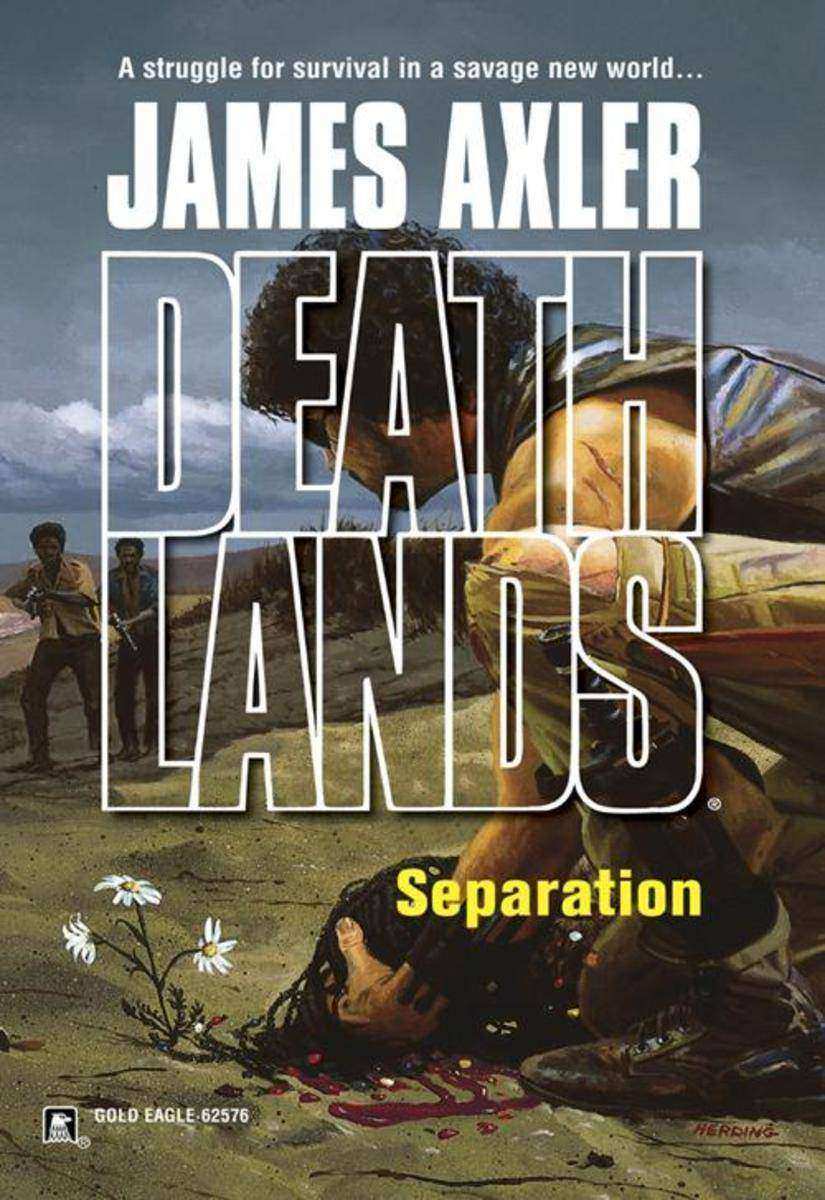
Separation
¥25.60
Hard strength and resilience are needed to survive each new day in the treacherous world of post nuclear America. For Ryan Cawdor and his companions, honour, integrity and a willingness to kill are necessary as well, as they struggle to balance a survivalist spirit with a warrior's resolve to press on, living by their own rules in a tortured land, pursuing a dream that leads them into the unknown…. Ryan and his group make their way to a remote island in hopes of finding brief sanctuary. Instead, they are captured by an isolated tribe of descendants of African slaves from pre-Civil War days. When the tribesmen declare Mildred Wyeth "free" from her white masters, it is a twist of fate that ultimately leads the battle hardened medic to question where her true loyalties lie. Will she side with Ryan, J. B. Dix and those with whom she has forged a bond of trust and friendship…or with the people of her own blood? But the loss of Mildred is not the only threat the group faces–in a treacherous world where the ties that bind can cut both ways. In the Deathlands, the future is not what it used to be….
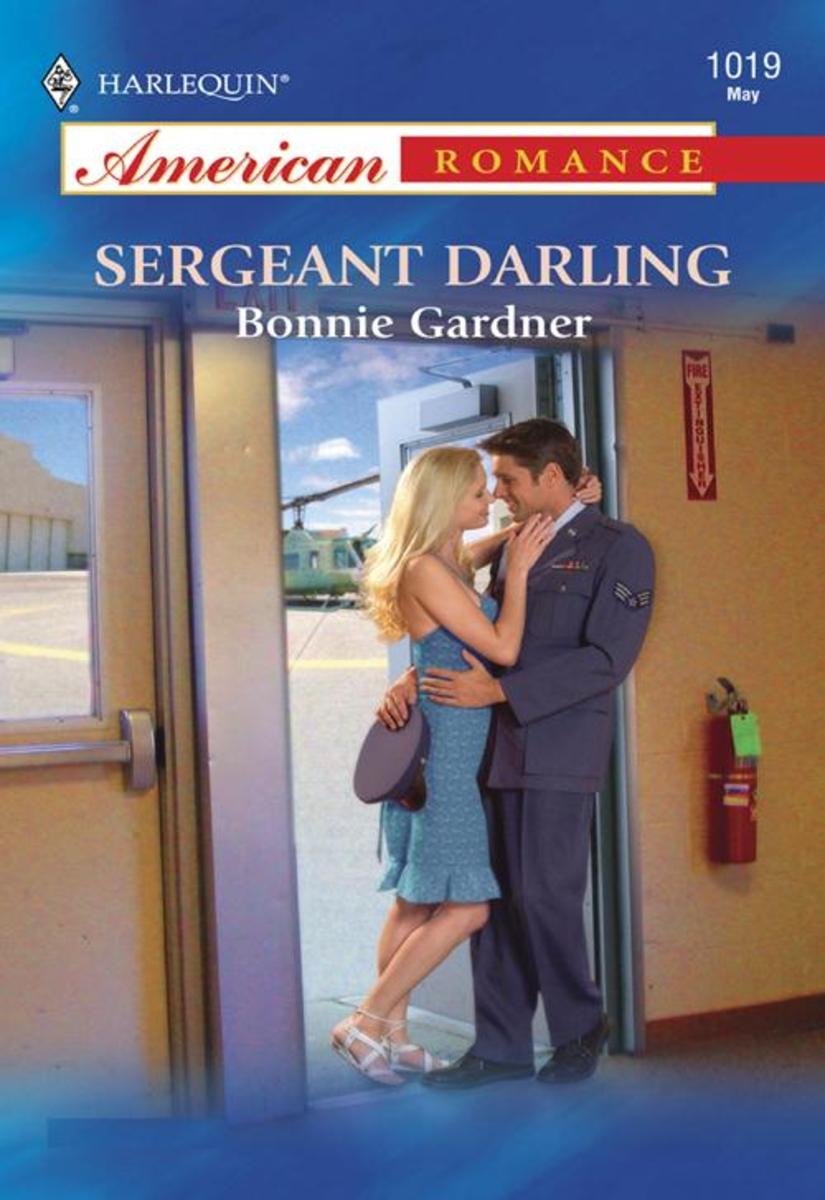
Sergeant Darling (Mills & Boon American Romance)
¥31.10
Mission Impossible? Nurse Patsy Pritchard wears her hospital uniform like camouflage gear, hiding a lonely heart she's declared off-limits to the men who try to get close. Then her eccentric aunt concocts a campaign with a handsome sergeant in mind, and Patsy knows her conflicts will only get worse–unless there's an unconditional surrender. Ray Darling has seen his share of hot spots and tough places, but getting through to the lovely blue-eyed blonde may be the hardest challenge yet. And just when his hopes appear to be more than dreams, he's sent overseas–and the gulf between him and Patsy is wider than ever…. When two people are caught up in their own private wars, they just might need unconventional tactics to conquer the obstacles ahead!
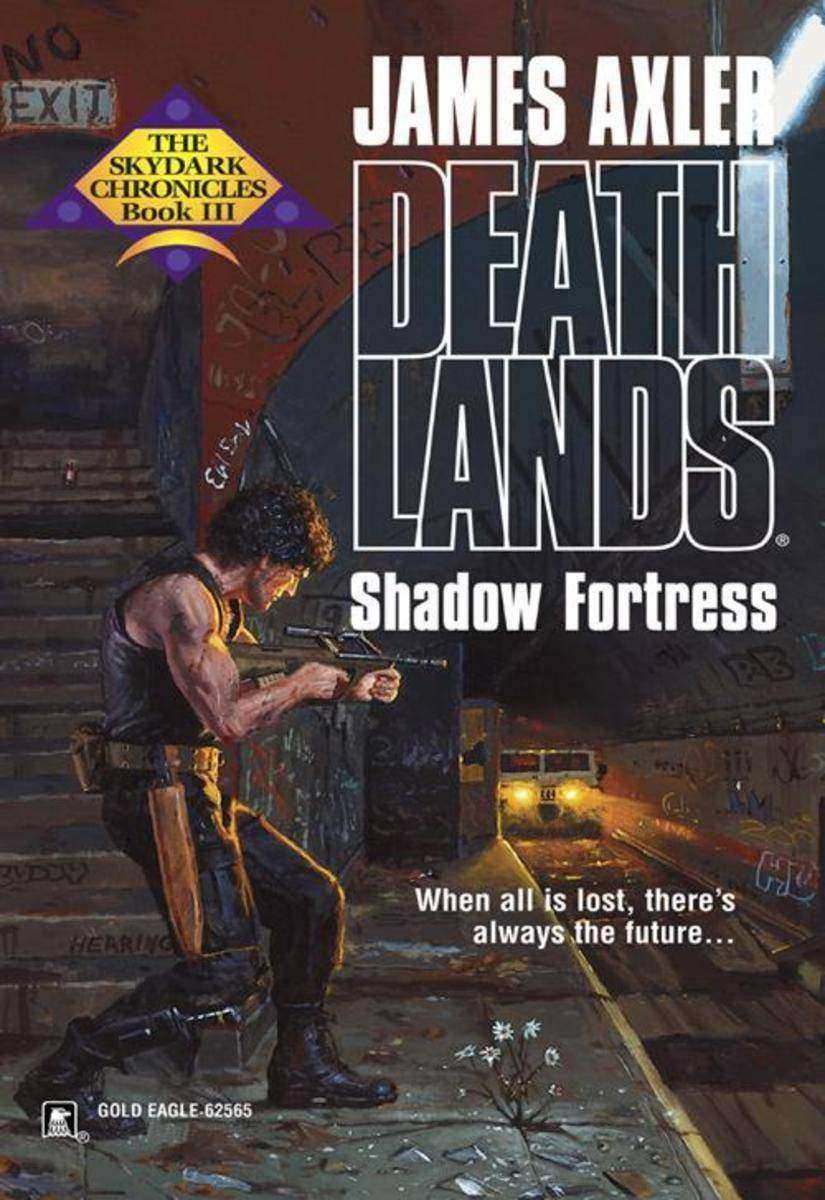
Shadow Fortress
¥25.60
A planet ravaged by the apocalyptic blast of 2001 gave birth to a new world of savagery–and a new breed of hero. In a land where violence rules with absolute authority, Ryan Cawdor and his wayfarer survivalists roam the strange, nascent twenty-second century, living by their own creed of honour as they continue their search for a sanctuary they can call home. In what was once the nuclear testing ground of the preDark world, the Marshall Islands are now the kingdom of the grotesque Lord Baron Kinnison. Here in this world of slavery and brutality the companions have fought a fierce war for survival, on land and sea–yet the crafty baron still conspires to destroy these interlopers. Activating a twentieth-century hot air balloon left untouched by the blast, they escape to the neighbouring pirate-ruled Forbidden Island, with the baron's sec men in hot pursuit–and become trapped in a war for total supremacy of this water world. Not even Deathlands can deny the human will to survive.

Slayground
¥25.60
SWAMP FEVERS National security is on the line when a senator's daughter disappears from her Florida college. The leader of the cult responsible is desperate to boost his sect's influence by gaining access to the sensitive government information the girl possesses…even if she dies in the process. Needing to act fast, but quietly, the White House sends Mack Bolan deep into the swamplands. Bolan's mission is to rescue the girl before she gives up any secrets, but infiltrating the leader's stronghold is no easy feat. Using the humid, marshy landscape to their advantage, the cult has laced the swamps with armed guards and deadly traps. And when Bolan discovers the sect's most dangerous weapons threaten the mind, not the body, he realizes he'll need more than guns and brawn to win this battle. But the Executioner has put his faith in justice, and he won't quit until his enemies are converted.

Splinter Cell
¥25.60
AVENUE OF ATTACK The disappearance of a tourist in Amsterdam is attributed to a rise in kidnappings of Westerners by terrorists. But those inside U.S. Intelligence know better. The hostage is a top American nuclear expert. When the scientist's brother, a former Army Ranger, is set to go it alone for a full-throttle rescue, the Oval Office puts Mack Bolan in charge. But the odds of extracting the man from enemy hands are next to impossible and getting worse. Low on hard intel, the Executioner and his highly trained companion must rely on a CIA informant to lead them into the heart of one of the most dangerous terrorist cells on the planet before any worst-case scenarios can erupt.

Ten Ways To Win Her Man (Mills & Boon Silhouette)
¥31.10
She was the hotshot CEO of a multimillion-dollar company. But when it came to Maxwell Padgett, Danielle Harrington was lost. Though he was too arrogant, he was also too darn hot–to let get away! What she needed to win this man was a plan…. Maxwell Padgett had never been so irritated–or so aroused–in all his life! Every time he turned around, the vulnerable beauty who was messing up all his plans was plying him with home-cooked meals and soul-stealing kisses. Why, if he didn't know Dani Harrington better, he might have believed she had more than business on her mind. Was it possible Maxwell had miscalculated the real power of this mesmerizing millionairess?
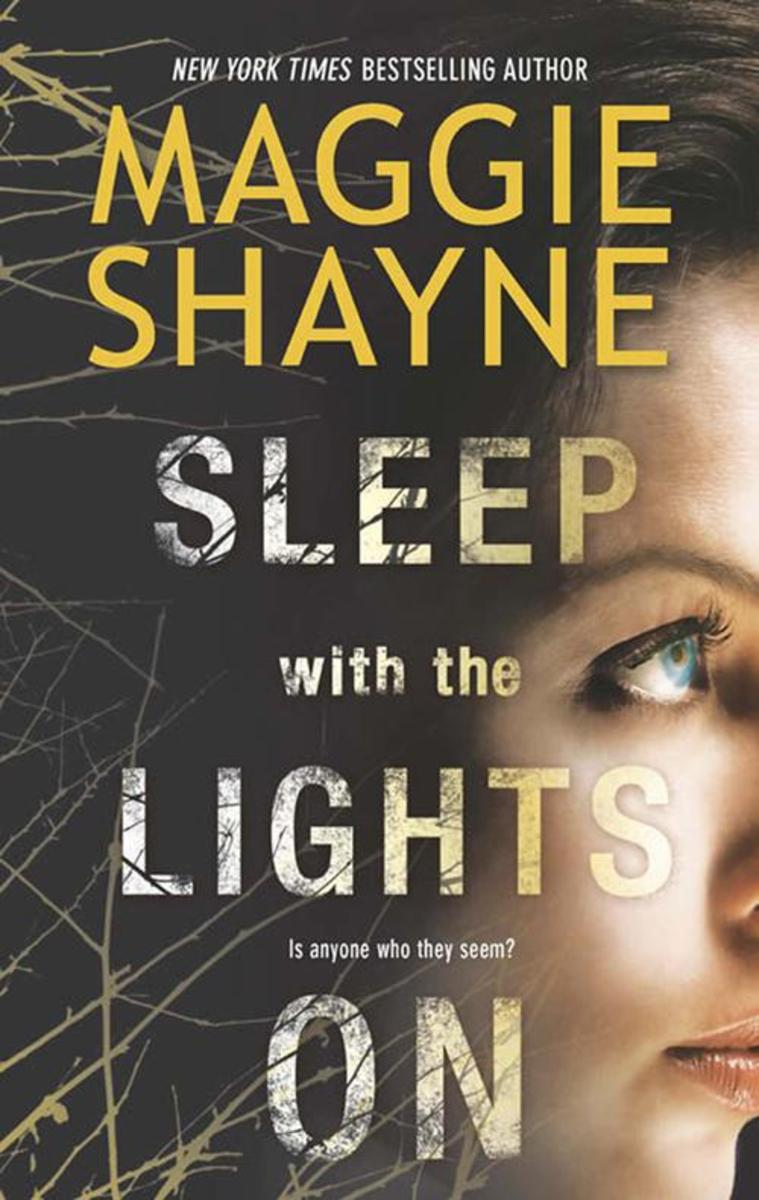
Sleep with the Lights On (A Brown and De Luca Novel, Book 1)
¥54.74
Through the eyes of a killer… Rachel de Luca has found incredible success writing self-help books. But her own blindness and the fact that her troubled brother has gone missing have convinced her that positive thinking is nothing but bull. Her cynicism wavers when a cornea transplant restores her sight. The new eyes seem to give her new life, until they prove too good to be true and she starts seeing terrifying visions of brutal murders—crimes she soon learns are all too real. Detective Mason Brown’s own brother recently died, leaving behind a horrific secret. In atonement, Mason donated his organs, though he’s kept the secret quiet. Now he wants to help Rachel find her brother, but when he discovers the shocking connection between her visions and his own brother, he suddenly has to do everything in his power to save her from a predator who is somehow still hunting from beyond the grave.

A Seaside Christmas (A Chesapeake Shores Novel, Book 10)
¥51.50
As the only child of a single mom, Jenny Collins wanted nothing more than to be part of a large, rambunctious family like the O'Briens. Ironically, though, when her mother married into that family, Jenny found herself feeling more like an outsider than ever. Now, after years in Nashville as an established songwriter, Jenny's drawn back to Chesapeake Shores to collaborate on a Christmas production… and to make peace with the past. As if that’s not challenging enough, Caleb Green, the singer who broke her heart, has followed her to town, determined to win her back. With the help of a little O'Brien holiday magic, will Jenny and Caleb find a way to make sweet music forever?
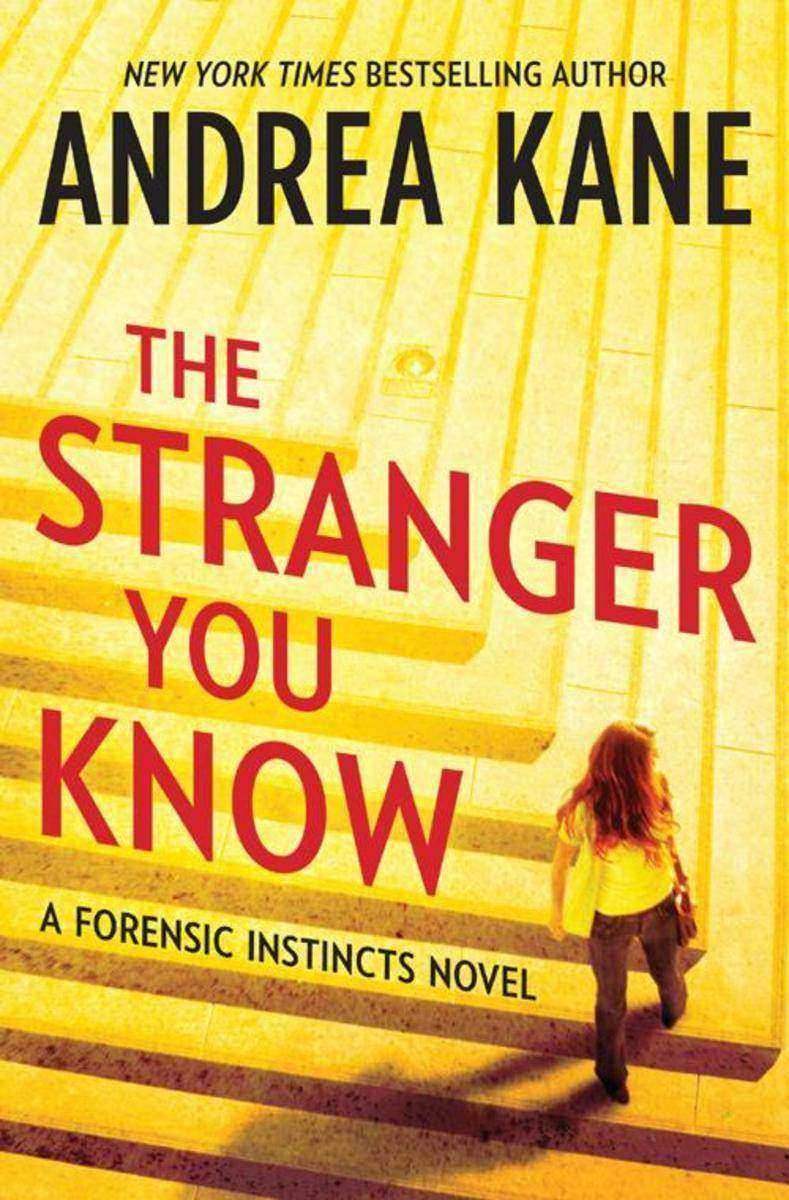
The Stranger You Know (Forensic Instincts, Book 3)
¥12.75
College-age girls with long red hair are being brutally murdered, posed like victims in a film noir. Each crime scene is eerily similar to the twisted fantasy of a serial offender now serving thirty years to life – a criminal brought to justice with the help of Casey Woods and her investigative team, Forensic Instincts. Call. Kill. Repeat. But the similarities are more than one psychopath’s desire to outdo another. As more red-haired victims are added to the body count, it becomes clear that each one has been chosen because of a unique connection to Casey… Now the Forensic Instincts team must uncover the identity of a serial killer before his ever-tightening circle of death closes in on Casey, the ultimate target. As the stalker methodically moves in on his prey, his actions make two things clear: He knows everything about Casey. And he won't stop until she’s dead.

Return of Dr Maguire (Mills & Boon Medical)
¥31.10
When flying doctor Lachlan Maguire returns to Scotland to claim the surgery left to him by his mother, it offers a whole load of challenges…including fiery redhead GP Christa Lennox! After one hot, unforgettable night, Lachlan can’t stop thinking about Christa. But her past holds a secret – one that involves him…and promises to change their lives for ever!

Eating for England: The Delights and Eccentricities of the British at Table
¥68.67
Like Nigel Slater’s multi-award-winning food memoir ‘Toast’, this is a celebration of the glory, humour, eccentricities and embarrassments that are the British at Table. The British have a relationship with their food that is unlike that of any other country. Once something that was never discussed in polite company, it is now something with which the nation is obsessed. But are we at last developing a food culture or are we just going through the motions? ‘Eating for England’ is an entertaining, detailed and somewhat tongue-in-cheek observation of the British and their food, their cooking, their eating and how they behave in restaurants, with chapters on – amongst other things – dinner parties, funeral teas, Indian restaurants, dieting and eating whilst under the influence. Written in Nigel Slater’s trademark readable style, ‘Eating for England’ highlights our idiosyncratic attitude towards the fine art of dining.
Spinsters in Jeopardy (The Ngaio Marsh Collection)
¥38.36
A classic Ngaio Marsh mystery thriller combining drugs and sacrifice. High in mountains stands the magnificent Saracen fortress, home of the mysterious Mr Oberon, leader of a coven of witches. It is not the historic castle, however, that intrigues Roderick Alleyn, on holiday with his family, but the suspicion that a huge drugs ring operates from within its ancient portals. But before the holiday is over, someone else has stumbled upon the secret. And Mr Oberon decides his strange and terrible rituals require a human sacrifice…

Off With His Head (The Ngaio Marsh Collection)
¥40.02
Pagan revelry and morris dancing in the middle of a very cold winter set the scene for one of Ngaio Marsh’s most fascinating murder mysteries. When the pesky Anna Bünz arrives at Mardian to investigate the rare survival of folk-dancing still practised there, she quickly antagonizes the villagers. But Mrs Bünz is not the only source of friction – two of the other enthusiasts are also spoiling for a fight. When the sword dancers’ traditional mock beheading of the Winter Solstice becomes horribly real, Superintendent Roderick Alleyn finds himself faced with a case of great complexity and of gruesome proportions…

Singing in the Shrouds (The Ngaio Marsh Collection)
¥38.36
With this novel of mounting tension among apparently normal people, Ngaio Marsh achieved a triumph on a level with her most famous detective novels Surfeit of Lampreys, Scales of Justice and Off With His Head. On a cold February night the police find the third corpse on the quayside in the Pool of London, her body covered with flower petals and pearls. The killer walked away, singing. When the cargo ship, Cape Farewell, sets sail, she carries nine passengers, one of whom is known to be the murderer. Which is why Superintendent Roderick Alleyn joins the ship at Portsmouth on the most difficult assignment of his professional career…

False Scent (The Ngaio Marsh Collection)
¥38.36
Another classic Ngaio Marsh novel reissued. Mary Bellamy, darling of the London stage, holds a 50th birthday party, a gala for everyone who loves her and fears her power. Then someone uses a deadly insect spray on Mary instead of the azaleas. The suspects, all very theatrically, are playing the part of mourners. Superintendent Alleyn has to find out which one played the murderer…

Dead Water (The Ngaio Marsh Collection)
¥53.76
A quirky Roderick Alleyn mystery about faith, greed – and murder. Times are good in the Cornish village of Portcarrow, as hundreds of unfortunates flock to taste the miraculous waters of Pixie Falls. Then Miss Emily Pride inherits the celebrated land on which Portcarrow stands and wants to put an end to the villagers’ thriving trade in miracle cures, especially Miss Elspeth Costs’s gift shop. But someone puts an end to Miss Cost herself, and Miss Pride’s guardian angel, Superintendent Roderick Alleyn, finds himself on the spot in both senses of the word…

Black As He’s Painted (The Ngaio Marsh Collection)
¥51.50
One of Ngaio Marsh’s most popular novels, this time featuring one of her best creations – Lucy Lockett, the crime-solving cat. When the exuberant president of Ng’ombwana proposes to dispense with the usual security arrangements on an official visit to London, his old school mate, Chief Superintendent Alleyn, is called in to persuade him otherwise. Consequently, on the night of the embassy’s reception the house and grounds are stiff with police. Nevertheless, an assassin does strike, and Alleyn finds he has no shortage of help, from Special Branch to a tribal court – and a small black cat named Lucy Lockett who out-detects them all…

Photo-Finish (The Ngaio Marsh Collection)
¥86.52
Murder and mayhem strike when a small group of people are confined to an island in the middle of a New Zealand lake in one of Ngaio Marsh’s last – and best – novels.

Citizen
¥51.50
From former top trainer Charlie Brooks comes a thriller of horseracing, dirty dealing, big business and a test of loyalty under extreme pressure… General Shalakov, brutal Russian oligarch, has business interests across many continents. Yet he craves prestige in the West. His ambition is to corner the thoroughbred stallion market in Europe. Massively rich, he is prepared to bribe, torture and murder to achieve his goal. Tipper O’Reilly, apprentice jockey, learns the hard way that survival is as much about what happens off the track as in the saddle. And he’s about to be drawn into a whole different world. Coerced into working at Shalakov’s state-of-the-art training complex miles from Moscow, Tipper has no concept of what's really going on behind the efficient facade. There'll be only one survivor of the final race.
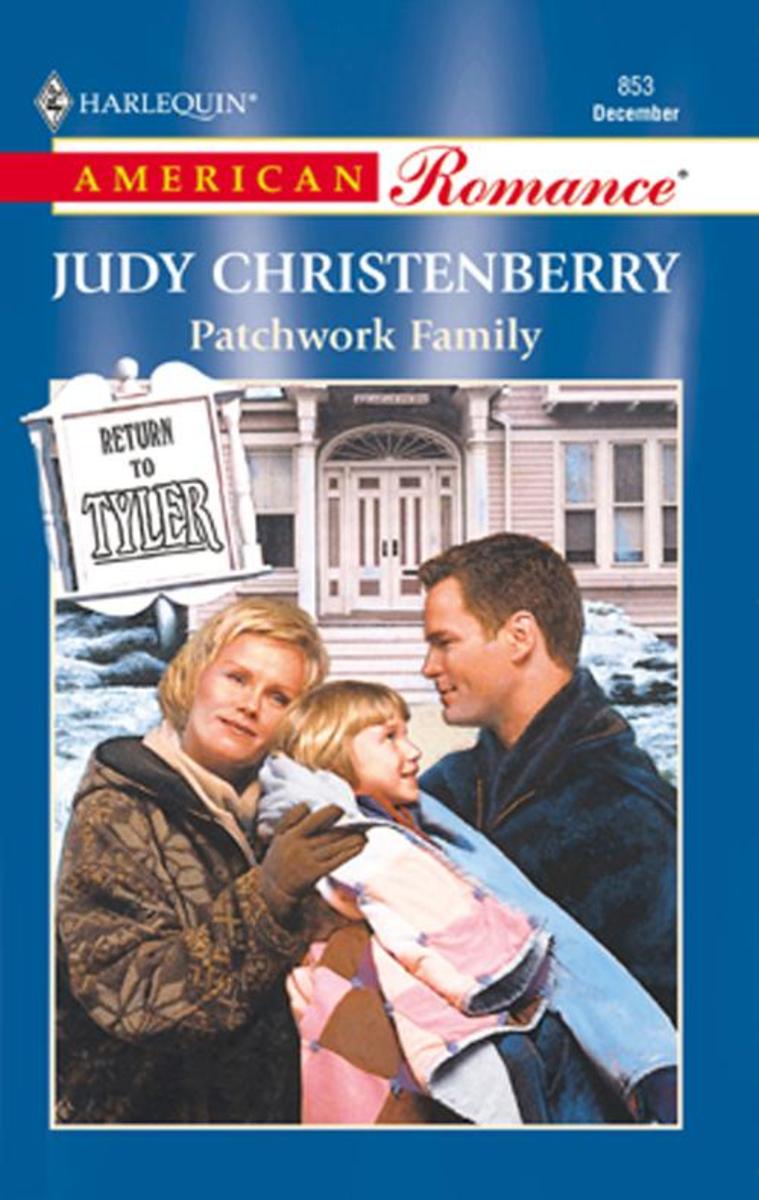
Patchwork Family (Mills & Boon American Romance)
¥31.10
NEWS FLASH: TYLER PLAYBOY DATES …A SINGLE MOM?! Rumor has it that our resident attorney Quinn Spencer has been offering Molly Blake more than legal advice these past cold winter nights. Does this sandy-haired stud, who has broken hearts all over Tyler, have his sights set on Molly next? But the sweet owner of the Breakfast Inn Bed comes with a complete package including a four-year-old daughter. Will playboy Quinn be able to resist Molls homespun charm and little Sara's batting baby blues? He says "I won't commit!" but this reporter is taking bets the bachelor is about to fall….

Real Cowboys (Mills & Boon Vintage Superromance)
¥31.10
Smart women stay away from cowboys Taking a teaching job in a desolate corner of Idaho was Kate Steele' s way of making sure her in-laws didn' t turn her son, Danny, into a shiftless bronc buster like his father. Except in the middle of nowhere she unexpectedly ran headlong into a genuine buckaroo…. Don' t they? Being a good parent and a born rancher were all that mattered to Ben Trueblood–until gutsy Kate came along. Suddenly he found himself explaining to Danny the rodeo circuit wasn' t all that exciting…and considering the idea of hanging up his spurs. Anything was possible if it meant having Kate. HOME ON THE RANCH Cowboys, ranches, home and family–stories you won' t soon forget.


