


 购物车
 个人中心

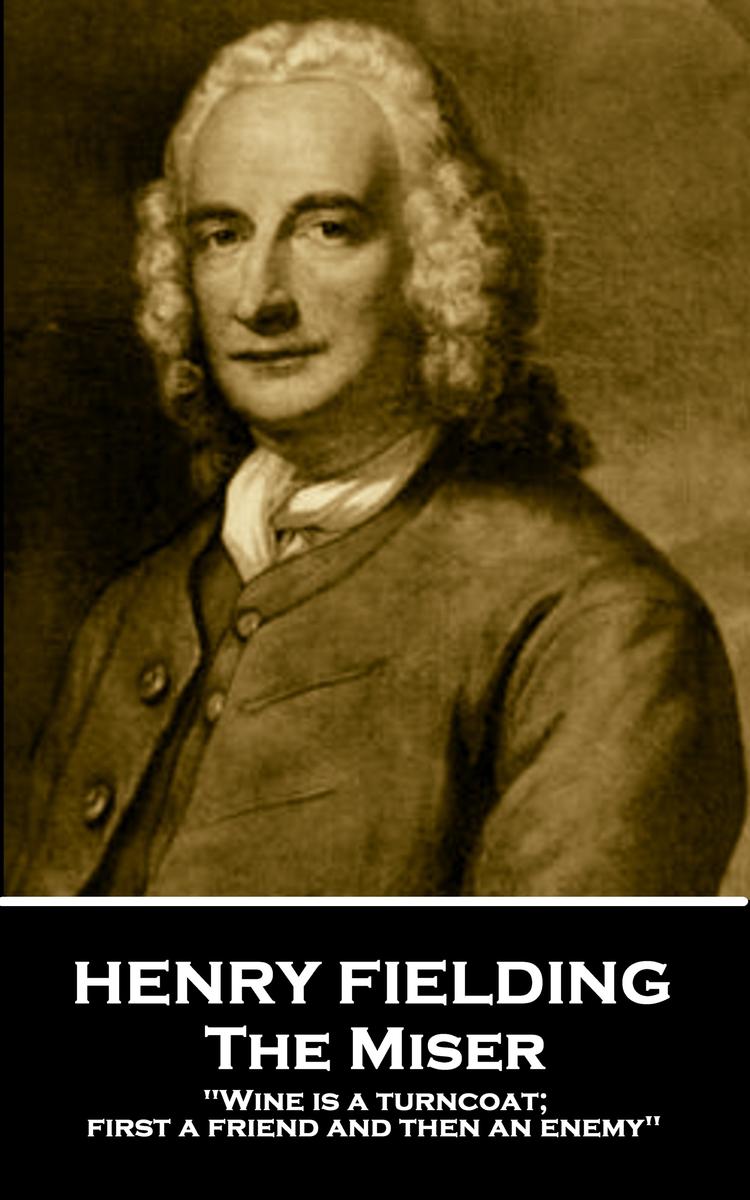
Miser - Wine is a turncoat; first a friend and then an enemy
¥14.03
Henry Fielding was born at Sharpham Park, near Glastonbury, in Somerset on April 22nd 1707. His early years were spent on his parents' farm in Dorset before being educated at Eton.An early romance ended disastrously and with it his removal to London and the beginnings of a glittering literary career; he published his first play, at age 21, in 1728.He was prolific, sometimes writing six plays a year, but he did like to poke fun at the authorities. His plays were thought to be the final straw for the authorities in their attempts to bring in a new law. In 1737 The Theatrical Licensing Act was passed. At a stroke political satire was almost impossible. Fielding was rendered mute. Any playwright who was viewed with suspicion by the Government now found an audience difficult to find and therefore Theatre owners now toed the Government line.Fielding was practical with the circumstances and ironically stopped writing to once again take up his career in the practice of law and became a barrister after studying at Middle Temple. By this time he had married Charlotte Craddock, his first wife, and they would go on to have five children. Charlotte died in 1744 but was immortalised as the heroine in both Tom Jones and Amelia.Fielding was put out by the success of Samuel Richardson's Pamela, or Virtue Rewarded. His reaction was to spur him into writing a novel. In 1741 his first novel was published; the successful Shamela, an anonymous parody of Richardson's novel.Undoubtedly the masterpiece of Fielding's career was the novel Tom Jones, published in 1749. It is a wonderfully and carefully constructed picaresque novel following the convoluted and hilarious tale of how a foundling came into a fortune.Fielding was a consistent anti-Jacobite and a keen supporter of the Church of England. This led to him now being richly rewarded with the position of London's Chief Magistrate. Fielding continued to write and his career both literary and professional continued to climb.In 1749 he joined with his younger half-brother John, to help found what was the nascent forerunner to a London police force, the Bow Street Runners. Fielding's ardent commitment to the cause of justice in the 1750s unfortunately coincided with a rapid deterioration in his health. Such was his decline that in the summer of 1754 he travelled, with Mary and his daughter, to Portugal in search of a cure. Gout, asthma, dropsy and other afflictions forced him to use crutches. His health continued to fail alarmingly.Henry Fielding died in Lisbon two months later on October 8th, 1754.
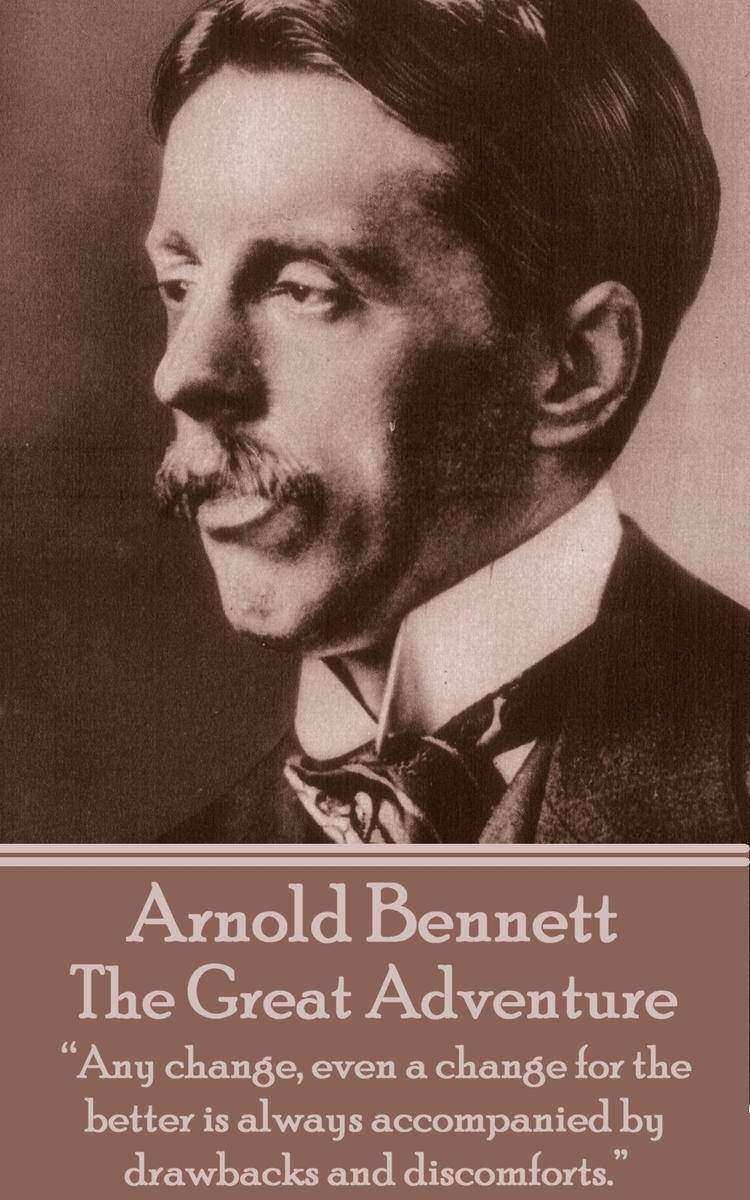
Great Adventure - Any change
¥29.33
Arnold Bennett was born in 1867 in Hanley, one of the six towns that formed the Potteries that later joined together to become Stoke-on-Trent - the area in which most of his works are located. For a short time he worked for his solicitor father before realising that to advance his life he would need to become his own man. Moving to London at 21, he obtained work as a solicitor's clerk and gradually moved into a career of Journalism. At the turn of the century he turned full time to writing and shortly thereafter, in 1903, he moved to Paris. In 1908 Bennett published The Old Wives' Tale, to great acclaim. With this, his reputation was set. Clayhanger and The Old Wives' Tale are perhaps his greatest and most lauded novels. But standing next to these are many fine short stories. Bennett bathes us in vignettes of life, replete with characters that are easy to immerse ourselves in, whatever their ambitions may be. Here we publish his play 'The Great Adventure'. As with anything written by Bennett it's a fabulous showcase for his literary talents.
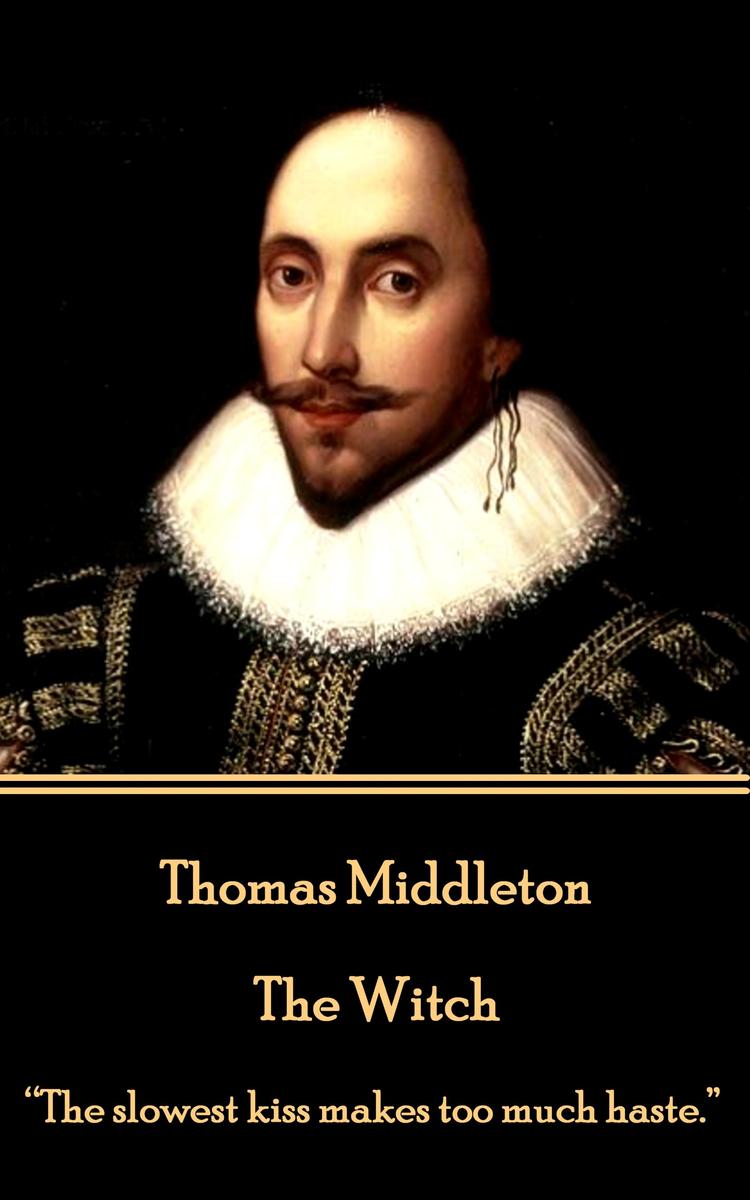
Witch - The slowest kiss makes too much haste.
¥23.45
Thomas Middleton was born in London in April 1580 and baptised on 18th April. Middleton was aged only five when his father died. His mother remarried but this unfortunately fell apart into a fifteen year legal dispute regarding the inheritance due Thomas and his younger sister. By the time he left Oxford, at the turn of the Century, Middleton had and published Microcynicon: Six Snarling Satirese which was denounced by the Archbishop of Canterbury and publicly burned. In the early years of the 17th century, Middleton wrote topical pamphlets. One - Penniless Parliament of Threadbare Poets was reprinted several times and the subject of a parliamentary inquiry. These early years writing plays continued to attract controversy. His writing partnership with Thomas Dekker brought him into conflict with Ben Jonson and George Chapman in the so-called War of the Theatres. His finest work with Dekker was undoubtedly The Roaring Girl, a biography of the notorious Mary Frith. In the 1610s, Middleton began another playwriting partnership, this time with the actor William Rowley, producing another slew of plays including Wit at Several Weapons and A Fair Quarrel. The ever adaptable Middleton seemed at ease working with others or by himself. His solo writing credits include the comic masterpiece, A Chaste Maid in Cheapside, in 1613. In 1620 he was officially appointed as chronologer of the City of London, a post he held until his death. The 1620s saw the production of his and Rowley's tragedy, and continual favourite, The Changeling, and of several other tragicomedies. However in 1624, he reached a peak of notoriety when his dramatic allegory A Game at Chess was staged by the King's Men. Though Middleton's approach was strongly patriotic, the Privy Council silenced the play after only nine performances at the Globe theatre, having received a complaint from the Spanish ambassador. What happened next is a mystery. It is the last play recorded as having being written by Middleton. Thomas Middleton died at his home at Newington Butts in Southwark in the summer of 1627, and was buried on July 4th, in St Mary's churchyard which today survives as a public park in Elephant and Castle.

Love's Pilgrimage - No ground but this to argue on? no swords left Nor friends t
¥38.75
The English dramatists Francis Beaumont and John Fletcher, collaborated in their writing during the reign of James I of England (James VI of Scotland, 1567-1625; in England he reigned from 1603).Beaumont & Fletcher began to collaborate as writers soon after they met. After notable failures of their solo works their first joint effort, Philaster, was a success and tragicomedy was the genre they explored and built upon. There would be many further successes to follow.There is an account that at the time the two men shared everything. They lived together in a house on the Bankside in Southwark, "e;they also lived together in Bankside, sharing clothes and having one wench in the house between them."e; Or as another account puts it "e;sharing everything in the closest intimacy."e;Whatever the truth of this they were now recognised as perhaps the best writing team of their generation, so much so, that their joint names was applied to all the works in which either, or both, had a pen including those with Philip Massinger, James Shirley and Nathan Field.The first Beaumont and Fletcher folio of 1647 contained 35 plays; 53 plays were included in the second folio in 1679. Other works bring the total plays in the canon to about 55. However there appears here to have been some duplicity on the account of the publishers who seemed to attribute so many to the team. It is now thought that the work between solely by Beaumont and Fletcher amounts to approximately 15 plays, though of course further works by them were re-worked by others and the originals lost.After Beaumont's early death in 1616 Fletcher continued to write and, at his height was, by many standards, the equal of Shakespeare in popularity until his own death in 1625.
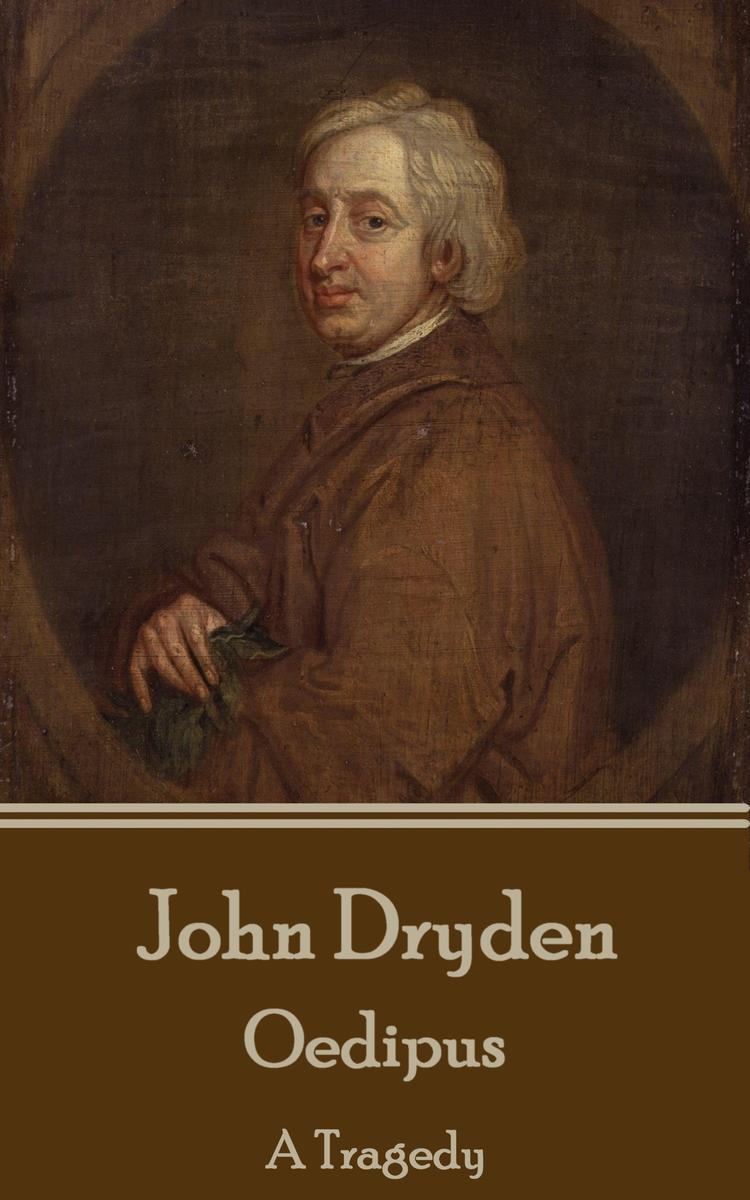
Oedipus - A Tragedy
¥21.09
John Dryden was born on August 9th, 1631 in the village rectory of Aldwincle near Thrapston in Northamptonshire. As a boy Dryden lived in the nearby village of Titchmarsh, Northamptonshire. In 1644 he was sent to Westminster School as a King's Scholar. Dryden obtained his BA in 1654, graduating top of the list for Trinity College, Cambridge that year. Returning to London during The Protectorate, Dryden now obtained work with Cromwell's Secretary of State, John Thurloe. At Cromwell's funeral on 23 November 1658 Dryden was in the company of the Puritan poets John Milton and Andrew Marvell. The setting was to be a sea change in English history. From Republic to Monarchy and from one set of lauded poets to what would soon become the Age of Dryden. The start began later that year when Dryden published the first of his great poems, Heroic Stanzas (1658), a eulogy on Cromwell's death. With the Restoration of the Monarchy in 1660 Dryden celebrated in verse with Astraea Redux, an authentic royalist panegyric. With the re-opening of the theatres after the Puritan ban, Dryden began to also write plays. His first play, The Wild Gallant, appeared in 1663 but was not successful. From 1668 on he was contracted to produce three plays a year for the King's Company, in which he became a shareholder. During the 1660s and '70s, theatrical writing was his main source of income. In 1667, he published Annus Mirabilis, a lengthy historical poem which described the English defeat of the Dutch naval fleet and the Great Fire of London in 1666. It established him as the pre-eminent poet of his generation, and was crucial in his attaining the posts of Poet Laureate (1668) and then historiographer royal (1670). This was truly the Age of Dryden, he was the foremost English Literary figure in Poetry, Plays, translations and other forms. In 1694 he began work on what would be his most ambitious and defining work as translator, The Works of Virgil (1697), which was published by subscription. It was a national event. John Dryden died on May 12th, 1700, and was initially buried in St. Anne's cemetery in Soho, before being exhumed and reburied in Westminster Abbey ten days later.
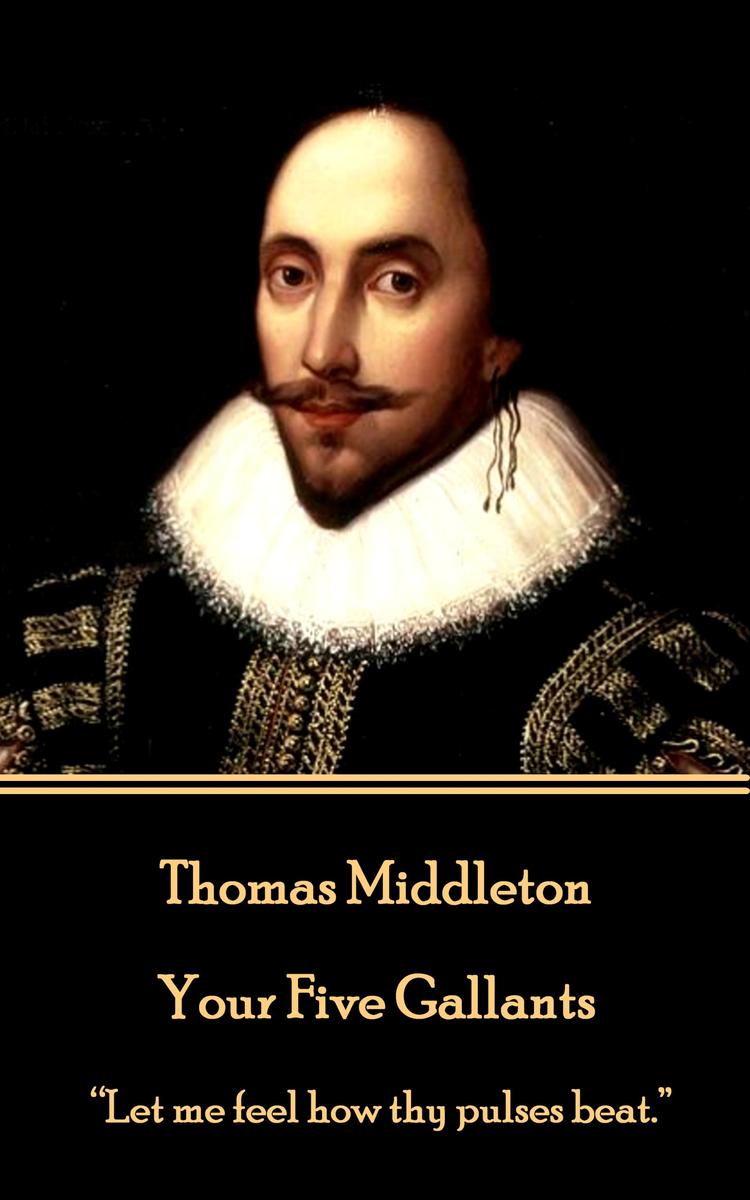
Your Five Gallants - Let me feel how thy pulses beat.
¥23.45
Thomas Middleton was born in London in April 1580 and baptised on 18th April. Middleton was aged only five when his father died. His mother remarried but this unfortunately fell apart into a fifteen year legal dispute regarding the inheritance due Thomas and his younger sister. By the time he left Oxford, at the turn of the Century, Middleton had and published Microcynicon: Six Snarling Satirese which was denounced by the Archbishop of Canterbury and publicly burned. In the early years of the 17th century, Middleton wrote topical pamphlets. One - Penniless Parliament of Threadbare Poets was reprinted several times and the subject of a parliamentary inquiry. These early years writing plays continued to attract controversy. His writing partnership with Thomas Dekker brought him into conflict with Ben Jonson and George Chapman in the so-called War of the Theatres. His finest work with Dekker was undoubtedly The Roaring Girl, a biography of the notorious Mary Frith. In the 1610s, Middleton began another playwriting partnership, this time with the actor William Rowley, producing another slew of plays including Wit at Several Weapons and A Fair Quarrel. The ever adaptable Middleton seemed at ease working with others or by himself. His solo writing credits include the comic masterpiece, A Chaste Maid in Cheapside, in 1613. In 1620 he was officially appointed as chronologer of the City of London, a post he held until his death. The 1620s saw the production of his and Rowley's tragedy, and continual favourite, The Changeling, and of several other tragicomedies. However in 1624, he reached a peak of notoriety when his dramatic allegory A Game at Chess was staged by the King's Men. Though Middleton's approach was strongly patriotic, the Privy Council silenced the play after only nine performances at the Globe theatre, having received a complaint from the Spanish ambassador. What happened next is a mystery. It is the last play recorded as having being written by Middleton. Thomas Middleton died at his home at Newington Butts in Southwark in the summer of 1627, and was buried on July 4th, in St Mary's churchyard which today survives as a public park in Elephant and Castle.
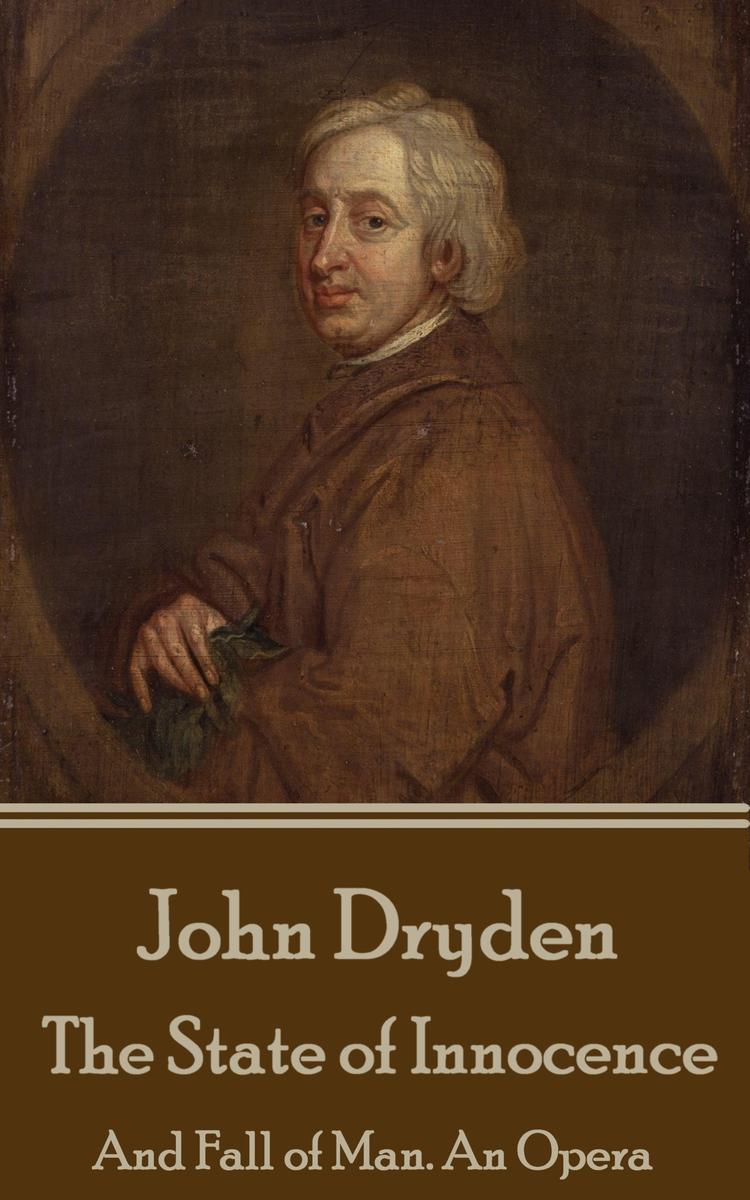
State of Innocence - And Fall of Man. An Opera
¥15.21
John Dryden was born on August 9th, 1631 in the village rectory of Aldwincle near Thrapston in Northamptonshire. As a boy Dryden lived in the nearby village of Titchmarsh, Northamptonshire. In 1644 he was sent to Westminster School as a King's Scholar. Dryden obtained his BA in 1654, graduating top of the list for Trinity College, Cambridge that year. Returning to London during The Protectorate, Dryden now obtained work with Cromwell's Secretary of State, John Thurloe. At Cromwell's funeral on 23 November 1658 Dryden was in the company of the Puritan poets John Milton and Andrew Marvell. The setting was to be a sea change in English history. From Republic to Monarchy and from one set of lauded poets to what would soon become the Age of Dryden. The start began later that year when Dryden published the first of his great poems, Heroic Stanzas (1658), a eulogy on Cromwell's death. With the Restoration of the Monarchy in 1660 Dryden celebrated in verse with Astraea Redux, an authentic royalist panegyric. With the re-opening of the theatres after the Puritan ban, Dryden began to also write plays. His first play, The Wild Gallant, appeared in 1663 but was not successful. From 1668 on he was contracted to produce three plays a year for the King's Company, in which he became a shareholder. During the 1660s and '70s, theatrical writing was his main source of income. In 1667, he published Annus Mirabilis, a lengthy historical poem which described the English defeat of the Dutch naval fleet and the Great Fire of London in 1666. It established him as the pre-eminent poet of his generation, and was crucial in his attaining the posts of Poet Laureate (1668) and then historiographer royal (1670). This was truly the Age of Dryden, he was the foremost English Literary figure in Poetry, Plays, translations and other forms. In 1694 he began work on what would be his most ambitious and defining work as translator, The Works of Virgil (1697), which was published by subscription. It was a national event. John Dryden died on May 12th, 1700, and was initially buried in St. Anne's cemetery in Soho, before being exhumed and reburied in Westminster Abbey ten days later.
Moonstone (Mermaids Classics)
¥35.22
The Moonstone (1868) by Wilkie Collins follows the story of Rachel Verinder who inherits a large diamond (which is the moonstone) from her corrupt uncle and wears it to her birthday party. The moonstone is extremely valuable and religious figures have searched for it their entire lives. On the night of the party, the moonstone goes missing and the search begins in solving the mystery as to what had happened to it. The Moonstone story was believed to have been one of the first English detective stories.Mermaids Classics, an imprint of Mermaids Publishing brings the very best of old classic literature to a modern era of digital reading by producing high quality books in ebook format. All of the Mermaids Classics epublications are reproductions of classic antique books that were originally published in print format, mostly over a century ago and are now republished in digital format as ebooks. Begin to build your collection of digital books by looking for more literary gems from Mermaids Classics.
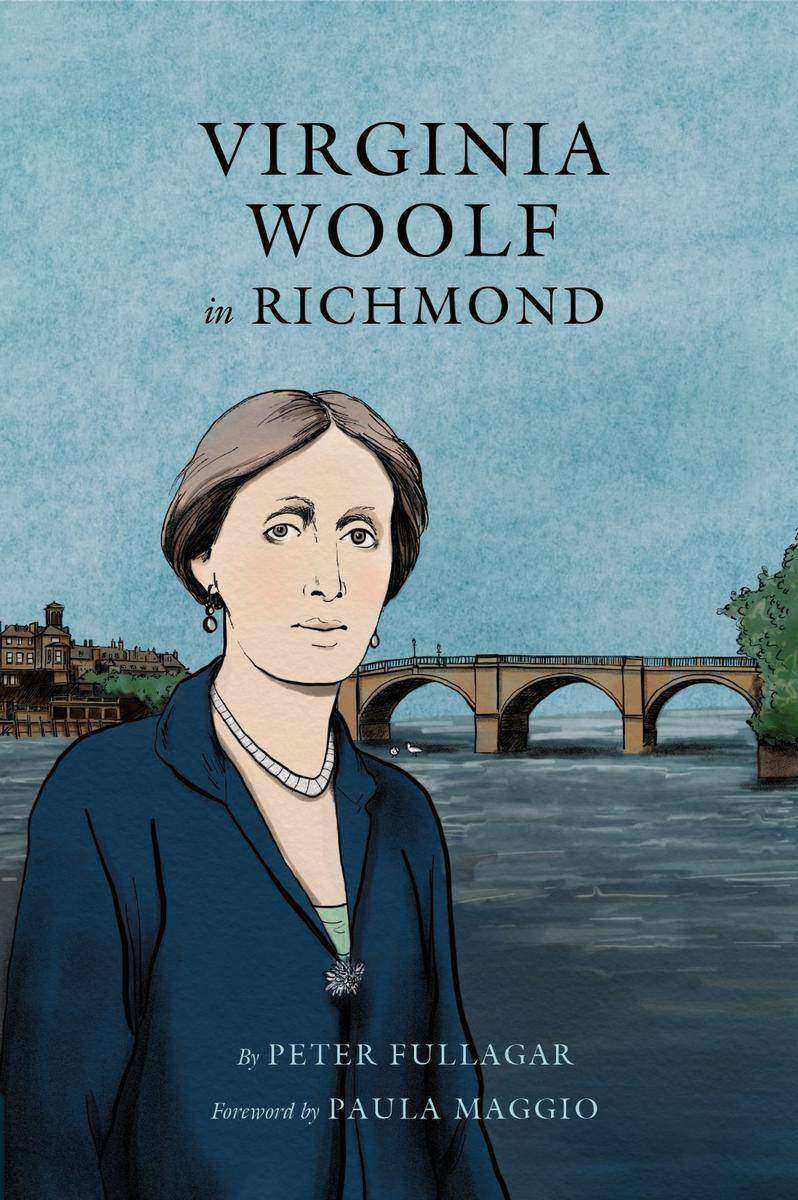
Virginia Woolf in Richmond
¥48.97
"I ought to be grateful to Richmond & Hogarth, and indeed, whether it's my invincible optimism or not, I am grateful." - Virginia Woolf Although more commonly associated with Bloomsbury, Virginia and her husband Leonard Woolf lived in Richmond-upon-Thames for ten years from the time of the First World War (1914-1924). Refuting the common misconception that she disliked the town, this book explores her daily habits as well as her intimate thoughts while living at the pretty house she came to love - Hogarth House. Drawing on information from her many letters and diaries, the author reveals how Richmond's relaxed way of life came to influence the writer, from her experimentation as a novelist to her work with her husband and the Hogarth Press, from her relationships with her servants to her many famous visitors. Reviews “Lively, diverse and readable, this book captures beautifully Virginia Woolf’s time in leafy Richmond,?her mixed emotions over this exile from central London, and its influence on her life and work.?This illuminating book is a valuable addition to literary history, and a must-read for every Virginia Woolf enthusiast…” ?- Emma Woolf, writer, journalist, presenter and Virginia Woolf’s great niece About the Author Peter Fullagar is a former English Language teacher, having lived and worked in diverse locations such as Tokyo and Moscow. He became fascinated by the works of Virginia Woolf while writing his dissertation for his Masters in English Literature and Language. During his teaching career he was head of department at a private college in West London. He has written articles and book reviews for the magazine?English Teaching Professional?and?The Huffington Post. His first short story will be published in an anthology entitled?Tempest?in March 2019. Peter was recently interviewed for the?forthcoming film about the project to fund, create and install a new full-sized bronze statue of Virginia Woolf in Richmond-upon-Thames.
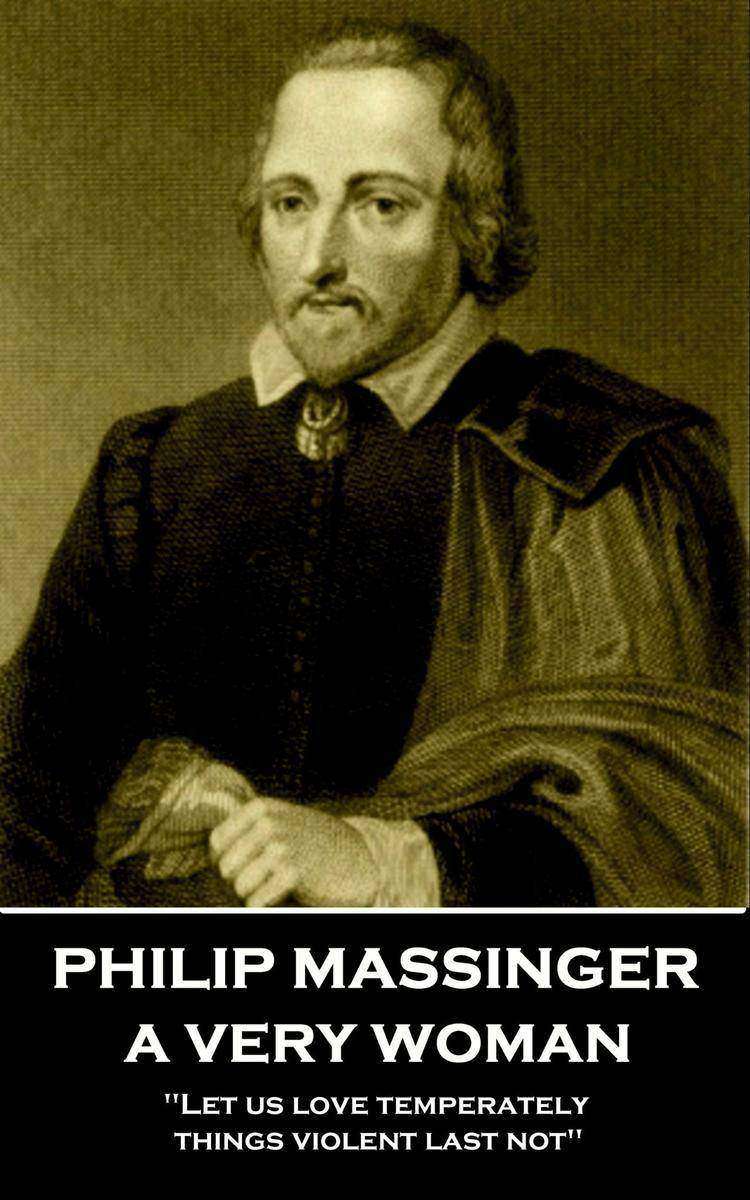
Very Woman - Let us love temperately, things violent last not
¥23.45
Philip Massinger was baptized at St. Thomas's in Salisbury on November 24th, 1583.Massinger is described in his matriculation entry at St. Alban Hall, Oxford (1602), as the son of a gentleman. His father, who had also been educated there, was a member of parliament, and attached to the household of Henry Herbert, 2nd Earl of Pembroke. The Earl was later seen as a potential patron for Massinger.He left Oxford in 1606 without a degree. His father had died in 1603, and accounts suggest that Massinger was left with no financial support this, together with rumours that he had converted to Catholicism, meant the next stage of his career needed to provide an income.Massinger went to London to make his living as a dramatist, but he is only recorded as author some fifteen years later, when The Virgin Martyr (1621) is given as the work of Massinger and Thomas Dekker.During those early years as a playwright he wrote for the Elizabethan stage entrepreneur, Philip Henslowe. It was a difficult existence. Poverty was always close and there was constant pleading for advance payments on forthcoming works merely to survive.After Henslowe died in 1616 Massinger and John Fletcher began to write primarily for the King's Men and Massinger would write regularly for them until his death.The tone of the dedications in later plays suggests evidence of his continued poverty. In the preface of The Maid of Honour (1632) he wrote, addressing Sir Francis Foljambe and Sir Thomas Bland: "e;I had not to this time subsisted, but that I was supported by your frequent courtesies and favours."e;The prologue to The Guardian (1633) refers to two unsuccessful plays and two years of silence, when the author feared he had lost popular favour although, from the little evidence that survives, it also seems he had involved some of his plays with political characters which would have cast shadows upon England's alliances.Philip Massinger died suddenly at his house near the Globe Theatre on March 17th, 1640. He was buried the next day in the churchyard of St. Saviour's, Southwark, on March 18th, 1640. In the entry in the parish register he is described as a "e;stranger,"e; which, however, implies nothing more than that he belonged to another parish.
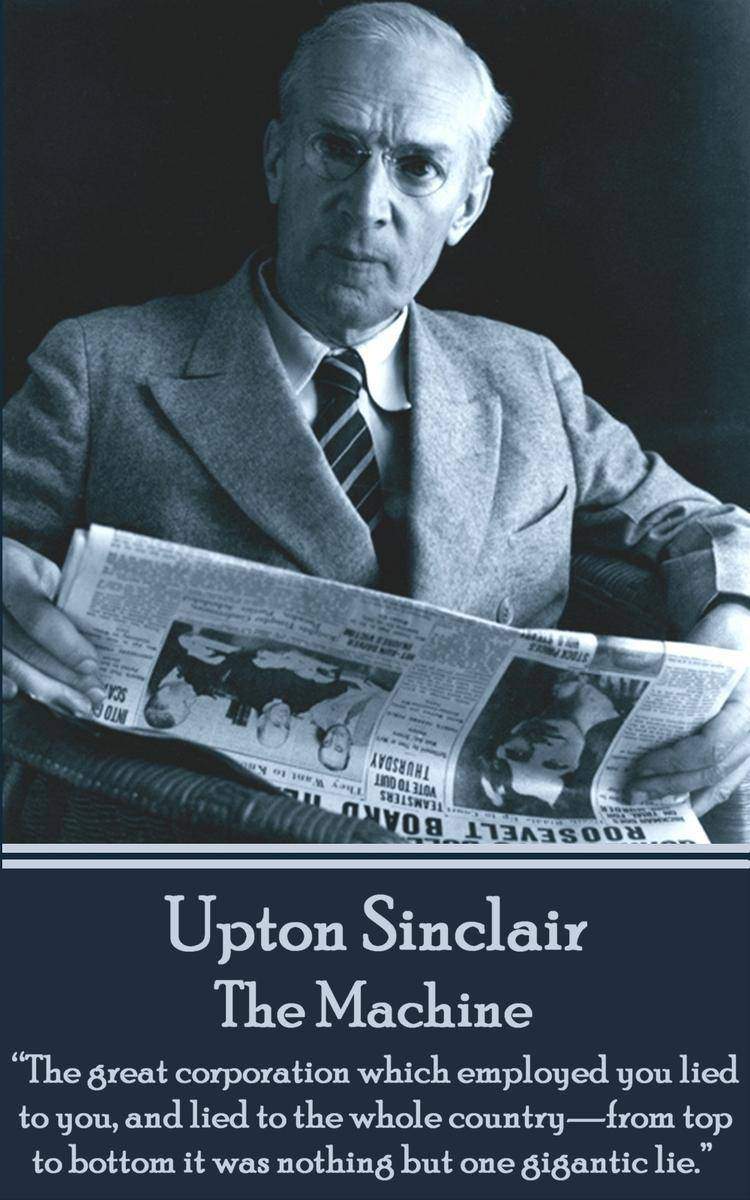
Machine - The great corporation which employed you lied to you
¥15.21
Upton Sinclair (1878-1968) was a prolific American novelist and a political activist. Apart from his bestselling novels, which told in black and white, illuminated the realities of the United States at the turn of the twentieth century, he is remembered today for championing socialist causes that were naturally unpopular in conservative America. In classics like 'The Jungle' his work had considerable effects on American politics and legislation. Sinclair's socialist ideals and dreams found their way to his fiction as he believed that no art can be practiced for art's sake as long as humanity still suffers from persistent dangers and evils. Such orientations have often subjected Sinclair to harsh criticism and even to demonization from numerous critics and politicians of his time, the most distinguished among which was probably President Theodore Roosevelt. However his legacy is that of a successful and established novelist and activist who if not always righting the balance was able to bring an incisive mind and mass exposure to many areas and industries.
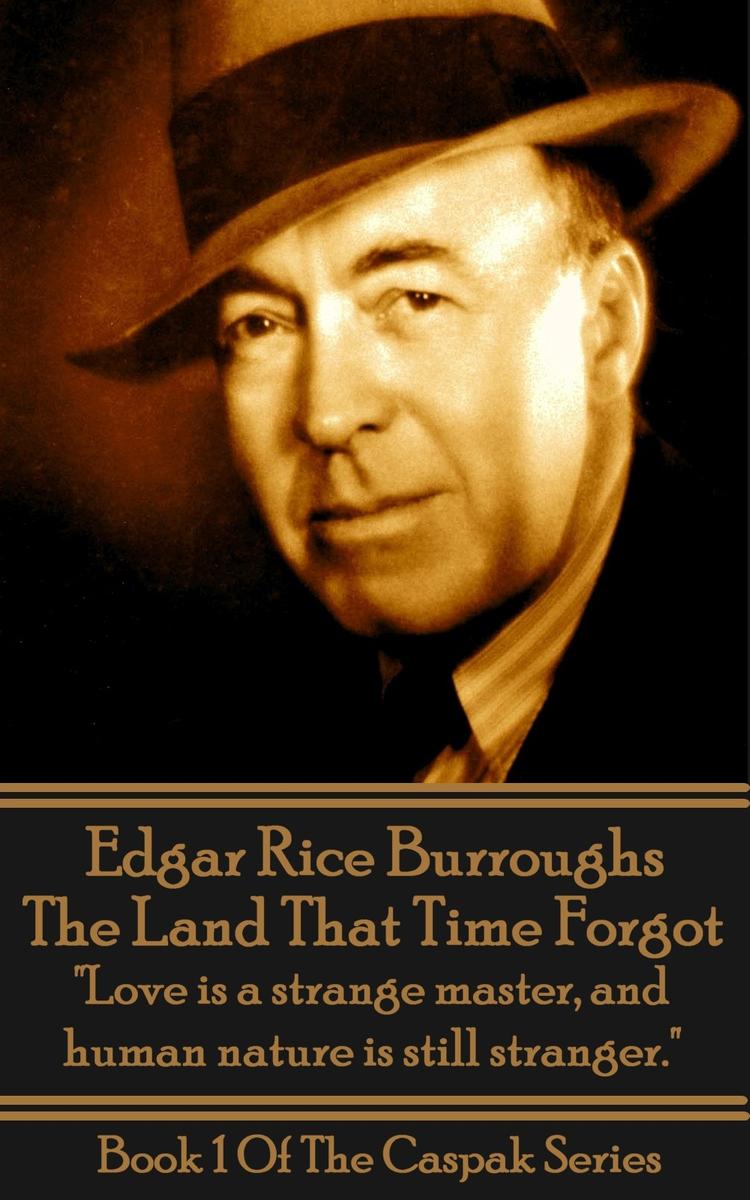
Land That Time Forgot - Love is a strange master, and human nature is still stra
¥35.22
Edgar Rice Burroughs was born on September 1, 1875, in Chicago, Illinois. His early career was unremarkable. After failing to enter West Point he enlisted in the 7th Calvary but was discharged after heart problems were diagnosed. A series of short term jobs gave no indication as to a career path but finally, in 1911, married and with two young children, he turned his hand to writing. He aimed his works squarely at the very popular pulp serial magazines. His first effort 'Under The Moons Of Mars' ran in Munsey's Magazine in 1912 under the pseudonym Norman Bean. With its success he began writing full time. A continuing theme of his work was to develop series so that each character had ample opportunities to return in sequels. John Carter was in the Mars series and there was another on Venus and one on Pellucidar among others. But perhaps the best known is Tarzan. Indeed Burroughs wanted so much to capitalise upon the brand that he introduced a syndicated Tarzan comic strip, movies and merchandise. He purchased a large ranch north of Los Angeles, California, which he named "e;Tarzana."e; The surrounding communities outside the ranch voted in 1927 to adopt the name as their own. By 1932 Burroughs set up his own company to print his own books. Here we publish 'The Land That Time Forgot' a wonderfully crafted piece of science fiction that has endured as a favourite across generations.

Life of Marie Antionette, Queen of France
¥19.52
A comprehensive look at the life of Marie Antoinette. Wife to King Louis XVI, she was executed by guillotine during the French Revolution. Her life has become a symbol of the rich continuing their ostentatious lifestyle even while their country lives in squalor around them.

Jamie
¥39.14
Jamie is a long-haired, bearded collie, bursting with life and energy, but his sense of fun and his lively curiosity are apt to lead him into trouble.Written in rhyme, Marian Bythell recounts some of the adventures of the rollicking, frolicking, lovable dog.This lovely book, which is skilfully illustrated, will not only captivate the imagination of young children, but will also appeal to all ages.

Poems of Love, Life and Laughter
¥34.24
Following on from the successful publication of her two holiday journals, Marian Bythell has now turned her passionate pen to poetry. Concentrating on the essential three Ls - Love, Life and Laughter - she has produced a considered collection of rhyming verse.

Maths Problem Solving Year 5
¥127.43
Maths Problem Solving - Year 5 is the fifth book in the Maths Problem Solving series. The books have been written for teachers to use during the numeracy lesson. They cover the 'solving problem' objectives from the numeracy framework. This book contains three chapters; Making decisions, Reasoning about numbers or shapes and Problems involving 'real life', money or measures. The books are designed in such a way that each section has six stages of questions to be worked through. Every stage is split into three levels, for example 1a, 1b or 1c, based on achievement. Each corresponding question from these levels follow the same line of questioning, so that when the teacher talks about a certain question, the solution process is the same for each level but the complexity of the sum varies.

How to Sparkle at Nursery Rhymes
¥112.72
The rhythm of nursery rhymes helps children to remember the words which, in turn, helps to develop their auditory memory skills. When they have learned the words and then see them in print, they can 'read' them, Not only will this give them a greater understanding of how the written word represents the sung or spoken word, but it will also help to develop their visual memory. The worksheets contain a mixture of activities, including: putting pictures in the right sequence ;tracing letters and writing simple words; colouring pictures; attaching words to the right object; visual memory reinforcement; finding rhyming words.

101 Amazing Women
¥29.33
Throughout human history, countless women have made important contributions to society. Some have made scientific discoveries vital to modern-day life, whereas others have fought for human rights, shaped entire countries and broken down barriers. This fascinating book introduces the reader to over one hundred such figures, with each having made important contributions in fields such as politics, science, literature, business and warfare. Women from all historical periods and walks of life are featured, from famous figures in ancient history including Cleopatra and Wu Zetian through to women changing the world today such as Emma Watson and Malala Yousafzai. Whereas the achievements of some of the 101 individuals featured are well known, some readers may be finding out about others for the first time, meaning that the book is also an excellent gateway to further reading.
101 Amazing Facts about Prince Harry and Meghan Markle
¥19.52
On the 19th May 2018, Prince Harry and Meghan Markle tied the knot in a beautiful royal wedding ceremony. But just how much do you know about the Prince and his former actress wife? This fascinating eBook contains over one hundred amazing facts about the royal couple, covering everything from how the two of them met through to the many ways in which Meghan has broken the mould of a traditional princess. Whether you're interested in the royal rule book and official protocols, or you simply want to know more about the controversies that have surrounded both of these two prominent figures, this is the perfect book for you!
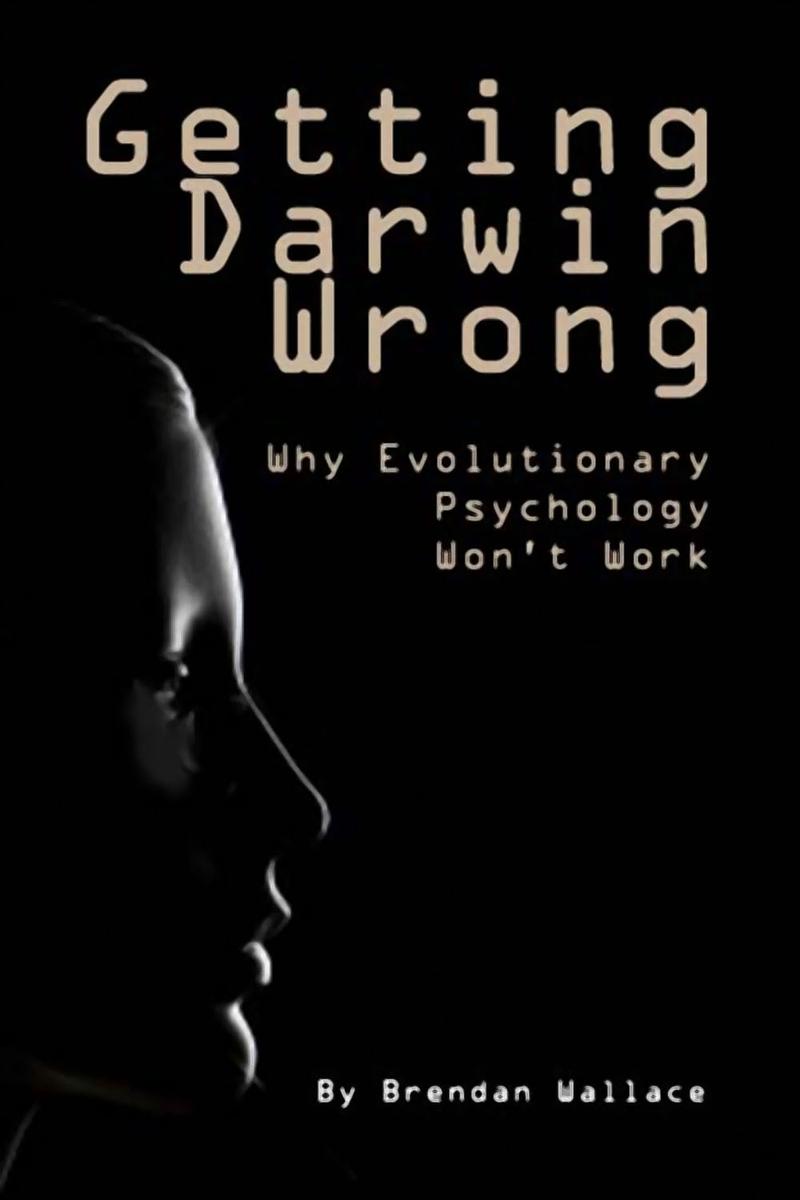
Getting Darwin Wrong
¥107.81
Brendan Wallace, with a background in psychology, demonstrates that the key claims of Evolutionary Psychology (EP), popularised by Steven Pinker and others, are based on the 'brain is a digital computer' argument. He then argues that as we now know this model of the brain will not work, therefore EP won't work either, since it is based on a fallacious view of the mind/brain.The book, which is written in a reader friendly but rigorous style, is a timely assault on one of the most fashionable philosophies of mind currently 'out there'.
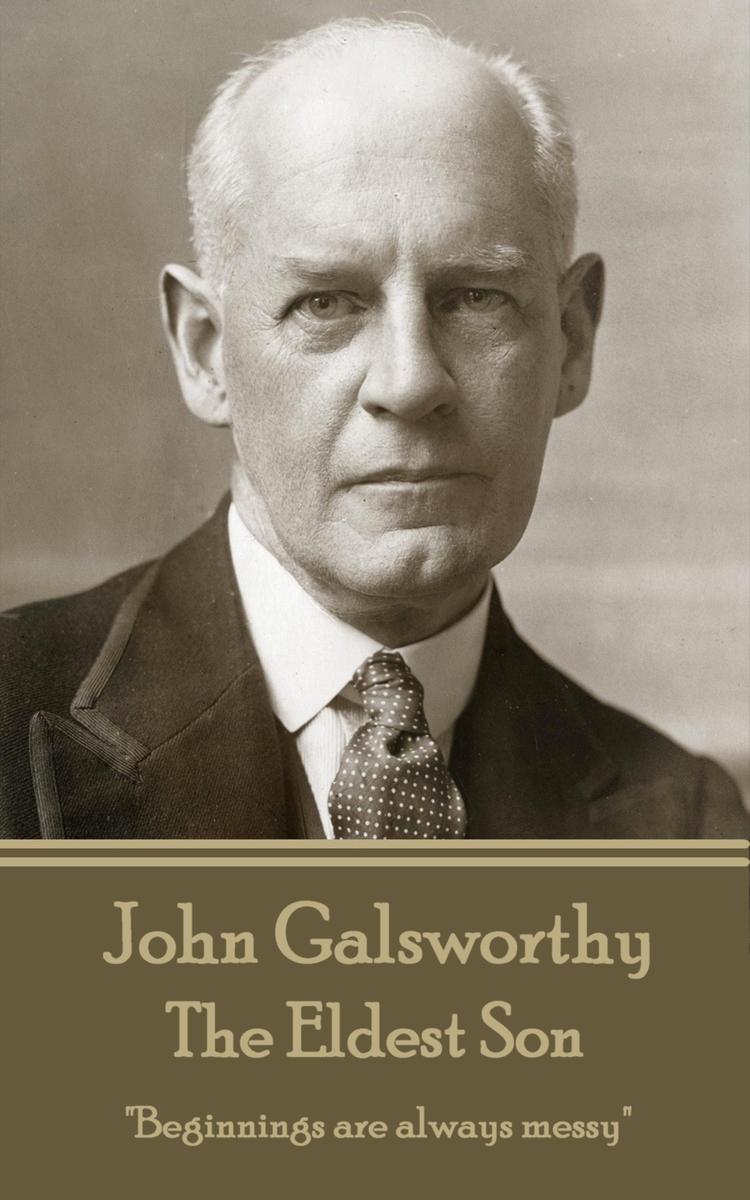
Eldest Son - Beginnings are always messy
¥23.45
John Galsworthy was born at Kingston Upon Thames in Surrey, England, on August 14th 1867 to a wealthy and well established family. His schooling was at Harrow and New College, Oxford before training as a barrister and being called to the bar in 1890. However, Law was not attractive to him and he travelled abroad becoming great friends with the novelist Joseph Conrad, then a first mate on a sailing ship. In 1895 Galsworthy began an affair with Ada Nemesis Pearson Cooper, the wife of his cousin Major Arthur Galsworthy. The affair was kept a secret for 10 years till she at last divorced and they married on 23rd September 1905. Galsworthy first published in 1897 with a collection of short stories entitled "e;The Four Winds"e;. For the next 7 years he published these and all works under his pen name John Sinjohn. It was only upon the death of his father and the publication of "e;The Island Pharisees"e; in 1904 that he published as John Galsworthy. His first play, The Silver Box in 1906 was a success and was followed by "e;The Man of Property"e; later that same year and was the first in the Forsyte trilogy. Whilst today he is far more well know as a Nobel Prize winning novelist then he was considered a playwright dealing with social issues and the class system. Here we publish Villa Rubein, a very fine story that captures Galsworthy's unique narrative and take on life of the time. He is now far better known for his novels, particularly The Forsyte Saga, his trilogy about the eponymous family of the same name. These books, as with many of his other works, deal with social class, upper-middle class lives in particular. Although always sympathetic to his characters, he reveals their insular, snobbish, and somewhat greedy attitudes and suffocating moral codes. He is now viewed as one of the first from the Edwardian era to challenge some of the ideals of society depicted in the literature of Victorian England. In his writings he campaigns for a variety of causes, including prison reform, women's rights, animal welfare, and the opposition of censorship as well as a recurring theme of an unhappy marriage from the women's side. During World War I he worked in a hospital in France as an orderly after being passed over for military service. He was appointed to the Order of Merit in 1929, after earlier turning down a knighthood, and awarded the Nobel Prize in 1932 though he was too ill to attend. John Galsworthy died from a brain tumour at his London home, Grove Lodge, Hampstead on January 31st 1933. In accordance with his will he was cremated at Woking with his ashes then being scattered over the South Downs from an aeroplane.


