


 购物车
购物车 个人中心
个人中心
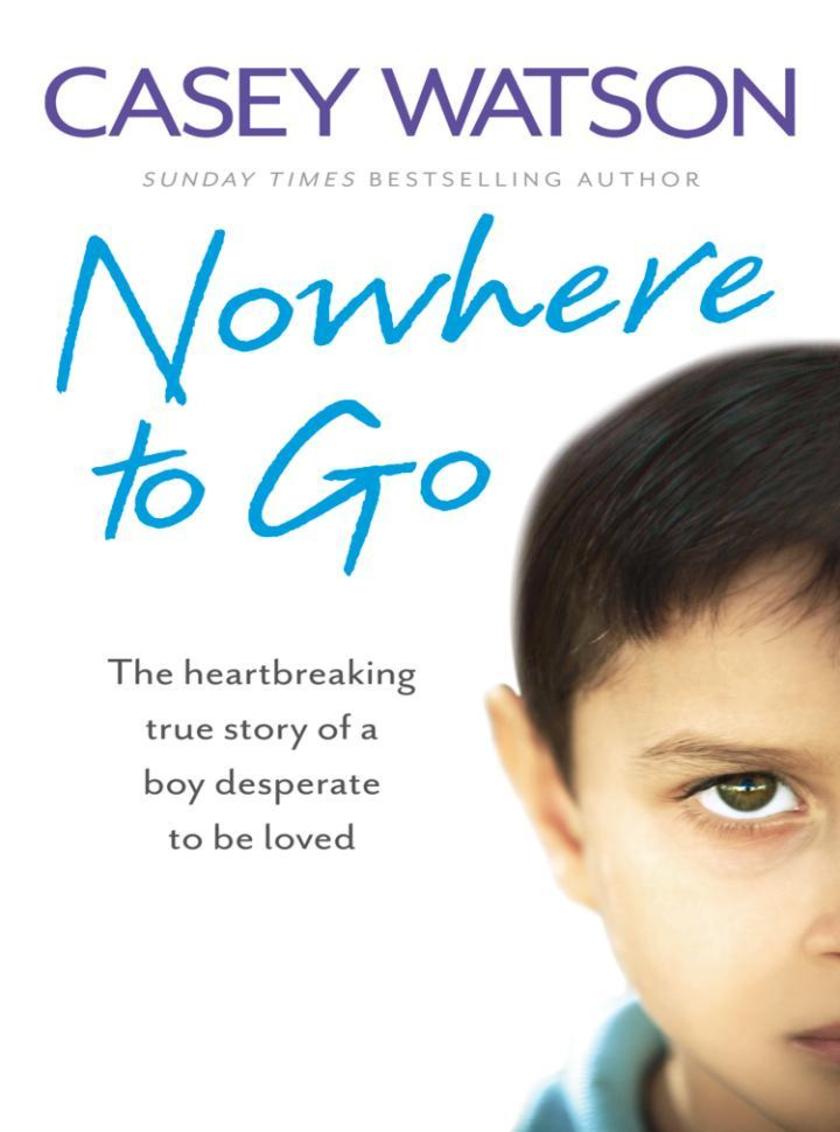
Nowhere to Go
¥58.86
Bestselling author and foster carer Casey Watson shares the shocking true story of Tyler, an abused eleven-year-old who, after stabbing his step-mother, had nowhere else to go. Knowing a little of Tyler’s past – his biological mother, a heroin addict, died of an overdose when he was three – Casey feels bound to do her best for him. It isn’t easy; Tyler continuously lashes out, even trying to attack Casey herself. Investigation into his earlier childhood reveals why: forced to watch his mother die he was found emaciated and traumatised two days later, then delivered to a father who didn’t want him and a step-mother who beat him. With the horrific events of his past now vividly affecting the course of his present, Casey and her husband Mike are determined to veer him away from the violence and drugs they fear he will come to depend on. Heartbreaking and profoundly moving, Nowhere to Go tells the story of a child forsaken by his family but fought for by his foster carers.
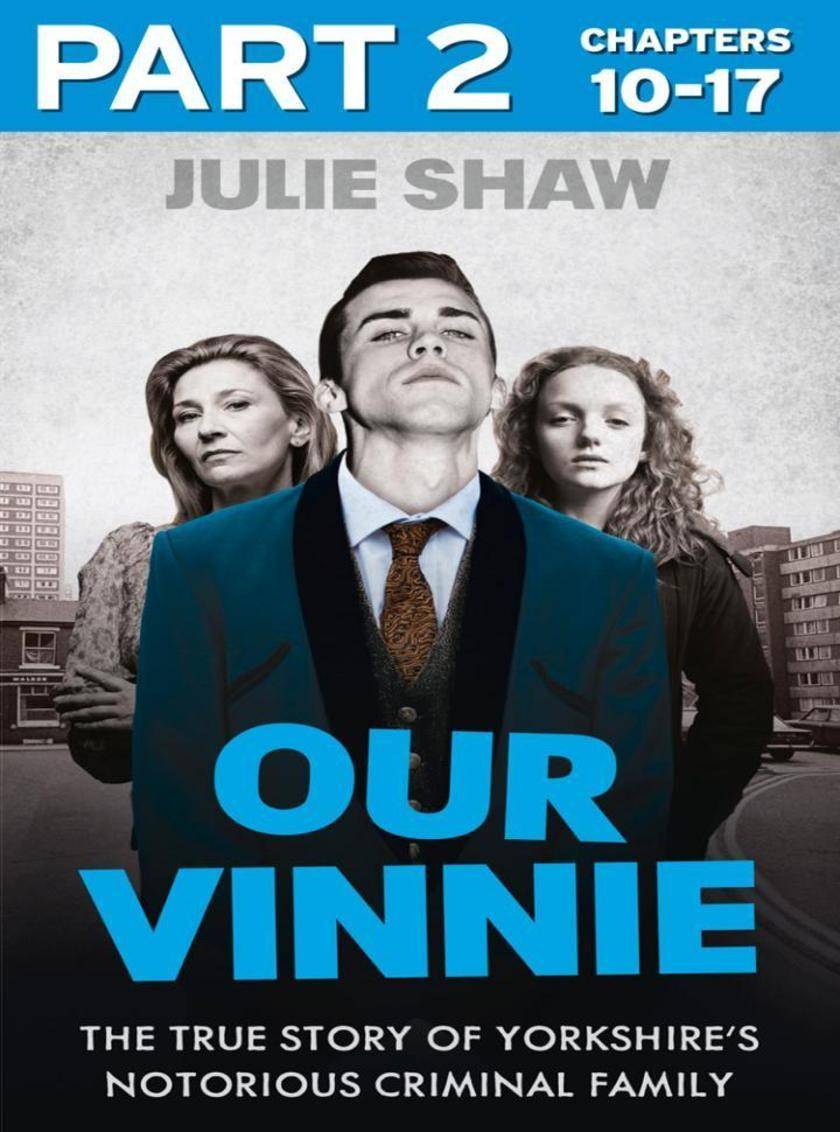
Our Vinnie - Part 2 of 3
¥18.93
Our Vinnie can either be read as a full-length eBook or in 3 serialised eBook-only parts. This is PART 2 of 3. You can read Part 2 two weeks ahead of release of the full-length eBook and paperback. The infamous Canterbury Estate in Bradford, a hotbed of crime, drink and drugs, was a law unto itself in the ’70s. So when one of their own was wronged in any way, the community always had its own way of dealing with it. The first title in a series of gritty family sagas, Our Vinnie accounts the dramatic true story of a brother’s determination to avenge his younger sister’s rape. Josie was just 11 when her Vinnie, then 14, was taken away to a detention centre. Distraught by his absence and left alone with indifferent parents, when she escapes from one of their rows she naively enters the house of a neighbour, Melvin, who – horrifically – leads her upstairs and overpowers her. Convinced by her friend Carol, Josie tells her sister Lyndsey about the rape but, with Vinnie out of the picture, Lyndsey uses the information for her own ends. When Vinnie returns, hardened by years inside the system, his outrage on discovering the truth is severe. And with new abuses continually coming to light, a cataclysmic series of violent events begins to spiral out of control… Dramatic and shocking, Our Vinnie is an unbelievable page-turner, documenting a community forsaken by society, and one brother’s unrelenting determination to take justice into his own hands.
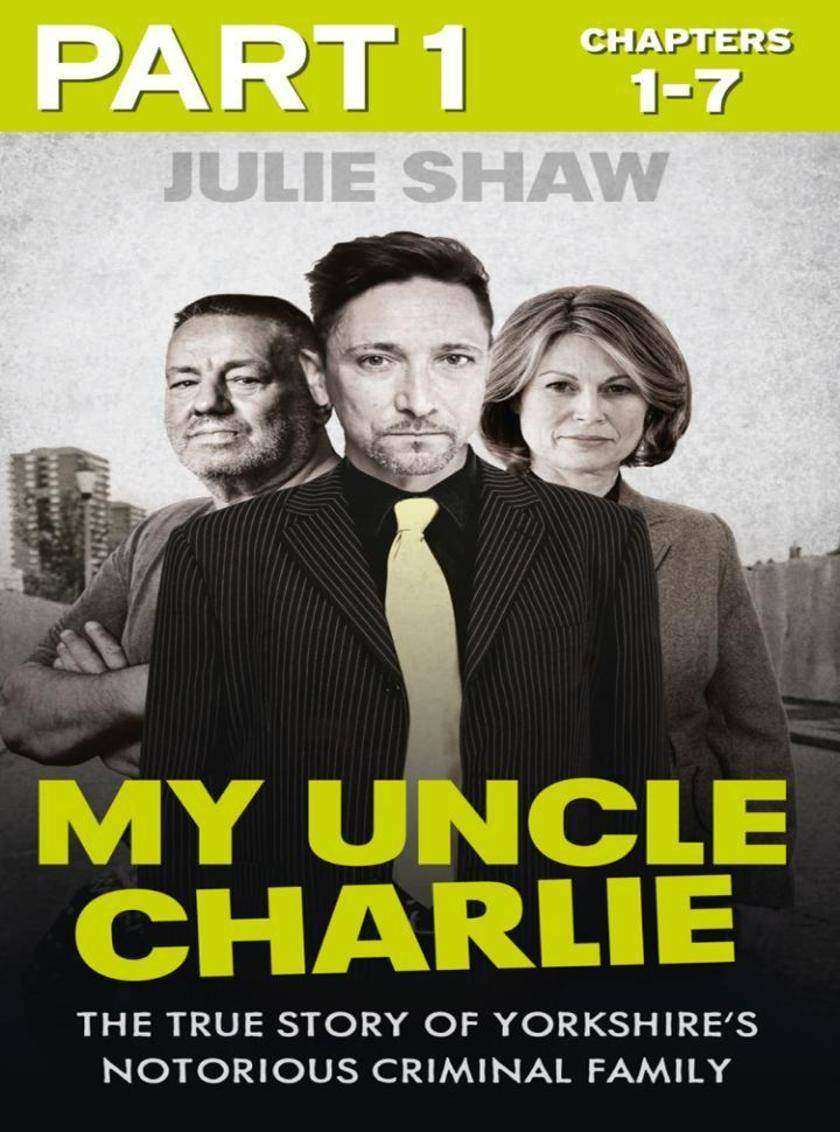
My Uncle Charlie - Part 1 of 3
¥18.93
My Uncle Charlie can either be read as a full-length eBook or in 3 serialised eBook-only parts. This is PART 1 of 3. You can read Part 1 three weeks ahead of release of the full-length eBook and paperback. If you lived on the notorious Canterbury Estate in the ‘40s and ‘50s, then you knew there was one man you did not want to cross: Charlie Hudson. A solitary man, feared and respected by the gangsters of the time, Charlie was a boxer who never lost a fight, in or out of the ring – the most infamous of The Canterbury Warriors. My Uncle Charlie, the second title in the explosive series unravels a story of debauchery, crime and self-destruction. Charlie Hudson was a born leader. The eldest of eight brothers and four sisters and with a boxer for a father, fighting was in his blood. And as the young protégé of local Italian gangster, Mr Cappovanni, Charlie not only learned to knock every opponent out, he also learned the tools of the crime and extortion trade well; emerging into adulthood in the middle of the war years as a natural heir: running cons, illegal books and a band of prostitutes. But when Charlie met Betty, a sweet, caring girl, he was determined to be a better man for her. He’d still deal with ‘business’ but no more would he bed his working girls, and the birth of their baby girl, Elizabeth, sealed it: he knew life could not get any better. But for a man who had only ever lived in the belly of the Canterbury Estate underworld, it could definitely get worse… Gritty and engrossing, book two of the Hudson family saga delves deeper into history of the infamous Canterbury Warriors; the true story of one man’s ascendancy to power, and the tragedy that brought it all crashing down.
My Uncle Charlie - Part 2 of 3
¥18.93
My Uncle Charlie can either be read as a full-length eBook or in 3 serialised eBook-only parts. This is PART 2 of 3. You can read Part 2 two weeks ahead of release of the full-length eBook and paperback.
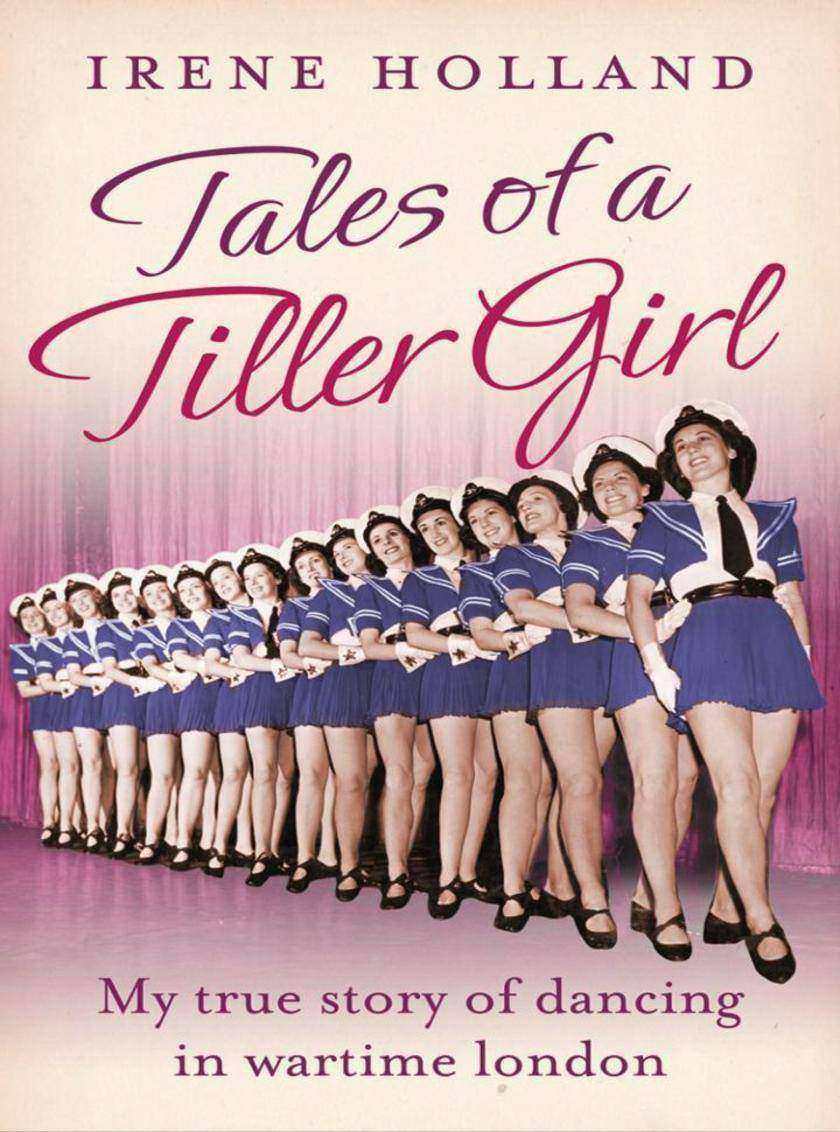
Tales of a Tiller Girl
¥58.86
A heart-warming nostalgia memoir from a member of the world famous dance troupe, The Tiller Girls. Based in London in the 1930s, 40s and 50s, Irene’s story will transport readers back to a more innocent, simple way of life. This is the story of a little girl who loved to dance. Growing up in London in the 1930s, dancing was so much more to Irene than just a hobby. It was her escape and it took her off into another world away from the harsh realities of life. A fairytale world away from the horrors of WW2, from the grief of losing her father and missing her mother who she didn’t see for three years while she was drafted to help with the war effort. And far away from her cold-hearted grandparents who treated her like an inconvenience. Finally it led to her winning a place as a Tiller Girl; the world’s most famous dance troupe known for their 32-and-a-half high kicks a minute and precise, symmetrical routines. For four years she opened and closed the show at the prestigious London Palladium and performed on stage alongside huge stars such as Frank Sinatra, Nat King Cole and Judy Garland. It was a strange mixture of glamour and bloody hard work but it was certainly never dull. And being a Tiller Girl also gave Irene the opportunity to see firsthand the devastating effects of WW2, both here and abroad. Heart-warming, enlightening and wonderfully uplifting, Irene’s evocative story will transport readers back to a time when every town and holiday resort had several theatres and when dance troupes like The Tiller Girls were the epitome of glitz and glamour.
Tales of a Tiller Girl Part 2 of 3
¥28.45
A heart-warming nostalgia memoir from a member of the world famous dance troupe, The Tiller Girls. Based in London in the 1930s, 40s and 50s, Irene’s story will transport readers back to a more innocent, simple way of life. This is the story of a little girl who loved to dance. Growing up in London in the 1930s, dancing was so much more to Irene than just a hobby. It was her escape and it took her off into another world away from the harsh realities of life. A fairytale world away from the horrors of WW2, from the grief of losing her father and missing her mother who she didn’t see for three years while she was drafted to help with the war effort. And far away from her cold-hearted grandparents who treated her like an inconvenience. Finally it led to her winning a place as a Tiller Girl; the world’s most famous dance troupe known for their 32-and-a-half high kicks a minute and precise, symmetrical routines. For four years she opened and closed the show at the prestigious London Palladium and performed on stage alongside huge stars such as Frank Sinatra, Nat King Cole and Judy Garland. It was a strange mixture of glamour and bloody hard work but it was certainly never dull. And being a Tiller Girl also gave Irene the opportunity to see firsthand the devastating effects of WW2, both here and abroad. Heart-warming, enlightening and wonderfully uplifting, Irene’s evocative story will transport readers back to a time when every town and holiday resort had several theatres and when dance troupes like The Tiller Girls were the epitome of glitz and glamour.
Tales of a Tiller Girl Part 3 of 3
¥47.48
A heart-warming nostalgia memoir from a member of the world famous dance troupe, The Tiller Girls. Based in London in the 1930s, 40s and 50s, Irene’s story will transport readers back to a more innocent, simple way of life. This is the story of a little girl who loved to dance. Growing up in London in the 1930s, dancing was so much more to Irene than just a hobby. It was her escape and it took her off into another world away from the harsh realities of life. A fairytale world away from the horrors of WW2, from the grief of losing her father and missing her mother who she didn’t see for three years while she was drafted to help with the war effort. And far away from her cold-hearted grandparents who treated her like an inconvenience. Finally it led to her winning a place as a Tiller Girl; the world’s most famous dance troupe known for their 32-and-a-half high kicks a minute and precise, symmetrical routines. For four years she opened and closed the show at the prestigious London Palladium and performed on stage alongside huge stars such as Frank Sinatra, Nat King Cole and Judy Garland. It was a strange mixture of glamour and bloody hard work but it was certainly never dull. And being a Tiller Girl also gave Irene the opportunity to see firsthand the devastating effects of WW2, both here and abroad. Heart-warming, enlightening and wonderfully uplifting, Irene’s evocative story will transport readers back to a time when every town and holiday resort had several theatres and when dance troupes like The Tiller Girls were the epitome of glitz and glamour.

The New Arrival: Part 3 of 3
¥39.04
The New Arrival can either be read as a full-length eBook or in 3 serialised eBook-only parts. This is PART 3 of 3 (Chapters 22-30 of 30). You can read Part 3 on release of the full-length eBook and paperback. Sarah completes her training, and, inspired by her experiences with a Health Visitor, she begins to realise that she may have found her passion… More than just a hospital, Hackney General was part of the community just as much as the Adam & Eve pub the staff frequent. A place where the poorly children of Hackney were nursed to health, a place where young nurses would discover just want they wanted from life, fall in love with shy photographers and grow into women. But it’s not all smooth sailing in Hackney: for every baby that goes home to its loving family another is abandoned, unloved, or never gets to go home at all. Funny, warm and deeply moving, Sarah Beeson’s poignant memoir captures both the heartache and happiness of hospital life and 1970s London through the eyes of a gentle but determined young nurse.

If Only He’d Told Me: A foster family pushed to the limits
¥9.71
The third in a series of true short stories from foster carer Mia Marconi. Brody had been on the at-risk register since birth but was only removed from his alcoholic parents when he reached the age of six. Foster carer Mia Marconi was thrilled when he first arrived – a boy the same age as her son. It can be so bewildering for foster children when they arrive. The older ones are usually withdrawn and sullen. The younger ones will be screaming, spitting at you, making themselves sick and throwing themselves on the floor. For Mia, it’s normally her boisterous, happy children who provide the comfort at the beginning, because why should they trust another adult. Children always feel safe and secure when there are other children about. Mia believes it’s through making relationships with other children that they begin to trust adults again. But little did she know that six-year-old Brody was actually taking his anger and frustration out on her son. She quickly begins to realise the heavy price her family has had to pay.
A Child Called Hope
¥11.77
A dramatic debut short story from London-based foster carer Mia Marconi. An incredible chain of events that began in Italy during WWII with an illegitimate pregnancy shaped Mia’s destiny. The illegitimate child was her father, a lost soul who she idolised. Protecting him instilled in her an instinct to care for the vulnerable and, after a chance meeting with a chaotic foster family, she decided fostering was her vocation. In an incredible twist of fate, the first baby she fostered was born to an unmarried Italian girl. Then came Hope, so badly damaged by her teenage mother’s alcoholism she was in hospital for a year. Finally discharged and settled in Mia’s happy home, what happened next would make Mia question if she could carry on.
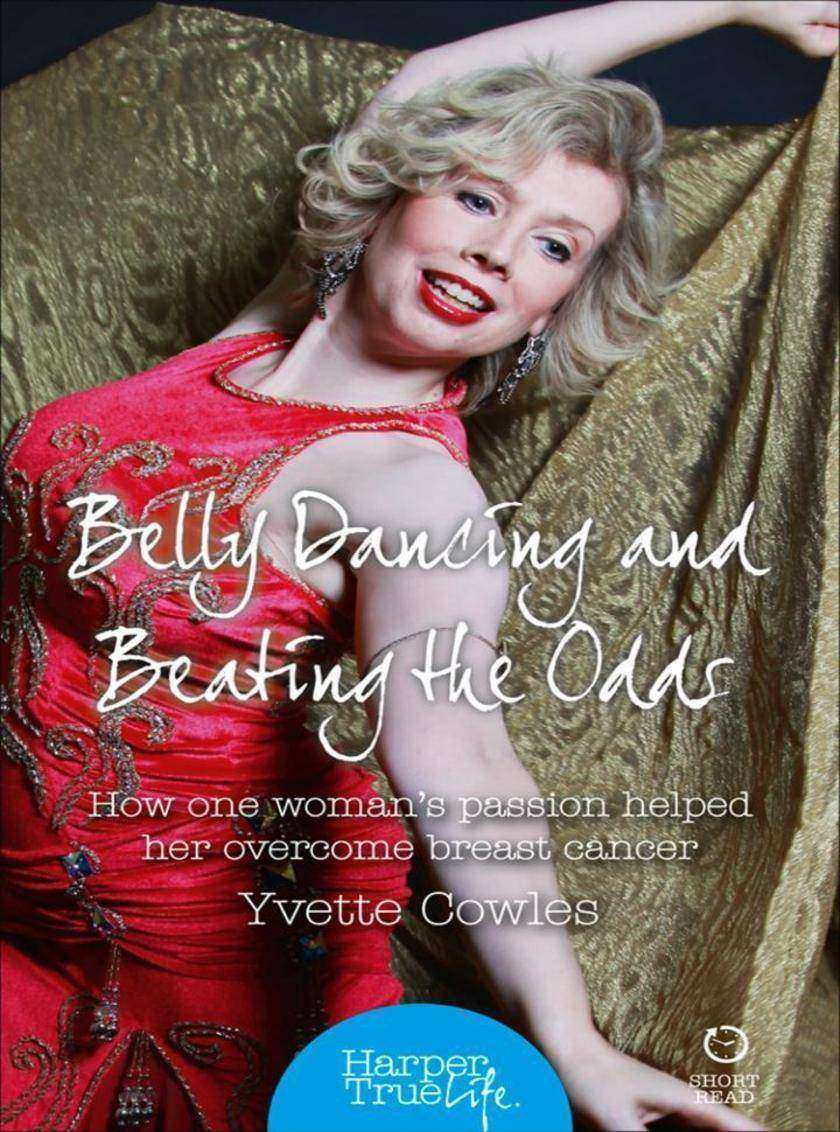
Belly Dancing and Beating the Odds
¥11.77
When 32-year-old Yvette Cowles contracted breast cancer she was determined it would not get in the way of her belly dancing dreams. Spirited and light-hearted, “Belly Dancing and Beating the Odds” is the true story of one woman’s quest to be the best breastless belly dancer in the business… Whilst most people see little to smile about when they hear the word “cancer”, for Yvette it was just another opportunity to find the silver lining. From realising the positives in a breast-free existence (think Audrey Hepburn physique and the uses of aero-dynamism when sales shopping), transforming her hospital cubicle into a sequinned boudoir and entertaining the nurses with her inflatable male companion, Yvette is determined not to let it get her down. Told with warmth and lively good humour, Yvette’s short story will move and inspire you – and might even persuade you to dig out your dancing shoes.
Collins Good Dog Behaviour: An Owner’s Guide
¥50.62
Published in association with The Blue Cross, one of Britain’s top animal welfare societies, ‘Collins Good Dog Behaviour’ is an essential handbook for all responsible dog owners with numerous step-by-step photographs that will help to make training your dog simple and enjoyable. Gwen Bailey believes that the first step to having a well-behaved dog is for the owner to fully understand the dog’s behaviour – only then can you learn to communicate effectively with your pet and create a successful partnership. She maintains that all dogs can be well-behaved and that you can teach an old dog new tricks! You can learn about: how to be a good owner through talking and listening to your dog, dicovering the essential ingredients for a well-behaved dog, introducing step-by-step obedience exercises to prevent and solve problem behaviour. ‘Collins Good Dog Behaviour’ is a book which will advise you on how to make your dog really clever, thus making you a clever owner!

Edward Burne-Jones
¥95.75
Penelope Fitzgerald, the Booker Prize-winning author of ‘Offshore’ and ‘The Blue Flower’, turns her attention to the remarkable life of the Pre-Raphaelite artist Edward Burne-Jones. ‘I mean by a picture a beautiful, romantic dream of something that never was, never will be, in a light better than any light that ever shone – in a land no one can define or remember, only desire’ Edward Burne-Jones Edward Burne-Jones (1833-1898) was the prototypical pre-Raphaelite but with a truly individual sensibility. Penelope Fitzgerald’s delightful biography charts his life from humble beginnings in Birmingham as the son of an unsuccessful framer, through a transformative period at Oxford, where he met his close friend and collaborator William Morris, and on to the apprenticeship with Dante Gabriel Rossetti that would shape his artistic vision. His work harks back to an Arthurian England – an Arcadia that offered solace against the onset of the Industrial Revolution, and on a deeply personal level provided respite from his ever-present melancholia. This is an illuminating portrait of a fascinating figure – artistic genius, doting father, troubled husband – written with all Penelope Fitzgerald’s characteristic sympathy and insight.
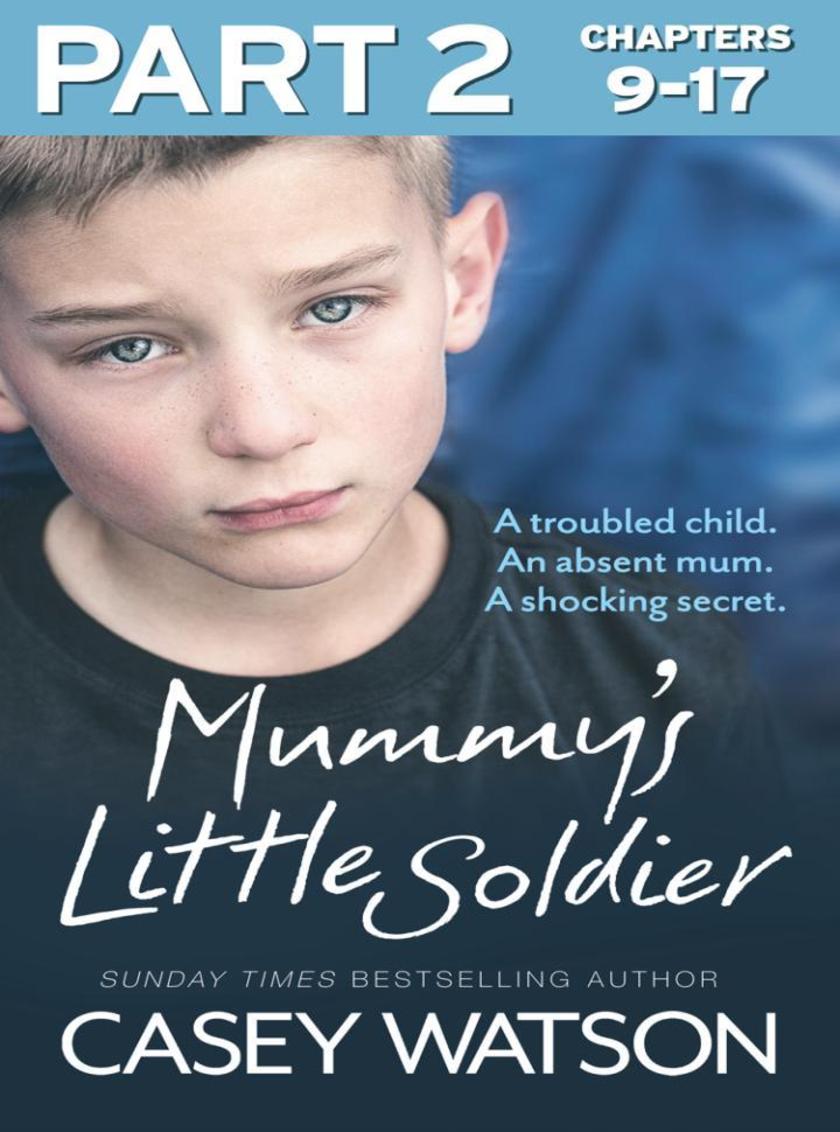
Mummy’s Little Soldier: Part 2 of 3
¥27.47
Casey’s Unit is, as ever, full of troubled, disaffected pupils, and new arrival Leo is something of a conundrum. Thirteen year old Leo isn’t a bad lad – in fact, he’s generally polite and helpful, but he’s in danger of permanent exclusion for repeatedly absconding and unauthorised absences. Despite letters being sent home regularly, his mother never turns up for any appointments, and when the school calls home she always seems to have an excuse. Though Casey has her hands full, she offers to intervene for a while, to try get Leo engaged in learning again and remaining in school. The head’s sceptical though and warns her that this is Leo’s very last chance. But Casey’s determined, because there’s something about Leo that makes her want to fight his corner, and get to the bottom of whatever it is that compels this enigmatic boy to keep running away. With Leo so resolutely tight-lipped and secretive, Casey knows that if she’s going to keep this child in education, she’s going to have to get to the bottom of it herself…

At the Coalface: Part 2 of 3: The memoir of a pit nurse
¥41.01
A heart-warming story of a woman who devoted her life to helping others. This is the memoir of Joan, who started nursing in the 1940s and whose experiences took her into the Yorkshire mining pits and through the tumult of the 1984-85 miners’ strike. Joan Hart always knew what she wanted to do with her life. Born in South Yorkshire in 1932, she started her nursing training when she was 16, the youngest age girls could do so at the time. She continued working after she married and her work took her to London and Doncaster, caring for children and miners. When she took a job as a pit nurse in Doncaster in 1974, she found that in order to be accepted by the men under her care, she would have to become one of them. Most of the time rejecting a traditional nurse’s uniform and donning a baggy miner’s suit, pit boots, a hardhat and a headlamp, Joan resolved always to go down to injured miners and bring them out of the pit herself. Over 15 years Joan grew to know the miners not only as a nurse, but as a confidante and friend. She tended to injured miners underground, rescued men trapped in the pits, and provided support for them and their families during the bitter miners’ strike which stretched from March 1984 to 1985. Moving and uplifting, this is a story of one woman’s life, marriage and work; it is guaranteed to make readers laugh, cry, and smile.

Callgirl
¥27.76
Professor by day, callgirl by night - a true story Jenny is left penniless by an ex-boyfriend and, in order to make ends meet, she finds herself juggling two lives - respected college-lecturer by day and $200-an-hour high class callgirl 'Tia' by night. Tia's clients range from the pitiful to the downright disturbing: there's the man obsessed with wearing her underwear, the client who wants her to pretend to be his mother and the punter who gets his kicks from inflicting pain. Tia is paid to fulfil all kinds of desires. Despite her madam's protection, Tia is drawn into a world of increasing danger, trying to dodge undercover cops, resist the temptation of drugs and, most of all, avoid falling in love with the wrong man. As Jenny juggles the twin roles of professor and prostitute, the eventual strain of keeping her life secret from friends and family forces her to re-examine everything - before her two worlds inevitably collide!

When Daddy Comes Home
¥45.62
She finally thought she was safe… Toni Maguire, author of Number One Bestseller ‘Don't Tell Mummy’, takes up the story of her tragic childhood where she left off, revealing the awful truth about what happened when her father, sent to jail for abusing her, was released, and came home… Toni Maguire's father abused her from the age of six, and was only found out when she fell pregnant, losing the child from a botched abortion. Jailed for his crimes with the help of her testimony, Antoinette believed she was finally safe, but it was not to last… Being despatched to collect her father from the station by herself marked a new low for young Antoinette. Realising that she was no longer safe at home, she was forced to leave. Her mother did nothing to protect her or prevent her going. Traumatised and alone, Antoinette was unable to cope, and was admitted to a psychiatric hospital, sinking deeper into despair every day. Finally transferred to the dead-end ward with no hope of recovery, Antoinette slowly began to improve, by the sheer force of her indomitable will.
My Father’s Watch: The Story of a Child Prisoner in 70s Britain
¥63.18
The intensely moving memoir of Patrick Maguire, one of the ‘Maguire Seven’ wrongly imprisoned as a teenager for making bombs for the IRA. On the night of October 5 1974, an IRA unit left bombs in two Guildford pubs: five people were killed. On the night of December 3 1974, on the strength of fabricated testimony extracted under duress from Paul Hill and Gerard Conlon (whom the police mistakenly believed had planted the Guildford bombs), Anne and Paddy Maguire, two of their four children, Vincent and Patrick, plus other family members and friends, a total of seven in all, were arrested at their home in West London. On 22 October 1975 the Guildford Four were wrongfully convicted of bombing the two pubs in Guildford. On the 4 March 1976 the Maguire Seven, as they had become known, were found guilty of possession of the nitro-glycerine used in those bombings. On 19 October 1989 the verdicts on the Guildford Four were quashed. On 26 June 1991 the convictions against the Maguire Seven of handling explosives were quashed and just over a year later, Sir John May, after producing a report on the Maguire Seven case, described it as the worst miscarriage of justice he had ever seen. Behind these dates lie human stories – ‘My Father's Watch’ tells that of Patrick, who was the youngest of the accused, at fourteen years old. He was sentenced to four years and when he came out he had no home and no family, as both parents were still in jail. This book takes us through Patrick's entire life, from his working-class childhood in West London to the difficult life he has led since prison, the roots of which go back to the wrongful convictions and the destruction of the family that followed. Patrick Maguire and the novelist Carlo Gébler have written ‘My Father's Watch’ jointly. It is not a ghosted work – told in Patrick's own voice, it is a lucid and inspiring account of one individual's experience of an appalling injustice, as well as a reminder, as the war against terror ratchets up, of just how much harm a state can do to its own innocent citizens in the name of security.

Cameron: Practically a Conservative
¥68.67
A fully updated edition of the first major biography of David Cameron – now covering his first years as Prime Minister and leader of the coalition government. David Cameron is the first Conservative Prime Minister in a generation, and also the first leader of a coalition government for eighty years. But what is the reality behind his brand of repackaged Conservatism? And who is Cameron the man? Here, for the first time, is an independent examination of the ‘saviour’ of the Conservative Party and the life that brought him to Number 10. Based on extensive interviews with his closest friends, his most senior lieutenants and his critics, it traces his meteoric rise from an idyllic, privileged childhood, to the heart of government by the age of 25, to leader of the country. Critical and insightful by turn, this updated edition now covers Cameron’s first year as Prime Minister – a time that has seen unprecedented scandal in the political world, as well as challenges unique to the Conservative leader.
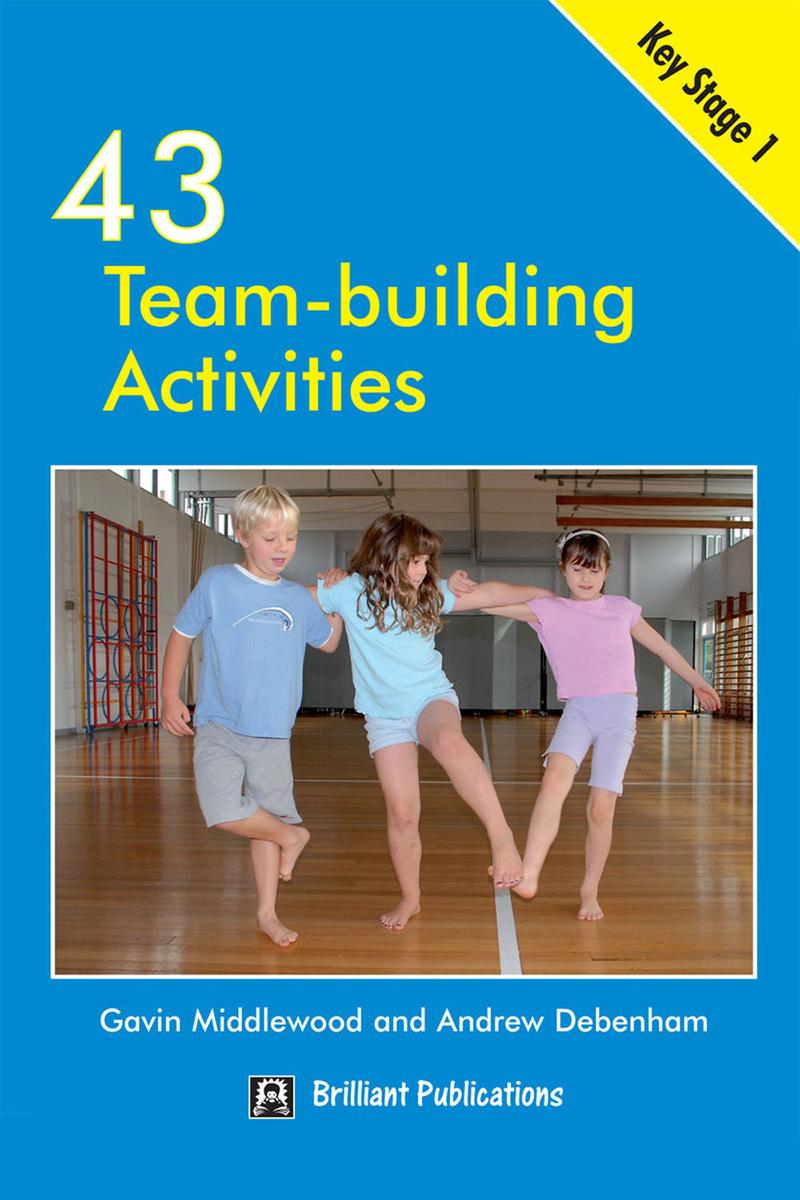
43 Team Building Activities for Key Stage 1
¥127.43
Clearly written lesson plans aimed at improving a range of social and physical skills, as well as stimulating children's imaginations through a series of exciting problems and scenarios. From saving an endangered animal to surviving an alien invasion, the children are placed in problematic situations in which they will need to work together to find a solution. Not only will the activities develop students' PSHE skills - building their self-esteem and helping them to work with a partner or small group - they will also develop essential movement skills: agility, balance and co-ordination.

Silent War
¥19.52
These writings are from a young woman who has had to face obsticles no person should have to. She has put her feelings into her writings for people going through similar experiences. Silent War gives readers an insight into Haleys life and and what she has been through. Pieces about teenage love, heartbreak, medical journeys, losing someone and much more these writings are all from the heart.


