


 购物车
 个人中心

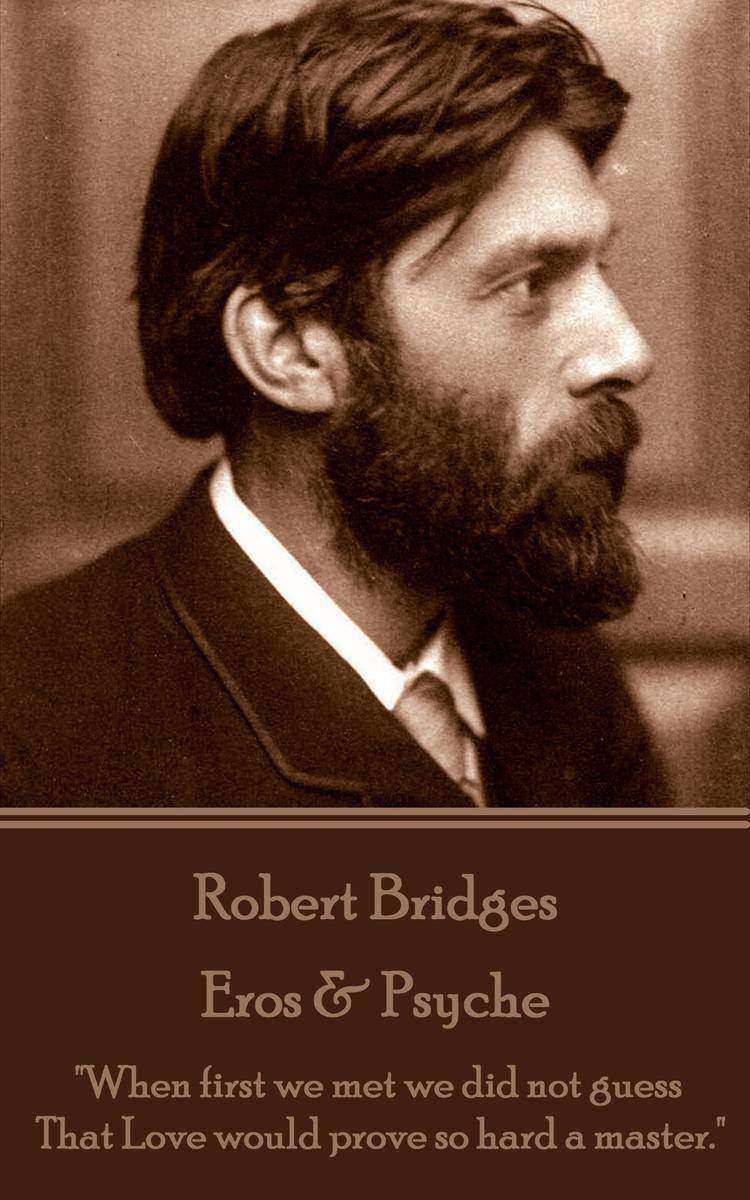
Eros & Psyche - When first we met we did not guess That Love would prove so hard
¥29.33
Robert Bridges was born in Walmer, Kent on the 23rd of October 1844. He went to study medicine intending to practise until the age of forty and then retire to write poetry. Lung disease forced him to retire in 1882, and from that point on he devoted himself to writing and literary research. However, Bridges' literary work started long before his retirement, his first collection of poems having been published in 1873. He was appointed Poet Laureate in 1913 by George V, the only medical graduate to have held the office. He died in Oxford on the 21st of April 1930. Here we present Eros & Psyche.

Faithful - Life, a beauty chased by tragic laughter.
¥32.86
John Edward Masefield was born in 1878 in the sleepy market town of Ledbury in rural Hertfordshire. An idyllic childhood was ruined when he was left an orphan and sent to live with an Aunt who decided his education and life would be better spent at sea. At age 13 he boarded a school ship and there his love of writing and reading blossomed. By 1899 he began to publish and apart from brief service during World War I he now had a life of writing and lecture tours. He published much; novels, poetry and even an account of the disastrous war effort in the Dardanelles at Gallipoli. Upon the death of Robert Bridges in 1930, Masefield was given the prestigious position of Poet Laureate, a role he would fulfill until his death; the only poet to hold the position for a longer period was Alfred, Lord Tennyson. Despite later ill health and the death of his wife in 1960, Masefield continued to write. In 1966, he published his last book of poems, In Glad Thanksgiving, at the age of 88. In the latter part of 1966 gangrene was diagnosed in his ankle. This gradually spread through his leg and claimed his life on May 12, 1967. He was cremated and his ashes placed in the Poet's Corner of Westminster Abbey. Here we present The Faithful.
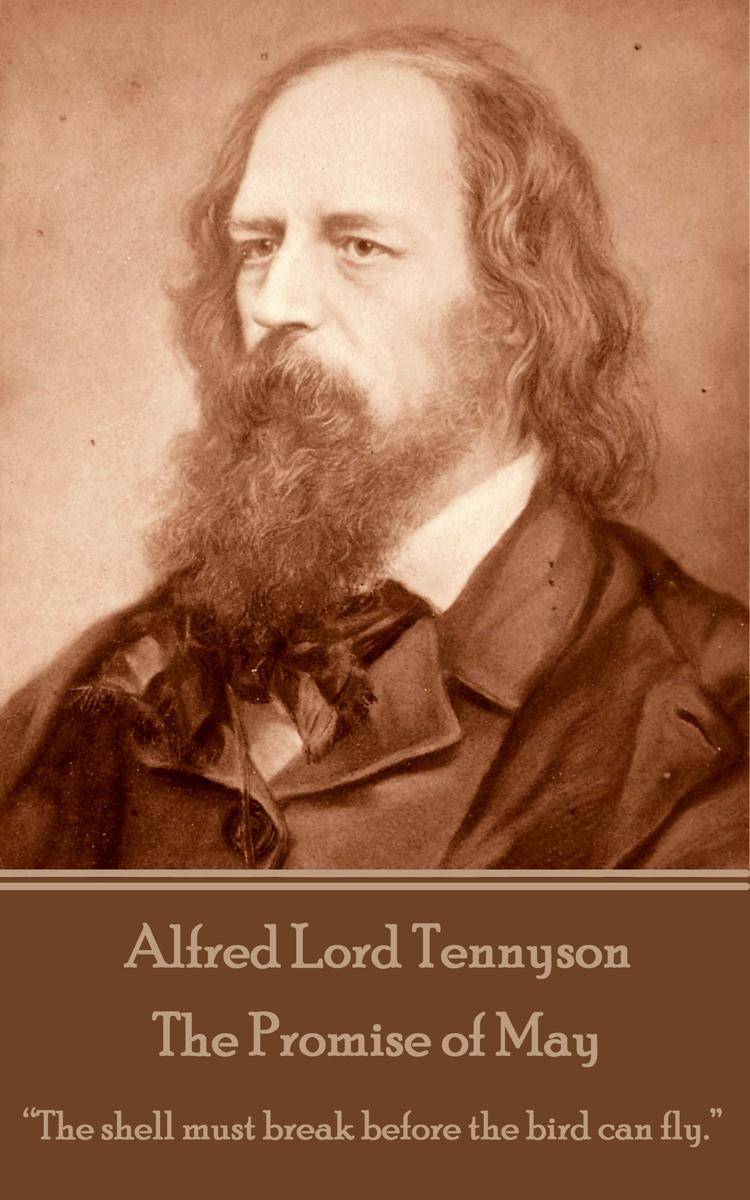
Promise of May - The shell must break before the bird can fly.
¥16.38
Alfred Tennyson was born on August 6th, 1809, in Somersby, Lincolnshire, the fourth of twelve children. Most of Tennyson's early education was under the direction of his father, although he did spend four unhappy years at a nearby grammar school. He left home in 1827 to join his elder brothers at Trinity College, Cambridge, more to escape his father than a desire for serious academic work. At Trinity he was living for the first time among young men of his own age who knew little of his problems. He was delighted to make new friends; he was handsome, intelligent, humorous, a gifted impersonator and soon at the center of those interested in poetry and conversation. That same year, he and his brother Charles published Poems by Two Brothers. Although the poems in the book were of teenage quality, they attracted the attention of the "e;Apostles,"e; a select undergraduate literary club led by Arthur Hallam. The "e;Apostles"e; provided Tennyson with friendship and confidence. Hallam and Tennyson became the best of friends; they toured Europe together in 1830 and again in 1832. Hallam's sudden death in 1833 greatly affected the young poet. The long elegy In Memoriam and many of Tennyson's other poems are tributes to Hallam. In 1830, Tennyson published Poems, Chiefly Lyrical and in 1832 he published a second volume entitled simply Poems. Some reviewers condemned these books as "e;affected"e; and "e;obscure."e; Tennyson, stung by the reviews, would not publish another book for nine years. In 1836, he became engaged to Emily Sellwood. When he lost his inheritance on a failed investment in 1840, the engagement was cancelled. In 1842, however, Tennyson's Poems [in two volumes] was a tremendous critical and popular success. In 1850, with the publication of In Memoriam, Tennyson's reputation was pre-eminent. He was also selected as Poet Laureate in succession to Wordsworth and, to complete a wonderful year, he married Emily Sellwood. At the age of 41, Tennyson had established himself as the most popular poet of the Victorian era. The money from his poetry [at times exceeding 10,000 pounds per year] allowed him to purchase a home in the country and to write in relative seclusion. His appearance-a large and bearded man, he regularly wore a cloak and a broad brimmed hat-enhanced his notoriety. In 1859, Tennyson published the first poems of Idylls of the Kings, which sold more than 10,000 copies in a fortnight. In 1884, he accepted a peerage, becoming Alfred Lord Tennyson. On October 6th, 1892, an hour or so after midnight, surrounded by his family, he died at Aldworth. It is said that the moonlight was streaming through the window and Tennyson himself was holding open a volume of Shakespeare. He was buried in Westminster Abbey.
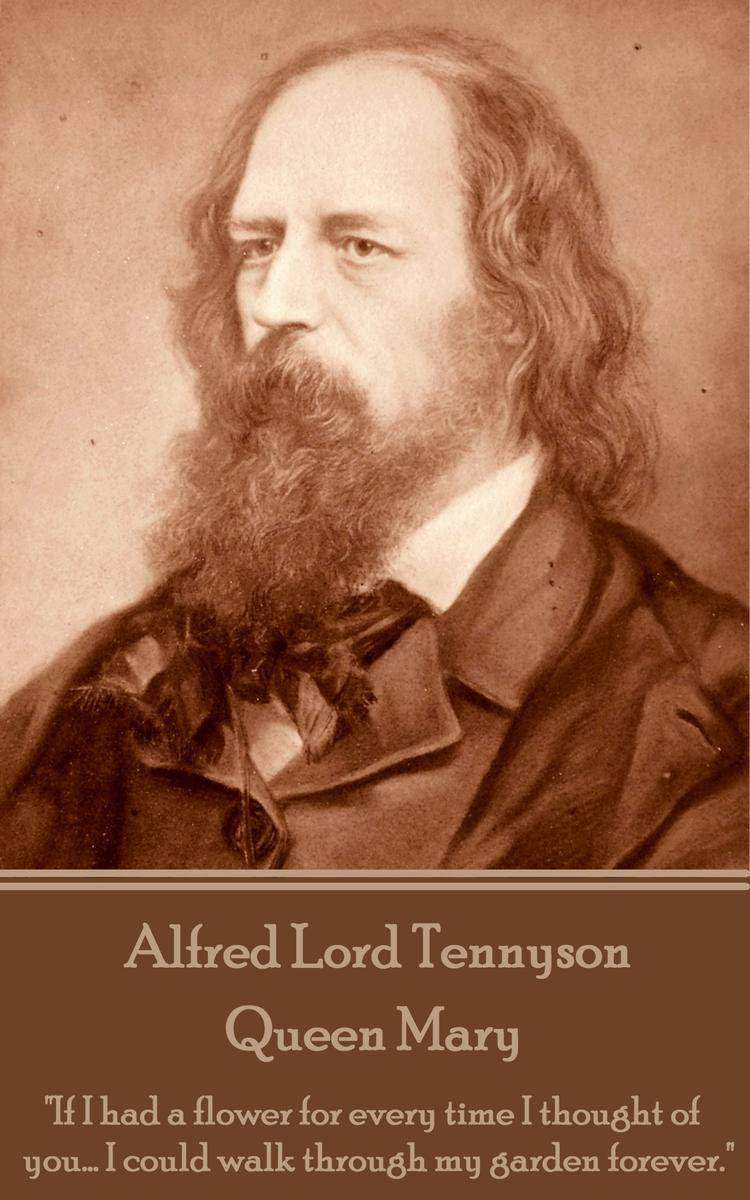
Queen Mary - If I had a flower for every time I thought of you...
¥23.45
Alfred Tennyson was born on August 6th, 1809, in Somersby, Lincolnshire, the fourth of twelve children. Most of Tennyson's early education was under the direction of his father, although he did spend four unhappy years at a nearby grammar school. He left home in 1827 to join his elder brothers at Trinity College, Cambridge, more to escape his father than a desire for serious academic work. At Trinity he was living for the first time among young men of his own age who knew little of his problems. He was delighted to make new friends; he was handsome, intelligent, humorous, a gifted impersonator and soon at the center of those interested in poetry and conversation. That same year, he and his brother Charles published Poems by Two Brothers. Although the poems in the book were of teenage quality, they attracted the attention of the "e;Apostles,"e; a select undergraduate literary club led by Arthur Hallam. The "e;Apostles"e; provided Tennyson with friendship and confidence. Hallam and Tennyson became the best of friends; they toured Europe together in 1830 and again in 1832. Hallam's sudden death in 1833 greatly affected the young poet. The long elegy In Memoriam and many of Tennyson's other poems are tributes to Hallam. In 1830, Tennyson published Poems, Chiefly Lyrical and in 1832 he published a second volume entitled simply Poems. Some reviewers condemned these books as "e;affected"e; and "e;obscure."e; Tennyson, stung by the reviews, would not publish another book for nine years. In 1836, he became engaged to Emily Sellwood. When he lost his inheritance on a failed investment in 1840, the engagement was cancelled. In 1842, however, Tennyson's Poems [in two volumes] was a tremendous critical and popular success. In 1850, with the publication of In Memoriam, Tennyson's reputation was pre-eminent. He was also selected as Poet Laureate in succession to Wordsworth and, to complete a wonderful year, he married Emily Sellwood. At the age of 41, Tennyson had established himself as the most popular poet of the Victorian era. The money from his poetry [at times exceeding 10,000 pounds per year] allowed him to purchase a home in the country and to write in relative seclusion. His appearance-a large and bearded man, he regularly wore a cloak and a broad brimmed hat-enhanced his notoriety. In 1859, Tennyson published the first poems of Idylls of the Kings, which sold more than 10,000 copies in a fortnight. In 1884, he accepted a peerage, becoming Alfred Lord Tennyson. On October 6th, 1892, an hour or so after midnight, surrounded by his family, he died at Aldworth. It is said that the moonlight was streaming through the window and Tennyson himself was holding open a volume of Shakespeare. He was buried in Westminster Abbey.
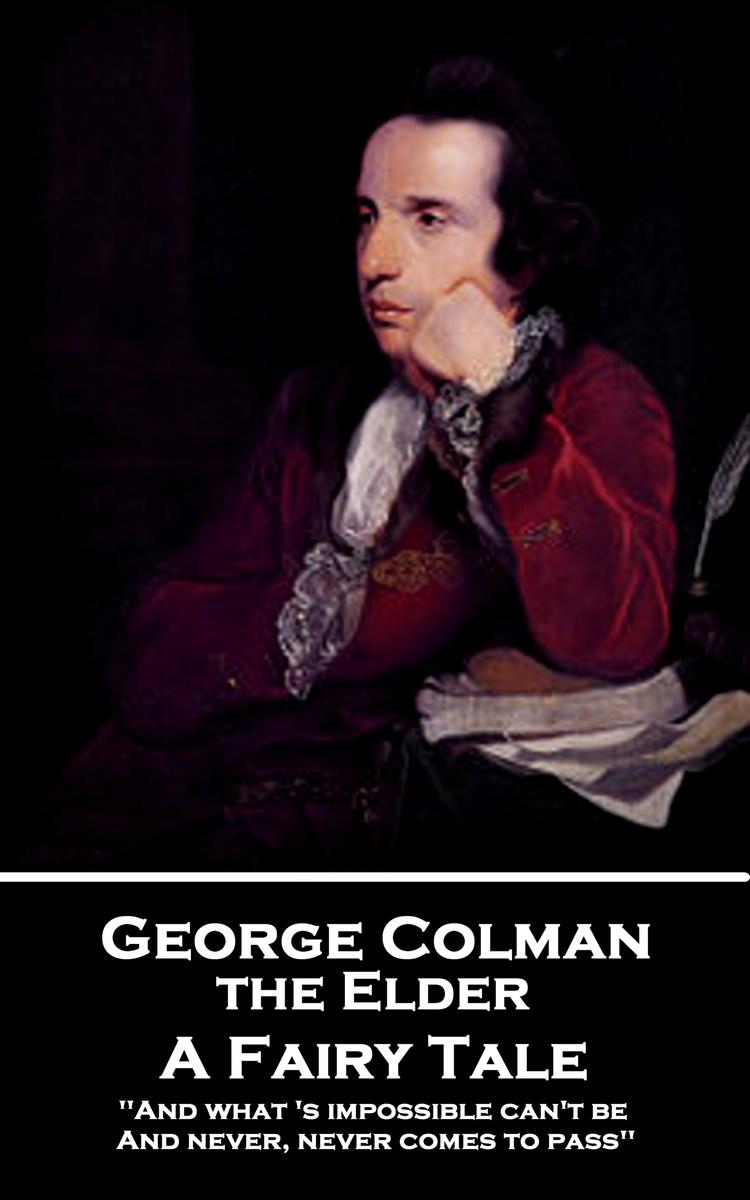
Fairy Tale - 'And what 's impossible can't be, And never, never comes to pass''
¥14.03
George Colman was born in Florence, Italy, in April 1732, where his father was stationed as British Resident Minister to the court of the Grand duke of Tuscany. Before his first birthday Colman's father had died and his well-being was now in the hands of his Father's sister and her husband, William Pulteney, the later Lord BathColman initially attended a private school in Marylebone before being sent to the exclusive Westminster School.From there Colman went to Christ Church, Oxford. Whilst there he met Bonnell Thornton, the parodist, and together they founded 'The Connoisseur' periodical (1754-1756), which ran for 140 editions. After taking his degree in 1755 Colman left Oxford and entered Lincoln's Inn. He was called to the bar in 1757. Despite a friendship forming with David Garrick and the promise of a literary career Colman decided that out of respect for Lord Bath he would continue to also practice law.In 1760, Colman produced his first play, 'Polly Honeycomb'. It was a great success. The following year, 1761, he followed up with 'The Jealous Wife', a comedy partly founded on Henry Fielding's 'Tom Jones'. It made Colman famous. On 21st October 1762 his son, George Colman the Younger, was born. He too would follow in his fathers' footsteps in education and career.In 1764 with the death of Lord Bath and a substantial inheritance Colman was now financially secure and could also stop his law career to work solely on literature.In 1765, his metrical translation of the six plays of Terence was published. The following year, 1766, in partnership with David Garrick, came another success: 'The Clandestine Marriage'. The only blot was when Colman quarreled with Garrick's refusal to take the part of Lord Ogleby. With the arrival of 1767 Colman decided to expand his interests by acquiring a quarter share in the Covent Garden Theatre. When his play 'The Oxonian in Town' was performed there on 9th November that year a riot ensued, apparently sparked by a claque of card-sharpers.Colman was elected to the Literary Club, in 1768, then nominally consisting of twelve members. In 1771 Thomas Arne's masque 'The Fairy Prince' premiered at Covent Garden, for which Colman wrote the libretto.His instincts as a theatrical impresario were sound. As well as part-owner he was also the acting manager of Covent Garden for seven years during which he produced several 'adapted' plays of Shakespeare. He also directed the premiere of 'She Stoops to Conquer' in 1773. In 1774 he sold to James Leake his share of Covent Garden, which had involved him in much litigation with his partners, and three years later, in 1777, he purchased the little theatre in the Haymarket from Samuel Foote.George Colman suffered badly from attacks of paralysis in 1785 and his health became both failing and a burden. By 1789 his brain had become affected, and he died on 14th August 1794. He was buried in Kensington Church.
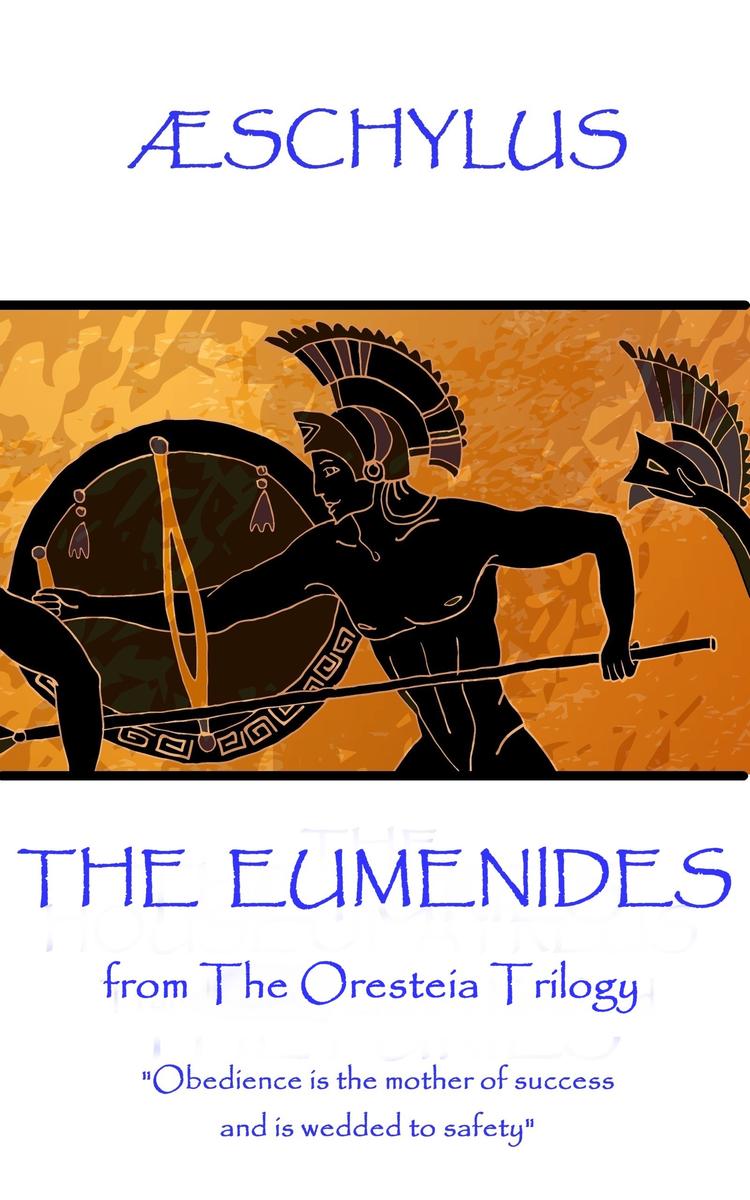
Eumenides - Translaton by E.D.A. Morshead
¥11.67
schylus is often regarded as the father of Greek tragedy; he moved play writing from the simple interaction of a single character and a chorus to one where many characters interact and thereby create more dynamic and dramatic situations. schylus, was the son of Euphorion, and a scion of a Eupatrid or noble family. He was born at Eleusis 525 B.C., or, as the Greeks calculated time, in the fourth year of the 63rd Olympiad. He first worked at a vineyard and whilst there claimed to have been visited by Dionysis in a dream and told to turn his attention to the tragic art. It was a dream that would deliver a rich and incredible legacy through his writing talents. His earliest tragedy, composed when he was twenty-six years of age, failed to win the fabled Dionysia, (a revered festival of theatre) and it was not until fifteen years later that he gained this victory in 484BC going on to win it again in 472 BC (for The Persians), 467 BC (for Seven Against Thebes) and 463 BC (for The Suppliants). schylus was also known for his military skills and was ready to fight in defence of Athens whenever the call was made. He and his brother, Cynegeirus, fought against Darius's invading Persian army at the Battle of Marathon in 490 BCE and, although the Greeks won against overwhelming odds, Cynegeirus died in the battle, which had a naturally had a profound effect on schylus. He made several visits to the important Greek city of Syracuse in Sicily at the invitation of the tyrant Hieron, and it is thought that he also travelled extensively in the region of Thrace. His writing continued to be the envy of others. With the series of plays of which Seven Against Thebes was a part, his supremacy was undisputed. He was the "e;father of tragedy."e; schylus made many changes to dramatic form. The importance of the chorus was demoted and a second added to give prominence to the dialogue and making that interchange the leading feature of the play. He removed all deeds of bloodshed from the public view, and in their place provided various spectacular elements, improving the costumes, making the masks more expressive and convenient, and probably adopting the cothurnus to increase the stature of the performers. Finally, he established the custom of contending for the prize with trilogies, an inter-connecting set of three independent dramas. The closing years of the life of schylus were mainly spent in Sicily, which he had first visited soon after his defeat at the Dionysia by Sophocles. schylus returned to Athens to produce his Orestean trilogy, probably the finest of his works, although the Eumenides, the last of the three plays, revealed so openly his aristocratic tendencies that he became extremely unpopular, and returned to Sicily for the last time in 458 BCE and it was there that he died, while visiting the city of Gela in 456 or 455 BCE.
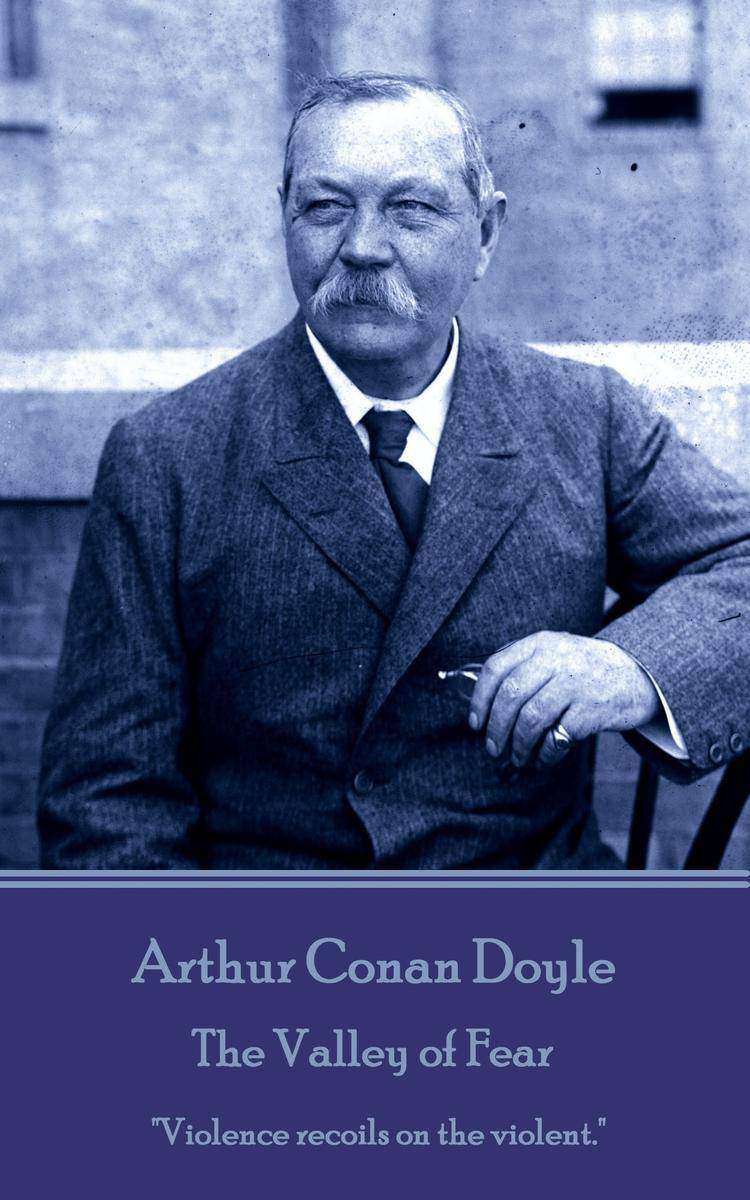
Valley of Fear - Violence recoils on the violent.
¥15.21
If ever a writer needed an introduction Arthur Conan Doyle would not be considered that man. After all, Sherlock Holmes is perhaps the foremost literary detective of any age. Add to this canon his stories of science fiction and his poems, his historical novels, his plays, his political campaigning, his efforts in establishing a Court of Appeal and there is little room for anything else. Except he was also an exceptional writer of short stories of the horrific and macabre. Something very different from what you might expect. Born in Arthur Conan Doyle was born on 22 May 1859 at 11 Picardy Place, Edinburgh, Scotland. From 1876 - 1881 he studied medicine at the University of Edinburgh following which he was employed as a doctor on the Greenland whaler Hope of Peterhead in 1880 and, after his graduation, as a ship's surgeon on the SS Mayumba during a voyage to the West African coast in 1881. Arriving in Portsmouth in June of that year with less than GBP10 (GBP700 today) to his name, he set up a medical practice at 1 Bush Villas in Elm Grove, Southsea. The practice was initially not very successful. While waiting for patients, Conan Doyle again began writing stories and composed his first novel The Mystery of Cloomber. Although he continued to study and practice medicine his career was now firmly set as a writer. And thereafter great works continued to pour out of him.
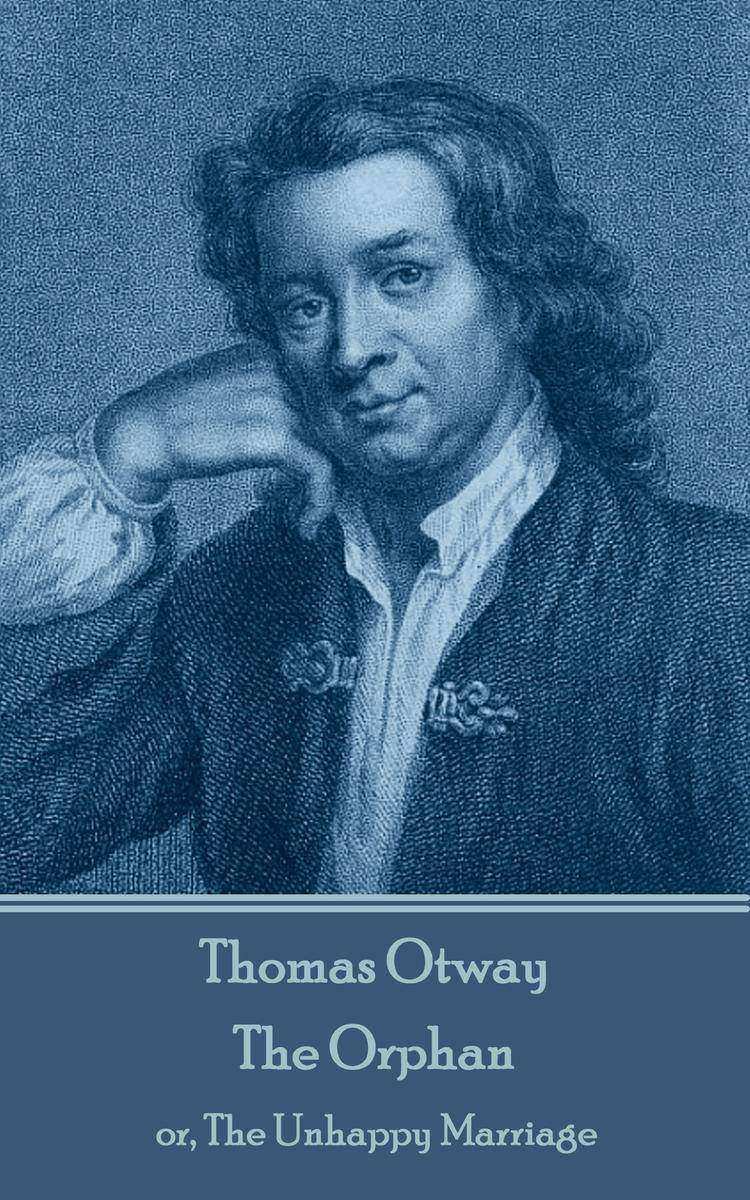
Orphan - or, The Unhappy Marriage
¥21.09
Thomas Otway was born on March 3rd, 1652 at Trotton near Midhurst. He was educated at Winchester College before entering Christ Church, Oxford, in 1669 as a commoner. For reasons unknown he left without a degree in 1672 but what is known is that Oxford create a passion in him for books. Travelling to London that same year he met and obtained work as an actor from the playwright Aphra Behn. He was cast as the old king in her play, Forc'd Marriage but on his debut he had such a severe attack of stage fright that his acting career finished there and then. His career now turned to writing plays and it was a career that was to prove of immense worth to the literary canon of England. In 1675, Otway's first play, Alcibiades was first performed. It is a tragedy, written in heroic verse, saved from absolute failure only by the actors. In his play Don Carlos, Prince of Spain (1676) Otway made the leap to the front rank of playwrights and quickly followed it in 1677 with two plays adapted from French sources; Titus and Berenice, and the Cheats of Scapin followed in 1678 Otway by an original comedy, Friendship in Fashion, which continued his run of very successful plays. In February 1680, the first of Otway's two tragic masterpieces, The Orphan, or The Unhappy Marriage, was performed followed by an indifferent comedy, The Soldier's Fortune (1681), and 1682 perhaps his best work, Venice Preserv'd, or A Plot Discover'd. The play won instant success. However, in the last few years of his life poverty ensnared Otway. The success of his earlier plays had finished with Venice Preserv'd and the downward slope was both precipitous and destructive. Thomas Otway, aged 33, died in the most awful poverty on April 14th, 1685 and was buried two days later on April 16th, in the churchyard of St. Clement Danes.
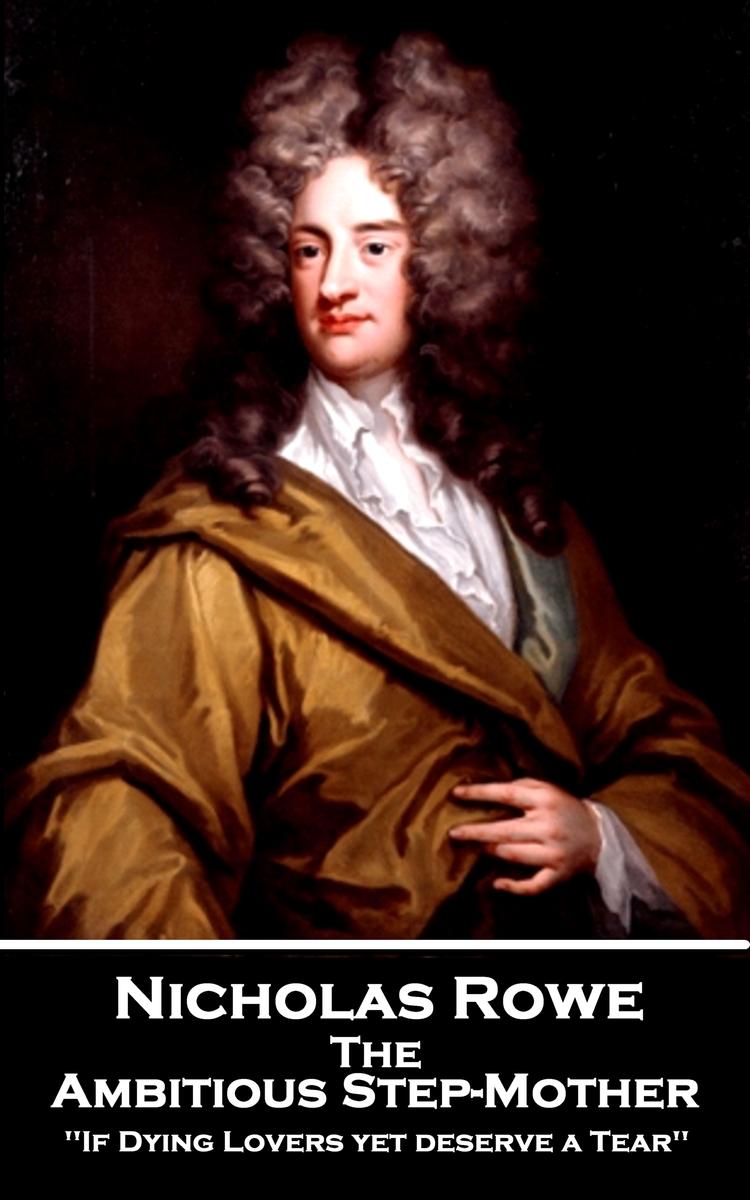
Ambitious Step-Mother
¥23.45
Nicholas Rowe was born in Little Barford, Bedfordshire, England, on June 20th, 1674. He was educated at Highgate School, and then at Westminster School under the tutelage of Dr. Busby.In 1688, Rowe became a King's Scholar, and then in 1691 gained entrance into Middle Temple. This was his father's decision (he was a barrister) who felt that his son had made sufficient progress to study law. While at Middle Temple, he decided that studying law was easier if seen as a system of rational government and impartial justice and not as a series of precedents, or collection of positive precepts.On his father's death, when he was nineteen, he became the master of a large estate and an independent fortune. His future path now was to ignore law and write poetry with a view to eventually writing plays.The Ambitious Stepmother, Rowe's first play, produced in 1700 at Lincoln's Inn Fields by Thomas Betterton and set in Persepolis, was well received. This was followed in 1701 by Tamerlane. In this play the conqueror Timur represented William III, and Louis XIV is denounced as Bajazet. It was for many years regularly acted on the anniversary of William's landing at Torbay. In 1704, he tried his hand at comedy, with The Biter at Lincoln's Inn Fields. The play is said to have amused no one except the author, and Rowe returned to tragedy in Ulysses (1706). For Johnson, this play was to share the fate of many such plays based on mythological heroes, as, "e;We have been too early acquainted with the poetical heroes to expect any pleasure from their revival"e;The Royal Convert (1707) dealt with the persecutions endured by Aribert, son of Hengist and the Christian maiden Ethelinda. The story was set in England in an obscure and barbarous age. Rodogune was a tragic character, of high spirit and violent passions, yet with a wicked with a soul that would have been heroic if it had been virtuous.Rowe is however well known for his work on Shakespeare's plays. He published the first 18th century edition of Shakespeare in six volumes in 1709. His practical knowledge of the stage helped him divide the plays into scenes and acts, with entrances and exits of the players noted. The spelling of names was normalized and each play prefixed with a dramatis personae. This 1709 edition was also the first to be illustrated, a frontispiece engraving being provided for each play. Unfortunately, Rowe based his text on the discredited Fourth Folio, a failing which many succeeding him also followed.Rowe also wrote a short biography of William Shakespeare, entitled, Some Account of the Life of Mr. William Shakespeare.In Dublin in 1712 a revival of his earlier play, Tamerlane, at a time when political passions were running high, the performance provoked a serious riot.The Tragedy of Jane Shore, played at Drury Lane with Mrs Oldfield in the title role in 1714. It ran for nineteen nights, and kept the stage longer than any other of Rowe's works. In the play, which consists chiefly of domestic scenes and private distress, the wife is forgiven because she repents, and the husband is honoured because he forgives.Whilst his plays met with little success at the time his poems were received extremely well. Although he was not prolific nor his output large the quality was high. With the accession to the throne of George I he was made a surveyor of customs, and then, in 1715, he succeeded Nahum Tate as poet laureate. It was the high point of his artistic life.He was also appointed clerk of the council to the Prince of Wales, and in 1718 was nominated by Lord Chancellor Parker as clerk of the presentations in Chancery. Nicholas Rowe died on December 6th, 1718, and was buried in Westminster Abbey.Rowe married first a daughter of a Mr Parsons and left a son John. By his second wife Anne, nee Devenish, he had a daughter Charlotte.

Forsythe Sage - Awakening & To Let - Beginnings are always messy.
¥46.99
John Galsworthy was born at Kingston Upon Thames in Surrey, England, on August 14th 1867 to a wealthy and well established family. His schooling was at Harrow and New College, Oxford before training as a barrister and being called to the bar in 1890. However, Law was not attractive to him and he travelled abroad becoming great friends with the novelist Joseph Conrad, then a first mate on a sailing ship. Galsworthy first published in 1897 with a collection of short stories entitled "e;The Four Winds"e;. For the next 7 years he published these and all works under his pen name John Sinjohn. It was only upon the death of his father and the publication of "e;The Island Pharisees"e; in 1904 that he published as John Galsworthy. His first play, The Silver Box in 1906 was a success and was followed by "e;The Man of Property"e; later that same year and was the first in the Forsyte trilogy. Whilst today he is far more well know as a Nobel Prize winning novelist then he was considered a playwright dealing with social issues and the class system. He is now far better known for his novels, particularly The Forsyte Saga, his trilogy about the eponymous family of the same name. These books, as with many of his other works, deal with social class, upper-middle class lives in particular. Although always sympathetic to his characters, he reveals their insular, snobbish, and somewhat greedy attitudes and suffocating moral codes. He is now viewed as one of the first from the Edwardian era to challenge some of the ideals of society depicted in the literature of Victorian England. He was appointed to the Order of Merit in 1929, after earlier turning down a knighthood, and awarded the Nobel Prize in 1932 though he was too ill to attend. John Galsworthy died from a brain tumour at his London home, Grove Lodge, Hampstead on January 31st 1933. In accordance with his will he was cremated at Woking with his ashes then being scattered over the South Downs from an aeroplane.
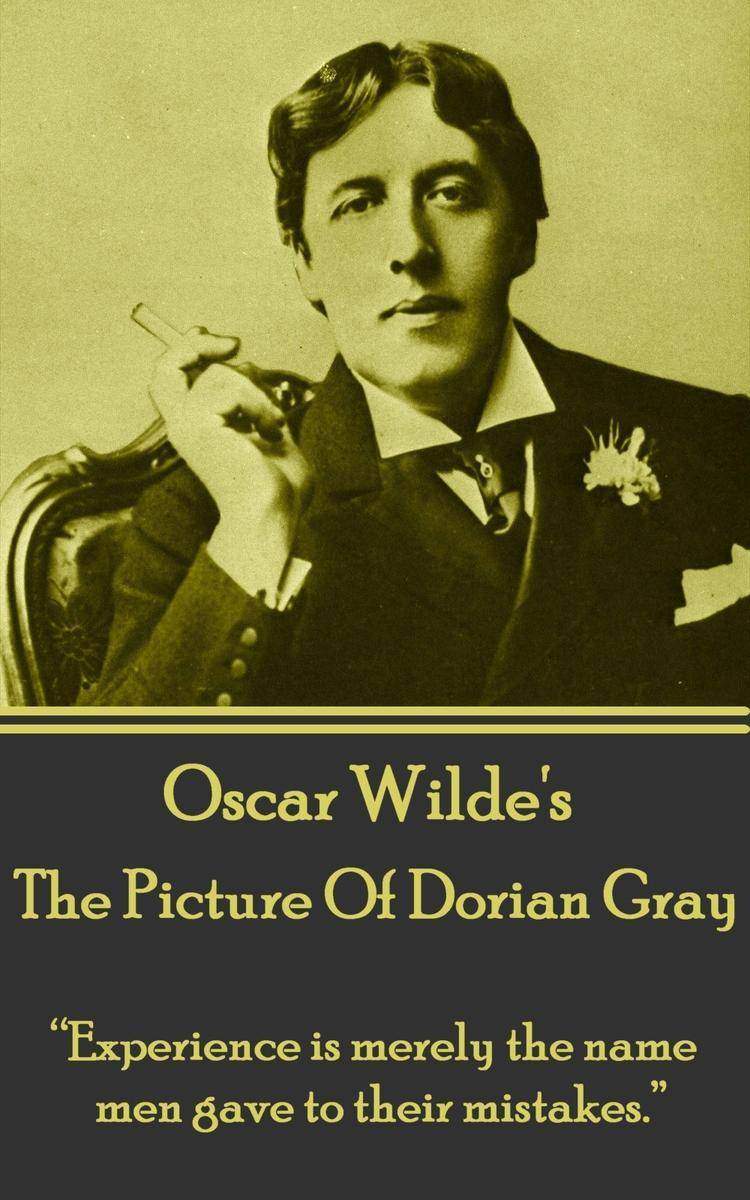
Picture Of Dorian Gray - Experience is merely the name men gave to their mistake
¥26.98
Oscar Fingal O'Flahertie Wills Wilde was born on the 16th October 1854 in Dublin Ireland. The son of Dublin intellectuals Oscar proved himself an outstanding classicist at Dublin, then at Oxford. With his education complete Wilde moved to London and its fashionable cultural and social circles. With his biting wit, flamboyant dress, and glittering conversation, Wilde became one of the most well-known personalities of his day. His only novel, The Picture of Dorian Gray was published in 1890 and he then moved on to writing for the stage with Salome in 1891. His society comedies produced enormous hits and turned him into one of the most successful writers of late Victorian London. Whilst his masterpiece, The Importance of Being Earnest, was on stage in London, Wilde had the Marquess of Queensberry, the father of his lover, Lord Alfred Douglas, prosecuted for libel. The trial unearthed evidence that caused Wilde to drop his charges and led to his own arrest and trial for gross indecency. He was convicted and imprisoned for two years' hard labour. It was to break him. On release he left for France, There he wrote his last work, The Ballad of Reading Gaol in 1898. He died destitute in Paris at the age of forty-six sipping champagne a friend had brought with the line 'Alas I am dying beyond my means'. And here indeed is that master work The Picture Of Dorian Gray. Compelling, diabolical and at the time it caused great outrage. But as we know the pen of Oscar Wilde leads us where many others fear to go.
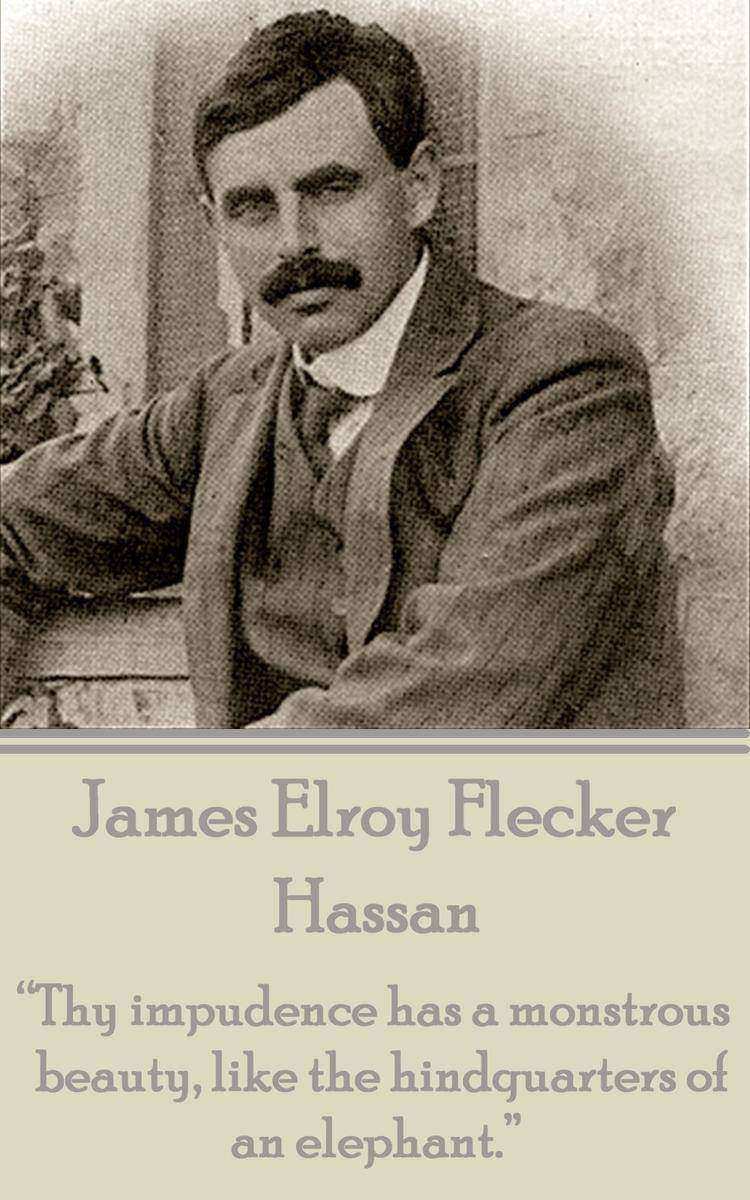
Hassan - Thy impudence has a monstrous beauty, like the hindquarters of an eleph
¥21.09
James Elroy Flecker was born on November 5th 1884 in London. He was educated at Dean Close School, Cheltenham, where his father was headmaster, and Uppingham School then on to Trinity College, Oxford, and Caius College, Cambridge. At Oxford he was much influenced by the vestiges of the Aesthetic movement there. In 1910 he was in the consular service, in the Eastern Mediterranean. On a ship to Athens he met Helle Skiadaressi and married her in 1911. Perhaps his best known work is "e;To A Poet A Thousand Years Hence"e;. Here we publish his five act play Hassan The Story Of Hassan Of Bagdad And How He Came To Make The Golden Journey To Samarkand. Tragically James was to die at age 30 on January 3rd 1915, in Davos, Switzerland of tuberculosis. An immense loss to English Poetry - he had already been measured against the work of Keats.
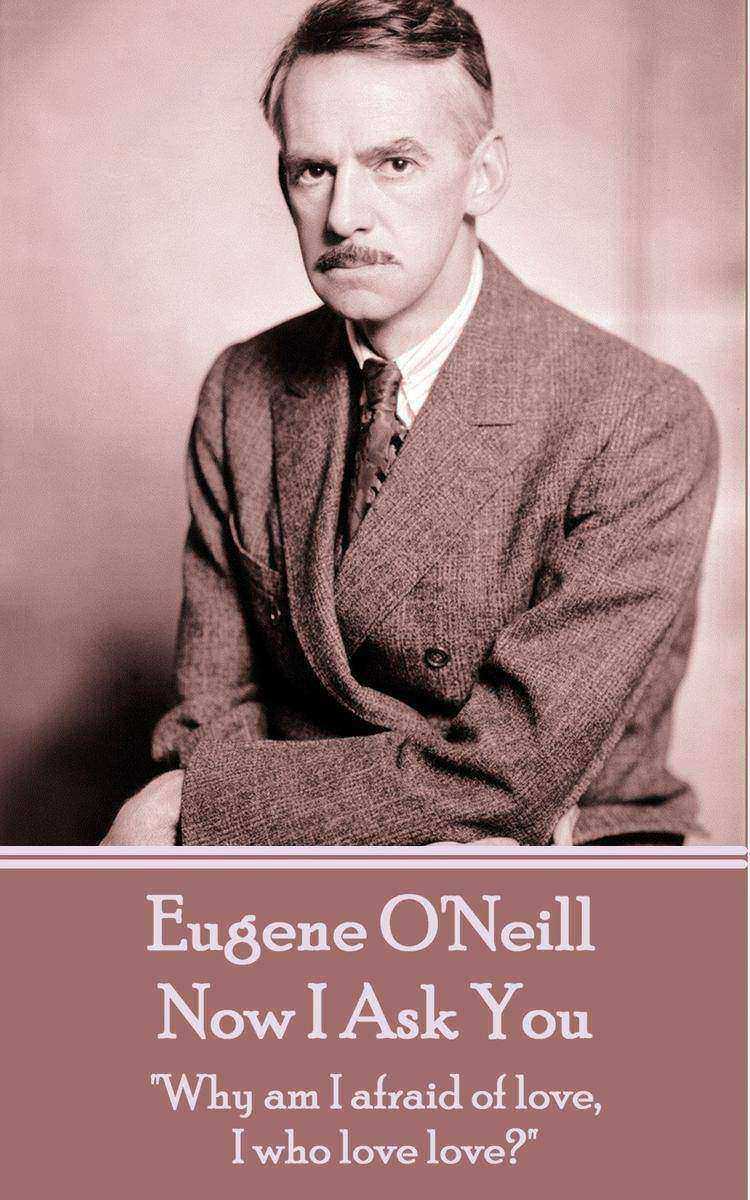
Now I Ask You - Why am I afraid of love, I who love love?
¥23.45
Eugene Gladstone O'Neill was born on October 16, 1888 in a hotel bedroom in what is now Times Square, New York. Much of his childhood was spent in the comfort of books at boarding schools whilst his actor father was on the road and his Mother contended with her own demons. He spent only a year at University - Princeton - and various reasons have been given for his departure. However whatever his background and education denied or added to his development it is agreed amongst all that he was a playwright of the first rank and possibly America's greatest. His introduction of realism into American drama was instrumental in its development and paved a path for many talents thereafter. Of course his winning of both the Pulitzer Prize (4 times) and the Nobel Prize are indicative of his status. His more famous and later works do side with the disillusionment and personal tragedy of those on the fringes of society but continue to build upon ideas and structures he incorporated in his early one act plays. Eugene O'Neill suffered from various health problems, mainly depression and alcoholism. In the last decade he also faced a Parkinson's like tremor in his hands which made writing increasingly difficult. But out of such difficulties came plays of the calibre of The Iceman Cometh, Long Day's Journey Into Night, and A Moon for the Misbegotten. Eugene O'Neill died in Room 401 of the Sheraton Hotel on Bay State Road in Boston, on November 27, 1953, at the age of 65. As he was dying, he whispered his last words: "e;I knew it. I knew it. Born in a hotel room and died in a hotel room."e;
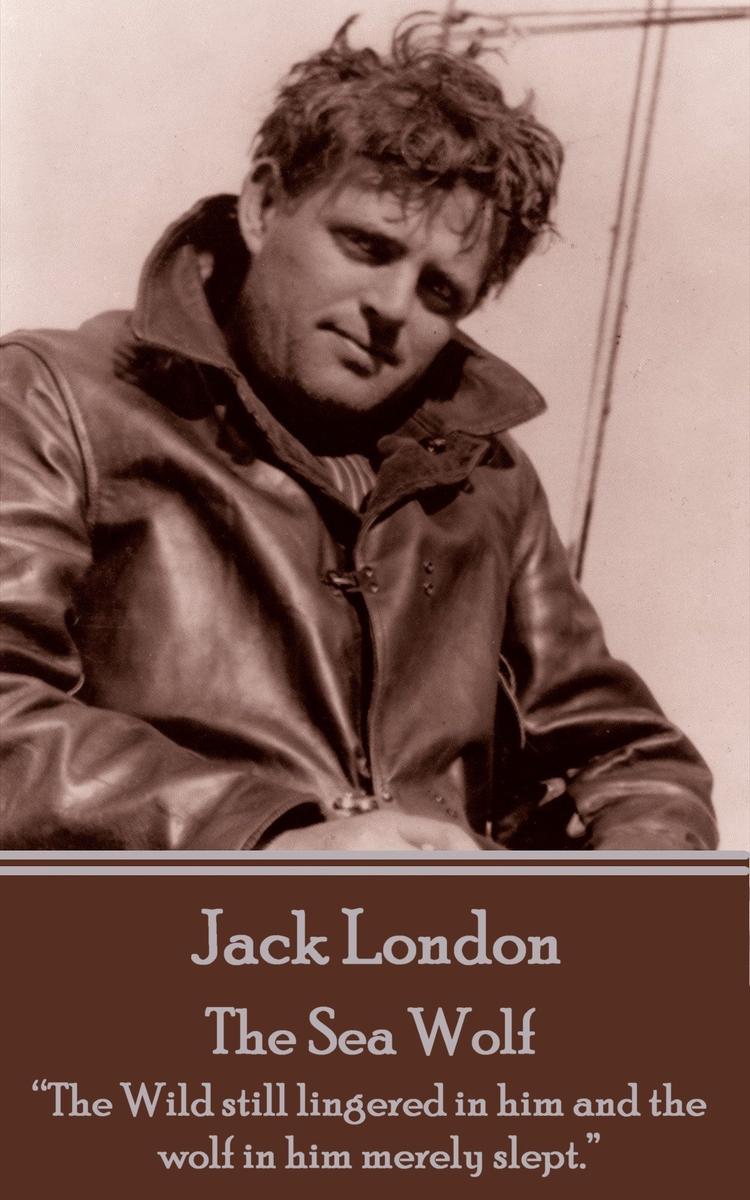
Sea Wolf - The Wild still lingered in him and the wolf in him merely slept.
¥46.99
John Griffith "e;Jack"e; London was born John Griffith Chaney on January 12th, 1876 in San Francisco. His father, William Chaney, was living with his mother Flora Wellman when she became pregnant. Chaney insisted she have an abortion. Flora's response was to turn a gun on herself. Although her wounds were not severe the trauma made her temporarily deranged. In late 1876 his mother married John London and the young child was brought to live with them as they moved around the Bay area, eventually settling in Oakland where Jack completed grade school. Jack also worked hard at several jobs, sometimes 12-18 hours a day, but his dream was university. He was lent money for that and after intense studying enrolled in the summer of 1896 at the University of California in Berkeley. In 1897, at 21 , Jack searched out newspaper accounts of his mother's suicide attempt and the name of his biological father. He wrote to William Chaney, then living in Chicago. Chaney said he could not be London's father because he was impotent; and casually asserted that London's mother had relations with other men. Jack, devastated by the response, quit Berkeley and went to the Klondike. Though equally because of his continuing dire finances Jack might have taken that as the excuse he needed to leave. In the Klondike Jack began to gather material for his writing but also accumulated many health problems, including scurvy, hip and leg problems many of which he then carried for life. By the late 1890's Jack was regularly publishing short stories and by the turn of the century full blown novels. By 1904 Jack had married, fathered two children and was now in the process of divorcing. A stint as a reporter on the Russo-Japanese war of 1904 was equal amounts trouble and experience. But that experience was always put to good use in a remarkable output of work. Twelve years later Jack had amassed a wealth of writings many of which remain world classics. He had a reputation as a social activist and a tireless friend of the workers. And yet on November 22nd 1916 Jack London died in a cottage on his ranch at the age of only 40.
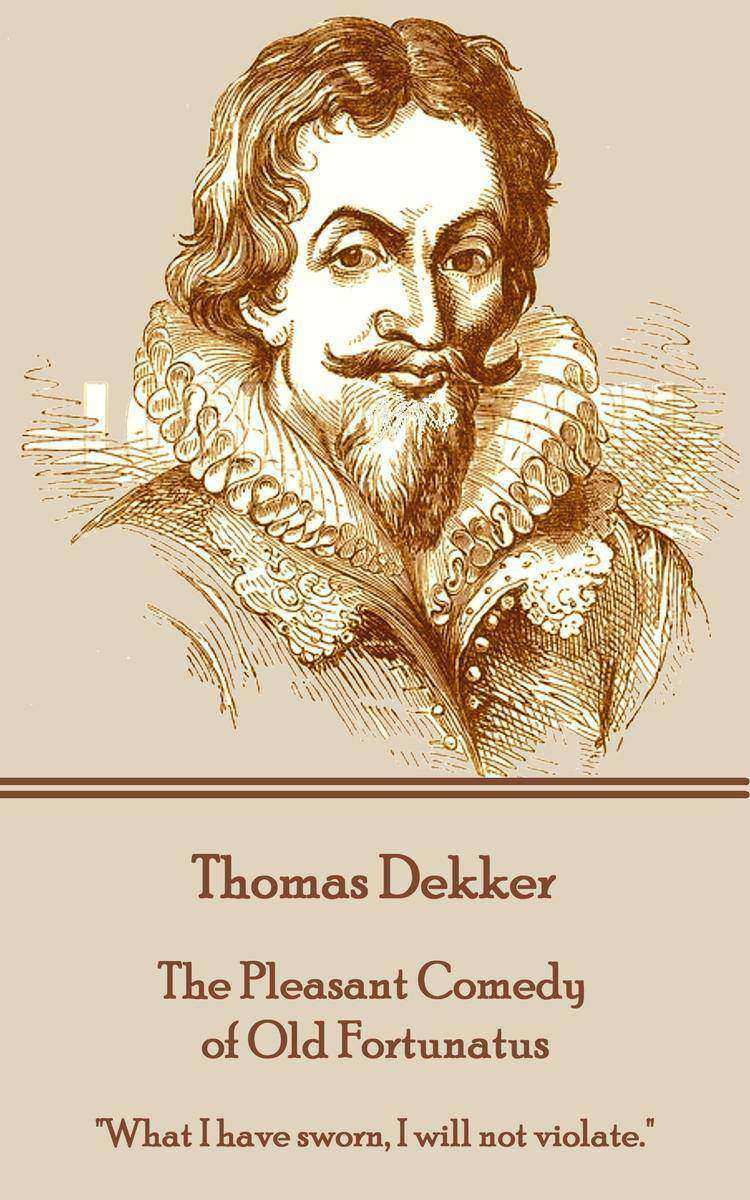
Pleasant Comedy of Old Fortunatus - What I have sworn, I will not violate.
¥26.98
Thomas Dekker was a playwright, pamphleteer and poet who, perhaps, deserves greater recognition than he has so far gained. Despite the fact only perhaps twenty of his plays were published, and fewer still survive, he was far more prolific than that. Born around 1572 his peak years were the mid 1590's to the 1620's - seven of which he spent in a debtor's prison. His works span the late Elizabethan and Caroline eras and his numerous collaborations with Ford, Middleton, Webster and Jonson say much about his work. His pamphlets detail much of the life in these times, times of great change, of plague and of course that great capital city London a swirling mass of people, power, intrigue.
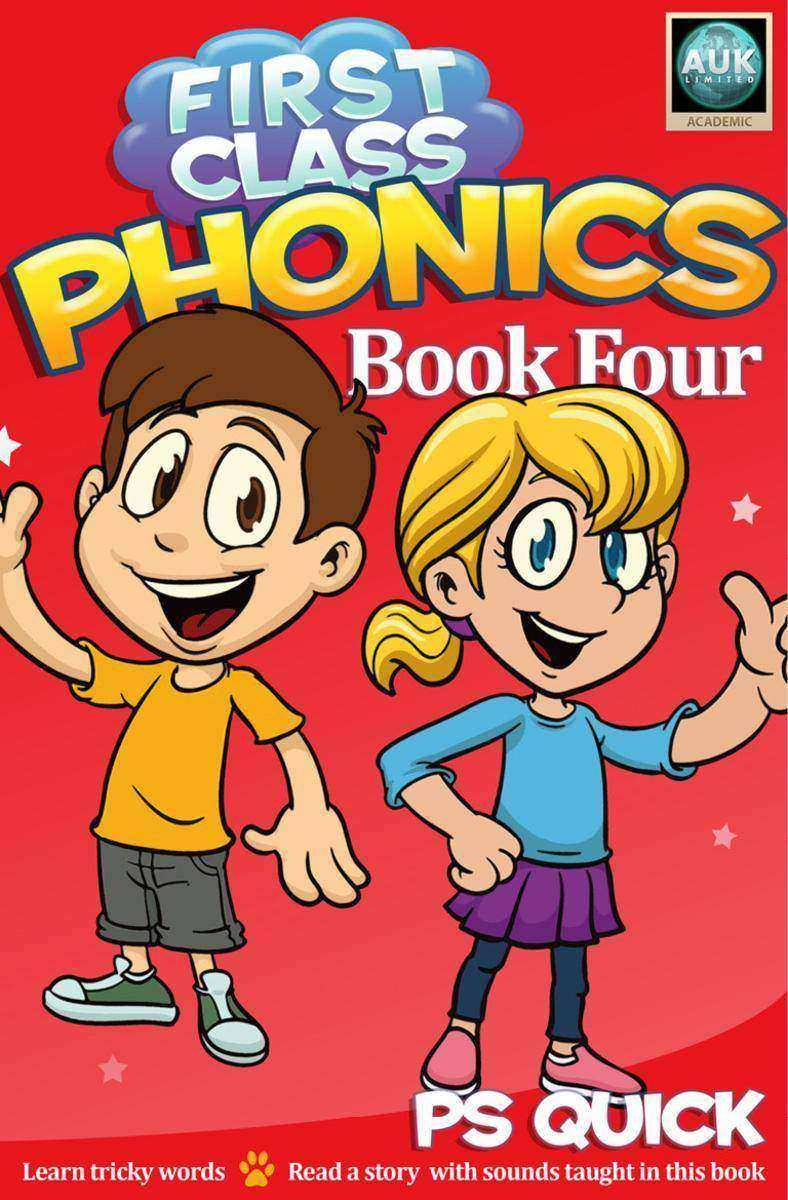
First Class Phonics - Book 4
¥44.05
First Class Phonics is a series of books designed to help children quickly become proficient readers and writers.These books use Synthetic Phonics, a high-quality teaching method recognised all over the world. In Synthetic Phonics, children focus on the skills that enable them to read and spell words accurately. They recognise the importance of every sound they hear in the spoken word and learn to blend these sounds so that they can read words from the very beginning of the program.It is essential that children develop the ability to hear, identify and manipulate individual sounds in order to read fluently. This book provides a range of fun activities to ensure this happens.Book 4 introduces more diagraphs (two-letter sounds) and trigraphs (three-letter sounds). It covers the sounds air, ve, ow (owl), oy, wh, ea, ur, ear, ai, ew, aw, ow (blow), y and oi. It teaches the tricky words come, some, where, why, what and here. The last chapter contains a story that uses only words built from the sounds taught in this book.

莎士比亚戏剧典藏:李尔王
¥12.99
李尔王年老之际,算把国家分给三个女儿。为了满足虚荣心,他让女儿们表达如何爱戴他的。大女儿和二女儿刻意讨好,只有三女儿朴实而真诚地表达了感情,却遭到李尔王的误解而被驱逐出宫。然而得到王国后,两个女儿态度大变,把李尔王和随从葛罗斯特赶出宫。李尔王伤心的时候遇到了一个圣徒并向她倾诉了对小女儿的歉意和想念,不想圣徒正是小女儿,她早已原谅了父亲。葛罗斯特之前听信了小儿子爱德蒙的谗言,赶走了大儿子爱德伽。为了得到王位,爱德蒙不惜陷害自己的父亲和哥哥。与此同时,李尔王的大女儿和小女儿都爱上了为了得到王位陷害父亲与哥哥的爱德蒙。*终,李尔王等人被抓,爱德蒙发布秘密处死的口令。爱德伽与爱德蒙决斗并杀死了埃德蒙。而高纳里尔与里根也已经死去。李尔王崩溃了......
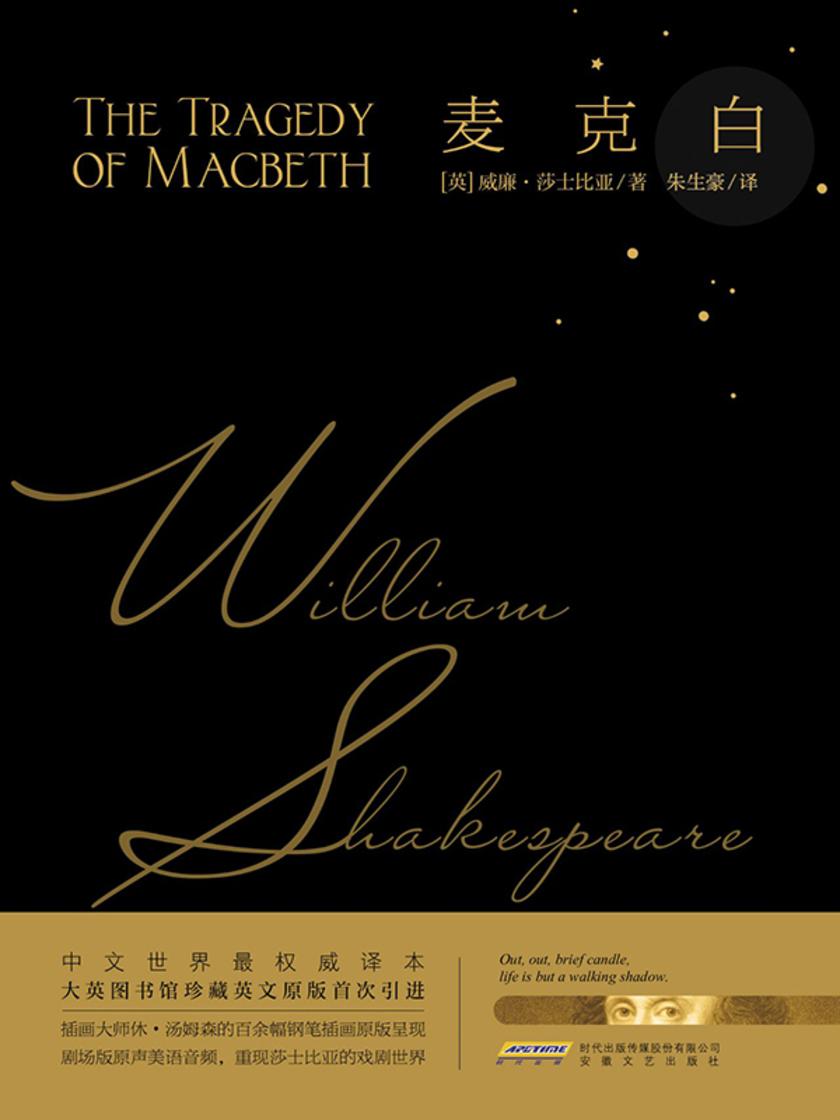
莎士比亚戏剧典藏:麦克白
¥12.99
《麦克白》由英国剧作家威廉•莎士比亚创作,根据古英格兰史学家拉斐尔•霍林献特的《苏格兰编年史》中的古老故事改编而成。戏剧讲述了利欲熏心的国王和贪婪的王后被推翻的过程。《麦克白》同《哈姆雷特》《奥赛罗》《李尔王》被公认为莎士比亚的“四大悲剧”。

Szívhang kül?nszám 21. k?tet (Tóvidék, Foltozott szív)
¥37.36
Szívhang kül?nszám 21. k?tet (Tóvidék, Foltozott szív)
Jó üzlet
¥70.06
Jó üzlet

Romana kül?nszám 32. k?tet
¥37.36
Romana kül?nszám 32. k?tet


