


 购物车
购物车 个人中心
个人中心
Eros ?i Thanatos la Cezar Iv?nescu
¥48.97
Volumul este c??tig?torul Concursului de Debut organizat de Editura Adenium, sec?iunea ?Teatru“, ?i con?ine dou? piese ce readuc ?n prim-plan vechi personaje mitologice (Dionysos, Medeea, Electra, Antigona, Penteu) ?i literare (Don Quijote, Dulcinea, Arlechino, Pulcinella, Trufaldino), dintr-o perspectiv? liric?, dar ?i umoristic?.
Via?a mea cu John F. Kennedy. Interviuri cu Arthur M. S
¥49.46
Volumul De unde stau eu pot vedea cerul este c??tig?torul Concursului de Debut, sec?iunea Poezie, organizat de Editura Adenium ?n anul 2014.Volumul cuprinde trei sec?inui ?n care poemele se ?n?iruie ca o poveste intim? care merit? citit? pe ner?suflate. Poezia Ioanei Du?? este una feminin?, confesiv?, cald?, liric?, direct?, cu accente ironice. Cititorul este plasat ?n microuniversul autoarei, tensiunea creat? de aceasta fiind conving?toare.
O carte pe s?pt?m?n?
¥73.49
Volumul trateaz? tema exilului ?n literaturile europene (cu predilec?ie cea rom?na, francez?, german? ?i rus?), constituind un manual indirect de literatur? axat, ?n special, pe tema exilului artistic. Scriitori ca, de pild?, Rainer Maria Rilke, Marina ?vetaieva, Nichita St?nescu, Nicolae Breban, Gabriela Melinescu s.a. fac parte – ?n percep?ia autoarei – din confreria ale?ilor meni?i s? reprezinte ?ara tinere?ii lor departe de grani?ele acesteia. Cartea se adreseaz? elevilor, studen?ilor, precum ?i publicului larg de cititori.

Insula doctorului libris
¥40.79
Cartea Autori ?i opere reune?te prefe?e, postfe?e, studii introductive ori de sine st?t?toare elaborate de-a lungul mai multor decenii de profesorul Ion Iano?i, rev?zute ?i ?mbun?t??ite pentru actuala edi?ie. Lucrarea ?nsumeaz? trei volume, cu subtitlurile: Culturi occidentale, Cultura rus?, Cultura rom?n?. Volumul I, Culturi occidentale, cuprinde 15 studii, organizate ?n trei par?i. Partea 1 trateaz? ?ase scriitori clasici ?i importante opere ale lor, majoritar rom?ne ale secolului XX. Partea a 2-a analizeaz? tot ?ase scrieri distincte apar?in?nd unor g?nditori ilu?tri din veacurile XIX ?i XX. Partea a 3-a prezint? opera de ansamblu a c?torva filosofi. Printre autorii discuta?i ?i amintim pe Italo Svevo, Franz Kafka, Robert Musil; Heinrich Heine, Friedrich Nietzsche, Martin Heidegger: dup? cum se vede, ?n majoritatea lor de limb? german?. Volumele Autori ?i opere ?ntregesc monografiile profesorului Ion Iano?i, prima – pe cele despre Thomas Mann ?i Hegel, cea de a doua – despre Dostoievski ?i Tolstoi, cea de a treia – despre Constantin Noica. Astfel, ele ?mplinesc preocup?ri de o via?? cu privire la figuri tutelare din literatura ?i filosofia german?, rus? ?i rom?neasc?, din ultimele secole.

Evadare din biblioteca domnului Lemoncello
¥48.97
Un volum de poeme puternic, scris de unul dintre cei mai importan?i scriitori da?i de Timi?oara.
Spirali di Energia - L'antica arte della Selfica: L'antica arte della Selfica
¥46.52
n ultimii ani Uniunea Scriitorilor a iniiat cteva proiecte specifice de anvergur, considerate n stare s sparg zidul indiferenei generalizate de care atta ne plngem, m refer desigur la dezinteresul flagrant pentru literatur, pentru cultura scris i implicit pentru creatorii acesteia, scriitorii. Zis i fcut – ceea ce nu e puin lucru pentru un scriitor evazionist, nu Oricum am lua lucrurile, la sfritul anului 2007 aveam confecionate i inscripionate nu mai puin de 124 plci memoriale, pe care figureaz numele a 167 scriitori; aceast cifra, impresionant prin ea nsi, nu poate da ns o idee corect privind amploarea aciunii despre care tocmai aminteam dect dac o raportm la cifra de circa 60 de plci memoriale pe care Uniunea noastr (USR) le-a pus n ultimii 60 de ani. Am considerat c marii notri scriitori, furitori de cultur, merit pn la urm, dup o via de privaiuni, umiline i eecuri (ignorai de semenii lor, dispreuii de rude i cunoscui, nenelei de familie, obstrucionai de birocraia nemiloas, invidiai de confraii fr har), binemerita de la aceast naiune mcar neuitarea pe care o confer, simbolic n definitiv, o plac de marmor alb pe locul ptimirii lor ntru Art, Frumos i Adevr. O binevenit atenionare pentru insul trector pe strzile capitalei: Aici a trit i a creat ntre anii... scriitorul...“ Dar va fi sesizat cinstitul nostru concetean apariia acestor plci memoriale

El Camino
¥57.31
O monografie de referin?? asupra operei argheziene. O capodoper?, pentru prima dat? ?n Colec?ia Edi?ii definitive.
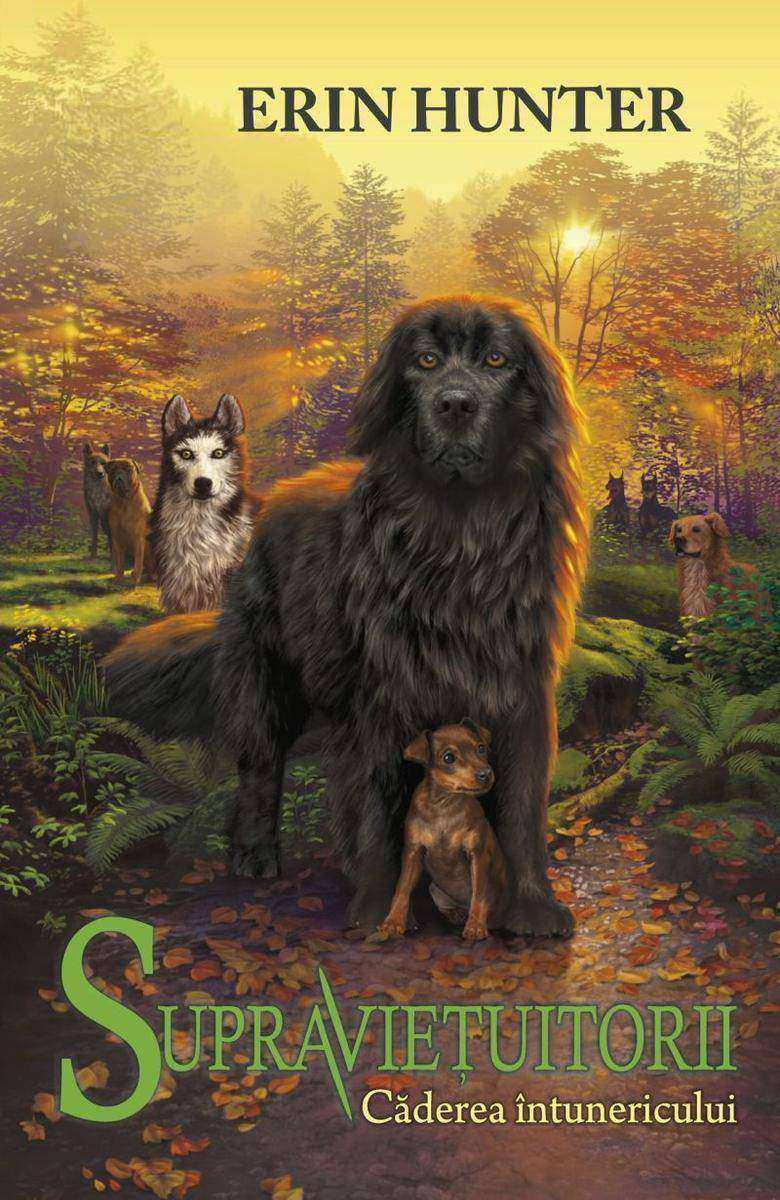
Supravietui?orii. Cartea a III-a - C?derea ?ntunericului
¥73.49
n aceast carte, ncerc, de fapt, s-mi schimb instrumentele i felul de a scrie critic literar. Pentru c nsi condiia criticii literare s-a schimbat. Dintr-un gen diurn, care atingea o maxim strlucire – vezi explozia ei, din deceniile ’60 – ’80, cnd devenise genul dominant al literaturii –, critica a devenit o disciplin aproape subversiv, practicat pe ascuns (n Universitate) sau n locuri dosnice (revistele literare, care au – toate – tiraje confideniale). Critica s-a transformat, aadar, fr sa vrea, ntr-un gen nocturn, practicat de lunatici“ i accesibil numai acestora. Tinerii scriitori i refuz diagnosticul, cei mai vrstnici se supr dac nu sunt ludai peste msur, iar presa i d cu tifla, subliniind n orice mprejurare superioritatea (i avantajele) publicitii, n raport cu desueta judecat de valoare. i aceasta, deoarece acea splendid explozie a metodelor de lectur, a formelor i modalitilor critice, din deceniile anterioare, a sectuit de fapt disciplina. i a multiplicat la nesfrit posibilitile interpretrii, pn cnd nelesul textului literar a devenit cu totul obscur i, n fond, chiar facultativ. Totul este pus sub semnul ntrebrii, iar sacrosancta valoare estetic, pe care jura critica modernist, a fost de mult relegat din discursul critic. Care discurs ncepe s semene, astfel, cu o noapte adnc, n care mai plpie, ici-colo, asemenea unor stele palide, rmiele unor certitudini. (Rzvan Voncu)

Secretele celor mai s?n?to?i copii din lume.
¥65.32
Din ?nsemn?rile de scriitor al autorului (Vreme ?nchis?), realizate cu consecven?? ?ncep?nd cu anul 1979 (?i adus p?n? ?n actualitate ?i reprezent?nd ?n primul r?nd cronica unor campanii de geolog prospector care ?i-a desf??urat activitatea ?n cele mai diferite col?uri ale ??rii), nu puteau s? lipseasc? nota?iile privind aspecte din via?? literar? ca atare; ?n selec?ia Scene din via?a literar? sunt deci consemnate scene, portrete, dialoguri, ?nt?lniri cu scriitori, arti?ti plastici, actori, muzicieni, al?i oameni de cultur?. C?teva fragmente edificatoare privind aceast? tem? au ap?rut deja ?n revistele Arge? ?i Oglinda literar? (chiar sub titlul Scene din via?a literar?), dar ?i sub alte titluri: ?n Via?a Rom?neasc? (Medalion Mircea Ciobanu), ?n Luceaf?rul (Via?a cu num?rul 13), ?n Ziua literar? (Am fost ?mpin?i la margine...). Sunt de re?inut relat?rile cu privire la constr?ngerile impuse de cenzura necru??toare ?i la numeroasele stratageme prin care scriitorii c?utau s? ob?in? ?bunul de tipar“ ?i ?bunul de difuzare“, ?n condi?iile de nesiguran?? ?n care se desf??ura activitatea creatorilor de arta ?n comunism, dar ?i atelierul de crea?ie propriu-zis al autorului, care ?n perioada respectiv? lucra la romanele R?m??agul, Curtea Interioar?, Capcana de piatr?, ap?rute ?n acei ani, dar ?i texte de sertar; ?n jurnalul de scriitor vom ?nt?lni, cum ?i era de a?teptat, numeroase referiri la opera proprie, edit? sau inedit? ?n acel moment, dar ?i la operele colegilor de genera?ie sau ale clasicilor.
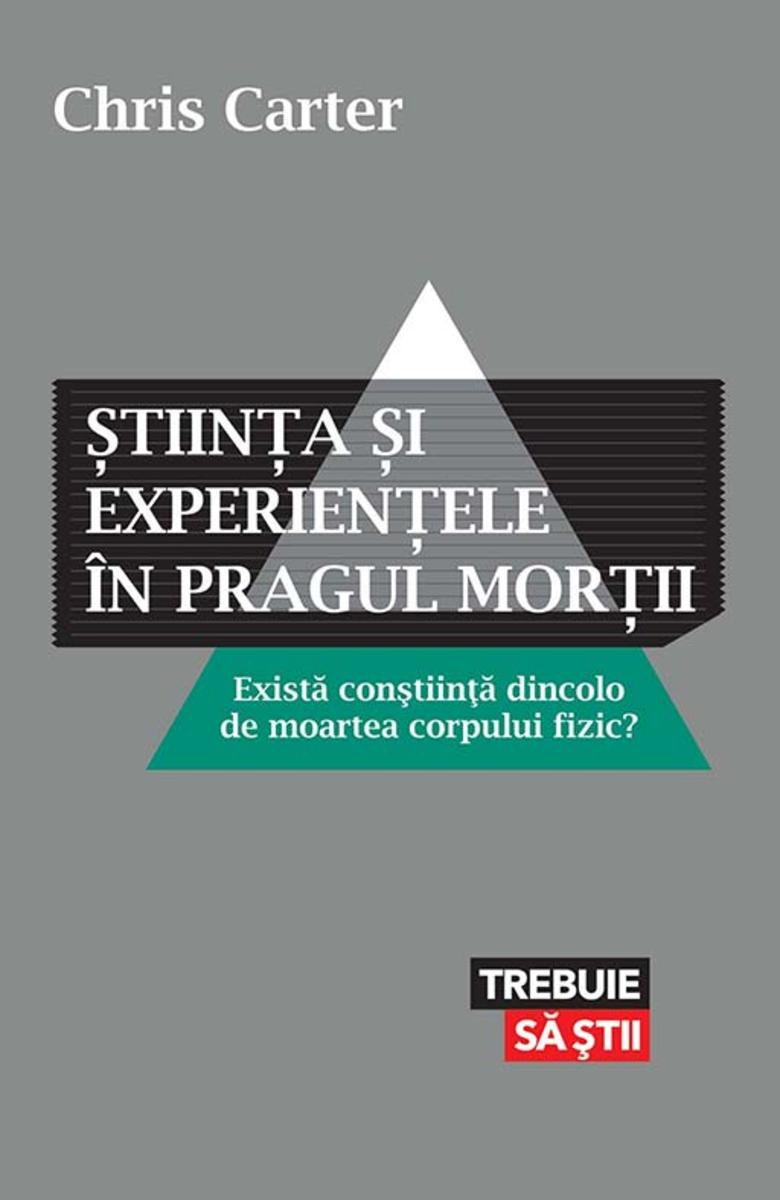
tiin?a ?i experien?ele ?n pragul mor?ii.
¥81.67
Rstimp de douzeci de ani, sub egida acestui prestigios Club de Dialog – Ideea European – au fost organizate numeroase dezbateri, turnee, lecturi publice, conferine, ntruniri, simpozioane, att n ar, ct i peste hotare. M refer, n aceast ordine de idei, la Conferinele Modele Europene. Friedrich Nietzsche, Marx i Nietzsche. Vinovai fr vin, Modele europene. Ion Ianoi, Eugen Negrici. Iluziile literaturii romne sau Nicolae Breban. Trdarea criticii (...) in deopotriv la toate. Unele dintre acestea, multe – majoritatea! – au fost gndite de subsemnata mpreun cu romancierul Nicolae Breban, fiind rodul unei prietenii, al unei compliciti de litere rare – a spune, citnd-o de fapt pe Magda Ursache, unice – cum sunt, de pild, dezbaterile dedicate crilor-eveniment: Iluziile literaturii romne de Eugen Negrici i Trdarea criticii de Nicolae Breban, ca s citez exclusiv dou, oprindu-ne aici. Dar, m ntreb, iar i iar, de ce ne-am opri Nu spunea Blaga, oare, ntr-un vers memorabil: Orice nceput se vrea fecund“ Douzeci de ani sunt un nceput!Destinul nostru este literatura, spuneam ani de-a rndul, parafrazndu-l pe Napoleon, repetnd, iar i iar, aceast afirmaie gnomic, nu rareori, c pe o rugciune, ca pe o litanie, cu smerenie, iar, uneori-adeseori, cu spaim, ntruct – iubindu-l atroce pe sihastrul de la Torino, da, pe Nietzsche cel unic, cel hamletian – tiam, da, tiam, cine se joac de-a destinul... devine destin.“ – Aura Christi
Miasma. Tratat de rezisten?a materialelor
¥65.32
P?n? la biografia scris? de ?pek ?al??lar ?i v?ndut? ?n Turcia ?n peste o jum?tate de milion de exemplare, s-au ?tiut destul de pu?ine lucruri despre Latife Han?m, singura so?ie a generalul Mustafa Kemal Atatürk, ?ntemeietorul Republicii Turce care a r?mas ?n istorie ca unul dintre cei mai charismatici lideri politici din primele decenii ale secolului al XX-lea. ?ntr-o epoc? ?n care educarea femeilor era considerat? inutil? ?i chiar primejdioas?, Latife era o t?n?r? intelectual? care studiase dreptul la Sorbona, vorbea fluent opt limbi str?ine ?i era extrem de ?nzestrat? pentru arte, literatur? ?i muzic?. ?nc? dinainte de a se c?s?tori, a fost o militant? pasionat? pentru drepturile femeilor turce ?i visa ridicarea acestora la acela?i nivel de progres social ?i cultural ca al surorilor lor europene. Hot?r?t? s? pun? cap?t tradi?iilor care ?nrobiser? femeile timp de secole, doamna Atatürk a devenit simbolul noilor femei turce ?n eliberarea de restric?iile musulmane ale haremului ?i v?lului. ?O carte bogat?, surprinz?toare ?i profund?.“ Orhan Pamuk

Asertivitatea. Cum s? r?m?i ferm indiferent de situa?ie
¥57.14
Emmanuel Macron, c??tig?torul alegerilor preziden?iale din Fran?a ?i omul nou al politicii europene, ??i spune pentru prima dat? povestea, vorbind despre ideile care ?l inspir?, despre viziunea sa legat? de stat, cet??eni, Uniunea European?, ?ntr-o lume care se confrunt? cu probleme comune – imigra?ia, locurile de munc?, terorismul –, dar pe care trebuie s? le rezolv?m ?mpreun?.?Revolu?ia lui Macron, alternativa electoral? a Fran?ei la na?ionalismul lui Marine Le Pen, a cucerit imediat opinia public? de pe tot continentul european: o provocare deschis? la adresa populi?tilor ?i a acelora care nu mai cred ?n institu?ii, o revolu?ie f?r? promisiuni de?arte, care ar putea schimba pentru totdeauna modul de a face politic? ?n Europa. O carte puternic?, singular?, care pune bazele unei societ??i cu totul noi.?Sunt absolut convins c? secolul XXI, ?n care ?n sf?r?it am intrat, este ?n egal? m?sur? plin de promisiuni ?i de schimb?ri care ne pot face mai ferici?i. ?i asta v? ?i propun.Aceasta va fi lupta noastr? pentru Fran?a ?i nu ?tiu nimic mai frumos de at?t." –?Emmanuel Macron
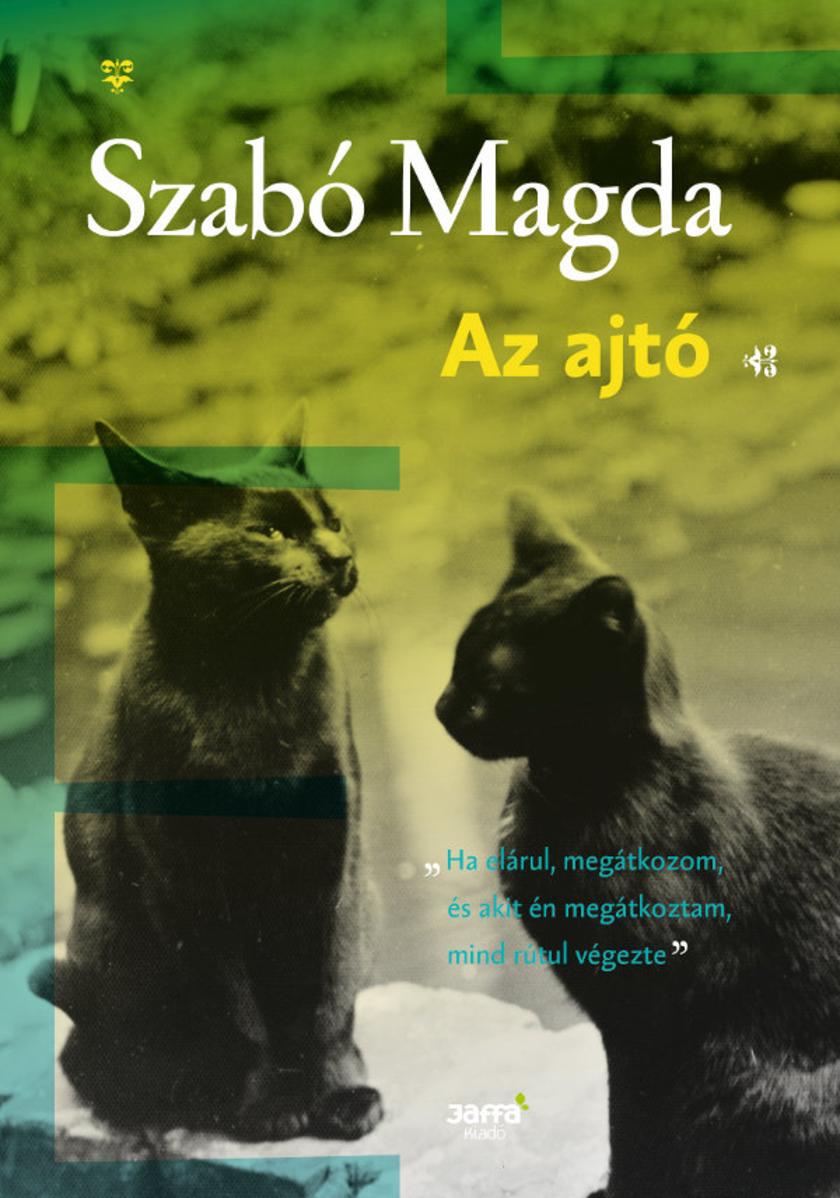
Az ajtó
¥71.69
Comentariile lui Cristian ?opescu ?mpletite cu turneul final de vis al na?ionalei Rom?niei m-au f?cut s? vreau un singur lucru: s? ajung ?i eu comentator ?i s? pot tr?i pe viu meciuri de neuitat. A?a am absolvit ?coala Superioar? de Jurnalistic? ?n 2003, an ?n care mi-am realizat ?i un prim vis: acela de a comenta un meci de fotbal ?n direct. Se ?nt?mpla la TV Sport, actualul sport.ro. Partida, Arsenal – Everton 2-0. De atunci p?n? ?n prezent am adunat peste 1700 de meciuri comentate, fie din studio, fie de pe stadion. Printre ele, dou? finale de Champions League, c?teva dintre cele mai a?teptate derby-uri din Europa, Barcelona – Real Madrid, AC Milan – Inter sau Arsenal – Manchester United, precum ?i Clasicul Rom?niei, Steaua – Dinamo. Inevitabil, c?nd e?ti ?ntr-o asemenea situa?ie, trebuie s? ?nfrun?i ?i criticile ?i cele mai grobiene ?njur?turi. ?tiu c? stilul meu vulcanic, mai sud-american, nu este pe placul tuturor, ?ns? eu cred c? mi se potrive?te cel mai bine. Consider c? un comentator trebuie s? transmit? emo?ia ?i pasiunea din timpul unui meci tocmai pentru a-l face pe telespectator s? se simt? ca ?i cum ar fi pe stadion. Cert este c? pe nimeni nu las? indiferente comentariile mele. Ori plac, ori ba!
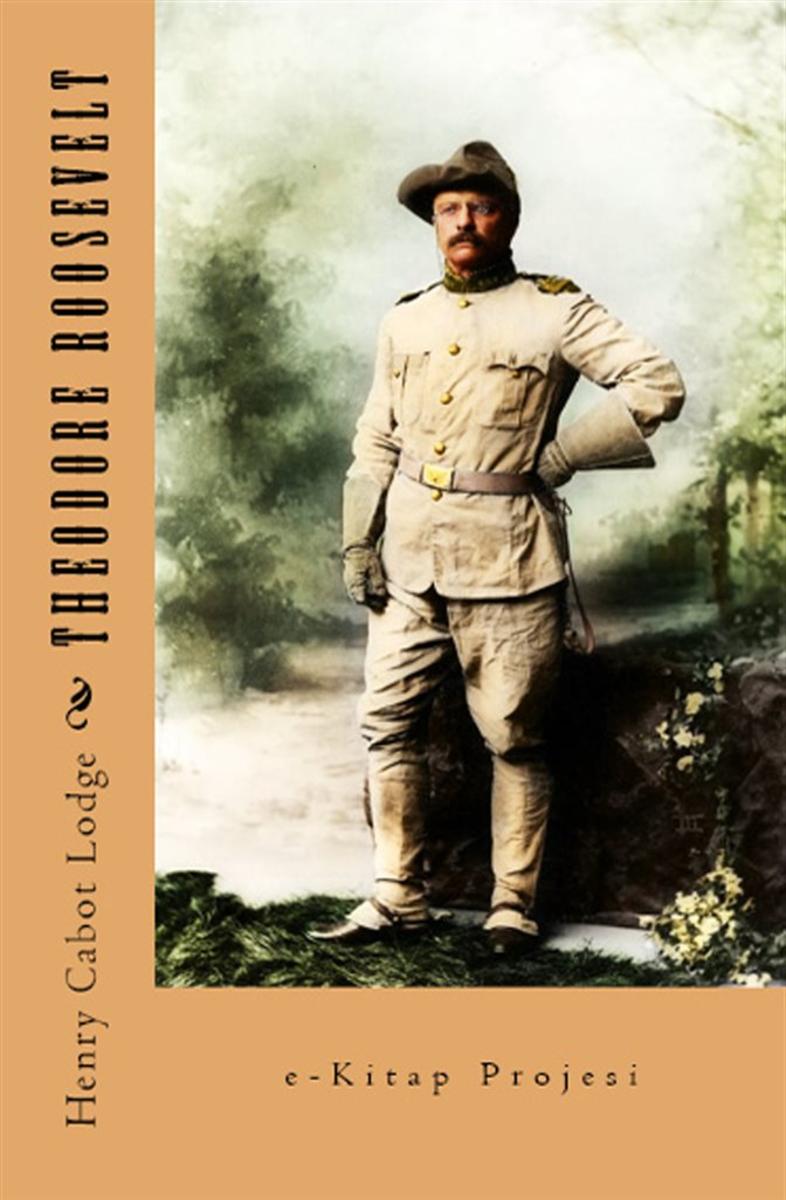
Theodore Roosevelt
¥18.56
Theodore Roosevelt had the good fortune to be born of a well-known, long-established family, with every facility for education and with an atmosphere of patriotism and disinterested service both to country and humanity all about him. In his father he had before him an example of lofty public spirit, from which it would have been difficult to depart. But if the work of his ancestors relieved him from the hard struggle which meets an unaided man at the outset, he also lacked the spur of necessity to prick the sides of his intent, in itself no small loss. As a balance to the opportunity which was his without labor, he had not only the later difficulties which come to him to whom fate has been kind at the start; he had also spread before him the temp-tations inseparable from such inherited advantages as fell to his lot—temptations to a life of sports and pleasure, to lettered ease, to an amateur's career in one of the fine arts, perhaps to a money-making business, likewise an inheritance, none of them easily to be set aside in obedience to the stern rule that the larger and more facile the opportunity the greater and more insistent the responsibility. ? About Author: ? henry Cabot Lodge (May 12, 1850 – November 9, 1924) was an American Republican Senator and historian from Massachusetts. Lodge received his PhD in history from Harvard. Lodge was a long-time friend and confidant of Theodore Roosevelt. Lodge had the role (but not the official title) of the first Senate Majority Leader. He is best known for his positions on foreign policy, especially his battle with President Woodrow Wilson in 1919 over the Treaty of Versailles. Lodge demanded Congressional control of declarations of war; Wilson refused and blocked Lodge's move to ratify the treaty with reservations. As a result, the United States never joined the League of Nations.Historian George E. Mowry argues that: Henry Cabot Lodge was one of the best informed statesmen of his time, he was an excellent parliamentarian, and he brought to bear on foreign questions a mind that was at once razor sharp and devoid of much of the moral cant that was so typical of the age....[Yet] Lodge never made the contributions he should have made, largely because of Lodge the person. He was opportunistic, selfish, jealous, condescending, supercilious, and could never resist calling his opponent's spade a dirty shovel. Small wonder that except for Roosevelt and Root, most of his colleagues of both parties disliked him, and many distrusted him. * * *
Pinocchio: The Story of a Puppet
¥8.09
Ce e un manechin? Un om-p?pu??, unu’ care se las? ?mbr?cat ?i dezbr?cat ?n v?zul lumii, o f?ptur? derutant?, un fel de paralitic ?ntr-un spital; nu mi?c?, nu vorbe?te dec?t ?nl?untrul s?u, ca ?ntr-un joc de-a v-a?i ascunselea: ?observi cum ??i fur vorbele cum ??i mut patul c?nd eram t?n?r? m? ?ndr?gosteam ?n mai acum m? ?ndr?gostesc ?n octombrie soarele meu bostanul meu doldora de semin?e orice ascunz?toare e o m?rturisire“. (Nora Iuga, iulie 2010)
Cei care se ?ntorc
¥81.67
Volumul de fa?? din seria Eminescu, poem cu poem ne dezva?? de toate vechile obiceiuri de interpretare care au prezentat ?n limbaj de lemn poeziile eminesciene. Alex. ?tef?nescu ne face din nou cuno?tin??, de data aceasta ?n cuvinte simple ?i idei proaspete, cu unele dintre cele mai cunoscute poezii din literatura rom?n?. Analiza sa cuprinde observa?ii fresh ?i referin?e culturale pe gustul elevilor, tinerilor ?i iubitorilor de literatur? care (re)descoper? ast?zi crea?ia eminescian?.

Via?a continu?
¥32.62
De ce o carte despre via?a ?i opera lui Vasile Voiculescu?R?spunsul poate fi complex ?i nuan?at. Pe de o parte, acumularea unei cantit??i mari de contribu?ii biografice ?i critice a impus reevaluarea lor. Pe de alt? parte, chiar varietatea ?i bog??ia informa?iilor pun sub semnul ?ndoielii destule afirma?ii anterioare. Dincolo de aceste motive r?m?ne faptul c? Vasile Voiculescu a fost un erudit cu o g?ndire profund?, un nemuritor. Personalitatea sa multilateral? trebuie rea?ezat? ?n actualitate. Nu din retoric? trufa?? repet?m ?ntrebarea, modific?nd-o pu?in: de ce o monografie Voiculescu ?n epoca demitiz?rilor? ?nainte de a da alte r?spunsuri, m?rturisim c? suntem preocupa?i de felul ?n care va fi receptat?. Probabil c? voiculescologii consacra?i vor fi curio?i s? afle cum ?l prezint? Gheorghe Postelnicu din P?rscov pe Vasile Voiculescu, ilustrul s?u ?nainta? ?i cons?tean. Sper?m s? constate c? nu au ?n fa?? o carte de celebrare, de?i nu am spune adev?rul dac? nu am recunoa?te c? ?n perioada document?rii am fost ?nso?i?i de o sensibilitate admirativ?.
H. K. Andersena PASAKAS
¥18.80
Am c?utat timp s? citesc cartea ta cu aten?ie, de?i unele dintre fragmente mi-erau cunoscute. Te exprim? foarte bine: este polemic?, are energia de care am mai zis ?i pe care ai contestat-o, este o asumare sincer? ?i urmând chemarea ta, felul t?u de a vedea lucrurile, de a fi al?turi de „oamenii mari” ?i de a duce împreun? lupta pentru valorile în care crezi. Este vital? ?i, ca la Marino, repeti?ia este motivat? de (?i exprim?) intensitate. A o citi în afara caracterului ei polemic ?i a sensului de afirmare a solidarit??ii cu comunitatea de care te sim?i ata?at? înseamn? a o rata. Cred c? a fost foarte bine s? începi cu cazul Marino, c?ci este exponen?ial, dar ?i mai clar decât altele. (Gabriel Andreescu) Concluzia central? care ascunde chiar miza întregii c?r?i: „Nu cred c? fenomenul globaliz?rii, r?spândit pe mapamond, a cl?tinat identitatea francezilor, a nem?ilor, spaniolilor sau r?d?cinile altor na?iuni. Oricât de straniu ori deplasat ar suna pentru urechile unor comentatori români, adep?i ai politicii corecte, voi spune un adev?r familiar na?iunilor mari ale lumii. Exist? lucruri ce nu pot fi negociate. Între acestea sunt ?ara, familia, limba, identitatea ?i neamul”. Or, în România aceste dimensiuni ale fiin??rii noastre se „negociaz?” de peste dou? decenii, în condi?ii mistificatorii de intimidare, amenin?are c? nu po?i fi „în rândul lumii”, „european” ?i globalist, dac? nu renun?i la propria identitate, la propriile resurse umane, naturale, spirituale. Or, scriitorul român, de la cronicari la ?coala Ardelean?, pa?opti?ti, marii clasici, genera?ia Marii Uniri, cea interbelic? au fost p?zitori ai fiin?ei române?ti prin for?a crea?iei ?i a ethosului lor, cu întrerupere în deceniul proletcultist, pentru a se revigora cu genera?iile lui Nicolae Labi?, a lui Nichita St?nescu, a lui Nicolae Breban, Ioan Alexandru, a lui Cezar Iv?nescu ?i a Aurei Christi, de îndat? ce o parte dintre optzeci?ti s-a trezit din torpoarea simulacrelor postmoderniste. Sintagma din expresia tr?darea scriitorului are, acum, o dubl? trimitere: scriitorul român a fost tr?dat de elitele politice postdecembriste, dup? cum scriitorul, la rându-i, ?i-a uitat menirea de p?zitor al fiin?ei na?ionale. Solu?ia, crede Aura Christi, este, pe de o parte, heideggeriana p?zire a fiin?ei de c?tre poe?i, pe de alta, întoarcerea la vechea tabl? a valorilor europene ?i române?ti, toate abandonate de mentalitatea postmodernist?. (Theodor Codreanu) Ce sunt aceste polemice? O seam? de arabescuri excesive, radiografia patetic? ?i lucid? a unei sfâ?ieri, o serie de tentative de a în?elege, e?uate în neîn?elegere, reportajul unor revolte aneantizate în albia dezn?dejdii ?i a refuzului de a accepta s? asi?ti – redus la mu?enie, deci, vinovat din start – la comercializarea, trivializarea infernului comunist. Proces culminat, incredibil, cu un masacru al inocen?ilor regizat într?un stil de extrac?ie neostalinist?. Cum s? califici altfel vân?toarea de oameni mari, prin care s?a perpetuat europenitatea culturii române în anii dictaturii stalinisto?dejiste? Vân?toare organizat? sub ochii no?tri, în s?rmana noastr? democra?ie. Ce sunt aceste polemice? Poate, un semn al speran?ei c? nu e vândut chiar totul. Nu e terfelit chiar totul. Nu e pierdut chiar totul. (Aura Christi)

Die Hirtin und der Schornsteinfeger
¥9.24
Este Leopardi un poet pesimist, aa cum l-a clasat tradiia Nu. Din perspectiva zilei de azi, el apare mai degrab ca un poet tragic, ca un exponent al categoriilor existeniale fundamentale. Nu moartea ca atare l sperie pe Leopardi, ci murirea, adic manifestarea ei procesual. Tot astfel viaa leopardian este vieuire. Desfurarea acestora e inversat: trirea vieii (vieuirea) e retrospectiv, iar trirea morii (murirea) e perspectiv. Inversiunea ontologic este temeiul mitopo(i)eticii leopardiene. Cartea ne propune un Leopardi modern i postmodern, un spirit intercultural i multicultural n siajul integrrii europene. Nu lipsete, bineneles, odiseea receptrii lui n spaiul cultural romnesc, ca pattern al lirismului arhetipal, alturi de Eminescu.” (Mihai Cimpoi)Un studiu incitant despre unul dintre cei mai mari poei ai lumii.
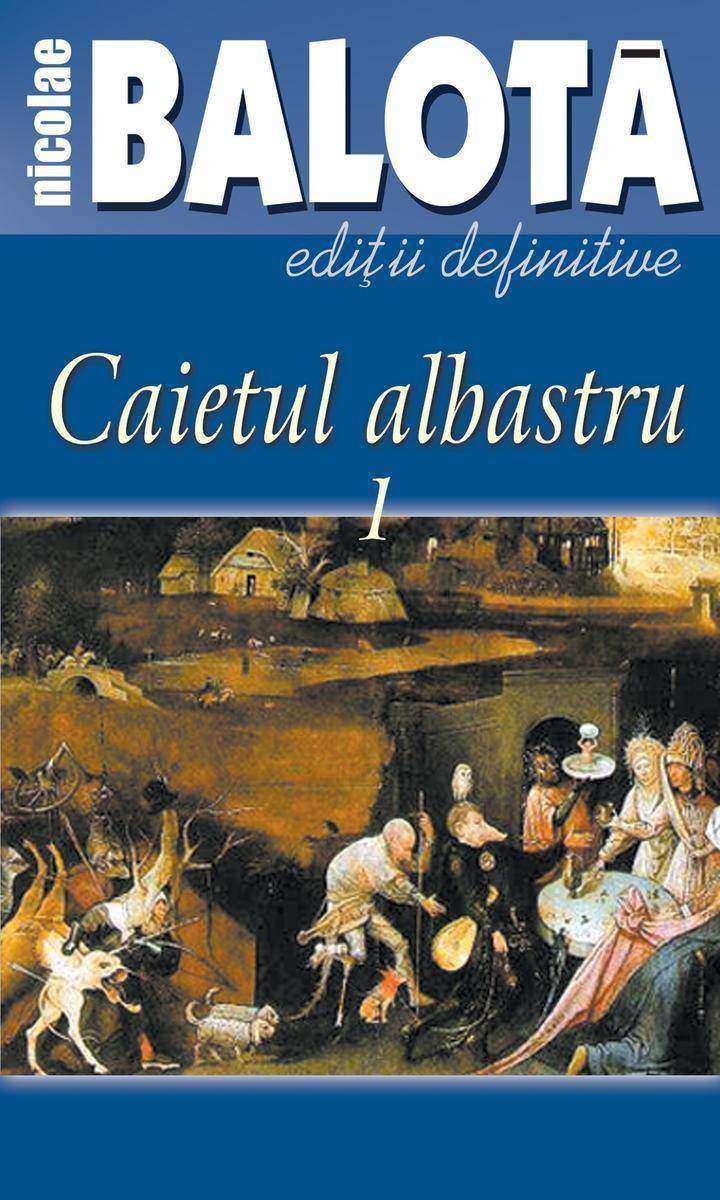
Caietul albastru
¥161.05
Adevrata putere, scrie tnrul erudit Balot, se afl n puterea fr glorie, n puterea ascuns, n fecunditatea tinuit. Nimic manifest, smna este ngropat adnc. n somnul seminei e puterea fr glorie. nsi pasivitatea ei e rodnic. Seceriul, gloria trzie a seminei dincolo de orizontul ei. Smna e puternic n timpul agoniei sale subterane”. Aceste note – ce pot fi considerate un manifest indirect – sunt scrise n ianuarie 1955 […] E captivant incursiunea efectuat n ’91-’98 n sumbrul an ’54-’55; ochiul lucid al eruditului Balot l privete” pe junele de atunci, l judec, l trateaz cu iubire, cu nelegere, cu ranchiun de crturar. Se obine astfel un efect al stranietii; e ca i cum ai nainta printr-un labirint al timpului, labirint ce are n loc de ziduri – oglinzi. n timp ce vezi diferite chipuri reale n oglind, asiti la descrierea lor luxuriant, memorabil, iar numai peste cteva clipe ai ansa s vezi aceleai chipuri vii, descrise de acelai spirit... ce a acumulat o experien – de la primul jurnal, de la primul segment de timp – de patruzeci de ani aproape. Cuceritoare, asprimea unui guru ntoars mpotriva sa, asprime ce denot faptul c rzboiul subteran, nceput acum cteva decenii, e n toi; Maestrul i este fidel siei, se nfrupt imperial din mizeria oricrei autodepiri (Nietzsche). Atingnd o dat un ideal – kantian vorbind, un lucru individual, determinabil sau chiar determinat numai prin idee” –, Nicolae Balot, l depete exemplar, inventnd idealuri ce dau largi fiori de sfnt mister. (Lucian Blaga)” (Aura Christi) Caietul albastru – un fragment memorabil din istoria mentalitilor autohtone – apare pentru prima dat n Colecia Ediii definitive.
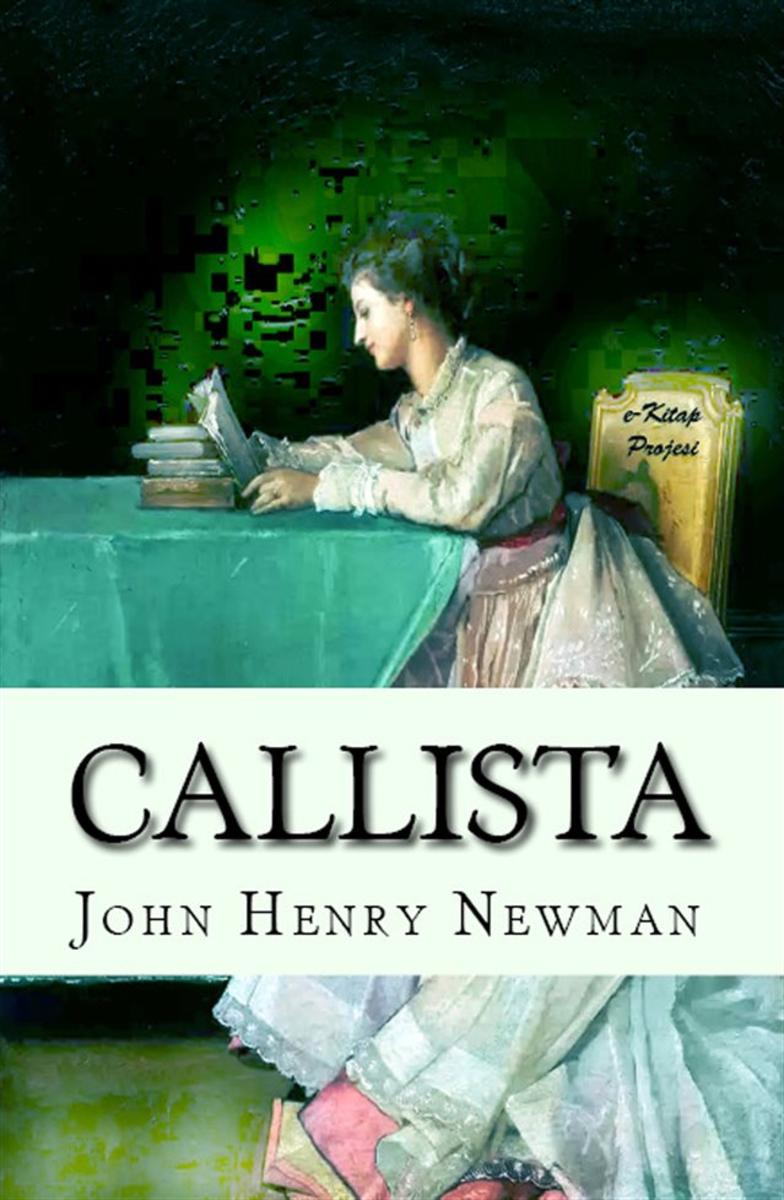
Callista: (A Tale of the Third Century)
¥27.88
“Love thy God, and love Him only,And thy breast will ne’er be lonely.In that One Great Spirit meetAll things mighty, grave, and sweet.Vainly strives the soul to mingleWith a being of our kind;Vainly hearts with hearts are twined:For the deepest still is single.An impalpable resistanceHolds like natures still at distance.Mortal: love that Holy One,Or dwell for aye alone.”De Vere In no province of the vast Roman empire, as it existed in the middle of the third century, did Nature wear a richer or a more joyous garb than she displayed in Proconsular Africa, a territory of which Carthage was the metropolis, and Sicca might be considered the centre. The latter city, which was the seat of a Roman colony, lay upon a precipitous or steep bank, which led up along a chain of hills to a mountainous track in the direction of the north and east. In striking contrast with this wild and barren region was the view presented by the west and south, where for many miles stretched a smiling champaign, exuberantly wooded, and varied with a thousand hues, till it was terminated at length by the successive tiers of the Atlas, and the dim and fantastic forms of the Numidian mountains. The immediate neighbourhood of the city was occupied by gardens, vineyards, corn-fields, and meadows, crossed or encircled here by noble avenues of trees or the re-mains of primeval forests, there by the clustering groves which wealth and luxury had created. This spacious plain, though level when compared with the northern heights by which the city was backed, and the peaks and crags which skirted the southern and western horizon, was discovered, as light and shadow travelled with the sun, to be diversified with hill and dale, upland and hollow; while orange gardens, orchards, olive and palm plantations held their appropriate sites on the slopes or the bottoms. Through the mass of green, which extended still more thickly from the west round to the north, might be seen at intervals two solid causeways tracking their persevering course to the Mediterranean coast, the one to the ancient rival of Rome, the other to Hippo Regius in Numidia. Tourists might have complained of the absence of water from the scene; but the native peasant would have explained to them that the eye alone had reason to be discontented, and that the thick foliage and the uneven surface did but conceal what mother earth with no niggard bounty supplied. The Bagradas, issuing from the spurs of the Atlas, made up in depth what it wanted in breadth of bed, and ploughed the rich and yielding mould with its rapid stream, till, after passing Sicca in its way, it fell into the sea near Carthage. It was but the largest of a multitude of others, most of them tributaries to it, deepening as much as they increased it. While channels had been cut from the larger rills for the irrigation of the open land, brooks, which sprang up in the gravel which lay against the hills, had been artificially banked with cut stones or paved with pebbles; and where neither springs nor rivulets were to be found, wells had been dug, sometimes to the vast depth of as much as 200 fathoms, with such effect that the spurting column of water had in some instances drowned the zealous workmen who had been the first to reach it. And, while such were the resources of less favoured localities or seasons, profuse rains descended over the whole region for one half of the year, and the thick summer dews compensated by night for the daily tribute extorted by an African sun.


