


 购物车
购物车 个人中心
个人中心
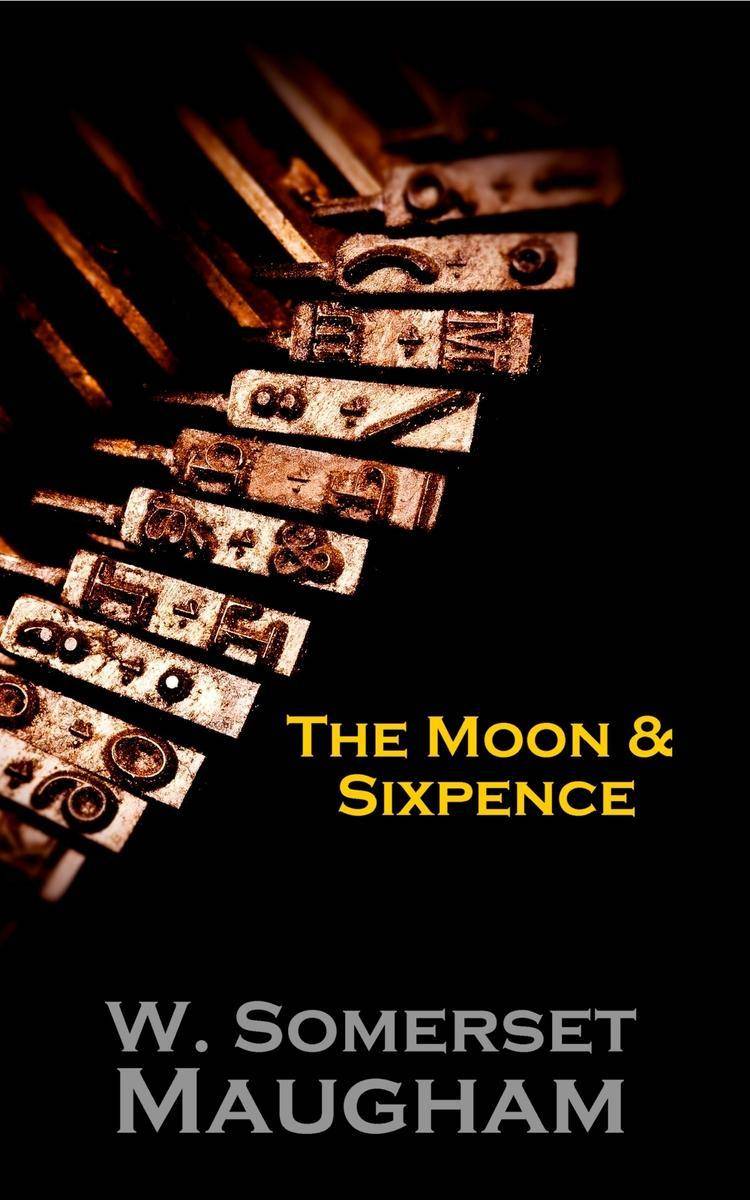
Moon And Sixpence
¥29.33
William Somerset Maugham was born on 25 January 1874 and was to become a playwright and novelist of staggering talent. Losing both his parents at age 10, he was raised by a paternal uncle. Maugham eventually trained and qualified as a doctor. The first run of his first novel, Liza of Lambeth, published in 1897, sold out so rapidly that Maugham gave up medicine to write full-time. During World War I he was recruited into the British Secret Service. The Moon And Sixpence is one of his greatest works. Told in episodic form it looks into the mind and soul of Charles Strickland, a middle-aged stockbroker who abruptly abandons both wife and children to pursue a career as an artist.

Guardian - The soul is strong that trusts in goodness
¥23.45
Philip Massinger was baptized at St. Thomas's in Salisbury on November 24th, 1583.Massinger is described in his matriculation entry at St. Alban Hall, Oxford (1602), as the son of a gentleman. His father, who had also been educated there, was a member of parliament, and attached to the household of Henry Herbert, 2nd Earl of Pembroke. The Earl was later seen as a potential patron for Massinger.He left Oxford in 1606 without a degree. His father had died in 1603, and accounts suggest that Massinger was left with no financial support this, together with rumours that he had converted to Catholicism, meant the next stage of his career needed to provide an income.Massinger went to London to make his living as a dramatist, but he is only recorded as author some fifteen years later, when The Virgin Martyr (1621) is given as the work of Massinger and Thomas Dekker.During those early years as a playwright he wrote for the Elizabethan stage entrepreneur, Philip Henslowe. It was a difficult existence. Poverty was always close and there was constant pleading for advance payments on forthcoming works merely to survive.After Henslowe died in 1616 Massinger and John Fletcher began to write primarily for the King's Men and Massinger would write regularly for them until his death.The tone of the dedications in later plays suggests evidence of his continued poverty. In the preface of The Maid of Honour (1632) he wrote, addressing Sir Francis Foljambe and Sir Thomas Bland: "e;I had not to this time subsisted, but that I was supported by your frequent courtesies and favours."e;The prologue to The Guardian (1633) refers to two unsuccessful plays and two years of silence, when the author feared he had lost popular favour although, from the little evidence that survives, it also seems he had involved some of his plays with political characters which would have cast shadows upon England's alliances.Philip Massinger died suddenly at his house near the Globe Theatre on March 17th, 1640. He was buried the next day in the churchyard of St. Saviour's, Southwark, on March 18th, 1640. In the entry in the parish register he is described as a "e;stranger,"e; which, however, implies nothing more than that he belonged to another parish.

Return Of Tarzan - Am I alive and a reality, or am I but a dream?
¥35.22
Edgar Rice Burroughs was born on September 1, 1875, in Chicago, Illinois. His early career was unremarkable. After failing to enter West Point he enlisted in the 7th Calvary but was discharged after heart problems were diagnosed. A series of short term jobs gave no indication as to a career path but finally, in 1911, married and with two young children, he turned his hand to writing. He aimed his works squarely at the very popular pulp serial magazines. His first effort 'Under The Moons Of Mars' ran in Munsey's Magazine in 1912 under the pseudonym Norman Bean. With its success he began writing full time. A continuing theme of his work was to develop series so that each character had ample opportunities to return in sequels. John Carter was in the Mars series and there was another on Venus and one on Pellucidar among others. But perhaps the best known is Tarzan. Indeed Burroughs wanted so much to capitalise upon the brand that he introduced a syndicated Tarzan comic strip, movies and merchandise. He purchased a large ranch north of Los Angeles, California, which he named "e;Tarzana."e; The surrounding communities outside the ranch voted in 1927 to adopt the name as their own. By 1932 Burroughs set up his own company to print his own books. Here we publish the second in the Tarzan series 'The Return of Tarzan'. Another cultural classic.

Silent War
¥19.52
These writings are from a young woman who has had to face obsticles no person should have to. She has put her feelings into her writings for people going through similar experiences. Silent War gives readers an insight into Haleys life and and what she has been through. Pieces about teenage love, heartbreak, medical journeys, losing someone and much more these writings are all from the heart.

Respect and Reputation
¥73.48
In this increasingly violent and troubled world, people demand to be respected. But what is exactly is respect? Is it learned or earned? How do you go from being a 'nobody' to a 'somebody'? How do you respect others and equally how can you get other people to respect you? Can you only be truly respected if you have a reputation? There is probably no one more qualified to talk about respect and reputation in prison than Charles Bronson. Tagged one of the most violent prisoners in the UK, Charlie has spent over thirty years in solitary confinement, is respected by both prisoners and wardens alike and has a fearsome and frightening reputation. In complete contrast, although he has spent much of his life surrounded by violence, former bouncer and bodyguard Robin Barratt would now prefer to take a passive path away from any conflict. In this fascinating book, Barratt and Bronson examine in detail respect and reputation including how to behave in prison, how to treat other prisoners, how to be a great door supervisor, when to show respect, how to gain the respect of others and ultimately how to develop an awesome reputation both in prison, on the doors and in life generally. With lots of real life anecdotes as well as contributions from many other hard men (and a few women), this gripping book takes its reader into the psychology of a world rarely explored.

Just Jill
¥73.48
Just Jill is an inspirational and moving account of one woman's triumph over adversity and how she used her own experience of disability to benefit others.When she was growing up during the 1940s very few people were aware that Jill Allen-King had lost one eye as the result of measles when she was a baby. Her disability was a taboo subject and she attended a normal school, progressed to catering college and secured employment as a cook. However, tragedy struck for the second time when glaucoma rendered her completely blind at the age of 24 on what should have been one of the happiest occasions of her life - her wedding day.For the next seven years Jill barely left the house, too scared to go outside unaccompanied and afraid that she would never again be able to participate in the activities she loved, such as dancing. The birth of her daughter, Jacqueline, gave her renewed purpose but could not give her back the thing she desperately needed - her independence. It was only when Jill got her first guide dog that she began to rediscover the world outside her front door and take those first giant steps towards regaining her confidence and freedom. Jill's autobiography charts her journey from partially sighted child to totally blind adult and beyond, a process of readjusting and learning through grit and determination and then using her knowledge and experience to do everything in her power to help others and to campaign for reforms to secure a safer, fairer and more disability-aware environment. It is a story that will provide encouragement to those that are struggling to cope with disabilities and also educate people from all spheres of life about the challenges and needs of disabled people. At the age of 70, Jill continues to fight for the cause, and hopefully her story will inspire others to take up the baton.

Jill's Leading Ladies
¥48.95
When Jill Allen-King OBE, suddenly lost her sight at the age of 24, with little help and advice available from Social Services she had to teach herself to cope with a whole new way of living that had its own set of challenges to overcome, including looking after her daughter, Jacqueline, born soon afterwards. It wasn't until seven years later that Jill successfully completed a training course with her first guide dog and finally, after years of being virtually housebound, was able to begin rebuilding her confidence and reclaiming her independence.Drawing on her own experiences of the problems and dangers that face the blind and partially sighted, as well as those with other mobility difficulties and disabilities, Jill has devoted her life to raising awareness of the needs and rights of the disabled, particularly in regard to access to public buildings, and campaigning for these issues to be considered by householders, businesses, councils and the government. None of this would have been possible without her six guide dogs over the past 40 years: Topsy, Bunty, Brandy, Quella, Lady and her current dog, Amanda.This book, following close on the heels of Jill's autobiography, Just Jill, is a heartfelt tribute to her trusted four-legged friends, who have given her companionship, instilled her with confidence and guided her safely in both her personal life and in her incredibly important voluntary work throughout the UK. No one can fail to be inspired by Jill's perseverance and achievements or by the fantastic work that guide dogs carry out for their owners. Although now in her seventies, with new challenges for those with disabilities always on the horizon, such as electric cars, shared streets and changes to the benefits system, Jill's contributions to the fight neither cease nor cease to amaze.

Cum ucide zah?rul. Adev?rul ascuns despre obezitate, diabet, boli cardiovascular
¥51.50
Am pus ?n valiz? / Chilo?i ?i po?ete / Degetu’ t?u mare / Trei perechi de ghete.?n aia mai mic? / Am pus o batist? / 5 kile de mere / O spr?ncean? trist?.?n cea mijlocie / Nu o ?nc?put / Dec?t 4 pere / ?i-un genunchi futut.Nu mi-e dor de tine / Te am peste tot / Te am ?n valiz? / Chiar ?i ?n compot.
Mid Day Soul: Poetry Collection
¥6.38
“Mid Day Soul” a poetry collection. This is my first English poetry collection , After 17 hindi books. So please Don’t take seriously. You can say this is a effort to work with English language. I always wanted to write something for English readers. So this is for you. Thank you.

The Little Mermaid
¥9.24
Far out in the ocean the water is as blue as the petals of the loveliest cornflower, and as clear as the purest glass. But it is very deep too. It goes down deeper than any anchor rope will go, and many, many steeples would have to be stacked one on top of another to reach from the bottom to the surface of the sea. It is down there that the sea folk live. Now don't suppose that there are only bare white sands at the bottom of the sea. No indeed! The most marvelous trees and flowers grow down there, with such pliant stalks and leaves that the least stir in the water makes them move about as though they were alive. All sorts of fish, large and small, dart among the branches, just as birds flit through the trees up here. From the deepest spot in the ocean rises the palace of the sea king. Its walls are made of coral and its high pointed windows of the clearest amber, but the roof is made of mussel shells that open and shut with the tide. This is a wonderful sight to see, for every shell holds glistening pearls, any one of which would be the pride of a queen's crown.

T?nase Scatiu
¥0.01
Fluturele este o insect din ordinul Lepidoptera, termen ce provine din termenii grecesti lepis (coaj) si pteron (arip). Mai mult coaj dect miez. Acest ordin are aproximativ 165.000 de specii cunoscute care, n ciuda unei mari varieti de forme si culori, au o structur similar, mai toi fiind nscrii n uniunile scriitoriceti de pretutindeni. Printre azteci, fluturii sunt un simbol al sufletului sau ultima suflare a unui muribund. Un fluture care zboar printre flori reprezint sufletul unui rzboinic czut pe un cmp de lupt. ntr-adevr, rzboinicii se ntorc pe pmnt sub form de colibri sau fluturi care, de data aceasta, se apuc imediat de scris i nu mai suport vederea armelor. Eventual sapa o mai tolereaz, pentru a-i spa pe cei care nu le laud culorile, stilul i fandoselile. Curcanul, ns, este o pasre de talie mare, originar din America, domesticit cu premii literare nc din timpul aztecilor. n timpul mperecherii n vederea formrii gtilor literare, culoarea pielii capului i gtului devine albastru i rou aprins, masculul desfurnd coada n form de evantai. Femelele desfoar doar sunete guturale: glu-glu-glu! i recit cu gravitate ce le vine la ndemn, pe sub aripi. Specie hipersensibil, curcanii pot s sufere atacuri de cord sau de panic. n timpul unor teste ale avioanelor U.S. Air Force s-a constatat decesul a mai multor curcani din zon din cauza atacurilor cardiace. Remediul este aplicarea de laude i aplauze n zonele tumefiate. Fluturele-curcan este o specie ncruciat ce, paradoxal, nu tolereaz fluturii i curcanii pur-snge. Exist zvonuri c unele exemplare modificate genetic pot rezista fr s scrie chiar i 6 luni. Timp n care clocesc citind pe rupte. (tiri despre fluturi, curcani i hibrizi/stirileprotv.ro)“
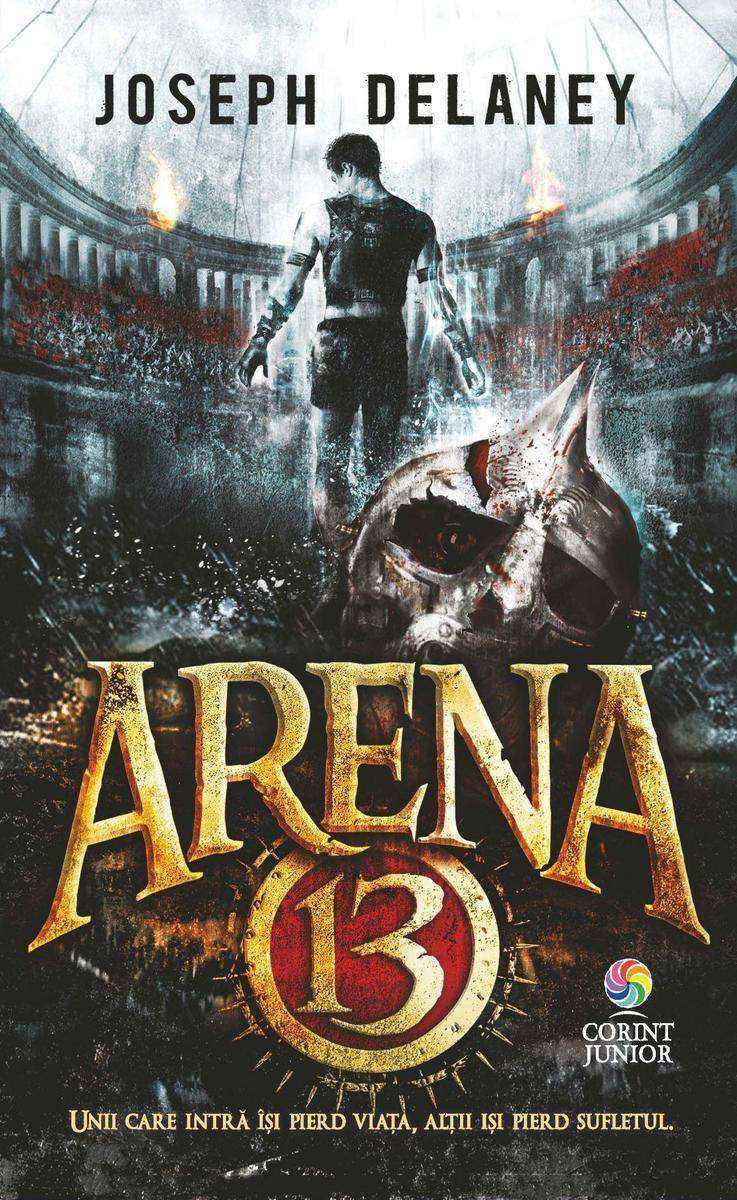
Arena 13
¥48.97
Cele 24 de studii, reunite i rearanjate, uneori i cronologic, de regul tematic, dau seam, ajuttor, asupra preocuprilor mele fa de cultura rusa din secolele XIX si XX. Ele sunt, cum am spus, complementare celor patru ntreprinderi unitare dedicate aceluiai domeniu. Primordiale rmn acelea. Acest volum nu urmrete dect s-i ajute pe cei n continuare sau din nou dornici s ptrund o mare cultur a lumii.Utilitatea e dispreuit, la noi, de muli intelectuali. Ei rvnesc mereu genialitatea. Geniul Tolstoi voia s fie util. Personal in dintotdeauna s m conformez ndemnului su.“ – Ion Ianoi

?t tornacsuka a Hegyest?n
¥11.69
Kevesen vagyunk, s még tovább fogyunk, kik h?séggel, népünkért dolgozunk. Sokan kérdik: ?mért vagytok ostobák?” Csak hallgatunk és dolgozunk tovább. Más bíztat: ?Fordulj már végre el e romtemplomtól, és gazdag leszel!” De fog-szorítva tesszük, amit kell, jutalom, megtorlás, nem érdekel. Olyanok leszünk mint a parázsszemek! ?lesztünk tüzet, mely tán már elveszett.

Focurile din tegel
¥40.79
Geo Vasile ne propune o selec?ie riguroas? de 100 de prozatori ?i esei?ti ale?i din ?ntreaga istorie a literaturii. Elementul inedit, provocator ?i inevitabil ?n acest context este selectarea ?i plasarea, evident, justificat?, a unor redutabili prozatori ?i esei?ti rom?ni ?n contextul generos ?i selectiv deopotriv? al concertului universal al litera?ilor. Astfel, al?turi de autori precum Paul Auster, Saul Bellow, Mario Vargas Llosa, Julio Cortázar, Henri Miller, Philip Roth etc., sunt a?eza?i Nicolae Breban, Augustin Buzura, Petru Cimpoe?u ?i mai tinerii s?i colegi, argumenta?ia adus? ?n arena de litere de istoricul ?i criticul literar Geo Vasile fiind una perfect justificat?, iar criteriul de selec?ie – unul atotputernic: valoarea.

Lec?ii de via?? de la Nietzsche
¥32.62
Cartea de fa?? ?ncearc? s? dea seam? cu privire la c?teva dintre c?r?ile ?i figurile critice importante ale culturii rom?ne, de la E. Lovinescu, la Al. Paleologu, Nicolae Mano?lescu, Eugen Simion, Lucian Raicu, Paul Cornea, Ion Iano?i, Dan Horia Mazilu sau Gheorghe Cr?ciun. Exist?, ?n cuprinsul c?r?ii de fa??, ?i c?teva comentarii consacrate memorialisticii rom?ne?ti de dup? 1989, ?n care am c?utat s? relev?m dimensiunile scriiturii depozi?ionale ?i valoarea documentar? a unor texte revelatoare prin deschidere ideatic? ?i prin adev?rul dic?iunii etice ?i afective.Un manual indirect de literatur? postdecembrist?.

?jratalálkozás az Adriánál
¥58.29
Az igazság cím? k?nyvben Damu Roland d?bbenetes ?szinteséggel és részletességgel mesélte el életét egészen addig a pillanatig, amíg a bíróság ki nem mondta rá a joger?s ítéletet: négy és fél év szabadságvesztést. T?rténete azonban ezzel korántsem ért véget. 2012. április 19-én (egy héttel a hivatalos behívó el?tt) váratlanul szembesült azzal a visszavonhatatlan d?ntéssel, hogy azonnali hatállyal meg kell kezdenie a b?rt?nbüntetését. ?s ez még csak az els? olyan jogtalan d?ntés volt a sorban, amelyet nem volt egyszer? megemésztenie... Miért vitték el egy héttel korábban? Miért került egy, az otthonától 320 kilométerre lév? b?rt?nbe? Miért kellett t?bbet bizonyítania másoknál? Szakadatlan igazságkeresése a b?rt?nbe vonulása után semmit sem vesztett lendületéb?l. Második k?nyvében a t?le megszokott részletességgel számol be a három b?rt?nben t?lt?tt év pokláról, az ottani mindennapokról, megaláztatásokról... ?s persze a számára oly fontos emberi kapcsolatokról, a megtalált igaz szerelemr?l. "A második k?nyvem szorosan kapcsolódik az els?h?z, de ez már a b?rt?nben t?lt?tt évekr?l szól. Olyan dolgokért ültem három évet, amit nem k?vettem el. Ez a k?nyv rólam, a feleségemr?l szerelmünkr?l és a b?rt?nben megélt dolgokról szól az én szemsz?gemb?l. Továbbra is ragaszkodom ahhoz, hogy csak az igazságot írjam le. Pontosan tudom, hogy a feleségem szeretete, h?sége, kitartása nélkül nem éltem volna túl a b?rt?néletet. Most tele vagyok ?tletekkel, tervekkel. A legfontosabb pedig: T?L?LTEM!" (Damu Roland)

Dezv?luirile unui digger. Secretele cumplite ale Metroului - 2
¥39.65
Edi?ie ?ngrijit? de Mircea A. Diaconu.Traian Chelariu apar?ine grupului tinerilor scriitori afirma?i ?n Cern?u?ii anilor ’30, a c?ror maturitate creatoare a fost distrus? de instaurarea comunismului ?n Rom?nia. Cu un doctorat ?n psihologie, cu burse de studiu la Paris ?i Roma, redactor-?ef al ?Universului Literar", se remarcase ?ntre r?zboaie ?i prin volumele sale de poezii ?i de eseuri filozofice. Dup? 1945, este exclus din ?nv???m?ntul superior, o vreme nu lucreaz? nic?ieri, apoi este angajat muncitor la deratizare, pentru a fi reintegrat, t?rziu, ?n ?nv???m?ntul superior, ca lector, la Institutul de ?nv???m?nt Superior care se ?nfiin?ase la Suceava ?n 1964. Avea sa moar? doar peste doi ani. De?i cu recomand?ri de la Vianu, Perpessicius, Tudor Arghezi ?i al?ii, nu reu?e?te s? fie reprimit ?n Uniunea Scriitorilor.

Colivia belgradean?
¥24.44
Edi?ie ?ngrijit? de Mircea A. Diaconu.Respectiva edi?ie ?n dou? volume Zilele ?i umbra mea ?ntrune?te pentru prima data ?n istoria culturii rom?ne, edi?ia integral? a disputatului jurnal al lui Traian Chelariu.Jurnalul din anii ’30, inedit ?n cea mai mare m?sura, este interesant din mai multe puncte de vedere. Pe de o parte, el ?nregistreaz? minu?ios atmosfera din mediul intelectual din Cernau?ii perioadei interbelice. Via?a universitar?, disputele tinerilor scriitori, ?ncercarea de a impune coordonate rom?ne?ti lumii culturale, toate acestea sunt minu?ios radiografiate ?n cele zece caiete manuscris. ?n jurnal, sunt reproduse scrisori trimise sau primite de la Ion Nistor, ministru ?n mai multe legislaturi, de la Mircea Streinul, tumultuosul coleg de genera?ie, de la alte figuri importante ale locului. Pe de alt? parte, g?sim aici reperele form?rii unui intelectual ale c?rui valori s?nt focalizate de necesitatea unei deveniri culturale. Viziunea stoic? pe care Traian Chelariu o ?ntruchipeaz? ?n anii ’50 este fundamentat? pe experien?a unei tinere?i angajate pe traiectul asum?rii culturii. ?n plus, jurnalul cuprinde experien?a studiilor sale la ?coala Rom?n? de la Paris ?i la Roma, fiind ?i din acest punct de vedere un document.

Supergenele. Desc?tu?eaz? puterea uluitoare a ADN-ului pentru o s?n?tate
¥65.32
Cartea este rezultatul unor studii aprofundate intreprinse de autoare ?n domeniul stilurilor de via?? contemporane, rom?ne?ti dar ?i din alte p?r?i ale lumii. Cercetarea acestora a fost f?cut? intensiv mai ales ?n ultimii zece ani. La baza acestor texte stau, ?n primul r?nd, interven?iile hebdomadare ale autoarei la emisiunea Tenta?ii culturale de la Radio Rom?nia Cultural. Evident, ?n transformarea unor ?pastile“ radiofonice ?ntr-un volum de eseuri ?nchegate, structurate tematic ?i revizuite stilistic a fost parcurs? o cale lung?. Din bogata tematic? a lucr?rii, men?ion?m: ?ocurile cotidianului; pierderile pe care le implica adaptarea; cum au schimbat telefoanele mobile fa?a lumii; civiliza?ia str?zii (ieri ?i azi); cultura ?n autobuz; la bibliotec?, prin biblioteci; ?n pia??, la coada, la doctor; ?n c?l?torie, din c?l?torii; prin ora?e mari ?i mici; despre comis-voiajori, despre bac?i?; nun?i, botezuri, funeralii... Cartea este scrisa ?ntr-un stil simplu, accesibil ?i ludic. Se adreseaz? speciali?tilor ?n istorie social?, antropologie, psihologie de mas?, reform? social?, dar ?i publicului cultivat, ?n general.

Poezii
¥33.03
Mergnd pe linia lui Adrian Punescu, autorul volumului abordeaz aceeai atitudine fa de cititorii obinuii ca i marele su nainta. Ioan Popa, membru al Uniunii Scriitorilor din Romnia, privete lirica din perspectiva cititorului de rnd. El i exprim sentimentele i ideile n aa fel, nct s fie neles de toat lumea. Abordeaz subiecte din viaa de zi cu zi a fiecruia dintre noi, vorbete de mersul la cumprturi, de evoluiile vieii politice, de divor, beii, scandaluri, aglomeraie urban i cte i mai cte. Adic aduce n poezie situaiile i strile sufleteti crora trebuie s le facem fa zilnic cu toii.Poetul are o solid formaie clasic i, n scrierile sale, apar i referine la antichitate, fie c acestea in de istorie, fie c in de mit. n acest fel, de multe ori elementele efemerului, ale derizoriului, ajung s ating o rezonan universal. ns exprimarea este lipsit de preiozitate, are simplitatea i transparena pe care cititorul nesofisticat de poezie le simte ca fiindu-i familiare.Scriind pentru toi cititorii de poezie, Ioan Popa continu o tradiie romneasc nobil. S amintim numai de mult iubiii notri poei George Cobuc, Ion Minulescu, George Toprceanu, Adrian Punescu. Oricare dintre noi intr uor n rezonan cu poeziile lor i le ptrunde nelesul fr s dispun de o aparatur complicat de receptare i interpretare.Fiind uor de neles, poeziile lui Ioan Popa se citesc cu bucurie i plcere – i cu un zmbet n colul gurii.“ – Vasile Poenaru
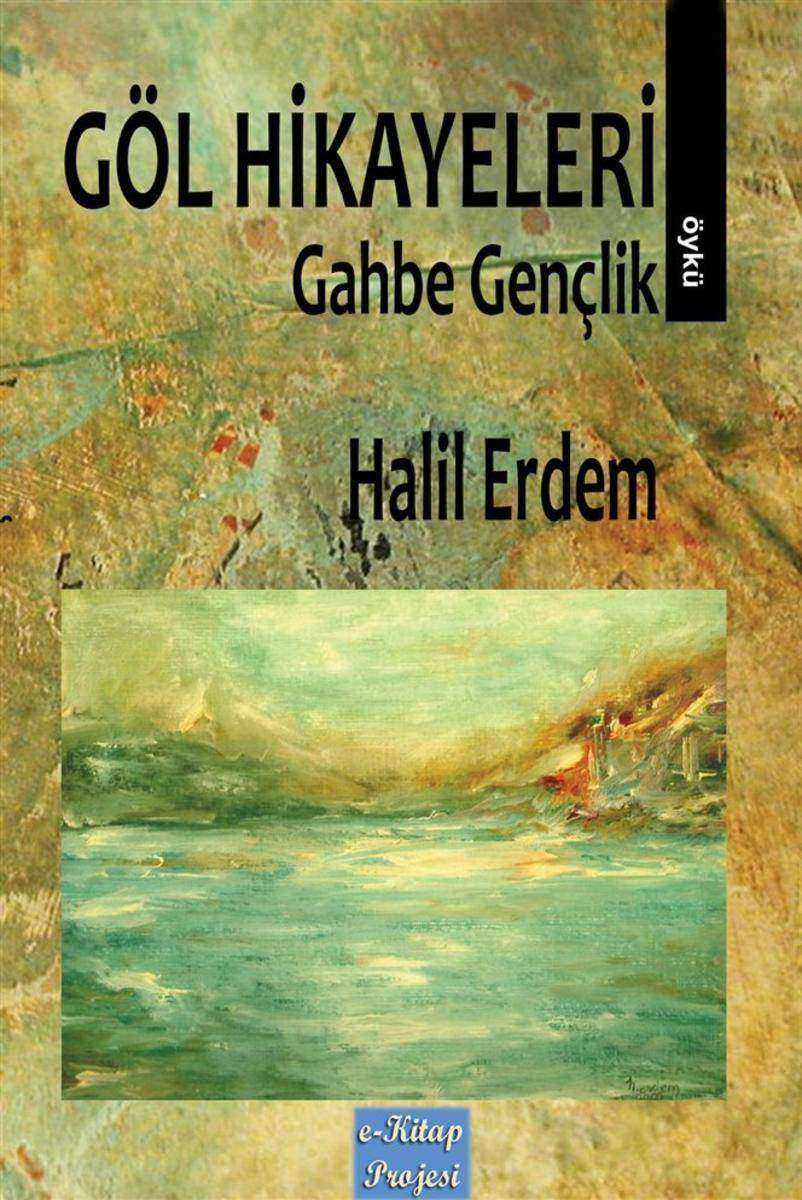
G?l Hikayeleri: Gahbe Gen?lik
¥18.39
Bu ?yküler okuru yüz y?l ?ncesine ta??yarak toplumun hangi evrilmelerden ge?ti?ine ???k tutuyor. Ayn? zamanda 1953’de ba?lay?p 68’lerde sonu?lanan a?alar?n doymak bilmeyen toprak h?rs? yüzünden y?redeki Elmal? Avlan, S??üt ve G?lhisar G?llerinin kurutulup topra??n?n payla??lmas?ndaki e?itsizlikler ve bu durum kar??s?nda y?re insan?n?n duru?u tüm y?nleriyle ele al?n?rken, güncelli?ini yitirmeyen ?evre y?k?mlar?n? g?zler ?nüne serer. Ayr?ca u?runa türküler yak?lan, ?lümüne ya?anan a?k ?yküleri, yüz y?ld?r susmayan türkülerin ?yküsü Gahbe Gen?lik anlat?l?r. Bu y?nüyle halk ?ykücülü?üne yak?n yal?n bir dil kullan?lm??. Co?rafya insanlar? ?ekillendirirken, insanlar da üzerinde ya?ad??? co?rafyaya anlam kazand?r?r. Toplumlar diliyle, ya?ad?klar?yla co?rafyalar?nda ?nemli izler b?rak?r. Bu y?nüyle istedim ki yazd?klar?m co?rafyan?n bir belle?i olsun. Bu ?yküler okuru yüz y?l ?ncesine ta??yarak toplumun hangi evrilmelerden ge?ti?ine ???k tutuyor. Ayn? zamanda 1953’de ba?lay?p 68’lerde sonu?lanan a?alar?n doymak bilmeyen toprak h?rs? yüzünden y?redeki Elmal? Avdan, S??üt ve G?lhisar G?llerinin kurutulup topra??n?n payla??lmas?ndaki e?itsizlikler ve bu durum kar??s?nda y?re insan?n?n duru?u tüm y?nleriyle ele al?n?rken, güncelli?ini yitirmeyen ?evre y?k?mlar?n? g?zler ?nüne sermeye ?al??t?m. Ayr?ca u?runa türküler yak?lan, ?lümüne ya?anan a?k ?yküleri ve yüz y?ld?r susmayan türkülerin ?ykülerini yazd?m. Bu y?nüyle halk ?ykücülü?üne yak?n yal?n bir dille anlatmaya ?al??t?m. “G?l Hikayeleri / Gahbe Gen?lik” size ge?mi?in izlerinde sessiz, sakin ama derin, bir gezinti yapt?raca??n? dü?ünüyorum. ???????????????????????????????????????????????????????????????????????? HAL?L ERDEM 1961 Dirmil-Burdur do?umlu. Gazi ?niversitesi E?itim Fakültesi S?n?f ??retmenli?ini bitirdi. Türk?e B?lümünde lisans tamamlad?. Kar Ayd?nl??????????? (Roman)?????? Fam Yay?nlar? 2014 Dirmil ?mürcüsü (Roman)?????? Fam Yay?nlar?2006- 2014 Goca Meryem????? (Roman)?????? Fam Yay?nlar? 2014 Tokat?????????????????????? (?ocuk Roman?) Kendi Yay?n? 2013 Teke Y?resi Halk ?nan?lar? (Ara?t?rma - inceleme) Kendi Yay?n? 2008 Karacao?lan Gelene?inde Dirmil Güzellemeleri ve ?yküler (Ara?t?rma inceleme) 2011 Alter Yay. Gece Mavisinde A?k???? (?iir)?????? Kendi Yay?n? 1998 Ve Al???ld? ?lüme?????????? (?iir )????? Temmuz Yay?nlar? 1990 Kardan Adam??????? (?ocuk ?iirleri) Kendi Yay?n? 1998 I??k Avc?lar???????????? (?ocuk ?iirleri) Kendi Yay?n?) 2013 ??pten ??rendi?im Hayat?? ?ocuk Kitab?????????????? 2015 G?l Hikayeleri?????????? (?ykü)???????????????????????????????????? 2015 ? ?iir ve yaz?lar?n? Bah?e, Mavi Umut, Bahar, ?al?, ??retmen Dünyas?, Dirmil, Noktam, Bezuvar, süje, Kar dergilerinde yay?nlad?. Beykonak E?itim ve Kültür Vakf? Yirce ?iir Yar??mas?nda. Ne-Var Yok ?iiriyle Birincilik ald?.(2004) Resim ?al??malar?n? da yürüten Halil ERDEM 3 ki?isel, 25 karma resim sergi etkinli?inde bulundu.


