


 购物车
购物车 个人中心
个人中心
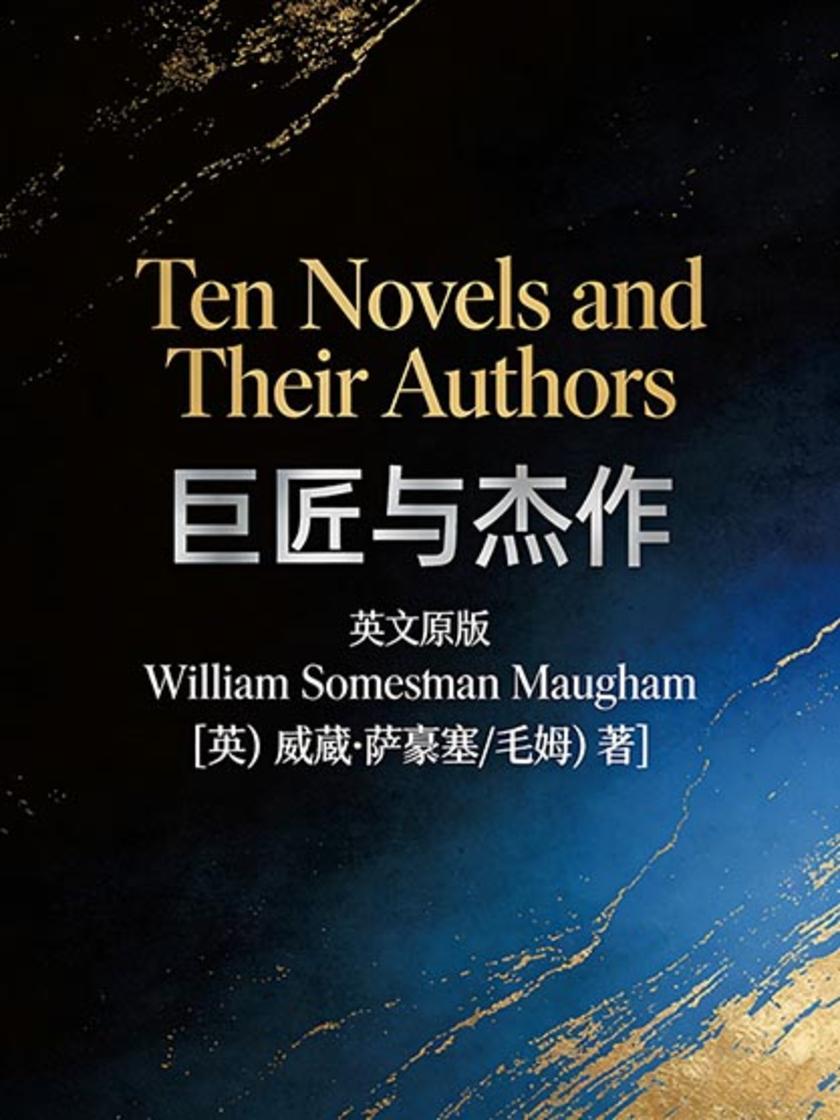
Ten Novels and Their Authors 巨匠与杰作(英文版)
¥29.99
《巨匠与杰作》是毛姆的文学评论集,遴选十位文学巨匠及其代表作,以犀利通透的视角剖析作家生平与创作内核,尽显大师级的阅读洞见。

Great Expectations 远大前程(英文版)
¥29.99
《远大前程》是英国文豪查尔斯·狄更斯晚年创作的一部经典长篇小说,也是他艺术成就*成熟的代表作之一。 小说以孤儿皮普的成长经历为主线,讲述了他从一个出身卑微的乡村铁匠学徒,到意外获得神秘资助、远赴伦敦跻身"上流社会",*终又在幻灭中认清自我、回归本真的故事。 狄更斯以细腻的笔触,刻画了皮普在财富、爱情与身份地位之间的挣扎与蜕变,生动展现了19世纪英国社会的阶层鸿沟与人性百态。书中那位神秘而令人畏惧的囚犯马格威奇,以及冷艳孤傲的郝薇香小姐与艾丝黛拉,都为故事增添了浓厚的戏剧张力。 小说既是对"远大前程"这一幻象的深刻叩问,也是一部关于成长、良知与救赎的不朽寓言,至今仍深深打动着一代又一代读者。

Eclipse Plug-in Development: Beginner's Guide - Second Edition
¥90.46
Develop skills to build powerful plug-ins with Eclipse IDE through examples About This Book Create useful plug-ins to make Eclipse work for you Learn how to migrate Eclipse 3.x plug-ins to Eclipse 4.x From automation to testing, find out how to get your IDE performing at an impressive standard Who This Book Is For This book is for Java developers familiar with Eclipse who need more from the IDE. This book will sharpen your confidence and make you a more productive developer with a tool that supports rather than limits you. What You Will Learn Create plug-ins for Eclipse 4.x Test plug-ins automatically with JUnit Display tree and table information in views Upgrade Eclipse 3.x plug-ins to Eclipse 4.x Find out how to build user interfaces from SWT and JFace Run tasks in the background and update the user interface asynchronously Automate builds of plug-ins and features Automate user interface tests with SWTBot In Detail Eclipse is used by everyone from indie devs to NASA engineers. Its popularity is underpinned by its impressive plug-in ecosystem, which allows it to be extended to meet the needs of whoever is using it. This book shows you how to take full advantage of the Eclipse IDE by building your own useful plug-ins from start to finish. Taking you through the complete process of plug-in development, from packaging to automated testing and deployment, this book is a direct route to quicker, cleaner Java development. It may be for beginners, but we're confident that you'll develop new skills quickly. Pretty soon you'll feel like an expert, in complete control of your IDE. Don't let Eclipse define you - extend it with the plug-ins you need today for smarter, happier, and more effective development. Style and approach Packed with plenty of examples so you're never stuck, or never left simply reading instructions, this book encourages you to get started immediately. This book is for developers who want to develop, not just learn.
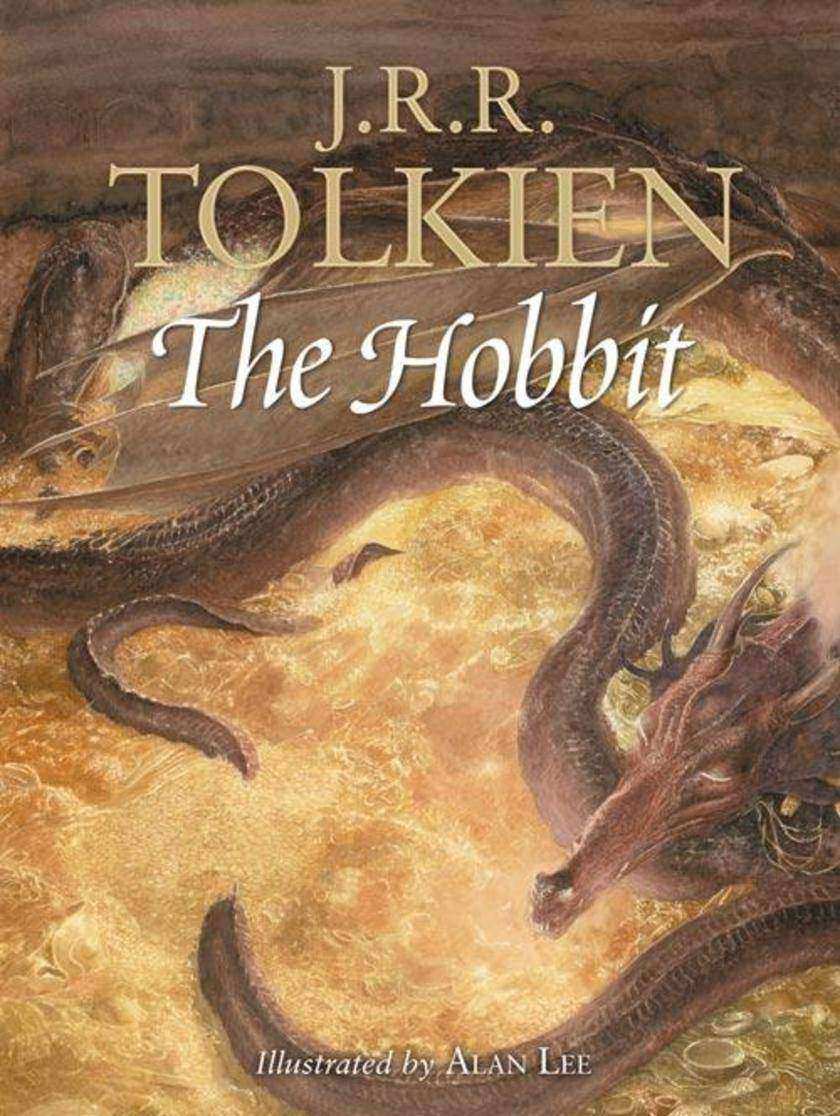
The Hobbit: Illustrated by Alan Lee
¥58.86
Read the classic edition of Bilbo Baggins’ adventures in Middle-earth. Featuring more than 60 colour paintings and pencil drawings by the award-winning artist, Alan Lee, Conceptual Designer on Peter Jackson’s THE HOBBIT: AN UNEXPECTED JOURNEY. Bilbo Baggins is a hobbit who enjoys a comfortable, unambitious life, rarely travelling further than the pantry of his hobbit-hole in Bag End. But his contentment is disturbed when the wizard, Gandalf, and a company of thirteen dwarves arrive on his doorstep one day to whisk him away on an unexpected journey ‘there and back again’. They have a plot to raid the treasure hoard of Smaug the Magnificent, a large and very dangerous dragon… The prelude to The Lord of the Rings, The Hobbit has sold many millions of copies since its publication in 1937, establishing itself as one of the most beloved and influential books of the twentieth century. It is now available in a smart new package, and is illustrated throughout in gorgeous watercolour and delicate pencil by Alan Lee, Conceptual Artist for Peter Jackson’s films, THE HOBBIT: AN UNEXPECTED JOURNEY and THE HOBBIT: THERE AND BACK AGAIN.

Dandelion Wine
¥66.22
An endearing classic of childhood memories of an idyllic midwestern summer from the celebrated author of 'Farenheit 451'. "He stood at the open window in the dark, took a deep breath and exhaled. The street lights, like candles on a black cake, went out. He exhaled again and again and the stars began to vanish. Douglas smiled. He pointed a finger. There, and there. Now over here, and here. . .Yellow squares were cut in the dim morning earth as house lights winked slowly on. A sprinkle of windows came suddenly alight miles off in dawn country. 'Everyone yawn. Everyone up.'" In the backwaters of Illinois, Douglas Spaulding's grandfather makes an intoxicating brew from harvested dandelions. 'Dandelion Wine' is a quirky, breathtaking coming-of-age story from one of science fiction's greatest writers. Distilling his experiences into "Rites & Ceremonies" and "Discoveries & Revelations", the young Spaulding wistfully ponders over magical tennis shoes, and machines for every purpose from time travel to happiness and silent travel. Based upon Bradbury's own experiences growing up in Waukegan in the 1920s, 'Dandelion Wine' is a heady mixture of fond memory, forgiveness, magic, the imagination and above all, of summers that seemed to go on forever.
Scratch 2.0 Beginner's Guide
¥90.46
The book uses stepbystep instructions along with full code listings for each exercise. After each exercise, the author pauses to reflect, explain, and offer insights before building on the project. The author approaches the content with the belief that we are all teachers and that you are reading this book not only because you want to learn, but because you want to share your knowledge with others. Motivated students can pick up this book and teach themselves how to program because the book takes a simple, strategic, and structured approach to learning Scratch. Parents can grasp the fundamentals so that they can guide their children through introductory Scratch programming exercises. It’s perfect for homeschool families. Teachers of all disciplines from computer science to English can quickly get up to speed with Scratch and adapt the projects for use in the classroom.
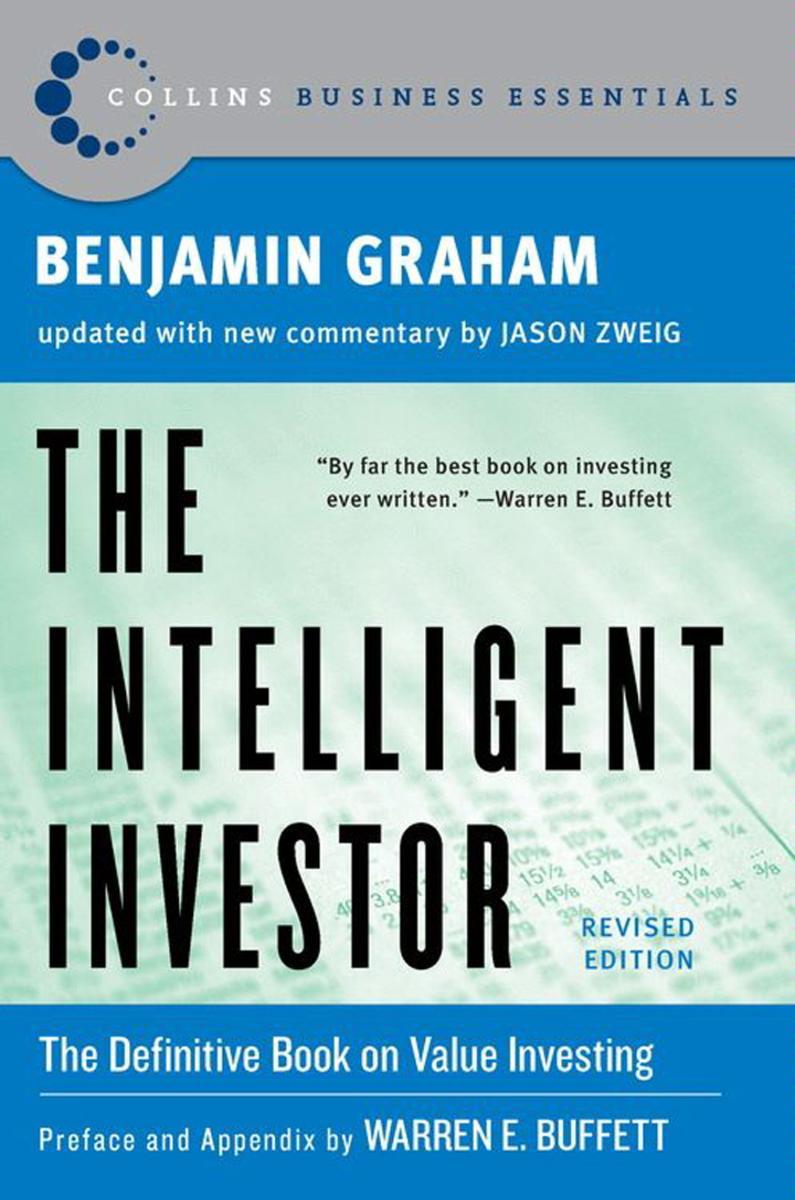
The Intelligent Investor, Rev. Ed
¥140.29
More than one million hardcovers sold Now available for the first time in paperback! The Classic Text Annotated to Update Graham's Timeless Wisdom for Today's Market Conditions The greatest investment advisor of the twentieth century, Benjamin Graham taught and inspired people worldwide. Graham's philosophy of "value investing" -- which shields investors from substantial error and teaches them to develop long-term strategies -- has made The Intelligent Investor the stock market bible ever since its original publication in 1949. Over the years, market developments have proven the wisdom of Graham's strategies. While preserving the integrity of Graham's original text, this revised edition includes updated commentary by noted financial journalist Jason Zweig, whose perspective incorporates the realities of today's market, draws parallels between Graham's examples and today's financial headlines, and gives readers a more thorough understanding of how to apply Graham's principles. Vital and indispensable, this HarperBusiness Essentials edition of The Intelligent Investor is the most important book you will ever read on how to reach your financial goals.

Come, Tell Me How You Live:An Archaeological Memoir
¥58.47
Agatha Christie’s personal memoirs about her travels to Syria and Iraq in the 1930s with her archaeologist husband Max Mallowan, where she worked on the digs and wrote some of her most evocative novels. Think you know Agatha Christie? Think again! To the world she was Agatha Christie, legendary author of bestselling whodunits. But in the 1930s she wore a different hat, travelling with her husband, renowned archaeologist Max Mallowan, as he investigated the buried ruins and ancient wonders of Syria and Iraq. When friends asked what this strange ‘other life’ was like, she decided to answer their questions by writing down her adventures in this eye-opening book. Described by the author as a ‘meandering chronicle of life on an archaeological dig’, Come, Tell Me How You Live is Agatha Christie's very personal memoir of her time spent in this breathtaking corner of the globe, living among the working men in tents in the desert where recorded human history began. Acclaimed as ‘a pure pleasure to read’, it is an altogether remarkable and increasingly poignant narrative, a fascinating, vibrant and vivid portrait of everyday life in a world now long since vanished.
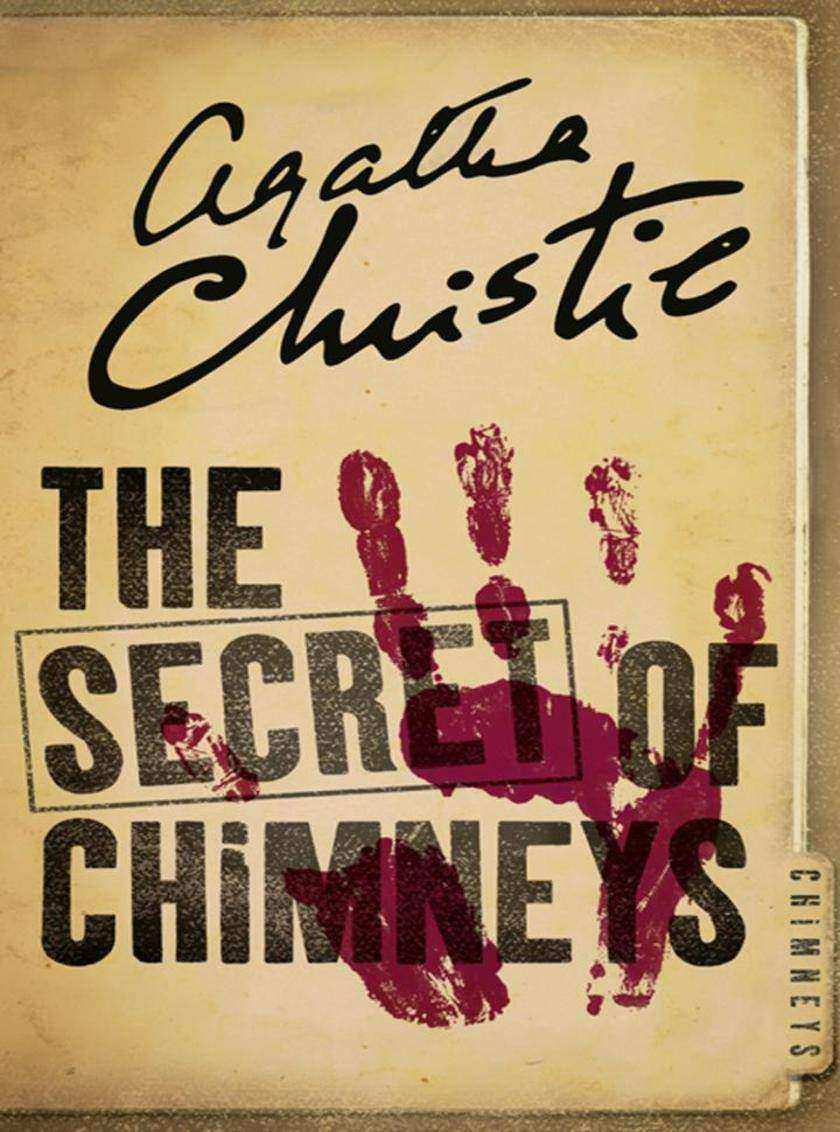
The Secret of Chimneys
¥58.47
A young drifter finds more than he bargained for when he agrees to deliver a parcel to an English country house…
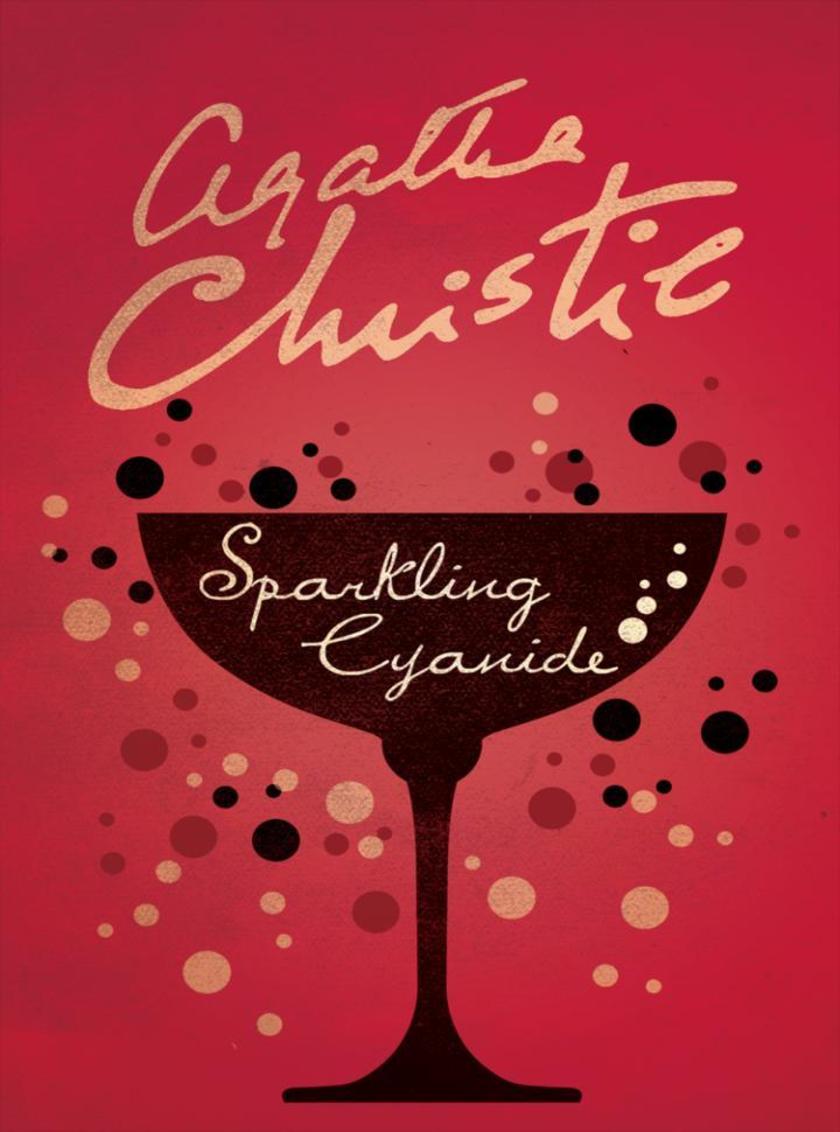
Sparkling Cyanide
¥58.47
A beautiful heiress is fatally poisoned in a West End restaurant… Six people sit down to dinner at a table laid for seven. In front of the empty place is a sprig of rosemary – in solemn memory of Rosemary Barton who died at the same table exactly one year previously. No one present on that fateful night would ever forget the woman’s face, contorted beyond recognition – or what they remembered about her astonishing life.
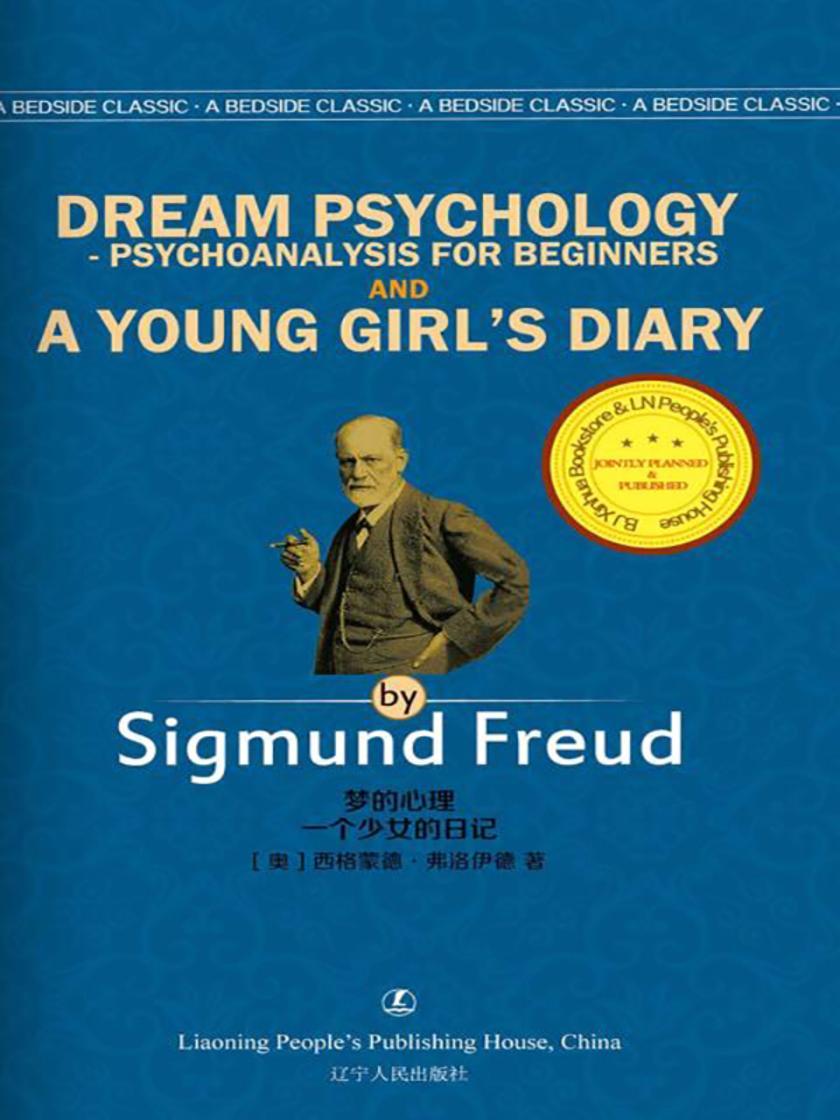
《梦的心理》+《一个少女的日记》
¥6.16
《梦的心理+一个少女的日记》:西格蒙德·弗洛伊德。 《梦的心理+一个少女的日记》:1900年,弗洛伊德开始运用临床个案,致力于分析病人的各种各样的奇怪的梦。他对梦的解释,深入到人的内心深处的潜在动机。他以“性欲论”解释梦。我们现在出版的这本《梦的心理》,则是他精神分析理论体系形成过程中一个很重要的标志性出版物。德国哲学家弗洛姆曾说弗洛伊德对梦的分析,是“现代科学对梦的分析的**原创性、著名与重要的贡献”。《一个少女的日记》记述了少女丽塔从11岁到14岁半期间成长过程中的青春思绪与豆蔻情怀。书中描述了作者与父母、与家庭中其他成员,如何相处,如何更亲密。同时书中也写了作者与别人产生的友情,是如何形成与破裂的;还有,作者也写了早恋的萌芽心态,以及对初恋对象的朦胧情感;写了神秘的性意识是如何启蒙、占据青春期少女的内心世界的;写了怎样惴惴不安地解开心结,探索爱的真谛;写了蠢蠢欲动的各种年少思想;写了家庭内部不公引发作者的愤怒;写了与老师和同学间关系的处理……文字间透露着简单、明快、犀利、爱憎分明的个性,充盈着对亲情、友情、爱情的体悟和思考,揭示出家庭因素在孩童成长和日后观念形成中产生的巨大作用,对我们理解自我曾经走过的成长之路,也大有帮助。
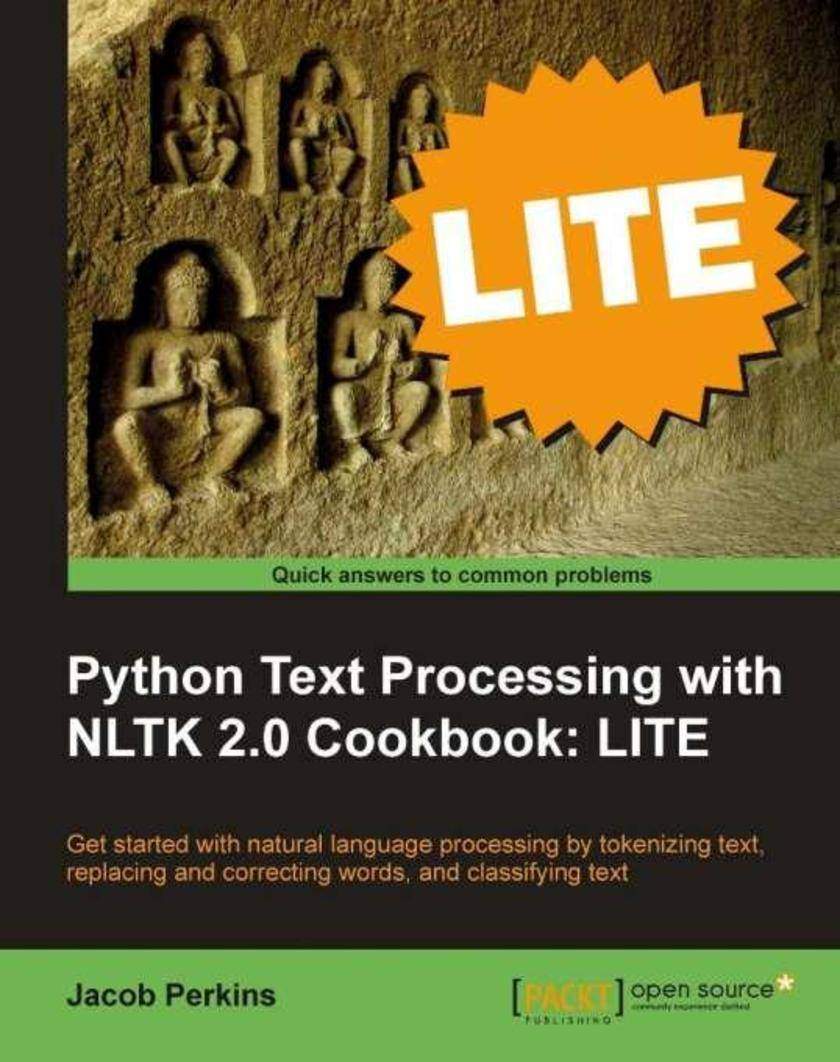
Python Text Processing with NLTK 2.0 Cookbook: LITE
¥35.96
This book is for Python programmers who want to quickly get to grips with using the NLTK for Natural Language Processing. Familiarity with basic text processing concepts is required. Programmers experienced in the NLTK will also find it useful. Students of linguistics will find it invaluable.

The Big Four (Poirot)
¥61.51
A ruthless international cartel seeks world domination… Framed in the doorway of Poirot’s bedroom stood an uninvited guest, coated from head to foot in dust. The man’s gaunt face stared for a moment, then he swayed and fell. Who was he? Was he suffering from shock or just exhaustion? Above all, what was the significance of the figure 4, scribbled over and over again on a sheet of paper? Poirot finds himself plunged into a world of international intrigue, risking his life to uncover the truth about ‘Number Four’.
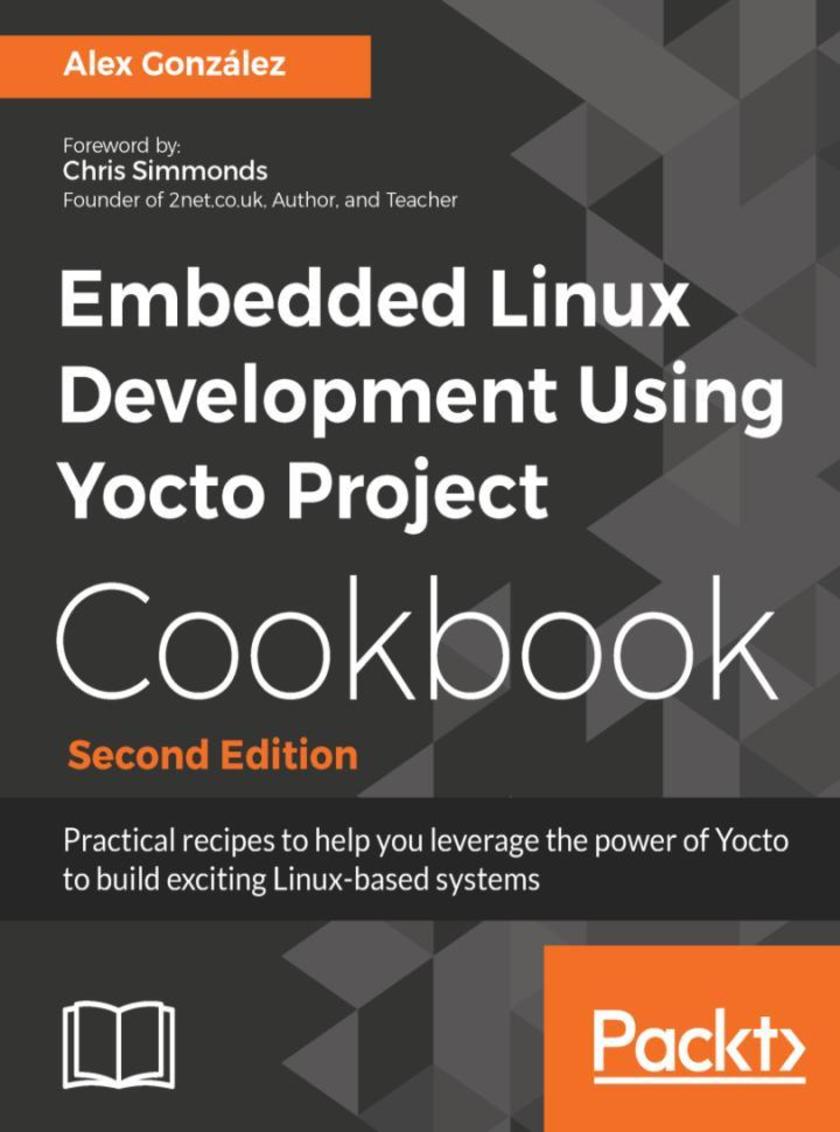
Embedded Linux Development Using Yocto Project Cookbook - Second Edition
¥81.74
Over 79 hands-on recipes for professional embedded Linux developers to optimize and boost their Yocto Project know-how About This Book ? Optimize your Yocto setup to speed up development and debug build issues ? Use what is quickly becoming the standard embedded Linux product builder framework—the Yocto Project ? Recipe-based implementation of best practices to optimize your Linux system Who This Book Is For If you are an embedded Linux developer with the basic knowledge of Yocto Project, this book is an ideal way to broaden your knowledge with recipes for embedded development. What You Will Learn ? Optimize your Yocto Project setup to speed up development and debug build issues ? Use Docker containers to build Yocto Project-based systems ? Take advantage of the user-friendly Toaster web interface to the Yocto Project build system ? Build and debug the Linux kernel and its device trees ? Customize your root filesystem with already-supported and new Yocto packages ? Optimize your production systems by reducing the size of both the Linux kernel and root filesystems ? Explore the mechanisms to increase the root filesystem security ? Understand the open source licensing requirements and how to comply with them when cohabiting with proprietary programs ? Create recipes, and build and run applications in C, C++, Python, Node.js, and Java In Detail The Yocto Project has become the de facto distribution build framework for reliable and robust embedded systems with a reduced time to market. You'll get started by working on a build system where you set up Yocto, create a build directory, and learn how to debug it. Then, you'll explore everything about the BSP layer, from creating a custom layer to debugging device tree issues. In addition to this, you’ll learn how to add a new software layer, packages, data, *s, and configuration files to your system. You will then cover topics based on application development, such as using the Software Development Kit and how to use the Yocto project in various development environments. Toward the end, you will learn how to debug, trace, and profile a running system. This second edition has been updated to include new content based on the latest Yocto release. Style and approach This recipe-based book will guide you through all the development stages of an embedded Linux product design using the Yocto Project.

The Early Life of Thomas Hardy by Florence Hardy (Illustrated)
¥8.09
This eBook features the unabridged text of ‘The Early Life of Thomas Hardy by Florence Hardy’ from the bestselling edition of ‘The Complete Works of Thomas Hardy’. Having established their name as the leading publisher of classic literature and art, Delphi Classics produce publications that are individually crafted with superior formatting, while introducing many rare texts for the first time in digital print. The Delphi Classics edition of Hardy includes original annotations and illustrations relating to the life and works of the author, as well as individual tables of contents, allowing you to navigate eBooks quickly and easily.eBook features:* The complete unabridged text of ‘The Early Life of Thomas Hardy by Florence Hardy’* Beautifully illustrated with images related to Hardy’s works* Individual contents table, allowing easy navigation around the eBook* Excellent formatting of the textPlease visit www.delphiclassics.com to learn more about our wide range of titles

Hot and Bothered
¥32.62
From USA Today bestselling author Jennifer Bernard comes a second chance to fall in love ... Ben, the most romantic of Jupiter Point's smoking hot Knight brothers, knew from the moment he met his high school sweetheart, Julie deGaia, that she was the one for him. Marriage, kids…he wanted forever with Julie—until the moment she skipped town without a word. Then Ben’s father was murdered, and his life was irrevocably changed. Now, after twelve years, Julie’s back. Ben’s over her, of course. They’re completely different people now. Right. If they’re so different, why do his feelings for her seem so damn familiar?And how, after all this time, can she still make Ben so hot and bothered?Julie was never supposed to return to Jupiter Point. It’s only by staying away that she’s ensured her safety. But she owes a huge debt to the wealthy and demanding Reinhard family, who took her in as a child. What the Reinhards want, they get, so here she is, dodging a handsomer-than-ever Ben Knight. Her former sweetheart has turned into a hunky pilot who aims that sexy smile at everyone except her—until he learns the truth about why she left in the first place. If the past can’t keep Ben and Julie apart, a deadly threat in the present might. As for that idyllic future they always dreamed about? It might take some Jupiter Point magic to put this star-crossed couple on the road to happy ever after.
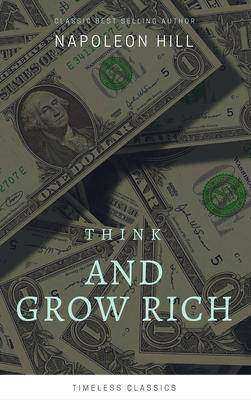
Think And Grow Rich
¥8.75
Think and Grow Rich' is the world's most widely acclaimed motivational book on success ever published. It became the must-have bible of prosperity and success for millions of readers since its initial publication in 1937. Napoleon Hill, America's most beloved motivational author, devoted 25 years to finding out how the wealthy became that way. After interviewing over 500 of the most affluent men and women of his time, he uncovered the secret to great wealth. By understanding and applying the thirteen simple steps that constitute Hill's formula, you can achieve your goals, change your life and join the ranks of the rich and successful. This book has changed countless lives and it can change yours!
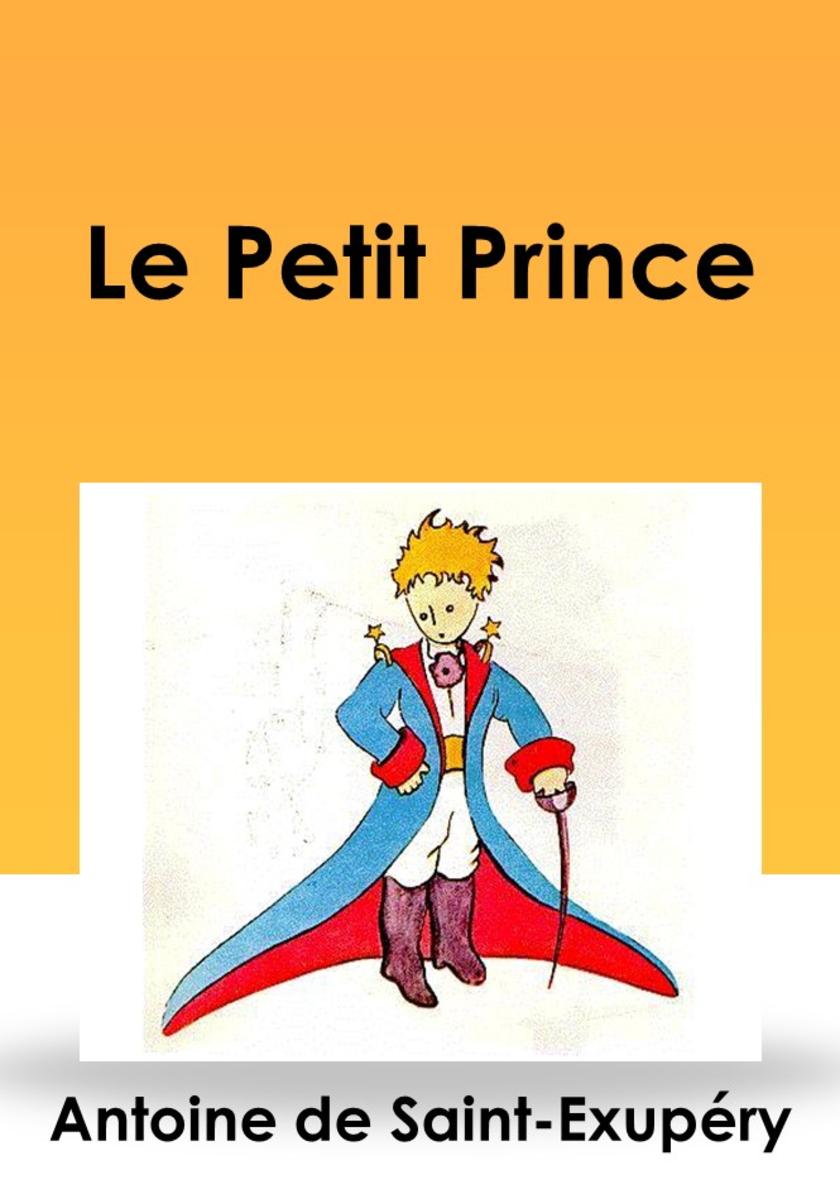
Le Petit Prince
¥8.58
Heart of Darkness (1899) is a short novel by Joseph Conrad, written as a frame narrative, about Charles Marlow’s life as an ivory transporter down the Congo River in Central Africa. The river is “a mighty big river, that you could see on the map, resembling an immense snake uncoiled, with its head in the sea, its body at rest curving afar over a vast country, and its tail lost in the depths of the land.” In the course of his travel in central Africa, Marlow becomes obsessed with Mr. Kurtz.The story is a complex exploration of the attitudes people hold on what constitutes a barbarian versus a civilized society and the attitudes on colonialism and racism that were part and parcel of European imperialism. Originally published as a three-part serial story, in Blackwood's Magazine, the novella Heart of Darkness has been variously published and translated into many languages. In 1998, the Modern Library ranked Heart of Darkness as the sixty-seventh of the hundred best novels in English of the twentieth century. Short SummaryAboard the Nellie, anchored in the River Thames near Gravesend, England, Charles Marlow tells his fellow sailors about the events that led to his appointment as captain of a river-steamboat for an ivory trading company. He describes his passage on ships to the wilderness to the Company's station, which strikes Marlow as a scene of devastation: disorganized, machinery parts here and there, periodic demolition explosions, weakened native black men who have been demoralized, in chains, literally being worked to death, and strolling behind them a white Company man in a uniform carrying a rifle. At this station Marlow meets the Company's chief accountant who tells him of a Mr. Kurtz, and explains that Kurtz is a first-class agent.
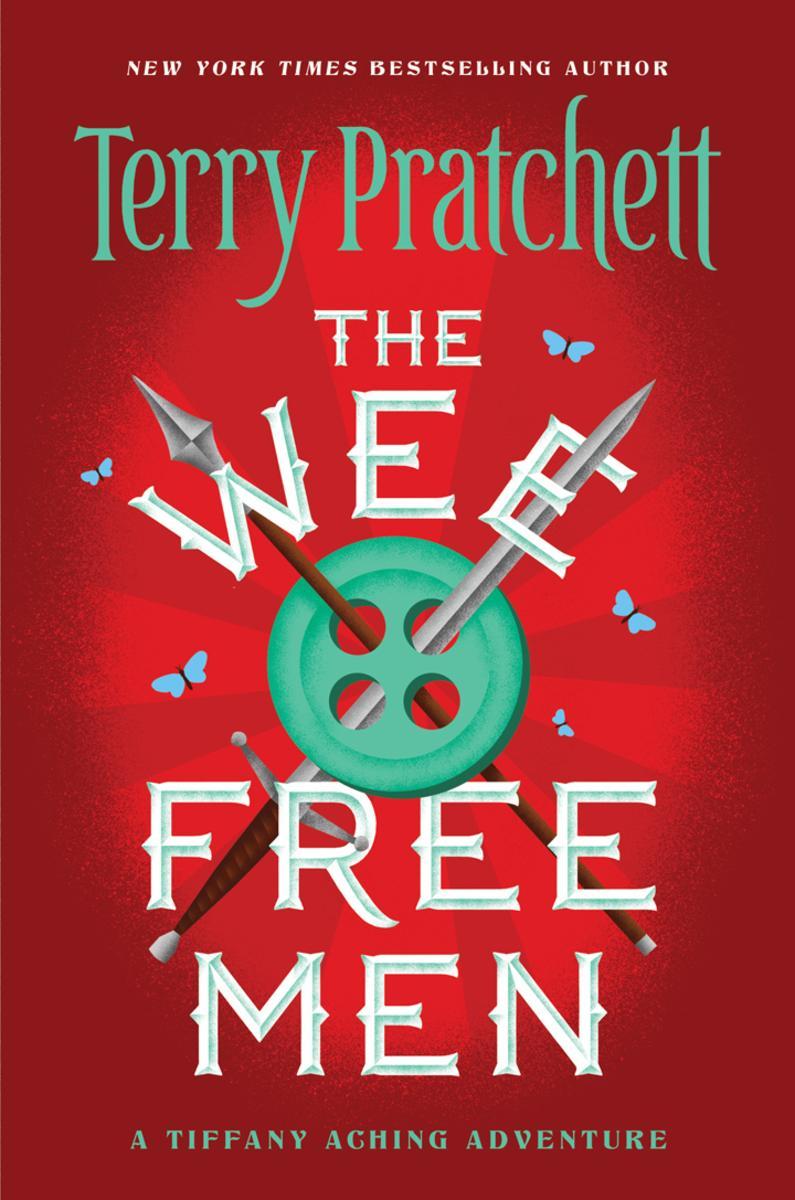
The Wee Free Men
¥55.93
The first in a series of Discworld novels starring the young witch Tiffany Aching.A nightmarish danger threatens from the other side of reality. . . .Armed with only a frying pan and her common sense, young witch-to-be Tiffany Aching must defend her home against the monsters of Fairyland. Luckily she has some very unusual help: the local Nac Mac Feegle—aka the Wee Free Men—a clan of fierce, sheep-stealing, sword-wielding, six-inch-high blue men.Together they must face headless horsemen, ferocious grimhounds, terrifying dreams come true, and ultimately the sinister Queen of the Elves herself. . . .
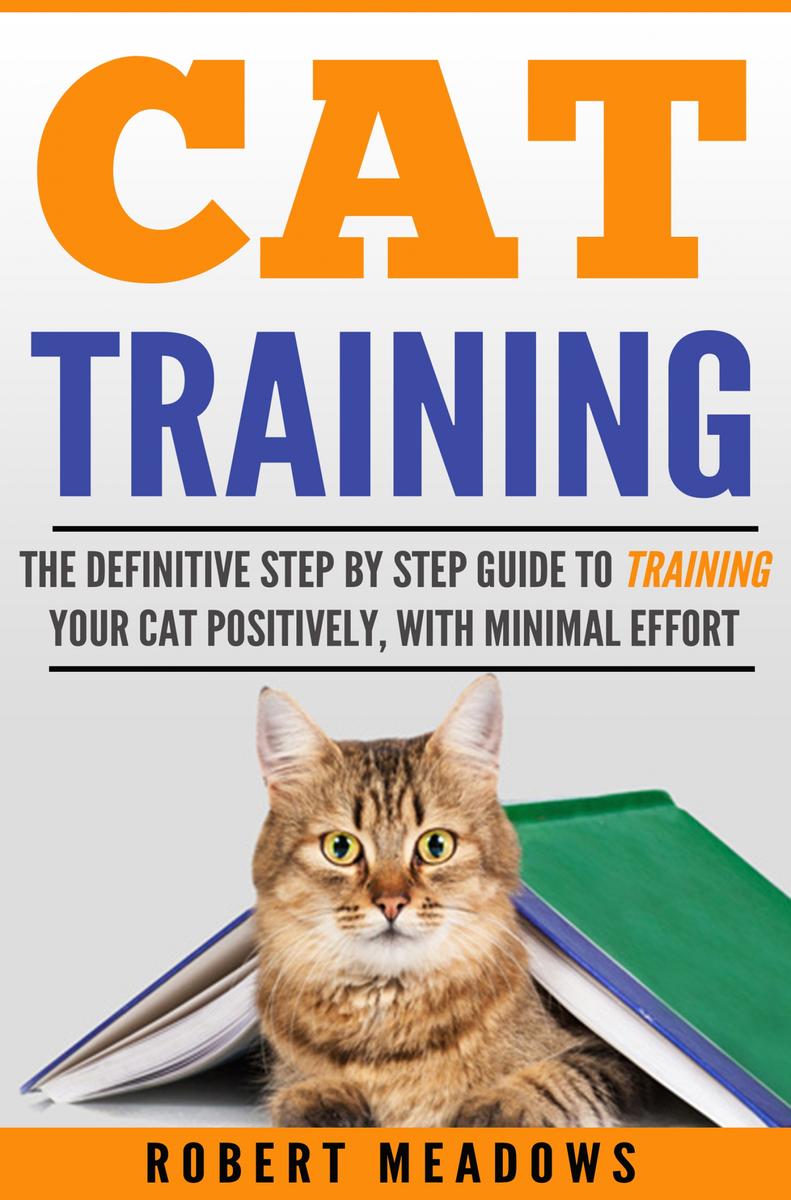
Cat Training: The Definitive Step By Step Guide to Training Your Cat Positively,
¥24.44
Cat Training: The Definitive Step By Step Guide to Training Your Cat Positively, With Minimal Effort
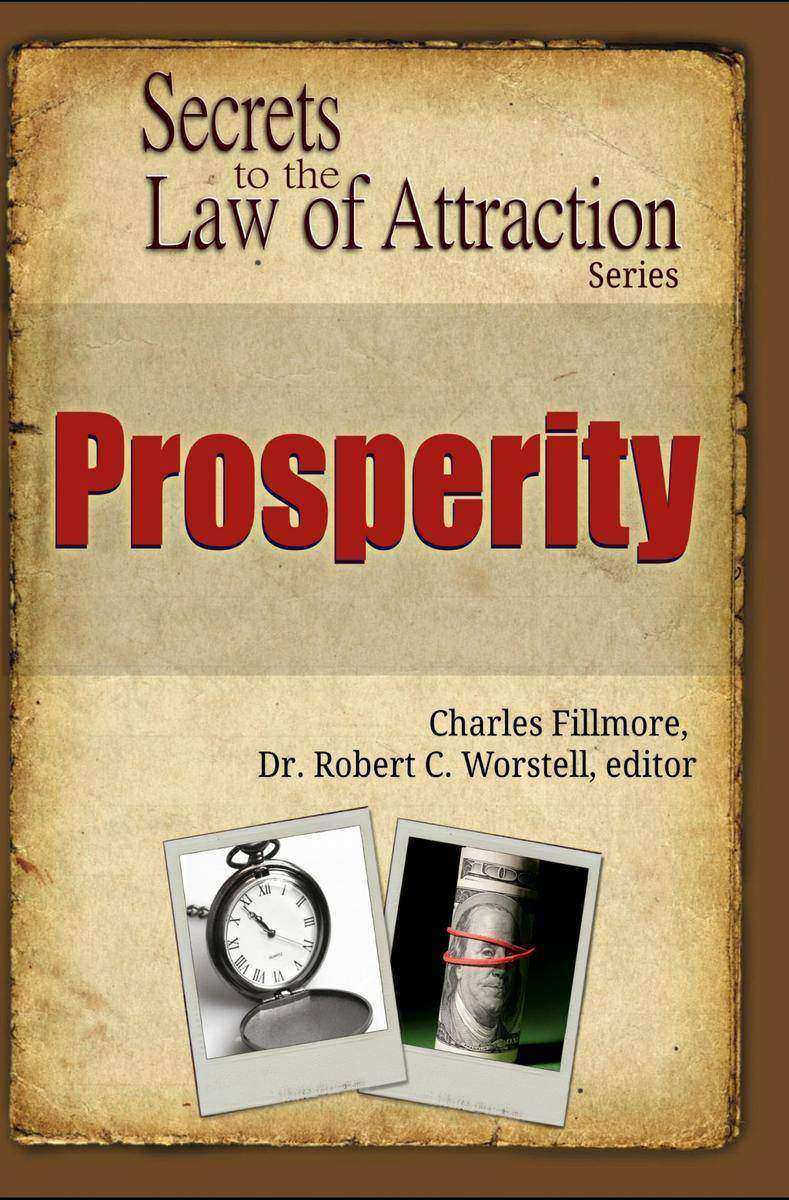
Prosperity: Secrets to the Law of Attraction
¥24.44
Prosperity: Secrets to the Law of Attraction


