


 购物车
购物车 个人中心
个人中心
Java Hibernate Cookbook
¥80.65
Over 50 recipes to help you build dynamic and powerful real-time Java Hibernate applications About This Book Learn to associate JDBC and Hibernate with object persistence Manage association mappings, implement basic annotations and learn caching Get to grips with Hibernate fundamentals from installation to developing a business application with this step-by-step guide Who This Book Is For This is book for Java developers who now want to learn Hibernate. Good knowledge and understanding of Java is preferred to allow efficient programming of the core elements and applications; it would be helpful if readers are familiar with the basics of SQL. What You Will Learn Set up and install Hibernate on your system and explore different ways in which Hibernate can be configured Learn the basic concepts and fundamentals of Java Hibernate Define mappings without a use of XML file using Annotations Persist collection elements such as list, map, set and array Explore the various mapping options and learn to work with Hibernate associations Understand advanced Hibernate concepts such as caching and inheritance Develop an engaging and robust real-world hibernate application based on a common business scenario Integrate Hibernate with other frameworks to develop robust enterprise applications In Detail Hibernate is a database independent technology, so the same code will work for all databases. It helps a Java developer write a query by mapping Java bean to database tables and help create tuned queries that boost performance. Even with limited SQL knowledge one can easily perform database operations. This makes the development faster and more accurate than JDBC. Hibernate supports useful features like connection pooling, caching, and inheritance etc. This book will provide a useful hands-on guide to Hibernate to accomplish the development of a real-time Hibernate application. We will start with the basics of Hibernate, which include setting up Hibernate – the pre-requisites and multiple ways of configuring Hibernate using Java. We will then dive deep into the fundamentals of Hibernate such as SessionFactory, session, criteria, working with objects and criteria. This will help a developer have a better understanding of how Hibernate works and what needs to be done to run a Hibernate application. Moving on, we will learn how to work with annotations, associations and collections. In the final chapters, we will see explore querying, advanced Hibernate concepts and integration with other frameworks. Style and approach This book is a practical guide filled with carefully organized step-by-step instructions. All recipes are arranged in an easy-to understand and clear manner allowing you to apply the solutions to other situations.
OpenCV with Python By Example
¥90.46
Build real-world computer vision applications and develop cool demos using OpenCV for Python About This Book Learn how to apply complex visual effects to images using geometric transformations and image filters Extract features from an image and use them to develop advanced applications Build algorithms to help you understand the image content and perform visual searches Who This Book Is For This book is intended for Python developers who are new to OpenCV and want to develop computer vision applications with OpenCV-Python. This book is also useful for generic software developers who want to deploy computer vision applications on the cloud. It would be helpful to have some familiarity with basic mathematical concepts such as vectors, matrices, and so on. What You Will Learn Apply geometric transformations to images, perform image filtering, and convert an image into a cartoon-like image Detect and track various body parts such as the face, nose, eyes, ears, and mouth Stitch multiple images of a scene together to create a panoramic image Make an object disappear from an image Identify different shapes, segment an image, and track an object in a live video Recognize an object in an image and build a visual search engine Reconstruct a 3D map from images Build an augmented reality application In Detail Computer vision is found everywhere in modern technology. OpenCV for Python enables us to run computer vision algorithms in real time. With the advent of powerful machines, we are getting more processing power to work with. Using this technology, we can seamlessly integrate our computer vision applications into the cloud. Web developers can develop complex applications without having to reinvent the wheel. This book will walk you through all the building blocks needed to build amazing computer vision applications with ease. We start off with applying geometric transformations to images. We then discuss affine and projective transformations and see how we can use them to apply cool geometric effects to photos. We will then cover techniques used for object recognition, 3D reconstruction, stereo imaging, and other computer vision applications. This book will also provide clear examples written in Python to build OpenCV applications. The book starts off with simple beginner’s level tasks such as basic processing and handling images, image mapping, and detecting images. It also covers popular OpenCV libraries with the help of examples. The book is a practical tutorial that covers various examples at different levels, teaching you about the different functions of OpenCV and their actual implementation. Style and approach This is a conversational-style book filled with hands-on examples that are really easy to understand. Each topic is explained very clearly and is followed by a programmatic implementation so that the concept is solidified. Each topic contributes to something bigger in the following chapters, which helps you understand how to piece things together to build something big and complex.
Troubleshooting Ubuntu Server
¥80.65
Make life at the office easier for server administrators by helping them build resilient Ubuntu server systems About This Book Tackle the issues you come across in keeping your Ubuntu server up and running Build server machines and troubleshoot cloud computing related issues using Open Stack Discover tips and best practices to be followed for minimum maintenance of Ubuntu Server 3 Who This Book Is For This book is for a vast audience of Linux system administrators who primarily work on Debian-based systems and spend long hours trying fix issues with the enterprise server. Ubuntu is already one of the most popular OSes and this book targets the most common issues that most administrators have to deal with. With the right tools and definite solutions, you will be able to keep your Ubuntu servers in the pink of health. What You Will Learn Deploy packages and their dependencies with repositories Set up your own DNS and network for Ubuntu Server Authenticate and validate users and their access to various systems and services Maintain, monitor, and optimize your server resources and avoid tremendous load Get to know about processes, assigning and changing priorities, and running processes in background Optimize your shell with tools and provide users with an improved shell experience Set up separate environments for various services and run them safely in isolation Understand, build, and deploy OpenStack on your Ubuntu Server In Detail Ubuntu is becoming one of the favorite Linux flavors for many enterprises and is being adopted to a large extent. It supports a wide variety of common network systems and the use of standard Internet services including file serving, e-mail, Web, DNS, and database management. A large scale use and implementation of Ubuntu on servers has given rise to a vast army of Linux administrators who battle it out day in and day out to make sure the systems are in the right frame of operation and pre-empt any untoward incidents that may result in catastrophes for the businesses using it. Despite all these efforts, glitches and bugs occur that affect Ubuntu server's network, memory, application, and hardware and also generate cloud computing related issues using OpenStack. This book will help you end to end. Right from setting up your new Ubuntu Server to learning the best practices to host OpenStack without any hassles. You will be able to control the priority of jobs, restrict or allow access users to certain services, deploy packages, tackle issues related to server effectively, and reduce downtime. Also, you will learn to set up OpenStack, and manage and monitor its services while tuning the machine with best practices. You will also get to know about Virtualization to make services serve users better. Chapter by chapter, you will learn to add new features and functionalities and make your Ubuntu server a full-fledged, production-ready system. Style and approach This book contains topic-by-topic discussion in an easy-to-understand language with loads of examples to help you take care of Ubuntu Server. Plenty of screenshots will guide you through a step-by-step approach.
Mastering Python Scientific Computing
¥71.93
A complete guide for Python programmers to master scientific computing using Python APIs and tools About This Book The basics of scientific computing to advanced concepts involving parallel and large scale computation are all covered. Most of the Python APIs and tools used in scientific computing are discussed in detail The concepts are discussed with suitable example programs Who This Book Is For If you are a Python programmer and want to get your hands on scientific computing, this book is for you. The book expects you to have had exposure to various concepts of Python programming. What You Will Learn Fundamentals and components of scientific computing Scientific computing data management Performing numerical computing using NumPy and SciPy Concepts and programming for symbolic computing using SymPy Using the plotting library matplotlib for data visualization Data analysis and visualization using Pandas, matplotlib, and IPython Performing parallel and high performance computing Real-life case studies and best practices of scientific computing In Detail In today's world, along with theoretical and experimental work, scientific computing has become an important part of scientific disciplines. Numerical calculations, simulations and computer modeling in this day and age form the vast majority of both experimental and theoretical papers. In the scientific method, replication and reproducibility are two important contributing factors. A complete and concrete scientific result should be reproducible and replicable. Python is suitable for scientific computing. A large community of users, plenty of help and documentation, a large collection of scientific libraries and environments, great performance, and good support makes Python a great choice for scientific computing. At present Python is among the top choices for developing scientific workflow and the book targets existing Python developers to master this domain using Python. The main things to learn in the book are the concept of scientific workflow, managing scientific workflow data and performing computation on this data using Python. The book discusses NumPy, SciPy, SymPy, matplotlib, Pandas and IPython with several example programs. Style and approach This book follows a hands-on approach to explain the complex concepts related to scientific computing. It details various APIs using appropriate examples.
Learning Predictive Analytics with R
¥90.46
Get to grips with key data visualization and predictive analytic skills using R About This Book Acquire predictive analytic skills using various tools of R Make predictions about future events by discovering valuable information from data using R Comprehensible guidelines that focus on predictive model design with real-world data Who This Book Is For If you are a statistician, chief information officer, data scientist, ML engineer, ML practitioner, quantitative analyst, and student of machine learning, this is the book for you. You should have basic knowledge of the use of R. Readers without previous experience of programming in R will also be able to use the tools in the book. What You Will Learn Customize R by installing and loading new packages Explore the structure of data using clustering algorithms Turn unstructured text into ordered data, and acquire knowledge from the data Classify your observations using Na?ve Bayes, k-NN, and decision trees Reduce the dimensionality of your data using principal component analysis Discover association rules using Apriori Understand how statistical distributions can help retrieve information from data using correlations, linear regression, and multilevel regression Use PMML to deploy the models generated in R In Detail R is statistical software that is used for data analysis. There are two main types of learning from data: unsupervised learning, where the structure of data is extracted automatically; and supervised learning, where a labeled part of the data is used to learn the relationship or scores in a target attribute. As important information is often hidden in a lot of data, R helps to extract that information with its many standard and cutting-edge statistical functions. This book is packed with easy-to-follow guidelines that explain the workings of the many key data mining tools of R, which are used to discover knowledge from your data. You will learn how to perform key predictive analytics tasks using R, such as train and test predictive models for classification and regression tasks, score new data sets and so on. All chapters will guide you in acquiring the skills in a practical way. Most chapters also include a theoretical introduction that will sharpen your understanding of the subject matter and invite you to go further. The book familiarizes you with the most common data mining tools of R, such as k-means, hierarchical regression, linear regression, association rules, principal component analysis, multilevel modeling, k-NN, Na?ve Bayes, decision trees, and text mining. It also provides a de*ion of visualization techniques using the basic visualization tools of R as well as lattice for visualizing patterns in data organized in groups. This book is invaluable for anyone fascinated by the data mining opportunities offered by GNU R and its packages. Style and approach This is a practical book, which analyzes compelling data about life, health, and death with the help of tutorials. It offers you a useful way of interpreting the data that’s specific to this book, but that can also be applied to any other data.
VMware vRealize Orchestrator Essentials
¥80.65
Get hands-on experience with vRealize Orchestrator and automate your VMware environment About This Book Gain an in-depth understanding of vRO in the VMware infrastructure Create your own advanced vRO *s using JavaScript A step-by-step tutorial to manage and create workflows with vRO Who This Book Is For This book is for VMware vSphere administrators who have minimal experience with automation tools and want to learn how to effectively automate their environment with VMware vRealize Orchestrator. A basic understanding of the VMware vSphere terms and concepts would be helpful. What You Will Learn Familiarize yourself with the Orchestrator architecture and Explore how plugins can expand Orchestrator's capabilitiesExplore how plug-ins can expand Orchestrator’s capabilities Deploy and configure the vRealize Orchestrator appliance Schedule and run workflows using the vSphere Web Client Create your own workflows with minimal work Use workflow presentations to improve your automation projects Integrate JavaScript to enhance your workflows Debug your workflows for errors and fix them Learn how to create, import, and export packages, to enable easy exchange solutions with others In Detail The automation of virtual environments has become the focus of many endeavors. VMware vRealize Orchestrator is a tool that enables you to automate not only your VMware environments, but also the surrounding hardware and software infrastructure. Orchestrator is also a central tool in the VMware cloud initiative and is extensively used by products such as vRealize Automation. In this book, you will learn how Orchestrator is able to help you automate your complete VMware infrastructure as well as its surrounding hardware and software. After deploying and configuring the vRealize Orchestrator appliance, you will learn how to run the existing workflows that are a part of the Orchestrator library. You will also see how the vSphere Web Client integration of Orchestrator reduces the time you spend on your daily admin tasks. The main aspect here is to learn how to create new workflows from existing ones. You will also look at how you can create completely new workflows. This includes learning about JavaScript and using presentation features to improve the layout and user friendliness of your workflows. Toward the end, you will learn to check for errors in your workflows and debug them. By the time you're done with the book, you'll be proficient in managing your workflows. Style and approach This book follows a sequential approach with ample screenshots in the examples that convey a deeper understanding of all Orchestrator-related tasks.
QGIS Blueprints
¥90.46
Develop analytical location-based web applications with QGIS About This Book Tame geographic information workflows with QGIS blueprints for smart web applications Create geographic web applications using QGIS and free/open source software Blueprints provide real-world applications covering many use cases Who This Book Is For This book encompasses relatively experienced GIS developers who have a strong grounding in the fundamentals of GIS development. They will have used QGIS before, but are looking to understand how to develop more complex, layered map applications that expose various data sets, utilize different visualizations, and are consumable (usable) by end users What You Will Learn Review geographic information principles and the application of these principles in the QGIS free/open source ecosystem Perform advanced analysis with site selection, hydrologic, and topological networks Build performant web applications by tile caching and generating static assets Provide collaborative editing capabilities for your team or community Develop custom and dynamic analysis and visualization capabilities Select the best components from desktop and web, for your use case Integrate it with social media and crowdsourcing In Detail QGIS, the world’s most popular free/open source desktop geographic information system software, enables a wide variety of use cases involving location – previously only available through expensive specialized commercial software. However, designing and executing a multi-tiered project from scratch on this complex ecosystem remains a significant challenge. This book starts with a primer on QGIS and closely related data, software, and systems. We’ll guide you through six use-case blueprints for geographic web applications. Each blueprint boils down a complex workflow into steps you can follow to reduce time lost to trial and error. By the end of this book readers should be able to build complex layered applications that visualize multiple data sets, employing different types of visualization, and give end users the ability to interact with and manipulate this data for the purpose of analysis. Style and approach This is a comprehensive guide to the application of QGIS and free/open source software in creating web applications from analysis. Step-by-step blueprints guide the reader through analytical and web development topics and designs.
Getting Started with Python and Raspberry Pi
¥71.93
Learn to design and implement reliable Python applications on the Raspberry Pi using a range of external libraries, the Raspberry Pis GPIO port, and the camera module About This Book Learn the fundamentals of Python *ing and application programming Design user-friendly command-line and graphical user interfaces A step-by-step guide to learning Python programming with the Pi Who This Book Is For This book is designed for those who are unfamiliar with the art of Python development and want to get to know their way round the language and the many additional libraries that allow you to get a full application up and running in no time. What You Will Learn Fundamentals of Python applications Designing applications for multi-threading Interacting with electronics and physical devices Debugging applications when they go wrong Packaging and installing Python modules User interface design using Qt Building easy to use command-line interfaces Connecting applications to the Internet In Detail The Raspberry Pi is one of the smallest and most affordable single board computers that has taken over the world of hobby electronics and programming, and the Python programming language makes this the perfect platform to start coding with. The book will start with a brief introduction to Raspberry Pi and Python. We will direct you to the official documentation that helps you set up your Raspberry Pi with the necessary equipment such as the monitor, keyboard, mouse, power supply, and so on. It will then dive right into the basics of Python programming. Later, it will focus on other Python tasks, for instance, interfacing with hardware, GUI programming, and more. Once you get well versed with the basic programming, the book will then teach you to develop Python/Raspberry Pi applications. By the end of this book, you will be able to develop Raspberry Pi applications with Python and will have good understanding of Python programming for Raspberry Pi. Style and approach An easy-to-follow introduction to Python *ing and application development through clear conceptual explanations backed up by real-world examples on the Raspberry Pi.
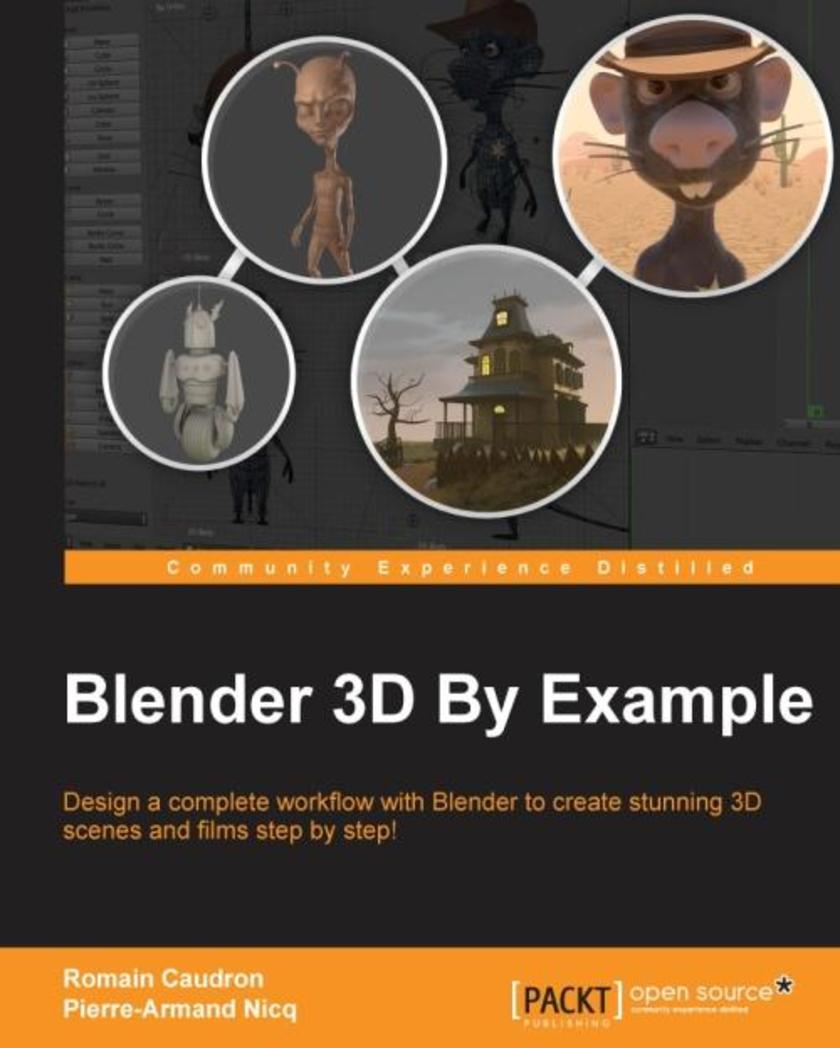
Blender 3D By Example
¥80.65
Design a complete workflow with Blender to create stunning 3D scenes and films step-by-step! About This Book Give life to a character within a full animated short film by learning the rigging and animation process Make use of the powerful tools available in Blender to produce professional-quality 3D characters and environments Discover advanced techniques by adding fur to a character, creating a grass field, and fine-tuning a shot with post-processing effects to enhance your creations Who This Book Is For This book will give any beginner the necessary skills and knowledge to create own 3D projects with Blender. You don't need to have any previous experience in 3D modeling, but if you do, then this book is a great way get you started with Blender. This book is for anyone who wants to learn Blender by creating concrete projects. What You Will Learn Understand the basics of 3D and how to navigate your way around the Blender interface Create a 3D robot toy model from start to finish using the basic modeling tools of Blender Make a full alien character using the skin mesh modifier and the sculpting tools with an artistic approach Use re-topology techniques to create a clean 3D version of the previously sculpted alien Model a full haunted house and its environment using more advanced modeling tools and techniques such as the Array Modifier, Instance duplication, or Curves Discover the power of the texture paint tool in order to add color to the haunted house Get to know the Cycles render engine by creating different materials for the house and the environment In Detail Blender is a powerful tool, stable, with an integral workflow that will allow you to understand your learning of 3D creation with serenity. Today, it is considered to be one of the most complete 3D packages on the market and it is free and open source! It is very efficient for many types of productions, such as 3D animated or live action films, architecture, research, or even game creation with its integrated game engine and its use of the Python language. Moreover, Blender has an active community that contributes to expanding its functionalities. Today, it is used in many professional products and by many companies. Through this book, you will create many types of concert projects using a step-by-step approach. You will start by getting to know the modeling tools available in Blender as you create a 3D robot toy. Then, you will discover more advanced techniques such as sculpting and re-topology by creating a funny alien character. After that, you will create a full haunted house scene. For the last project, you will create a short film featuring a rat cowboy shooting cheese in a rat trap! This will be a more complex project in which you learn how to rig, animate, compose advanced material, composite, and edit a full sequence. Each project in this book will give you more practice and increase your knowledge of the Blender tools. By the end of this book, you will master a workflow that you will be able to apply to your own creations. Style and approach This is an easy-to-follow book that is based on four concrete projects, with increasing levels of difficulty. Each chapter will teach you how to create these projects step-by-step. New tools and techniques are introduced in a theoretical and practical way, so you can apply them in your own projects later.
Dart By Example
¥80.65
Design and develop modern web applications with Google's bold and productive language through engaging example projects About This Book Full of engaging and varied example projects to equip you to build your own web applications Learn the Dart language and key libraries Productively create fast and reliable web applications Who This Book Is For If you are a front- or back-end web developer who is looking to build complex full-featured web applications without the quagmire of disconnected JavaScript frameworks, this book is a practical walkthrough of substantial applications that will have you and your team coding Dart in a productive manner. This book will give you a compiled, optional typed, scalable environment to rapidly develop applications. As Dart was designed to be familiar, any developer with even a small amount of knowledge of JavaScript or another programming language will be at home with the language immediately and will be coding quickly. What You Will Learn Master the core Dart language, type system, and key development tools Connect to existing web services, process JSON, and create your own framework for the data display Run and debug the Dart server and web applications and compile them in JavaScript Handle form data and encryption Build and deploy server applications on the major OSes and implement the REST API Work with PostgreSQL—an industry standard relational database system Create robust applications with unit tests, documentation, and diagnostic logging Develop command-line applications, and explore the key data structures and libraries In Detail Designed to create next generation apps, Google’s Dart offers a much more robust framework and also supersedes JavaScript in several aspects. Familiar yet innovative, compact yet scalable, it blows away the accumulated JavaScript legacy limitations. Dart was designed for great tool-ability and developer productivity, allowing you to create better application faster than before. Google chose it for their billion dollar advertising business and you have its power for your projects too. This book will introduce you the Dart language starting from its conception to its current form, and where it headed is through engaging substantial practical projects. You will be taken through building typical applications and exploring the exciting new technologies of HTML5. With example code projects such as a live data monitoring and viewing system, a blogging system, a slides presentation application, and more, then this book will walk you through step by step through building data-driven web applications with ease and speed. Style and approach A varied collection of compelling practical Dart projects that are developed progressively with full explanations of concepts and implementation. Each project introduces features of the language and environment, demonstrating how Dart can be used in rich structured web applications.

The Pursuit of Mary Bennet
¥88.56
The enthralling story of Pride and Prejudice's middle sister, Mary Bennet—an enchanting modern sequel to the beloved classicFor most of her life, Mary, the serious and unpolished third daughter of the Bennet family, has been overshadowed by her sisters—beautiful and confdent Jane and Elizabeth, and firtatious and lighthearted Lydia and Kitty. But with nearly all of her sisters married and gone from the household, awkward, unrefned Mary has blossomed into an attractive young woman with a quiet poise of her own.When a very pregnant Lydia unexpectedly returns to the Bennet home and scandalously announces she's left Wickham, Mary and Kitty are packed off to visit Jane and her husband, Charles Bingley, in Derbyshire. Yearning for the solitude of home, Mary is dismayed to discover Bingley's handsome and eligible friend Henry Walsh everywhere she turns. Unschooled in the game of love, Mary fnds Henry's warm attentions confounding. Is his interest genuine or does she foolishly mistake friendliness for something moreWith her heart and her future at risk, Mary must throw caution to the wind to fnd the truth—a journey of discovery that will teach her surprising lessons about herself and the desires of her heart.
Connect the Stars
¥95.39
From Saving Lucas Biggs authors Marisa de los Santos and David Teague comes a heartwarming middle grade adventure about two misfits discovering the importance of just being themselves.When thirteen-year-olds Aaron and Audrey meet at a wilderness camp in the desert, they think their quirks are enough to prevent them from ever having friends. But as they trek through the challenging and unforgiving landscape, they learn that they each have what it takes to make the other whole.Luminous and clever, Connect the Stars takes on some hefty topics of the day—bullying, understanding where you fit in, and learning to live with physical and mental challenges—all in a joyous adventure kids will love!

Epic Reads Impulse
¥108.99
This 50-page digital original novella introduces readers to Blackout, a series by acclaimed author Robison Wells that combines the high-stakes intensity of television's Homeland with the lightning-fast action of Marie Lu's Legend.Something strange is happening to Krezi. She has a dangerously high fever her doctors can't explain, and objects keep bursting into flames around her—but the fire doesn't seem to hurt her at all. Krezi wants nothing more than to control her mysterious abilities. But what she doesn't know is that there are others like her out there . . . and in the wrong hands, this power could be deadly.Going Dark also features a teaser to Blackout.Epic Reads Impulse is a digital imprint with new releases each month.

The Dolls
¥55.33
Pretty Little Liars meets Beautiful Creatures in this steamy southern suspense novel about a group of powerful teen voodoo queens who will do anything to get what they want.Eveny Cheval has just moved back to Carrefour, Louisiana—a town she left fourteen years ago in the wake of her mother's suicide. An outsider at first, Eveny quickly finds herself embroiled in a web of intrigue, betrayal, and lies. Enter Peregrine Marceau, Chloe St. Pierre, and their group of rich, sexy friends collectively known as the Dolls. They want to bring Eveny into their circle and share their darkest truths with her.Eveny is wary of these girls, but after murder strikes and she discovers that everything she believes about herself, her family, and her life is a lie, she's forced to turn to the Dolls for answers. Something's wrong in paradise, and it's up to Eveny, Chloe, and Peregrine to save Carrefour and make it right.
Homeland: Carrie's Run
¥83.03
An edge-of-your-seat original prequel based on Showtime's hit series HomelandBeirut, 2006. CIA operations officer Carrie Mathison barely escapes an ambush while attempting a clandestine meeting with a new contact, code-name Nightingale. Suspicious that security has been compromised, she challenges the station chief in a heated confrontation that gets her booted back to Langley.Expert in recognizing and anticipating behavioral patterns—a skill enhanced by her bipolar disorder she keeps secret to protect her career—Carrie is increasingly certain that a terrorist plot has been set in motion. She risks a shocking act of insubordination that helps her uncover secret evidence connecting Nightingale with Abu Nazir, the leader of Al Qaeda in Iraq. Determined to stop the terrorist mastermind, she embarks on an obsessive quest that will nearly destroy her.Filled with the suspense and plot twists that have made Homeland a must-watch series, this riveting tale reveals the compelling untold backstories of the series' main characters and takes fans deeper into the life and mind of one brilliant female spy.
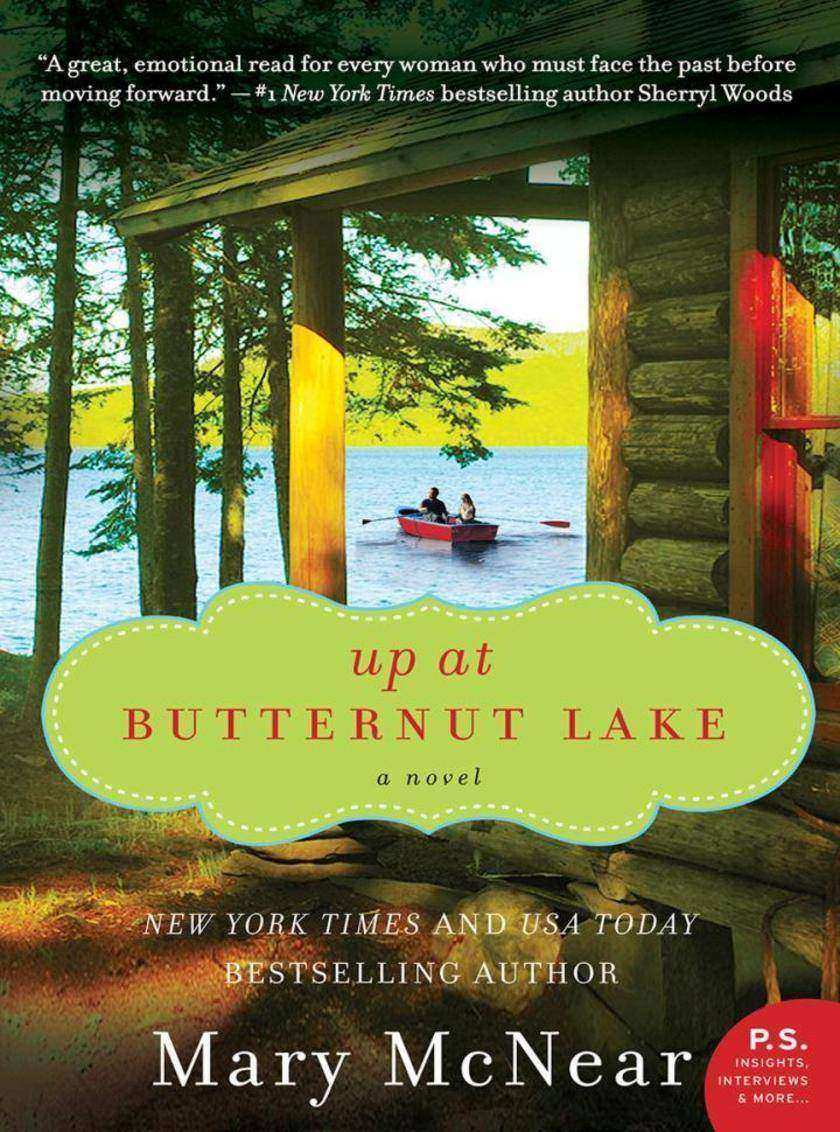
Up at Butternut Lake
¥83.03
New York Times and USA Today Bestseller!In the tradition of Kristin Hannah and Susan Wiggs, Mary McNear introduces readers to the town of Butternut Lake and to the unforgettable people who call it home.It's summer, and after ten years away, Allie Beckett has returned to her family's cabin beside tranquil Butternut Lake, where as a teenager she spent so many carefree days. She's promised her five-year-old son, Wyatt, they will be happy there. She's promised herself this is the place to begin again after her husband's death in Afghanistan. The cabin holds so many wonderful memories, but from the moment she crosses its threshold Allie is seized with doubts. Has she done the right thing uprooting her little boy from the only home he's ever known?Allie and her son are embraced by the townsfolk, and her reunions with old acquaintances—her friend Jax, now a young mother of three with one more on the way, and Caroline, the owner of the local coffee shop—are joyous ones. And then there are newcomers like Walker Ford, who mostly keeps to himself—until he takes a shine to Wyatt . . . and to Allie.Everyone knows that moving forward is never easy, and as the long, lazy days of summer take hold, Allie must learn to unlock the hidden longings of her heart, and to accept that in order to face the future she must also confront—and understand—what has come before.
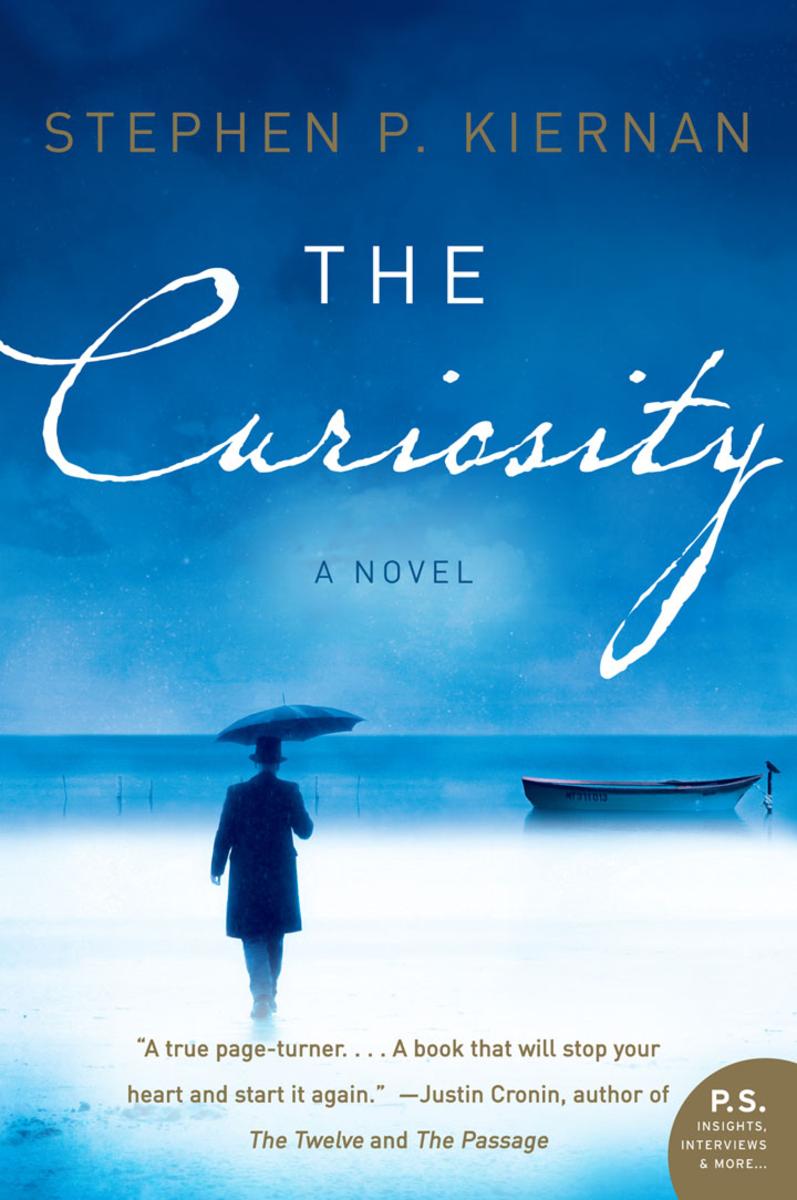
The Curiosity
¥83.03
A powerful debut novel in which a man, frozen in the Arctic ice for more than a century, awakens in the present day and finds the greatest discovery is love . . .The Curiosity Dr. Kate Philo and her scientific exploration team make a breathtaking discovery in the Arctic: the body of a man buried deep in the ice. As a scientist in a groundbreaking project run by the egocentric and paranoid Erastus Carthage, Kate has brought small creatures—plankton, krill, shrimp—back to life for short periods of time. But the team's methods have never been attempted on larger life-forms.Heedless of the potential consequences, Carthage orders that the frozen man be brought back to the lab in Boston and reanimated. The endeavor is named "The Lazarus Project." As the man begins to regain his memories, the team learns that he was—is—a judge, Jeremiah Rice, and the last thing he remembers is falling overboard into the Arctic Ocean in 1906. When news of the project and Jeremiah Rice breaks, it ignites a media firestorm and protests by religious fundamentalists.Thrown together by fate, Kate and Jeremiah grow closer. But the clock is ticking and Jeremiah's new life is slipping away. With Carthage planning to exploit Jeremiah while he can, Kate must decide how far she is willing to go to protect the man she has come to love.A gripping, poignant, and thoroughly original thriller, Stephen P. Kiernan's provocative debut novel raises disturbing questions about the very nature of life and humanity—man as a scientific subject, as a tabloid novelty, as a living being: a curiosity.

The Good Sister
¥55.91
In New York Times bestselling authorWendy Corsi Staub's electrifying new thriller,a mother races to save her daughter beforeher darkest nightmare comes true. Sacred Sisters Catholic girls' school has hardly changed since Jen Archer was a student. Jen hoped her older daughter would thrive here. Instead, shy, studious Carley becomes the target of vicious bullies. But the real danger at Sacred Sisters goes much deeper.The only person Carley can talk to is "Angel," a kindred spirit she met online. Carley tells Angel everything—about her younger sister, about school, about the sudden death of her former best friend. Angel is her lifeline. And Angel is closer than she knows.When another schoolgirl is found dead, Jen's unease grows. There are too many coincidences, too many links to her past. Every instinct tells her that Carley is the next target. For someone is intent on punishing the guilty, teaching the ultimate lesson in how to fear . . . and how to die.

The Perfect Stranger
¥55.31
In New York Times bestselling author Wendy Corsi Staub's new thriller, one woman finds herself in the crosshairs of a twisted predator who might just be masked behind a familiar screen name . . .During the darkest period of her life, Landry Wells found solace in a group of bloggers who had been in her shoes and lived to tell the tale. She's shared things with her online friends that even her husband and children didn't know. Things that now, looking back, make her uneasy.One of the bloggers is dead, victim of a random crime—or was itDid she trust too easily; reveal too muchAt the funeral a thousand miles from home, Landry is about to come face to face at last with the others. These women are her closest confidantes in the world: they understand her; they know everything about her—and one of them might be a cold-blooded killer . . .
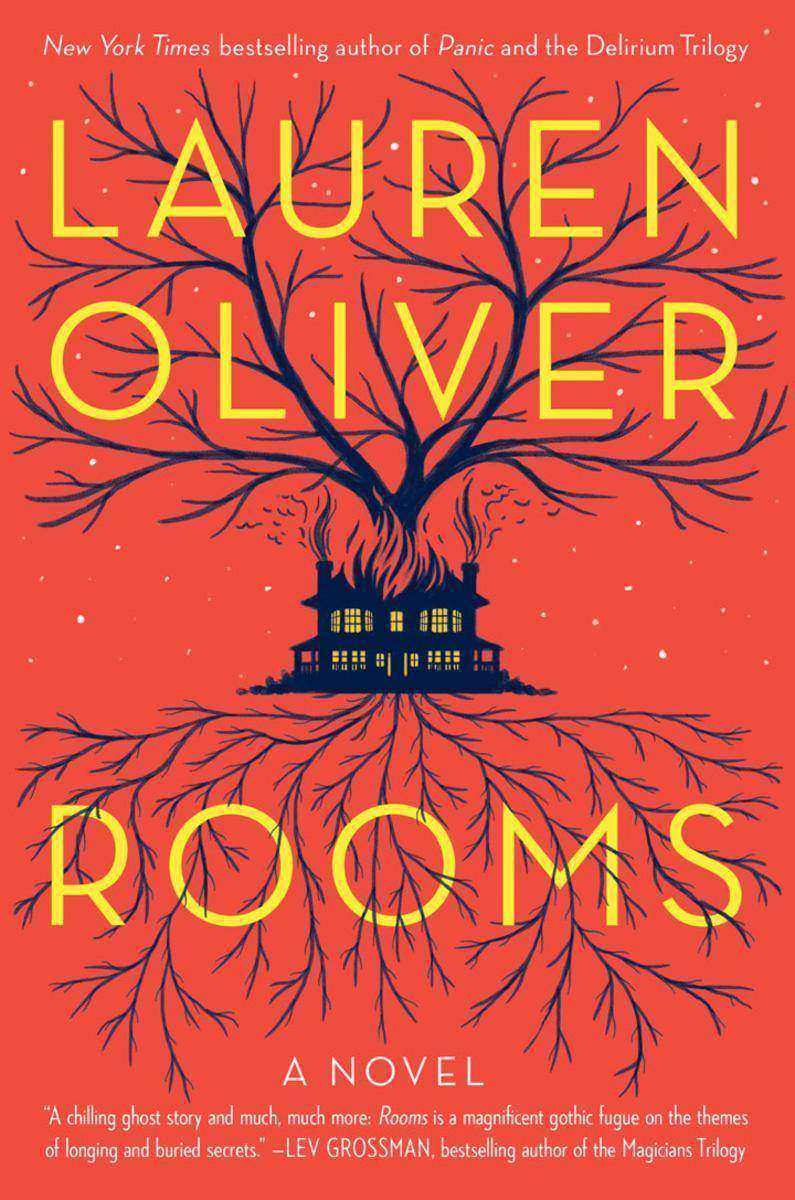
Rooms
¥83.92
After a number of highly acclaimed New York Times bestsellers, including the Delirium trilogy and the standalone novels Before I Fall and Panic, Lauren Oliver returns with a spellbinding tale that confirms her place as one of our finest storytellers. Fueled by the same inspired feel for plot and character that drew readers to Oliver's earlier works, Rooms is a mesmerizing and suspenseful story of guilt, love, and family secrets.Estranged patriarch Richard Walker has died, leaving behind a country house full of rooms packed with the detritus of a lifetime. His alienated family—bitter ex-wife Caroline, troubled teenage son Trenton, and unforgiving daughter Minna—have arrived for their inheritance.But the Walkers are not alone. Alice and Sandra, two long-dead and restless ghosts, linger within the house's claustrophobic walls, bound eternally to its physical structure. Jostling for space and memory, they observe the family, trading barbs and reminiscences about their past lives. Though their voices cannot be heard, Alice and Sandra speak through the house itself—in the hiss of the radiator, a creak in the stairs, the dimming of a lightbulb.The living and dead are haunted by painful truths that surface with explosive force. When a new ghost appears, and Trenton begins to communicate with her, the spirit and human worlds collide—with cataclysmic results. Elegantly constructed and brilliantly paced, Rooms is an enticing and imaginative ghost story and a searing family drama that is as haunting as it is resonant.

The Flat Stanley Collection (Four Complete Books)
¥84.97
Stanley Lambchop is an ordinary boy. At least he was, until the night his bulletin board fell off the wall and flattened him. At only half an inch thick, Stanley can slide under doors, mail himself across the country in an envelope, and fly like a kite!And that's only the start of Stanley's adventures. In these four tales, Stanley also becomes invisible and helps nab some bank robbers, journeys to outer space to rescue aliens, and, after being rounded out, turns flat—again! One thing is for sure: There's nothing Stanley Lambchop can't do!


