


 购物车
购物车 个人中心
个人中心

The Country of Ice Cream Star
¥94.10
In the ruins of a future America, fifteen-year-old Ice Cream Star and her nomadic tribe live off the detritus of a fallen civilization. Theirs is a world of children; before reaching the age of twenty, they all die of a disease they call Posies—a plague that has killed for generations.When her brother begins showing signs of the disease, Ice Cream Star sets off to find a cure. Led by a captured prisoner who becomes her devoted protector and friend, she travels hundreds of miles across treacherous territory, fighting to protect the only world she has ever known.Written in a lyrical, inventive patois, The Country of Ice Cream Star is a postapocalyptic literary epic as imaginative as The Passage and as ambitious as Cloud Atlas. This is a breathtaking work from a writer of rare and unconventional talent.“Builds towards a powerful, horrifying, and beautifully written climax, one that’s epic in scope but also feels intensely personal.” —New York Times Book Review“Blends elements of American history, popular culture, and political allegory with romance and thriller pacing. This suspenseful, provocative tale is The Hunger Games meets Lord of the Flies and The Walking Dead, only much, much better.” —Booklist“Ice Cream’s language is as potent and earthy as Chaucerian vernacular. . . . One begins to think in this dialect; it is as sweet and addictive as Ice Cream herself.” —Globe and Mail (Toronto)
Tracker: A Short Story Exclusive
¥10.86
From New York Times bestselling author James Rollins comes a stirring story of a soldier and his military war dog who are drawn into a dark mystery tracing back to World War II and a lost treasure tied to the bones of the dead.Off the blustery streets in the medieval heart of Budapest, Captain Tucker Wayne and his war dog, Kane, rescue a mysterious woman fleeing three armed men. The secret she holds will unlock a terrible treasure, one steeped in blood and treachery, tied to a crime going back to the fall of Nazi Germany and a heritage of suffering and pain that reaches out from the past to wreak havoc today. In a final showdown in the depths of a lost cemetery, truths will be unearthed, treasures exposed, and the fate of all will rest upon the shoulders of one man and a dog whose courage is beyond measure. Included within this thrilling story is a sneak peek at the opening chapters of Bloodline, in which the further exploits of Tucker and Kane will be revealed.

Elvis and the Underdogs: Secrets, Secret Service, and Room Service
¥39.24
Perfect for fans of R. J. Palacio and Gordon Korman, this is the hilarious and heartwarming sequel to Elvis and the Underdogs from author Jenny Lee, former writer on the popular Disney Channel show Shake It Up.It's been months since Benji's former safety dog, Elvis, was whisked away by the Secret Service, but Benji still misses him terribly. Luckily, because Elvis is now the president's dog, there are plenty of pictures and videos of him online. While watching the footage of the president's speech on the White House lawn, Benji and his friends Alexander and Taisy see Elvis thumping his tail repeatedly. Is he trying to tell Benji somethingThe kids realize it's actually a code! And Elvis needs their help.And so begins another madcap adventure in which these underdog best friends will have to find a way to travel to DC, find out the truth behind Elvis's distress signals, and uncover state secrets without getting caught . . . or they may have to say good-bye to Elvis for good.
Getting Started with Python Data Analysis
¥63.21
Learn to use powerful Python libraries for effective data processing and analysisAbout This BookLearn the basic processing steps in data analysis and how to use Python in this area through supported packages, especially Numpy, Pandas, and MatplotlibCreate, manipulate, and analyze your data to extract useful information to optimize your systemA hands-on guide to help you learn data analysis using Python Who This Book Is For If you are a Python developer who wants to get started with data analysis and you need a quick introductory guide to the python data analysis libraries, then this book is for you.What You Will LearnUnderstand the importance of data analysis and get familiar with its processing stepsGet acquainted with Numpy to use with arrays and array-oriented computing in data analysisCreate effective visualizations to present your data using MatplotlibProcess and analyze data using the time series capabilities of PandasInteract with different kind of database systems, such as file, disk format, Mongo, and RedisApply the supported Python package to data analysis applications through examplesExplore predictive analytics and machine learning algorithms using Scikit-learn, a Python library In Detail Data analysis is the process of applying logical and analytical reasoning to study each component of data. Python is a multi-domain, high-level, programming language. It’s often used as a *ing language because of its forgiving syntax and operability with a wide variety of different eco-systems. Python has powerful standard libraries or toolkits such as Pylearn2 and Hebel, which offers a fast, reliable, cross-platform environment for data analysis. With this book, we will get you started with Python data analysis and show you what its advantages are. The book starts by introducing the principles of data analysis and supported libraries, along with NumPy basics for statistic and data processing. Next it provides an overview of the Pandas package and uses its powerful features to solve data processing problems. Moving on, the book takes you through a brief overview of the Matplotlib API and some common plotting functions for DataFrame such as plot. Next, it will teach you to manipulate the time and data structure, and load and store data in a file or database using Python packages. The book will also teach you how to apply powerful packages in Python to process raw data into pure and helpful data using examples. Finally, the book gives you a brief overview of machine learning algorithms, that is, applying data analysis results to make decisions or build helpful products, such as recommendations and predictions using scikit-learn.Style and approach This is an easy-to-follow, step-by-step guide to get you familiar with data analysis and the libraries supported by Python. Topics are explained with real-world examples wherever required.
PrimeFaces Theme Development
¥63.21
Create, package, and customize stunning themes using PrimeFacesAbout This BookBuild PrimeFaces themes that meet the industry standardsCustomize your themes for mobile web applications with PrimeFaces MobileA precise, example-oriented guide to help you create interesting themes using the PrimeFaces tools Who This Book Is For If you are a Web Designer who wants to create and modify PrimeFaces themes then this book is for you. Basic knowledge of JSF, CSS, and HTML is assumed.What You Will LearnUse Maven to create JSF ProjectsCreate a custom theme using JQuery UI toolsPackage your theme for distribution and use your PrimeFaces-based web applications as drop in librariesDevelop additional dynamic look and feel elements that themes do not already supplyApply look and feel elements dynamically to views without causing page refreshesReduce code repetition by applying page templates to your JSF project In Detail Developing stunning themes for web applications has never been easier! PrimeFaces delivers a powerful set of features that enables JSF developers to create and customize awesome themes on the web. It is very easy to use because it comes as a single JAR file and requires no mandatory XML configuration. With more than 30 out-of-the-box themes, jQuery integration, a mobile UI toolkit, Ajax Push technology, and much more, PrimeFaces takes JSF application development to a whole new level! This book is a hands-on example-rich guide to creating and customizing PrimeFaces themes using available tools. Beginning with creating a JSF project and integrating the PrimeFaces library, this book will introduce you to the features of theme components, how these are structured, and how PrimeFaces uses JQuery UI to apply a theme to your application. You will learn to examine and change the CSS rules and get creative by setting standard icons and adding new icons to them. You will use a combination of JavaScript and CSS to enhance your application with help of scheduler component and go on to adapt and package your custom theme so that it is compatible with the Resource Manager. Finally, you will explore PrimeFaces mobile apps, ensuring themes are compatible with your mobile applications best practices for theme design.Style and approach This book is a concise, hands-on guide to developing PrimeFaces themes, working from the ground up with examples in each topic implemented in a web application. You will be encouraged to explore areas of your own interest without the requirement to stick to the letter of the chapter.
Apache Cassandra Essentials
¥63.21
Create your own massively scalable Cassandra database with highly responsive database queries About This Book Create a Cassandra cluster and tweak its configuration to get the best performance based on your environment Analyze the key concepts and architecture of Cassandra, which are essential to create highly responsive Cassandra databases A fast-paced and step-by-step guide on handling huge amount of data and getting the best out of your database applications Who This Book Is For If you are a developer who is working with Cassandra and you want to deep dive into the core concepts and understand Cassandra’s non-relational nature, then this book is for you. A basic understanding of Cassandra is expected. What You Will Learn Install and set up your Cassandra Cluster using various installation types Use Cassandra Query Language (CQL) to design Cassandra database and tables with various configuration options Design your Cassandra database to be evenly loaded with the lowest read/write latencies Employ the available Cassandra tools to monitor and maintain a Cassandra cluster Debug CQL queries to discover why they are performing relatively slowly Choose the best-suited compaction strategy for your database based on your usage pattern Tune Cassandra based on your deployment operation system environment In Detail Apache Cassandra Essentials takes you step-by-step from from the basics of installation to advanced installation options and database design techniques. It gives you all the information you need to effectively design a well distributed and high performance database. You’ll get to know about the steps that are performed by a Cassandra node when you execute a read/write query, which is essential to properly maintain of a Cassandra cluster and to debug any issues. Next, you’ll discover how to integrate a Cassandra driver in your applications and perform read/write operations. Finally, you’ll learn about the various tools provided by Cassandra for serviceability aspects such as logging, metrics, backup, and recovery. Style and approach This step-by-step guide is packed with examples that explain the core concepts as well as advanced concepts, techniques, and usages of Apache Cassandra.
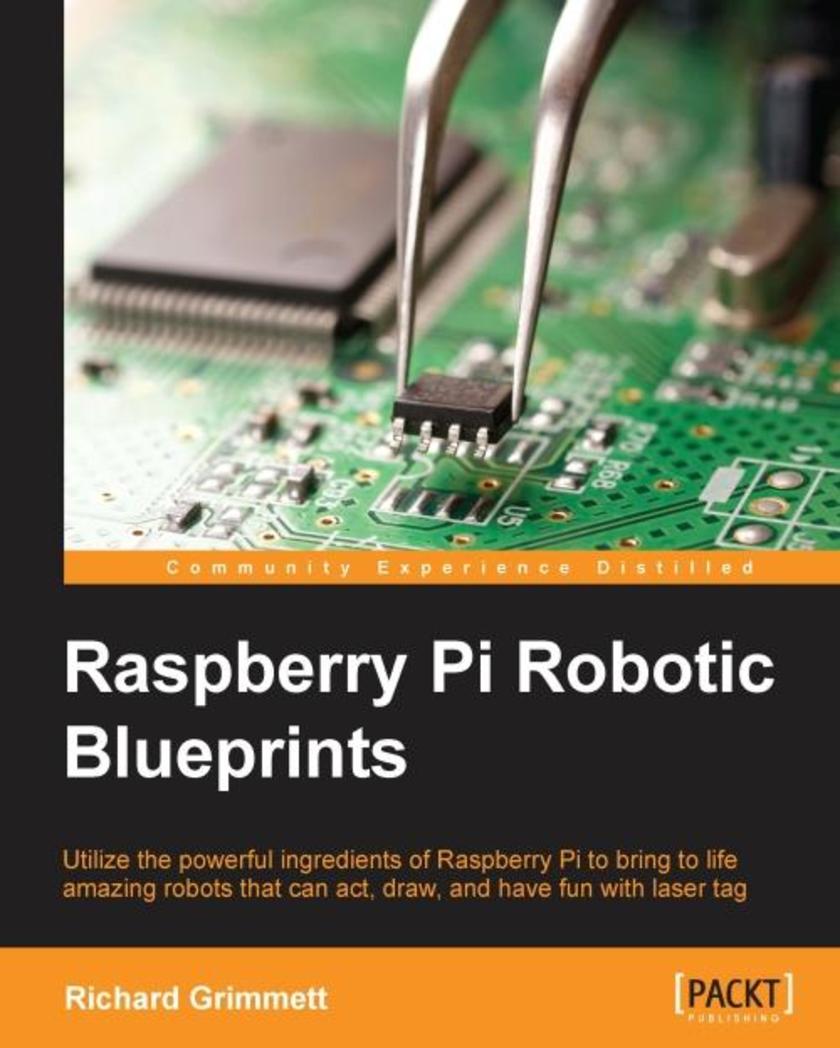
Raspberry Pi Robotic Blueprints
¥80.65
Utilize the powerful ingredients of Raspberry Pi to bring to life your amazing robots that can act, draw, and have fun with laser tagsAbout This BookLearn to implement a number of features offered by Raspberry Pi to build your own amazing robotsUnderstand how to add vision and voice to your robots.This fast-paced practical guide comprises a number of creative projects to take your Raspberry Pi knowledge to the next level Who This Book Is For This all-encompassing guide was created for anyone who is interested in expanding their knowledge in applying the peripherals of Raspberry Pi. If you have a fancy for building complex-looking robots with simple, inexpensive, and readily available hardware, then this book is ideal for you. Prior understanding of Raspberry Pi with simple mechanical systems is recommended.What You Will LearnAdd sensors to your robot so that it can sense the world around itKnow everything there is to know about accessing motors and servos to provide movement to the robotic platformExplore the feature of adding vision to your robot so it can “see” the world around itRefine your robot with the skill of speech recognition so that it can receive commandsPolish your robot by adding speech output so it can communicate with the world around itMaximize the use of servos in Raspberry Pi to create a drawing robotStrengthen your robot by adding wireless communication skills so you can see what the robot is seeing and control it from a distanceBuild an unbelievable autonomous hexcopter controlled by Raspberry Pi In Detail The Raspberry Pi is a series of credit card-sized single-board computers developed in the UK by the Raspberry Pi Foundation with the intention of promoting the teaching of basic computer science in schools. The Raspberry Pi is known as a tiny computer built on a single circuit board. It runs a Linux operating system, and has connection ports for various peripherals so that it can be hooked up to sensors, motors, cameras, and more. Raspberry Pi has been hugely popular among hardware hobbyists for various projects, including robotics. This book gives you an insight into implementing several creative projects using the peripherals provided by Raspberry Pi. To start, we’ll walk through the basic robotics concepts that the world of Raspberry Pi offers us, implementing wireless communication to control your robot from a distance. Next, we demonstrate how to build a sensible and a visionary robot, maximizing the use of sensors and step controllers. After that, we focus on building a wheeled robot that can draw and play hockey. To finish with a bang, we’ll build an autonomous hexcopter, that is, a flying robot controlled by Raspberry Pi. By the end of this book, you will be a maestro in applying an array of different technologies to create almost any imaginable robot.Style and approach This book is an easy-to-follow, project-based guide that throws you directly into the action of creating almost any imaginable robot through blueprints. It is full of step by step instructions and screenshots to help you build amazing robots in no time at all.
Unity 5.x Cookbook
¥99.18
Over 100 recipes exploring the new and exciting features of Unity 5 to spice up your Unity skillsetAbout This BookBuilt on the solid foundation of the popular Unity 4.x Cookbook, the recipes in this edition have been completely updated for Unity 5Features recipes for both 2D and 3D gamesProvides you with techniques for the new features of Unity 5, including the new UI system, 2D game development, new Standard Shaders, and the new Audio Mixer Who This Book Is For From beginners to advanced users, from artists to coders, this book is for you and everyone in your team! Programmers can explore multimedia features, and multimedia developers can try their hand at *ing. Basic knowledge and understanding of the Unity platform, game design principles, and programming knowledge in C# is essential.What You Will LearnImmerse players with great audio, utilizing Unity 5's audio features including the new Audio Mixer, ambient sound with Reverb Zones, dynamic soundtracks with Snapshots, and balanced audio via DuckingCreate better materials with Unity’s new, physically-based, Standard ShaderMeasure and control time, including pausing the game, displaying clocks and countdown timers, and even implementing “bullet time” effectsImprove ambiance through the use of lights and effects such as reflection and light probesCreate stylish user interfaces with the new UI system, including power-bars, clock displays, and an extensible inventory systemSave and load text and media assets from local or remote sources, publish your game via Unity Cloud, and communicate with websites and their databases to create online scoreboardsDiscover advanced techniques, including the publisher-subscriber and state patterns, performance bottleneck identification, and methods to maximize game performance and frame ratesControl 2D and 3D character movement, and use NavMeshAgents to write NPC and enemy behaviors such as seek, flee, flock, and waypoint path following In Detail Unity 5 is a flexible and intuitive multiplatform game engine that is becoming the industry’s de facto standard. Learn to craft your own 2D and 3D computer games by working through core concepts such as animation, audio, shaders, GUI, lights, cameras, and *ing to create your own games with Unity 5. Completely re-written to cover the new features of Unity 5, this book is a great resource for all Unity game developers, from those who have recently started using Unity right up to Unity professionals. The first half of the book focuses on core concepts of 2D game design while the second half focuses on developing 3D game development skills. In the first half, you will discover the new GUI system, the new Audio Mixer, external files, and animating 2D characters in 2D game development. As you progress further, you will familiarize yourself with the new Standard Shaders, the Mecanim system, Cameras, and the new Lighting features to hone your skills towards building 3D games to perfection. Finally, you will learn non-player character control and explore Unity 5's extra features to enhance your 3D game development skills.Style and approach Each chapter first introduces the topic area and explains how the techniques covered can enhance your games. Every recipe provides step-by-step instructions, followed by an explanation of how it all works, and useful additional refinements or alternative approaches. Every required resource and C# * (fully commented) is available to download, enabling you to follow each recipe yourself.
Mastering Google App Engine
¥90.46
Build robust and highly scalable web applications with Google App EngineAbout This BookGet an in-depth look at how Google App Engine works under the hoodDesign and model your application around Google's highly scalable distributed NoSQL datastore to unlock its full potentialA comprehensive guide to ensure your mastery of Google App Engine Who This Book Is For If you have been developing web applications in Python or any other dynamic language but have always wondered how to write highly scalable web applications without getting into system administration and other plumbing, then this is the book for you. No experience in writing scalable applications is required.What You Will LearnScale and develop your applications with Google App Engine's runtime environmentGet to grips with request handling mechanism and write request handlersDeep dive into Google's distributed NoSQL and highly scalable datastore and design your application around itImplement powerful search with scalable datastorePerform long-running tasks in the background using task queuesWrite compartmentalized apps using multi tenancy, memcache, and other Google App Engine runtime servicesHandle web requests using the CGI, WSGI, and multi-threaded configurationsDeploy, tweak, and manage apps in production on Google App Engine In Detail Developing web applications that serve millions of users is no easy task, as it involves a number of configurations and administrative tasks for the underlying software and hardware stack. This whole configuration requires not only expertise, but also a fair amount of time as well. Time that could have been spent on actual application functionality. Google App Engine allows you develop highly scalable web applications or backends for mobile applications without worrying about the system administration plumbing or hardware provisioning issues. Just focus writing on your business logic, the meat of the application, and let Google's powerful infrastructure scale it to thousands of requests per second and millions of users without any effort on your part. This book takes you from explaining how scalable applications work to designing and developing robust scalable web applications of your own, utilizing services available on Google App Engine. Starting with a walkthrough of scalability is and how scalable web applications work, this book introduces you to the environment under which your applications exist on Google App Engine. Next, you will learn about Google's datastore, which is a massively scalable distributed NoSQL solution built on top of BigTable. You will examine the BigTable concepts and operations in detail and reveal how it is used to build Google datastore. Armed with this knowledge, you will then advance towards how to best model your data and query that along with transactions. To augment the powerful distributed dataset, you will deep dive into search functionality offered on Google App Engine. With the search and storage sorted out, you will get a look into performing long running tasks in the background using Google App Engine task queues along with sending and receiving emails. You will also examine the memcache to boost web application performance, image processing for common image manipulation tasks. You will then explore uploading, storing, and serving large files using Blobstore and Cloud storage. Finally, you will be presented with the deployment and monitoring of your applications in production along with a detailed look at dividing applications into different working modules.Style and approach This book is an in-depth guide where you will examine the problems in the context of highly scalable web applications. This book will take you through the libraries, services, and required configuration and finally puts everything together into a small web application that showcases all the capabilities of Google App Engine.
Python Data Visualization Cookbook - Second Edition
¥80.65
Over 70 recipes to get you started with popular Python libraries based on the principal concepts of data visualization About This Book Learn how to set up an optimal Python environment for data visualization Understand how to import, clean and organize your data Determine different approaches to data visualization and how to choose the most appropriate for your needs Who This Book Is For If you already know about Python programming and want to understand data, data formats, data visualization, and how to use Python to visualize data then this book is for you. What You Will Learn Introduce yourself to the essential tooling to set up your working environment Explore your data using the capabilities of standard Python Data Library and Panda Library Draw your first chart and customize it Use the most popular data visualization Python libraries Make 3D visualizations mainly using mplot3d Create charts with images and maps Understand the most appropriate charts to describe your data Know the matplotlib hidden gems Use plot.ly to share your visualization online In Detail Python Data Visualization Cookbook will progress the reader from the point of installing and setting up a Python environment for data manipulation and visualization all the way to 3D animations using Python libraries. Readers will benefit from over 60 precise and reproducible recipes that will guide the reader towards a better understanding of data concepts and the building blocks for subsequent and sometimes more advanced concepts. Python Data Visualization Cookbook starts by showing how to set up matplotlib and the related libraries that are required for most parts of the book, before moving on to discuss some of the lesser-used diagrams and charts such as Gantt Charts or Sankey diagrams. Initially it uses simple plots and charts to more advanced ones, to make it easy to understand for readers. As the readers will go through the book, they will get to know about the 3D diagrams and animations. Maps are irreplaceable for displaying geo-spatial data, so this book will also show how to build them. In the last chapter, it includes explanation on how to incorporate matplotlib into different environments, such as a writing system, LaTeX, or how to create Gantt charts using Python. Style and approach A step-by-step recipe based approach to data visualization. The topics are explained sequentially as cookbook recipes consisting of a code snippet and the resulting visualization.
Xamarin Mobile Development for Android Cookbook
¥90.46
Over 80 hands-on recipes to unleash full potential for Xamarin in development and monetization of feature-packed, real-world Android apps About This Book Create a number of Android applications using the Xamarin Android platform Extensively integrate your Android devices with other Android devices to enhance your app creation experience A comprehensive guide packed with real-world scenarios and pro-level practices and techniques to help you build successful Android apps Who This Book Is For If you are a Xamarin developer who wants to create complete Android applications with Xamarin, then this book is ideal for you. No prior knowledge of Android development is needed, however a basic knowledge of C# and .NET would be useful. What You Will Learn Install and use Xamarin.Android with Xamarin Studio and Visual Studio Design an app’s user interface for multiple device configurations Store and protect data in databases, files, and on the cloud Utilize lists and collections to present data to the user Communicate across the network using NFC or Bluetooth Perform tasks in the background and update the user with notifications Capture and play multimedia, such as video and audio, with the camera Implement In-App Billing and Expansion Files and deploy to the store In Detail Xamarin is used by developers to write native iOS, Android, and Windows apps with native user interfaces and share code across multiple platforms not just on mobile devices, but on Windows, Mac OS X, and Linux. Developing apps with Xamarin.Android allows you to use and re-use your code and your skills on different platforms, making you more productive in any development. Although it’s not a write-once-run-anywhere framework, Xamarin provides native platform integration and optimizations. There is no middleware; Xamarin.Android talks directly to the system, taking your C# and F# code directly to the low levels. This book will provide you with the necessary knowledge and skills to be part of the mobile development era using C#. Covering a wide range of recipes such as creating a simple application and using device features effectively, it will be your companion to the complete application development cycle. Starting with installing the necessary tools, you will be guided on everything you need to develop an application ready to be deployed. You will learn the best practices for interacting with the device hardware, such as GPS, NFC, and Bluetooth. Furthermore, you will be able to manage multimedia resources such as photos and videos captured with the device camera, and so much more! By the end of this book, you will be able to create Android apps as a result of learning and implementing pro-level practices, techniques, and solutions. This book will ascertain a seamless and successful app building experience. Style and approach This book employs a step-by-step approach to Android app creation, explained in a conversational and easy-to-follow style. A wide range of examples are listed to ensure a complete understanding of how to deploy competent apps on the Android market.
Mastering C# Concurrency
¥90.46
Create robust and scalable applications along with responsive UI using concurrency and the multi-threading infrastructure in .NET and C#About This BookLearn to combine your asynchronous operations with Task Parallel LibraryMaster C#’s asynchronous infrastructure and use asynchronous APIs effectively to achieve optimal responsiveness of the applicationAn easy-to-follow, example-based guide that helps you to build scalable applications using concurrency in C# Who This Book Is For If you are a C# developer who wants to develop modern applications in C# and wants to overcome problems by using asynchronous APIs and standard patterns, then this book is ideal for you. Reasonable development knowledge, an understanding of core elements and applications related to the .Net platform, and also the fundamentals of concurrency is assumed.What You Will LearnApply general multithreading concepts to your application’s designLeverage lock-free concurrency and learn about its pros and cons to achieve efficient synchronization between user threadsCombine your asynchronous operations with Task Parallel LibraryMake your code easier with C#’s asynchrony supportUse common concurrent collections and programming patternsWrite scalable and robust server-side asynchronous codeCreate fast and responsible client applicationsAvoid common problems and troubleshoot your multi-threaded and asynchronous applications In Detail Starting with the traditional approach to concurrency, you will learn how to write multithreaded concurrent programs and compose ways that won't require locking. You will explore the concepts of parallelism granularity, and fine-grained and coarse-grained parallel tasks by choosing a concurrent program structure and parallelizing the workload optimally. You will also learn how to use task parallel library, cancellations, timeouts, and how to handle errors. You will know how to choose the appropriate data structure for a specific parallel algorithm to achieve scalability and performance. Further, you'll learn about server scalability, asynchronous I/O, and thread pools, and write responsive traditional Windows and Windows Store applications. By the end of the book, you will be able to diagnose and resolve typical problems that could happen in multithreaded applications.Style and approach An easy-to-follow, example-based guide that will walk you through the core principles of concurrency and multithreading using C#.
Windows PowerShell for .NET Developers - Second Edition
¥90.46
Efficiently administer and maintain your development environment with Windows PowerShellAbout This BookExplore *ing and automation techniques with Windows PowerShellGain concrete knowledge of Windows PowerShell *ing to perform professional level *ingDiscover the benefits of the Configuration Management Platform with this step-by-step guide that includes real-world *ing examples Who This Book Is For If you are an IT professional or developer who has worked on the .Net platform and you want to learn automation using Windows PowerShell, then this book is for you. This self-start guide takes you from the basics and gradually moves to an intermediate level to show you how to perform professional *ing.What You Will LearnUnderstand the concepts of building PowerShell *s and the basics of programmingManage the LYNC, Exchange, and SharePoint platformsCreate a Pull server using a SMB file share and HTTP and HTTPSUse .NET classes in Windows PowerShell and C# to manage Exchange OnlineUse PowerShell in C# to manage Exchange Online and work with .NET classes in PowerShellAutomate LYNC clients, consuming Client Server Object Models to administrate SharePoint Online In Detail Windows PowerShell 5.0 for .NET Developers is your self-start guide to performing automation using Windows PowerShell. This book will help you to understand the PowerShell syntax and grammar and will also teach you techniques to remove the rough edges of manual deployments. Packed with PowerShell *s and sample C# codes to automate tasks, it also includes real-world scenarios such as administrating office servers to help you save time and perform deployments swiftly and efficiently. The book begins with the Windows PowerShell basics, explores the significant features of Windows Management Framework 5.0, covers the basic concepts of Desired State Configuration and the importance of idempotent deployments. By the end of the book, you will have a good understanding of Windows PowerShell’s features and will be able to automate your tasks and manage configuration effectively.Style and approach This is an easy-to-follow step-by-step guide with text-enabled screenshots. Each topic is explained with codes and examples. It also includes multiple approaches for a number of tasks to let you choose the best one for you depending on your scenario.
Learning PowerShell DSC
¥90.46
Get started with the fundamentals of PowerShell DSC and utilize its power to automate deployment and configuration of your serversAbout This BookCreate flexible and maintainable deployments using DSC configuration *s that stand the test of timeExplore the in depth details of the core architecture, concepts, and practices used by PowerShell DSCA step-by-step guide that shows you how to start using and taking advantage of PowerShell DSC Who This Book Is For This book is intended for system administrators, developers, or engineers who are responsible for configuration management and automation and wish to learn PowerShell Desired State Configuration for efficient management, configuration and deployment of systems and applications.What You Will LearnUnderstand configuration management and why you need itCraft flexible, reusable, and maintainable configuration *s for thousands of serversCreate custom DSC resources to manage any application or server settingApply configuration data to deploy applications to different environmentsUtilize DSC push deployments to test your configuration *s and custom DSC resourcesInstall, configure and use DSC pull serversRun a Windows MSI packageDeploy a website In Detail Windows PowerShell is a task-based command-line shell and *ing language designed especially for system administration. PowerShell DSC is a new management platform that enables you to deploy and manage configuration data for software services and manage the environment in which these services run. This book begins with an overview of the basics of PowerShell DSC by covering the architecture and components of the Desired Sate Configuration. It will then familiarize you with the set of PowerShell language extensions and new PowerShell commands. It will help you understand and create DSC configurations with the help of practical examples, and to create DSC custom resources for your custom applications. Finally, you will learn to deploy a real world application using PowerShell DSC. By the end of the book, you will have better knowledge about the powerful Desired State Configuration platform, which helps you to achieve continuous delivery, and efficient management and easy deployment of data for systems.Style and approach This book is an in-depth guide to using PowerShell DSC, full of real-world experiences and best practices using PowerShell DSC. The topics are explained and build on one another other to provide a holistic learning experience. At the end, all the features learned will be used to create a real world application deployment using DSC.

Bringing Home the Birkin
¥83.03
An insider's hilarious, whirlwind account of his years spent globe-trotting in search of the holy grail of handbags: the Birkin For more than twenty years, the Hermès Birkin bag has been the iconic symbol of fashion, luxury, and wealth. Though the bag is often seen dangling from the arms of celebrities, there is a fabled waiting list of more than two years to buy one from Hermès, and the average fashionista has a better chance of climbing Mount Everest in Prada pumps than of possessing one of these coveted carryalls. Unless, of course, she happens to know Michael Tonello . . . Michael's newfound career started with an impulsive move to Barcelona, a vanished job assignment, no work visa, and an Herm scarf sold on eBay to generate some quick cash. But soon the resourceful Michael discovered the truth about the waiting list and figured out the secret to getting Herm to part with one of these precious bags. Millions of dollars worth of Birkins later, Michael had become one of eBay's most successful entrepreneurs and a Robin Hood to thousands of desperate rich women.With down-to-earth wit, Michael chronicles the unusual ventures that took him to nearly every continent, from eBay to Paris auction house and into the lives of celebrities and poseurs. Flirting with danger, Michael recounts the heady rush of hand delivering his first big score to famed songwriter Carole Bayer Sager in Paris; how he had to hire thugs to rescue a bag that one of his "shoppers" held for ransom; and the story of the Oscar-worthy performances that allowed him to snag "reserved" bags from other, less dogged Birkin seekers. Whether he's relating his wining and dining, buying and selling, dodging and weaving, laughing and crying, or schmoozing and stammering, Michael is a master raconteur who weaves together tales of hunting Birkins in the world's most posh locales, memories of meals that would make any gastronome salivate, anecdotes of obsessed collectors with insatiable desires, and sweetly intimate stories about his family, friends, and finding true love. The result is a memoir that is distinctive, fun, page-turning, and as addictive as its namesake.

Bread for the Journey
¥94.10
When beloved author Henri Nouwen set out to record this daybook of totally new reflections, he suddenly found himself on "a true spiritual adventure." For in these 366 original, interlocking morsels of daily wisdom, Nouwen provides both sustenance and a trail for us to follow, as he unveils, to his own surprise, his personal map of faith. From the delicate interplay of human experience to the surrender to Christ and the embrace of Christian community, that journey of Christian spirituality is explored and celebrated here in each eloquent, thought–provoking passage, "The table is one of the most intimate places in our lives. It is there that we give ourselves to one another. When we say, 'Take some more, let me serve you another plate, let me pour you another glass, don't be shy, enjoy it,' we say a lot more than our words express. We invite our friends to become part of our lives. We want them to be nurtured by the same food and drink that nurture us. We desire communion.... Every breakfast, lunch, or dinner can become a time of growing communion with one another." Intimately personal and inspiring, Bread for the Journey is a daily feast of fresh insight into the challenges and deep joys of a life lived in close communion with God. Nouwen is a wise, loving companion who invites us along as he finds joy in the community of loss, true freedom in forgiveness of others, and hope in surprising places. Each daily meditation is a stepping–stone along a path of private discovery, offering Nouwen's seasoned yet fresh ideas on kindness, love, suffering, and prayer, the Church as God's people, and the importance of Jesus in one's life–reflecting, as a whole, Nouwen's own 'personal creed.' Bread for the Journey brims with daily nourishment and guidance for devoted followers and new friends alike –– food for thought on a yearlong journey of discovery and faith.

The Fall of Advertising and the Rise of PR
¥83.03
Bestselling authors and world-renowned marketing strategists Al and Laura Ries usher in the new era of public relations. Today's major brands are born with publicity, not advertising. A closer look at the history of the most successful modern brands shows this to be true. In fact, an astonishing number of brands, including Palm, Starbucks, the Body Shop, Wal-Mart, Red Bull and Zara have been built with virtually no advertising. Using in-depth case histories of successful PR campaigns coupled with those of unsuccessful advertising campaigns, The Fall of Advertising provides valuable ideas for marketers -- all the while demonstrating why advertising lacks credibility, the crucial ingredient in brand building, and how only PR can supply that credibility; the big bang approach advocated by advertising people should be abandoned in favor of a slow build-up by PR; advertising should only be used to maintain brands once they have been established through publicity. Bold and accessible, The Fall of Advertising is bound to turn the world of marketing upside down.

The Known World
¥94.10
In one of the most acclaimed novels in recent memory, Edward P. Jones, two-time National Book Award finalist, tells the story of Henry Townsend, a black farmer and former slave who falls under the tutelage of William Robbins, the most powerful man in Manchester County, Virginia. Making certain he never circumvents the law, Townsend runs his affairs with unusual discipline. But when death takes him unexpectedly, his widow, Caldonia, can't uphold the estate's order and chaos ensues. In a daring and ambitious novel, Jones has woven a footnote of history into an epic that takes an unflinching look at slavery in all of its moral complexities. This P.S. edition features an extra 16 pages of insights into the book, including author interviews, recommended reading, and more.
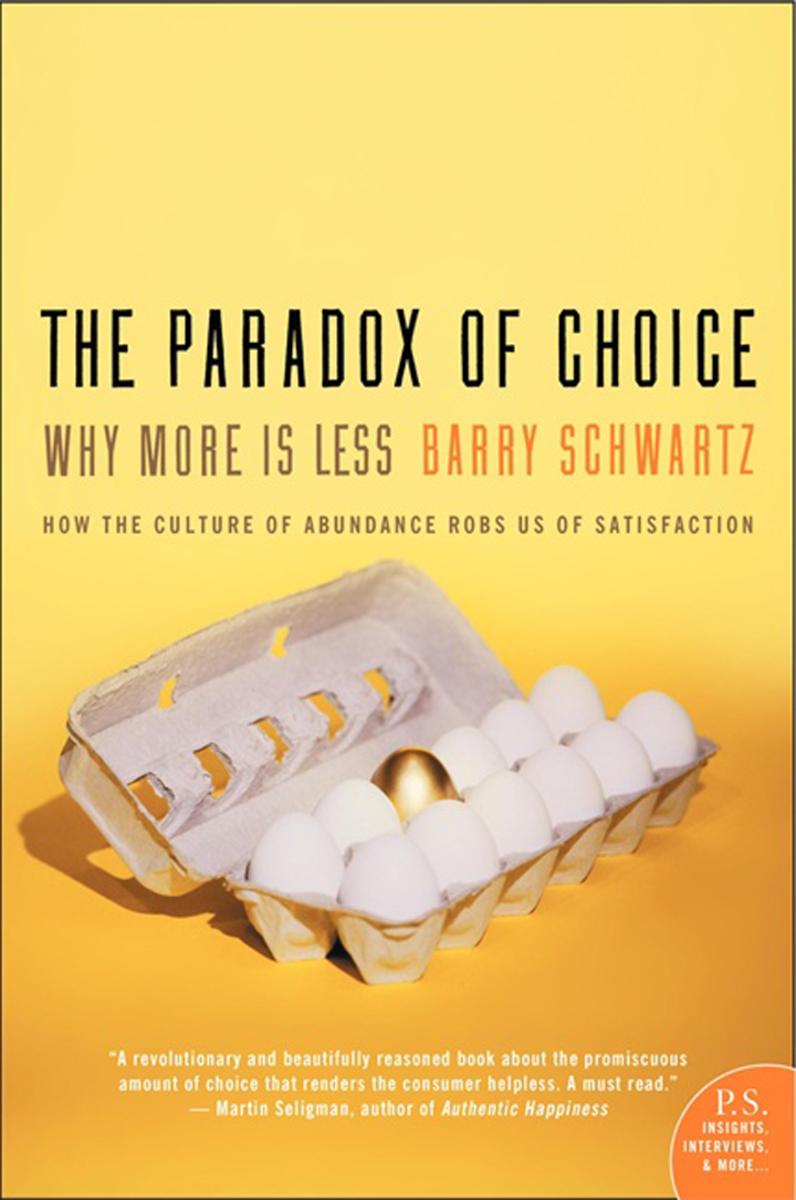
The Paradox of Choice
¥94.10
In the spirit of Alvin Toffler Future Shock , a social critique of our obsession with choice, and how it contributes to anxiety, dissatisfaction and regret. This paperback includes a new P.S. section with author interviews, insights, features, suggested readings, and more. Whether we're buying a pair of jeans, ordering a cup of coffee, selecting a long-distance carrier, applying to college, choosing a doctor, or setting up a 401(k), everyday decisions--both big and small--have become increasingly complex due to the overwhelming abundance of choice with which we are presented. We assume that more choice means better options and greater satisfaction. But beware of excessive choice: choice overload can make you question the decisions you make before you even make them, it can set you up for unrealistically high expectations, and it can make you blame yourself for any and all failures. In the long run, this can lead to decision-making paralysis, anxiety, and perpetual stress. And, in a culture that tells us that there is no excuse for falling short of perfection when your options are limitless, too much choice can lead to clinical depression. In The Paradox of Choice , Barry Schwartz explains at what point choice--the hallmark of individual freedom and self-determination that we so cherish--becomes detrimental to our psychological and emotional well-being. In accessible, engaging, and anecdotal prose, Schwartz shows how the dramatic explosion in choice--from the mundane to the profound challenges of balancing career, family, and individual needs--has paradoxically become a problem instead of a solution. Schwartz also shows how our obsession with choice encourages us to seek that which makes us feel worse. By synthesizing current research in the social sciences, Schwartz makes the counterintuitive case that eliminating choices can greatly reduce the stress, anxiety, and busyness of our lives. He offers eleven practical steps on how to limit choices to a manageable number, have the discipline to focus on the important ones and ignore the rest, and ultimately derive greater satisfaction from the choices you have to make.
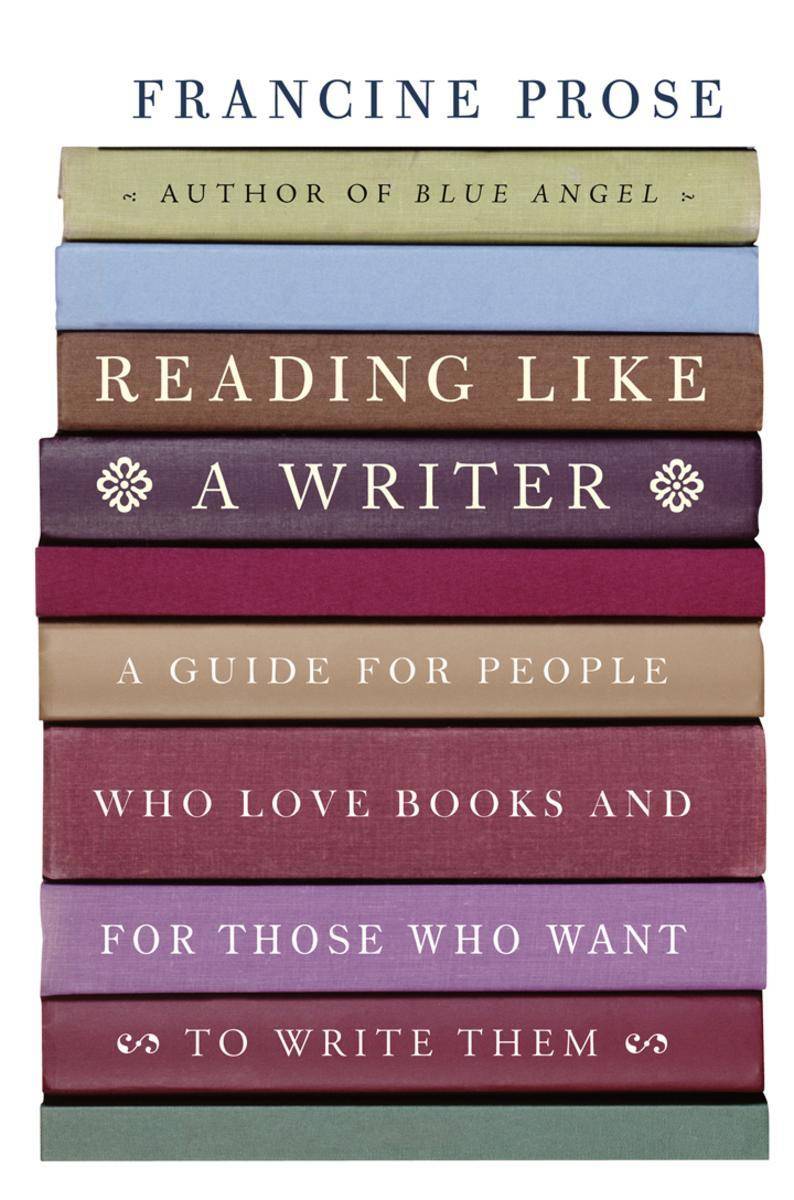
Reading Like a Writer
¥94.10
Long before there were creative-writing workshops and degrees, how did aspiring writers learn to writeBy reading the work of their predecessors and contemporaries, says Francine Prose. In Reading Like a Writer , Prose invites you to sit by her side and take a guided tour of the tools and the tricks of the masters. She reads the work of the very best writers—Dostoyevsky, Flaubert, Kafka, Austen, Dickens, Woolf, Chekhov—and discovers why their work has endured. She takes pleasure in the long and magnificent sentences of Philip Roth and the breathtaking paragraphs of Isaac Babel; she is deeply moved by the brilliant characterization in George Eliot's Middlemarch . She looks to John Le Carr for a lesson in how to advance plot through dialogue, to Flannery O'Connor for the cunning use of the telling detail, and to James Joyce and Katherine Mansfield for clever examples of how to employ gesture to create character. She cautions readers to slow down and pay attention to words, the raw material out of which literature is crafted. Written with passion, humor, and wisdom, Reading Like a Writer will inspire readers to return to literature with a fresh eye and an eager heart.

The Secret Diaries of Miss Miranda Cheever
¥55.31
2 March 1810 . . . Today, I fell in love. At the age of ten, Miranda Cheever showed no signs of Great Beauty. And even at ten, Miranda learned to accept the expectations society held for her until the afternoon when Nigel Bevelstoke, the handsome and dashing Viscount Turner, solemnly kissed her hand and promised her that one day she would grow into herself, that one day she would be as beautiful as she already was smart. And even at ten, Miranda knew she would love him forever. But the years that followed were as cruel to Turner as they were kind to Miranda. She is as intriguing as the viscount boldly predicted on that memorable day while he is a lonely, bitter man, crushed by a devastating loss. But Miranda has never forgotten the truth she set down on paper all those years earlier and she will not allow the love that is her destiny to slip lightly through her fingers . . .


