


 购物车
购物车 个人中心
个人中心

Weddings From Hell
¥56.07
Some marriages are made in heaven . . . Some are not.What happens when "the happiest day of your life" turns into a nightmareForget the drunken best man or the bridesmaid dresses from the '80s . . . none of these wedding day disasters can compare to a cursed bride determined to make it down the aisle, or a vampire who is about to disrupt your wedding.Join New York Times bestselling authors Maggie Shayne and Jeaniene Frost, USA Today bestseller Kathryn Smith, as well as Terri Garey in four unforgettable tales of unholy matrimony . . . where the grooms are dark, dangerous, and mostly dead, and to love and cherish till death takes on a whole new meaning.
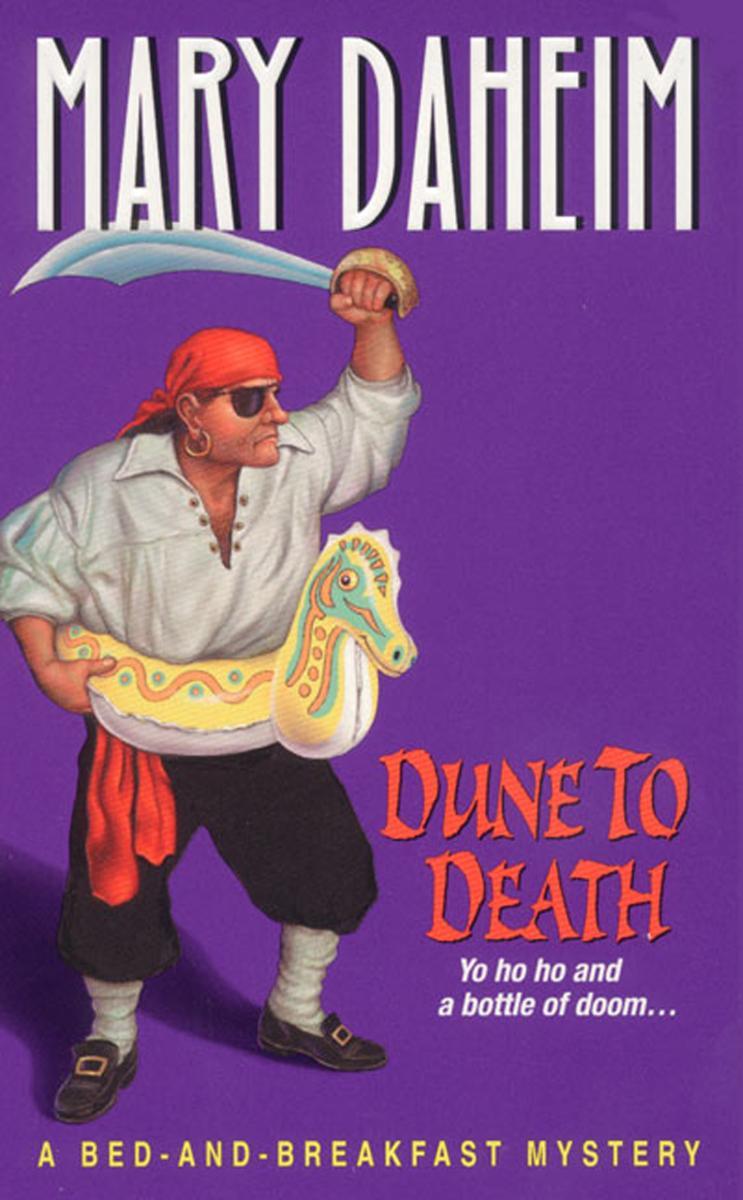
Dune to Death
¥49.05
Bed-and-breakfast hostess Judith McMonigle and her policeman beau Joe Flynn hgave finally gotten hitched-and they're off on a sunny honeymoon to beautiful Buccaneer Beach.But an unfortunate confrontation with a dune buggy run amok puts hubby Joe in hospital traction-leaving his beleaguered blushing bride stranded in paradise with a bad case of ennui by the sea. Luckily irrepressible cousin Renie has selflessly agreed to keep Judith company. And when the landlady of their cozy, costly cottage by the shore turns up dead in their living room, the cousins suddenly have a murderous mystery to keep them afloat. Rumors of a fortune in buried pirate gold add spice to their adventure. But digging up both a treasure and a killer is dirty business-and Judith and Renie might end up digging their own graves.

Nginx HTTP Server - Third Edition
¥80.65
Harness the power of Nginx to make the most of your infrastructure and serve pages faster than ever About This Book ?Discover possible interactions between Nginx and Apache to get the best of both worlds ?Learn to exploit the features offered by NGinx for your web applications ?Get the newest techniques available, designed with the latest version in mind Who This Book Is For By covering both the early setup stages and advanced topics, this book suits web administrators who interested in solutions to optimize their infrastructure, whether you are looking into replacing your existing web server software or integrating a new tool to cooperate with applications that are already up and running. If you, your visitors, and your operating system have been disappointed by Apache, this book is exactly what you need. What You Will Learn ?Get to know the basics of the Nginx configuration: syntax, structure, and semantics ?Understand the advanced load balancing functionality of Nginx and the newest innovative IO mechanisms ?Create virtual host configurations effortlessly ?Discover all the first-party modules: how to enable, configure, and use them ?Establish advanced rewrite rules with the Nginx Rewrite module ?Set up Nginx to work with PHP, Python, and more via FastCGI ?Configure Nginx to work as frontend for your existing HTTP server ?Manipulate configuration files with ease and adapt them to various situations ?Discover the common pitfalls and find out how to avoid them In Detail Nginx is a lightweight HTTP server designed for high-traffic websites, with network scalability as the primary objective. With the advent of high speed Internet access, short loading times and fast transfer rates have become a necessity. This free, open source solution will either come as a full replacement of other software such as Apache, or stand in front of your existing infrastructure to improve its overall speed. This book is a detailed guide to setting up Nginx in different ways that correspond to actual production situations: as a standalone server, as a reverse proxy, interacting with applications via FastCGI, and more. In addition, this complete directive reference will be your best friend at all stages of the configuration and maintenance processes. This book is the perfect companion for both Nginx beginners and experienced administrators. For beginners, it will take you through the complete process of setting up this lightweight HTTP server on your system and configuring its various modules so it does exactly what you need quickly and securely. For more experienced administrators, this book provides different approaches that can help you make the most of your current infrastructure. Nginx can be employed in many situations, whether you are looking to construct an entirely new web-serving architecture or simply want to integrate an efficient tool to optimize your site loading speeds. Style and approach This tutorial-style book includes detailed instructions on each of the processes it describes, as well as step-by-step tutorials, commented configuration sections, and in-depth module de*ions, so you can make the most of the performance potential offered by Nginx.
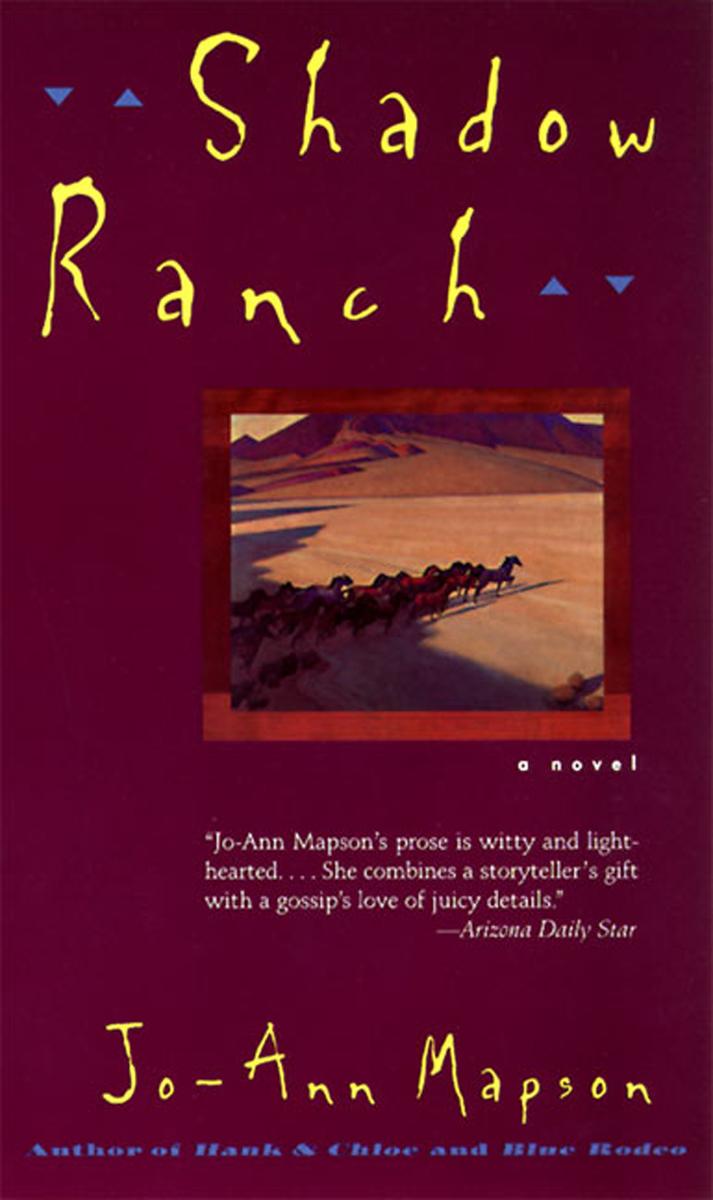
Shadow Ranch
¥83.93
The impact of four-year-old Spencer's death has rocked the Carpenter family. For Lainie, the loss of her son is unbearable, and now both her marriage and her very sanity are threatened. Her guitar-obsessed, slacker brother Russell isn't doing very well either, and his own love relationship is rapidly coming undone. Then there's Bop, her fierce and crusty 80-year-old grandfather. When he falls in love with a retired stripper, their earthy romance touches each of the Carpenters' lives in unexpected ways.
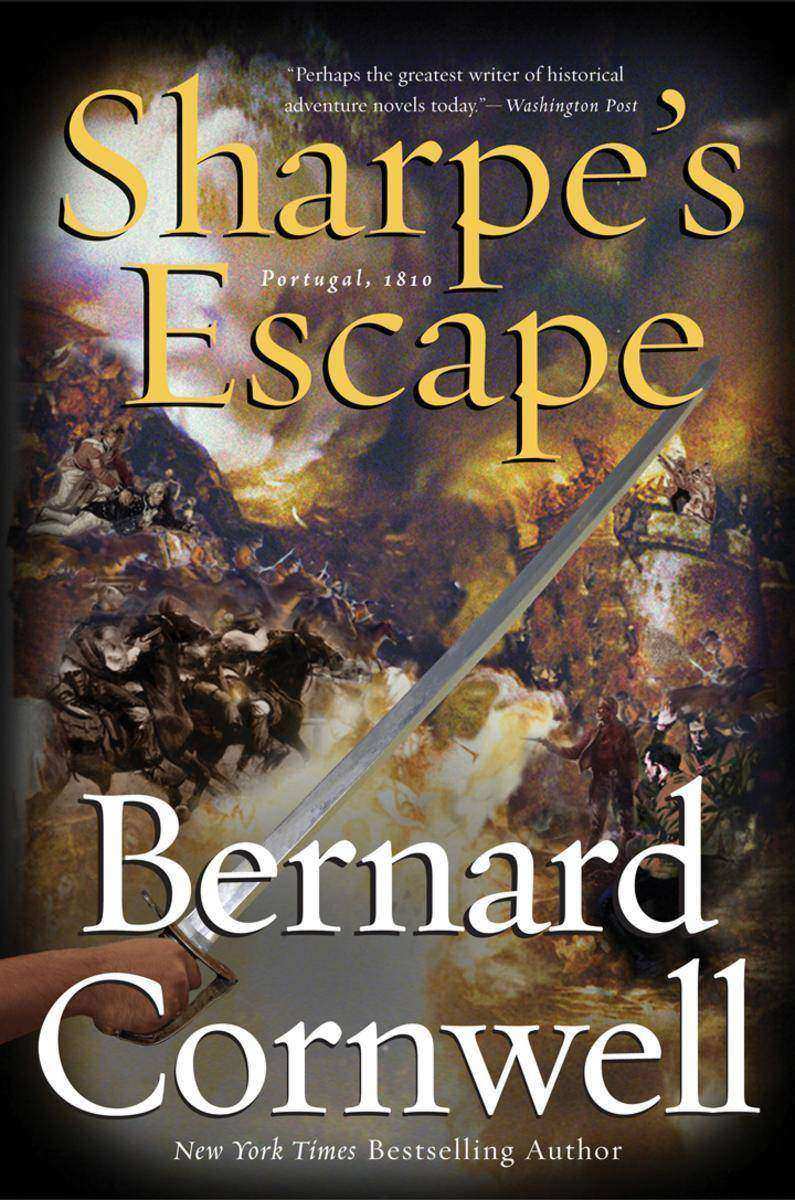
Sharpe's Escape
¥95.11
It is 1810, and in Napoleon's determination to conquer Portugal—and push the British back to the sea—he sends his largest army yet across the Spanish frontier. But between the Portuguese border and Napoleon's seemingly certain victory are twoobstacles—a wasted land, stripped of food by Wellington's orders, and Captain Richard Sharpe.But Sharpe is in trouble. The captain of the Light Company is threatened from inside and out: First by an incompetent British officer, who by virtue of family connections is temporarily given Sharpe's command. An even greater danger is posed by two corrupt Portuguese brothers—Major Ferreira, a high-ranking officer in the army of Portugal, and his brother, nicknamed "Ferragus" (after a legen-dary Portuguese giant), who makes no claims to respectability, preferring instead to rule by crude physical strength and pure intimidation. Together the brothers have developed a devious plot to ingratiate themselves with the French invaders who are threatening to become Portugal's new rulers.Sharpe's interference in the first stage of their plan earns the undying enmity of the brothers. Ferragus vows revenge and plots a merciless trap that seems certain to kill Sharpe and his intimates—battle-tested ally Sergeant Harper, the Portuguese officer Jorge Vicente, and a prickly but lovely English governess. As the city of Coimbra is burned and pillaged, Sharpe and his companions plot a daring escape, ensuring that Ferragus will follow on toward Lisbon, into the jaws of a snare laid by Wellington—the massive lines of Torres Vedras, a daring and ingenious last stand against the invaders. There, beneath the British guns, Sharpe is reunited with his shattered but grateful company, and meets his enemies in a thrilling and decisive fight.Sharpe's Escape emphatically reaffirms Bernard Cornwell's status as "perhaps the greatest writer of historical adventure novels today" (Washington Post); its climactic battle scenes and evocative re-creation of history sweep the reader off the page and into the action and drama of nineteenth-century warfare.
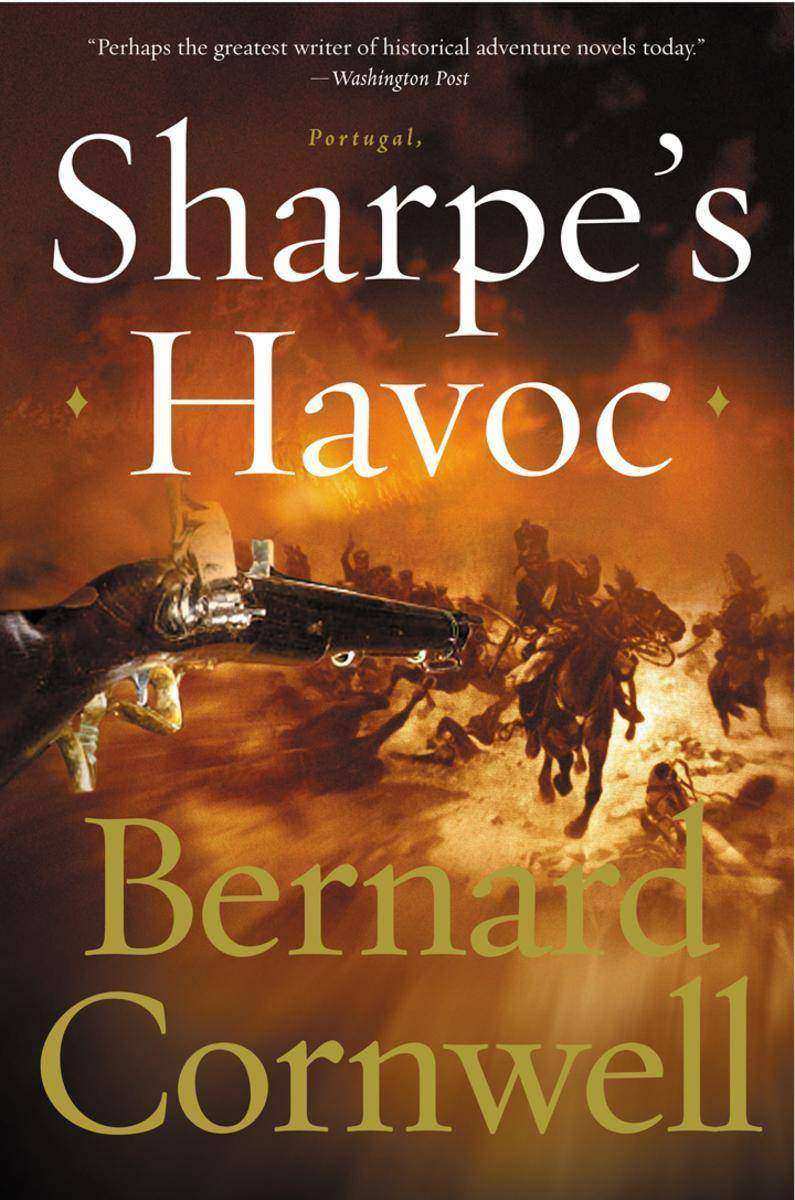
Sharpe's Havoc
¥84.16
Lieutenant Richard Sharpe finds himself fighting the ruthless armies of Napoleon Bonaparte as they try to bring the whole of the Iberian Peninsula under their control. Napoleon is advancing fast through northern Portugal, and no one knows whether the small contingent of British troops stationed in Lisbon will stay to fight or sail back to England. Sharpe, however, does not have a choice: He and his squad of riflemen are on the lookout for the missing daughter of an English wine shipper when the French onslaught begins and the city of Oporto becomes a setting for carnage and disaster.Stranded behind enemy lines, Sharpe returns to his mission to find Kate Savage. Sharpe's position on enemy grounds is precarious, and his search is further complicated by a mysterious and threatening Englishman, Colonel Christopher, who has his own ideas on how the French can be driven from Portugal.

Reality TV Bites
¥84.16
Allison Holloway may be one of the last holdouts: a true reality TV junkie. (Hey, there's no shame in admitting you enjoy watching the Donald say "You're fired!" for the millionth time.) But when her boss signs up their interior design firm for Kamikaze Makeover, Allison knows things are never going to be the same again. Dozens of cameras are set to tape every embarrassing moment as two teams compete for $3 million by executing a bold design concept using unorthodox materials (sex toys, anyone?). As if that wasn't bad enough, a hunky producer tries to seduce Allison with fine champagne and limo rides, while an equally hunky Dave wants to introduce her to the finer things in his life like beer and basketball games, and a piranhalike press hounds her day and night -- and let's not forget the vibrator wall art. Will Allison ever get her life backWill she finally find her prince after kissing so many frogsJoin Allison as she fights back against the lies, the double-dealing, and the backstabbing to prove that she's a survivor even a gooey round of pudding wrestling can't defeat.
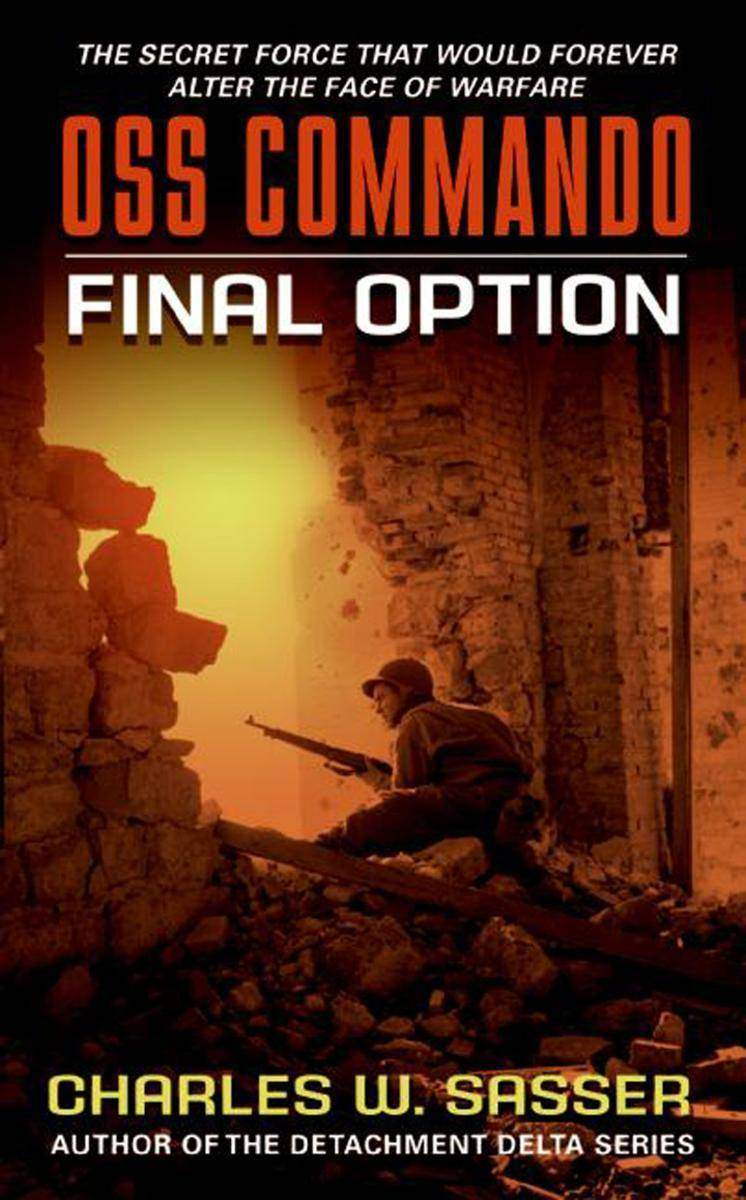
OSS Commando: Final Option
¥56.07
As American involvement in WW II grew imminent, President Roosevelt authorized the establishment of the Office of Strategic Services (OSS), the predecessor of both the CIA and military Special Operations Forces. Using military cover OSS began building a clandestine capability to combat the Axis powers, in which saboteurs, guerillas, commandos, spies and counterintelligence agents worked behind enemy lines. Captain James Cantrell, a former Chicago homicide detective, is the leader of a secret intelligence team for OSS. He is charged with protecting Operation Overlord, the top–secret Allied plans for invading France, and with ferreting out Nazi spies who are desperately attempting to uncover these secrets. With time running out before D–Day, Cantrell must stop a cunning––and seductive––female Gestapo agent operating in London from delivering stolen Overlord information in time for Hitler to reinforce defenses at Normandy. The chase leads him through bomb ravaged London streets and across the English Channel only hours behind his prey. Parachuting into France behind enemy lines only days before the scheduled D–Day landings, his orders are to assassinate her before she reports to her contact on the French mainland. The fate of WW II hangs in the balance.

Site Unseen
¥45.49
Brilliant, dedicated, and driven, archaeologist Emma Fielding finds things that have been lost for hundreds of years -- and she's very, very good at it. A soon-to-be-tenured professor, she has recently unearthed evidence of a seventeenth-century coastal Maine settlement that predates Jamestown, one of the most significant archaeological finds in years. But the dead body that accompanies it has embroiled Emma and her students in a different kind of exploration. With her reputation suddenly in jeopardy -- due to the ruthless machinations of a disgruntled rival -- and a second suspicious death, heartbreakingly close to home, Emma must unearth a killer among the relics. But that means digging deep to get to dark secrets buried in the heart of the archaeological community -- which, in turn, could bury Emma Fielding.

Skeleton Canyon
¥70.10
Top ten New York Times bestselling author J.A. Jance brings us another mesmerizing thriller featuring Arizona Sheriff Joanna Brady as she searches for the brutal killer of a young girl. Brianna "Bree" O'Brien never returned from Skeleton Canyon. Someone brutally murdered the pretty, popular teenager who had stolen away under cover of darkness to rendezvous with her boyfriend. Perhaps youthful rage, jealousy and savage passion cost young Bree her life. Or maybe she stumbled onto something too dangerous to know. Sheriff Joanna Brady of Cochise County knows only too well the pain of losing a loved one to violence. But she is disturbed by the O'Brien's insistence that Bree's boyfriend is responsible for their daughter's slaying. Joanna senses there are words not being spoken, and dark mysteries locked behind doors of the sprawling O'Brien family compound. But it is the strange disappearance of a good friend that is pulling Sheriff Brady ever closer to the lethal nest of lies, greed and secrets hiding in a desolate corner of the Arizona desert - where the next blood that feeds the parched, cracked earth could be her own.

The Sky Is Falling
¥145.55
If America had a royal family, the Taylor Winthrops would wear the crown. The popular, charismatic Winthrops have captured the imagination of the world with their public service, their enormous charity, and their glamorous lives. But in the period of one year., all five members of the family are killed in a series of accidents. Beautiful young anchor woman Dana Evans begins an investigation and starts unraveling compelling evidence that she can hardly believe.In her determined pursuit of the truth, Dana never anticipated the cat-and-mouse chase that leads her through a half dozen countries in search of a remorseless killer. As she closes in on her suspect, the shocking secrets she uncovers place Dana and her young son in dire jeopardy. Can Dana outwit her pursuers and expose the truth that will astound the world?A dynamite thriller filled with all the elements that have made his previous works phenomenal bestsellers) The Sky Is Falling is Sidney Sheldon at his sizzling best.

Sleeping with the Enemy
¥32.73
A lone rogue vampire mingles among his hunters in a blood bar, undetected…until a beautiful woman snares his attention. Suddenly, he's running, leading her on a chase until she corners him, stake dangling from her slender fingertips. Now he has two choices: play it sexy or safe?

Snow Place to Die
¥49.05
There's snow place like homicideB&B hostess Judith McMonigle Flynn's ready to hang up her oven mitts, but irrepressible Cousin Renie needs help catering the telephone company's annual winter retreat at secluded Mountain Goat Lodge. The pay's good, the scenery's to die for -- but they never figured there'd be a killer cooking up mischief among this innocuous stew of corporate-climbing phone company ding-a-lings. Unfortunately, Judith and Renie's discovery of the frozen garroted remains of the previous company caterer -- missing since last year's shindig -- suggests no less, since the same cast of characters is present this time around. It's Dial "M" for Mountain Goat Murder, and a storm's blowing in to boot -- leaving Judith and Renie stranded with ten suspects and a corpses...and with nothing better to do than to reach out and touch a killer who's like nothing better than to put two inquisitive cousins in the Deep Freeze.
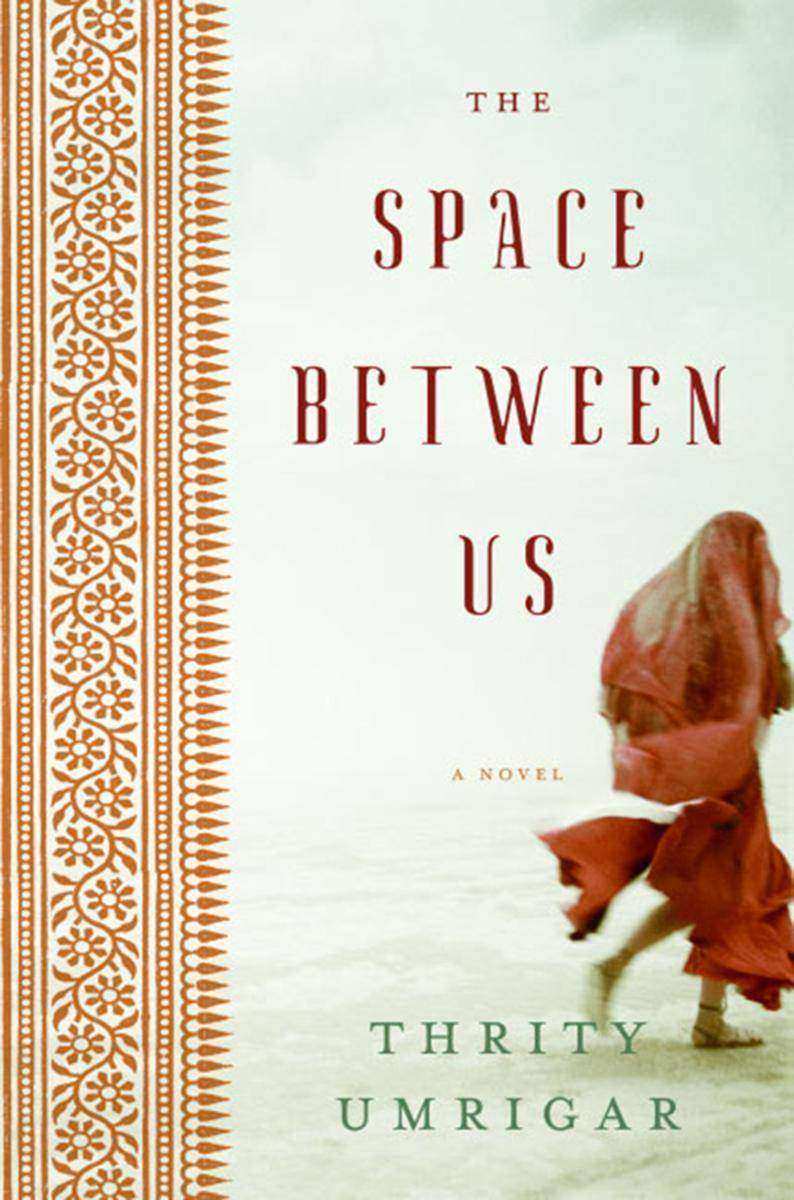
The Space Between Us
¥95.39
Each morning, Bhima, a domestic servant in contemporary Bombay, leaves her own small shanty in the slums to tend to another woman's house. In Sera Dubash's home, Bhima scrubs the floors of a house in which she remains an outsider. She cleans furniture she is not permitted to sit on. She washes glasses from which she is not allowed to drink. Yet despite being separated from each other by blood and class, she and Sera find themselves bound by gender and shared life experiences.Sera is an upper-middle-class Parsi housewife whose opulent surroundings hide the shame and disappointment of her abusive marriage. A widow, she devotes herself to her family, spending much of her time caring for her pregnant daughter, Dinaz, a kindhearted, educated professional, and her charming and successful son-in-law, Viraf.Bhima, a stoic illiterate hardened by a life of despair and loss, has worked in the Dubash household for more than twenty years. Cursed by fate, she sacrifices all for her beautiful, headstrong granddaughter, Maya, a university student whose education -- paid for by Sera -- will enable them to escape the slums. But when an unwed Maya becomes pregnant by a man whose identity she refuses to reveal, Bhima's dreams of a better life for her granddaughter, as well as for herself, may be shattered forever.Poignant and compelling, evocative and unforgettable, The Space Between Us is an intimate portrait of a distant yet familiar world. Set in modern-day India and witnessed through two compelling and achingly real women, the novel shows how the lives of the rich and the poor are intrinsically connected yet vastly removed from each other, and vividly captures how the bonds of womanhood are pitted against the divisions of class and culture.
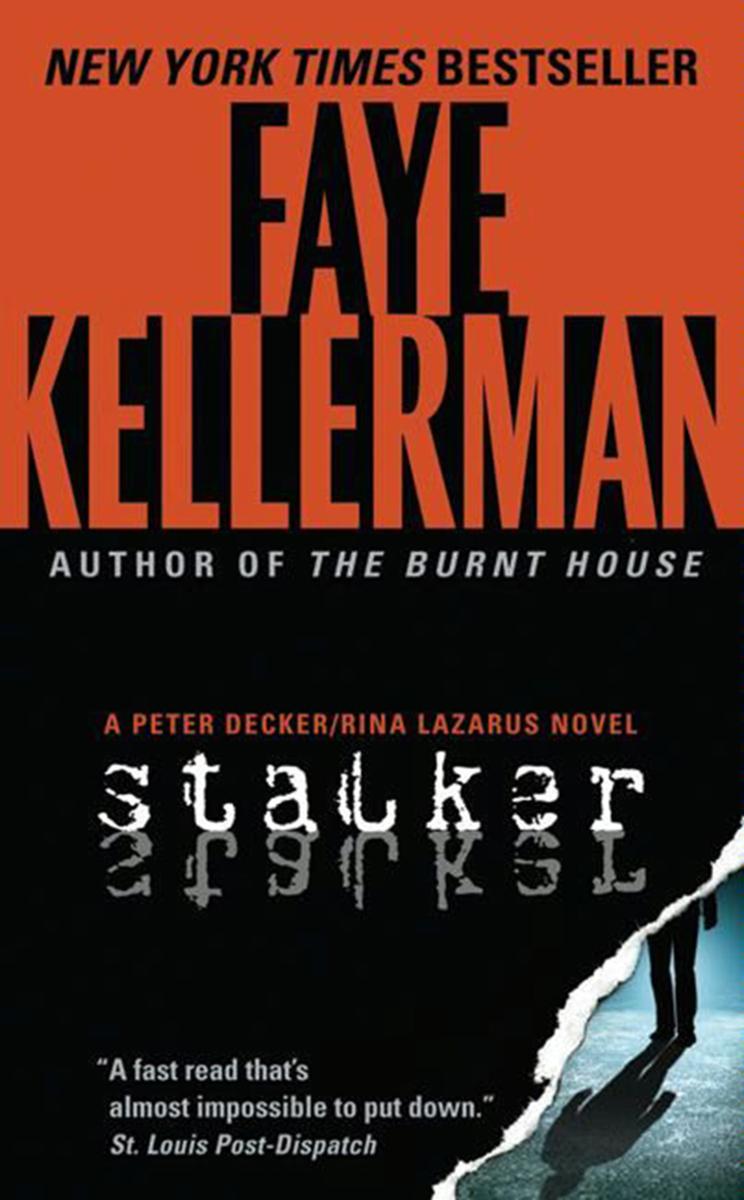
Stalker
¥69.16
L.A. Homicide Detective Peter Decker never wanted the perils of his job to touch his family. But now his two worlds have collided.A first year rookie with the LAPD's Hollywood Division, Cynthia Decker became a cop against her father, Peter Decker's, wishes. But police work is in her blood, and she's determined to make it on her own -- even now, when her razor sharp instincts for danger are telling her that something is very wrong...The signs are impossible to ignore: things being moved around in her apartment, the destruction of personal effects. But it's a harrowing trip down a dark canyon road that confirms Cindy's worst fears. Someone fiendishly relentless, and with decidedly evil intentions, is stalking her. And with Peter Decker isolated from her troubles by his own investigation into a disturbing series of car-jackings, it's up to Cindy alone to find out who in her personal and/or professional life wants her frightened or harmed...or dead.

Strong at the Broken Places
¥83.03
The bestselling author of Blindsided, Richard M. Cohen spent three years chronicling the lives of five diverse "citizens of sickness": Denise, who suffers from ALS; Buzz, whose Christian faith helps him deal with his non-Hodgkin's lymphoma; Sarah, a determined young woman with Crohn's disease; Ben, a college student with muscular dystrophy; and Larry, whose bipolar disorder is hidden within. Differing in age and gender, race and economic status, all five are determined to live life on their own terms. In Strong at the Broken Places, Cohen shares these inspirational and revealing stories, which offer lessons for us all—–on self-determination, on courage in the face of adversity and public ignorance, on keeping hope alive.We are all strong at the broken places—stronger than we think.
Running from the Law
¥56.07
Whether it's poker or trial law, wisecracking Rita Morrone plays to win, especially when she takes on the defense of the Honorable Fiske Hamilton, a prominent federal judge accused of sexual harassment. And it's no coincidence that the judge is her live-in lover's father. Then the action turns deadly, and Rita finds herself at the center of a murder case. She probes deep into the murder, uncovering a secret life and suspects in shocking places. When the killer viciously ups the ante, Rita decides to end this lethal game. She lays it all on the line for the highest stakes ever—her life.

Savannah Breeze
¥94.10
Southern belle BeBe Loudermilk has lost all her worldly possessions, thanks to a brief but disastrous relationship with the gorgeous Reddy, an "investment counselor" who turns out to be a con man. All that's left is a ramshackle 1950s motel on Tybee Island—an eccentric beach town that calls itself a drinking village with a fishing problem.Breeze Inn is a place where the very classy BeBe wouldn't normally be caught dead, but with no alternative, she moves into the manager's unit, vowing to make magic out of mud. The work is grueling, especially dealing with the bad-tempered caretaker, a fishing captain named Harry who's trying to earn enough dough to get his boat out of hock. With the help of Harry and her junking friend Weezie, BeBe soon has the motel spiffed up and attracting paying guests.Then there's a sighting of Reddy in Fort Lauderdale, and BeBe decides to go after him. She puts together a posse, and with the irrepressible Granddaddy Loudermilk snoring in the backseat of the Buick, heads south. The plan is to carry out a sting that may be just a little bit outside the law but that, with any luck at all, will retrieve BeBe's fortune and put the dastardly Reddy in jail, where he belongs. And maybe Harry, who's looking more hunky every day, will finally get his boat back.

Scots on the Rocks
¥55.31
When Judith and her cousin Renie go on vacation in a remote and possibly haunted Scottish castle owned by a rich whiskey distillery baron strange things start occurring. They meet Harry Gibbs, a dissolute young man who is estranged from his wife and is found smothered to death shortly after Judith and Renie arrive. His widow, Moira, is suspect No. 1, of course, but there are plenty to go around since Harry was a real jerk and wanted to run the petrol company Moira inherited from dear old dad. Suspects include Moira's bastard half-brother, Blackwell Petroleum's sleazy CEO, the wily comptroller, an even wilier corporate attorney, the whisky baron, Moira's former mother-in-law who mixes delicious jams along with her not-so-delicious poisons, Moira's apparent lover, and, last but not least, Chuckie, the dwarfish epileptic who runs around castle. There's a ghost, some goofy villagers, and enough suspects to overwhelm any police force, but no challenge is too daunting for the cousins.
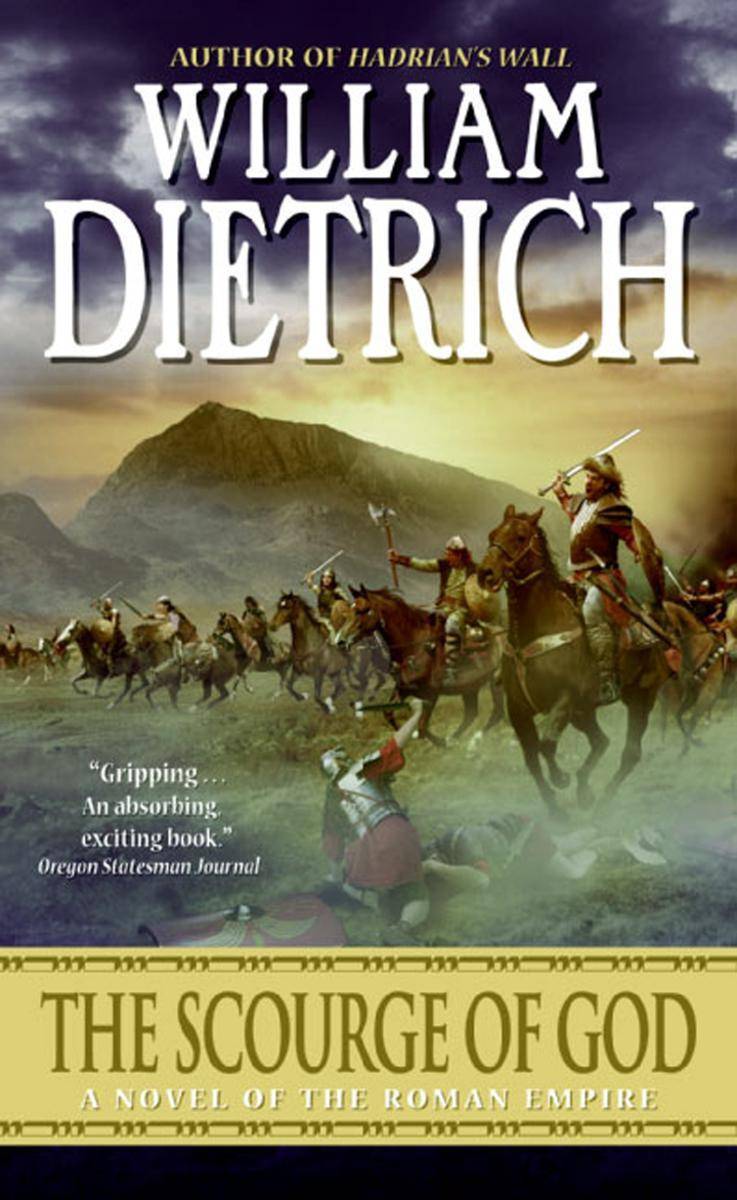
The Scourge of God
¥55.31
For fans of the movie Gladiator comes this bloody account of the clashing of civilizations, as Attila the Hun, "The Scourge of God," struggles to overthrow the Roman Empire. The Roman Empire is weakening. In 367 AD, approximately eight years after the great battle at Hadrian's Wall, Roman garrisons begin to hear rumors of barbarian tribes massing to the north. By 449 AD, Attila, the ruler of the Huns, has become the continent's most powerful monarch, his reputation in battle earning him the title "The Scourge of God." Anticipating an imminent attack by the Huns, Roman leaders negotiate with one of Attila's lieutenants, convincing him to play the part of assassin. He is joined on his mission by a Roman citizen, Jonas, an ambassador dispatched to negotiate a peace treaty with the Huns. When the plot is discovered, Jonas becomes a hostage, forced to fight for his captors if he wishes to remain alive. But he soon learns that Attila intends to conquer Rome itself, and is caught between two mighty empires, both poised for one of the greatest conflicts the world has ever seen. Jonas, knowing his life could be forfeit, has the potential to tip the battle in either direction––and his decision will alter the face of Western civilization. For readers of historically nuanced thrillers and adventure stories by authors like Bernard Cornwell and Colleen McCullough. For readers interested in Roman and Barbarian culture and warfare.
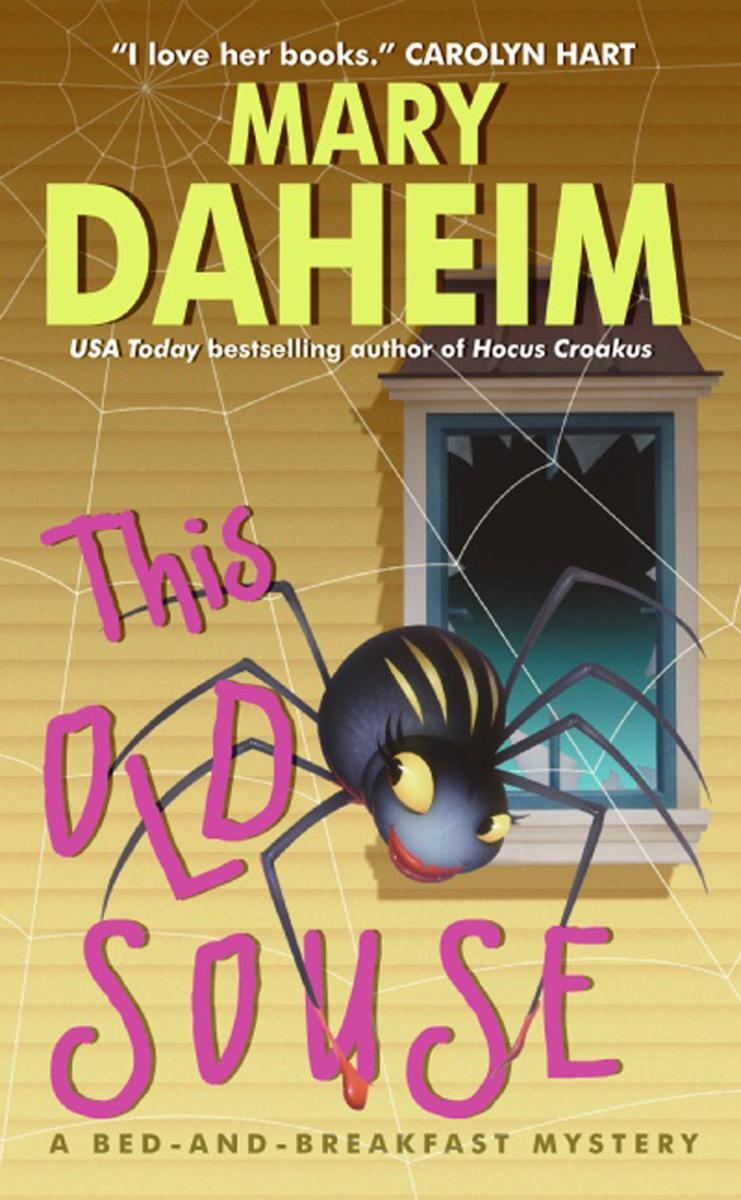
This Old Souse
¥55.31
USA Today bestselling mystery maven Mary Daheim brings us another intriguing tale in her cherished Bed-and-Breakfast mystery series in which a trip down memory lane brings Judith and Renie back to their old neighbourhood, and they are drawn to a seemingly deserted house that is much more than meets the eye.On a trip to Renie's old neighbourhood, the cousins' curiosity is piqued by a mysterious brick Tudor house that always looked deserted during Renie's junior high school days. Surprised that the house still looks abandoned after all these years, Judith and Renie, of course, cannot resist an opportunity to snoop around. They discover that Mr. and Mrs. Bland have lived in the house since 1947, and after cornering the mailman and milkman, Judith and Renie also learn that the Blands receive regular mail and food deliveries, but no one has ever seen the occupants who simply pay the bills with cash they leave in the milk box. Although intrigued by these strange, but definitely not sinister, occurrences, Judith is ready to focus her attention once more on her neglected husband Joe and the busy B&B business. Until one day Judith finds a dead body in the trunk of her car. And it's the Blands' milkman...


