


 购物车
 个人中心

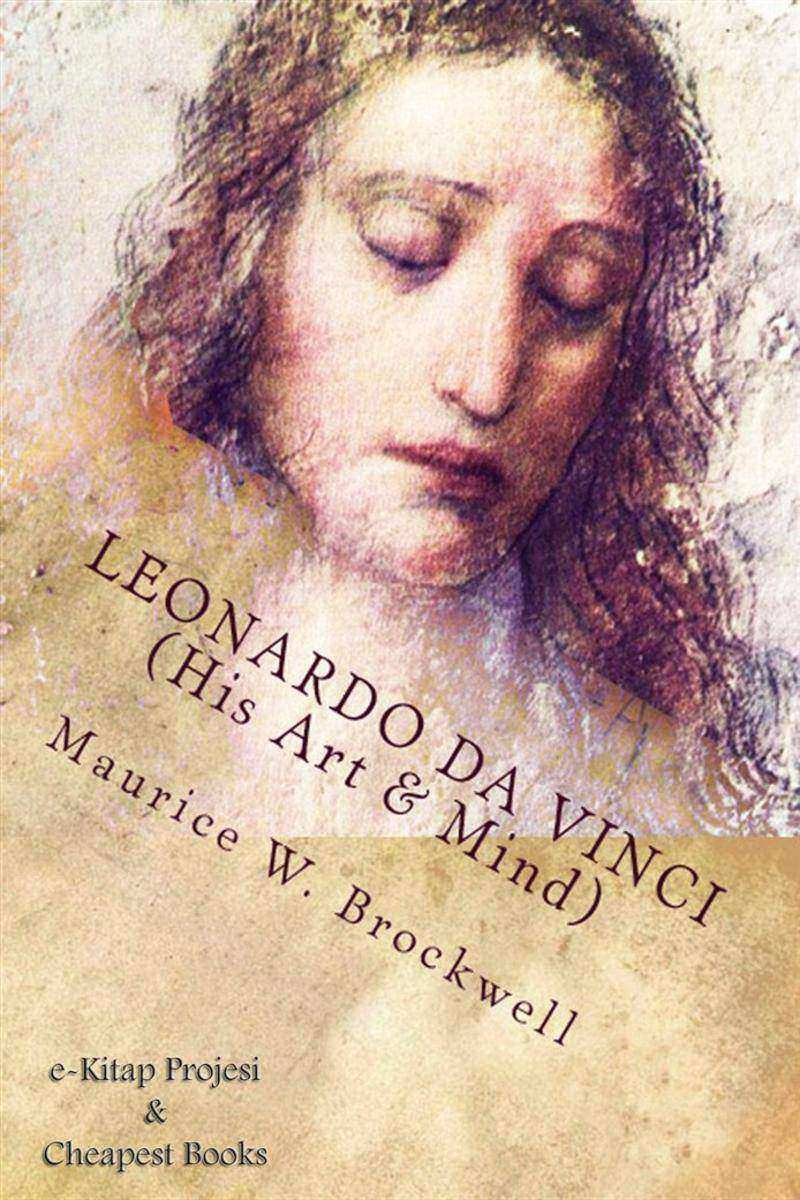
Leonardo Da Vinci (His Art & Mind): "Illustrated with Eight Reproductions in Col
¥28.61
The Primrose Path was written in the year 1922 by David Herbert Lawrence. This book is one of the most popular novels of David Herbert Lawrence, and has been translated into several other languages around the world.This book is published by Booklassic which brings young readers closer to classic literature globally.

The Adventures of Gerard
¥28.61
The Daughter of Brahma was written in the year 1912 by Ida Alexa Ross Wylie. This book is one of the most popular novels of Ida Alexa Ross Wylie, and has been translated into several other languages around the world.This book is published by Booklassic which brings young readers closer to classic literature globally.
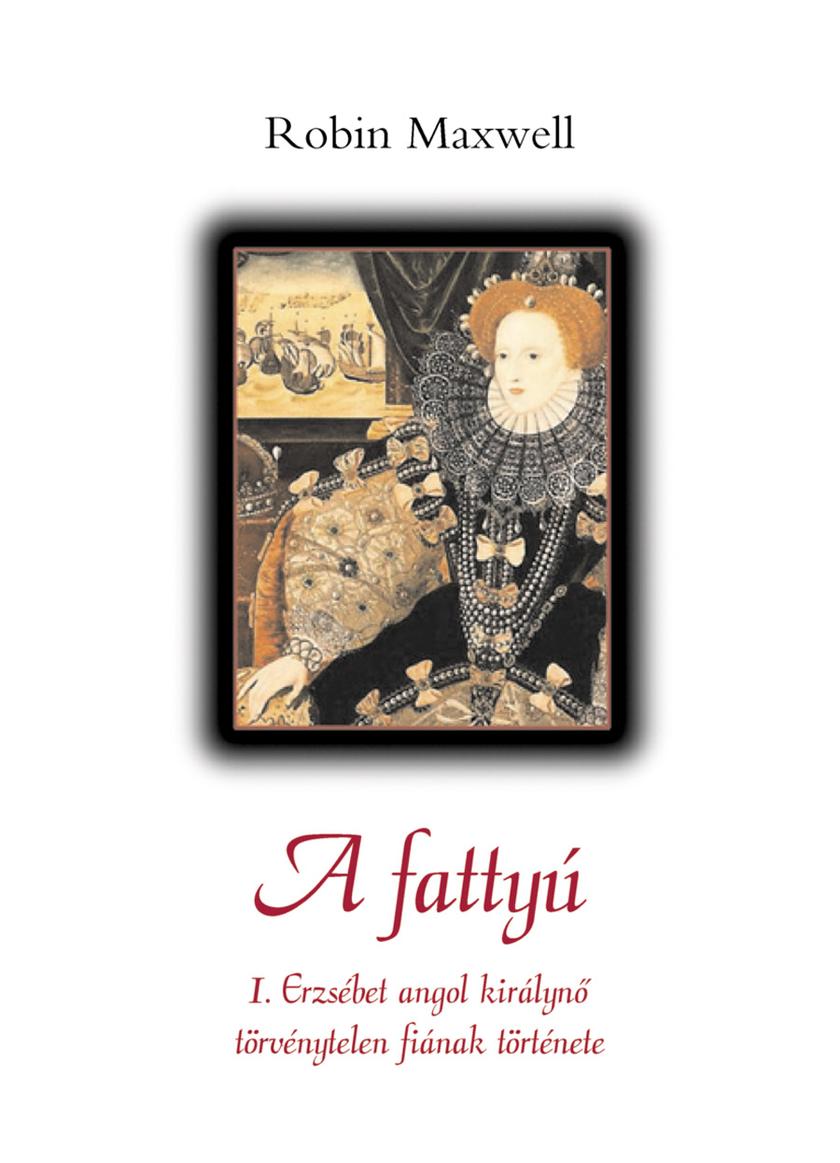
A fattyú
¥67.20
A New York Times bestseller életrajzírójának, J. Randy Taraborrellinek minden részletet felvillantó, briliánsan megírt k?tete nem egyszer?en a legsikeresebb popsztárok egyikének, Beyoncénak az életrajza. Bepillantás egy olyan világba, ahová szinte mindenki vágyik, de csak nagyon kevesen juthatnak el; az amerikai show-business világába. A végtelenül tehetséges Beyoncé Knowles már nyolcéves korában ebben a világban él, gyerek szépségversenyek és tehetségkutató vetélked?k résztvev?je. Egy pillanatra sem szakad el a színpadtól, és tizenhat évesen a Destiny's Child énekeseként már világsztár. Ontja a slágereket, 2014-ben a Forbes magazin szerint a világ leggazdagabb és legkeresettebb sztárja, az ? fényképével jelenik meg a híres Time magazin. Ez a k?nyv megmutatja a sikereket, de az emberfeletti er?feszítést is, az ?r?k?s harcot az érvényesülésért, az áskálódásokat, pletykákat; beszámol viharos és vad szerelmér?l a híres rapperrel, Jay-Z-vel, a csalódásokról és a meghatározó pillanatokról. ?s mik?zben olvassuk ezt a nyílt, olykor szívszorító, olykor felemel? beszámolót, ?r?kre megváltozik a véleményünk Beyoncéról és a távoli és csillogó show-businessr?l. A szerz?r?l J. Randy Taraborrelli a New York Times bestseller szerz?je, írt már k?nyvet Michael Jacksonról, Marilyn Monroe-ról, Madonnáról, és a Kennedy famíliáról is. K?ztiszteletben álló író, újságíró, a szórakoztatóipar jó nev? és állandó szerepl?je, és jó néhány televízióm?sor, k?ztük a Today, a Good Morning America, a CBS This Morning, az Entertainment Tonight és a CNN Headline News s?r?n felt?n? vendégszerepl?je.
The Castaways: "An Open Sea Story"
¥28.04
The Native Born was written in the year 1910 by Ida Alexa Ross Wylie. This book is one of the most popular novels of Ida Alexa Ross Wylie, and has been translated into several other languages around the world.This book is published by Booklassic which brings young readers closer to classic literature globally.
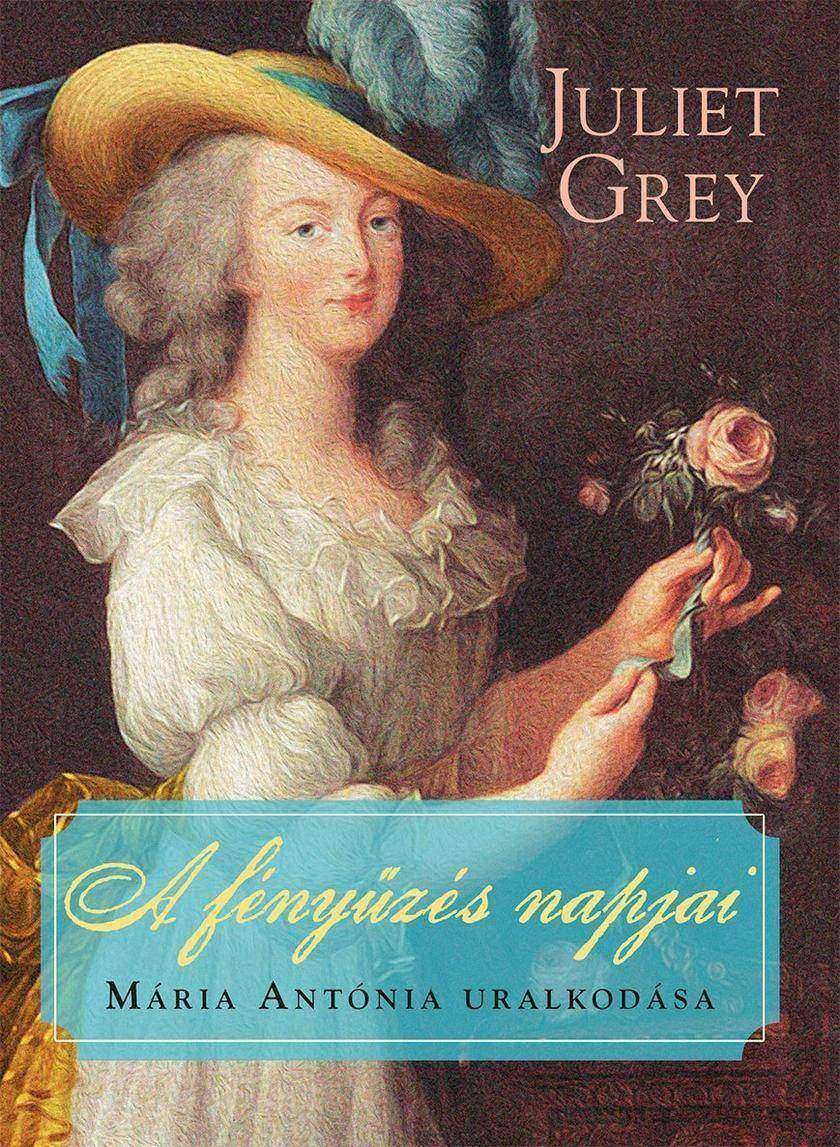
A fény?zés napjai
¥82.00
A The New York Times No.1 bestsellerében egy manhattani baleseti sebészt a kisfia szeme láttára ?lnek meg egy játszótéren. ?t év elteltével a gyilkos még mindig szabadlábon van… Amikor Laurie Moran férjét brutálisan meggyilkolták, csak a hároméves Timmy látta az édesapja gyilkosának arcát. Az átható kék szempár még ?t évvel kés?bb is kísérti álmában Timmyt. Laurie-t még nagyobb félelem nyomasztja – a gyilkos fenyegetése, amelyet odakiáltott a fiának, mik?zben elmenekült a helyszínr?l: ?Mondd meg anyádnak, ? lesz a k?vetkez?, utána pedig te j?ssz…” ?s az asszonynak most ismét gyilkossággal van dolga, ezúttal egy megt?rtént, de megoldatlan b?nügyekkel foglalkozó tévésorozat producereként. A sorozat els? részében egy n? húsz évvel korábbi, felderítetlenül maradt meggyilkolása a téma. Az élénk társasági életet él? asszonyt a friss diplomás lánya tiszteletére rendezett gála után megfojtva találták az ágyában. A nagy port kavaró gyilkosság országszerte szerepelt a hírekben, így Laurie biztos benne, hogy az ügy – a maga pazar k?rnyezetében és az akkori éjszaka vendégeinek k?zrem?k?désével – sikerre viszi majd a m?sort. ?m amikor megkezdik a forgatást Betsy azóta elhidegült barátaival, világossá válik, hogy valamennyiüknek titkai vannak – kinek kisebbek, kinek nagyobbak. ?s k?zben ráj?vünk, hogy az átható kék szempár még mindig figyel… ?Bízzunk Mary Higgins Clarkban: tudja, hogyan kell halálra rémiszteni bennünket.” -?THE NEW YORK TIMES A gyanú árnyékában sorozat k?vetekez? része A Hamupip?ke-gyilkosság címmel fog megjelenni.

K?z?ttünk a tenger
¥80.44
Sok nevem volt már. T?bb mint amennyit meg tudnék jegyezni. A k?vetkez? nevemet még nem ismerem, a mostanit már rég elfeledtem. Már nem érdekel, ki voltam, s mit tettem. Voltak k?ztük h?stettek, jó dolgok, melyekre jó érzés visszagondolni, de még t?bb volt, amire nem vagyok büszke. Tettem dolgokat parancsra - akármelyik oldal is utasított -, és tettem dolgokat, hogy védjem magam... T?lem nem aludt nyugodtan a rend?rség, és t?lem rettegett az alvilág. A legkeresettebb b?n?z?k top 100-as listájának el?kel? harmadik helyét foglaltam el. Az igazságszolgáltatás kényes "végrehajtó" rését t?mtem be. Sok mindenre büszke vagyok, és még t?bbt?l fog el a hányinger. Nehéz volt, de végül felkerült az i-re a pont. Teljesítette feladatomat, megpihenhetek végre. Végeztem mindennel és mindenkivel. Ez életem utolsó napjainak t?rténete...
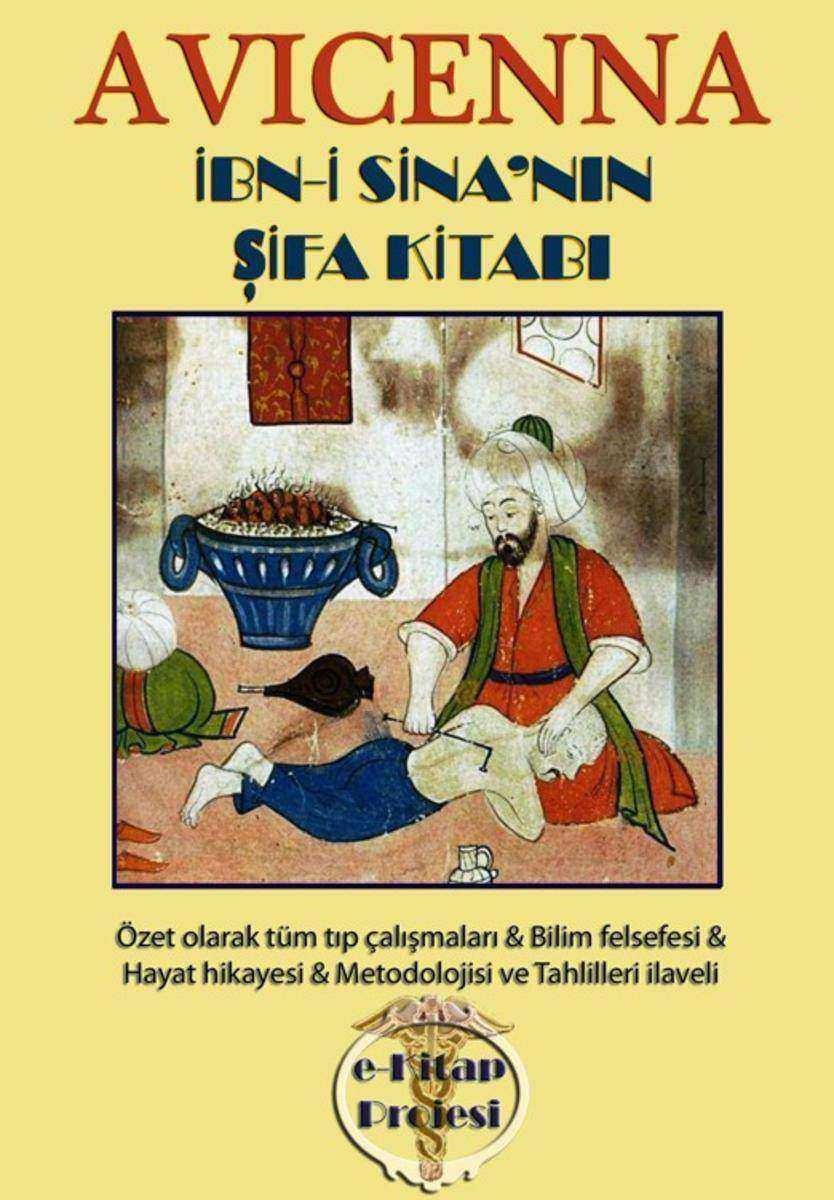
Avicenna: (Ibn-i Sinanin Sifa Kitabi)
¥28.04
Az igaz szerelem le tud gy?zni minden akadályt? Gabriella, a t?rténet h?sn?je nyaralni indul barátn?jével Puerto Ricóba, ahol váratlanul találkozik az ünnepelt filmcsillaggal, David Canóval és szoros barátság alakul ki k?ztük. Vagy talán még annál is t?bb? Gabi szerelmes lesz a férfiba, mégis elutasítja annak k?zeledését és a nyaralás végeztével hazatér a férjéhez. Egy váratlan fordulat azonban úgy hozza, hogy id? k?zben Gabi férje, Roberto bejelenti: válni akar, újra fellángolt a szerelem k?zte és a volt barátn?je k?z?tt. Látszólag elhárul minden akadály Gabi és David szerelmének beteljesülése el?l. De a sors furcsa játékot ?z a szerelmesekkel, ezért a két egészen kül?nb?z? világból érkez? fiatal útjai hamarosan szétválnak, és Gabi kénytelen egy hatalmas titokkal a szívében élni. Vajon el tudja titkolni szerelme el?l azt, amit mindenki más tud? Katie Fran?oise els? romantikus-kalandos regényében választ keres a minden férfit és n?t foglalkoztató kérdésékre. Vajon el lehet választani azokat, akiket egymásnak szánt a sors?
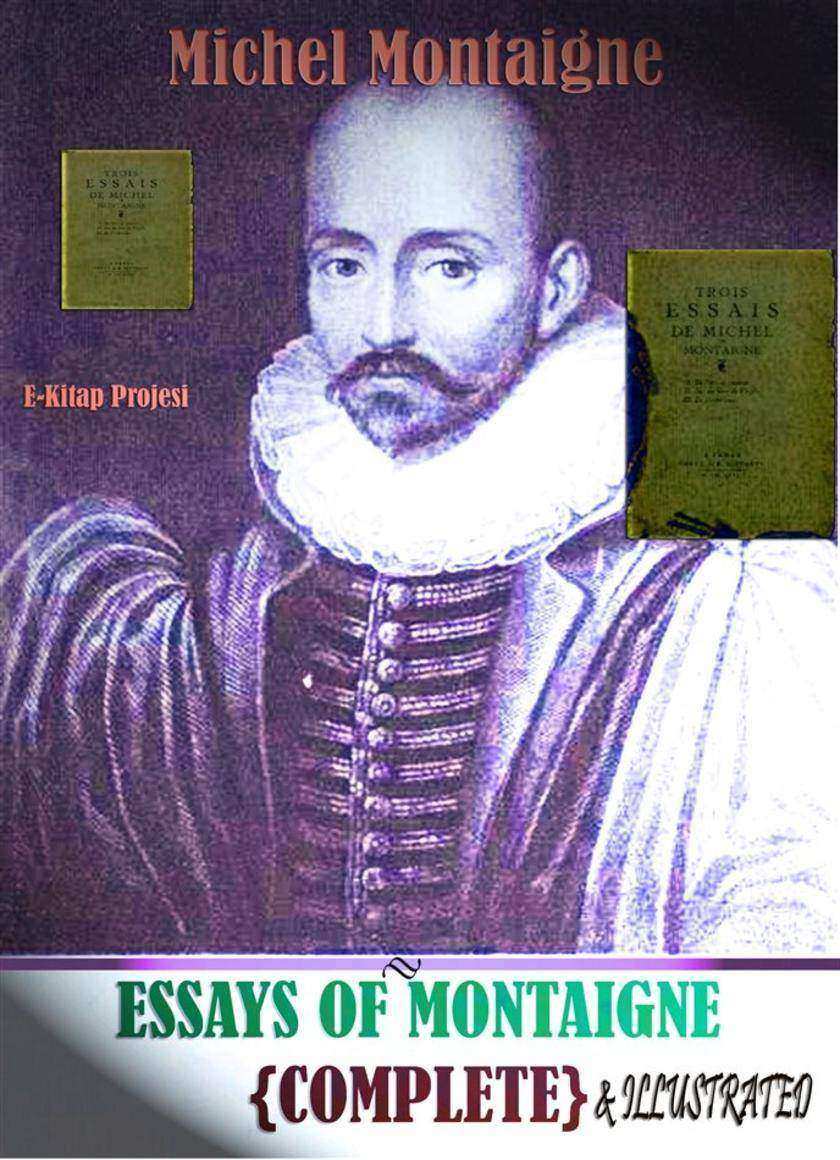
Essays of Montaigne: {Complete & Illustrated}
¥37.36
The Odyssey (Greek:Odysseia) is one of two major ancient Greek epic poems attributed to Homer. It is, in part, a sequel to the Iliad, the other work ascribed to Homer. The poem is fundamental to the modern Western canon, and is the second oldest extant work of Western literature, the Iliad being the oldest. It is believed to have been composed near the end of the 8th century BC, somewhere in Ionia, the Greek coastal region of Anatolia. The poem mainly centers on the Greek hero Odysseus (known as Ulysses in Roman myths) and his journey home after the fall of Troy. It takes Odysseus ten years to reach Ithaca after the ten-year Trojan War. In his absence, it is assumed he has died, and his wife Penelope and son Telemachus must deal with a group of unruly suitors, the Mnesteres or Proci, who compete for Penelope's hand in marriage. It continues to be read in the Homeric Greek and translated into modern languages around the world. Many scholars believe that the original poem was composed in an oral tradition by an aoidos (epic poet/singer), perhaps a rhapsode (professional performer), and was more likely intended to be heard than read. The details of the ancient oral performance, and the story's conversion to a written work inspire continual debate among scholars. The Odyssey was written in a poetic dialect of Greek—a literary amalgam of Aeolic Greek, Ionic Greek, and other Ancient Greek dialects—and comprises 12,110 lines of dactylic hexameter. Among the most noteworthy elements of the text are its non-linear plot, and the influence on events of choices made by women and serfs, besides the actions of fighting men. In the English language as well as many others, the word odyssey has come to refer to an epic voyage. The Odyssey has a lost sequel, the Telegony, which was not written by Homer. It was usually attributed in Antiquity to Cinaethon of Sparta, but in one source was said to have been stolen from Musaeus by Eugamon or Eugammon of Cyrene (see Cyclic poets). ABOUT AUTHOR: Homeros, In the Western classical tradition, Homer (Ancient Greek: Homeros) is the author of the Iliad and the Odyssey, and is revered as the greatest of ancient Greek epic poets. These epics lie at the beginning of the Western canon of literature, and have had an enormous influence on the history of literature. When he lived is unknown. Herodotus estimates that Homer lived 400 years before his own time, which would place him at around 850 BC, while other ancient sources claim that he lived much nearer to the supposed time of the Trojan War, in the early 12th century BC. Most modern researchers place Homer in the 7th or 8th centuries BC. The formative influence of the Homeric epics in shaping Greek culture was widely recognized, and Homer was described as the teacher of Greece. Homer's works, which are about fifty percent speeches, provided models in persuasive speaking and writing that were emulated throughout the ancient and medieval Greek worlds. Fragments of Homer account for nearly half of all identifiable Greek literary papyrus finds. PeriodFor modern scholars "the date of Homer" refers not to an individual, but to the period when the epics were created. The consensus is that "the Iliad and the Odyssey date from around the 8th century BC, the Iliad being composed before the Odyssey, perhaps by some decades," i.e. earlier than Hesiod, the Iliad being the oldest work of Western literature. Over the past few decades, some scholars have argued for a 7th-century BC date. Oliver Taplin believes that the conclusion of modern researchers is that Homer dates to between 750 to 650 BC. Some of those who argue that the Homeric poems developed gradually over a long period of time give an even later date for the composition of the poems; according to Gregory Nagy for example, they only became fixed texts in the 6th century BC. The question of the historicity of Homer the individual is known as the "Homeric question"; there is no reliable biographical information handed down from classical antiquity. The poems are generally seen as the culmination of many generations of oral story-telling, in a tradition with a well-developed formulaic system of poetic composition. Some scholars, such as Martin West, claim that "Homer" is "not the name of a historical poet, but a fictitious or constructed name."
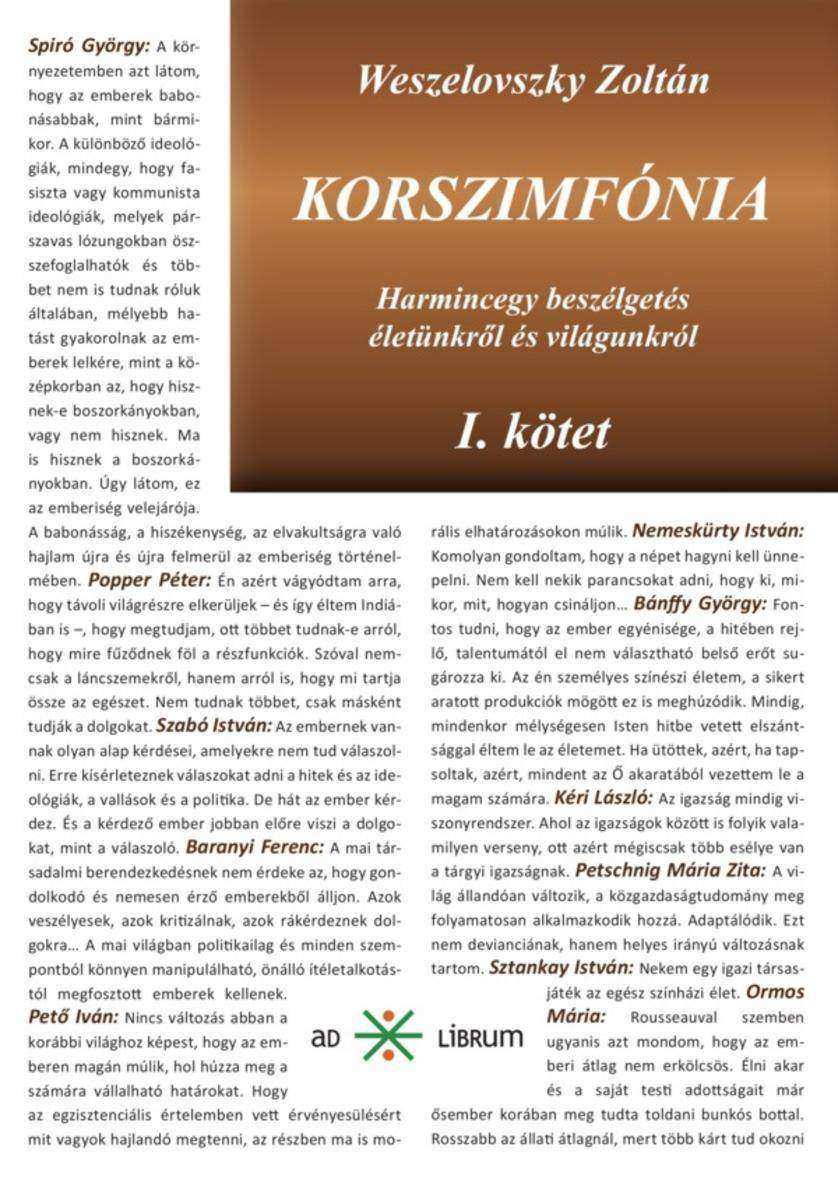
Korszimfónia: Harmincegy beszélgetés életünkr?l és világunkról
¥28.78
Bels? irányt?nk ahhoz az élethez vezet el, amelyr?l mindig is álmodtunk. Célunk felé tartva ráismerünk azokra a pontokra, ahol irányt kell változtatnunk, hogy kihasználhassuk teljes bels? potenciálunkat. Ez az inspiráló utazás minden életterületen átvezet: segít, hogy felismerjük életfeladatunkat, hogy meghozzuk a helyes d?ntéseket, hogy megvalósítsuk legrejtettebb vágyainkat. A híres életmódtanár ezúttal gyakorlati útmutatót ad ahhoz, miként menedzselhetjük sikeresen a saját életünket. "Már maga az a felismerés, hogy minden élethelyzetben igent mondhatok az életre, hihetetlenül gazdaggá tette a hétk?znapjaimat. ?jra meg újra próbára tettem, hogyan tudom az éveken át gy?jt?tt élettapasztalatokat és az új látásmódot alkalmazni, és az eredmények mindig azt igazolták, hogy minden egyes esetben lehetséges változást elérni. ?ppen csak meg kell teremteni a változás el?feltételeit." (a Szerz?) A K?nyvjelz? magazin 2015. májusi számában megjelent cikk: Okosabban kéne élni
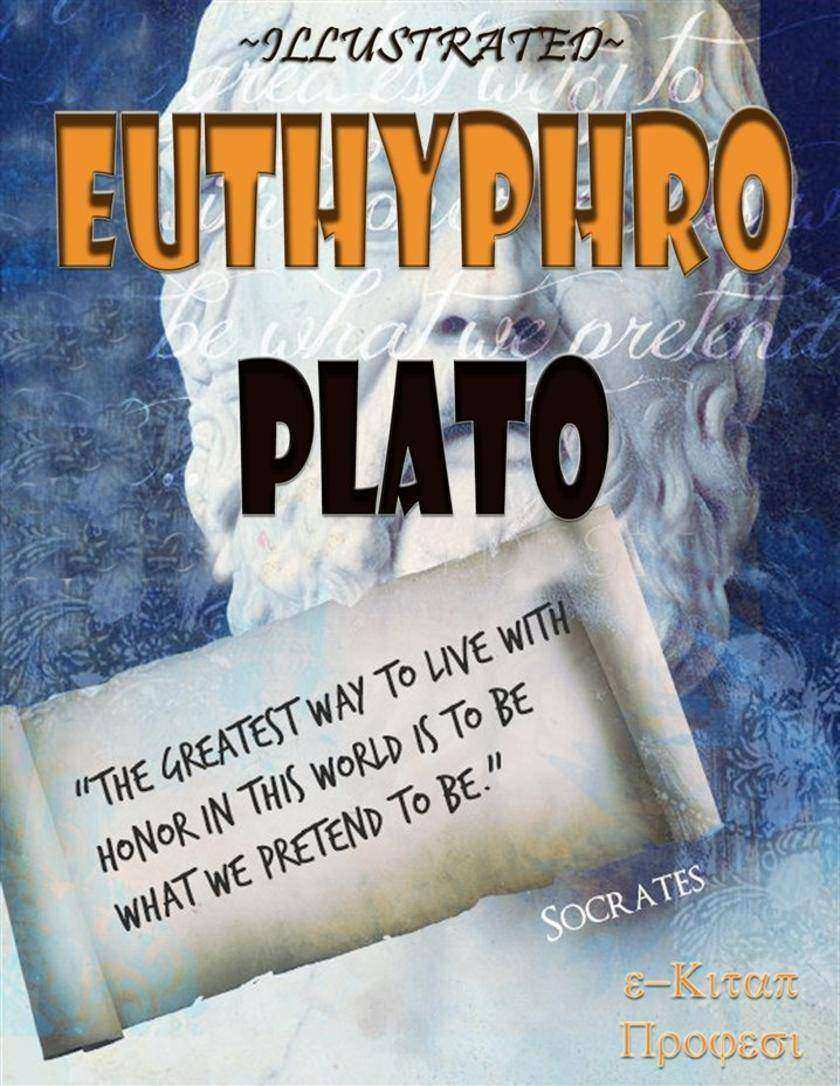
Euthyphro
¥9.24
On the Origin of Species, published on 24 November 1859, is a work of scientific literature by Charles Darwin which is considered to be the foundation of evolutionary biology. Its full title was On the Origin of Species by Means of Natural Selection, or the Preservation of Favoured Races in the Struggle for Life. For the sixth edition of 1872, the short title was changed to The Origin of Species. Darwin's book introduced the scientific theory that populations evolve over the course of generations through a process of natural selection. It presented a body of evidence that the diversity of life arose by common descent through a branching pattern of evolution. Darwin included evidence that he had gathered on the Beagle expedition in the 1830s and his subsequent findings from research, correspondence, and experimentation. Various evolutionary ideas had already been proposed to explain new findings in biology. There was growing support for such ideas among dissident anatomists and the general public, but during the first half of the 19th century the English scientific establishment was closely tied to the Church of England, while science was part of natural theology. Ideas about the transmutation of species were controversial as they conflicted with the beliefs that species were unchanging parts of a designed hierarchy and that humans were unique, unrelated to other animals. The political and theological implications were intensely debated, but transmutation was not accepted by the scientific mainstream. The book was written for non-specialist readers and attracted widespread interest upon its publication. As Darwin was an eminent scientist, his findings were taken seriously and the evidence he presented generated scientific, philosophical, and religious discussion. The debate over the book contributed to the campaign by T. H. Huxley and his fellow members of the X Club to secularise science by promoting scientific naturalism. Within two decades there was widespread scientific agreement that evolution, with a branching pattern of common descent, had occurred, but scientists were slow to give natural selection the significance that Darwin thought appropriate. During the "eclipse of Darwinism" from the 1880s to the 1930s, various other mechanisms of evolution were given more credit. With the development of the modern evolutionary synthesis in the 1930s and 1940s, Darwin's concept of evolutionary adaptation through natural selection became central to modern evolutionary theory, and it has now become the unifying concept of the life sciences. Summary of Darwin's theory: Darwin's theory of evolution is based on key facts and the inferences drawn from them, which biologist Ernst Mayr summarised as follows: ? Every species is fertile enough that if all offspring survived to reproduce the population would grow (fact).? Despite periodic fluctuations, populations remain roughly the same size (fact).? Resources such as food are limited and are relatively stable over time (fact).? A struggle for survival ensues (inference).? Individuals in a population vary significantly from one another (fact).? Much of this variation is inheritable (fact).? Individuals less suited to the environment are less likely to survive and less likely to reproduce; individuals more suited to the environment are more likely to survive and more likely to reproduce and leave their inheritable traits to future generations, which produces the process of natural selection (inference).? This slowly effected process results in populations changing to adapt to their environments, and ultimately, these variations accumulate over time to form new species (inference).
Falling in Love
¥18.74
Art, with its finite means, cannot hope to record the infinite variety and com-plexity of Nature, and so contents itself with a partial statement, addressing this to the imagination for the full and perfect meaning. This inadequation, and the artificial ad-justments which it involves, are tolerated by right of what is known as artistic convention; and as each art has its own particular limitations, so each has its own particular conventions. Sculpture reproduces the forms of Nature, but discards the color without any shock to our ideas of verity; Painting gives us the color, but not the third dimension, and we are satisfied; and Architecture ispurely conventional, since it does not even aim at the imitation of natural form. The Conventions of Line Drawing,Of the kindred arts which group themselves under the head of Painting, none is based on such broad conventions as that with which we are immediately concerned—the art of Pen Drawing. In this medium, Nature's variety of color, when not positively ignored, is suggested by means of sharp black lines, of varying thickness, placed more or less closely together upon white paper; while natural form depends primarily for its representation upon arbitrary boundary lines. There is, of course, no authority in Na-ture for a positive outline: we see objects only by the difference in color of the other objects behind and around them. The technical capacity of the pen and ink medium, however, does not provide a value corresponding to every natural one, so that a broad interpretation has to be adopted which eliminates the less positive values; and, that form may not likewise be sacrificed, the outline becomes necessary, that light objects may stand relieved against light. This outline is the most characteristic, as it is the most indispensable, of the conventions of line drawing. To seek to abolish it only involves a resort to expedients no less artificial, and the results of all such attempts, dependent as they necessarily are upon elaboration of color, and a general indirectness of method, lack some of the best characteristics of pen drawing. More frequently, however, an elaborate color-scheme is merely a straining at the technical limitations of the pen in an effort to render the greatest possible number of values. It may be worth while to inquire whether excellence in pen drawing consists in thus dispensing with its recognized conventions, or in otherwise taxing the technical re-sources of the instrument. This involves the question of Style,—of what characteristic pen methods are,—a question which we will briefly consider...
Csillagpuszta
¥22.97
A kosaras srácok t?rténete folytatódik! Valaki felgyújtja Sédar klubját. Nyolcszornyolc, az edz? kizártnak tartja, hogy a Sharks csapatának k?ze legyen a dologhoz. A gyanúsítottak k?re azonban egyre b?vül, el?veszik a játékosokat is: Tunyát, aki mindig kül?nck?dik, Levet, aki visszahúzódó és félénk, Grimaszt, aki a legkisebb provokációból is balhét csinál. ?s ha mindez nem volna elég, Stifti, aki a szép szál Sédar iránti féltékenységét soha sem titkolta, ezúttal Szilviával is ?sszekap. Ráadásul Porto Vecchio hárompontosakat szóró királyn?je is eltitkol valamit. A Sharksnak a nagy izgalmak k?zepette is meg kell ?riznie higgadtságát, hogy legy?zhessék a Templomosokat.
For Every Man A Reason
¥4.58
He stood watching while George Atkinson spun around, dark eyes flashing, hair tousled. There was a two days' growth of beard darkening Atkinson's face. "Why, George," Loveral said, swiftly examining the litter of metal and wood which was spread over a table behind Atkinson. There was a home-made hammer in Atkinson's hand. "What have we here, George?""Something for you," Atkinson said, tightening his fingers about the handle of the hammer.Loveral grinned his famous Loveral grin. "That's fine. What could it be?" "None of your damned business.""George," Loveral said, his smile still white but his eyes narrow and quick.The woman was behind them. Her voice screeched. "George, I told you. Why didn't you listen, George? You should have listened to me. You—" Loveral held up a hand, still watching Atkinson. "Now tell me, George, what is it you're making for me?"Atkinson raised the hammer slightly.Loveral stood very still. "That's a nice hammer, George."Atkinson's eyes were black beneath his thick brows."You made that, didn't you?" Loveral asked."Yes, I made that," Atkinson said. "I made that and I made something else. Another minute and I'll have that finished, too." "George," said Loveral, stepping quietly forward, "I don't like to say this, of course. You've been one of our very best members. But nobody works here, George. We can't allow that. You know the rules." "I know the rules, all right.""Well, then," Loveral said, extending his hand toward the hammer, "we'll just destroy this and whatever else you might have been making. We'll just forget it ever happened. We'll get along real fine that way, George. We'll just be such good friends.""We'll just go to hell," said Atkinson, snatching his hammer away. Loveral's smile disappeared. "I'll tell you, George. I have to mean business with this. You know the reasons. If we allow anybody to work here, then there's going to be trouble. That isn't our plan. We're here to grow within ourselves and expand culturally. Not to commercialize a beautiful world like Dream Planet."
10 plus 10 prozatori exemplari nominaliza?i la Nobel
¥40.79
Candide is characterised by its sarcastic tone, as well as by its erratic, fantastical and fast-moving plot. A picaresque novel with a story similar to that of a more serious bildungsroman, it parodies many adventure and romance clichés, the struggles of which are caricatured in a tone that is mordantly matter-of-fact. Still, the events discussed are often based on historical happenings, such as the Seven Years' War and the 1755 Lisbon earthquake. As philosophers of Voltaire's day contended with the problem of evil, so too does Candide in this short novel, albeit more directly and humorously. Voltaire ridicules religion, theologians, governments, armies, philosophies, and philosophers through allegory; most conspicuously, he assaults Leibniz and his optimism. Voltaire's men and women point his case against optimism by starting high and falling low. A modern could not go about it after this fashion.?He would not plunge his people into an unfamiliar misery. He would just keep them in the misery they were born to. But such an account of Voltaire's procedure is as misleading as the plaster cast of a dance. Look at his procedure again. Mademoiselle Cunégonde, the illustrious Westphalian, sprung from a family that could prove seventy-one quarterings, descends and descends until we find her earning her keep by washing dishes in the Propontis. The aged faithful attendant, victim of a hundred acts of rape by negro pirates, remembers that she is the daughter of a pope, and that in honor of her approaching marriage with a Prince of Massa-Carrara all Italy wrote sonnets of which not one was passable. We do not need to know French literature before Voltaire in order to feel, although the lurking parody may escape us, that he is poking fun at us and at himself. His laughter at his own methods grows more unmistakable at the last, when he caricatures them by casually assembling six fallen monarchs in an inn at Venice. A modern assailant of optimism would arm himself with social pity. There is no social pity in "Candide." Voltaire, whose light touch on familiar institutions opens them and reveals their absurdity, likes to remind us that the slaughter and pillage and murder which Candide?witnessed among the Bulgarians was perfectly regular, having been conducted according to the laws and usages of war. Had Voltaire lived today he would have done to poverty what he did to war. Pitying the poor, he would have shown us poverty as a ridiculous anachronism, and both the ridicule and the pity would have expressed his indignation. About Author: VOLTAIREFran?ois-Marie Arouet (1694 – 1778), known by his nom de plume Voltaire, was a French Enlightenment writer, historian and philosopher famous for his wit, his attacks on the established Catholic Church, and his advocacy of freedom of religion, freedom of expression, and separation of church and state. Voltaire was a versatile writer, producing works in almost every literary form, including plays, poems, novels, essays, and historical and scientific works. He wrote more than 20,000 letters and more than 2,000 books and pamphlets. He was an outspoken advocate, despite the risk this placed him in under the strict censorship laws of the time. As a satirical polemicist, he frequently made use of his works to criticize intolerance, religious dogma, and the French institutions of his day.
Wuthering Heights
¥8.09
Kedves Feln?ttek! ?Ez a k?nyv Nektek készült! T?rténetünk a XXXIV. században játszódik. Egy királyi család nem épp szokványos életén keresztül betekintést nyerhetünk a j?v?be. ??j faj k?rvonalazódik, aminek fejl?dése megállíthatatlan. ?Unalmasnak t?n?, idillikus életüket felváltja a S?tétség er?ivel folytatott harc, aminek kimenetele végleg meghatározza a F?ld bolygó sorsát...

Sz?rny? ?lmos tizedes kalandjai
¥36.54
Várostrom, varázslat, lovagi torna. Mindez Balatónia szomszédságában, a fajszok f?ldjén, ahol az udvaronccá cseperedett Rév Fül?p újra fontos szerepet kap, és azt is megtudja, mi a teend?, ha j?nnek a siófok. De hova lehetett Fajszf?ld uralkodója, Hatodik (Torkos) Hollád király, aki sz?rén-szálán elt?nt?

Cum s?-?i cultivi memoria
¥73.49
Cred ?n sensibilitatea publicului fa?? de un teatru al ideilor, dar ?i fa?? de un teatru de ac?iune fidel formelor clasice. Cu riscul de a fi considerat un manierist, accept aceast? etichet?, dac? ?mi aleg drept modele nume ca Montherlant, Camus, Vallejo sau Camil Petrescu. Am ?ncercat s? tratez una dintre marile teme ale dramaturgiei universale, care ?ncepe cu vechii greci ?i se ?mpline?te ?n teatrul clasic francez: conflictul dintre datorie ?i pasiune. Drama apare atunci c?nd cele dou? imperative devin divergen?e ?i ea se poate reg?si ?i azi de la marii lideri politici la oamenii de r?nd. Dar pentru a o ilustra am ales varianta teatrului istoric, deoarece (pentru a-l cita pe Henri Rochefort ) ?viitorul, ?n momentul de fa??, pare at?t de sumbru, ?nc?t am sim?it s? m? hr?nesc o vreme cu trecutul". Drama personajelor mele, fie c? este vorba despre Ugo, fie c? este vorba despre printul Rudolf, este e?ecul ?nregistrat ?n ?ncercarea de a le g?si un liant, de a le ?mp?ca. Am v?zut ?n Rudolf de Habsburg un adev?rat profet al lumii moderne… care a prev?zut toate catastrofele secolului al XX-lea ?i a ?ncercat s? orienteze politica austriaca ?ntr-o alta direc?ie. Dar via?a sa privat?, departe de a fi un model, a dejucat acest plan. El dispare pentru c? nu-?i mai g?se?te locul ?n lumea lui, ?n timp ce Ugo d’Este ??i accept? sf?r?itul din acela?i motiv. (Corneliu ?enchea)
Cel?lalt Arghezi
¥57.14
nainte de orice altceva, Poezia de la Gndirea este o carte despre slbiciunea conceptelor. Ce mai definesc azi cuvinte precum tradiionalism sau modernism ntre rzboaie, termenii au polarizat probabil toate disputele, nelsnd n stare de neutralitate aproape nimic. Nu-i vorba, nu ideologiile fac literatura. Iar cnd este vorba despre poezie, lucrurile sunt cu atat mai complicate. Or, privind napoi cu suspiciune, Mircea A. Diaconu realizeaz nu doar o descriere comparativa a principalelor constante ale poeziei de la Gndirea, ci si o anatomie – sceptic mcar – a conceptelor n disputa lor cu realitatea de fapt. Criticii conceptelor – dublate de o ncercare de refundamentare a lor – i rspunde o analiz minuioas, fr parti-pris-uri, a realitii de fapt. n distana aceasta, dintre concept i realitate, ptrunde ochiul deopotriv al istoricului i al criticului literar. Iar ceea ce rezult nu mai este o sum de adevruri apodictice, ci o proiecie hermeneutic fundamentat interogativ.

Puterea nev?zut?
¥90.84
Aproxima?ii o carte de critic? literar? ?n care autorul a ?nregistrat cele mai importante apari?ii din literatura rom?n? a ultimilor ani, ?n studii critice, cronici literare ?i eseuri care comenteaz? c?r?i, scriitori sau tendin?e ale momentului actual. Structurat? ?n trei cicluri, cartea lui Iulian Boldea se remarc? prin precizia formul?rilor, obiectivitatea enun?urilor ?i prin metodele critice adecvate valorificate. Tototdata, ea con?ine numeroase puncte de vedere, perspective ?i ipoteze critice meritorii, dup? cum v?de?te o extrem? aten?ie la nuan?ele textului, la relieful s?u subliminal. Demersul critic al autorului se caracterizeaz?, ?nainte de toate, prin rigoarea aser?iunilor ?i relevan?a demonstra?iei. ?ntre autorii comenta?i ?n aceast? carte, pot fi aminti?i Virgil Nemoianu, Al. Paleologu, Nicolae Manolescu, Gabriel Liiceanu, Adrian Marino, Ion Vartic, Marta Petreu, Mircea Muthu, Dan Culcer, ?tefan Borbély, Horia B?descu, Vasile Dan, Eugen Dorcescu, Ion Zuba?cu s.a.

Podró? marzeń. Brunetka w Australii wyd.II
¥35.32
Pornind de la Ioana Em. Petrescu, studiul propus urm?re?te s? probeze cu arsenalul criticii de descenden?? fenomenologic?, mereu actualizat?, o teorie referitoare la asumarea eminescianismului de c?tre cei mai importan?i poe?i ai secolului trecut. Actualitatea lui Eminescu se dovede?te astfel ?i prin ve?nica recitire ?i asumare a poeziei sale de c?tre poe?i precum Bacovia, Blaga, Barbu, Arghezi, Labi?, Nichita St?nescu. Aceast? prezen?? eminescian?, asumat? teoretic (vezi Blaga) sau topit? ?n profunzimile textelor poetice (vezi Labi? sau Nichita St?nescu), sus?ine valabilitatea canonului eminescian. Eminescu este astfel inactual doar dac? privim o parte ?nsemnat? a poeziei actuale, prea ancorat? ?ntr-o realitate golit? de semnifica?ie, o poezie s?r?cit? de profunzimea transfigurat? a Creatorului. (In)actualitatea lui Eminescu probeaz? astfel doar tragic? noastr? inactualitate./ – Florin Oprescu
Sf??iat de umbra unui ?nger
¥40.79
Ore de diminea?? ?ntr-o nou? edi?ie. F?r? ?ndoial? un eveniment. Este cartea care arunc? ?n aer bariera dintre pacostea proletcultist? ?i dreptul elementar de a g?ndi ?i a scrie liber. Cu discre?ie dar f?r? mil? prietenul meu Platon reu?e?te s? p?trund? natura uman? ?i s? simt? r?ul acolo unde nimeni n-ar fi crezut c? se poate ascunde. Ore de diminea?? este o carte despre timpul care i-a fost lui dat. Cartea asta vine din trecut dar apar?ine ?n aceea?i m?sur? prezentului ?i, poate, timpurilor care vor veni. O carte pentru cei ce nu scot din context prezentul pe care nu ei l-au ales. ?n aceia?i m?sur?, un text pentru cei (pu?ini?!) ?n stare s? priceap? c? a trimite ca pe o cer?etoare hoa?? istoria la tribunal este, dac? nu demagogie, atunci o prostie incurabil?. Citi?i Ore de diminea??. Scris? ?i tiparit? ?n anii '70. Este cartea unui autor de seam?. G. B?l?i???


