


 购物车
 个人中心

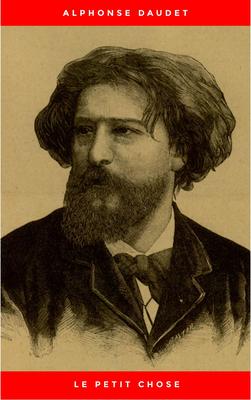
Le Petit Chose
¥8.82
'Le Petit Chose' para?t en feuilleton en 1867. Daudet s'inspire des souvenirs d'une jeunesse douloureuse : humiliations à l'école, mépris pour le petit proven?al, expérience de répétiteur au collège et enfin coup de foudre pour une belle jeune femme. L'écrivain manifeste une tendresse, une pitié et un respect remarquables à l'égard des malchanceux et des déshérités de la vie.
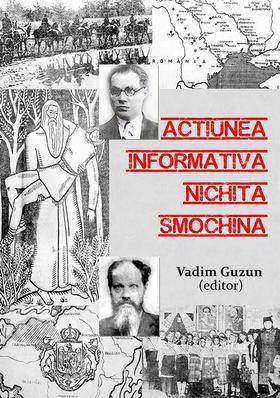
Ac?iunea informativ? Nichita Smochin?. Liderul rom?nilor transnistreni urm?rit d
¥46.36
Interviuri aprofundate, initiate de Gallup Organization cu mai mult de 80.000 de manageri din peste 400 de companii – cel mai extins studiu de gen, realizat vreodata. Cei mai mari manageri din lume par sa aiba prea putine lucruri in comun. Ei sunt diferiti ca sex, varsta si rasa. Folosesc stiluri foarte diferite si au teluri distincte. Si totusi, in ciuda diferentelor dintre ei, marii manageri au o trasatura comuna: nu se feresc sa incalce toate regulile considerate sacre de managementul traditional. Ei nu cred ca, beneficiind de o pregatire corespunzatoare, o persoana poate realiza orice si-ar propune. Nu incearca sa-i ajute pe oameni sa-si depaseasca slabiciunile. Nu iau in seama deloc regula de aur. Dimpotriva, chiar au angajati favoriti. Aceasta carte extraordinara explica de ce fac toate acestea. Marcus Buckingham si Curt Coffman de la Gallup Organization prezinta rezultatele remarcabile ale studiului aprofundat pe care l-au facut asupra unor manageri aflati intr-o mare diversitate de situatii. Unii erau in pozitii de top. Altii erau simpli supervizori. Unii lucrau in companii aflate pe lista Fortune 500, altii aveau functii cheie in mici companii. Indiferent de pozitia lor, managerii asupra carora s-a concentrat studiul Gallup au fost invariabil cei care excelau in transformarea in performanta a talentului fiecarui angajat. Pe restransa piata a muncii de astazi, companiile se intrec in a-i gasi si a-i pastra pe cei mai buni angajati, rasplatindu-i cu bani, beneficii, promovari si stagii de instruire. Dar aceste eforturi bine intentionate omit adesea esentialul. Cheia atragerii si pastrarii angajatilor talentati este managerul aflat in ?prima linie“, adica in contact direct cu acestia. Oricat de generos ar fi salariul si oricat de celebru stagiul de pregatire, o companie care duce lipsa de manageri ?in prima linie“ va avea de suferit. Buckingham si Coffman explica modul in care cei mai buni manageri aleg un angajat mai degraba in functie de talent, decat in functie de pricepere sau experienta; felul in care acesti manageri definesc asteptarile legate de fiecare angajat, stabilind mai degraba rezultatele de atins, decat pasii de urmat; modul in care isi motiveaza oamenii, stimuland punctele forte unice ale fiecaruia, in loc de a incerca sa le amelioreze slabiciunile si, in sfarsit, felul in care marii manageri sprijina dezvoltarea cuiva, ajutandu-l sa-si gaseasca locul potrivit, nu neaparat sa urce pe treapta urmatoare a carierei. Si, poate cel mai important lucru este faptul ca, din acest studiu care initial a generat mii de intrebari diferite pentru a sonda opinia angajatilor, au rezultat douasprezece intrebari simple care reusesc sa distinga departamentele cele mai puternice ale unei companii de restul departamentelor. Cartea de fata este prima care prezinta acest fundamental instrument de masurare si care demonstreaza legatura intre opiniile angajatilor si productivitate, profit, satisfactia clientilor si rata profitului.
Despre servitute
¥16.27
Robert R. Provine p??e?te f?r? team? pe c?r?ri rareori b?tute de al?i oameni de ?tiin?? – ?n c?utarea sughi?urilor, tusei, c?scatului, str?nuturilor ?i a altor comportamente umane, aparent nedemne ?i de joas? spe??. De?i multe dintre activit??ile prezentate ?n Comportamente bizare sunt contagioase, ?n aceast? privin??, niciunul dintre ele nu ?ntrece c?scatul – p?n? ?i simpla citire a cuv?ntului ne poate face s?-i c?dem prad?. Chiar dac?, adesea, ?l privim ca pe un semn de somnolen?? sau plictiseal?, c?scatul ne ofer? indicii despre devoltarea socialit??ii ?i capacit??ii noastre de a empatiza cu ceilal?i. Implacabilul s?u mecanism de transmitere ne reaminte?te c?, uneori, suntem programa?i neurologic s? ne comport?m ca ni?te simple animale de turm? incon?tiente. ?Deschide?i cartea aceasta, care se bazeaz? pe cercet?ri serioase, dar care se cite?te ca un roman poli?ist, ?i descoperi?i lucruri pe care nici nu vi le-a?i fi imaginat vreodat? despre aceste comportamente.“ Frans de Waal, profesor la Universitatea Emory ?i autor al lucr?rii The Age of Empathy(2009)

Ortopedie ?i traumatologie pentru asisten?i medicali
¥57.14
Lucrarea inedit? a lui Nathan Belofsky se concentreaz? asupra ideilor ?i practicilor medicale acceptate de-a lungul veacurilor, pe scar? larg?, ale doctorilor reali, nu ale vracilor ?i aproape to?i doctorii men?iona?i erau figuri medicale importante ale acelor vremuri. Autorul prezint? c?teva dintre cele mai r?sp?ndite practici ?ocante sau ?ndoielnice din fiecare epoc?, ?ncep?nd cu Antichitatea ?i continu?nd cu Evul Mediu, Rena?terea, perioada modern? ?i secolul al XX-lea. Cartea se afl? sub semnul insolitului ?i readuce la via?a, ?ntr-o manier? narativ? ?i deseori umoristic?, momente mai pu?in cunoscute din istoria medicinei. ,,Cartea este o comoar? de fapte uluitoare.“Los Angeles Examiner
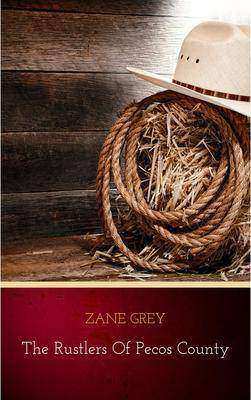
The Rustlers of Pecos County
¥8.98
Texas was a huge wide place full of frontiersmen, ranchers, farmers, cowpokes, shiftless no-accounts, shootists, rascals, and politicians -- all of them blended together into a single state. The Rangers -- lawmen, Texas Rangers -- were outnumbered a thousand to one, and in one county -- Pecos county -- the law was all but helpless. Until Ranger Vaughn Steel went to Pecos, looking for revenge. . . .
In the Days of the Comet
¥8.98
A fantastic tale of the world's beauty and unity after the Great Change occurs.

Despre dragoste - Anatomia unui sentiment
¥30.88
Edi?ia de fa?? o reproduce ?ntocmai pe cea din 1966 care a v?zut lumina tiparului la Editura pentru literatura ?i este menit? s? repun? – laolalt? cu alte titluri editate de noi – ?n circula?ie numele ?i opera unui mare profesor de filosofie ?i a unui important om de cultur? din perioada interbelice. Edi?ia este structurat? pe c?teva capitole, cum ar fi bun?oar? ?Amintiri din copil?rie ?i tinere?e“, ?Amintiri culturale, didactice ?i politice“, cuprinz?nd, ?ntre altele, ?i coresponden?a cu Titu Maiorescu, conferin?e ?i cursuri ?inute la Viena, Paris, Geneva, Praga, Oslo ?i Bruxelles. ?Petrovici a avut o via?? fracturat?. ?ntr-o vreme, a urcat n? pe Everestul performan?ei ?i al recunoa?terii publice, de unde, atunci c?nd istoria s-a virusat de o ideologie apocaliptic?, s-a pr?bu?it direct ?n groapa Marianelor, b?ntuit? de tot felul de silnicii ?i nes?buin?e. Mult? vreme s-a am?git cu in?elesul m?ng?ietor al filosofiei, a?a cum i-l h?r?zise cei vechi, dar s-a ?i ?nfiorat de mizeriile ei, atunci c?nd a v?zut-o dec?zut? ?n condi?ia de surogat ideologic. Oare trebuia, dup? ce a privit lumea prin sp?rtura pe?terii lui Platon, s-o p?ndeasc? ?i din spatele gra?iilor ?i ale z?voarelor trase? Vremurile noi, rascolnice, l-au g?sit total nepreg?tit. Glasul s?u, obi?nuit s? peroreze ?n aule universitare, ?n Camera, ?n Academie, ?n cadrul unor fastuoase reuniuni interna?ionale a fost, pentru multe decenii, obligat la t?cere.“ (Ionel Necula)
O inim? de Broscu??. Volumul 3. Valsul stelar al vie?ii
¥65.32
Un fast spectacol despre feminitate, moarte ?i alte teme eterne, ne ofer? de ast? dat? redutabilul eseist, istoric ?i critic literar Irina Petra?, despre care Marin Mincu scria c? este ?cel mai “b?rbat“ critic al nostru“. ?Demersul constituie o modalitate de a-?i apropia moartea, propria moarte, de a o studia sub lupa m?ritoare, de a o ?ine deliberat, zi de zi, ceas de ceas, al?turi, ?n imediata proximitate, pentru a te impulsiona s? fii c?t mai mult, c?t mai decis ?n spirit, pentru a te determina s? te investe?ti ?n toate cu ?ntreaga-?i fiin??, una dintre limitele c?reia e moartea-cea-cotidian?, pentru a te remodela, sim?ind atingerea botului mor?ii, pentru a recurge la travaliul dep??irii de sine prin crea?ie. A nu te obi?nui cu vecin?tatea mor?ii, obi?nuindu-te ?n acela?i timp, a realiza eficienta ei, adun?ndu-te, sporindu-?i eficien?a, a fi, ?n pofida con?tiin?ei tragice a finitudinii umane – iat? o piatr? de ?ncercare, iat? un examen major, la care au c?zut nu pu?ini. Cei ce-au rezistat constituie pentru Irina Petra? un fast obiect de studiu, care, fiind cercetat cu acribia unui colec?ionar, nelipsit de o redutabil? experien?? ?n domeniu, alc?tuiesc o galerie acoperit? cu oglinzi, ?n care, v?z?nd reflectat propriul univers, propriile spaime, frici, angoase, nelini?ti, autorul se supune, el ?nsu?i, din spirit de fair play, dar ?i dintr-un subtil, rafinat amestec de sado-masochism intelectual, unui examen: ?i va rezista co?ul pieptului? va ?ti sa r?spund?? dar s? reziste? Ei, mon?trii sacri… au rezistat, descriind modul ?n care se men?in pe muchia abisului, ?n care ?i-au v?zut propriul chip, contemplat de cineva…“ (Aura Christi)
Dic?ionar de literatur? rom?n?
¥61.83
Editorul, criticul ?i istoricul literar clujean Irina Petra? propune lectorilor un studiu despre locurile favorite din literatura rom?n? ?i cea universal?, paginile de teorie literar? oferind nu pu?ine repere asupra predilec?iilor clasicilor autohtoni de la Eminescu ?i Creang? p?n? la Norman Manea ?i Marta Petreu. Cartea se adreseaz? elevilor, studen?ilor, precum ?i publicului larg de cititori.

Assassin's Creed: Reneszánsz
¥71.69
The story starts in London on Tuesday, October 1, 1872. Fogg is a rich English gentleman and bachelor living in solitude at Number 7 Savile Row, Burlington Gardens. Despite his wealth, which is ?40,000 (roughly ?3,020,000 today), Fogg, whose countenance is described as "repose in action", lives a modest life with habits carried out with mathematical precision. Very little can be said about his social life other than that he is a member of the Reform Club. Having dismissed his former valet, James Foster, for bringing him shaving water at 84 °F (29 °C) instead of 86 °F (30 °C), Fogg hires a Frenchman by the name of Jean Passepartout, who is about 30 years old, as a replacement. Later on that day, in the Reform Club, Fogg gets involved in an argument over an article in The Daily Telegraph, stating that with the opening of a new railway section in India, it is now possible to travel around the world in 80 days. He accepts a wager for ?20,000 (roughly ?1,510,000 today) from his fellow club members, which he will receive if he makes it around the world in 80 days. Accompanied by Passepartout, he leaves London by train at 8:45 P.M. on Wednesday, October 2, 1872, and thus is due back at the Reform Club at the same time 80 days later, Saturday, December 21, 1872. Mr. Phileas Fogg lived, in 1872, at No. 7, Saville Row, Burlington Gardens, the house in which Sheridan died in 1814. He was one of the most noticeable members of the Reform Club, though he seemed always to avoid attracting attention; an enigmatical personage, about whom little was known, except that he was a polished man of the world. People said that he resembled Byron—at least that his head was Byronic; but he was a bearded, tranquil Byron, who might live on a thousand years without growing old. Certainly an Englishman, it was more doubtful whether Phileas Fogg was a Londoner. He was never seen on 'Change, nor at the Bank, nor in the counting-rooms of the "City"; no ships ever came into London docks of which he was the owner; he had no public employment; he had never been entered at any of the Inns of Court, either at the Temple, or Lincoln's Inn, or Gray's Inn; nor had his voice ever resounded in the Court of Chancery, or in the Exchequer, or the Queen's Bench, or the Ecclesiastical Courts. He certainly was not a manufacturer; nor was he a merchant or a gentleman farmer. His name was strange to the scientific and learned societies, and he never was known to take part in the sage deliberations of the Royal Institution or the London Institution, the Artisan's Association, or the Institution of Arts and Sciences. He belonged, in fact, to none of the numerous societies which swarm in the English capital, from the Harmonic to that of the Entomologists, founded mainly for the purpose of abolishing pernicious insects. Phileas Fogg was a member of the Reform, and that was all. The way in which he got admission to this exclusive club was simple enough. He was recommended by the Barings, with whom he had an open credit. His cheques were regularly paid at sight from his account current, which was always flush. Was Phileas Fogg rich? Undoubtedly. But those who knew him best could not imagine how he had made his fortune, and Mr. Fogg was the last person to whom to apply for the information. He was not lavish, nor, on the contrary, avaricious; for, whenever he knew that money was needed for a noble, useful, or benevolent purpose, he supplied it quietly and sometimes anonymously. He was, in short, the least communicative of men. He talked very little, and seemed all the more mysterious for his taciturn manner. His daily habits were quite open to observation; but whatever he did was so exactly the same thing that he had always done before, that the wits of the curious were fairly puzzled. ABOUT AUTHOR: Jules Gabriel Verne (1828 – 1905) was a French novelist, poet, and playwright best known for his adventure novels and his profound influence on the literary genre of science fiction. Born to bourgeois parents in the seaport of Nantes, Verne was trained to follow in his father's footsteps as a lawyer, but quit the profession early in life to write for magazines and the stage. His collaboration with the publisher Pierre-Jules Hetzel led to the creation of the Voyages Extraordinaires, a widely popular series of scrupulously researched adventure novels including Journey to the Center of the Earth, Twenty Thousand Leagues Under the Sea, and Around the World in Eighty Days.

Vészmadarak
¥57.47
"BLEAK HOUSE" is a novel by Charles Dickens, published in 20 monthly instalments between March 1852 and September 1853. It is held to be one of Dickens's finest novels, containing one of the most vast, complex and engaging arrays of minor characters and sub-plots in his entire canon. The story is told partly by the novel's heroine, Esther Summerson, and partly by a mostly omniscient narrator. Memorable characters include the menacing lawyer Tulkinghorn, the friendly but depressive John Jarndyce, and the childish and disingenuous Harold Skimpole, as well as the likeable but imprudent Richard Carstone. At the novel's core is long-running litigation in England's Court of Chancery, Jarndyce v Jarndyce, which has far-reaching consequences for all involved. This case revolves around a testator who apparently made several wills. The litigation, which already has taken many years and consumed between 60,000 and 70,000 in court costs, is emblematic of the failure of Chancery. Though Chancery lawyers and judges criticised Dickens's portrait of Chancery as exaggerated and unmerited, his novel helped to spur an ongoing movement that culminated in the enactment of legal reform in the 1870s. In fact, Dickens was writing just as Chancery was reforming itself, with the Six Clerks and Masters mentioned in Chapter One abolished in 1842 and 1852 respectively: the need for further reform was being widely debated. These facts raise an issue as to when Bleak House is actually set. Technically it must be before 1842, and at least some of his readers at the time would have been aware of this. However, there is some question as to whether this timeframe is consistent with the themes of the novel. The English legal historian Sir William Holdsworth set the action in 1827. Characters in Bleak House: As usual, Dickens drew upon many real people and places but imaginatively transformed them in his novel. Hortense is based on the Swiss maid and murderess Maria Manning. The "telescopic philanthropist" Mrs Jellyby, who pursues distant projects at the expense of her duty to her own family, is a criticism of women activists like Caroline Chisholm. The "childlike" but ultimately amoral character Harold Skimpole is commonly regarded as a portrait of Leigh Hunt. "Dickens wrote in a letter of 25 September 1853, 'I suppose he is the most exact portrait that was ever painted in words! ... It is an absolute reproduction of a real man'; and a contemporary critic commented, 'I recognized Skimpole instantaneously; ... and so did every person whom I talked with about it who had ever had Leigh Hunt's acquaintance.'"[2] G. K. Chesterton suggested that Dickens "may never once have had the unfriendly thought, 'Suppose Hunt behaved like a rascal!'; he may have only had the fanciful thought, 'Suppose a rascal behaved like Hunt!'". Mr Jarndyce's friend Mr Boythorn is based on the writer Walter Savage Landor. The novel also includes one of the first detectives in English fiction, Inspector Bucket. This character is probably based on Inspector Charles Frederick Field of the then recently formed Detective Department at Scotland Yard. Dickens wrote several journalistic pieces about the Inspector and the work of the detectives in Household Words, his weekly periodical in which he also published articles attacking the Chancery system. The Jarndyce and Jarndyce case itself has reminded many readers of the thirty-year Chancery case over Charlotte Smith's father-in-law's will. Major characters: Esther Summerson – the heroine of the story, and one of its two narrators (Dickens's only female narrator), raised as an orphan because the identity of her parents is unknown. At first, it seems probable that her guardian, John Jarndyce, is her father because he provides for her. This, however, he disavows shortly after she comes to live under his roof.
10 plus 10 prozatori exemplari nominaliza?i la Nobel
¥40.79
Candide is characterised by its sarcastic tone, as well as by its erratic, fantastical and fast-moving plot. A picaresque novel with a story similar to that of a more serious bildungsroman, it parodies many adventure and romance clichés, the struggles of which are caricatured in a tone that is mordantly matter-of-fact. Still, the events discussed are often based on historical happenings, such as the Seven Years' War and the 1755 Lisbon earthquake. As philosophers of Voltaire's day contended with the problem of evil, so too does Candide in this short novel, albeit more directly and humorously. Voltaire ridicules religion, theologians, governments, armies, philosophies, and philosophers through allegory; most conspicuously, he assaults Leibniz and his optimism. Voltaire's men and women point his case against optimism by starting high and falling low. A modern could not go about it after this fashion.?He would not plunge his people into an unfamiliar misery. He would just keep them in the misery they were born to. But such an account of Voltaire's procedure is as misleading as the plaster cast of a dance. Look at his procedure again. Mademoiselle Cunégonde, the illustrious Westphalian, sprung from a family that could prove seventy-one quarterings, descends and descends until we find her earning her keep by washing dishes in the Propontis. The aged faithful attendant, victim of a hundred acts of rape by negro pirates, remembers that she is the daughter of a pope, and that in honor of her approaching marriage with a Prince of Massa-Carrara all Italy wrote sonnets of which not one was passable. We do not need to know French literature before Voltaire in order to feel, although the lurking parody may escape us, that he is poking fun at us and at himself. His laughter at his own methods grows more unmistakable at the last, when he caricatures them by casually assembling six fallen monarchs in an inn at Venice. A modern assailant of optimism would arm himself with social pity. There is no social pity in "Candide." Voltaire, whose light touch on familiar institutions opens them and reveals their absurdity, likes to remind us that the slaughter and pillage and murder which Candide?witnessed among the Bulgarians was perfectly regular, having been conducted according to the laws and usages of war. Had Voltaire lived today he would have done to poverty what he did to war. Pitying the poor, he would have shown us poverty as a ridiculous anachronism, and both the ridicule and the pity would have expressed his indignation. About Author: VOLTAIREFran?ois-Marie Arouet (1694 – 1778), known by his nom de plume Voltaire, was a French Enlightenment writer, historian and philosopher famous for his wit, his attacks on the established Catholic Church, and his advocacy of freedom of religion, freedom of expression, and separation of church and state. Voltaire was a versatile writer, producing works in almost every literary form, including plays, poems, novels, essays, and historical and scientific works. He wrote more than 20,000 letters and more than 2,000 books and pamphlets. He was an outspoken advocate, despite the risk this placed him in under the strict censorship laws of the time. As a satirical polemicist, he frequently made use of his works to criticize intolerance, religious dogma, and the French institutions of his day.
Barbár ?seink
¥57.31
Egy szédít? hollywoodi karrier. Egy mélyen eltemetett titok. A legendás, de teljes visszavonultságban él? világsztár, Evelyn Hugo évtizedek óta el?sz?r hajlandó interjút adni. A d?ntésénél már csak a választása meglep?bb: ragaszkodik egy fiatal, ismeretlen újságírón?h?z, Monique Granthoz. Miért pont neki jut ez az álomlehet?ség? Aztán Evelyn emeli a tétet. Mert a szimpla sztárinterjú helyett sokkal t?bbet ajánl. Mindent. A teljes igazságot csillogóan botrányos életér?l. Semmit sem szépítve és semmit sem elhallgatva. Ahogy elkezd?dik a munka, az újságírón? nemsokára sejteni kezdi: valamilyen módon ?sszefonódik saját sorsa és Evelyn múltja. ?m ennek a titoknak nagy ára van. Szerelmek, végzetek, barátságok és árulások, aztán egy elképeszt? csavar - ez a szenvedély és az életb?lcsesség letehetetlen regénye. ?Kérném a k?vetkez? Taylor Jenkins Reid regényt. El?vételben, most." - Examiner. ?Elvarázsol ... játszi k?nnyedséggel teremt hús-vér szerepl?ket." - Associated Press.

Azon is túl
¥91.99
A t?kéletes házaspár. A t?kéletes gyilkosság. Senki nem feltételezné, hogy az elismert bíró és az elegáns felesége egy drogos prostituálttal beszél meg találkozót. Azt pedig végképp nem, hogy a lányt meg?lik és eltemetik a patinás, ódon villájuk kertjében. A Fitzsimon házaspár mélyen hallgat a gyilkosságról. A n? mindent megtesz, nehogy a fia tudomására jusson a sz?rny? titok. A férfi viszont lelkileg és idegileg kezd szétesni. De a fiú nem olyan naiv, mint ahogy a szülei képzelik. Talán nem is annyira ártatlan. ?s a legnagyobb probléma, hogy szinte r?geszmésen érdekl?dni kezd a prostituált családja iránt… ?Mondd le a programjaidat, amikor belekezdesz.” Sunday Mirror ?Pokoli jól kitalált t?rténet, bravúros kegyelemd?féssel a végén.” Sunday Times ?Briliáns szerkezet? thriller. Az utolsó lapokon már szinte elviselhetetlen a feszültség.” Woman&Home

Adrenalin
¥57.31
A fváros eleshet, a hadsereg széteshet, de a gyzelmet nem adjuk.” Tamás tábornagy sikeresen visszaérkezik szeretett hazájába, ám a fváros, Adró, trténetében elszr idegen megszállók kezére került. Egyetlen fia eltnt, szvetségeseit képtelen megkülnbztetni az ellenségeitl, az ersítés pedig csak hetek múlva érkezhet. A továbbra is a Kez támadásait nyg, vezet nélkül maradt adrói hadsereg végül nmaga ellen fordul. Adamat felügyel ebbe a konfliktusba keveredik elrabolt fia keresése kzben. Kétlvet Tániel, akit saját katonái üldznek, igyekszik megóvni az egyetlen reményt arra, hogy Adró pusztulás nélkül vészelje át a háborút… Az SZI KZTRSASG a Lpormágus-trilógia eposzi zárása.

T?rékeny vonzer?
¥57.55
S, mint sokk. Alex élete egyetlen pillanat alatt romba d?l, amikor autóbalesetben elveszti a szüleit. A lány ügyvédje ráadásul felkavaró hírrel szolgál: van egy eltitkolt n?vére. O, mint otthon. Dory sosem ismerte a szüleit és ?r?kbefogadó családja másodrend? gyerekként nevelte fel. Amikor a család imádott, vér szerinti gyereke gyilkosság áldozata lesz, a gyanú Dory-ra terel?dik. S, mint sors. Harminc év után Alex és Dory el?sz?r találkozik. Alexnek nemsokára sz?rny? kérdéssel kell szembesülnie: lehet, hogy élete legnagyobb hibája volt, hogy megkereste az eddig eltitkolt n?vérét? Ki akarhat most Alex életére t?rni? ?Az utolsó lapig nem találod ki a megoldást." - Publishers Weekly. ?Sokkolóan fordulatos t?rténet. " - Booklist. Patricia MacDonald amerikai bestsellerszerz? okos, csavaros krimijei egyaránt magával ragadják a pszichothriller és a klasszikus detektívregények rajongóit. Szinte irodalmi min?ség? sztorikat talál ki, viszont - mint egykori televíziós szappanopera-szerkeszt? - lebilincsel?en p?rg?sre, fordulatosra írja meg.
Pusztító angyal
¥57.31
“BOSSZ?T ?LLOK MINDAZOKON, KIK EL?RULT?K CSAL?DOMAT. NEVEM: EZIO AUDITORE DA FIRENZE. ORGYILKOS VAGYOK…” Egy bosszúra szomjas fiatalember eposzi méret? küldetésre indul, miután Itália uralkodó dinasztiái elárulták ?t. ?m ahhoz, hogy visszaállítsa családja becsületét, és véget vessen hazája romlásnak, ki kell tanulnia az orgyilkosok mesterségét. Mik?zben a szabadságért és igazságért harcol, Ezio útját olyan kiváló elmék segítik, mint Leonardo da Vinci és Niccoló Machiavelli, akik – mint koruk legb?lcsebb gondolkodói – beavatják a túlélés fortélyaiba. Társai el?tt Ezio fogja megtestesíteni az er?t, mely els?pri a régit, és újat hoz a helyébe. Ellenségei számára pedig fenyeget? jelképpé válik, kinek rendeltetése, hogy eltiporja a zsarnokságot, mely Itália népét sanyargatja. Kezd?djék a hatalom, az ?sszeesküvés és a bosszú ?r?k színjátékának reneszánsz krónikája… …HISZEN AZ IGAZS?GOT V?RREL ?RJ?K. (Az Ubisoft nagysiker? videojátéka alapján)

Bosszú 2. Halálos vonzódás
¥58.29
Romantikus fantasy. Egy elfeledett idegen lépked végig a macskak?veken. Nem hagyja, hogy láncra vert érzései eluralkodjanak felette. De amikor szembe kell néznie családja gy?l?letével, húga balesetével, a város suttogásával, egyre nehezebb nyugodtnak maradnia. Márpedig nem lehet düh?s, nemfélhet, mert akkor kit?r a káosz. Elég egyetlen bizonytalan pillanat, hogy megremegjenek a város szobrai. Fellélegzik a k?szarvas, pislogni kezd az acélbika. Alig várják, hogy tombolhassanak.Egy láthatatlan árny suhan a s?tétben. Nem tartozik sehova, nincsenek emlékei, nincsenek tervei. Otthona az éjszaka, ami elrejti ?t a kíváncsi szemek el?l. Fogai feltépik a b?rt, k?rme véres csíkokat hagy áldozata testén. ?rezni akar. Az izgalmat üld?zi, ami véget vet a szívében kongó ürességnek.Egyikük sem ismeri a másikat. Fogalmuk sincs róla, hogy sorsuk egybeforrt, és a válaszokat nem ?nmagukban, hanem egymásban kell keresni.

Autoanaliza
¥57.14
A nagy író kezében arannyá válik, amihez hozzányul. Gárdonyi egy-egy ritka kirándulása a színm? területére páratlan remekm?vekben jut kifejezésre. Az Annuska vidéki t?rténet. Egyszer?, természetes, vonzó, csupa der?, csupa napsugár és emellett mélyen emberi.

Nem akarlak meg?lni
¥57.96
Sorsdráma. Szrny, barbár mese. Véres és szexuális talányok. Elnyomott emlékek és gyermekkori borzalmak flkeverése. Hirtelen, képtelen, elre tudott és mégis elháríthatatlan katasztrófa. Babona, vallás és matematika külns fonadékú szvete. A sors irracionális gykereinek ízeit érezzük. Micsoda ellentét forma és tartalom kzt! Ilyen vad, si, nyers, babonás mélyeket éppen csak az emberi tudat és kultúra leglucidasabb mvészete tár fl: annál megrendítbb! A Szophoklész mvészete” – írja Babits Mihály Az európai irodalom trténeté-ben.

T?visek császára
¥72.43
A Tartuffe-ben, a képmutatók zsarnoki uralmának e pompás torzképében minden id?k egyik legnagyszer?bb komikus remekm?vét tiszteli az egész m?velt világ. A korabeli francia udvarban annyian gúnyolva érezték magukat, hogy betiltatták az uralkodóval a bemutatót.


