


 购物车
购物车 个人中心
个人中心

Moartea ?ntr-o gaur? neagr? ?i alte dileme cosmice
¥90.84
Tényleg azt hitted, hogy kamasznak lenni k?nny?? Bár a tizen?t éves Pataki Emma élete igen távol áll a t?kéletest?l, hiszen anya nélkül kell feln?nie alkoholista apukája és nagymamája szigorú kontrollja alatt, ? mégis megpróbálja élni a tinik szokásos mindennapjait. Bulizik a barátaival, mindent megbeszél b?lcs barátn?jével és még szerelmes is az elb?v?l? mosolyú osztálytársába. Az eszes kaposvári lány ügyesen lavíroz az ellentmondást nem t?r? apa elvárásai és a barátok napról napra féktelenebbé váló kicsapongásai k?z?tt. Az élet azonban nem t?ri sokáig ezt a t?rékeny egyensúlyt, szemberohan Emmával, hogy minél hamarabb g?rdíthessen elé megoldhatatlannak t?n? nehézségeket. A méretes akadályok k?z?tt botladozó lány mindinkább kétségbeesik, és kérdéses, hogy sikerülhet-e átverekednie magát az ?t elgáncsolni látszó problémákon. Vajon meg tud birkózni Emma az emberfeletti er?t kívánó kihívásokkal? Képes helytállni és feln?ttként viselkedni olyan helyzetekben, amik még sok valódi feln?ttnek is feladnák a leckét? ?s vajon ráj?n, hogy milyen súlyos titkot rejteget el?le a családja? Gombos Tünde a Margó-díjra jel?lt Szerelemtánc után megint egy embert próbáló helyzetbe került fiatal t?rténetét meséli el a t?le már megszokott stílusban, hol humorosan, hol szívhez szólóan.
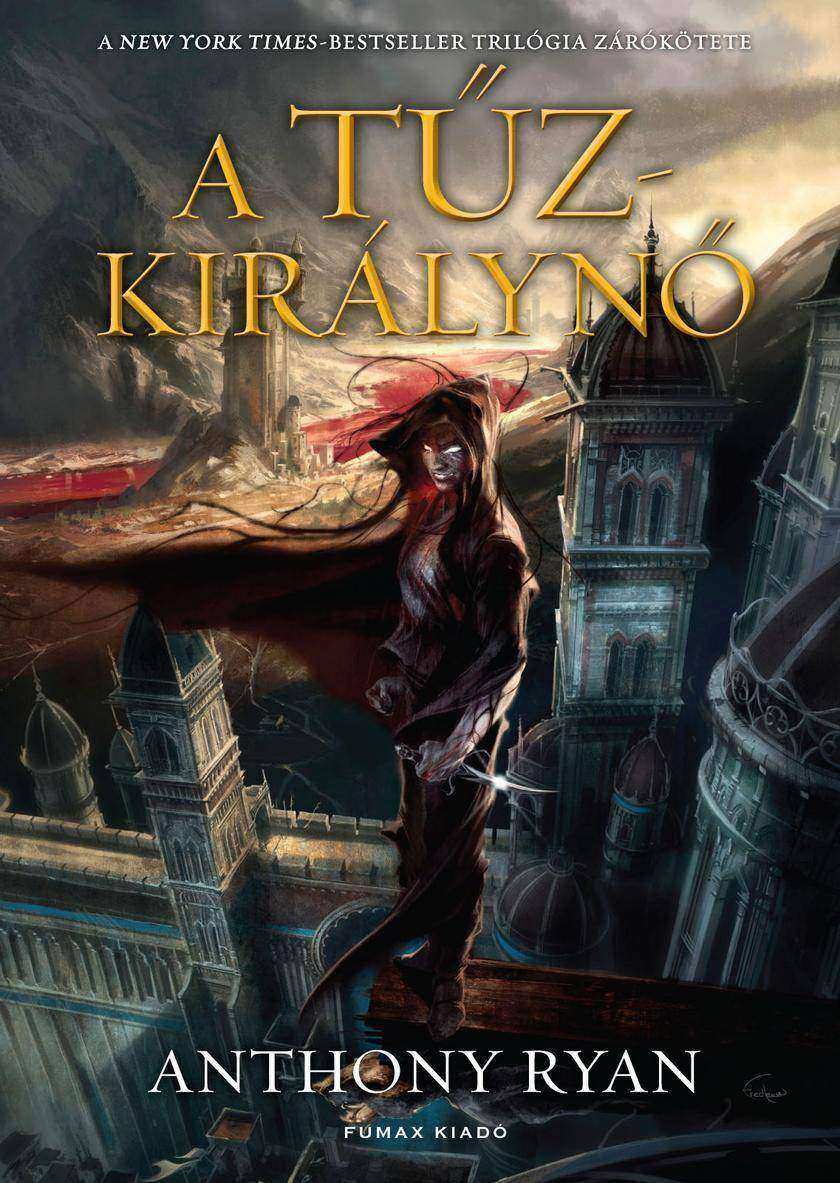
A T?zkirályn?
¥80.52
Bob Houston, the youngest agent of the Federal Bureau of Investigation, stepped out of the Department of Justice Building and turned toward home, his heart beating faster than it had in months. It hardly seemed real but he was now a full-fledged agent in the greatest man hunting division in the Federal Government. Bob paused a moment at the curb. Another man who had emerged from the justice building joined him. It was his uncle, Merritt Hughes, one of the most famous detectives in the department. He put his arm around Bob’s shoulders and shook him in a rough but friendly embrace.“Well, Bob, how does it feel to be a real federal agent?” he asked. It was a moment before Bob replied, and when he finally spoke the words came slowly.“I hardly know,” he confessed, “as yet it doesn’t seem real, but there is one thing I do know—I’m going to work night and day to make a success of this new job.” “Don’t worry about making a success,” advised his uncle. “You’ve got the stuff to make good or you wouldn’t have been taken into the department.”“When do you think I’ll get my first assignment on a new case?” asked Bob. “That’s hard to say,” replied the famous detective, “but if I were you I’d go home now and get a good night’s sleep. In this kind of a game you’d better sleep when you can.” “Then I’m headed for home now,” said Bob. “Good night, and thanks for all you’ve done for me.”With that the young federal agent strode off down the avenue, his lungs drinking in great gulps of the cool air of the fall night. Merritt Hughes stood on the curb of the justice building watching his nephew until Bob turned the corner a block away. Anyone noticing the federal agent would have seen a slight smile of pleasure on his lips and he might have guessed that Merritt Hughes was greatly pleased by the events which had happened in the preceding hours. As a matter of fact, Bob Houston, a plain clerk in the archives division of the War Department, temporarily a provisional federal agent, had been the key figure in preventing the theft of some of Uncle Sam’s most valuable radio secrets.
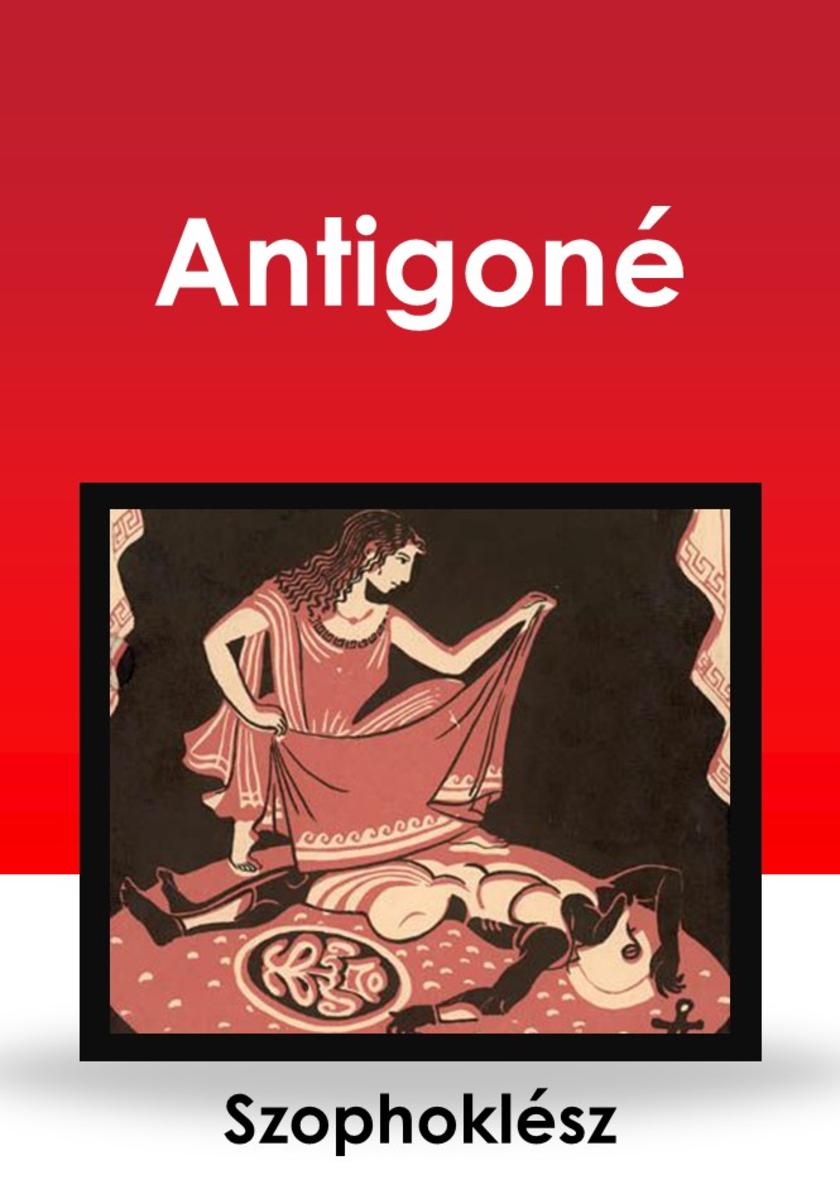
Antigoné
¥8.67
FIRE MOUNTAIN IS "A THRILLING SEA STORY BY "NORMAN SPRINGER", AUTHOR OF "THE BLOOD SHIP" Years. Bright, aslant eyes, and a suave and ever-ready smile that broke immediately Martin met his gaze. "You will be so good as to inform the honorable that Dr. Ichi is here?" he asked in precise and stilted voice. Ever the same—the noiseless entry, the quietly spoken request for the lawyer. Martin repressed a flash of irritation; the little Japanese, with his uncanny soft-footedness and stereotyped address, got upon his nerves. However, his orders were explicit; Mr. Smatt would see Dr. Ichi without delay or preliminary, whenever Dr. Ichi favored the office with a visit. It was already the third visit that day, but orders were orders. So, Martin inclined his head toward the door of Smatt's private office. The Japanese crossed the room. He bowed to Martin, as stately a bow as if Martin were also an "honorable," instead of a poor devil of a law clerk; then, noiselessly as he had entered the outer office, Dr. Ichi disappeared within Smatt's sanctum. Martin turned to his window again. But his bright day dream was fled, and he could not conjure it back again. The view was without charm. His thoughts, despite himself, persisted in centering upon the dapper little figure now closeted with his employer. The dandified Jap aroused Martin's interest. What manner of client was this Dr. Ichi? Martin had not seen a single scrap of paper, nor had Smatt dropped a single hint, concerning the case. It was mysterious! Martin was not an overly curious chap, but he was human. It was another of Smatt's secret cases, thought Martin. Another token of those hidden activities of the old vulture, which he sensed, but did not know about. For, though Martin attended to the routine work, though his duties were responsible—Smatt specialized and was prominent in maritime law—still Martin knew he did not enjoy his employer's complete confidence. Much of Smatt's time was taken up with cases Martin knew nothing about, with clients who appeared to shun the daylight of the courts. The Nippon Trading Company, for instance! Martin knew Smatt was interested in a company of that name—a strange company, that apparently conducted business without using the mails. And there was business between Ichi and Smatt—money, or Smatt would have nothing to do with it. The mystery aroused Martin's dormant curiosity. But all his speculation was pointless. Martin bethought himself of the marine affidavit lying uncompleted upon his desk. He turned from the window with the intention of applying himself to that task—and he discovered the office to have a second visitor. Another unusual figure who possessed the penchant for surreptitious entry. He observed the fellow in the very act of closing the office door.

Szigorúan bizalmas
¥46.68
– Itt Zachary Horner beszél! Miben segíthetek? – Jó estét kívánunk Zachary James Horner! A Brit Szerencsejáték Sz?vetség ?r?mmel értesíti ?nt, hogy megnyerte a British Bonus f?nyereményét, azaz nyolcvan?tmillió fontot. – A rohadt élet! – d?bbent meg a fiatalember a hír hallatán, majd felülve az ágyán, nagy ?r?mmel folytatta – Ez most azt jelenti, hogy eltalálták mind a négy számot, amit megjátszottam? – Igen, tisztelt uram! Ez a legmagasabb ?sszeg, amit ember eddig valaha nyert. Nyereményét bármikor átveheti a londoni k?zpontunkban is személyesen, de akár bankszámlára is elutalhatjuk ?nnek.
![Arizona's Yesterday: [Illustrated]](https://platform-permanent.ddimg.cn/pt-media-info-soa-resource/digital/product/73/24/1901167324_ii_cover.jpg?version=c64b4722-1085-4db6-b41f-ac670a5886a7)
Arizona's Yesterday: [Illustrated]
¥8.09
This story belongs to the year 1837, and was regarded by the generations of that and a succeeding time as the most miraculous of all the recorded deliverances from death at sea. It may be told thus: Mr. Montagu Vanderholt sat at breakfast with his daughter Violet one morning in September. Vanderholt's house was one of a fine terrace close to Hyde Park. He was a rich man, a retired Cape merchant, and his life had been as chequered as Trelawney's, with nothing of romance and nothing of imagination in it. He was the son of honest parents, of Dutch extraction, and had run away to sea when about twelve years old. Nothing under the serious heavens was harsher, more charged with misery, suffering, dirt, and wretchedness, than seafaring in the days when young Vanderholt, with an idiot's cunning, fled to it from his father's comfortable little home. He got a ship, was three years absent, and on his return found both his father and mother dead. He went again to sea, and, fortunately for him, was shipwrecked in the neighbourhood of Simon's Bay. The survivors made their way to Cape Town, and presently young Vanderholt got a job, and afterwards a position. He then became a master, until, after some eight or ten years of heroic perseverance, attended by much good luck, behold Mr. Vanderholt full-blown into a colonial merchant prince. How much he was worth when he made up his mind to settle in England, after the death of his wife, and when he had disposed of his affairs so as to leave himself as free a man as ever he had been when he was a common Jack Swab, really signifies nothing. It is certain he had plenty, and plenty is enough, even for a merchant prince of Dutch extraction. Besides Violet, he had two sons, who will not make an appearance on this little brief stage. They are dismissed, therefore, with this brief reference—that both were in the army, and both, at the time of this tale, in India. Violet was Vanderholt's only daughter, and he loved her exceedingly. She was not beautiful, but she was fair to see, with a pretty figure, and an arch, gay smile. You saw the Dutch blood in her eyes, as you saw it in her father's, whose orbs of vision, indeed, were ridiculously small—scarcely visible in their bed of socket and lash. An English mother had come to Violet's help in this matter. Taking her from top to toe, with her surprising quantity of brown hair, soft complexion, good mouth, teeth, and figure, Violet Vanderholt was undoubtedly a fine girl. THE LAST ENTRY "OPINIONS OF THE PRESS ON THE LAST ENTRY": '"The Last Entry" is a rattling good salt-water yarn, told in the author's usual breezy, exhilarating style.'-”Daily Mail. 'In this new novel Mr. Russell has cleverly thrown its events into the year 1837, and there are one or two ingenious passages which add to the Diamond Jubilee interest which that date suggests.... "The Last Entry" is as certain of general popularity as any of Mr. Russell's former tales of the marvels of the sea.'-”Glasgow Herald. 'We do not think it possible for anyone to dip into this novel without desiring to finish it, and it adds another to the long list of successes of our best sea author.'-”Librarian. 'In addition to mutiny and murder, "The Last Entry" contains many of those good things which have made Mr. Russell's pages a joy to so many lovers of the sea during the last twenty years.... "The Last Entry" is a welcome addition to Mr. Clark Russell's library.'-”Speaker. 'The writer is as realistic and picturesque as usual in his vivid descriptions of the stagnant life on board the homeward-bound Indiaman.'-”Times. 'It is full of pleasant vigour.... As is always the case in Mr. Clark Russell's books, the elements are treated with the pen of an artist.'-”Standard. 'We expected plenty of go, of fresh and vigorous description of sea-faring life, coupled with a story which would not be wanting in interest. All this we have here.'”-Tablet.

Kezd? hackerek kézik?nyve: avagy informatikai támadások és kivédésük
¥34.25
Egy montreali pizzéria pincéjéb?l három fiatal lány csontváza kerül el?. Tempe Brennan megoldatlan gyilkosságokat sejt, mik?zben a sekély sírhantba temetett maradványokat vizsgálja, annak ellenére, hogy a jó állapotú csontok csak kevés használható nyomot szolgáltatnak. Tempe-nek nem csupán a gyilkossági csoport egy prominens tagjának makacsságával kell megküzdenie, aki szerint a csontok már évszázadok óta itt hányódnak, hanem az égszínkék szem? Andrew Ryan nyomozóval folytatott viszonyával is, amely kényes fordulóponthoz érkezett. Amikor azonban a radiokarbon vizsgálat igazolja Tempe megérzését, hogy a holttestek mellett hever? rejtélyes antik gombok ellenére a gyilkosságok a k?zelmúltban t?rténtek, az antropológusn?nek még azel?tt meg kell találnia a gyilkost, hogy az újra lesújthatna. Maga Tempe és elrontott házassága el?l hozzá menekül? régi barátn?je is céltáblává válik. Kathy Reichs, a helyszínel?s thrillerek királyn?je ezúttal sem okoz csalódást olvasóinak ezzel a feszült, tragikus fordulatoktól sem mentes regénnyel, amelyet szokás szerint egyedi humorával f?szerez.
Hogyan éljük túl a küzdelmet a terhességért?
¥58.04
Ki ?lhette meg Hannah Greenwoodot a bálon? Gáncsoskodó természet? n?személy volt, de ez még nem ok arra, hogy eltegyék láb alól. Kül?n?sen kínos, hogy Whiterspoon felügyel? is részt vett az?ünnepségen. Csakhogy neki fogalma sincs, ki lehetett a tettes. Szerencséjére Mrs. Jeffries, a briliáns elméj? házvezet?n?je ráj?n néhány furcsaságra. Vajon mit láthatott Lady Cannonberry, amíg egy pohár puncsra várt a felügyel?t?l? Miért az?oldalajtón át távozott Mr. Locke? Milyen gyanús eseményre célozgat Mr. Wartburton a fiatal ?zvegyn?, Rowena Stanwick múltjában? ?s miért lopták el Dr. Sloan jegyzetfüzetét, ha abba csak a verseit jegyezte fel? Ha Miss Marple házvezet?n? lenne, úgy hívnák: Mrs. Jeffries. A sorozat minden k?tete ?nálló detektívt?rténet.

Búvópatakok
¥71.69
Mary Lennox is a sour-faced 10-year-old girl, who is born in India to selfish wealthy British parents who had not wanted her and were too wrapped up in their own lives. She was taken care of primarily by servants, who pacify her as much as possible to keep her out of the way. Spoiled and with a temper, she is unaffectionate, angry, rude and obstinate. Later, there is a cholera epidemic which hits India and kills her mother, father and all the servants. She is discovered alone but alive after the house is empty. She is sent to Yorkshire, England to live with her uncle, Archibald Craven at his home called Misselthwaite Manor.

Virals - Kincsvadászok
¥43.41
The Scarlet Letter, published in 1850, is an American novel written by Nathaniel Hawthorne and is generally considered to be his magnum opus. Set in 17th-century Puritan Boston, it tells the story of Hester Prynne, who gives birth after committing adultery, refuses to name the father, and struggles to create a new life of repentance and dignity. Throughout the novel, Hawthorne explores questions of grace, legalism, sin and guilt.

A marsi
¥73.49
The book tells the adventures of five American prisoners of war on an uncharted island in the South Pacific. Begining in the American Civil War, as famine and death ravage the city of Richmond, Virginia, five northern POWs decide to escape in a rather unusual way – by hijacking a balloon! This is only the beginning of their adventures...

Cibola meghódítása
¥71.29
THE MAN IN THE MOON.THE Man in the MoonCame tumbling down,And asked his way to Norwich;They told him south,And he burnt his mouthWith eating cold pease-porridge. TO MARKET, TO MARKET.TO market, to market, to buy a fat Pig;Home again, home again, dancing a jig. The Man In the Moon.To Market, to Market.There Was a Man.The Lion and the Unicorn.Little Miss Muffet.Oranges and Lemons.Goosey, Goosey Gander.Humpty Dumpty.Baa, Baa, Black Sheep.The Three Wise Men of Gotham. STORIES: - The Man In the Moon.- To Market, to Market.- There Was a Man.- The Lion and the Unicorn.- Little Miss Muffet.- Oranges and Lemons.- Goosey, Goosey Gander.- Humpty Dumpty.- Baa, Baa, Black Sheep.- The Three Wise Men of Gotham.

Berlin Noir: Sápadt Gonosztev?
¥57.31
A Magánügyb?l megismert magánnyomozó, Dave Bexley ismét úgy érzi, minek elvállalni egy ügyet, ha kett?t is lehet - aztán j?n a t?bbi magától. El?sz?r egy bánatos víg ?zvegy orvul meggyilkolt férjének gyilkosát kell el?keríteni, majd egy bájakkal er?sen megáldott h?lgy zsarolóit megállítani. Tetejében még megtalálja a titkosszolgálat is, hogy elveszett biológiai fegyverek után kutasson. ?s, mivel a nap 24 órából áll, képbe kerül a korábban elt?ntnek hitt, titokzatos Leslie Morton is, és az általa hajszolt mágnesfegyver.Bár Dave néha úgy érzi, csupán gyalog a sakktáblán - de tudjuk jól, akár egy gyalog is képes játékokat eld?nteni.
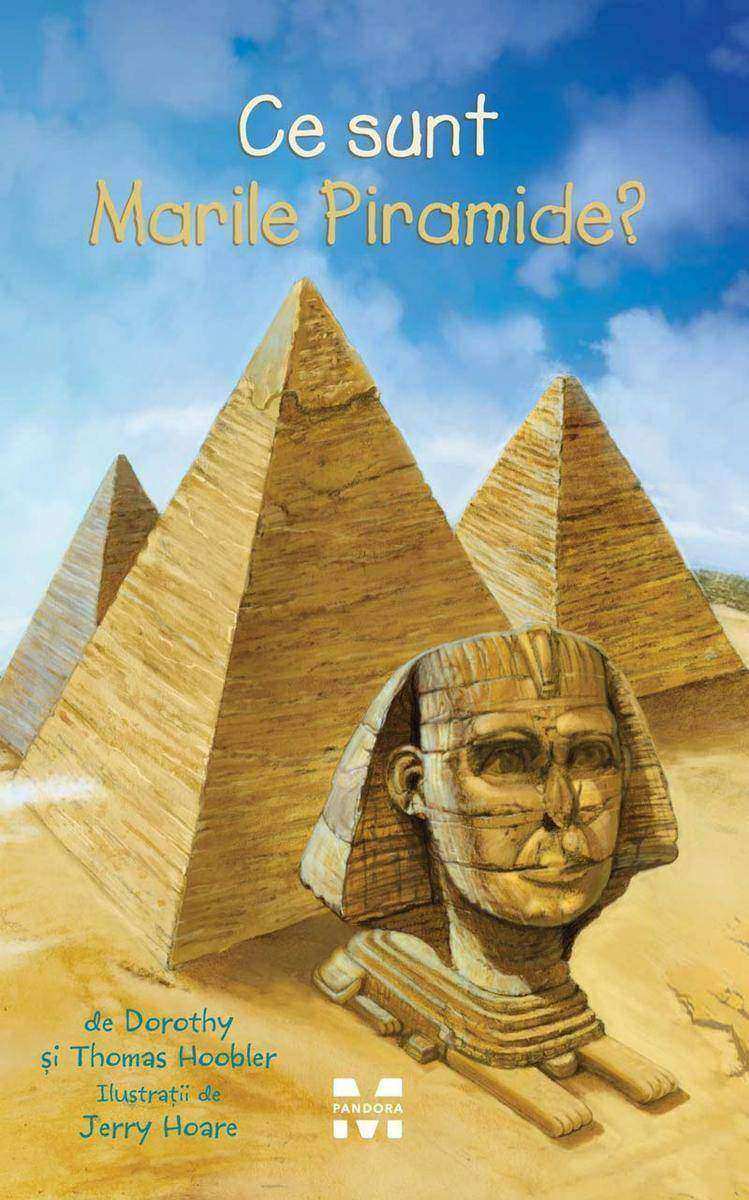
Ce sunt Marile Piramide?
¥32.62
The saber was the weapon of the soldiers and dueling heroes here in the Carpathian Basin for more than a thousand years. During this time it became more than a simple tool of fighting. It became a loyal companion and a symbol of valor of the wielder. This weapon and the valiant spirit of its wielders became known in Western Europe and North American via Hungarians. At the time of our settlement Western Europe feared the sight of the saber, it became a worthy opponent of the Turkish and later, after the civil war of Rákóczi it brought us honor in the wars fought at the side of foreign countries. Maybe there is no other sword type like this which reserved its significance for so long time. ?The saber is not only an antique weapon of a past era, but much like a sports tool as a foil which is used at the Olympic Games. ?This book contains an elaborated practical curriculum. With the help of it, the saber fencing can be learned from the basics to master level. The book guides the reader through hundreds of exercises with the help of more than a hundred photographic illustrations. These can help anyone to learn the basic moves, the more complex exercises and even the trick-cuts or disarmament. ?We prove with this book that the saber fencing is a living sport and martial art.

Omegától alfáig
¥52.48
Fegyverek lehetnek-e pusztítóbb, gyilkos fegyverek, Mint a ragyogó n?i szemek? Lágy természet sátrába bekuporodva, A nap csak mécsesként pislákolva, ?rzi szerelmedet. Hallottál még annyi árulásról, Mit egy szép h?lgy magába tárol? ?szi es?ként patakba folyt a k?nny, F?ld anyánk méhében új gy?trelem k?sz?n. Burkában fogva vagy. Menekültél már asszonyi kacagás el?l, Mi kíméletlenül, hátadba t?rként kerül? Ha igen, keress meg engem kedvesem, ?n már régen letettem fegyverem. Szeg?dj társamul. Ajánlások... ?Els?re nagyon szép! Azok a k?lt?i képek, hasonlatok. Tudom, nem lehet egy m?b?l kiragadni részeket /nem is illik/, de mégis... ?Ha igen, keress meg engem kedvesem, ?n már régen letettem fegyverem.” Nem gy?ny?r?? A hangulata is tetszik.” - Szabó Mihály ?Fantasztikusan szép vers!” - Lehoczky Judit ?nekesn? ?Mária versei a mindennapi emberhez szólnak. Helyettünk fogalmazza meg az ?r?m?t, bánatot, érzéseket, melyek olyan ismer?sek számunkra. Hiszen mindenki volt szerelmes, a szerencséseknek még van szeretett ?desanyja, és mindenki találkozik élete során azzal a kérdéssel, mi végre is született erre a világra. Ezért olyan k?zeliek számunkra Mária sorai, hiszen az életünk legfontosabb gondolatait formálja meg k?lteményeiben.” - Geberle Zsóka
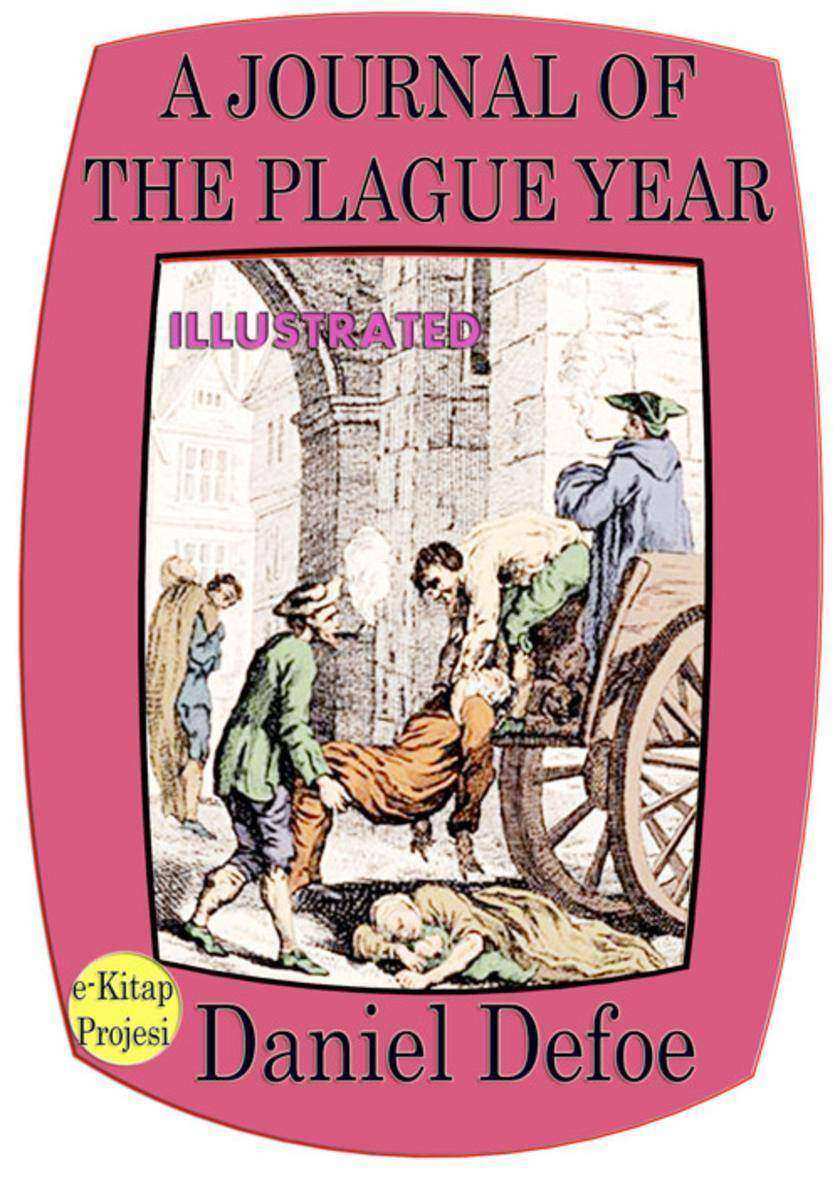
A Journal of the Plague Year: "Illustrated"
¥8.09
A háború el?szele már mindenütt érezhet?: az utakat másfajúak renegát csapatai tartják rettegésben, a városok utcáin rejtélyes halálesetek t?rténnek. A királyok nem bíznak t?bbé a varázslókban, akik azt képzelik, varázshatalmuk feljogosítja ?ket, hogy beleártsák magukat a politikába. Némelyikük a szabad országok javáért cselekszik, mások ?n?s érdekb?l, de a varázslók álságos mosolya és felszínes csevegése m?g?tt sorsd?nt? játszmák zajlanak. Ríviai Geralt mindig is büszke volt semlegességére. A vaják korábban úgy gondolta, elegend?, hogy a saját sorsáról d?nts?n… csakhogy akkor még nem kellett mások miatt aggódnia. Egyedül k?nny? semlegesnek maradni, de ha egy kislány élete a tét, már nem annyira. Geralt igyekszik mindent megtenni Ciri védelmében.
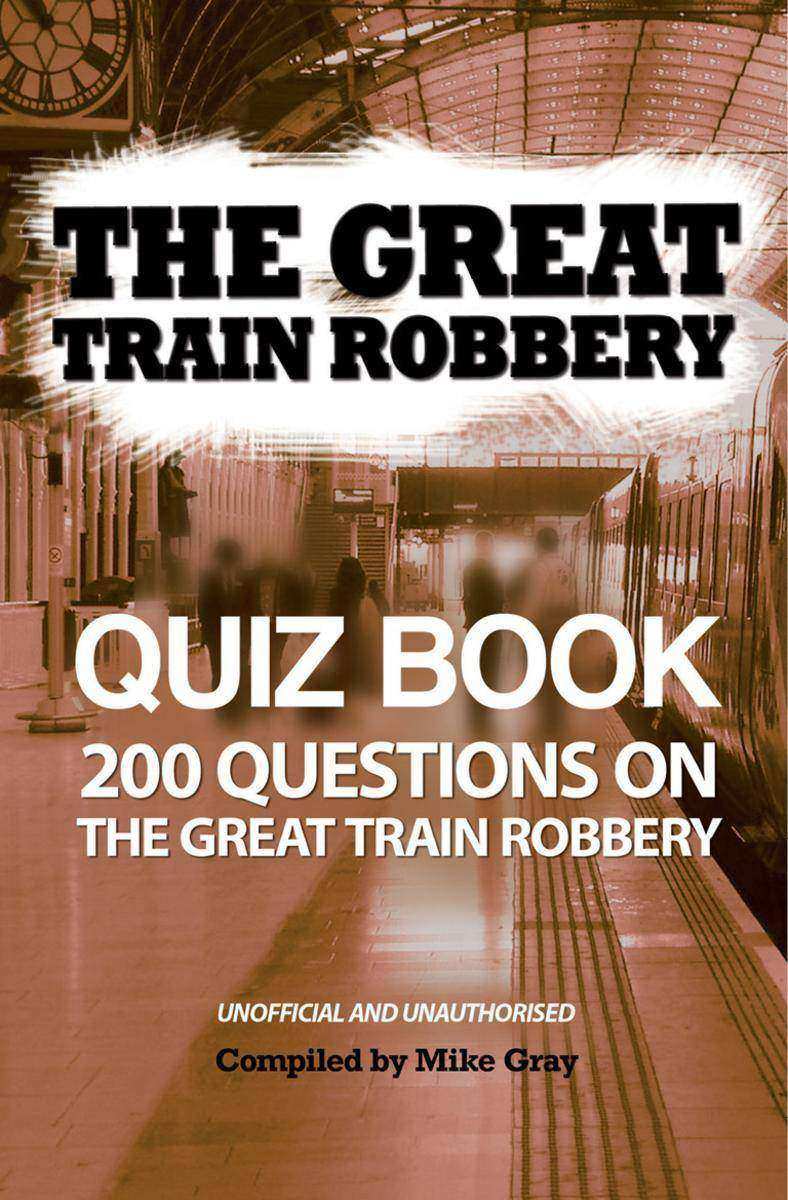
Great Train Robbery Quiz Book
¥19.52
The Great Train Robbery is one of the most well documented crimes of all time but how much do you really know about what happened on that fateful day in 1963 and in the years beyond? This new quiz book will tell you everything you ever wanted to know about the Great Train Robbery and the people involved.How many train robbers escaped from prison? What was the robbers' hideout called? Who was the first '30-year sentence' train robber to be released? The answers to these brain teasers and more can all be found inside The Great Train Robbery Quiz Book.With 100 questions all about the people involved in the robbery, where they are now, the detectives, Judge, books, films and TV programmes, this is a comprehensive guide to the most talked about UK heist in history.With 2013 marking the 50th anniversary, there is still a great deal of interest in the Great Train Robbery and if you would like to know more, this book is all you need.

Brighton, A Very Peculiar History
¥58.76
Brighton: that curious master of reinvention - whether it's considered 'London-by-the-Sea' or 'England's San Francisco', it's certainly a city with a reputation for being on the edge. Delve deep into the weird and wonderful history of 'Brighthelmstone', and find out how this dreary fishing village became a dazzling playground for the louche and wealthy: from the fashionable Regency period to the age of DJs, Brighton has always been home to the proudly quirky. But it's not all sun, sea and a fish supper! Be sure to avoid the sleazy world of gang fights and murders as portrayed in Graham Greene's 'Brighton Rock', whilst ducking to miss the bottles hurled between the mods and the rockers during the famous beach battles. Fully exploring the ups and downs of a seaside town, it's 'Brighton - A Very Peculiar History'...with a bit of Hove on the side.

Cricket, A Very Peculiar History
¥58.76
In 'Cricket, A Very Peculiar History' Jim Pipe uniquely explores one of the second biggest spectator sport on the planet. From the hazy bat-and-ball origins of the game to the biggest celebrity players of today, this book is a fascinating insight into the popular sport. Filled to the brim with quirky quotes, fantastic facts and surprising statistics, 'Cricket, A Very Peculiar History' is the perfect book for any fan of the game. You'll discover bizarre cricket lingo, politics and rivalries and even how to make the perfect cricket tea, along with some bizarre but classic tales, without which the game would not be the same.

Get, Set, GO! Sustainability
¥112.72
Get Set GO! Sustainability covers a wide range of sustainable options that Children's Centres and early years setting can pick up and start with. Ithis book is aimed at those who are new to sustainability and those who are looking to enhance their sustainable status with some new ideas. Set out in an accessible style, you can dip into the book at any page, as each page is set out in a range of helpful headings to get you going as soon as possible.

Meeting Special Needs
¥83.29
When working with children whose development is causing concern, it can be difficult to know how best to help. This practical guide to Dyspraxia and Neuro-Developmental Delay has been written to support all early years' professionals, as well as the non-specialist practitioner and parents or carers. The book includes: signs of Dyspraxia and Neuro-Developmental Delay, a guide to what is meant by these terms, practical ways to support and help the child and practical ways to support parents and carers.

Meeting Special Needs
¥83.29
A growing number of children appear to be experiencing delays or difficulties in their speech, language and communication skills. In this book, the author outlines how to identify these children and how to support them effectively. This pracitcal guide to the field of speech, language and communication needs (SLCN) is a timely and practical guide for early years' professionals, as well as the non-specialist pracitioner, and parents or carers.


