


 购物车
购物车 个人中心
个人中心

The Necklace: A true story of 13 women, 1 diamond necklace and a fabulous idea
¥54.25
One day a woman of average means waltzes by a jewellery shop window and spots a ?20,000 diamond necklace. She can't get it out of her head. Eventually she gets the idea of sharing it with friends, persuading them to chip in a grand each to buy the necklace. This is the true story of 13 ordinary women, and one extraordinary adventure. The Necklace is the amazing true story of thirteen women who didn't want to give up on their dreams. They clubbed together to buy a gorgeous diamond necklace, agreeing that each of them would have it for four weeks at a time. They would meet every month to find out what the necklace (now dubbed 'Jewelia') had been up to. The club had some rules: if someone went to Paris, they got the necklace. At least once, everyone had to wear the necklace whilst making love. After two years, the necklace had been loaned out to nieces, grandmas, friends and granddaughters. It had been worn by brides and colleagues and sisters and friends. And when it was their turn for the necklace the women of Jewelia wore it for both the daily routines and special events of their lives, to teach school, to work in the farmer's market, to go fishing and skydiving. It started something. The Necklace is the story of how an object of desire became a catalyst for connection, friendship and more. It's like Calendar Girls, only maybe a bit more glamorous, glitzy and sparkling.

Star of the Morning: The Extraordinary Life of Lady Hester Stanhope (Text Only)
¥192.67
The dramatic story of Lady Hester Stanhope – a wilful beauty turned bohemian adventurer – who left England as a young woman, unashamedly enjoyed a string of lovers and established her own exotic fiefdom in the Lebanese mountains where she died in 1839. Ambitious, daring and uncompromising, Lady Hester Stanhope was never cut out for a conventional life. Born into an illustrious political dynasty, she played society hostess for her uncle, William Pitt the Younger. After his death, she struck out for unchartered territory, setting sail with her lover for the Mediterranean and Constantinople – turning her back on England, as events would transpire, forever. It was in the Middle East, however, that she found her destiny. As the greatest female traveller of her age, she was the first western woman to cross the Syrian desert, where she was hailed by the Bedouin as their ‘Star of the Morning’. From her labyrinthine fortress in the mountains of Lebanon, where she established what amounted to her own fiefdom, she exerted a canny influence over the region's devious politics. Hers was a life of adventure and intrigue – yet in the years following her death her remarkable story has been largely dismissed, reworked by the Victorians into a cautionary tale for young women with wayward tendencies. This captivating biography, drawing on fresh research from three continents, resurrects Hester as the complex, courageous and fearless woman she was, bringing to life her hidden loves, friendships and ambitions. More than a mere traveller, here was a woman whose aspirations led her straight to the heart of the shadowy race for influence between the great powers of the nineteenth century – a world of shifting alliances, double agents, romance, intrigue and murder. Above all, Lady Hester Stanhope was a woman driven by her desire to make a mark on the world, whose search for love and spiritual meaning in a war-torn Middle East provide an illuminating and moving parallel for our time.
Trouble in Paradise: Uncovering the Dark Secrets of Britain’s Most Remote Island
¥72.40
A shocking exposé of the terrible secrets at the heart of the Pitcairn Island community – a tale of systematic child abuse and rape which stretches back over 40 years. Pitcairn Island – home to the descendants of the mutineers of the Bounty – has long been thought of as a tropical paradise. Wild and remote, it is Britain’s most isolated outpost and a fantasy destination for many. But in 1999, British police, alerted by unsettling reports of a rape, descended on the island. Their investigation developed into a major enquiry which revealed that Pitcairn was the site of widespread and horrific sexual abuse instigated by the island men on girls as young as twelve. Scarcely a man on the island was untainted by the allegations, and almost none of the women had escaped, though most residents feigned ignorance, even when their own daughters were abused. Abusers included the magistrates and police officers as well as brothers and uncles. Few of the victims were able to leave the island; those who did never went back. Kathy Marks was one of only six journalists permitted to live on the island while she reported on the ensuing trial and witnessed Pitcairn's domestic workings first-hand. In this riveting account she documents a society gone badly astray, leaving lives shattered, codes broken and a paradise truly lost.
Garden Natural History (Collins New Naturalist Library, Book 102)
¥192.67
In a much-anticipated addition to the New Naturalist library, Stefan Buczacki takes a broad look at the relatively unexplored world of the garden, and its relevance within the context of natural history overall. Though gardens are often viewed merely as artificial creations rather than easily accessible places to observe and encourage wildlife, ‘Garden Natural History’ rectifies this misconception. By viewing gardens within the wider context of the British ecological landscape, Buczacki follows the garden's development as a habitat within which vertebrates, invertebrates and native and alien plants alike have been introduced and to which they have adapted. ‘Garden Natural History’ offers a fascinating insight into the diversity of organisms and ecological processes that constitute the garden, whilst also highlighting the role of the gardener as conservator and showing how the garden can inspire all naturalists.

High Blood Pressure: Natural Self-help for Hypertension, including 60 recipes (E
¥82.01
This guide is a must for anybody who wants to control high blood pressure naturally. Sarah Brewer, respected doctor and Telegraph columnist, has teamed up with Michelle Berriedale-Johnson, a successful special diets cookery writer, to provide readers with a comprehensive self-treatment plan that includes 60 mouth-watering recipes. Sales Handles: Heart disease is the number one killer in the West and is closely linked to high blood pressure, or hypertension. High blood pressure can be triggered by many things and diet is one of the major contributing factors. This clear and accessible guide provides an easy-to-follow nutritional plan that shows readers how to prevent and control high blood pressure by changing their eating habits. Dr Sarah Brewer also gives readers medically up-to-date information on high blood pressure, what causes it and how to control symptoms. The book also reviews all the orthodox and complementary treatments that are available. 60 simple recipes from special diets expert Michelle Berriedale-Johnson allow sufferers to control their condition while still enjoying their food.
Grouse (Collins New Naturalist Library, Book 107)
¥231.22
With less than twenty species worldwide and only four British and Irish species, the grouse is surprisingly well-known. Its habitats are diverse and relatively remote – ranging from deep forests, through open moorland, to Scotland’s highest peaks. ‘Grouse: The Natural History of British and Irish Species’ covers four of the most emblematic species of our upland regions. Collectively they have the most fascinating life histories of any bird group, individually they have their own stories to tell: the ptarmigan is a resident of our highest mountain areas, the black grouse is famous for its extraordinary mating displays, the capercaillie is one of our largest birds and the red grouse, whilst no-longer one of the few British endemics, is one of the most heavily researched species. All four face similar problems, including habitat loss, predators, pests, disease and food shortage. This is compounded by issues of managed animal populations and controversy surrounding the commercial worth of grouse. This volume in the New Naturalist series, written by two of the world's leading grouse specialists, offers a fascinating insight into the natural history and biology of these birds, including aspects of their behaviour, the historical relevance of their names, the reasons behind population fluctuations and international conservation efforts.
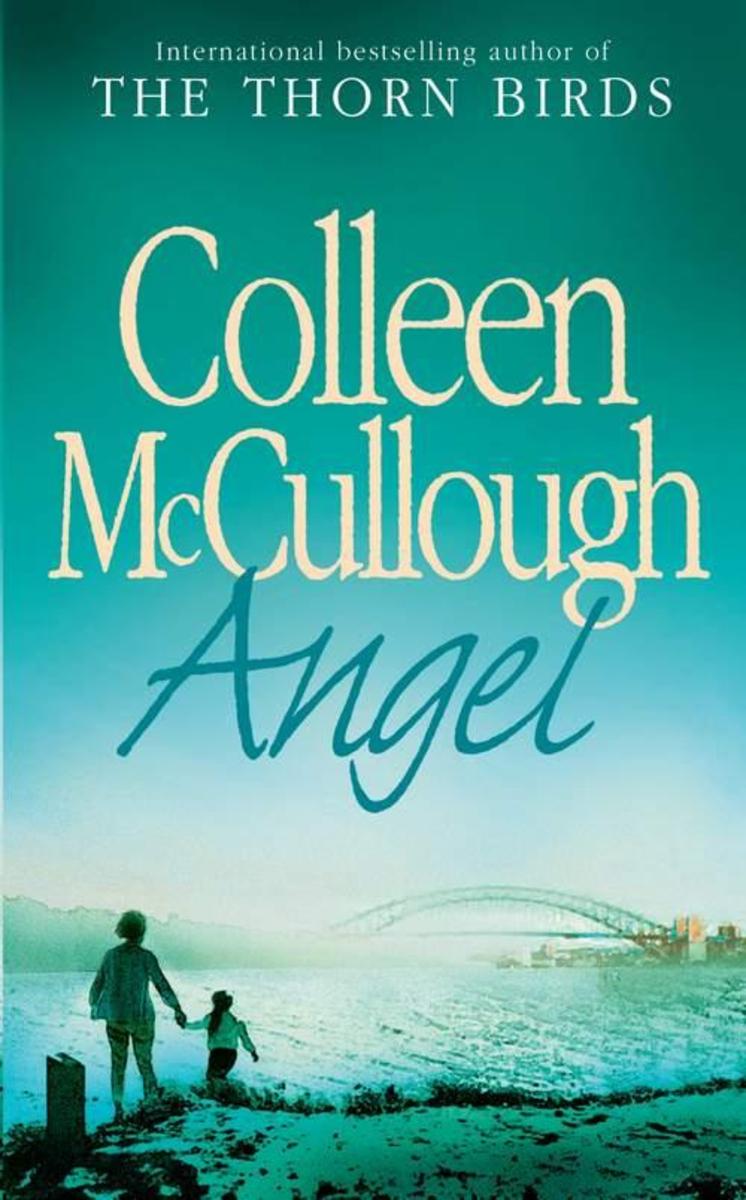
Angel
¥45.62
The bestselling author of THE THORN BIRDS returns with a novel of laughter, passion and more than a little magic … 1960, Sydney's Kings Cross. Harriet Purcell leaves her conventional, respectable home and respectable, passionless boyfriend and moves into a rooming house owned by Mrs. Delvecchio Schwartz. There, Harriet finds a life she relishes – excitement, adventure and passion. Mrs. Delvecchio Schwartz makes a living from telling fortunes, and is mother to 4-year-old Flo. Beautiful little Flo is mute, and Harriet comes to love her as if Flo were her own – and must protect her at all costs when tragedy strikes… Angel is Colleen McCullough at her vintage best, drawing on her own experiences of living in the Cross in the 1960s and writing of a world that has long gone. Most of all, it is a tale of a woman's love for a child, and what she is prepared to endure to ensure her survival.
The Navigator
¥44.15
Time travel adventure in which a boy joins a rebel uprising against a sinister enemy – ‘The Harsh’ – in order to repair the fabric of time. Owen's ordinary life is turned upside-down the day he gets involved with the Resisters and their centuries-long feud with an ancient, evil race. The Harsh, with their icy blasts and relentless onslaught, have a single aim – to turn back time and eliminate all life. Unless they are stopped, everything Owen knows will vanish as if it has never been… But all is not as it seems in the rebel ranks. While Owen is accepted by new friends Cati and Wesley, and the eccentric Dr Diamond, others are suspicious of his motives. Could there be a Harsh spy in their midst? Where and what is the mysterious Mortmain, vital to their cause? And what was Owen’s father’s role in all this many years before? As he journeys to the frozen North on a mission of destruction, Owen comes to understand his own history and to face his destiny.

Southern England (Collins New Naturalist Library, Book 108)
¥231.22
Illustrated with beautifully detailed photographs throughout, New Naturalist Southern England comprehensively explores the formation of these wonderful landscapes that are so universally admired. Most people share an enthusiasm for beautiful and breathtaking scenery, explored variously through the physical challenge of climbing to the top of the tallest mountains or the joy of viewing the work of a painter; but while easy to admire from a distance, such landscapes are usually difficult to explain in words. Harnessing recent developments in computer technology, the latest New Naturalist volume uses the most up-to-date and accurate maps, diagrams and photographs to analyse the diverse landscapes of Southern England. Peter Friend highlights the many famous and much loved natural landscapes of the southern half of England, ranging from the Chalk Downs to the bays of Cornwall, Devon and Dorset, and provides detailed explanations for the wide variety of natural events and processes that have caused such an exciting range of surroundings. Setting apart the topography that has resulted from natural rather than man-made occurrences, Friend focuses on each region individually, from East Anglia to London and the Thames Valley, and explains the history and development of their land structures through detailed de*ions and colourful diagrams.

Nature Conservation (Collins New Naturalist Library, Book 91)
¥182.47
This latest volume in the New Naturalist series provides a comprehensive study of wildlife conservation in Britain, concentrating on events in the last 30 years. As our environment is subjected to increasing assault from climatic changes and pollutants, conservation has become a growing concern for both specialists and generalists alike. The first chapter of this book considers the political and institutional development of nature conservation and reviews the physical and biological nature of Britain, its geology, climate and wildlife habitats. Subsequent chapters cover the loss of habitats and species, how these losses have been managed and the techniques used to survey and monitor the integration of nature conservation policies in industries from agriculture to forestry and fisheries. Marren continues by discussing how nature conservation has emerged from the sidelines to become a major concern. He addresses the role of the media, weighs up the successes and failures of the conservation movement and looks to what the future may hold.
Island Promises: Hawaiian Holiday / Hawaiian Reunion / Hawaiian Retreat (Mills &
¥45.03
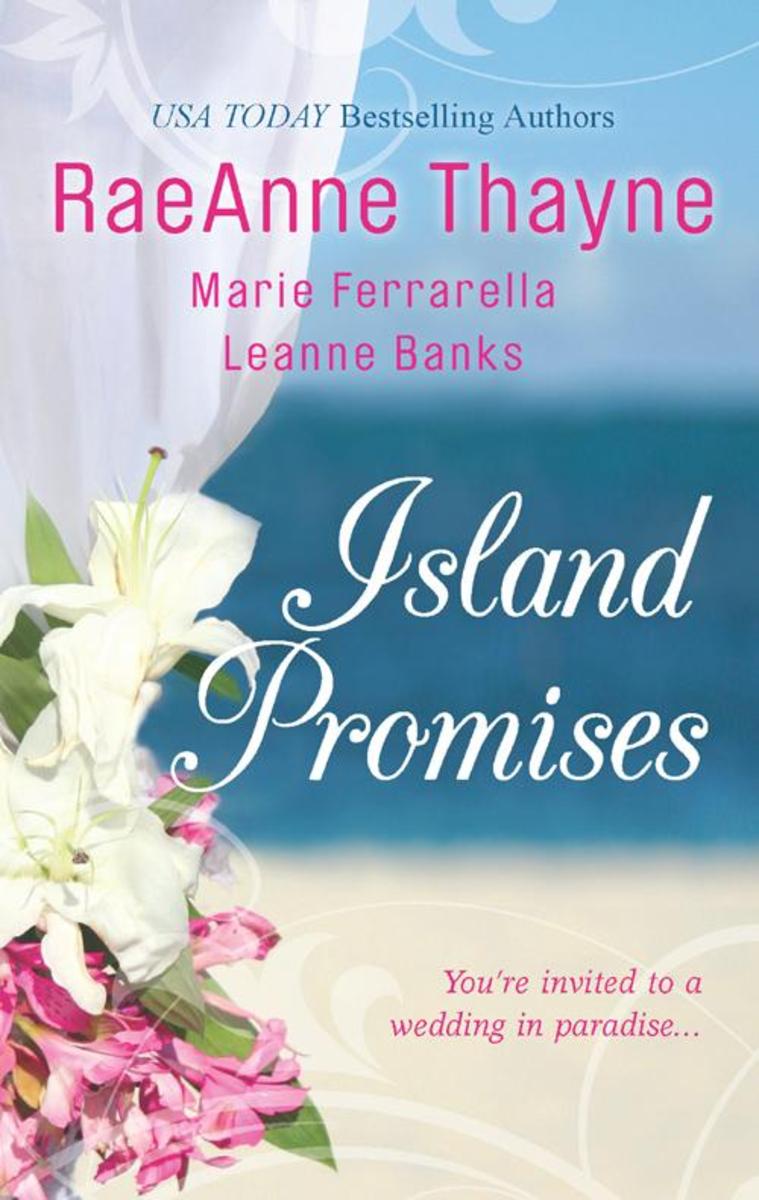
Destination wedding guest list: The Ex-Wife Megan McNeil is genuinely happy to escort her little girls to their father’s wedding in Kauai, Hawaii—even though she feels like a third wheel. One gorgeous groomsman definitely disagrees. But are they both carrying too much baggage to begin a new romance? The Best Man Devlin Marshall won't let anything spoil his buddy's big day—not even his own rocky marriage. Secrets and mistrust have divided him from his Amy, but the love in the air seems to be catching…. The Sister Family comes first. Deep down, Gabi Foster knows it, but this holiday is hurting her career. Can a sweet, sexy surfing instructor convince her that love is worth more than a business deal?
Dark Justice (Sean Dillon Series, Book 12)
¥47.58
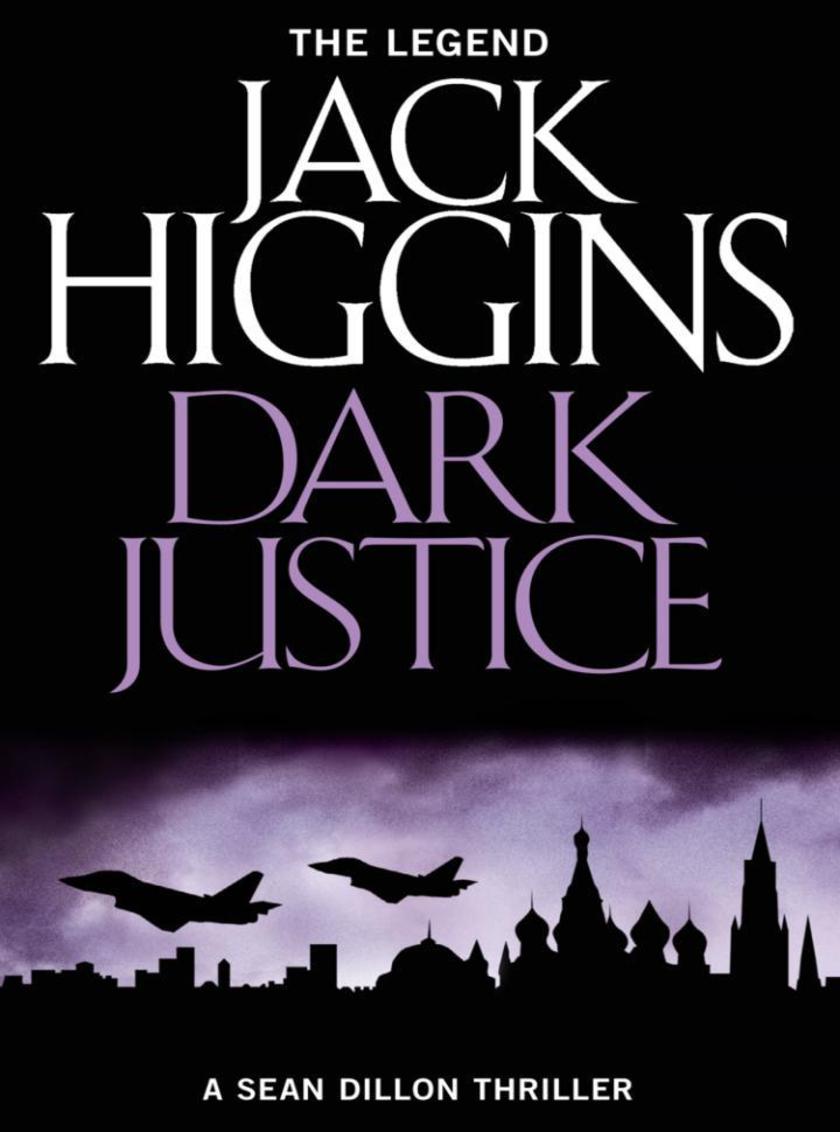
A fabulous all-new contemporary thriller from the master of the genre – the author of the international bestsellers Midnight Runner, A Fine Night for Dying and Bad Company. Sean Dillon is back in another heart-stopping, adrenalin-laced adventure When the president's right hand men foil a plan to assassinate him. Sean Dillon is called upon to trace the would-be killer's history It appears the assassin is British with Muslim connections, and suddenly Dillon is on a trail that leads him to England, Russia and Iraq, where he prepares for the deadliest challenge of his life.
Broken Soup
¥44.15
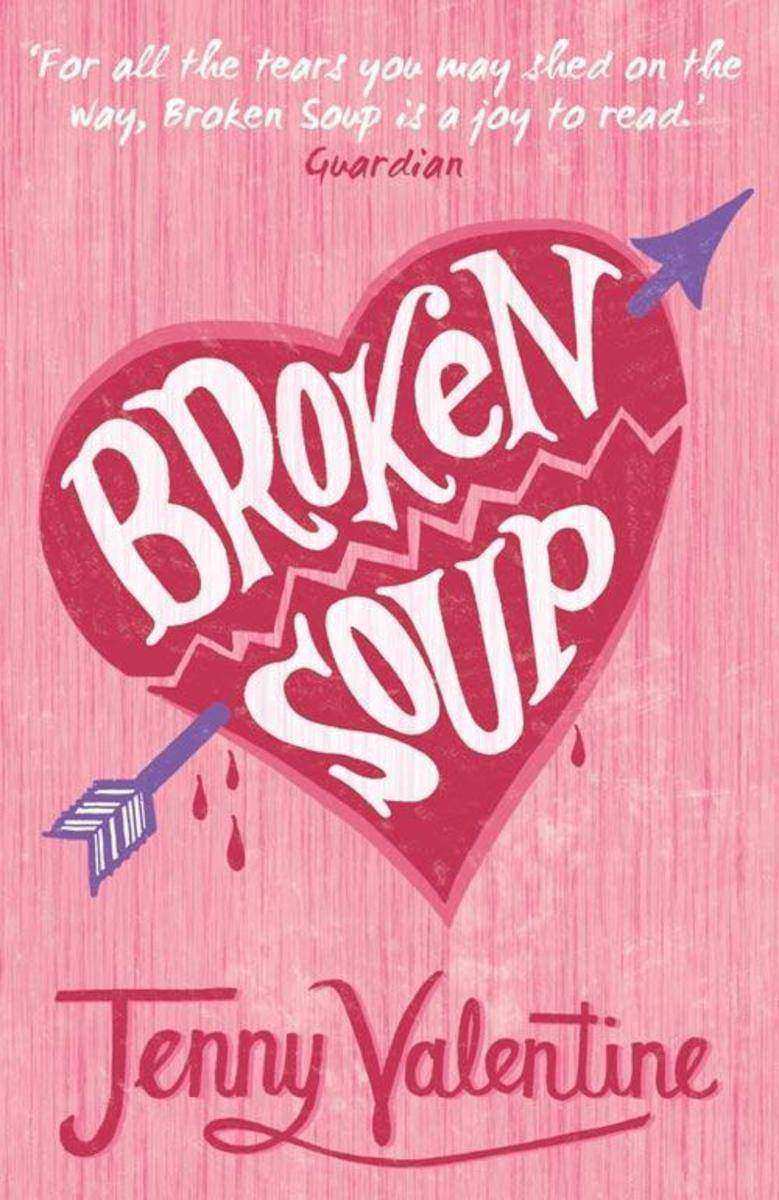
An intriguing, compelling and moving novel from the award-winning author of Finding Violet Park. When the good-looking boy with the American accent presses the dropped negative into Rowan's hand, she's sure it's all a big mistake. But next moment he's gone, lost in the crowd of bustling shoppers. And she can't afford to lose her place in the checkout queue – after all, if she doesn't take the groceries home, nobody else will. Rowan has more responsibilities than most girls her age. These days, she pretty much looks after her little sister single-handedly – which doesn't leave much time for friends or fun. So when she finds out that Bee from school saw the whole thing, it piques her curiosity. Who was the boy? Why was he so insistent that the negative belonged to Rowan?
Son of the Shadows: Book 2 of the Sevenwaters Trilogy
¥81.03
A powerful and entracing romance, set in the Celtic twilight of 10th century Ireland: a new MISTS OF AVALON for readers of historical fantasy. The forests of Sevenwaters have cast their spell over Sorcha's daughter Liadan, who, like her mother, has inherited the talent to heal and to see into the spirit world. The forest spirits warn Liadan that she must remain for ever at Sevenwaters if the sacred isles are to be won back from the Britons who took them by force. For the Lord and Lady of the forest spirits have seen in Liadan's future a doomed romance, death; a child; and a terrible choice to be made. Liadan is taken captive by the Painted Man, who is revealed to be a man quite unlike his legend. Liadan is drawn to him, despite the ancient prophesy of doom, but can she reclaim her life and defy the spirits, or will a curse fall upon Sevenwaters because of her forbidden love? Will the fight for the sacred isles end in tragedy? History and fantasy, myth and magic, legend and love come together in this magical story.
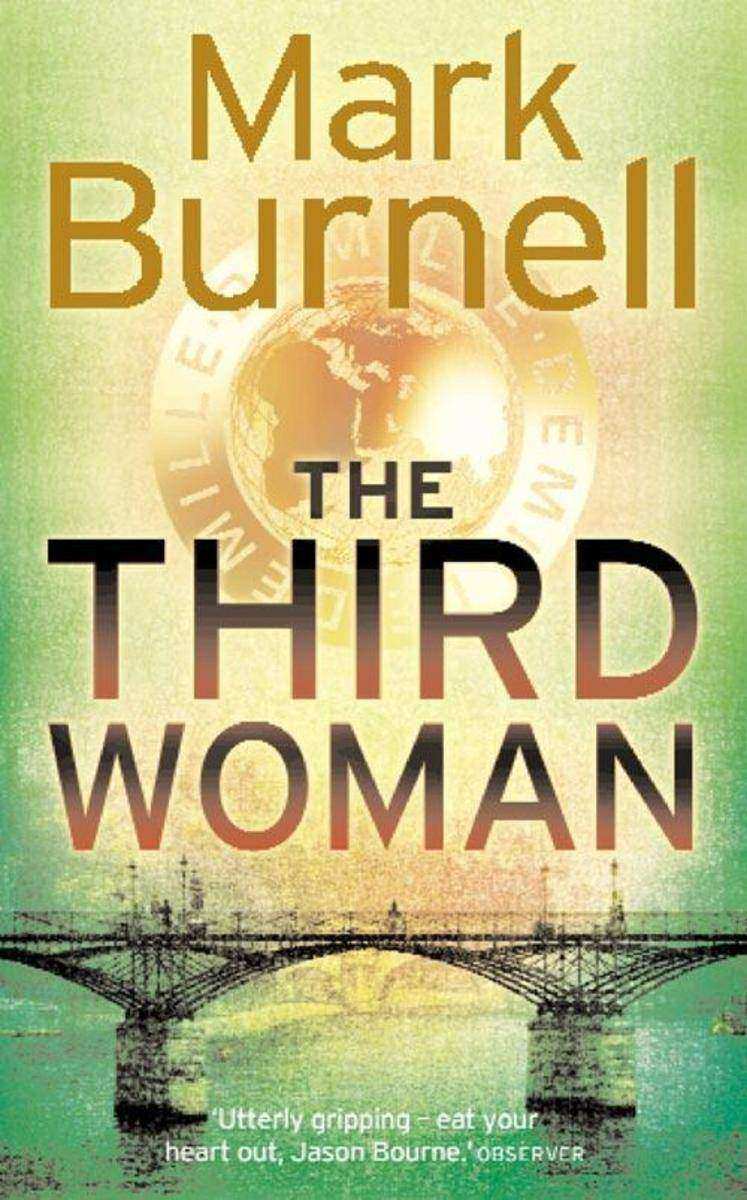
The Third Woman
¥43.07
In a world where everyone and everything has its price, who do you trust? The Third Woman is a powerful and fascinating thriller following the adventures of Burnell’s unique heroine Stephanie Patrick. From conspiracy to terrorism, Vienna to Paris, will she find the truth? The world isn't run by governments. It's run by corporations. In other words, everything and everyone has a price. Stephanie Patrick operates under a number of names; Petra Reuter, known as a gun for hire, is probably the one she uses most frequently. She used to work for the government. Now she works for herself. Robert Newman, who spends more nights at 35,000 feet than in his own bed, is an international troubleshooter. But twenty years at the top have still not purged for him the ghosts of the past. A plea for help from an old friend draws Stephanie to Paris, where she narrowly survives a terrorist attack, an outrage that according to the authorities was masterminded by Petra Reuter. Betrayed in every way, pursued ruthlessly by a faceless enemy, her identity stolen from her, Stephanie seizes a hostage to give her a slim possibility of escape. But is the encounter with Robert Newman really just chance? Hunted from Paris to Vienna, Stephanie and Newman are forced together to survive. Yet the more she learns, the closer Newman seems to be to the heart of the conspiracy. Stephanie becomes sure of only one thing: that the answers will lie with the person who she knows as The Third Woman. ‘The Third Woman’ is vividly contemporary, with a welcome return for a unique heroine.

Tatiana and Alexander
¥80.25
A powerful story of grief, hope and an epic love, from the Russian-born author of internationally bestselling novels, TULLY and ROAD TO PARADISE. The world at war … two people in love. Tatiana is eighteen years old and pregnant when she miraculously escapes war-torn Leningrad to the West, believing herself to be a widow. Her husband, Major Alexander Belov, a decorated hero of the Soviet Union, has been arrested by Stalin's infamous secret police and is awaiting imminent death as a traitor and a spy. Tatiana begins her new life in America. In wartime New York City she finds work, friends and a life beyond her dreams. However, her grief is inescapable and she keeps hearing Alexander calling out to her. Meanwhile, Alexander faces the greatest danger he's ever known. An American trapped in Russia since adolescence, he has been serving in the Red Army and posing as a Soviet citizen to protect himself. For him, Russia's war is not over, and both victory and defeat will mean certain death. As the Second World War moves into its spectacular close, Tatiana and Alexander are surrounded by the ghosts of their past and each other. They must struggle against destiny and despair as they find themselves in the fight of their lives. A master of the historical epic, Paullina Simons takes us on a journey across continents, time, and the entire breadth of human emotion, to create a heartrendingly beautiful love story that will live on long after the final page is turned.
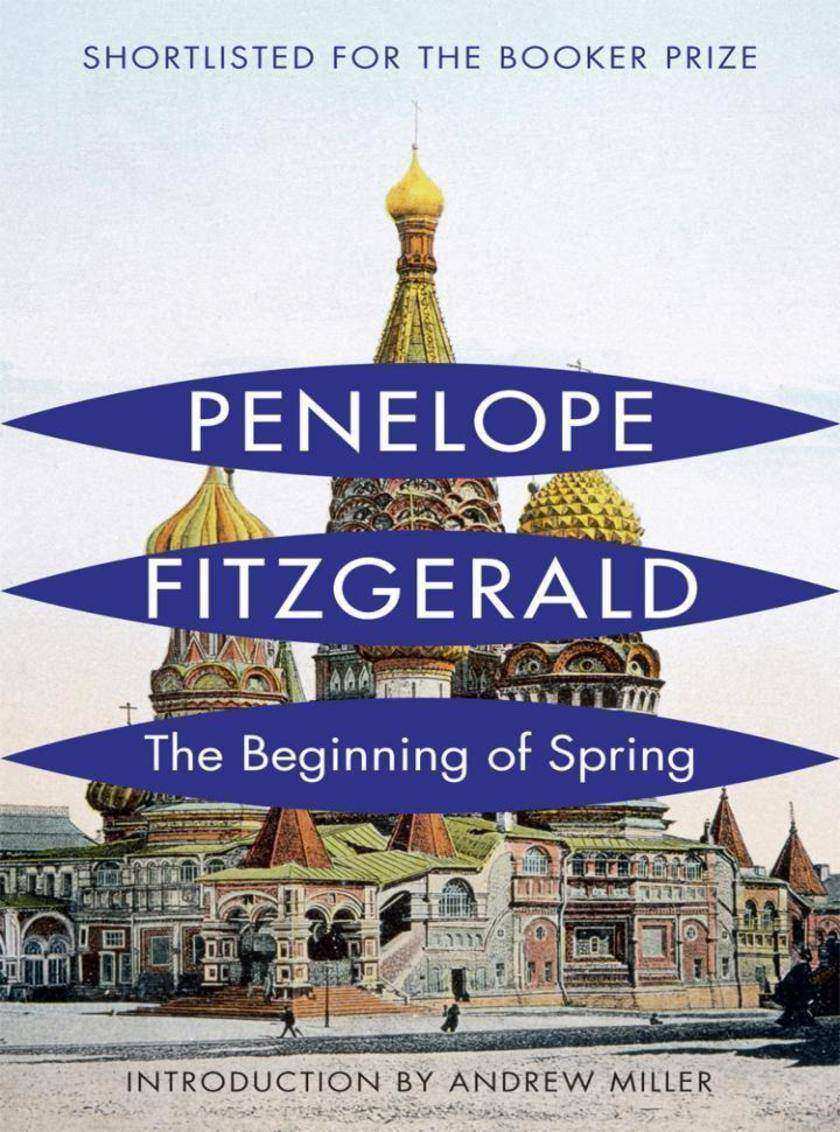
The Beginning of Spring
¥39.34
From the Booker Prize-winning author of ‘Offshore’, ‘The Blue Flower’ and ‘Innocence’ comes this Booker Prize-shortlisted tale of a troubled Moscow printworks . Frank Reid had been born and brought up in Moscow. His father had emigrated there in the 1870s and started a print-works which, by 1913, had shrunk from what it was when Frank inherited it. In that same year, to add to his troubles, Frank’s wife Nellie caught the train back home to England, without explanation. How is a reasonable man like Frank to cope? How should he keep his house running? Should he consult the Anglican chaplain’s wife? Should he listen to the Tolstoyan advice of his chief book-keeper? How do people live together, and what happens when, sometimes, they don’t?
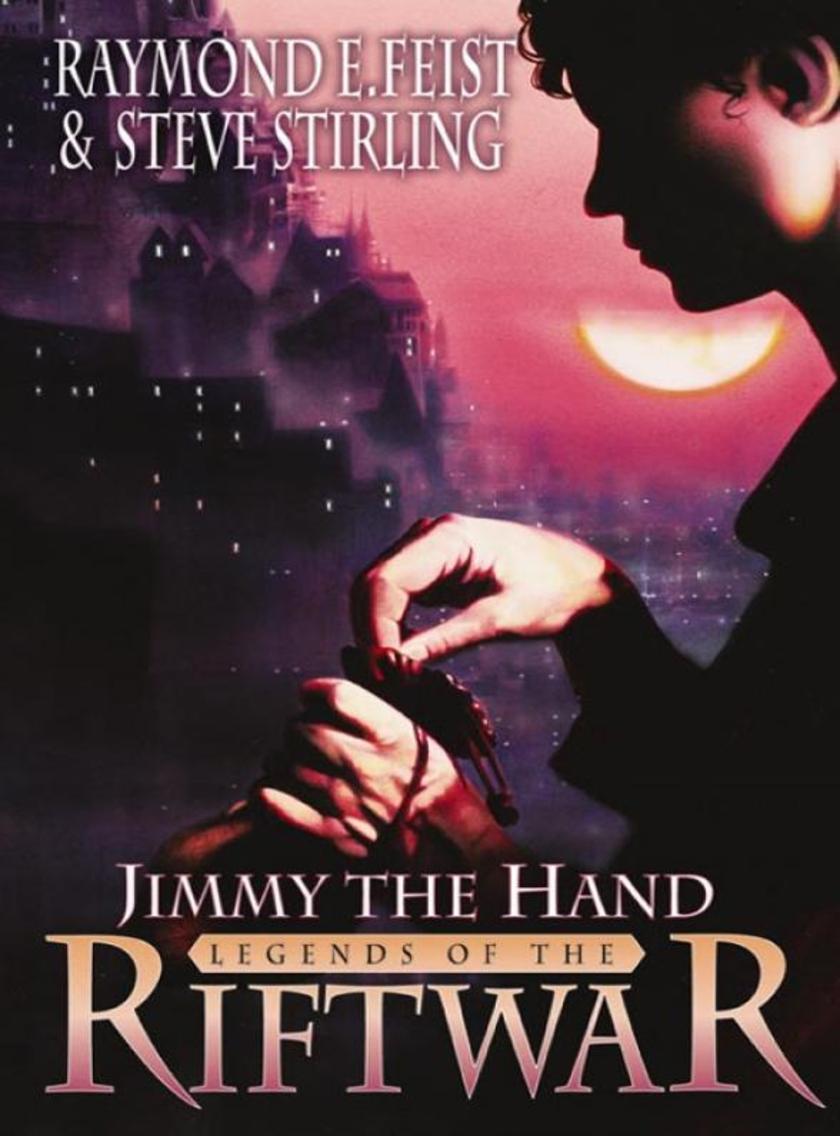
Jimmy the Hand (Legends of the Riftwar, Book 3)
¥72.30
The whole of the magnificent Riftwar Cycle by bestselling author Raymond E. Feist, master of magic and adventure, now available in ebook Jimmy the Hand, boy thief of Krondor, lived in the shadows of the city. The sewers were his byways and a flea-ridden, rat-infested cellar his home. Although gifted beyond his peers, he was still but a nimble street urchin, a pickpocket with potential. Until the day he met Prince Arutha. Aiding the Prince in his rescue of Princess Anita from imprisonment by Duke Guy du Bas-Tyra, Jimmy runs afoul of Black Guy's secret police. Given the choice of disappearing on his own or in a weighted barrel at the bottom of Krondor's harbor, Jimmy flees the only home he's ever known, venturing south to the relatively safe haven of Land's End. Suspecting that the rural villagers have never encountered a lad with his talent and nose for finding wealth—other people's wealth—he's fairly optimistic about his broadening horizons. But Jimmy is completely unprepared for what greets him. For Land's End is home to others who tread the crooked path, and more, to a much darker secret: a dangerous presence unknown even to the local thieves and smugglers. And Jimmy's youthful bravado and courage will plunge him deep into the maw of chaos and even—if he isn't careful—death.

Bones and Silence (Dalziel & Pascoe, Book 11)
¥59.35
Winner of the Gold Dagger Award for Best Crime Novel of the Year…’Reginald Hill is on stunning form…the climax is devastating’ Marcel Berlins, The Times When Detective Superintendent Andy Dalziel witnesses a bizarre murder across the street from his own back garden, he is quite sure who the culprit is. After all, he’s got to believe what he sees with his own eyes. But what exactly does he see? And is he mistaken? Peter Pascoe thinks so. Dalziel senses the doubters around him, which only strengthens his resolve. To make matters worse, he’s being pestered by an anonymous letter-writer, threatening suicide. Worse still, Pascoe seems intent on reminding him of the fact. Meanwhile, the effervescent Eileen Chung is directing the Mystery Plays. And who does she have in mind for God? Daziel, of course. He shouldn’t have too much difficulty acting the part…
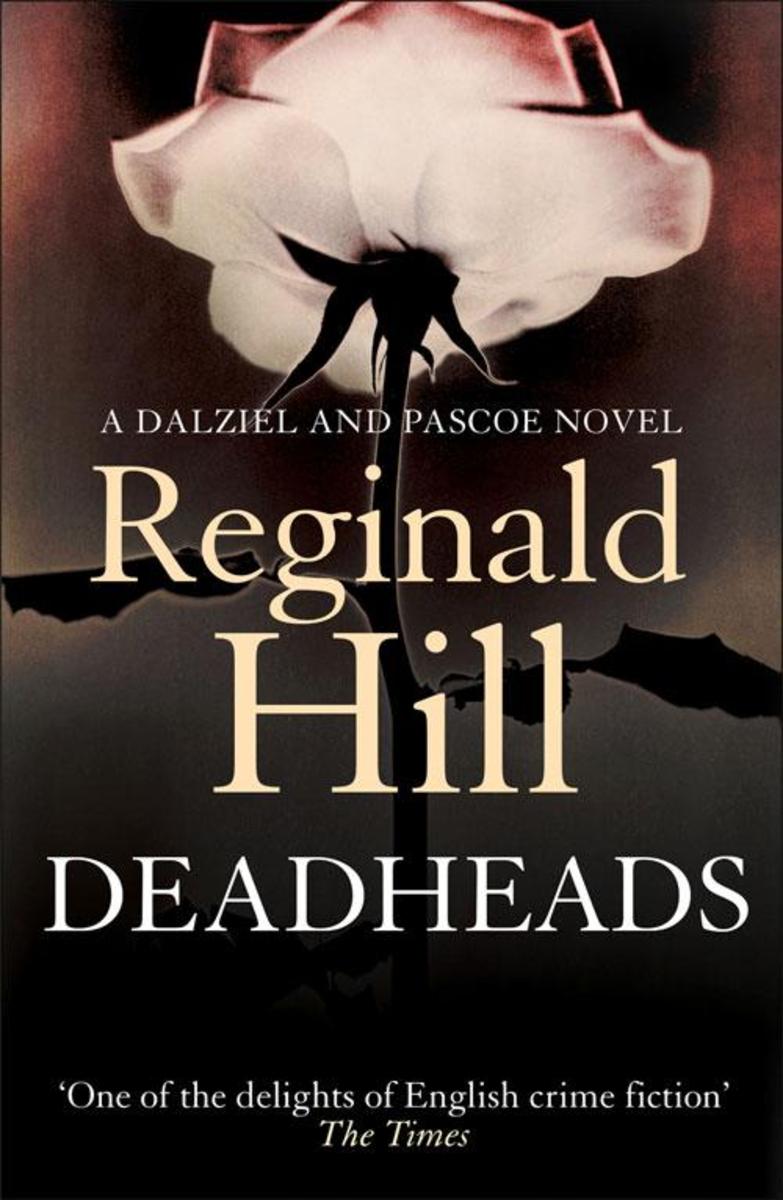
Deadheads (Dalziel & Pascoe, Book 7)
¥59.35
‘Humour and topicality along a cold enigmatic trail of murder’ Observer Life is on the up for Patrick Aldermann: his Great Aunt Florence has collapsed into her rose bed leaving him Rosemont House with its splendid gardens. But when his boss, ‘Dandy’ Dick Elgood, suggests to Peter Pascoe that Aldermann is a murderer – then later retracts the accusation – the detective inspector is left with a thorny problem. Not only have the police already dug up some interesting information about Aldermann’s beautiful wife; it also appears that his rapid promotion has been helped by the convenient deaths of some of his colleagues…
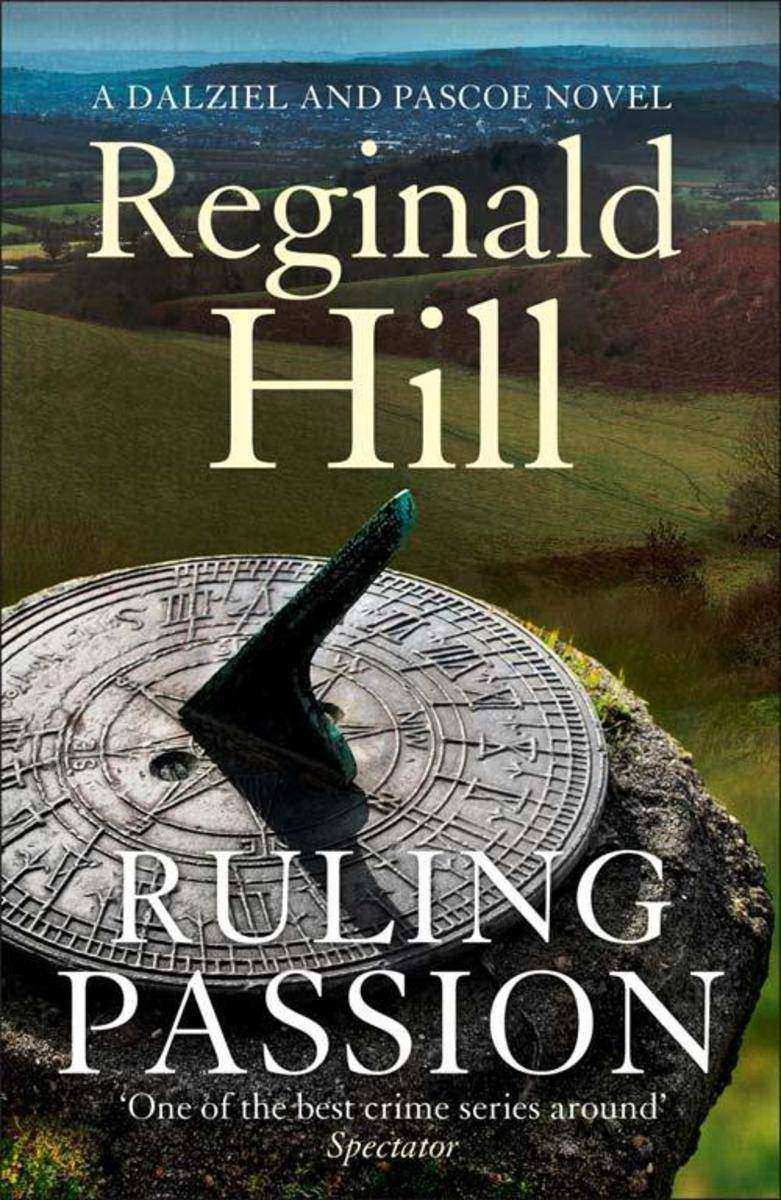
Ruling Passion (Dalziel & Pascoe, Book 3)
¥59.35
‘One of the modern masters of the police procedural’ Sunday Telegraph Peter Pascoe is in shock. A weekend in the country with old friends turns into a nightmare when he finds three of them dead and the missing fourth a prime suspect in the eyes of the local police. They want his cooperation, but Superintendent Dalziel needs him back in Yorkshire where a string of unsolved burglaries looks like turning nasty. As events unfold, though, the two cases seem to be getting entwined…


