


 购物车
购物车 个人中心
个人中心
99 Reasons Why
¥34.14
From the brilliant author of ‘Black Boxes’ comes a gritty and heartfelt novella with a twist: 99 Reasons, 11 endings, your pick. Kate isn’t like other 22 year olds. She’s got a job to do for her Uncle Phil. Each day, she spies on The Kevin Keegan Day Nursery across the road from her bedroom window, writing down all of the comings and goings in her notebooks. That’s how she spots her little girl in the pink coat. She likes her, and it isn’t long before Kate asks her mam to get her for her. Plans are made. But then, quite unexpectedly, Kate flashes her breasts out her bedroom window at the little girl’s father. And that's the reason that nothing will ever be the same again… There is no one ending to Kate’s story, instead there are eleven possible outcomes, 9 of which you can navigate through your e-reading device. Each is different, and each exposes a little more of Kate’s utterly wonky world.
Gilchrist on Blake: The Life of William Blake by Alexander Gilchrist
¥88.39
LIVES THAT NEVER GROW OLD Part of a radical new series – edited by Richard Holmes – that recovers the great classical tradition of English biography. Gilchrist’s ‘The Life of William Blake’ is a biographical masterpiece, still thrilling to read and vividly alive. This was the first biography of William Blake ever written, at a time when the great visionary poet and painter was generally forgotten, ridiculed or dismissed as insane. Wonderfully vivid and outspoken (one chapter is entitled ‘Mad or Not Mad’), it was based on revealing interviews with many of Blake’s surviving friends. Blake conversed with spirits, saw angels in trees, and sunbathed naked with his wife ‘like Adam and Eve’. Gilchrist adds detailed de*ions of Blake’s beliefs and working methods, an account of his trial for high treason and fascinating evocations of the places in London, Kent and Sussex where he lived. The book ultimately transformed and enhanced Blake’s reputation.
Ruinair
¥73.58
How to be treated like shite in 15 different countries…and still quite like it! Stung by a ten-hour delay and a not-so-bargain fare to Spain on his native 'low fares' airline, Dubliner Paul Kilduff plots revenge. Can Paul beat 'Ruinair' at their low cost game and fly to all fifteen countries in Western Europe for less than the ?300 it cost him to be stranded in an airport lounge surrounded by drunks, bimbos and incompetents (and that was just the flight crew!)? Suffering every low-fares airline indignity: a miniscule carry-on baggage allowance, 6.00 am departures, Six Nations-style boarding scrums, epic bus excursions and terminal anxiety, Paul is doing something he's never done before: travelling to places he never knew he wanted to go, which are probably not quite where he thinks they are, with no idea what he's going to do when he gets there. In a way never before possible Ruinair and its competitors have opened up Europe's treasures to the average traveller, and, as discovered by Paul, a few complete dumps too. In this hilarious, no-holds-barred account of a holiday of a lifetime-cum-human endurance test, Paul takes us on an adventure that is not for the faint-hearted. From Luxembourg to Liechtenstein to Spain and back again, pack your bags (maximum 10kg, please) and join Paul Kilduff on this is a whirlwind no-frills tour of Europe and the low-cost airlines that help make that colourful continent a smaller, and somewhat angrier, place.
Mastering Drupal 8
¥90.46
Mastering Drupal can lead to a mighty website - discover what Drupal 8 can really do with hidden techniques, best practices, and more! About This Book ? The most up-to-date advanced practical guide on Drupal 8 with an in-depth look at all the advanced new features such as authoring, HTML markup, built-in web services, and more ? If you are looking to dive deep into Drupal 8 and create industry-standard web apps, then this is the ideal book for you ? All the code and examples are explained in great detail to help you in the development process Who This Book Is For This book is ideally suited to web developers, designers, and web administrators who want to dive deep into Drupal. Previous experience with Drupal is a must to unleash the full potential of this book. What You Will Learn ? Discover how to better manage content using custom blocks and views ? Display content in multiple ways, taking advantage of display modes ? Create custom modules with YAML and Symfony 2 ? Easily translate content using the new multilingual capabilities ? Use RESTful services and JavaScript frameworks to build headless websites ? Manage Drupal configuration from one server to another easily In Detail Drupal is an open source content management system trusted by governments and organizations around the globe to run their websites. It brings with it extensive content authoring tools, reliable performance, and a proven track record of security. The community of more than 1,000,000 developers, designers, editors, and others have developed and maintained a wealth of modules, themes, and other add-ons to help you build a dynamic web experience. Drupal 8 is the latest release of the Drupal built on the Symfony2 framework. This is the largest change to the Drupal project in its history. The entire API of Drupal has been rebuilt using Symfony and everything from the administrative UI to themes to custom module development has been affected. This book will cover everything you need to plan and build a complete website using Drupal 8. It will provide a clear and concise walkthrough of the more than 200 new features and improvements introduced in Drupal core. In this book, you will learn advanced site building techniques, create and modify themes using Twig, create custom modules using the new Drupal API, explore the new REST and Multilingual functionality, import, and export Configuration, and learn how to migrate from earlier versions of Drupal. Style and approach This book takes a practical approach with equal emphasis on examples and illustrative screenshots.
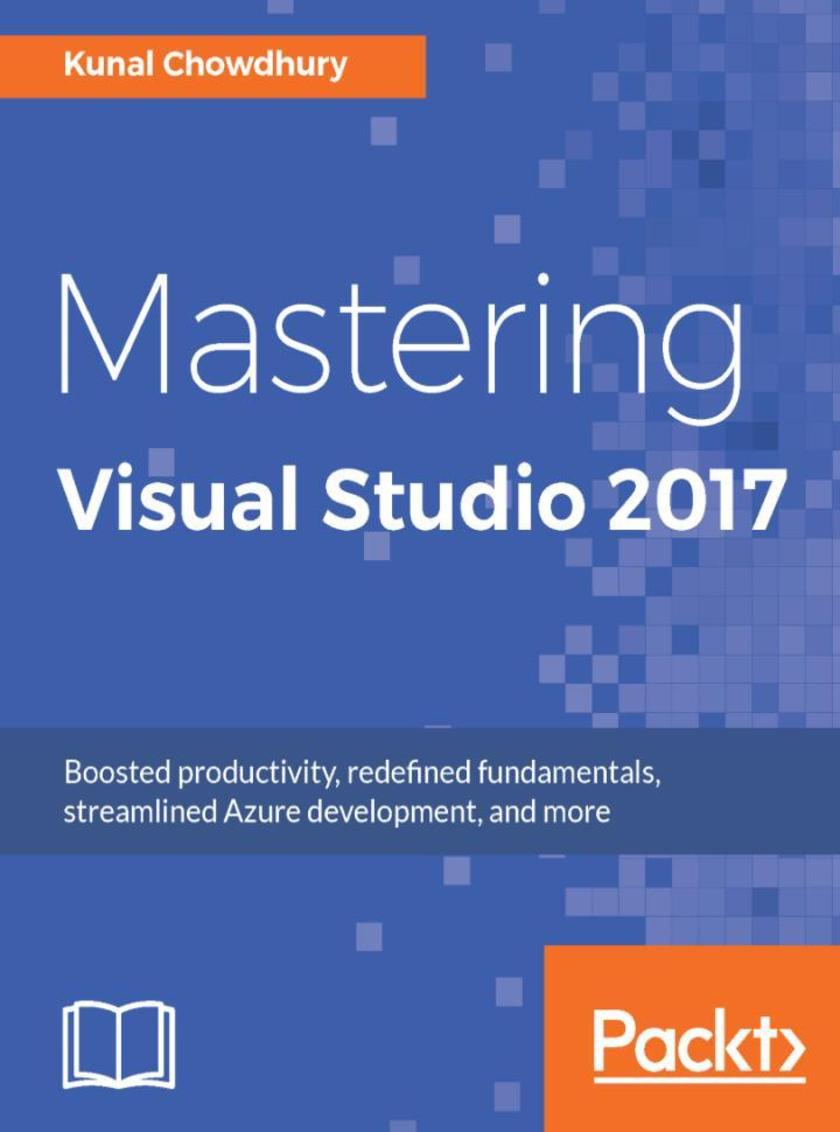
Mastering Visual Studio 2017
¥90.46
A guide to mastering Visual Studio 2017 About This Book ? Focus on coding with the new, improved, and powerful tools of VS 2017 ? Master improved debugging and unit testing support capabilities ? Accelerate cloud development with the built-in Azure tools Who This Book Is For .NET Developers who would like to master the new features of VS 2017, and would like to delve into newer areas such as cloud computing, would benefit from this book. Basic knowledge of previous versions of Visual Studio is assumed. What You Will Learn ? Learn what's new in the Visual Studio 2017 IDE, C# 7.0, and how it will help developers to improve their productivity ? Learn the workloads and components of the new installation wizard and how to use the online and offline installer ? Build stunning Windows apps using Windows Presentation Foundation (WPF) and Universal Windows Platform (UWP) tools ? Get familiar with .NET Core and learn how to build apps targeting this new framework ? Explore everything about NuGet packages ? Debug and test your applications using Visual Studio 2017 ? Accelerate cloud development with Microsoft Azure ? Integrate Visual Studio with most popular source control repositories, such as TFS and GitHub In Detail Visual Studio 2017 is the all-new IDE released by Microsoft for developers, targeting Microsoft and other platforms to build stunning Windows and web apps. Learning how to effectively use this technology can enhance your productivity while simplifying your most common tasks, allowing you more time to focus on your project. With this book, you will learn not only what VS2017 offers, but also what it takes to put it to work for your projects. Visual Studio 2017 is packed with improvements that increase productivity, and this book will get you started with the new features introduced in Visual Studio 2017 IDE and C# 7.0. Next, you will learn to use XAML tools to build classic WPF apps, and UWP tools to build apps targeting Windows 10. Later, you will learn about .NET Core and then explore NuGet, the package manager for the Microsoft development platform. Then, you will familiarize yourself with the debugging and live unit testing techniques that comes with the IDE. Finally, you'll adapt Microsoft's implementation of cloud computing with Azure, and the Visual Studio integration with Source Control repositories. Style and approach This comprehensive guide covers the advanced features of Visual Studio 2017, and communicates them through a practical approach to explore the underlying concepts of how, when, and why to use it.

A Family of His Own (Mills & Boon Cherish)
¥20.60
Could they be a family? Picking blackberries in a derelict garden with her little girl had the most unexpected outcome for Kay Lovell: first Kay was kissed by a tall, dark and brooding stranger, and then he hired her as his gardener! Kay did her best with the garden--and her cantankerous new boss, Dominic Ravenscar. He was obviously still dealing with the emotional scars from his past, but gradually Kay unearthed the real Dominic, the one who loved life and just wanted a family of his own....

A Healing Love (Mills & Boon Vintage Love Inspired)
¥31.10
A MAN WITHOUT A PAST… When Brad Jeremiah's private plane crashed on a foggy hillside, Dr. Laura McBride risked her life to save him. And with Laura at his hospital bed, Brad woke to find he'd lost his memory. Discovering the handsome surgeon's identity was simple, yet his past remained a puzzling mystery…. Did their love have a future? The healing touch of his beautiful doctor gave Brad hope and her faith gave him strength. Soon he imagined working beside her in the small mountain hospital. But as Brad prayed for help to uncover the secrets of his past, he feared the truth would destroy Laura's love, and their dreams of a life together….

A Mother's Love (Mills & Boon Vintage Love Inspired)
¥31.10
ALONE AND IN TROUBLE Maggie Gardere's trust in her fiance had been repaid by him stealing her innocence. Now her straitlaced family was doing everything in its power to see that Maggie left town for good. And it looked as if she and her unborn baby would just have to make it on their own. Local minister Jake Mathison knew a lost soul when he saw one. Giving her a job as church secretary and a place to live were the first steps he took toward bringing Maggie back into the fold. And with each day, Jake knew he was falling more in love with this amazing young woman. But could Maggie's heart and soul ever heal enough to let him become part of her family?
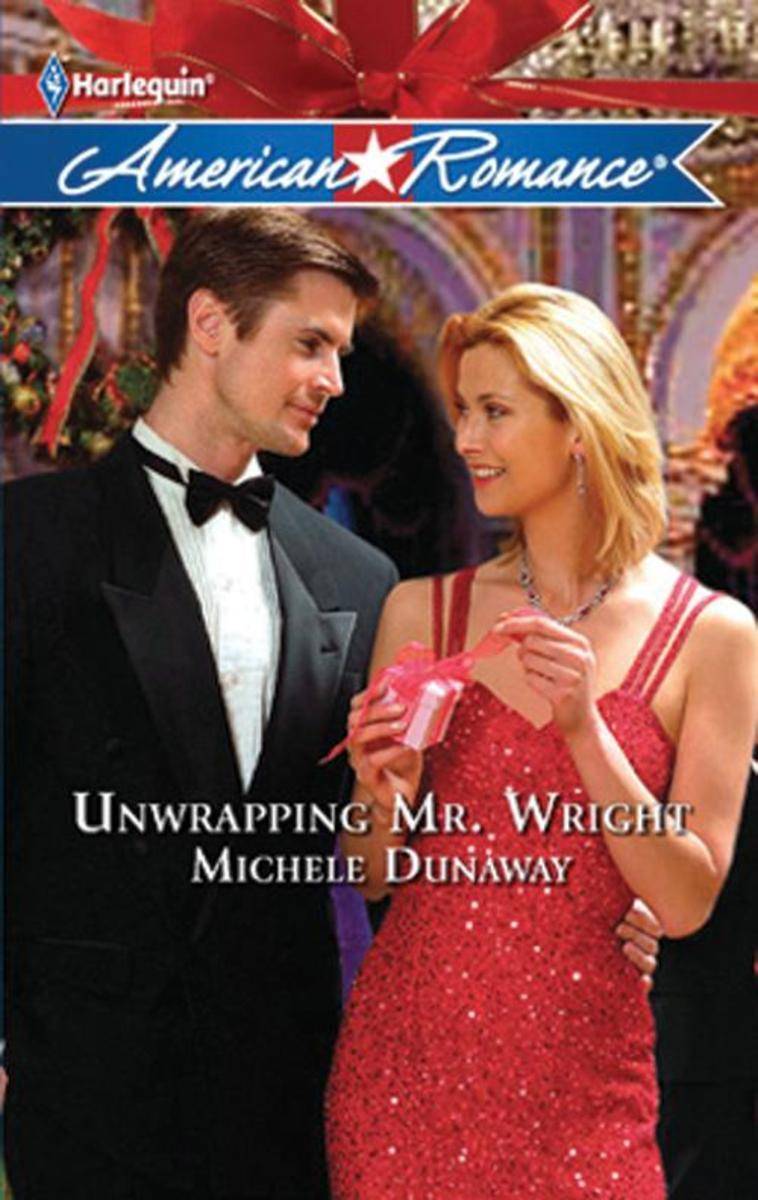
Unwrapping Mr. Wright (Mills & Boon M&B) (Times Two, Book 2)
¥27.27
Lauren Brown has had it with being a "gal pal," and she's taking matters into her own hands. Slinky black lingerie and a complete makeover ought to wake up the apparently oblivious Jeff Wright to the fact that she's really a femme fatale. Her seduction is a runaway success. But there's one little problem–she arouses Jeff's identical twin instead! Dangerously attractive, Justin Wright is best known for his revolving-door relationships and uncanny ability to annoy Lauren, which he does every day as her overbearing boss. Unfortunately, Lauren isn't sure how to handle things when the wrong Mr. Wright turns up again–next to her Christmas tree with a tag that reads "Open me first."

Beneath A Texas Sky (Mills & Boon Vintage Superromance)
¥23.15
Dana Turner is an astronomer; she's also an ex-convict. Deliberately framed for a murder she didn't commit, she spent seven months in prison. On her release, she came to Texas to work at an isolated little observatory in the Davis Mountains. She has no interest in people–only in stars. That changes when she meets Jace Riley. For the first time in a long time, she's attracted to someone. More than attracted. But, despite her feelings, she has some questions about Jace, a man who shows up in her life with astonishing frequency. Jace has questions about her, too. He's a Texas Ranger working undercover, searching for two cop-killers. He's traced them this far, to the town of Cloud Rim, where they simply disappeared. He finds himself wondering whether the beautiful and mysterious Dana Turner has anything to do with his case. And hoping she doesn't…

Where Love Grows (Mills & Boon Cherish)
¥31.10
When Becca Reynolds heads for rural Georgia to investigate a suspected crop insurance scam, she's concerned about her career, not her heart. Chief among the suspects is handsome Ryan MacIntosh, who isn't telling everything he knows. Could his involvement possibly be deeper than his devotion to his grandmother and the small farm that's been in the family for generations? Becca can't be sure, even though she knows Ryan intimately–at least online. She's certain he's the charming stranger with whom she's exchanged countless e-mails–and fallen in love. But she can't admit the truth any more than Ryan can–nor predict what it will cost them in the end.

Who's The Daddy? (Mills & Boon M&B) (New Arrivals, Book 1)
¥27.27
Could an expectant mother really forget who fathered her baby? When Caroline Adkins woke in a hospital bed with amnesia, she received startling news–she was pregnant! She couldn't remember one single night of passion…yet three different men were claiming paternity! Sexy stranger Max Daniels was the only man not previously acquainted with her powerful family. But one look into his eyes and Caroline started to fall for him, even though he was the least likely daddy-hopeful. Meantime, her family was arranging her marriage to a man with more proof…. Caroline was headed toward the altar with the seemingly right daddy–but the wrong man. Could she and Max prove his paternity– in time to stop her wedding?

A Baby For Christmas (Mills & Boon Vintage Cherish)
¥31.10
The Other Twin Brother Marine Captain Luke Brand has come home with one mission on his mind: to make amends with his identical twin brother's widow. They've never gotten along, but for the wounded soldier, establishing a connection with his yet-to-be-born nephew is a top priority–and failure is not an option. Still, he has to make peace without revealing his secret–that he's madly, completely, head over heels in love with Sophia Lee Brand. The last person Sophia wants to see this Christmas is Luke! She is too vulnerable and, well, too pregnant for the disruption. So why does she blush when he smiles, or her heart quicken when they touch? His looks are all too familiar–but he stirs up emotions she has never felt before. Perhaps a kiss under the mistletoe will make both of their Christmas wishes come true?
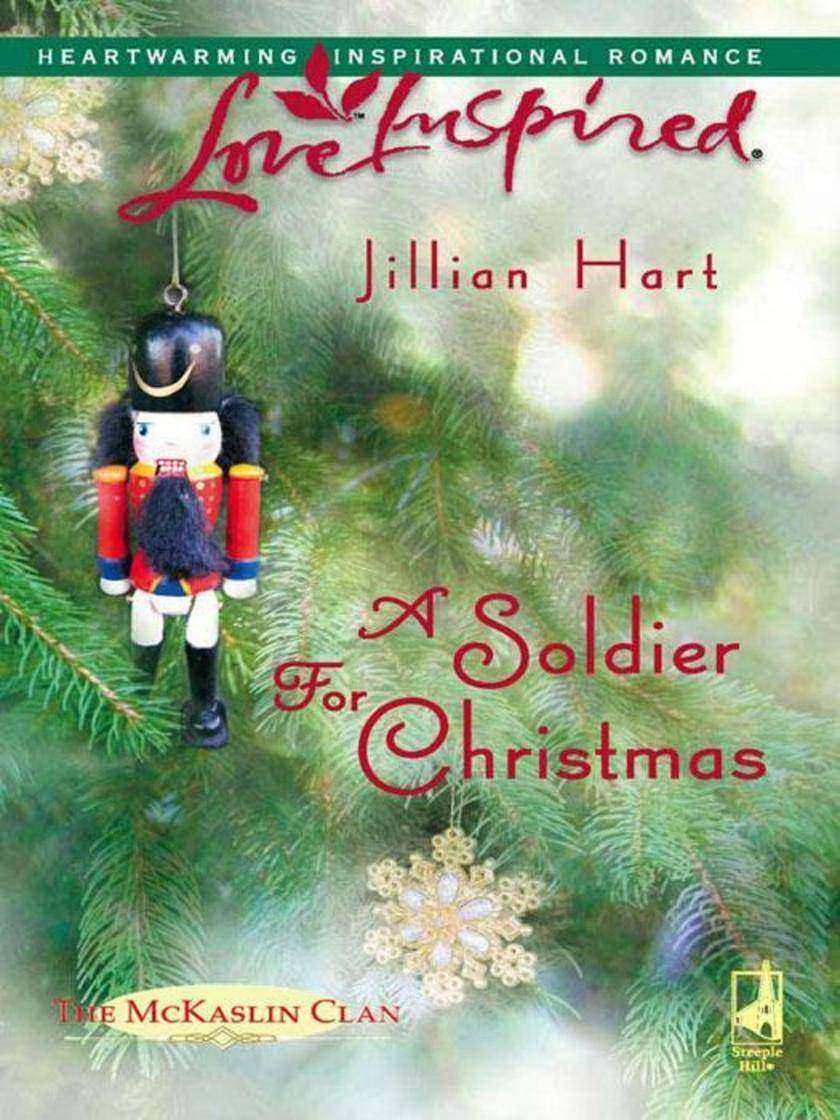
A Soldier for Christmas (Mills & Boon Love Inspired)
¥31.10
When the tall soldier entered the Christian bookstore, Kelly Logan nearly fell over. Could it be Mitch Dalton, the classmate she'd once had a crush on? Skinny Mitch had matured into a heart-stoppingly handsome man. And he wanted her to help him find a present for his mother. As they discovered the perfect gift, a friendship ignited. But friendship and a common faith was all it was. Mitch was leaving for the Middle East, and besides, after her tumultuous upbringing, Kelly felt relationships were hazardous. Yet, a lingering hope told her that perhaps God had special plans for them….
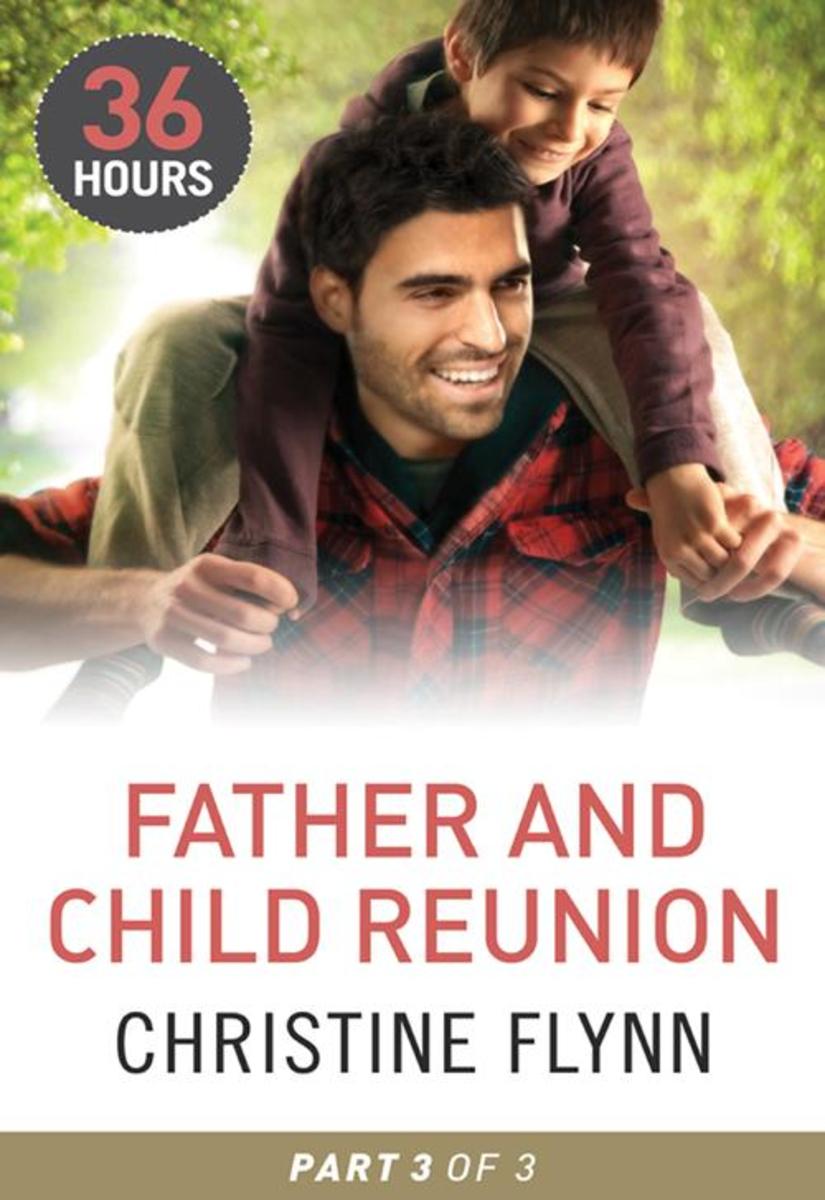
Father and Child Reunion Part 3 (36 Hours, Book 18)
¥11.77
36 Hours Serial As a devastating summer storm hits Grand Springs, Colorado, the next thirty-six hours will change the town and its residents forever…. Father and Child Reunion Part 3 Investigative reporter Rio Redtree is digging into the mayor's murder. But the closer he gets to answers, the more signs are pointing to Hal Stuart–the son of the murdered mayor and brother to the woman Rio realizes he has never stopped loving. The only thing he wants more than to catch Olivia's killer is to be with Eve and her daughter, Molly. How will Eve trust him if he's willing to send her own brother to prison? Can Rio risk the family life he's always wanted to see justice done? Don't miss the next book in the continuing story of Grand Springs in The Rancher and the Runaway Bride by Susan Mallery.

Her Unexpected Baby (Mills & Boon Cherish)
¥20.60
Adam Donovan' s good looks and charm may win over every other woman in the world, but divorced mother Dana Taylor is immune. Or so she thinks, until the night Adam poses as her date… and the pretence is so real that they become close. Now she' s thrilled to discover she' s pregnant! But she' s also wary. She' s been through one difficult marriage, and has had enough emotional trauma to last a lifetime. What will it take for her to believe Adam is different–that he can bring her the happiness she deserves?

Brothers
¥31.10
As famine overtakes the land, Simeon leads his brothers into Egypt to buy grain. He doesn't recognize the vengeful ruler he must bow before: Joseph, his long-lost brother. The very brother Simeon sold into slavery years ago. Now, it is the brash Simeon's turn to know imprisonment. Only Mandisa, the handmaid who interprets the ruler's language, is his saving grace. The beautiful widow and her young son see another side of Simeon, tenderness under the tough exterior. Yet he will never be free to love them until he unshackles the chains of his own heart.

Kids by Christmas (Mills & Boon Vintage Superromance)
¥28.35
Adopting one child is challenge enough for a single woman like Suzanne Chauvin. Now that she has the chance to adopt a brother and sister who shouldn't be separated, she has to keep her life as simple as possible. Which means she doesn't have time for an added complication in the form of her neighbor Tom Stefanec. Tom knows too much about Suzanne's past…and she knows nothing about his.

Childfinders, Inc.: An Uncommon Hero (Mills & Boon M&B)
¥54.74
The assignment seemed straightforward: track down the woman who had stolen the boy and return him to his father. But ChildFinders, Inc. had been duped, and Ben Underwood soon discovered that nothing about this case was as it seemed. He found Gina Wassel, the supposed kidnapper, easily enough, but once he did, all hell broke loose. Suddenly he had to untangle the truth from the lies, and it wasn't as easy as it should have been. Because Gina was everything Ben had ever dreamed of in a woman, and now he'd brought danger to her doorstep. With his heart–and her life–on the line, Ben found himself playing protector to Gina and the boy, a makeshift family he longed to make real.

Cavanaugh Pride (Mills & Boon Intrigue)
¥25.60
Julianne prided herself on never needing anyone. Yet ever since the detective teamed up with fellow cop Frank she found herself opening up. Taciturn Frank didn’t want her invading his territory. But both were helpless to resist their simmering attraction…
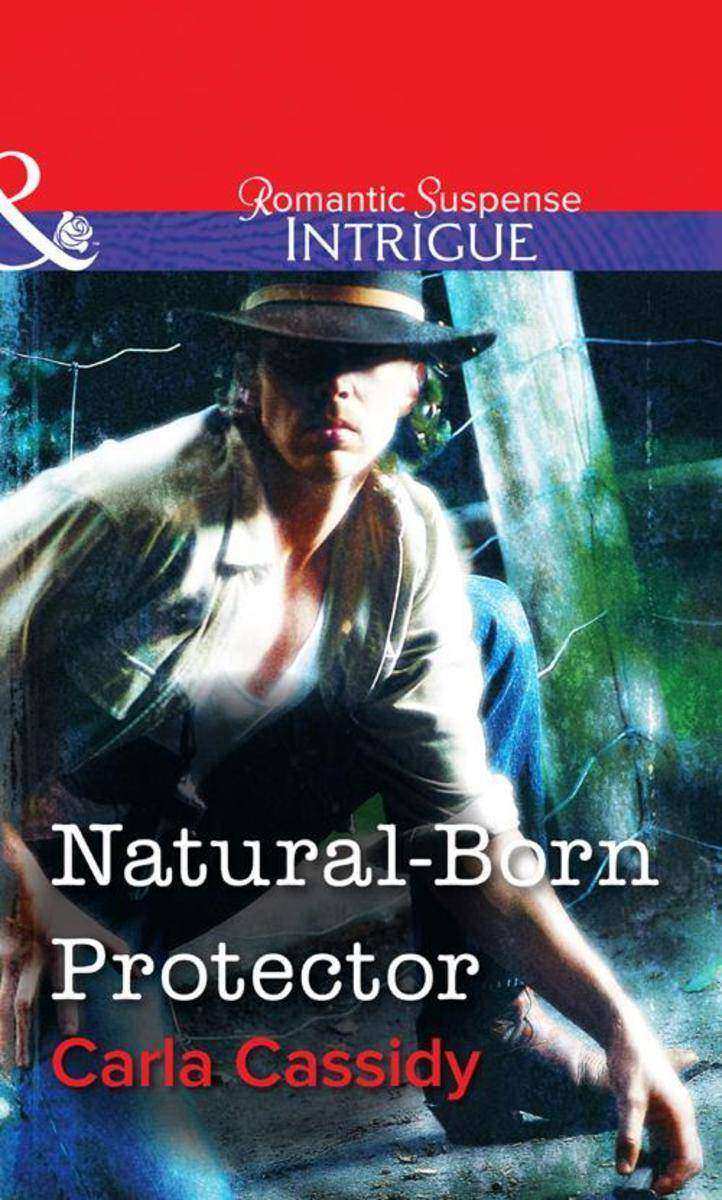
Natural-Born Protector (Mills & Boon Intrigue)
¥31.10
Gorgeous Hank is all that stands between Melody and the wrath of her sister’s killer. The brave widower and single dad makes a perfect bodyguard but could he also be boyfriend material?


