


 购物车
购物车 个人中心
个人中心

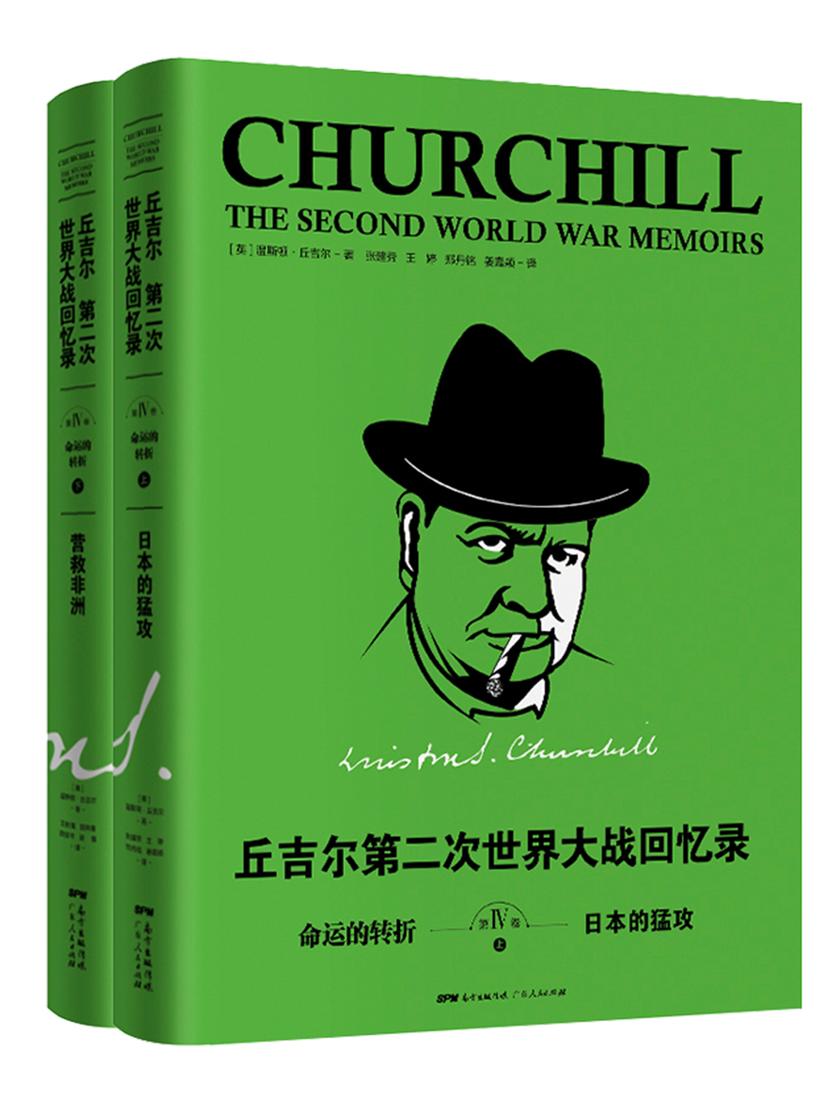
丘吉尔:第二次世界大战回忆录. 第四卷,命运的转折(上下册)
¥36.99
《丘吉尔:第二次世界大战回忆录》记录了20世纪初期,从一战后一直到二战结束这近30年的重大国际事件和历史进程,内容包括各国、各民族的政治、军事、外交、经济、文化和意识形态等诸多方面。 全书共六卷,基于盟军三巨头之一、英国首相丘吉尔的亲身经历,援引大量未曾公开的英国政府权威资料,详尽梳理了第二次世界大战的起因、贯穿其中的错综复杂的矛盾以及跌宕起伏的战争过程。
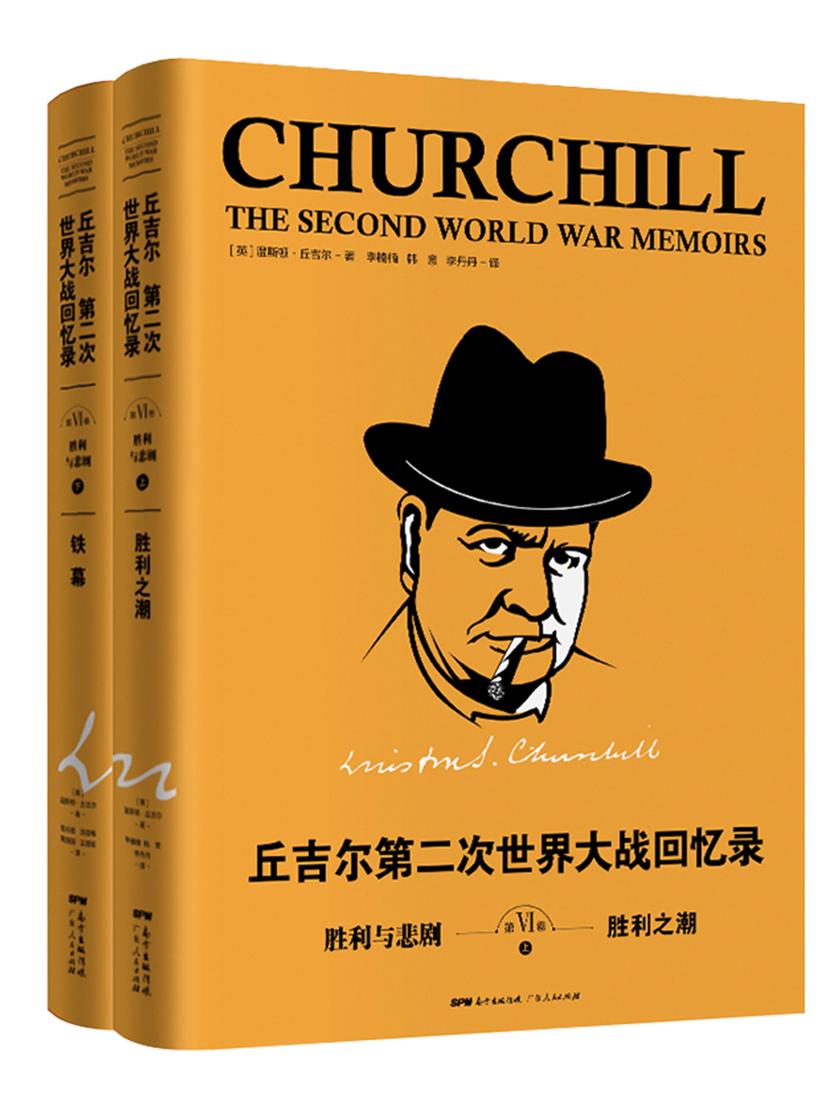
丘吉尔:第二次世界大战回忆录. 第六卷,胜利与悲剧(上下册)
¥28.99
《丘吉尔:第二次世界大战回忆录》记录了20世纪初期,从一战后一直到二战结束这近30年的重大国际事件和历史进程,内容包括各国、各民族的政治、军事、外交、经济、文化和意识形态等诸多方面。 全书共六卷,基于盟军三巨头之一、英国首相丘吉尔的亲身经历,援引大量未曾公开的英国政府权威资料,详尽梳理了第二次世界大战的起因、贯穿其中的错综复杂的矛盾以及跌宕起伏的战争过程。
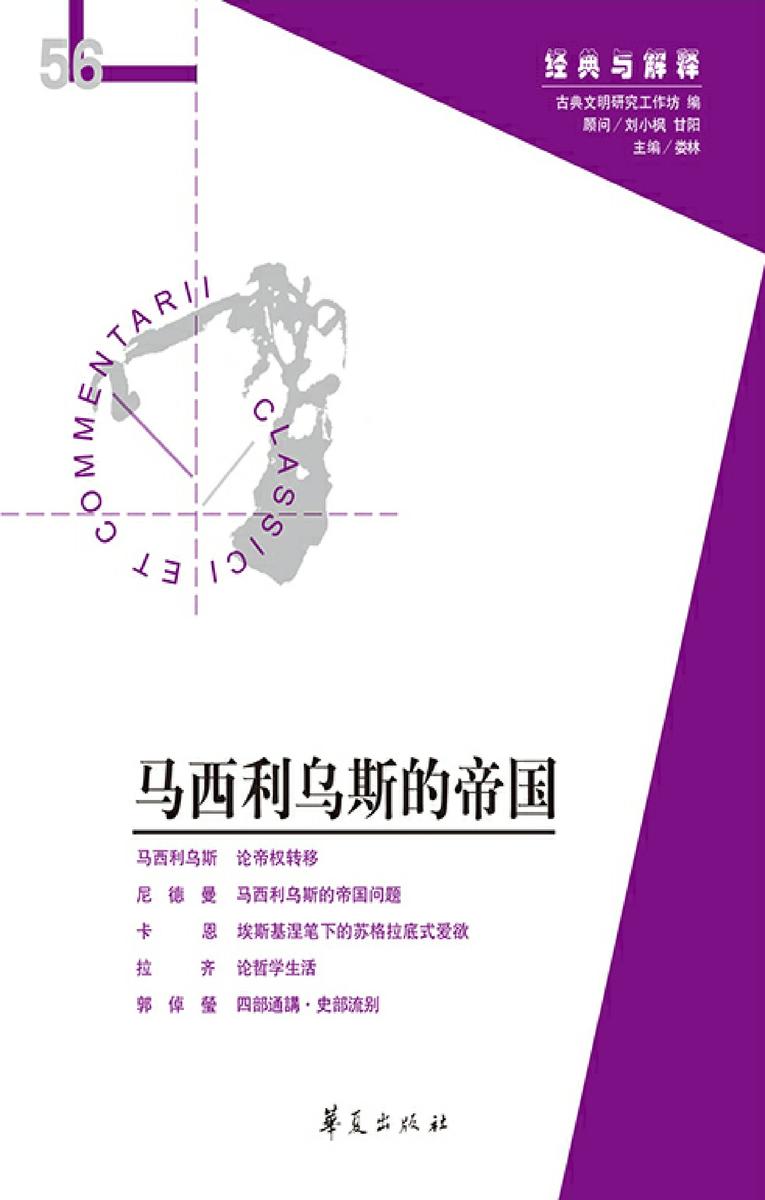
马西利乌斯的帝国
¥18.00
本书为“经典与解释”辑刊56期,论题为“马西利乌斯的帝国”。 帕多瓦的马西利乌斯是中世纪意大利学者,他的名字与他的主要著作《和平的保卫者》(完成于1324年)紧密相联,他的其他几部政治著作很少有学者注意到。这些著作中*为重要的是《和平的保卫者(小卷)》(Defensor minor),写作于《和平的保卫者》(Defensor pacis)完成后约十五年。此外还有《论帝权的转移》。要准确理解马西利乌斯的思想,离不全面考察其著作及其著述的具体语境。 本期论题围绕马西利乌斯的政治思想编排文章,其中*篇为马西利乌斯的《论帝权的转移》,译者参考多种资料,从拉丁文译出。其他几篇分别从权力、帝国问题、大众主权、自由主义对马西利乌斯的借用、马西利乌斯对亚里士多德的继承与偏离的角度深探讨马西利乌斯的政治思想。 除“论题”栏目外,本期其余各栏目文章也精彩纷呈。比如:“古典作品研究”栏目有关阿拉伯思想家拉齐的两篇,其中《论哲学生活》为拉齐作品翻译,《拉齐政治哲学的源头》为美国学者巴特沃斯解读拉齐思想的作品,都是非常重要的哲学文献;“旧文新刊”栏目收郭倬瑩的《四部通讲•史部流别》,对史书体例流传与变迁做了全面勾勒。
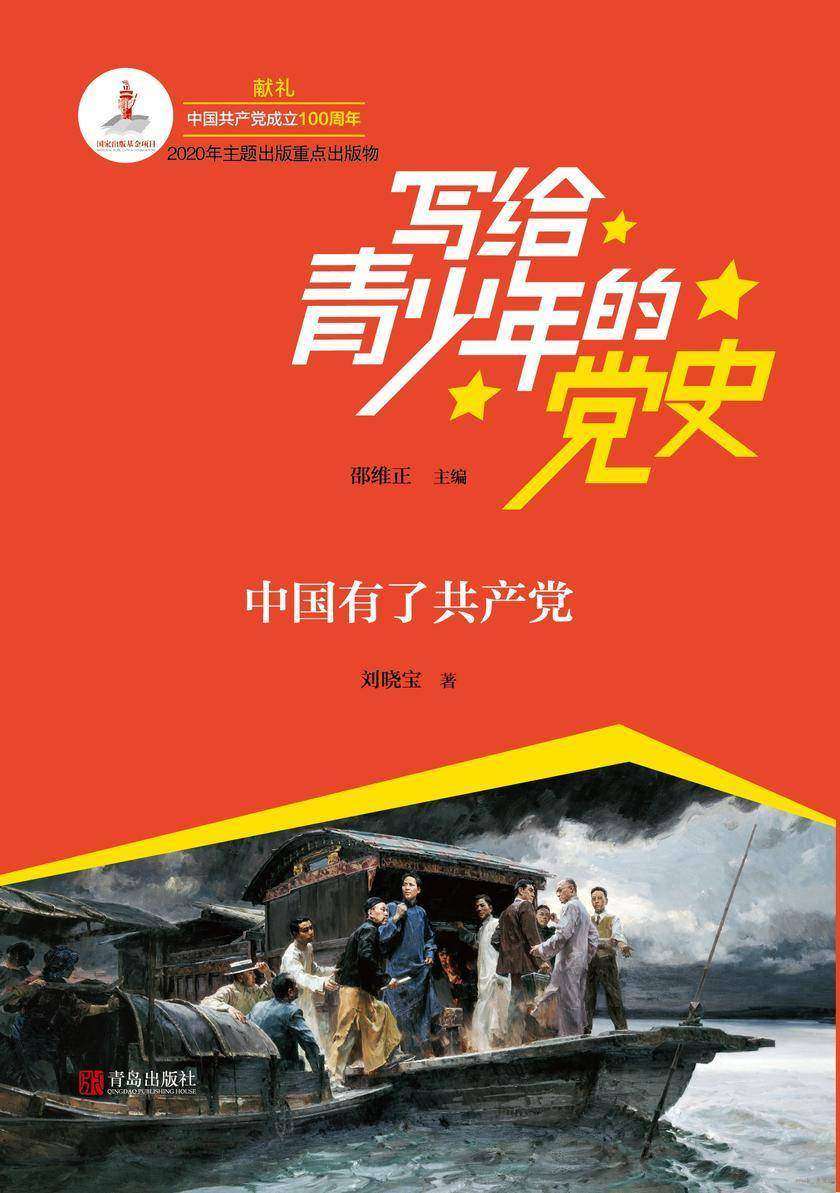
写给青少年的党史·第一卷:中国有了共产党
¥38.00
《写给青少年的党史》丛书是一套面向新时代少年儿童的有温度、有厚度、有力度、有态度、多角度的党史学习教育读本。该丛书由国内著名党史专家邵维正教授领衔并担纲主编,中央党校、国防大学的多位专家组成创作团队,中国史学会会长李捷、中国中共党史学会副会长张启华担任学术顾问。 丛书紧紧围绕“中华民族是怎样站起来、富起来、强起来的”这一主旨,突破传统的章、节、目框架结构,以问答形式展论述,梳理归纳了当代青少年*为关注的60个问题,突出重、难、热、亮,按党史发展脉络分编成6卷,依次为《中国有了共产党》《红色星火燎原》《战火中成长》《中国人民站起来了》《春天的故事》《筑梦新时代》。每卷既独立成书,连贯起来又构成一个整体,能够系统地反映中国共产党历史的概貌。每个问题后设有“名言金句”“读党史长智慧”栏目,以帮助青少年更好地掌握主要内容和精髓启示,引发思考,从中受益。 在叙述方式和语言风格方面,丛书努力贴近少年儿童的阅读习惯和受程度,力求以生动形象的党史故事作为切,由小到大,由浅深,讲清来龙去脉,剖析前因后果,引发思考共鸣,达到以情感人、以理服人。在版式上,坚持图文并茂,强化视觉冲,增强可读性、趣味性。
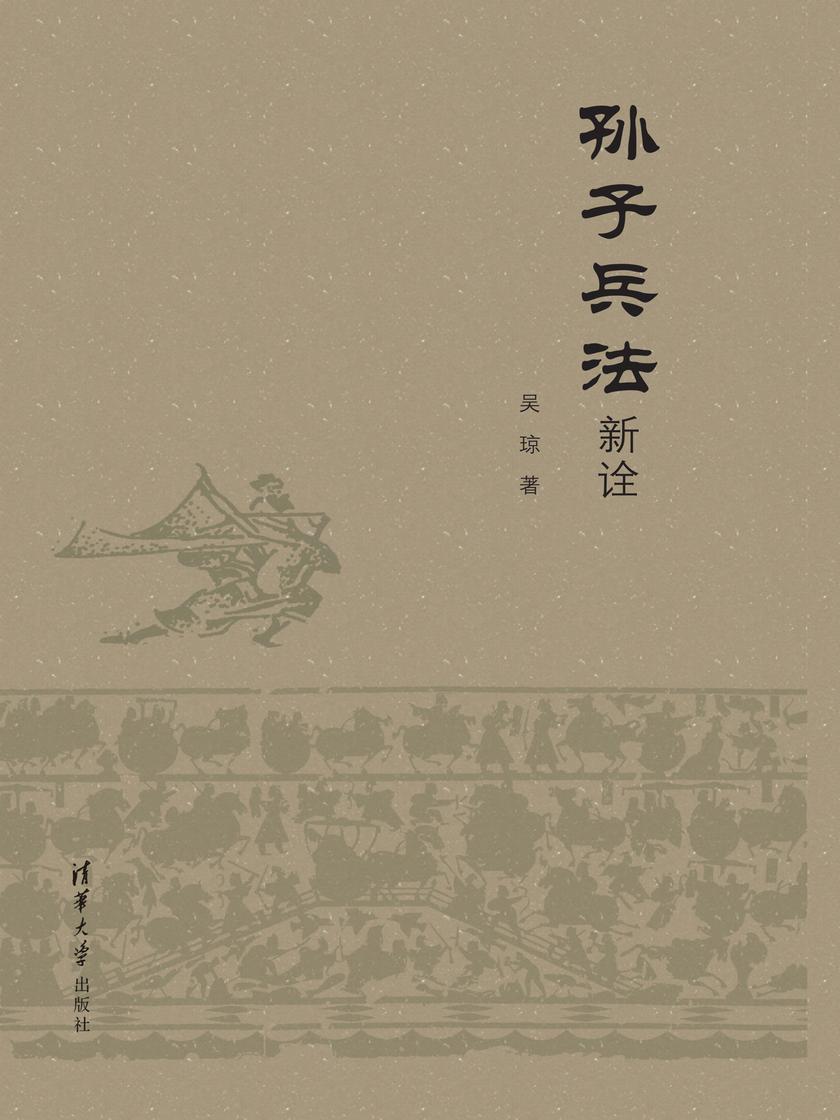
孙子兵法新诠
¥48.30
《孙子兵法》是中国古代兵家和兵学的代表作,也是中国优秀传统文化的重要组成部分。本书简明扼要地介绍了《孙子兵法》的学术地位和特,系统而精练地评述了《孙子兵法》十三篇中所包含的丰富、深刻内容,认为一部《孙子兵法》是由“国家战略:国君的‘大战争’指导艺术”“军事战略:统兵之将的作战指导艺术”和“战术专题”三大部分组成的,从而,基本上揭示了这部世界上*早产生的战争和战略名著的理论真相。本书适合对战略问题和军事理论感兴趣的读者阅读。
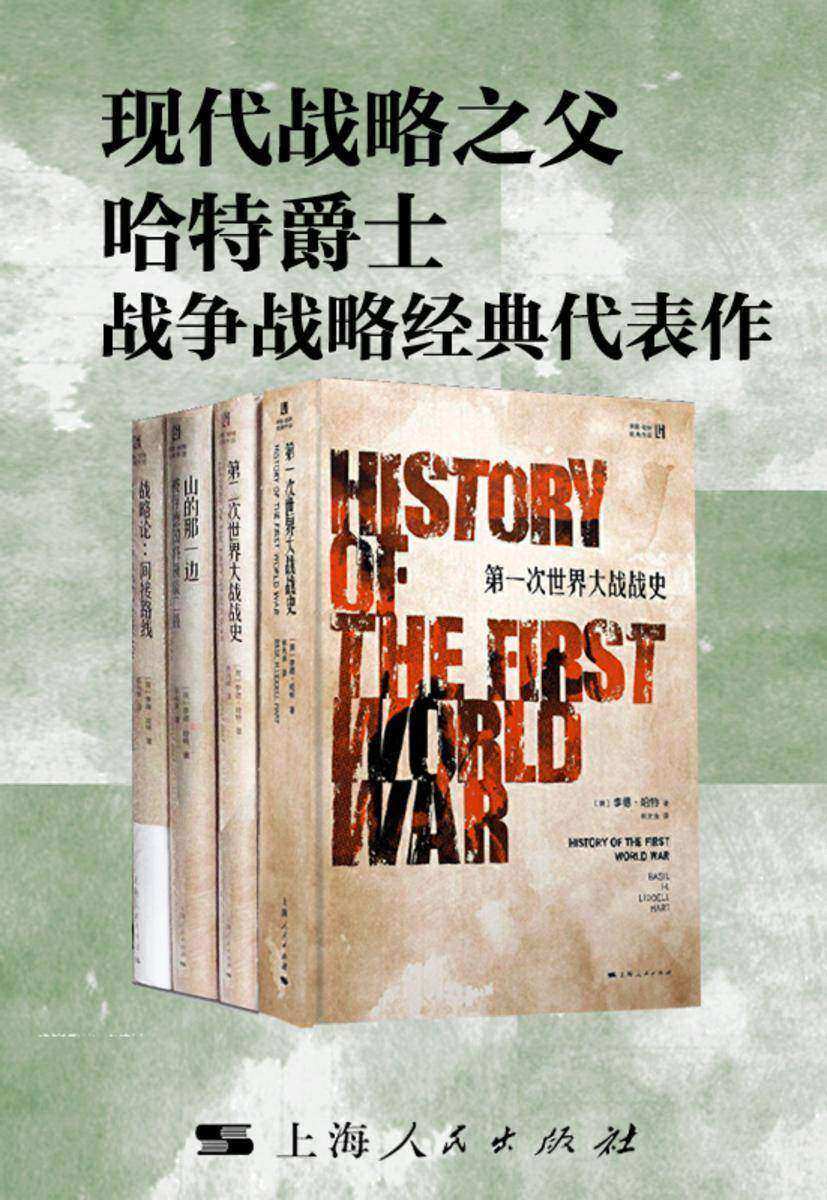
现代战略之父哈特爵士战争战略经典代表作
¥142.50
现代战略之父哈特爵士战争战略经典代表作,包括《战略论:间接路线》《山的那一边:被俘德国将领谈二战》《次世界大战战史》《第二次世界大战战史》 《战略论:间接路线》在西方战史研究中具有崇高地位,是军事理论的书。因为此书,李德·哈特被西方奉为“军事理论教皇”。在《战略论:间接路线》中,李德·哈特以深厚的军事理论和战史研究功底,通过分析世界历史上自希波战争到第二次世界大战的30场战争、280多次战役,得出一个结论:间接路线战略是效果、为经济的战略形式。看似远和弯曲的路线,往往才是真正的“捷径”。在任何竞争中,只有击败对手才能获胜。而在未克服对手的抵抗之前,应首先减弱他的抵抗,有效的方法就是将其引出自己的防线之外。这就是间接路线战略的精髓所在。因此,“间接路线”不仅是战争的定律,更是一个哲学上的真理,在战争之外,于人类生活中的政治、经济活动等各个方面,都有着广泛的应用。 《山的那一边:被俘德国将领谈二战》是一部独特的二战史,大部分来自李德·哈特在纽伦堡对德国高级将领的审讯记录。 李德·哈特全面、公正地将与布卢门特里特、伦德施泰特、托马、克莱斯特、海因里希、一曼陀菲尔、施图登特等德国将领的谈话汇集起来,删繁就简,并在记述中穿插自己的分析和结论。 他让德国将领成为第二次世界大战进程的叙述者,这就是所谓的“山的那一边”——指代德军在二战中的心理和各项军事方针,由此本书记录的不仅是第二次世界大战直接的证据,读者也能从德国将领的描述中感受当时的真实氛围、领略战争的成败细节。本书具有相当的可读性,精彩程度不亚于《第二次世界大战战史》。 《次世界大战战史》是世界著名军事史学家、现代战略大师李德·哈特的重要代表作之一,详述次世界大战的整个过程与各方战略战术的运用。 1914年,萨拉热窝的一声枪响,引爆了整个世界。欧洲列强集团纷纷全面动员,倾其全国之力,投入这场前所未见的残酷血战。 绵延千里的铁丝网壕沟阵地,成为列强意志拼搏的角力场。数以百万计的军人在破片四溅、血流成河的泥泞战场,试图打出世界新秩序的黎明。 兵灾遍及亚欧非三洲,炮火烟硝中,旧帝国纷纷解体,欧洲的权力格局亦随之改变,然而这场号称将结束一切战争的战争,造成的结果,竟是下一场更大规模的世界大战…… 《第二次世界大战战史》第二次世界大战是人类有史以来规模的战争,无论是战火波及的区域、直接或间接参与的国家、生命财产的损失等,没有其他的战争堪与比拟;其所造成的冲击与影响,更是全面而深远,值得我们加以关注、省思。 在第二次世界大战史的着作中,李德哈特的这本书无疑是其中具通盘关照的作品之一。作者凭藉着个人的军事经历、丰富的资料文件、当事人的访谈记录,集22年之功才完成这部巨着。本书对历时6年的二战中大小战役均有翔实的叙述,铺陈详尽。此外,作者更对此段历史作冷静、客观的分析与思考。人们常说“历史是一面镜子”,本书能使读者鉴往知今,历史的真实在今天依然有警醒意义。
国土综合整治研究(土地管理与房地产前沿丛书)
¥41.87
作为国家层面的战略部署,国土综合整治已成为当前中国生态文明建设与城乡融合发展的重要抓手。严金明教授领衔撰著的《国土综合整治研究》一书,立足于国家战略发展的宏观背景,从内涵模式和区域统筹两个方面对国土综合整治展系统研究,提出了新时期国土综合整治的核心内涵及全面推国土综合整治的十条政策建议。在国土综合整治的内涵模式方面,本书在明晰背景意义、界定基础概念的基础上,借鉴国外国土综合整治经验,分析了国内各个时期国土综合整治研究的阶段演与发展变化,提出了新时期国土综合整治的内涵理念、目标任务和类型模式。在国土综合整治的区域统筹方面,本书构建了“ 线 面”三个层次的国土综合整治统筹框架。此外,本书密切结合实际,对我国国土综合整治实施过程中的诸多重和热问题行了深探究,系统阐释了国土综合整治的制度基础、保障措施和实施机制。 本书认为,国土综合整治的本质是“对人与国土关系的再调适”。未来国土综合整治应当在土地综合整治的基础上,以落实空间规划“多规合一”、统筹城乡发展、推新型城镇化、建设生态文明等为导向,把所有国土资源纳治理范围。
Medicina bun?. Solu?ii naturale sigure pentru peste 75 de probleme de s?n?tate g
¥90.84
Ce greu este orice nceput! Dar necesar, de neocolit. Nu tim cum va fi sfritul, nu tim nici mcar ce form va lua drumul, dect n linii mari; dar pentru c suntem aici, pe acest pmnt i pe acest continent, Europa, trebuie s re-ncepem, moralitatea noastr va fi cea a luptei i a onestitii n lupt. Avem libertatea, adevrat, n sfrit o avem, a sosit att de trziu nct, dei o pipim i o simim, pare incredibil. Dar ea nu este mai mult dect o form, o form goal ce va trebui umplut...“ (Nicolae Breban)
Викрадений. Катр?она
¥5.72
O livro analisa como o imigrante foi institucionalizado como amea?a existencial à Uni?o Europeia, sobretudo a partir dos anos 1990. Além de legisla??o e medidas securitárias, como controle de fronteiras e vistos, o livro se debru?a sobre discursos políticos que identificam a imigra??o como um problema de seguran?a, com campanhas de partidos extremistas e casos de racismos contra mul?umanos e indivíduos de origem romana na UE. Mostra como esse processo se vincula à resistência do Estado Na??o como lugar de identidade política e condi??o de cidadania.

Pistols and Revolvers: From 1400 to the Present Day
¥81.67
Matchlock, wheel lock, flintlock and caplock; .44 or 9mm; revolver and automatic – the history of pistols and revolvers is a fascinating journey through the development of hand-held firearms technology. From early hand cannon of the late 14th century to the latest automatics and machine pistols, Collector’s Guides: Pistols & Revolvers traces the development of these small arms as they evolved over the centuries. From a Thirty Years’ War wheel lock to today’s Beretta 92, from the Luger to the Colt to the latest Ruger, Collector’s Guides: Pistols & Revolvers offers a narrative history of the classics among these firearms. Throughout the book there are technical specifications for featured firearms. Illustrated with more than 250 colour and black-and-white artworks and photographs, Collector’s Guides: Pistols & Revolvers is an expertly written account of the history of sporting and military firearms.
铁心力量
¥13.30
本书围绕“守初心、担使命、找差距、抓落实”的总要求,用通俗的语言,阐述了对“不忘初心、牢记使命”深刻内涵的理解和探索;表达了共产党人要铁心向党,不忘初心,牢记使命,锻炼力量;论述了广大党员领导干部应自觉用党的理论武装头脑,不断提高个人思想政治素质,锤炼忠诚干净担当的政治品格,提高为民服务解难题的本领;对新时代中国共产党员怎样做到“不忘初心、牢记使命”提供了理论指导和生动范例。全书内容通俗易懂,可以作为展“不忘初心、牢记使命”主题教育的参考读物。
国际关系视野下的难侨救助问题研究
¥11.99
本书以时间为序,着重研究1918—2017年历届中国政府救助海外难侨的具体过程及其所涉及的国际关系。全书分四章,探讨北洋政府救助俄属远东地区难侨、新中国政府救助印度被拘难侨、印尼“排华”与中国政府对难侨的救助,以及21世纪中国政府救助海外侨民的重要行动相关的史实、背后所涉及的国际关系,阐述中国政府如何在当地动荡的局势下保护与救助深陷困境的海外侨民,具有一定的学术参考价值。
世界华侨华人研究文库·全球化下的侨民战略与发展研究:以美国、爱尔兰和印度为例
¥17.99
本书为国家社科基金项目成果。侨务工作是中国对外交流活动中重要的工作之一,研究和借鉴其他国家在侨务工作上的经验有利于我国侨务工作的展。全书选取当今世界上具有代表性的发达、次发达和发展中国家的美国、爱尔兰及印度三个国家为例,系统阐述美国侨民战略的内容、实施机制和实施效果及其对我国侨民战略的启示,并以2008年经济危机为切来分析爱尔兰侨民战略,厘清侨民战略与爱尔兰经济发展的内在逻辑,同时探讨印度侨民战略的提出背景与内容、机制、主要措施及效果。本书力求对我国侨民政策的制定、修订、完善及侨务活动的展具有一定的借鉴意义。
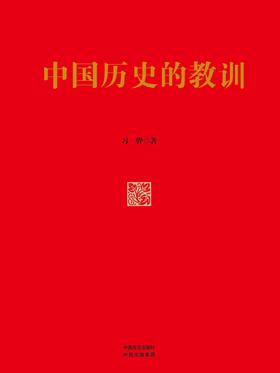
中国历史的教训:精装版
¥25.20
《中国历史的教训》(全新修订精装版),是一本以人物故事为主线、以廉政思想为内核的中国历史通俗读物,也是一本由纪检监察干部倾注心血、联系反腐败斗争的实际而写就的读史感悟。 作者习骅在“反腐一线”工作多年,全书收录了他创作于2012年—2014年,并发表在《中国纪检监察报》等多家媒体上的24篇“说古道今”的文章,以轻松的笔调通过众多令人嗟叹与沉思的人物故事,来讲述历史风云变幻中的不变正道。作者巧妙地从古今历史,特别是明清治国、吏治等历史典故中寻求成败教训、总结得失经验。从关注“四风”问题的《朱元璋为何暴茹太素》到透析“官商勾结”的《张之洞借钱》,从探索“总关”问题的《高级干部的低级错误》到聚焦作风建设的《作风建设与历史周期律》……这些文章紧跟十八大以来党中央“虎拍蝇”的节拍,精选案例,精讲故事,精析道理,成为学习领会新一届党中央治理腐败的坚定决心和高超战略的鲜活教材,是党员干部一步转变作风,守纪律讲规矩,做好各项工作的有益参考。 《中国历史的教训》(全新修订精装版),整体行全新修订,增加了多篇附录文章,有趣、有料,叙事流畅生动,见解独到深刻,传递廉政新思维正能量。
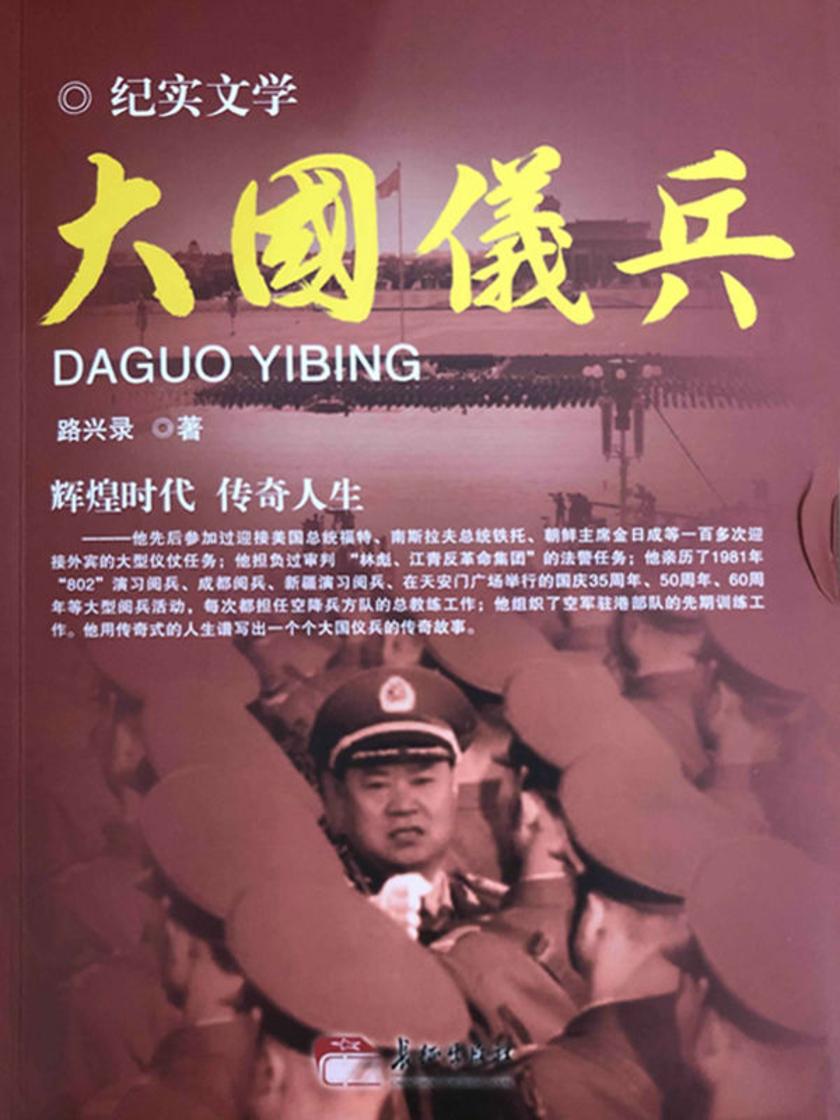
大国仪兵
¥9.99
大国仪兵

Быстрое консервирование. Холодное и горячее.
¥17.74
Ця книга — про економ?ку як просту науку, яку здатен збагнути кожен. Автор — корейський економ?ст Ха-Юн Чан? — показу? нам ?закритий? св?т економ?ки, що прихову?ться в?д загалу за купою чисел, заплутаних формул та незрозум?лих терм?н?в. У книз? стверджу?ться: знатися на економ?ц? може ? повинен кожен.??Серед усього ?ншого автор розм?ркову? над причинами св?тово? кризи 2008 року, над тим, чи справд? люди б?дн?, бо л?нив?, а ус? багат? — працьовит?, а також чи може кра?на досягти економ?чних усп?х?в, перестрибнувши через етап ?ндустр?ал?зац??. ? все це — доступною, подекуди жарт?вливою, мовою.??
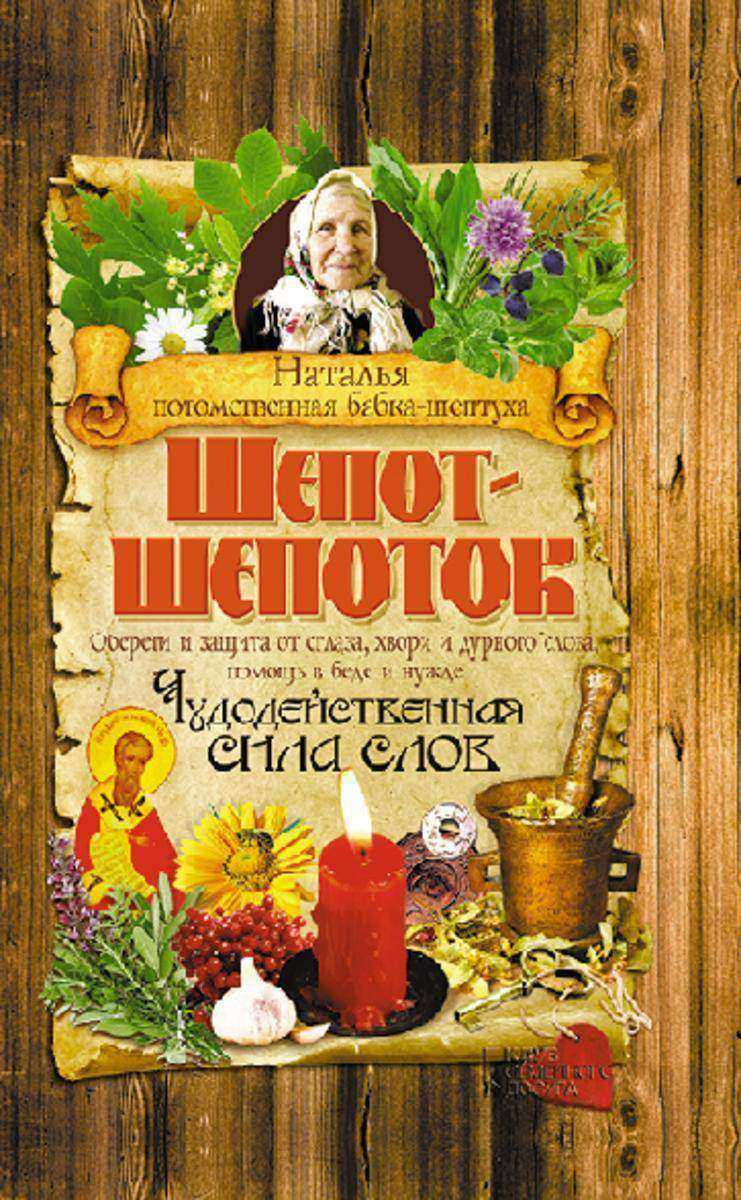
Шепот-шепоток. Чудодейственная сила слов
¥17.74
Mykola Riabchuk, a renowned Ukrainian public intellectual and political analyst, has been closely following and commenting on political developments in Ukraine since the early years of its independence. His best essays, collected within this book, focus primarily on the years of the presidency of Victor Yanukovych which were marked by a state capture, democratic recession and creeping authoritarian consolidation. An astute analysis of political processes combined with a sound essayistic narrative make the book essential reading for political scientists, students, and all those interested in the region.
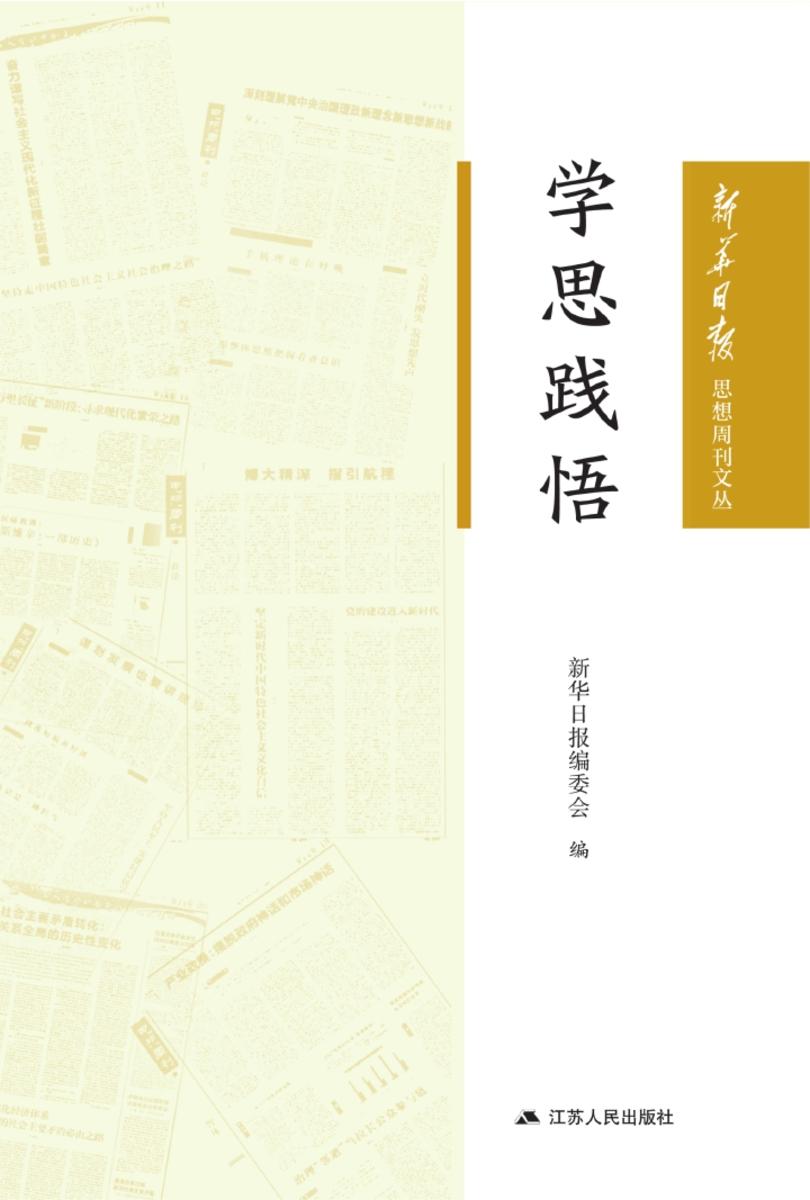
学思践悟
¥9.00
《新华日报·思想周刊》文丛系《新华日报》2017年1月创办“思想周刊”一年来其新论、政声、智库等专栏的思想理论成果的合集,反映了《新华日报》与时俱,传播党的声 音、服务人民群众的办报思想。《学思践悟》系其政声版“三做谈”“学思用”等栏目以及“做学习型干部 倡导研究性工作”专栏征文文章的合集。
社会建设新局面(“改革开放与新时代”研究丛书)
¥23.40
本书在梳理马克思主义经典作家关于未来社会建设的基本思想基础上,全面回顾我国改革放40年来社会建设的辉煌历程,系统总结社会建设领域取得的伟大成就,深提炼社会建设的基本经验。通过回顾历程、总结成就和提炼经验,探讨中国特色社会主义新时代的深刻内涵,剖析新时代后我国社会建设面临的严峻挑战和发展机遇,解读总体工作思路和未来战略部署,展望我国社会建设的新局面。本书自觉坚持马克思主义基本立场、观和方法,既注重对发展历程的回顾梳理,又注重对伟大成就和丰富经验的总结概括,还注重对未来社会发展前景的憧憬。本书对于正确认识改革放40年的实践探索和新时代的社会建设都具有重要参考价值。
民主新论:当代论争
¥69.00
《民主新论》是美国当代著名政治思想家萨托利耗费十年心血撰写而成的经典之作,一经问世便得到了广泛赞誉。学术界盛赞萨托利在民主学说上“堪称我们时代为强大的头脑”,“他的论证没有真正的对手”。该书至今仍是民主理论研究的权威著作。萨托利希望以西方传统政治理论为基础,恢复其所谓的“主流民主学说”。 ??? 在上卷“当代论争”中,萨托利回顾了当代重要的民主理论,并以清晰的思路彻底检视了其中存在的突出问题,由此综合而成他向读者提出的所谓一种新的主流观,其犀利的论说与敏捷的思维巧妙地穿梭于不同的思想派别之间。本书*的魅力在于,萨托利认为,规范性(理想的)理论与描述性(现实的)理论必须被结合成一个整体,才能在民主可能的理论中行之有效。这部博识之作的清晰和生动,对于大学本科生而言,非常具有可读性。
施米特文集:政治的浪漫派
¥52.00
一切浪漫现象都是受非浪漫力量的控制。 昂首超然于各种限制与决断之上的人,变成了异己势力和异己决断的臣仆。 ——卡尔·施米特 浪漫主义是19世纪西方的主导精神,对于思想史研究而言,政治的浪漫派问题不可小视。《政治的浪漫派》是施米特的代表作之一,初版于1919年,1925年再版并增加长篇序言,关注的是作为政治哲学的浪漫主义,看似思想史论著,其实针对的是现实政治问题,其用意在于表明浪漫派的“永恒交谈”与自由主义议会民主制的公辩论基于相同的形而上学真理论。本书浪漫主义政治哲学研究之先河,晚期的浪漫主义哲学研究(如伯林)尚不及其所达到的思想深度。施米特从德国知识分子的现实处境出发,讨论浪漫派在思想史上的位置,阐明了浪漫派对现实社会生活的基本看法,并表明了它的本质是一种关于政治的趣味。本书着力在思想史的脉络里整理弥漫整个欧洲的浪漫主义精神,是一本不可多得的思想史力作。


