


 购物车
购物车 个人中心
个人中心

POW Escape And Evasion: Essential Military Skills To Avoid Being Caught By the E
¥65.32
POW Escape and Evasion covers everything you need to know about making a successful return to friendly territory. Beginning from the point where a combatant finds himself or herself trapped in enemy territory, the book offers useful tips and solid advice on how to evade capture and, if that fails, how to escape. Key topics include the will to survive; handling stress in captivity; escape techniques; survival in a variety of environments, including urban, rural, jungle and desert; how to forage for food; tracking and how to cover your tracks; navigation, with or without a map; and seeking recovery by friendly forces. The book also includes a number of real life accounts of POW escape from World War II (including The Great Escape story and Colditz), the Vietnam War (Dieter Dengler, with others, escaping from Laos), the Balkans, Iraq (Thomas Hamill in 2004) and Afghanistan. With more than 120 black-&-white artworks and with easy-to-follow text, POW Escape and Evasion is for anyone who wants to know how to survive in the most stressful of circumstances and emerge a winner. Presented in a handy, pocket-size format, this is a book you could take with you into the field. And it could save your life.
Pursuit
¥4.58
"When all the gods had assembled in conference, Zeus arose among them and addressed them thus" . . . "it is with this line that Plato's story of Atlantis ends; and the words of Zeus remain unknown." -- Francis Bacon, New Atlantis Of all the writings of Plato the Timaeus is the most obscure and repulsive to the modern reader, and has nevertheless had the greatest influence over the ancient and mediaeval world. The obscurity arises in the infancy of physical science, out of the confusion of theological, mathematical, and physiological notions, out of the desire to conceive the whole of nature without any adequate knowledge of the parts, and from a greater perception of similarities which lie on the surface than of differences which are hidden from view. To bring sense under the control of reason; to find some way through the mist or labyrinth of appearances, either the highway of mathematics, or more devious paths suggested by the analogy of man with the world, and of the world with man; to see that all things have a cause and are tending towards an end—this is the spirit of the ancient physical philosopher. He has no notion of trying an experiment and is hardly capable of observing the curiosities of nature which are 'tumbling out at his feet,' or of interpreting even the most obvious of them. He is driven back from the nearer to the more distant, from particulars to generalities, from the earth to the stars. He lifts up his eyes to the heavens and seeks to guide by their motions his erring footsteps. But we neither appreciate the conditions of knowledge to which he was subjected, nor have the ideas which fastened upon his imagination the same hold upon us. For he is hanging between matter and mind; he is under the dominion at the same time both of sense and of abstractions; his impressions are taken almost at random from the outside of nature; he sees the light, but not the objects which are revealed by the light; and he brings into juxtaposition things which to us appear wide as the poles asunder, because he finds nothing between them. He passes abruptly from persons to ideas and numbers, and from ideas and numbers to persons,—from the heavens to man, from astronomy to physiology; he confuses, or rather does not distinguish, subject and object, first and final causes, and is dreaming of geometrical figures lost in a flux of sense. He contrasts the perfect movements of the heavenly bodies with the imperfect representation of them (Rep.), and he does not always require strict accuracy even in applications of number and figure (Rep.). His mind lingers around the forms of mythology, which he uses as symbols or translates into figures of speech. He has no implements of observation, such as the telescope or microscope; the great science of chemistry is a blank to him. It is only by an effort that the modern thinker can breathe the atmosphere of the ancient philosopher, or understand how, under such unequal conditions, he seems in many instances, by a sort of inspiration, to have anticipated the truth. The influence with the Timaeus has exercised upon posterity is due partly to a misunderstanding. In the supposed depths of this dialogue the Neo-Platonists found hidden meanings and connections with the Jewish and Christian Scriptures, and out of them they elicited doctrines quite at variance with the spirit of Plato. Believing that he was inspired by the Holy Ghost, or had received his wisdom from Moses, they seemed to find in his writings the Christian Trinity, the Word, the Church, the creation of the world in a Jewish sense, as they really found the personality of God or of mind..
Queen of the Savannah: "A Story of the Mexican War"
¥28.04
Tiziano Vecelli or Tiziano Vecellio (1488/1490 – 27 August 1576) known in English as Titian was an Italian painter, the most important member of the 16th-century Venetian school. He was born in Pieve di Cadore, near Belluno (in Veneto), in the Republic of Venice. During his lifetime he was often called da Cadore, taken from the place of his birth. Recognized by his contemporaries as "The Sun Amidst Small Stars" (recalling the famous final line of Dante's Paradiso), Titian was one of the most versatile of Italian painters, equally adept with portraits, landscape backgrounds, and mythological and religious subjects. His painting methods, particularly in the application and use of color, would exercise a profound influence not only on painters of the Italian Renaissance, but on future generations of Western art. During the course of his long life, Titian's artistic manner changed drastically but he retained a lifelong interest in color. Although his mature works may not contain the vivid, luminous tints of his early pieces, their loose brushwork and subtlety of tone are without precedent in the history of Western art. Early years This early portrait (c. 1509), described by Giorgio Vasari in 1568, was long wrongly believed to be of Ludovico Ariosto; it is now thought to be a portrait of Gerolamo Barbarigo, and the composition was borrowed by Rembrandt for his own self-portraits. The exact date of Titian's birth is uncertain; when he was an old man he claimed in a letter to Philip II, King of Spain, to have been born in 1474, but this seems most unlikely. Other writers contemporary to his old age give figures which would equate to birthdates between 1473 to after 1482, but most modern scholars believe a date nearer 1490 is more likely; the Metropolitan Museum of Art's timeline supports c.1488, as does the Getty Research Institute.He was the son of Gregorio Vecelli and his wife Lucia. His father was superintendent of the castle of Pieve di Cadore and managed local mines for their owners. Gregorio was also a distinguished councilor and soldier. Many relatives, including Titian's grandfather, were notaries, and the family of four were well-established in the area, which was ruled by Venice. At the age of about ten to twelve he and his brother Francesco (who perhaps followed later) were sent to an uncle in Venice to find an apprenticeship with a painter. The minor painter Sebastian Zuccato, whose sons became well-known mosaicists, and who may have been a family friend, arranged for the brothers to enter the studio of the elderly Gentile Bellini, from which they later transferred to that of his brother Giovanni Bellini. At that time the Bellinis, especially Giovanni, were the leading artists in the city. There Titian found a group of young men about his own age, among them Giovanni Palma da Serinalta, Lorenzo Lotto, Sebastiano Luciani, and Giorgio da Castelfranco, nicknamed Giorgione. Francesco Vecellio, his older brother, later became a painter of some note in Venice.A fresco of Hercules on the Morosini Palace is said to have been one of Titian's earliest works; others were the Bellini-esque so-called Gypsy Madonna in Vienna, and the Visitation of Mary and Elizabeth (from the convent of S. Andrea), now in the Accademia, Venice.
The House That Jack Built: "Illustrated"
¥9.24
Books of instruction in the practice of painting have rarely been successful. Chiefly because they have been too narrow in their point of view, and have dealt more with recipes than with principles. It is not possible to give any one manner of painting that shall be right for all men and all subjects. To say "do thus and so" will not teach any one to paint. But there are certain principles which underlie all painting, and all schools of painting; and to state clearly the most important of these will surely be helpful, and may accomplish something. It is the purpose of this book to deal practically with the problems which are the study of the painter, and to make clear, as far as may be, the principles which are involved in them. I believe that this is the only way in which written instruc-tion on painting can be of any use. It is impossible to understand principles without some statement of theory; and a book in order to be practical must therefore be to some extent theoretical. I have been as concise and brief in the theoretical parts as clearness would permit of, and I trust they are not out of proportion to the practical parts. Either to paint well, or to judge well of a painting, requires an understanding of the same things: namely, the theoretical standpoint of the painter; the technical problems of color, composition, etc.; and the practical means, processes, and materials through which and with which these are worked out. It is obvious that one cannot become a good painter without the ability to know what is good painting, and to prefer it to bad painting. Therefore, I have taken space to cover, in some sort, the whole ground, as the best way to help the student towards becoming a good painter. If, also, the student of pictures should find in this book what will help him to appreciate more truly and more critically, I shall be gratified. There is a false implication in the saying that "a poor workman blames his tools." It is not true that a good workman can do good work with bad tools. On the contrary, the good workman sees to it that he has good tools, and makes it a part of his good workmanship that they are in good condition. In painting there is nothing that will cause you more trouble than bad materi-als. You can get along with few materials, but you cannot get along with bad ones. That is not the place to economize. To do good work is difficult at best. Econo-mize where it will not be a hindrance to you. Your tools can make your work harder or easier according to your selection of them. The relative cost of good and bad materials is of slight importance compared with the relative effect on your work.The way to economize is not to get anything which you do not need. Save on the non-essentials, and get as good a quality as you can of the essentials. Save on the number of things you get, not on the quantity you use. You must feel free in your use of material. There is nothing which hampers you more than parsimony in the use of things needful to your painting. If it is worth your while to paint at all, it is worth your while to be generous enough with yourself to insure ordinary freedom of use of material.The essentials of painting are few, but these cannot be dispensed with. Put it out of your mind that any one of these five things can be got along without:—You must have something to paint on, canvas or panel. Have plenty of these.

Выращиваем лекарственные и пряные травы на участке
¥17.74
Дарону Аджемо?лу ? Джеймсу Роб?нсону вдалося, здавалося б, неможливе — в?дпов?сти на питання, яке до них безрезультатно вивчали стол?ттями: чому одн? кра?ни багат?, а ?нш? — б?дн?????рунтуючись на п’ятнадцятир?чних досл?дженнях у галузях ?стор??, пол?толог?? та економ?ки, автори легко ? доступно пояснюють, чому економ?чний усп?х держав не залежить в?д культури, кл?мату чи географ?чного положення.??Аджемо?лу та Роб?нсон переконан?: кра?ни стали найусп?шн?шими через те, що ?хн? громадяни повалили владну ел?ту ? створили сусп?льства, де головною ц?нн?стю стали р?вн? економ?чн? та пол?тичн? права кожного. На ?хню думку, саме свобода робить св?т багатшим.??Книга ?Чому нац?? занепадають? — сво?р?дний пос?бник, який допоможе краще зрозум?ти причини, що сприяють процв?танню держав та ?хньому занепаду.

Укра?нська легко! (Ukra?ns'ka legko!)
¥26.65
Н?л Фер?юсон зауважу?: ?Ще на початку XV стол?ття сама лише думка про те, що наступн? п’ять стол?ть Зах?д буде дом?нувати над рештою св?ту, здалася б дуже дивною. А вт?м, це сталося?. ? нин? могутн?сть Заходу вража? нав?ть найбагатшу уяву... То чому ж так трапилося? Чому ?вропа, що на 1500-й р?к поступалася Сходу за багатьма показниками — економ?чними, технолог?чними, демограф?чними, — зум?ла р?зко рвонути уперед ? досягти безперечного св?тового панування? Як? складов? усп?ху зах?дно? цив?л?зац??? Саме ц? дражлив? питання украй см?ливо, часом нав?ть зухвало, а проте надзвичайно захопливо висв?тлю? Н?л Фер?юсон.
Sea Rovers
¥23.30
Diego Rodríguez de Silva y Velázquez (June 6, 1599 – August 6, 1660) was a Spanish painter who was the leading artist in the court of King Philip IV and one of the most important painters of the Spanish Golden Age. He was an individualistic artist of the contemporary Baroque period, important as a portrait artist. In addition to numerous renditions of scenes of historical and cultural significance, he painted scores of portraits of the Spanish royal family, other notable European figures, and commoners, culminating in the production of his masterpiece Las Meninas (1656). From the first quarter of the nineteenth century, Velázquez's artwork was a model for the realist and impressionist painters, in particular ?douard Manet. Since that time, famous modern artists, including Pablo Picasso, Salvador Dalí and Francis Bacon, have paid tribute to Velázquez by recreating several of his most famous works. Early lifeBorn in Seville, Andalusia, Spain, Diego, the first child of Jo?o Rodrigues da Silva and Jerónima Velázquez, was baptized at the church of St Peter in Seville on Sunday, June 6, 1599. This christening must have followed the baby's birth by no more than a few weeks, or perhaps only a few days. Velázquez's paternal grandparents, Diego da Silva and Maria Rodrigues, had moved to Seville from their native Porto, Portugal decades earlier. As for Jo?o Rodrigues da Silva and his wife, both were born in Seville, and were married, also at the church of St Peter, on December 28, 1597. They came from the lesser nobility and were accorded the privileges generally enjoyed by the gentry. Velázquez was educated by his parents to fear God and, intended for a learned profession, received good training in languages and philosophy. Influenced by many artists he showed an early gift for art; consequently, he began to study under Francisco de Herrera, a vigorous painter who disregarded the Italian influence of the early Seville school. Velázquez remained with him for one year. It was probably from Herrera that he learned to use brushes with long bristles. After leaving Herrera's studio when he was 12 years old, Velázquez began to serve as an apprentice under Francisco Pacheco, an artist and teacher in Seville. Though considered a generally dull, undistinguished painter, Pacheco sometimes expressed a simple, direct realism in contradiction to the style of Raphael that he was taught. Velázquez remained in Pacheco's school for five years, studying proportion and perspective and witnessing the trends in the literary and artistic circles of Seville.To Madrid (early period) By the early 1620s, his position and reputation were assured in Seville. On April 23, 1618, Velázquez married Juana Pacheco (June 1, 1602 – August 10, 1660), the daughter of his teacher. She bore him two daughters—his only known family. The elder, Francisca de Silva Velázquez y Pacheco (1619–1658), married painter Juan Bautista Martínez del Mazo at the Church of Santiago in Madrid on August 21, 1633; the younger, Ignacia de Silva Velázquez y Pacheco, born in 1621, died in infancy. Velázquez produced notable works during this time. Known for his compositions of amusing genre scenes (also called bodegones), such as Old Woman Frying Eggs, his sacred subjects include Adoración de los Reyes (1619, The Adoration of the Magi), and Jesús y los peregrinos de Emaús (1626, Christ and the Pilgrims of Emmaus), both of which begin to express his more pointed and careful realism.
Tatjána
¥58.04
Vajon van esélye Hanna és Olivér szerelmének?Túlélheti a fiatal lány a végzetesnek hitt balesetet? ?s ha túl is éli, visszaállhat-e az élete a normális kerékvágásba?Mire képes a szerelem, mit bír el a szív? Elfogadni, megbocsátani, elengedni, újrakezdeni. A másik oldalról els? részében megismert szerepl?ké mellett új kapcsolatok alakulását is nyomon k?vethetjük. Együtt sírhatunk és nevethetünk a hétk?znapi h?s?kkel, akikkel végtelen természetességük miatt igazán k?nny? azonosulni. A korábbi k?tethez hasonlóan ezúttal is számtalan komoly téma vet?dik fel, a bonyodalmakkal dúsított, meglep?, néhol megd?bbent? fordulatokban gazdag t?rténet mégis k?nnyed, szórakoztató kikapcsolódást ígér. Papp Csilla legújabb k?nyvében, mely ott kezd?dik, ahol az els? regény véget ér, újra és újra rácsodálkozhatunk a szerelem erejére, mik?zben minden kétséget kizáróan el fogjuk hinni, hogy biztosan nincsenek véletlenek.
Twelfth Night, with line numbers
¥8.09
Classic Shakespearean comedy, with line numbers. According to Wikipedia: "Twelfth Night, Or What You Will is a comedy by William Shakespeare, based on the short story "Of Apollonius and Silla" by Barnabe Rich, which in turn was based on a story by Matteo Bandello. It is named after the Twelfth Night holiday of the Christmas season. It was written around 1601 and first published in the First Folio in 1623. The main title is believed to be an afterthought, created after John Marston premiered a play titled What You Will during the course of the writing."
The Winter's Tale, with line numbers
¥8.09
Classic Shakespearean romance, with line numbers. According to Wikipedia: "The Winter's Tale is a play by William Shakespeare, first published in the First Folio in 1623. Although it was listed as a comedy when it first appeared, some modern editors have relabeled the play a romance. Some critics, among them W. W. Lawrence ... consider it to be one of Shakespeare's "problem plays", because the first three acts are filled with intense psychological drama, while the last two acts are comedic and supply a happy ending."
Emlékeim
¥80.36
Hogyan váltak a lovak az emberiség kiszolgálóivá?A lovak évezredek óta jelen vannak az emberek életében: hatalmas erejüket és engedelmességüket kihasználva dolgoznak, küzdenek, hódítanak.De hogyan lehetséges, hogy a 60-65 millió éve a F?ld?n él? állatokat végül az ember igába hajthatta? Ez a regény err?l is szól, fantasztikus, mesés elemekkel telet?zdelve. Kül?n?s mozzanat a t?rténetben a lovak találkozása az emberekkel, akik a F?ldész nev?, egy a F?ldh?z hasonló élhet? bolygóról érkeztek, és egyedül ezekben csodás állatokban találták meg azt az akarater?t és intelligenciát, ami alkalmassá teszi ?ket majd a f?ldi emberi társadalmak kialakítására.Fuli Sándor kalandos regénye az életigenlésr?l felhívja fiatal olvasói figyelmét a minden nehézséggel való bátor szembenézés fontosságára.

S?tét titkok
¥60.17
A Kádár-kori titkosszolgálatok m?k?dése a rendszerváltás óta mind a mai napig a magyar k?zélet egyik meghatározó és kibeszéletlen témájának számít. Az 1962-ben új m?k?dési kereteket kialakító egykori szervezet legismertebb részlege – els?sorban egyes k?zéleti szerepl?k utóbb leleplez?d? ügyn?kmúltja miatt – a bels? elhárítással foglalkozó III/III. Csoportf?n?kség lett. E részleg tényleges tevékenysége ugyanakkor ma is csak t?redékesen ismert, mik?zben továbbra is számtalan félreértés, legenda és mítosz él a III/III-mal kapcsolatban. TABAJDI G?BOR k?tete az elmúlt évek kutatási eredményeinek felhasználásával a pártállami titkosszolgálatok, azon belül is a bels?reakció-elhárítás m?k?désének átfogó krónikáját adja. A k?nyv az események id?rendi tárgyalása során a sok esetben félrevezet? ügyn?kt?rténetek helyett magára a szervezetre helyezi hangsúlyt, így a jól dokumentálható, konkrét esetek kapcsán a bels? elhárítás nagyszabású akciói mellett a III/III-asok mindennapjait befolyásoló egyéb hatásokat is igyekszik bemutatni, a pártutasítások fogadtatásától kezdve a szabadid?s tevékenységeken át egészen az állomány társadalmi helyzetéig. Az egyes szócikkekhez tartozó események arra is rávilágítanak, hogy a ?létez? szocializmus” világában milyen hétk?znapi tevékenységi formák válhattak politikai kérdéssé, és melyek voltak azok, amelyek a hatalom megtorló intézkedéseit kiváltották. A szócikkekkel párhuzamosan futó k?zt?rténeti kronológia és a kor hangulatát megidéz? dokumentumok ugyanakkor eddig kevésbé érzékelt ?sszefüggéseket is megvilágítanak. A Budapest a diktatúrák árnyékában cím? nagy siker? t?rténelmi útikalauz szerz?je új néz?pontból, a III/III szervezeti oldaláról láttatja e sz?k három évtized t?rténéseit, és ennek k?sz?nhet?en az olvasó el?tt oldalról oldalra feltárul a pártállami Magyarország titkos t?rténete. A Kádár-kori titkosszolgálatok m?k?dése a rendszerváltás óta mind a mai napig a magyar k?zélet egyik meghatározó és kibeszéletlen témájának számít. Az 1962-ben új m?k?dési kereteket kialakító egykori szervezet legismertebb részlege – els?sorban egyes k?zéleti szerepl?k utóbb leleplez?d? ügyn?kmúltja miatt – a bels? elhárítással foglalkozó III/III. Csoportf?n?kség lett. E részleg tényleges tevékenysége ugyanakkor ma is csak t?redékesen ismert, mik?zben továbbra is számtalan félreértés, legenda és mítosz él a III/III-mal kapcsolatban. TABAJDI G?BOR k?tete az elmúlt évek kutatási eredményeinek felhasználásával a pártállami titkosszolgálatok, azon belül is a bels?reakció-elhárítás m?k?désének átfogó krónikáját adja. A k?nyv az események id?rendi tárgyalása során a sok esetben félrevezet? ügyn?kt?rténetek helyett magára a szervezetre helyezi hangsúlyt, így a jól dokumentálható, konkrét esetek kapcsán a bels? elhárítás nagyszabású akciói mellett a III/III-asok mindennapjait befolyásoló egyéb hatásokat is igyekszik bemutatni, a pártutasítások fogadtatásától kezdve a szabadid?s tevékenységeken át egészen az állomány társadalmi helyzetéig. Az egyes szócikkekhez tartozó események arra is rávilágítanak, hogy a ?létez? szocializmus” világában milyen hétk?znapi tevékenységi formák válhattak politikai kérdéssé, és melyek voltak azok, amelyek a hatalom megtorló intézkedéseit kiváltották. A szócikkekkel párhuzamosan futó k?zt?rténeti kronológia és a kor hangulatát megidéz? dokumentumok ugyanakkor eddig kevésbé érzékelt ?sszefüggéseket is megvilágítanak. A Budapest a diktatúrák árnyékában cím? nagy siker? t?rténelmi útikalauz szerz?je új néz?pontból, a III/III szervezeti oldaláról láttatja e sz?k három évtized t?rténéseit, és ennek k?sz?nhet?en az olvasó el?tt oldalról oldalra feltárul a pártállami Magyarország titkos t?rténete.

The Naturalists
¥40.79
In the aftermath of The Troubles, two brothers near the border to the North, harbour a guilty secret... “Look, there’s no rules of the road out there. Not any more. So how do ya live? Ya use the only thing ya can. Best compass a man has. Only compass a man has. His own heart.” Set in a rural hamlet in Ireland, the isolated lives of two brothers are disturbed by the arrival of a mysterious young woman. This is a story about secrets, atonement, and how, through the forces of love and nature, damaged lives are redeemed. Reviews? “The Pond Theatre Company’s latest production, a world premiere of?The Naturalists?by Jaki McCarrick, promises naturalistic contemporary drama. It delivers on that promise with a well-crafted family drama defined by the 1979 Massacre at Narrow Water.”?Adrienne Sowers,?The Reviews Hub “Lovers of Irish theater and down-to-earth naturalism should like this one.” Diana Barth,?The Epoch Times “Perhaps unsurprising given the title, the play is striking for its naturalism.? Ms. McCarrick’s characters, especially as performed by this outstanding, all-Irish born leading trio, are painfully real and captivating to observe.” Robert Russo,?Stage Left “The Naturalists?introduces us to?Jaki McCarrick, whom we will surely be hearing from again, such is her gift for singular,?sharply drawn characters and dialogue with a touch of the lyric about it.” David Barbour,?Lighting and Sound America “This is fresh and authentic theater. The direction is deft. The characters capture you quickly; you never doubt them.??The script is a glimpse of a moment fraught with all the breakage engendered in the Troubles before, all the specific damage visited on these four people, and all the slim hopes of redemption.” Kathleen Campion,?Front Row Center? “McCarrick puts all the poetry of the play into Francis. He’s bursting with knowledge about the natural world and has the love of teaching others this as well.” Nicole Serratore,?Exeunt NYC “The Naturalists is a compelling look at how one’s “secret” past can suddenly and unexpectedly encroach on the present and delay one’s progress into the future.” David Roberts,?Theatre Reviews Limited ? Jaki McCarrick Jaki McCarrick is an award-winning writer of plays, poetry and fiction. She won the 2010 Papatango New Writing Prize for her play LEOPOLDVILLE, and her play BELFAST GIRLS, developed at the National Theatre London, was shortlisted for the Susan Smith Blackburn Prize and the 2014 BBC Tony Doyle Award. BELFAST GIRLS premiered in Chicago in May 2015 to much critical acclaim (Windy City Times Critics’ Pick) and opened this spring in Vancouver. The West Coast Premiere of the play opens on November 17th in Portland Oregon. Jaki has also recently been selected for the Irish Film Board’s Talent Development Initiative to adapt BELFAST GIRLS for the screen. ?In 2015, her plays BELFAST GIRLS, LEOPOLDVILLE and THE MUSHROOM PICKERS (staged at the Southwark Playhouse in 2006 to several 4 Star reviews), were published by Samuel French. Her play BOHEMIANS was read at RADA on January 18th 2017, starring Imogen Stubbs and Rob Jarvis, directed by Tilly Vosburgh. In 2016 Jaki was shortlisted for the St. John’s College, Cambridge’s Harper-Wood Studentship for her short play TUSSY about Eleanor Marx, a piece she is currently developing. ? Jaki also won the 2010 Wasafiri prize for short fiction and followed this with the publication of her debut story collection, The Scattering, published by Seren Books. The book was shortlisted for the 2014 Edge Hill Prize. Winner of the inaugural John Lennon Poetry Competition, she has also had numerous poems published in literary journals including Ambit, Poetry Ireland Review, Irish Pages, Blackbox Manifold etc. ? Recently longlisted for the inaugural Irish Fiction Laureate, Jaki is currently editing her first novel and a second collection of short stories called Night of the Frogs. Screenplay projects also include adaptations of her short story Hellebores and her first play, THE MUSHROOM PICKERS. ? She has held numerous residencies including Writer-in-Residence at the Centre Culturel Irlandais in Paris & also regularly writes arts pieces for the Times Literary Supplement (TLS), The Irish Examiner and other publications
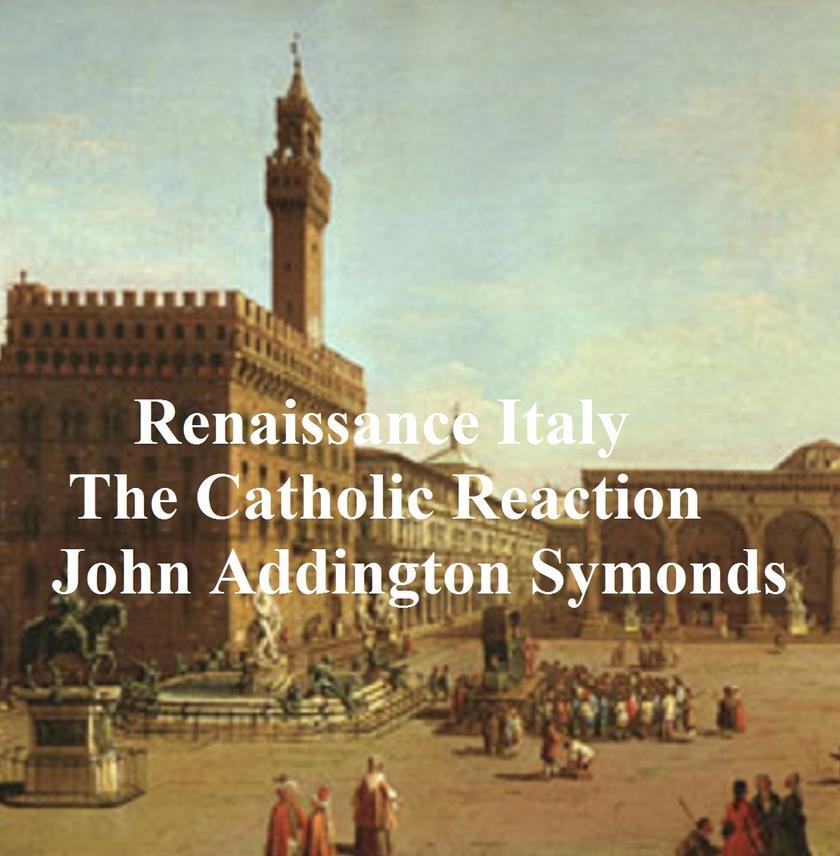
Renaissance in Italy: The Catholic Reaction
¥8.09
According to Wikipedia: "John Addington Symonds (5 October 1840 - 19 April 1893) was an English poet and literary critic… Meanwhile he was occupied with his major work, Renaissance in Italy, which appeared in seven volumes at intervals between 1875 and 1886. The Renaissance had been the subject of Symonds' prize essay at Oxford, and this had aroused a desire to produce a more complete picture of the reawakening of art and literature in Europe... He practically made his home at Davos. A charming picture of his life there is drawn in Our Life in the Swiss Highlands (1891). Symonds became a citizen of the town; he took part in its municipal business, made friends with the peasants and shared their interests. There he wrote most of his books: biographies of Shelley (1878), Philip Sidney (1886), Ben Jonson (1886) and Michelangelo (1893), several volumes of poetry and essays, and a translation of the Autobiography of Benvenuto Cellini (1887). There, too, he completed his study of the Renaissance, the work for which he is mainly remembered."
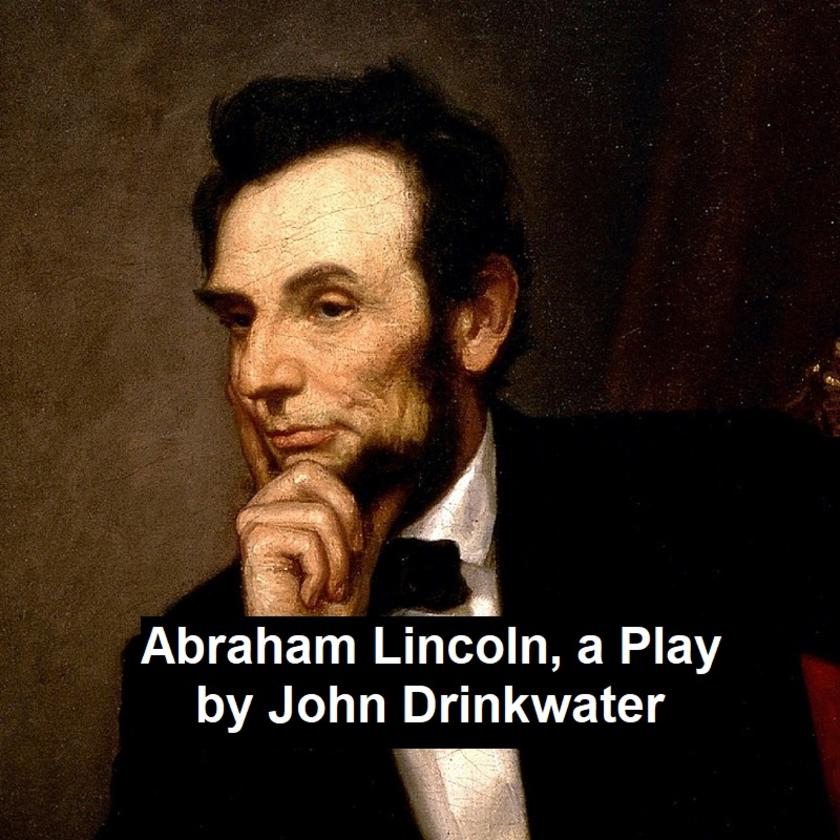
Abraham Lincoln, a Play
¥8.09
Play first published in 1919. According to Wikipedia: "Abraham Lincoln (February 12, 1809 - April 15, 1865) was the sixteenth President of the United States, serving from March 4, 1861 until his assassination. As an outspoken opponent of the expansion of slavery in the United States, Lincoln won the Republican Party nomination in 1860 and was elected president later that year. During his term, he helped preserve the United States by leading the defeat of the secessionist Confederate States of America in the American Civil War. He introduced measures that resulted in the abolition of slavery, issuing his Emancipation Proclamation in 1863 and promoting the passage of the Thirteenth Amendment to the Constitution in 1865."
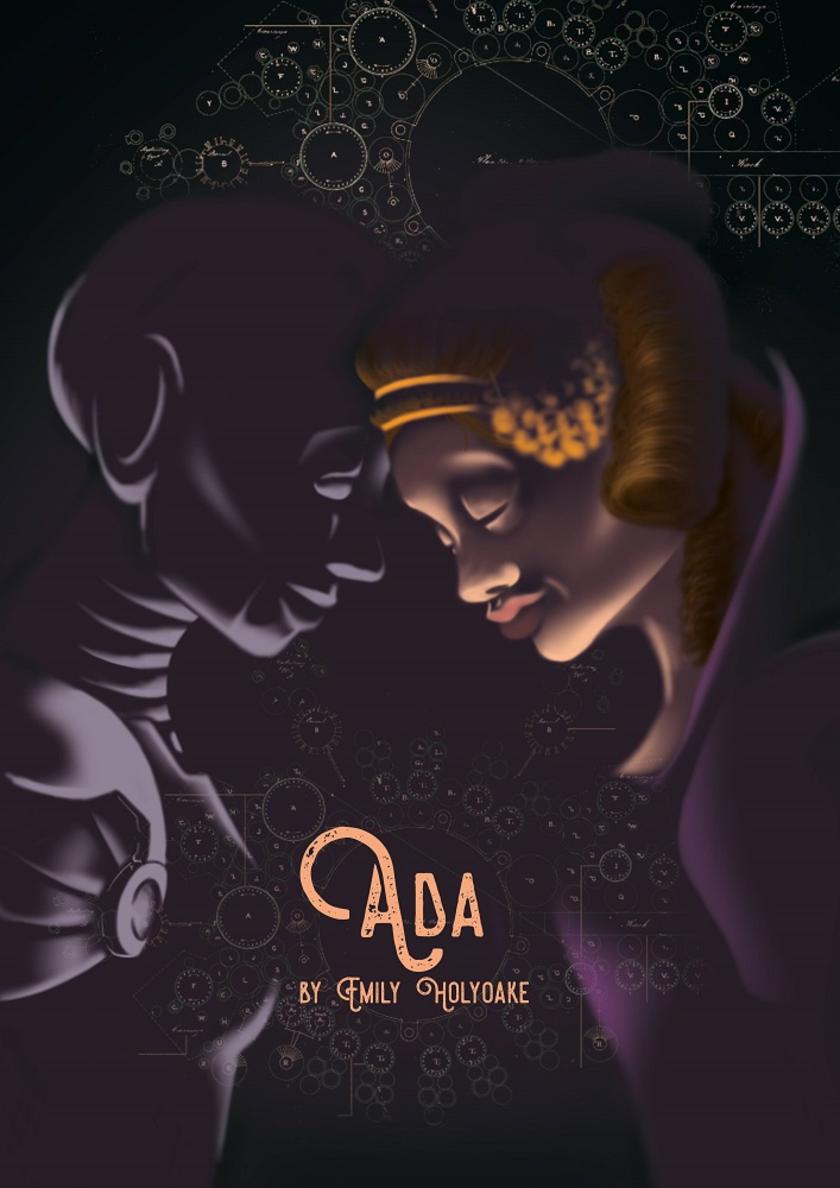
Ada
¥40.79
Play about Ada Lovelace, the first computer and Artificial Intelligence today. Suitable for schools, colleges and youth groups.Offers good roles for girls/women to perform relating to STEM subjects.“You may turn the handle, and I will whirr and calculate without error!”Decades before the first computers are built, Ada imagines machines that can do anything, even compose beautiful pieces of music. Far beyond Ada’s future, a learning machine called Ginny breaks free of her routine and tests the boundaries of what ought to be possible.ADA is an intricate re-telling of the life and legacy of Ada Lovelace, pioneer of computing, paralleling her history with a contemporary story about the potential of artificial intelligence.
While I wait for my turn
¥7.72
While I wait for my turn
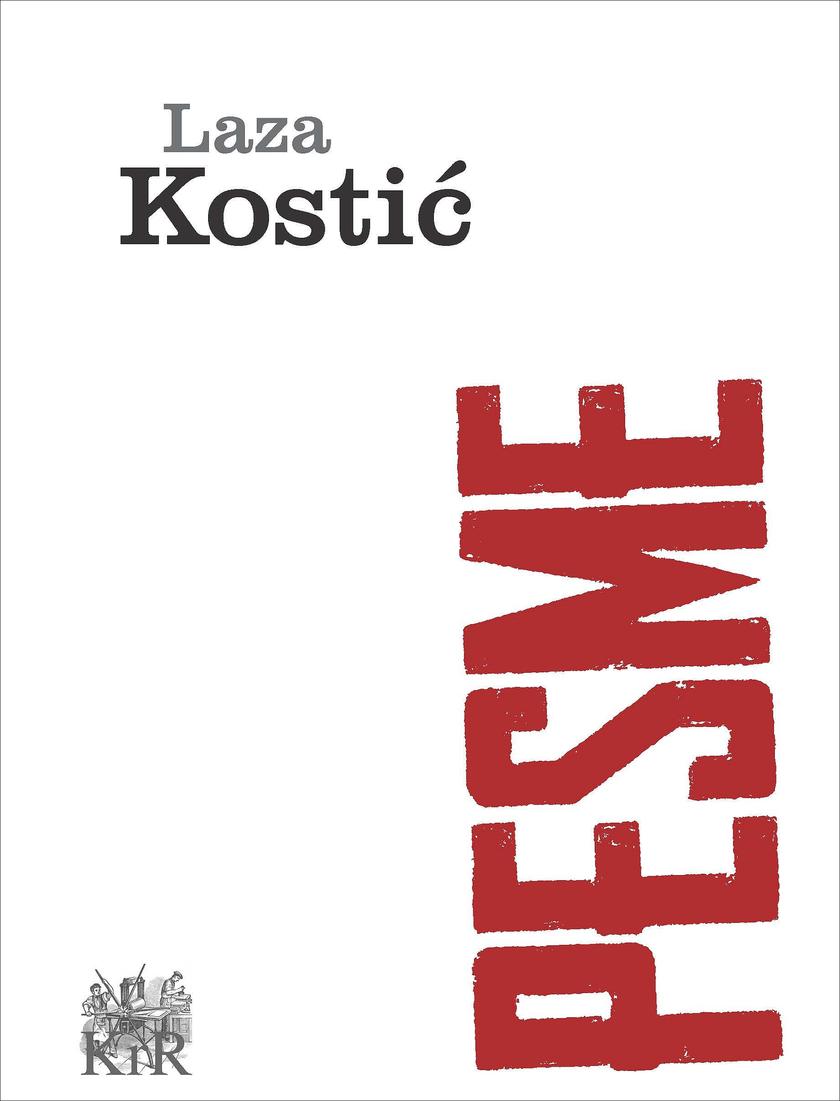
Pesme
¥33.27
Pesme
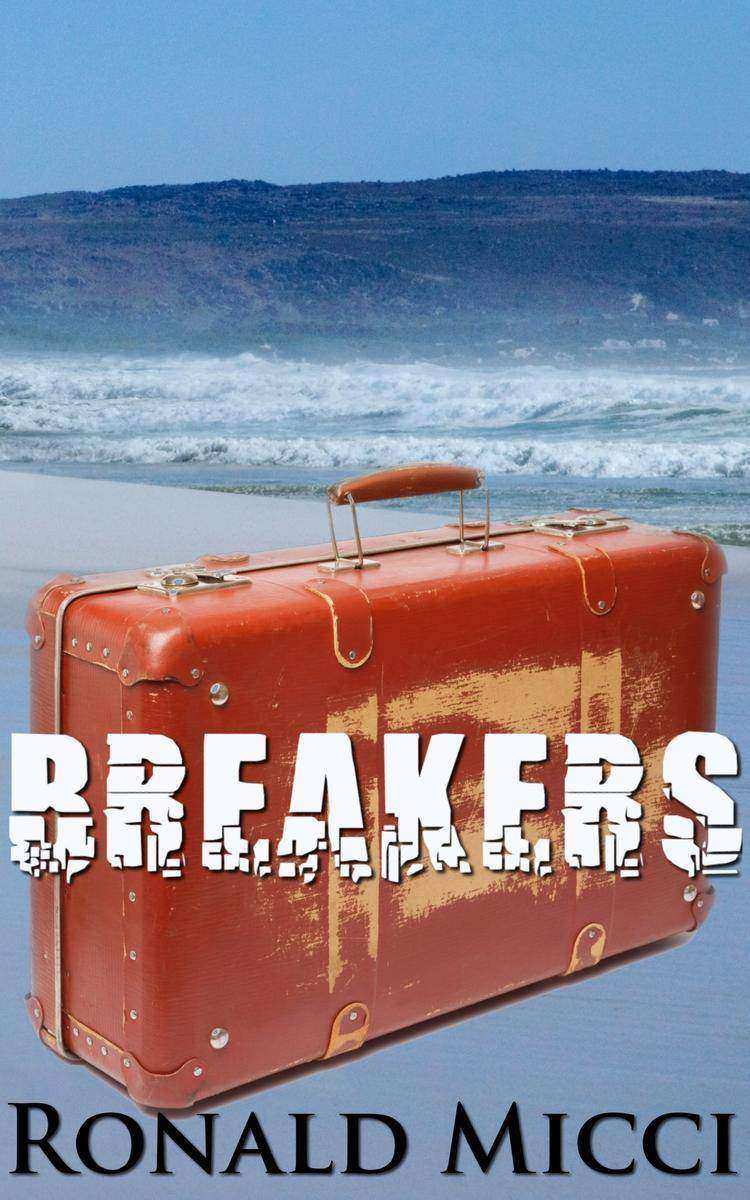
Breakers
¥32.29
Breakers

Sight-Reading Samurai: for all musicians: Treble Clef
¥48.97
Sight-Reading Samurai: for all musicians: Treble Clef
5 Piano Pieces for Children: by Fernando Davil
¥93.52
5 Piano Pieces for Children: by Fernando Davil


