


 购物车
购物车 个人中心
个人中心

Publishing Architect's Blueprint: Self-Publishing Fundamentals
¥81.67
The Publishing Architect's Blueprint: Self-Publishing Fundamentals is a no-nonsense roadmap to publishing success for the author and small publisher alike. Both fiction and nonfiction authors will utilize this book as their publishing guide for print, e-book and audio titles. It maps the most direct route to publishing success in the most cost-effective manner, providing the indie publisher with the skills and approach of a traditional publisher and marketing strategy of a bestseller.
The Art of Listening
¥73.49
This first volume covers talks given in Italy, Norway and India. Krishnamurti begins with the statement "Friends, I should like you to make a living discovery, not a discovery induced by the description of others... I am not going to try to describe what to me is truth, for that would be an impossible attempt. One cannot describe or give to another the fullness of an experience. Each one must live it for himself." An extensive compendium of Krishnamurti's talks and discussions in the USA, Europe, India, New Zealand, and South Africa from 1933 to 1967—the Collected Works have been carefully authenticated against existing transcripts and tapes. Each volume includes a frontispiece photograph of Krishnamurti , with question and subject indexes at the end. The content of each volume is not limited to the subject of the title, but rather offers a unique view of Krishnamurti's extraordinary teachings in selected years. The Collected Works offers the reader the opportunity to explore the early writings and dialogues in their most complete and authentic form.
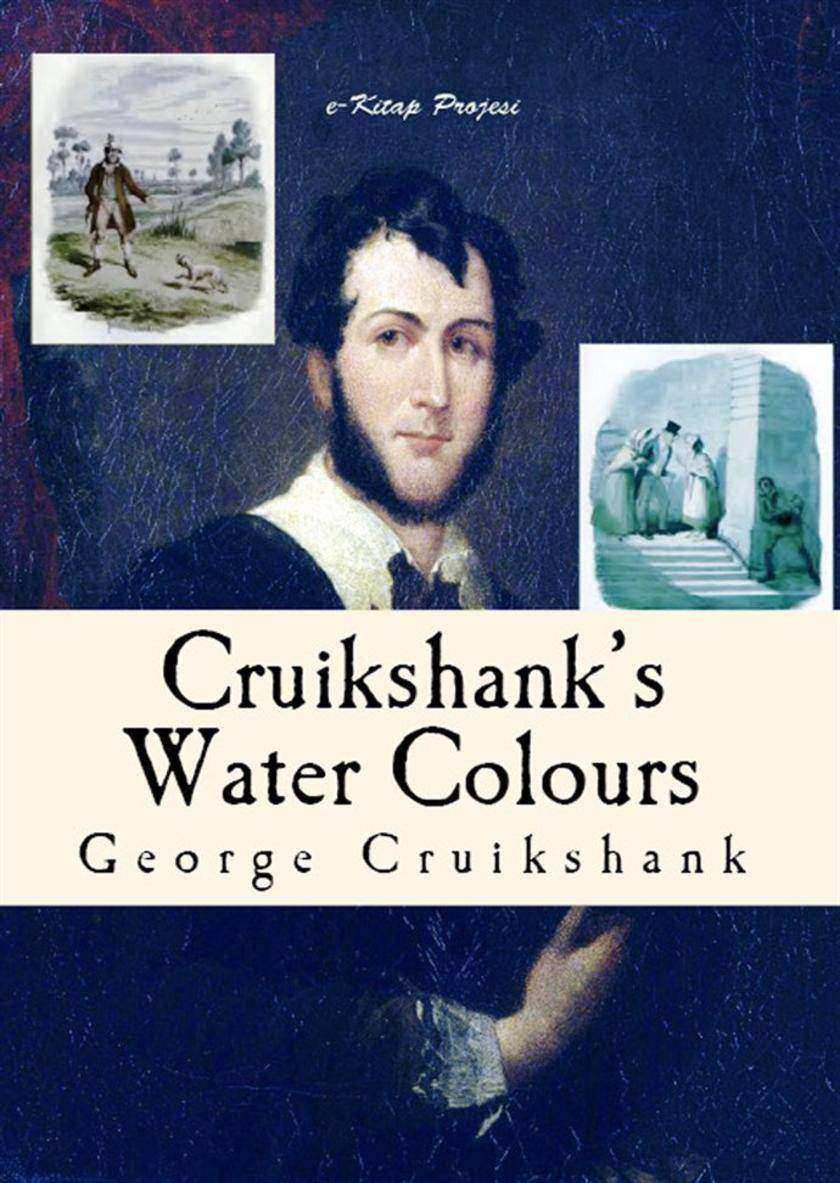
Cruikshank's Water Colours
¥27.88
It is fair to characterise the three suites of original water-colour drawings, as executed by our artist, as unique examples of the great George Cruikshank's special individual proficiency as an exponent of this branch of technical dexterity. More-over, it may be regarded as a fortunate circumstance that the three works, here reproduced with amazing fidelity in facsimile, represent happily the very chefs d'oeuvre of his wonderful productions; in their respective categories, preserving the best examples of his remarkable genius as an imaginative creator of vivid pictures, alike stirring and animated, and representing at one glance his vast dramatic powers, his mastery of the humorous side of life, and the intensity he was consistently able to infuse into terrible and tragic scenes. It is noteworthy that the inimitable artist George Cruikshank but rarely pro-duced finished water-colour drawings; the bulk of his prolific and familiarly rec-ognised designs for book illustrations were mostly dainty pencil sketches, occa-sionally finished in pen and ink. It is a problem difficult to solve satisfactorily whether, beyond the three memorable instances of the works here reproduced in facsimile, there are in existence any other complete suites of original illustrations by George Cruikshank—that is to say, fully executed by his master hand as finished water-colour drawings. Tinted sketches may be found in the prized possessions of Cruikshank collectors, and spirited studies for many of his favourite and most successful subjects have been cleverly touched in with watercolours; for instance, such as certain of his original drawings as designed for the illustrations of Harri-son Ainsworth's Tower of London, and the clever historical and picturesque series of Windsor Castle designs; these are, however, to be regarded as exceptional cases, for the bulk of these most successful and popular designs were carefully executed in pencil, or occasionally outlined with the pen, and highly finished with washes of warm sepia. It is worthy of recollection that Cruikshank was a most dexterous artist in this monochrome branch, his earlier artistic experiences having been al-most exclusively in the walk of aqua-tinted etchings; all his early book illustrations, his caricatures, and satirical plates—social or political—were uniformly etched by his hand in the most spirited fashion, after his ready sketches and rough studies, and when the outline etching was bitten in, Cruikshank elaborately worked out his colour suggestions, for light and shade, with a brush over the first-etched outline, in tones of sepia or Indian ink, for the guidance of the professional 'aquatinters'—the school of artists to whose trained skill was entrusted the task of completing these plates to produce the effect of highly finished washed drawings in mono-chrome. By this, his youthful practice, George Cruikshank had acquired remarka-ble dexterity, his original pen-and-ink designs, and the outline etchings, after his earlier book illustrations, being worked up in monochrome to the dainty finish of delicate miniatures, in which art both his father Isaac and his brother Isaac Robert were first-class proficients, as he himself has recorded with pride in describing the special gifts and qualifications which distinguished the Cruikshank family. ? ABOUT THE AUTHOR; George Cruikshank (1792 – 1878) was a British caricaturist and book illustrator, praised as the "modern Hogarth" during his life. His book illustrations for his friend Charles Dickens, and many other authors, reached an international audience. Cruikshank was born in London. His father, Isaac Cruikshank, was one of the leading caricaturists of the late 1790s and Cruikshank started his career as his father's apprentice and assistant. His older brother, Isaac Robert, also followed in the family business as a caricaturist and illustrator. Cruikshank's early work was caricature; but in 1823, at the age of 31, he started to focus on book illustration. He illustrated the first, 1823 English translation (by Edgar Taylor and David Jardine) of Grimms' Fairy Tales, published in two volumes as German Popular Stories. On 16 October 1827, he married Mary Ann Walker (1807–1849). Two years after her death, on 7 March 1851, he married Eliza Widdison. The two lived at 263 Hampstead Road, North London.Upon his death, it was discovered that Cruikshank had fathered 11 illegitimate children with a mistress named Adelaide Attree, his former servant, who lived close to where he lived with his wife. Adelaide was ostensibly married and had taken the married surname 'Archibold'.
8 piese pentru teatrul de p?pu?i
¥32.62
** Pamella Singh – Miss India 1982… spioan? de pat la NATO ** Frumoasele Miss, prad? u?oar? pentru trafican?ii de stupefiante ** Angela Nichitin – Miss Johannesburg, victim? a traficului de carne vie ** O Miss pentru solda?ii americani din Irak ** Miss Diaspora… uneori important poten?ial pentru spionaj ?i contraspionaj? ** Momeal? pentru pedofili ** Tita Cristescu, fost? Miss Rom?nia, ucis? cu cianur? de potasiu ** Concursurile Miss ?i reginele alese, motiv de scandal ?i crim?? ** Heather Whitestone – Miss America 1994, sub teroarea unui obsedat ** Evreica Lise Goldarbeiter – Miss Univers 1929 a supravie?uit nazismului ** C?teva regine… surpriz? **** Zsa Zsa Gabor – Miss Ungaria 1936. Nou? c?s?torii ?i scandaluri cu duiumul ** Rosemarie Frankland – Miss Univers 1961, ucis? de singur?tate? ** Imelda Marcos – Miss Leyte ?i ?Muza Manilei“ al?turi de un dictator ** Bess Myerson – Miss America 1945, de la politicieni, la mafio?i ** Plou? cu Miss-uri: Nud, Fund Mare, Jumbo ?i mai tr?snite ** Miss Penitenciar sau… Miss Pu?c?rie? ** Zig-zag ?n lumea concursurilor de frumuse?e ?i a concurentelor. Pilule dulciFiecare om, evident, are destinul s?u. Reginele au avut ?i au, ?i ele, firesc, destinul lor. Cele ?ncoronate ?i declarate ca atare datorit? frumuse?ii lor fizice ?i intelectuale sunt, de multe ori, superioare celor n?scute cu s?nge albastru, dar totodat? ele sunt expuse ?i mai mult unor pericole ce le dau t?rcoale. Tenta?iile ce apar des ?i capcanele ce li se ?ntind fostelor Miss sunt de multe ori ?irezistibile“. Din nefericire, unele tinere nu le-au sesizat la timp ?i, treptat, uneori f?r? voia lor, au c?zut ?n plasa unor servicii de spionaj sau a unor re?ele mafiote interna?ionale, implicate ?n traficul cu droguri, armament ?i fiin?e umane. Altele, ?ns?, au avut un destin ?i mai tragic, ajung?nd dup? gratii sau devenind ?inta unor asasinate care au f?cut v?lv? ?n pres?.Au fost ?ns? ?i ?Regine“ fericite. Din p?cate, pu?ine ?i pentru o perioad? scurt? de timp. Nici ?n lumea Miss-urilor n-au fost ?i nu vor fi dou? destine la fel.O carte ce cuprinde un soi de miniromane poli?iste, axate pe soarta, uneori-adeseori, dramatic? a reginelor frumuse?ii.
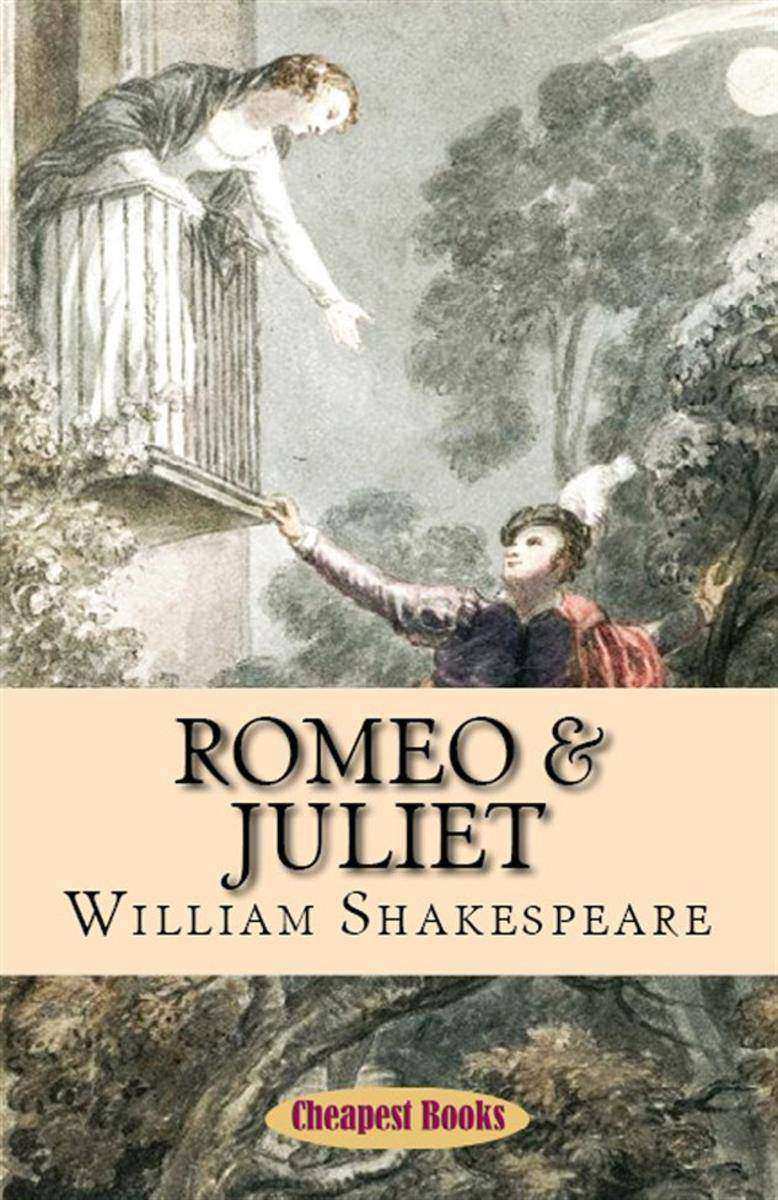
Romeo and Juliet
¥18.88
"Romeo and Juliet" is a tragic play written early in the career of William Shakespeare about two teenage "star-cross'd lovers" whose untimely deaths ultimately unite their feuding households. It was among Shakespeare's most popular plays during his lifetime and, along with Hamlet, is one of his most frequently performed plays. Today, the title characters are regarded as archetypal "young lovers"??PROLOGUE:?Two households, both alike in dignity,?In fair Verona, where we lay our scene,?From ancient grudge break to new mutiny,?Where civil blood makes civil hands unclean.?From forth the fatal loins of these two foes?A pair of star-cross'd lovers take their life;?Whole misadventured piteous overthrows?Do with their death bury their parents' strife.?The fearful passage of their death-mark'd love,?And the continuance of their parents' rage,?Which, but their children's end, nought could remove,?Is now the two hours' traffic of our stage;?The which if you with patient ears attend,?What here shall miss, our toil shall strive to mend.
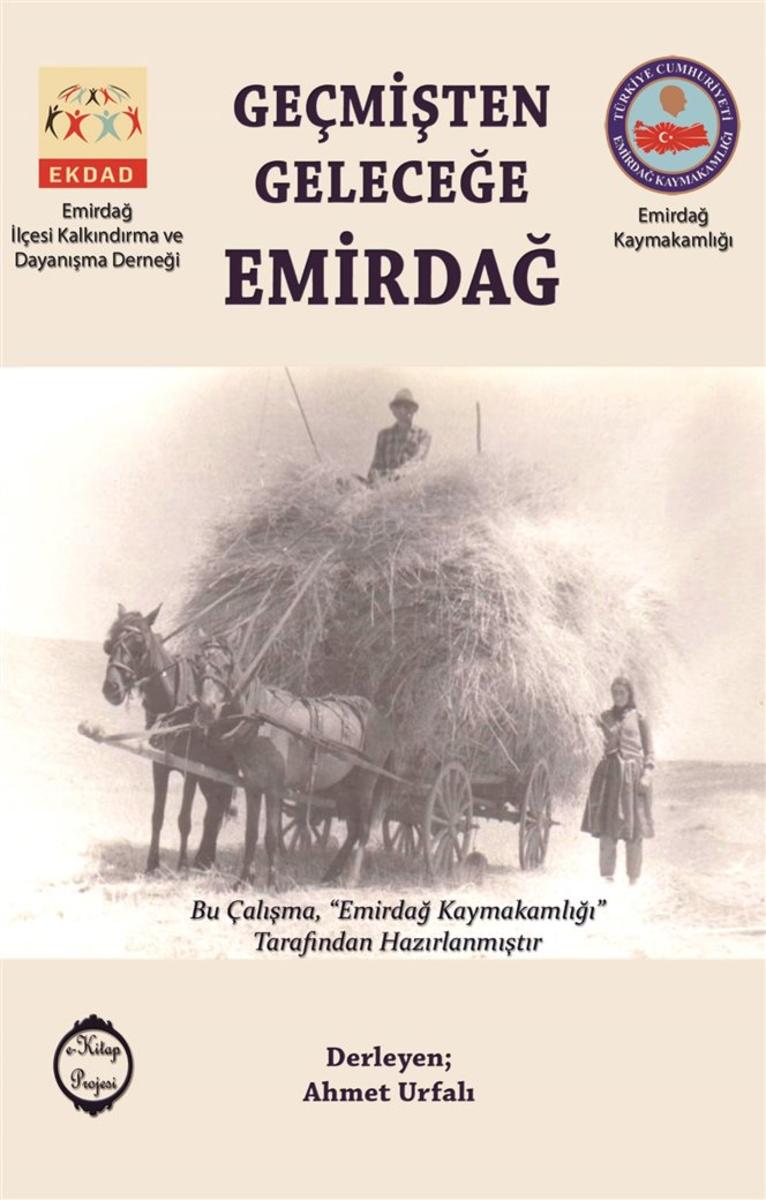
Ge?mi?ten Gelece?e Emirda?
¥9.24
Foto?raf makinesi, insan o?lunun en ?nemli icatlar?ndan biridir. Bir foto?raf, ‘’an’’ denilen k?sac?k bir zaman?n tan???d?r. Ancak onda bir tarihi yakalamak da mümkündür. Bu bak?mdan foto?raf? sadece g?rsel bir obje olarak g?rmemek gerekir. Bakmas?n? bilenler i?in foto?raf; tarih, sosyoloji, psikoloji, kültürel yap?, sosyal de?i?im… konular?n ?nemli ip u?lar? i?erir. Foto?raf; g?rüp g?sterme, ger?e?i g?rünür k?lma, ger?e?i kavratmad?r. Her foto?raf?n bir dili vard?r. O dili anlayabilenler, nice güzellikleri ke?federler. Foto?rafta sadece g?rüneni de?il, g?sterilmek isteneni de bilmek ve alg?lamak gerekir. Her foto?raf bir ‘’an’’? yakalasa da onun i?inde sakl? bir hik?ye bulunur. Foto?raf, g?rselli?iyle beraber; topluma, zamana, mekana ve bireylere ili?kin bilgi ve belgelerle doludur. Foto?raf bireylerin ve toplumun aynas?d?r. Bu albüm-kitapta siz kendinizi bulacaks?n?z. Mahalleniz, k?yünüz, hat?ralar?n?z, akraba ve dostlar?n?z burada, sizin kar??n?zda olacakt?r. Sizleri ‘’Ge?mi?ten Gelece?e Emirda? ‘’ gezintisine ??kar?yoruz. Bu albüm-kitap Emirda?’?n tarihi süre? i?inde ge?ti?i a?amalar? da yans?tarak, gelece?imize ???k tutacakt?r. Emirda?’?n sosyal de?i?imini kitapta g?rmek mümkündür Foto?raflar grupla?t?r?larak okuyucuya kolayl?k sa?lanm??t?r. Genel, askerlik, ?ar??-pazar, bayramlar, spor, e?itim, tar?m-hayvanc?l?k, otobüs?ülük, aile, k?yler, ?ehreler, g??, yayla, bina-yap?lar, milli mücadele ve yat?rlara ait foto?raflar bir araya toplanm??t?r. “Ge?mi?ten Gelece?e Emirda?”?n olu?mas?nda eme?i ge?en, katk? sa?layan tüm Emirda?’l?lara te?ekkür ederim.. ? Ak?n A?CA Emirda? Kaymakam?
Mituri ?i legende ale antichit??ii
¥54.10
Cea dinti monografie care ofer o imagine cuprinztoare asupra receptrii literaturii romne n Cehia, cartea de fa este o incursiune n diversele etape ale totalitarismului comunist: stalinismul integral, perioada dezgheului, anii aizeci (cu transformrile din jurul Primverii de la Praga), urmai de perioada de normalizare care se ntinde pn la momentul Revoluiei de Catifea. Ineditul acestei lucrri este dat i de explorarea manifestrii unor opere i a unor personaliti literare romneti (precum Mircea Eliade, Constantin Virgil Gheorghiu sau Petru Dumitriu) n zona literar ceh prohibit din anii supui studiului, mai precis n publicaiile din exil i n revistele de tip samizdat. Cititorului i este oferit un tablou amplu asupra autorilor romni receptai cu predilecie de ctre cehi sub comunism i asupra tendinelor manifestate de romnitii cehi (coloana vertebral a procesului receptrii), de criticii literari i de recenzeni. Cartea definete o epoc n istoria raporturilor culturale dintre romni i cehi, dou popoare legate de un trecut adeseori comun i de o prietenie sincer.“ – Profesor dr. Mihai Mitu
Aniversarea
¥47.42
La fel ca ?i precedentele romane ale lui Emil Ra?iu – reactualiz?ri ale marilor noastre mituri – romanul Turnul col?ei... are o tem? major?, anume existen?a problematic? a omului ca fiin?? situat? ?ntre timp ?i eternitate, ?ntre clip? ?i ve?nicie. Dilema major? a vie?ii este ?ndoita fa?? a realit??ii, perceput? prin sim?uri ca etern? trecere ?i fragmentare ?n lucruri, ?n timp ce prin cuget – prin filosofia eleat? a lui Parmenide, Pitagora, Platon ?i a altora – ea este unitate ve?nic? a Fiin?ei, trecerea fiind doar o iluzie a sim?urilor noastre. Omul este prins la mijloc, ?ntre vreme ?i ve?nicie, o soart? pu?in de invidiat...Aceast? existen?? a omului ?ntre clip? ?i ve?nicie, ?n permanent? confruntare cu eternitatea, este nodul central al ontologiei, reflectat? ?n romanul de fa?? prin eroii acestuia, ?ncep?nd cu dasc?lul de la Academia de la Sf?ntul Sava, Mihai Ciubo?el, cu ipostazele sale, adev?rate avataruri, care sintetizeaz? contrariile, ajung?nd p?n? ?n timpurile noastre (secolul XXI), definite ale neo-fanariotismului ?i ale supu?eniei servile la noi centre de putere.Romanul str?bate prin eroii s?i trei sute de ani de istorie, de la Sf?ntul Martir Constantin Br?ncoveanu la Eminescu p?n? ?n vremurile noastre, ?ncheindu-se cu optimism ?i m?rturisind, ?n ciuda tuturor greut??ilor, credin?a ?n victoria final? a luminii ?i adev?rului neamului rom?nesc.
![The Tempest: [Illustrated Edition]](https://platform-permanent.ddimg.cn/pt-media-info-soa-resource/digital/product/52/9/1901165209_ii_cover.jpg?version=c2f05298-6ac9-40bf-9bd1-3eebfd9c57c6)
The Tempest: [Illustrated Edition]
¥18.80
“THE TEMPEST” is Shakespeare's last book. The story Prospero relates is that he is the rightful Duke of Milan and that his younger brother, Antonio, betrayed him, seizing his title and property. Twelve years earlier, Prospero and Miranda were put out to sea in little more than a raft. Miraculously, they both survived and arrived safely on this island, where Prospero learned to control the magic that he now uses to manipulate everyone on the island. Upon his arrival, Prospero rescued a sprite, Ariel, who had been imprisoned by the witch Sycorax. Ariel wishes to be free and his freedom has been promised within two days.??The last inhabitant of the island is the child of Sycorax and the devil: Caliban, whom Prospero has enslaved. Caliban is a natural man, uncivilized and wishing only to have his island returned to him to that he can live alone in peace.??Soon the royal party from the ship is cast ashore and separated into three groups. The king's son, Ferdinand, is brought to Prospero, where he sees Miranda, and the two fall instantly in love. Meanwhile, Alonso, the king of Naples, and the rest of his party have come ashore on another part of the island. Alonso fears that Ferdinand is dead and grieves for the loss of his son. Antonio, Prospero's younger brother, has also been washed ashore with the king's younger brother, Sebastian. ??Antonio easily convinces Sebastian that Sebastian should murder his brother and seize the throne for himself. This plot to murder Alonso is similar to Antonio's plot against his own brother, Prospero, 12 years earlier.??Another part of the royal party — the court jester and the butler — has also come ashore. Trinculo and Stefano each stumble upon Caliban, and each immediately sees a way to make money by exhibiting Caliban as a monster recovered from this uninhabited island. Stefano has come ashore in a wine cask, and soon Caliban, Trinculo, and Stefano are drunk. While drinking, Caliban hatches a plot to murder Prospero and enrolls his two new acquaintances as accomplices. Ariel is listening, however, and reports the plot to Prospero.??Next, Prospero stages a masque to celebrate the young couple's betrothal, with goddesses and nymphs entertaining the couple with singing and dancing. While Ferdinand and Miranda have been celebrating their love, Alonso and the rest of the royal party have been searching for the king's son. Exhausted from the search and with the king despairing of ever seeing his son alive, Prospero has ghosts and an imaginary banquet brought before the king's party. A god-like voice accuses Antonio, Alonso, and Sebastian of their sins, and the banquet vanishes. The men are all frightened, and Alonso, Antonio, and Sebastian run away.??Prospero punishes Caliban, Trinculo, and Stefano with a run through a briar patch and swim in a scummy pond. Having accomplished what he set out to do, Prospero has the king's party brought in. Prospero is clothed as the rightful Duke of Milan, and when the spell has been removed, Alonso rejects all claims to Prospero's dukedom and apologizes for his mistakes. Within moments, Prospero reunites the king with his son, Ferdinand. Alonso is especially pleased to learn of Miranda's existence and that Ferdinand will marry her.?Prospero then turns to his brother, Antonio, who offers no regrets or apology for his perfidy. ??Nevertheless, Prospero promises not to punish Antonio as a traitor. When Caliban is brought in, Caliban tells Prospero that he has learned his lesson. His two co-conspirators, Trinculo and Stefano, will be punished by the king. Soon, the entire party retires to Prospero's cell to celebrate and await their departure home. Only Prospero is left on stage.??In a final speech, Prospero tells the audience that only with their applause will he be able to leave the island with the rest of the party. Prospero leaves the stage to the audience's applause.
Iarna ?ngerilor
¥32.62
Eseuri ?i cronici teatrale structurate simultan ?n dou? planuri, ?nc?t se reconstituie panorama artei spectacolului ?n Rom?nia ?i par?ial ?n lume, ?n perioada 1993-2003, ?i se realizeaz? o privire din unghiul zilei de azi a artei dramatice, ?n evolu?ia ei, de la antici la contemporani.
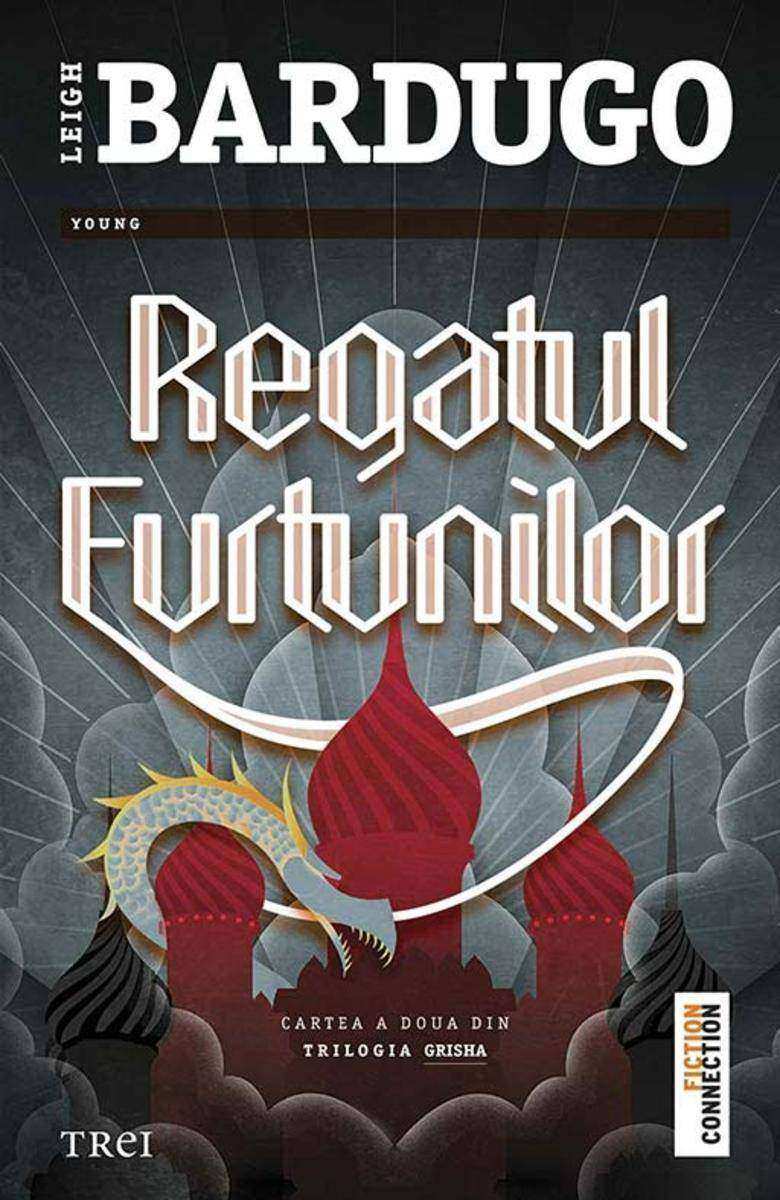
Regatul furtunilor
¥73.49
Societatea deschis? contra societ??ii deschise. Societatea rom?neasc? ?ntre utopie ?i realitate este o carte de analiz? profund? ?i complex?, ce ?i-a ales ca obiect de studiu cea mai important? paradigm? sociopolitic? a postmodernit??ii, ?mpreun? cu realit??ile concrete ce se configureaz? ?n jurul acesteia. O paradigm? care ?i-a propus s? schimbe fa?a lumii, sens ?n care, de mai bine de 25 de ani o putem observa manifest?ndu-se pe multiple coordonate ?i ?n planul realit??ilor sociale ?i politice autohtone, pe care, de altfel, autorul le radiografiaz? extrem de atent, cu ochiul, mintea ?i bagajul de cuno?tin?e proprii specialistului, dar ?i cu sufletul ?i con?tiin?a celui care apar?ine societ??ii rom?ne?ti. Cartea de fa?? este, ?n acela?i timp, ?i despre societatea deschis?, dar ?i despre trecutul, prezentul ?i viitorul prefigurat lumii ?n aceast? paradigm?, c?t ?i despre evolu?ia societ??ii rom?ne?ti ca parte integrant? a acestei lumi. Ea surprinde ?i problematizeaz? o multitudine de aspecte ?in?nd at?t de natura intrinsec? a conceptului de societate deschis?, c?t ?i de schimb?rile pe care implementarea acestui concept ca realitate social? le presupune ?i le antreneaz? ?n societ??ile contemporane. Prin aceasta, ea se recomand? ca o lectur? util?, provocatoare ?i, totodat?, revelatoare tuturor celor preocupa?i de c?mpul ?tiin?elor sociale ?i politice, dar ?i celor interesa?i s? ?n?eleag? ceva ?n plus din sistemul cauzalit??ilor profunde care influen?eaz? mersul lumii, ?n general, ?i al societ??ii rom?ne?ti, ?n particular. (Maria Voinea)
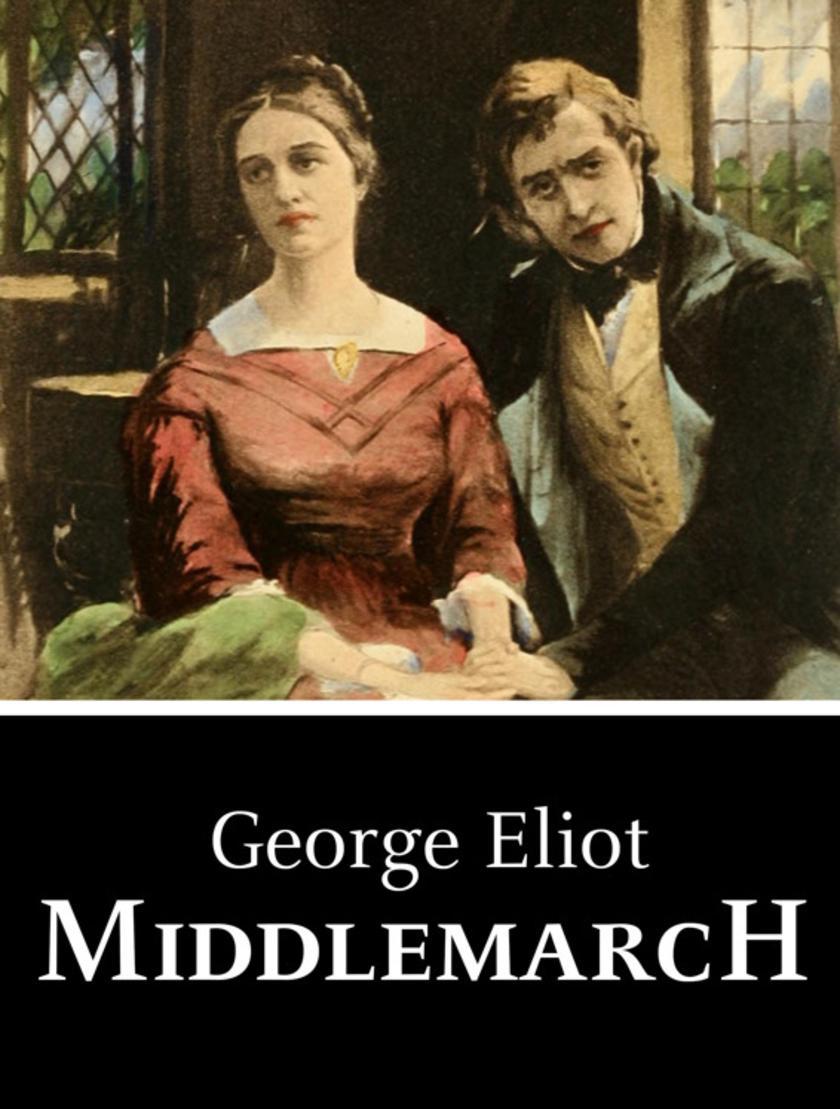
Middlemarch
¥8.09
Hamlet is commonly regarded as one of the greatest plays ever written. Drawing on Danish chronicles and the Elizabethan vogue for revenge tragedy, Shakespeare created a play that is at once a philosophic treatise, a family drama, and a supernatural thriller. In the wake of his father’s death, Prince Hamlet finds that his Uncle Claudius has swiftly taken the throne and married his mother, Queen Gertrude. The ghost of the dead king then appears and charges Claudius with ‘murder most foul.’ Hamlet is called to revenge his father’s death: but will he be able to act before it is too late?
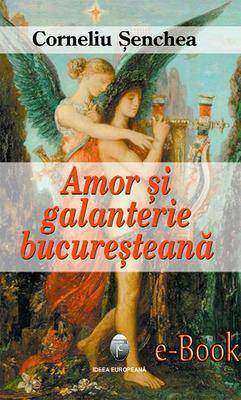
Amor ?i galanterie bucure?tean?
¥61.83
Un periplu documentat prin lumea artelor plastice contemporane, un model de analiz? a fenomenului plastic actual, extrem de viu ?i incitant, ba chiar provoc?tor, ?n ciuda multiplelor probleme ridicate de tranzi?ia autohton?.
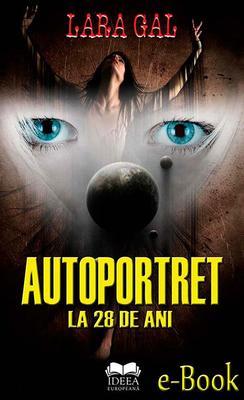
Autoportret la 28 de ani
¥54.10
Avangardismul rom?nesc r?m?ne a fi unul dintre curentele literare cele mai controversate ?i, ?n ultima instanta – ne demonstreaza aceasta monografie – cele mai putin cunoscute. Monografia abunda ?n informa?ii, aspecte, ?nt?mpl?ri, evenimente, mai pu?in sau deloc cunoscute. Cartea se adreseaz? elevilor, studen?ilor, precum ?i publicului larg de cititori.
Lumea ?n oglind?
¥24.44
O nuan autobiografic, perfect ntemeiat, irizeaz concepia lui Breban de la acest nivel, miza mare a ideii fiind aceea de a demonstra – ceea ce romancierul a mai fcut… – c generaia din care face el nsui parte (Nichita Stnescu, Matei Clinescu etc.) a transformat literatura ntr-un asemenea mediu germinativ de excelene, prin intermediul promovrii esteticului ca replic alternativ sublim la grotescul ideologic din jur. Trebuie s recunoatem c Breban rmne seniorial i impecabil de fiecare dat cnd enun aceast dihotomie: de pild, nu trebuie uitat faptul c Istoria dramatic a prezentului s-a zamislit cnd mpotriva autorului se trgea cu tunul, pe motivul orchestratei acuze de colaborare cu Securitatea. Nici un raspuns n volum, nimic insidios, revanard sau resentimentar: doar idei i fapte, nu psihologie. Jos plria!“ (tefan Borbély)Numai cultura, carevaszica, ne poate lecui de aceast nesiguran identitar i numai ea poate nnobila istoria noastr de care, s-a putut constata, prozatorul maramureean nu-i mulumit… Face i alte profeii, atunci cnd n capitolul final vorbete despre specificul naional, dar despre toate acestea vom putea discuta cu alt prilej. Este o tem pe care noi, romnii, o aducem mereu n discuie fie pentru a o sataniza, fie pentru a o apra. Observ c N. Breban n-o respinge, de plano, cum fac globalitii, nici n-o smintete cu un discurs encomiastic, cum fac localitii. El procedeaz corect, aa cum procedeaz orice intelectual lucid i responsabil, adic analizeaz un concept (un concept esenial) i ncearc s-i vad viitorul… Este trist, i are de ce, cnd se gndete la lumea politic de azi i la retorica resentimentului i a rzbunrii care domin lumea intelectual… S mai spun c are i n acest caz dreptate, c dup douzeci de ani de libertate intelectualii romni, cu precdere scriitorii (ei, care s-au inut bine sub regimul totalitar), se detest cu o grea sinceritate mi amintesc de o propoziie din Eminescu (reproduc din memorie): Nu eti liber, dac nu eti drept. Se poate spune i invers: Nu eti drept, dac nu eti liber. Liber, n cazul oamenilor de litere, de prejudeci, de complexe i idiosincrazii, de eecurile i vexaiunile pe care i le-a provocat istoria i pe care spiritul nu poate s le stpneasc.“ (Eugen Simion)
Singura cale
¥98.02
Lucrarea aduce in dezbaterile istoricilor si economistilor evolutia economica si politica a Romaniei in perioada 1859-1900, marcand o contributie insemnata in acest domeniu destul de putin studiat, analizat si dezbatut.Tema centrala a lucrarii o constituie necesitatea crearii unei industrii romanesti inca de la inceputul secolului al XIX-lea, pledand in favoarea protectionismului, a independentei capitalurilor si a mainii de lucru calificata.De asemenea, autorul analizeaza dezbaterile care au avut loc in epoca pe tema industrializarii si protectionismului intre cele doua partide mari existente in a doua jumatate a secolului XIX: Conservator si Liberal, precum si cele dintre economistii de conceptie din acea vreme: D.P. Martian, I. Ghica, Ionica Tautu, P.S. Aurelian.
Filosofia Meritului
¥168.41
The work represents a synthesis published and printed in two volumes (the 1st volume in 2002, the second one, in 2004) under the aegis of Mica Valahie Publishing House in Bucharest. Being elaborated on the basis of some documents discovered in the Romanian and foreign archives, the two volumes cover the period up to 1929 in the first volume and the period from 1929 to 2005 in the second one. The paper reveals the role and place of Romanian oil in the evolution of the national and worldwide history, especially during the World War between 1939 and 1945 and in the development of the so-called “cold war”. The book insists upon the prospects of the specific “black gold” evolution.In the addendum there are to be found some interesting documents and the complete bibliography of oil.
C?nd sufletul vorbe?te prin corp. S? ?n?elegem ?i s? trat?m tulbur?rile psihosom
¥65.32
Ilie Badescu, sociologul care a redeschis dezbaterea privind puterea si importanta pe care o are spiritul si desavarsirea fiintei si societatii, in lucrarea de fata ne vorbeste despre forta invataturilor precum si despre devierile prin care sunt propagate in lume falsele invataturi.
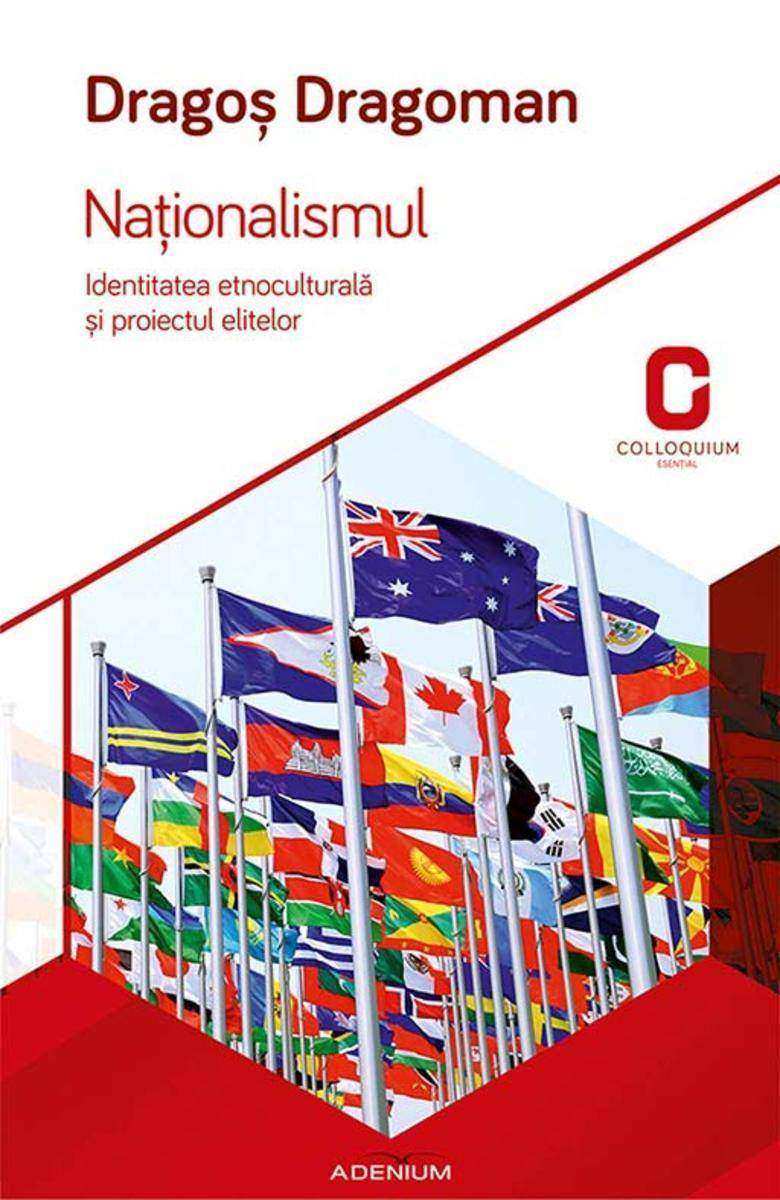
Na?ionalismul. Identitatea etnocultural? ?i proiectul elitelor
¥40.79
i corbul, croncnind, a rguit, Vestind c sorii fost au aruncai! Venii! Venii! Voi, duhuri, ce vegheai Pe gndurile morii, crunta zee! i m nvai s nu mai fiu femeie! M umplei, de la cretet pn’ la tlpi Cu o rutate nenduplecat! The raven himself is hoarse That croaks the fatal entrance of Duncan Under my battlements. Come, you spirits That tend on mortal thoughts, unsex me here, And fill me from the crown to the toe top full Of direst cruelty!
Beszterce ostroma
¥23.30
Rejtély, amelyet másfél száz éve próbálnak írók, irodalomt?rténészek, színházi szakemberek, esztéták, filozófusok megfejteni. Mese? ?rgirus királyfi és Tündér Ilona csodásan valószer?tlen t?rténete számtalan változatban létezik a magyar népmesekincsben, s olasz k?zvetít? forrásokon át g?r?g, s?t egyiptomi gy?kerekig nyúlik vissza az aranyalmát term? fa s a két szerelmes t?rténete. Szerelmi románc? Nem fontos a kor, a táj, a t?rténelmi háttér, csak az érzelmeiben egymásba gabalyodott két ember – itt és most: Csongor és Tünde – lángolása, viharzása, minden eléjük tornyosuló akadályt leromboló akarása, szerelmi szárnyalása. Színdarab? Karakteres, jó szerepek – ?rd?g?k, boszorkányok, b?lcsek, ledérek – forgataga zegzugos cselekmény, váratlan fordulatok, lehet?ség mindenféle színpadi csoda semmi nem korlátozva megvalósítására: sok alakra bomló, egy személybe olvadó boszorkány, leveg?ben r?pk?d?, láthatatlanná váló ?rd?gfiak, f?ld mélyér?l szemünk láttára kiemelked?, fényárban úszó tündérpalota. Minden pillanatban tátva maradhat a szánk. Filozófiai traktátus? ?letutak: Kalmáré a kincs, Fejedelemé a hatalom, Tudósé a b?lcsesség; Csongoré a szerelem. A kincs elpereg, a hatalom elkopik, a tudás semmivé porlad. A szerelem ?r?k. Drámai k?ltemény? ?jfélt?l éjfélig élünk: hajnalodik, felragyog az ég, dél van, alkonyodik, beesteledik, már f?lénk borul az éjszaka. Reményekkel telten, harcra készen kezdjük hajnalban, küszk?dünk reggel, boldogok vagyunk délben, szorongunk alkonyatkor, s?tétedéskor belenyugszunk az elmúlásba. De másnap újra f?lkel a nap. V?r?smarty Mihály 1830-ban fejezte be m?vét, a cím alá azt írta: színjáték ?t felvonásban. Már csak boldogan sajgó, rejtve rejtett szomorú emlék szívében reménytelen szerelme, Perczel Etelka. Mindennapi életében legf?képpen arra büszke, hogy sok kínnal keletkezett nagy m?vét, a Zalán futását a várva várt nemzeti eposzként ünneplik. Tagja az éppen szület? Magyar Tudományos Akadémiának, a legismertebb, legfontosabb szépirodalmi és m?vészeti lapok ?dolgozótársa”, szívét melenget? jóérzés: Széchenyi István a barátja. Igaz, a pénztárcája t?bbnyire lapos, gyakran kínosan lapos, de ismert és népszer? ember. Harminc éves. Férfi. Kincse nincs, hatalomra nem vágyik, a tudásról azt gondolja: valójában senki nem tudja, mennyit ér s mire jó. De Csongor boldog, amikor megpillantja Tündét, boldog, amikor át?leli, boldog, amikor elveszíti, mert hiszi, tudja: nem ?r?kre veszítette el. Küzd, harcol, verekszik: keresi a boldogságot. S boldog, amikor embert próbáló kalandok után végre megtalálja Tündét, s f?ldi létükben ?r?kre ?sszeforrnak. Csongor és Tünde számára a szerelem a kincs, a hatalom, a tudás. El nem veszíthet? kincs, ?r?kre er?t adó hatalom, b?lcsességgé párlódott tudás. ?gy lesznek halandók halhatatlanok. ?s másnap újra f?lkel a nap.
Akli Miklós
¥17.49
sszevissza csereberéldik egy ikerpár, lóvátesznek egy felfuvalkodott trtett, tmérdek móka, dal, vidámság szvi át két, nagy nehezen egymásra találó szerelmespár trténetét. Oly' darab ez, amint a kznség szeret, kíván, óhajt – ami nektek kell”, mondta Szász Károly errl a vígjátékról, amelynek már a címe is jókedvre derít.


