


 购物车
购物车 个人中心
个人中心

Meerkat Madness Flying High (Awesome Animals)
¥38.36
The first animal in the hilarious Awesome Animals series – awesome adventures with the wildest wildlife. The third Meerkat Madness book in the hilarious Awesome Animals series – awesome adventures with the wildest wildlife. The Really Mad Mob is expanding! With new faces joining familiar ones in Far Burrow, the thrill-seeking meerkat pups have more exciting adventures ahead of them. Join Uncle Fearless and the intrepid pups in a brand new, sky-high Kalahari escapade! More hilarious adventures from the creator of Harry and the Bucketful of Dinosaurs.

Revelry
¥34.14
One summer can change everything… What happens when a friend breaks the one rule that should never be broken? Best friends Bella and Poppy are living the dream – Notting Hill glamour, Shoreditch lofts, exclusive parties and drop-dead gorgeous men. But sometimes living life to the max catches up with you, and even the strongest friendships can be pushed to the limit. Poppy, Bella and their friends spend the summer having as much fun as they possibly can – from the hedonistic escapades of Ibiza to doing Glastonbury in style. But amongst the laughter come tears, betrayal and backstabbing and one devastating decision threatens to bring it all crashing down. And, once the sunglasses have come off, Bella is forced to question if her lifelong friendship has been broken beyond repair. The perfect escapist read, Revelry will have you laughing, crying and gasping with shock.

Beauty & Her Billionaire Boss (Mills & Boon Cherish) (In Love with the Boss, Boo
¥31.10
The boss who saw her beauty… Paris might be the city of love, but it makes trainee chef Piper Rush feel lonely! It's only the tentative bond she forges with her boss, brooding billionaire Frederic Lafontaine, that gives her the sense of belonging she's always craved… Gradually losing his sight, Frederic keeps everyone at arm's length. But as Piper brings laughter and light back into his heart, she also opens his eyes to what life could be like…together. Can Piper convince Frederic that she is the missing ingredient to his happily-ever-after?
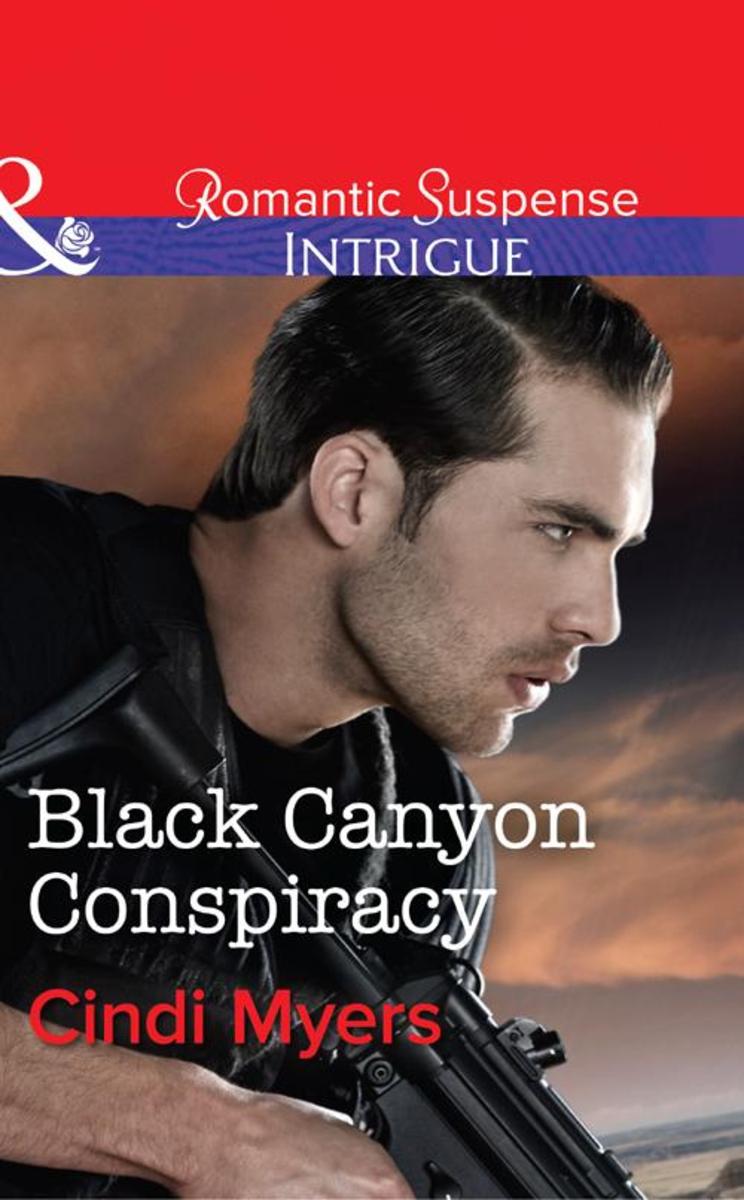
Black Canyon Conspiracy (Mills & Boon Intrigue) (The Ranger Brigade, Book 4)
¥31.10
He'd rescued a beautiful hostage, now he needed to keep her alive Former Special Forces soldier Marco Cruz has no time for messy emotions. But the beautiful TV reporter he saved from a hostage ordeal now faces graver danger. Someone wants Lauren Starling dead–and the sinfully handsome Ranger wants to be the one to protect her. Teaming up to find a killer and bring Lauren's kidnapper to justice, Marco and Lauren go on the run–outside the law–in a harrowing race for their lives. Before long, Marco begins to have unfamiliar feelings for Lauren–admiration, sympathy…and a powerful lust. He knows what's going on between them is unprofessional. But also undeniable.
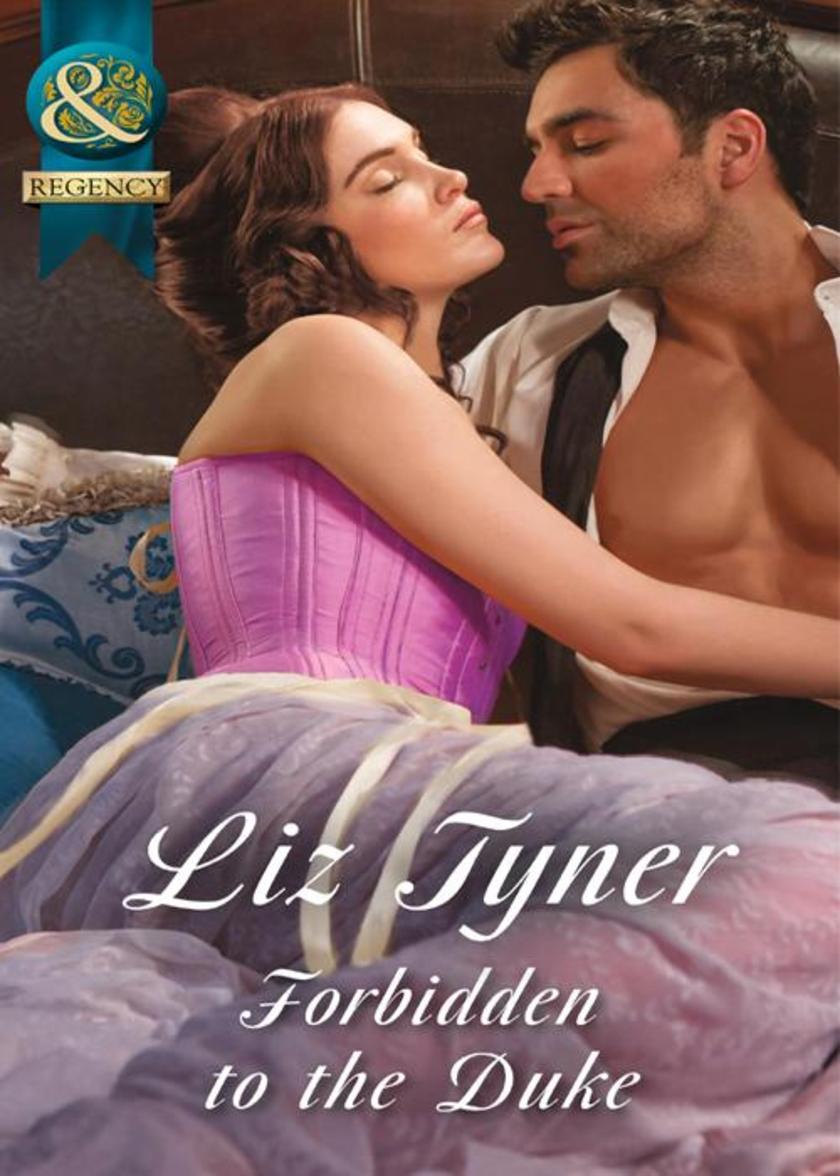
Forbidden to the Duke (Mills & Boon Historical)
¥38.36
The expectations of a duke are simple: 1. Secure a suitable marriage. 2. Produce male heirs. For Rhys Rolleston, Duke of Harling, however, it's not so black-and-white when he catches Bellona Cherroll trespassing on his land. He's captivated by this exotic beauty, but Rhys knows she's the very antithesis of what a "suitable" duchess should be. What should he do? Avoid her at all costs. What does he do? Invite her to live under his roof!

Her Favorite Cowboy (Mills & Boon American Romance)
¥31.10
BACK IN THE SADDLE Gage Remington needs a place to start over, and Durango, Colorado, is it. By reconciling with his rancher grandfather, Gage hopes he can begin repairing past damage. It doesn't occur to Gage that his heart needs fixing, too, until he meets gorgeous doctor Cori Parker. And he's sure his troubled past will send the single mom running. Since her husband's tragic accident, Cori's been focusing on her family. Though she's deeply attracted to the banker-turned-buckaroo, Gage is a wild card, and Cori can't let anyone bring her life crashing down again. Still, she realizes Gage's finally ready to be the man–and the cowboy–he always wanted to be. But will Cori be part of his future, or one more regret from his past?

Molly's Garden (Mills & Boon Heartwarming)
¥25.60
Love is blooming in Molly's garden… Molly McNair needs someone tough to work for her. An oil company is pressuring her to sell her farm, and she's losing workers to intimidation. When Adam Hollister applies, she knows she's found the right man. Solid, fair-minded…and handsome, too. But there's something she doesn't know. Adam, a widower who's been drifting since he lost his family, is a former wildcatter. And his onetime business partner sent him to obtain soil samples from her farm. Molly, whose life is dedicated to providing healthy food for hungry families, has to discover if her love for Adam is deep-rooted enough to survive the truth.
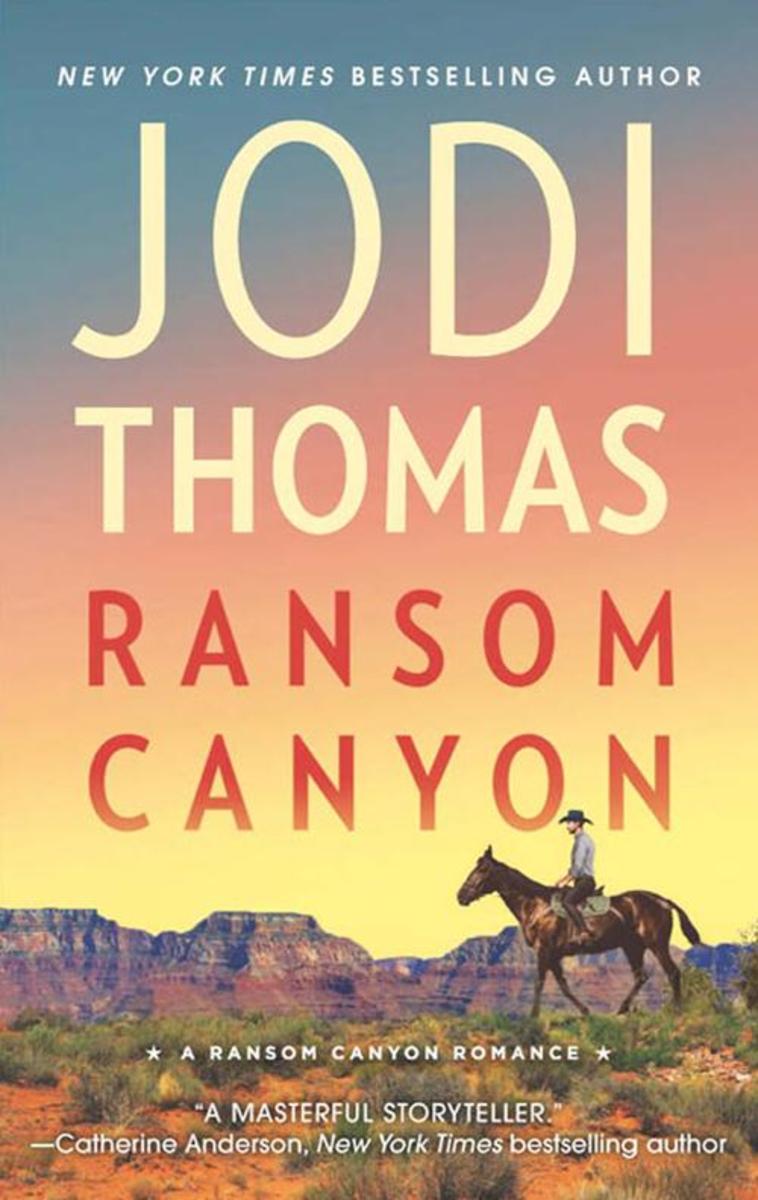
Ransom Canyon (Ransom Canyon, Book 1)
¥54.74
From New York Times bestselling author Jodi Thomas comes the first book in a compelling, emotionally resonant series set in a remote west Texas town–where family can be made by blood or by choice Rancher Staten Kirkland, the last descendant of Ransom Canyon's founding father, is rugged and practical to the last. No one knows that when his troubling memories threaten to overwhelm him, he runs to lovely, reclusive Quinn O'Grady…or that she has her own secret that no one living knows. Young Lucas Reyes has his eye on the prize–college, and the chance to become something more than a ranch hand's son. But one night, one wrong decision, will set his life on a course even he hadn't imagined. Yancy Grey is running hard from his troubled past. He doesn't plan to stick around Ransom Canyon, just long enough to learn the town's weaknesses and how to use them for personal gain. Only Yancy, a common criminal since he was old enough to reach a car's pedals, isn't prepared for what he encounters. In this dramatic new series, the lives, loves and ambitions of four families will converge, set against a landscape that can be as unforgiving as it is beautiful, where passion, property and pride are worth fighting–and even dying–for.

Doctor at Risk (Mills & Boon Medical)
¥20.60
An injured doctor… and his determined nurse! Dr. Ross Turnball and Nurse Wendy Watson fell in love on an Urban Search and Rescue course. It ending explosively, with a dramatic mission to rescue people from a bombed shopping mall—and an accident that nearly claimed Ross's life. Now Ross struggles to regain her health—and he's terrified he'll lose Wendy's love. Wendy knows that as long as she's with Ross nothing else matters. But can she persuade him of that?

Emergency At Bayside (Mills & Boon Medical)
¥31.10
Secrets and seduction in A&E Emergency sister Meg O’Sullivan has come to Bayside Hospital to start afresh as a determined singleton after discovering her ex-boyfriend has married. But tired and dazed after a traumatic first day, she finds herself upside down in her car staring into the eyes of a gorgeous man. Dr. Flynn Kelsey risks his own life to save Meg, and they discover they are colleagues. As they deal with emergencies together their attraction becomes explosive and their raw emotions intense. Meg can barely resist. And then she sees a photo of Flynn’s wedding…

One Night in Emergency (Mills & Boon Medical)
¥20.60
Emergency rescue! The only person that can save Sister Eleanor Lewis, seriously injured and held hostage, is emergency consultant Rory Hunter! Rory’s the father of Eleanor’s baby, only he doesn’t know it, and he has to rescue them both before time runs out…

Partners By Contract (Mills & Boon Medical)
¥31.10
The unforgettable Dr Carlyle… Dr Phoebe Miller was settling in well to her new practice - until senior partner Dr Connor Carlyle returned from his holiday and sparks began to fly between them! The tension wasn't just professional: it was definitely personal… Conno was Phoebe's first love, but years ago she'd been forced to accept he was bound to another woman. Her sister. Connor was now free, though, and he wasn't letting Phoebe disappear from his life again. He was determined to keep her as his partner at the practice - and for life!

The Playboy Doctor (Mills & Boon Medical)
¥31.10
He wasn't her type! Hard-working and dedicated Dr. Joanna Weston was everything she believed a frivolous playboy like her new locum, Seb Macaulay, wasn't. Every woman he met adored him, and Joanna was frostily determined to be the exception. How wrong could she have been? Little by little, Seb's warmth broke down Joanna's protective barriers and she began to fall in love with the man and the doctor she never truly knew. But Joanna was intensely vulnerable, and someone as devastatingly gorgeous as Seb could easily break her heart…

The Doris Day Vintage Film Club: A hilarious, feel-good holiday read
¥11.77
The amazing new romantic comedy from the #1 bestselling author of The Little Shop of Hopes and Dreams ’Sweet and romantic, a story guaranteed to have you smiling’ - Milly Johnson The perfect pair for ‘pillow talk’? Claire Bixby grew up watching Doris Day films at her grandmother’s house and yearned to live in a world like the one on the screen – sunny, colourful and where happy endings were guaranteed. But recently Claire’s opportunities for a little ‘pillow talk’ have been thin on the ground. Until she meets new client Nic who comes into her travel agency looking to book the perfect get away. Too bad it’s for two! But as Nic and Claire get closer, the sparks start to fly, and Claire’s questioning everything Doris taught her about romance. Can true love ever really be just like it is in the movies? Perhaps, perhaps, perhaps… Praise for Fiona Harper ’Perfect cosy feel you want from a good book' - Paris Baker's Book Nook ’A nice warm hug’ - Fabulous Book Fiend ’Fiona Harper writes with an abundance of warmth and wit’ -Dot Scribbles ’I would whole heartedly recommend this and I will be looking what else Fiona has done’ - Afternoon Bookery ’A great romantic read’ - Book Chick City Fans of Jenny Colgan, Abby Clements and Miranda Dickinson will love Fiona Harper's fresh, fun writing
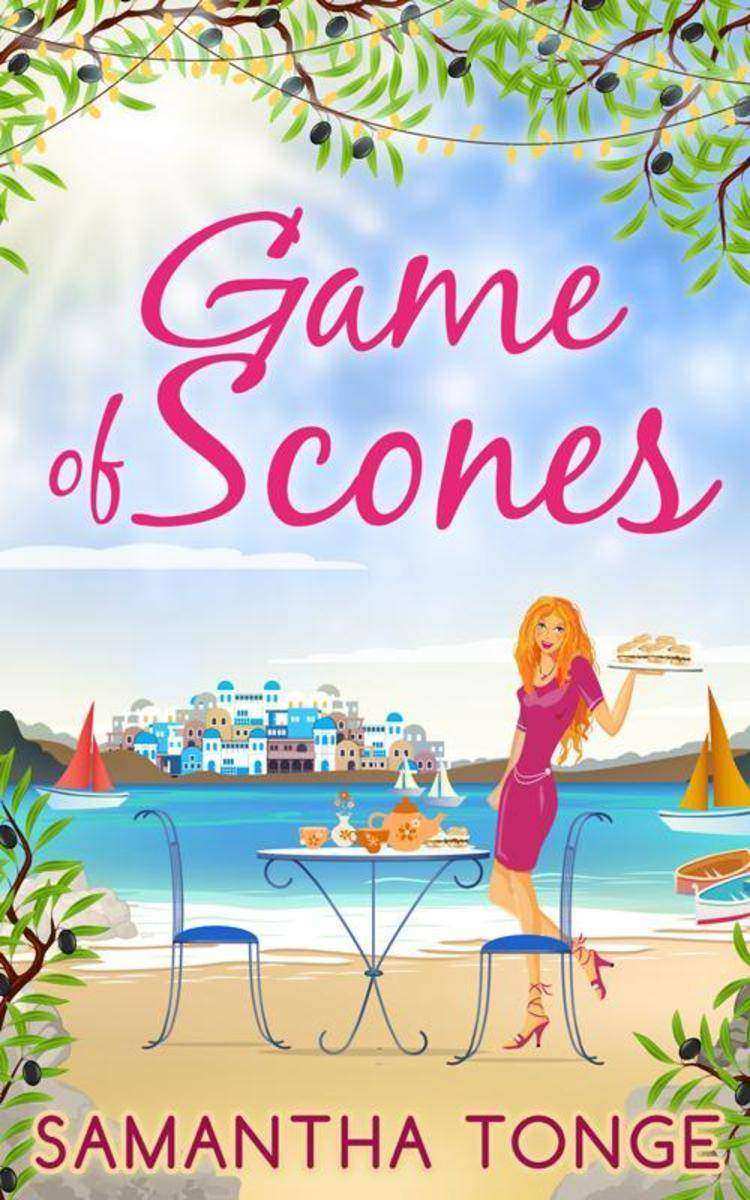
Game Of Scones
¥12.75
‘This was the ultimate summer read and I enjoyed every page and every word. A little slice of paradise.’ - Jenny in Neverland A story of icing and flour… and how love doesn’t always go to plan! Growing up, Pippa Pattinson’s summers were spent in the idyllic Greek island fishing village of Taxos. There she spent many long hazy days determinedly ignoring thoughts of the life her parents had mapped out for her (a dreary-but-secure accounting job and obligatory sensible husband!) Instead she daydreamed of running her own tea shop – serving the perfect scones – with mocha-eyed childhood friend Niklaus by her side… Arriving back in Taxos for the first time in years, with suave boyfriend Henrik, Pippa barely recognises the tired little town – but is relieved to catch glimpses of the quaint, charming village she’s always loved. Together Niklaus and Pippa put together a proposal to save Taxos from tourist-tastic ruin, and at the heart of their plan is Pippa’s dream project: The Tastiest Little Tea Shop in Taxos. It’s time for Pippa to leave her London life behind and dust off her scone recipe that’s guaranteed to win over both locals and visitors. And amidst the rolling pins and raisins, it seems romance is blossoming where she’s least expecting it… Loved Game of Scones then don’t miss My Big Fat Christmas Wedding – out now! This sizzling summer read is perfect for fans of Lindsey Kelk's Always the Bridesmaid and Lucy Diamond's Summer at Shell Cottage What reviewers are saying about Game of Scones ‘The perfect book to kick start your summer reading… A gloriously fun read which does not disappoint.’ – Book Addict Shaun ‘a great escapist read that is still well written and character lead.’ – The Price is Usually Right ‘an enjoyable light read with a good story and characters. The baking element of the story is also an enjoyable aspect… An enjoyable read for summer.’ – Chick Lit Central ‘I loved Game of Scones… and would highly recommend it to anyone looking for a HEA steeped in friendship, tradition, location, and yummy desserts.’ – Harlequin Junkie
Polly's Pride
¥12.75
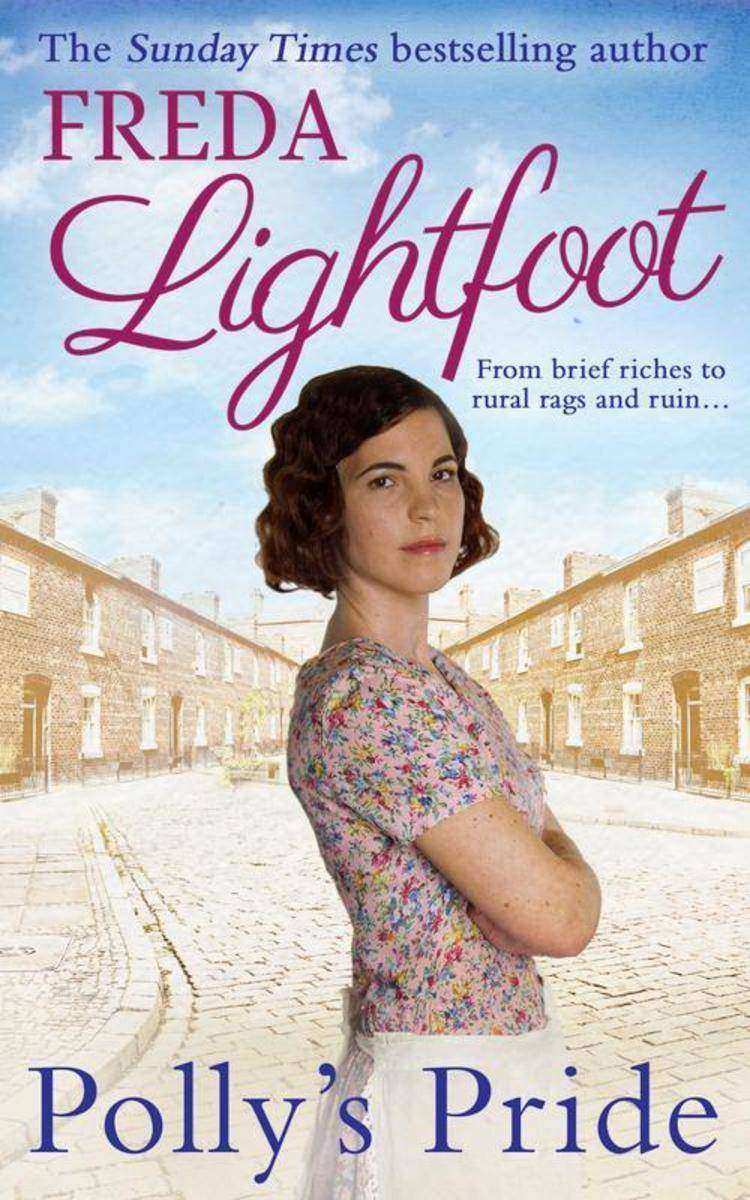
From Sunday Times bestselling author, Freda Lightfoot. From brief riches to rural rags and ruin… 1920s, Manchester. Living in the deprived area of Ancoats area of Manchester Polly Pride feels more fortunate than most until her husband Matthew loses his job and her life is thrown into turmoil. With no money coming in Polly must act to keep her family from starvation. In a desperate gamble she sells all the family goods and buys a handcart, from which she sells second-hand rugs and carpets. But struggling to deal with poverty and her husband’s hurt pride are only the start of her problems. For when tragedy strikes Polly has to do battle with the bigotry of a sour brother-in-law to keep herself and her family from falling apart. A stirring, heartrending story of love, passion, duty and family, set in the 1920s as the Second World War looms. Praise for Freda Lightfoot ’ Freda's books are a joy to read - her characters are so believable and richly drawn - they’re satisfying page turners!’ – Anne Bennett
A Dad for Her Twins (Mills & Boon Love Inspired) (Family Ties (Love Inspired), B
¥31.10
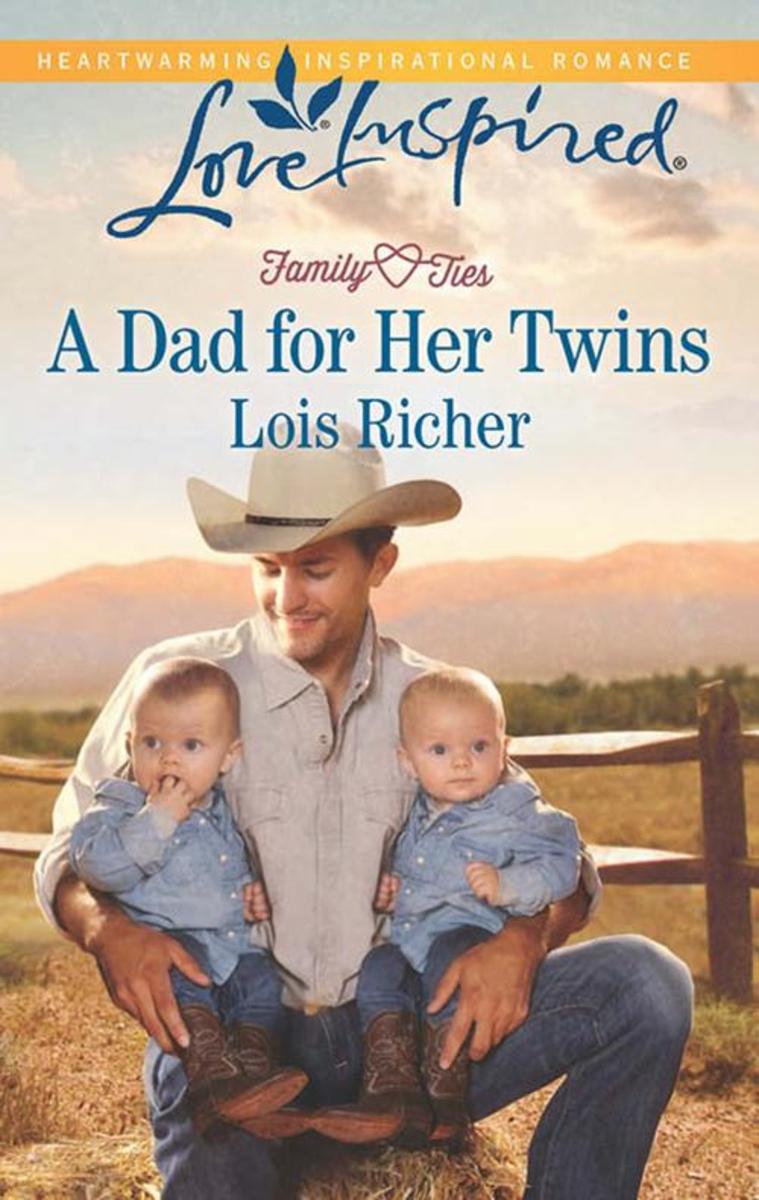
The Cowboy's New Family Widow Abby McDonald is pregnant with twins, suddenly homeless and has nowhere to go. When her late husband's army buddy offers her a temporary haven at his family ranch in Buffalo Gap, Abby accepts the handsome cowboy's hospitality. She knows that Cade Lebret, an honorable man with a complicated life on the Double L, is just "doing the right thing." But when a needy foster child joins their makeshift family, Abby begins to see what a kind, loving father figure Cade is. Suddenly she's dreaming of making the Lebret family ranch her home forever. Family Ties: Bundles of joy bring couples together. Family Ties flash to come Widow Abby McDonald is pregnant with twins, suddenly homeless and has nowhere to go. When her late husband's army buddy offers her a temporary haven at his family ranch in Buffalo Gap, Abby accepts the handsome cowboy's hospitality. She knows that Cade Lebret, an honorable man with a complicated life on the Double L, is just "doing the right thing." But when a needy foster child joins their makeshift family, Abby begins to see what a kind, loving father figure Cade is. Suddenly she's dreaming of making the Lebret family ranch her home forever. Family Ties: Bundles of joy bring couples together.

A Family At Last (Mills & Boon M&B)
¥9.71
Can Izzy’s dreams of finding peace with her beautiful baby girl and new man Diego really come true? Especially when family troubles threaten to tear them apart… St Pirans: Part 1 - The Secret Son Part 2 - The Big Move Part 3 - Too Much At Stake Part 4 - The Wedding Part 5 - Pregnant Cinderella Part 6 - Just Friends? Part 7 - Baby Emergency Part 8 - Staying the Night Part 9 - A Family At Last Stay tuned for more in the St Pirans series!
Agent Undercover (Mills & Boon Intrigue) (Special Agents at the Altar, Book 2)
¥31.10
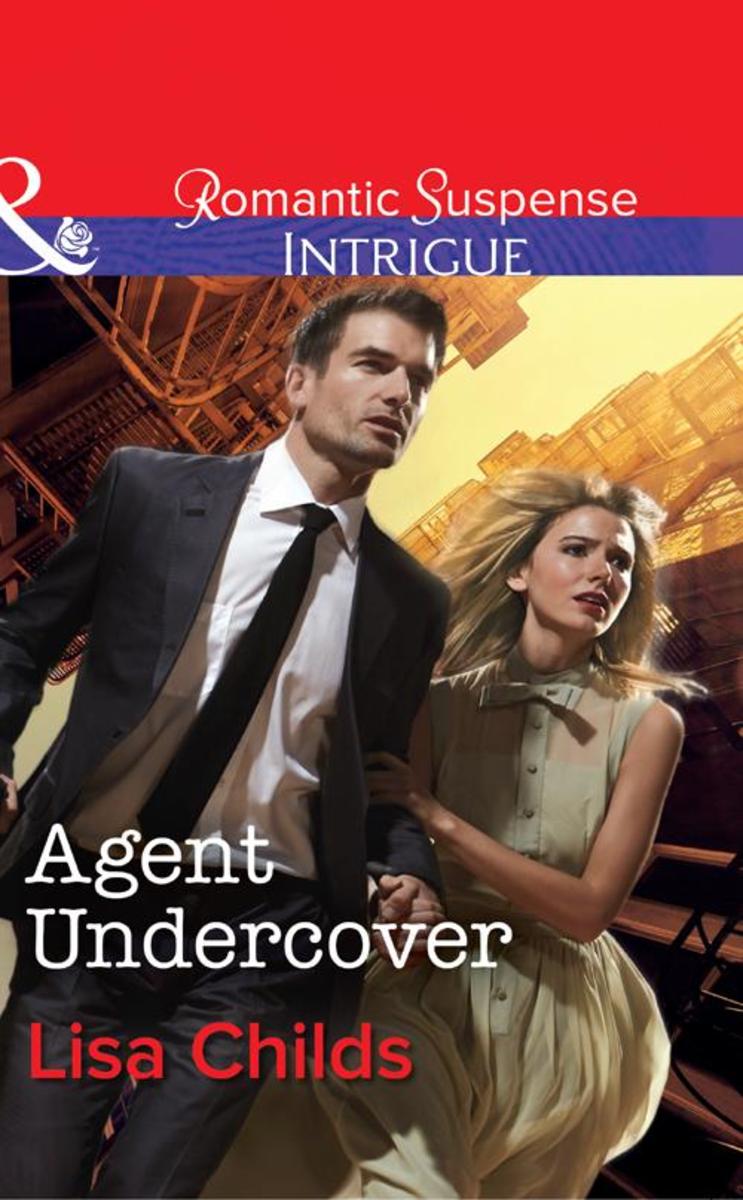
She’s wanted by unknown assailants, the government…and the man sworn to protect her. A man like FBI Special Agent Ash Stryker would never be caught dead at a speed-dating event. But that’s where he tracks down Claire Molenski, a computer programmer suspected of selling government information. When he rescues her from a botched kidnapping, he realizes not only that she’s innocent, but also the only way to protect her is to pose as her boyfriend. Claire knows that their relationship is a ruse. Once the case is closed, she’ll never see Ash again, and that scares her almost as much as the abduction attempts. But the way he acts towards her makes her wonder just how much of an act their relationship really is. And if she'll be able to survive long enough to find out.

新雅?名著館——愛的教育
¥50.28
本书包括 開學日、義勇、波巴尼老師、同班朋友、黛爾卡蒂老師、小偵察員(每月故事)、雪球惹的禍、史泰迪的珍藏等内容。

夢想職業系列-警察實習班
¥46.11
小朋友,歡迎你參加夢想職業體驗——警察實習班。我們將會參觀警署,認識一下警察的工作。你準備好了嗎?


