


 购物车
购物车 个人中心
个人中心
Forward Slash Free Sampler
¥11.77
Download an EXCLUSIVE FREE extract of the terrifying new Psychological Thriller from Mark Edwards and Louise Voss. ‘I was gripped all the way.’ Peter James. He's posted on your wall. He's following you on Twitter. He knows where you are right now… When Amy receives an email from her older sister, Becky, announcing that she's off travelling and "don't try to find me", she is worried. Becky would never do such a thing on a whim. Amy – who is recovering from an abusive relationship that has left her terrified of love – soon finds that Becky had started using online dating sites. Aided by Becky's neighbour, Gary, Amy sets about tracking down the men her sister had dated, following a trail that leads her into the darkly seductive world of internet hook-ups. But Amy is unaware that a sadistic killer is watching – a killer who’s been using the internet to stalk, torture and kill. Now he’s got something very special planned for Amy and she is about to find out that romance really is dead.
Michael Morpurgo: War Child to War Horse
¥58.86
Discover the true life story of favourite storyteller Michael Morpurgo, in this biography specially edited for children. Also features seven original Morpurgo stories. We are enchanted by Michael Morpurgo’s amazing stories like ‘Private Peaceful’, ‘Born to Run’ and ‘Kensuke’s Kingdom’. And with big screen adaptations of his novels such as ‘War Horse’ being made into film adaptations by Steven Spielberg, it’s no surprise that he’s our nation’s number one favourite storyteller. But what about the real life story of Michael Morpurgo…? How did a boy supremely uninterested in books, who dreamed of becoming an army officer, become a bestselling author and Children’s Laureate? What stories in Michael’s own life inspired him to write more than a hundred books for children? In a unique collaboration, Maggie Fergusson and Michael himself explore his life through biography and stories. This is a specially abridged edition of the critically acclaimed biography ‘War Child to War Horse’, for children. With additional photos not included in the hardback edition, and with a special activities section, this is the perfect gift for any child who has ever loved a Morpurgo story – and there are millions of them out there…
The Men Who United the States
¥73.58
From bestselling author Simon Winchester, the extraordinary story of how America was united into a single nation. For more than two centuries, E pluribus unum – out of many, one – has been featured on America’s official government seals and stamped on its currency. But how did America become ‘one nation, indivisible’? In this monumental history, Simon Winchester addresses this question, introducing the fearless trailblazers whose achievements forged and unified America. Winchester follows in the footsteps of America’s most essential explorers, thinkers, and innovators. He treks vast swaths of territory, introducing these fascinating pioneers – some, such as Washington and Jefferson, Lewis and Clark being familiar, some forgotten, some hardly known – who played a pivotal role in creating today’s United States. Throughout, he ponders whether the historic work of uniting the States has succeeded, and to what degree. ‘The Men Who United the States’ is a fresh, lively, and erudite look at the way in which the most powerful nation on earth came together, from one of our most entertaining, probing, and insightful observers.
The Death Trade (Sean Dillon Series, Book 20)
¥58.86
THE NEW HIGGINS HAS LANDED! One man with the key to Armageddon. One chance for Sean Dillon to find him. The hunt is on, in the mesmerizing new Sean Dillon thriller of murder, terrorism and revenge from the Sunday Times bestselling author.
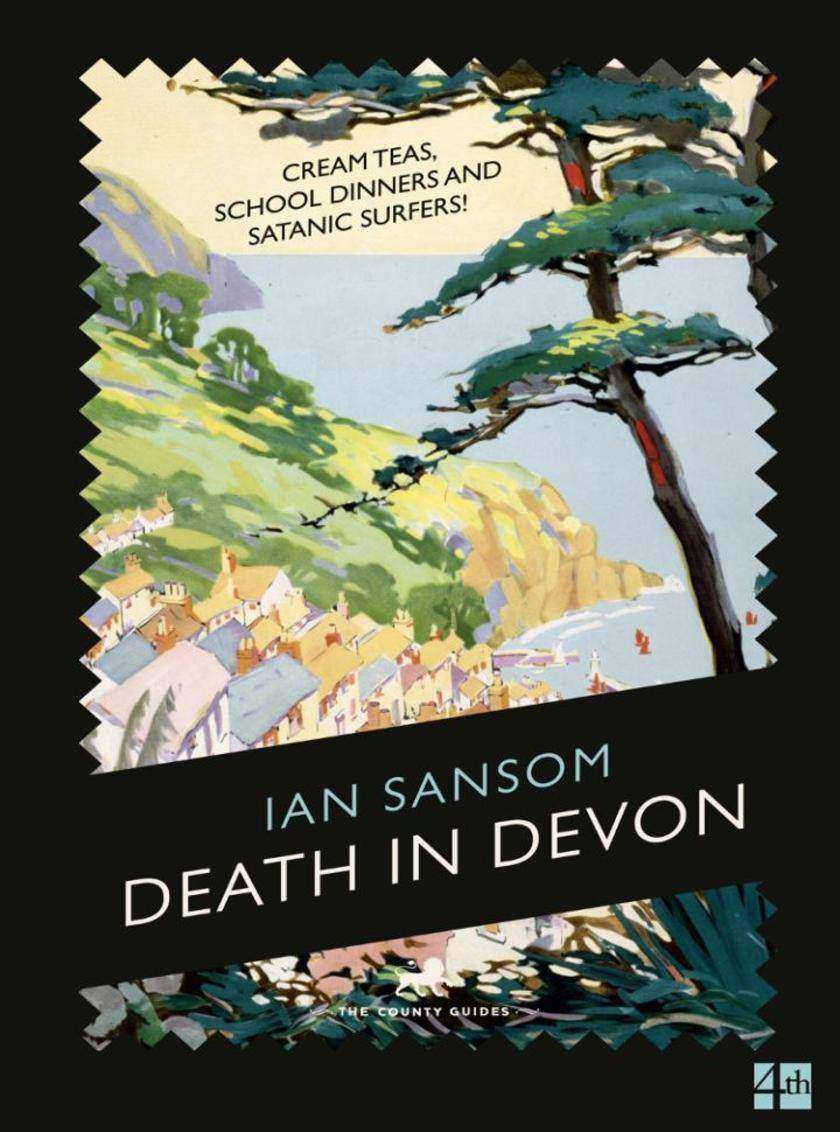
Death in Devon (The County Guides)
¥27.76
CREAM TEAS! SCHOOL DINNERS! SATANIC SURFERS! Join our heroes as they follow up a Norfolk Mystery with a bad case of … DEATH IN DEVON. Swanton Morley, the People’s Professor, sets off for Devon to continue his history of England, The County Guides. Morley’s daughter Miriam and his assistant Stephen Sefton pack up the Lagonda for a trip to the English Riviera. Morley has been invited to give the Founder’s Day speech at All Souls School in Rousdon. But when the trio arrive they discover that a boy has died in mysterious circumstances. Was it an accident or was it – murder? Join Morley, Sefton and Miram on another adventure into the dark heart of 1930s England.
Will You Love Me?: The story of my adopted daughter Lucy: Part 1 of 3
¥12.85
Will You Love Me can either be read as a full-length eBook or in 3 serialised eBook-only parts. This is PART 1 of 3 (Chapters 1-9 of 27). You can read Part 1 two weeks ahead of release of the full-length eBook and paperback. The eleventh memoir and latest title from the internationally bestselling author and foster carer Cathy Glass. This book tells the true story of Cathy’s adopted daughter Lucy. Lucy was born to a single mother who had been abused and neglected for most of her own childhood. Right from the beginning Lucy’s mother couldn’t cope, but it wasn’t until Lucy reached eight years old that she was finally taken into permanent foster care. By the time Lucy is brought to live with Cathy she is eleven years old and severely distressed after being moved from one foster home to another. Withdrawn, refusing to eat and three years behind in her schooling, it is thought that the damage Lucy has suffered is irreversible. But Cathy and her two children bond with Lucy quickly, and break through to Lucy in a way no-one else has been able to, finally showing her the loving home she never believed existed. Cathy and Lucy believe they were always destined to be mother and daughter – it just took them a little while to find each other.
Will You Love Me?: The story of my adopted daughter Lucy: Part 3 of 3
¥47.48
Will You Love Me can either be read as a full-length eBook or in 3 serialised eBook-only parts. This is PART 3 of 3 (Chapters 17-27 of 27). You can read Part 3 on release of the full-length eBook and paperback. The eleventh memoir and latest title from the internationally bestselling author and foster carer Cathy Glass. This book tells the true story of Cathy’s adopted daughter Lucy. Lucy was born to a single mother who had been abused and neglected for most of her own childhood. Right from the beginning Lucy’s mother couldn’t cope, but it wasn’t until Lucy reached eight years old that she was finally taken into permanent foster care. By the time Lucy is brought to live with Cathy she is eleven years old and severely distressed after being moved from one foster home to another. Withdrawn, refusing to eat and three years behind in her schooling, it is thought that the damage Lucy has suffered is irreversible. But Cathy and her two children bond with Lucy quickly, and break through to Lucy in a way no-one else has been able to, finally showing her the loving home she never believed existed. Cathy and Lucy believe they were always destined to be mother and daughter – it just took them a little while to find each other.
The Shock of the Fall Free Sampler
¥11.77
WINNER OF THE COSTA BOOK OF THE YEAR 2013 ‘I’ll tell you what happened because it will be a good way to introduce my brother. His name’s Simon. I think you’re going to like him. I really do. But in a couple of pages he’ll be dead. And he was never the same after that.’ It is recommended readers use the Publisher's Fonts. There are books you can’t stop reading, which keep you up all night. There are books which let us into the hidden parts of life and make them vividly real. There are books which, because of the sheer skill with which every word is chosen, linger in your mind for days. The Shock of the Fall is all of these books. The Shock of the Fall is an extraordinary portrait of one man’s descent into mental illness. It is a brave and groundbreaking novel from one of the most exciting new voices in fiction.
Home Made: Good, honest food made easy
¥80.25
Nothing beats the taste and comfort of real home made food. Bestselling cook Tana Ramsay has devised a fabulous range of mouth-watering recipes that will leave family and friends begging for second helpings. Always easy to make, you'll be free to spend more time with the people that count. Great food brings people together and Tana Ramsay's Home Made will do just that. Her recipes are a perfect combination of traditional flavours and modern twists, and are divided into 12 ingredient-led sections for ease of reference, including Chicken, Lamb, Pizzas and Chocolate. Beautifully illustrated throughout, highlights include succulent lemon chicken stew, crispy roast pork with haricot beans, pancetta & thyme, lazy bubble & squeak and a seriously sticky chocolate treacle pie. This is the perfect cookbook for anybody who wants to feed their loved ones great food every day.
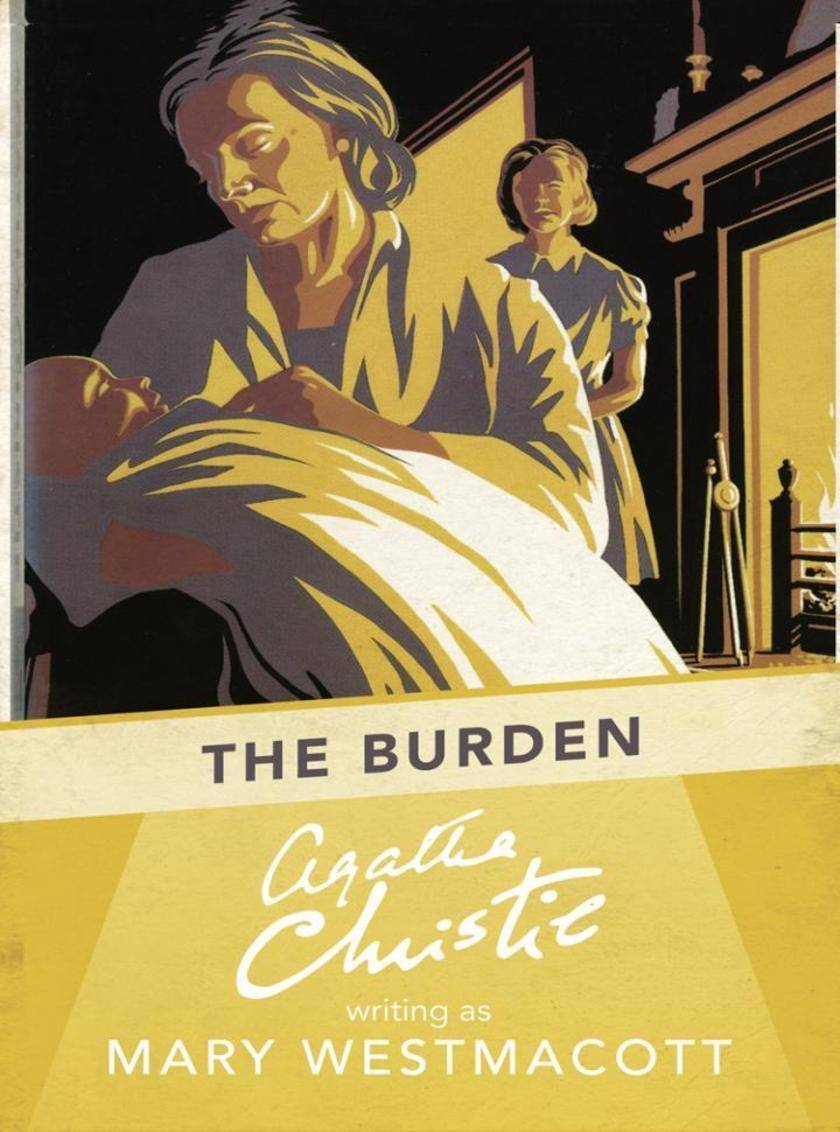
The Burden
¥58.47
A superb novel of possessive love. Laura Franklin bitterly resented the arrival of her younger sister Shirley, an enchanting baby loved by all the family. But Laura's emotions towards her sister changed dramatically one night, when she vowed to protect her with all her strength and love. While Shirley longs for freedom and romance, Laura has to learn that loving can never be a one-sided affair, and the burden of her love for her sister has a dramatic effect on both their lives. A story of consequences when love turns to obsession… Famous for her ingenious crime books and plays, Agatha Christie also wrote about crimes of the heart, six bittersweet and very personal novels, as compelling and memorable as the best of her work.
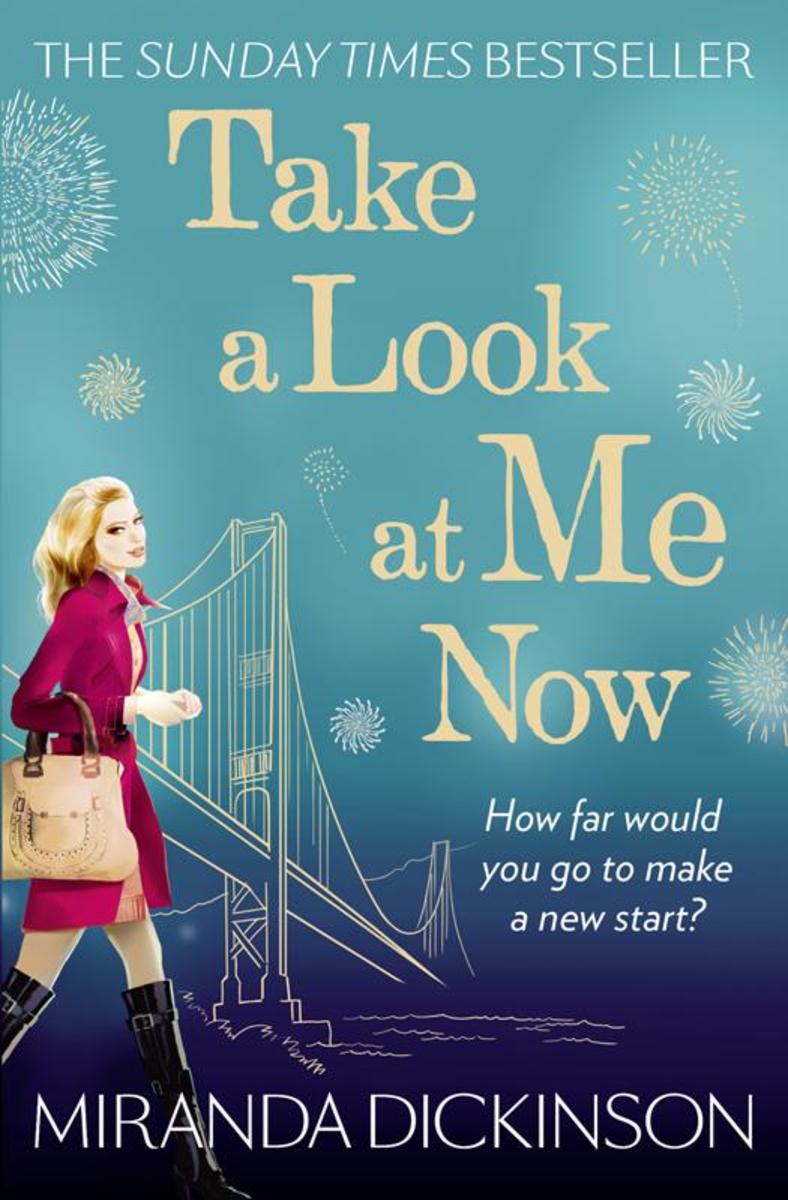
Take A Look At Me Now
¥34.14
How far would you go to make a new start? Heart-warming and romantic, Take a Look at Me Now will make you laugh, cry and cheer Nell on from start to finish. What a difference a day makes… Nell Sullivan has always been known as ‘Miss Five-Year Plan’. But when she finds herself jobless and newly single on the same day, Nell decides it is time to stop planning and start taking chances. Nell blows her redundancy cheque on a trip of lifetime to a place where anything is possible – San Francisco. There she meets a host of colourful characters, including the intriguing and gorgeous Max. Very soon the city begins to feel like Nell’s second home. But when it’s time to return to London, will she leave the ‘new Nell’ behind? And can the magic of San Francisco continue to sparkle thousands of miles away?
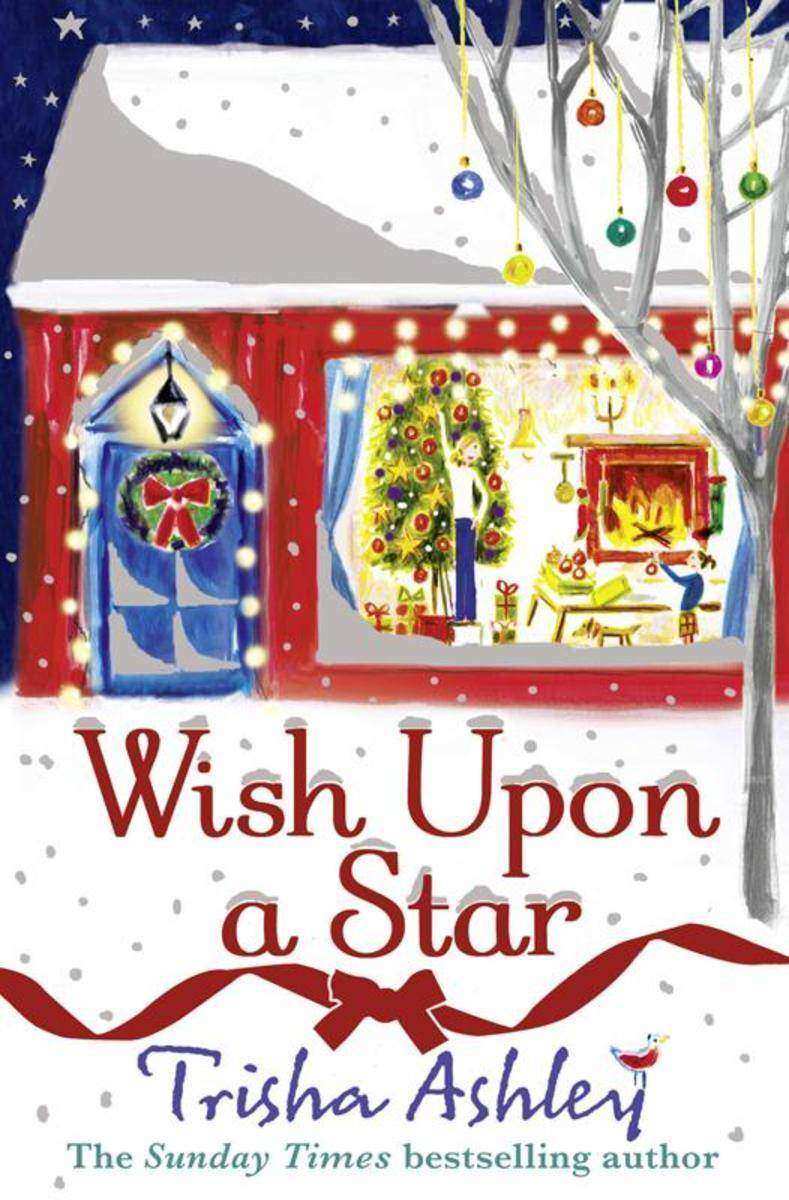
Wish Upon a Star
¥58.86
A wonderful warm festive treat from Sunday Times bestseller Trisha Ashley. The perfect gift isn’t always under the tree… Single mum Cally’s life is all about her little girl Stella. She’s resigned to the fact that the only romance she’s going to get is from the rom-coms she watches, and with her busy job and her daughter, she doesn’t have time to even think about love. But life gets very tough when Stella gets sick. Balancing her job as a recipe writer and looking after Stella is all consuming, so when Cally meets handsome baker Jago the last thing she wants to do is fall in love, especially when she’s been badly burned by a Prince Charming from her past. Can laid-back, charming Jago unlock Cally’s frozen heart and help her find true love and magic under the mistletoe? Come home for Christmas with this gorgeous festive treat, perfect for fans of Katie Fforde and Jill Mansell.
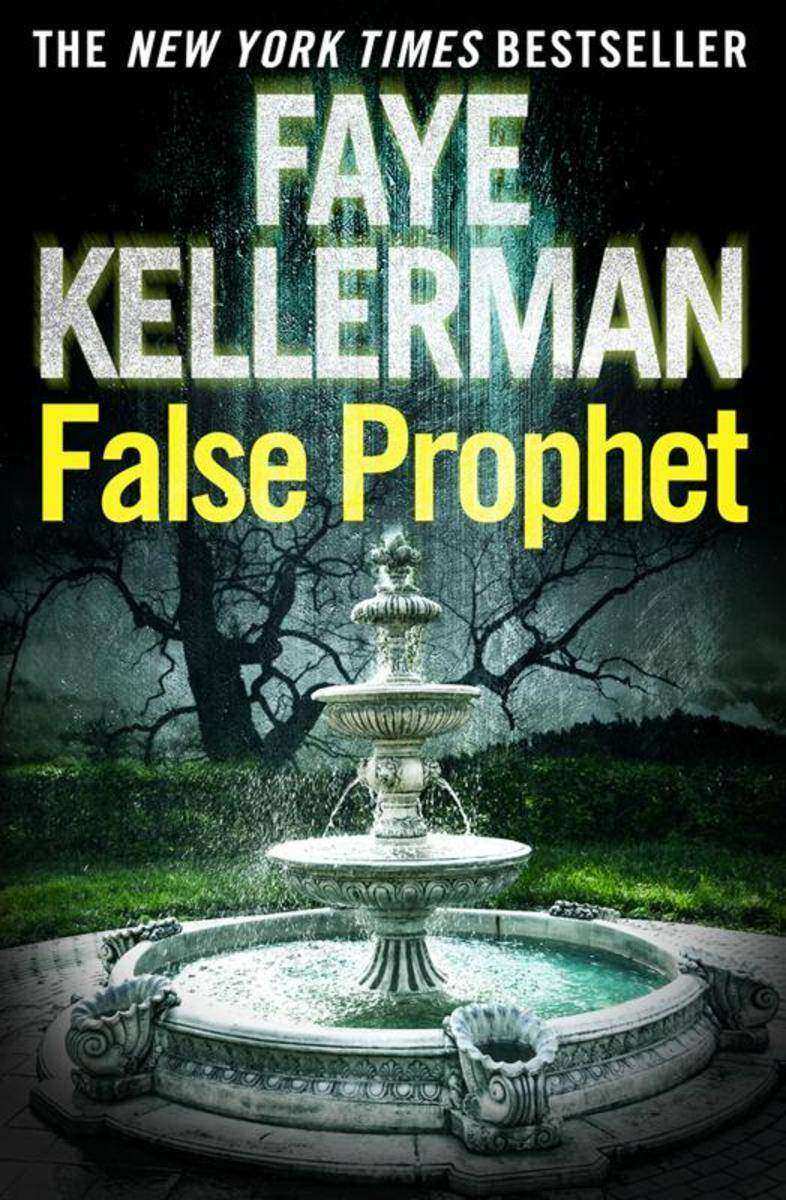
False Prophet
¥58.47
Even to case-hardened Detective Sergeant Pete Decker the brutal rape of Lilah Brecht, exquisite daughter of an aged Hollywood movie queen, is a disturbing act of violence. The only leads are provided by Lilah herself. However, Lilah's credibility is soon shattered when it emerges that she didn't physically see her rapist. It was only her 'gift' of second sight that enable her to 'image' her attacker. She claims that Decker is the only policeman who can truly understand and catch her attacker, who, she says, is still threatening her. Decker, however, is not so sure and is anxious to protect his heavily pregnant wife Rina from Lilah's alternately seductive and hysterical phone calls. But when Decker himself sees Lilah almost killed in a freak accident, he begins to think he may have judged her too harshly...
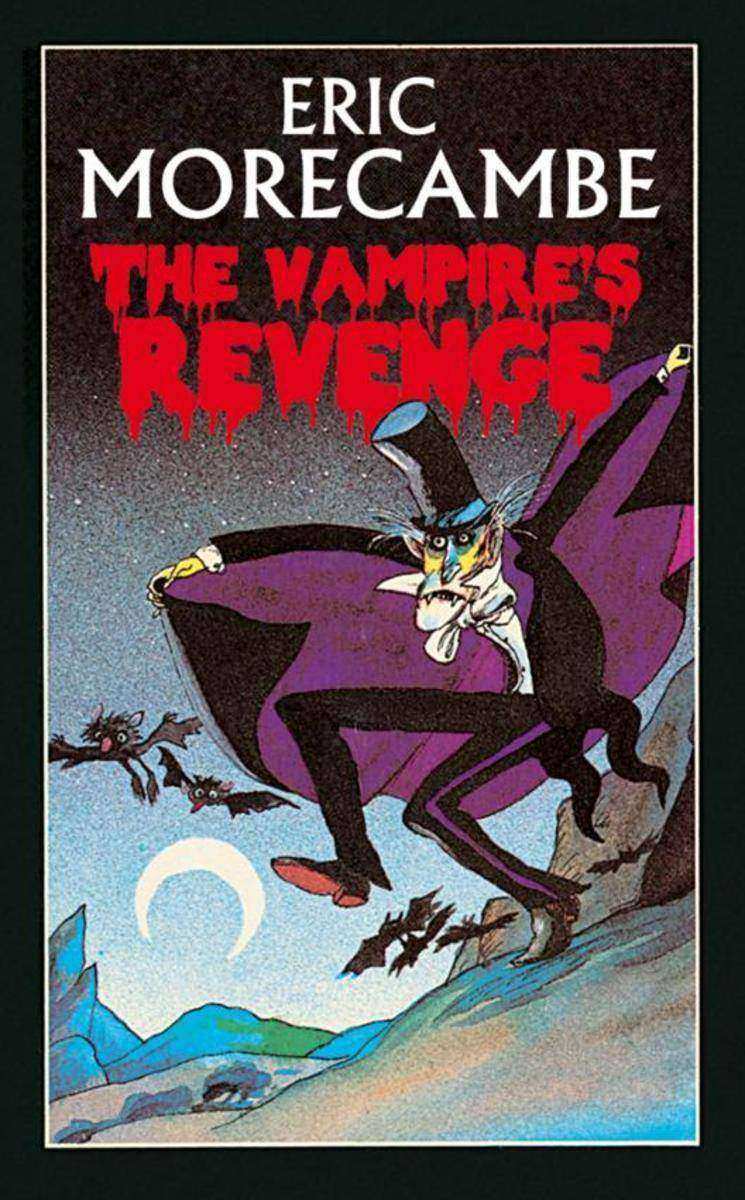
The Vampire’s Revenge (The Reluctant Vampire, Book 2)
¥34.14
Count Alucard, the last surviving Transylvanian vampire, is on the run again - this time from the villagers of Little Lechfield. He flees to America, where fate intervenes in the form of Hiram P. Hurtzburger, Hollywood film producer, who wants the count for his latest and greatest film.

Aries 2014: Your Personal Horoscope
¥9.71
Your complete one-volume guide to the year 2014. This fantastic and in-depth book includes month-by-month forecasts for every sign and all you need to know to find out what is in store for you in the year ahead. The only one-volume horoscope you’ll ever need. Your essential guide to love, life and career success in 2014. This popular, complete one-volume guide contains all you need to know about your personal horoscope for the year 2014. Be prepared for the forthcoming year with monthly predictions for your own sign and discover how to maximise your opportunities and potential to make the most of 2014. This best-selling astrological guide contains: ? A personality profile for each sign ? A forecast for the year ahead – what you can expect in terms of wealth, home, health, social and love life ? A month-by-month forecast of your best days and worst days – the ideal days to attract love, money or success, and when it’s better to just stay in bed! Joseph Polansky is a leading US astrologer who has been practising astrology for over 20 years.

The Riftwar Saga Series Books 2 and 3
¥206.30
The Riftwar Saga continues… This ebook contains Silverthorn and A Darkness at Sethanon, books two and three of the Rift War Saga by Raymond E. Feist. For nearly a year peace reigned in the enchanted kingdom of Rillanon. But new challenges awaited Arutha, the Prince of Krondor, when Jimmy the Hand – the youngest thief in the Guild of Mockers – came upon a sinister Nighthawk poised to assassinate him. What evil power raises the dead and makes corpses do battle with the living at the behest of the Guild of Death? And what high magic can defeat it? Meanwhile, a life-or-death quest must be undertaken to find an antidote to a poison that fells a beautiful princess on her wedding day… And so the Rift War Saga continues…
One Hundred Names
¥58.86
The uplifting and captivating new novel from the worldwide bestseller Cecelia Ahern Kitty Logan has lost her way… As a journalist, she’s spent the past few years chasing the big scoops – no matter the consequences. When she makes a terrible mistake, she finds herself mired in scandal, her career implodes and even her personal relationships are tested to the limits. At a loss, Kitty finds distraction in a list of one hundred names her late mentor and boss, Constance, has left her. Kitty’s been given one final chance, the most important assignment of her life – to write the story behind the one hundred names as a tribute piece to Constance. As she tracks down the people on the list and tries to work out what connects them, Kitty meets some extraordinary people. Can these strangers’ stories help her finally understand her own?

The Last Highlander
¥73.58
Fans of Outlander must read this Saltire Society Literary Awards Scottish First Book of the Year – a great non-fiction adventure about Scotland’s most notorious clan chief. Simon Fraser, Lord Lovat, was the last of the great Scottish chiefs – and the last nobleman executed for treason. Determined to seek his fortune with the exiled Jacobite king in France, Fraser acted as a spy for both the Stuarts and the Hanoverians; claimed to be both Protestant and Roman Catholic. In July 1745, Bonnie Prince Charlie launched his last attempt to seize back the throne, supported by Fraser and his clans. They were defeated at Culloden. Fraser was found hiding in a tree. This swashbuckling spy story recreates an extraordinary period of history in its retelling of Fraser’s life. He is surely one of Scotland’s most notorious and romantic figures, a cunning and ambitious soldier who died a martyr for his country and an independent Scotland.
A Fair Cop
¥63.18
The true story of a young police officer’s imprisonment for a crime he did not commit It was Michael Bunting's life ambition to follow in his father's footsteps and become a police officer. But six years after his family watch him pass out and begin his life's dream, he is serving a sentence for a crime he didn't commit. This is his story. Beaten almost senseless as he tried to arrest a violent criminal, the 23-year-old PC was left with head injuries and blurred vision that took him months to recover from. Back at work he was astounded to learn that his attacker had filed a complaint against him and that the Police Discipline and Complaints Department were following up the allegation. Two years later he was found guilty of common assault against his assailant and received a prison sentence that left him living his devastated life amongst the criminals he had previously sought to keep off the streets. Hard-hitting and at times heart-breaking the book is a graphic account of life behind bars for a policeman in one of England's hardest prisons. An extract from A Fair Cop: "The prisoner arrived once more with the trolley and placed the plate of food on to my hatch. 'Bunting,' he shouted pleasantly. I wasn't fooled. 'Thanks,' I said, as I walked across the cell to collect it. As I put my hand out to reach for the plate he snatched it away. He held it up to the hatch and peered through at me. 'PC Bunting, isn't it?' he asked, and then took a deep breath to muster as much saliva from the back of his throat as he could. With one swift movement he spat a big glob in to the middle of the food. The white phlegm floated around in brown gravy. 'Hey lads, I'm feeding the pig,' he said. With this, two other prisoners came to my cell hatch. They looked at me, sniggering. They then spat in my food too. The first prisoner put the plate on the hatch and gestured for me to come closer. 'You're in our territory now, you f***ing filth, and we're gonna f***ing carve you up.'
The Dolce Vita Diaries
¥47.48
A deliciously different travelogue In 2005, Cathy and Jason threw in successful careers as TV presenters and producers to become olive farmers in Italy. With their one year old daughter and Italian dictionary in tow, they found themselves in the middle of a European nowhere untouched by modernity. They were on a steep learning curve in more-or-less everything – finding out how to prune an olive tree so that a sparrow can pass through its branches, learning what beauty products are de rigeur in the changing rooms of a local Italian football team, being trained, by a local Italian choir, how to sing in English but with an Italian accent – and learning the rigorous rules of when one is allowed to consume a cappuccino. Armed with their indefatigable love of food, they headed off many a potentially tricky situation by cooking their way out of it, a sure route to the heart of any Italian. They discover that olive farming is dominated by the big boys and desperate to turn their new home into a way of making a living they cast around for ideas of how they can do so. A flash of inspiration led them to launch an 'Adopt-an-Olive-Tree' scheme. For a fee buyers could adopt a tree, receive produce from it and even go and visit it to give it a hug. The scheme became hugely popular with trees selling out way ahead of expectations. A contract with Selfridges followed and suddenly Cathy and Jason's dream is realised. Or nearly anyway. It's a hard slog and they meet every challenge with fortitude and humour but what they hadn't expected was that the biggest challenge would be the quiet of the countryside. Soon they find themselves hankering for the sounds and stench of the city and facing a difficult decision on what they should do next.
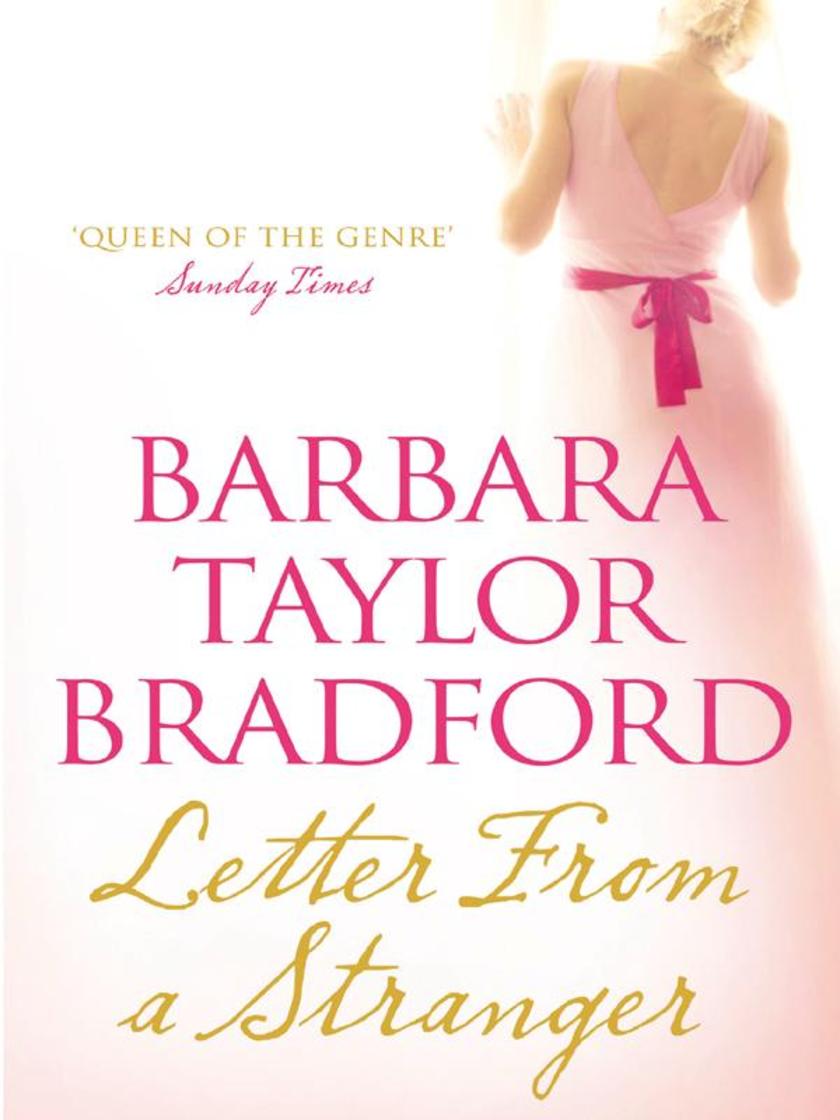
Letter from a Stranger
¥61.51
Captivating and evocative, Letter from a Stranger will take you on an unforgettable journey from idyllic Connecticut to exotic Istanbul to war-torn Berlin then back to the present day. When award-winning film maker Justine Nolan returns to her beautiful childhood home, she is intrigued by an envelope she finds in her absent mother’s post. But the letter inside contains a shocking revelation. If genuine it will change everything she believes about her family’s recent history, her mother and her adored grandmother, Gabriele. With the support of her beloved twin brother, Richard, Justine resolves to uncover the truth. To do so she must travel to Istanbul – the teeming, beguiling city on the cusp of East and West. It is a place which holds its own secrets, leading her to a fascinating man who appears to know more than he is prepared to disclose. Yet even when her quest succeeds, Justine is faced with a further mystery: Gabriele’s background is not what it seems. Justine is given a book of memories in which the real story unfolds, taking her back to the darkest days of European history, with its suffering and astonishing acts of bravery. At the heart of it lie the final facts of Gabriele’s identity – and her own. The letter from a stranger has brought her not only to the truth about her family but also a chance to heal the wounds of past betrayals, to embrace a new love and new life.


