


 购物车
购物车 个人中心
个人中心

Apache
¥57.09
Ed Macy is an elite pilot, one of the few men qualified to fly Apache helicopters, the world’s deadliest fighting machines. This is his account of a fearless mission behind enemy lines in Afghanistan. After a brutal accident forced him out of the Paras, Ed Macy refused to go down quietly. He bent every rule to sign up for the Army’s gruelling Apache helicopter programme and was one of the handful to pass the nightmare selection process. Dispatched to Afghanistan’s notorious Helmand Province in 2006, his squadron were on hand when a marine went MIA behind enemy lines – and they knew they were his only hope. From the cockpit of the mighty Apache helicopter comes this incredible true story of a rescue mission so dangerous they said it couldn’t be done, and of the man who dared to disagree.

Ship of Rome (Masters of the Sea)
¥63.18
Against a backdrop of the clash of the Roman and Carthaginian empires, the battle for sovereignty takes place on the high seas Atticus, captain of one of the ships of Rome's small, coastal fleet, is from a Greek fishing family. Septimus, legionary commander, reluctantly ordered aboard ship, is from Rome, born into a traditionally army family. It could never be an easy alliance. But the arrival of a hostile fleet, larger, far more skilful and more powerful than any Atticus has encountered before, forces them to act together. So Atticus, one of Rome's few experienced sailors, finds himself propelled into the middle of a political struggle that is completely foreign to him. Rome need to build a navy fast but the obstacles are many; political animosities, legions adamant that they will only use their traditional methods; Roman prejudice even from friends, that all those not born in Rome are inferior citizens. The enemy are first class, experienced and determined to control the seas. Can Atticus, and the fledgling Roman navy, staffed with inexperienced sailors and unwilling legionaries, outwit and outfight his opponents. SHIP OF ROME, full of magnificent sea-battles, packed with strong characters, torn between two powerful empires, is the first book in a new series, MASTERS OF THE SEA, by a brilliant new author.

The Street Philosopher
¥58.86
An elegant, powerful novel, set in Victorian England, a time not so different from our own… perfect for fans of THE INTERPRETATION OF MURDER and THE SHADOW OF THE WIND Ambitious young journalist Thomas Kitson arrives at the battlefields of the Crimea as the London Courier’s man on the ground. It is a dangerous place, full of the worst horrors of war but Kitson is determined to make his mark. Under the tutelage of his hard-bitten Irish boss Cracknell, and assisted by artist Robert Styles, he sets about exposing the incompetence of the army generals. Two years later, as Sebastopol burns, Thomas returns to England under mysterious circumstances. Desperate to forget the atrocities of the Crimea, he takes a job as a ‘street philosopher’, a society writer reporting on the gossip of the day. But on the eve of the great Art Treasures Exhibition, as Manchester prepares to welcome Queen Victoria, Thomas’s past returns to haunt him in the most horrifying way…

Lewis Hamilton: My Story
¥73.58
Lewis Hamilton’s explosive arrival on the Formula 1 scene has made front-page headlines. In My Story, for the first time Lewis opens up about his stunning debut season in grand prix racing, as well as his dad Anthony, his home life and his early years. The only book with the real story, as told by Lewis. In his first season in F1, Lewis Hamilton thrilled the world of motor racing by finishing on the podium in his first nine consecutive races – the first driver to do so in the sport's 57-year history – and drove to victories in Canada, America, Hungary and Japan. But bare statistics alone do scant justice to the amazing impact Lewis Hamilton has had on the sporting landscape. My Story gives the real account from Lewis himself, as he sets the record straight about his colourful life on and off the track. Given a grounded upbringing by his dedicated father in unremarkable Stevenage, Lewis tells about how he first tried out go-karting while on a cut-price family holiday in Ibiza. In his book he gives the real version of events at a motor sport dinner where, as a nine-year-old wearing a borrowed suit, he approached McLaren team boss Ron Dennis with the immortal words that were to change his life forever. He rose rapidly through the Junior and Formula ranks, dominating every series with his raw speed and canny race craft. Here Lewis candidly recalls those key moments that shaped his career and went some way towards compensating for the sacrifices made by his father Anthony in getting his son to the top. Lewis also charts how he got into the sport and was signed up by Ron Dennis, what motivates him, who are his closest friends, how he copes with the constant travelling, and the physical and mental challenges of driving a state-of-the-art Formula 1 car. He looks back in detail at the 2007 World Championship – the race wins, the frightening crash in Germany, his intense rivalry with team-mate Fernando Alonso, his special relationship with Ron Dennis, and the furore over the Ferrari allegations – right up to the dramatic last race of the season in Brazil.
The Knitting Circle
¥73.28
Come on in and join the knitting circle – it might just save your life… Spinning yarns, weaving tales, mending lives… Every Wednesday a group of women gathers at Alice's Sit and Knit. Little do they know that they will learn so much more than patterns… Grieving Mary needs to fill the empty days after the death of her only child. Glamorous Scarlet is the life and soul of any party. But beneath her trademark red hair and beaming smile lurks heartache. Sculptor Lulu seems too cool to live in the suburbs. Why has she fled New York's bright lights? Model housewife Beth never has a hair out of place. But her perfect world is about to fall apart…. Irish-born Ellen wears the weight of the world on her shoulders but not her heart on her sleeve. What is she hiding? As the weeks go by, under mysterious Alice's watchful eye, an unlikely friendship forms. Secrets are revealed and pacts made. Then tragedy strikes, and each woman must learn to face her own past in order to move on…

Damaged Goods
¥66.22
A daughter accused of murder. And unable to defend herself… A dark, gritty thriller, perfect for fans of Kimberley Chambers and Jessie Keane. When a prostitute is found butchered on a notorious Luton council estate, the finger is immediately pointed. The prime suspect? Her 14-year-old daughter, Kelsey. But Kelsey is unable to defend herself. After an attempt to take her own life, Kelsey has been left horrifically scarred and mute – unable to even utter the words ‘not guilty’. It’s down to Lilly Valentine – a tough-talking Yorkshire lawyer – to prove Kelsey’s innocence. Prostitution, paedophilia, drugs and blackmail: Lily must put her own life at risk to save a silent, terrified child and find the real killer…

Jimmy Coates: Survival
¥51.50
Fifth title and a stunning new look for Jimmy Coates – part boy, part weapon, totally deadly! Can Jimmy save his family AND prevent a war? The choice is simple. The decision is deadly.

The Little Book of Calorie Burning
¥31.59
A quirky guide to counting the calories as they come off, through ways you may never have considered possible Exactly how long would you have to kiss in order to burn off a bottle of beer? Or how long would you have to argue with someone to burn off a Mars bar? From playing ping-pong to having sex (at different levels of intensity!), this little guide contains over 100 activities and their calorie-burning powers. For instance, have you ever thought about the calories you burn simply by eating and digesting? Activities are arranged A-Z and show the calories burned for four different weights (yes, sadly the heavier you are, the more calories you’ll burn even when asleep). Each entry also gives an example food, telling you how long you must do that activity to burn it off.

Riverford Farm Cook Book
¥139.99
‘What we like most is to produce foods ourselves from start to finish – from farm to table, the Riverford way. Food should tell a story and, because we know what it is, we can tell you.’ Guy Watson’s ethos is simple: he wants to put fresh, flavoursome, seasonal food back onto people’s plates. In 1985, armed with a wheelbarrow and a borrowed tractor, he established his first Riverford farm in South Devon. Since then, and largely thanks to a groundbreaking home-delivery vegetable box scheme, a small network of Riverford farms has sprung up across Britain. Packed with tips on growing your own organic vegetables and brimming with hearty recipes from Riverford’s celebrated Field Kitchen, the ‘Riverford Farm Cook Book’ gives an organic farmer’s unique insight into great-tasting food grown with care and cooked with passion.
Provided You Don’t Kiss Me: 20 Years with Brian Clough
¥72.40
‘One day you’ll write a book about this club. Or, more to the point, about me. So you may as well know what I’m thinking and save it up for later when it won’t do any harm to anyone.’ Brian Clough’s twenty years as Nottingham Forest manager were an unpredictable mixture of success, failure, fall-outs and alcoholism. Duncan Hamilton, initiated as a young journalist into the Brian Clough empire, was there to see it all. In this strikingly intimate biography – William Hill Sports Book of the Year 2007 – Hamilton paints a vivid portrait of one of football’s greatest managers: from Nottingham Forest’s double European Cup triumph to the torturous breakdown of relations at the club and Clough’s descent into alcoholism. Sad, joyous and personal, Hamilton’s account of life with Brian Clough is a touching tribute to a brilliant man.

Virgo 2014: Your Personal Horoscope
¥9.71
Your complete one-volume guide to the year 2014. This fantastic and in-depth book includes month-by-month forecasts for every sign and all you need to know to find out what is in store for you in the year ahead. The only one-volume horoscope you’ll ever need. Your essential guide to love, life and career success in 2014. This popular, complete one-volume guide contains all you need to know about your personal horoscope for the year 2014. Be prepared for the forthcoming year with monthly predictions for your own sign and discover how to maximise your opportunities and potential to make the most of 2014. This best-selling astrological guide contains: ? A personality profile for each sign ? A forecast for the year ahead – what you can expect in terms of wealth, home, health, social and love life ? A month-by-month forecast of your best days and worst days – the ideal days to attract love, money or success, and when it’s better to just stay in bed! Joseph Polansky is a leading US astrologer who has been practising astrology for over 20 years.
Aquarius 2014: Your Personal Horoscope
¥9.71
Your complete one-volume guide to the year 2014. This fantastic and in-depth book includes month-by-month forecasts for every sign and all you need to know to find out what is in store for you in the year ahead. The only one-volume horoscope you’ll ever need. Your essential guide to love, life and career success in 2014. This popular, complete one-volume guide contains all you need to know about your personal horoscope for the year 2014. Be prepared for the forthcoming year with monthly predictions for your own sign and discover how to maximise your opportunities and potential to make the most of 2014. This best-selling astrological guide contains: ? A personality profile for each sign ? A forecast for the year ahead – what you can expect in terms of wealth, home, health, social and love life ? A month-by-month forecast of your best days and worst days – the ideal days to attract love, money or success, and when it’s better to just stay in bed! Joseph Polansky is a leading US astrologer who has been practising astrology for over 20 years.
Pisces 2014: Your Personal Horoscope
¥9.71
Your complete one-volume guide to the year 2014. This fantastic and in-depth book includes month-by-month forecasts for every sign and all you need to know to find out what is in store for you in the year ahead. The only one-volume horoscope you’ll ever need. Your essential guide to love, life and career success in 2014. This popular, complete one-volume guide contains all you need to know about your personal horoscope for the year 2014. Be prepared for the forthcoming year with monthly predictions for your own sign and discover how to maximise your opportunities and potential to make the most of 2014. This best-selling astrological guide contains: ? A personality profile for each sign ? A forecast for the year ahead – what you can expect in terms of wealth, home, health, social and love life ? A month-by-month forecast of your best days and worst days – the ideal days to attract love, money or success, and when it’s better to just stay in bed! Joseph Polansky is a leading US astrologer who has been practising astrology for over 20 years.

The Rat in 2014: Your Chinese Horoscope
¥11.77
The year 2014 is the Chinese Year of the Horse – what will this mean for you? This complete guide contains all the predictions you will need to take you into the year ahead – a lively fast-paced year favouring ideas, innovation and personal growth. The ancient art of Chinese astrology, which predates the Western zodiac, is a detailed system of divination that has been in use in the Orient for thousands of years. The depth of its wisdom and the accuracy of its character analysis and prediction has caught the imagination of the Western world in recent years and led to a rapid rise in its popularity. This popular and enlightening bestselling guide – now in its 27th year – includes: ? Everything you need to know about the 12 signs of the Chinese zodiac. ? An explanation of the Five Elements: metal, water, wood, fire and earth, and which one governs your sign. ? Individual predictions to help you find love, luck and success. ? What the Year of the Horse has in store for you, your family, your loved ones and friends.

The Dragon in 2014: Your Chinese Horoscope
¥11.77
The year 2014 is the Chinese Year of the Horse – what will this mean for you? This complete guide contains all the predictions you will need to take you into the year ahead – a lively fast-paced year favouring ideas, innovation and personal growth. The ancient art of Chinese astrology, which predates the Western zodiac, is a detailed system of divination that has been in use in the Orient for thousands of years. The depth of its wisdom and the accuracy of its character analysis and prediction has caught the imagination of the Western world in recent years and led to a rapid rise in its popularity. This popular and enlightening bestselling guide – now in its 27th year – includes: ? Everything you need to know about the 12 signs of the Chinese zodiac. ? An explanation of the Five Elements: metal, water, wood, fire and earth, and which one governs your sign. ? Individual predictions to help you find love, luck and success. ? What the Year of the Horse has in store for you, your family, your loved ones and friends.

The Snake in 2014: Your Chinese Horoscope
¥11.77
The year 2014 is the Chinese Year of the Horse – what will this mean for you? This complete guide contains all the predictions you will need to take you into the year ahead – a lively fast-paced year favouring ideas, innovation and personal growth. The ancient art of Chinese astrology, which predates the Western zodiac, is a detailed system of divination that has been in use in the Orient for thousands of years. The depth of its wisdom and the accuracy of its character analysis and prediction has caught the imagination of the Western world in recent years and led to a rapid rise in its popularity. This popular and enlightening bestselling guide – now in its 27th year – includes: ? Everything you need to know about the 12 signs of the Chinese zodiac. ? An explanation of the Five Elements: metal, water, wood, fire and earth, and which one governs your sign. ? Individual predictions to help you find love, luck and success. ? What the Year of the Horse has in store for you, your family, your loved ones and friends.
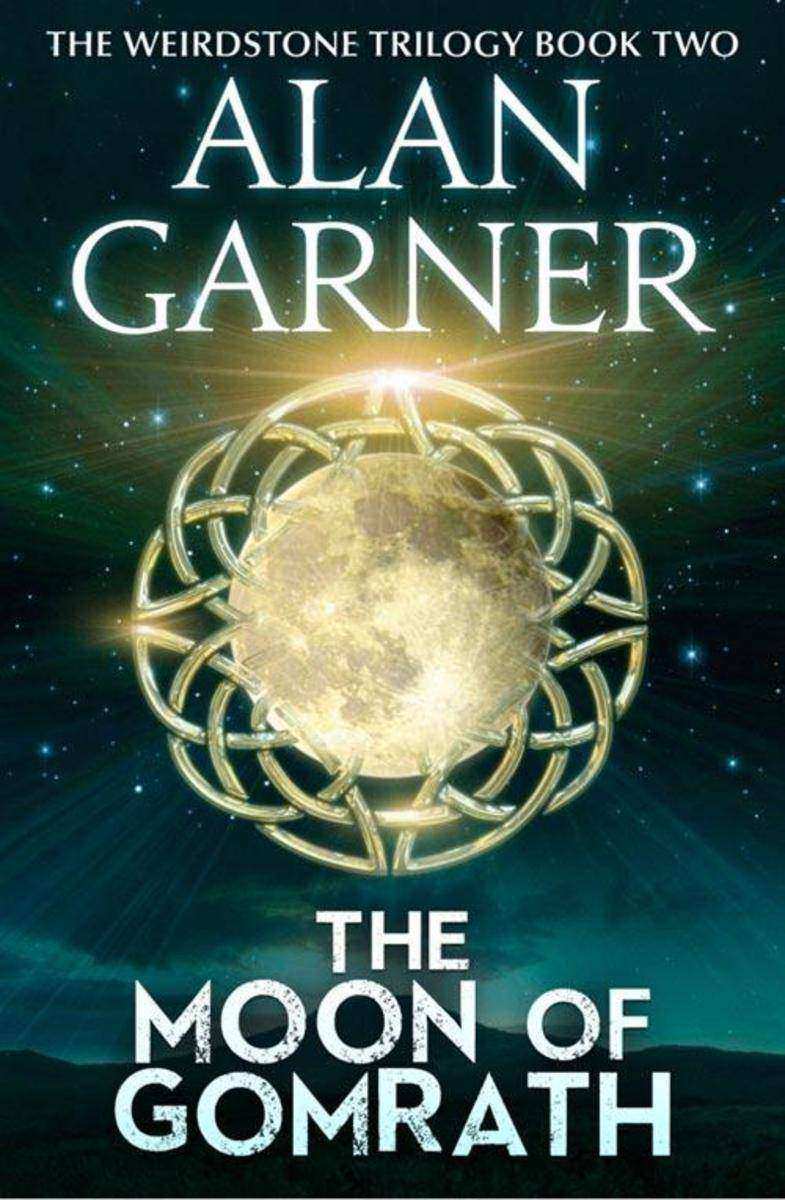
The Moon of Gomrath
¥51.50
Enthralling sequel to The Weirdstone of Brisingamen It is the Eve of Gomrath – the night of the year when the Old Magic is aroused. Had Colin and Susan known this, they would never have lighted a fire on the Beacon, thereby releasing the uncontrollable ferocity of the Wild Hunt. Soon they are inextricably caught up in the struggle between their friend, the Wizard Cadellin, and the evil Morrigan. The strength of their courage will determine whether or not they survive the awaiting ordeal…

Falling: HarperImpulse Paranormal Romance (A Novella)
¥27.17
HarperImpulse Paranormal Romance Novella FALLING … Ceri thinks she sees angels … everywhere. Love is a powerful emotion, but can it change the course of someone's destiny? This is a romance story that explores the possibility of there being something more than just the 'here and now'. Ceri's journey has begun. Part 1 in the Angels Among Us series. Coming soon… Angels Among Us: Forbidden Angels Among Us: Forever
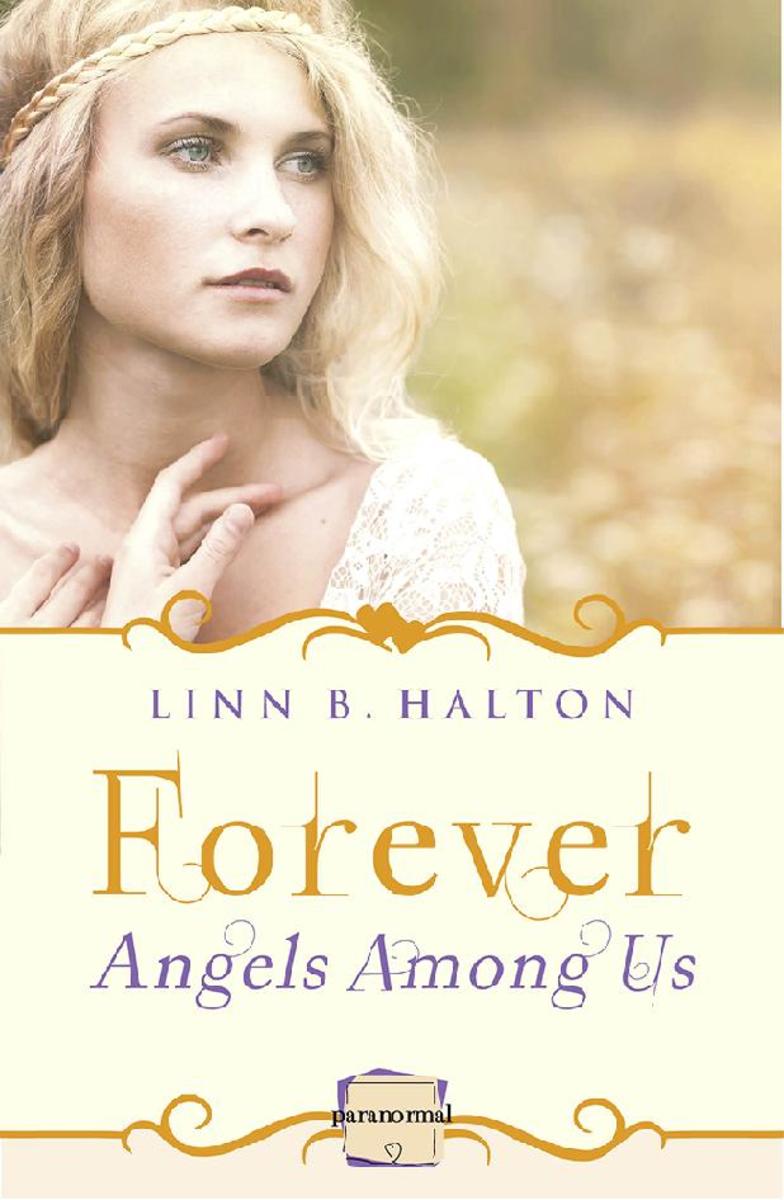
Forever: HarperImpulse Paranormal Romance (A Novella)
¥27.17
HarperImpulse Paranormal Romance Novella FOREVER Ceri is alone for a reason. She’s not meant to fall in love. She’s here for one purpose only. Love is a powerful emotion, but can it change the course of someone's destiny? This is a romance story that explores the possibility of there being something more than just the 'here and now'. Now, Ceri’s journey comes to an end in Forever - the final part of the Angels Among Us trilogy.
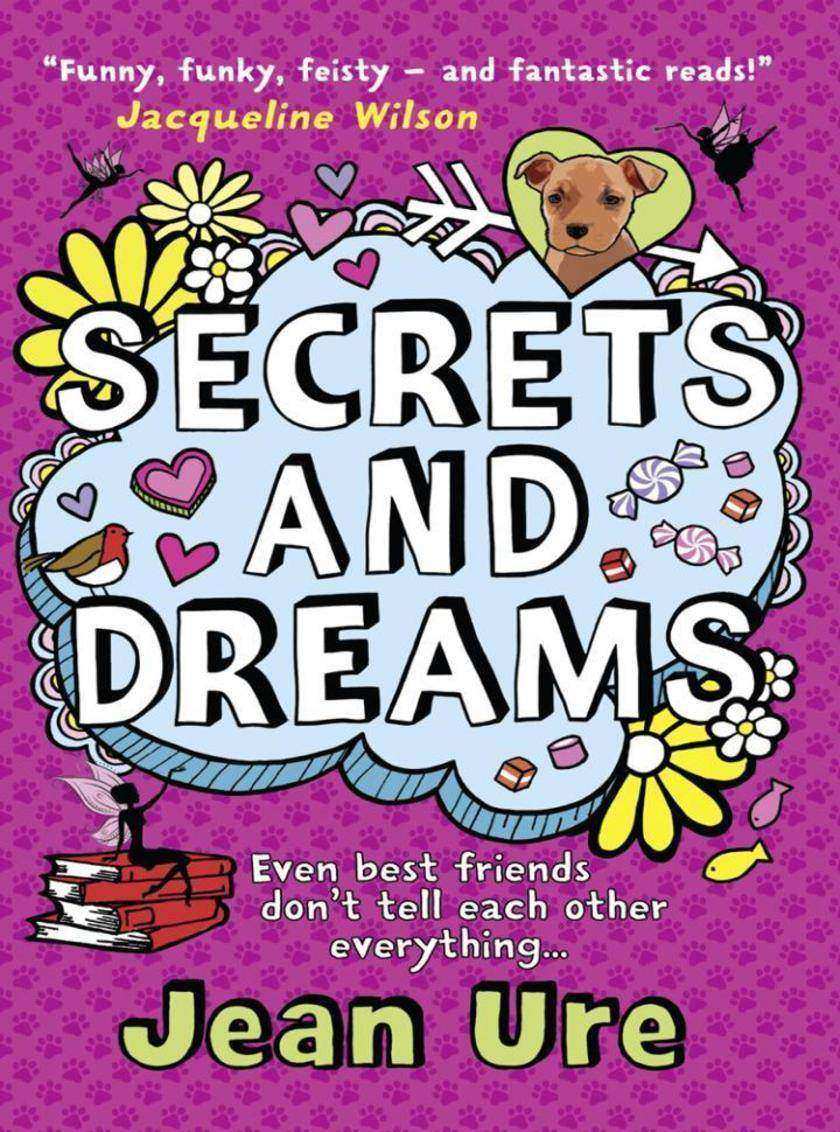
Secrets and Dreams
¥51.50
The latest novel from bestselling author Jean Ure - perfect for fans of Jacqueline Wilson and Cathy Cassidy When Zoe’s dream of going to boarding school becomes a reality, she can’t wait for her life there to begin – but sometimes things don’t turn out the way we expect, and when one of Zoe's new friends reveals a secret too big to share with the others in the group, Zoe finds herself caught in the middle. Will she be able to keep the Daisies together? Staying loyal while ‘fitting in’ has never seemed harder…
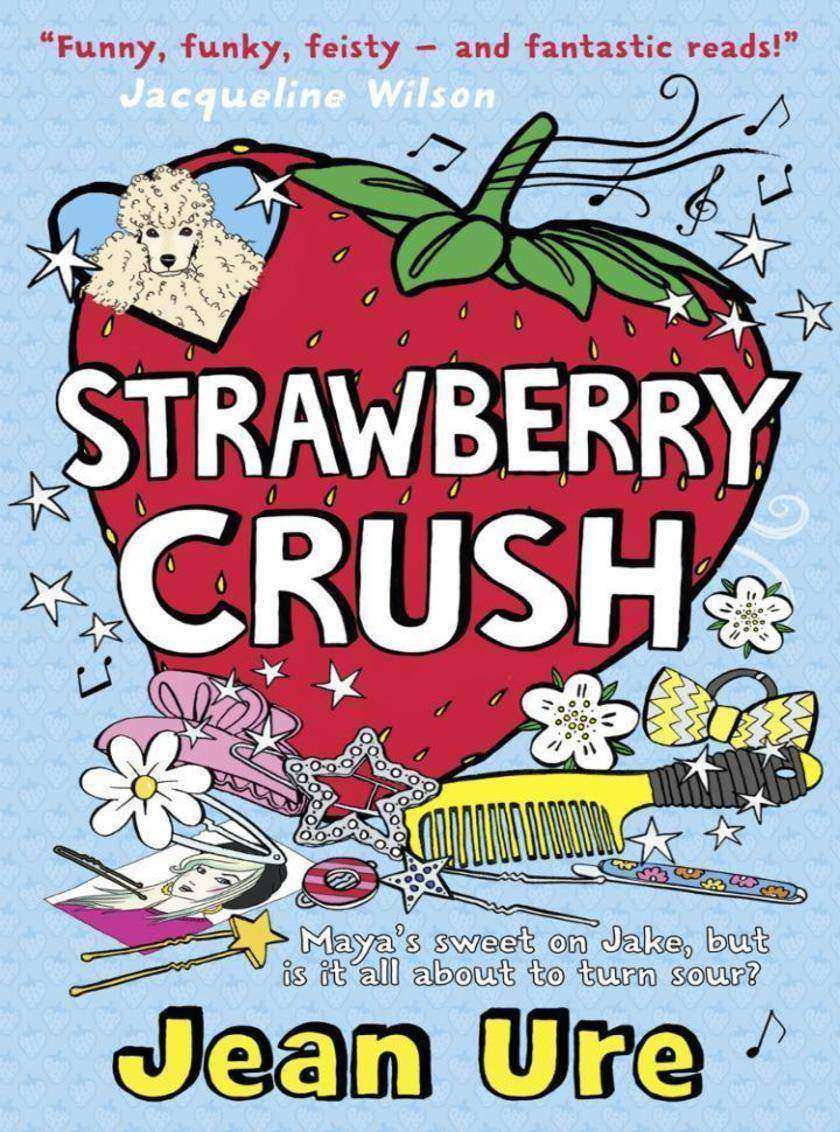
Strawberry Crush
¥44.44
A brand new story of crushes, first love and friendship from the original Queen of Tween – Jean Ure! When Maya falls off her bike and into the arms of Jake Harper, her cousin Mattie thinks the crush that follows will be as short-lived as the rest – especially as Maya is a Year 8 nobody and Jake is a Year 12 god. Mattie’s pretty sure that Jake's taken, anyway. But if Jake’s got a girlfriend then why does he keep offering Maya lifts around town? And why does Maya accuse Mattie of being jealous of her? Perhaps there’s more to this crush than meets the eye…


