


 购物车
购物车 个人中心
个人中心

Blackstone's Bride
¥109.31
California rancher Jarrod Blackstone is stunned when Abby Miller appears on his doorstep to deliver his sister's orphaned children. But even more surprising and disturbing are the sparks that ignite between the rugged bachelor and the and the independent beauty. From the author of Reckless Destiny and Winter Bride.

Devil to Pay
¥21.51
Blake Turner had it all until a demon decided to take residence in his soul. Plagued with constant black outs and a trail of dead bodies in his wake, Blake thinks vampire Elise is his best chance at ending the nightmare. It's just too bad he's fallen in love with the gorgeous vamp right before he has to die; Featuring characters from New York Times bestselling author Jeaniene Frost's Night Huntress world. (Originally appeared in Four Dukes and a Devil anthology)

Avon
¥107.82
Previously published in the print anthologies Five Gold Rings and A Historical Christmas Present.Brinna, a twelfth-century scullery maid, gets the chance to play a lady and win the true love of an impoverished lord. Her fate changes when a new guest, Lady Joan, arrives at the castle. Desperate to escape her arranged marriage to Royce of Thurleah, Joan suggests that look-alike Brinna take her place at the Christmas festivities. Suddenly, Brinna finds herself being wooed by a true gentleman, getting perhaps the best Christmas present of all: a new life. A classic novella from New York Times bestselling author Lynsay Sands.
Broadside e-books
¥109.31
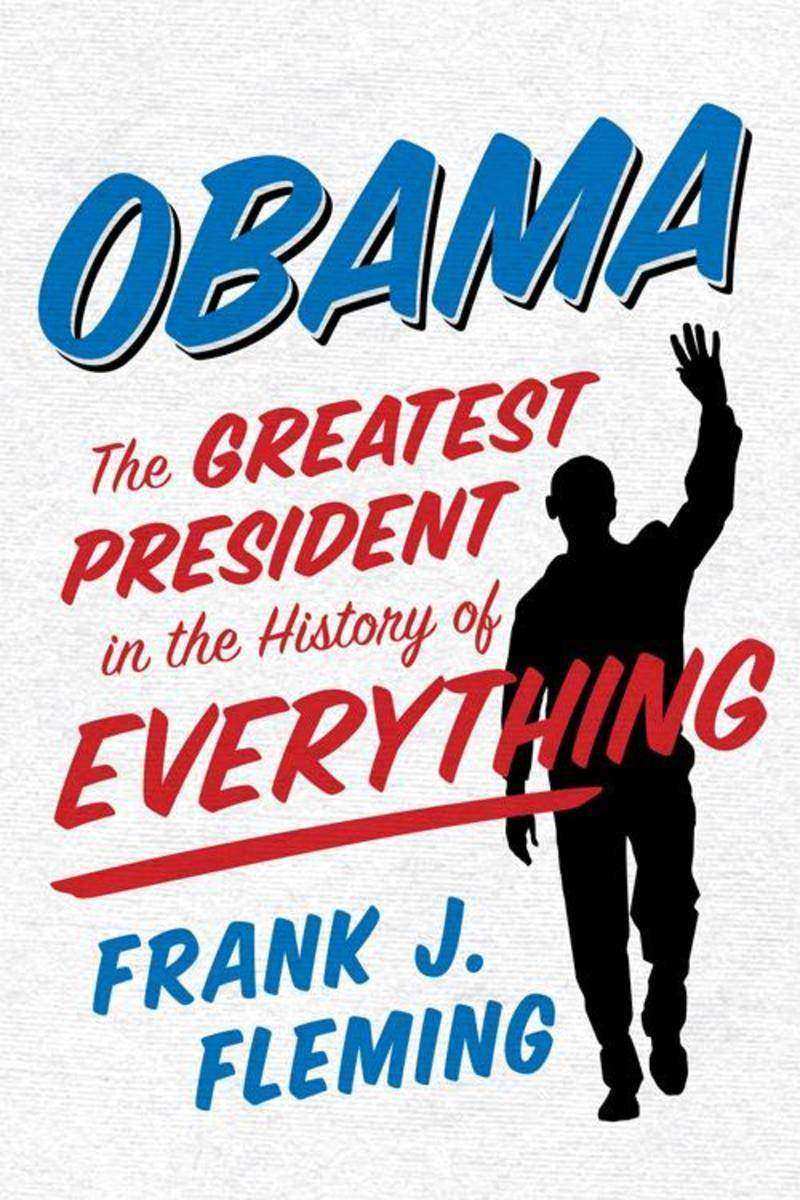
It's hard to remember the dark days before 2008. It was a time of hatred, racism, violence, obese children, war, untaxed rich people, and incandescent light bulbs -- perhaps the worst days we had ever seen. And at the heart of it all was a thuggish, thoughtless man, George W. Bush, who lashed out angrily at whatever he didn't understand -- and he understood so very little. Then there was that laugh of his -- that horrible snicker that mocked everything intelligent and nuanced. Also, he looked like a chimp. It seemed like the end for the United States of America. We would crumble in the hands of vicious, superstitious dimwits determined to hunt "ter'ists" or other figments of Bush's rotten mind. There was nothing left to do but head to Whole Foods to prepare our organic, sustainable, fair-trade last meal as the country ended around us. Despair had overtaken us, and we wondered aloud whether we could ever feel hope again. And then a man emerged who firmly answered, "Yes we can!" Oh, but Barack Obama was no mere man. He was a paragon of intelligence and civilized society. A savior to the world's depressed. A lightbringer. A genius thinking thoughts the common man could never hope to comprehend. And his words -- his beautiful words read from crystal panes -- reached down to our souls and told us all would be well. With the simple act of casting a ballot for Barack Obama, we could make the world an immeasurably better place -- a world of peace, of love, of understanding, of unicorns, of rainbows, of expanded entitlements. This was his promise. And now, having had him as president for more than two years, we can say without reservation that he has delivered all his promises and more and is the best president this country -- or any country -- has ever had or could even imagine to have.

Putting Education to Work
¥78.32
With its revolutionary work-study program and focus on character development, the Cristo Rey Network's values-based education model has presented a new vision in school administration and reinvented urban education. In Putting Education to Work, the inspiring Cristo Rey story is told from its humble beginnings in an inner-city Chicago neighborhood to its current network of 28 participating schools and 9,000 students in underserved communities across the nation, boasting an unprecedented 100 percent college acceptance rate. Through amazing stories of hardship and transformation, the effectiveness of the Cristo Rey method is brought to life, embodied by lifelong learners who can now reimagine their futures, unleash their inner potential, and fulfill their hopes and dreams by preparing for success in college and in life.Proceeds from this book will go toward the Cristo Rey Network's mission of providing quality Catholic college preparatory education to young people who live in urban communities with limited educational options. By purchasing this book, you become part of the Network, joining schools, employers, university partners, and other benefactors in providing the opportunity for college success to thousands of students across America today.

Winning the Wallflower
¥21.80
Lady Lucy TowertonPlain and tall. (According to the lady herself.)Titled, and irreproachably proper. (According to her fiancé.)Until, overnight, she becomesLady Lucy TowertonHeiress. (Thanks to an aged aunt's bequest.)Belle of the Ball. (So say the fortune hunters of the ton.)In charge of her own destiny (finally!), Lucy breaks her engagement and makes up her mind to never be proper again...

The Wedding Planner
¥10.86
Originally appeared in the e-book anthology Royal Weddings and in The Capture of the Earl of Glencrae. She planned every wedding of importance but never her own.Was that now about to changeBeautiful Lady Margaret Dawlish, the daughter of a duke, is proud to plan the ton's most important weddings including that of a prince! But now it's Lady Margaret who falls in love, with dashing Gaston Devilliers, the Duke of Perigord. This breathtaking man always ends up where he wants to be and, in this case, that means in Margaret's arms! And, suddenly, her best-laid plans to guard her heart come completely undone.

Texas Destiny
¥42.03
A weary, ex-Civil War soldier travels to Fort Worth to collect his brother's mail-order bride, a beautiful belle eager to escape war-ravaged Georgia, and finds the object of his heart.

William Morrow
¥107.82
Written by the team of former Special Operations warriors who run SOFREP.com, here is the definitive account of what happened before, during, and after the deadly Benghazi attack.On September 12th, 2012, Brandon Webb learned Glen Doherty, one of his closest friends and his former Navy SEAL teammate, was killed alongside Ambassador J. Christopher Stevens and two other Americans when the U.S. State Department and CIA headquarters in Benghazi, Libya, were sieged in a shocking terrorist attack. For the next four months, Webb and his team at SOFREP.com, the world's premier Special Ops website, embarked on a relentless investigation to understand exactly what happened to their countrymen, as well as the roles played by the Obama administration, State Department, and CIA. Drawing on unmatched sources, they spoke to individuals who would talk to no one else, including fellow Special Operations team members familiar with the African theatre, and to well-placed contacts in the Washington intelligence community. This is their report an unforgettably gripping minute-by-minute narrative of the events and their aftermath as they really unfolded on that terrible day in Libya.

A Fool Again
¥21.73
A Fool Again is the story of Genevieve, who once made a dash to Gretna Greene to marry, but was caught by her father. Now, a few years later, she attends the funeral of her elderly husband (not the man she ran away to marry) and who does she see but The One Who Got Away! Can they make their love work this time around or will Genevieve be A Fool Again?

The Christmas Cookie Chronicles: Carrie
¥21.73
Come join a meeting of the First Love Cookie Club! On Christmas Eve, if you sleep with kismet cookies under your pillow and dream of your own true love, he will be your destiny.Carrie MacGregor doesn't believe this not one bit. She might be a paid up member of the Cookie Club and the local Sweethearts Knitting Club, but she's not about to give in to the forced ho-ho-ho of the season. And whyMark Leland. When he left town he broke Carrie's heart. Now, the local-guy-made good is back, hosting the reality show Fact or Fantasy.'Fact: Mark broke her heart. Fantasy: her friends think they'll be getting back together. But could the magic of a Twilight, Texas Christmas make Carrie's secret dreams come true?And don't miss The Christmas Cookie Chronicles: Raylene available November 29thfrom Avon Impulse!

The Forever Summer
¥42.03
The Awful Truth About Emily Ruth!Lucas Griffin has come to Port Gamble for one purpose: to get the Griffin family summer home out of the clutches of his evil ex-wife, Emily Ruth Griffin.But before he can blink twice, she drops dead in the local grocery market. Now he's stuck with her ghost, and her little dog, too.Not-So-Dearly Departed Lila Abbott has had her fill of rich summer people who crowd Port Gamble every year. Townie girls and summer boys just don't mix, and she's learned that the hard way.But Lucas Griffin has a ghost problem that only Lila can solve, and she finds herself knee-deep in Cheez Whiz while Lucas and the deceased Emily Ruth duke it out.Working together to clear his name and get rid of their pesky poltergeist, Lucas and Lila find themselves falling in love. Maybe this will finally be the forever summer for Lila Abbott.

For the Love of a Pirate
¥41.46
After the popular success of her Botany Bay and "C" series, USA Today bestselling author Edith Layton brings us her first stand alone novel in years that is sure to enchant Layton fans everywhere. A proper gentleman, Constantine, Lord Wylde, proposes to a similarly proper young woman. It's a practical proposal that pleases both parties....Until the night Constantine finds an old pistol packing pirate waiting for him at home. The old man claims that Constantine was promised at birth to his granddaughter. Constantine travels to Cornwall to unearth the truth and, once there, discovers the family fortune is the shameful result of piracy and highway robbery. And he meets the young woman his father promised him to at birth. Lisabeth is beautiful and well educated, but because of her unusual upbringing, she's unaware of the proper behavior of young ladies in the ton. As she has always been enamored by stories of Constantine's swashbuckling ancestors, she's half inclined to fall in love with him too, but she finds him nothing like them! He's too staid, and he finds her too Original.... until they fall into each other's arms and realize that they may have been meant for each other after all.

How to Seduce a Bride
¥41.46
How does one seduce a brideStep One: Lay bare her mysteries... Daisy Tanner has taken the ton by storm and Leland Grant, Viscount Haye, wants to know everything about this ravishing, secretive woman who is tempting his friend into marriage. Though his rakish reputation is the stuff of legend, Leland is curiously undone by this exquisite creature who threatens to turn his footloose single life topsy–turvy. Never has he wanted a woman more... Step Two: Strip her of her inhibitions... Having survived a difficult past, Daisy now desires the security of an uncomplicated marriage with some safe, undemanding gentleman. How dare this dashing rogue Lord Haye distract her with his suspicions...and unbalance her with his sensuous promisesIf Daisy isn't careful, her scandalous history could become common knowledge. Worse still, she might actually fall in love with this notorious seducer whose touch excites her like nothing has before...

When It's Perfect
¥42.03
When the mesmerizing Marcus Longfellow, theEarl of Renn, comes striding into Miss Mary Marsh's life,her world is set spinning. The ladies of London's ton clamor for the lacy confections Mary creates, but the earl is seeking something more from her. And he is very persuasive in his pursuit. Gentle, quiet Mary has always avoided romance, but her strong attraction to theadventurous nobleman is immediate and irresistible.Dare she trust the dashing lord with her secretsShe is hiding something -- Marcus is certain of it -- a clue, perhaps, to explain his sister's untimely death. A sensuous seduction will surely loosen young Mary's tongue,and the determined earl is eager to oblige -- for in all his world travels, Marcus has found no treasure moreexquisite than she. But is his growing passion for herinterfering with his search for the truth?

If Wishes Were Earls
¥41.91
When you wish upon an earl . . .Harriet Hathaway has only ever wanted one man: the Earl of Roxley. After a passionate interlude at a house party, Harriet is convinced Roxley will do the right thing and propose. But when she returns to London, she finds the roguish earl on the verge of proposing to another.Yet Harriet refuses to believe that her hopes of a happily-ever-after are completely lost for she can see the desire still flickering in the earl's eyes when he looks at her from across the dance floor. And when they are alone . . . there is one wish neither can deny.. . . the most extraordinary things can happenThe Earl of Roxley is in a dangerous fix and to keep Harriet safe, he must hold her at arm's length. He won't entangle her in the murderous mystery that is threatening to destroy his family and his future. But keeping Harriet Hathaway out of his troubles proves as impossible as it is to keep the determined beauty from stealing his heart.

The Maiden and Her Knight
¥42.03
A Forbidden Marriage Lady Allis nearly swoons when she first seesthe tall, tempting knight at her father's jousting tournament. As theeldest daughter of the family, she is duty-bound to wed someone ofwealth and privilege -- and Sir Connor, though mesmerizing, is not onlypenniless but in disgrace. To Connor this fiery, untouchable maiden isa prize worth fighting for. The onetime hero has little save his prideand his skill -- as a warrior and a lover. But will that beenough to survive castle treachereries, to know the rapturous passionthe lady's hungering gaze promises -- and to win her heart?
Half Moon Hill
¥42.03
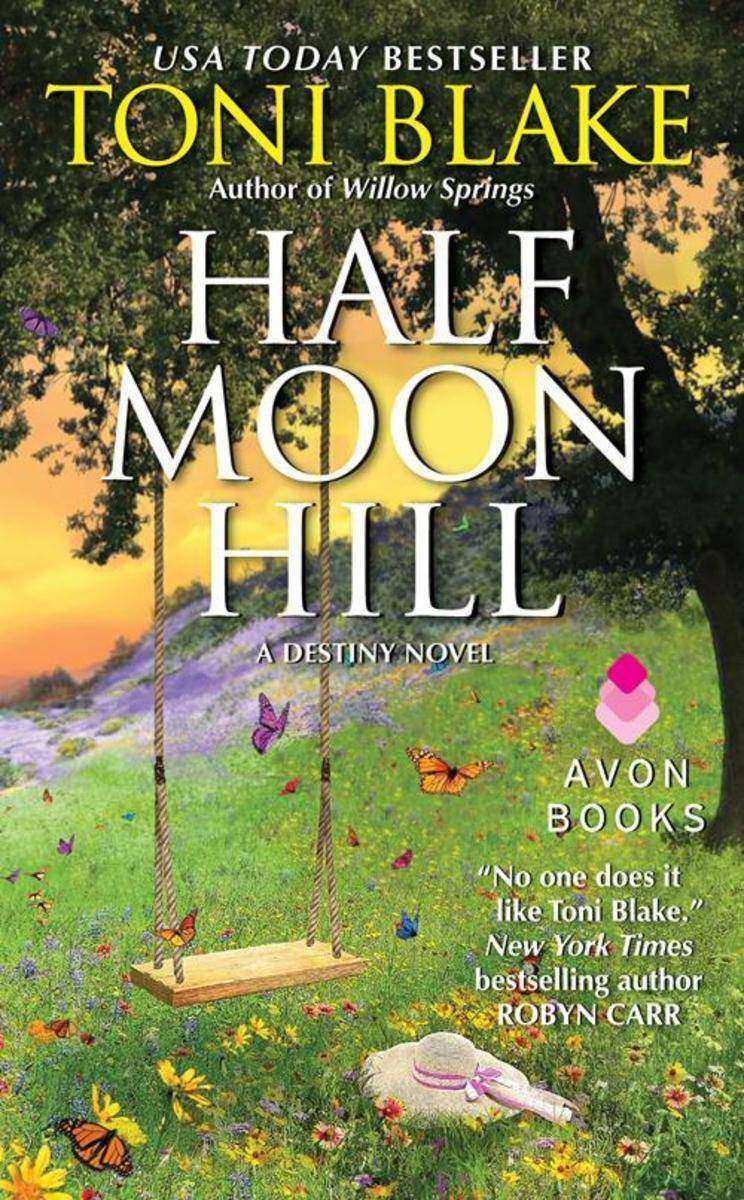
You never know what destiny has in store . . .A rugged loner and ex-biker-gang member, Duke Dawson is looking for some peace and quiet while recovering from an accident. But when Anna Romo comes wandering through his woods and into his cabin, she completely rocks his world. The last thing he expected or wanted was to find himself hungering after a woman whose eyes held hurt even deeper than his own . . .Running from a troubled past, Anna is building a new life in Destiny. When she first meets Duke, she's terrified but something about him calls to her very soul. The hard-bodied rebel is soon helping her turn her new home into a bed and breakfast, and close quarters quickly lead them into her bed. Their passion is palpable, but can she convince a man who has turned his back on life to take the biggest leap of faith of all and fall in love?
A Promise at Bluebell Hill
¥42.03
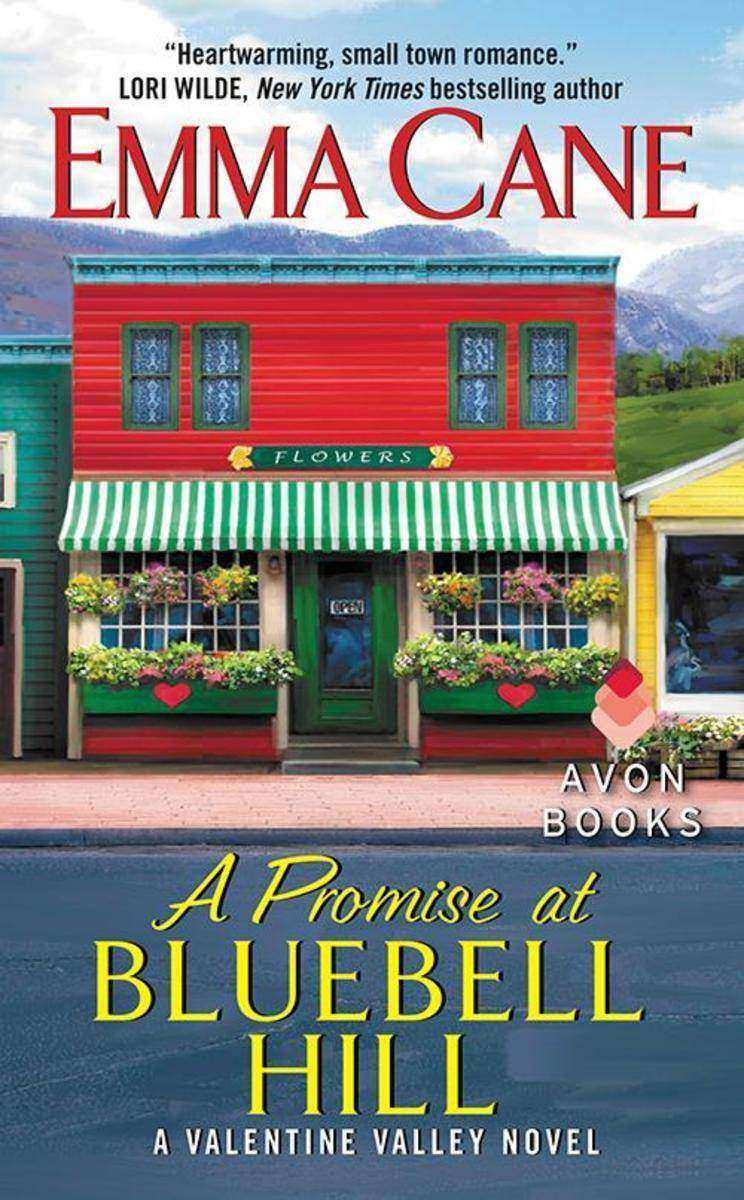
Welcome to Valentine Valley, where romance blooms and love captivates even the most guarded of hearts . . . From the moment Secret Service agent Travis Beaumont strides into the town and through the door of Monica Shaw's flower shop, she feels a sizzle of attraction. After years of putting everyone else's needs first, Monica is ready to grab hold of life. If she can just persuade the ultimate protector to let his own walls down for once . . . The President's son is getting married in Valentine Valley, and Travis should be avoiding all distractions . . . not fantasizing about a forthright, sexy-as-hell florist. Especially when she's keeping secrets that could jeopardize his assignment. But just this once, Travis is tempted to put down the rulebook and follow his heart—right to Monica's door. Roses are red, violets are blue, and in Valentine Valley, love will always find you.
It Takes a Scandal
¥41.91
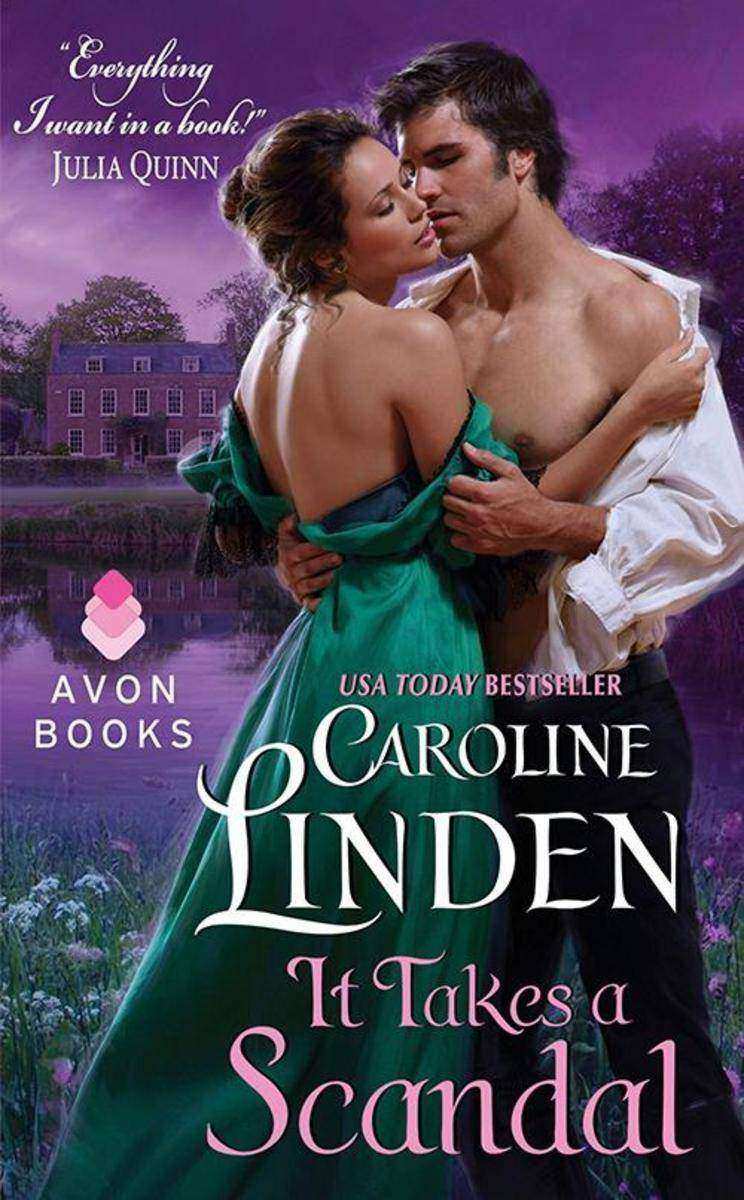
Sometimes It Takes a Scandal . . .Abigail Weston has everything: beauty, wit, and one of the largest dowries in England. Her parents hope she'll wed an earl. Abigail hopes for a man who wants her desperately and passionately. But the money seems to blind every man she meets except one.Sebastian Vane has nothing. He came home from war with a shattered leg to find his father mad and his inheritance gone. He's not a fit suitor for anyone, let alone an heiress. But Abigail lights up his world like a comet, bright and beautiful and able to see him instead of his ruined reputation. And it might end happily ever after . . .To Reveal Your Heart's Desire. . . Until Benedict Lennox begins courting Abigail. Ben is everything Sebastian isn't wealthy, charming, heir to an earl. Sebastian won't give up the only girl he's ever loved without a fight, but Abigail must choose between the penniless gentleman who moves her heart, and the suitor who is everything her parents want.
Mustang Annie
¥42.03
Wild at HeartAfter Annie Harper's world shattered four years ago, taming horses became her salvation. But when Brett Corrigan hires her to capture the wild mustang that's stealing his mares, Annie's passion is ignited by the masterful rancher, sweeping through her like wildfire. Brett never expected the legendary Annie to be a beautiful woman with a boldness that arouses his desire as much as it does his temper or a hidden vulnerability he's helpless to resist. But he's wagered his lifetime dreams on the ranch he won with a turn of the card, and he's not about to let this troublesome craving get in his way. As they track the rogue stallion across the Texas badlands, battling the forces of man, nature, and their own stubbornness, will Annie trust Brett with her heart and will Brett decide that Mustang Annie is worth the greatest gamble of all?


