


 购物车
购物车 个人中心
个人中心
Dreaming Out Loud
¥84.82
Country music has exploded across the U.S. and undergone a sweeping revolution, transforming the once ridiculed world of Nashville into an unlikely focal point of American pop culture. Bruce Feiler was granted unprecedented access to the private moments of the revolution. Here is the acclaimed report: a chronicle of the genre's biggest stars as they change the face of American music.From the historic stage of the Grand Ole Opry to the dim light of a recording studio, here is a ruggedly authentic behind the scenes tour that takes you places outsiders have never been allowed to go. Part social history, part backstage pass, this penetrating and graceful book presents the most comprehensive portraits yet painted of Garth Brooks and Wynonna Judd-two of the most celebrated artists of our times-as well as a touching picture of Wade Hayes, a young man who hopes to follow them to the exalted heights of one of America's richest traditions: the world of country music.
Friend or Frenemy?
¥83.93
How do you finally break free from a fair-weather bud who flees the scene as soon as a new guy comes aroundHow do you know which friends make it into your framilyWith tips for making and breaking, maintaining and sustaining your friendships, plus stories from real women, Friend or Frenemyexplores how great friends get us through hard times and dishes out advice about dumping the users, losers, and abusers. In this era of instant communication, relationships are not necessarily easier. Friend or Frenemyalso looks at how texting, MySpacing, and other modes of instant communication are oh-so-convenient but sometimes make it harder to make meaningful connections.With tons of wit and loads of charm, Lavinthal and Rozler are sure to get you thinking about friendship as if for the first time reminding us why our BFFs are often the most important people in our lives.
A Field Guide to Evangelicals and Their Habitat
¥83.93
They're Going to Heaven . . . and They Know ItAt last, a complete, unsparing guide to evangelical Christians. This hilarious and highly useful manual, written by an insider, illuminates this rapidly growing and unique segment of America and offers a thoroughly entertaining, no-holds-barred, laugh-out-loud survey of evangelical culture. See inside for the scoop on: What Evangelicals Believe -- Plus a Master List of Who Is Going to Hell How to Party Like an Evangelical -- Ambrosia, Li'l Smokies, and Potluck Fever The Diversity of Evangelical Politics -- From Right-Wing to Wacko Evangelical Mating Habits -- The Shocking Truth
The Dictionary of Love
¥83.93
In its more than three hundred pages, The Dictionary of Love gets to the heart of the matter: To rusticate is to get out of town with one's lover.A ballabust is a controlling wife or girlfriend.Bob Hope had the longest Hollywood marriage.Kinkalicious is your girlfriend in a teddy.Tahiti is an island where lovers do the 'upa'upa. From "afterglow" to "zipper," "Ikea" to "Twister," The Dictionary of Love is chockablock with everything you ever wanted to know about love but couldn't find in your Funk Wagnalls. The book draws from all areas of life: love songs, poems, history, law books, sex manuals, medical and psychology texts, folklore, modern science, cookbooks, classical literature, Internet dating sites, TV shows, and today's slang. What famous people best define loveAccording to The Dictionary of Love, they include Johnny Depp, Angelina Jolie, Bill Clinton, Casanova, Lana Turner, Nefertiti, Zsa Zsa Gabor, Don Quixote, Ben & Jerry even Flipper and Lassie!Included, too, are charts, graphs, and illustrations, plus a G-spot directional map for women to give their boyfriend or lover. An indispensable tool for anyone who is composing a love sonnet, breaking up over e-mail, writing a romance novel, planning a romantic getaway, or just looking for something juicy to whisper in their lover's ear, The Dictionary of Love is a first-of-its-kind compendium of all things amorous.
The Bush Agenda
¥88.33
In The Bush Agenda, Antonia Juhasz exposes a radical corporate globalization agenda that has been refined by leading members and allies of the Bush administration over decades and reached its fullest, most aggressive implementation under George W. Bush and Bush Agenda adherents plan for it to outlast him. Juhasz uncovers the history and key role of U.S. corporations in the creation of this agenda focusing on Bechtel, Lockheed Martin, Chevron, and Halliburton then presents the Iraq War as its most brutal application to date. Expertly revealing the oil timeline driving the war, Juhasz charts exactly how the administration has fundamentally transformed Iraq's economy, locked in sweeping advantages to its corporate allies, and expanded its target to the whole Middle East. The results of these same corporate globalization policies dislocation, extreme poverty, and increased violence and terrorism have been demonstrated in regions from South America to Africa to the Middle East and Asia, and in the United States.Extensively researched and now updated with a new afterword, The Bush Agenda is a brilliant, informative analysis, revealing the hard truths about where the Bush administration and its corporate allies are leading the modern world and what we can do about it.
American Soldier
¥93.88
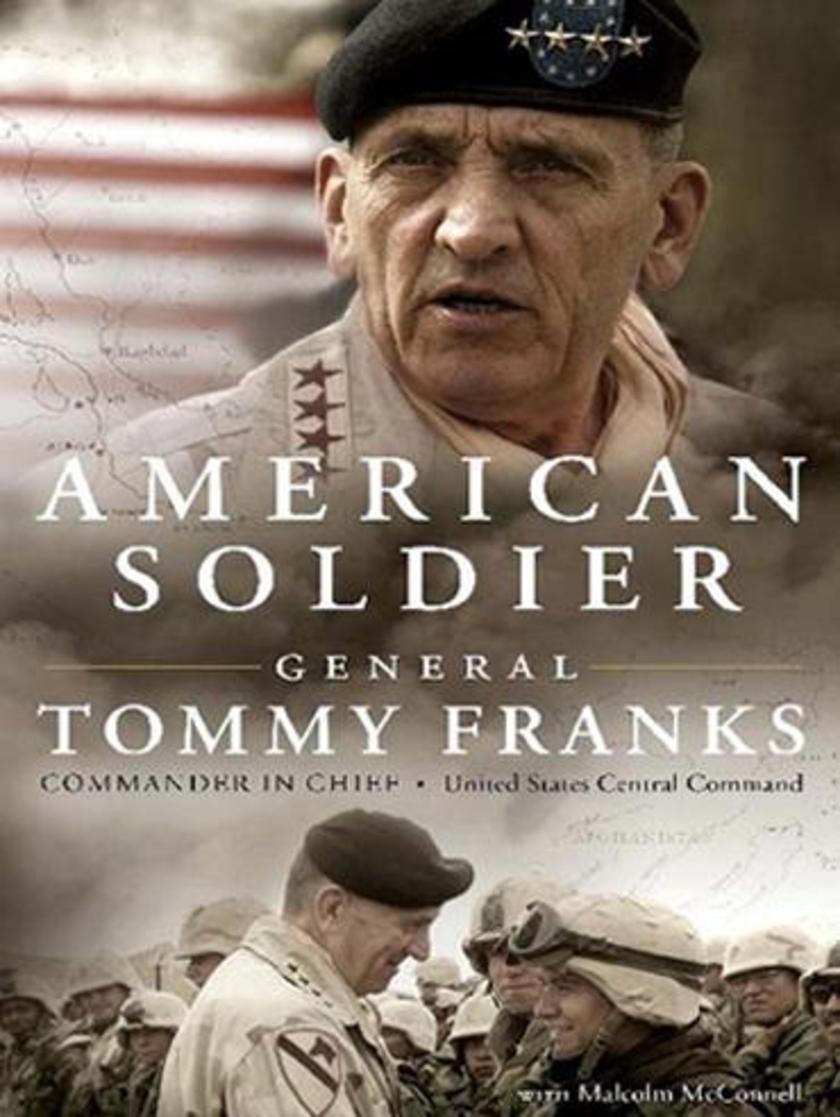
"When war comes, you look for certain special qualities in the people you'll be working with. General Tom Franks embodies those qualities: strength, experience, a keen mind, energy, honor, good humor, and a deep loyalty to his troops and to his country. "Tom Franks is truly a soldier's soldier."-- Secretary of Defense Donald Rumsfeld The Commander in Chief of the United States Central Command from July 2000 through July 2003, General Tommy Franks made history by leading American and Coalition forces to victory in Afghanistan and Iraq -- the decisive battles that launched the war on terrorism. In this riveting memoir, General Franks retraces his journey from a small-town boyhood in Oklahoma and Midland, Texas, through a lifetime of military service -- including his heroic tour as an Artillery officer in Vietnam, where he was wounded three times. A reform-minded Cold War commander and a shrewd tactician during Operation Desert Storm, Franks took command of CENTCOM at the dawn of what he calls a "crease in history" -- becoming the senior American military officer in the most dangerous region on earth. Now, drawing on his own recollections and military records declassified for this book, Franks offers the first true insider's account of the war on terrorism that has changed the world since September 11, 2001. He puts you in the Operations Center for the launch of Operation Enduring Freedom just weeks after 9/11, capturing its uncertain early days and the historic victory that followed. He traces his relationship with the demanding Donald Rumsfeld, as early tensions over the pace of the campaign gave way to a strong and friendly collaboration. When President Bush focused world attention on the threat of Iraq, Franks seized the moment to implement a bold new vision of joint warfare in planning Operation Iraqi Freedom. Rejecting Desert Storm style massive troop deployment in favor of flexibility and speed, Franks was questioned by the defense establishment -- including Secretary of State Colin Powell. Yet his vision was proven on the ground: Within three weeks, Baghdad had fallen.American Soldier is filled with revelation. Franks describes the covert diplomacy that helped him secure international cooperation for the war, and reveals the role of foreign leaders -- and a critical double agent code-named "April Fool" -- in the most successful military deception since D-Day in 1944. He speaks frankly of intelligence shortcomings that endangered our troops, and of the credible WMD threats -- including eleventh-hour warnings from Arab leaders -- that influenced every planning decision. He offers an unvarnished portrait of the "disruptive and divisive" Washington bureaucracy, and?a candid assessment?of the war's aftermath. Yet in the end, as American Soldier demonstrates, the battles in Afghanistan and Iraq remain heroic victories -- wars of liberation won by troops whose valor was "unequalled," Franks writes, "by anything in the annals of war." Few individuals have the chance to contribute so much of themselves to the American story as General Tommy Franks. In American Soldier, he captures it all.
Jewel
¥41.91
A proposal she had no choice but to accept . . . Though Eli Grayson is one of the most handsome, charming, and intelligent men in Grayson Grove, no one will take a chance on a confirmed bachelor. Unwilling to give up his dreams, Eli convinces his friend Jewel to pose as his wife. Their masquerade is to last just one night . . . but when word gets out, Eli and Jewel must tie the knot to save his career and her reputation.Became a love she never expected . . . Angry at being forced to turn her life upside down, Jewel never imagined that a white-hot passion would consume her once she and Eli became husband and wife. Sharing a bed has turned their prim friendship into a sensuous love affair . . . but when a woman from Eli's past returns to stir up trouble, he and Jewel will learn just how far they'll go to protect the precious gem of their newfound passion.
The Bad Man's Bride
¥41.46
He'll leave town when he's good and ready...and when the pretty and proper young schoolmarm consents to be his bride.A Bad Man's DesireAt first glance, the lovely Easterner Anthea Bright seems woefully unsuited for her position as the new schoolmarm in Haven, Kansas. But behind that fine finishing school polish is a fiery spirit and a determination to succeed. Gabriel Jackson, however, is a different kind of challenge. The intensely passionate, devastatingly sexy man is Haven's most disreputable citizen -- and he's put Anthea's level head and her heart in a furious spin. How can theprim, pretty newcomer hope to stand firm to her principles when she feels breathless whenever Gabriel's nearAnd though a small voice inside tells her the "bad man's" not nearly as bad as his reputation would suggest, does she dare surrender to this dangerous stranger who is bound and determined to make Anthea his bride?
To Tempt a Bride
¥41.46
From the moment she first saw tall, dashing Eric Ford, Camille's heart was lost. In her most cherished fantasy she is standing by his side, exchanging sacred wedding vows with her beloved. But Eric seems content to be no more than her unofficial protector, watching over the younger sister of his dear friend and, despite her every attempt to open his eyes, it appears Camille's dream of wedded bliss might never come true.Eric knows a spirited and passionate beauty like Camille deserves much better than him, an ex-military man who has no patience for the games of the ton. Still, he aches each time a potential suitor approaches her, or when he sees her dancing in another man's arms. Eric knows he will never be complete until Camille is his. With each lingering glance and caressing touch he must tempt the lady to be his bride. But when danger and betrayal threaten, will it destroy a secret love or bind two hearts for all eternity?
A Wedding Story
¥42.03
Unlike her two sisters who followed their dreams to the altar,Kathryn Bright Goodale doesn't want to be a bride.What she needs is to win the Great Centennial Race now that her late husband has left her penniless. So Kate reluctantly turns to the famous adventurer Lord James Bennett for help. Once, long ago, James stole from her a lingering, forbidden, and unforgettable kiss. And now the lady wants the incorrigible rogue to stick strictly to business -- and is troubled that shemay not be able to resist him if he does not.James, too, can never forget that wild, passionate moment in Kate's garden, and he's certain the rigors of a far-reaching adventure will be too much for her. But the fetching young widow surprises him with her bold determination and a courage that compliments her breathtaking sensuality. Might Lord James be competing for a more elusive, yet far more valuable, prize: the hand and heart of Kathryn Bright Goodale?
The Challenge
¥41.46
Wealthy, handsome, and devastatingly charming, the expatriate Viscount Hathaway Wycoff could easily win most women's affections. But the lovely Lucy Stone isn't most women. Though the self-respecting beauty is drawn to him, she refuses to give in to passion. Once before Lucy had followed her heart--a journey that took her to America and left her there a penniless young widow and mother.A rich relative unexpectedly offers Lucy and her son passage back to England, answering her longtime prayer. She doesn't want to leave Wycoff, but given his scandalous reputation, it seems the right choice. Wycoff promises he will change to win her, but Lucy cannot allow herself to believe him. When a devious plot threatens all Lucy holds dear, she must turn to the man she's vowed not to trust. Neither knows what final destination fate has in store--but they are willing to risk everything to find out.
My Fallen Angel
¥42.03
Handsome and fearless, Garrick Asquith-Wolf relished battling pirates on the high seas until one reckless fight cost him his life. But the daring sailor's place in heavan isn't guaranteed. To earn it, he has to return to earth to protect lovely Miss Lucy Hartford without succumbing to physical temptation.No previous adventure could have prepared Garrick for his role as guardian angel to titian-haired Lucy, the most stubborn, impetuous, and beautiful female he's ever met. Exceptionally curious, Lucy is trying to find the truth about a young orphan boy's past a dark secret that someone will kill to protect.However, discovering answers can be more dangerous that either Lucy or Garrick expected. Desire flares between this heavenly angel and his charge a passion that Garrick must resist to save his beloved Lucy and his own soul.
The Mackenzies: Zach
¥42.03
Rugged Zach MacKenzie has a dangerous secret that could cost him his one chance to win the woman he wants . . . Rose Dubois became a Harvey Girl and came West looking for a new life and a husband preferably a wealthy rancher. She certainly knows better than to get involved with a no-account cowboy like Zach MacKenzie. He's strong and good-looking enough to stop a girl's breath but the dangerous ruffians he runs with are surely heading for bad ends. So why can't Rose calm her pounding heart whenever he's nearbyBut Zach's only pretending to be no good in order to infiltrate an outlaw gang. If he tells Rose he's really a Texas Ranger, not only is his mission in jeopardy, but both of their lives as well! Yet this spirited filly is everything he ever dreamed of. Her lips are downright irresistible, and her passionate fire burns hot enough to make a smart man do something real stupid . . . like fall in love.
If the Slipper Fits
¥49.05
Anne Sayer learned long ago that fairy tales don't come true. Connor Emory was the "prince" of a rich and powerful family and she was the "hired help," and for one glorious Maine summer, it was heaven. But evil stepmothers do exist, so Anne's "happily-ever-after" -- wasn't.Dashing, charismatic, and successful, Connor never understood what happened all those years ago, but he's sure now it was for the best. As the reigning heir to the family estate, he returns to Candlewick Island for one reason only: to sell the cursed castle where his heart was broken and dismiss from his life the woman responsible. But Anne, now more beautiful and confident than ever, no longer fits his memory -- and Connor is intrigued. But enough so to risk his heart again?A long way from the girl she had been, Anne knows what she wants. Armed with a scheme to save the estate and aided by a houseful of eccentric cohorts, this "Cinderella" intends to win back her prince. Because the glass slipper that would never have fit a decade ago is the perfect size now ...
The Night Remembers
¥48.39
In a spellbinding novel of depth and sensitivity, award-winning author Kathleen Eagle masterfully weaves the richness of Native American folklore into a contemporary story of hope, courage, and the power of love to lift the human spirit.Angela Prescott has pulled up stakes and moved halfway across the country, seeking refuge from a man who has made her life a nightmare. Starting over in an unfamiliar city, she's wary and keeps to herself, until she meets twelve-year-old Tommy T. Street-smart Tommy T knows how to keep secrets. He's told no one of the mysterious recluse living in an underground hideaway, whose face he's never seen. A gifted comic book artist with no place to live, Tommy T needs someone to believe in, and in this phantom stranger he finds the comic book superhero of his dreams. Jesse Brown Wolf's past has driven him underground in many ways. By day, he is a handsome repairman who fixes the plumbing in Angela's rooms. By night he lives in the shadows, acting with reckless bravery to make the streets safer for kids. . .and whispering into Angela's sleeping ear promises of comfort, security, and heart's ease.
The Truest Heart
¥48.39
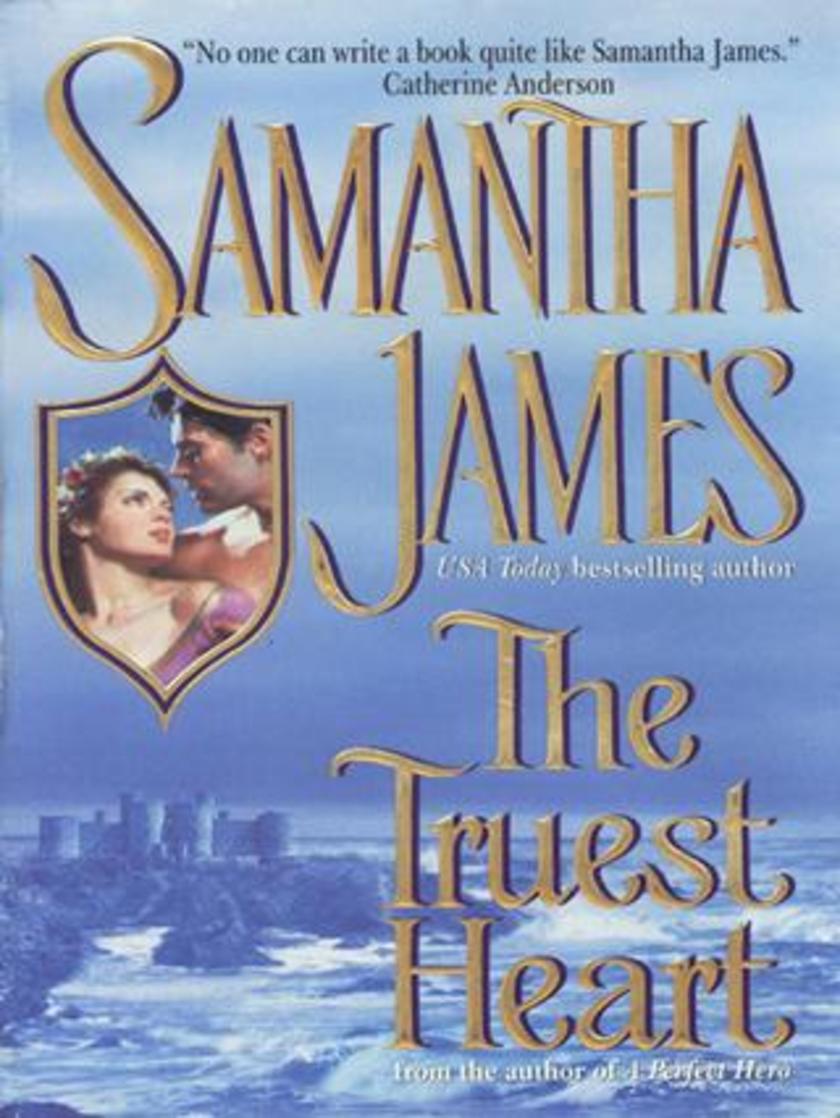
Did fate send her a villain with the blackest soul...or a lover with The Truest Heart Her name is her only crime, yet Lady Gillian must take refuge in a humble cottage on the on the stormy Cornish coast, hiding from a king who seeks her death for her father's treason.Now destiny has sent Gillian a cure for her loneliness: a handsome shipwrecked stranger washed ashore on a perilous tide who requires a kind lady's gentle touch to heal his broken body and tormented spirit.His own name -- Gareth -- is all that he remembers. Yet he knows he has found paradise in the company of an exquisite beauty whose caress is sweet rapture and whose smile warms his soul. But as his memories slowly return, so does the dark task entrusted to him by King John. If he fails, a young boy will surely perish. Yet how can he betray Gillian, whose passionate love has lit a blaze in Gareth's heart that no vengeful king's decree could ever extinguish?
An Offer He Can't Refuse
¥48.39
Meet Californian Téa Caruso . . . her mother drives her crazy, her sisters give "advice." She has a family just like any other, except for one tiny difference . . .Her grandfather isn't just in the mob . . . he is the mob! And no one knows this better than Johnny Magee. The Caruso family destroyed his dad. Now, it's payback time—and he's going to need an unsuspecting insider . . . one who won't realize what he's really after. Téa loves her family but hates what they do. She's tried to stay far away from her notorious relatives, making a legit name for herself as an interior designer. But her grandfather Cosimo's gala 80th birthday is coming up. Every mobbed-up member of the family from San Francisco to Sarasota will be there—and it's time for Téa to face the family or face the consequences. Intent on using Téa for revenge, Johnny hires her to redo his home, but then she makes him "offers" he can't refuse. Soon he's falling in love with the enemy and when all the secrets are revealed, what will Téa do . . . and even worse, what will her family?
The Men of Pride County: The Outcast
¥43.68
The Men of Pride County When War began, the boys of Pride County went off to fight for honor and glory. They returned as men: war-ravaged, shattered, yet determined to find love and rebuild their lives in a world that had crumbled around them. These are their stories.Forbidden LoveIt is with a heavy heart that Reeve Garrett returns to Pride County. His half-brother had joined the southern cause and died a hero, while Reeve fought for the north earning the contempt of his town, his family. . .and his brother's fiancee, Patrice Sinclair. She is the only woman he had ever loved, but as the illegitimate son of a wealthy horse breeder, Reeve was unable to court her. And now that he's been branded a traitor, he fears she can never be his.Patrice Sinclair was the belle of Pride County with dreams of a lovely home, children, and a good man by her side. But her dreams have been destroyed and now the only man she can turn to for help is an outcast among his people. As she witnesses Reeve's struggle to rebuild their war-scarred down, she risks what little she has left to stand by his side.
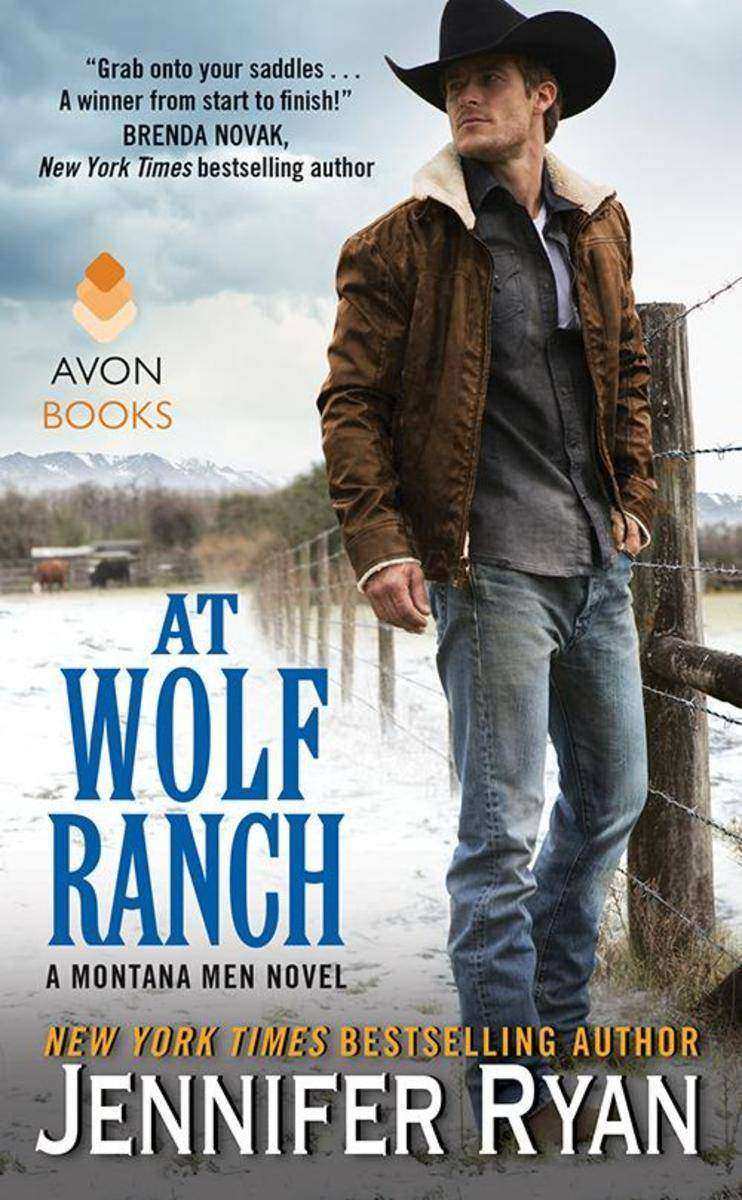
At Wolf Ranch
¥55.31
Everything's bigger in Big Sky country, including the hearts of the Montana Men After years on the rodeo circuit, Gabe Bowden wants nothing more than land of his own and a woman who will claim his heart for more than one night. When he has the chance to buy the enormous Wolf Ranch spread, he snaps up the incredible deal. Everything is set, until Gabe rescues a woman on the deserted, snowy road leading to the property, and the half-frozen beauty changes everything. Ella Wolf rushes to her family's abandoned Montana ranch after her twin sister is murdered. She knows she's next…unless she can uncover a secret hidden somewhere at Wolf Ranch. The last thing Ella expects is to be rescued by a rugged rancher with his own agenda. A man who almost makes her forget how dangerous love can be… As an unlikely partnership sparks into something so much more, and a killer closes in, can Ella and Gabe learn to trust one another before it's too late?
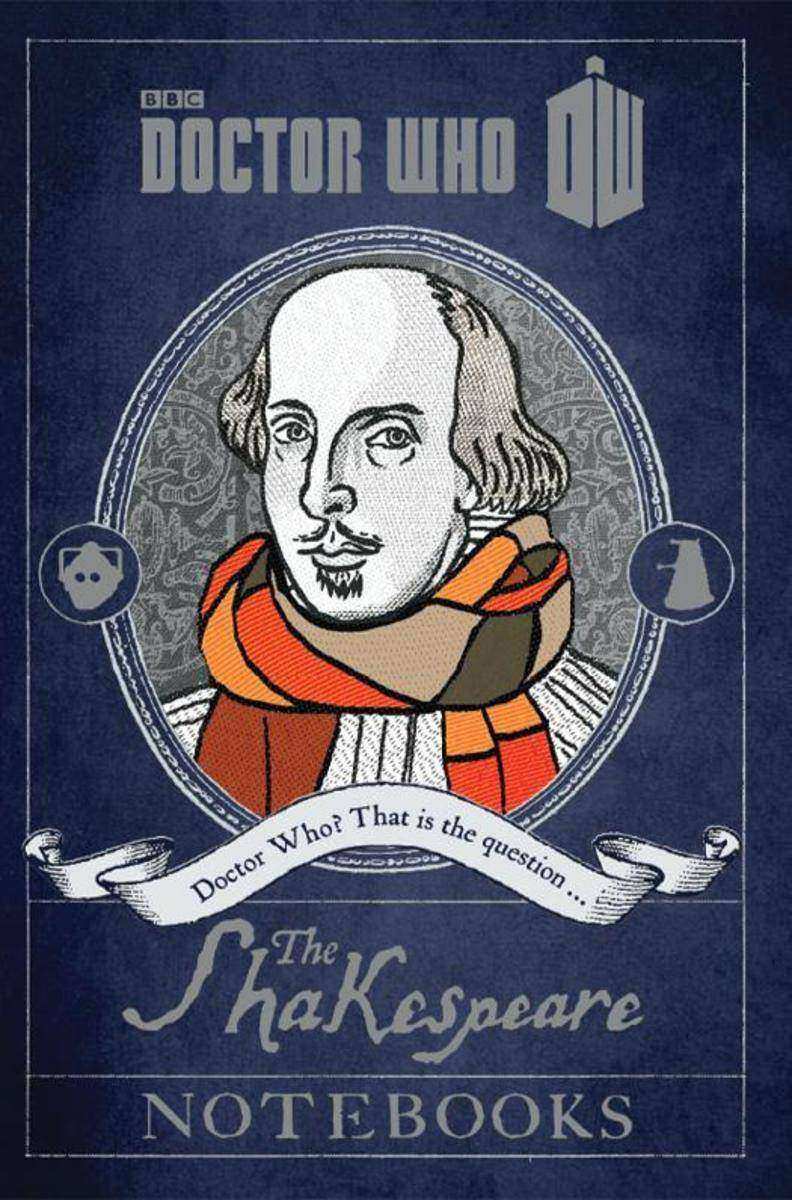
Doctor Who: The Shakespeare Notebooks
¥90.77
Many people know about William Shakespeare's famous encounter with the Doctor at the Globe Theatre in 1599. But what few people know (though many have suspected) is that it was not the first time they met.Drawn from recently discovered archives, The Shakespeare Notebooks is the holy grail for Bard scholars: conclusive proof that the Doctor not only appeared throughout Shakespeare's life but also had a significant impact on his writing. In these pages you'll find early drafts of scenes and notes for characters that never appeared in the plays; discarded lines of dialogue and sonnets; never-before-seen journal entries; and much more.From the original notes for Hamlet (with a very different appearance by the ghost) and revealing early versions of the faeries of A Midsummer Night's Dream to strange stage directions revised to remove references to a mysterious blue box, The Shakespeare Notebooks is an astonishing document that offers a unique insight into the mind of one of history's most respected and admired figures. And also, of course, William Shakespeare.
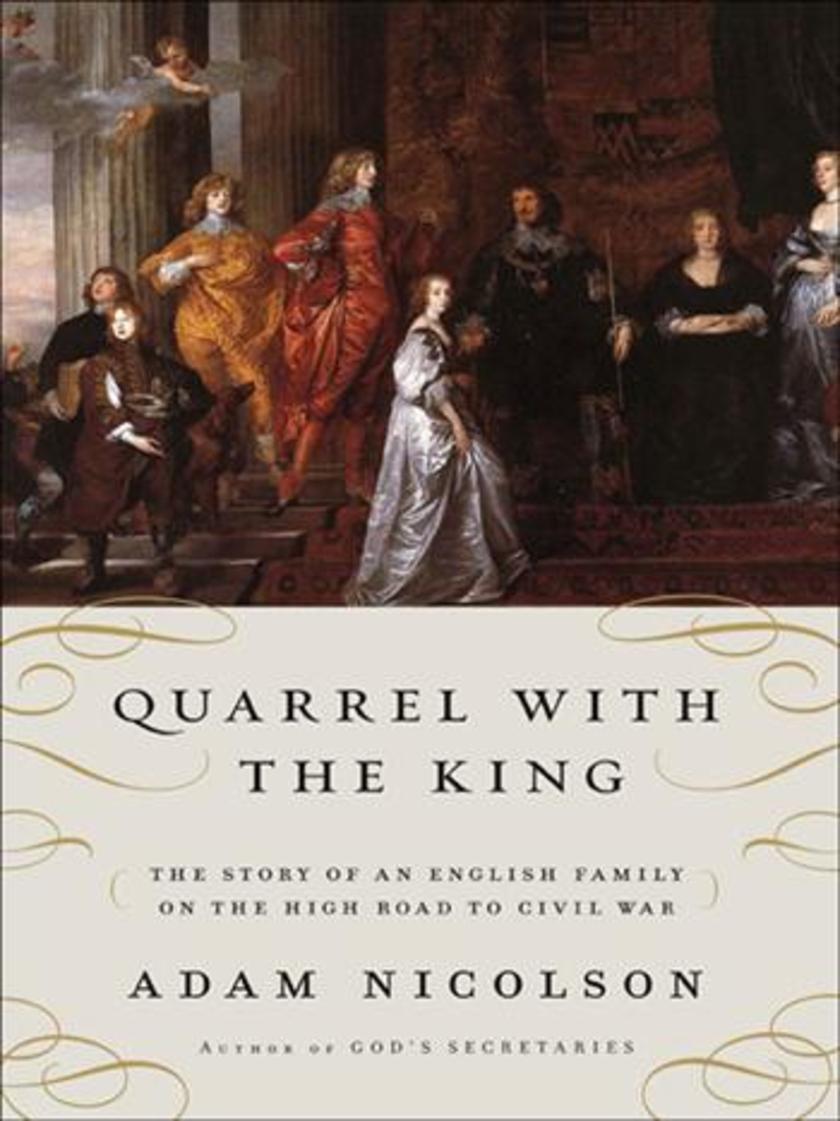
Quarrel with the King
¥96.50
Spanning the most turbulent and dramatic years of English history from the 1520s through 1650 Quarrel with the King tells the remarkable saga of one of the greatest families in English history, the Pembrokes, following their glamorous trajectory across three generations of change, ambition, resistance, and war. With vivid color and fascinating detail, acclaimed historian Adam Nicolson recounts the story of a century-long power struggle between England's richest family and the English Crown a fascinating study of divided loyalties, corruption, rights and privilege, and all the ambiguities involved in the exercise and maintenance of power and status.


