


 购物车
购物车 个人中心
个人中心
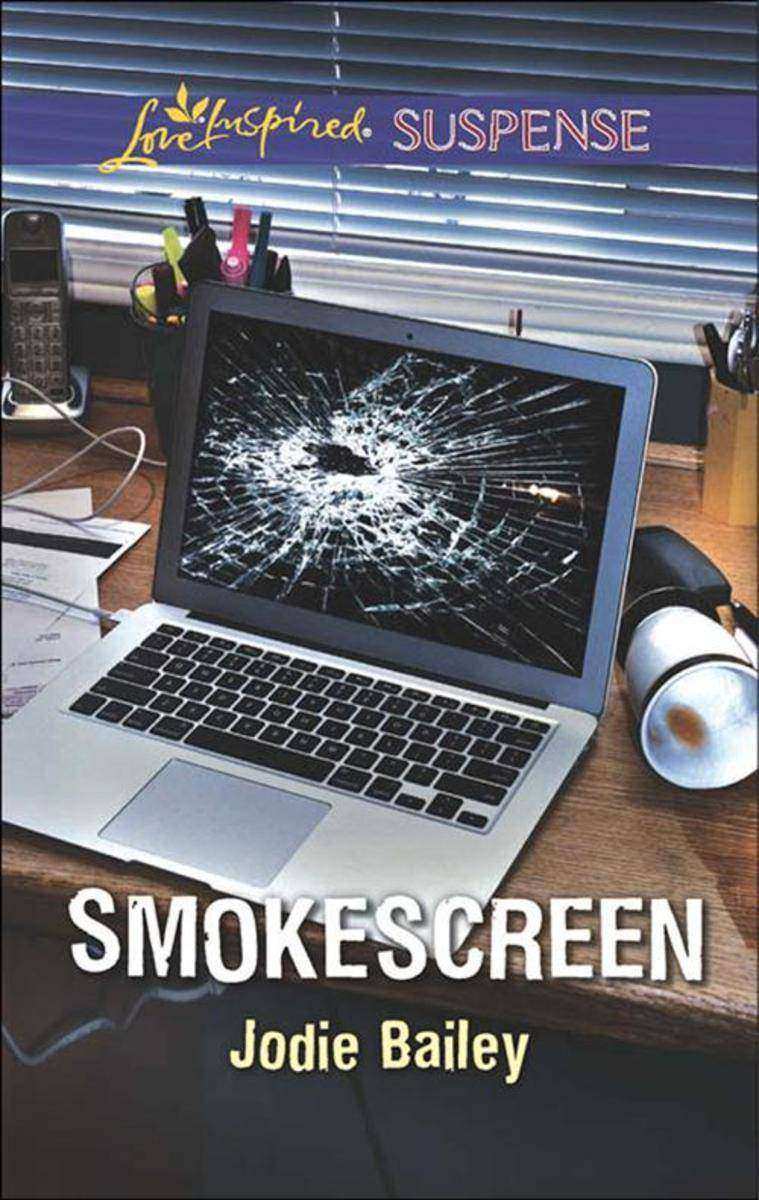
Smokescreen (Mills & Boon Love Inspired Suspense)
¥33.84
UNDER ATTACK When her life is on the line, Ashley Colson is rescued by the last person she ever expected to see again. Military officer Ethan Kincaid might have disappointed her once in the past, but now he's the only person who can keep her safe. They're under the gun to decode top secret files that can save the life of a friend who is in enemy hands. But the killers will pull out all the stops to get their hands on the files…and Ashley. With time running out, can they put aside their past and find the answers that could give them a future?

Star Witness (Mills & Boon Love Inspired Suspense)
¥33.84
SHE THOUGHT SHE WAS SAFE Mackenzie Winters spent years building a life in Witness Protection, but when someone shoots at her, she fears her cover has been blown. Could the brother of the drug lord she put away be here for revenge? Mackenzie must rely on her handler's twin, world-weary Delta Force soldier Aaron Hanning, to protect her. Aaron doesn't want to be anyone's hero, but he can't let this brave woman die. Now, with danger stalking them, they'll have to make a daring choice that means life or death—for them both.
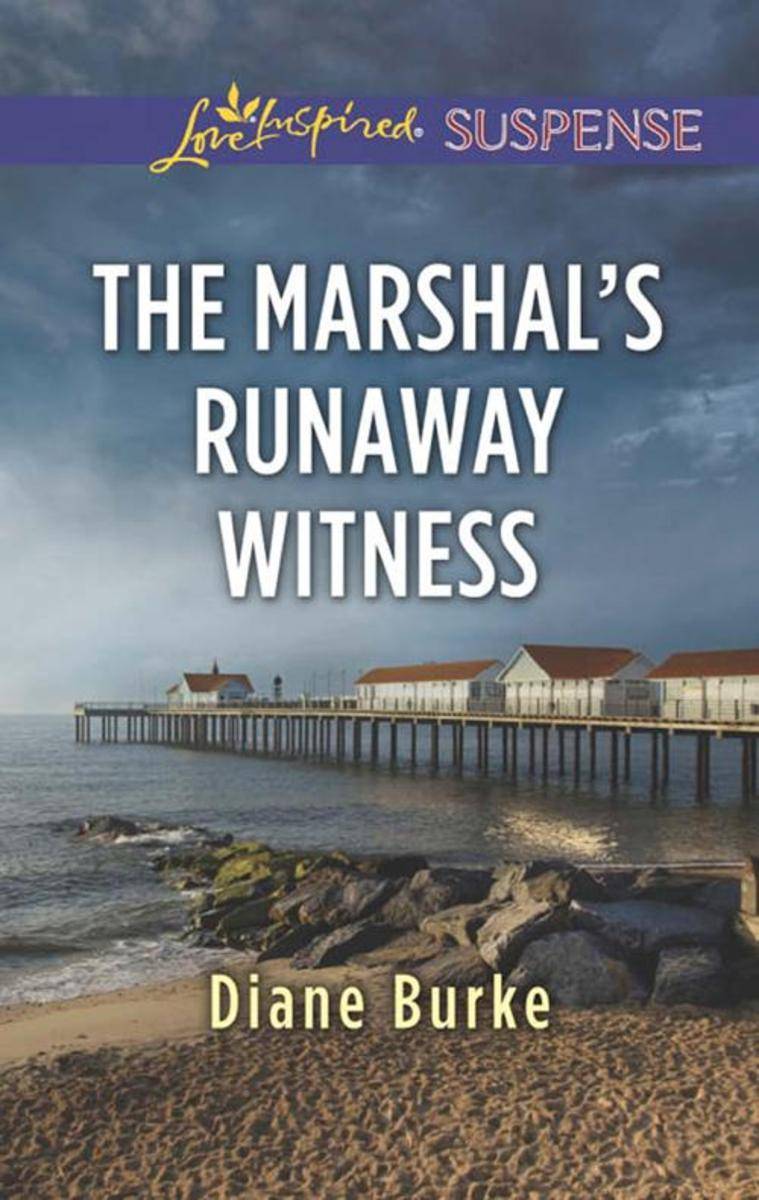
The Marshal's Runaway Witness (Mills & Boon Love Inspired Suspense)
¥33.84
THE RELUCTANT WITNESS Angelina Baroni was about to testify against her mafia kingpin father until she received a threat to her life—despite the protection of US Marshal Dylan McKnight. Deciding she's safer on her own, she leaves witness protection and goes into hiding. Three years later, the duty-dedicated marshal is the last man she expects to see when she wakes up in a hospital after someone attempts to kill her. Dylan knows he can't afford to trust Angelina. Still, he'll do whatever it takes to keep her safe from the mobsters on her trail. But Dylan has only a few days to accomplish his most difficult mission: defuse Angelina's doubts about testifying and win her heart before their time runs out.
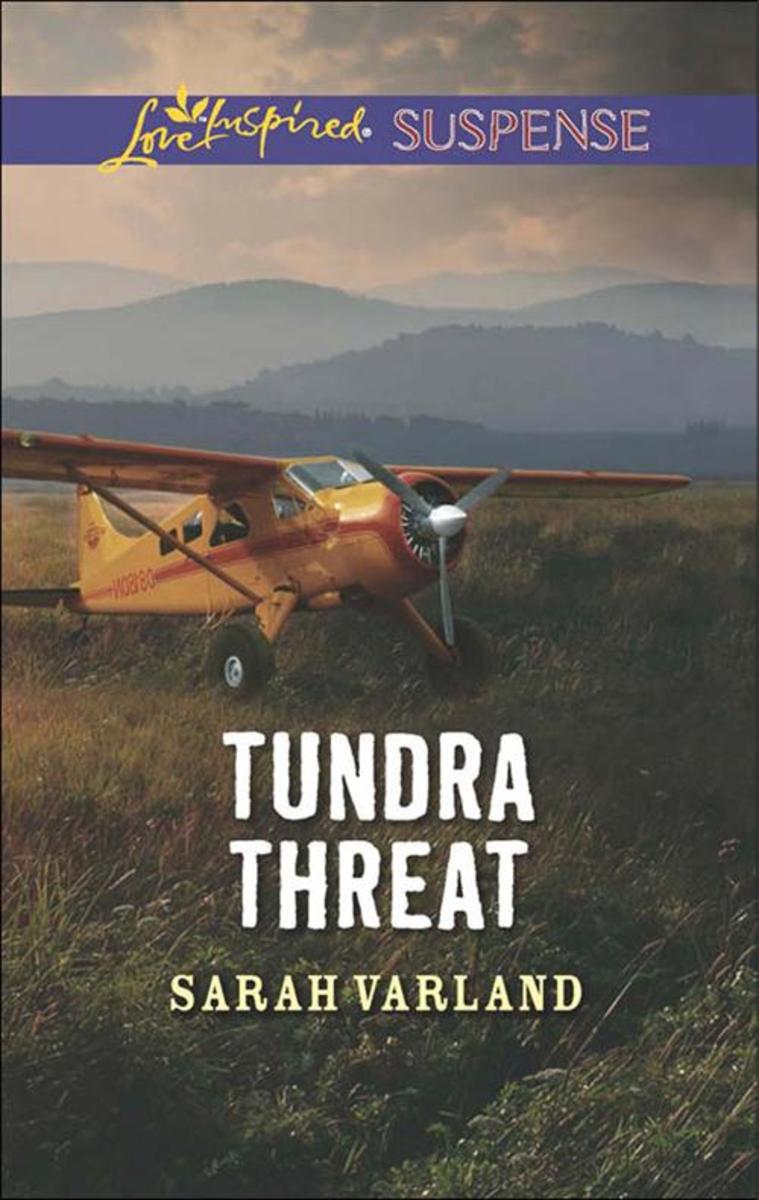
Tundra Threat (Mills & Boon Love Inspired Suspense)
¥33.84
DEADLY TERRAIN Two murdered men are the last thing wildlife trooper McKenna Clark expected to find in the stark Alaskan wilderness. As the only law enforcement in the area, the responsibility for the case rests on her shoulders—along with the danger. Hunting guide and pilot Will Harrison wants to ease the load, but McKenna balks at the thought of letting him close enough to break her heart again. When McKenna's investigations put her in harm's way, Will must race against the clock to save his second chance at love from becoming the killer's final victim.

Undercurrent (Mills & Boon Love Inspired Suspense)
¥33.84
TRAPPED AT SEA In an instant Kathryn Brooks's idyllic transatlantic cruise turns to terror. It's hard to believe someone has it out for her, yet chandeliers don't explode on their own—and her best friend has gone missing. But Secret Service agent Sam West vows to protect her as every corridor poses a threat and any stranger may be an assailant. With the ship's security providing little assistance, Kathryn puts her trust in Sam. Yet losing her own life is no longer her only fear. As she and Sam strive to stay a step ahead of the enemy, Kathryn worries that by caring for Sam…she's put a target on his back, as well.

Yuletide Abduction (Mills & Boon Love Inspired Suspense) (Rangers Under Fire, Bo
¥33.84
KIDNAPPED AT CHRISTMAS FBI agent Elise Richardson fears the worst when a Mississippi teen is abducted days before Christmas. But she won't give up, especially when she learns she owes her life to the missing girl's father. Years ago, former army ranger Josh Adams lost his brother when he died saving Elise. Though Josh resents her for the loss, she's now his niece's only hope. Working with the ex-soldier proves dangerous to Elise's heart…and to her life when she closes in on what she fears is a human trafficking ring. If she's right, Elise has only days to rescue Josh's niece for a holiday homecoming—and to prove herself worthy of his love. RANGERS UNDER FIRE: Nothing's more dangerous than falling in love

A Cold Creek Christmas Story (Mills & Boon Cherish)
¥29.43
THE ONE THAT GOT AWAY… When one of her children’s stories becomes a major success, quiet Celeste Nicholas is suddenly the talk of the town. She should be gloriously happy…but something is still missing from her life. Could the return of her childhood crush be the answer? Flynn Delaney has moved back home for his daughter’s sake. He might be a millionaire, but no money in the world can help a little girl heal from the loss of her mother. Yet shy librarian Celeste and her stories do hold some indefinable magic. Flynn came home looking for support…can he find that, and true love, in the one that got away?

A Home For Christmas (Mills & Boon Love Inspired Historical) (Christmas in Eden
¥33.84
The Cowboy's Family Missy Porter knows all too well about losing a family, so she'll do anything to keep cowboy Wade Snyder and his orphaned niece and nephew together. Even put her own plans of independence on hold—temporarily—to help care for the children during Christmas. But in helping to fix this family, she realizes she wants to be more than just the nanny. Wade has never recovered from the unexpected loss of his wife. Now he doesn't think he can be the family man that little Annie and Joey deserve. So he's determined to find the children a loving adoptive home. But with Missy by his side, his long-forgotten dream of happily-ever-after might just be within reach… Christmas in Eden Valley: Forging a future in Canada's west country

Bodyguard...To Bridegroom? (Mills & Boon Cherish)
¥31.10
Her brooding bodyguard… Christmas has always been the loneliest time of the year for heiress Sera Blaise so, after a PR disaster, escaping to a desert paradise seems like the perfect solution! Until she meets her brooding bodyguard, Brad Kruger, whose delicious presence is far more distracting than reassuring! Brad learned a long time ago to listen to his head and never his heart, but watching Sera come alive in the magic of the desert makes him question his one golden rule. Will this bodyguard vow to love, honour and protect?
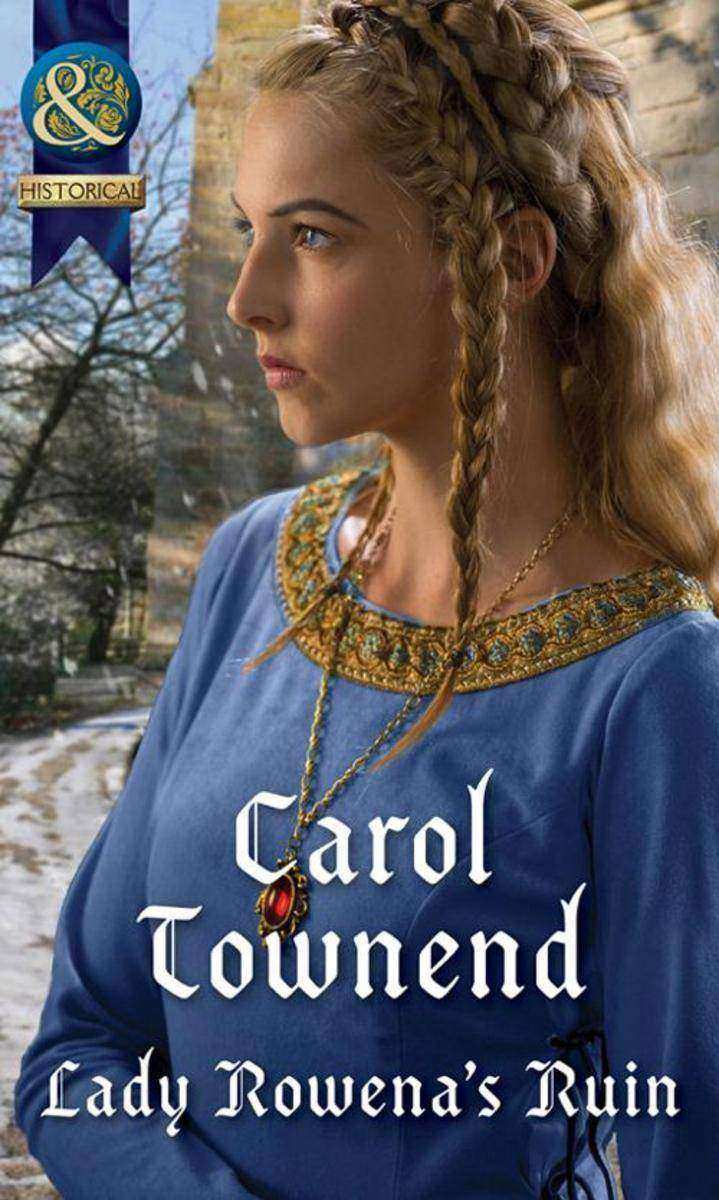
Lady Rowena's Ruin (Mills & Boon Historical) (Knights of Champagne, Book 4)
¥38.36
Stolen from the convent! Kidnapped by a masked horseman, Lady Rowena despairs. Her cloistered convent life is in tatters, her reputation surely ruined – until she discovers her abductor is her father’s favoured knight… Loyal, honourable Sir Eric de Monfort has done as Rowena’s father commanded. And though his body might crave her, he will not bed an innocent maiden. But as danger circles there is only one way for Eric to protect Rowena…by making her his lady in every sense! Knights of Champagne Powerful swordsmen for passionate ladies
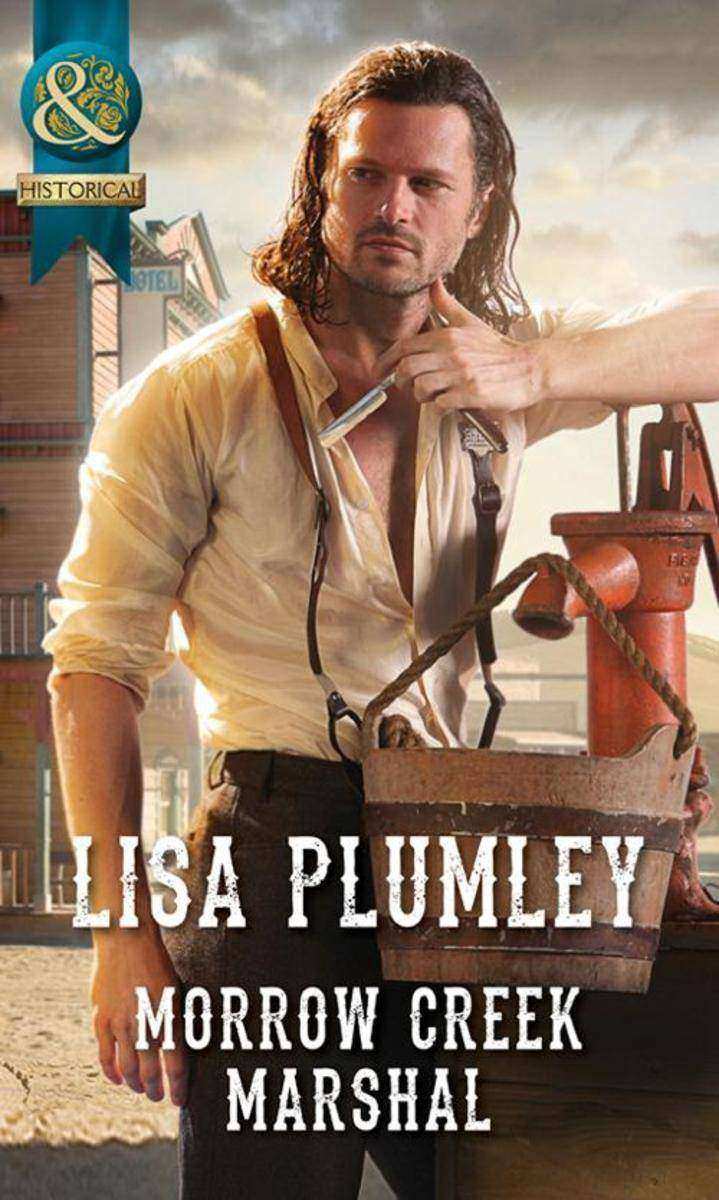
Morrow Creek Marshal (Mills & Boon Historical)
¥31.59
Dylan Coyle was all man. Tall. Handsome. Not to be trusted... Dancing girl Marielle Miller makes sure no cowboy steps his spurred boots out of line. But then one night, she tumbles from the stage into the arms of Dylan Coyle... Marielle doesn't need a man in her life--especially a wandering gunslinger unwilling to put down roots. Except as Morrow Creek's new stand-in lawman, Dylan will be around to vex her for a while yet. And when she becomes embroiled in his latest case, Marielle starts to hope this particular drifter will stick around for good!

The Best Man and The Wedding Planner (Mills & Boon Cherish) (The Vineyards of Ca
¥31.10
The best man to be her Mr. Right? Royal wedding planner Lindsay Reeves's first encounter with best man Zach Sullivan is when he sits on the wedding dress! But when preparations reach crisis point, Lindsay is forced to call on the infuriating playboy for his help. But Zach's good looks, charm and cynicism about marriage become more of a distraction! In the business of happy-ever-afters, jaded Zach might just be Lindsay's toughest client yet!

The Doctor's Christmas Wish (Mills & Boon Love Inspired) (Village Green, Book 2)
¥33.84
Her Holiday Hero When Keely O'Toole returns home to Village Green, Colorado, she lands in a very unfamiliar role—as guardian to her cousin's seven-year-old daughter. Keely loves little Felicity, but she's in over her head. And the only person she can turn to for help is former army ranger Dr. Ethan Scott. Her best friend's brother, a man she can hardly speak to without bickering. But when Keely and Ethan bond while taking care of Felicity, everything changes. Keely wants to give Felicity the best Christmas ever, and Ethan is just the person to light up their holidays…and their lives.
The Memory House (A Honey Ridge Novel, Book 1)
¥46.01
New York Times bestselling author Linda Goodnight welcomes you to Honey Ridge, Tennessee, and a house that's rich with secrets and brimming with sweet possibilities Memories of motherhood and marriage are fresh for Julia Presley—though tragedy took away both years ago. Finding comfort in the routine of running the Peach Orchard Inn, she lets the historic, mysterious place fill the voids of love and family. No more pleasure of a man's gentle kiss. No more joy in hearing a child call her Mommy. Life is calm, unchanging…until a stranger with a young boy and soul-deep secrets shows up in her Tennessee town and disrupts the loneliness of her world. Julia suspects there's more to Eli Donovan's past than his motherless son, Alex. There's a reason he's chasing redemption and bent on earning it with a new beginning in Honey Ridge. Offering the guarded man work renovating the inn, she glimpses someone who—like her—has a heart in need of restoration. But with the chance discovery of a dusty stack of love letters buried within the lining of an old trunk, the long-dead ghosts of a Civil War romance envelop Julia and Eli, connecting them to the inn's violent history and challenging them both to risk facing yesterday's darkness for a future bright with hope and healing.

The Rancher's Secret Son (Mills & Boon Desire) (Lone Star Legends, Book 5)
¥31.10
His lover’s little secret will change this rancher’s life. Only from USA TODAY bestselling author Sara Orwig! Wealthy rancher Nick Milan’s future was all planned: He’d marry the woman he adored and have a dazzling political career. Instead, their affair ended in bitter breakup. So he isn’t prepared for the surge of desire when he sees Claire Prentiss again. Then he learns her shocking secret. Losing Nick once was hard enough but now Claire’s faced with telling him about his son. The scandal could destroy everything he’s worked for. But their child needs his father. Could a happy ending still be theirs?

To Kiss A Cowgirl (Mills & Boon Superromance) (The Brodys of Lightning Creek, Bo
¥33.84
Their rivalry isn't new…but their attraction is! Wild spirit Jolie Brody never dreamed her new boss at the ranch supply store would be Dylan Culver. They haven't seen each other since high school, but he's just as straitlaced as ever. Good thing it's only temporary; Mr. Uptight is in town nursing an injury before he goes back to law enforcement. As they work together—surprisingly well—they can't deny their attraction. Letting a kiss lead to love is a commitment Jolie has never had to risk. So why is she now flirting with the possibility of a future with Dylan…a man with a dangerous job that makes everything complicated?

War Everlasting
¥24.43
KILLER COUNTDOWN A flight carrying military service personnel goes down in the Bering Sea, and the rescue team vanishes without a trace. Called in to investigate, Mack Bolan goes undercover in an Alaskan fishing city and hones in on a criminal empire fronted by a ruthless union boss. Bolan targets their prime operations one by one, and goes up against their army of criminals. On a desolate ring of islands, Bolan discovers that an active volcano isn’t the only force about to blow. A Russian mercenary and his group of fanatics are working to destroy America’s network of military bases and kill unsuspecting soldiers. But the Executioner is going to turn up the heat on this frozen hell and obliterate this lethal plot with pure molten payback.

Love At Christmas, Actually: The Little Christmas Kitchen / Driving Home for Chr
¥127.43
This festive season, indulge in everything you love about Christmas: food, family and love. Get that fire blazing, nab yourself some mulled wine and snuggle up with Jenny Oliver, A. L. Michael and Maxine Morrey as they show you that love is actually all around! The Little Christmas Kitchen This Christmas, all sisters Ella and Maddy want is a change of scene! But as the two agree to swap kitchens, trading London for Greece and vice versa, it suddenly seems that in among the icing sugar, cinnamon and cranberries, they’re missing one crucial ingredient: each other! Driving Home for Christmas Megan is driving home for the holidays – even if family for the last ten years has just been her daughter Skye. But Megan knows she has to give her parents a chance. She'd planned to reclaim her family for Christmas – but that didn't include irresistible ex, Lucas Bright. Winter’s Fairytale When a sudden blanketing of snow leaves Izzy stranded just before Christmas, she's in desperate need of a rescue. But that doesn't mean a cosy weekend with Rob in his swanky flat, watching London become a winter wonderland! Because Izzy and Rob have history and Izzy isn’t ready to go there, yet…
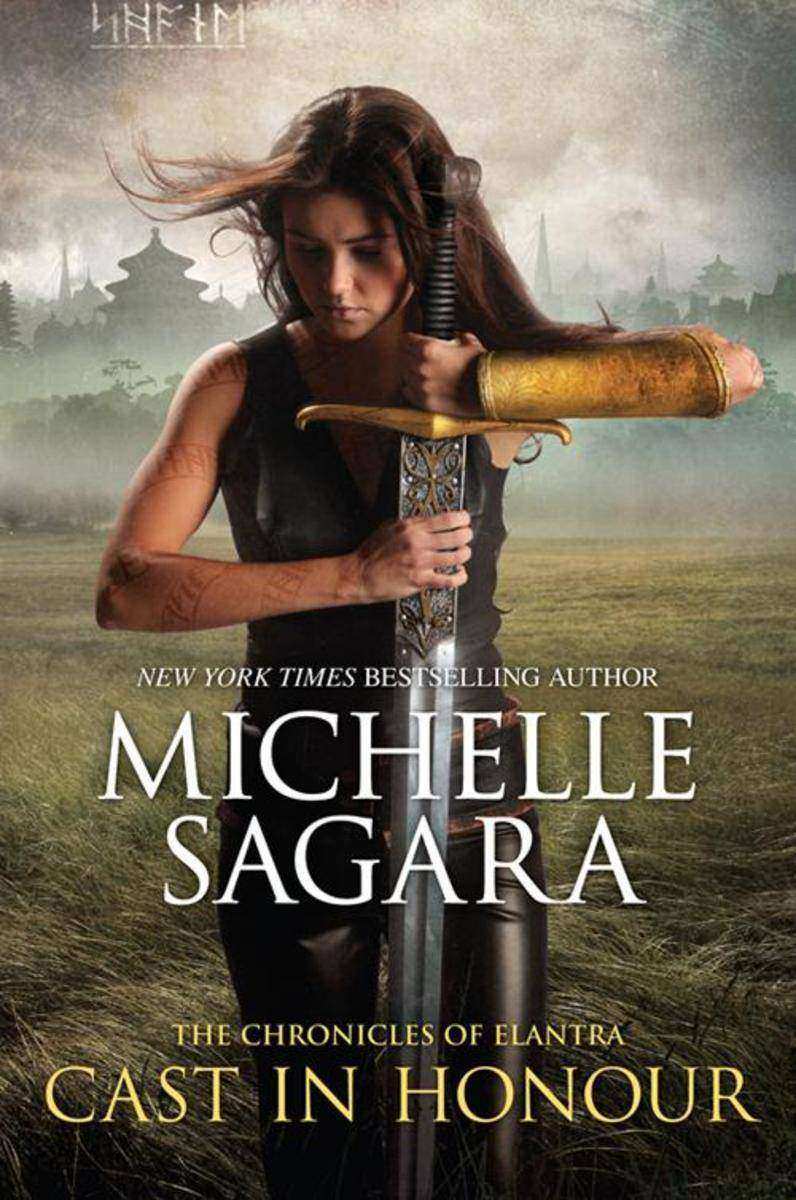
Cast In Honour (The Chronicles of Elantra, Book 12)
¥59.35
In the aftermath of a vicious battle between darkness and light, the city of Elantra has emerged victorious. But Shadows continue to haunt every corner of its streets… Elantra stands strong, but countless numbers of Hawks, the city’s staunchest protectors, were lost in the brutal attack. Humans, Barrani, Aerians, Leontines—none of the races emerged unscathed from the defense of the city. Homes were lost, families were scattered…and the outcast Barrani Lord Nightshade is missing from his castle in the fiefs. Yet as the chaos surrounding the battle begins to wane, Private Kaylin Neya’s duties must resume, despite her grief. Called in to investigate a triple murder in a quiet part of town, Kaylin and her companions are soon embroiled in a case that is anything but routine. Evidence of the deadly Shadows that still threaten the city leads to hints of ancient, forgotten magics…and everything can be traced directly to Ravellon, the heart of the Shadows and the darkness they contain. But it is there that Lord Nightshade will be found—if he still survives.

Eyes Wide Open:How to Make Smart Decisions in a Confusing World
¥66.22
In ‘Eyes Wide Open’ Noreena Hertz does for decision-making what Daniel Kahneman did for thinking. ? Why should you be wary of experts? ? Are emails destroying your ability to think? ? How do you know which sources of information are credible? ? Whose advice should you trust? ‘Eyes Wide Open’ will help you through the data deluge and show you how to make better and smarter decisions. By weaving together cutting-edge research with real-world examples from Hollywood to Harry Potter, NASA to World War II spies, Hertz constructs a path to more astute and empowered decision-making in ten clear steps. With razor-sharp insight and an instinct for thought-provoking storytelling, she offers counterintuitive, effective guidance for making better choices—whether you are a businessperson, a professional, a patient, or a parent. ‘Eyes Wide Open’ is a game-changing book that empowers readers to become confident and wise decision-makers —savvy to how our emotions and habits can trip us up.
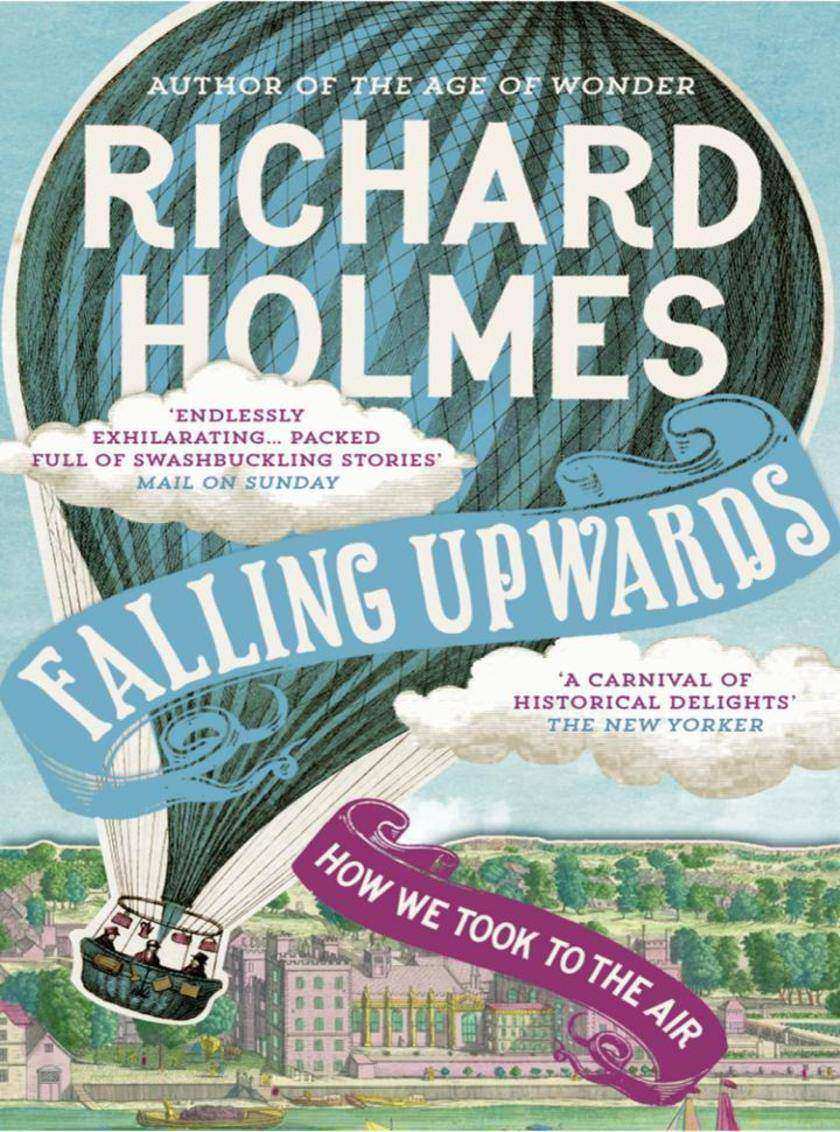
Falling Upwards:How We Took to the Air
¥84.66
Lose yourself in the clouds with bestselling and prize-winning biographer and science writer Richard Holmes in this glorious history of hot-air ballooning. Hot-air balloons have drifted through Richard Holmes’s work for many years. And now, in this heart-lifting book he tells the story of these ineffably romantic floating machines and the reckless invention of the adventurers who flew them. His subject is flight itself and the pioneer generation of rival aviators. Ballooning offered a new vision of the earth. The world pondered for the first time reliable weather prediction, observation of the stars from an aerial point of view and the exploration of remote continents. Those in previous centuries who dreamt of flight believed it would open up the secrets of heaven. In fact, as Richard Holmes shows, it revealed the secrets of the world beneath.


