


 购物车
购物车 个人中心
个人中心
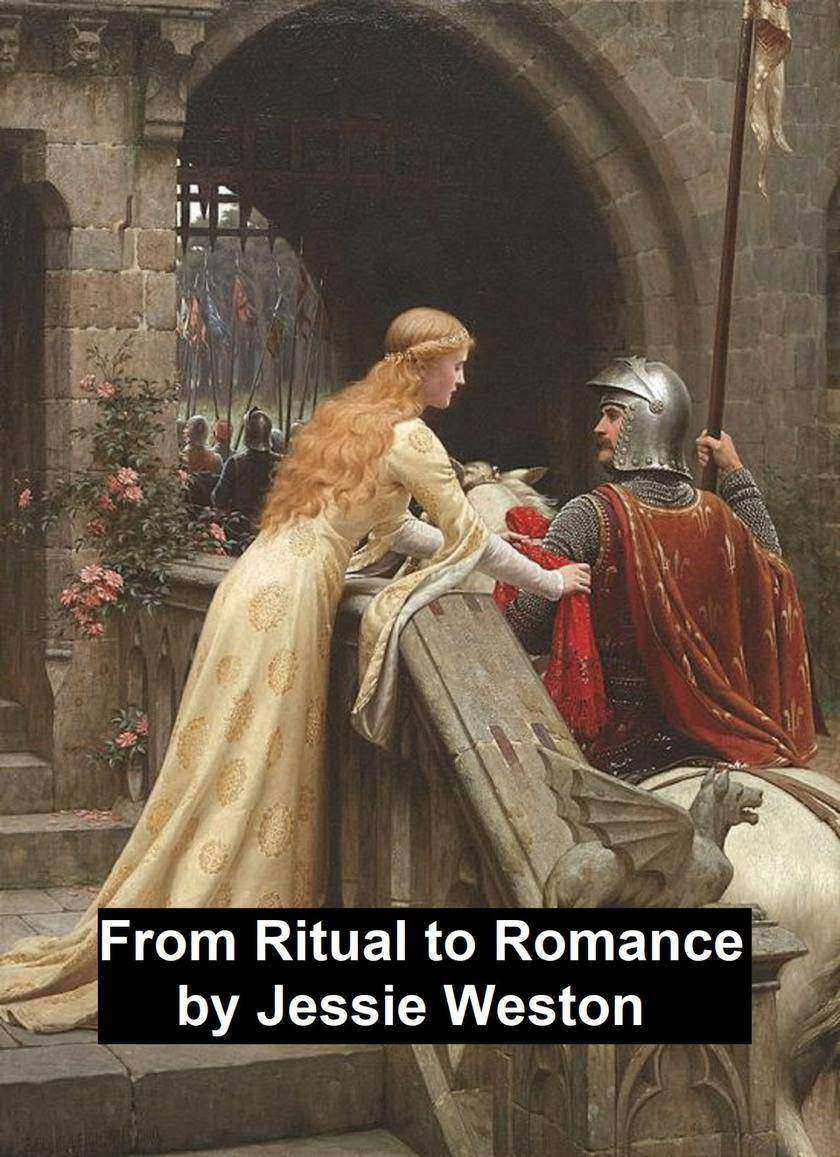
From Ritual to Romance
¥8.09
First published in 1919. According to Wikipedia: "From Ritual to Romance is a 1920 book written by Jessie L. Weston. The work is notable for being mentioned by T. S. Eliot in the notes to his poem, The Waste Land... Weston's book is an academic examination of the roots of the King Arthur legends and seeks to make connections between the early pagan elements and the later Christian influences. The book's main focus is on the Holy Grail tradition and its influence, particularly the Wasteland motif. The origins of Weston's book are in James George Frazer's seminal work on folklore, magic and religion, The Golden Bough, and in the works of Miss Jane Ellen Harrison."
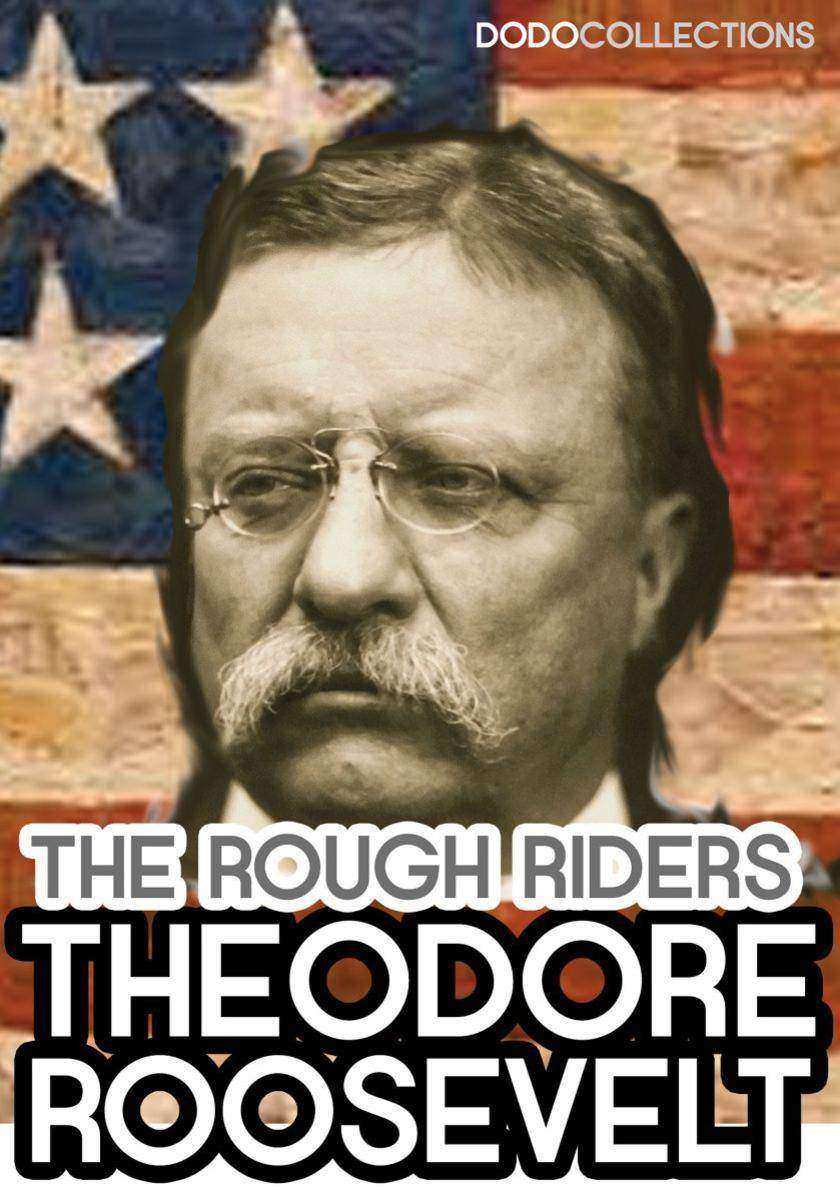
The Rough Riders
¥8.09
Dodo Collections brings you another classic from Theodore Roosevelt, ‘The Rough Riders’. ? In 1898, as the Spanish-American War was escalating, Theodore Roosevelt assembled an improbable regiment of Ivy Leaguers, cowboys, Native Americans, African-Americans, and Western Territory land speculators. This group of men, which became known as the Rough Riders, trained for four weeks in the Texas desert and then set sail for Cuba. Over the course of the summer, Roosevelt's Rough Riders fought valiantly, and sometimes recklessly, in the Cuban foothills, incurring casualties at a far greater rate than the Spanish. ? Roosevelt kept a detailed diary from the time he left Washington until his triumphant return from Cuba later that year. The Rough Riders was published to instant acclaim in 1899. Robust in its style and mesmerizing in its account of battle, it is exhilarating, illuminating, and utterly essential reading for every armchair historian and at-home general. ? Theodore Roosevelt, Jr., also known as T.R., and to the public (but never to friends and intimates) as Teddy, was the twenty-sixth President of the United States, and a leader of the Republican Party and of the Progressive Movement. He became the youngest President in United States history at the age of 42. He served in many roles including Governor of New York, historian, naturalist, explorer, author, and soldier. Roosevelt is most famous for his personality: his energy, his vast range of interests and achievements, his model of masculinity, and his "cowboy" persona.
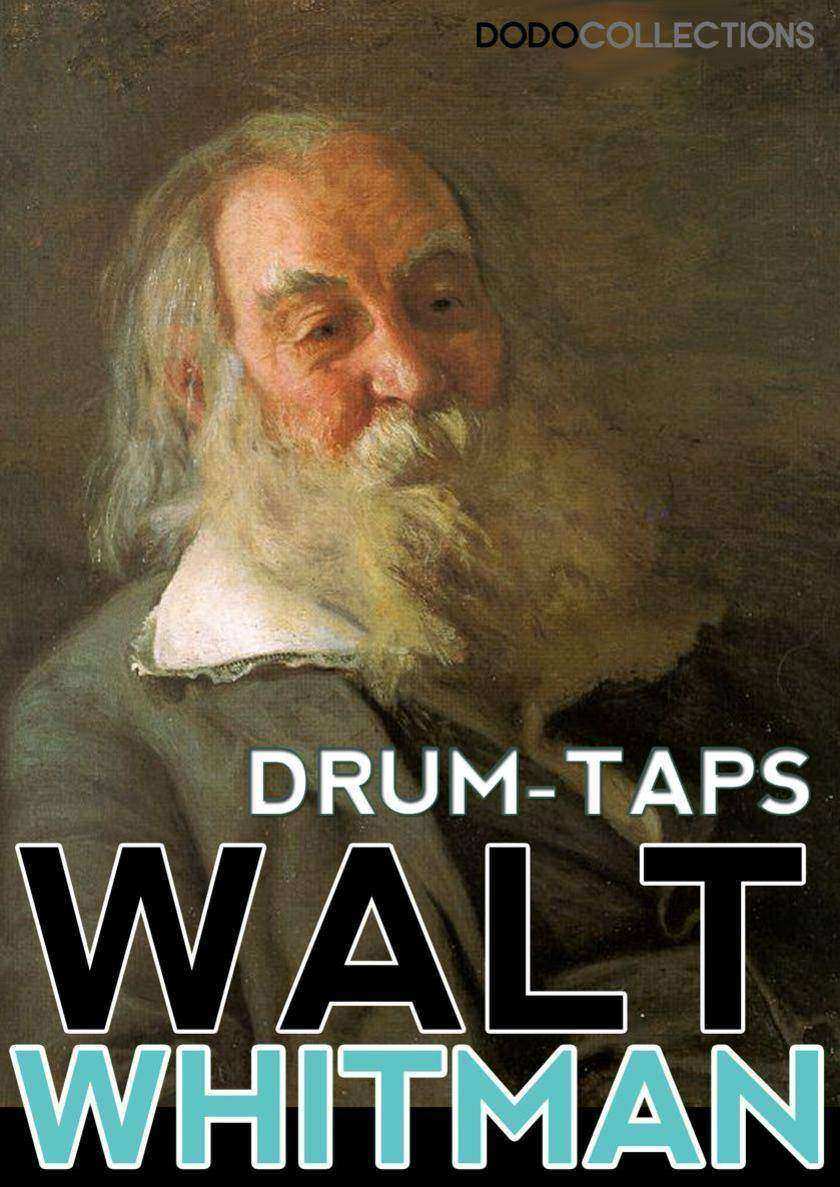
Drum-Taps
¥8.09
Dodo Collections brings you another classic from Walt Whitman, ‘Drum-Taps’. Drum-taps is a collection of poetry by Walt Whitman first published in 1865. The collection originally consisted of 53 poems (not including the 18 poems of Sequel to Drum-Taps added later in the year). Walter "Walt" Whitman (May 31, 1819 – March 26, 1892) was an American poet, essayist and journalist. A humanist, he was a part of the transition between transcendentalism and realism, incorporating both views in his works. Whitman is among the most influential poets in the American canon, often called the father of free verse. His work was very controversial in its time, particularly his poetry collection Leaves of Grass, which was described as obscene for its overt sexuality. Born in Huntington on Long Island, Whitman worked as a journalist, a teacher, a government clerk, and—in addition to publishing his poetry—was a volunteer nurse during the American Civil War. Early in his career, he also produced a temperance novel, Franklin Evans (1842). Whitman's major work, Leaves of Grass, was first published in 1855 with his own money. The work was an attempt at reaching out to the common person with an American epic. He continued expanding and revising it until his death in 1892. After a stroke towards the end of his life, he moved to Camden, New Jersey, where his health further declined. When he died at age 72, his funeral became a public spectacle. Whitman's sexuality is often discussed alongside his poetry. Though biographers continue to debate his sexuality, he is usually described as either homosexual or bisexual in his feelings and attractions. However, there is disagreement among biographers as to whether Whitman had actual sexual experiences with men. Whitman was concerned with politics throughout his life. He supported the Wilmot Proviso and opposed the extension of slavery generally. His poetry presented an egalitarian view of the races, though his attitude in life reflected many of the racial prejudices common to nineteenth-century America and his opposition to slavery was not necessarily based on belief in the equality of races per se. At one point he called for the abolition of slavery, but later he saw the abolitionist movement as a threat to democracy.
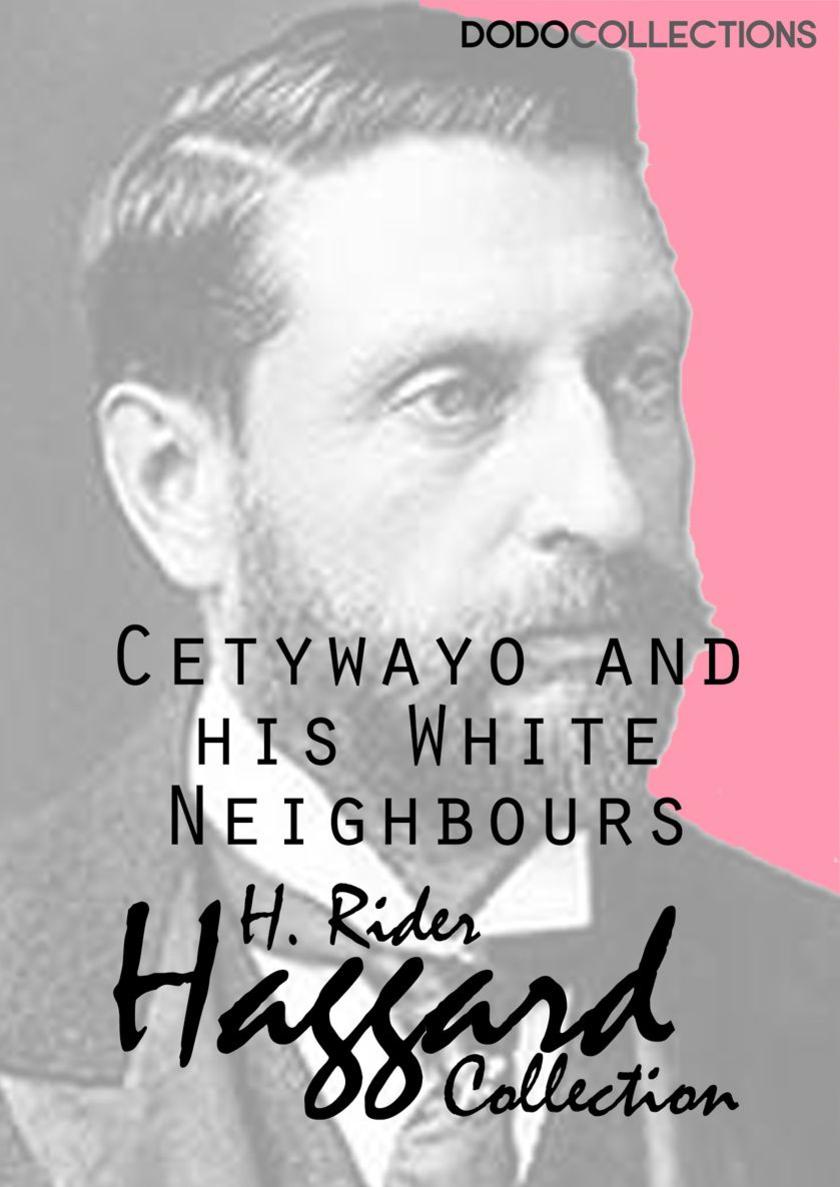
Cetywayo and his White Neighbours
¥8.09
Dodo Collections brings you another classic from H. Rider Haggard, ‘Cetywayo and his White Neighbors’. ? Cetywayo and His White Neighbors, or Remarks on Recent Events in Zululand, Natal and the Transvaal is an 1882 non-fiction book by H. Rider Haggard, his first full-length published work. It was based on his time working in South Africa. The "Cetywayo" of the title is the Zulu king Cetshwayo kaMpande. ? The book had some good reviews and Haggard received letters of praise from such figures as Lord Carnarvon and Randolph Churchill. ? H. Rider Haggard — was an English writer of adventure novels set in exotic locations, predominantly Africa, and a pioneer of the Lost World literary genre. He was also involved in agricultural reform throughout the British Empire. His stories, situated at the lighter end of Victorian literature, continue to be popular and influential. ? His novels portray many of the stereotypes associated with colonialism, yet they are unusual for the degree of sympathy with which the native populations are portrayed. Africans often play heroic roles in the novels, although the protagonists are typically European (though not invariably). Notable examples are the heroic Zulu warrior Umslopogaasi and Ignosi, the rightful king of Kukuanaland, in King Solomon's Mines. Having developed an intense mutual friendship with the three Englishmen who help him regain his throne, he accepts their advice and abolishes witch-hunts and arbitrary capital punishment.

Regeneration
¥8.09
Dodo Collections brings you another classic from H. Rider Haggard, ‘Regeneration’ ? In Regeneration, Haggard talks of the work of the Salvation Army in Great Britain. Haggard sums up the Salvation Army by saying, "the religious Organization founded by this man and his wife is now established and, in most instances, firmly rooted in 56 Countries and Colonies, where it preaches the Gospel in 33 separate languages: that it has over 16,000 Officers wholly employed in its service, and publishes 74 periodicals in 20 tongues, with a total circulation of nearly 1,000,000 copies per issue: that it accommodates over 28,000 poor people nightly in its Institutions, maintaining 229 Food Depots and Shelters for men, women, and children, and 157 Labour Factories where destitute or characterless people are employed: that it has 17 Homes for ex-criminals, 37 Homes for children, 116 Industrial Homes for the rescue of women, 16 Land Colonies, 149 Slum Stations for the visitation and assistance of the poor, 60 Labour Bureaux for helping the unemployed, and 521 Day Schools for children: that, in addition to all these, it has Criminal and General Investigation Departments, Inebriate Homes for men and women, Inquiry Offices for tracing lost and missing people, Maternity Hospitals, 37 Homes for training Officers, Prison-visitation Staffs, and so on almost ad infinitum.” ? Sir Henry Rider Haggard was an English writer of adventure novels set in exotic locations, predominantly Africa, and the creator of the Lost World literary genre. His stories, situated at the lighter end of the scale of Victorian literature, continue to be popular and influential. He was also involved in agricultural reform and improvement in the British Empire. ? His breakout novel was King Solomon's Mines (1885), which was to be the first in a series telling of the multitudinous adventures of its protagonist, Allan Quatermain. ? Haggard was made a Knight Bachelor in 1912 and a Knight Commander of the Order of the British Empire in 1919. He stood unsuccessfully for Parliament as a Conservative candidate for the Eastern division of Norfolk in 1895. The locality of Rider, British Columbia, was named in his memory.
Triumph of the Egg and Other Stories
¥8.09
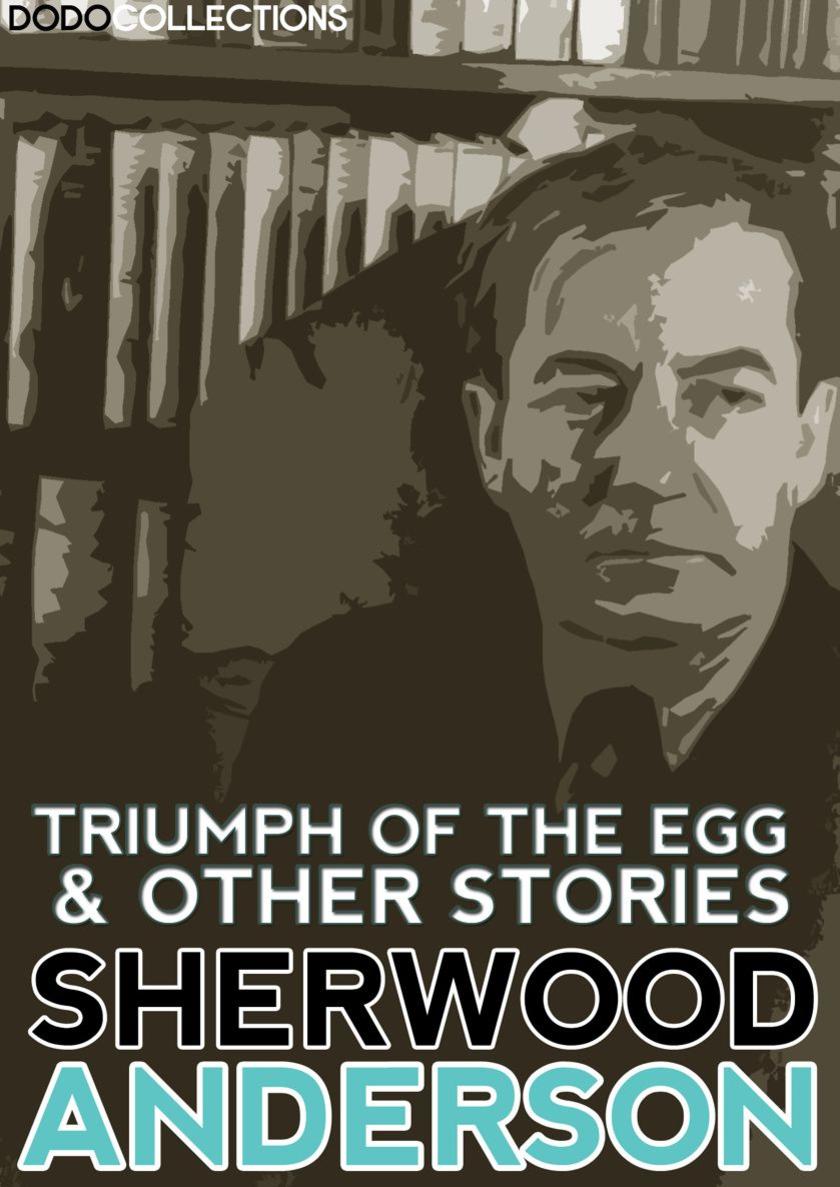
Dodo Collections brings you another classic from Sherwood Anderson, ‘"Triumph of the Egg and Other Stories".’ ? This collection of short stories solidified the author's reputation as a major American writer. Despite their narrative simplicity (similar in style to the work of Hemingway, who was highly influenced by Anderson's technique), these stories explore intriguing psychological depths, redolent with personal epiphanies, erotic undercurrents, and sudden eruptions of passion among seemingly repressed, inarticulate Midwesterners. ? Anderson was born on Sept. 13, 1876, in Camden, Ohio. He never finished high school because he had to work to support his family. By 1912, he was the successful manager of a paint factory in Elyria, Ohio, and the father of three children by the first of his four wives. In 1912, Anderson deserted his family and job. In early 1913, he moved to Chicago, where he devoted more time to his imaginative writing. He became a heroic model for younger writers because he broke with what they considered to be American materialism and convention to commit himself to art.
Le Roi Lear (King Lear in French)
¥8.09
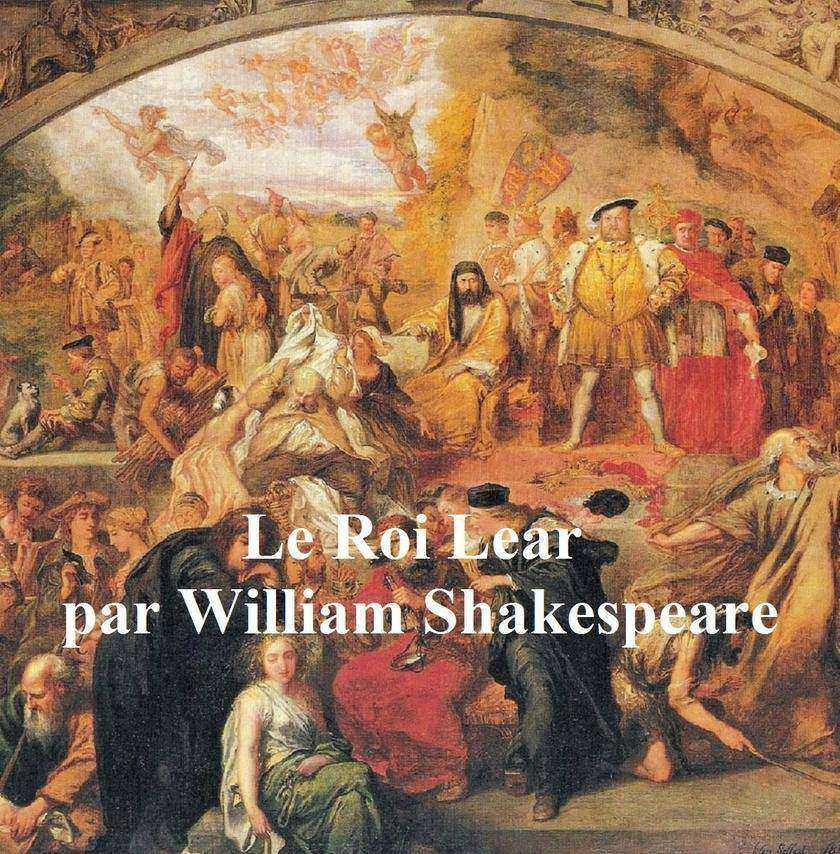
Traduit par Fran?ois Pierre Guillaume Guizot (1787 - 1874), historien fran?ais et homme d'?tat. Publié en 1864. Selon Wikipedia: "Le Roi Lear est une tragédie de William Shakespeare: le personnage titre descend dans la folie après avoir bêtement disposé de ses biens entre deux de ses trois filles en raison de leur flatterie, ce qui entra?ne des conséquences tragiques pour tous. basé sur la légende de Leir of Britain, un roi celtique pré-romain mythologique, il a été largement adapté à la scène et au cinéma, et le r?le de Lear a été convoité et joué par de nombreux acteurs parmi les plus accomplis au monde.
Kai Lung's Golden Hours
¥8.09
Dodo Collections brings you another classic from Bramah Ernest, ‘Kai Lung's Golden Hours.’ ? As with other Kai Lung novels, the main plot serves primarily as a vehicle for the presentation of the gem-like, aphorism-laden stories told by the protagonist Kai Lung, an itinerant story-teller of ancient China. In?Kai Lung's Golden Hours?he is brought before the court of the Mandarin Shan Tien on charges of treason by the Mandarin's confidential agent Ming-shu. In a unique defense, Kai Lung recites his beguiling tales to the Mandarin, successfully postponing his conviction time after time until he is finally set free. In the process he attains the love and hand of the maiden Hwa-Mei. ? Bramah was a reclusive soul, who shared few details of his private life with his reading public. His full name was Ernest Bramah Smith. It is known that he dropped out of Manchester Grammar School at the age of 16, after displaying poor aptitude as a student and thereafter went into farming, and began writing vignettes for the local newspaper. Bramah's father was a wealthy man who rose from factory hand to a very wealthy man in a short time, and who supported his son in his various career attempts.? Bramah went to Fleet Street after the farming failure and became a secretary to Jerome K. Jerome, rising to a position as editor of one of Jerome's magazines. At some point, he appears to have married Mattie.
The Mirror of Kong Ho
¥8.09
Dodo Collections brings you another classic from Bramah Ernest, ‘The Mirror of Kong Ho.’ ? This lively and amusing set of stories, constructed as a series of letters dealing with the oddities and eccentricities of the West, are purportedly by Kong Ho, a Chinese man visiting early 20th century London. These letters, addressed to his homeland, refer to the Westerners in London as barbarians and reinterpret many elements of modern life (such as the motor car and the piano) with the wit, wisdom and wry sense of humor that suffuses the best of Bramah's Oriental works. Bramah was a reclusive soul, who shared few details of his private life with his reading public. His full name was Ernest Bramah Smith. It is known that he dropped out of Manchester Grammar School at the age of 16, after displaying poor aptitude as a student and thereafter went into farming, and began writing vignettes for the local newspaper. Bramah's father was a wealthy man who rose from factory hand to a very wealthy man in a short time, and who supported his son in his various career attempts. ? Bramah went to Fleet Street after the farming failure and became a secretary to Jerome K. Jerome, rising to a position as editor of one of Jerome's magazines. At some point, he appears to have married Mattie.
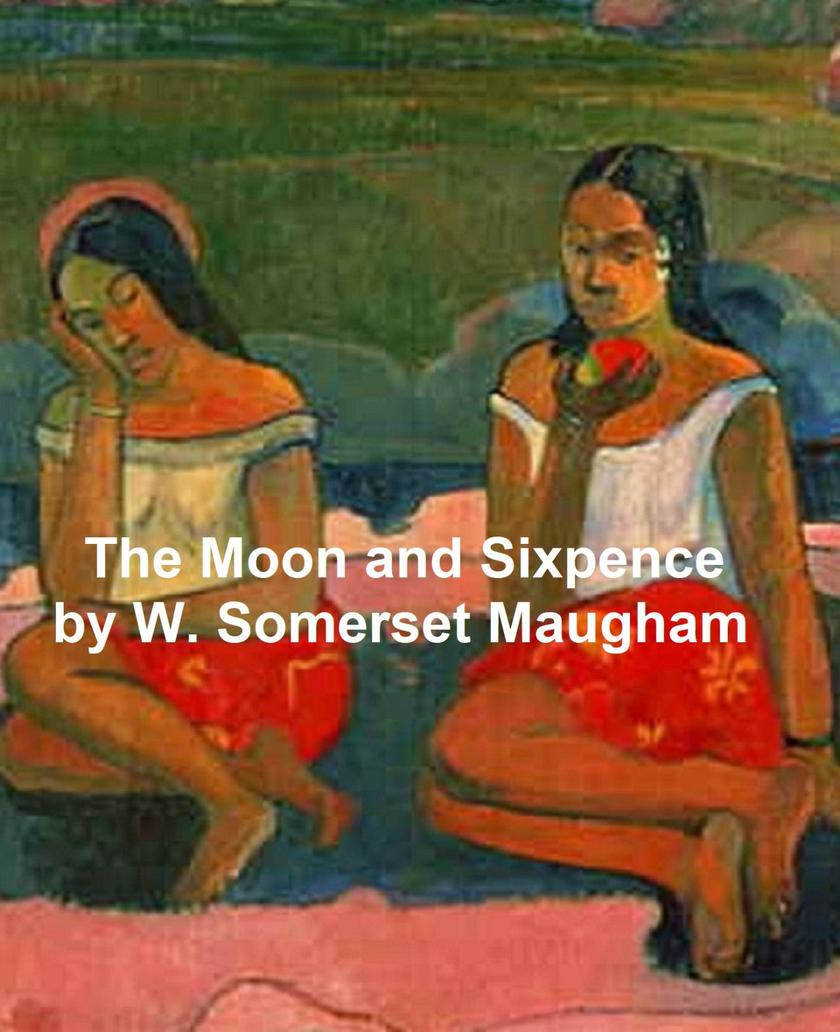
The Moon and Sixpence
¥8.09
Classic novel, first published in 1919. According to Wikipedia: "The Moon and Sixpence is a short novel of 1919 by William Somerset Maugham based on the life of the painter Paul Gauguin. The story is told in episodic form by the first-person narrator as a series of glimpses into the mind and soul of the central character, Charles Strickland, a middle-aged English stockbroker who abandons his wife and children abruptly to pursue his desire to become an artist."
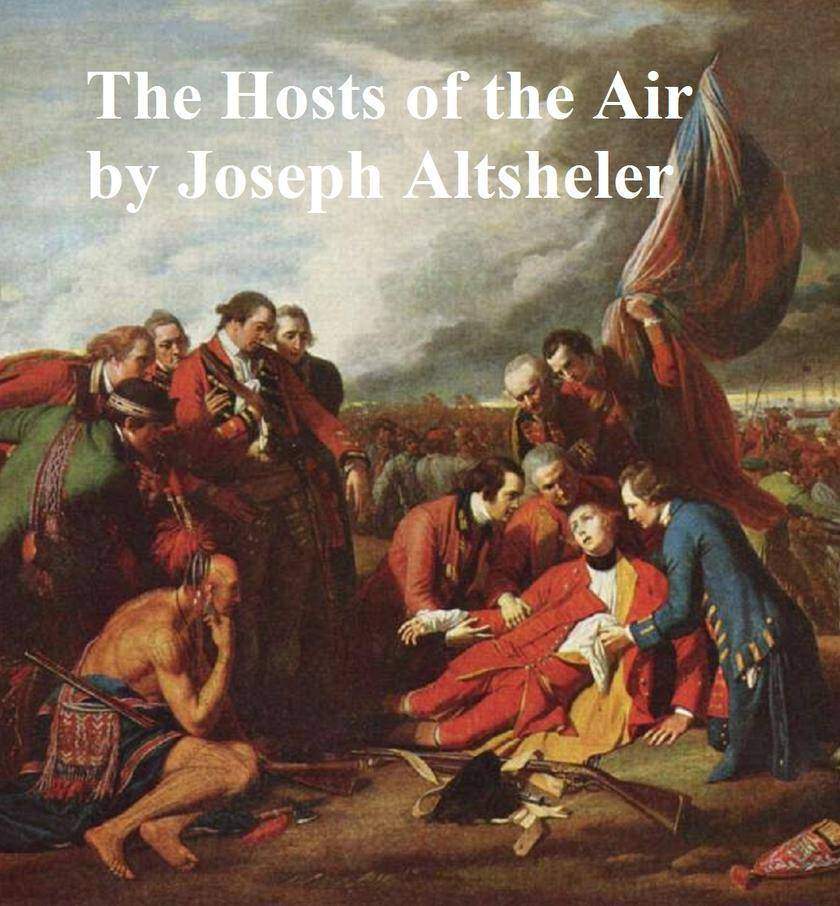
The Hosts of the Air, The Story of a Quest in the Great War
¥8.09
Historical novel in the World War series. According to Wikipedia: "Joseph Alexander Altsheler (1862 - 1919), was an American author of popular juvenile historical fiction. Altsheler was born in Three Springs, Kentucky to Joseph and Louise Altsheler. In 1885, he took a job at the Louisville Courier-Journal as a reporter and later, an editor. He started working for the New York World in 1892, first as the paper's Hawaiian correspondent and then as the editor of the World's tri-weekly magazine. Due to a lack of suitable stories, he began writing children's stories for the magazine.
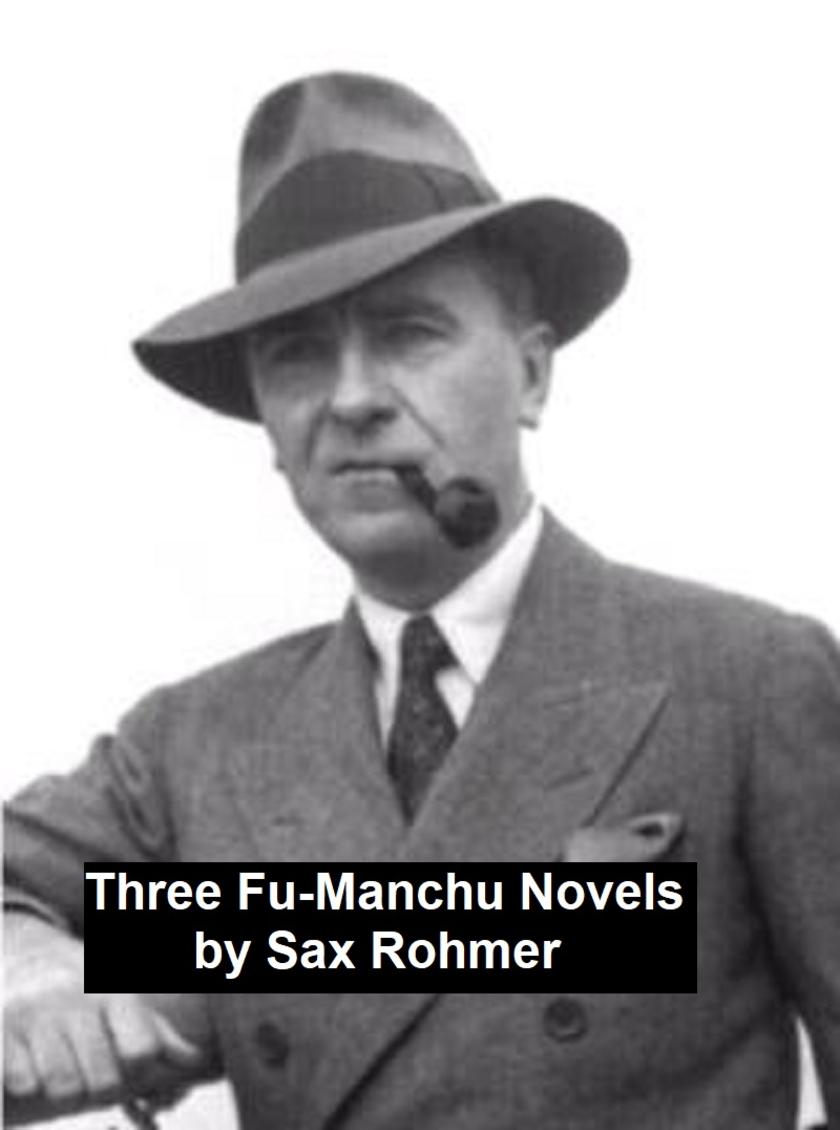
Three Fu-Manchu Novels
¥8.09
This file includes: The Insidious Dr. Fuu-Manchu (AKA The Mystery of Fu-Manchu), 1913; The Devil Doctor (AKA The Return of Dr. Fu-Manchu), 1916; and The Hand of Fu-Manchu (AKA The Si-Fan Mysteries), 1917. According to Wikipedia: "Dr. Fu Manchu is a fictional character introduced in a series of novels by British author Sax Rohmer during the first half of the 20th century. The character was also featured extensively in cinema, television, radio, comic strips and comic books for over 90 years, and has become an archetype of the evil criminal genius while inspiring the Fu Manchu moustache." "Arthur Henry Sarsfield Ward (15 February 1883 - 1 June 1959), better known as Sax Rohmer, was a prolific English novelist. He is best remembered for his series of novels featuring the master criminal Dr. Fu Manchu... His first published work was in 1903, the short story The Mysterious Mummy was sold to Pearson's Weekly. He gradually transitioned from writing for Music Hall performers to concentrating on short stories and serials for magazine publication. In 1909 he married Rose Elizabeth Knox. He published his first novel Pause! anonymously in 1910 and the first Fu Manchu novel, The Mystery of Dr. Fu-Manchu, was serialized from October 1912 - June 1913. It was an immediate success with its fast-paced story of Denis Nayland Smith and Dr. Petrie facing the worldwide conspiracy of the 'Yellow Peril'. The Fu Manchu stories, together with his more conventional detective series characters: Paul Harley, Gaston Max, Red Kerry, Morris Klaw, and The Crime Magnet made Rohmer one of the most successful and well-paid authors of the 1920s and 1930s.Rohmer also wrote several novels of supernatural horror, including Brood of the Witch-Queen. Sadly, Rohmer was very poor at managing his wealth and made several disastrous business decisions that hampered him througout his career. His final success came with a series of novels featuring a female variation on Fu Manchu, Sumuru."
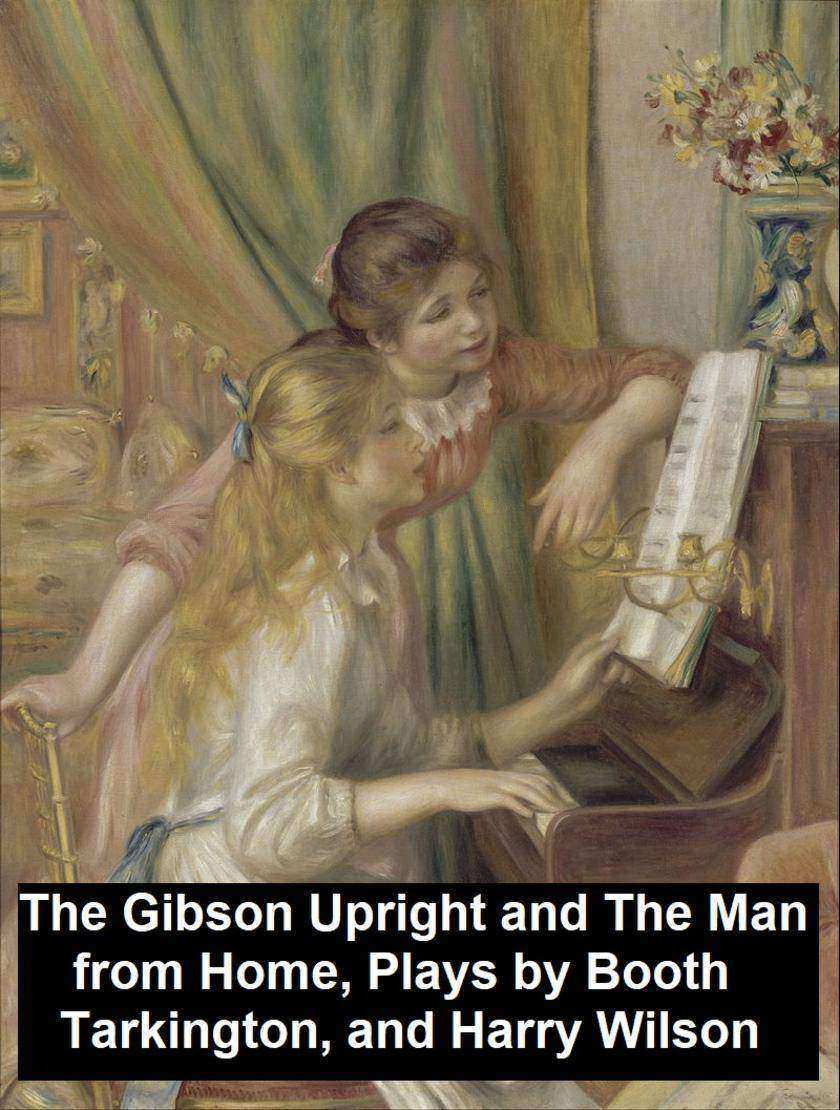
The Gibson Upright and The Man from Home, Plays
¥8.09
This file includes The Gibson Upright and The Man from Home. According to Wikipedia, "Booth Tarkington (July 29, 1869 – May 19, 1946) was an American novelist and dramatist best known for his Pulitzer Prize-winning novels The Magnificent Ambersons and Alice Adams.... Much of Tarkington's work consists of satirical and closely observed studies of the American class system and its foibles....his novel The Magnificent Ambersons, which Orson Welles filmed in 1942, the second volume in Tarkington's Growth trilogy, contrasted the decline of the "old money" Amberson dynasty against the rise of "new money" industrial tycoons in the years between the American Civil War and World War I... Harry Leon Wilson (May 1, 1867 – June 28, 1939) was an American novelist and dramatist best known for his novels, Ruggles of Red Gap and Merton of the Movies. His novel, Bunker Bean helped popularize the term flapper."
The Blue Lagoon
¥8.09
Classic novel, first published in 1908, source of the movie of the same title. According to Wikipedia, "Henry De Vere Stacpoole (9 April 1863 – 12 April 1951) was an Irish century author, born in Kingstown (now Dún Laoghaire). His best known work is the 1908 romance novel The Blue Lagoon, which has thrice been adapted into a feature film. He also wrote under the pseudonym Tyler De Saix. A ship's doctor for more than forty years, Stacpoole was also an expert on the South Pacific islands. His books frequently contained detailed descriptions of the natural life and civilizations with which he had become familiar on those islands. He moved to the Isle of Wight in the 1920s and lived there until his death. He was buried at Bonchurch in 1951."
Laughter: an Essay on the Meaning of the Comic
¥8.09
According to Wikipedia: "In the idiosyncratic Laughter: An Essay on the Meaning of the Comic, Bergson develops a theory not of laughter itself, but of how laughter can be provoked (see his objection to Delage, published in the 23rd edition of the essay). He describes the process of laughter (refusing to give a conceptual definition which would not approach its reality), used in particular by comics and clowns, as the caricature of the mechanism nature of humans (habits, automatic acts, etc.), one of the two tendencies of life (degradation towards inert matter and mechanism, and continual creation of new forms). However, Bergson warns us that laughter’s criterion of what should be laughed at is not a moral criterion and that it can in fact cause serious damage to a person’s self-esteem.This essay made his opposition to the Cartesian theory of the animal-machine obvious."
With Buller in Natal
¥8.09
Historical novel set in South Africa in the late 19th century, during the Zulu War. The Preface begins: "It will be a long time before the story of the late war can be written fully and impartially. Even among the narratives of those who witnessed the engagements there are many differences and discrepancies, as is necessarily the case when the men who write are in different parts of the field. Until, then, the very meagre military despatches are supplemented by much fuller details, anything like an accurate history of the war would be impossible. I have, however, endeavoured to reconcile the various narratives of the fighting in Natal, and to make the account of the military occurrences as clear as possible. Fortunately this is not a history, but a story, to which the war forms the background, and, as is necessary in such a case, it is the heroes of my tale, the little band of lads from Johannesburg, rather than the leaders of the British troops, who are the most conspicuous characters in the narrative." According to Wikipedia: "George Alfred Henty (8 December 1832 - 16 November 1902), referred to as G. A. Henty, was a prolific English novelist, special correspondent, and Imperialist born in Trumpington, Cambridgeshire, England. He is best known for his historical adventure stories that were popular in the late 19th century. His works include Out on the Pampas (1871), The Young Buglers (1880), With Clive in India (1884) and Wulf the Saxon (1895)."
The Betrothed
¥8.09
Historical novel, first published in 1825. Set in Wales and Gloucester, England, in 1187-1192. According to Wikipedia: "Sir Walter Scott, 1st Baronet (1771 – 1832) was a prolific Scottish historical novelist and poet popular throughout Europe during his time. In some ways Scott was the first English-language author to have a truly international career in his lifetime, with many contemporary readers all over Europe, Australia, and North America. His novels and poetry are still read, and many of his works remain classics of both English-language literature and of Scottish literature. Famous titles include Ivanhoe, Rob Roy, The Lady of The Lake, Waverley, The Heart of Midlothian and The Bride of Lammermoor."
The Frontier
¥8.09
According to Wikipedia: "Maurice Marie ?mile Leblanc (11 November 1864 – 6 November 1941) was a French novelist and writer of short stories, known primarily as the creator of the fictional gentleman thief and detective Arsène Lupin, often described as a French counterpart to Arthur Conan Doyle's creation Sherlock Holmes.
The Young Carthaginian
¥8.09
Historical novel, set during the Punic Wars between Carthage and Rome. The Preface begins: "When I was a boy at school, if I remember rightly, our sympathies were generally with the Carthaginians as against the Romans. Why they were so, except that one generally sympathizes with the unfortunate, I do not quite know; certainly we had but a hazy idea as to the merits of the struggle and knew but little of its events, for the Latin and Greek authors, which serve as the ordinary textbooks in schools, do not treat of the Punic wars. That it was a struggle for empire at first, and latterly one for existence on the part of Carthage, that Hannibal was a great and skilful general, that he defeated the Romans at Trebia, Lake Trasimenus, and Cannae, and all but took Rome, and that the Romans behaved with bad faith and great cruelty at the capture of Carthage, represents, I think, pretty nearly the sum total of our knowledge." According to Wikipedia: "George Alfred Henty (8 December 1832 - 16 November 1902), referred to as G. A. Henty, was a prolific English novelist, special correspondent, and Imperialist born in Trumpington, Cambridgeshire, England. He is best known for his historical adventure stories that were popular in the late 19th century. His works include Out on the Pampas (1871), The Young Buglers (1880), With Clive in India (1884) and Wulf the Saxon (1895)."
A March on London
¥8.09
Historical novel, set in England around 1400. According to the Preface: "The events that took place during the latter half of the fourteenth century and the first half of the fifteenth are known to us far better than those preceding or following them, owing to the fact that three great chroniclers, Froissart, Monstrelet, and Holinshed, have recounted the events with a fulness of detail that leaves nothing to be desired. The uprising of the Commons, as they called themselves--that is to say, chiefly the folk who were still kept in a state of serfdom in the reign of Richard II.--was in itself justifiable." According to Wikipedia: "George Alfred Henty (8 December 1832 - 16 November 1902), referred to as G. A. Henty, was a prolific English novelist, special correspondent, and Imperialist born in Trumpington, Cambridgeshire, England. He is best known for his historical adventure stories that were popular in the late 19th century. His works include Out on the Pampas (1871), The Young Buglers (1880), With Clive in India (1884) and Wulf the Saxon (1895)"
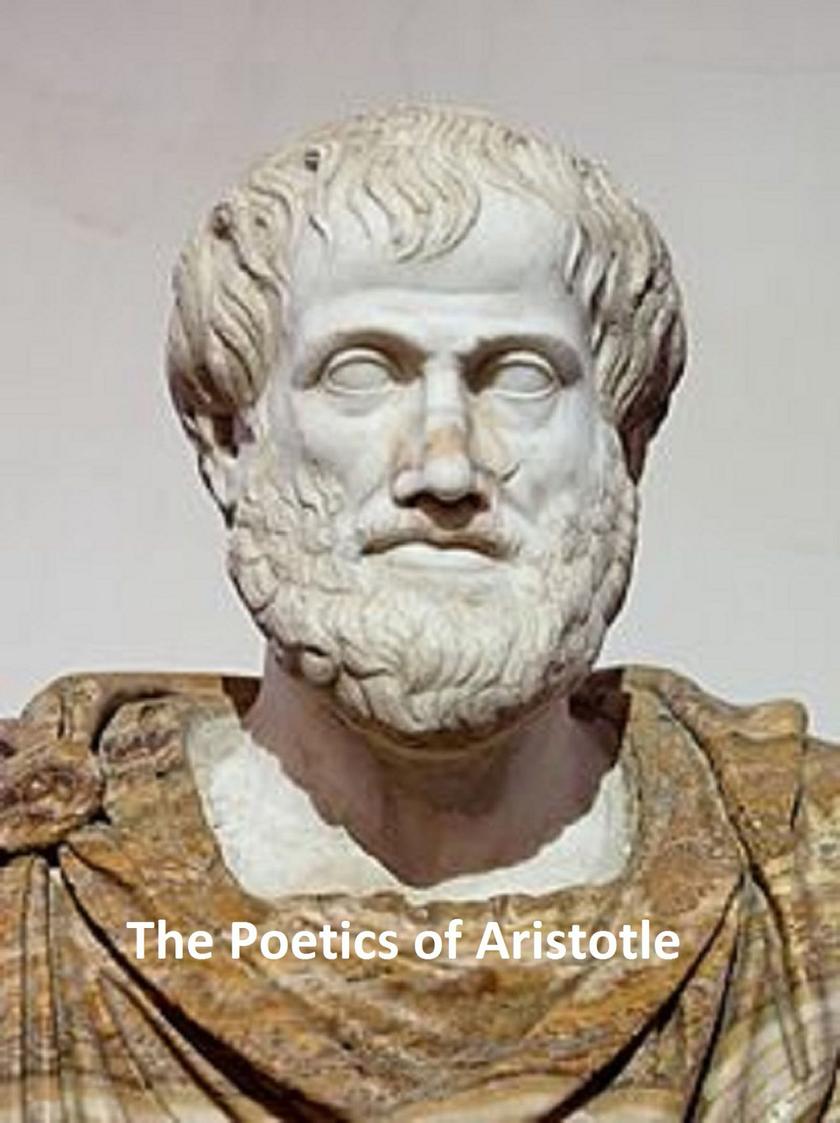
The Poetics of Aristotle
¥8.09
According to Wikipedia: "Aristotle's Poetics (c. 335 BCE) is the earliest surviving work of dramatic theory and the first extant philosophical treatise to focus on literary theory. In it, Aristotle offers an account of what he calls "poetry" (a term which in Greek literally means "making" and in this context includes drama—comedy, tragedy, and the satyr play—as well as lyric poetry and epic poetry)... Aristotle (384 BC – 322 BC) was a Greek philosopher, a student of Plato and teacher of Alexander the Great. His writings cover many subjects, including physics, metaphysics, poetry, theater, music, logic, rhetoric, linguistics, politics, government, ethics, biology, and zoology. Together with Plato and Socrates (Plato's teacher), Aristotle is one of the most important founding figures in Western philosophy. Aristotle's writings were the first to create a comprehensive system of Western philosophy, encompassing morality and aesthetics, logic and science, politics and metaphysics."


