


 购物车
购物车 个人中心
个人中心
Living a Charmed Life
¥83.03
Bestselling author Victoria Moran's Living a Charmed Life presents fifty action-inspiring essays that show us how to custom craft our very own blessed lives. Covering topics such as living richly, staying close to what makes you come alive, and being completely, utterly yourself, Moran emphasizes that this kind of happiness is possible for anyone of any age in any circumstance.Living a charmed life is your birthright, one that you can start to claim as soon as you take to heart and put into action the practical and spiritual tips you'll find here. These lucky charms, honed from Victoria's own life experiences, will elevate your attitude, change the way you see yourself, and help you to improve every aspect of your life including your health, relationships, finances, and peace of mind even in challenging times.In this fresh, inspiring book, Victoria Moran gives you the tools and techniques you need to start living your own charmed life now.
Leaving the Enchanted Forest
¥83.92
Advice and step-by-step guidelines for those seeking to recover from addictive relationships.
The Hot Mom to Be Handbook
¥111.91
Are you simply "pregnant" . . . or a Hot Mom to Be?A Hot Mom to Be is confident and empowered. She's a woman who meets the needs of her family but refuses to get lost in the madness of motherhood. And she will never sacrifice her sense of style or self.Founder of the Hot Moms Club, and monthly "Mommywood" columnist for Pregnancy magazine, Jessica Denay is on the pulse of Hollywood mom trends and baby products. The Hot Moms Club has coordinated nurseries and hosted star-studded baby showers for dozens of celebrities including Brooke and Charlie Sheen, Trista Sutter, Alison Sweeney, Ana Ortiz, and Angie Everhart to name a few. And now Jessica Denay offers the very best advice, products, and stories for moms-to-be everywhere. Wise and funny, helpful and hip, The Hot Mom to Be Handbook contains a wealth of information on: Avoiding McSteamy or McDreamy ob-gyns Working the perks of pregnancy and playing the "I've Gotta Pee" card to your best advantage Bump on a Budget money saving tips that won't cramp your style Creating decoy baby names and coping with Dad's "Post-Party" Depression Earth-friendly tips for the Eco-Minded Mama . . . and more! Chock-full of Hot Mom bare necessities as well as $tuff to Drool Over sections here's how to do it, how to strut it, and where to buy it. Plus thousands of dollars' worth of discounts inside!
Because I Said So
¥78.32
In June 1997, Camille Peri and Kate Moses launched the daily website Mothers Who Think on Salon.com for women who, like themselves, were starved for smart, honest stories about motherhood -- personal and intimate stories that went beyond tantrum control and potty training to grapple with the profound issues that affect women and their children. Like the online site, their bestselling, American Book Award-winning anthology Mothers Who Think struck a nerve across the country not just with mothers, but with all those who shared a vested interest in the raising of the next generation.Because I Said So gives readers even more to think about. This new collection of fiercely honest essays edited by Peri and Moses captures the challenges of motherhood in the twenty-first century as no other book has. Writers such as Janet Fitch, Mariane Pearl, Mary Roach, Susan Straight, Margaret Talbot, Rosellen Brown, Beth Kephart, Ariel Gore, and Ana Castillo delve into the personal and the political, giving passionate expression to their relationships with their children and to their evolving sense of themselves. Provocative, candid, witty, and wise, their stories range from the anguish of giving up child custody to the guilt of having sex in an era of sexless marriages; from learning to love the full-speed testosterone chaos of boys to raising girls in a pervasively sexualized culture; from facing racial and religious intolerance with your children to surviving cancer and rap simultaneously.Told in prose that is as unabashedly frank as it is lyrical, this is the collective voice of real mothers -- raised above the din -- in all their humor, anger, vulnerability, grace, and glory.
The Best Year of Your Life
¥77.49
No. 1 New York Times bestselling author Debbie Ford's The Best Year of Your Life is a call to action to stop pretending that the future will bring you the life of your dreams and to instead start living your dreams in this moment and for the rest of your life. Many of us spend our days thinking, talking and dreaming about what our lives could be like 'if only ...'. We make resolutions, we follow a new diet, we start exercise routines we begin working on our lifelong goals and then we give up, get too busy and forget about what's truly important to us. Another year passes by and our dreams remain out of reach. But what if today you discovered that the life you've always wanted is right in front of you, well within your graspAre you ready to live itDebbie Ford not only answers these questions but offers a proven, practical blueprint for making today this moment the beginning of the best year of your life.
Ten Stupid Things Couples Do to Mess Up Their Relationships
¥88.56
1. Stupid Secrets Withholding important information for fear of rejection2. Stupid EgotismAsking not what you can do for the relationship but only what the relationship can do for you3. Stupid Pettiness Making a big deal out of the small stuff4. Stupid PowerAlways trying to be in control5. Stupid Priorities Consuming all your time and energies with work, hobbies, errands, and chores instead of focusing on your relationship6. Stupid Happiness Seeking stimulation and assurance from all the wrong places to satisfy the immature need to feel good7. Stupid ExcusesNot being accountable for bad behavior 8. Stupid LiaisonsNot letting go of negative attachments to friends and relatives who are damaging to your relationship9. Stupid Mismatch Not knowing when to leave and cut your losses10. Stupid Breakups Disconnection for all the wrong reasons

Your Sacred Self
¥94.10
Bestselling author Wayne W. Dyerreveals a three-step plan for finding joyand taking strength from ourselves. In this liberating and enriching book, Wayne W. Dyer teaches us:To tap into the power of our higher selves To live each day, regardless of what we do, with a greater sense of peace and fulfillment To develop a sense of satisfaction with ourselves and others To move from our insatiable need for more to an awareness of abundance Step by step, Your Sacred Self will help you understand your place in the world and develop a sense of satisfaction with yourself and others.
Embracing the Love of God
¥83.92
Unfortunately, in today's world many people fail to experience the freedom and healing power of God's grace. Even Christians too often experience judgement, rather than the love that is the vital essence of Christian life. A visionary guide in the spirit of Celebration of Discipline, Embracing the Love of God calls Christians back to the basics -- to understanding the promise of God's love to transform our most important relationships and fulfill our deepest spiritual needs.Here James Bryan Smith launches readers on a revitalizing spiritual journey. He distills the basic principles of Christian love and provides a new model for relationship with God, self, and others that is based not on fear and judgement, but rather on acceptance and care. Smith's moving insights illuminate the gentle nature of God's love and teach readers how to continue on the path of love by embracing it day by day. For both new Christians and those desiring renewal, Embracing the Love of God offers hope, peace, and guidance for spiritual growth.
Your So-Called Life
¥84.16
Now that you're approaching 30 or just getting over the trauma of the big 3-0 reality has set in. You're about to be an adult, minus the air quotes. But you don't have to do it alone.Andrea Lavinthal and Jessica Rozler will help you enter true adulthood looking and feeling good in the only way they know how: with tons of wit and wisdom. Featuring interviews with nearly thirty experts including doctors, career counselors, and financial planners this handy, helpful book guides women through their second bout of growing pains and offers advice on: how to manage a difficult boss. how to deal with your ticking biological clock (if such a thing even exists). how to throw the perfect party in your tiny new apartment without breaking the bank. how to enjoy a Friday night as a seventh wheel with your married friends and their husbands. Your So-Called Life is the bible for all post-quarter-life crisis women who need guidance transitioning into the real world with smarts and savvy.
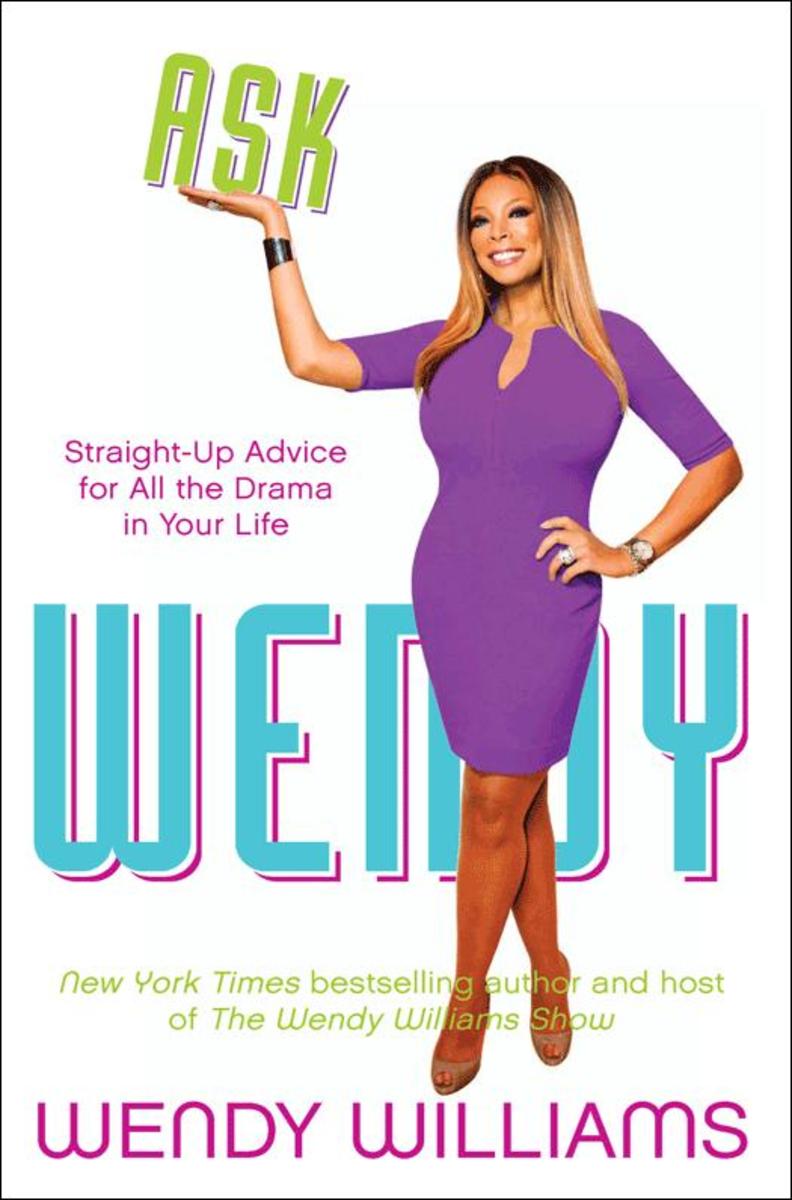
Ask Wendy
¥83.03
Go ahead . . . ask her anything Over the radio and now on her popular TV talk show, Wendy Williams has always been approached for her blunt, in-your-face words of advice. How's she doin'"Ask Wendy" has become more than just a fan-favorite TV segment; it's her calling card. Wendy has helped her viewers cope with everything from backstabbing girlfriends and deadbeat boyfriends to crazy mothers-in-law and jealous coworkers. Fans trust Wendy, even when her advice is tough to hear. She's earned her reputation as "the friend in your head." On TV Wendy only has a few minutes to respond to each audience member, but in Ask Wendy she goes deeper, answering questions sourced from viewers across the country. No question is off-limits and no situation is too outrageous for her to take on. Wendy shoots straight from those womanly hips of hers to help you manage all the crazy that comes into your life— keepin' it real by drawing on the personal experiences that have shaped her unique perspective. Wendy reveals never-before shared intimate secrets about struggling with weight, navigating rough times in her marriage, and learning to accept herself. Along with the usual girlfriend, boyfriend, and family drama, Wendy straight-talks on topics like style, body image, and office etiquette, and of course she tackles your wildest sex questions. If you've dealt with it, Wendy has a solution for it. Filled with fun personality quizzes, Wendy's laugh-out-loud anecdotes, and tons of spot-on advice, Ask Wendy will help readers to end the drama in their lives.
A Gift Of Miracles
¥90.06
This treasury of all-new true miracle stories from the bestselling authors of Christmas Miracles, The Magic of Christmas Miracles, and Mothers' Miracles offers the real-life wonder their readers have come to love. Some highlights:A disk jockey's selection of music has an astounding unintended effect a comatose Polish woman begins to softly sing along with a song from her childhood.While body surfing, a man is slammed by a wave and hears his neck snap. Unable to move, he begins to swallow water to hasten death. Instead, he feels himself lifted from the water, gliding safely to shore.A school janitor befriends a student, only to learn that she is the daughter of his long-lost son and his very own granddaughter.A Gift of Miracles, like its predecessors, will remind readers and their families that in the midst of our hectic and sometimes frightening world, magic, mystery, and miracles happen. And that if we look hard enough in the corners of our own lives, we, too, can find miracles.
The Practice of Saying No
¥88.56
In The Practice of Saying No, beloved author and preacher Barbara Brown Taylor reflects on the meaning of keeping the Sabbath: of saying no to work and doing, but instead celebrating stopping, resting on the porch, and taking the time to recognize our interconnectedness. The Practice of Saying No will appeal to anyone seeking more meaning and spirituality in their everyday lives. Barbara Brown Taylor, acclaimed author of Leaving Church and An Altar in the World (from which this eSelect is taken), writes with the honesty of Elizabeth Gilbert (Eat, Pray, Love) and the spiritual depth of Anne Lamott (Grace, Eventually) and reveals how to encounter the sacred as a natural part of everyday life.
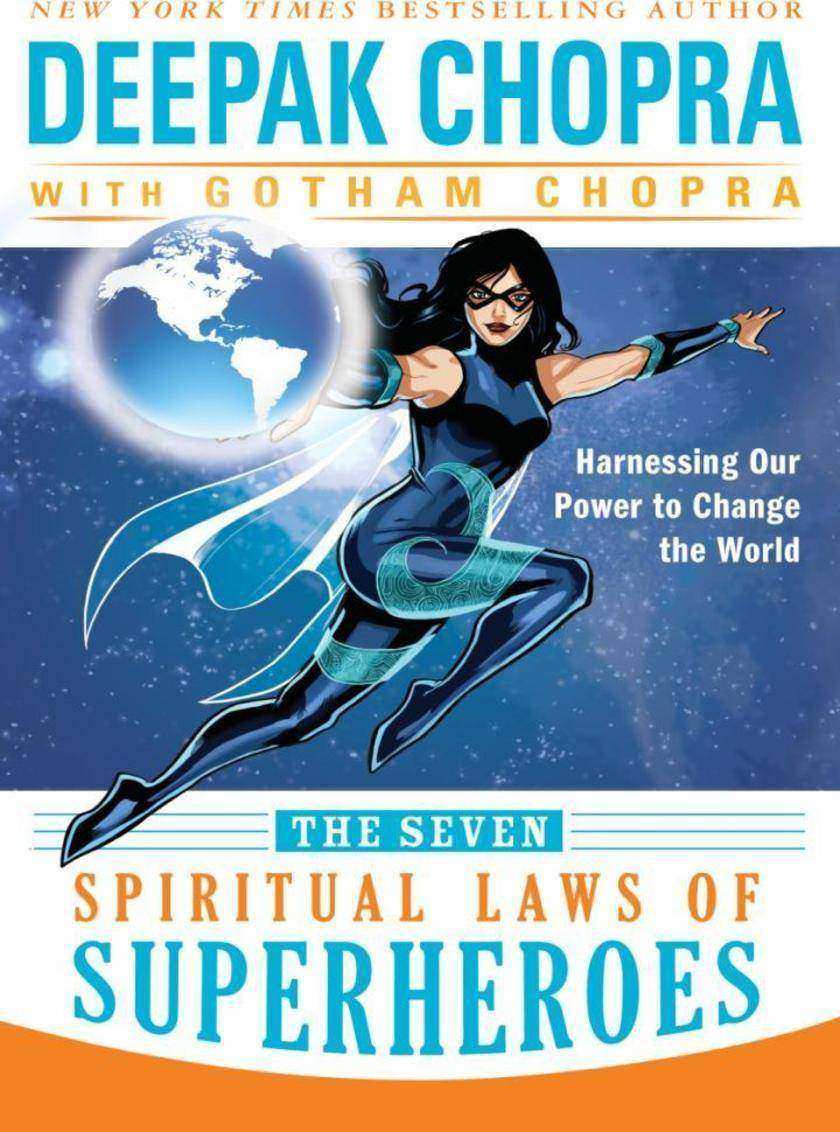
The Seven Spiritual Laws of Superheroes
¥83.03
New York Times bestselling author DEEPAK CHOPRA, with his son Gotham, expertly guides us through the seven essential laws that govern the realm of superheroes, explaining their relevance, their importance, and perhaps most important how to apply them to our daily lives. These seven transformative laws will help us all uncover greater happiness, courage, balance, creativity, compassion, and purpose.

A Career Girl's Guide to Becoming a Stepmom
¥90.77
You have an exciting, fulfilling job. You've fallen in love with the man of your dreams and met his three kids! Now whatJacquelyn B. Fletcher shows how any professional woman turned wife and instant stepmother can build on the skills she employs at work organization, team-building, goal-setting, and planning to succeed at home in her new role as stepmom. Drawing on the latest research, her own experiences, and those of other real-life stepmothers, Fletcher offers advice, hope, encouragement, and much-needed answers to common conundrums, including: Why don't I have control over my own scheduleWhat kind of relationship do I want with my stepkidsWhat if I want to have a baby of my ownHow do we create a budget that feels fair if I make more money than my husband doesA Career Girl's Guide to Becoming a Stepmom is essential reading for the professional woman who has it all and then suddenly has more than she expected.
Taming Your Gremlin
¥94.10
This is a completely updated edition of the 1983 classic that introduced a powerful method for gaining freedom from self-defeating behaviors and beliefs. Rick Carson, creator of the renowned Gremlin-Taming Method, has revised the book to include fresh interactive activities, real-life vignettes we can all identify with, and new loathsome gremlins ripe for taming. Carson blends his laid-back style, Taoist wisdom, the Zen Theory of Change, and sound psychology in an easy-to-understand, unique, and practical system for banishing the nemesis within. Among the things you will learn are: Techniques for getting a sliver of light between the natural you and the monster of your mind. The extraordinary power of simply noticing and playing with options. Six keys to maintaining emotional balance amid upheaval.
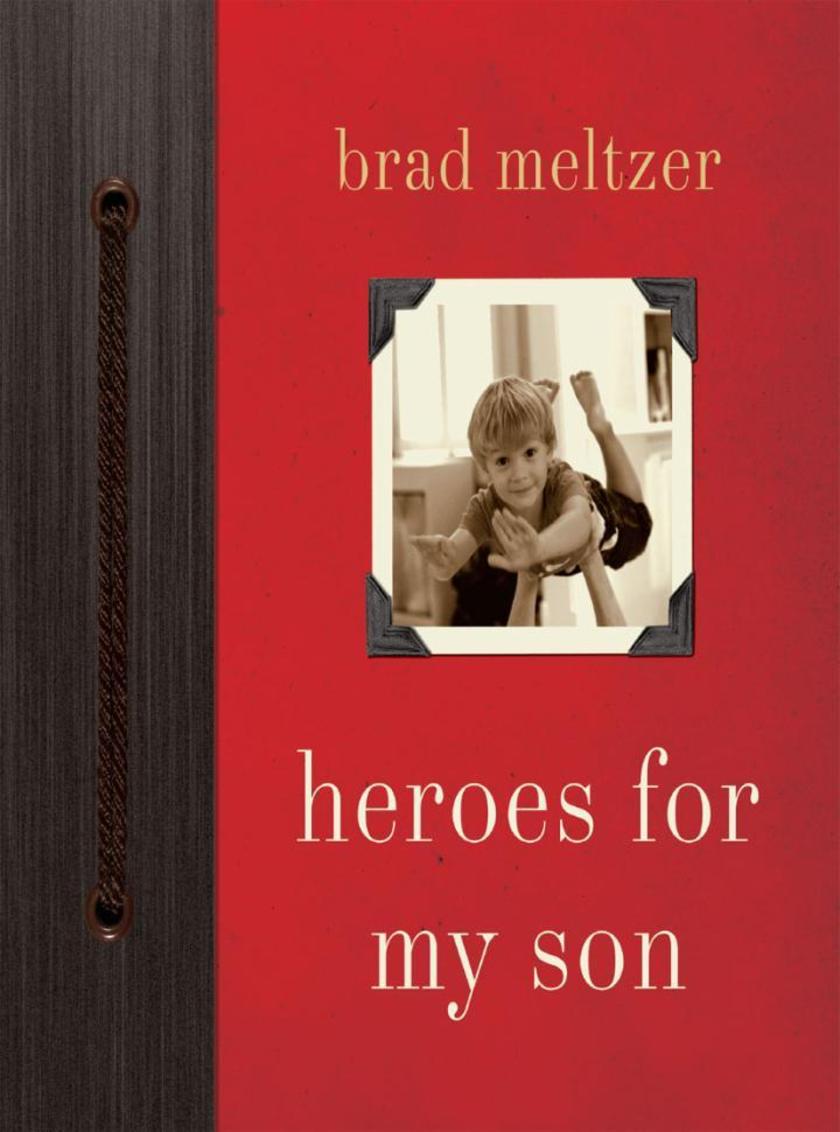
Heroes for My Son
¥111.91
When Brad Meltzer's first son was born eight years ago, the bestselling writer and new father started compiling a list of heroes whose virtues and talents he wanted to share with his son: Abraham Lincoln, Rosa Parks, Jim Henson, Amelia Earhart, Muhammad Ali . . . and so many more, each one an ordinary person who was able to achieve the extraordinary. The list grew to include the fifty-two amazing people now gathered in Heroes for My Son, a book that parents and their children sons and daughters alike can now enjoy together as they choose heroes of their own.From the Wright Brothers, who brought extra building materials to every test flight, planning ahead for failure, to Miep Gies, who risked her life to protect Anne Frank and her family from the Nazis during World War II, Heroes for My Son brings well-known figures together with less famous ones, telling the inspiring, behind-the-scenes stories of the moment that made them great. They are a miraculous group with one thing in common: each is an example of the spectacular potential that can be found in all of us.Heroes for My Son is an unforgettable book of timeless wisdom, one that families everywhere can share again and again.

AskMen.com Presents From the Bar to the Bedroom
¥95.39
Gentlemen, start your engines. From the Bar to the Bedroom is the definitive go to book for anyone in need of guidance when it comes to bedding the fairer sex, from approaching the woman one wishes to take home to dazzling her once she's there. Divided into 11 rules, the book begins by helping men learn the fundamentals of confidence and conversation. It moves on to instruct men on the virtues of foreplay, the importance of having a sex friendly bachelor pad, ways they can pick up women at the gym or at the office, and the variety of techniques and tricks they can use to make her night unforgettable. With tasteful line drawings, loads of tips, and a friendly, humorous tone, it is essential reading for everyone from the novice who wants to enter the game to the player who wants to polish his moves.
The Invitation
¥88.56
Shared by word of mouth, e-mailed from reader to reader, recited over the radio, and read aloud at thousands of retreats and conferences, "The Invitation" has changed the lives of people everywhere. In this bestselling book, Oriah expands on the wisdom found within her beloved prose poem, which presents a powerful challenge to all who long to live an authentic life.In a world of endless small talk, constant traffic jams, and overburdened schedules, "The Invitation" opens the door to a new way of life -- a way of intimacy, honesty, and peace with ourselves, others, and the world around us. Oriah invites us to embrace the varieties of human experience, from desire and commitment to sorrow and betrayal, and to open ourselves to all that is possible. The Invitation is an invaluable guide to overcoming the obstacles that stand in our way and to discovering the true beauty that life has to offer. Accept the invitation and open yourself to a more meaningful life.

What God Wants for Your Life
¥78.55
A Practical and Engaging Guide for Changing the Way We Seek God's WillHow do we know God's will for our livesThis question lies at the heart of Christian life. And yet, attempting to understand our greater purpose can become a source of frustration as we look for help when making important life decisions. Spiritual retreat leader and Episcopal priest Fred Schmidt reveals how we can better recognize the difference between God's will and our own, deepen our ability to hear God's voice, and sharpen our powers of discernment.
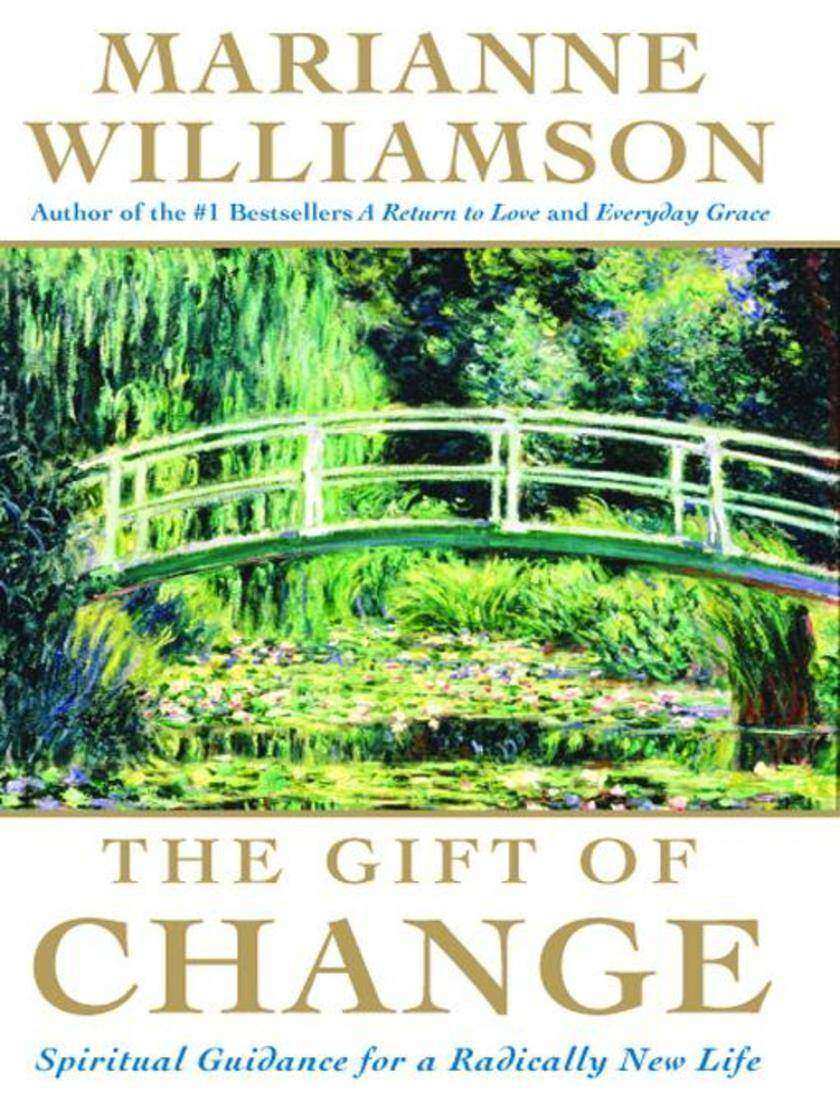
The Gift of Change
¥94.10
Bestselling author of Return to Love and Law of Divine Compensation, Marianne Williamson shows people how to live without fear or worry in The Gift of Change. The time in which we now live is more difficult and stressful than people are willing to admit. We live with an abiding sense of collective anxiety. Williamson shows how we are paralyzed in our current state of fear and anger because we are not facing and dealing with the true causes of our anxieties and fears. Williamson reveals that fear and worry do not need to be the only tools in our tool box for dealing with problems in the world. As we learn to trust God and the love that surrounds us and guides us, we will see that what causes us pain is an opportunity for growth, healing, and miracles that can transform us and our world. Williamson delivers hope and healing as she illuminates ten basic changes that each of us can make as we learn to view the world through the eyes of love instead of fear.
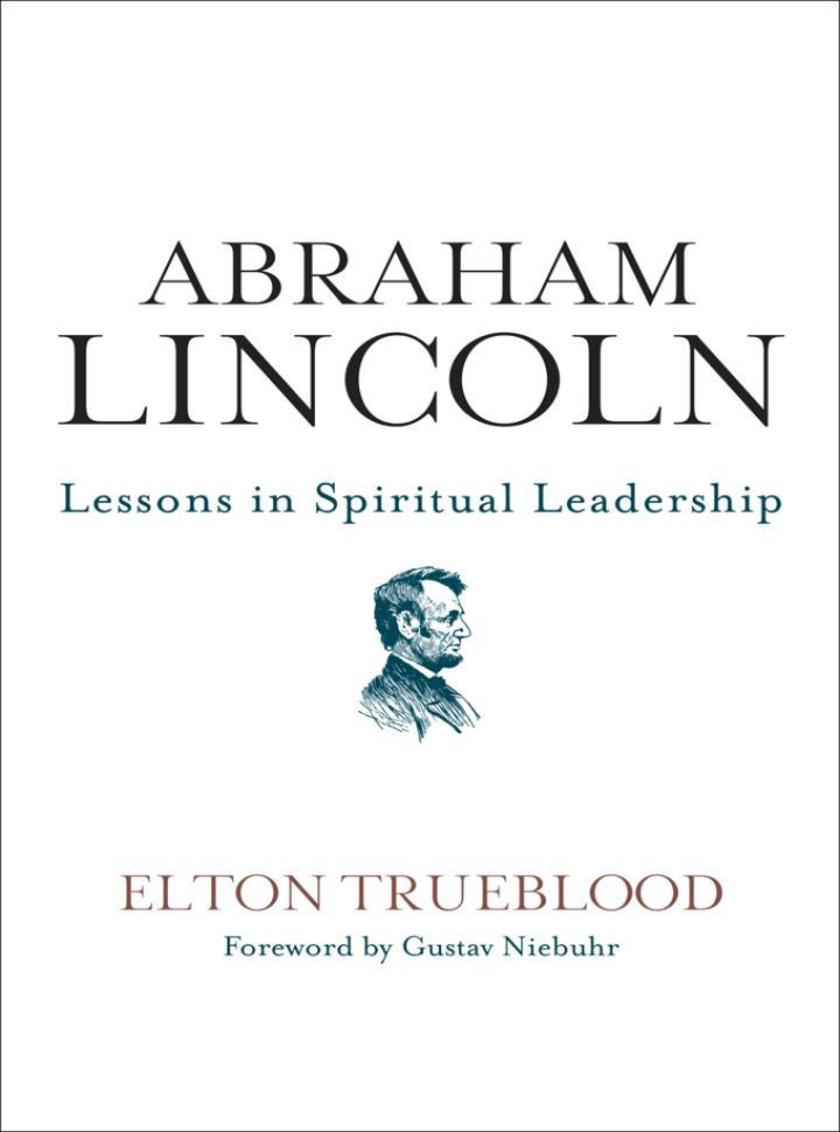
Abraham Lincoln
¥83.03
Many writers have explored Lincoln's leadership; others have debated Lincoln's ambiguous religious identity. But in this classic work, Christian philosopher and statesman Elton Trueblood reveals how Lincoln's leadership skills flowed directly from his religious convictions which explains how the president was able to combine what few leaders can hold together: moral resoluteness with a shrewd ability to compromise; confidence in his cause while refusing to succumb to the traps of self-righteousness or triumphalism; and a commitment to victory while never losing sight of his responsibility for or the humanity of his enemy. These rich meditations offer deep wisdom and insight on one of the most effective leaders of all time.


