


 购物车
购物车 个人中心
个人中心

The Ten Commandments
¥83.92
The master key to life--a universal guide to all that matters in making life more satisfying.
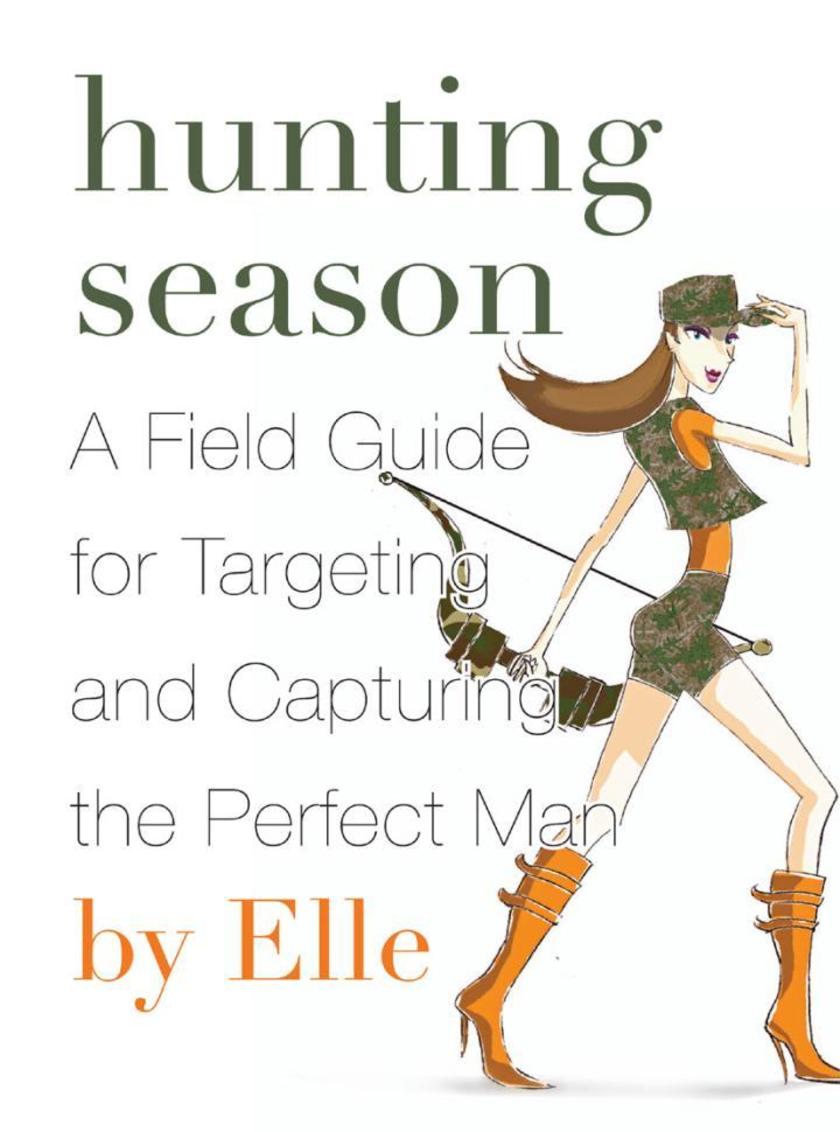
Hunting Season
¥78.55
Tallyho! The Hunt is afoot! Be a hunter not road kill. April 1 marks the official opening of Hunting Season, when available women should be heading out into the rural, urban, and suburban wild to bag themselves a prize buck. You might not need a literal gun to bring down a good man but you do need good technique, appropriate gear, and plenty of practice. Within these pages, successful hunter Elle shares the foolproof strategies she's adapted from rules that have been polished and honed over many centuries for successful bagging of prize big game. The Hunt can be exciting, exhilarating, and rewarding . . . if you do it right!No matter what kind of modern man you've got in your sights a Stag, a Tree Scratcher, or a 6-Point Buck here are all the skills you need to bring him down.Are you Trophy Hunting, or do you want to Bag 'n' TagYour strategies will be different depending on your goal so define it before the season opens.Never hunt with a posse. It's no fun sharing a kill.Stick to your Kill Zone. A wild buck's movements can't be controlled so if he wanders let him roam. Another buck will put himself in your sights soon enough.November 1-March 31 is Off-Season: A time for hibernation, emotional healing, and gun polishing.
Cycle Savvy
¥88.56
Should I be concerned if my cycles are rarely 28 daysWhy do I often feel so emotional before my periodAnd how can I know when my period's really going to start?! If you're a teenage girl, you've probably asked yourself these questions and many more. Now Cycle Savvy has the answers that will help you understand what is really happening with your body on a day-to-day basis. It's the first book specifically designed to teach young women about the practical benefits of charting their cycles. Explore the fascinating world of ovulation, fertility, and why you even have periods at all! And learn all about the body signals, mood changes, and other signs that accompany your cycle. With charming illustrations, fun brainteasers, confidence builders, sample charts, and first-person tales of experiences that every girl can relate to, Cycle Savvy takes the mystery out of your amazing body.
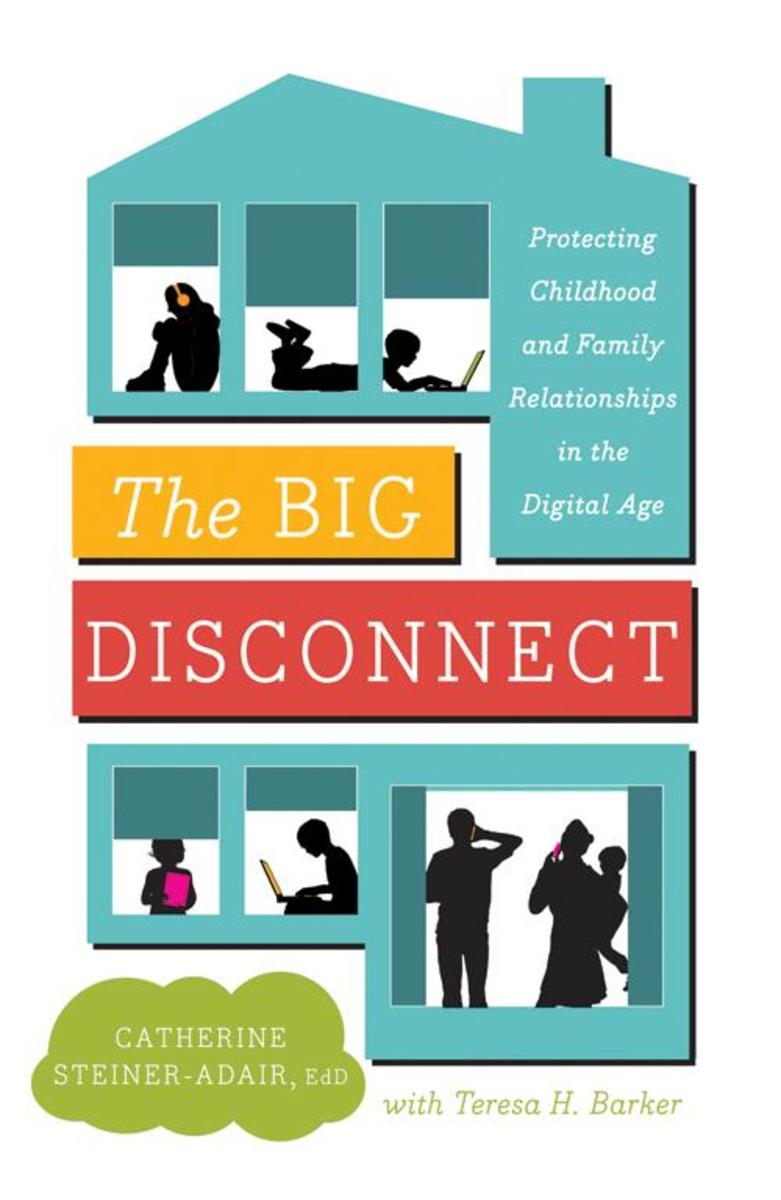
The Big Disconnect
¥95.39
Have iPads replaced conversation at the dinner tableWhat do infants observe when their parents are on their smartphonesShould you be your child's Facebook friendAs the focus of family has turned to the glow of the screen children constantly texting their friends, parents working online around the clock everyday life is undergoing a massive transformation. Easy availability to the Internet and social media has erased the boundaries that protect children from the unsavory aspects of adult life. Parents often feel they are losing a meaningful connection with their children. Children are feeling lonely and alienated. The digital world is here to stay, but what are families losing with technology's gain?As renowned clinical psychologist Catherine Steiner-Adair explains, families are in crisis around this issue, and even more so than they realize. Not only do chronic tech distractions have deep and lasting effects, but children desperately need parents to provide what tech cannot: close, significant interactions with the adults in their lives. Drawing on real-life stories from her clinical work with children and parents, and her consulting work with educators and experts across the country, Steiner-Adair offers insights and advice that can help parents achieve greater under-standing, authority, and confidence as they come up against the tech revolution unfolding in their living rooms.We all know that deep connection with the people we love means everything to us. It's time to look with fresh eyes and an open mind at the disconnection we are experiencing from our extreme device dependence. It's never too late to put down the iPad and come to the dinner table.

Teach Your Children Well
¥94.10
Psychologist Madeline Levine brings together cutting-edge research and thirty years of clinical experience to explode once and for all the myth that good grades, high test scores, and college acceptances should define the parenting endgame.Parents, educators, and the media wring their hands about the plight of America's children and teens soaring rates of emotional problems, limited coping skills, disengagement from learning and yet there are ways to reverse these disheartening trends. Teach Your Children Well acknowledges that every parent wants successful children. However, until we are clearer about our core values and the parenting choices that are most likely to lead to authentic, and not superficial, success, we will continue to raise exhausted, externally driven, impaired children who believe they are only as good as their last performance. Real success is always an inside job, argues Levine, and is measured not by today's report card but by the people our children become fifteen or twenty years down the line.Refusing to be diverted by manufactured controversies such as "tiger moms versus coddling moms," Levine confronts the real issues behind the way we push some of our kids to the breaking point while dismissing the talents and interests of many others. She shows us how to shift our focus from the excesses of hyperparenting and the unhealthy reliance on our children for status and meaning to a parenting style that concentrates on both enabling academic success as well as developing a sense of purpose, well-being, connection, and meaning in our children's lives.Teach Your Children Well is a call to action. And while it takes courage to make the changes we believe in, the time has come, says Levine, to return our overwrought families to a healthier and saner version of themselves.

Inner Bonding
¥95.11
Inner bonding is the process of connecting our adult thoughts with our instinctual, gut feelings the feelings of the inner child so that we can minimize painful conflict within ourselves. Free of inner conflict, we feel peaceful, open to joy, and open to giving and receiving love.Margaret Paul, coauthor of Healing Your Aloneness, explores how abandonment of the inner child leads to increasingly negative and destructive feelings of low self-worth, codepenclence, addiction, shame, powerlessness, and withdrawal from relationships. Her breakthrough inner bonding process teaches us to heal past wounds through reparenting and clearly demonstrates how we can learn to parent in the present. Real-life examples illustrate the dynamics of the healing process and show the benefits we can expect in every facet of our lives and in all our relationships.Inner Bonding provides the tools we need to forge and maintain the inner unity that makes our family, sexual, work, and social relationships productive, honest, and joyful.
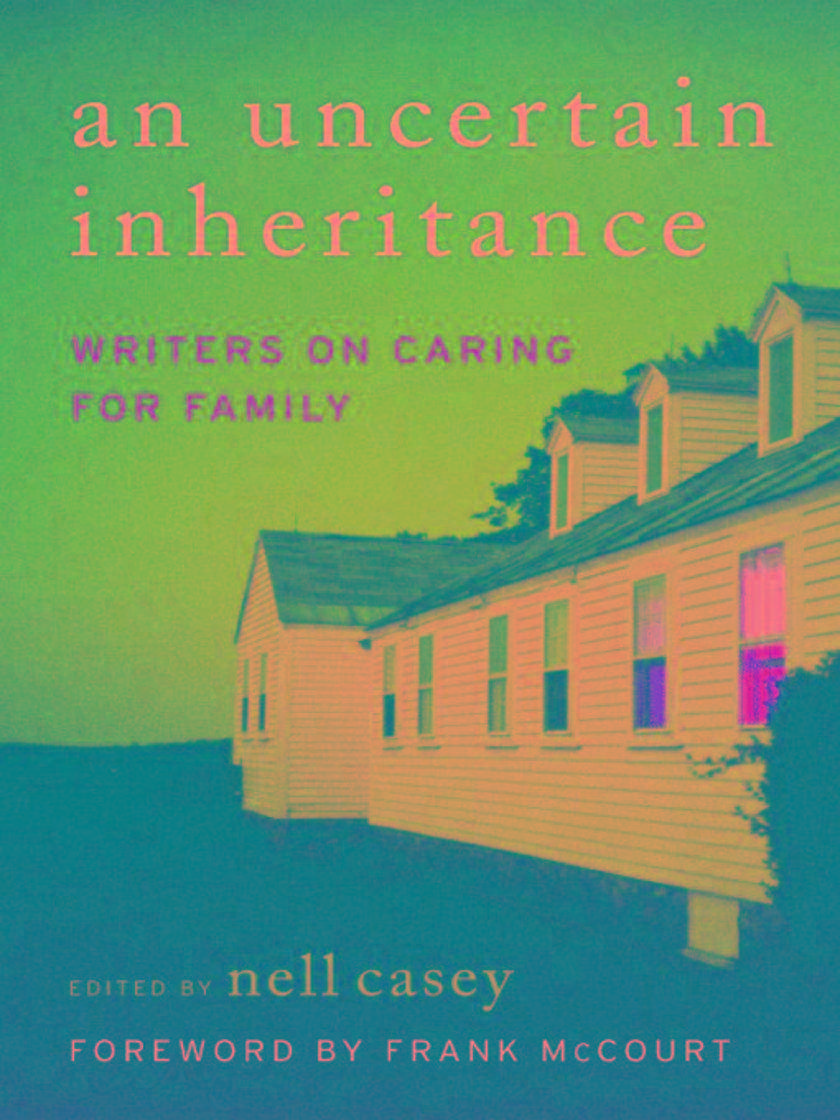
An Uncertain Inheritance
¥90.77
In this eloquent collection of essays from the editor of the national bestseller Unholy Ghost: Writers on Depression contributors reveal their experiences in caring for family through illness and death Today, thirty million people look after frail family members in their own homes. This number will increase drastically over the next decade as baby boomers tiptoe toward old age; as soldiers return home from war wounded, mentally and physically; as a growing number of Americans find themselves caught between the needs of elderly parents and young children; as medical advances extend lives and health insurance fails to cover them. This compelling book offers both literary solace and guidance to the people who find themselves witness to and participants in the fading lives of their intimates.Some of the country's most accomplished writers offer frank insights and revelations about this complex relationship. Julia Glass describes the tension between giving care to her two young sons and needing care after being diagnosed with breast cancer; Ann Harleman explores her decision to place her husband in an institution; Sam Lipsyte alternates between dark humor and profound understanding in telling the story of his mother's battle with cancer; Ann Hood wishes she'd had more time as a caregiver, to prepare herself for the loss of her daughter; Andrew Solomon examines the humbling experience of returning as an adult to be cared for by his father; cartoonist Stan Mack offers an illustrated piece about the humor and hell of making his way through the medical bureaucracy alongside his partner, Janet; Julia Alvarez writes about the competition between her and her three sisters to be the best daughter as they tend to their ailing parents. An Uncertain Inheritance examines the caregiving relationship from every angle children caring for parents; parents caring for children; sib-lings, spouses, and close friends, all looking after one another to reveal the pain, intimacy, and grace that take place in this meaningful connection.
Mars and Venus in Love
¥90.77
Straight from the heart -- real-life couples share inspiring, edifying stories of Mars and Venus in love.Millions of readers have learned about relationships from John Gray's previous bestsellers, such as Men Are from Mars, Women Are from Venus, Mars and Venus on a Date; and Mars and Venus in the Bedroom. Inspired by this enthusiasm, Gray asked a number of readers to share their own stories of how they've put his principles to work in their relationships. The result is this amazing collection of first-person accounts-along with Gray's own enlightening commentary-that will have you laughing, crying, and nodding in recognition.Gray's contributors answer such questions as: What problems have you had in your relationship, and how have you overcome themWhat special things do you and your partner do for each otherHow do you best communicate with each otherHow do you practice what you've learnedHow does your love feel different now from how it felt beforeTheir answers illustrate more eloquently than any textbook how to use Gray's advice and counsel to create your own fulfilling, healthy, and loving relationships.
A Vindication of Love
¥90.73
A thinking person’s “guide” that makes the case for love in an age both cynical about and fearful of strong passion. Bold and challenging, A Vindication of Love has inspired praise and controversy, and brilliantly reinvigorated the romance debate. A perfect choice for readers of Alain de Botton’s How Proust Can Change Your Life and Pierre Bayard’s How to Talk About Books You Haven’t Read.
When Children Grieve
¥94.10
To watch a child grieve and not know what to do is a profoundly difficult experience for parents, teachers, and caregivers. Yet, there are guidelines for helping children develop a lifelong, healthy response to loss.In When Children Grieve, the authors offer a cutting-edge volume to free children from the false idea of "not feeling bad" and to empower them with positive, effective methods of dealing with loss.There are many life experiences that can produce feelings of grief in a child, from the death of a relative or a divorce in the family to more everyday experiences such as moving to a new neighborhood or losing a prized possession. No matter the reason or degree of severity, if a child you love is grieving, the guidelines examined in this thoughtful book can make a difference.

Fear
¥88.56
Without fear, we are able to see more clearly our connections to others. Without fear, we have more room for understanding and compassion. Without fear, we are truly free. from FearMost of us live in a constant state of fear of our past, of illness and aging and death, and of losing the things we treasure most. But it doesn't have to be this way, promises Zen master and Buddhist monk Thich Nhat Hanh.Drawing on a lifetime of mindfulness in action, Thich Nhat Hanh shows us how to use the practice of living in the present to acknowledge and embrace our fears, recognize their origins, and render them powerless. The world-renowned Zen teacher guides us through practical exercises for transforming fear into clarity. The worries of the past and the anxiety of the future disappear as we discover the power of the present moment. Not only are we are able to handle challenging emotions as they arise, but we can summon feelings of well-being and contentment, no matter what the unknown may bring.Rooted in the moment, we have the capacity to restore balance and happiness and be present with what is beautiful and affirming inside us and around us, every day.
Woman Power
¥90.77
Woman Power: for the woman who wants to ensure for herself -- and for her man -- the marital happiness and success everyone dreams of! The immediate feedback to Dr. Laura Schlessinger's seventh bestseller, The Proper Care and Feeding of Husbands, affirmed that Dr. Laura helped hundreds of thousands of readers make good marriages even better and saved many from the brink of divorce. Now, due to overwhelming response from her readers and listeners who wanted to know more about the special power women have to transform their husbands, their marriages, and their lives, Dr. Laura has written Woman Power. Through a series of provocative chapters and Q&As, Dr. Laura guides women on how to assess what is valuable and what is vulnerable in their marriages, and stimulates women to think about what is really important about being a woman, a wife, and a mother. In addition, readers will find inspirational stories and tips, thought-provoking essays, and plenty of room for entries, thoughts, and journals. There are even fascinating Q&As for husbands and wives to do together!
Beyond Genetics
¥79.16
Genetic science is about to radically alter our lives. Sooner than you can imagine, human beings will be capable of diagnosing their own illnesses, designating the sex of their children, even designing the food they eat -- all as easily as using a cell phone. Now is the time for every one of us to take control of our DNA, and one man is uniquely qualified to show us how: Glenn McGee, bioethicist at the University of Pennsylvania, pioneer in the study of "home genetics," and the acknowledged wunderkind of the exciting world found at the nexus of life science and computer technology.One of the most respected authorities in the field of genomics -- the study of the genetic "software" inside plants, animals, and us -- McGee takes us on an eye-opening journey behind the headlines and into the heart of this formidable cutting-edge science. Probing the far-ranging ethical and legal implications of genomic research, McGee tackles its most controversial and hotly debated aspects -- from patenting your DNA to genetic engineering at the supermarket -- and explodes unnecessary fears about this wondrous new knowledge.We live in a brave new world. Beyond Genetics provides us with the knowledge we need to take the right steps forward into tomorrow ... and beyond.

Hidden Figures
¥100.71
The #1 New York Times bestsellerThe phenomenal true story of the black female mathematicians at NASA whose calculations helped fuel some of America’s greatest achievements in space. Soon to be a major motion picture starring Taraji P. Henson, Octavia Spencer, Janelle Monae, Kirsten Dunst, and Kevin Costner. Before John Glenn orbited the earth, or Neil Armstrong walked on the moon, a group of dedicated female mathematicians known as “human computers” used pencils, slide rules and adding machines to calculate the numbers that would launch rockets, and astronauts, into space. Among these problem-solvers were a group of exceptionally talented African American women, some of the brightest minds of their generation. Originally relegated to teaching math in the South’s segregated public schools, they were called into service during the labor shortages of World War II, when America’s aeronautics industry was in dire need of anyone who had the right stuff. Suddenly, these overlooked math whizzes had a shot at jobs worthy of their skills, and they answered Uncle Sam’s call, moving to Hampton, Virginia and the fascinating, high-energy world of the Langley Memorial Aeronautical Laboratory. Even as Virginia’s Jim Crow laws required them to be segregated from their white counterparts, the women of Langley’s all-black “West Computing” group helped America achieve one of the things it desired most: a decisive victory over the Soviet Union in the Cold War, and complete domination of the heavens. Starting in World War II and moving through to the Cold War, the Civil Rights Movement and the Space Race, Hidden Figures follows the interwoven accounts of Dorothy Vaughan, Mary Jackson, Katherine Johnson and Christine Darden, four African American women who participated in some of NASA’s greatest successes. It chronicles their careers over nearly three decades they faced challenges, forged alliances and used their intellect to change their own lives, and their country’s future.?
![Denial [Movie Tie-in]](https://platform-permanent.ddimg.cn/pt-media-info-soa-resource/digital/product/54/11/1900675411_ii_cover.jpg?version=a156c4f9-8bff-4f00-949b-4cbca2bd3115)
Denial [Movie Tie-in]
¥88.56
In her acclaimed 1993 book Denying the Holocaust, Deborah Lipstadt called David Irving, a prolific writer of books on World War II, “one of the most dangerous spokespersons for Holocaust denial.” The following year, after Lipstadt’s book was published in the United Kingdom, Irving led a libel suit against Lipstadt and her publisher. She prepared her defense with the help of a first-rate team of solicitors, historians, and experts, and a dramatic trial unfolded.Denial, previously published as History on Trial, is Lipstadt’s riveting, blow- by-blow account of this singular legal battle, which resulted in a formal denunciation of a Holocaust denier that crippled the movement for years to come. Lipstadt’s victory was proclaimed on the front page of major news- papers around the world, such as The Times (UK), which declared that “history has had its day in court and scored a crushing victory.”

Unlocking Memories- Cognitive Interviewing for Lawyers
¥981.00
Would you like to know how to elicit 40% more information from your witnesses, saving time and moneyWhether you're a solicitor, barrister or legal executive, this comprehensive toolkit will help you master the cognitive interviewing technique. Written by cognitive interviewing expert and trainer to litigators involved in the Bloody Sunday and Shipman inquiries, Geoff Coughlin, this practical guide will teach you how to: Obtain the right information, faster and more efficiently Eliminate the need for re-interviewing Address specific common interview challenges, as identified by solicitors in the field Discover how to uncover lies and deceit based on the latest most reliable indicators Uncover more useful information in less time You'll also gain hints and tips on how to prepare for your witness interview and take notes during it. You'll take away knowledge on how to adapt your communication style for this purpose, and use Neuro-Linguistic Programming (NLP) techniques to decipher memory recall patterns. The problem is widespread. According to a Law Society survey, 95% of lawyers have some negative stress in their jobs, and 17% say that this is extreme. Lawyers feel overloaded with work, unappreciated, isolated, and unsupported; many complain of unattainable targets, poor pay, and long hours. And while many firms say they have programmes in place that are geared towards improving the wellbeing of staff, 66% of lawyers say they would be concerned about reporting feelings of stress to their employer because of the stigma involved. Nobody wishes to be seen as a weak link in the chain of a professional practice. A solution won’t be found overnight. This book is designed to encourage lawyers and firms to think more about the question of stress, how to recognise it in others and themselves, and how to take action before it becomes excessive. It is written for lawyers everywhere – regardless of location or career level.

Peter Williams Designed To Race
¥245.17
On his day, Peter Williams was the best motorcycle road racer in the world and is one of that small band of sportsmen, 'the best never to win a World Championship'. Peter's unique career in the 1960s and 1970s as racer, designer and development engineer culminated in many great victories on bikes from 125cc to 750cc. For two months in 1967 he lead the 500cc class of the World Championship on his single cylinder 500cc MkI Arter Matchless Special against the much more powerful Honda and MV Augusta multis of Mike Hailwood and Giacomo Agostini. Just when he was, perhaps, due for a 'works' ride, the Japanese withdrew from Grand Prix road racing and Peter joined the re-emergent manufacturers of Norton. Peter had two consuming passions; riding his motorcycles at 10/10ths of the limit, and for Britain to regain motorcycle supremacy. Indeed, the latter was his mission, his crusade, and so he rode almost exclusively British motorcycles but, interestingly, won his only Grand Prix on a foreign one. Peter's engineering designs gave him advantage on the race track and set the trends for what motorcycles are today. He was one of the first to design and race with disc brakes, the first in the world to design and use cast magnesium wheels and tubeless tyres. Peter won the 1970 500cc class British Championship and was the first in motorcycle racing to benefit from tobacco sponsorship. The 1973 John Player Norton 'Monocoque' incorporated all his previous experiments and the first twin spar frame. The pinnacle of his career came on this machine when he won the Formula 750 TT in the Isle of Man with record race and lap speeds. Peter's racing career came to an end in 1974 with a terrible crash at Oulton Park but his engineering continued with work at Cosworth Engineering and Lotus Engineering. Motorcycle innovation continues, too, with his true monocoque design, his Shell Chassis, which, in its electric drive form, finished 5th in its very first outing in the 2010 TT Zero.

Warsaw 1920: Lenin’s Failed Conquest of Europe
¥70.44
The dramatic and little-known story of how, in the summer of 1920, Lenin came within a hair's breadth of shattering the painstakingly constructed Versailles peace settlement and spreading Bolshevism to western Europe. In 1920 the new Soviet state was a mess, following a brutal civil war, and the best way of ensuring its survival appeared to be to export the revolution to Germany, itself economically ruined by defeat in World War I and racked by internal political dissension. Between Russia and Germany lay Poland, a nation that had only just recovered its independence after more than a century of foreign oppression. But it was economically and militarily weak and its misguided offensive to liberate the Ukraine in the spring of 1920 laid it open to attack. Egged on by Trotsky, Lenin launched a massive westward advance under the flamboyant Marshal Tukhachevsky. All that Great Britain and France had fought for over four years now seemed at risk. By the middle of August the Russians were only a few kilometres from Warsaw, and Berlin was less than a week's march away. Then occurred the 'Miracle of the Vistula': the Polish army led by Jozef Pilsudski regrouped and achieved one of the most decisive victories in military history. As a result, the Versailles peace settlement survived, and Lenin was forced to settle for Communism in one country. The battle for Warsaw bought Europe nearly two decades of peace, and communism remained a mainly Russian phenomenon, subsuming many of the autocratic and Byzantine characteristics of Russia's tsarist tradition.
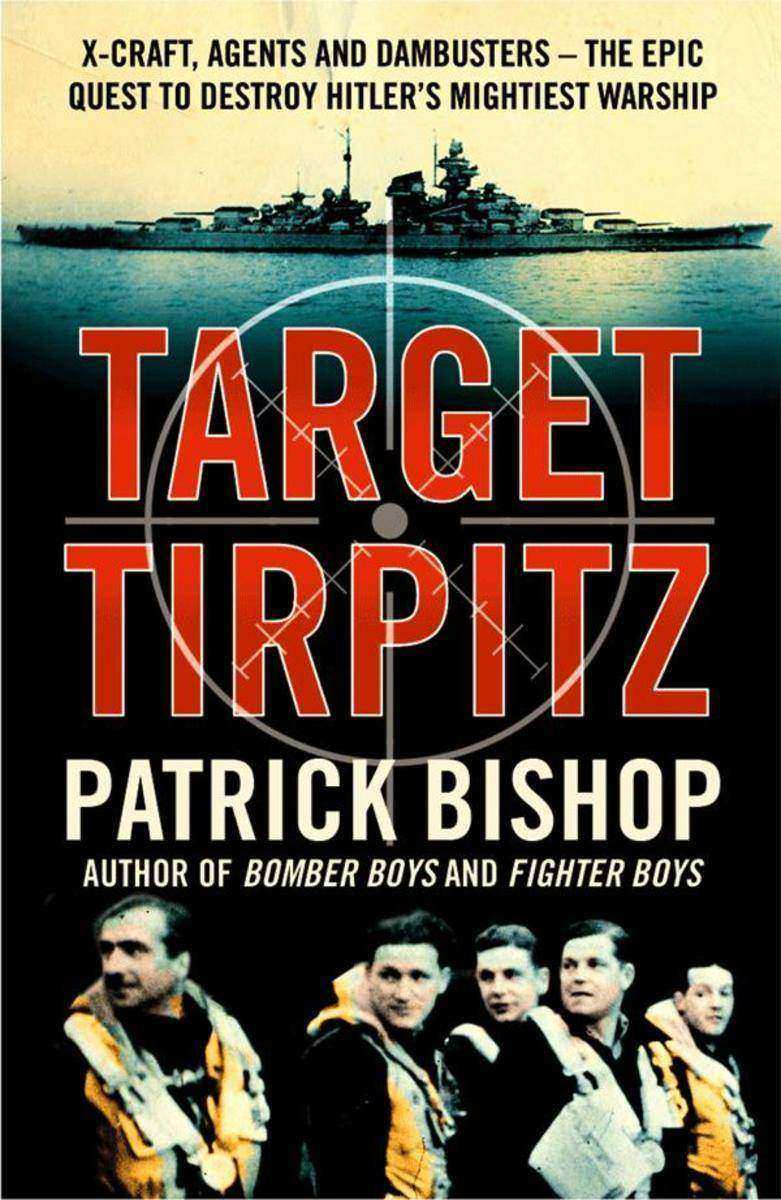
Target Tirpitz
¥68.67
A gripping account of the epic hunt for Hitler’s most terrifying battleship – the legendary Tirpitz – and the brave men who risked their lives to attack and destroy this most potent symbol of the Nazi’s fearsome war machine. Tirpitz was the pride of Hitler’s navy. To Churchill, she was ‘the Beast’, a menace to Britain’s supply lines and a threat to the convoys sustaining Stalin’s armies. Tirpitz was said to be unsinkable, impregnable –no other target attracted so much attention. In total 36 major Allied operations were launched against her, including desperately risky missions by human torpedoes and midget submarines and near-suicidal bombing raids. Yet Tirpitz stayed afloat. It was not until November 1944 that she was finally destroyed by RAF Lancaster Bombers flown by 617 Squadron – the Dambusters – in a gruelling mission that tested the very limits of human endurance. The man who led the raid – Willie Tait – was one of the most remarkable figures of the war, flying missions almost continuously right from the start. Until now his deeds have been virtually unknown. With exclusive co-operation from Tait’s family, Patrick Bishop reveals the extraordinary achievement of a man who shunned the spotlight but whose name will be renowned for generations to come. The book is a magnificent, accessibly written wartime adventure, perfect for fans of Ben Macintyre’s ‘Agent Zigzag’ or ‘Operation Mincemeat’.
A History of Sweets in 50 Wrappers
¥15.60
A super-sweet guide to all your favourite sweets from years gone by. A History of Sweets in 50 Wrappers is a colourful and comical history of sweets and chocolates. If you ever dreamt of being the Milkybar Kid, if you remember when Snickers were Marathons and Double Deckers had raisins in them, if you ever checked the colour of your next Fruit Pastille before offering it out, this book is for you. It will lead you down memory lane until you reach the corner shop and load up a 10p mix-up bag. Fully illustrated, with hundreds of classic wrappers and adverts, A History of Sweets in 50 Wrappers is packed full of memories, fun facts, historical research … … and lots and lots of sweets!
Victorians Undone: Tales of the Flesh in the Age of Decorum
¥73.58
‘Intriguing, gleefully contentious and – appropriately enough – fizzing with life, Victorians Undone is the most original history book I have read in a long while’ John Preston, Daily Mail A groundbreaking account of what it was like to live in a Victorian body from one of our best historians. Why did the great philosophical novelist George Eliot feel so self-conscious that her right hand was larger than her left? Exactly what made Darwin grow that iconic beard in 1862, a good five years after his contemporaries had all retired their razors? Who knew Queen Victoria had a personal hygiene problem as a young woman and the crisis that followed led to a hurried commitment to marry Albert? What did John Sell Cotman, a handsome drawing room operator who painted some of the most exquisite watercolours the world has ever seen, feel about marrying a woman whose big nose made smart people snigger? How did a working-class child called Fanny Adams disintegrate into pieces in 1867 before being reassembled into a popular joke, one we still reference today, but would stop, appalled, if we knew its origins? Kathryn Hughes follows a thickened index finger or deep baritone voice into the realms of social history, medical discourse, aesthetic practise and religious observance – its language is one of admiring glances, cruel sniggers, an implacably turned back. The result is an eye-opening, deeply intelligent, groundbreaking account that brings the Victorians back to life and helps us understand how they lived their lives.


