


 购物车
购物车 个人中心
个人中心
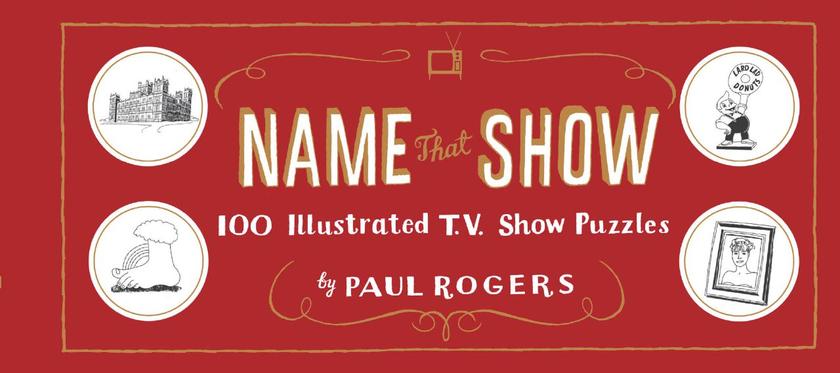
Name That Show - 100 Illustrated T.V. Show Puzzles
¥82.31
It's never been easier to discover and binge on new and classic TV shows, and never before have so many great series been available on screens large and small. This entertaining puzzle book by the author of Name That Movie celebrates the current golden age of television viewership with wit and style. Celebrated illustrator Paul Rogers tests readers' visual knowledge to identify each of 100 series through a sequence of six line drawings depicting places, vehicles, objects, and even fashion details ranging from the obscure to the iconic. Complete with answer key and index, this ebook is as fun to play solo as it is with fellow TV fans.
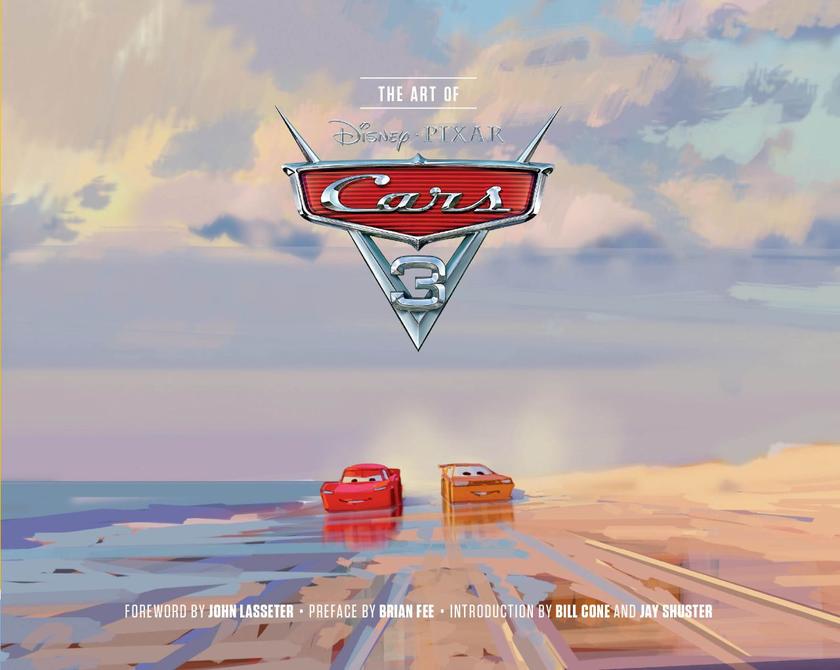
Art of Cars 3
¥305.97
Pixar Animation Studios presents The Art of Cars 3, a behind-the-scenes look at the concept art from the latest film in the popular Cars series. Fascinating storyboards, full-color pastels, digital paintings, and more offer a unique perspective into the beloved world of Lightning McQueen and his friends, new and old. With a preface by John Lasseter, foreword by director Brian Fee, and an introduction by production designers Bill Cone and Jay Shuster, The Art of Cars 3 is a scenic road trip through a masterfully animated film.Copyright 2017 Disney Enterprises, Inc. and Pixar. All rights reserved.
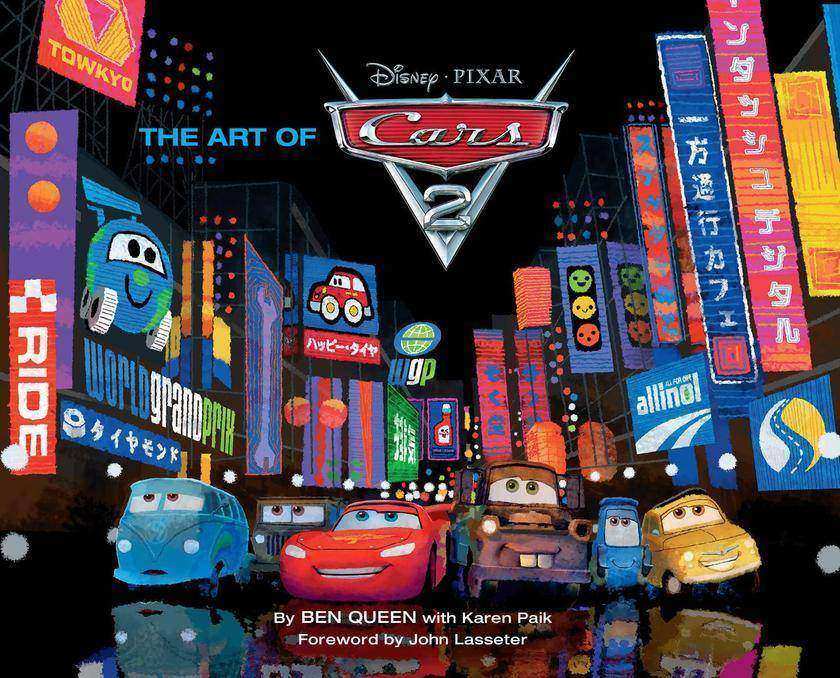
Art of Cars 2
¥305.97
Cars 2 is a globetrotting, high-octane ride through the world of Lightning McQueen, his best friend Mater, and an international collection of completely new characters. The Art of Cars 2 follows the development of the second installment in the Cars series, from the first story concepts and the filmmakers' worldwide research to the intricate "e;carified"e; details that make up the unique Cars 2 universe. Featuring the behind-the-scenes concept art that went into the film's creation--including color scripts, storyboards, character studies, environmental art, sculpts, and more--as well as a forward by director and racecar-enthusiast John Lasseter, The Art of Cars 2 celebrates the art and intrigue of this amazing new Pixar film.
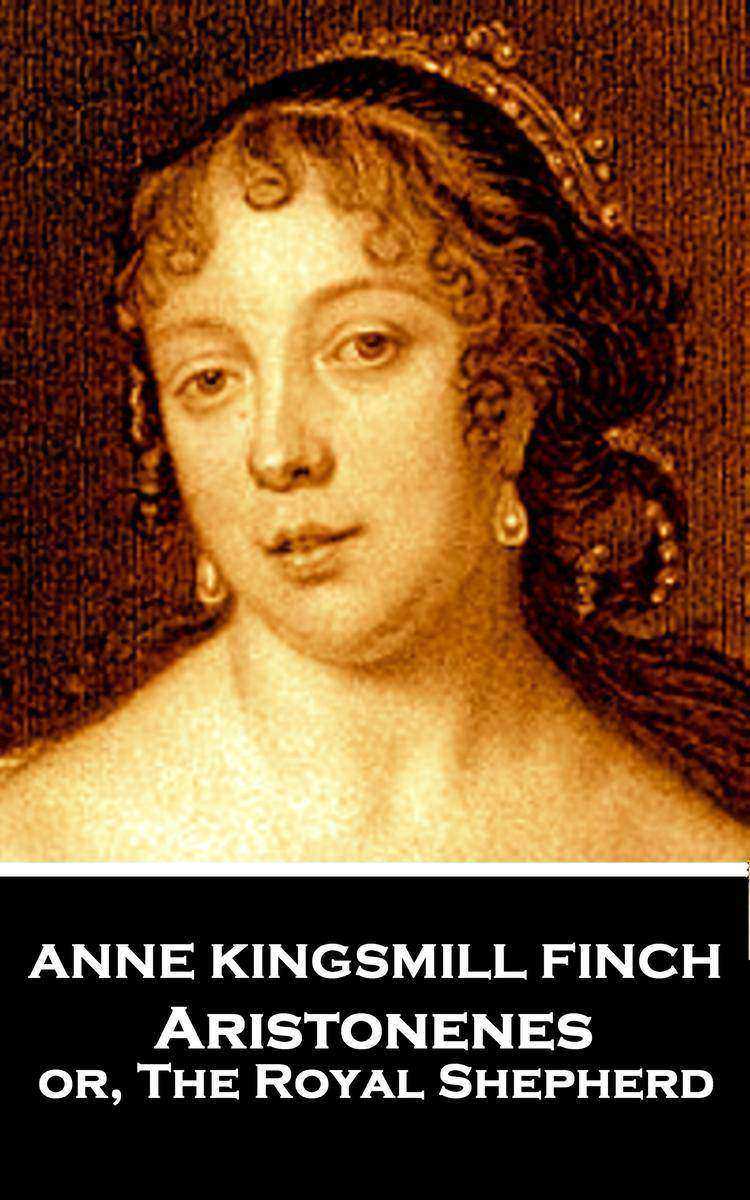
Aristonenes - or, The Royal Shepherd
¥16.38
Anne Kingsmill was born in April 1661 (an exact date is not known) in Sydmonton, Hampshire.Throughout her life Anne was involved in several Court cases that dragged on for years. These involved both a share of her parents estate for her education and later her and her husband's share of an inheritance.In 1682, Anne became a maid of honour to Mary of Modena (wife of James, Duke of York, later King James II) at St James's Palace.Anne's interest in poetry began at the palace, and she started writing her own verse. The Court however was no place for a woman to display any poetic efforts. Woman were not considered suitable for such literary pursuits.At court, Anne met Colonel Heneage Finch. A courtier as well as a soldier. The couple married on 15th May 1684.

Medea - 'Let Medea fare in silence and darkness''
¥14.03
Lucius Annaeus Seneca, more readily known as Seneca the Younger, was born at Cordoba in the Roman province of Baetica in Hispania in approx 4 BC.Seneca attests that he was taken to Rome at a young age and educated in literature, grammar, and rhetoric; the standard education of high-born Romans. He also received philosophical training.Much of his life is not well documented but accounts do lean towards a pattern of ill-health at times. His breathing difficulties are thought to be the result of asthma and during his mid-twenties he contracted tuberculosis.He was sent to Egypt to live with his aunt, whose husband, Gaius Galerius, was Prefect of Egypt. In 31 AD he returned to Rome with her and, with her influence, was elected quaestor and with it the right to sit in the Roman Senate.Seneca's early career as a senator was successful and he was fulsomely praised for his oratory. A story related that emperor Caligula was so offended by Seneca's oratorical success that he ordered him to commit suicide. Seneca's ill-health prevented that.In 41 AD, Claudius became emperor, and Seneca was promptly cited by the new empress Messalina of adultery with Julia Livilla, the sister of Caligula and Agrippina.After trial the Senate pronounced a death sentence, which Claudius then commuted to exile. Seneca was to now spend the next eight years in Corsica. From this period of exile survive two of his earliest works-both consolations.In 49 AD Agrippina married her uncle Claudius, and through her Seneca was recalled to Rome. Agrippina appointed him, as tutor to her son, the future emperor Nero.Nero's early rule, during which he followed the advice of Seneca and Burrus, was competent. However, within a few years both Seneca and Burrus had lost their influence.In 58 AD the senator Publius Suillius Rufus made a series of public attacks on him saying that, Seneca had acquired a personal fortune of three hundred million sestertii. In response, Seneca brought a series of prosecutions for corruption against him. Suillius was dispatched into exile.After Burrus's death in 62 AD, Seneca's influence further declined. He adopted a quiet lifestyle at his country estates, concentrating on his studies and seldom visiting Rome. It was during these final few years that he composed two of his greatest works: 'Naturales Quaestiones'-an encyclopedia of the natural world; and his 'Letters to Lucilius'-which document his philosophical thoughts.In AD 65, Seneca was caught up in the aftermath of the Pisonian plot to kill Nero. Nero ordered him to kill himself. Seneca followed tradition by opening several veins in order to bleed to death. It was a sad conclusion for a man who has been called the first great Western thinker on the complex nature and role of gratitude in human relationships.
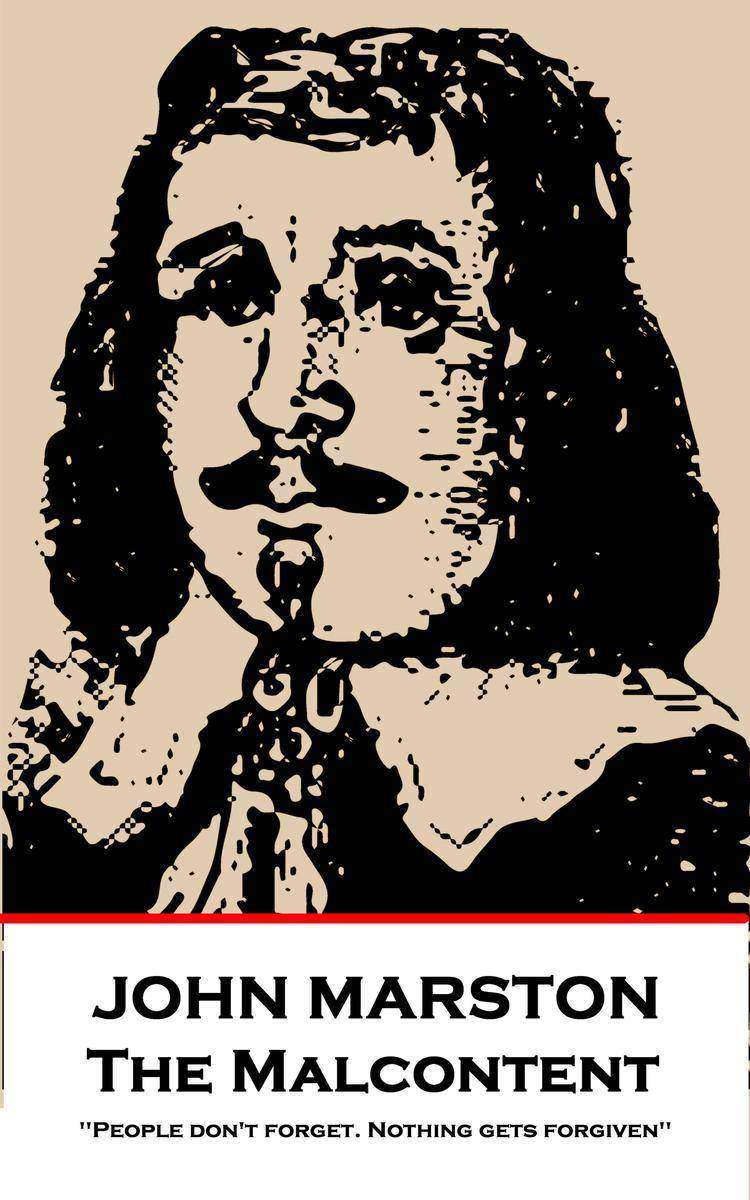
Malcontent - 'People don't forget. Nothing gets forgiven''
¥15.21
John Marston was born to John and Maria Marston nee Guarsi, and baptised on October 7th, 1576 at Wardington, Oxfordshire.Marston entered Brasenose College, Oxford in 1592 and earned his BA in 1594. By 1595, he was in London, living in the Middle Temple. His interests were in poetry and play writing, although his father's will of 1599 hopes that he would not further pursue such vanities.His brief career in literature began with the fashionable genres of erotic epyllion and satire; erotic plays for boy actors to be performed before educated young men and members of the inns of court.In 1598, he published 'The Metamorphosis of Pigmalion's Image and Certaine Satyres', a book of poetry. He also published 'The Scourge of Villanie', in 1598. 'Histriomastix' regarded as his first play was produced 1599. It's performance kicked off an episode in literary history known as the War of the Theatres; a literary feud between Marston, Jonson and Dekker that lasted until 1602.However, the playwrights were later reconciled; Marston wrote a prefatory poem for Jonson's 'Sejanus' in 1605 and dedicated 'The Malcontent' to him. Beyond this episode Marston's career continued to gather both strength, assets and followers. In 1603, he became a shareholder in the Children of Blackfriars company. He wrote and produced two plays with the company. The first was 'The Malcontent' in 1603, his most famous play. His second was 'The Dutch Courtesan', a satire on lust and hypocrisy, in 1604-5.In 1605, he worked with George Chapman and Ben Jonson on 'Eastward Ho', a satire of popular taste and the vain imaginings of wealth to be found in the colony of Virginia.Marston took the theatre world by surprise when he gave up writing plays in 1609 at the age of thirty-three. He sold his shares in the company of Blackfriars. His departure from the literary scene may have been because of further offence he gave to the king. The king suspended performances at Blackfriars and had Marston imprisoned.On 24th September 1609 he was made a deacon and them a priest on 24th December 1609. In October 1616, Marston was assigned the living of Christchurch, Hampshire.He died (accounts vary) on either the 24th or 25th June 1634 in London and was buried in the Middle Temple Church.
Twelfth Night
¥17.56
William Shakespeare was born in Stratford-upon-Avon in late April 1565 and baptised there on 26th April. He was one of eight children. Little is known about his life but what is evident is the enormous contribution he has made to world literature. His writing was progressive, magnificent in scope and breathtaking in execution. His plays and sonnets helped enable the English language to speak with a voice unmatched by any other. William Shakespeare died on April 23rd 1616, survived by his wife and two daughters. He was buried two days after his death in the chancel of the Holy Trinity Church. The epitaph on the slab which covers his grave includes the following passage, Good friend, for Jesus's sake forbear, To dig the dust enclosed here. Blessed me the man that spares these stones, And cursed be he that moves my bones. Here we publish his comedy from 1599 'Twelfth Night'.
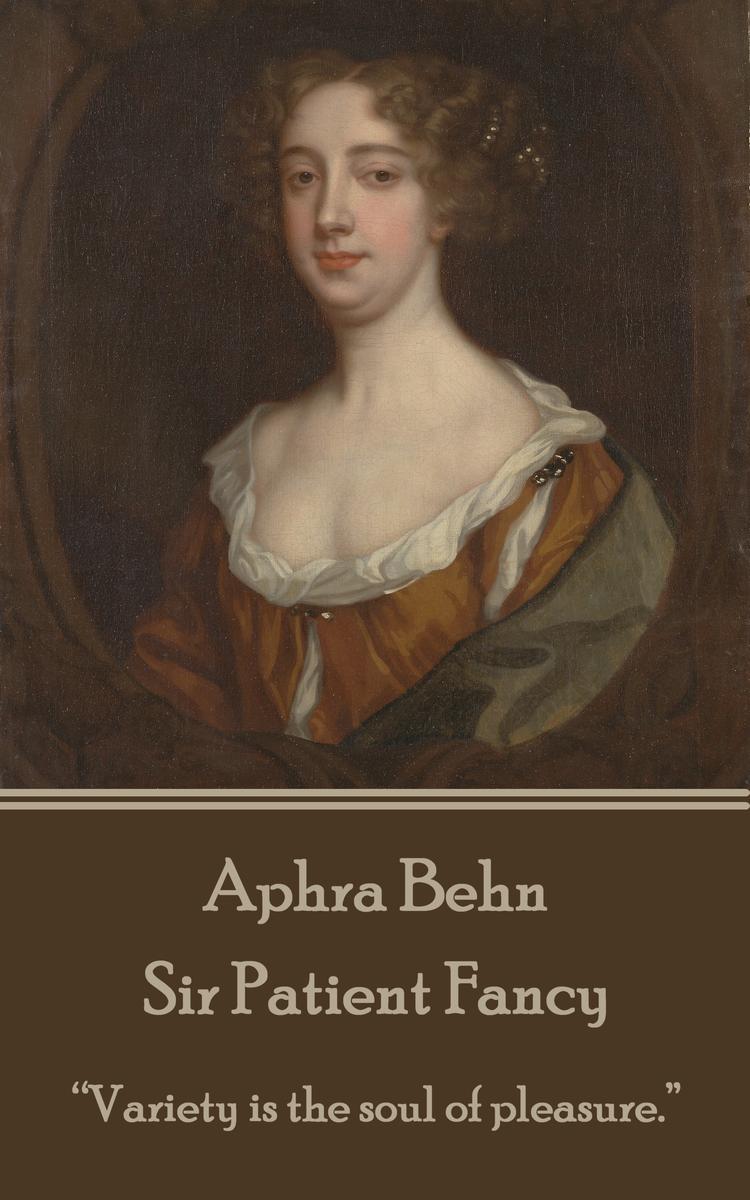
Sir Patient Fancy - Variety is the soul of pleasure.
¥46.99
Aphra Behn was a prolific and well established writer but facts about her remain scant and difficult to confirm. What can safely be said though is that Aphra Behn is now regarded as a key English playwright and a major figure in Restoration theatre. Aphra was born into the rising tensions to the English Civil War. Obviously a time of much division and difficulty as the King and Parliament, and their respective forces, came ever closer to conflict. There are claims she was a spy, that she travelled abroad, possibly as far as Surinam. By 1664 her marriage was over (though by death or separation is not known but presumably the former as it occurred in the year of their marriage) and she now used Mrs Behn as her professional name. Aphra now moved towards pursuing a more sustainable and substantial career and began work for the King's Company and the Duke's Company players as a scribe. Previously her only writing had been poetry but now she would become a playwright. Her first, "e;The Forc'd Marriage"e;, was staged in 1670, followed by "e;The Amorous Prince"e; (1671). After her third play, "e;The Dutch Lover"e;, Aphra had a three year lull in her writing career. Again it is speculated that she went travelling again, possibly once again as a spy. After this sojourn her writing moves towards comic works, which prove commercially more successful. Her most popular works included "e;The Rover"e; and "e;Love-Letters Between a Nobleman and His Sister"e; (1684-87). With her growing reputation Aphra became friends with many of the most notable writers of the day. This is The Age of Dryden and his literary dominance. From the mid 1680's Aphra's health began to decline. This was exacerbated by her continual state of debt and descent into poverty. Aphra Behn died on April 16th 1689, and is buried in the East Cloister of Westminster Abbey. The inscription on her tombstone reads: "e;Here lies a Proof that Wit can never be Defence enough against Mortality."e; She was quoted as stating that she had led a "e;life dedicated to pleasure and poetry."e;
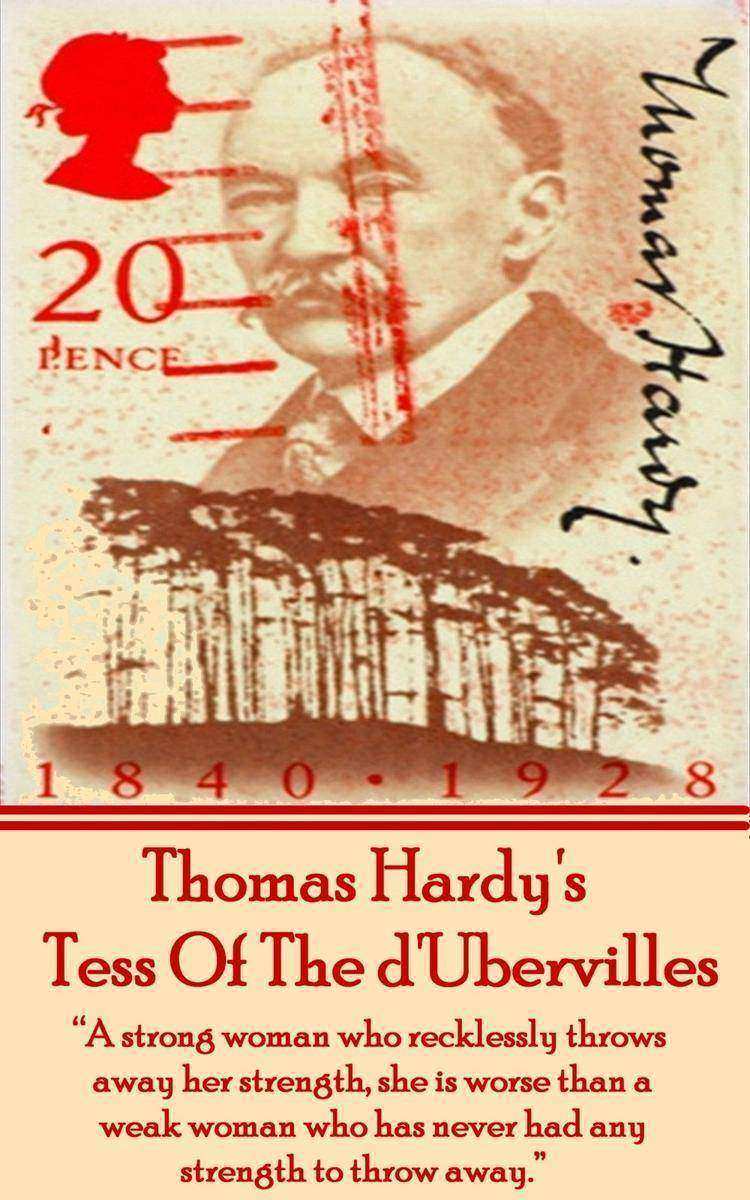
Tess Of The d'Ubervilles
¥35.22
Thomas Hardy (2nd June 1840 - 11th January 1928), celebrated poet and writer, was born in a modest thatched cottage near Dorchester in the West Country, to a builder father. His mother came from a line of intelligent, lively and ambitious women so ensured her son had the best formal education available for their modest means although this ended when he was 16. He became a draughtsman specialising in the building of churches was able to give it up to be a full time writer and poet with the publication of Far From the Madding Crown which became a bestseller and like much of his work was serialised. His writing reflects his passionate beliefs for social reform and exposes the hypocrisy of the rules of the Victorian age which constrained many freedoms with convention and restricted the transcending of class boundaries. His novels are almost entirely set in rural Wessex which although fictional is clearly rooted in the SW counties of England where he was born and lived most of his life. Hardy's writing caused controversy in his lifetime but despite this he was highly praised and showered with doctorates from many universities, and a knighthood, which he refused. Tess Of The D'Urbervilles, wolud be a major work by any hand and shows why such praise and accolades were given.
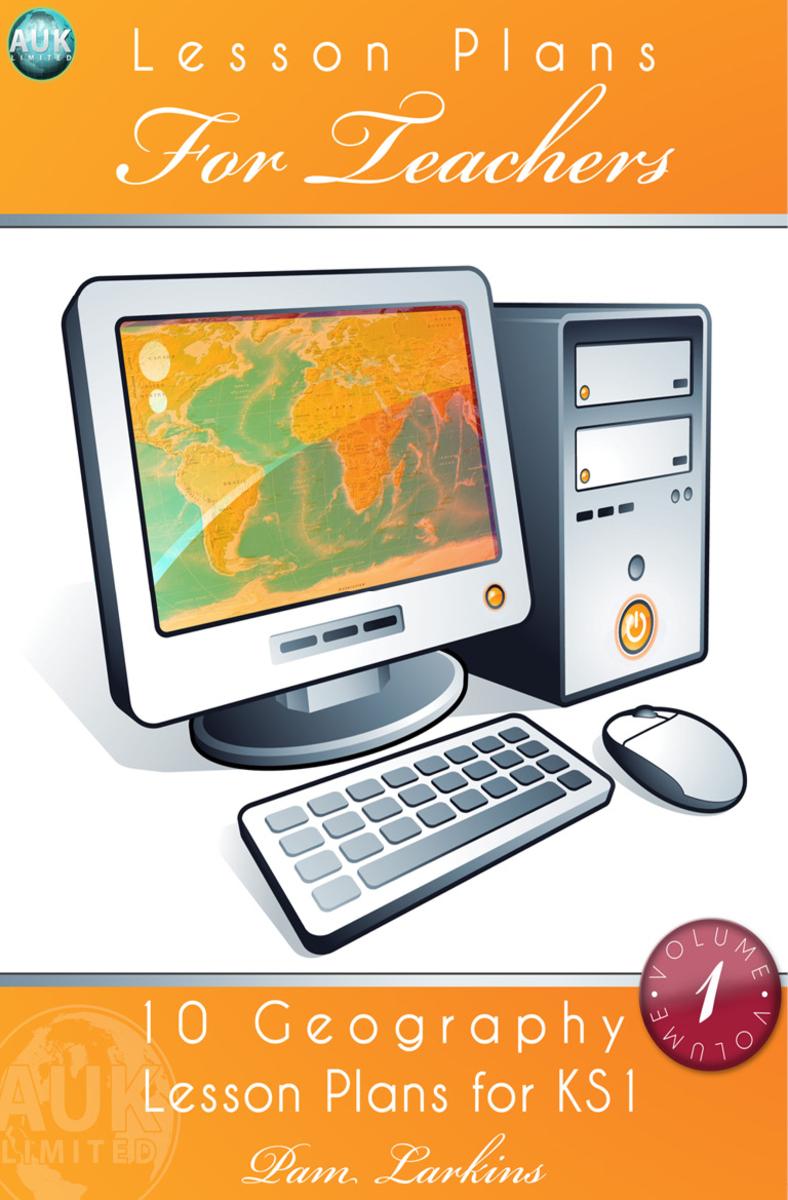
10 Geography Lesson Plans for KS1 - Volume 1
¥48.95
These 10 Geography Lesson plans cover the programs of study for Key Stage 1 Geography as set out in the National Curriculum and are based around the QCA topics 'Our school and the local area' and 'An Island Home' which studies a contrasting locality. Within each lesson are opportunities to develop geographical enquiry and skills through knowledge and understanding of places, patterns and processes, as well as development and change. Each lesson includes practical activities and as well as setting out lesson objectives and outcomes. The lesson plans also offer extension activities for cross-curricular work and ICT opportunities as well as assessment.
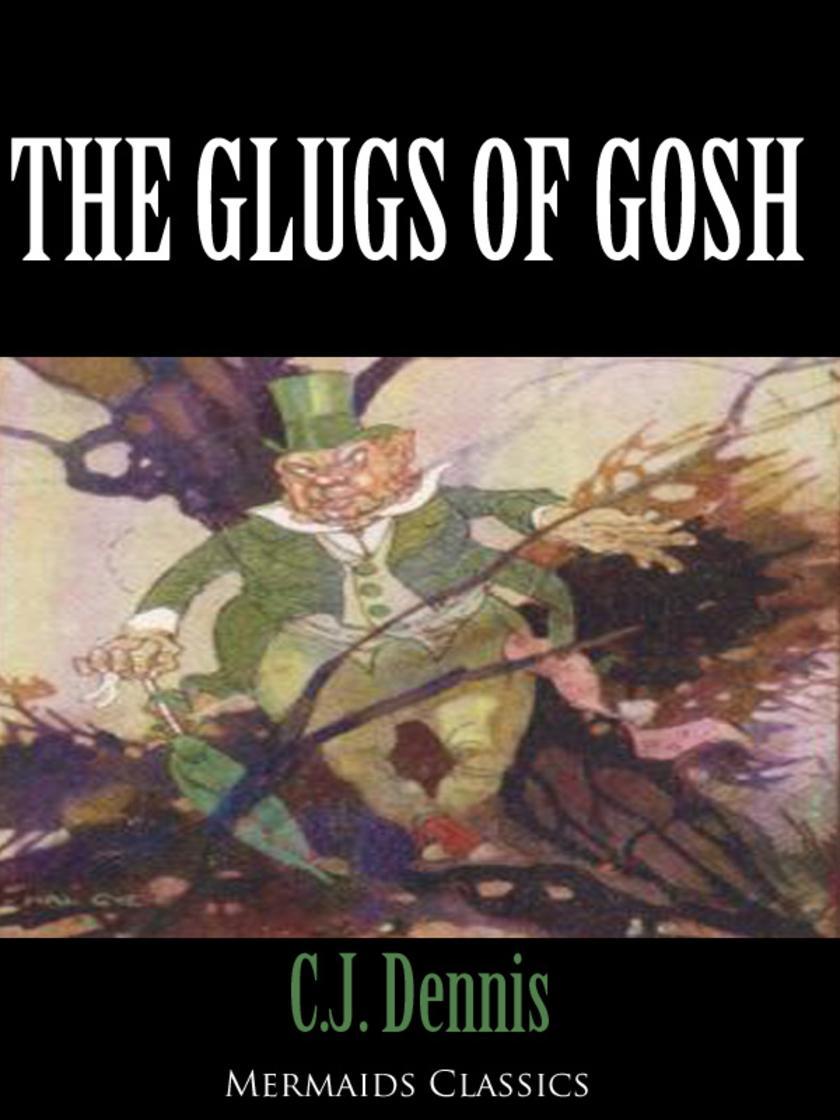
Glugs of Gosh (Mermaids Classics)
¥35.22
The Glugs of Gosh, is a collection of childrens poems written by C.J. Dennis (1876 - 1938) and illustrated by Hal Gye. C.J. Dennis is considered as one of Australias most famous poets of the early 20th century. The book was first published in 1917. This digital edition is beautifully formatted with an active Table of Contents that goes directly to each chapter. Mermaids Classics, an imprint of Mermaids Publishing brings the very best of classic literature to a modern era of digital reading by producing high quality books in ebook format.
Pollyanna (Mermaids Classics)
¥35.22
Pollyanna (1913) by Eleanor H Porter (1868-1920) is a classic childrens novel based on a young orphan named Pollyanna who is sent to live with her strict aunty in New England town. Pollyanna transforms the lives of the people in the town by lifting their spirits by following her game called The Glad Game which her father had taught her one Christmas where she was expecting to receive a doll in a barrel but instead she found crutches. A disappointed Pollyanna quickly absorbed her fathers comment to be glad about the crutches because we didnt need to use them. A cheerful Pollyanna viewed life from this angle and taught the locals how to be grateful and happy with what they have until one day tragedy strikes where Pollyanna loses the use of her legs and she no longer wants to play her game. The entire town gather to help cheer little Pollyanna.Mermaids Classics, an imprint of Mermaids Publishing brings the very best of old classic literature to a modern era of digital reading by producing high quality books in ebook format. All of the Mermaids Classics epublications are reproductions of classic antique books that were originally published in print format, mostly over a century ago and are now republished in digital format as ebooks. Begin to build your collection of digital books by looking for more literary gems from Mermaids Classics.
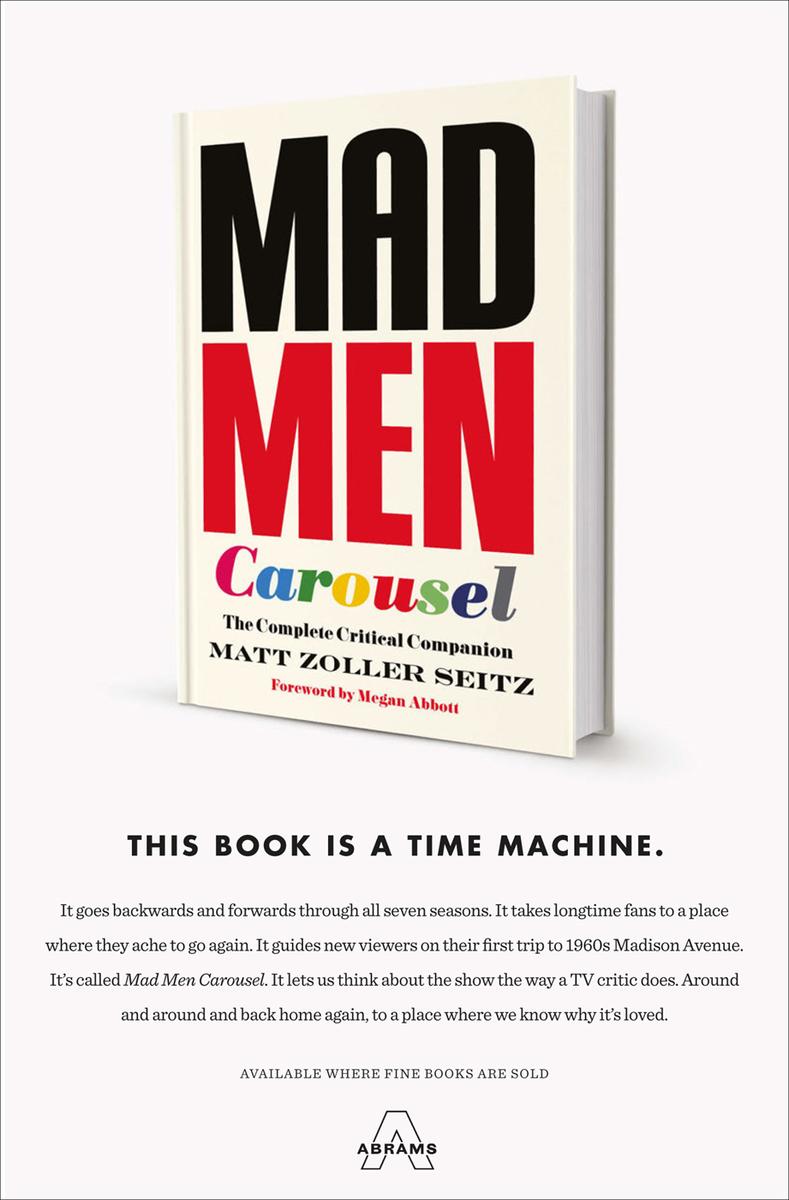
Mad Men Carousel - The Complete Critical Companion
¥138.52
Mad Men Carousel is an episode-by-episode guide to all seven seasons of AMC'sA Mad Men. This book collects TV and movie critic Matt Zoller Seitzs celebrated Mad Men recapsaas featured onA New YorkA magazine'sA VultureA blogafor the first time, including never-before-published essays on the shows first three seasons. Seitzs writing digs deep into the shows themes, performances, and filmmaking, examining complex and sometimes confounding aspects of the series. The complete seriesaall seven seasons and ninety-two episodesais covered. A Each episode review also includes brief explanations of locations, events, consumer products, and scientific advancements that are important to the characters, such as P.J. Clarkes restaurant and the old Penn Station; the inventions of the birth control pill, the Xerox machine, and the Apollo Lunar Module; the release of the Beatles Revolver and the Beach Boys Pet Sounds; and all the wars, protests, assassinations, and murders that cast a bloody pall over a chaotic decade.A A Mad Men Carousel is named after an iconic moment from the shows first-season finale, aThe Wheel,a wherein Don delivers an unforgettable pitch for a new slide projector thats centered on the idea of nostalgia: athe pain from an old wound.a This book will soothe the most ardent Mad Men fans nostalgia for the show. New viewers, who will want to binge-watch their way through one of the most popular TV shows in recent memory, will discover a spoiler-friendly companion to one of the most multilayered and mercurial TV shows of all time.A It's the perfect gift for Mad MenA fans and obsessives. Also available from Matt Zoller Seitz: The Oliver Stone Experience, The Wes Anderson Collection: Bad Dads, The Wes Anderson Collection: The Grand Budapest Hotel, and The Wes Anderson Collection. A
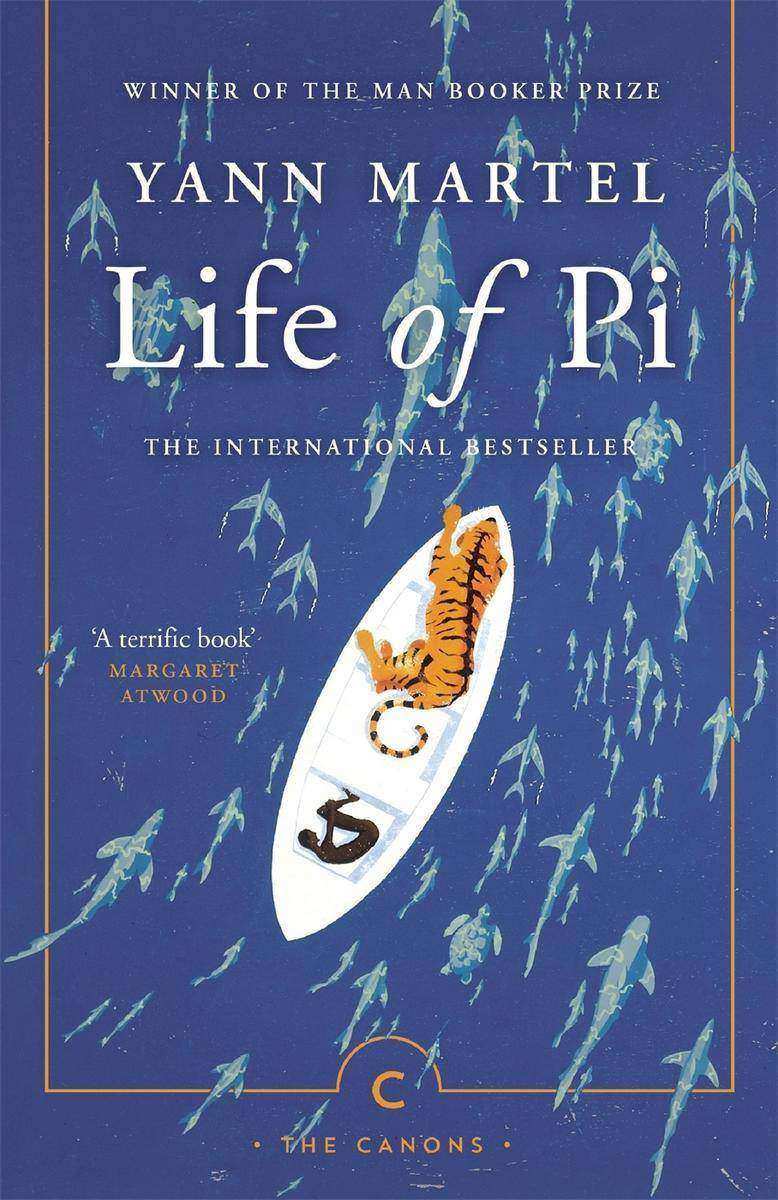
Life Of Pi
¥70.53
One boy, one boat, one tiger . . . After the tragic sinking of a cargo ship, a solitary lifeboat remains bobbing on the wild, blue Pacific. The only survivors from the wreck are a sixteen year-old boy named Pi, a hyena, a zebra (with a broken leg), a female orang-utan -- and a 450-pound Royal Bengal tiger. The scene is set for one of the most extraordinary and best-loved works of fiction in recent years.
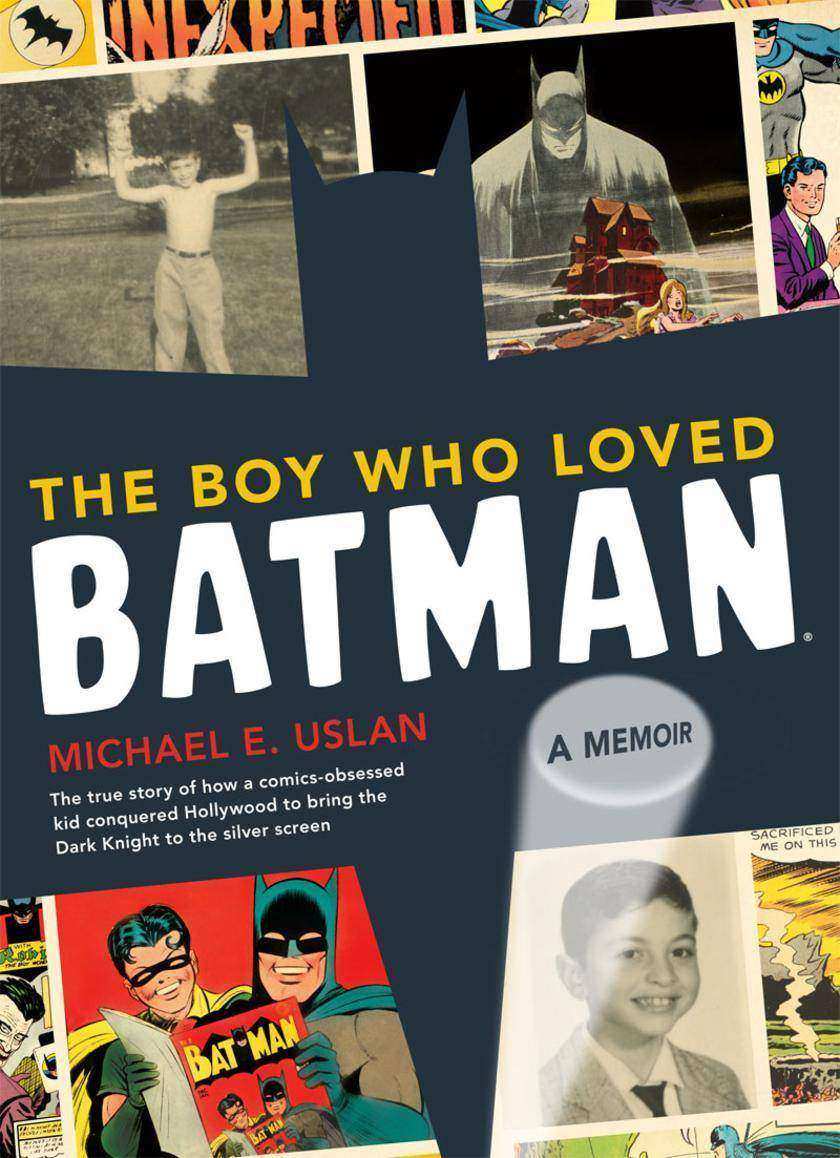
Boy Who Loved Batman - A Memoir
¥200.03
Is any superhero cooler than Batman? He s a crime-fighting vigilante with a tragic past, a lawless attitude, and a seemingly endless supply of high-tech gadgetry. In this fully illustrated memoir, author Michael Uslan recalls his journey from early childhood fandom through to the decades he spent on a caped crusade of his own: to bring Batman to the silver screen as the dark, serious character he was at heart. Uslan's story traces his path from the wilds of New Jersey to the limelight of Hollywood, following his work as Executive Producer on every Batman film from Tim Burton s 1989 re-envisioning to 2012's The Dark Knight Rises. Through it all, he helped to create one of the most successful pop culture franchises of all time.
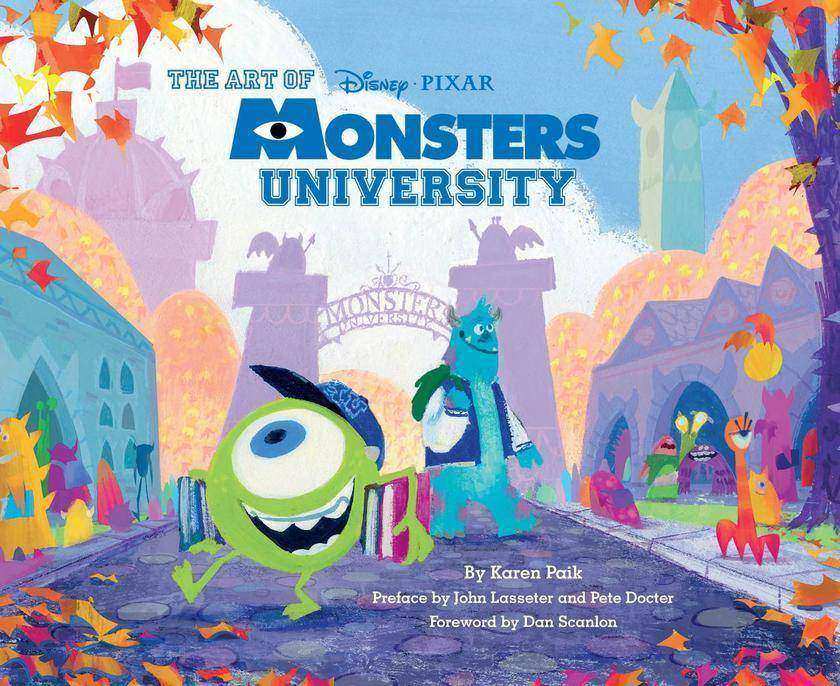
Art of Monsters University
¥305.97
In Monsters, Inc. (2001), Pixar Animation Studios introduced audiences to the #1 scaring team, Mike and Sulley, and the monstrous world behind our bedroom closet doors. In this prequel to the much-loved classic, Mike and Sulley meet for the first time at Monsters Universitywhere they are joined by a few familiar faces and a host of delightful new charactersas they seek to attain degrees in scaring. Author Karen Paik goes behind the scenes to interview the film's many artists for the ultimate inside look at the conception and production of this highly anticipated film. Featuring full-color concept art including character sculpts, color scripts, storyboards, and more, The Art of Monsters University fully explores the process of creating this new and expanded Monsters universe.
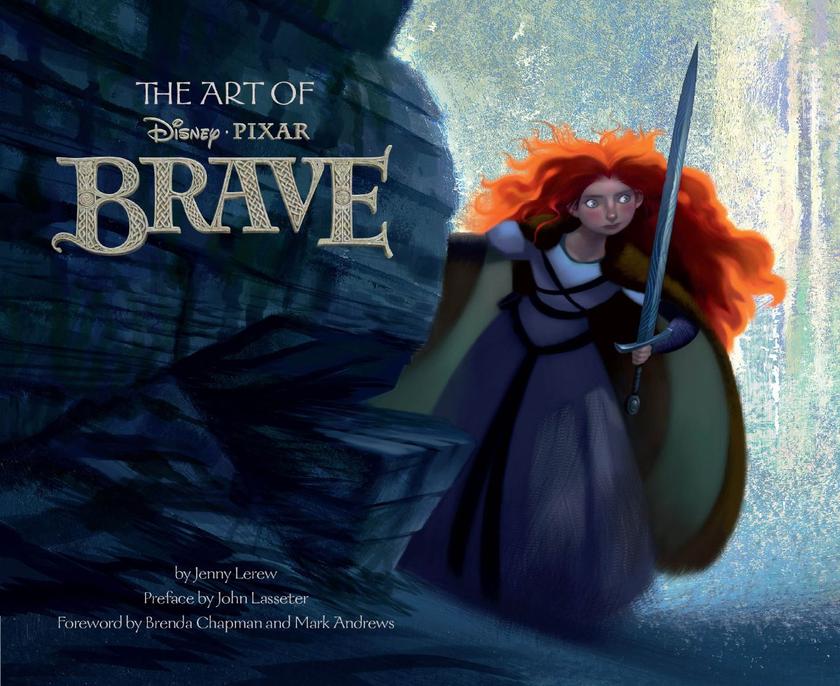
Art of Brave
¥305.97
Brave is Pixar's thirteenth feature film, but it marks two big firsts for the award-winning animation studio. It's Pixar's first feature film driven by a female lead and its first set in an ancient historical period. Against a backdrop of castles, forests, and highlands, Brave follows the fiery Merida as she clashes with the duty of her royal life and embarks on a journey through the rugged landscape of the dark ages of Scotland. At once epic and intimate, the latest Pixar masterpiece weaves a story of magic, danger, and adventure and the fierce bonds of family. Featuring behind-the-scenes interviews with the film's many artists and filmmakers, The Art of Brave showcases the gorgeous concept art that went into the making of this movie, including color scripts, storyboards, character studies, environment art, sculpts, and more. A Foreword by Brenda Chapman and Mark Andrews, the film's directors, and a preface by Chief Creative Officer John Lasseter shed light on the creation of this landmark film.
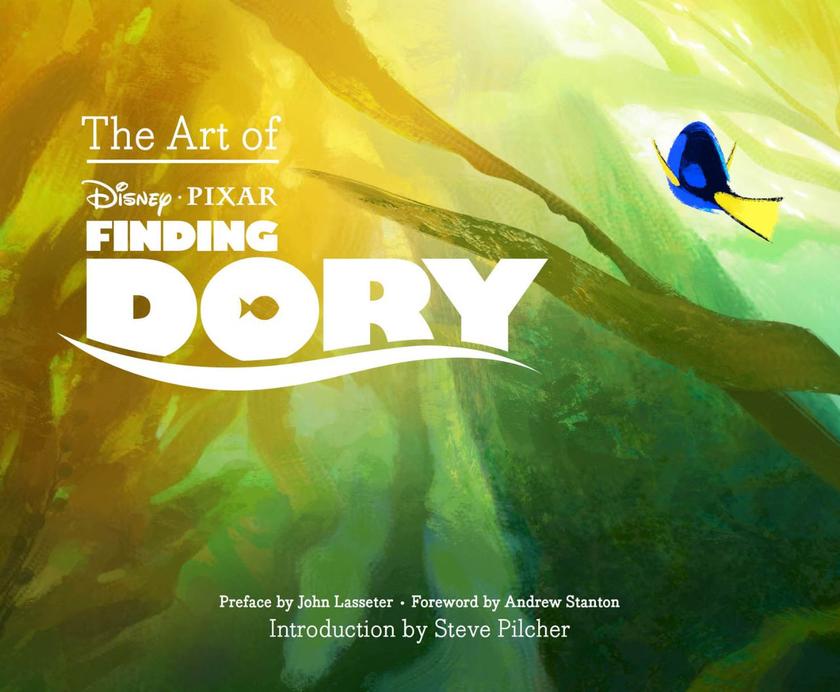
Art of Finding Dory
¥305.97
What can Dory remember? Who are her parents? In Finding Dory, Pixar Animation Studios sets out to answer these questions, to the delight of Finding Nemo fans. The Art of Finding Dory offers a look at the creative process behind the making of this much-anticipated sequel, shining a light on the many inspiring and beautiful layers of creation the artists at the studio explored during years of development.Copyright 2016 Disney Enterprises, Inc. and Pixar. All rights reserved.
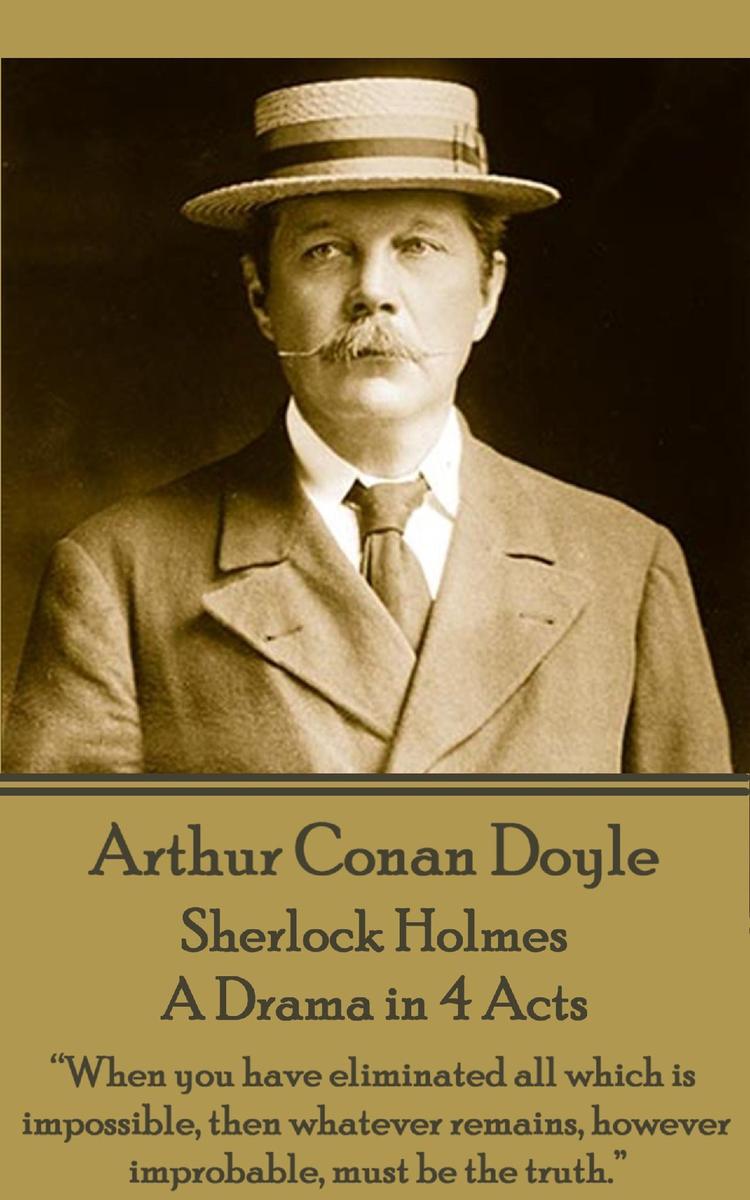
Sherlock Holmes - A Drama in 4 Acts
¥26.98
If ever a writer needed an introduction Arthur Conan Doyle would not be considered that man. After all, Sherlock Holmes is perhaps the foremost literary detective of any age. Add to this canon his stories of science fiction and his poems, his historical novels, his plays, his political campaigning, his efforts in establishing a Court Of Appeal and there is little room for anything else. Except he was also an exceptional writer of short stories of the horrific and macabre. Something very different from what you might expect. Born in Arthur Conan Doyle was born on 22 May 1859 at 11 Picardy Place, Edinburgh, Scotland. From 1876 - 1881 he studied medicine at the University of Edinburgh following which he was employed as a doctor on the Greenland whaler Hope of Peterhead in 1880 and, after his graduation, as a ship's surgeon on the SS Mayumba during a voyage to the West African coast in 1881. Arriving in Portsmouth in June of that year with less than GBP10 (GBP700 today) to his name, he set up a medical practice at 1 Bush Villas in Elm Grove, Southsea. The practice was initially not very successful. While waiting for patients, Conan Doyle again began writing stories and composed his first novel The Mystery of Cloomber. Although he continued to study and practice medicine his career was now firmly set as a writer. And thereafter great works continued to pour out of him.
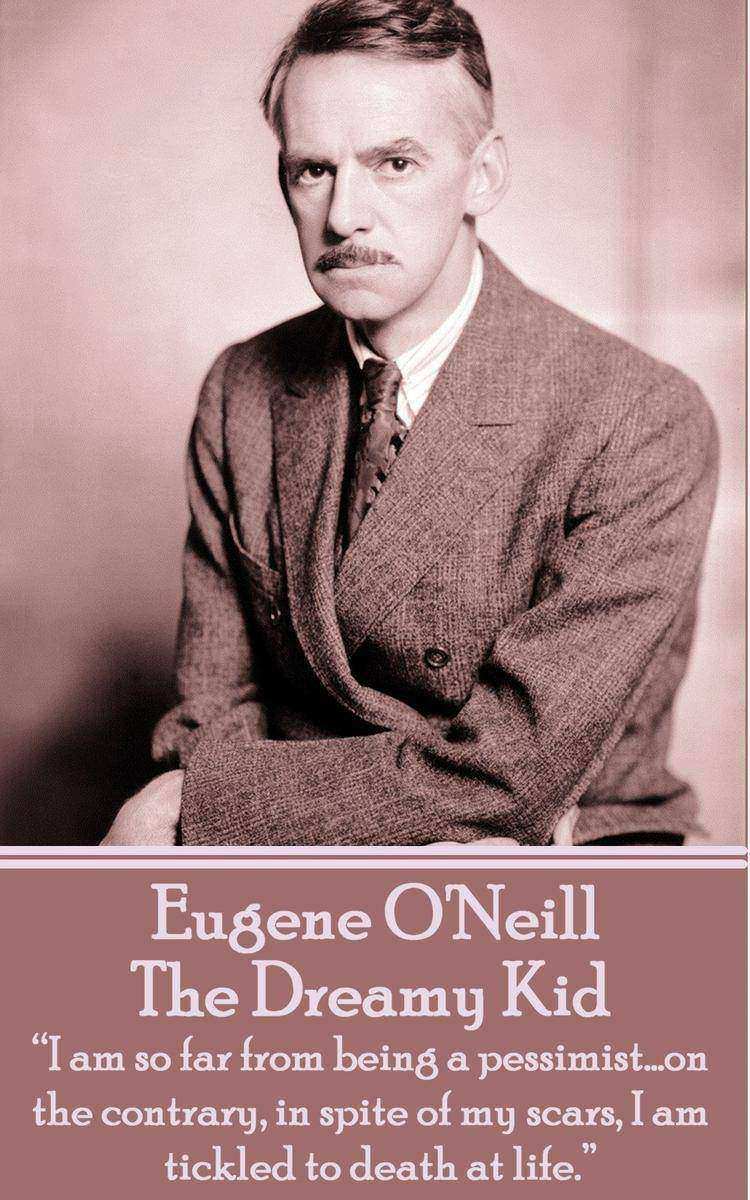
Dreamy Kid - I am so far from being a pessimist...
¥14.03
Eugene Gladstone O'Neill was born on October 16, 1888 in a hotel bedroom in what is now Times Square, New York. Much of his childhood was spent in the comfort of books at boarding schools whilst his actor father was on the road and his Mother contended with her own demons. He spent only a year at University - Princeton - and various reasons have been given for his departure. However whatever his background and education denied or added to his development it is agreed amongst all that he was a playwright of the first rank and possibly America's greatest. His introduction of realism into American drama was instrumental in its development and paved a path for many talents thereafter. Of course his winning of both the Pulitzer Prize (4 times) and the Nobel Prize are indicative of his status. His more famous and later works do side with the disillusionment and personal tragedy of those on the fringes of society but continue to build upon ideas and structures he incorporated in his early one act plays. Eugene O'Neill suffered from various health problems, mainly depression and alcoholism. In the last decade he also faced a Parkinson's like tremor in his hands which made writing increasingly difficult. But out of such difficulties came plays of the calibre of The Iceman Cometh, Long Day's Journey Into Night, and A Moon for the Misbegotten. Eugene O'Neill died in Room 401 of the Sheraton Hotel on Bay State Road in Boston, on November 27, 1953, at the age of 65. As he was dying, he whispered his last words: "e;I knew it. I knew it. Born in a hotel room and died in a hotel room."e;
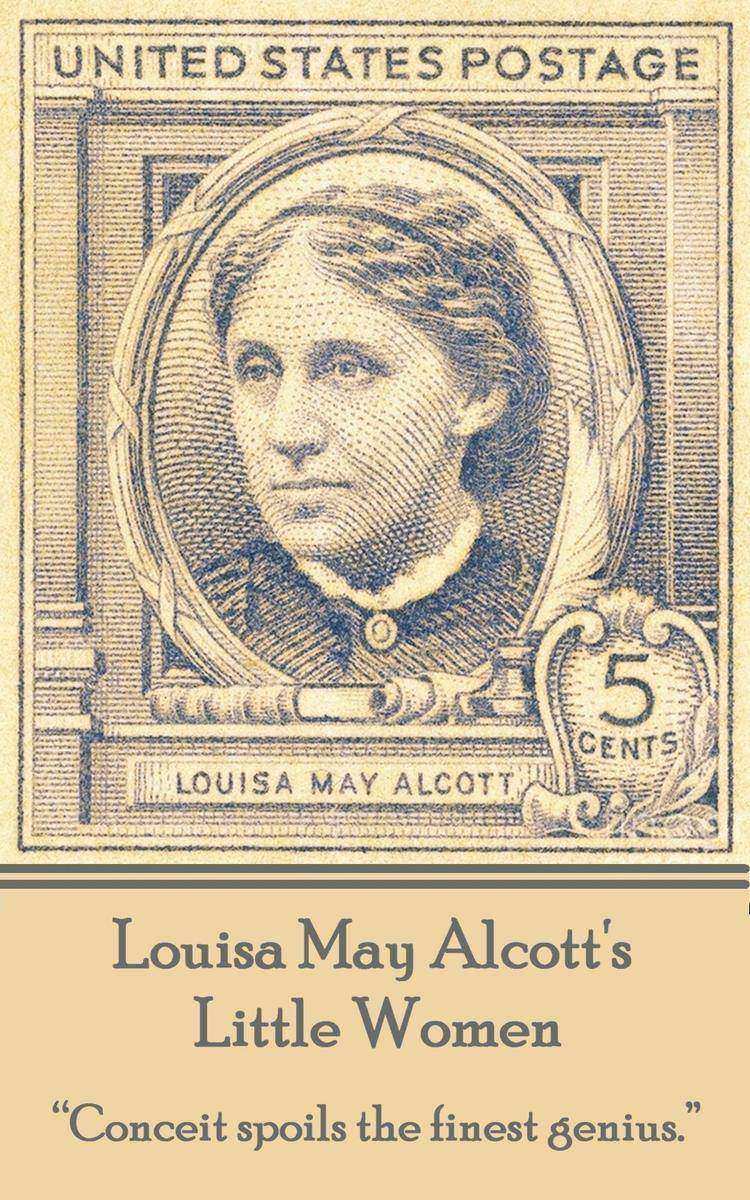
Little Women - Conceit spoils the finest genius.
¥23.45
Louisa May Alcott's Little Women is a classic of American fiction that was originally published in two consecutive books (Little Women and Good Wives). The latter were later grouped in the present volume. In a rather autobiographical fashion, Alcott tells the story of an ordinary American family living in Concord, Massachusetts. When the father leaves for war, the family's four sisters, Meg, Jo, Beth and Amy, along with their mother, have to take charge of their own destiny. Their financial situation worsens and Meg and Jo succeed in finding jobs while Amy goes to school and Beth stays at home. Jo is the most daring of all her sisters. In her father's absence, she acts like the man of the house. She befriends their neighbors' son, Theodore Laurence, who soon becomes like the fifth sibling of the family. The book speaks about the many adventures and pleasant activities that the girls accompanied by Theodore get involved in. When he later reveals his love to Jo, she rejects him, claiming that he is a brother to her. Theodore eventually accepts the situation and finds a new love. Meg and Amy meet the men of their lives while Jo remains more interested in the stories that she writes. However, she too seems to fall in love by the end.


