


 购物车
 个人中心

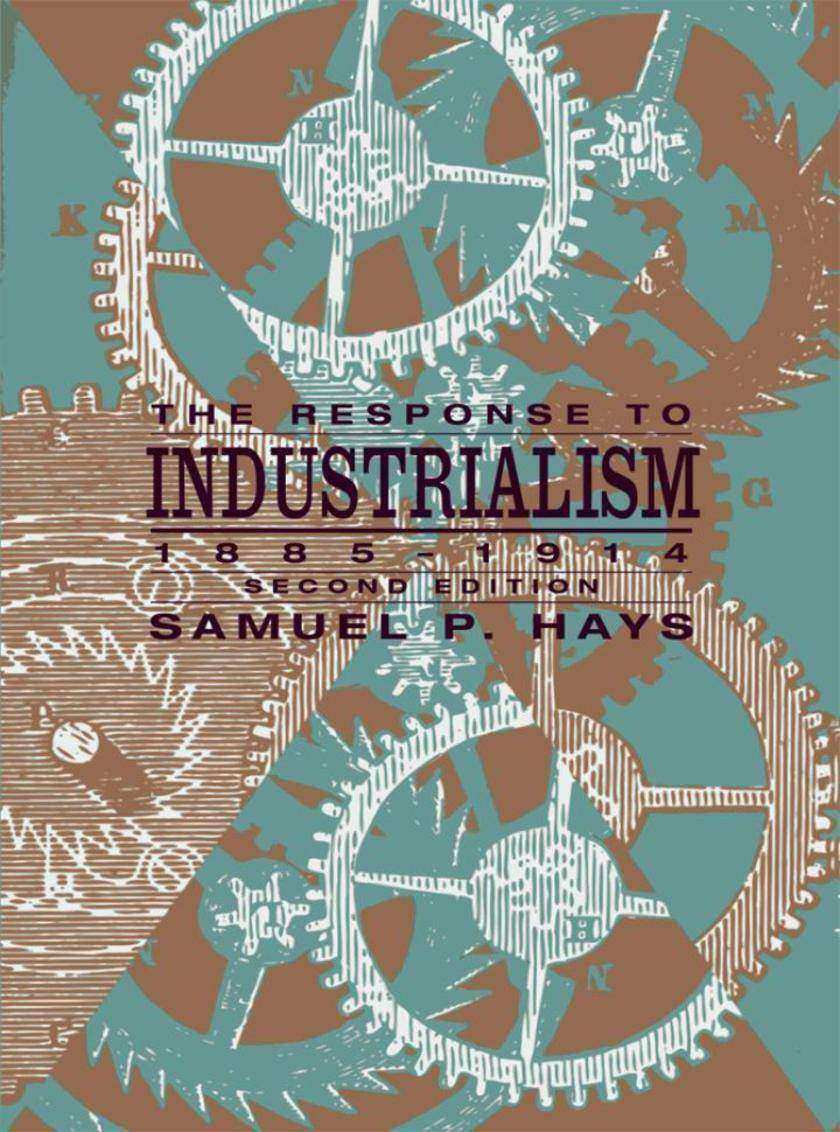
Response to Industrialism, 1885-1914
¥188.35
In this new edition, Samuel P. Hays expands the scope of his pioneering account of the ways in which Americans reacted to industrialism during its early years from 1885 to 1914. Hays now deepens his coverage of cultural transformations in a study well known for its concise treatment of political and economic movements.Hays draws on the vast knowledge of America's urban and social history that has been developed over the last thirty-eight years to make the second edition an unusually well-rounded study. He enhances the original coverage of politics, labor, and business with new accounts of the growth of cities, the rise of modern values, cultural conflicts with Native Americans and foreign nations, and changing roles for women, African-Americans, education, religion, medicine, law, and leisure. The result is a tightly woven portrait of America in transition that underscores the effects of impersonal market forces and greater personal freedom on individuals and chronicles such changes as the rise of social inequality, shifting power, in the legal system, the expansion of the federal government, and the formation of the Populist, Progressive, and Socialist parties.

Nice Guys Finish Last
¥147.15
"e;I believe in rules. Sure I do. If there weren't any rules, how could you break them?"e;The history of baseball is rife with colorful characters. But for sheer cantankerousness, fighting moxie, and will to win, very few have come close to Leo "e;the Lip"e; Durocher. Following a five-decade career as a player and manager for baseball's most storied franchises, Durocher teamed up with veteran sportswriter Ed Linn to tell the story of his life in the game. The resulting book, Nice Guys Finish Last, is baseball at its best, brimming with personality and full of all the fights and feuds, triumphs and tricks that made Durocher such a success-and an outsized celebrity.Durocher began his career inauspiciously, riding the bench for the powerhouse 1928 Yankees and hitting so poorly that Babe Ruth nicknamed him "e;the All-American Out."e; But soon Durocher hit his stride: traded to St. Louis, he found his headlong play and never-say-die attitude a perfect fit with the rambunctious "e;Gashouse Gang"e; Cardinals. In 1939, he was named player-manager of the Brooklyn Dodgers-and almost instantly transformed the underachieving Bums into perennial contenders. He went on to manage the New York Giants, sharing the glory of one of the most famous moments in baseball history, Bobby Thomson's "e;shot heard 'round the world,"e; which won the Giants the 1951 pennant. Durocher would later learn how it felt to be on the other side of such an unforgettable moment, as his 1969 Cubs, after holding first place for 105 days, blew a seemingly insurmountable 8-1/2-game lead to the Miracle Mets.All the while, Durocher made as much noise off the field as on it. His perpetual feuds with players, owners, and league officials-not to mention his public associations with gamblers, riffraff, and Hollywood stars like George Raft and Larraine Day-kept his name in the headlines and spread his fame far beyond the confines of the diamond.A no-holds-barred account of a singular figure, Nice Guys Finish Last brings the personalities and play-by-play of baseball's greatest era to vivid life, earning a place on every baseball fan's bookshelf.
Ozone Journal
¥147.15
from "e;Ozone Journal"e;?Bach's cantata in B-flat minor in the cassette,we lounged under the greenhouse-sky, the UVBs hackingat the acids and oxides and then I could hear the difference?between an oboe and a bassoonat the river's edge under cover-trees breathed in our respiration;?there was something on the other side of the river,something both of us were itching toward-?radical bonds were broken, history became science.We were never the same.?The title poem of Peter Balakian's Ozone Journal is a sequence of fifty-four short sections, each a poem in itself, recounting the speaker's memory of excavating the bones of Armenian genocide victims in the Syrian desert with a crew of television journalists in 2009. These memories spark others-the dissolution of his marriage, his life as a young single parent in Manhattan in the nineties, visits and conversations with a cousin dying of AIDS-creating a montage that has the feel of history as lived experience. Bookending this sequence are shorter lyrics that span times and locations, from Nairobi to the Native American villages of New Mexico. In the dynamic, sensual language of these poems, we are reminded that the history of atrocity, trauma, and forgetting is both global and ancient; but we are reminded, too, of the beauty and richness of culture and the resilience of love.
Significant Life
¥147.15
What makes for a good life, or a beautiful one, or, perhaps most important, a meaningful oneThroughout history most of us have looked to our faith, our relationships, or our deeds for the answer. But in A Significant Life, philosopher Todd May offers an exhilarating new way of thinking about these questions, one deeply attuned to life as it actually is: a work in progress, a journey-and often a narrative. Offering moving accounts of his own life and memories alongside rich engagements with philosophers from Aristotle to Heidegger, he shows us where to find the significance of our lives: in the way we live them.?May starts by looking at the fundamental fact that life unfolds over time, and as it does so, it begins to develop certain qualities, certain themes. Our lives can be marked by intensity, curiosity, perseverance, or many other qualities that become guiding narrative values. These values lend meanings to our lives that are distinct from-but also interact with-the universal values we are taught to cultivate, such as goodness or happiness. Offering a fascinating examination of a broad range of figures-from music icon Jimi Hendrix to civil rights leader Fannie Lou Hamer, from cyclist Lance Armstrong to The Portrait of a Lady's Ralph Touchett to Claus von Stauffenberg, a German officer who tried to assassinate Hitler-May shows that narrative values offer a rich variety of criteria by which to assess a life, specific to each of us and yet widely available. They offer us a way of reading ourselves, who we are, and who we might like to be. ?Clearly and eloquently written, A Significant Life is a recognition and a comfort, a celebration of the deeply human narrative impulse by which we make-even if we don't realize it-meaning for ourselves. It offers a refreshing way to think of an age-old question, of quite simply, what makes a life worth living.?
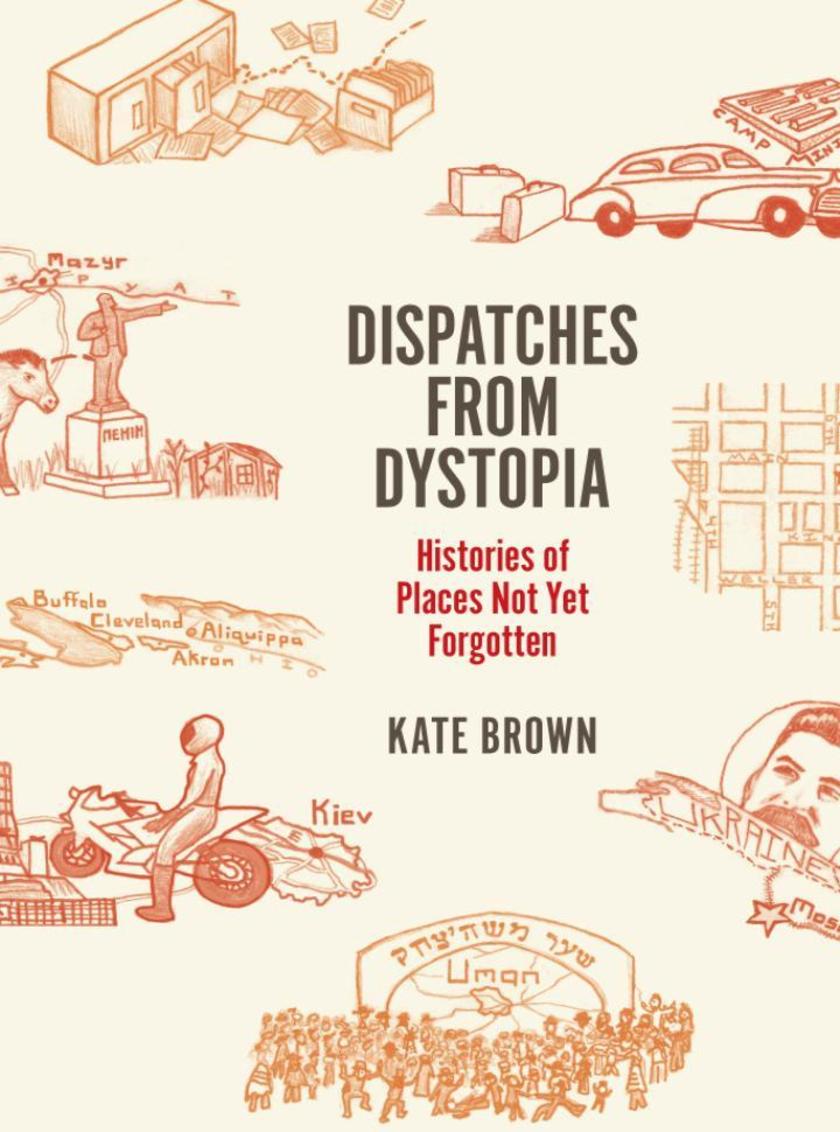
Dispatches from Dystopia
¥147.15
"e;Why are Kazakhstan and Montana the same place?"e; asks one chapter of Kate Brown's surprising and unusual journey into the histories of places on the margins, overlooked or erased. It turns out that a ruined mining town in Kazakhstan and Butte, Montana-America's largest environmental Superfund site-have much more in common than one would think thanks to similarities in climate, hucksterism, and the perseverance of their few hardy inhabitants. Taking readers to these and other unlikely locales, Dispatches from Dystopia delves into the very human and sometimes very fraught ways we come to understand a particular place, its people, and its history.In Dispatches from Dystopia, Brown wanders the Chernobyl Zone of Alienation, first on the Internet and then in person, to figure out which version-the real or the virtual-is the actual forgery. She also takes us to the basement of a hotel in Seattle to examine the personal possessions left in storage by Japanese-Americans on their way to internment camps in 1942. In Uman, Ukraine, we hide with Brown in a tree in order to witness the annual male-only Rosh Hashanah celebration of Hasidic Jews. In the Russian southern Urals, she speaks with the citizens of the small city of Kyshtym, where invisible radioactive pollutants have mysteriously blighted lives. Finally, Brown returns home to Elgin, Illinois, in the midwestern industrial rust belt to investigate the rise of "e;rustalgia"e; and?the ways?her formative experiences have inspired her obsession with modernist wastelands.?Dispatches from Dystopia powerfully and movingly narrates the histories of locales that have been silenced, broken, or contaminated. In telling these previously unknown stories, Brown examines the making and unmaking of place, and the lives of the people who remain in the fragile landscapes that are left behind.
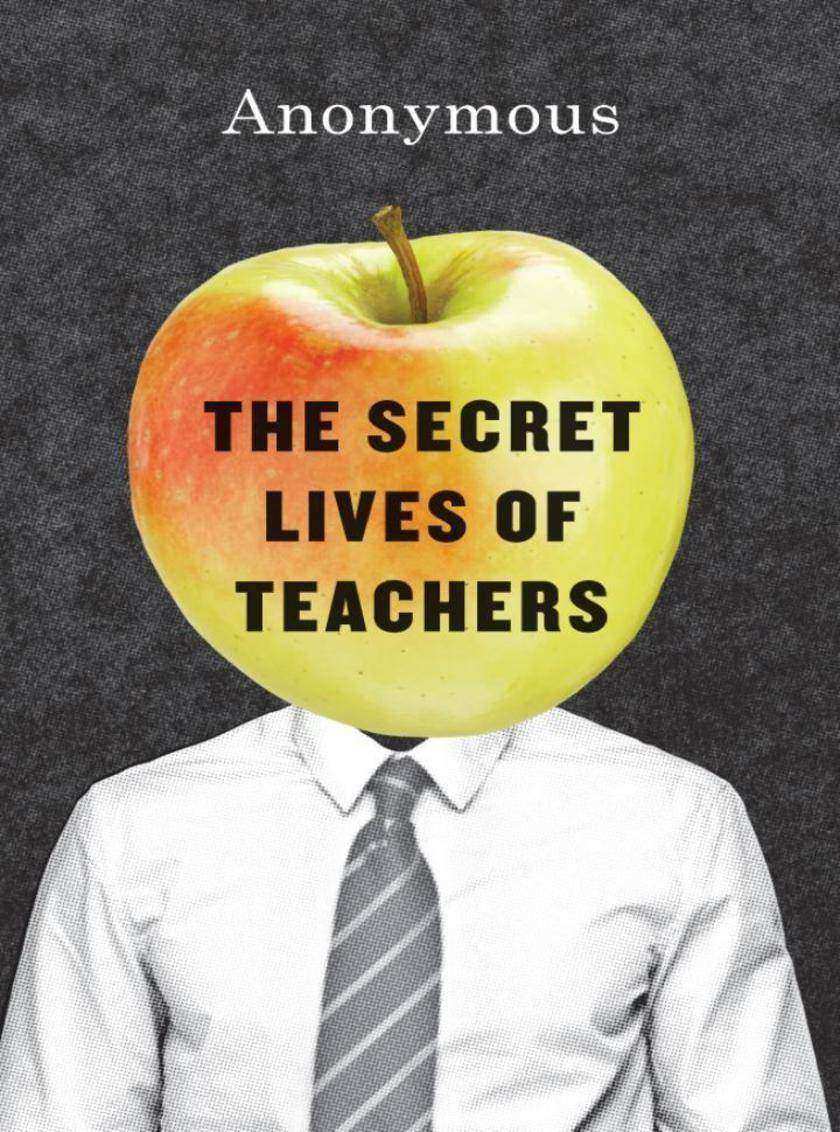
Secret Lives of Teachers
¥147.15
Welcome to "e;East Hudson,"e; an elite private school in New York where the students are attentive, the colleagues are supportive, and the tuition would make the average person choke on its string of zeroes. You might think a teacher here would have little in common with most other teachers in America, but as this veteran educator-writing anonymously-shows in this refreshingly honest account, all teachers are bound by a common thread. Stripped of most economic obstacles and freed up by anonymity, he is able to tell a deeper story about the universal conditions, anxieties, foibles, generosities, hopes, and complaints that comprise every teacher's life. The results are sometimes funny, sometimes scandalous, but always recognizable to anyone who has ever walked into a classroom, closed the door, and started their day.?This is not a how-to manual. Rather, the author explores the dimensions of teaching that no one else has, those private thoughts few would dare put into a book but that form an important part of the day-to-day experience of a teacher. We see him ponder the clothes that people wear, think frankly about money (and the imbalance of its distribution), get wrangled by parents, provide on-the-fly psychotherapy, drape niceties over conversations that are actually all-out warfare, drop an f-bomb or two, and deal with students who are just plain unlikeable. We also see him envy, admire, fear, and hope; we see him in adulation and uncertainty, and in energy and exhaustion. We see him as teachers really are: human beings with a complex, rewarding, and very important job.There has been no shortage of commentary on the teaching profession over the decades, but none quite like this. Unflinching, wry, and at times laugh-out-loud funny, it's written for every teacher out there who has ever scrambled, smirked, or sighed-and toughed it out nonetheless.?
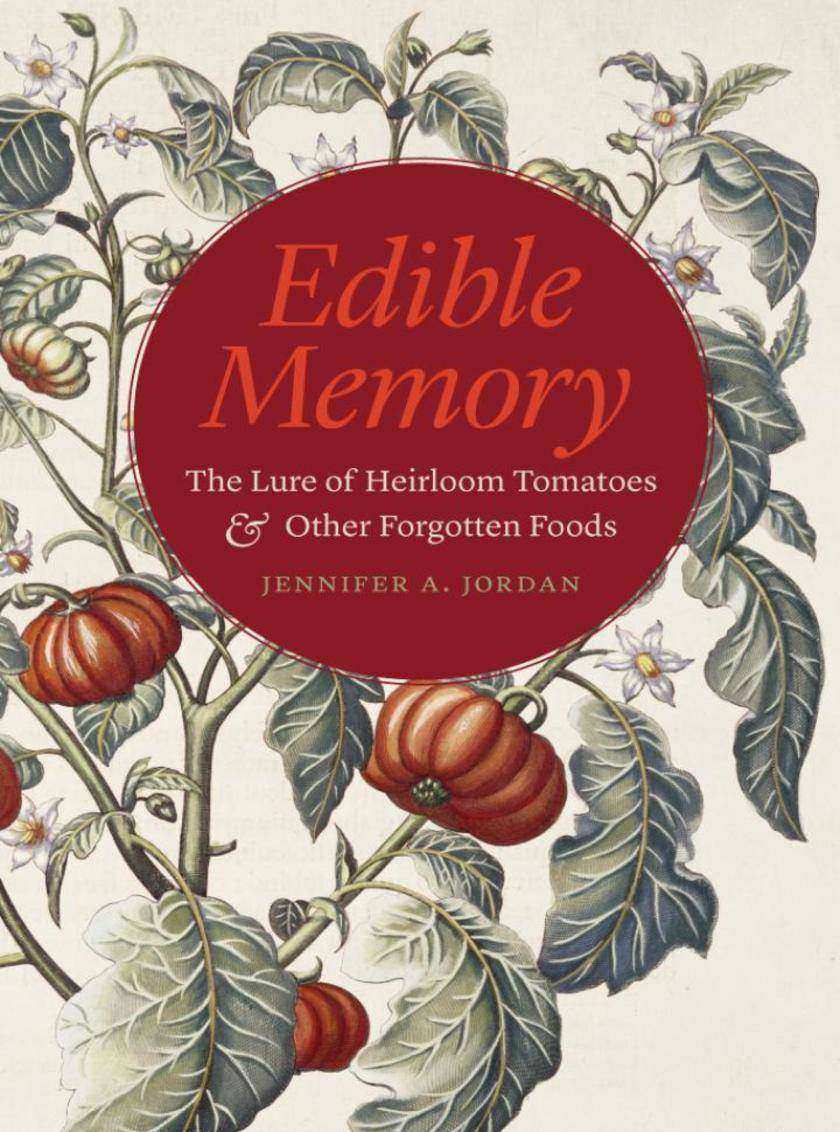
Edible Memory
¥147.15
Each week during the growing season, farmers' markets offer up such delicious treasures as brandywine tomatoes, cosmic purple carrots, pink pearl apples, and chioggia beets-varieties of fruits and vegetables that are prized by home chefs and carefully stewarded by farmers from year to year. These are the heirlooms and the antiques of the food world, endowed with their own rich histories. While cooking techniques and flavor fads have changed from generation to generation, a Ribston Pippin apple today can taste just as flavorful as it did in the eighteenth century. But how does an apple become an antique and a tomato an heirloomIn Edible Memory, Jennifer A. Jordan examines the ways that people around the world have sought to identify and preserve old-fashioned varieties of produce. In doing so, Jordan shows that these fruits and vegetables offer a powerful emotional and physical connection to a shared genetic, cultural, and culinary past.?Jordan begins with the heirloom tomato, inquiring into its botanical origins in South America and its culinary beginnings in Aztec cooking to show how the homely and homegrown tomato has since grown to be an object of wealth and taste, as well as a popular symbol of the farm-to-table and heritage foods movements. ?She shows how a shift in the 1940s away from open pollination resulted in a narrow range of hybrid tomato crops. But memory and the pursuit of flavor led to intense seed-saving efforts increasing in the 1970s, as local produce and seeds began to be recognized as living windows to the past. In the chapters that follow, Jordan combines lush de*ion and thorough research as she investigates the long history of antique apples; changing tastes in turnips and related foods like kale and parsnips; the movement of vegetables and fruits around the globe in the wake of Columbus; and the poignant, perishable world of stone fruits and tropical fruit, in order to reveal the connections-the edible memories-these heirlooms offer for farmers, gardeners, chefs, diners, and home cooks. This deep culinary connection to the past influences not only the foods we grow and consume, but the ways we shape and imagine our farms, gardens, and local landscapes.?From the farmers' market to the seed bank to the neighborhood bistro, these foods offer essential keys not only to our past but also to the future of agriculture, the environment, and taste. By cultivating these edible memories, Jordan reveals, we can stay connected to a delicious heritage of historic flavors, and to the pleasures and possibilities for generations of feasts to come.
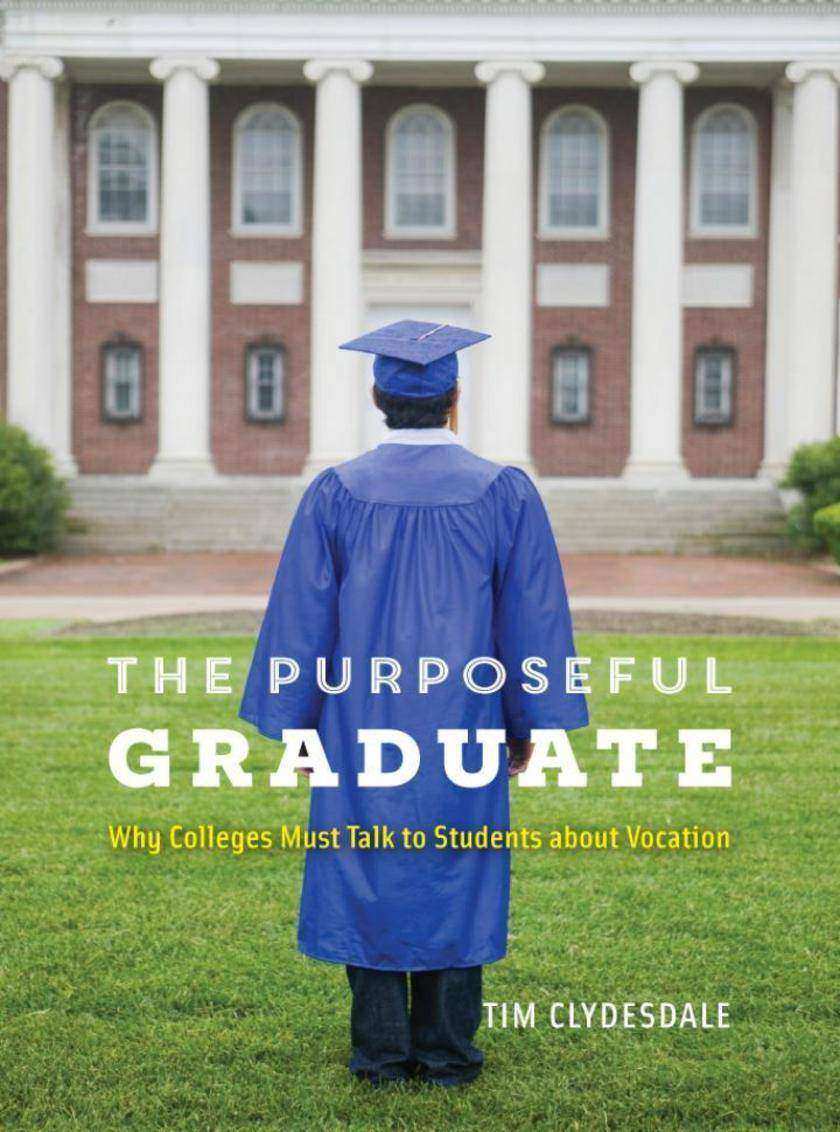
Purposeful Graduate
¥147.15
We all know that higher education has changed dramatically over the past two decades. Historically a time of exploration and self-discovery, the college years have been narrowed toward an increasingly singular goal-career training-and college students these days forgo the big questions about who they are and how they can change the world and instead focus single-mindedly on their economic survival. In The Purposeful Graduate, Tim Clydesdale elucidates just what a tremendous loss this is, for our youth, our universities, and our future as a society. At the same time, he shows that it doesn't have to be this way: higher education can retain its higher cultural role, and students with a true sense of purpose-of personal, cultural, and intellectual value that cannot be measured by a wage-can be streaming out of every one of its institutions.The key, he argues, is simple: direct, systematic, and creative programs that engage undergraduates on the question of purpose. Backing up his argument with rich data from a Lilly Endowment grant that funded such programs on eighty-eight different campuses, he shows that thoughtful engagement of the notion of vocational calling by students, faculty, and staff can bring rich rewards for all those involved: greater intellectual development, more robust community involvement, and a more proactive approach to lifelong goals. Nearly every institution he examines-from internationally acclaimed research universities to small liberal arts colleges-is a success story, each designing and implementing its own program, that provides students with deep resources that help them to launch flourishing lives.Flying in the face of the pessimistic forecast of higher education's emaciated future, Clydesdale offers a profoundly rich alternative, one that can be achieved if we simply muster the courage to talk with students about who they are and what they are meant to do.
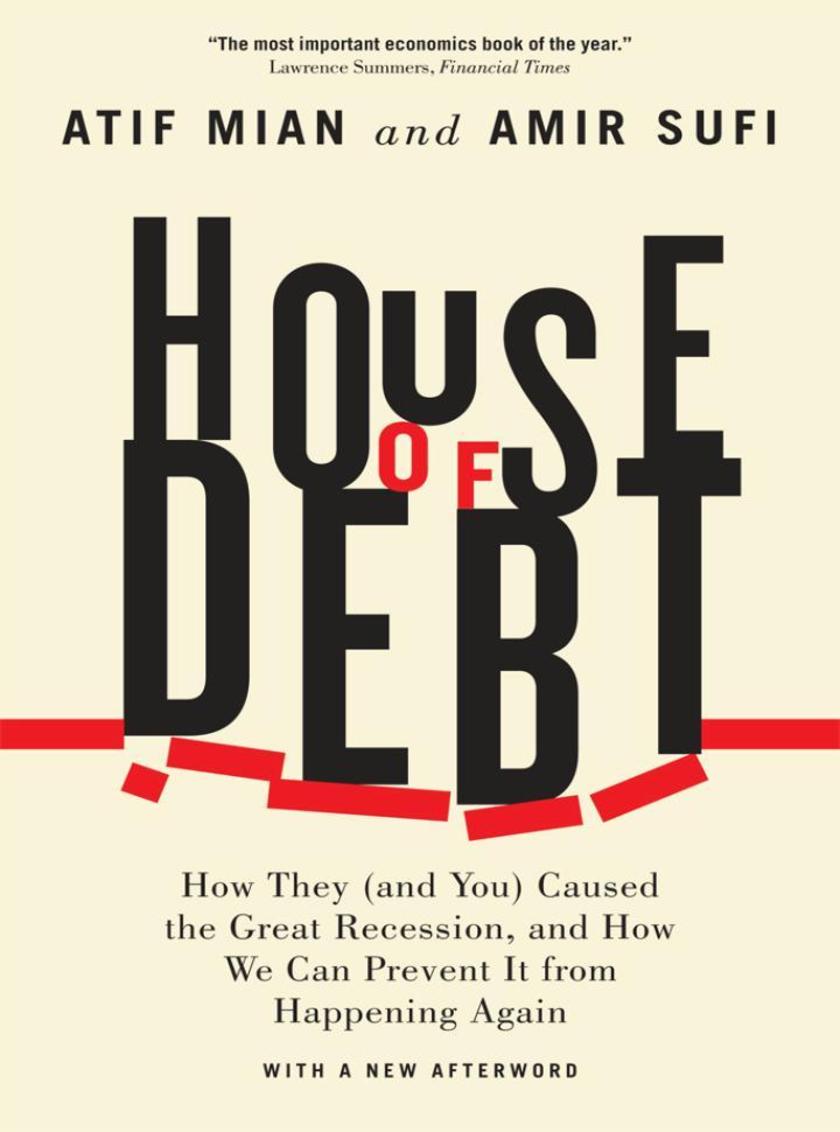
House of Debt
¥123.61
The Great American Recession resulted in the loss of eight million jobs between 2007 and 2009. More than four million homes were lost to foreclosures. Is it a coincidence that the United States witnessed a dramatic rise in household debt in the years before the recession-that the total amount of debt for American households doubled between 2000 and 2007 to $14 trillionDefinitely not. Armed with clear and powerful evidence, Atif Mian and Amir Sufi reveal in House of Debt how the Great Recession and Great Depression, as well as the current economic malaise in Europe, were caused by a large run-up in household debt followed by a significantly large drop in household spending.Though the banking crisis captured the public's attention, Mian and Sufi argue strongly with actual data that current policy is too heavily biased toward protecting banks and creditors. Increasing the flow of credit, they show, is disastrously counterproductive when the fundamental problem is too much debt. As their research shows, excessive household debt leads to foreclosures, causing individuals to spend less and save more. Less spending means less demand for goods, followed by declines in production and huge job losses. How do we end such a cycleWith a direct attack on debt, say Mian and Sufi. ?More aggressive debt forgiveness after the crash helps, but as they illustrate, we can be rid of painful bubble-and-bust episodes only if the financial system moves away from its reliance on inflexible debt contracts. As an example, they propose new mortgage contracts that are built on the principle of risk-sharing, a concept that would have prevented the housing bubble from emerging in the first place.Thoroughly grounded in compelling economic evidence, House of Debt offers convincing answers to some of the most important questions facing the modern economy today: Why do severe recessions happenCould we have prevented the Great Recession and its consequencesAnd what actions are needed to prevent such crises going forward?
Darwin Deleted
¥147.15
The ideas and terminology of Darwinism are so pervasive these days that it seems impossible to avoid them, let alone imagine a world without them. But in this remarkable rethinking of scientific history, Peter J. Bowler does just that. He asks:?What if Charles Darwin had not returned from the voyage of the Beagle and thus did not write On the Origin of SpeciesWould someone else, such as Alfred Russel Wallace, have published the selection theory and initiated a similar transformationOr would the absence of Darwin's book have led to a different sequence of events, in which biology developed along a track that did not precipitate a great debate about the impact of evolutionismWould there have been anything equivalent to social Darwinism, and if so would the alternatives have been less pernicious and misappropriated?In Darwin Deleted, Bowler argues that no one else, not even Wallace, was in a position to duplicate Darwin's complete theory of evolution by natural selection.?Evolutionary biology would almost certainly have emerged, but through alternative theories, which were frequently promoted by scientists, religious thinkers, and moralists who feared the implications of natural selection. Because non-Darwinian elements of evolutionism flourished for a time in the real world, it is possible to plausibly imagine how they might have developed, particularly if the theory of natural selection had not emerged until decades after the acceptance of the basic idea of evolution. Bowler's unique approach enables him to clearly explain the non-Darwinian tradition-and in doing so, he reveals how the reception of Darwinism was historically contingent. By taking Darwin out of the equation, Bowler is able to fully elucidate the ideas of other scientists, such as Richard Owen and Thomas Huxley, whose work has often been misunderstood because of their distinctive responses to Darwin.Darwin Deleted boldly offers a new vision of scientific history. It is one where the sequence of discovery and development would have been very different and would have led to an alternative understanding of the relationship between evolution, heredity, and the environment-and, most significantly, a less contentious relationship between science and religion. Far from mere speculation, this fascinating and compelling book forces us to reexamine the preconceptions that underlie many of the current controversies about the impact of evolutionism. It shows how contingent circumstances surrounding the publication of On the Origin of Species polarized attitudes in ways that still shape the conversation today.?
Nature and Nurture of Love
¥247.21
The notion that maternal care and love will determine a child's emotional well-being and future personality has become ubiquitous. In countless stories and movies we find that the problems of the protagonists-anything from the fear of romantic commitment to serial killing-stem from their troubled relationships with their mothers during childhood. How did we come to hold these views about the determinant power of mother love over an individual's emotional developmentAnd what does this vision of mother love entail for children and mothersIn The Nature and Nurture of Love, Marga Vicedo examines scientific views about children's emotional needs and mother love from World War II until the 1970s, paying particular attention to John Bowlby's ethological theory of attachment behavior. Vicedo tracks the development of Bowlby's work as well as the interdisciplinary research that he used to support his theory, including Konrad Lorenz's studies of imprinting in geese, Harry Harlow's experiments with monkeys, and Mary Ainsworth's observations of children and mothers in Uganda and the United States. Vicedo's historical analysis reveals that important psychoanalysts and animal researchers opposed the project of turning emotions into biological instincts. Despite those substantial criticisms, she argues that attachment theory was paramount in turning mother love into a biological need. This shift introduced a new justification for the pre*ive role of biology in human affairs and had profound-and negative-consequences for mothers and for the valuation of mother love.
Trying Biology
¥170.69
In Trying Biology, Adam R. Shapiro convincingly dispels many conventional assumptions about the 1925 Scopes "e;monkey"e; trial. Most view it as an event driven primarily by a conflict between science and religion. Countering this, Shapiro shows the importance of timing: the Scopes trial occurred at a crucial moment in the history of biology textbook publishing, education reform in Tennessee, and progressive school reform across the country. He places the trial in this broad context-alongside American Protestant antievolution sentiment-and in doing so sheds new light on the trial and the historical relationship of science and religion in America.?For the first time we see how religious objections to evolution became a prevailing concern to the American textbook industry even before the Scopes trial began. Shapiro explores both the development of biology textbooks leading up to the trial and the ways in which the textbook industry created new books and presented them as "e;responses"e; to the trial. Today, the controversy continues over textbook warning labels, making Shapiro's study-particularly as it plays out in one of America's most famous trials-an original contribution to a timely discussion.
Rhythm of Thought
¥170.69
Between present and past, visible and invisible, and sensation and idea, there is resonance-so philosopher Maurice Merleau-Ponty argued and so Jessica Wiskus explores in The Rhythm of Thought. Holding the poetry of Stephane Mallarme, the paintings of Paul Cezanne, the prose of Marcel Proust, and the music of Claude Debussy under Merleau-Ponty's phenomenological light, she offers innovative interpretations of some of these artists' masterworks, in turn articulating a new perspective on Merleau-Ponty's philosophy.?More than merely recovering Merleau-Ponty's thought, Wiskus thinks according to it. First examining these artists in relation to noncoincidence-as silence in poetry, depth in painting, memory in literature, and rhythm in music-she moves through an array of their artworks toward some of Merleau-Ponty's most exciting themes: our bodily relationship to the world and the dynamic process of expression. She closes with an examination of synesthesia as an intertwining of internal and external realms and a call, finally, for philosophical inquiry as a mode of artistic expression. Structured like a piece of music itself, The Rhythm of Thought offers new contexts in which to approach art, philosophy, and the resonance between them.

Jane Austen's Names
¥170.69
In Jane Austen's works, a name is never just a name. In fact, the names Austen gives her characters and places are as rich in subtle meaning as her prose itself. Wiltshire, for example, the home county of Catherine Morland in Northanger Abbey, is a clue that this heroine is not as stupid as she seems: according to legend, cunning Wiltshire residents caught hiding contraband in a pond capitalized on a reputation for ignorance by claiming they were digging up a "e;big cheese"e;-the moon's reflection on the water's surface. It worked.In Jane Austen's Names, Margaret Doody offers a fascinating and comprehensive study of all the names of people and places-real and imaginary-in Austen's fiction. Austen's creative choice of names reveals not only her virtuosic talent for riddles and puns. Her names also pick up deep stories from English history, especially the various civil wars, and the blood-tinged differences that played out in the reign of Henry VIII, a period to which she often returns. Considering the major novels alongside unfinished works and juvenilia, Doody shows how Austen's names signal class tensions as well as regional, ethnic, and religious differences. We gain a new understanding of Austen's technique of creative anachronism, which plays with and against her skillfully deployed realism-in her books, the conflicts of the past swirl into the tensions of the present, transporting readers beyond the Regency.Full of insight and surprises for even the most devoted Janeite, Jane Austen's Names will revolutionize how we read Austen's fiction.
Shakespeare Only
¥206.01
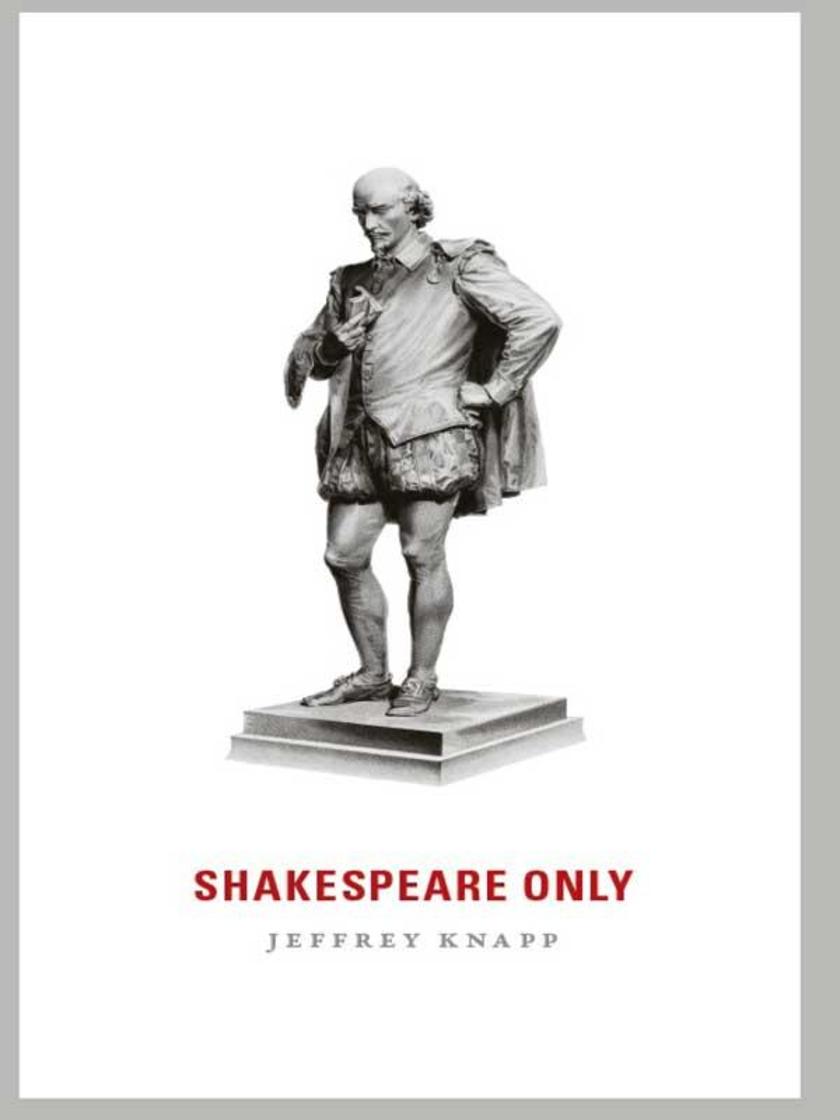
Three decades of controversy in Shakespeare studies can be summed up in a single question: Was Shakespeare one of a kindOn one side of the debate are the Shakespeare lovers, the bardolatrists, who insist on Shakespeare's timeless preeminence as an author. On the other side are the theater historians who view modern claims of Shakespeare's uniqueness as a distortion of his real professional life.In Shakespeare Only, Knapp draws on an extraordinary array of historical evidence to reconstruct Shakespeare's authorial identity as Shakespeare and his contemporaries actually understood it.He argues that Shakespeare tried to adapt his own singular talent and ambition to the collaborative enterprise of drama by imagining himself as uniquely embodying the diverse, fractious energies of the popular theater. Rewriting our current histories of authorship as well as Renaissance drama, Shakespeare Only recaptures a sense of the creative force that mass entertainment exerted on Shakespeare and that Shakespeare exerted on mass entertainment.

Care for Your Rabbits (RSPCA Pet Guide)
¥31.59
Published in association with the RSPCA, the UK’s leading animal welfare charity, this practical family guide is full of expert advice on how to choose a puppy and how best to look after it. If you already own or are planning to buy a puppy this easy-to-use introductory guide is a must. Clearly illustrated with colour photographs throughout, it covers all aspects of daily care including housing, feeding, hygiene, grooming, exercise and first aid. Published in association with the experts at the RSPCA, this book will help you ensure that you are giving your puppy the best possible start in life.

Care for Your Hamster (RSPCA Pet Guide)
¥32.18
Published in association with the RSPCA, the UK’s leading animal welfare charity, this practical family guide is full of expert advice on how to choose a hamster and how best to look after it. If you already own or are planning to buy a hamster this easy-to-use introductory guide is a must. Clearly illustrated with colour photographs throughout, it covers all aspects of daily care including housing, feeding, handling, hygiene, exercise and first aid. Published in association with the experts at the RSPCA, this book will help you ensure that you are giving your hamster the best possible care.

Little Mix: Ready to Fly (100% OFFICIAL)
¥91.43
A few months ago they were just four determined girls. Then there was The X Factor, the screaming fans and the record deal – life for Little Mix would never be the same again. Now join the UK’s hottest new girl group as they sing their way to superstardom. Last year, Perrie, Jesy, Jade and Leigh-Anne were four nervous X Factor hopefuls, waiting in the wings for their turn in the spotlight. Now they’re not only the best of friends, they’re the first ever group to win the show, they have a record deal, and are on the cover of every magazine – they’re the girls every girl wants to be. But it hasn’t all been sparkles and glitter. From facing rejection in the early stages of The X Factor to battling bullying and personal criticism, the girls have worked ferociously for their success. Here, in their official book, they each tell the story of their amazing journey in full, from their first auditions to living out their dreams. Stunningly-designed and packed full of unseen photos shot exclusively for the book by world-renowned celebrity photographer Dean Freeman, Little Mix: Our Story So Far provides an exclusive peek inside the world of the band as they embark on global domination. So look out world: this is just the beginning. 2012 is the year of Little Mix – and they’re fierce.
Shakespeare
¥66.22
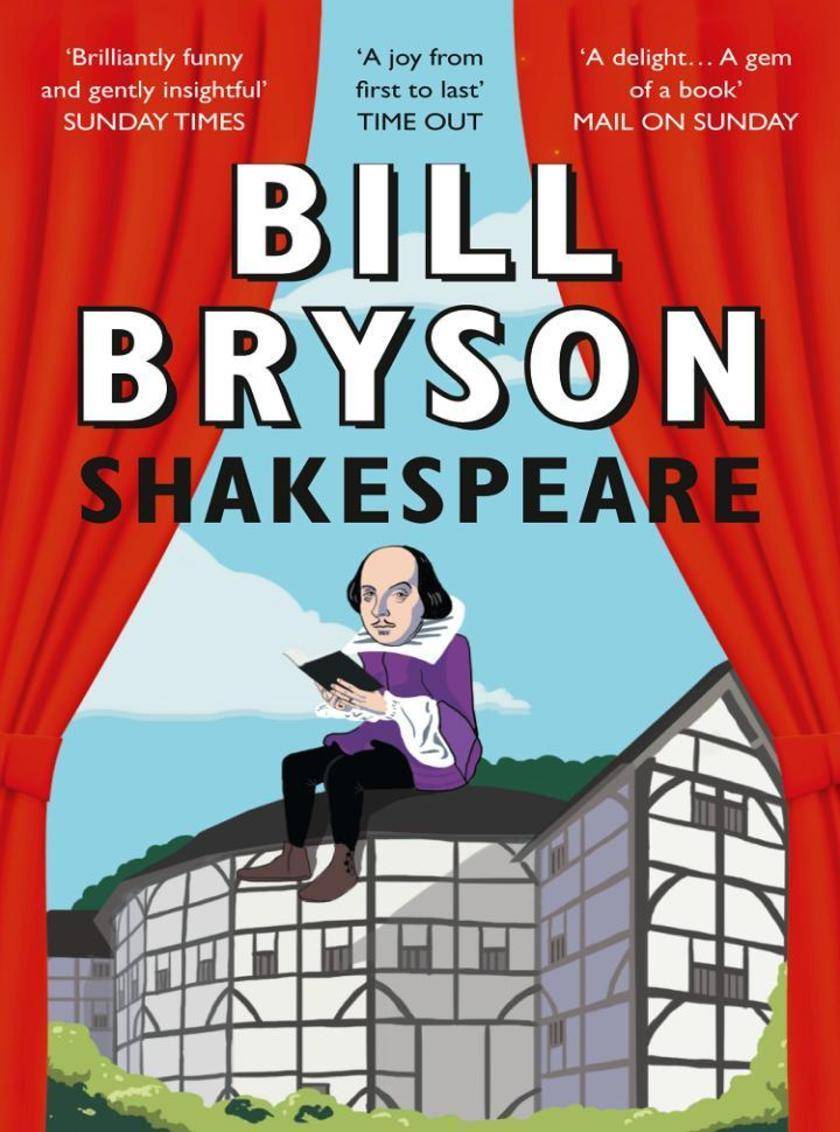
From bestselling author Bill Bryson comes this compelling short biography of William Shakespeare, our greatest dramatist and poet. Examining centuries of myths, half-truths and downright lies, Bill Bryson makes sense of the man behind the masterpieces. As he leads us through the crowded streets of Elizabethan England, he brings to life the places and characters that inspired Shakespeare’s work. Along the way he delights in the inventiveness of Shakespeare’s language, which has given us so many of the indispensable words and phrases we use today, and celebrates the Bard’s legacy to our literature, culture and history. Drawing together information from a vast array of sources, this is a masterful account of the life and works of William Shakespeare, one of the most famous and most enigmatic people ever to have lived – not to mention a classic piece of Bill Bryson.
How Starbucks Saved My Life
¥72.30
A candid, moving and inspirational memoir about a high-flying business man who is forced to re-evaluate his life and values when he suddenly loses everything and goes to work in Starbucks. Michael Gill had it made. He was educated, wealthy and well-connected. He had a creative and lucrative advertising job, which he loved and which he was good at, and a model family and home life. Then he loses it all. He is fired by a young exec whom he had mentored. He has an extramarital affair that destroys his family and results in a newborn son. Then he is diagnosed with brain cancer. He has no insurance, no income. One day he wanders into Starbucks and by chance signs up for a job interview. His would-be boss is a young black woman who gives him a job, and sets about training him and mentoring him. What follows is an inspirational eye-opener as Gill experiences a whole new world compared to his former life – with people from completely different ethnic and social backgrounds. ‘How Starbucks Saved My Life’ follows Gill's journey of discovery as gradually he is forced to question his ingrained assumptions, prejudices and habits. Gill emerges from his fall from grace with humility and gratitude. His new-found empathy teaches him how anyone who has lost their way, or made a mistake, can start again.
Unbroken
¥66.22
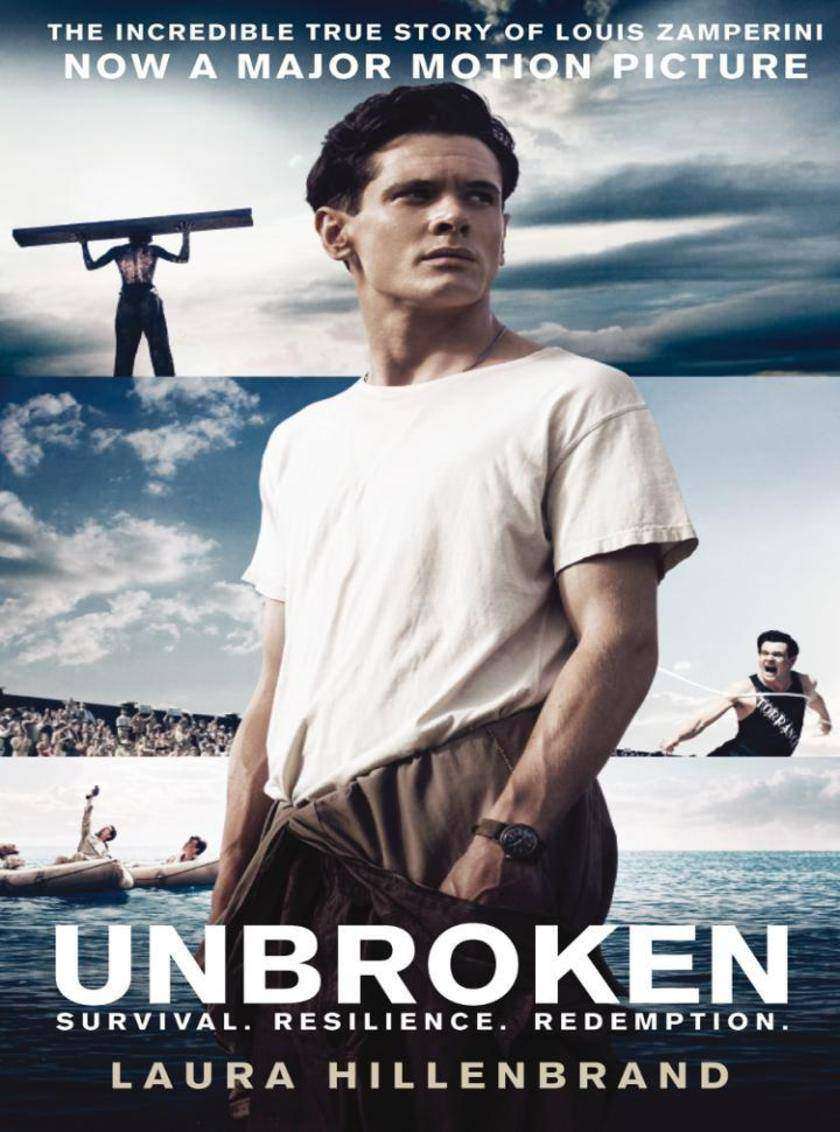
The incredible true story of Louis Zamperini, now a major motion picture directed by Angelina Jolie. THE INTERNATIONAL NUMBER ONE BESTSELLER In 1943 a bomber crashes into the Pacific Ocean. Against all odds, one young lieutenant survives. Louise Zamperini had already transformed himself from child delinquent to prodigious athlete, running in the Berlin Olympics. Now he must embark on one of the Second World War’s most extraordinary odysseys. Zamperini faces thousands of miles of open ocean on a failing raft. Beyond like only greater trials, in Japan’s prisoner-of-war camps. Driven to the limits of endurance, Zamperini’s destiny, whether triumph or tragedy, depends on the strength of his will … Now a major motion picture, directed by Angelina Jolie and starring Jack O’ Connell.


