


 购物车
购物车 个人中心
个人中心
The Letters of Henry James: Volume 2
¥8.09
Dodo Collections brings you another classic from Henry James, ‘The Letters of Henry James: Volume Two’. ? The Complete Letters of Henry James fills a crucial gap in modern literary studies by presenting in a scholarly edition the complete letters of one of the great novelists and letter writers of the English language. Comprising more than ten thousand letters reflecting on a remarkably wide range of topics—from James’s own life and literary projects to broader questions on art, literature, and criticism. ? Henry James, OM (15 April 1843 – 28 February 1916) was an American writer who spent most of his writing career in Britain. He is regarded as one of the key figures of 19th-century literary realism. He was the son of Henry James, Sr. and the brother of philosopher and psychologist William James and diarist Alice James. ? He is best known for a number of novels showing Americans encountering Europe and Europeans. His method of writing from a character's point of view allowed him to explore issues related to consciousness and perception, and his style in later works has been compared to impressionist painting. His imaginative use of point of view, interior monologue and unreliable narrators brought a new depth to narrative fiction. ? James contributed significantly to literary criticism, particularly in his insistence that writers be allowed the greatest possible freedom in presenting their view of the world. James claimed that a text must first and foremost be realistic and contain a representation of life that is recognizable to its readers. Good novels, to James, show life in action and are, most importantly, interesting. In addition to his voluminous works of fiction he published articles and books of travel, biography, autobiography, and criticism, and wrote plays. James alternated between America and Europe for the first twenty years of his life; eventually he settled in England, becoming a British subject in 1915, one year before his death. James was nominated for the Nobel Prize in Literature in 1911, 1912, and 1916.
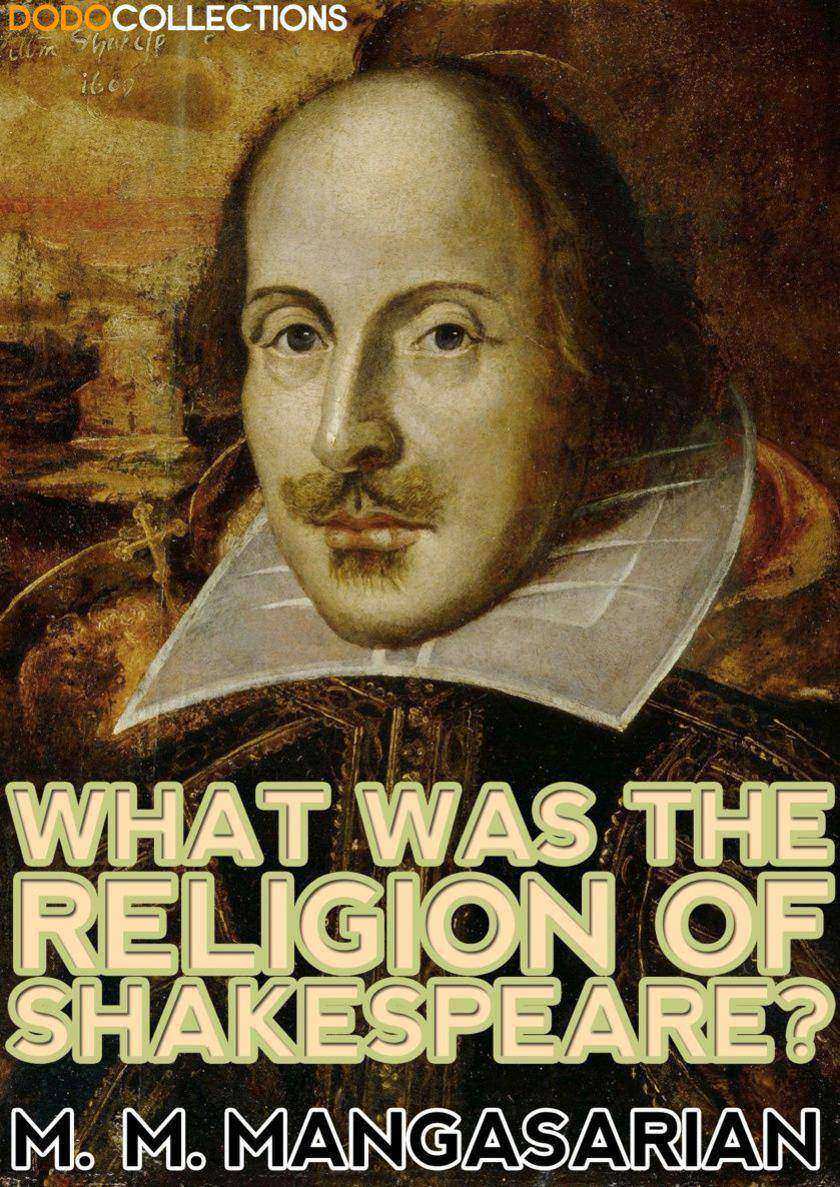
What was the Religion of Shakespeare?
¥8.09
Dodo Collections brings you another classic from M. M. Mangasarian, ‘What was the Religion of Shakespeare?’ ? It is by observing the frequency and emphasis with which certain views and expressions occur and reoccur in an author, and the consistency with which they are given the preference, that we may be able to generalize as to his philosophy or religion. As Shakespeare's works are neither a treatise on theology nor a manual of philosophy, our only means of discovering his attitude toward the problems of life and destiny is by reading, as it were, between the lines. A great mind can neither sophisticate nor suppress its earnest convictions. This does not mean that anyone with earnest convictions must necessarily be a propagandist. To think and to let think, represents a state of mind which is entirely consistent, both with enthusiasm and toleration, if not with proselytism. We believe that Shakespeare has unmistakably expressed himself on the subject of religion, as he has on that of patriotism, for instance, but without any missionary zeal, which fact has led not a few students of his works to the conclusion that of all the great poets Shakespeare is the only one without a religion. ? During his life Mangasarian wrote a number of books. His most popular, including The Truth About Jesus — Is He a Myth? (1909) andThe Bible Unveiled (1911), deal with the evidence against the existence of an historical Jesus. He also wrote hundreds of essays and lectures on questions of the times. His books and essays were translated into French, German, Spanish, and other foreign languages. The general subject of his writing was religious criticism and the philosophy of religion.
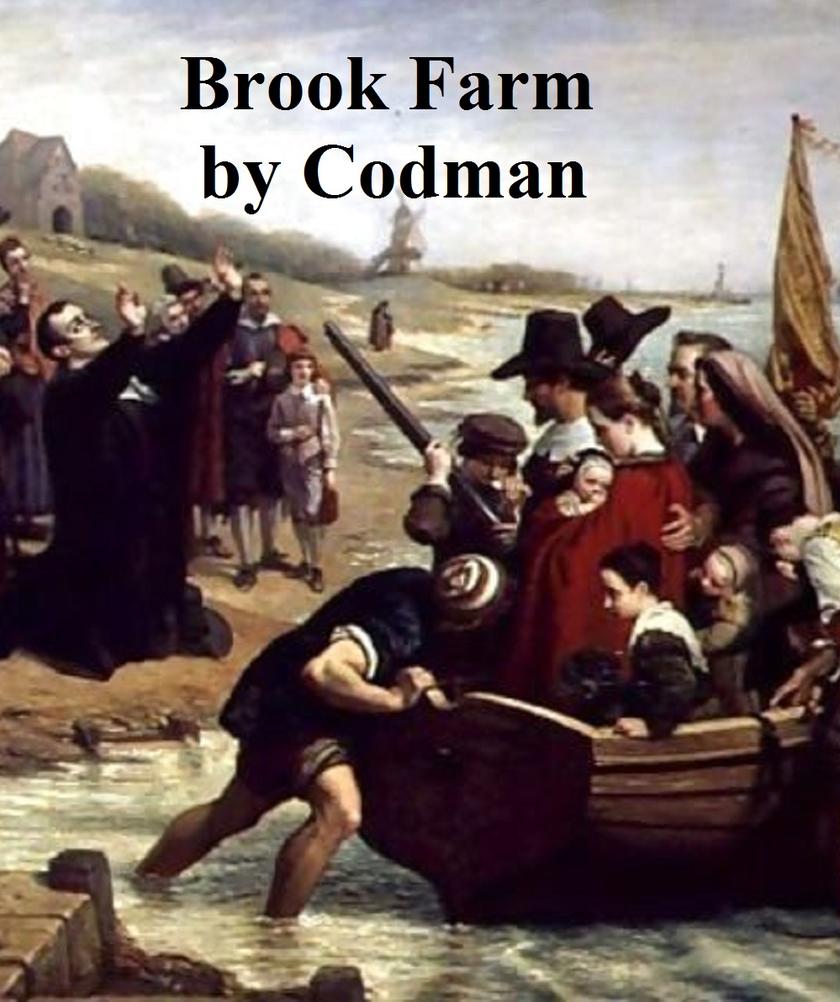
Brook Farm
¥8.09
According to Wikipedia: "Brook Farm, also called the Brook Farm Institute of Agriculture and Education or the Brook Farm Association for Industry and Education, was a utopian experiment in communal living in the United States in the 1840s. It was founded by former Unitarian minister George Ripley and his wife Sophia Ripley at the Ellis Farm in West Roxbury, Massachusetts (9 miles outside of downtown Boston) in 1841 and was inspired in part by the ideals of Transcendentalism, a religious and cultural philosophy based in New England. Founded as a joint stock company, it promised its participants a portion of the profits from the farm in exchange for performing an equal share of the work. Brook Farmers believed that by sharing the workload, ample time would be available for leisure activities and intellectual pursuits."
My Friends at Brook Farm
¥8.09
According to Wikipedia: "Brook Farm, also called the Brook Farm Institute of Agriculture and Education or the Brook Farm Association for Industry and Education, was a utopian experiment in communal living in the United States in the 1840s. It was founded by former Unitarian minister George Ripley and his wife Sophia Ripley at the Ellis Farm in West Roxbury, Massachusetts (9 miles outside of downtown Boston) in 1841 and was inspired in part by the ideals of Transcendentalism, a religious and cultural philosophy based in New England. Founded as a joint stock company, it promised its participants a portion of the profits from the farm in exchange for performing an equal share of the work. Brook Farmers believed that by sharing the workload, ample time would be available for leisure activities and intellectual pursuits.
A Memoir of Jane Austen
¥8.09
According to Wikipedia: "A Memoir of Jane Austen is a biography of the novelist Jane Austen (1775–1817) published in 1869 by her nephew James Edward Austen-Leigh. A second edition was published in 1871 which included previously unpublished Jane Austen writings. A family project, the biography was written by James Edward Austen-Leigh but owed much to the recollections of Jane Austen's many relatives. However, it was the decisions of her close friend and sister, Cassandra Austen, to destroy many of Jane's letters after her death that shaped the material available for the biography."
Summer on the Lakes in 1843
¥8.09
According to Wikipedia: "Sarah Margaret Fuller Ossoli (May 23, 1810 – July 19, 1850), commonly known as Margaret Fuller, was an American journalist, critic, and women's rights advocate associated with the American transcendentalism movement. She was the first full-time American female book reviewer in journalism. Her book Woman in the Nineteenth Century is considered the first major feminist work in the United States."
Two Books and a Poem
¥8.09
This file includes: The Story of My Life, The World I Live In, and The Song of the Stone Wall. According to Wikipedia: "Helen Adams Keller (June 27, 1880 – June 1, 1968) was an American author, political activist, and lecturer. She was the first deafblind person to earn a Bachelor of Arts degree. The story of how Keller's teacher, Anne Sullivan, broke through the isolation imposed by a near complete lack of language, allowing the girl to blossom as she learned to communicate, has become widely known through the dramatic depictions of the play and film The Miracle Worker. .. A prolific author, Keller was well-travelled and outspoken in her convictions. A member of the Socialist Party of America and the Industrial Workers of the World, she campaigned for women's suffrage, labor rights, socialism, and other radical left causes."
The World As I Have Found It
¥8.09
Sequel to Incidents in the Life of a Blind Girl.? First published in 1878. Autobiography of a blind woman, followed by the essays: Help the Blind Help Themselves, Sight of the Blind, How do the Blind See, Invocation to Light, Is It More to Lose Eyes than the Ears? and Education of the Blind. It also includes a collection of poems by the blind. Such a book as this has a value which, probably, has not occurred to its author. She has put on record the phenomena of her life as she has recollected them, with great simplicity, merely for the entertainment of her readers, without attaching any importance to the value which every such memoir has in the department of science. But it is just from the study of such phenomena as these that the students in mental and moral philosophy learn the laws of mind and the operations of a human soul under a divine, moral government. "
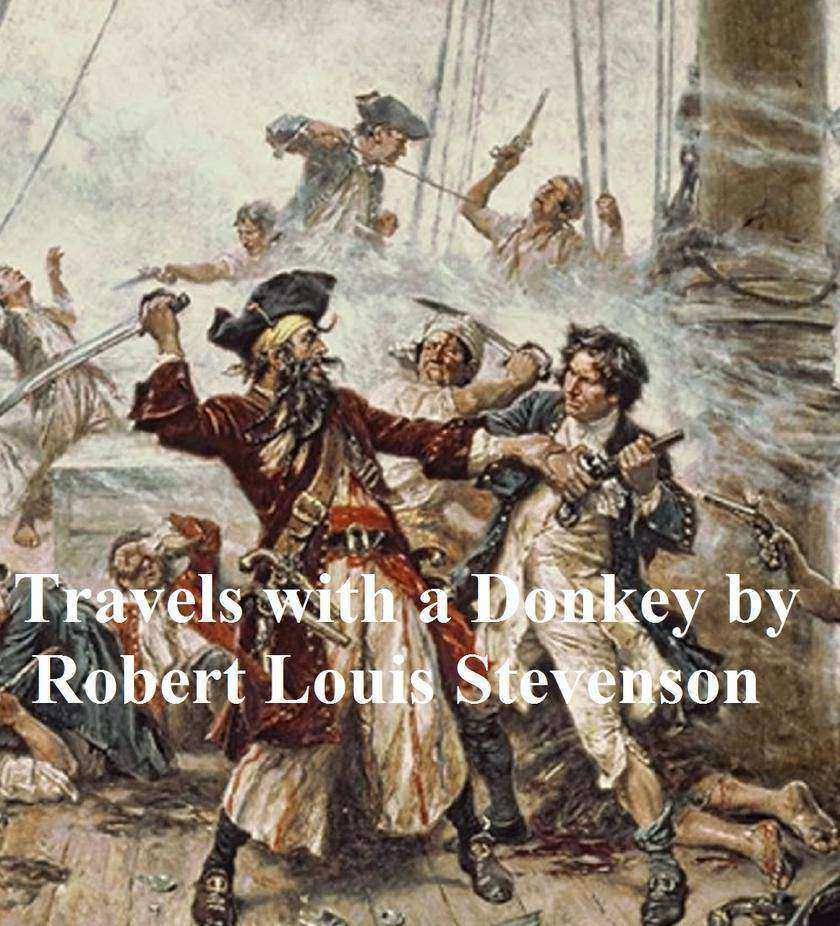
Travels with a Donkey in the Cevennes
¥8.09
Travelogue/memoir that begins "The journey which this little book is to describe was very agreeable and fortunate for me. After an uncouth beginning, I had the best of luck to the end. But we are all travellers in what John Bunyan calls the wilderness of this world - all, too, travellers with a donkey: and the best that we find in our travels is an honest friend. He is a fortunate voyager who finds many. We travel, indeed, to find them. They are the end and the reward of life. They keep us worthy of ourselves; and when we are alone, we are only nearer to the absent."
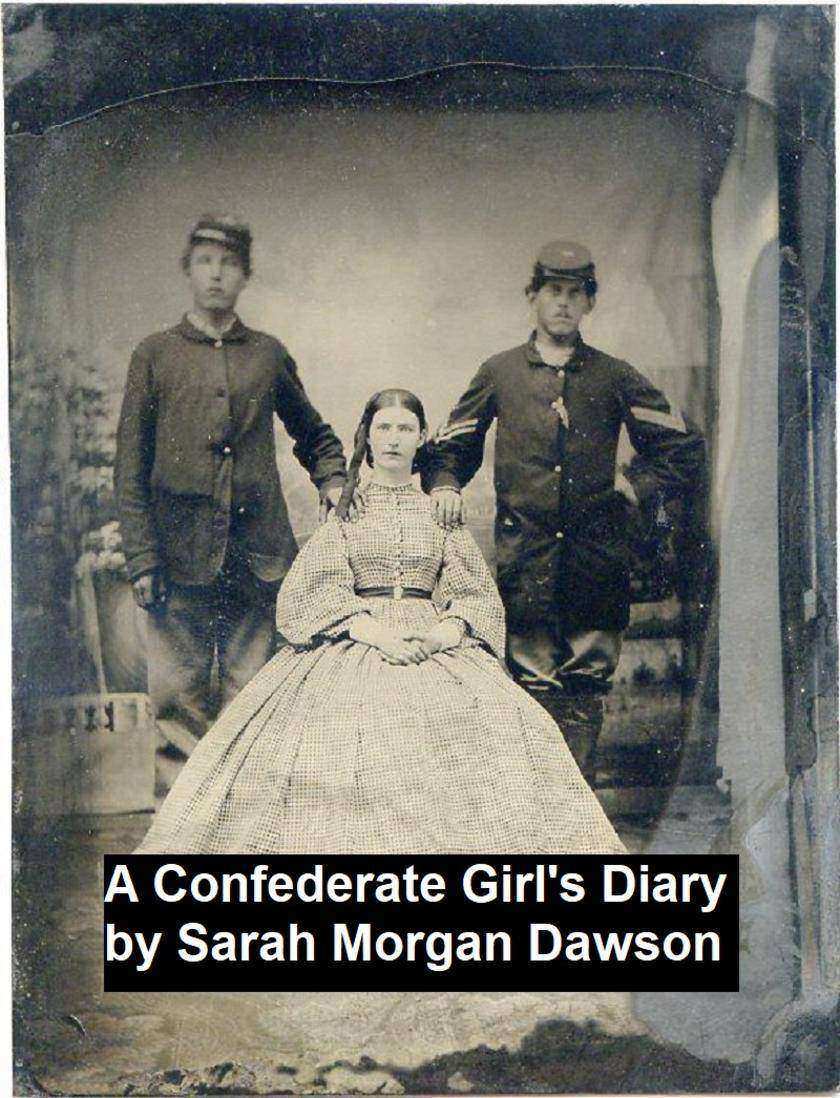
A Confederate Girl's Diary
¥8.09
The war-time diary of a young girl, first published in 1913.
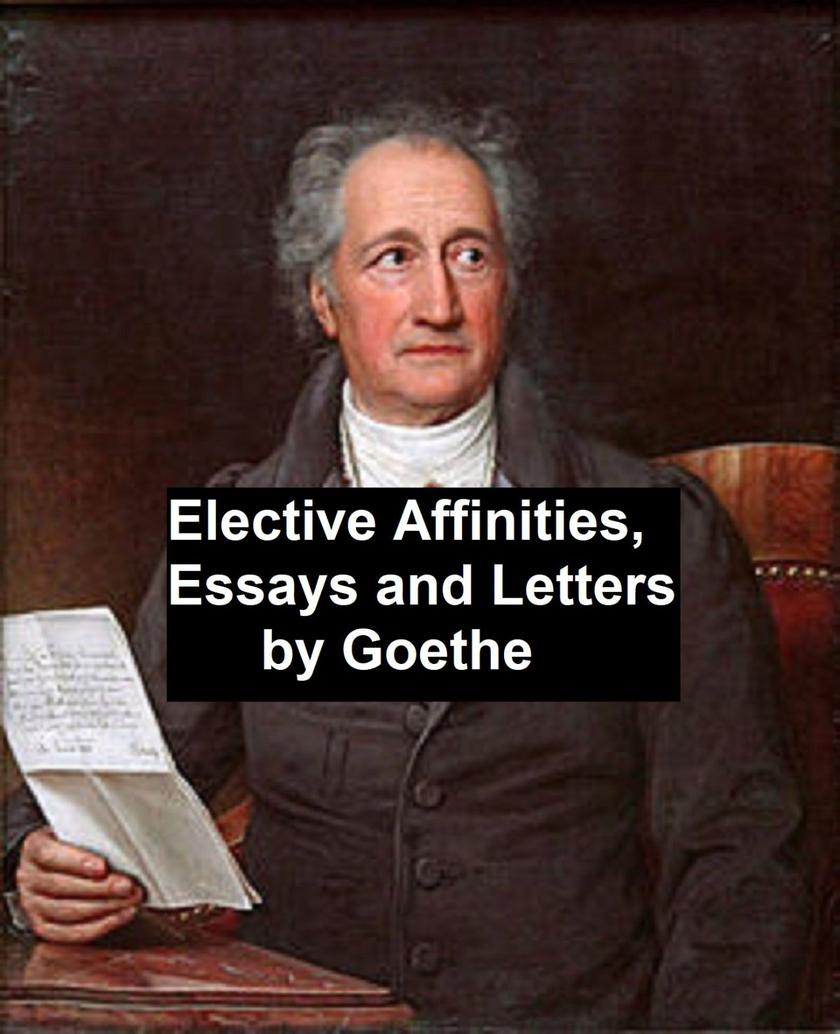
Elective Affinities, Essays, and Letters by Goethe
¥8.09
This collection includes: Elective Affiniities and shorter works by Goethe. The German Classics Of The Nineteenth And Twentieth Centuries, Volume 2, edited by Kuno Francke.
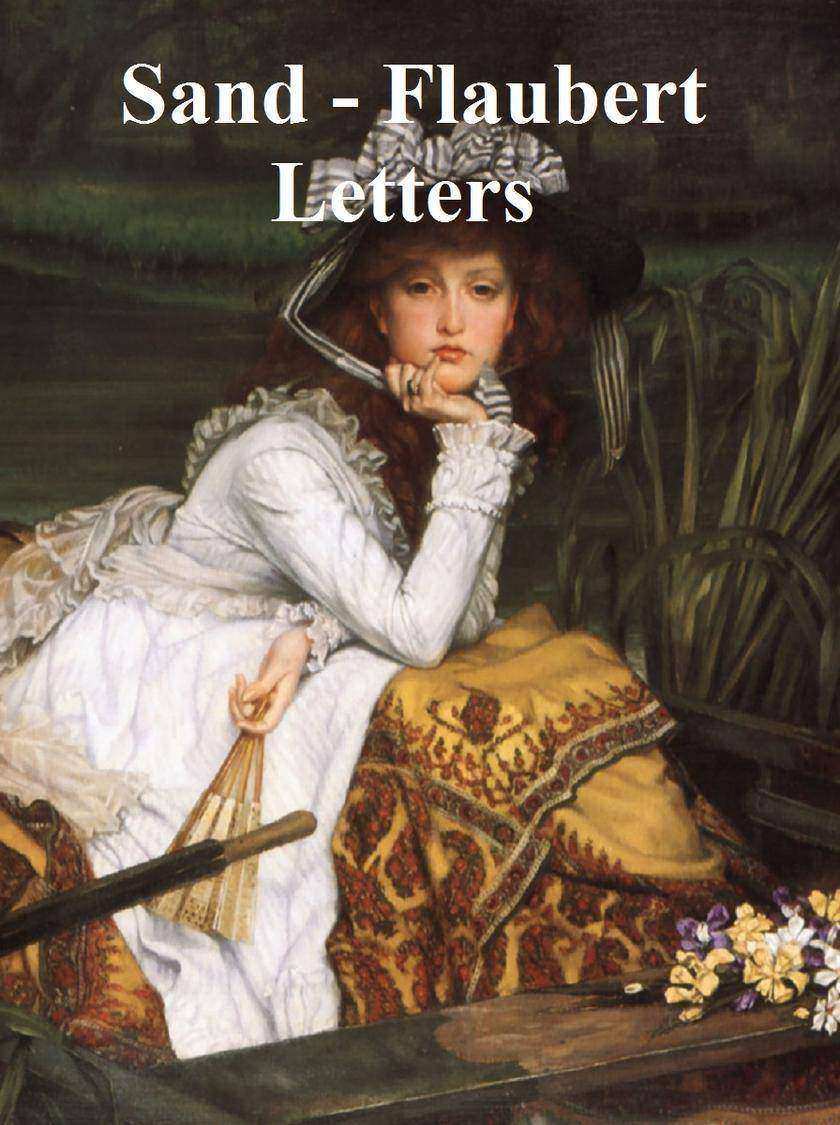
Sand - Flaubert Letters
¥8.09
Classic literary correspondence in English translation. According to Wikipedia: "Amandine Aurore Lucile Dupin, Baroness Dudevant (July 1, 1804 – June 8, 1876), best known by her pseudonym George Sand, was a French novelist and feminist.... A liaison with the writer Jules Sandeau heralded her literary debut. They published a few stories in collaboration, signing them "Jules Sand." She consequently adopted, for her first independent novel, Indiana (1832) , the pen name that made her famous – George Sand. Her first published novel, Rose et Blanche (1831), was written in collaboration with Jules Sandeau. Drawing from her childhood experiences of the countryside, she wrote the rural novels La Mare au Diable (1846), Fran?ois le Champi (1847–1848), La Petite Fadette (1849), and Les Beaux Messieurs Bois-Doré (1857). A Winter in Majorca described the period that she and Chopin spent on that island in 1838-9. Her other novels include Indiana (1832), Lélia (1833), Mauprat (1837), Le Compagnon du Tour de France (1840), Consuelo (1842–1843), and Le Meunier d'Angibault (1845). Further theatre pieces and autobiographical pieces include Histoire de ma vie (1855), Elle et Lui (1859) (about her affair with Musset), Journal Intime, and Correspondence..... Also according to Wikipedia: "Gustave Flaubert (December 12, 1821 – May 8, 1880) was a French writer who is counted among the greatest Western novelists. He is known especially for his first published novel, Madame Bovary (1857), and for his scrupulous devotion to his art and style, best exemplified by his endless search for "le mot juste" ("the precise word")."
A Personal Record
¥8.09
Conrad's autobiography. According to Wikipedia: "Joseph Conrad (1857 – 1924) was a Polish-born English novelist. Many critics regard him as one of the greatest novelists in the English language—a fact that is remarkable, as he did not learn to speak English fluently until he was in his twenties (and always with a strong Polish accent). He became a naturalized British subject in 1886. Conrad is recognized as a master prose stylist. Some of his works have a strain of romanticism, but more importantly he is recognized as an important forerunner of modernist literature. His narrative style and anti-heroic characters have influenced many writers, including Ernest Hemingway, D. H. Lawrence, F. Scott Fitzgerald, Graham Greene, William S. Burroughs, Joseph Heller, V.S. Naipaul, Italo Calvino and J. M. Coetzee."
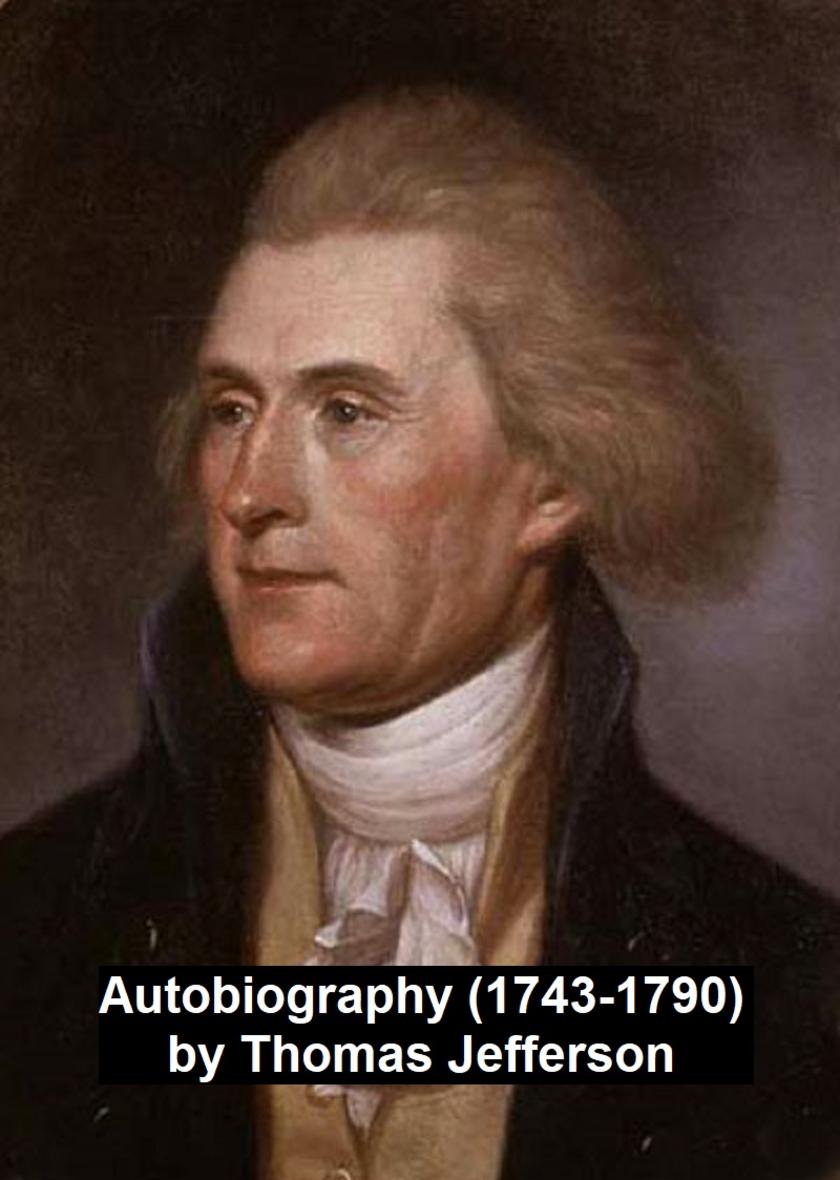
Autobiography (1743-1790)
¥8.09
According to Wikipedia: "Thomas Jefferson (April 13, 1743 – July 4, 1826)[1] was the third President of the United States (1801–1809), the principal author of the Declaration of Independence (1776), and one of the most influential Founding Fathers for his promotion of the ideals of republicanism in the United States. Major events during his presidency include the Louisiana Purchase (1803) and the Lewis and Clark Expedition (1804–1806). As a political philosopher, Jefferson was a man of the Enlightenment and knew many intellectual leaders in Britain and France. He idealized the independent yeoman farmer as exemplar of republican virtues, distrusted cities and financiers, and favored states' rights and a strictly limited federal government. Jefferson supported the separation of church and state[2] and was the author of the Virginia Statute for Religious Freedom (1779, 1786). He was the eponym of Jeffersonian democracy and the co-founder and leader of the Democratic-Republican Party, which dominated American politics for a quarter-century. Jefferson served as the wartime Governor of Virginia (1779–1781), first United States Secretary of State (1789–1793) and second Vice President (1797–1801). A polymath, Jefferson achieved distinction as, among other things, a horticulturist, statesman, architect, archaeologist, inventor, and founder of the University of Virginia."
Modern Mythology
¥8.09
Anthropology and theory of myths and myth-making. According to Wikipedia: "Andrew Lang (March 31, 1844, Selkirk - July 20, 1912, Banchory, Kincardineshire) was a prolific Scots man of letters. He was a poet, novelist, and literary critic, and contributor to anthropology. He now is best known as the collector of folk and fairy tales."
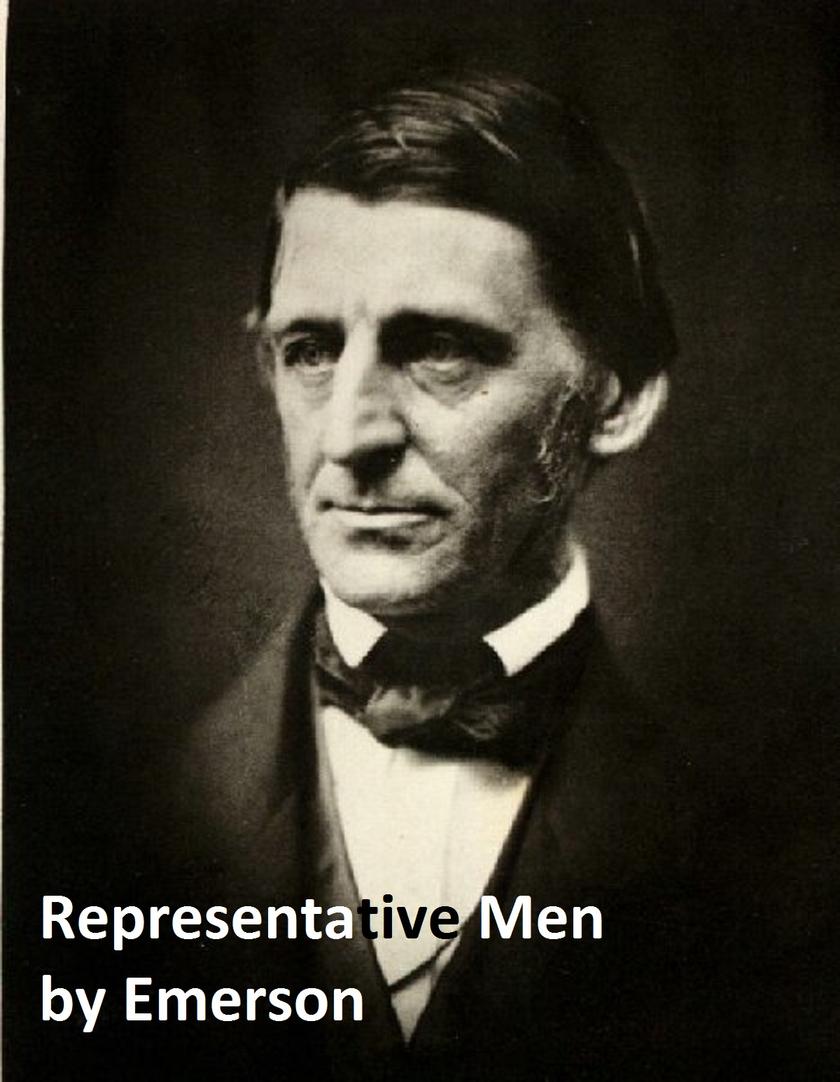
Representative Men
¥8.09
Classic collection of essays on great men, with 13 illustrations. According to Wikipedia: "Representative Men is a collection of seven lectures by Ralph Waldo Emerson, published as a book of essays in 1850. The first essay discusses the role played by "great men" in society, and the remaining six each extoll the virtues of one of six men deemed by Emerson to be great: Plato ("the Philosopher"), Emanuel Swedenborg ("the Mystic"), Michel de Montaigne ("the Skeptic"), William Shakespeare ("the Poet"), Napoleon ("the Man of the World"), and Johann Wolfgang von Goethe ("the Writer"). The work was described by Matthew Arnold as "the most important work done in prose"... Ralph Waldo Emerson (1803 – 1882) was an American essayist, philosopher, poet, and leader of the Transcendentalist movement in the early 19th century. His teachings directly influenced the growing New Thought movement of the mid 1800s. Emerson gradually moved away from the religious and social beliefs of his contemporaries, formulating and expressing the philosophy of Transcendentalism in his 1836 essay, Nature. As a result of this ground breaking work he gave a speech entitled The American Scholar in 1837, which Oliver Wendell Holmes Sr. considered to be America's "Intellectual Declaration of Independence". Emerson once said "Make the most of yourself, for that is all there is of you."
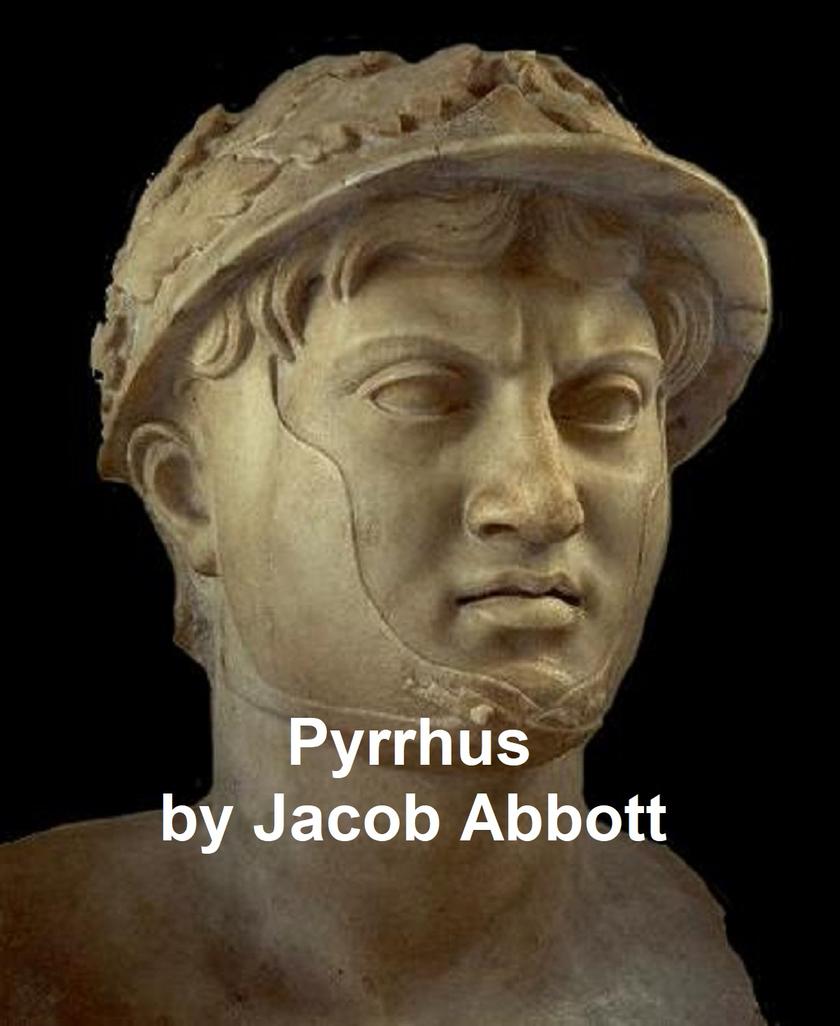
Pyrrhus
¥8.09
According to Wikipedia: "Pyrrhus or Pyrrhos (319/318 BC—272 BC) was a Greek general and statesman of the Hellenistic era. He was king of the Greek tribe of Molossians, of the royal Aeacid house (from ca. 297 BC), and later he became King of Epirus (306-302, 297-272 BC) and Macedon (288-284, 273-272 BC). He was one of the strongest opponents of early Rome. Some of his battles, though successful, cost him heavy losses, from which the term "Pyrrhic victory" was coined. He is the subject of one of Plutarch's Parallel Lives."
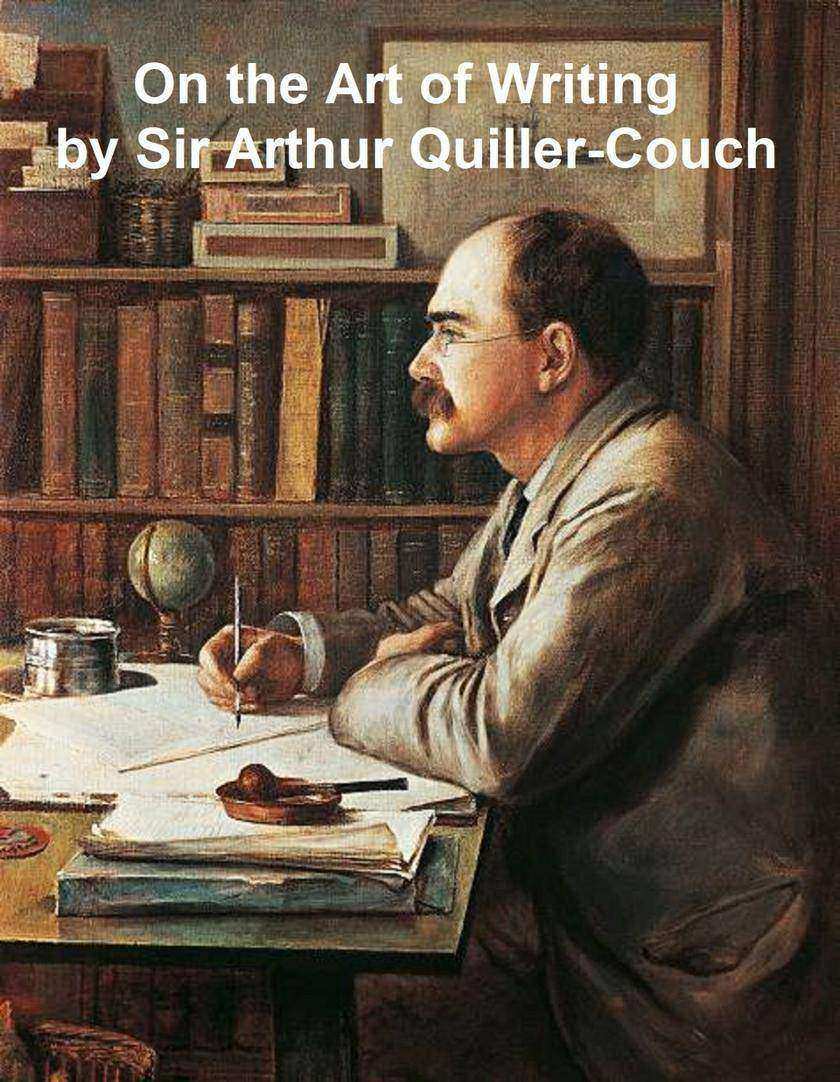
On the Art of Writing
¥8.09
Series of lectures delivered at the University of Cambridge in 1913. According to Wikipedia: "Sir Arthur Thomas Quiller-Couch (21 November 1863 – 12 May 1944) was a British writer, who published under the pen name of Q. He is primarily remembered for the monumental Oxford Book Of English Verse 1250–1900 (later extended to 1918), and for his literary criticism. He guided the taste of many who never met him, including American writer Helene Hanff, author of 84 Charing Cross Road, its sequel, Q's Legacy; and the putatively fictional Horace Rumpole via John Mortimer, his literary amanuensis."
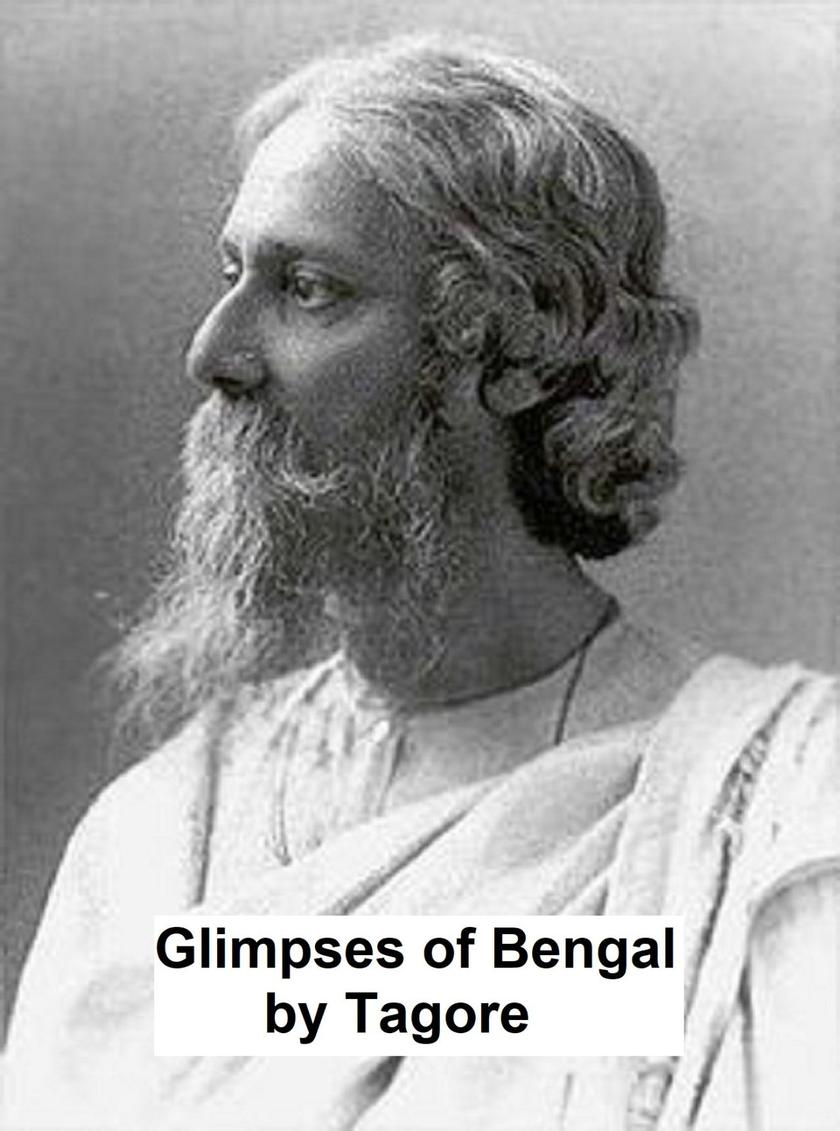
Glimpses of Bengal
¥8.09
According to Wikipedia: "Rabindranath Tagore (7 May 1861 – 7 August 1941), sobriquet Gurudev, was a Bengali poet, novelist, musician, painter and playwright who reshaped Bengali literature and music. As author of Gitanjali and its "profoundly sensitive, fresh and beautiful verse", he was the first non-European who was awarded the Nobel Prize for Literature in 1913. His poetry in translation was viewed as spiritual, and this together with his mesmerizing persona gave him a prophet-like aura in the west. His "elegant prose and magical poetry" still remain largely unknown outside the confines of Bengal."

Literary Taste: How to Form It
¥8.09
Dodo Collections brings you another classic from Arnold Bennett, ‘"Literary Taste: How to Form It".’ ? Literary Taste, which has a sub-title "how to form it, with detailed instructions for collecting a complete library of English Literarure", came into that category, and was a very successful publication. More than 100 years after it first appeared (in 1909) it will seem rather quaint, but there is much of value in it, and, bearing in mind that much good and great literary work has been produced in modern times, it is still worth a study. Remember it is a book that pointed the way for the generation of our grandfathers and great-grandfathers! ? Enoch Arnold Bennett (always known as Arnold Bennett) was one of the most remarkable literary figures of his time, a product of the English Potteries that he made famous as the Five Towns. Yet he could hardly wait to escape his home town, and he did so by the sheer force of his ambition to succeed as an author. In his time he turned his hand to every kind of writing, but he will be remembered for such novels as The Old Wives' Tale, the Clayhanger trilogy (Clayhanger, Hilda Lessways, and These Twain), and The Card. He also wrote such intriguing self-improvement books as Literary Taste, How To Live on 24 Hours a Day, The Human Machine, etc. ? After a local education Bennett finished his education at the University of London and for a time was editor of Woman magazine. After 1900 he devoted himself entirely to writing; dramatic criticism was one of his foremost interests. Bennett is best known, however, for his novels, several of which were written during his residence in France. ? Bennett's infancy was spent in genteel poverty, which gave way to prosperity as his father succeeded as a solicitor. From this provincial background he became a novelist. ? His enduring fame is as a Chronicler of the Potteries towns, the setting and inspiration of some of his most famous and enduring literary work and the place where he grew up.
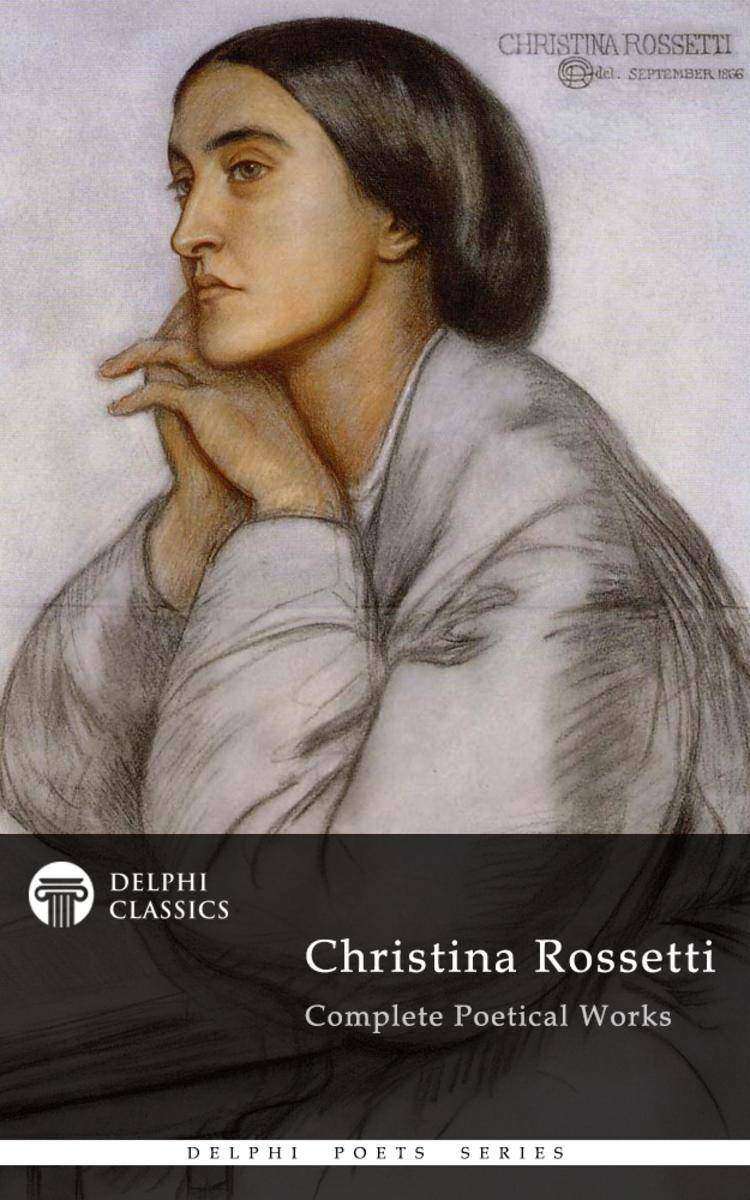
Delphi Complete Works of Christina Rossetti (Illustrated)
¥16.27
Famous for the long poem ‘Goblin Market’ and the classic love poem ‘Remember’, Christina Rossetti created a variety of romantic, devotional and children's poems, as well as an accomplished sample of fiction. The Delphi Poets Series offers readers the works of literature's finest poets, with superior formatting. This volume presents the complete poetical and fictional works of Christina Rossetti, with beautiful illustrations and the usual Delphi bonus material. (Version 1) * Beautifully illustrated with images relating to Rossetti's life and works * Concise introductions to the poetry and other works * Images of how the poetry books were first printed, giving your eReader a taste of the original texts * Excellent formatting of the poems * Features Dante Gabriel Rossetti’s accompanying illustrations to GOBLIN MARKET * Special chronological and alphabetical contents tables for the poetry * Easily locate the poems you want to read * Includes Rossetti's complete short stories and her rare novella MAUDE, appearing for the first time in digital print * Features a bonus biography by the Pre-Raphaelite expert Theodore Watts-Dunton - discover Rossetti's literary life * Scholarly ordering of texts into chronological order and literary genres * Easily skip forward or back to each poem and section using the Kindle's 5-way controller Please visit www.delphiclassics.com to browse through our range of exciting titles CONTENTS: The Poetry Collections VERSES, 1847 GOBLIN MARKET AND OTHER POEMS THE PRINCE’S PROGRESS AND OTHER POEMS SING-SONG: A NURSERY RHYME BOOK A PAGEANT AND OTHER POEMS VERSES, 1893 SOME FEASTS AND FASTS GIFTS AND GRACES THE WORLD: SELF-DESTRUCTION DIVERS WORLDS:TIME AND ETERNITY NEW JERUSALEM AND ITS CITIZENS SONGS FOR STRANGERS AND PILGRIMS PRIVATELY PUBLISHED POEMS UNPUBLISHED POEMS The Poems LIST OF POEMS IN CHRONOLOGICAL ORDER LIST OF POEMS IN ALPHABETICAL ORDER The Fiction COMMONPLACE AND OTHER STORIES MAUDE: A STORY FOR GIRLS The Biography CHRISTINA GEORGINA ROSSETTI by Theodore Watts-Dunton Please visit www.delphiclassics.com to browse through our range of exciting titles


