


 购物车
购物车 个人中心
个人中心

Sketches Sartorial, Tonsorial and the Like
¥24.44
St Claire Bullock - a Professor of Philosophy, no less - in the intervals between pondering the great questions of life, turned his hand to penning light verse in the manner of Hilaire Belloc, Ogden Nash and Edward Lear. In rhyming couplets these wry and witty poems ponder the foibles and vanities of mortals. Some of these are captured in pen and ink drawings which caricature the subject of the poems. Each character is given an amusing name, beginning with Master Cecil Abercorn, through Clarence Castle, Serena Huff, The Marchioness of Mal de Mer, Major Houghton Reid and Thomas Tinkham Tattersall to Roland Washburn White. There are 70 poems in all of which 10 are illustrated. The illustration on the front cover relates to Rupert Ashe: 'The greatest pride of Rupert Ashe was his luxuriant moustache. He took great care to keep it groomed, And even, with restraint, perfumed. He brushed it upward every day, and it made such a grand display, that people who were not the wiser, imagined that he was the Kaiser.'
William Morrow
¥166.09
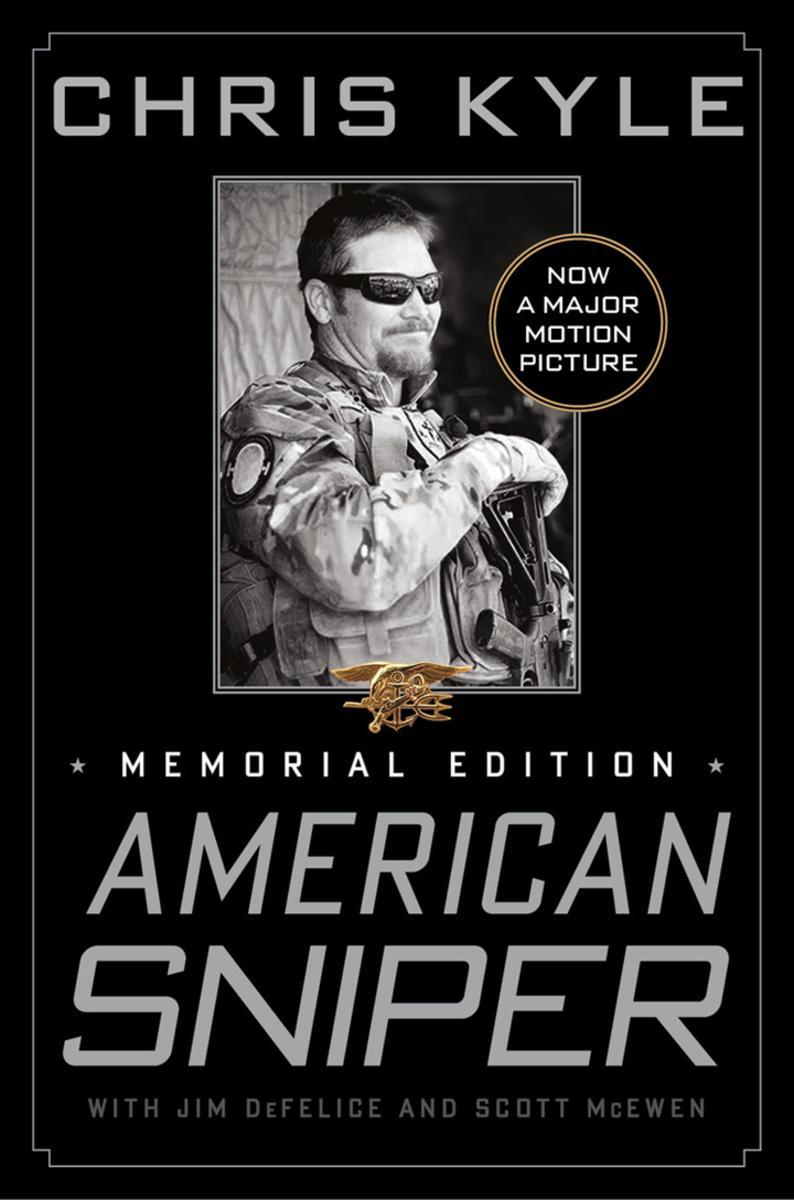
NOW A BLOCKBUSTER MOTION PICTURE DIRECTED BY CLINT EASTWOOD NOMINATED FOR SIX ACADEMY AWARDS, INCLUDING BEST PICTURE A celebration of the remarkable life and legacy of fallen American hero Chris Kyle This commemorative memorial edition of Kyle bestselling memoir features the full text of American Sniper , plus more than eighty pages of remembrances by those whose lives he touched personally including his wife, Taya; his parents, brother, and children; Marcus Luttrell and other fellow Navy SEALs; veterans and wounded warriors; lifelong friends; and many others. He was the top American sniper of all time, called the legend by his Navy SEAL brothers, and a hero by those he served on the home front . . . From 1999 to 2009, U.S. Navy SEAL Chris Kyle recorded the most career sniper kills in United States military history. Kyle earned legendary status among his fellow SEALs, Marines, and U.S. Army soldiers, whom he protected with deadly accuracy from rooftops and stealth positions. Gripping and unforgettable, Kyle masterful account of his extraordinary battlefield experiences ranks as one of the greatest war memoirs of all time. A native Texan who learned to shoot on childhood hunting trips with his father, Kyle was a champion saddle-bronc rider prior to joining the Navy. After 9/11, he was thrust onto the front lines of the War on Terror, and soon found his calling as a world-class sniper who performed best under fire. He recorded a personal-record 2,100-yard kill shot outside Baghdad; in Fallujah, Kyle braved heavy fire to rescue a group of Marines trapped on a street; in Ramadi, he stared down insurgents with his pistol in close combat. Kyle talks honestly about the pain of war of twice being shot, and experiencing the tragic deaths of two close friends. American Sniper also honors Kyle fellow warriors, who raised hell on and off the battlefield. And in moving first-person accounts throughout, Kyle wife, Taya, speaks openly about the strains of war on their marriage and children, as well as on Chris. Adrenaline-charged and deeply personal, American Sniper is a thrilling eyewitness account of service and sacrifice that only one man could tell.

Until I Say Good-Bye
¥83.03
In June 2011, Susan Spencer-Wendel learned she had amyotrophic lateral sclerosis (ALS) Lou Gehrig disease an irreversible condition that systematically destroys the nerves that power the muscles. She was forty-four years old, with a devoted husband and three young children, and she had only one year of health remaining. Susan decided to live that year with joy. She quit her job as a journalist and spent time with her family. She built an outdoor meeting space for friends in her backyard. And she took seven trips with the seven most important people in her life. As her health declined, Susan journeyed to the Yukon, Hungary, the Bahamas, and Cyprus. She took her sons to swim with dolphins, and her teenage daughter, Marina, to Kleinfeld bridal shop in New York City to see her for the first and last time in a wedding dress. She also wrote this book. No longer able to walk or even to lift her arms, she tapped it out letter by letter on her iPhone using only her right thumb, the last finger still working. However, Until I Say Good-Bye is not angry or bitter. It is sad in parts how could it not bebut it is filled with Susan optimism, joie de vivre, and sense of humor. It is a book about life, not death. One that, like Susan, will make everyone smile. From the Burger King parking lot where she cried after her diagnosis to a snowy hot spring near the Arctic Circle, from a hilarious family Christmas disaster to the decrepit monastery in eastern Cyprus where she rediscovered her heritage, Until I Say Good-Bye is not only Susan Spencer-Wendel unforgettable gift to her loved ones a heartfelt record of their final experiences together but an offering to all of us: a reminder that every day is better when it is lived with joy.

I Dreamed I Was a Very Clean Tramp
¥95.39
The sharp, lyrical, and no-holds-barred autobiography of the iconoclastic writer and musician Richard Hell, charting the childhood, coming of age, and misadventures of an artist in an indelible era of rock and roll... From an early age, Richard Hell dreamed of running away. His father died when he was seven, and at seventeen he left his mother and sister behind and headed for New York City, place of limitless possibilities. He arrived penniless with the idea of becoming a poet; ten years later he was a pivotal voice of the age of punk, starting such seminal bands as Television, the Heartbreakers, and Richard Hell and the Voidoids whose song Blank Generation remains the defining anthem of the era. Hell was significantly responsible for creating CBGB as punk ground zero; his Voidoids toured notoriously with the Clash, and Malcolm McLaren would credit Hell as inspiration for the Sex Pistols. There were kinetic nights in New York club demi-monde, descent into drug addiction, and an ever-present yearning for redemption through poetry, music, and art. We lived in the suburbs in America in the fifties, Hell writes. My roots are shallow. I'm a little jealous of people with strong ethnic and cultural roots. Lucky Martin Scorsese or Art Spiegelman or Dave Chappelle. I came from Hopalong Cassidy and Bugs Bunny and first grade at ordinary Maxwell Elementary. How this legendary downtown artist went from a prosaic childhood in the idyllic Kentucky foothills to igniting a movement that would take over New York and London restless youth cultures and spawn the careers of not only Hell himself, but a cohort of friends such as Tom Verlaine, Patti Smith, the Ramones, and Debbie Harry is just part of the fascinating story Hell tells. With stunning powers of observation, he delves into the details of both the world that shaped him and the world he shaped. An acutely rendered, unforgettable coming-of-age story, I Dreamed I Was a Very Clean Tramp evokes with feeling, clarity, and piercing intelligence that classic journey: the life of one who comes from the hinterlands into the city in search of art and passion.
Highest Duty
¥90.77
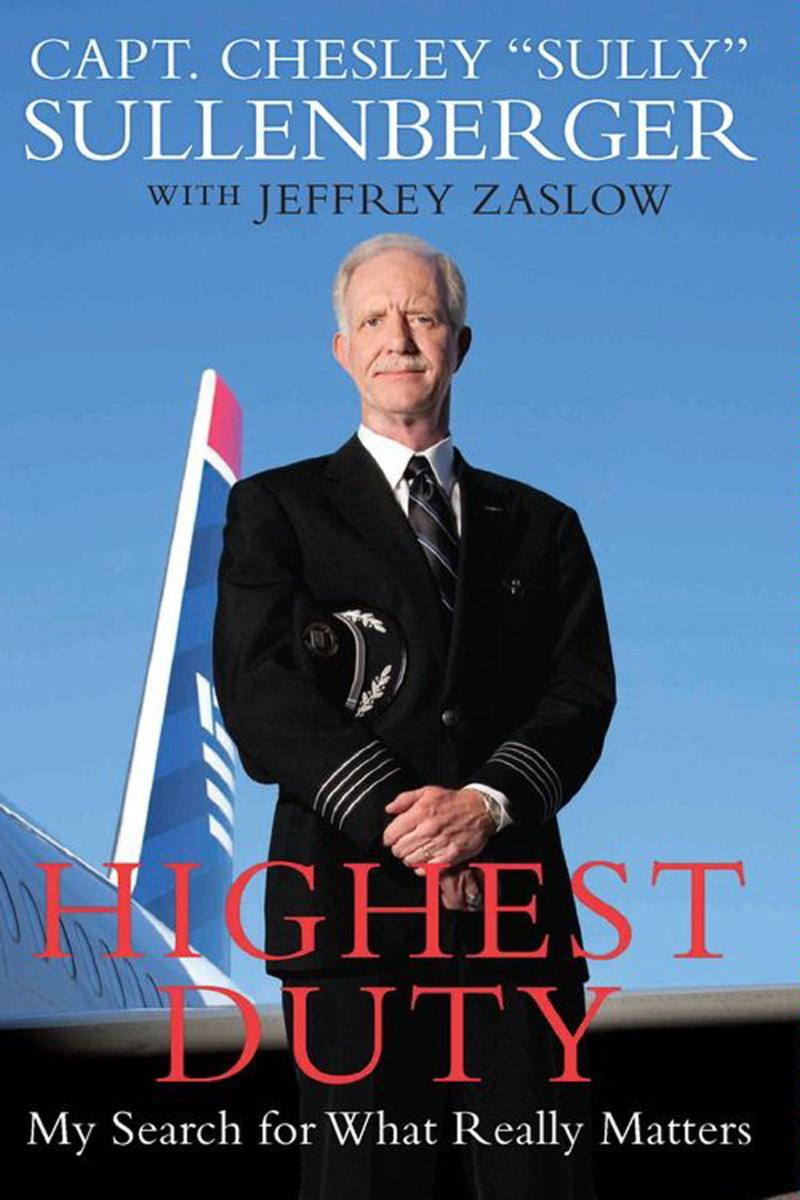
In this inspirational autobiography, Captain "Sully" Sullenberger, the airline pilot whose emergency landing on the Hudson River earned the world's admiration, tells his life story and talks about the essential qualities that he believes have been so vital to his success. In January 2009, the world witnessed one of the most remarkable emergency landings in history when Captain Sullenberger brought a crippled US Airways flight onto the Hudson River, saving the lives of all of the passengers and crew aboard. The successful outcome was the result of effective teamwork, Sully's dedication to airline safety, his belief that a pilot's judgment must go hand-in-hand with and can never be replaced by technology, and forty years of careful practice and training. From his earliest memories of learning to fly as a teenager in a crop duster's single-engine plane in the skies above rural Texas to his years in the United States Air Force at the controls of a powerful F-4 Phantom, Sully describes the experiences that have helped make him a better leader, particularly the importance of taking responsibility for everyone in his care. And he talks about what he believes is at the heart of America's "can do" spirit: the very human drive to prepare for the unexpected and to meet it with optimism and courage. His wife, Lorrie, has been a pillar of support through all the highs and lows that life has offered, from the challenges of commercial flying to the birth of their two daughters, from financial struggles to the event of January 15, 2009. Though the world may remember Sully as the hero of Flight 1549, the legacy he desires even more is that of a loving husband and father. Highest Duty is the intimate story of a man who has grown up to embrace what we think of as quintessential American values leadership, responsibility, commitment to hard work, and service to others. And it is a narrative that reminds us that cultivating seemingly ordinary virtues can prepare us to perform extraordinary acts.
Rules of the Game
¥95.11
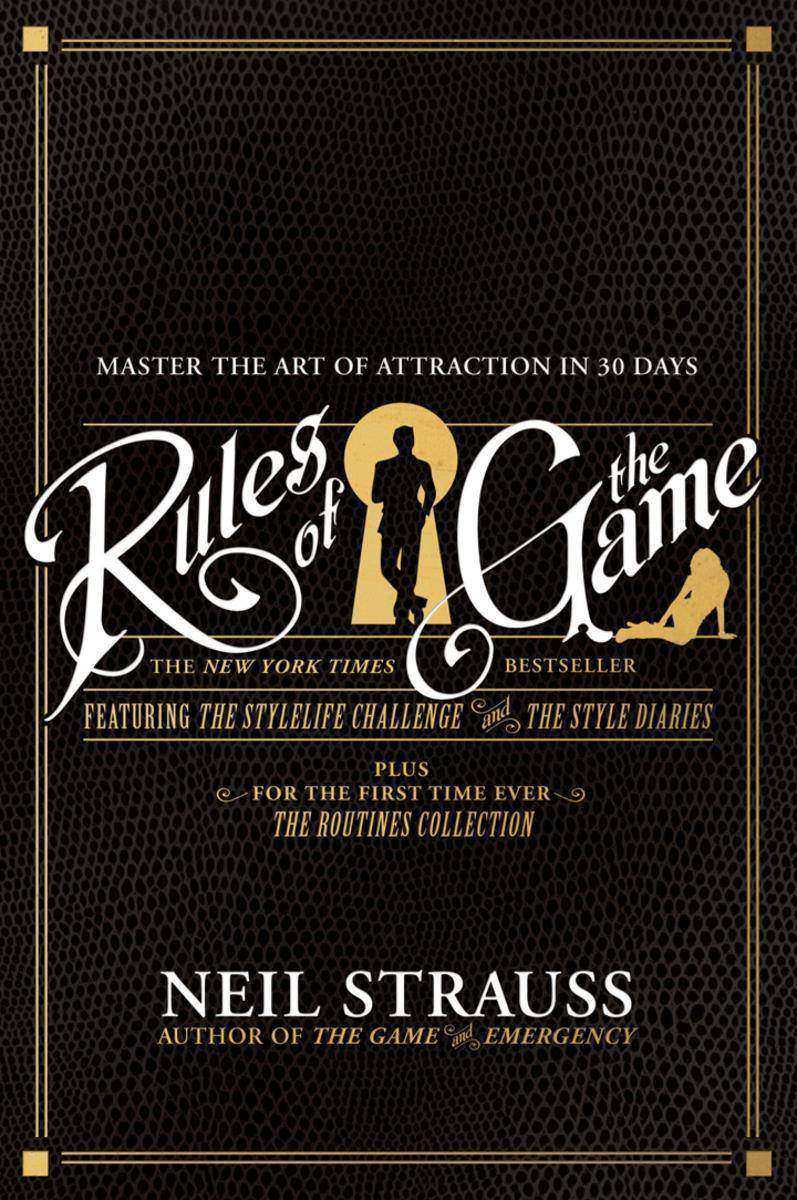
If you want to play the Game, you've got to know the Rules. In his international bestseller The Game , Neil Strauss delved into the secret world of pick-up artists men who have created a science out of the art of seduction. Not only did he reveal the techniques that they had developed, but he became a master of The Game, and the world's No. 1 PUA, as Style. Now, in this bestselling companion, Strauss reduces three books of life-changing knowledge into a single-volume set. The first book, The Stylelife Challenge , breaks down the knowledge he learned and techniques he invented into simple step-by-step instructions that anyone can follow to meet and land the women of their dreams. In the second book, Strauss takes readers into the dark side of The Game. The Style Diaries offers a series of tales of seduction and sexual (mis)adventure. From accidentally getting married during a drunken night in Reykjavik, to luring a famous musician's granddaughter into a threesome; to the stress and frustration of the torturous and highly unorthodox "30 Day Sex Experiment," The Style Diaries takes you further into the seduction underworld than ever before. Finally, in the all-new, updated third volume, Strauss collects the greatest, most powerful, field-tested, word-for-word routines. You don't need money, looks, or fame to succeed with women. All you need is an understanding of how attraction works and this thirty-day workout program for your social skills, which has already guided countless men from frustration to fulfillment.

The Game
¥223.86
Hidden somewhere, in nearly every major city in the world, is an underground seduction lair. And in these lairs, men trade the most devastatingly effective techniques ever invented to charm women. This is not fiction. These men really exist. They live together in houses known as Projects. And Neil Strauss, the bestselling author and journalist, spent two years living among them, using the pseudonym Style to protect his real-life identity. The result is one of the most explosive and controversial books of the last decade guaranteed to change the lives of men and transform the way women understand the opposite sex forever. On his journey from AFC (average frustrated chump) to PUA (pick-up artist) to PUG (pick-up guru), Strauss not only shares scores of original seduction techniques but also has unforgettable encounters with the likes of Tom Cruise, Britney Spears, Paris Hilton, Heidi Fleiss, and Courtney Love. And then things really start to get strange and passions lead to betrayals lead to violence. The Game is the story of one man's transformation from frog to prince to prisoner in the most unforgettable book of this generation.
Connect the Stars
¥95.39
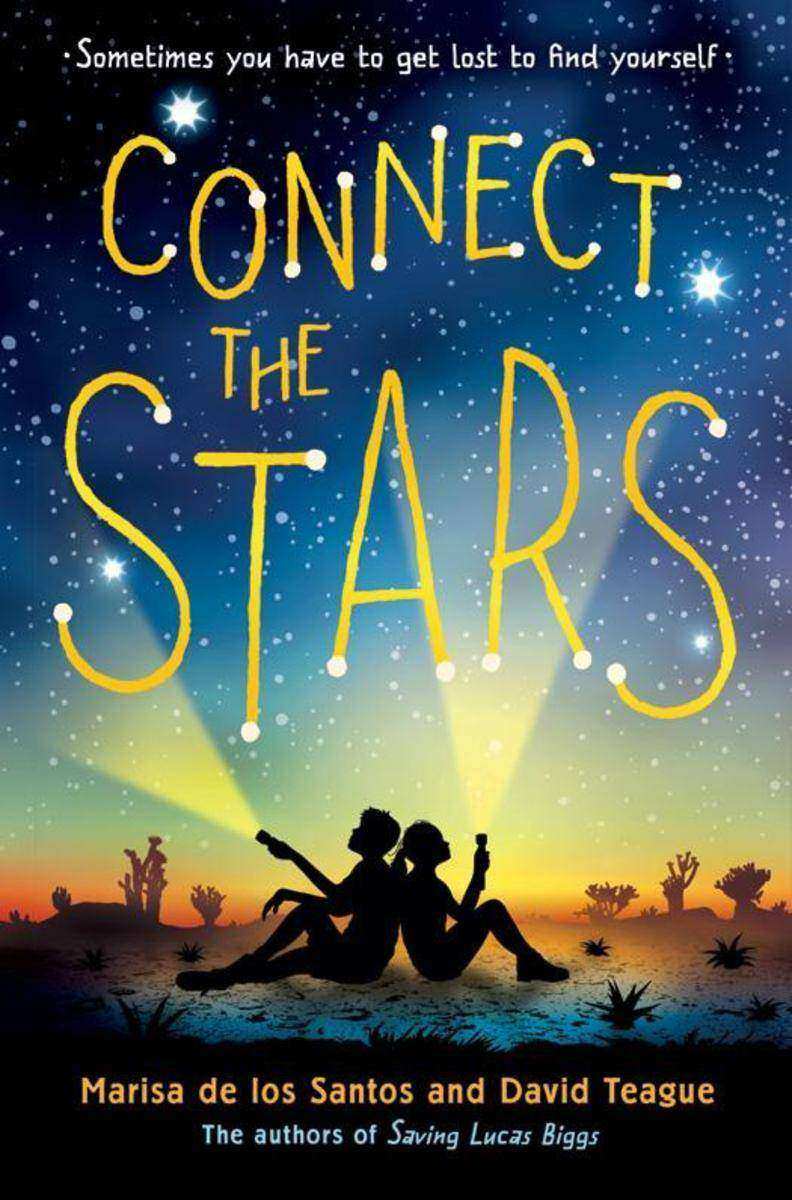
From Saving Lucas Biggs authors Marisa de los Santos and David Teague comes a heartwarming middle grade adventure about two misfits discovering the importance of just being themselves.When thirteen-year-olds Aaron and Audrey meet at a wilderness camp in the desert, they think their quirks are enough to prevent them from ever having friends. But as they trek through the challenging and unforgiving landscape, they learn that they each have what it takes to make the other whole.Luminous and clever, Connect the Stars takes on some hefty topics of the day—bullying, understanding where you fit in, and learning to live with physical and mental challenges—all in a joyous adventure kids will love!

Epic Reads Impulse
¥108.99
This 50-page digital original novella introduces readers to Blackout, a series by acclaimed author Robison Wells that combines the high-stakes intensity of television's Homeland with the lightning-fast action of Marie Lu's Legend.Something strange is happening to Krezi. She has a dangerously high fever her doctors can't explain, and objects keep bursting into flames around her—but the fire doesn't seem to hurt her at all. Krezi wants nothing more than to control her mysterious abilities. But what she doesn't know is that there are others like her out there . . . and in the wrong hands, this power could be deadly.Going Dark also features a teaser to Blackout.Epic Reads Impulse is a digital imprint with new releases each month.

The Dolls
¥55.33
Pretty Little Liars meets Beautiful Creatures in this steamy southern suspense novel about a group of powerful teen voodoo queens who will do anything to get what they want.Eveny Cheval has just moved back to Carrefour, Louisiana—a town she left fourteen years ago in the wake of her mother's suicide. An outsider at first, Eveny quickly finds herself embroiled in a web of intrigue, betrayal, and lies. Enter Peregrine Marceau, Chloe St. Pierre, and their group of rich, sexy friends collectively known as the Dolls. They want to bring Eveny into their circle and share their darkest truths with her.Eveny is wary of these girls, but after murder strikes and she discovers that everything she believes about herself, her family, and her life is a lie, she's forced to turn to the Dolls for answers. Something's wrong in paradise, and it's up to Eveny, Chloe, and Peregrine to save Carrefour and make it right.

Bringing Home the Birkin
¥83.03
An insider's hilarious, whirlwind account of his years spent globe-trotting in search of the holy grail of handbags: the Birkin For more than twenty years, the Hermès Birkin bag has been the iconic symbol of fashion, luxury, and wealth. Though the bag is often seen dangling from the arms of celebrities, there is a fabled waiting list of more than two years to buy one from Hermès, and the average fashionista has a better chance of climbing Mount Everest in Prada pumps than of possessing one of these coveted carryalls. Unless, of course, she happens to know Michael Tonello . . . Michael's newfound career started with an impulsive move to Barcelona, a vanished job assignment, no work visa, and an Herm scarf sold on eBay to generate some quick cash. But soon the resourceful Michael discovered the truth about the waiting list and figured out the secret to getting Herm to part with one of these precious bags. Millions of dollars worth of Birkins later, Michael had become one of eBay's most successful entrepreneurs and a Robin Hood to thousands of desperate rich women.With down-to-earth wit, Michael chronicles the unusual ventures that took him to nearly every continent, from eBay to Paris auction house and into the lives of celebrities and poseurs. Flirting with danger, Michael recounts the heady rush of hand delivering his first big score to famed songwriter Carole Bayer Sager in Paris; how he had to hire thugs to rescue a bag that one of his "shoppers" held for ransom; and the story of the Oscar-worthy performances that allowed him to snag "reserved" bags from other, less dogged Birkin seekers. Whether he's relating his wining and dining, buying and selling, dodging and weaving, laughing and crying, or schmoozing and stammering, Michael is a master raconteur who weaves together tales of hunting Birkins in the world's most posh locales, memories of meals that would make any gastronome salivate, anecdotes of obsessed collectors with insatiable desires, and sweetly intimate stories about his family, friends, and finding true love. The result is a memoir that is distinctive, fun, page-turning, and as addictive as its namesake.
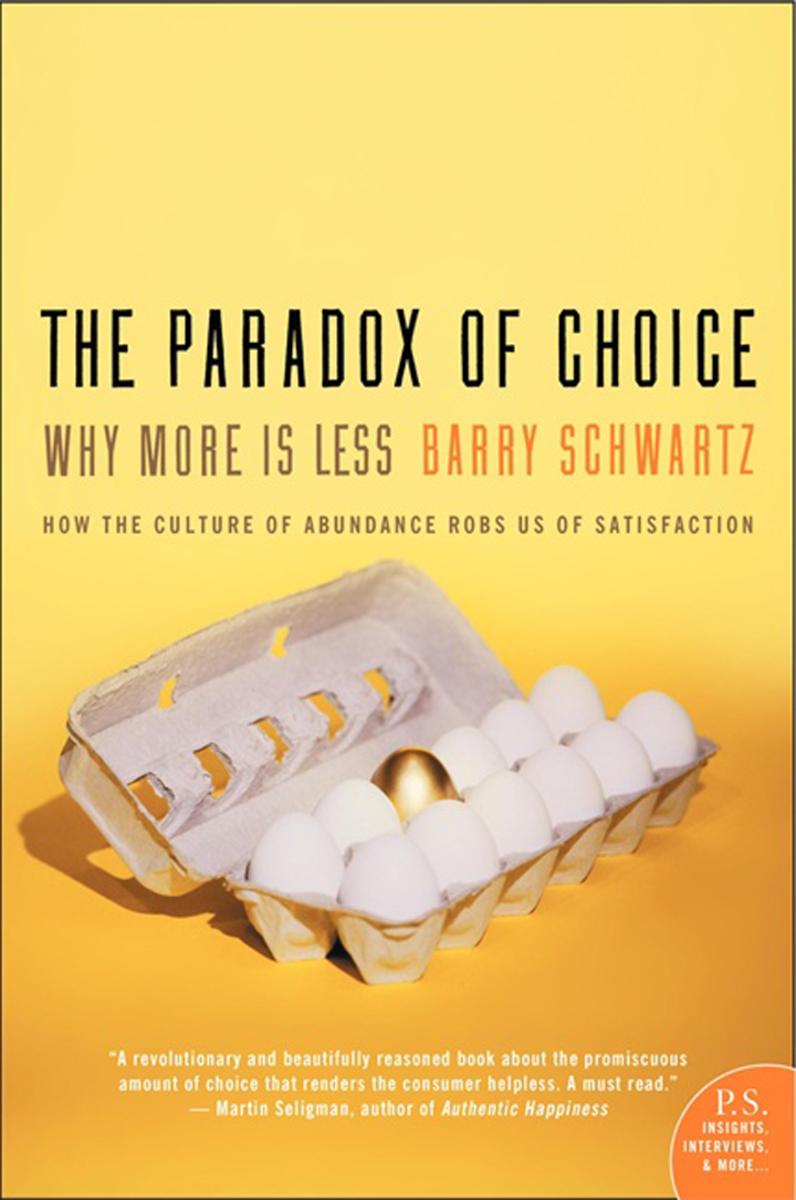
The Paradox of Choice
¥94.10
In the spirit of Alvin Toffler Future Shock , a social critique of our obsession with choice, and how it contributes to anxiety, dissatisfaction and regret. This paperback includes a new P.S. section with author interviews, insights, features, suggested readings, and more. Whether we're buying a pair of jeans, ordering a cup of coffee, selecting a long-distance carrier, applying to college, choosing a doctor, or setting up a 401(k), everyday decisions--both big and small--have become increasingly complex due to the overwhelming abundance of choice with which we are presented. We assume that more choice means better options and greater satisfaction. But beware of excessive choice: choice overload can make you question the decisions you make before you even make them, it can set you up for unrealistically high expectations, and it can make you blame yourself for any and all failures. In the long run, this can lead to decision-making paralysis, anxiety, and perpetual stress. And, in a culture that tells us that there is no excuse for falling short of perfection when your options are limitless, too much choice can lead to clinical depression. In The Paradox of Choice , Barry Schwartz explains at what point choice--the hallmark of individual freedom and self-determination that we so cherish--becomes detrimental to our psychological and emotional well-being. In accessible, engaging, and anecdotal prose, Schwartz shows how the dramatic explosion in choice--from the mundane to the profound challenges of balancing career, family, and individual needs--has paradoxically become a problem instead of a solution. Schwartz also shows how our obsession with choice encourages us to seek that which makes us feel worse. By synthesizing current research in the social sciences, Schwartz makes the counterintuitive case that eliminating choices can greatly reduce the stress, anxiety, and busyness of our lives. He offers eleven practical steps on how to limit choices to a manageable number, have the discipline to focus on the important ones and ignore the rest, and ultimately derive greater satisfaction from the choices you have to make.
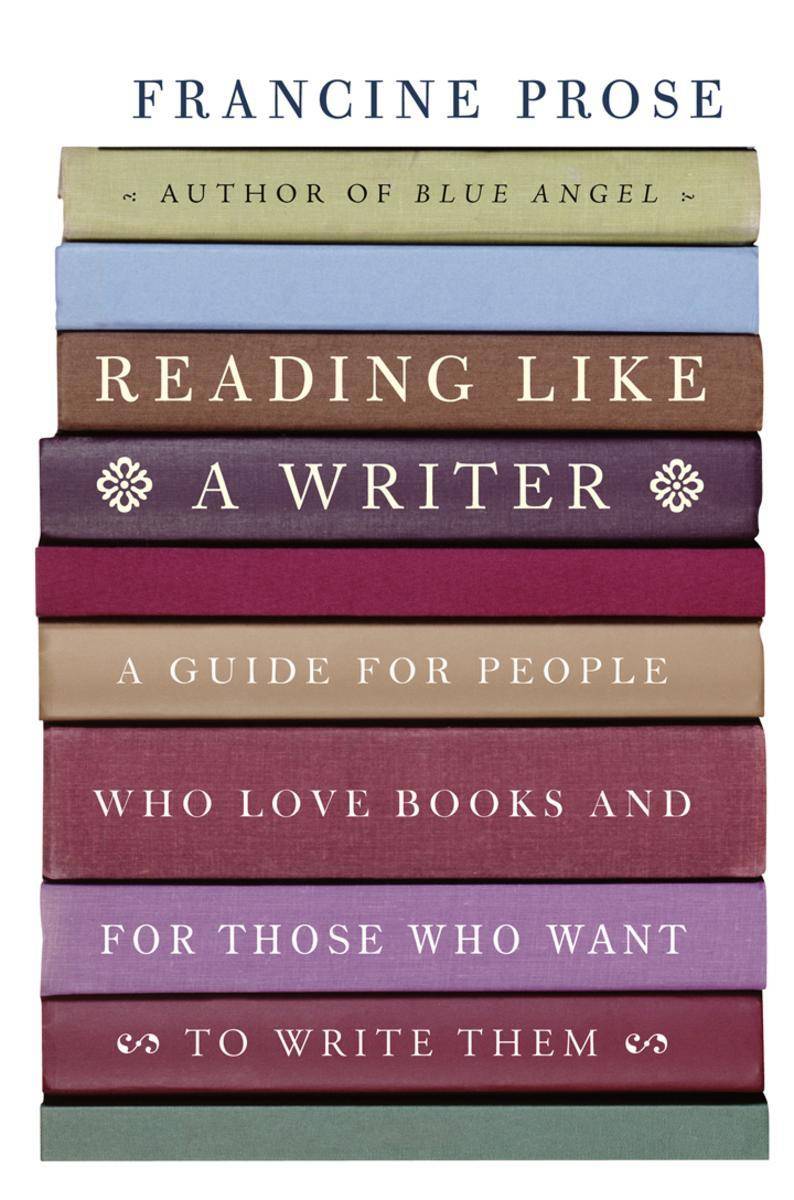
Reading Like a Writer
¥94.10
Long before there were creative-writing workshops and degrees, how did aspiring writers learn to writeBy reading the work of their predecessors and contemporaries, says Francine Prose. In Reading Like a Writer , Prose invites you to sit by her side and take a guided tour of the tools and the tricks of the masters. She reads the work of the very best writers—Dostoyevsky, Flaubert, Kafka, Austen, Dickens, Woolf, Chekhov—and discovers why their work has endured. She takes pleasure in the long and magnificent sentences of Philip Roth and the breathtaking paragraphs of Isaac Babel; she is deeply moved by the brilliant characterization in George Eliot's Middlemarch . She looks to John Le Carr for a lesson in how to advance plot through dialogue, to Flannery O'Connor for the cunning use of the telling detail, and to James Joyce and Katherine Mansfield for clever examples of how to employ gesture to create character. She cautions readers to slow down and pay attention to words, the raw material out of which literature is crafted. Written with passion, humor, and wisdom, Reading Like a Writer will inspire readers to return to literature with a fresh eye and an eager heart.
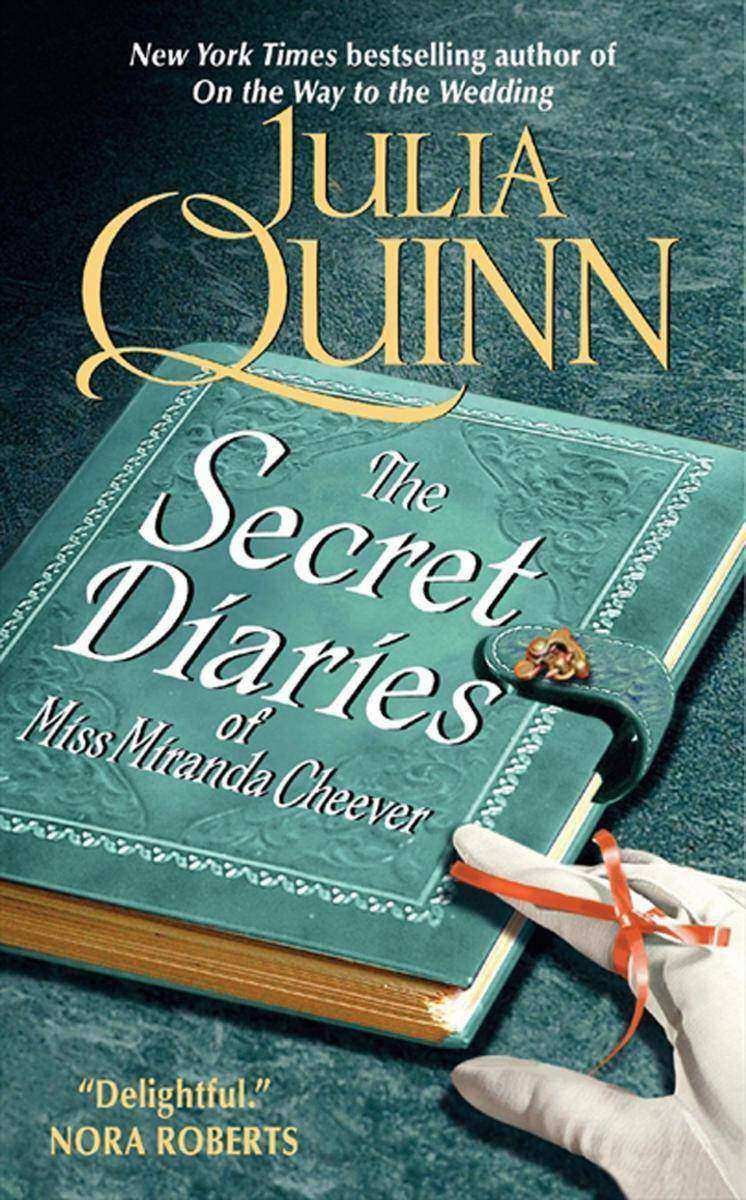
The Secret Diaries of Miss Miranda Cheever
¥55.31
2 March 1810 . . . Today, I fell in love. At the age of ten, Miranda Cheever showed no signs of Great Beauty. And even at ten, Miranda learned to accept the expectations society held for her until the afternoon when Nigel Bevelstoke, the handsome and dashing Viscount Turner, solemnly kissed her hand and promised her that one day she would grow into herself, that one day she would be as beautiful as she already was smart. And even at ten, Miranda knew she would love him forever. But the years that followed were as cruel to Turner as they were kind to Miranda. She is as intriguing as the viscount boldly predicted on that memorable day while he is a lonely, bitter man, crushed by a devastating loss. But Miranda has never forgotten the truth she set down on paper all those years earlier and she will not allow the love that is her destiny to slip lightly through her fingers . . .
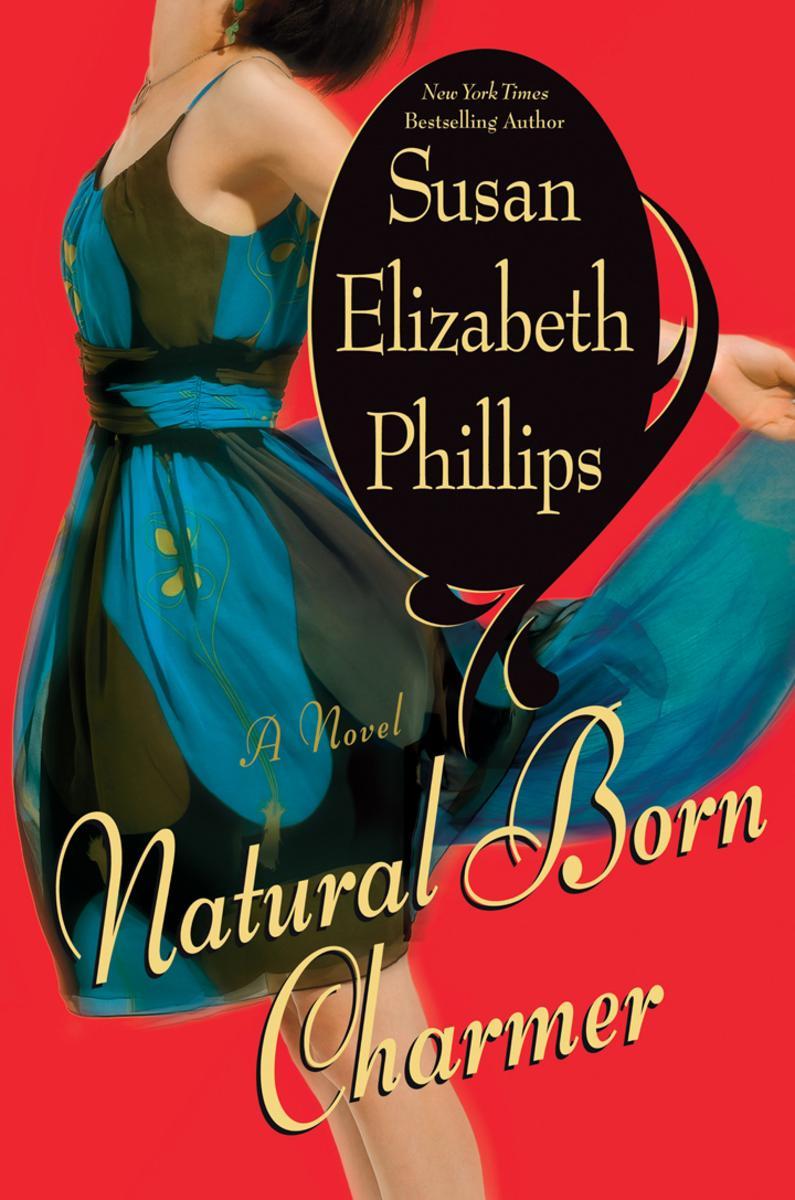
Natural Born Charmer
¥55.31
Chicago Stars quarterback Dean Robillard is the luckiest man in the world: a bona-fide sports superstar and the pride of the NFL with a profitable side career as a buff billboard model for End Zone underwear. But life in the glory lane has started to pale, and Dean has set off on a cross-country trip to figure out what's gone wrong. When he hits a lonely stretch of Colorado highway, he spies something that will shake up his gilded life in ways he can't imagine. A young woman . . . dressed in a beaver suit. Blue Bailey is on a mission to murder her ex. Or at least inflict serious damage. As for the beaver suit she's wearing . . . Is it her fault that life keeps throwing her curveballsWitness the expensive black sports car pulling up next to her on the highway and the Greek god stepping out of it. Blue's career as a portrait painter is the perfect job for someone who refuses to stay in one place for very long. She needs a ride, and America's most famous football player has an imposing set of wheels. Now, all she has to do is keep him entertained, off guard, and fully clothed before he figures out exactly how desperate she is. But Dean isn't the brainless jock she imagines, and Blue despite her petite stature is just about the toughest woman Dean has ever met. They're soon heading for his summer home where their already complicated lives and inconvenient attraction to each other will become entangled with a charismatic but aging rock star; a beautiful fifty-two-year-old woman trying to make peace with her rock and roll past; an eleven-year-old who desperately needs a family; and a bitter old woman who hates them all. As the summer progresses, the wandering portrait artist and the charming football star play a high-stakes game, fighting themselves and each other for a chance to have it all. Natural Born Charmer is for everyone who's ever thought about leaving their old life in the dust and never looking back. Susan Elizabeth Phillips takes us home again . . . and shows us where love truly lives.
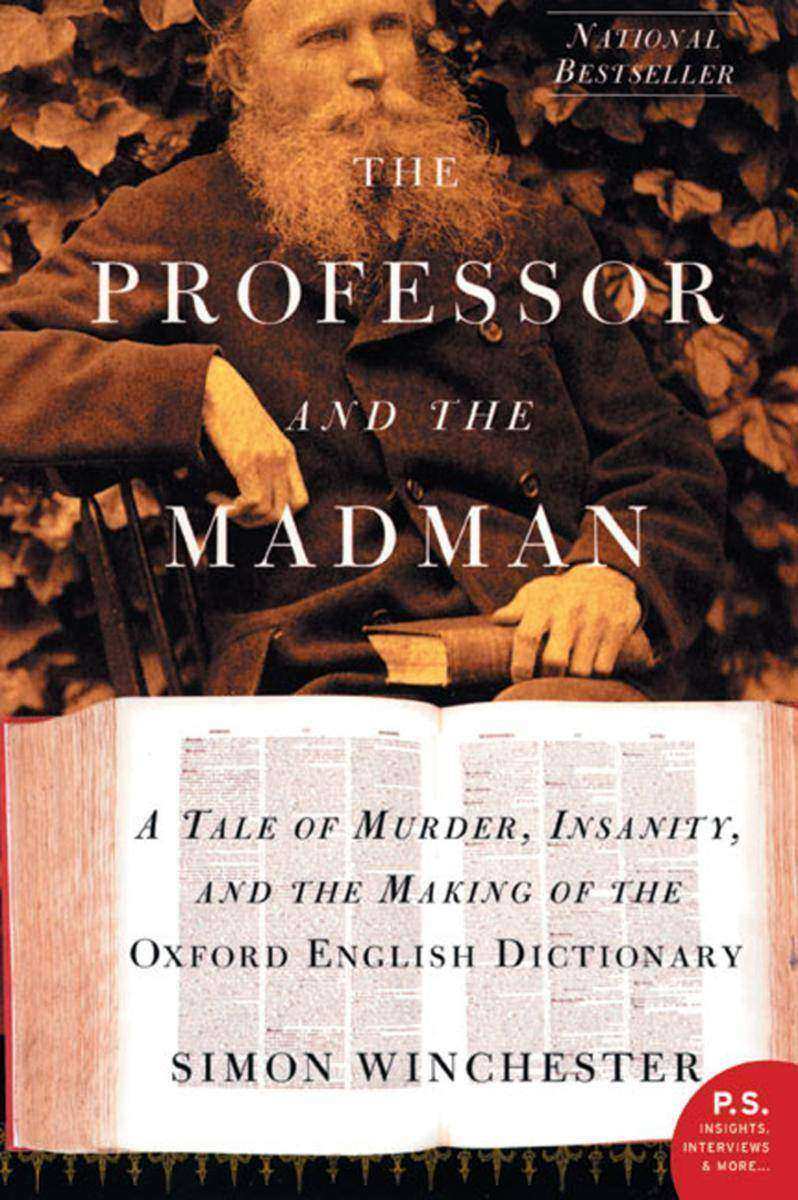
The Professor and the Madman
¥95.39
The Professor and the Madman , masterfully researched and eloquently written, is an extraordinary tale of madness, genius, and the incredible obsessions of two remarkable men that led to the making of the Oxford English Dictionary -- and literary history. The compilation of the OED , begun in 1857, was one of the most ambitious projects ever undertaken. As definitions were collected, the overseeing committee, led by Professor James Murray, discovered that one man, Dr. W. C. Minor, had submitted more than ten thousand. When the committee insisted on honoring him, a shocking truth came to light: Dr. Minor, an American Civil War veteran, was also an inmate at an asylum for the criminally insane.
Discover the Power Within You
¥94.10
The Inspirational Classic That Has Sold More Than 250,000 Copies! In this 40th anniversary edition of Eric Butterworth's inspiring tour de force , the author shares the greatest discovery of all time: the ability to see the divine within us all. Jesus saw this divine dimension in every human being, and Butterworth reveals this hidden and untapped resource to be a source of limitless abundance. Exploring this "depth potential," Butterworth outlines ways in which we can release the power locked within us for better health, greater confidence, increased success, and inspired openness to let our "light shine" forth for others.

The Silver Chair 纳尼亚传奇6(彩色插图版)
¥50.33
Illustrations in this ebook appear in vibrant full color on a full color ebook device, and in rich black and white on all other devices. Narnia . . . where giants wreak havoc . . . where evil weaves a spell . . . where enchantment rules. Through dangers untold and caverns deep and dark, a noble band of friends is sent to rescue a prince held captive. But their mission to Underland brings them face-to-face with an evil more beautiful and more deadly than they ever expected. The Silver Chair is the sixth book in C.S. Lewis The Chronicles of Narnia, a series that has become part of the canon of classic literature, drawing readers of all ages into a magical land with unforgettable characters for over fifty years. This is a complete stand-alone read, but if you want to discover what happens in the final days of Narnia, read The Last Battle , the seventh and concluding book in The Chronicles of Narnia.
Dead Zone
¥60.87
Homeland?meets Marie Lu’s?Legend?in the explosive sequel to?Blackout, which #1?New York Times?bestselling author Ally Condie called “a thrilling combination of Wells’s trademark twists and terror. Fantastic!”It began with a virus. Then a series of attacks erupted across the nation. Now America is at war—and a handful of teens with impossible powers are its only defense.In?Dead Zone, Robison Wells delivers his most nail-bitingly tense read yet—and an electrifying conclusion to a two-book series that’s perfect for fans of?The Maze Runner?and?I Am Number Four.

Ten Thousand Skies Above You
¥99.65
In this sequel to A Thousand Pieces of You by New York Times bestselling author Claudia Gray, Marguerite races through various dimensions to save the boy she loves.Ever since she used the Firebird, her parents' invention, to cross through to alternate dimensions, Marguerite has caught the attention of enemies who will do anything to force her into helping them dominate the multiverse—even hurt the people she loves. She resists until her boyfriend, Paul, is attacked, and his consciousness is scattered across multiple dimensions.The hunt for each splinter of Paul's soul sends Marguerite racing through a war-torn San Francisco, the criminal underworld of New York City, and a glittering Paris where another Marguerite hides a shocking secret. Each dimension brings Marguerite one step closer to rescuing Paul. But with every trial she faces, she begins to question the one constant she's found between the worlds: their love for each other.

The Promise of Amazing
¥56.08
Robin Constantine's New Jersey romance The Promise of Amazing is a sexy, poignant, funny, and authentic debut novel that will appeal to fans of books by Stephanie Perkins, Sarah Mlynowski, and Jennifer E. Smith.Wren Caswell is average. Ranked in the middle of her class at Sacred Heart, she's not popular, not a social misfit. Wren is the quiet good girl who's always done what she's supposed to—only now, in her junior year, this passive strategy is backfiring. She wants to change but doesn't know how.Grayson Barrett was the king of St. Gabe's: star of the lacrosse team, top of his class, and on the fast track to a brilliant future—until he was expelled for being a "term-paper pimp." Now Gray is in a downward spiral and needs to change but doesn't know how.One fateful night, their paths cross at Wren's family's Arthurian-themed catering hall. What follows is the complicated, awkward, hilarious, and tender tale of two teens shedding their pasts, figuring out who they are—and falling in love.


