


 购物车
购物车 个人中心
个人中心

The Man Who Lives with Wolves
¥72.30
To wolf expert, Shaun Ellis, wolves aren’t just his work, they’re also his family. An extraordinary man, Shaun has been fascinated by wolves all his life, even living as part of a wild pack for two years with no human contact. What he gained was a unique and fascinating insight into their world, and that of our very own domestic dogs. Shaun Ellis grew up in the Norfolk countryside with a passion for and understanding with animals from an early age. His early fascination with wolves, and determination to understand them, led to him spending years in the US with the Naz Paz Indian tribe, watching wolves, learning to understand their roles and behaviour in the pack and how to communicate with them. He even lived as part of a wild pack for two years, without any human contact. Bringing his knowledge back to the UK, he astonished wildlife experts with his knowledge and insight. He now lives, eats and sleeps with his two wolf packs at Combe Martin Wildlife Park. This is the story of Shaun’s determination to understand these extraordinary animals and how what he has learned can help others to understand their own domestic dogs.

In Stitches
¥57.09
The true story of an A&E doctor that became a huge word-of-mouth hit - now revised and updated. Forget what you have seen on Casualty or Holby City, this is what it is really like to be working in A&E. Dr Nick Edwards writes with shocking honesty about life as an A&E doctor. He lifts the lid on government targets that led to poor patient care. He reveals the level of alcohol-related injuries that often bring the service to a near standstill. He shows just how bloody hard it is to look after the people who turn up at the hospital door. But he also shares the funny side - the unusual ‘accidents’ that result in with weird objects inserted in places they really should have ended up - and also the moving, tragic and heartbreaking. It really is an unforgettable read. First published in 2007 when The Friday Project was a small independent, In Stitches went on to sell over 15,000 copies in the UK, the majority of which have come in the years since then. It has proved to be a real word-of-mouth hit. This new edition includes lots of additional material bringing Nick’s story completely up to date including plenty more suprising, alarming, moving and unforgettable moments from behind the A&E curtain.
The Fundamentals of Hogan
¥95.06
Ben Hogan’s The Modern Fundamentals of Golf is the best-selling sports book ever, with over six million copies sold worldwide. This sequel to the original book offers previously unpublished photographs and the expert commentary of David Leadbetter. First published in 1957, Ben Hogan’s Modern Fundamentals was judged by Golf Digest in 1999 to be the best instructional book ever written. In this sequel all the illustrations from the previous book have been expertly reworked, while also included are 80 previously unseen photographs of Hogan, that were shot for the original book but never published. In addition to these exclusive photos, David Leadbetter, the most heralded golf instructor of the modern day, lends his expertise in the form of a revealing commentary. Famous for his work with Greg Norman, Nick Faldo and Ernie Els, Leadbetter analyses Hogan’s swing and explains what you can learn from the old master. The Fundamentals of Hogan is destined to become a golf classic. In one package you have the restoration of the number one golf book of all time, by the most heralded teacher of the modern day, about a man who had the greatest golf swing of all time. The Fundamentals of Hogan will surely be the instructional book for the new Millennium.
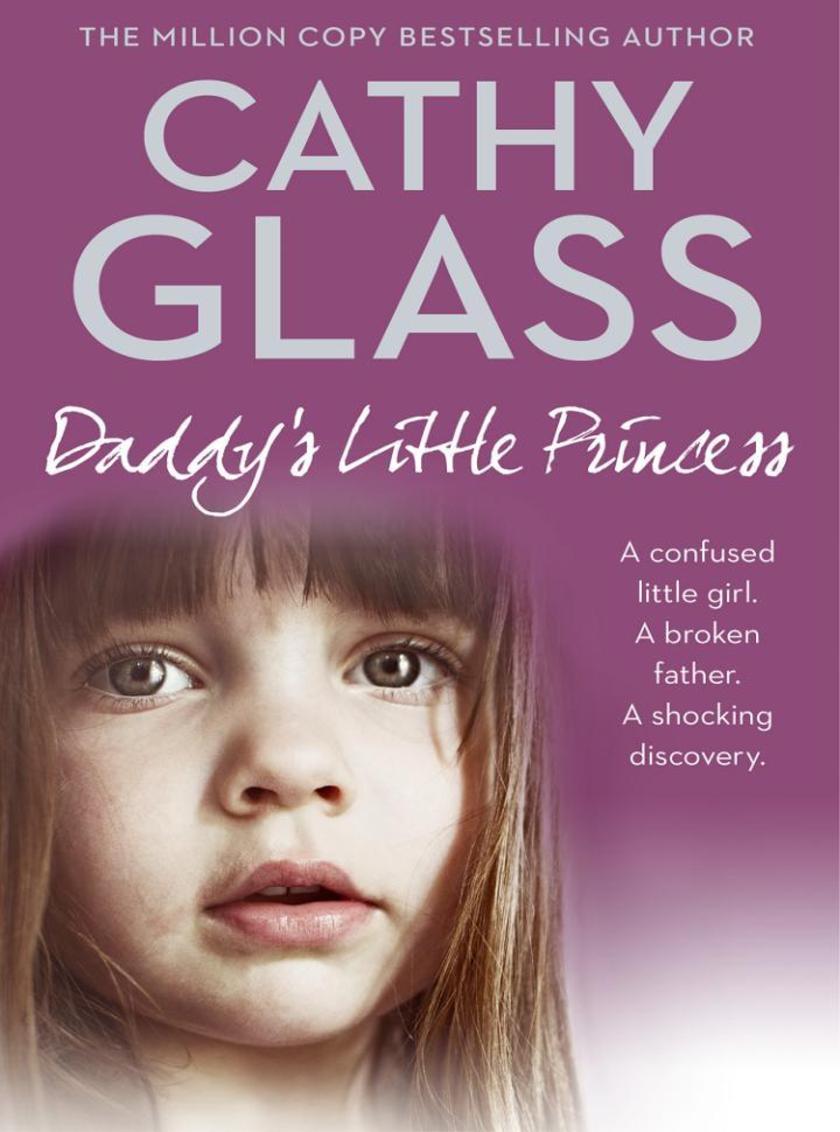
Daddy’s Little Princess
¥61.51
The latest title from the internationally bestselling author and foster carer Cathy Glass. Beth is a sweet-natured child who appears to have been well looked after. But it isn’t long before Cathy begins to have concerns that the relationship between Beth and her father is not as it should be. Little Beth, aged 7, has been brought up by her father Derek after her mother left when she was a toddler. When Derek is suddenly admitted to hospital with psychiatric problems Beth is taken into care and arrives at Cathy’s. Beth and her father clearly love each other very much and Derek spoils his daughter, treating her like a princess, but there is something bothering Cathy, something she can’t quite put her finger on. Meanwhile Cathy’s husband is working away a lot and coming home less at weekends. Then, suddenly, everything changes. Events take a dramatic turn for both Beth and Cathy and her family; as Cathy strives to pick up the pieces all their lives are changed forever.
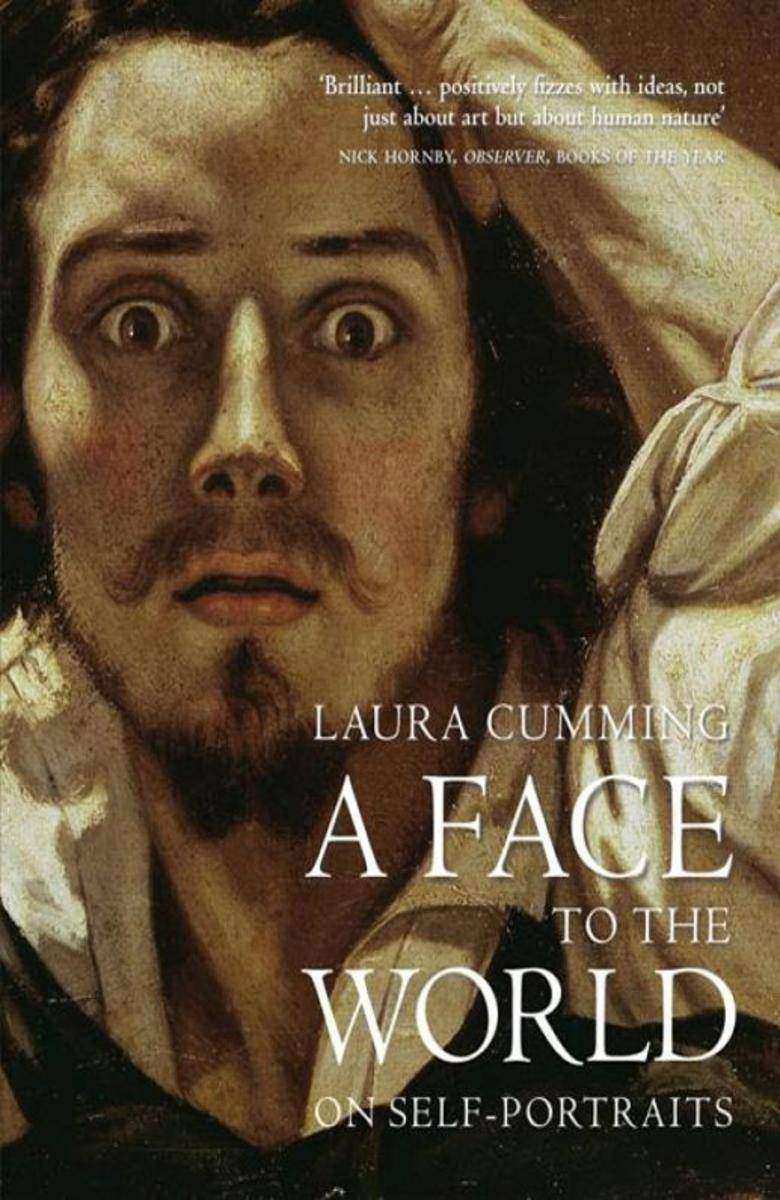
A Face to the World: On Self-Portraits
¥148.92
Focusing on the art of self-portraiture, this effortlessly engaging exploration of the lives of artists sheds fascinating light on some of the most extraordinary portraits in art history. Self-portraits catch your eye. They seem to do it deliberately. Walk into any art gallery and they draw attention to themselves. Come across them in the world’s museums and you get a strange shock of recognition, rather like glimpsing your own reflection. For in picturing themselves artists reveal something far deeper than their own physical looks: the truth about how they hope to be viewed by the world, and how they wish to see themselves. In this beautifully written and lavishly illustrated book, Laura Cumming, art critic of the Observer, investigates the drama of the self-portrait, from Durer, Rembrandt and Velazquez to Munch, Picasso, Warhol and the present day. She considers how and why self-portraits look as they do and what they reveal about the artist’s innermost sense of self – as well as the curious ways in which they may imitate our behaviour in real life. Drawing on art, literature, history, philosophy and biography to examine the creative process in an entirely fresh way, Cumming offers a riveting insight into the intimate truths and elaborate fictions of self-portraiture and the lives of those who practise it. A work of remarkable depth, scope and power, this is a book for anyone who has ever wondered about the strange dichotomy between the innermost self and the self we choose to present for posterity – our face to the world.
Me and My Brothers
¥63.18
An updated edition of the bestselling autobiography of Charlie Kray, elder brother of the Kray twins, Ronnie and Reggie, who are brought to the screen this autumn in a major motion picture. Charlie Kray was the only person who knew the truth behind the terrifying violence of his notorious twin brothers, Ronnie and Reggie. In his dying days, reflecting on how the Kray name destroyed his life, Charlie reveals what he really thought about the twins - and why they treated him so badly. Today, 40 years after the arrests that ended their so-called reign of terror, the power the Krays wielded is part of criminal folklore - and the fascination with them lives on. Charlie knew them better than anyone - from the extortion racket that provided riches beyond their dreams and the sexual liaison that took them into the corridors of power to the murderous mayhem the twins embarked on as they came to see themselves as beyond the law. In this fully updated edition of his best-selling autobiography, Charlie Kray reveals a side of Ronnie and Reggie that not even their closest henchmen ever saw.
Abandoned: The true story of a little girl who didn’t belong
¥45.62
Separated from her real mother at birth, Anya grew up in terror of her drunken bullying uncle. Beaten, humiliated and sexually abused by him from the age of six, she thought her life couldn't get worse. But one day it did. "I was used to Daddy screaming 'whore's child' at me, over and over again. But I couldn't get used to what he made me do." Anya was too terrified to tell anybody about what her uncle did to her. But then he got careless and started abusing her in front of the other children. When her brothers started calling her a 'whore', Anya cracked and all her terrible secrets came pouring out. Anya had always coped because there was one woman who loved her deeply, her 'Mummy'. But this time love was not enough. One morning 'Mummy' just left. Determined to make a new life, Anya buried her feelings and tried to move on. But when she ended up homeless, living in her car, she knew she had to face her past if she was ever going to find happiness and security again. Top 10 Sunday Times Bestseller, Abandoned is Anya's inspirational story of her fight to find love, acceptance and a place to belong.
Whicker’s War
¥69.26
Alan Whicker is quite simply a legend. A visionary and master of his craft, his television shows from the fifties to the nineties almost single handed invented the language of travel television and earned him the status of one of the most foremost of British media icons. Yet throughout his forty years in TV he was steadfast in his belief that his programmes should not be about himself but about those people he encountered. Until this year when he was persuaded, as part of the 60th anniversary of the invasion of Italy, to tell his remarkable war experiences in two fabulously reviewed hour-long television pieces. This book uses these programmes as the starting point to tell the story of Alan Whicker's remarkable war. Alan Whicker joined the Army Film and Photo Unit as an 18-year-old army officer, following the Allied advance through Italy, from Sicily to Venice. He filmed the troops on the front line, met Montgomery, and other military luminaries, filmed the battered body of Mussolini after his execution and accepted the surrender of the SS in Milan. This is remarkable account of the Italian campaign of 1943 and 1944 as he retraces of his steps over sixty years later. Beautifully written, poignant with humour and pathos this is a masterful book by one of the 20th centuries greatest TV journalists.
Notorious: The Maddest and Baddest Sportsmen on the Planet
¥88.39
Straddling humour, trivia and sport, ‘Notorious’ brings together for the first time one hundred of the most potty sportsmen in history. From boxing to cycling, soccer to baseball, and most sports in between, here are the hard-men and the criminals, the psychos and the loonies, that make up the sporting madness hall of shame. Among the prime candidates for sporting lunacy in this book: Prinya Charoenpal, one of the most talented kick-boxers in the sport’s history, who wore make-up and pink nail polish, broke down when asked to strip for the weigh-in, pummelled the opponent who made the mistake of mocking her with a camp embrace, and who fought solely to get the money for a sex-change operation. Jack ‘Hacksaw’ Reynolds, the San Francisco 49-ers linebacker during the 80s, who once got plastered after losing a college game, went out to the car park with a hacksaw, and cut someone’s car in half. The Brazilian football star Edmundo, infamous on the pitch for beating up fans, referees and journalists, and making his name off it by crashing his truck and killing three people, and being arrested for force-feeding beer to a chimpanzee at his son’s birthday party. And there’s more. The rugby league hard-man with a predilection for sticking a rigid digit finger up opponents’ rears on the field of play; the baseball Hall of Famer who wielded his bat to beat up unsuspecting victims; the golfer hospitalised three times for alcohol poisoning, who came through two suicide attempts, three divorces, plus countless hotel room trashings and suspensions; the Irish jockey involved in an air rage incident who copped 110 hours of community service… And closer to home, the likes of Roy Keane, Alex Higgins, Vinnie Jones and Paul Gascoigne are also featured in this wildly captivating, and often shocking, collection of crazed sports celebrities.
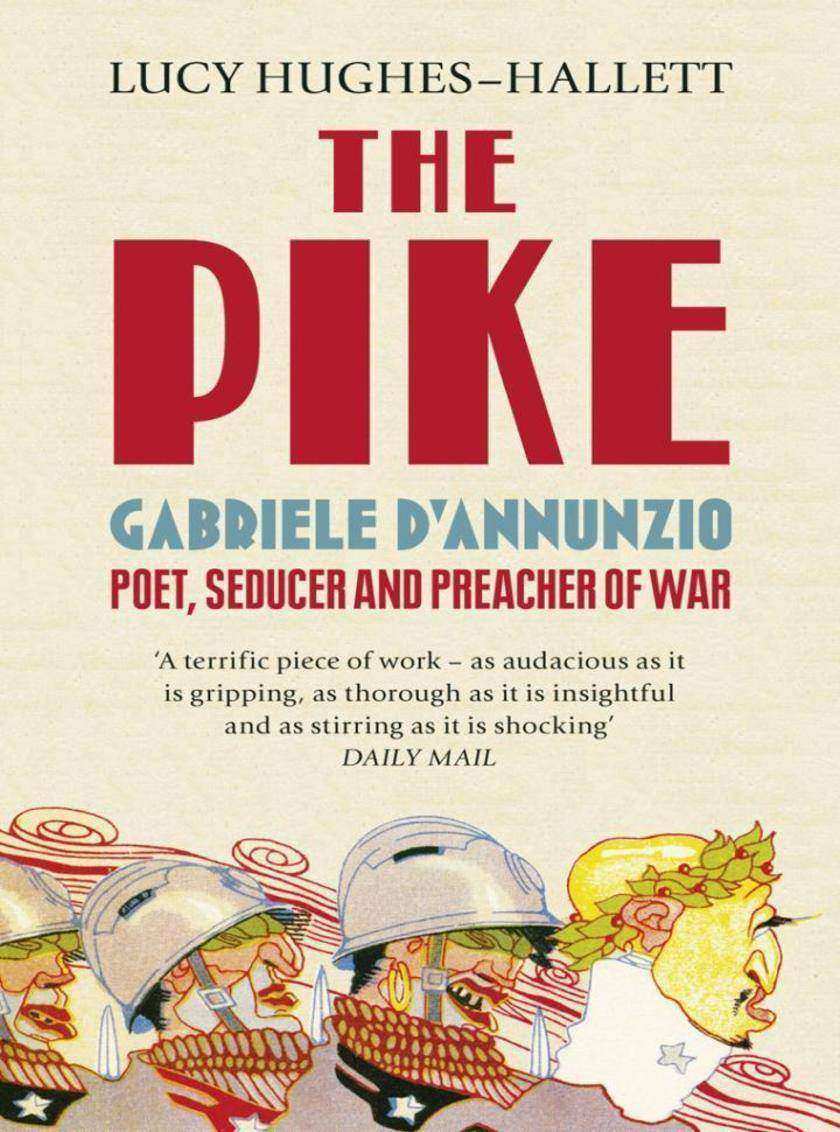
The Pike: Gabriele d’Annunzio, Poet, Seducer and Preacher of War
¥88.39
WINNER OF THE 2013 SAMUEL JOHNSON PRIZE FOR NON-FICTION WINNER OF THE 2013 DUFF COOPER PRIZE WINNER OF THE POLITICAL BOOK AWARDS POLITICAL BIOGRAPHY OF THE YEAR 2014 WINNER OF THE 2013 COSTA BOOK AWARDS BIOGRAPHY OF THE YEAR The story of Gabriele D’Annunzio, poet, daredevil – and Fascist. In September 1919 Gabriele D’Annunzio, successful poet and occasional politician, declared himself Commandante of the city of Fiume in modern day Croatia. His intention – to establish a utopia based on his fascist and artistic ideals. It was the dramatic pinnacle to an outrageous career. Lucy Hughes-Hallett charts the controversial life of D’Annunzio, the debauched artist who became a national hero. His evolution from idealist Romantic to radical right-wing revolutionary is a political parable. Through his ideological journey, culminating in the failure of the Fiume endeavour, we witness the political turbulence of early 20th century Europe and the emergence of fascism. In ‘The Pike’, Hughes-Hallett addresses the cult of nationalism and the origins of political extremism – and at the centre of the book stands the charismatic D’Annunzio: a figure as deplorable as he is fascinating.
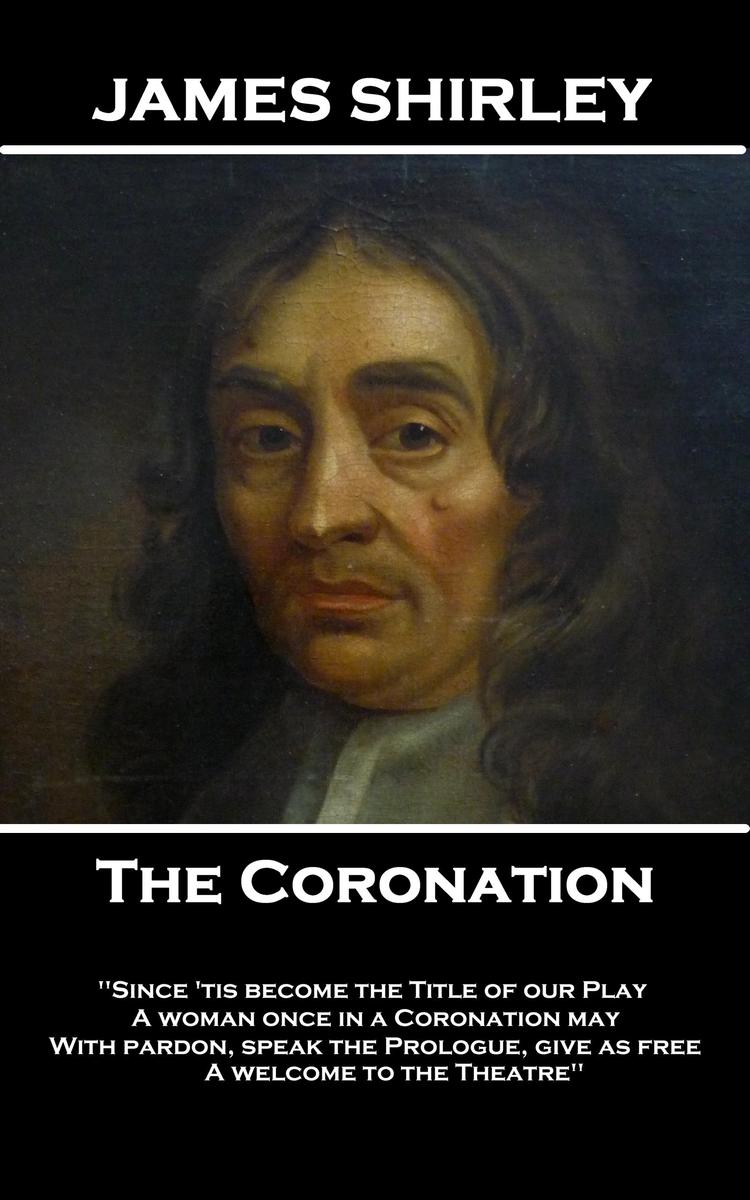
Coronation - What wind brought thee hither?
¥23.45
James Shirley was born in London in September 1596.His education was through a collection of England's finest establishments: Merchant Taylors' School, London, St John's College, Oxford, and St Catharine's College, Cambridge, where he took his B.A. degree in approximately 1618.He first published in 1618, a poem entitled Echo, or the Unfortunate Lovers.As with many artists of this period full details of his life and career are not recorded.He wrote his first play, Love Tricks, or the School of Complement, which was licensed on February 10th, 1625.For the next two decades, he would write prolifically and with great quality, across a spectrum of thirty plays; through tragedies and comedies to tragicomedies as well as several books of poetry. Unfortunately, his talents were left to wither when Parliament passed the Puritan edict in 1642, forbidding all stage plays and closing the theatres.His death, at age seventy, along with that of his wife, in 1666, is described as one of fright and exposure due to the Great Fire of London which had raged through parts of London from September 2nd to the 5th.He was buried at St Giles in the Fields, in London, on October 29th, 1666.
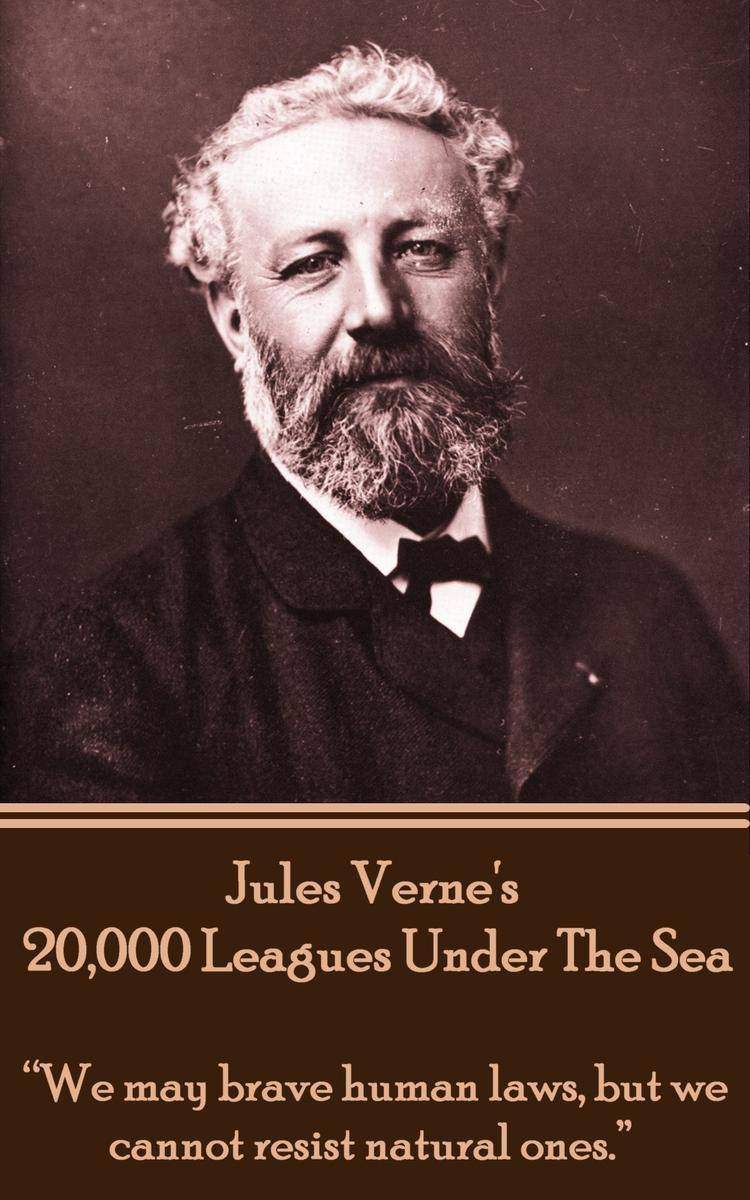
20,000 Leagues Under the Sea - We may brave human laws, but we cannot resist nat
¥23.45
Jules Verne is probably the world's first science-fiction novelist. His Twenty Thousand Leagues Under the Sea (1870) centers around a sea monster that keeps on menacing and damaging ships and ocean liners in the Atlantic and Pacific oceans. When the US government eventually decides to destroy the monster, a group of whaling and marine biology experts from different nationalities led by Professor Arronax are invited to join the American ship Abraham Lincoln and engage in an expedition around the South American continent to search for the weird creature. After losing their first battle, the crew discover, to their surprise, that the supposed monster is rather a large metal body that travels under the water. They are soon abducted and brought inside the vessel to meet its eccentric commander Captain Nemo. The submarine's new passengers learn that Captain Nemo has built the vessel to isolate himself from world governments and to spend his lifetime exploring new worlds and conducting scientific research. Captain Nemo's treatment of his visitors is generally respectful and kind except for his radical rejection of their pleas to leave the submarine and go back home. By the end of the story, the submarine is attacked by another ship sent by Captain Nemo's enemies. Captain Nemo decides to destroy the attacking ship and to send it to the bowels of the ocean. The novel ends when the submarine encounters a very strong whirlpool named "e;Maelstrom,"e; allowing Professor Arronax to flee with the rest of his crew while the fate of Captain Nemo and his creation remains unknown.
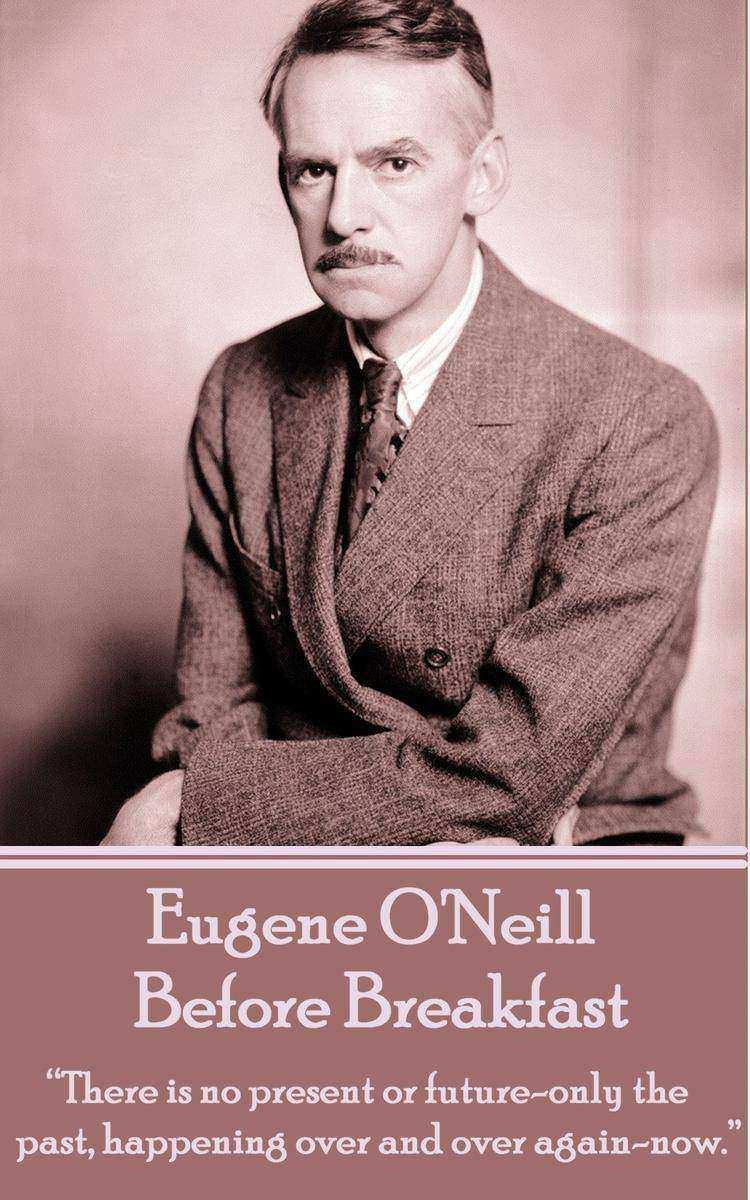
Before Breakfast - There is no present or future-only the past, happening over a
¥23.45
Eugene Gladstone O'Neill was born on October 16, 1888 in a hotel bedroom in what is now Times Square, New York. Much of his childhood was spent in the comfort of books at boarding schools whilst his actor father was on the road and his Mother contended with her own demons. He spent only a year at University - Princeton - and various reasons have been given for his departure. However whatever his background and education denied or added to his development it is agreed amongst all that he was a playwright of the first rank and possibly America's greatest. His introduction of realism into American drama was instrumental in its development and paved a path for many talents thereafter. Of course his winning of both the Pulitzer Prize (4 times) and the Nobel Prize are indicative of his status. His more famous and later works do side with the disillusionment and personal tragedy of those on the fringes of society but continue to build upon ideas and structures he incorporated in his early one act plays. Eugene O'Neill suffered from various health problems, mainly depression and alcoholism. In the last decade he also faced a Parkinson's like tremor in his hands which made writing increasingly difficult. But out of such difficulties came plays of the calibre of The Iceman Cometh, Long Day's Journey Into Night, and A Moon for the Misbegotten. Eugene O'Neill died in Room 401 of the Sheraton Hotel on Bay State Road in Boston, on November 27, 1953, at the age of 65. As he was dying, he whispered his last words: "e;I knew it. I knew it. Born in a hotel room and died in a hotel room."e;
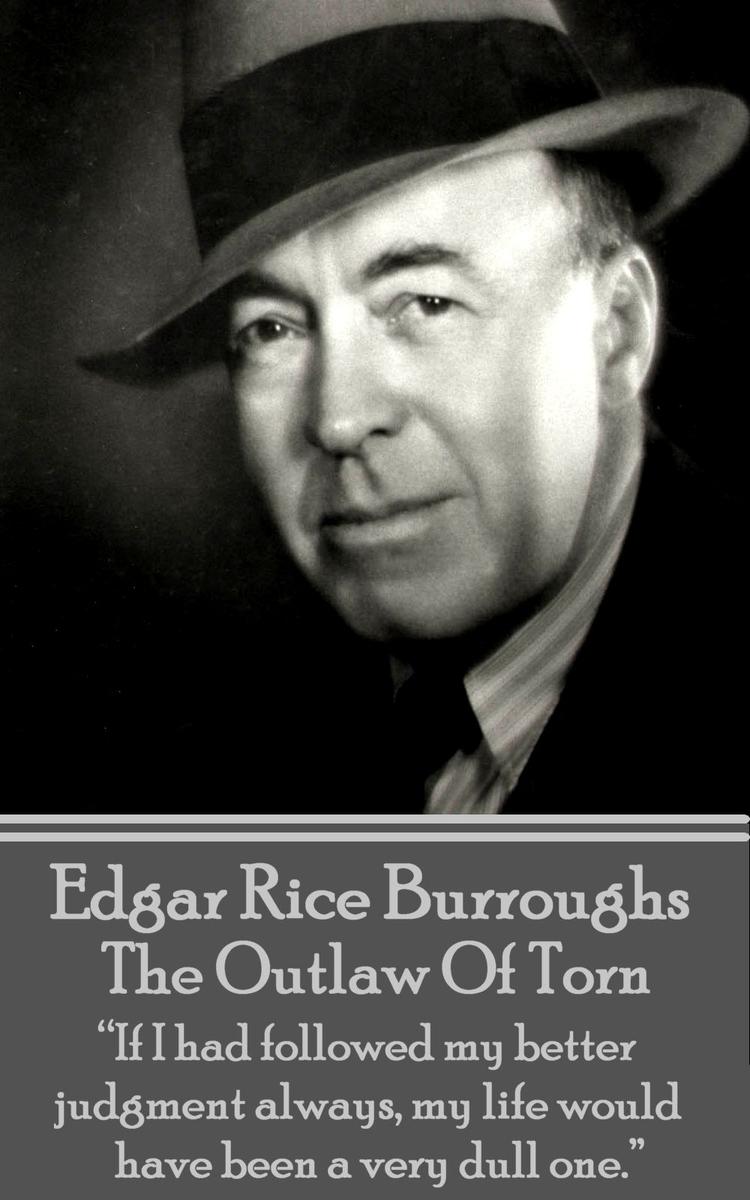
Outlaw Of Torn - If I had followed my better judgment always
¥35.22
Edgar Rice Burroughs was born on September 1, 1875, in Chicago, Illinois. His early career was unremarkable. After failing to enter West Point he enlisted in the 7th Calvary but was discharged after heart problems were diagnosed. A series of short term jobs gave no indication as to a career path but finally, in 1911, married and with two young children, he turned his hand to writing. He aimed his works squarely at the very popular pulp serial magazines. His first effort 'Under The Moons Of Mars' ran in Munsey's Magazine in 1912 under the pseudonym Norman Bean. With its success he began writing full time. A continuing theme of his work was to develop series so that each character had ample opportunities to return in sequels. John Carter was in the Mars series and there was another on Venus and one on Pellucidar among others. But perhaps the best known is Tarzan. Indeed Burroughs wanted so much to capitalise upon the brand that he introduced a syndicated Tarzan comic strip, movies and merchandise. He purchased a large ranch north of Los Angeles, California, which he named "e;Tarzana."e; The surrounding communities outside the ranch voted in 1927 to adopt the name as their own. By 1932 Burroughs set up his own company to print his own books. Here we publish 'The Outlaw Of Torn' somewhat different to what the title might suggest in the hands of an ordinary writer but in the hands of Edgar Rice Burroughs the title is just the beginning.....
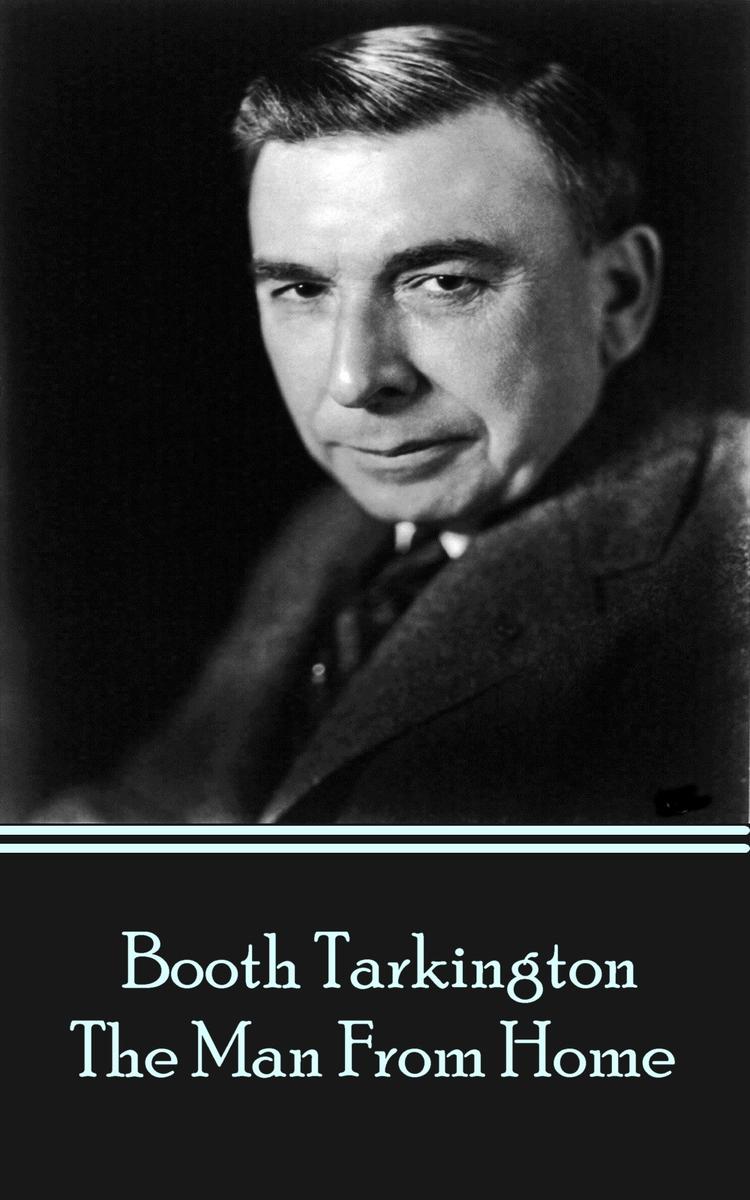
Man From Home
¥29.33
Booth Tarkington was born on July 29, 1869 in Indianapolis, Indiana. He is one of only three novelists to win the Pulitzer Prize more than once. When you look through the quality of his work it is easy to understand why. The Magnificent Ambersons, Alice Adams, Penrod, Penrod And Sam - all classics. The Penrod novels depict a typical upper-middle class American boy of 1910 vintage, revealing a fine, bookish sense of American humor. At one time, his Penrod series was as well known andregarded as Twain's Huckleberry Finn. Much of Tarkington's work consists of satirical and closely observed studies of the American class system and its foibles. Coming as he did from a patrician Midwestern family that lost much of its wealth after the Panic of 1873 the foundations for that outlook are clear. Today, he is best known for his novel The Magnificent Ambersons which contrasted the decline of the "e;old money"e; Amberson dynasty with the rise of "e;new money"e; industrial tycoons in the years between the American Civil War and World War I. In this volume you have an opportunity to read one his plays, The Man From Home.
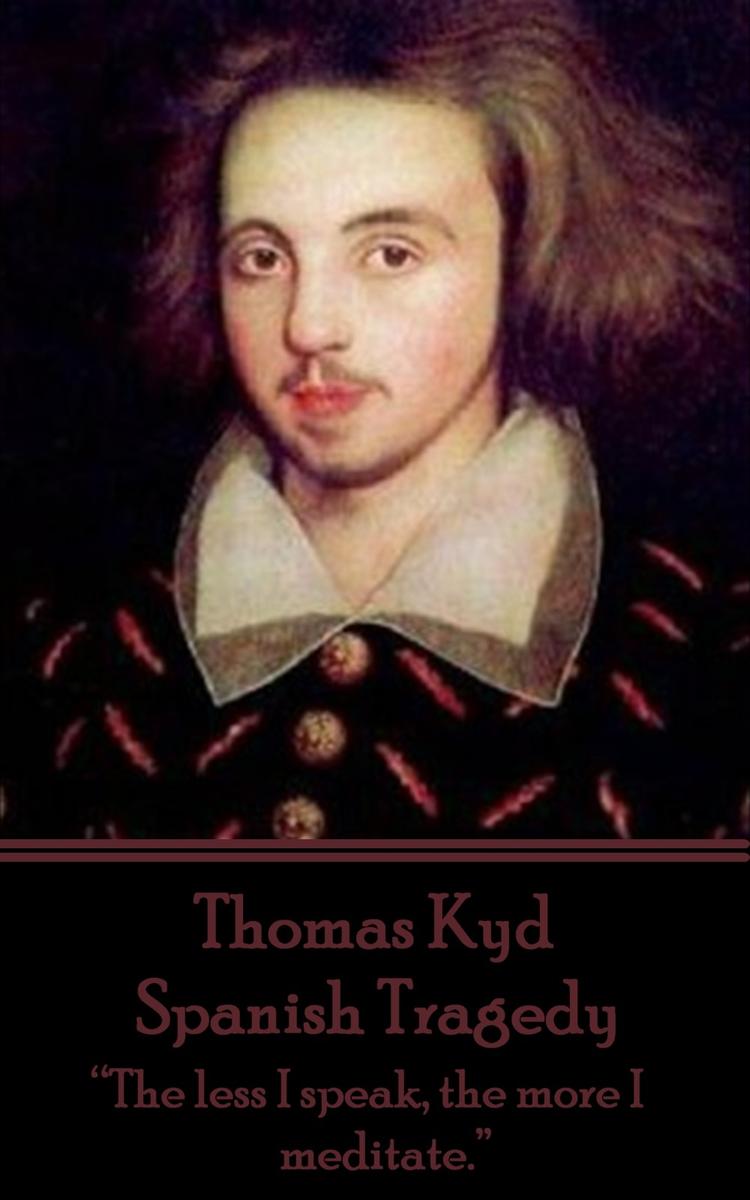
Spanish Tragedy - The less I speak, the more I meditate.
¥21.09
Thomas Kyd was born in 1558 and is most noted as a pivotal figure in the development of Elizabethan drama. In his own time he was highly praised but fell into obscurity until re-discovery in the late 1700's. his most famous work is The Spanish Tragedy, or Hieronimo is Mad Again, a tragedy written between 1582 and 1592 and established the then new genre of the revenge play. With the use of several violent murders and a structure of a play-within-a-play and a ghost intent on vengeance Kyd took drama in new directions that remain with us today. Thomas Kyd died in August 1594.
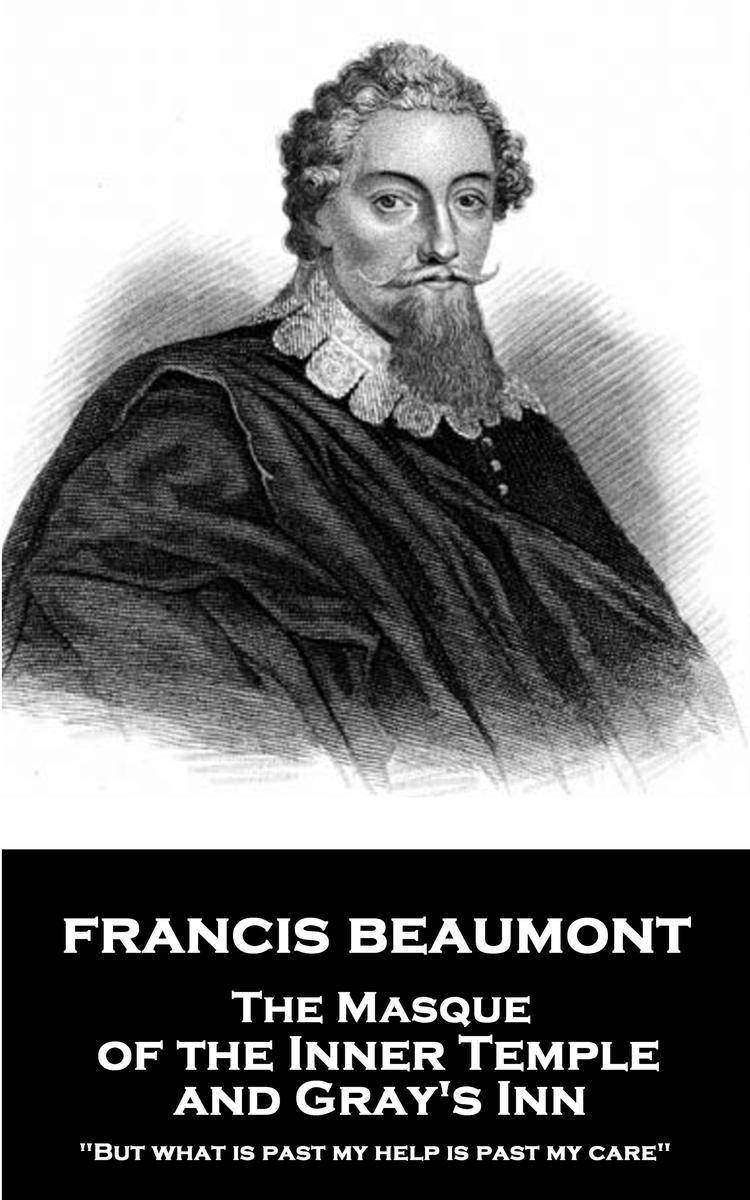
Masque of the Gentlemen of Grays-Inne & the Inner-Temple - But what is past my h
¥15.21
Francis Beaumont was born in 1584 near the small Leicestershire village of Thringstone. Unfortunately precise records of much of his short life do not exist.The first date we can give for his education is at age 13 when he begins at Broadgates Hall (now Pembroke College, Oxford). Sadly, his father died the following year, 1598. Beaumont left university without a degree and entered the Inner Temple in London in 1600. A career choice of Law taken previously by his father.The information to hand is confident that Beaumont's career in law was short-lived. He was quickly attracted to the theatre and soon became first an admirer and then a student of poet and playwright Ben Jonson. Jonson at this time was a cultural behemoth; very talented and a life full of volatility that included frequent brushes with the authorities.Beaumont's first work was Salmacis and Hermaphroditus, it debuted in 1602.By 1605, Beaumont had written commendatory verses to Volpone one of Ben Jonson's masterpieces.His solo playwriting career was limited. Apart from his poetry there were only two; The Knight of the Burning Pestle was first performed by the Children of the Blackfriars company in 1607. The audience however was distinctly unimpressed.The Masque of the Gentlemen of Grays-Inne and the Inner-Temple was written for part of the wedding festivities for the Princess Elizabeth, daughter of King James I and Frederick V, Elector Palatine. It was performed on 20 February 1613 in the Banqueting House at Whitehall Palace.By that point his collaboration with John Fletcher, which was to cover approximately 15 plays together with further works later revised by Philip Massinger, was about to end after his stroke and death later that year.That collaboration is seen as one of the most significant and fruitful of the English theatre.
Electra - Trust dies but mistrust blossoms
¥11.67
The village of Colonus, near Athens, was, in the year 495 BC, the birthplace of Sophocles. Sophocles place in Greek Tragedy is assured. His birth places him between the two other giants of Greek tragedy; schylus and Euripides. He was 30 years younger than schylus, the reigning master of drama and was fifteen years older than Euripides, who would, in turn, usurp Sophocles. Sophocles was a handsome and agile youth and selected, at the age of sixteen, to lead with dance and lyre the chorus which celebrated the triumph of Athens and its Allies over Persia at the battle at Salamis. Sophocles career as a dramatist was marked by a victory in competition with schylus, under exceptional circumstances. At the time the remains of the hero Theseus were being removed by Cimon from the isle of Scyros to Athens and, at the same time, a contest involving the two dramatists was being held. schylus was lauded at the time as the supreme dramatist but Sophocles was popular if inexperienced. The first prize was awarded to Sophocles, greatly to the disgust of the veteran schylus, who taking umbrage, soon afterward departed for Sicily. By all accounts Sophocles would now write and exhibit tragedies and satyric dramas for the next sixty years. The canon of his work varies to between 120 and 180 plays, naturally a number were fillers and not of his highest standard but the prodigious output is extraordinary. In the annual Dionysia, the number of first prizes he won is put at between eighteen and twenty-four, with many more second prizes. On this basis alone schylus and Euripides were left a long way behind. So far from being dulled with age and toil, his powers seem only to have assumed a mellower tone, a more touching pathos, a sweeter and gentler mode of thought and expression. Sophocles was spared the misery of witnessing the final overthrow of his country, dying, at the age or around 90 after a long life full of triumphs and honours, a few months before the defeat of Aegospotami brought the downfall of his beloved Athens. This naval Battle of Aegospotami took place in 405 BC and decisively determined the outcome of the Peloponnesian War. In the battle, a Spartan fleet under Lysander destroyed the Athenian navy. This effectively ended the war, since Athens could not import grain or communicate with its empire without control of the sea. There are only seven dramas of Sophocles that have survived. It can be argued that Sophocles and his works were the high-water mark of Athenian excellence. He is rightly lauded and we can only wonder at the splendours he wrote that are now lost to us.

Tumble-Down Dick - Let no man be sorry he has done good, because others have don
¥23.45
Henry Fielding was born at Sharpham Park, near Glastonbury, in Somerset on April 22nd 1707. His early years were spent on his parents' farm in Dorset before being educated at Eton.An early romance ended disastrously and with it his removal to London and the beginnings of a glittering literary career; he published his first play, at age 21, in 1728.He was prolific, sometimes writing six plays a year, but he did like to poke fun at the authorities. His plays were thought to be the final straw for the authorities in their attempts to bring in a new law. In 1737 The Theatrical Licensing Act was passed. At a stroke political satire was almost impossible. Fielding was rendered mute. Any playwright who was viewed with suspicion by the Government now found an audience difficult to find and therefore Theatre owners now toed the Government line.Fielding was practical with the circumstances and ironically stopped writing to once again take up his career in the practice of law and became a barrister after studying at Middle Temple. By this time he had married Charlotte Craddock, his first wife, and they would go on to have five children. Charlotte died in 1744 but was immortalised as the heroine in both Tom Jones and Amelia. Fielding was put out by the success of Samuel Richardson's Pamela, or Virtue Rewarded. His reaction was to spur him into writing a novel. In 1741 his first novel was published; the successful Shamela, an anonymous parody of Richardson's novel. Undoubtedly the masterpiece of Fielding's career was the novel Tom Jones, published in 1749. It is a wonderfully and carefully constructed picaresque novel following the convoluted and hilarious tale of how a foundling came into a fortune.Fielding was a consistent anti-Jacobite and a keen supporter of the Church of England. This led to him now being richly rewarded with the position of London's Chief Magistrate. Fielding continued to write and his career both literary and professional continued to climb. In 1749 he joined with his younger half-brother John, to help found what was the nascent forerunner to a London police force, the Bow Street Runners. Fielding's ardent commitment to the cause of justice in the 1750s unfortunately coincided with a rapid deterioration in his health. Such was his decline that in the summer of 1754 he travelled, with Mary and his daughter, to Portugal in search of a cure. Gout, asthma, dropsy and other afflictions forced him to use crutches. His health continued to fail alarmingly.Henry Fielding died in Lisbon two months later on October 8th, 1754.
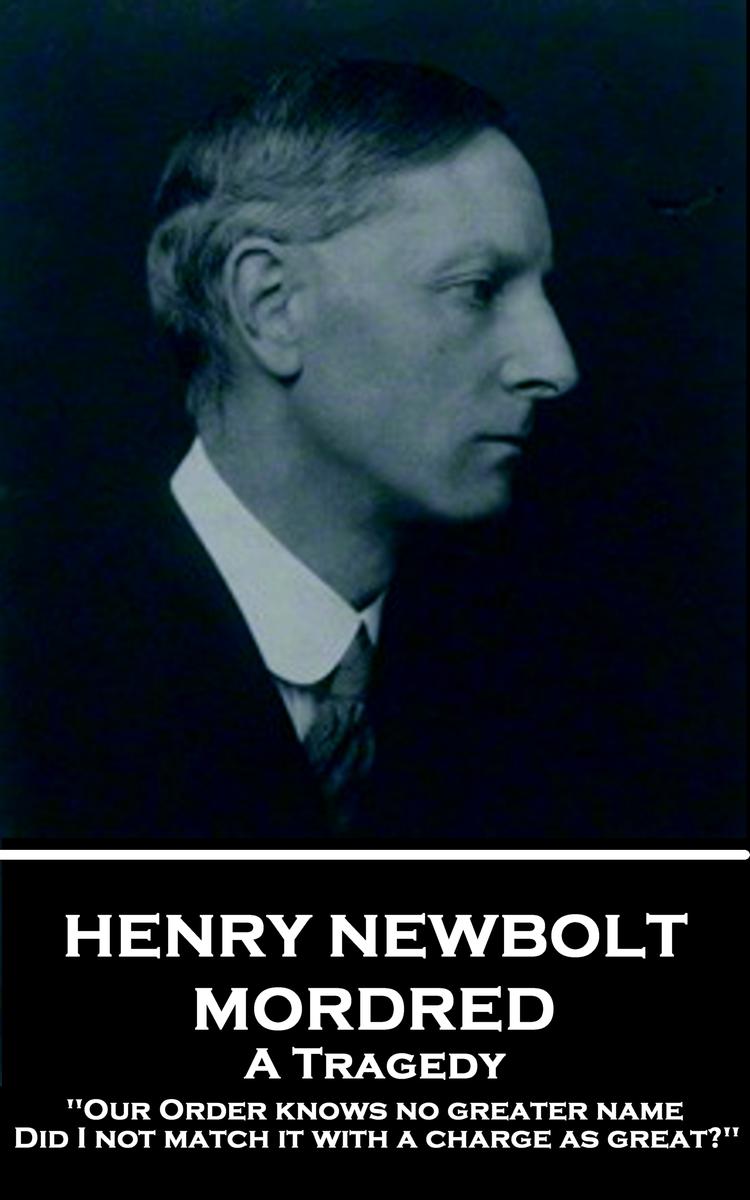
Mordred - 'Our Order knows no greater name. Did I not match it with a charge as
¥23.45
Sir Henry John Newbolt, CH was born on 6th June 1862 in Bilston, Wolverhampton, the son of the vicar of St Mary's Church, the Rev. Henry Francis Newbolt, and his second wife, Emily nee Stubbs. After his father's death, in 1866, the family moved to Walsall.There Newbolt attended Queen Mary's Grammar School, Walsall, and Caistor Grammar School, from where he gained a scholarship to Clifton College, where he was head of the school and editor of the school magazine. Upon graduation from Corpus Christi College, Oxford, he was called to the bar at Lincoln's Inn in 1887 and practised until 1899.He married Margaret Edwina nee Duckworth, of the prominent publishing family, and they had two children: Margaret Cecilia (1890) and Arthur Francis (1893).Behind the steady Edwardian facade lay intimate complications; a menage a trois. His wife had a long-running affair with her cousin, Laura Isabella 'Ella' Coltman to whom Newbolt had dedicated one of his own poems and was also involved with. Newbolt divided his time between the two women so there was no jealousy. Although it could equally be argued they divided their time.His first book was a novel, 'Taken from the Enemy' (1892), and this was followed in 1895 by a play, the tragedy, 'Mordred'. But it was with 'Admirals All' (1897), that his reputation was set. There followed further volumes of uplifting verse, including 'The Island Race' (1898), 'The Sailing of the Long-ships' (1902), 'Songs of the Sea' (1904) and 'Songs of the Fleet' (1910). Among the most stirring and patriotically heroic of his poems are the often anthologised 'Vitai Lampada' and 'Drake's Drum'.As well as writing he was also, from October 1900 to September 1904, the editor of the Monthly Review. In 1914, Newbolt published Aladore, a fantasy novel about a bored, dutiful knight who abandons his estate to pursue his heart's desire and woo a half-fae enchantress. As the First World War engulfed Europe, Newbolt, and another 20 British writers, were absorbed into the War Propaganda Bureau. Their talents were put to use promoting Britain's interests and to maintain public opinion in favour of the war.He was knighted in 1915 and became the Controller of Telecommunications at the Foreign Office. Among his war poems was 'The War Films', printed in The Times on 14th October 1916, in reference to the shock cinema audiences felt on seeing footage of the Battle of the Somme.Newbolt was knighted in 1915 and was appointed Companion of Honour in 1922.In 1921 he authored the government Report 'The Teaching of English in England' which helped to establish the foundations for modern English Studies and professionalised the teaching of English Literature. With it he established a canon, and was unequivocal that English must become the linguistic and literary standard throughout the Empire.Newbolt was also part of an inner advisory circle of Asquith's government and also advised on policy in Ireland.Sir Henry John Newbolt, CH died at his home in Campden Hill, Kensington, London, on 19th April 1938, at the age of 75. He is buried in the churchyard of St Mary's church on an island in the lake on the Orchardleigh Estate of the Duckworth family in Somerset.
Acharnians - A man's homeland is wherever he prospers
¥11.67
The reality is that little is known of Aristophanes actual life but eleven of his forty plays survive intact and upon those rest his deserved reputation as the Father of Comedy or, The Prince of Ancient Comedy. Accounts agree that he was born sometime between 456BC and 446 BC. Many cities claim the honor of his birthplace and the most probable story makes him the son of Philippus of gina, and therefore only an adopted citizen of Athens, a distinction which, at times could be cruel, though he was raised and educated in Athens. His plays are said to recreate the life of ancient Athens more realistically than any other author could. Intellectually his powers of ridicule were feared by his influential contemporaries; Plato himself singled out Aristophanes' play The Clouds as a slander that contributed to the trial and condemning to death of Socrates and although other satirical playwrights had also caricatured the philosopher his carried the most weight. His now lost play, The Babylonians, was denounced by the demagogue Cleon as a slander against the Athenian polis. Aristophanes seems to have taken this criticism to heart and thereafter caricatured Cleon mercilessly in his subsequent plays, especially The Knights. His life and playwriting years were undoubtedly long though again accounts as to the year of his death vary quite widely. What can be certain is that his legacy of surviving plays is in effect both a treasured legacy but also in itself the only surviving texts of Ancient Greek comedy.


