


 购物车
购物车 个人中心
个人中心
Exodus The Story of Prophet Moses (Musa) & Prophet Aaron (Harun) In Islam
¥24.44
Prophet Musa ibn Amram known as Prophet Moses in the Hebrew Bible, is considered a prophet, messenger, and leader in Islam. In Islamic tradition instead of introducing a new religion, Moses is regarded by Muslims as teaching and practicing the religion of his predecessors and confirming the scriptures and prophets before him. The Quran states that Moses was sent by God (Arabic: ????? Allāh) to the Pharaoh of Egypt and the Israelites for guidance and warning. Moses is mentioned more in the Quran than any other individual, and his life is narrated and recounted more than that of any other prophet. According to Islam, all Muslims must have faith in every prophet (nabi) and messengers (rasul) which includes Moses and his brother Aaron (Harun). Moses is considered to be a prophetic predecessor to Muhammad. Generally attributed the tale of Moses as a spiritual parallel to the life of Muhammad, considering many aspects of their lives to be shared. Islamic literature also describes a parallel between their believers and the incidents which occurred in their lifetimes. The exodus of the Israelites from Egypt is considered similar to the migration (hijra) made by the followers of Prophet Muhammad SAW. ?Moses is also believed by Muslims to have foretold the coming of Prophet Muhammad, who would be the last prophet. Prophet Harun or Aaron is also mentioned in the Quran as a prophet of God. The Quran praises Aaron repeatedly, calling him a "believing servant" as well as one who was "guided" and one of the "victors". Aaron is important in Islam for his role in the events of the Exodus, in which, according to the Quran and Muslim tradition, he preached with his brother Moses to the Pharaoh of the Exodus. Aaron's significance in Islam, however, is not limited to his role as the helper of Moses. Islamic tradition also accords Aaron the role of a patriarch, as tradition records that the priestly descent came through Aaron's lineage, which included the entire House of Amran. Prophet Muhammad SAW, in many of his sayings, speaks of Prophet Aaron. In the event of the Mi'raj, his miraculous ascension through the Heavens, Muhammad is said to have encountered Aaron in the fifth heaven. According to old scholars, including Ibn Hisham, Muhammad, in particular, mentioned the beauty of Aaron when he encountered him in Heaven. Martin Lings, in his biographical Prophet Muhammad SAW, speaks of Prophet Muhammad's wonderment at seeing fellow prophets in their heavenly glory: Of Joseph he said that his face had the splendour of the moon at its full, and that he had been endowed with no less than the half of all existing beauty. Yet this did not diminish Muhammad's wonderment at his other brethren, and he mentioned in particular the great beauty of Aaron.

Instant Pot Vegan Cookbook:Over 50 Quick and Healthy Recipes
¥15.40
The Instant Pot is a new cooking appliance that is taking the market… and the internet… by storm. This unique little device that is able to handle seven different primary kitchen functions, all wrapped into one. It sounds too good to be true, and definitely overwhelming.

Social Confidence
¥7.66
This eBook is the best place where you will find all the information which is required to interact with the people around you. It has become essential to communicate with the people and in a manner which can impress them so you can excel in your career and your personal life as well. You should know when to speak and when not to. All the do’s and do not’s are available in this book with awesome chapters which will guide you perfectly where you can improve. There are different tips which you can adopt and learn from them as well. Here are some the chapters which you can follow to learn: ·How To Make A Small Talk ·Create A Great First Impression With These Awesome Ways ·Tips to Improve Nonverbal Communication for First Impression ·How To Introduce Yourself To Someone New ·Tips to Improve Verbal Communication for First Impression ·How to develop your people skills ·How to deepen the relationship ·How to build intimacy with someone new ·How To Flirt Without Showing That You Are Flirting ·Learn Ways For Advanced Communication Skills ·Tips to end a conversation positively
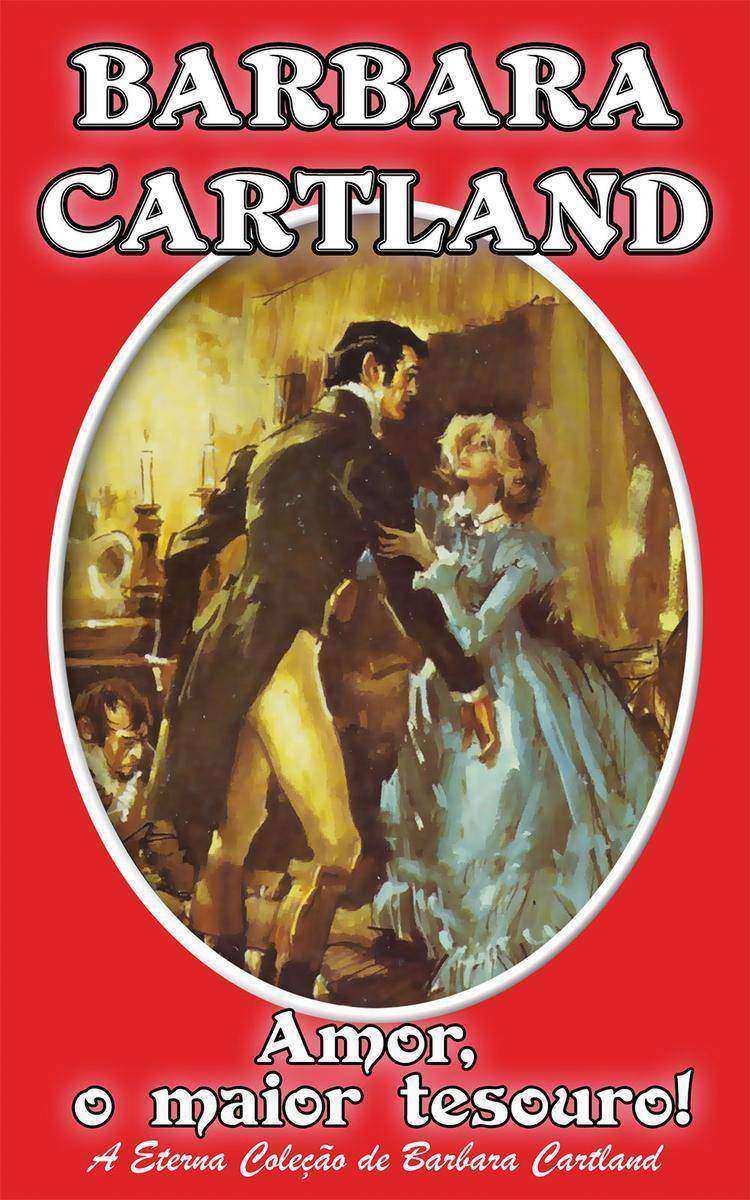
Amor, o Major Tesouro
¥41.45
Maior Tyson Dale volta para casa vitorioso das guerras serviu, contra Napole?o Bonaparte, mas quando regressa, encontra a sua propriedade devastada, em estado de decadência total, além de ver o seu título, roubado por seu tio. Afogado nas suas mágoas familiares, hospedasse numa estalagem local. Ele ouve uma conspira??o para sequestrar uma bela jovem herdeira. Determinado em salvá-la, ele engana os vil?es e esconde a jovem adorável na sua destruída mans?o. Mas mal sabia ele, que o seu primo, era o noivo que a procurava, para a obrigar a cumprir o casamento combinado, para ca?ar sua fortuna. Mas isolados de todos, V?nia e Tyson, s?o apanhados de surpresa… quando inesperadamente, o destino transforma a dor e a decep??o de ambos, num amor inevitavél. V?nia, inaltece esse amor, como uma ben??o e a sua única salva??o, para se livrar do casamento por obriga??o. O Major, sentindo-se impotente e incapaz de lhe poder proporcionar uma vida abastada como ela se habituara, achou melhor, deixá-la partir e n?o interferir com o Destino que a reservava. Mas será que o amor do Major Tyson, será mais forte que o preconceito? Será que ele a irá salvar de um destino infeliz e avassalador? Para ela , só ele a poderia salvar…

Una Extra?a Pasión
¥41.45
Lisa viajaba en un confortable carruaje, cuando le salió de repente, un salteador de caminos, se les cruzó por el camino, y le robó todas las joyas que llevaba con ella, pero ella se le resistía, y sobre todo, a entregarle un peque?o anillo, por ser el único recuerdo que tenia de su fallecida madre. "Usted no olvide, que yo soy un asaltante", le dijo él, " y si usted quiere conservar su anillo, debe darme algo a cambio, de igual valor". Ella no tenía ninguna otra joya que darle. Pero él, galán y dominador, se acercó a ella sonriendo y decidido, la tomó entre sus brazos y la besó apasionadamente en los labios. Algo ocurrió en el alma de Lisa, porque en aquel instante, supo que él, se había apoderado de su corazón. ?Cómo podría Lisa vivir en paz, después de quedarse atrapada por un desconocido, que además de ladrón de joyas, le “robó” su corazón? ?Será que podría liberarse, de esa “extra?a pasión”?
A Gentleman Friend
¥40.79
The charming Vanda, or, as she was described in her passport, the “Honourable Citizen Nastasya Kanavkin,” found herself, on leaving the hospital, in a position she had never been in before: without a home to go to or a farthing in her pocket. What was she to do?
Fairy Tales for Adults, Volume 4
¥40.79
The old believe everything, the middle-aged suspect everything, the young know everything'. Some of the most memorable Oscar Wilde epigrams come from his tales and short stories. Enjoy an eclectic collection of tales by Oscar Wilde and Beatrix Potter and live through the adventures and magic of many mysterious creatures. This volume includes: The Model Millionaire, The Remarkable Rocket by Oscar Wilde, The Roly Poly Pudding, The Tailor of Gloucester by Beatrix Potter.
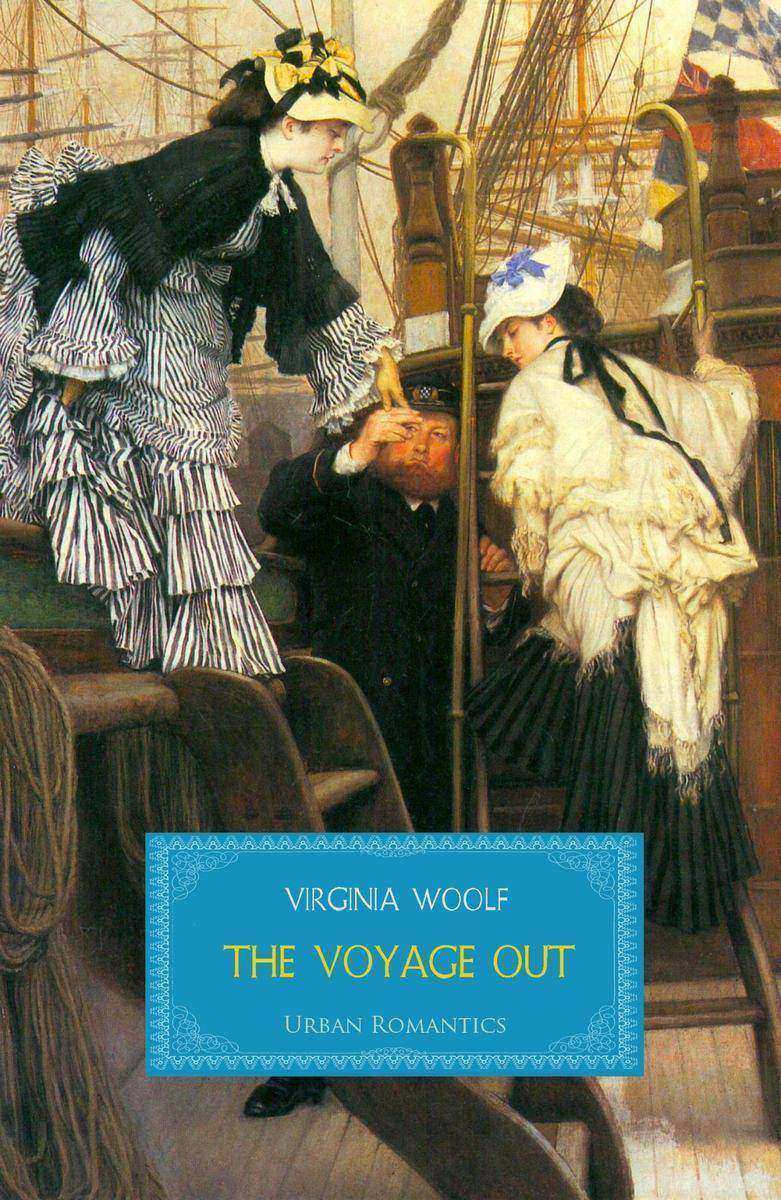
The Voyage Out
¥40.79
Rachel Vinrace embarks for South America on her father's ship and is launched on a course of self-discovery in a kind of modern mythical voyage. The mismatched jumble of passengers provide Woolf with an opportunity to satirise Edwardian life. The novel introduces Clarissa Dalloway, the central character of Woolf's later novel, Mrs. Dalloway. The work is distinguished by its innovative narrative style and the focus on feminine consciousness and sexuality.
Fairy Tales for Adults, Volume 5
¥40.79
The magic of Beatrix Potter's country life and wonderful characters Tom Kitten, Samuel Whiskers and Timmy Tiptoes are going to delight you in this volume of fairy tales. Those childhood memories are once again going to come to life. Enjoy an eclectic collection of tales by Oscar Wilde and Beatrix Potter and live through the adventures and magic of many mysterious creatures. This volume includes: The Selfish Giant, The Nightingale and the Rose Oscar Wilde, The Tale of Samuel Whiskers, The Tale of Timmy Tiptoes, The Tale of Tom Kitten by Beatrix Potter.
Tales of Men and Ghosts
¥40.79
The best of ghost stories from Edith Wharton, including: The Bolted Door, His Father's Son, The Daunt Diana, The Debt, Full Circle, The Legend, The Eyes, The Blond Beast, Afterward, The Letters.
The Glimpses of the Moon
¥40.79
Nick Lansing and Susy Branch form an alliance of convenience. They have the right connections but always short of money. They decide to spend a year or so sponging off their wealthy friends, honeymooning in their mansions and villas. And the marriage can always be dissolved if one of them meets someone who can advance them socially.

Liebesglück in Schottland
¥51.91
Tamaras Stiefmutter ist fest entschlossen, sie mit Lord Crowley zu verheiraten. Doch Tamara ihrerseits ist fest entschlossen, alles zu tun, um dieser Heirat zu entgehen, denn der Herzog widert sie an. Deshalb entflieht sie nach Schottland, um dort als Gesellschafterin der Herzoginwitwe von Strathcraig zu arbeiten. Als sie dort ankommt, findet sie ein Schloss voller Geheimnisse vor, zusammen mit dem Herzog, dessen Frau unter mysteri?sen Umst?nden ums Leben gekommen ist. Ist Tamara sicher auf dem Schloss und wird sie dem Herzog helfen k?nnen, das Geheimnis des Mords zu kl?ren?
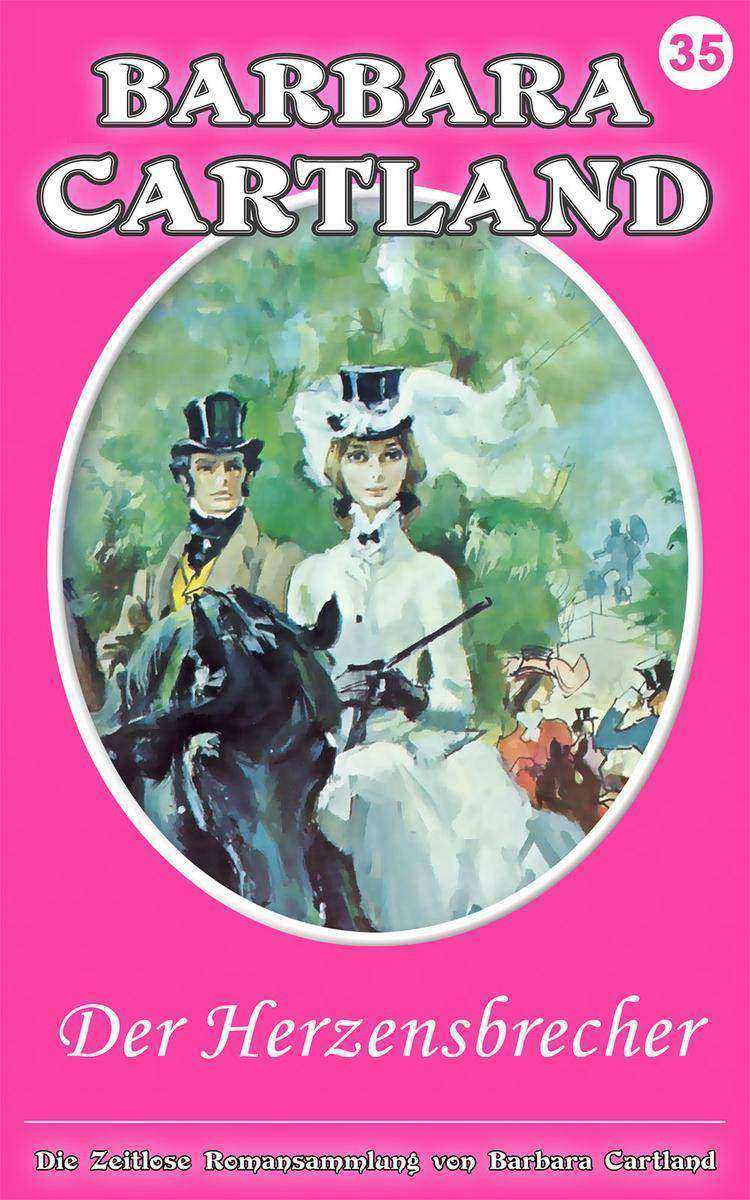
Der Herzensbrecher
¥51.91
Nach dem Tod ihrer Eltern hat Candida nur noch ihr geliebtes Pferd Pegasus – aber auch finanzielle Verpflichtungen, die seinen Verkauf erfordern. Als Candida auf dem Pferdemarkt in Potters Bar in Major Hooper einen K?ufer gefunden zu haben glaubt, bietet dieser ihr an, Pegasus zu begleiten und ihn in seinem Mietstall zu unterstützen. Doch was Candida nicht wei?, ist dass sich hinter dem Mietstall noch einen Nebengesch?ft verbirgt, das der ?sch?nen Zureiterinnen‘ – und Hooper hat schon den perfekten Kunden für Pegasus und seinen sch?ne Reiterin gefunden.

Die Flamme der Liebe
¥51.91
Vada, eine junge, reiche, amerikanische Erbin, soll laut dem Wunsch ihrer Mutter einen englischen Duke heiraten. Anders als ihre Mutter tr?umt Vada aber nicht von einem Titel und Besuchen bei der englischen K?nigin, sondern von wahrer Liebe. Als sie auf ihrer Reise zu ihrem Br?utigam in Paris Halt macht, um sich eine exquisite Garderobe zu zu legen, trifft sie auf den Symbolisten Pierre, der sie mit dem Paris der Künstler bekannt macht und in den sie sich unsterblich verliebt. Kann Vada sich dem Willen ihrer Mutter widersetzen und ist Pierre wirklich der, für den er sich ausgibt?
The Haunted Hotel
¥40.79
There was a time when a man in search of the pleasures of gossip sought the society of ladies. The man knows better now. He goes to the smoking-room of his club.

Liebe mit Hindernissen
¥51.91
Queen’s Ford, das Herrenhaus Lord Fordcombes, unter der Herrschaft von K?nigin Elisabeth erbaut, treibt unaufh?rlich in den Ruin. Die Aristokratenfamilie Ford ist so verarmt, da? sie sich kaum noch etwas zu essen kaufen kann. Jeremy, der Sohn des Hauses, ist verzweifelt. Er überredet seine ?lteste Schwester, mit ihm - als Wegelagerer getarnt - eine Kutsche zu überfallen und die Insassen zu berauben. Mariota, die alles unternimmt, um die Familie zusammenzuhalten, stimmt nach langem Z?gern zu. Doch statt reicher Beute haben die Fords bald ein Problem...

Little Women
¥40.79
Little Women follows the lives of the four March sisters, from oldest to youngest: Meg, Jo, Beth, and Amy. A romance, a quest, a family drama that validates virtue over wealth. The start of the story is set at Christmastime, where Jo, the second eldest of the March sisters, grumbles that Christmas won't be Christmas without any presents. The four girls discuss the upcoming holiday and sigh as they long for pretty things that they can't have because of money constraints
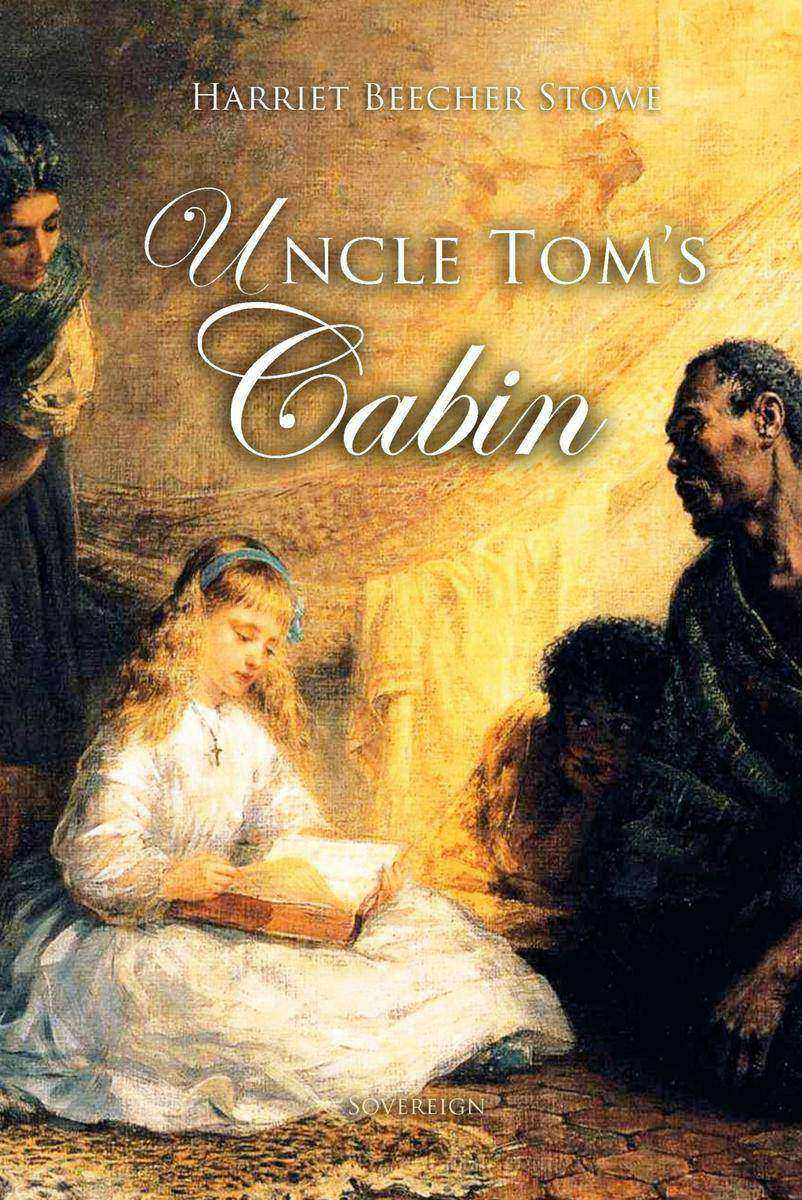
Uncle Tom's Cabin
¥40.79
Uncle Tom's Cabin is a hugely influential story written by Harriet Beecher Stowe, a Connecticut-born teacher at the Hartford Female Academy and an active abolitionist. Stowe featured the character of Uncle Tom, a long-suffering black slave around whom the stories of other characters revolve. The sentimental novel depicts the reality of slavery while also asserting that Christian love can overcome something as destructive as enslavement of fellow human beings.

Utilitarianism
¥40.79
The book explains what utilitarianism is, why it is the best theory of ethics, defends it against a wide range of criticisms and misunderstandings. Though heavily criticized both in Mill's lifetime and in the years since, Utilitarianism did a great deal to popularize utilitarian ethics and was 'the most influential philosophical articulation of a liberal humanistic morality that was produced in the nineteenth century.'

The Mystery of the Sycamore
¥8.09
"The Mystery of the Sycamore" is an early type of detective story, falling somewhere between Conan Doyle's genius Sherlock Holmes and Hammett's tough-guy Sam Spade. It contains elements of the Gothic (the tale of the phantom bugler, which is used by the murderer as a cover) and the Golden Age puzzle. ? Dan Wheeler has been condemned to live his life outside of the Commonwealth of Massachusetts, as a result of his conviction for forgery, a condition imposed by the former governor of the state, Sam Appleby. Appleby has ambitions for his son to follow in his footsteps, but knows that without Wheeler's support, Appleby junior hasn't much hope. So he hopes to coerce Wheeler's support by holding out the carrot of a full pardon, which would not only allow his wife to keep her inheritance (which comes with the stipulation that she live in Massachusetts--their house is built on the border between Massachusetts and Connecticut) but free his daughter Maida to wed her beloved Jeffrey Allen, a lawyer in Boston. But Wheeler is a man of principle and refuses. Appleby has more tricks up his sleeve, however, and works his plan on Maida. He ends up shot dead in Wheeler's study, and all three Wheelers confess to the deed.

Geliebte Lady
¥51.91
Als Vera Cressington-Font von England in das K?nigreich Katona aufbricht, um den dortigen Prinzen zu heiraten, hatte sie sich einen groβen Empfang vorgestellt. Doch stattdessen trifft sie nur auf einen Mann nach ihrer Ankunft – und dieser will sie sofort zurückschicken. Es ist Graf Czako, und er teilt Vera mit, daβ im Land eine Revolution ausgebrochen ist. Doch Vera ist fest entschlossen, den Prinzen zu treffen. Widerwillig beginnt Graf Czako eine mehrt?gige Reise in die Hauptstadt mit ihr, auf der ihnen viele Abenteuer begegnen. Wird Vera ihren M?rchenprinzen letztlich finden oder muβ sie doch nach England zurückkehren?


