


 购物车
购物车 个人中心
个人中心
Plutus
¥40.79
Chremylus, a poor but just man, accompanied by his servant Cario consults the Delphic Oracle concerning his son, whether he ought not to be instructed in injustice and knavery and the other arts whereby worldly men acquire riches. By way of answer the god only tells him that he is to follow whomsoever he first meets upon leaving the temple, who proves to be a blind and ragged old man. But this turns out to be no other than Plutus himself, the god of riches, whom Zeus has robbed of his eyesight, so that he may be unable henceforth to distinguish between the just and the unjust.

The Double
¥24.44
A government official Golyadkin has a formative discussion with his Doctor Rutenspitz, who fears for his sanity and tells him that his behaviour is dangerously antisocial. He prescribes 'cheerful company' as the remedy. Golyadkin resolves to try this, and leaves the office. He proceeds to a birthday party. He was uninvited, and a series of faux pas lead to his expulsion from the party. On his way home through a snowstorm, he encounters his double, who looks exactly like him. A new evolving relationship is formed.
The Witness
¥30.88
New York City. A dead official. A girl who saw too much. When the sole witness to a foreign dignitary’s murder is kidnapped, secret agent Maggie Black is sent to the United States to save her. Already shaken by unexpected personal news, Maggie’s work gets even more complicated when she learns the witness is a twelve-year-old girl being held inside the Russian consulate. Using her specialized skill set, Maggie must find a way to return the girl into the safe hands of her British colleagues. From subway brawls to high-speed car chases, Maggie’s trip to the Big Apple is hardly a walk in Central Park. Because things aren’t as they seem, and in the end, Maggie must decide if she can live with a deadly lie when the truth could mean war… THE WITNESS is the second heart-pounding novella from Maggie’s case files, and the perfect read for fans of Lee Child and James Patterson. Get your copy of THE WITNESS today and join Maggie Black in one of her most harrowing missions as a secret agent.

The Prime Minister
¥40.79
When neither the Whigs nor the Tories are able to form a government on their own, a fragile compromise coalition government is formed, with Plantagenet Palliser, the wealthy and hard-working Duke of Omnium, installed as Prime Minister of the United Kingdom. The Duchess, formerly Lady Glencora Palliser, attempts to support her husband by hosting lavish parties at Gatherum Castle in Barsetshire, the family's largest country house, barely used until now.
The Fixed Period
¥40.79
In Trollope's novel, Britannula is a former British Crown Colony which demanded, and was granted, independence from Great Britain in the mid-20th century. Its 250,000 inhabitants have, with few exceptions, retained British law and customs, and also her currency. Britannula is a thriving agrarian society whose wealth is mainly based on sheep farming and the wool trade. Its capital, Gladstonopolis, is named after 19th century British Liberal statesman and Prime Minister William Ewart Gladstone.
The Prodigal Daughter of Korea
¥38.62
When Mina’s father dies, she returns to Korea to visit a family she barely knows, desperately looking for some answers. But her mother is reluctant to discuss the past, especially the war, or the reasons that Mina was sent so far away as a child, to America. Her younger sister seems unable to grow up and it doesn’t help that their nosy neighbour is always on their doorstep. Secrets and lies divide them all irrevocably. When the truth is finally revealed, it is both shocking and redemptive, allowing Mina and those around her to see themselves anew and break free from years of pain and guilt.
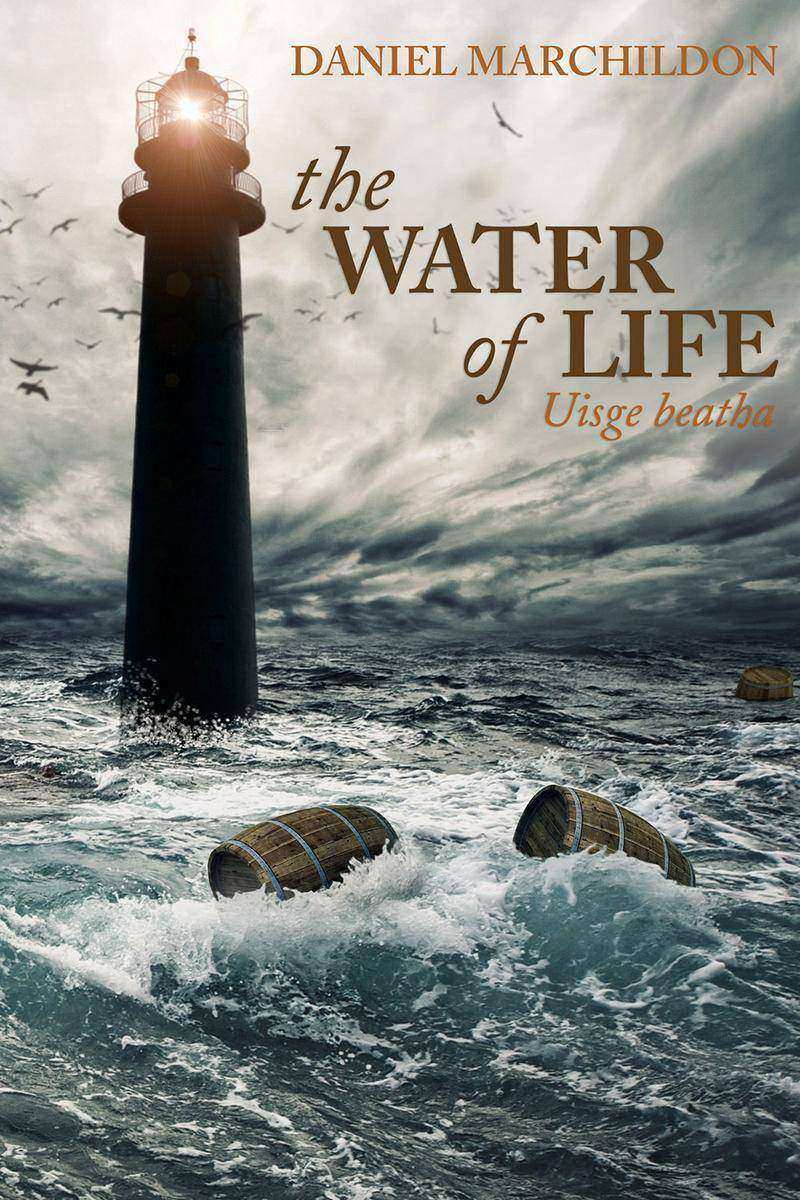
The Water of Life: Uisge beatha
¥48.97
Uisge beatha, Scottish Gaelic for 'whisky', is literally 'the water of life'. However, it also frequently proves lethal. Driven by a mysterious voice, Elizabeth Legrand plunges headlong into an insane project: opening a distillery in her small, isolated Canadian community in Georgian Bay. Using ancient reserves of Glen Dubh, a mythical Scotch thought lost to the world, she hopes to create a single-malt whisky better than anything distilled in Scotland. However, the only thing that could prove worse than failing to revive the Glen Dubh is if she succeeds. The water of life, incarnated in the Fearmòr clan's whisky for over five centuries, is tainted by the dramatic and sometimes fatal struggles of the distillers. It bends the will of those it touches: guiding them or condemning them to their fate. This turbulent family saga spans two continents and several generations of three lineages, climaxing with the tragic arrival of the whisky in Lake Huron. The present-day descendants of the bloodlines are about to meet, and so will begin yet another tumultuous chapter in the odyssey of "the water of life", mixing the captivating tale of Scotch whisky with the stories of the challenging Georgian Bay coastal life.
A Single Light
¥48.97
When Rick Hendry is contacted by a federal agent to help investigate a growing number of mysterious vanishings across Australia, he finds himself immersed in a world where normal is a very narrow view of reality. The two men are joined by a doctor, an archeologist, a journalist, and an Afflür Hunter. They soon discover that in the bush, south of Sydney, among the beach goers, walkers and picnickers, a menace grows. The mysterious Bledray monsters are preparing for a Gathering; a feast of epic proportions. Only the Afflür Hunter and Guardians can stop them, but their strength is failing and humans are needed to help prevent a second holocaust. A Single Light is an urban fantasy tale of ghoulish monsters and non-human protectors battling to save humanity amid the spectacular and rugged landscapes of the Royal National Park south of Sydney.

A Perfect Square
¥46.36
When pianist Ginny Smith moves back to her mother's house in Sassafras after her breakup with the degenerate Garth, synaesthetic and eccentric artist Harriet Brassington-Smythe contrives a creative collaboration to lift her daughter's spirits: an exhibition of paintings and songs. Mother and daughter struggle to agree on the elements of the collaborative effort, and as Ginny tries to prise the truth of her father’s disappearance from a tight-lipped Harriet, both are launched into their own inner worlds of dreams, speculations and remembering. Meanwhile, another mother and artist, Judith, alone in a house on the moors, reflects on her own troubled past and that of her wayward daughter, Madeleine. Set amid the fern glades and towering forests of the Dandenong ranges east of Melbourne, and on England's Devon moors, A Perfect Square is a work of remarkable depth and insight.
The Bishop's Girl
¥48.97
The body had no name. It was not supposed to be there... Jess is a researcher on a quest to give the one-hundred-year-old skeleton, discovered in the exhumed grave of a prominent bishop, an identity. But she's not sure of her own - her career is stalling, her marriage is failing. She doesn't want to spend hours in the archives, rifling through dusty papers in an endless search for a name. And when a young man named Hayden makes clear his interest in her, Jess has to decide what is most important to her.
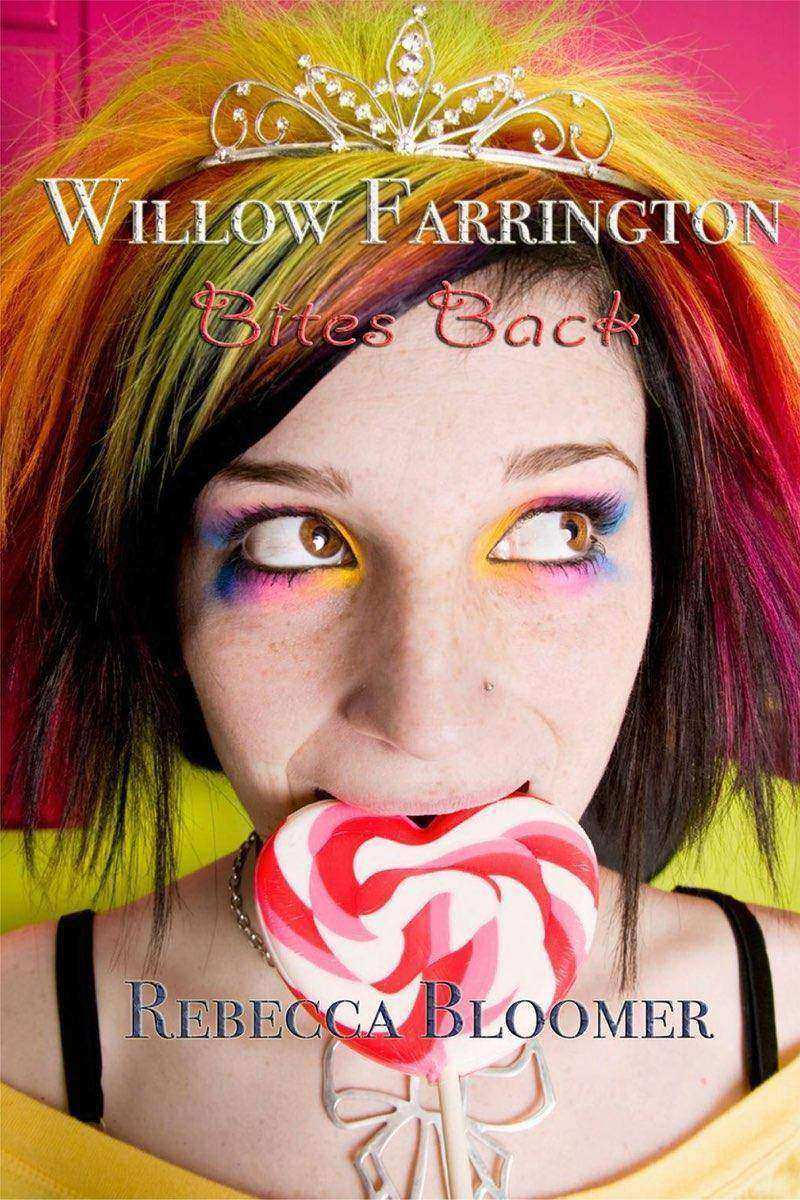
Willow Farrington Bites Back
¥24.44
When Willow Farrington first meets Isaac Silberstein she doesn't know what to expect. He's a gnome-like old man who survived a World War II concentration camp, and she's an almost-14-year-old who is just back at school after a four-month stay in hospital with an eating disorder. He has written a recipe and gardening book, and she has to do a talk on it for school. Birthdays, custard, book reports, gardens, families, friendship and fun all combine in this contemporary, witty and moving book. A fresh and uplifting novel based on a true story.

The Three Bears
¥40.79
Once upon a time there were Three Bears, who lived together in a house of their own, in a wood. One of them was a Little, Small, Wee Bear; and one was a Middle-sized Bear, and the other was a Great, Huge Bear. They had each a pot for their porridge; a little pot for the Little, Small, Wee Bear; and a middle-sized pot for the Middle Bear, and a great pot for the Great, Huge Bear. And they had each a chair to sit in; a little chair for the Little, Small, Wee Bear; and a middle-sized chair for the Middle Bear, and a great chair for the Great, Huge Bear. And they had each a bed to sleep in; a little bed for the Little, Small, Wee Bear; and a middle-sized bed for the Middle Bear, and a great bed for the Great, Huge Bear.
101 Tips for Recovering from Traumatic Brain Injury
¥48.74
Kelly Bouldin Darmofal suffered a severe TBI in 1992; currently she holds a Masters in Special Education from Salem College, NC. Her memoir Lost In My Mind: Recovering From Traumatic Brain Injury (TBI) tells her story of tragedy and triumph. Kelly will be teaching "TBI: An Overview for Educators" at Salem College. Kelly's "tips" were learned during two decades of recovery and perseverance; they include: ·Ways to avoid isolation and culture shock post-TBI ·Tips for staying organized in the face of instant chaos ·Strategies for caretakers and teachers of TBI survivors ·Life philosophies that reject despair ·How to relearn that shoes must match ·Why one alarm clock is never enough, and ·A breath of humor for a growing population with a "silent illness"--TBI Those who suffer from TBI should benefit from Kelly Darmofal's advice. She speaks often of the value of a sense of humor in dealing with TBI symptoms and quotes Viktor Frankl who believed that humor was one of the "...soul's weapons in the fight for self preservation." I strongly recommend her work. --Dr. George E. Naff, NCC, LPC, Diplomate in Logotherapy Kelly is a wonderful resource about TBI for survivors, caregivers, teachers, and the entire community. The wisdom gained from her own experience makes her believable; the frankness and sense of humor that she reveals as she writes makes her authentic... Kelly and her publications have become a trusted resource for our clients who are surviving from a TBI. --Barbara Saulpaugh, Regional Executive Director, CareNet Counseling, an affiliate of Wake Forest Baptist Health Learn more at www.ImLostInMyMind.com From Loving Healing Press www.LHPress.com
Dealing With Mental Illness Book 2:Stress and PTSD
¥8.09
Dealing With Mental Illness Book 2 contains two books about two of the most overlooked mental ailments. Most people believe that Stress is normal and cannot do any long term harm. Stress can kill you if you overlook it and Post Traumatic Stress Disorder can go undiagnosed for years. It can do damage to your body and finances in ways that you are totally unaware of. ?Dealing with Stress is perhaps the most important thing that you will ever do. Stress -Dealing with Stress will offer you a comprehensive overview of what stress is and how to deal with it both in terms of its effect biologically, chemically and emotionally. The thing about stress it that it is perhaps the number one cause of other mental illnesses such as Depression and PTSD. It can do tremendous damage to your physical health as well. Stress can lead to weight gain or serious weight loss. Stress can cause heart attacks and strokes. If you do not learn how to manage and to deal with stress it can kill you. The good news is that stress can be managed with medication, exercise and simple activates that you will be introduced to in my book Stress, Dealing With Stress. Dealing with Post Traumatic Stress There was a time not so long ago when someone suffered a great trauma or a tragic event the sufferer was expected to get over it. The idea that real and lasting damage had been done was dismissed. Soldiers who suffered from what was called battle fatigue were called cowards and those who did not quickly get over a lo ss or a serious trauma were considered weak. Since then we have learned to call this and so much more post-traumatic stress disorder, that mental injuries are as real as physical ones. In this book I hope to explore the common types of this disorder. How to recognize it in yourself and others and the road back from it. I suffered through many years of nightmares and flashbacks before discovering that this was not normal, that I was suffering from this ailment. I found a way to deal with my PTSD and hopefully you will too.

Flappers and Philosophers
¥8.09
This Point Blank Classics edition includes the full original text as well as an easy to use interactive table of contents.

To Get Ukraine
¥90.03
Since Maidan in Kyiv and Russian presence in the Crimea, Ukraine has never been the same. In 2014, the country is deeply divided by the conflict imposed on the Ukrainians. But since nobody actually asked the nation, author Oleksandr Shyshko decided to take matters into his own hands and look for the answer to the ultimate question – who are the Ukrainians and what do they want. Shyshko spent his time researching the national identity of native Ukrainians, and as he went he stumbled on a discovery that led to yet another question – where is Ukraine going, the so-called Quo vadis? of the Ukrainian people. His findings and critical comments gave birth to this new book that is now for the first time being published in English. To Get Ukraine.

Prisoner
¥90.03
A handful of families, several generations, more than a few wars. Moscow, Kabul, Barcelona. Anna Nemzer announces herself on the literary scene boldly and loudly with this debut novel about the insane, unspeakable nature of war, about human fears, treachery, lies, fateful coincidences and destinies during warfare, when there is no room left for love. The protagonists survived the war and are rescued from captivity. They are not able, however, to leave the experiences of the war behind them and move on with their lives. The novel explores what happens once the conflict is over, as they learn to live without the war, with all their loves, passions and weaknesses.
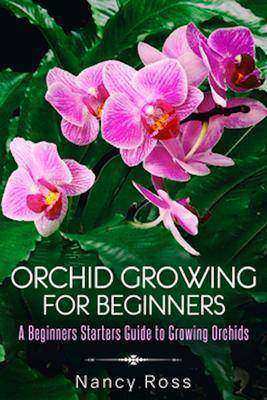
Orchid Growing for Beginners:A Beginners Starters Guide to Growing Orchids
¥38.62
WANT TO LEARN THE INS AND OUTS OF ORCHID GROWING FOR BEGINNERS? Here Is A Preview Of What You'll Learn... Why Should I Grow Orchids? What My Orchid Needs Important Growing Requirements for Your Orchids Re-potting Your Orchids Propagation to Help Grow More Orchids Much, Much, More!

A-Z Guide How to Make Bath Bombs:Easy Guide on Masterfully creating beautiful ba
¥32.62
There are many uses of bath bombs, the primary one being the feeling of being pampered and indulged. You feel relaxed after a few minutes in such an environment. Create a spa-like atmosphere. Add music, take a book and soak in. Or have something hot to drink or just wear a face mask. By the time you finish the bath, your mask would do its job and help you look great. Bath bombs that have essential oils like eucalyptus oil help you with sinus relief. Just use warm water in the tub and drop in a bomb and relax. Other bath bombs with specific essential oils help you relieve muscle pain and improve sleep. Use bath bombs for aromatherapy, which will make you feel less stressed and more awake. It will reduce anxiety and lift depression and leave you energized and lively. Hence, choose the bath bombs accordingly. You can also display a bath bomb in a nice cool dish in the bathroom. It will disintegrate slowly and act as an air freshener with a nice subtle fragrance.

The Home Workout Plan:How to Master Butt Exercises in 30 Days
¥23.14
Are you sick of having a saggy bottom, fluffy rump or no butt at all? Wouldn’t it be perfect to have a simple step-by-step plan to get your backside into bikini-ready shape? Then, The Home Workout Plan: How to Master Butt Exercises in 30 Days has your answer in a short, concise book you can read in less than an hour. That way you can get a firm understanding of what you need to do and get your butt into great shape NOW! In this health and fitness short read, you’ll get: ·31 simple exercise with modifications·Butt exercises ideal for anyone from the beginner to the athlete·Brief and straightforward instructions of each exercise·A reliable and customizable 30-day workout plan·Helpful guidelines and tips to get the most from your workouts·Over 30 full-color pictures to clarify instructions·And, much more! Grab Your Copy Now & Get Your Butt in Shape TODAY!
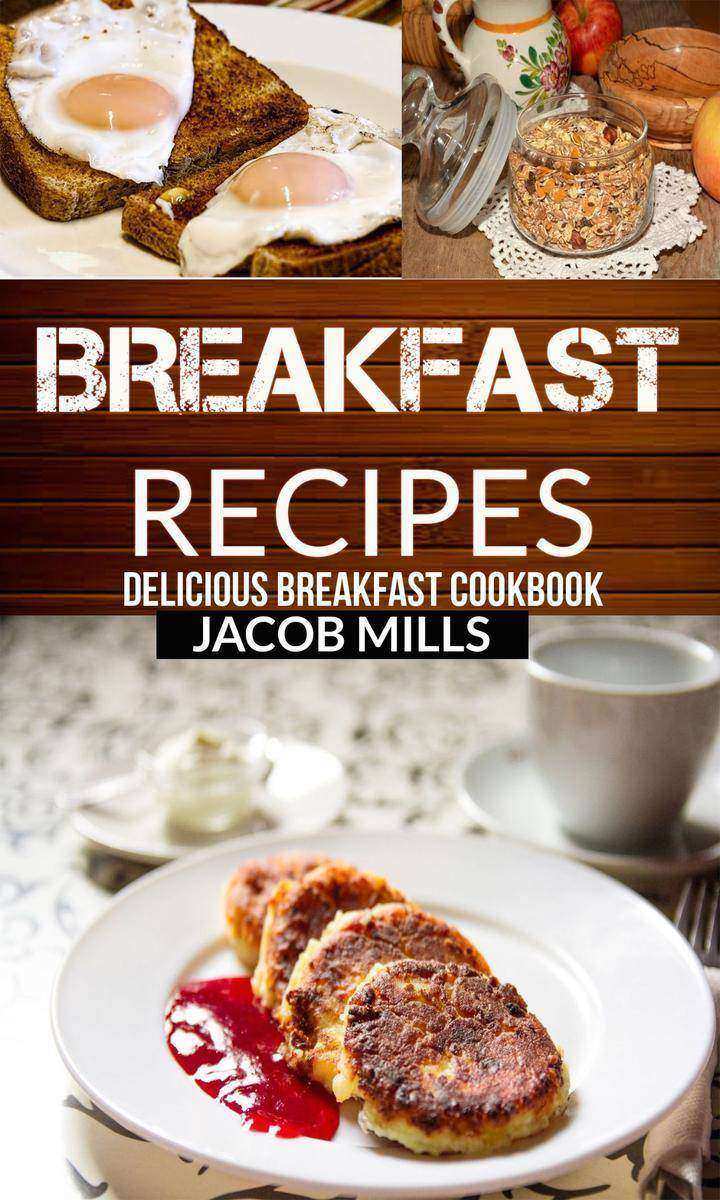
Breakfast Recipes:Delicious Breakfast Cookbook
¥24.44
In this breakfast cookbook, you’ll find only the very best and most delicious breakfast recipes the world over. Get ready to discover some stunning breakfast dishes. These breakfast recipes are mouth wateringly delicious. You will revisit these wonderful recipes time and again. All these recipes are tried, tested and perfectly adapted for home cooking. Eating a nutritious and tasty breakfast every day will surely put a spring in your step! This book was written especially for those who would like to enjoy their mornings with a different breakfast meal every day. It was also written for those who would like to start living a healthy lifestyle and not skip the most important meal of the day anymore. In this book you will learn the importance of eating a healthy breakfast and how to make healthy breakfast choices. You will also get plenty of breakfast ideas to last you for weeks! There are breakfast ideas for those who are following the gluten-free diet, energizing recipes for those who live an active lifestyle, tasty options for vegetarians, unusual yet popular breakfast ideas, and recipes for breakfast smoothies and shakes for people who are on the go. All of these recipes are easy to follow and can be done in any amateur kitchen. You do not have to worry about what to put in your meal plan anymore because everything that you need is here! The best part about all of these recipes is that even kids will love them. All of the ingredients are natural and can easily be found in any grocery store, plus you will not have a problem finding substitutes depending on your diet or taste.


