


 购物车
购物车 个人中心
个人中心
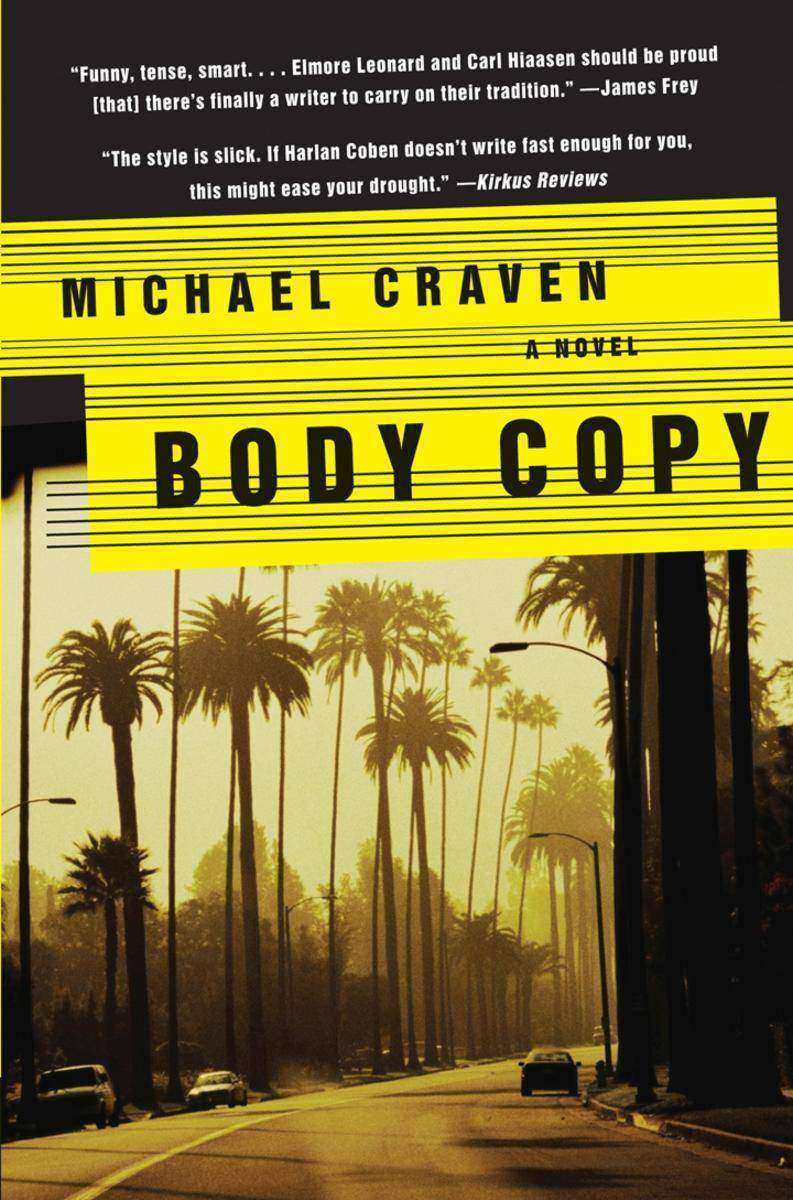
Body Copy
¥77.49
Introducing Donald Tremaine, P.I.Once the world's number one surfer, Donald Tremaine quit at the top of his game, moved into a trailer in Malibu, and became a detective. Beautiful women don't ask for his autograph anymore. Now they ask for his help—like the stunning Nina Aldeen, who wants Tremaine to solve the murder of her uncle, advertising mogul Roger Gale, brutally slayed in his L.A. office a year earlier. The police investigation went nowhere. The suspects are many, and the victim had more secrets than anyone ever knew. But the closer Tremaine gets to the truth, the closer he comes to a killer who just might make his most complicated case his last. A novel that both honors and invigorates the classic private eye novel, Body Copy loudly heralds the arrival—with a bullet—of a major contender on the noir scene.
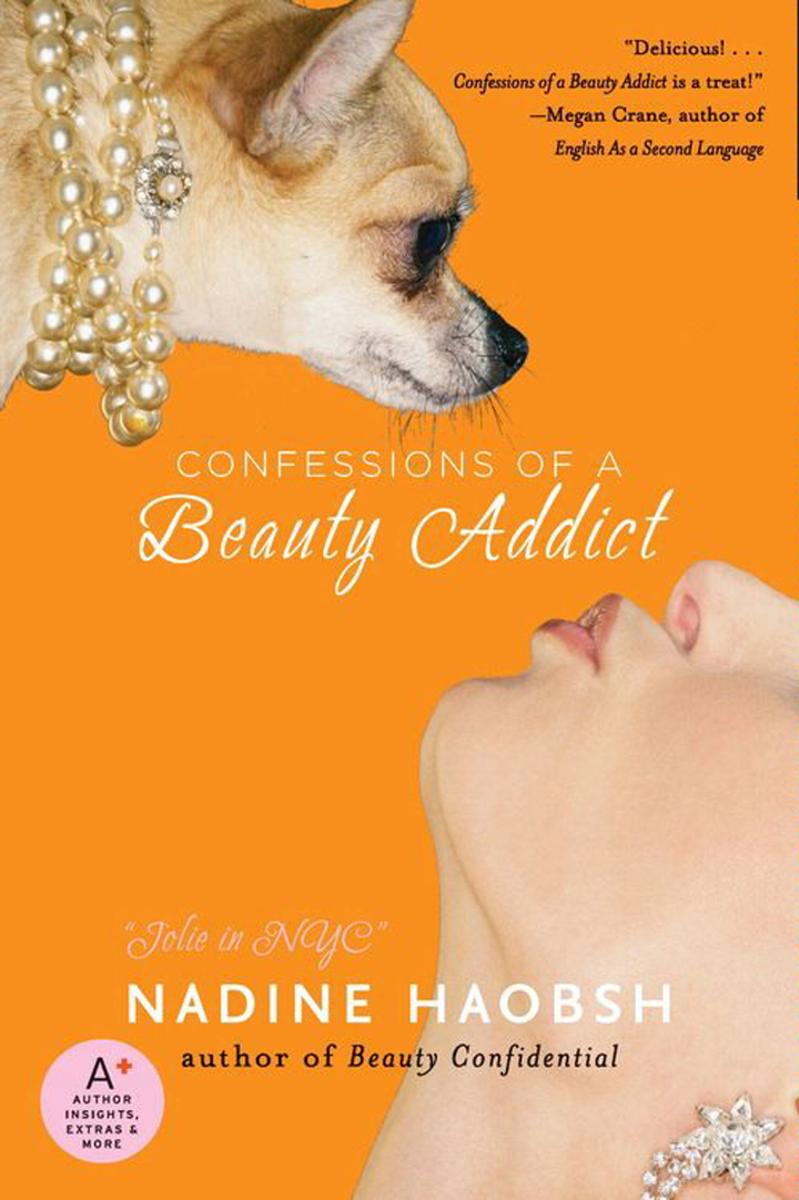
Confessions of a Beauty Addict
¥78.65
From Nadine Haobsh, aka Jolie in NYC ("The poster child for the blogger generation...you can't help but love her."—New York Post), comes a delectable novel that only a true beauty industry insider could have written!Bella Hunter may be down but she's not out yet—and she's ready to take on the world of beauty...one bad makeover at a time.Pity the poor twenty-eight-year-old beauty expert and columnist for ultra-chic Enchanté magazine, knocked right out of her Jimmy Choos—and out of a job—when her off-the-cuff comment to a reporter is blown way out of proportion. Once the authority on style, Bella's reduced to taking a position at Womanly World, a publishing dinosaur of no interest whatsoever to any woman under fifty. Suddenly she's got to take orders from a dreary and dowdy beauty director—and is soon at war with her male publisher, who might actually be appealing if he wasn't so totally frosty.Bella's supermodel boyfriend, a hometown wedding, and a Paris junket are fine distractions, to be sure. But how can she face her friends and ex-coworkers now that she's stuck in an office where khaki—not Cavalli—is the way of lifeAnd if beauty's not what it's all about...then what is?

Dogged Pursuit
¥48.91
In this suspenseful fifth book in our wonderful series created by veteran dog trainer Lee Charles Kelley, a clever kennel owner, his lady love, and his loyal canines must solve their most disturbing mystery yet! It's October in Maine and ex–cop/criminologist turned dog trainer Jack Field and his fiancée, Chief State Medical Examiner Dr. Jamie Cutter, are getting married in a few weeks. But fate puts a wrench in their plans when the police find a young woman's body in a secluded lake. Jamie asks Jack, who's been appointed her civilian advisor, to come to the scene. Seeing the body sparks a memory of a case Jack studied while taking a seminar at the FBI's Behavioral Science Unit. He suspects the death is the work of a serial killer and as the mystery unfolds, it becomes clear that suspects abound, including a sleazy private detective, a well–respected botanist, recruits in the upper echelons of the FBI, and even the wealthy husband of Jack's ex–girlfriend. Add an adorable Dalmatian named Daisy and a wedding ceremony like no other you've ever seen, and you've got Kelley's most touching, heartbreaking, suspenseful, and downright hilarious book yet!

Everything to Gain
¥55.91
Mallory Keswick can't imagine how her life could possibly be better. She has a wonderful, fulfilling marriage to a man who loves, supports, and nurtures her. She has a lovely home and beautiful twins who bring joy to her days, to all of which she devotes herself wholeheartedly. Mallory feels she has finally found the elusive sense of family that never quite rang true in her own childhood—until an exceptionally cruel act of violence tears apart the fabric of her happiness. Devastated, distraught, and wondering how she will ever go on, suddenly Mallory's spirit is being tested as never before, forcing her to discover new reserves of courage and strength to confront the darkness that has left her with nothing more to lose and . . .
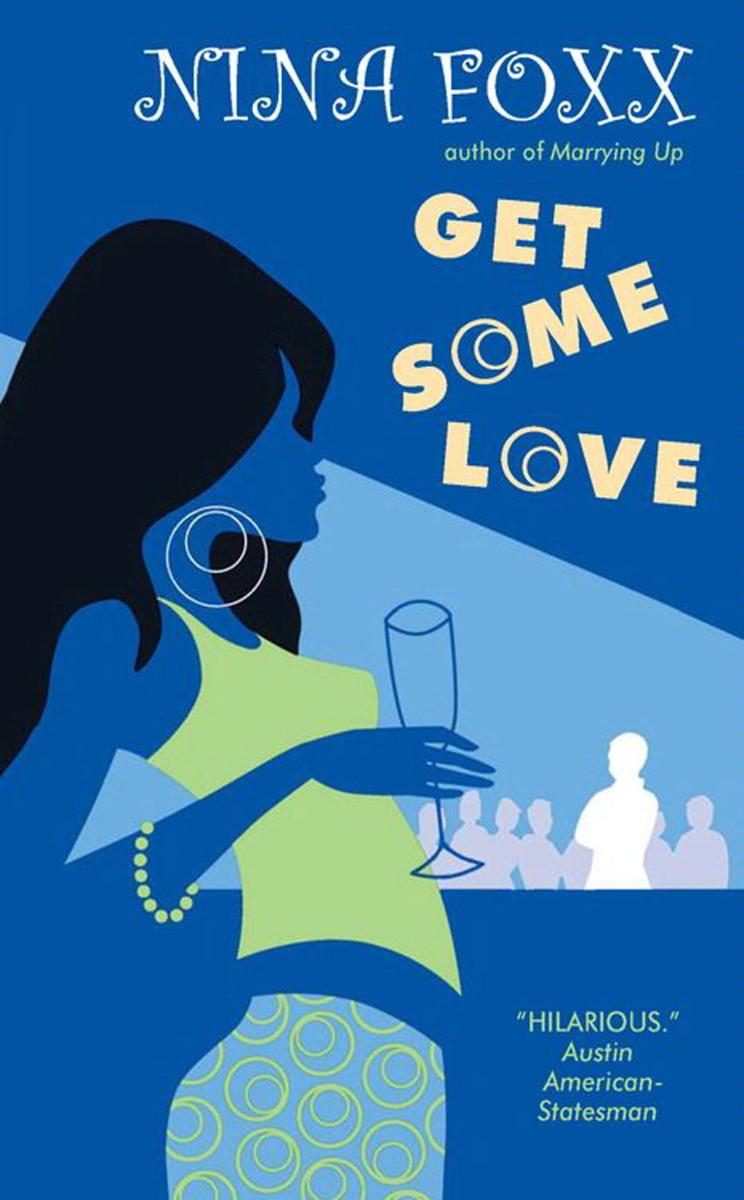
Get Some Love
¥85.05
Dark and lovely Angelica Chappee was brought up right by her loving grandparents. Still reeling from the shock of losing the two people she cared for most in this world, she's anything but ready for what's waiting for her in her dear departed "Pop-pop's" will. It turns out her grandfather was rich -- millionaire-rich! And it's all coming to Angelica -- if the innocent, almost-21-and-never-been-kissed Baton Rouge baby can prove that she's no longer a ...Well this is just crazy -- and the last thing she would have expected from that sweet old man! And six days is so little time to go from being Ms. Don't-Touch-Me to Hot Lady Love! But a cool couple mil is a strong incentive. And Juan Delgado, that fine black Puerto Rican prince from the Bronx, NYC, who's down South on family business, would be turning her head anyway, fortune or no.Still, Angelica's a "good" girl -- and gettin' it on with a stranger seems wrong! And now the money is attracting some shady characters with very bad motives ... so Angelica's got something else to worry about besides her virtue!Smart, sexy, fast, and fun, Nina Foxx's Get Some Love is a pure delight.

Going Buck Wild
¥84.16
Let's go crazy!Successful Claudia Barrett seems to be doing it all right. She's a vice president at her firm, with an engagement ring on her finger from the man who's loved her since high school. So what if she's been wearing it for five years -- and her classic, expensive, dull everyday outfits make her look like someone fatally allergic to a good time?What exactly is wrong with the girl?She's bored, for one thing. She's thirty years old and in a rut -- and best friend, Pam, thinks it's time Claudia got her freak on. It's time to inject a little action, adventure, and good old-fashioned lust into this sister's life. But practicing what Pam is preaching and going buck wild could have some serious consequences, especially when tall, dark, and dangerous Cody is added to the mix.
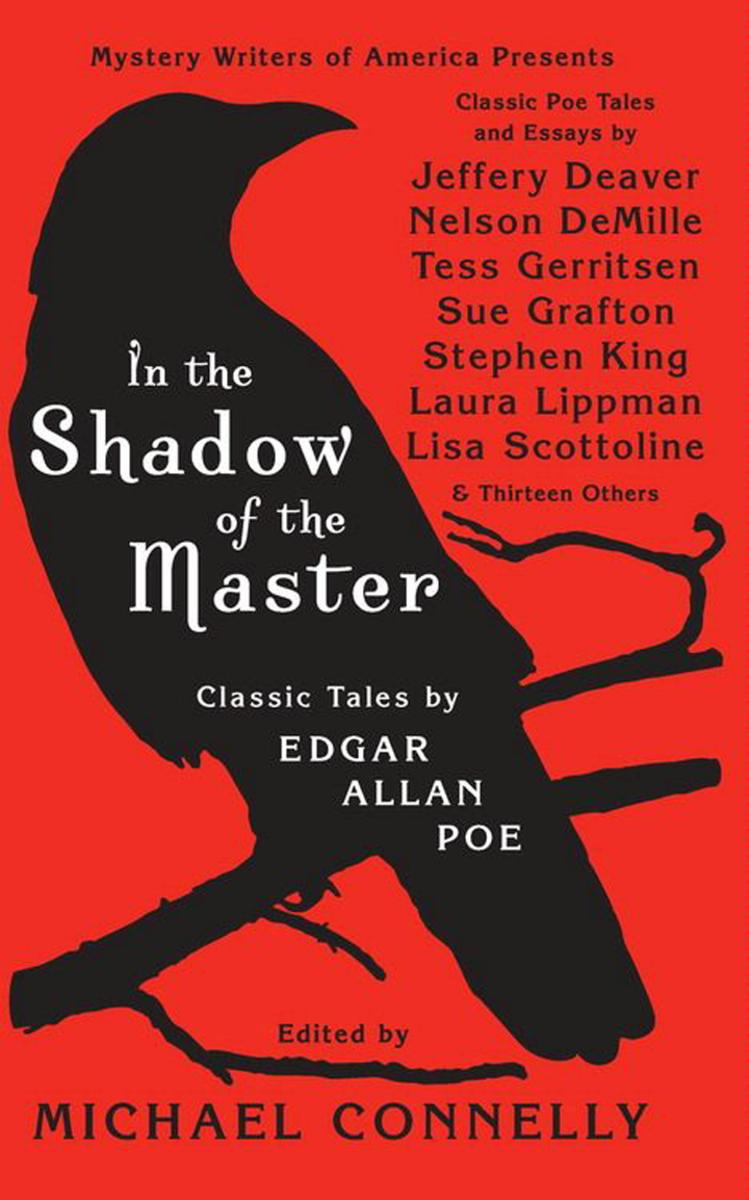
In the Shadow of the Master
¥83.03
Few have crafted stories as haunting as those by Edgar Allan Poe. Collected here to commemorate the 200th anniversary of Poe's birth are sixteen of his best tales accompanied by twenty essays from beloved authors, including T. Jefferson Parker, Lawrence Block, Sara Paretsky, and Joseph Wambaugh, among others, on how Poe has changed their life and work. Michael Connelly recounts the inspiration he drew from Poe's poetry while researching one of his books. Stephen King reflects on Poe's insight into humanity's dark side in "The Genius of 'The Tell-Tale Heart.'" Jan Burke recalls her childhood terror during late-night reading sessions. Tess Gerritsen, Nelson DeMille, and others remember the classic B-movie adaptations of Poe's tales. And in "The Thief," Laurie R. King complains about how Poe stole all the good ideas . . . or maybe he just thought of them first. Powerful and timeless, In the Shadow of the Master is a celebration of one of the greatest literary minds of all time.The Mystery Writers of America, founded in 1945, is the foremost organization for mystery writers and other professionals dedicated to the field of crime writing.
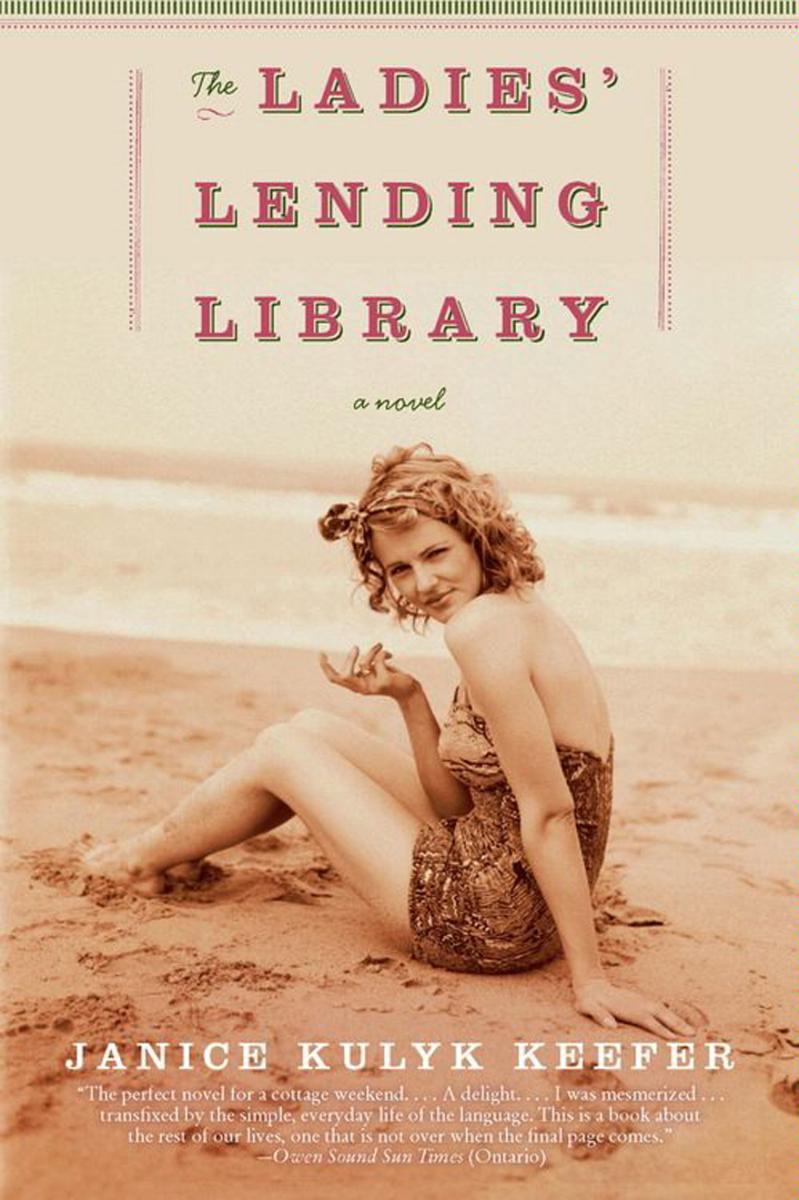
The Ladies' Lending Library
¥90.77
It is August of 1963, the year of the Taylor/Burton film epic Cleopatra, showcasing a passion too grand to be contained on the movie screen. The women of the Kalyna Beach cottage community gather for gin and gossip, trading the current racy bestsellers among themselves as they seek a brief escape from the predictable rhythms of children and chores. But dramatic change is coming this summer as innocence falters and the desire for change reaches a boiling point, threatening to disrupt the warm, sweet, heady days and the lives of parents and children, family and friends, forever.

Like a Dog With a Bone
¥48.91
Returning to Maine after a blissful honeymoon in Mexico, kennel owner Jack Field and his smart and sexy bride, chief medical examiner Dr. Jamie Cutter, are ready to fulfill a promise made to a new friend they met there. The daughter of retired general Lamar MacLeary asked dog expert Jack to help her father "rewire" his wired wire-haired fox terrier, Molly, whose incessant digging is driving the general crazy. But Jack arrives to find Molly's most recent excavation has unearthed something nobody expected: the bones of a human hand belonging to the general's wife, who supposedly ran off to Mexico twenty years ago.The police think the distraught World War II hero killed her in a jealous rage, but Jack and Jamie aren't so sure. And in their dogged determination to dig up the truth, the newlyweds begin unearthing hints of corporate fraud, high-level corruption, the terrifying return of a cold-blooded killer, and some buried MacLeary family skeletons that could lead to more death . . . Jack's and Jamie's included.
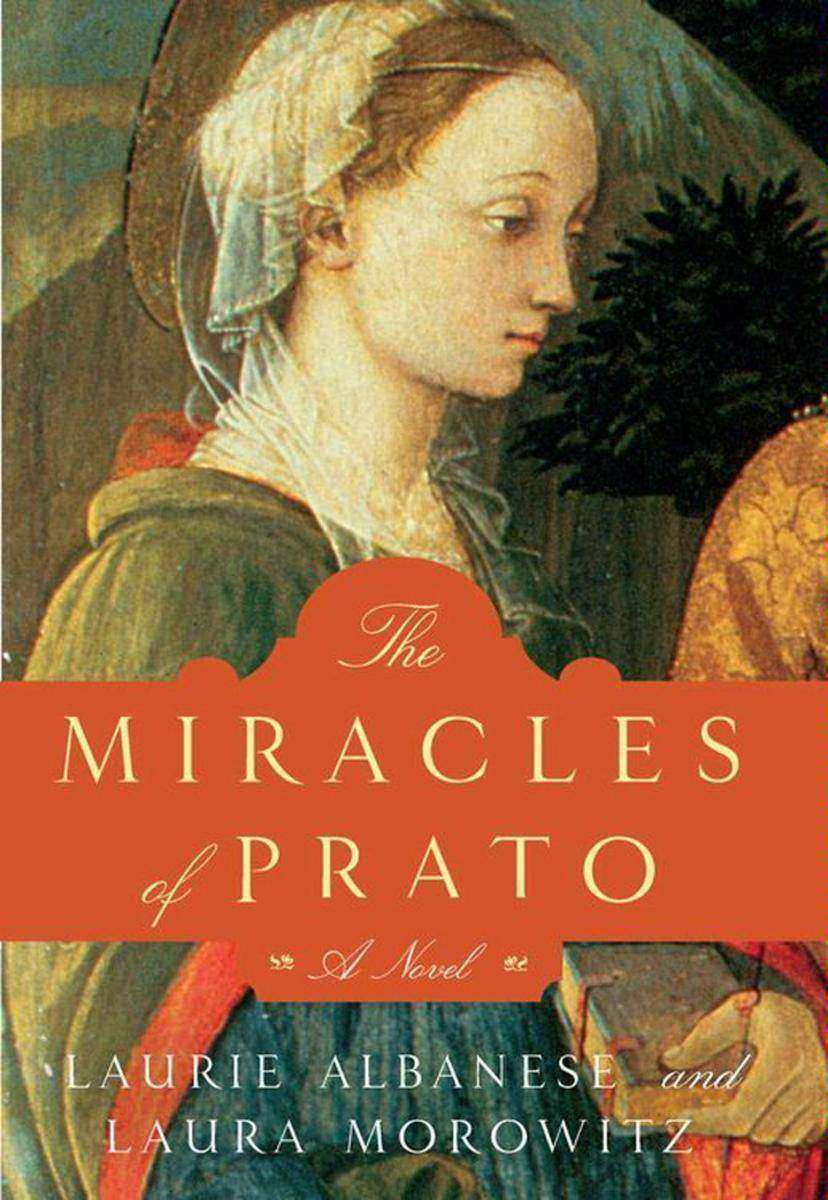
The Miracles of Prato
¥84.16
Italy, 1456. The Renaissance is in glorious bloom. A Carmelite monk, the great artist Fra Filippo Lippi acts as chaplain to the nuns of the Convent Santa Margherita. It is here that he encounters the greatest temptation of his life, beautiful Lucrezia Buti, who has been driven to holy orders more by poverty than piety. In Lucrezia's flawless face Lippi sees the inspiration for countless Madonnas and he brings the young woman to his studio to serve as his model. But as painter and muse are united in an exhilarating whirl of artistic discovery, a passionate love develops, one that threatens to destroy them both even as it fuels some of Lippi's greatest work.
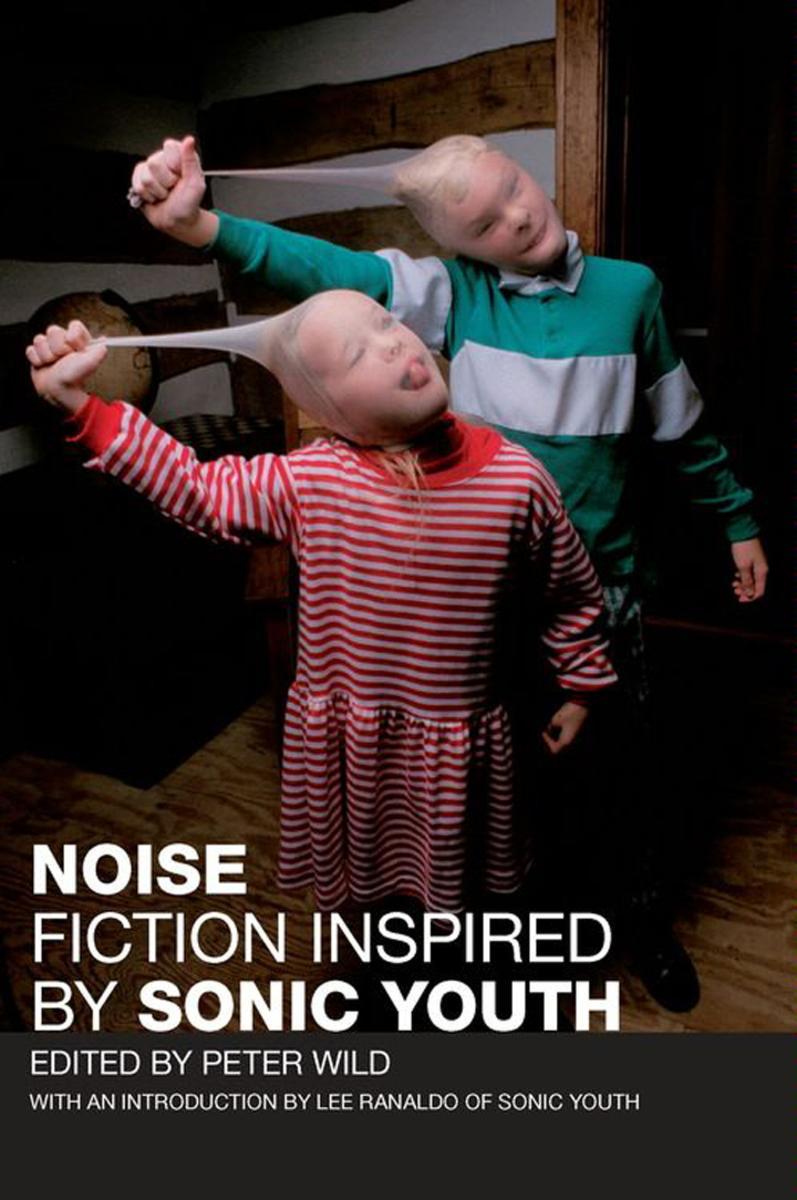
Noise
¥85.05
For more than twenty-five years, the antimelodic “noise” of Sonic Youth has assaulted us, exhilarated us, inspired us. Why?Katherine Dunn says it's because they operate in the foggy world between the real and the surreal. Mary Gaitskill says that Sonic Youth caught her, years ago, when she was falling. J. Robert Lennon says it's because Sonic Youth rip it apart. Emily Maguire was hooked because once she was in love with chaos. Their sound is caustic, elemental, nihilistic—and quite unlike any other cult band ever to achieve rock godhood. In Noise, twenty-one great literary voices offer short fiction based on or inspired by songs from Sonic Youth—a raucous coupling of music and literature featuring marrow-colored goo, severed hands and abandoned babies, Patty Hearst watching the apocalypse on TV, and other unruly images of the Zeitgeist.Contributors Hiag Akmakjian Christopher Coake Katherine Dunn Mary Gaitskill Rebecca Godfrey Laird Hunt Shelley Jackson J. Robert Lennon Samuel Ligon Emily Maguire Tom McCarthy Scott Mebus Eileen Myles Catherine O'Flynn Emily Carter Roiphe Kevin Sampsell Steven Sherrill Matt Thorne Rachel Trezise Jess Walter Peter Wild
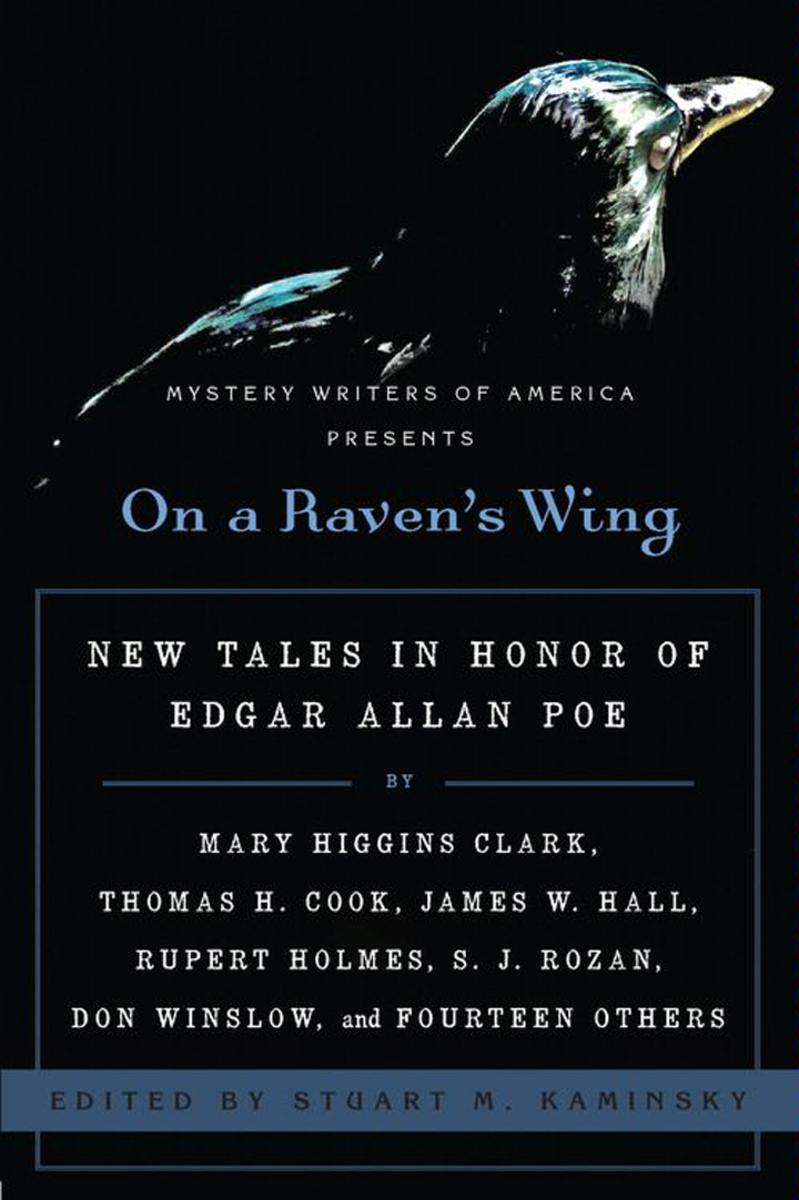
On a Raven's Wing
¥90.77
Twenty contemporary writers commemorate the 200th anniversary of the birth of Edgar Allan Poe with chilling stories inspired by the master himself.Nearly two centuries after they were penned, Edgar Allan Poe's macabre tales are still working their eerie magic on readers of every stripe—thrill-seekers, filmmakers, even fellow writers of suspense. Collected here to honor and celebrate Poe's genius are original stories by some of the best mystery writers at work today.A son attempts to connect with his dying father in Thomas H. Cook's "Nevermore." John Lutz's "Poe, Poe, Poe" combines elements from several of Poe's stories in a twisted tale of madness and mayhem. "Poe, Jo, and I," by Don Winslow, examines the curious bond literature can form between the most unlikely of friends. And in Jon L. Breen's "William Allan Wilson," getting even has never felt so good.With contributions by Mary Higgins Clark, Jeremiah Healy, Peter Lovesey, P. J. Parrish, Daniel Stashower, and Angela Zeman, among others, On a Raven's Wing is a fitting tribute to the one and only Edgar Allan Poe. The Mystery Writers of America, founded in 1945, is the foremost organization for mystery writers and other professionals dedicated to the field of crime writing. Don't miss In the Shadow of the Master, a new collection of Poe's stories, edited by Michael Connelly and featuring essays from Stephen King, Sue Grafton, and others.

Our Lives Are the Rivers
¥78.32
Based on actual events, this sweeping novel tells the life story of a woman who was willing to risk it all for her country and her lover—in whose legacy lies the history of an entire continent.Our Lives Are the Rivers tells the story of beautiful young freedom fighter Manuela Sáenz, and the epic tale of her long love affair with liberator Simón Bolívar. A novel of intoxicating love, passion, and adventure, Jaime Manrique vividly captures a dynamic continent struggling for its own identity.

The Pleasure Is All Mine
¥140.29
With The Pleasure is All Mine, anyone can enjoy a Steak au Poivre with Frites, Three-Cheese Ravioli, Coconut Fish Curry with Homemade Naan Bread, or a Wild Blueberry Free-Form Tart without the expense and hassle of restaurants or fussy dinner guests. The 100 uncomplicated, exquisite recipes in this collection are simple to prepare and require no fancy equipment. With just a skillet, bowl, knife, and a few perfect ingredients, Pirret makes great solo dining effortless-and she offers inspired wine and cocktail pairings, too, to make dinner complete. Edgy and bursting with personality, The Pleasure is All Mine is also filled with a wealth of devilishly entertaining stories based on her experiences living in New York, Los Angeles, Paris, and London.

A Secret Affair
¥55.91
Seeking some much-needed rest and relaxation after a long stint as a TV-news war correspondent in Bosnia, 33-year-old Bill Fitzgerald travels to Venice. There he is struck by the dark beauty of a young American woman, Vanessa Stewart, a 27-year-old glass designer from New York.Unhappily married, she welcomes a no-strings friendship with Bill. Soon they embark on an illicit affair and find themselves desperately in love. They vow to see each other whenever and wherever they can. But on their third meeting, one of them does not show up.Once again, Barbara Taylor Bradford weaves a love story of uncompromising ardor, this time taking readers through secret trysts in Venice, Manhattan and Southampton. In A Secret Affair, she touches on subjects that will stir the hearts and minds of her readers -- unconditional love and devotion, loyalty and loss.
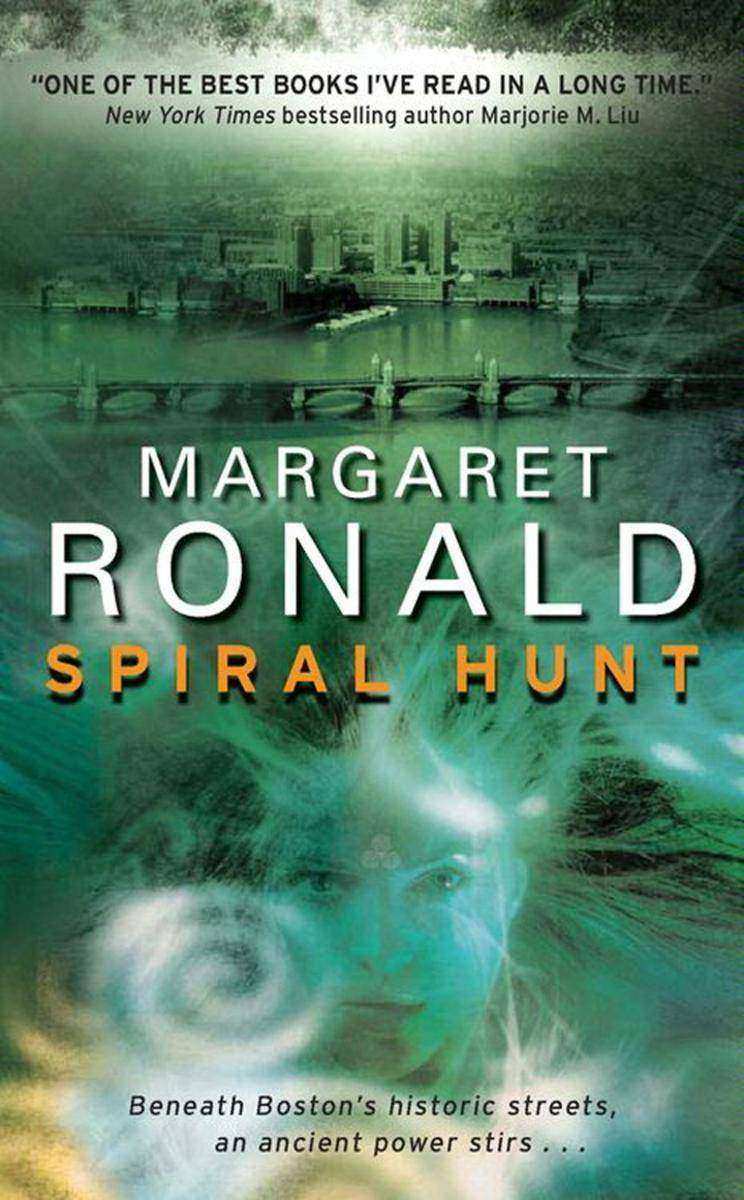
Spiral Hunt
¥55.91
Some people have the Sight. Genevieve Scelan has the Scent.They call her "Hound," and with her unique supernatural sense Evie can track nearly anything—lost keys, vanished family heirlooms . . . even missing people. And though she knows to stay out of the magical undercurrent that runs beneath Boston's historic streets, a midnight phone call from a long-vanished lover will destroy the careful boundaries she has drawn. Now, to pay a years-old debt, Evie must venture into the shadowy world that lies between myth and reality, where she will find betrayal, conspiracies, and revelations that will shatter all she believes about herself and the city she claims as home.When the Hunt is on, the Hound must run . . .

The Girls' Almanac
¥85.05
The Girls' Almanac chronicles the lives of Jenna and Lucy—two thirty-something women who desperately long for a true friend—as well as the lives of the women and men who have touched them: friends, lovers, parents, and neighbors. Set across the Northeast—through suburban neighborhoods, preppy camps, island resorts, and Ivy League colleges—as well as far flung locales like Ecuador and Iceland, The Girls' Almanac traces the friendships of women willing to risk both self-consciousness and intimacy, loss and betrayal, in pursuit of a proper best friend. Exploring the fascinating closeness and distance that female friendships encompass, The Girls' Almanac reveals the map of Jenna and Lucy's interconnected lives, and ultimately their pathways to each other.
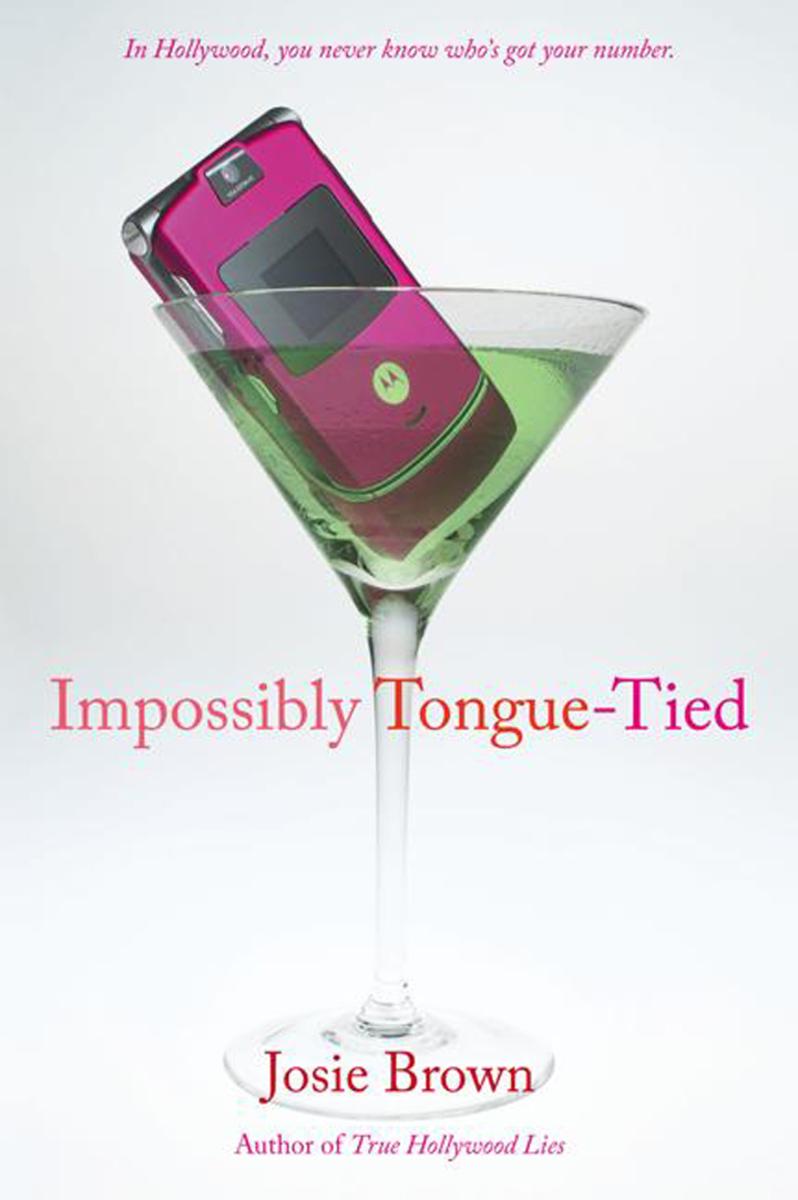
Impossibly Tongue-Tied
¥84.16
All over Hollywood, men are dialing O—for orgasms. Her steamy naughty talk fills them with lust and longing, and helps them perform like the studs they claim to be.In truth, the industry's favorite "erotic phone operatrix" is Nina Harte, a struggling actress who has put her career on hold so that her husband, Nathan, can pursue his own dreams of stardom. When Nathan's career takes off, so does he, leaving Nina and their four-year-old son, Jake, for his diva costar, Katerina McPherson. Then "Kat 'n' Nat" are crowned the media's newest celebrity sweethearts, and Kat labels Nina an unfit mother in order to win custody of Jake, just so that she can have that highly-coveted celebrity accessory—an adorable child—sans any unsightly stretch marks. The one person who does care about Nina is Nathan's agent, Sam Godwin. In fact, he's in love with her. And because he has both a heart and a conscience, Sam feels guilty for having put Nat in Kat's path in the first place . . . Then again, how will he feel when he learns that Nina and O are one and the same?
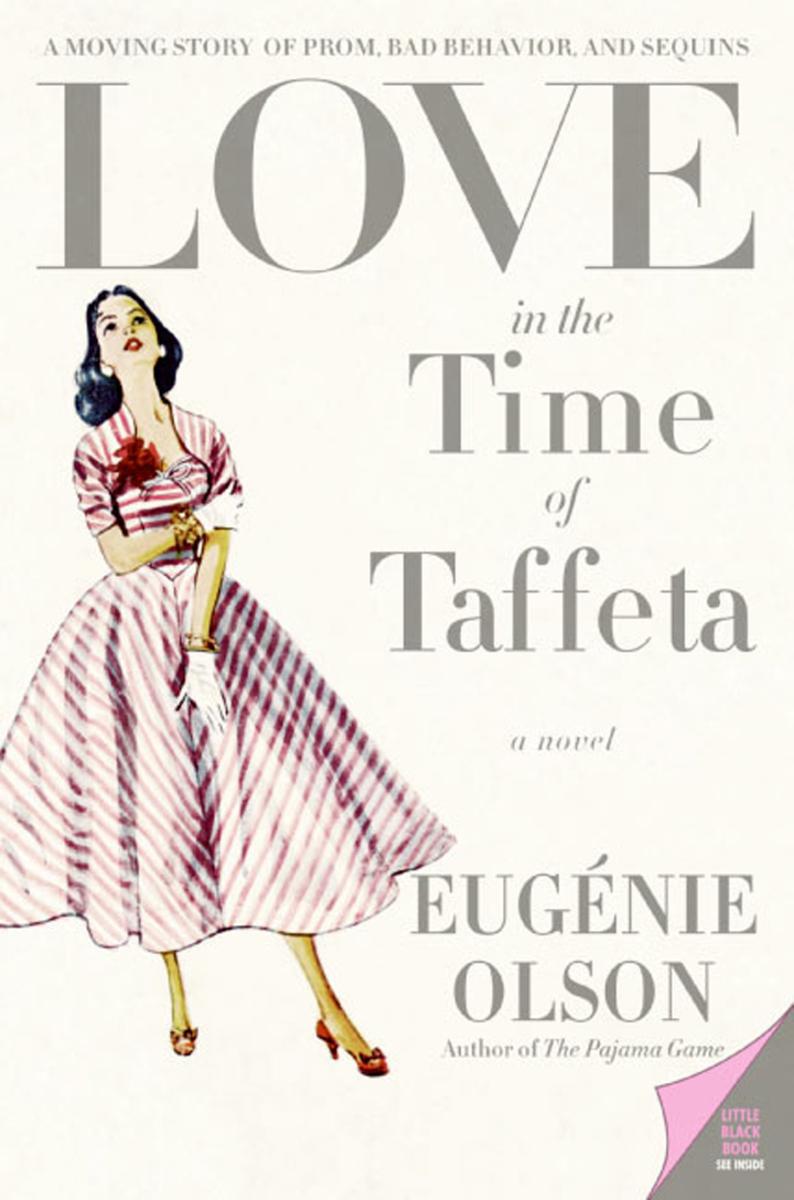
Love in the Time of Taffeta
¥84.16
At age 30, Iley Gilbert is thoroughly sick of trying to make it in the photo biz, and disenchanted after putting in stints at a Boston-area newspaper, a photography gallery, and even a pathetic frame shop. When she abruptly quits the frame shop, she's ready to give up for good, until she spots a compelling ad in the paper. A photographer who shoots high school prom photos is looking for an assistant. Not only that, He's willing to pay top dollar to someone who would give up Friday and Saturday nights to help take pre-prom pictures of high-school kids dressed in their finery and candid shots during the dance. William Jasper, Prom Photographer, is not the brand of aging, greasy wedding photographer she was expecting. Rather, He's 35, strikingly handsome, and sharp-witted. Iley is instantly attracted to him and gets the sense the feeling is mutual. But William isn't everything He's made himself out to be that is, he's not single. He's got a permanently out-of town wife-he doesn't need a girlfriend. But Iley has lost her way, and she-ll need her friends and her photos and a lot of bad proms before she can find her way back on track, away from the sleezeball, and into a life that-s a little more picture-perfect.
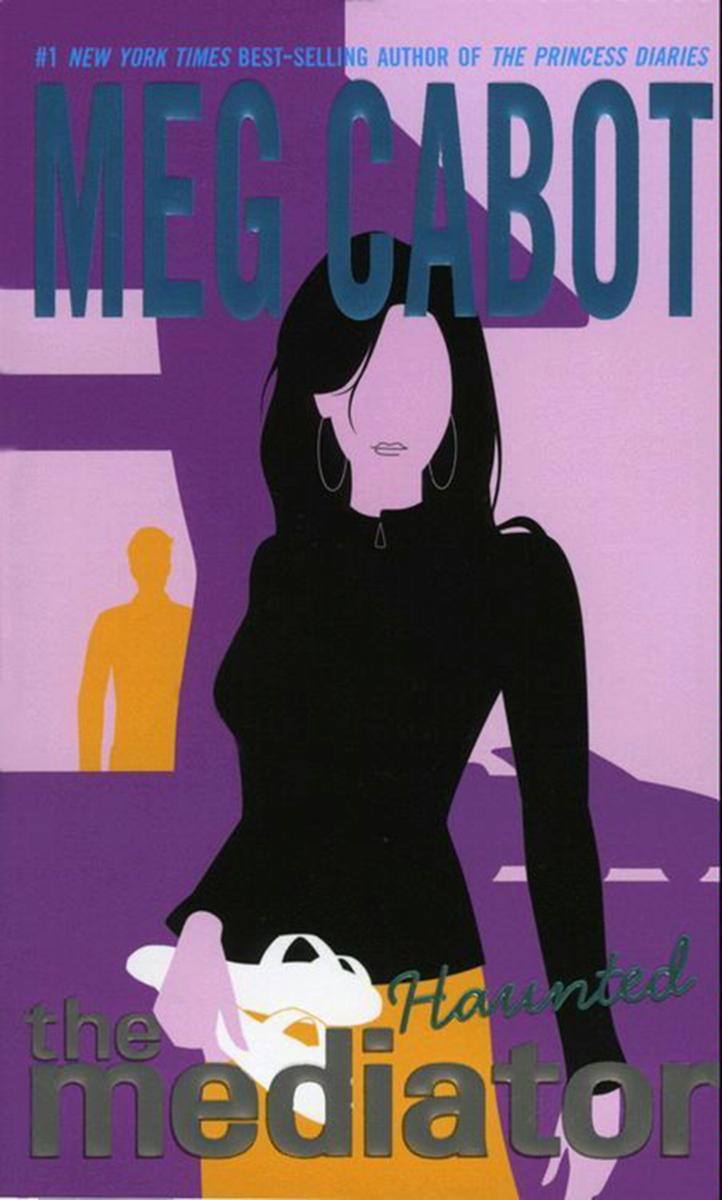
Mediator #5: Haunted
¥49.79
Suze is used to trouble, but this time she's in deep: Ghostly Jesse has her heart, but Paul Slater, a real flesh—and—blood guy, is warm for her form. And mediator Paul knows how to send Jesse to the Great Beyond. For good. Paul claims he won't do anything to Jesse as long as Suze will go out with him. Fearing she'll lose Jesse forever, Suze agrees. But even if Suze can get Jesse to admit his true feelings for her, what kind of future can she have with a guy who's already dead?
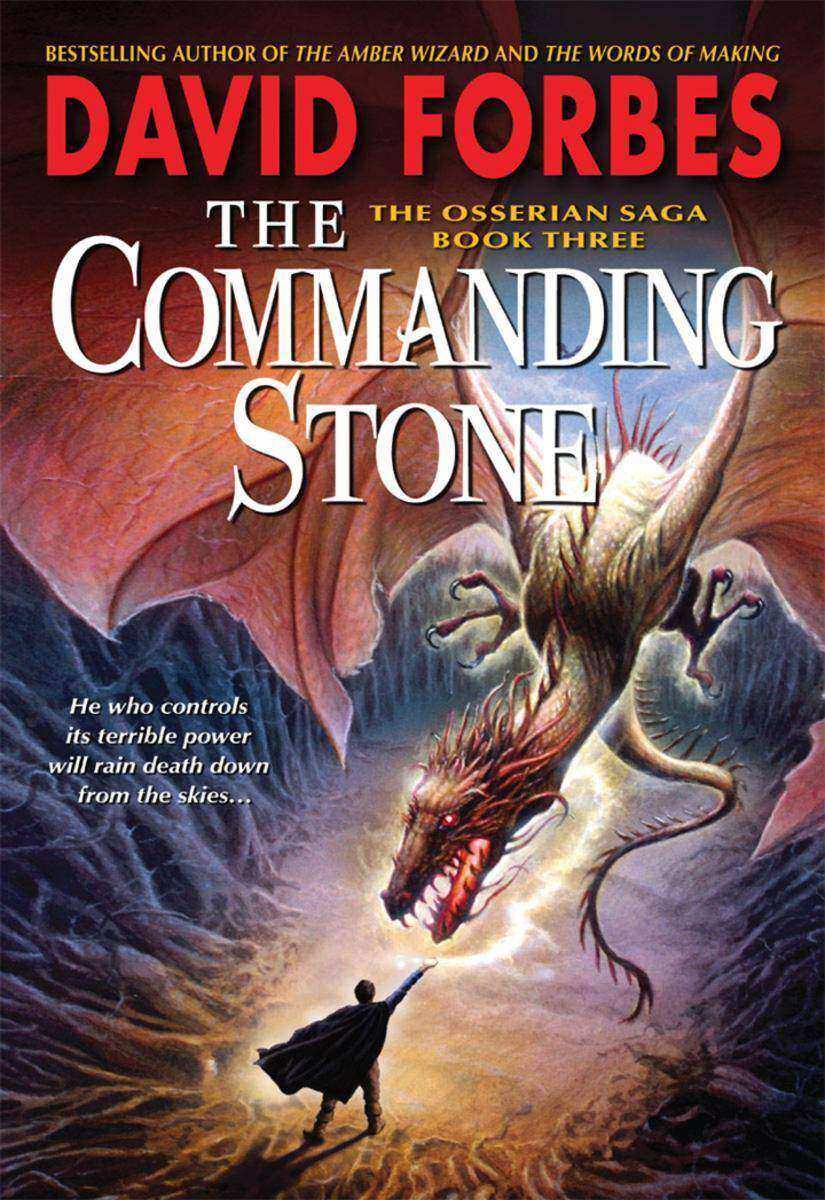
The Commanding Stone
¥56.67
Gerin, King of Khedesh, has long since accepted the mantle of Amber Wizard—the first in a millennium—with all the terrible responsibility that accompanies it. He has prevented the dread wizard-king, Asankaru, from attaining the all-powerful Words of Making, but the enemy grows stronger by the day. And now Gerin must be resolute and pursue the secret of the Words at any and all cost. For a new foe has emerged in a furious race toward a magical artifact that can awaken and command monsters long thought dead. And nothing will survive the devastation wrought by dragon fire.


