


 购物车
购物车 个人中心
个人中心

The Art Of War
¥40.79
The Art of War is written by Sun Tzu, a high-ranking military general, strategist and tactician. The text is composed of 13 chapters, each of which is devoted to one aspect of warfare. It is the definitive work on classic military strategy and tactics. The book influenced Eastern and Western military thinking, business tactics, legal strategy and beyond.
Remember Remember
¥20.68
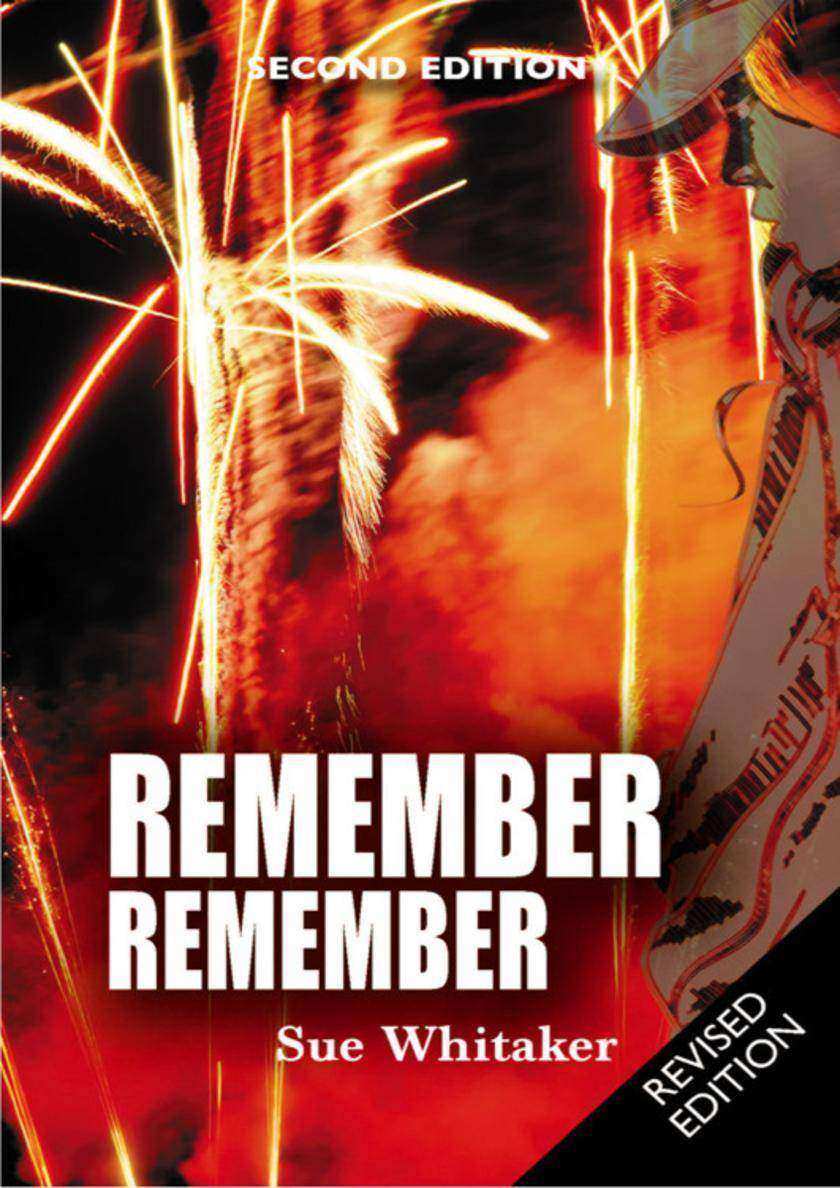
It's the 5th of November and a firework in the wrong hands spells trouble for Carla and changes her life for ever. Read this inspirational story of one girl's fight to overcome the stigma of disfiguration and how a few kind words from an unexpected source, turned thoughts of revenge into a passion to help others, who's lives have also been rudely and dramatically changed. 2nd Edition with new content.

Harry and Me A Dangeruous World
¥31.07
The third collection of adventures with Andy and his pet spider Harry. Harry already knows that the world that he lives in is far more dangerous than Andy's life on Tillybrook Farm, but when Andy makes himself as small as a spider, Harry has to try to keep him safe at all times; sometimes though that is not as easy as you may think.
Chinese Characters
¥65.32
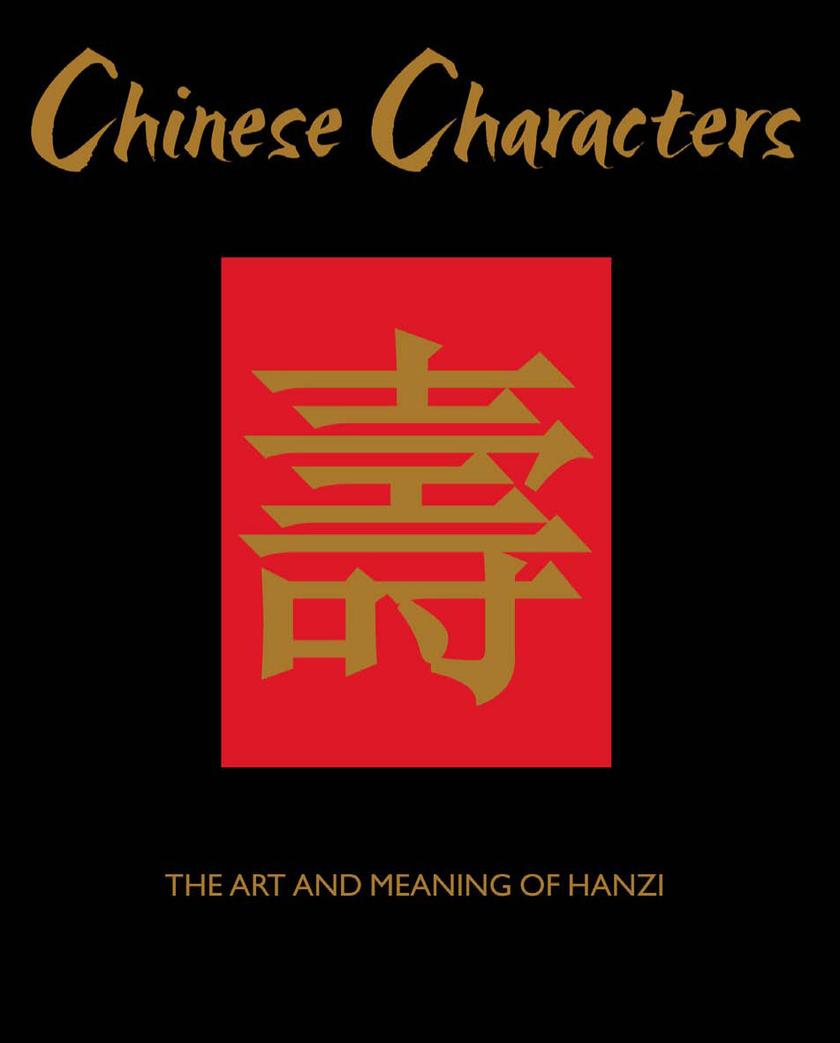
The elegant pen-strokes and visual harmony of Chinese writing, known as hànzì, have long been admired in the west. Classical Chinese calligraphy is a popular and valuable art form, and with the increasing economic and cultural power of China, its writing is becoming more widely appreciated and understood. In particular, the deep layers of history and symbolism which exist behind even the most everyday character have a strong appeal to those seeking understanding from an alternative philosophy.? ?Chinese Characters: The Art of Hànzì? features the most interesting of the three to four thousand characters are needed to write modern Chinese. Characters expressing concepts such as love, peace, respect and happiness are reproduced in a large format, enabling the reader to trace, scan or photocopy them for transfer to any other medium. Alongside the character is an accessible and inspiring explanation of how the character developed, what the particular strokes symbolize, and its various different meanings.

Sacramental Remorse: Μικρ??, Δογματικ?? και Μ?, Λογοτεχνικ?? Ασκ?σει?
¥52.65
Ο Πατ?ρ Πα?λο? Γρηγορ?ου, μαζε?ει ποι?ματα που γρ?φτηκαν στο λεωφορε?ο για το Πανεπιστ?μιο ? σε στιγμ?? που στ?ρευαν τα δ?κρυα, και σε μικρ?? κεν?? στιγμ?? στοχασμο?....! ?λα, ?χασαν το δρ?μο του? και παρ?μειναν σε δι?φορα συρτ?ρια, φακ?λου? στον υπολογιστ?, διεσ?θησαν μετ? απ? format και λοιπ?? παρ?μοιε? καταστ?σει?! ?λα γενν?θηκαν σε μια ψυχ? που ?κουγε του? χτ?που? τη? καρδι?? τη? αλλ? και τι? φων?? τη? λογικ??, σε δι?φορε? περι?δου?. Στα παιδικ? χρ?νια, στην εφηβε?α, στι? σπουδ??, στο στρατ?, στι? φιλοσοφικ?? ανησυχ?ε?, στον ?ρωτα, στο γ?μο και στον κλ?ρο. ?λλα ευχ?ριστα, ?λλα ειρωνικ?, ?λλα επαναστατικ?, ?λλα δυσ?ρεστα και στεν?χωρα, ανακατεμ?να, ατ?κτω? ερριμμ?να, με σκοπ? να ταξιδε?ουν συνεχ?? τον αναγν?στη σε διαφορετικ? και ποικ?λα συναισθηματικ? επ?πεδα, μ?σα σε λ?γα λ?πτ? ? λιγε? ?ρε?. ?να γεμ?το βιβλ?ο!
Aesop's Fables
¥40.79
Aesop's Fables from ancient Greek story teller of diverse origins. The stories associated with Aesop's name have descended to modern times through a number of sources. They continue to be reinterpreted in different verbal registers and in popular as well as artistic mediums.
Ποι?ν Αγαπ?? για Π?ντα Αυτ? τη Φορ?;
¥73.66
Κατ’αρχ?ν θα πρ?πει να διευκριν?σουμε πω? ο ?ρωτα? δεν ε?ναι αμαρτ?α. Αντιθ?τω? μ?λιστα! Ο ?ρωτα? ευλογε?ται απ? το Θε?, ?ταν ε?ναι αληθιν??. ?ταν βασ?ζεται στην αγ?πη. ?ταν συνοδε?εται και συνοδε?ει την αγ?πη. Αυτ?? ο ?ρωτα? δε χ?νεται και δε σβ?νει ποτ?. Γιατ? ακ?μη κι ?ταν ?λθει η στιγμ? που καταλαγι?ζει το π?θο?, η αγ?πη βγα?νει στην επιφ?νεια, και ε?ναι αυτ? που κρατ? του? ερωτευμ?νου? μαζ? για π?ντα, και του? κρατ? για π?ντα ερωτευμ?νου?! ?ταν ?μω? δεν υπ?ρχει η αγ?πη, ο ?ρωτα? δεν ευλογε?ται. Μ?λλον, δε μπορε? να υπ?ρξει πραγματικ?? ?ρωτα? χωρ?? την αγ?πη. Και ε?ναι εκε?νε? οι στιγμ?? που μ?λι? αρχ?σει το π?θο? να σβ?νει, ανακαλ?πτει? πω? δεν ?χει με?νει τ?ποτα, παρ? ?να απ?ραντο κεν?. ?να κεν?, που δεν πληρ?νεται ο?τε με ψε?τικε? υποσχ?σει?, ο?τε με ψε?τικα ?σ’αγαπ??, ο?τε με ουτοπικ? ?για π?ντα?, ο?τε με την ιδιοτ?λεια! Γι αυτ? αναρρωτι?ται κανε??, βλ?ποντα? ?ναν ?νθρωπο που ερωτε?εται και αγαπ? τ?σο ε?κολα κ?θε φορ? ?να διαφορετικ? ?νθρωπο: ?Ποι?ν αγαπ?? για π?ντα αυτ? τη φορ?;?
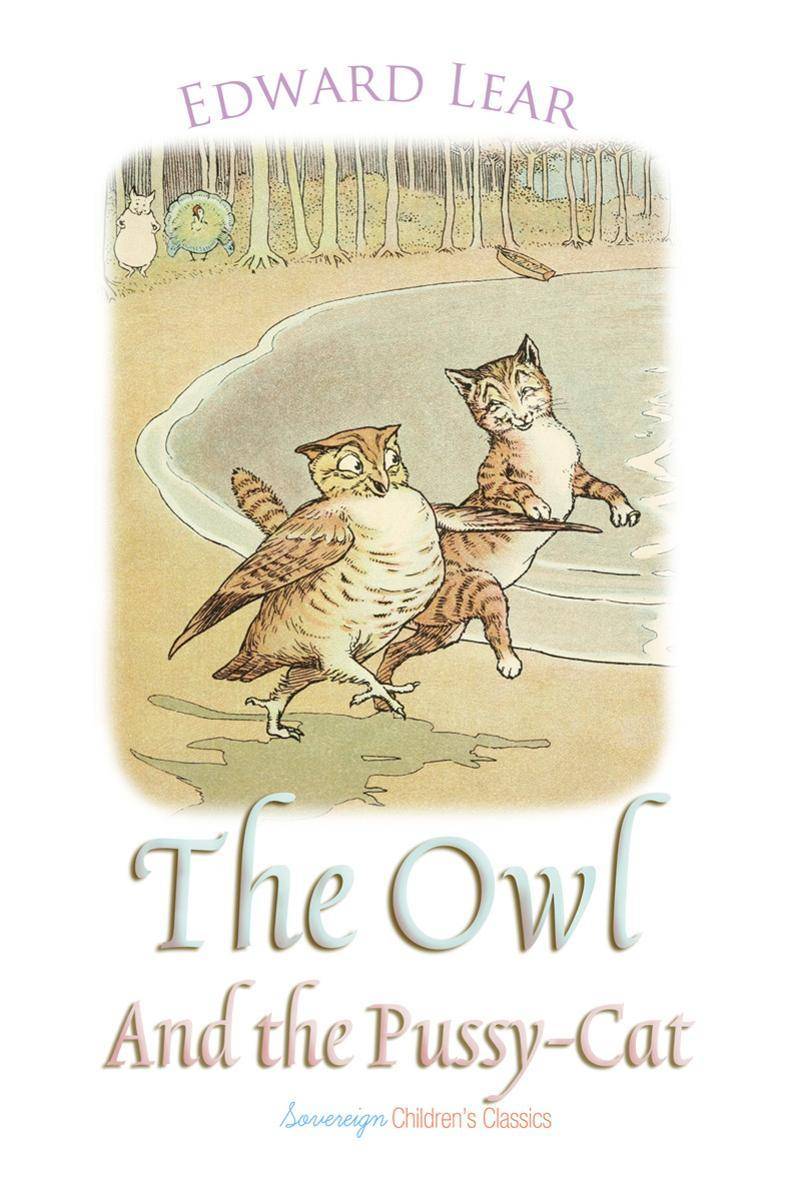
The Owl and the Pussy-Cat
¥40.79
The Owl and the Pussy-Cat went to sea; In a beautiful pea-green boat; They took some honey, and plenty of money; Wrapped up in a five-pound note. The Owl looked up to the stars above; And sang to a small guitar...
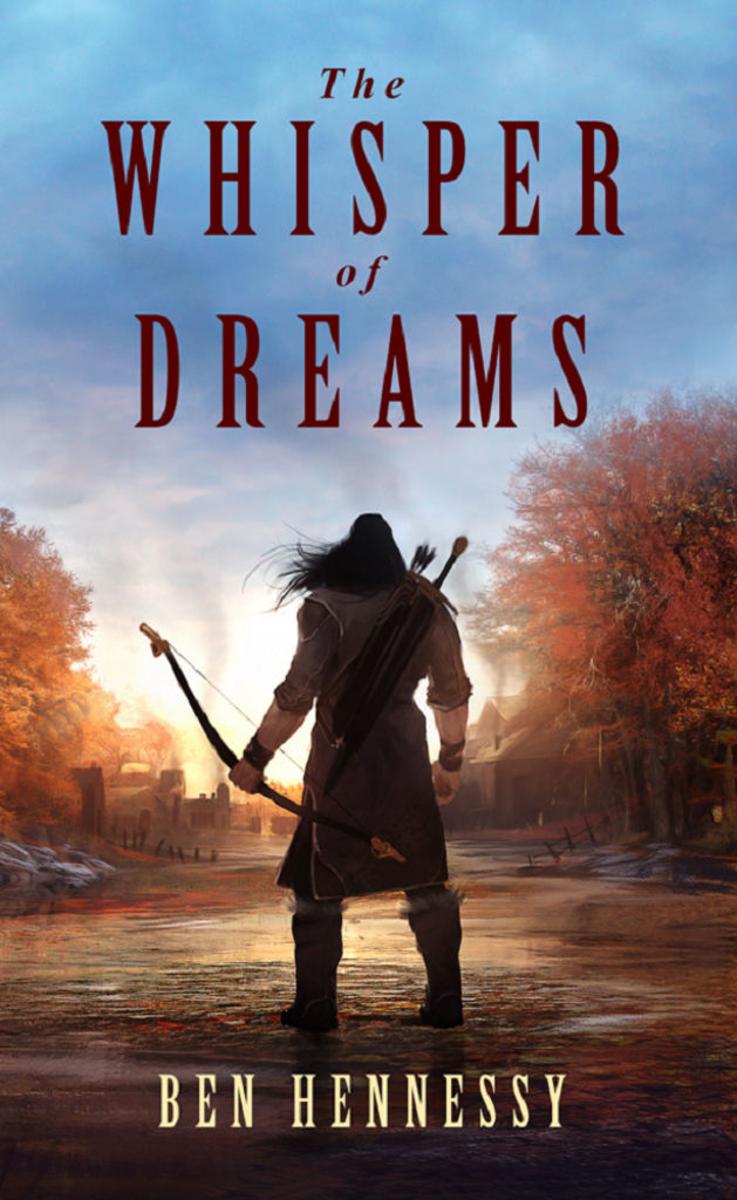
The Whisper of Dreams
¥32.62
Hundreds are dead at the hands of The Four. Three months after the events of Leithar Grove, Tamir is a kingdom in fear. The people no longer trust Prince Remelas; his military ambitions are now public knowledge. So the Sons of Tamir, a nationalistic faction created within this atmosphere of betrayal, march on the capital to seek Remelas’ abdication. And still the rumours persist of a young girl who walked away, unharmed, from Leithar Grove that night. Crazed seers and prophets continue to preach of the Queen of the World. Sarene, accompanied by the huge woodsman Kanderil, journeys ever onwards in hope of finding shelter from the coming winter. Her family left behind, her brother dead, she finds herself increasingly isolated from a world becoming steadily more perilous. Sarene refuses to believe what these nameless strangers say about her. Yet she must come face to face with the truth of what she is. What she represents . ? And that truth will come at the highest cost.

Unarmed Combat: Hand-to-Hand Fighting Skills from the World's Most Elite Militar
¥65.32
With the aid of superb line artworks, Unarmed Combat demonstrates to the reader how special forces soldiers are taught to excel in hand-to-hand fighting: how they maximise bodyweight, and the use of various strikes, throws, locks and constrictions to defeat opponents. It explains how different martial arts have been combined by military units to create hand-to-hand combat systems for defence against multiple assailants, for fighting on the ground, for dealing with edged and impact weapons, what works against attackers with firearms and – more importantly – what doesn’t. With tips and techniques from unarmed combat experts, the book is divided into two main sections. The first covers the mental preparation needed to be ready to defend yourself. The second covers the physical techniques needed to defend yourself, and if necessary, strike back to temporarily incapacitate your attacker and escape. With more than 300 easy-to-follow artworks and handy pull-out lists of key information, Unarmed Combat is the definitive guide for anyone wanting to be ready for anything - it could save your life.

The Innocents Abroad
¥40.79
The Innocents Abroad is a travel book by American author Mark Twain which humorously chronicles his travels on board the chartered vessel Quaker City through Europe and the Holy Land with a group of American travellers.
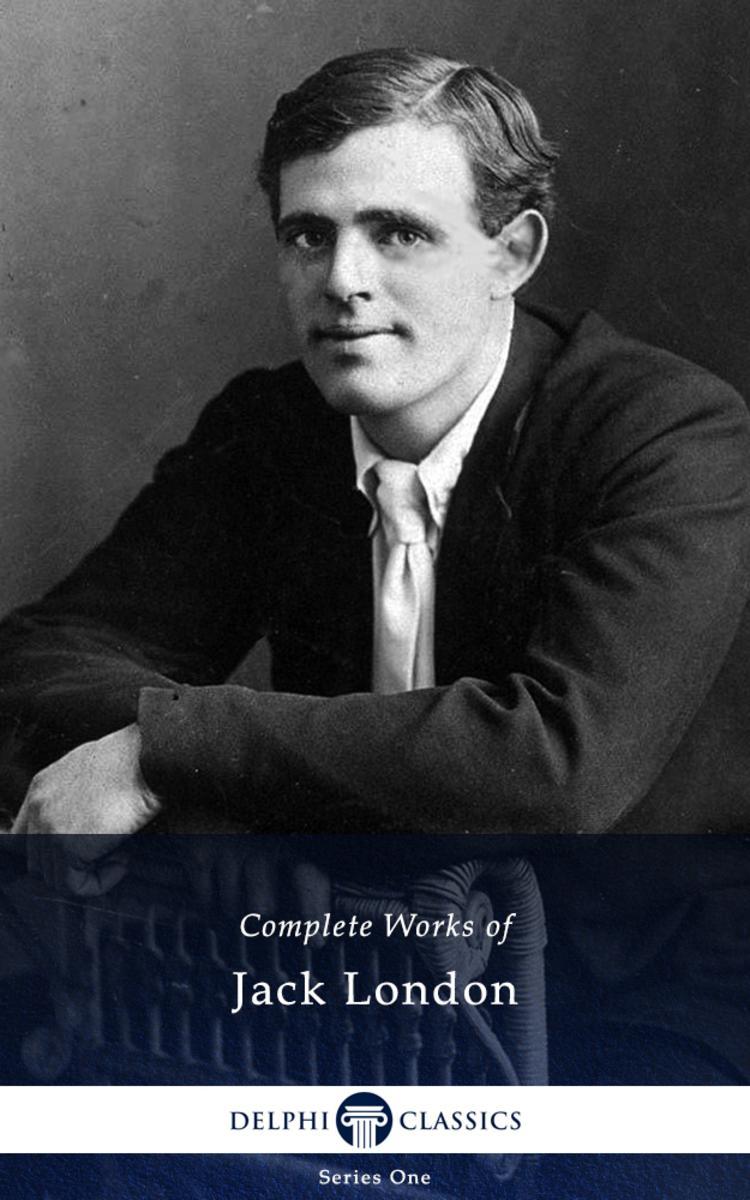
Delphi Complete Works of Jack London (Illustrated)
¥24.44
Finally, America’s great storyteller Jack London receives the scholarly Delphi treatment. This is the only eBook available with every novel, every short story – even the very rare ones – play, poem, memoir, non-fiction text and much, much more! Now you can truly own all of London’s works on your eReader, and all in ONE well-organised file. (Version 2) * brief but informative introductions to the novels and other works * images of how the novels first appeared, giving your eReader a taste of the original texts * ALL 22 novels and each with their own contents table * even includes the rare novels ‘THE CRUISE OF THE DAZZLER’ and ‘HEARTS OF THREE’, often missed out of collections * packed full of images relating to London’s life and works * ALL 197 short stories and novellas, with excellent formatting, in their own special contents table – find that special story quickly and easily! * the COMPLETE plays, including the rare ‘THE RETURN OF ULYSSES’ * EVEN includes London’s complete poetry with special contents table * ALL of the memoirs and non-fiction texts, with many illustrations * RARE magazine articles by the great writer * The popular travel book ‘THE CRUISE OF THE SNARK’ is presented with its original images of London’s adventures * scholarly ordering of texts into chronological order and literary genres * includes a front MASTER table of contents, allowing easy navigation around London’s immense oeuvre * Charmian London’s biography “Book of Jack London” – explore his interesting life in the words of his beloved wife CONTENTS: The Novels THE CRUISE OF THE DAZZLER A DAUGHTER OF THE SNOWS THE CALL OF THE WILD THE KEMPTON-WACE LETTERS THE SEA-WOLF THE GAME WHITE FANG BEFORE ADAM THE IRON HEEL MARTIN EDEN BURNING DAYLIGHT ADVENTURE SMOKE BELLEW THE SCARLET PLAGUE A SON OF THE SUN THE ABYSMAL BRUTE THE VALLEY OF THE MOON THE MUTINY OF THE ELSINORE THE STAR ROVER THE JACKET THE LITTLE LADY OF THE BIG HOUSE JERRY OF THE ISLANDS MICHAEL, BROTHER OF JERRY HEARTS OF THREE The Short Stories LIST OF THE COMPLETE SHORT STORIES The Plays THEFT THE ACORN-PLANTER A WICKED WOMAN THE BIRTH MARK THE FIRST POET THE RETURN OF ULYSSES–A MODERN VERSION The Poetry LIST OF THE COMPLETE POETRY The Memoirs THE ROAD JOHN BARLEYCORN The Non-Fiction THE PEOPLE OF THE ABYSS WAR OF THE CLASSES HOW I BECAME A SOCIALIST REVOLUTION AND OTHER ESSAYS THE CRUISE OF THE SNARK WHAT COMMUNITIES LOSE BY THE COMPETITIVE SYSTEM THE HUMAN DRIFT THE STORY OF AN EYEWITNESS EDITORIAL CRIMES – A PROTEST THE FUTURE OF WAR MEXICO’S ARMY AND OURS A LETTER TO HOUGHTON, MIFFLIN & CO. A LETTER TO WOMAN’S HOME COMPANION PHENOMENA OF LITERARY EVOLUTION AGAIN THE LITERARY ASPIRANT THE RED GAME OF WAR WITH FUNSTON’S MEN STALKING THE PESTILENCE THE TROUBLE MAKERS OF MEXICO LAWGIVERS OUR ADVENTURES IN TAMPICO HOUSEKEEPING IN THE KLONDIKE The Biography BOOK OF JACK LONDON
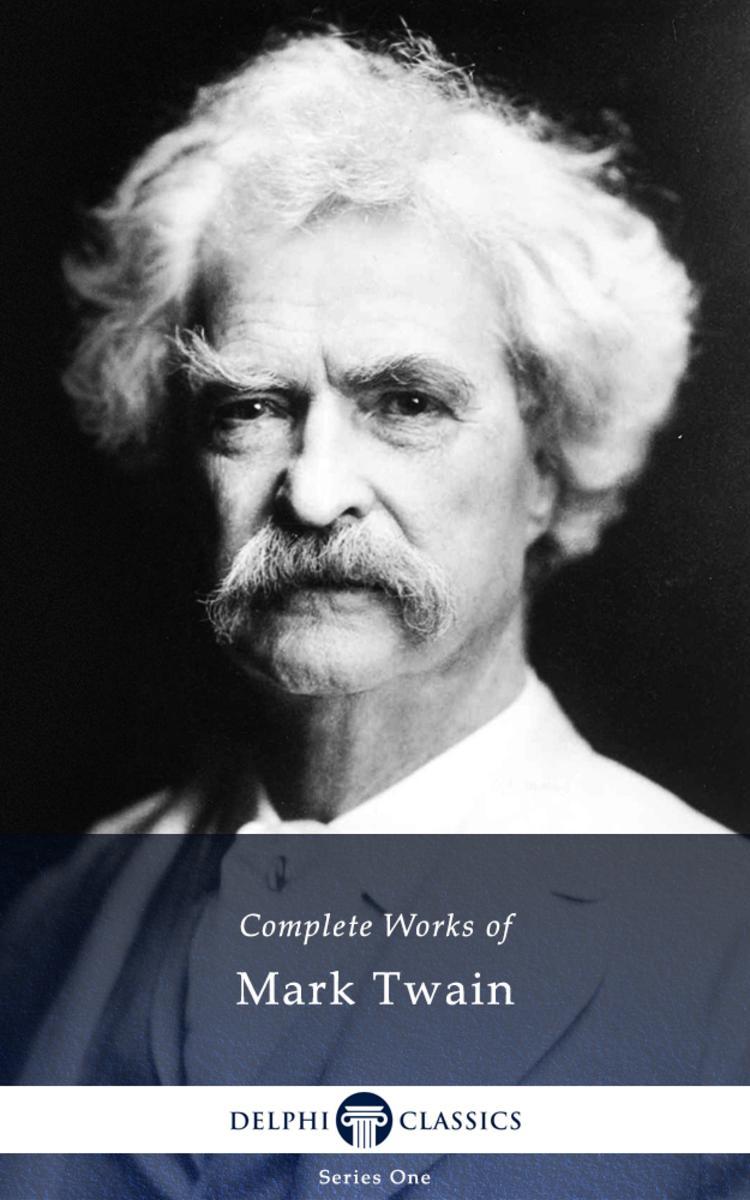
Delphi Complete Works of Mark Twain (Illustrated)
¥24.44
This is the COMPLETE WORKS of America's favourite storyteller Mark Twain. The eBook contains every novel, short story - even the very rare ones ? essay, travel book, non-fiction text, letter and much, much more! . (Current Version: 3) Features: * ALL 12 novels, with concise introductions and contents tables * images of how the books first appeared, giving your eReader a taste of the original texts * includes Twain's rare unfinished novel 'The Mysterious Stranger', often missed out of collections * ALL of the short stories, with quality formatting * the short stories have their own chronological and alphabetical contents tables - find that special story easily! * Twain's 20 short story contributions to "The Library of Humor", with their own contents table * even INCLUDES Twain's complete letters, essays and satires - with their own special contents tables * ALL of the travel writing, with contents tables * includes Twain's "Chapters from My Autobiography" * SPECIAL BONUS texts, including three contemporary Twain biographies - explore the great man's amazing life in Paine's and Howells' famous biographies! * UPDATED with a special literary criticism section, with various works exploring Twain's contribution to literature * UPDATED with Archibald Henderson's critical study MARK TWAIN * UPDATED with the complete speeches * scholarly ordering of texts into chronological order and literary genres The eBook also includes a front no-nonsense table of contents to allow easy navigation around Twain's immense oeuvre. Welcome to hours upon hours upon hours of reading one of literature's most famous storytellers! CONTENTS The Novels THE GILDED AGE: A TALE OF TODAY THE ADVENTURES OF TOM SAWYER THE PRINCE AND THE PAUPER ADVENTURES OF HUCKLEBERRY FINN and many more! The Short Stories (too many to list!) CHRONOLOGICAL LIST OF SHORT STORIES ALPHABETICAL LIST OF SHORT STORIES MARK TWAIN'S LIBRARY OF HUMOR The Essays and Satires LIST OF TWAIN'S ESSAYS AND SATIRES The Travel Writing THE INNOCENTS ABROAD ROUGHING IT A TRAMP ABROAD FOLLOWING THE EQUATOR SOME RAMBLING NOTES OF AN IDLE EXCURSION The Non-Fiction OLD TIMES ON THE MISSISSIPPI and many more! The Letters THE COMPLETE LETTERS OF MARK TWAIN The Speeches THE COMPLETE SPEECHES The Criticism MARK TWAIN BY ARCHIBALD HENDERSON MARK TWAIN BY BRANDER MATTHEWS THE AMERICANS BY DAVID CHRISTIE MURRAY MARK TWAIN BY FREDERICK WADDY NEW YORK TIMES ARTICLES The Biographies CHAPTERS FROM MY AUTOBIOGRAPHY BY M.TWAIN MY MARK TWAIN BY WILLIAM DEAN HOWELLS MARK TWAIN A BIOGRAPHY BY A.B. PAINE THE BOYS' LIFE OF MARK TWAIN BY A. B. PAINE
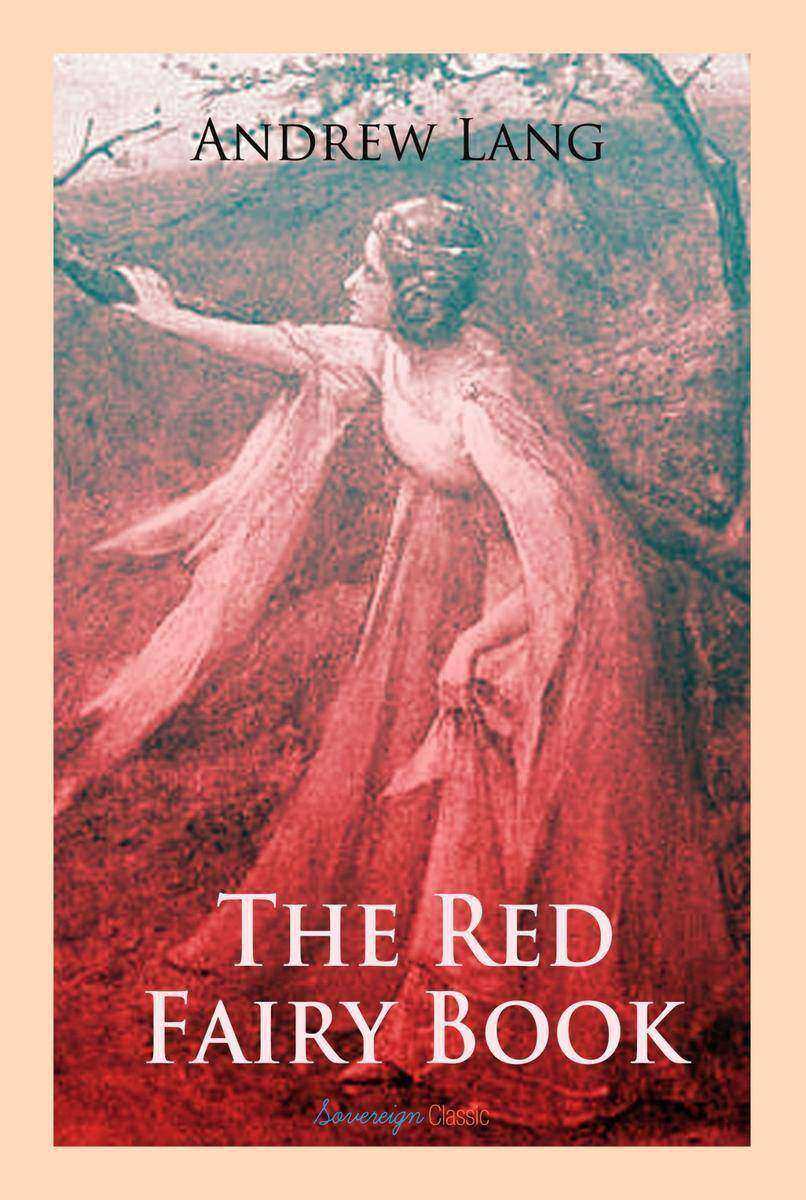
The Red Fairy Book
¥40.79
Once upon a time there lived in the village of Montignies-sur-Roc a little cow-boy, without either father or mother. His real name was Michael, but he was always called the Star Gazer, because when he drove his cows over the commons to seek for pasture, he went along with his head in the air, gaping at nothing.
The Norka and Other Fairy Tales
¥40.79
Once upon a time there lived a King and Queen. They had three sons, two of them with their wits about them, but the third a simpleton. Now the King had a deer park in which were quantities of wild animals of different kinds. Into that park there used to come Norka and do fearful mischief...
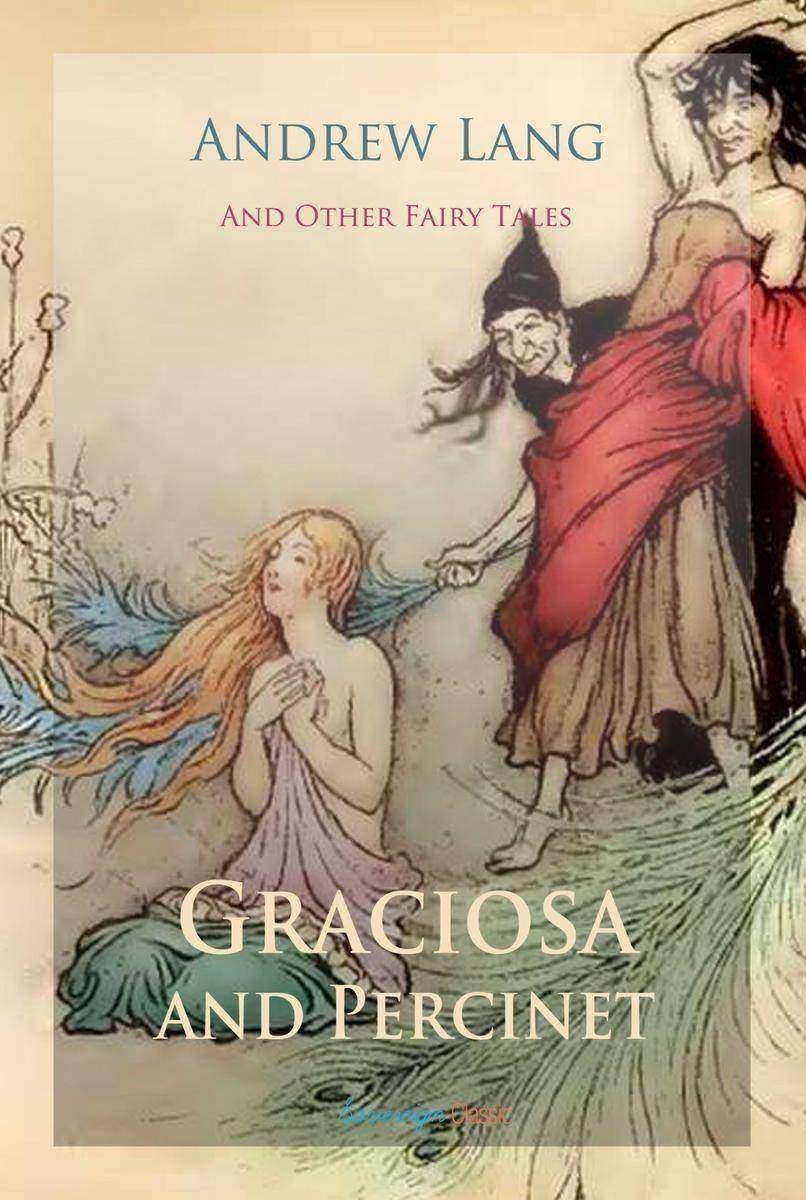
Graciosa and Percinet and Other Fairy Tales
¥40.79
Once upon a time there lived a King and Queen who had one charming daughter. She was so graceful and pretty and clever that she was called Graciosa, and the Queen was so fond of her that she could think of nothing else. Everyday she gave the Princess a lovely new frock of gold brocade, or satin, or velvet, and when she was hungry she had bowls full of sugar-plums, and at least twenty pots of jam...
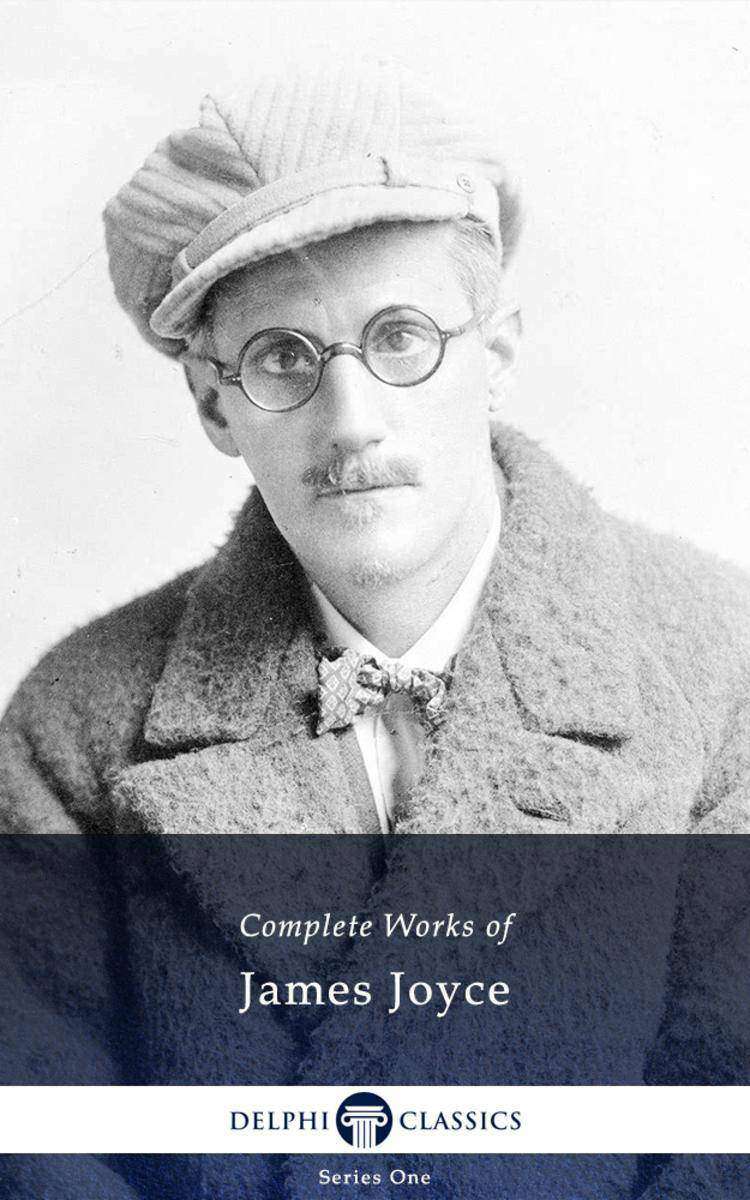
Delphi Complete Works of James Joyce (Illustrated)
¥24.44
This is the definitive digital edition of James Joyce’s complete works. At last the great modernist writer joins the scholarly range of Delphi Classics. (Version 6) * CONCISE introductions to the novels and other texts * every novel, poetry collection and play has its own contents table to allow easy navigation – you won’t get lost! * the rare unfinished novel STEPHEN HERO * COUNTLESS images related to Joyce and his works * special images of the original first editions, giving your eReader a flavour of the original texts * ALL of the short stories and poems * scholarly ordering of texts into chronological order * ‘Ulysses’ has special introductions to all eighteen episodes of the epic novel. Finally you can finish and understand the novel! * includes the rare children’s short story THE CAT AND THE DEVIL * introductory chapters for each part of FINNEGANS WAKE, aiding your understanding of this abstruse text * includes the rare prose poem GIACOMO JOYCE, first time in digital print * boasts a special non-fiction section with essays, letters and newspaper articles The eBook also includes a front no-nonsense table of contents to allow easy navigation around Joyce’s oeuvre. Welcome to hours upon hours upon hours of reading one of literature’s most experimental writers! CONTENTS The Novels A PORTRAIT OF THE ARTIST AS A YOUNG MAN ULYSSES FINNEGANS WAKE STEPHEN HERO The Short Stories DUBLINERS THE CAT AND THE DEVIL Other Prose Works EPIPHANIES GIACOMO JOYCE The Play EXILES The Poetry Collections EARLY POETRY CHAMBER MUSIC POMES PENYEACH LATER POETRY The Poetry LIST OF POEMS IN CHRONOLOGICAL ORDER LIST OF POEMS IN ALPHABETICAL ORDER The Non-Fiction LIST OF ESSAYS, LETTERS AND ARTICLES
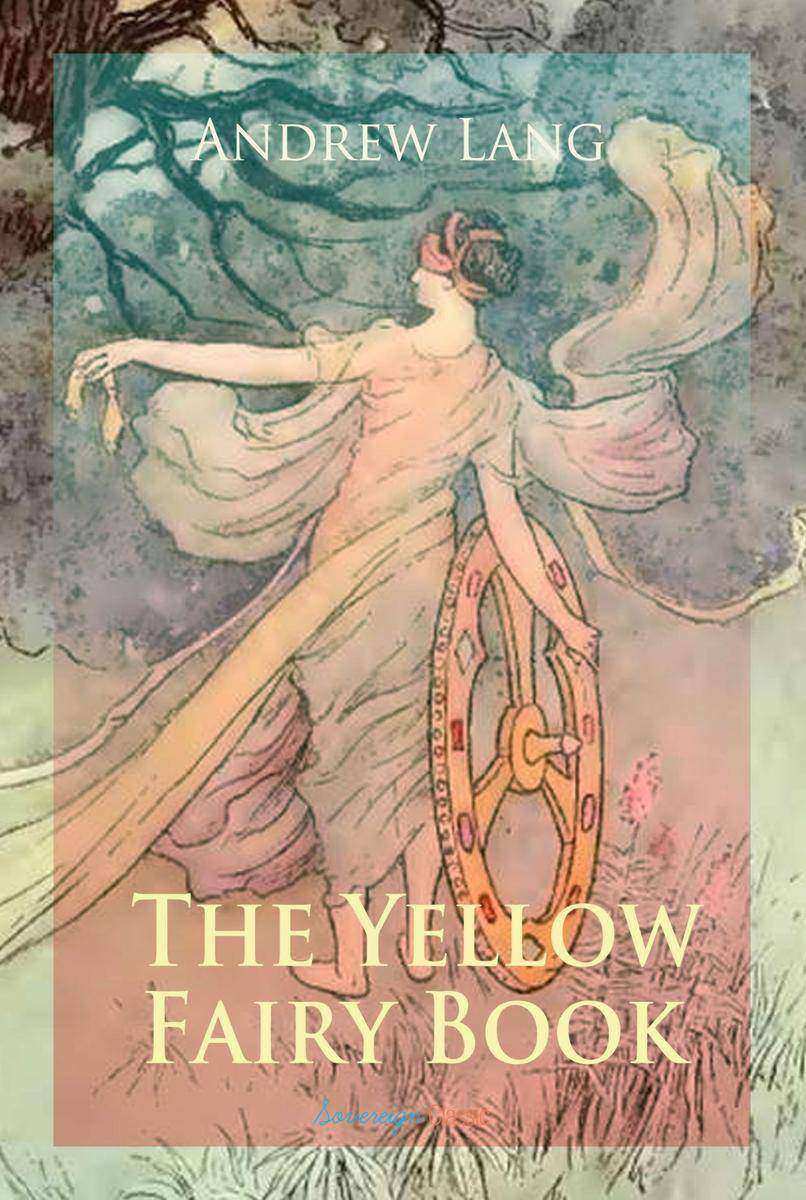
The Yellow Fairy Book
¥40.79
In the Yellow Fairy Book, are many tales by Madame D'Aulnoy and Herr Hans Christian Andersen. There are Russian, German, French, Icelandic, Red Indian, and other stories here.
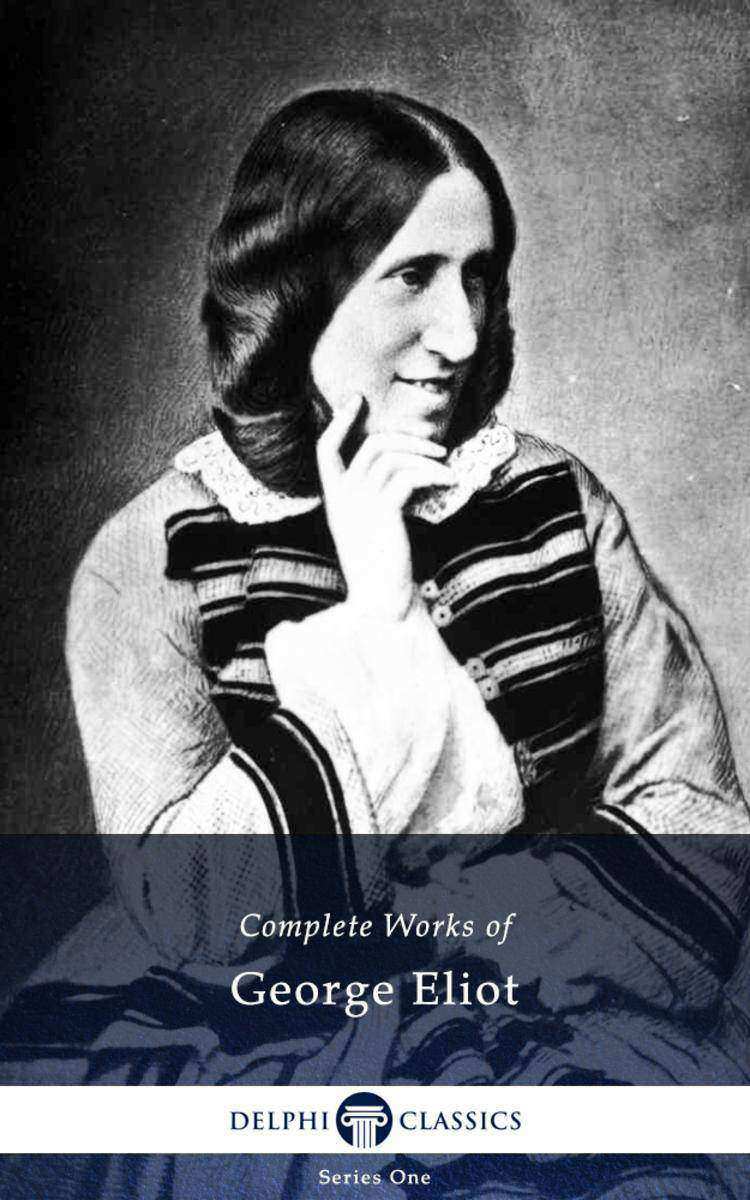
Delphi Complete Works of George Eliot (Illustrated)
¥24.44
More famously known by her pen name George Eliot, Mary Anne Evans was a celebrated novelist, journalist, translator, critic and leading writer of the Victorian era. Her novels of provincial life in England were celebrated for their innovative realism and psychological insight. This comprehensive eBook presents the complete works of George Eliot, with numerous illustrations, rare texts appearing in digital print for the first time, informative introductions and the usual Delphi bonus material. (Version 5) * Beautifully illustrated with images relating to Eliot’s life and works * Concise introductions to the novels and other texts * ALL 7 novels, with individual contents tables * Images of how the books were first printed, giving your eReader a taste of the original texts * Excellent formatting of the texts * Includes the complete shorter fiction and poetry * Easily locate the poems or short stories you want to read * Includes Eliot’s non-fiction and rare translations – spend hours exploring the author’s entire works * UPDATED with a special criticism section, featuring 14 essays by authors such as Henry James, Virginia Woolf and George Willis Cooke, evaluating Eliot’s contribution to literature * UPDATED with five bonus biographies – immerse yourself in Eliot’s literary life * UPDATED with entirely revised texts, formatting and many new images * Scholarly ordering of texts into chronological order and literary genres Please visit www.delphiclassics.com to browse through our range of exciting titles CONTENTS: The Novels ADAM BEDE THE MILL ON THE FLOSS SILAS MARNER ROMOLA FELIX HOLT THE RADICAL MIDDLEMARCH DANIEL DERONDA The Shorter Fiction SCENES OF CLERICAL LIFE THE LIFTED VEIL BROTHER JACOB The Poetry LIST OF POEMS The Translations THE LIFE OF JESUS CRITICALLY EXAMINED by Dr. David Friedrich Strauss THE ESSENCE OF CHRISTIANITY by Ludwig Andreas Feuerbach The Non-Fiction THREE MONTHS IN WEIMAR IMPRESSIONS OF THEOPHRASTUS SUCH MISCELLANEOUS ESSAYS The Criticism GEORGE ELIOT: A CRITICAL STUDY OF HER LIFE, WRITINGS AND PHILOSOPHY by George Willis Cooke THE ETHICS OF GEORGE ELIOT’S WORKS by John Morley GEORGE ELIOT by Virginia Woolf LETTER FROM EMILY DICKINSON TO FRANCES AND LOUISE NORCROSS THE NOVELS OF GEORGE ELIOT by Henry James DANIEL DERONDA: A CONVERSATION by Henry James THE POETRY OF GEORGE ELIOT by Henry James ON GEORGE ELIOT from The Quarterly Review GEORGE ELIOT, HAWTHORNE, GOETHE, HEINE by William Dean Howells GEORGE ELIOT by Richard Burton GEORGE ELIOT by William Ernest Henley GEORGE ELIOT by Frederic Harrison “GEORGE ELIOT’S” ANALYSIS OF MOTIVES by Nathan Sheppard GEORGE ELIOT’S HEROINES from The Spectator The Biographies GEORGE ELIOT’S LIFE AS RELATED IN HER LETTERS AND JOURNALS GEORGE ELIOT by Mathilde Blind THE LIFE OF GEORGE ELIOT by John Morley GEORGE ELIOT by Sarah Knowles Bolton GEORGE ELIOT by Hattie Tyng Griswold Please visit www.delphiclassics.com to browse through our range of exciting titles
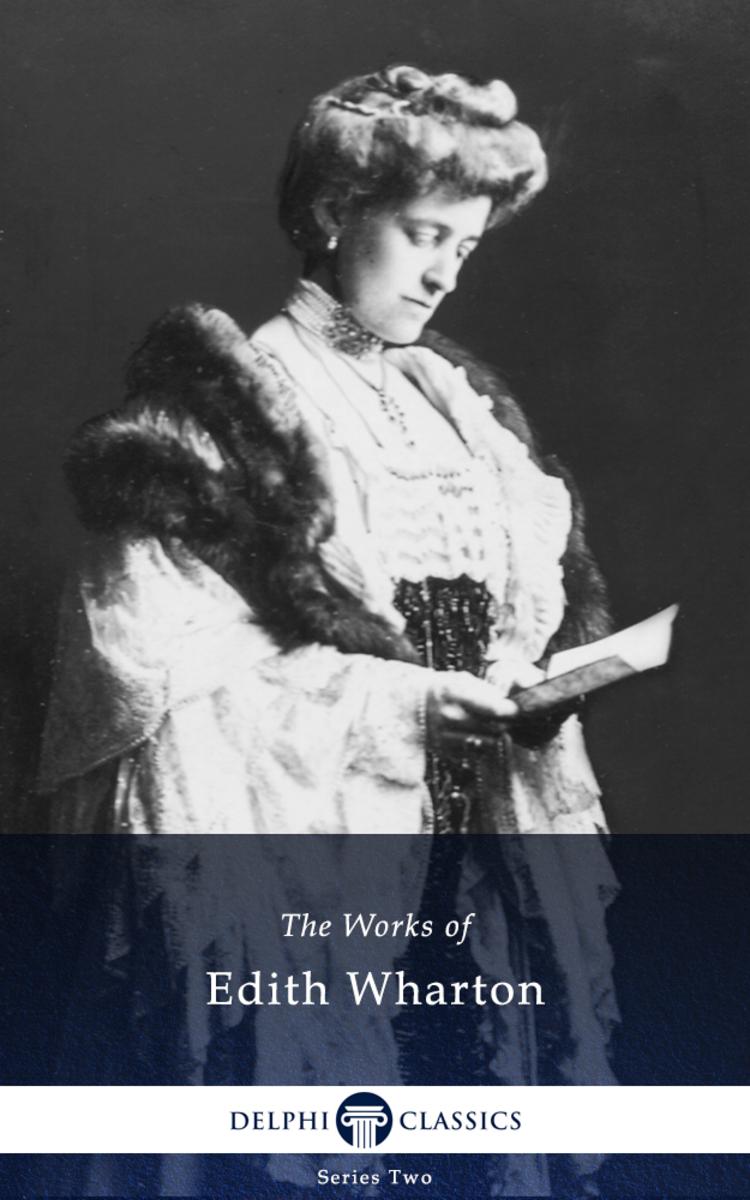
Delphi Works of Edith Wharton (Illustrated)
¥24.44
Features: * the most complete collection possible for US readers * illustrated with many images relating to Wharton’s life and works * annotated with concise introductions to the novels, novellas and other works * 10 novels each with contents tables * images of how the novels first appeared, giving your EReader a taste of the original texts * ALL the pre-1923 short story collections, with RARE uncollected tales available nowhere else * separate chronological and alphabetical contents tables for the short stories – find that special story easily! * the war novella THE MARNE, first time in digital print * EVEN includes Wharton’s rare non-fiction texts, including THE DECORATION OF HOUSES, her groundbreaking manual on interior design – fully illustrated * ALSO includes Wharton’s European and African travel books, with numerous original illustrations * includes Wharton’s play THE JOY OF LIVING, translated from German * features the complete poetry, with rare poems available for the first time in digital print * scholarly ordering of texts into chronological order and literary genres, allowing easy navigation around Wharton’s immense oeuvre This comprehensive eBook offers readers the unique opportunity of exploring Edith Wharton’s novels, novellas, short stories and much, much more. In true Delphi fashion, this is the most scholarly and complete works available of this prominent American writer. Please note: we aim to provide the most comprehensive author collections available to eReader readers. To comply with US copyright restrictions, eight novels, 4 novellas, six short story collections and Wharton’s autobiography are not in this US version. Once these later works enter the US public domain, they will be added to the eBook as a free update. Please visit www.delphiclassics.com to browse our other titles The Novels THE VALLEY OF DECISION SANCTUARY THE HOUSE OF MIRTH THE FRUIT OF THE TREE ETHAN FROME THE REEF THE CUSTOM OF THE COUNTRY SUMMER THE AGE OF INNOCENCE THE GLIMPSES OF THE MOON The Novellas THE TOUCHSTONE MADAME DE TREYMES THE MARNE The Short Story Collections THE GREATER INCLINATION CRUCIAL INSTANCES THE DESCENT OF MAN AND OTHER STORIES THE HERMIT AND THE WILD WOMAN AND OTHER STORIES TALES OF MEN AND GHOSTS UNCOLLECTED EARLY SHORT STORIES XINGU AND OTHER STORIES The Short Stories LIST OF STORIES IN CHRONOLOGICAL ORDER LIST OF STORIES IN ALPHABETICAL ORDER The Play THE JOY OF LIVING The Poetry ARTEMIS TO ACTAEON AND OTHER VERSES UNCOLLECTED POETRY ALPHABETICAL LIST OF THE COMPLETE POEMS The Non-Fiction THE DECORATION OF HOUSES ITALIAN VILLAS AND THEIR GARDENS ITALIAN BACKGROUNDS A MOTOR-FLIGHT THROUGH FRANCE FRANCE, FROM DUNKERQUE TO BELFORT FRENCH WAYS AND THEIR MEANING IN MOROCCO * * * * Visit www.delphiclassics.com for more information and our other Great Writers collections!
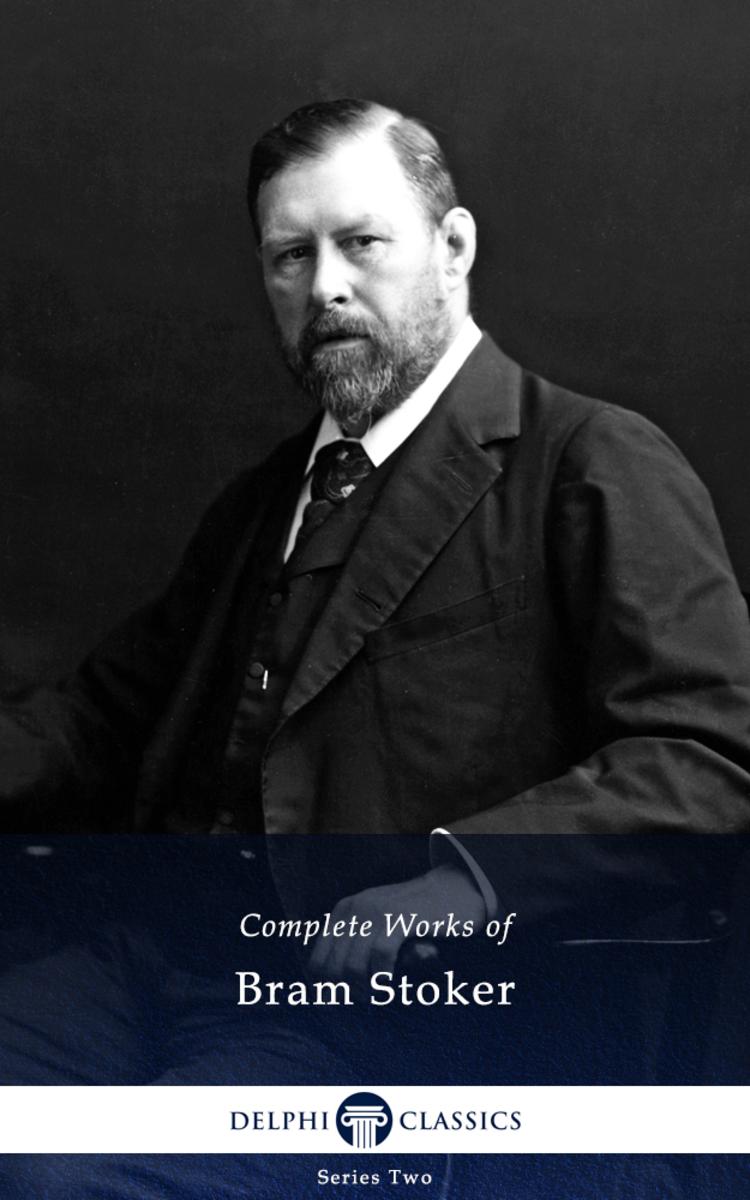
Delphi Complete Works of Bram Stoker (Illustrated)
¥24.44
Bram Stoker is a leading figure of gothic literature, having not only written ‘Dracula’, but also other groundbreaking horror stories, featuring Egyptian Mummies, grisly monsters and haunting encounters. This enormous eBook offers readers the unique opportunity of exploring the prolific writer’s work in a manner never before possible. This is the complete FICTIONAL works of Bram Stoker, with many bonus texts for gothic lovers to explore. (Current Version: 2) * illustrated with many images relating to Stoker’s life and works * annotated with concise introductions to the novels and other works * ALL 12 novels – even Stoker’s rare novels like THE PRIMROSE PATH and THE MYSTERY OF THE SEA – first time in digital print * BOTH versions of the Mummy novel THE JEWEL OF SEVEN STARS – compare the original grisly ending to the revised happy ending! * each novel has its own contents table * images of how the novels first appeared, giving your eReader a taste of the Victorian texts * ALL the short story collections, with rare uncollected tales * separate chronological and alphabetical contents tables for the short stories – find that special story easily! * EVEN includes Stoker’s rare biography of Sir Henry Irving – explore their interesting lives and unique relationship * boasts a special VAMPIRE SOURCES section, with five works examining Stoker’s influences in writing DRACULA * SPECIAL BONUS texts including the first ever vampire story in English -THE VAMPYRE by Henry Colburn * also includes the mammoth Penny Dreadful novel that caused a sensation in Victorian times – VARNEY THE VAMPIRE BY JAMES MALCOLM RYMER * EVEN includes CARMILLA BY JOSEPH SHERIDAN LE FANU – the haunting female vampire novel that influenced Stoker’s work * scholarly ordering of texts into chronological order and literary genres, allowing easy navigation around Stoker’s immense oeuvre Please visit www.delphiclassics.com to browse through our range of exciting titles The Novels THE PRIMROSE PATH THE SNAKE’S PASS THE WATTER’S MOU’ THE SHOULDER OF SHASTA DRACULA MISS BETTY THE MYSTERY OF THE SEA THE JEWEL OF SEVEN STARS (1903 VERSION) THE JEWEL OF SEVEN STARS (1912 VERSION) THE MAN LADY ATHLYNE THE LADY OF THE SHROUD THE LAIR OF THE WHITE WORM The Short Story Collections UNDER THE SUNSET SNOW BOUND: THE RECORD OF A THEATRICAL TOURING PARTY DRACULA’S GUEST AND OTHER WEIRD STORIES UNCOLLECTED SHORT STORIES The Short Stories LIST OF SHORT STORIES IN CHRONOLOGICAL ORDER LIST OF SHORT STORIES IN ALPHABETICAL ORDER The Vampire Sources DER VAMPIR BY HEINRICH OSSENFELDER THE GIAOUR BY LORD BYRON THE VAMPYRE BY HENRY COLBURN VARNEY THE VAMPIRE BY JAMES MALCOLM RYMER CARMILLA BY JOSEPH SHERIDAN LE FANU The Biography PERSONAL REMINISCENCES OF HENRY IRVING Please visit www.delphiclassics.com to browse through our range of exciting titles


