


 购物车
购物车 个人中心
个人中心
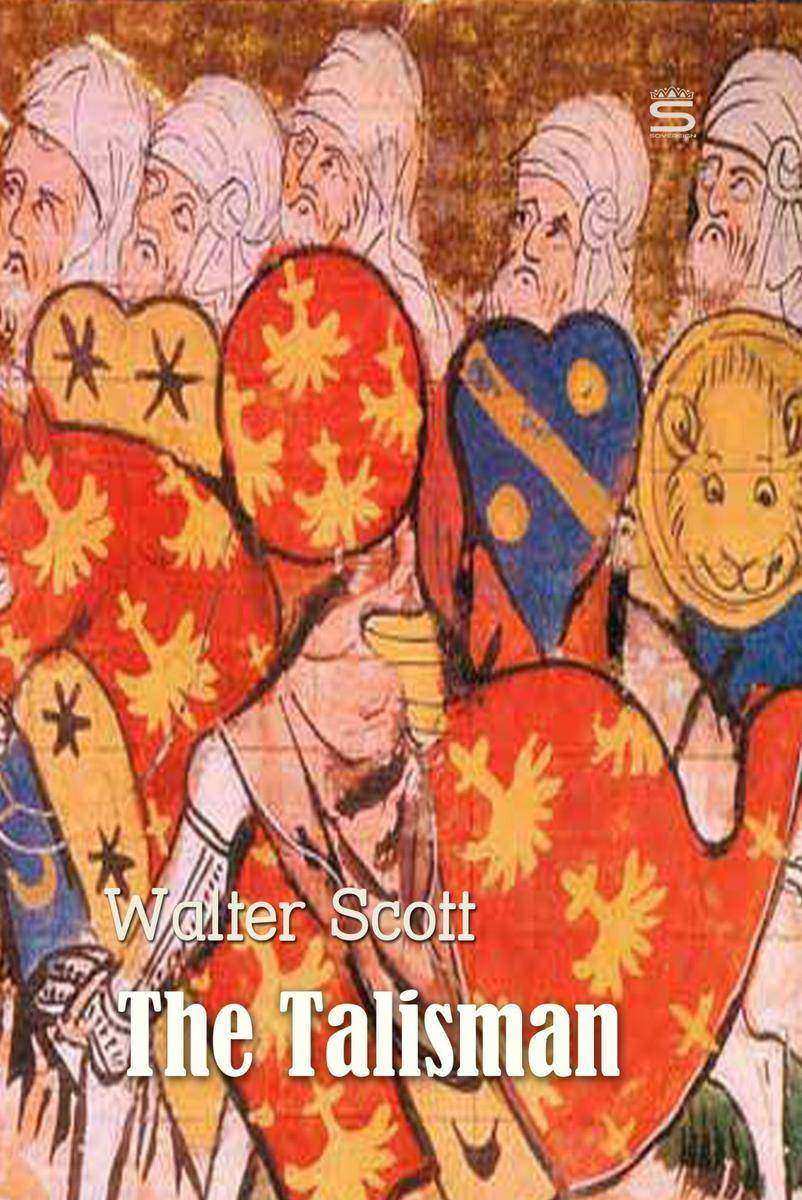
The Talisman
¥40.79
During a truce between the Christian armies taking part in the third Crusade, and the infidel forces under Sultan Saladin, Sir Kenneth, on his way to Syria, encountered a Saracen Emir, whom he unhorsed, and they then rode together, discoursing on love and necromancy, towards the cave of the hermit Theodoric of Engaddi. This hermit was in correspondence with the pope, and the knight was charged to communicate secret information.

Kwaidan:Stories and Studies of Strange Things by Lafcadio Hearn (Illustrated)
¥8.09
This eBook features the unabridged text of ‘Kwaidan: Stories and Studies of Strange Things’ from the bestselling edition of ‘The Complete Works of Lafcadio Hearn’. Having established their name as the leading publisher of classic literature and art, Delphi Classics produce publications that are individually crafted with superior formatting, while introducing many rare texts for the first time in digital print. The Delphi Classics edition of Hearn includes original annotations and illustrations relating to the life and works of the author, as well as individual tables of contents, allowing you to navigate eBooks quickly and easily.eBook features:* The complete unabridged text of ‘Kwaidan: Stories and Studies of Strange Things’* Beautifully illustrated with images related to Hearn’s works* Individual contents table, allowing easy navigation around the eBook* Excellent formatting of the textPlease visit www.delphiclassics.com to learn more about our wide range of titles

The Antiquary
¥40.79
The Antiquary is about several characters including an antiquary: an amateur historian, archaeologist and collector of items of dubious antiquity. He is the eponymous character and for all practical purposes the hero, though the characters of Lovel and Isabella Wardour provide the conventional love interest.

The Firm of Girdlestone by Sir Arthur Conan Doyle (Illustrated)
¥8.09
This eBook features the unabridged text of ‘The Firm of Girdlestone’ from the bestselling edition of ‘The Complete Works of Sir Arthur Conan Doyle’. Having established their name as the leading publisher of classic literature and art, Delphi Classics produce publications that are individually crafted with superior formatting, while introducing many rare texts for the first time in digital print. The Delphi Classics edition of Doyle includes original annotations and illustrations relating to the life and works of the author, as well as individual tables of contents, allowing you to navigate eBooks quickly and easily.eBook features:* The complete unabridged text of ‘The Firm of Girdlestone’* Beautifully illustrated with images related to Doyle’s works* Individual contents table, allowing easy navigation around the eBook* Excellent formatting of the textPlease visit www.delphiclassics.com to learn more about our wide range of titles
The Stark Munro Letters by Sir Arthur Conan Doyle (Illustrated)
¥8.09
This eBook features the unabridged text of ‘The Stark Munro Letters’ from the bestselling edition of ‘The Complete Works of Sir Arthur Conan Doyle’. Having established their name as the leading publisher of classic literature and art, Delphi Classics produce publications that are individually crafted with superior formatting, while introducing many rare texts for the first time in digital print. The Delphi Classics edition of Doyle includes original annotations and illustrations relating to the life and works of the author, as well as individual tables of contents, allowing you to navigate eBooks quickly and easily.eBook features:* The complete unabridged text of ‘The Stark Munro Letters’* Beautifully illustrated with images related to Doyle’s works* Individual contents table, allowing easy navigation around the eBook* Excellent formatting of the textPlease visit www.delphiclassics.com to learn more about our wide range of titles
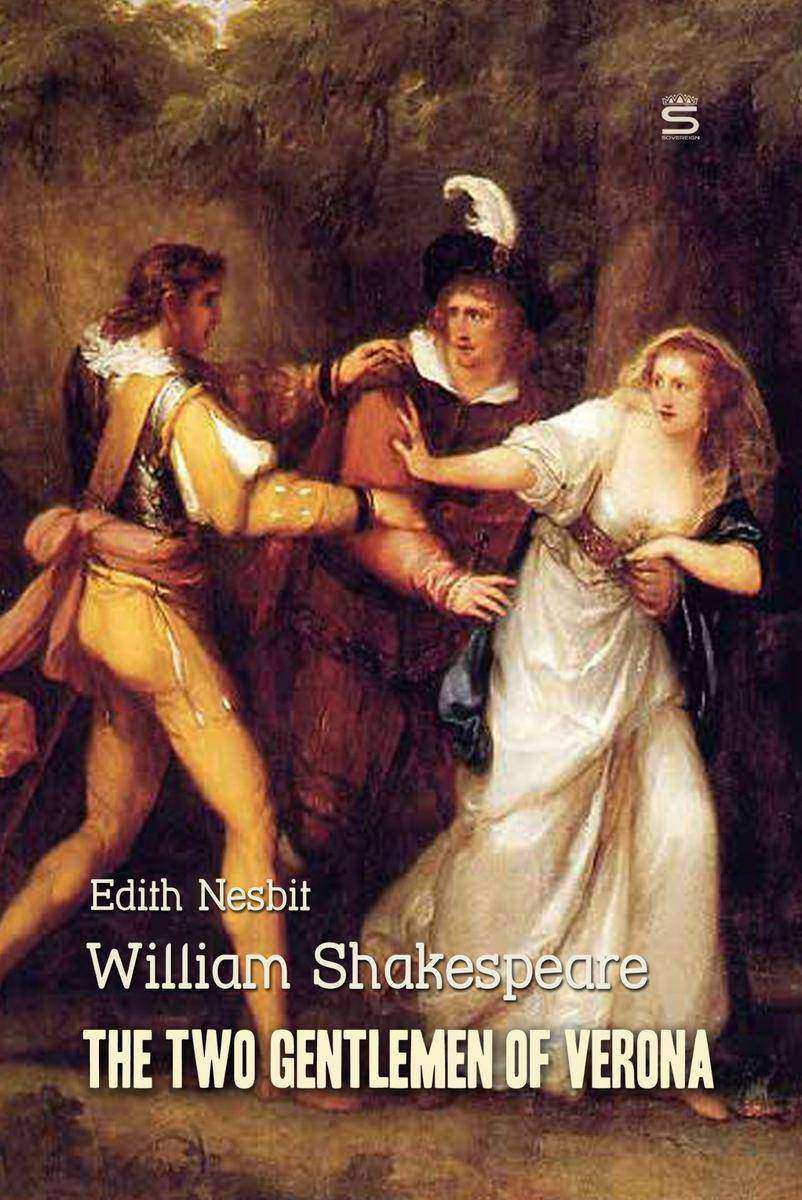
The Two Gentlemen of Verona
¥40.79
Valentine is preparing to leave Verona for Milan so as to broaden his horizons. He begs his best friend, Proteus, to come with him, but Proteus is in love with Julia, and refuses to leave. The play deals with the themes of friendship and infidelity, the conflict between friendship and love, and the foolish behaviour of people in love. This edition of 'The Two Gentlemen of Verona' is an adaptation of Shakespeare's eponymous drama, narrated in plain modern English, capturing the very essence and key elements of the original Shakespeare's work.
The Maracot Deep by Sir Arthur Conan Doyle (Illustrated)
¥8.09
This eBook features the unabridged text of ‘The Maracot Deep’ from the bestselling edition of ‘The Complete Works of Sir Arthur Conan Doyle’. Having established their name as the leading publisher of classic literature and art, Delphi Classics produce publications that are individually crafted with superior formatting, while introducing many rare texts for the first time in digital print. The Delphi Classics edition of Doyle includes original annotations and illustrations relating to the life and works of the author, as well as individual tables of contents, allowing you to navigate eBooks quickly and easily.eBook features:* The complete unabridged text of ‘The Maracot Deep’* Beautifully illustrated with images related to Doyle’s works* Individual contents table, allowing easy navigation around the eBook* Excellent formatting of the textPlease visit www.delphiclassics.com to learn more about our wide range of titles

My Friend the Murderer and Other Mysteries and Adventures by Sir Arthur Conan Do
¥8.09
This eBook features the unabridged text of ‘My Friend the Murderer and Other Mysteries and Adventures’ from the bestselling edition of ‘The Complete Works of Sir Arthur Conan Doyle’. Having established their name as the leading publisher of classic literature and art, Delphi Classics produce publications that are individually crafted with superior formatting, while introducing many rare texts for the first time in digital print. The Delphi Classics edition of Doyle includes original annotations and illustrations relating to the life and works of the author, as well as individual tables of contents, allowing you to navigate eBooks quickly and easily.eBook features:* The complete unabridged text of ‘My Friend the Murderer and Other Mysteries and Adventures’* Beautifully illustrated with images related to Doyle’s works* Individual contents table, allowing easy navigation around the eBook* Excellent formatting of the textPlease visit www.delphiclassics.com to learn more about our wide range of titles

Fairy Tales for Adults, Volume 10
¥48.97
The theme of romance continues in this volume and begins with iconic 'The Lady with the Dog' by Anton Chekhov. Set in Yalta, Crimea, appears at first as a holiday romance. Gurov is a married man but he holidays on his own and has a history of holiday affairs. He meets the lady of the story’s title with her Pomeranian dog. But Chekhov’s love stories are not romantic accounts of unrequited love or of love at first sight. Or, even of tortured love that is amplified by the agony of being unfulfilled. No, these are Chekhovian tales that surprise and intrigue our imagination. In the second part of this volume we continues to a more familiar ground of Shakespearian love in his masterpiece 'King Lear'.
The Black Monk
¥40.79
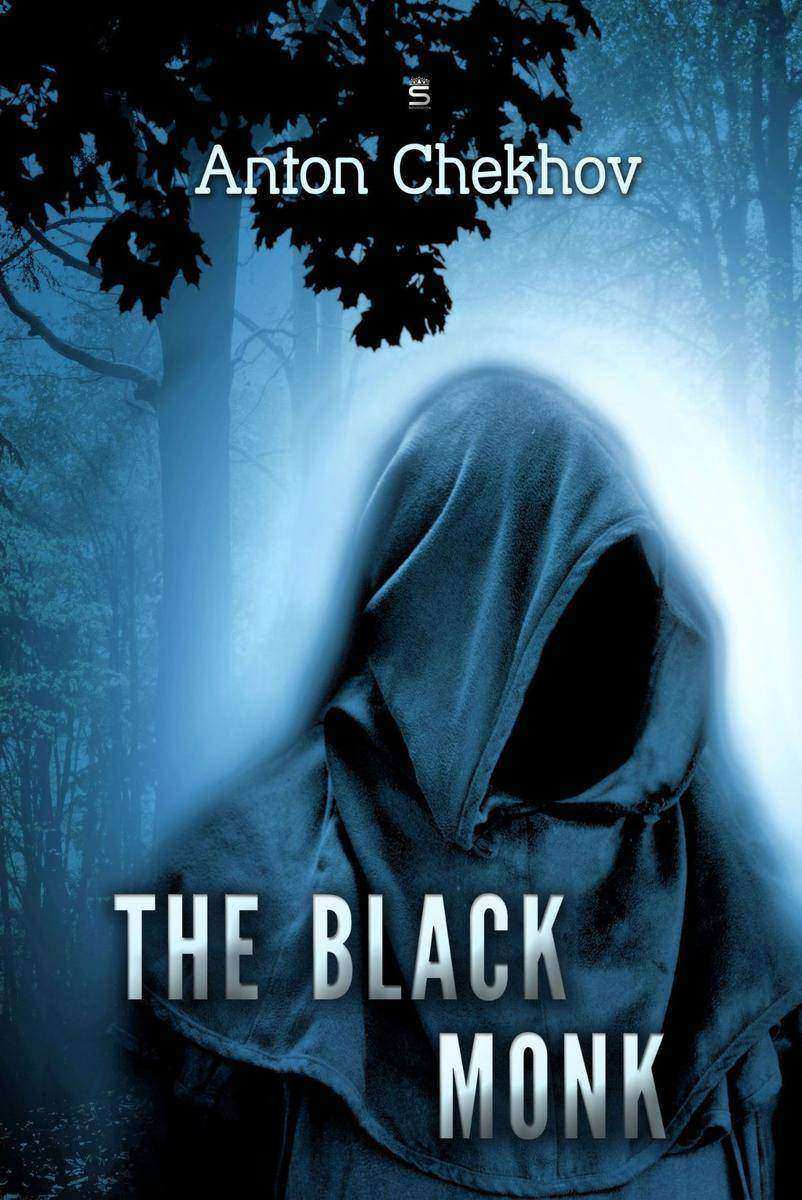
Doctors and kind relations will succeed in stupefying mankind, in making mediocrity pass for genius and in bringing civilisation to ruin.' Kovrin is a gifted man, well educated. Following advice of his doctor he decides to leave his busy city lifestyle and travels to recover his health in a beautiful family country estate. There he meets this mystical and prophetic Black Monk, a character from an ancient legend, which he thought was nothing more than a hallucination. The Black Monk ignites intellectual stimulation, greatly improves Kovrin's mental faculties for a while, and engages him in discussions about eternal life, truth, philosophy, and even fame. What the Monk says to him flatters, not his vanity, but his whole soul, his whole being. Kovrin begins to experience moments of greatness with each Black Monk encounter. Then his doctors and kind relations succeed in curing his illness and a terrible accident happens.
The Story of the Treasure Seekers
¥40.79
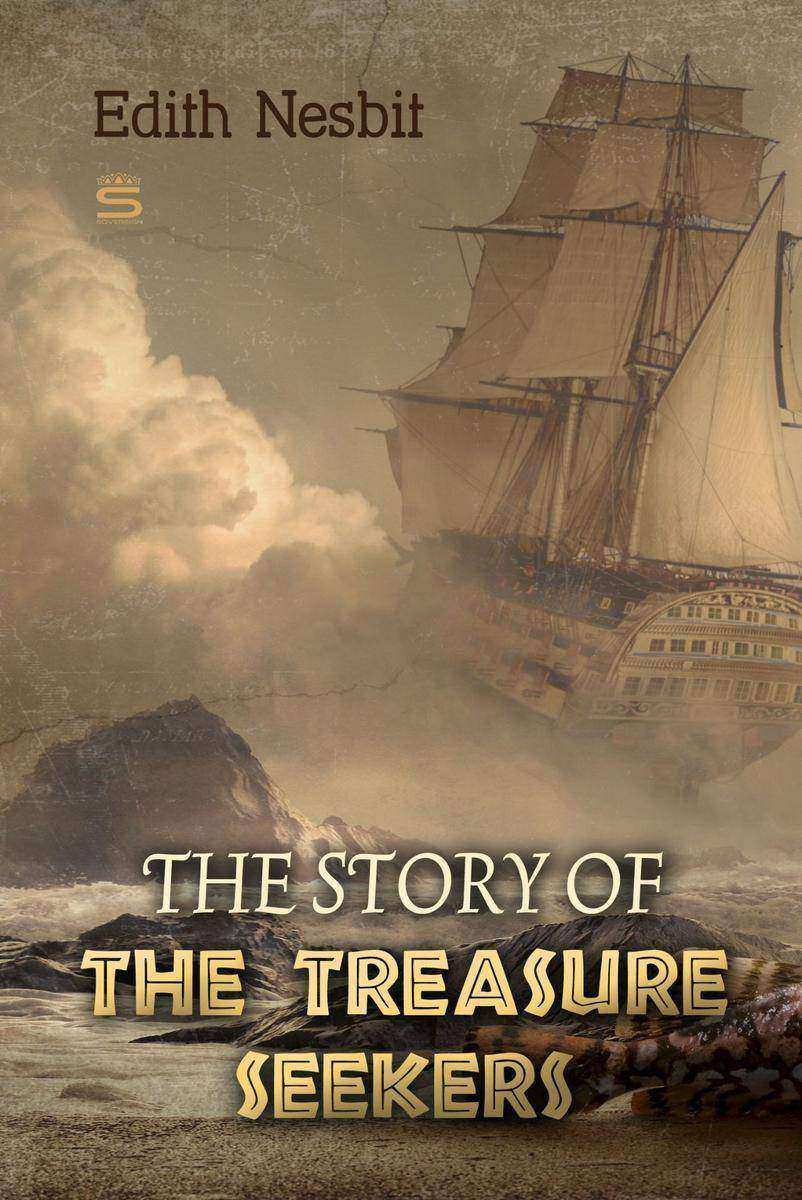
The Story of the Treasure Seekers tells the story of Dora, Oswald, Dicky, Alice, Noel, and Horace Octavius Bastable, and their attempts to assist their widowed father and recover the fortunes of their family. The story is told from a child's point of view. The narrator is Oswald.
New Treasure Seekers
¥40.79
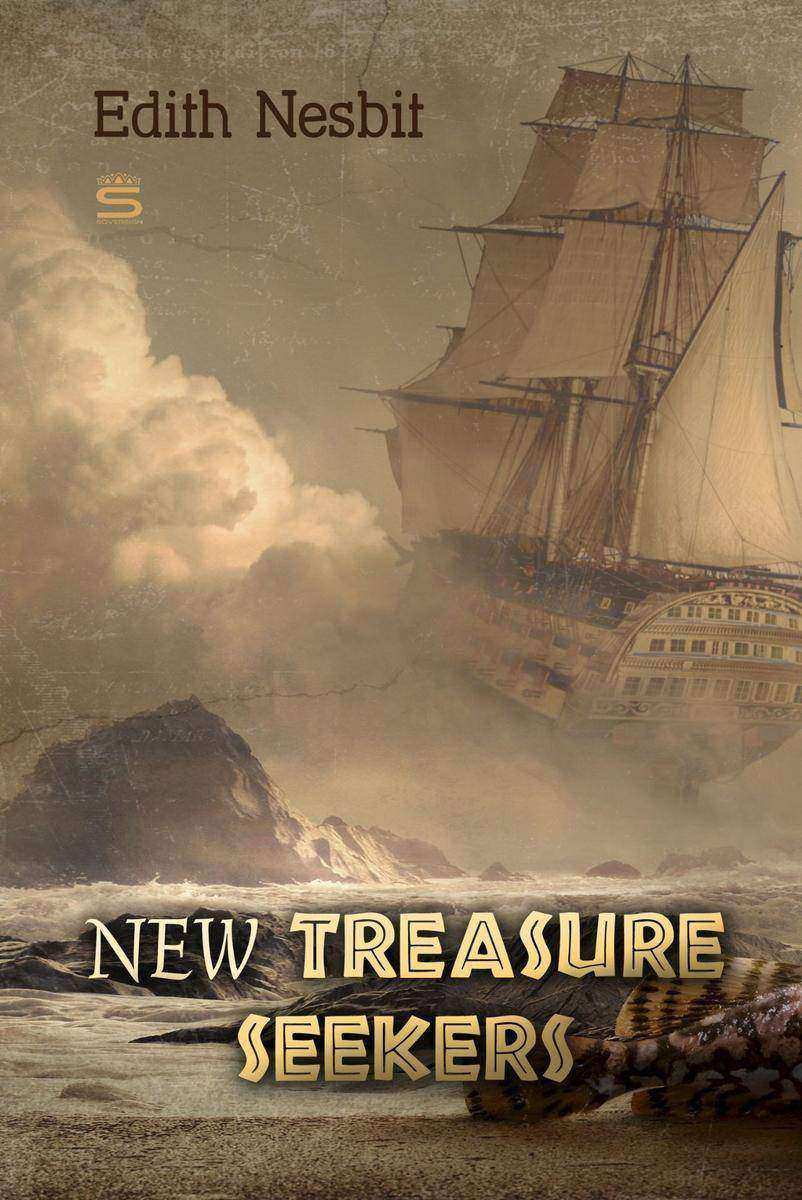
In the New Treasure Seekers, the Bastable children in search of a Fortune continues telling the story of Dora, Oswald, Dicky, Alice, Noel, and Horace Octavius Bastable, and their attempts to assist their widowed father and recover the fortunes of their family. The story is told from a child's point of view. The narrator is Oswald.
Can Such Things Be? by Ambrose Bierce (Illustrated)
¥8.09
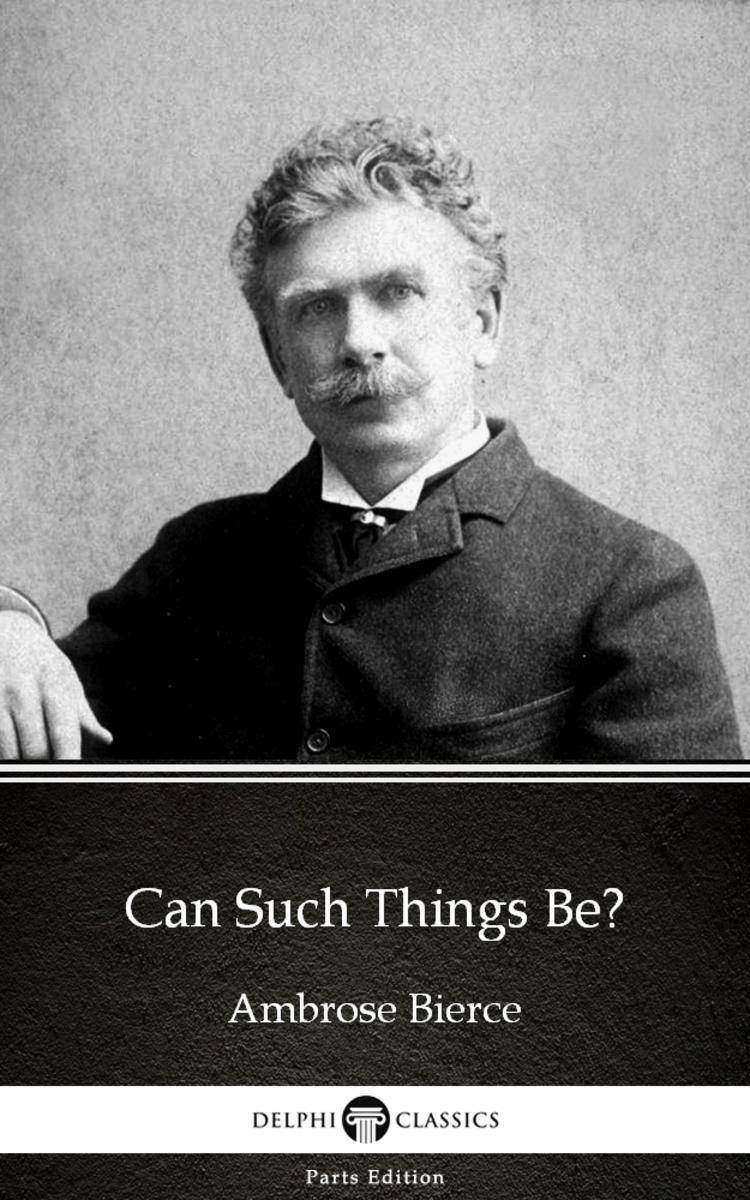
This eBook features the unabridged text of ‘Can Such Things Be?’ from the bestselling edition of ‘The Complete Works of Ambrose Bierce’. Having established their name as the leading publisher of classic literature and art, Delphi Classics produce publications that are individually crafted with superior formatting, while introducing many rare texts for the first time in digital print. The Delphi Classics edition of Bierce includes original annotations and illustrations relating to the life and works of the author, as well as individual tables of contents, allowing you to navigate eBooks quickly and easily.eBook features:* The complete unabridged text of ‘Can Such Things Be?’* Beautifully illustrated with images related to Bierce’s works* Individual contents table, allowing easy navigation around the eBook* Excellent formatting of the textPlease visit www.delphiclassics.com to learn more about our wide range of titles
The Ocean Wave by Ambrose Bierce (Illustrated)
¥8.09
This eBook features the unabridged text of ‘The Ocean Wave’ from the bestselling edition of ‘The Complete Works of Ambrose Bierce’. Having established their name as the leading publisher of classic literature and art, Delphi Classics produce publications that are individually crafted with superior formatting, while introducing many rare texts for the first time in digital print. The Delphi Classics edition of Bierce includes original annotations and illustrations relating to the life and works of the author, as well as individual tables of contents, allowing you to navigate eBooks quickly and easily.eBook features:* The complete unabridged text of ‘The Ocean Wave’* Beautifully illustrated with images related to Bierce’s works* Individual contents table, allowing easy navigation around the eBook* Excellent formatting of the textPlease visit www.delphiclassics.com to learn more about our wide range of titles

Kings of Beasts by Ambrose Bierce (Illustrated)
¥8.09
This eBook features the unabridged text of ‘Kings of Beasts’ from the bestselling edition of ‘The Complete Works of Ambrose Bierce’. Having established their name as the leading publisher of classic literature and art, Delphi Classics produce publications that are individually crafted with superior formatting, while introducing many rare texts for the first time in digital print. The Delphi Classics edition of Bierce includes original annotations and illustrations relating to the life and works of the author, as well as individual tables of contents, allowing you to navigate eBooks quickly and easily.eBook features:* The complete unabridged text of ‘Kings of Beasts’* Beautifully illustrated with images related to Bierce’s works* Individual contents table, allowing easy navigation around the eBook* Excellent formatting of the textPlease visit www.delphiclassics.com to learn more about our wide range of titles
Bleak House
¥24.44
The central theme of Bleak House is satirical exposure of the English Chancery court system. Chancery or equity courts were one half of the English civil justice system, existing side-by-side with law courts. Chancery courts heard actions having to do with wills and estates, or with the uses of private property and were notoriously slow and inefficient. The novel has many characters and several sub-plots, and the story is told partly by the novel's heroine, Esther Summerson, and partly by an omniscient narrator. At the centre of Bleak House is a long-running legal case, Jarndyce and Jarndyce, which came about because someone wrote several conflicting wills. This novel helped support a judicial reform movement, which culminated in the enactment of legal reform in the 1870s.
Typhoon by Joseph Conrad (Illustrated)
¥8.09
This eBook features the unabridged text of ‘Typhoon’ from the bestselling edition of ‘The Complete Works of Joseph Conrad’. Having established their name as the leading publisher of classic literature and art, Delphi Classics produce publications that are individually crafted with superior formatting, while introducing many rare texts for the first time in digital print. The Delphi Classics edition of Conrad includes original annotations and illustrations relating to the life and works of the author, as well as individual tables of contents, allowing you to navigate eBooks quickly and easily.eBook features:* The complete unabridged text of ‘Typhoon’* Beautifully illustrated with images related to Conrad’s works* Individual contents table, allowing easy navigation around the eBook* Excellent formatting of the textPlease visit www.delphiclassics.com to learn more about our wide range of titles
The Gambler by Fyodor Dostoyevsky
¥8.09
This eBook features the unabridged text of ‘The Gambler’ from the bestselling edition of ‘The Complete Works of Fyodor Dostoyevsky’. Having established their name as the leading publisher of classic literature and art, Delphi Classics produce publications that are individually crafted with superior formatting, while introducing many rare texts for the first time in digital print. The Delphi Classics edition of Dostoyevsky includes original annotations and illustrations relating to the life and works of the author, as well as individual tables of contents, allowing you to navigate eBooks quickly and easily. eBook features:* The complete unabridged text of ‘The Gambler’* Beautifully illustrated with images related to Dostoyevsky’s works* Individual contents table, allowing easy navigation around the eBook* Excellent formatting of the textPlease visit www.delphiclassics.com to learn more about our wide range of titles
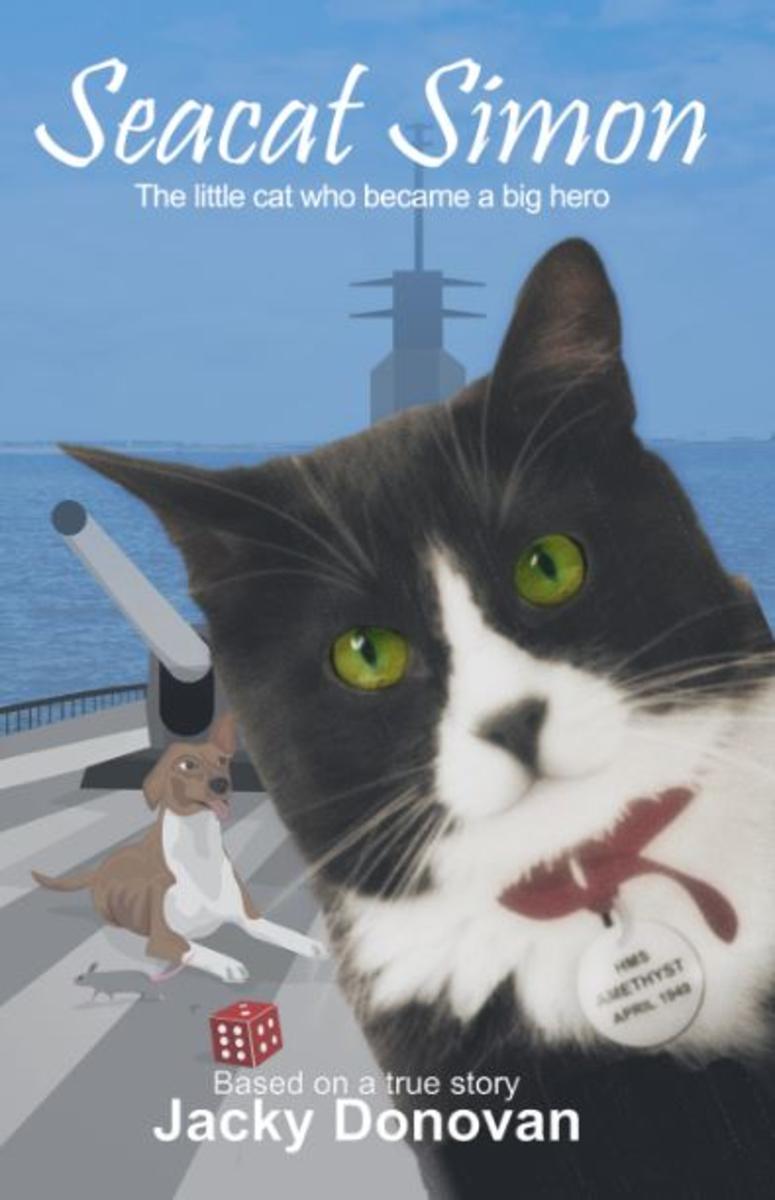
Seacat Simon:The little cat who became a big hero
¥30.88
When young cat Simon is smuggled on board a ship, his quiet little life soon becomes an adventure fit for heroes.With new friend Peggy, the ship’s dog, he bravely fights King Rat and his gang, rescues the crew from their problems, and shows the joy an animal can bring to our lives.Winning the hearts of the sailors and people across the world, Seacat Simon’s inspiring and moving true tale of love, friendship and adventure is sure to enthrall a new generation of children."Action packed read, rich in detail, harrowing in places, heart-warming in others, and with a beautiful ending." - Sheila Jeffries, author of Solomon's Tale.NOTE: Children's version contains bonus quiz material.VERSION FOR ADULTS: Able Seacat Simon’s story is also available as Simon Ships Out: How one brave, stray cat became a worldwide hero in ebook, paperback and audio formats.VERSION FOR SMALL CHILDREN: Able Seacat Simon’s story will soon be available as Seacat Simon: An illustrated picture book in ebook and paperback formats.
The Great Story of Prophet Zakariya & Prophet Yahya In Islam
¥16.27
Prophet Zakariya (Zachariah) was an illustrious Prophet of the Israelites. He was one of the descendants of Prophet Sulaiman (peace be upon him). The name of his wife was al-Yashbi' who belonged to the family of Prophet Harun (peace be upon him). The Prophet Zakariya (peace be upon him) was the patron of Mary, the mother of Prophet Isa (peace be upon him). He was the trustee of Hekal. He worked as a carpenter and earned his livelihood. The Prophet Zakariya (peace be upon him) kept the torch of Mosaic law burning. He used to pray devotionally and preach zealously. His wife and he were the symbols of piety and righteousness. Most of his kinsmen lacked in spirit of true faith. ?As they were seduced, they were inclined to doing evil deeds. They were going out of the right path. ?The Prophet Zakariya (peace be upon him) was much anxious about this state of affairs. ?He had no offspring and there was no suitable person to hold the office of priesthood of Hekal after his death. ?He was ?desirous of having a son to become his good successor. ?He did not long for a son to satisfy a mere ?human desire for one's progeny. ?He wanted to have a son to maintain the warmth of religious activities. ?One night he stood in prayer in his sanctuary and prayed to Allah to bless him with a good son. ?He was conscious that he was in an advanced age and his wife was barren and unable to raise any issue. ?He had full faith in Allah Who possesses power to do whatever He wills. ?He came to know through his prophetic insight that Allah would grant his request. ?He would be blessed with a good son to act as his heir who could guide the people aright. God in His infinite mercy removed the defect of his wife's barrenness so that she might become mother. ?She gave birth to Prophet Yahya. ?(peace be upon him) who was destined to be honourable, chaste, and a prophet from among the righteous. ?The Prophet Zakariya (peace be upon him) felt satisfied as his son grew up and became a symbol of piety. ?He was graced with wisdom, obedience and asceticism. The Prophet Zakariya (peace be upon him) continued preaching the religion of Allah even in old age.? Prophet John or Yahya is also honored as a prophet in Islam as Ya?yā ibn Zakarīyā (Arabic: ???? ?? ??????), or "John, son of Zechariah". He is believed by Muslims to have been a witness to the word of God, and a prophet who would herald the coming of Jesus. His father Zechariah was also an Islamic prophet. Islamic tradition maintains that John was one of the prophets whom Muhammad met on the night of the Mi'raj, his ascension through the Seven Heavens. It is said that he met John and Jesus in the second heaven, where Muhammad greeted his two 'brothers' before ascending with archangel Gabriel to the third heaven. John's story was also told to the Abyssinian king during the Muslim refugees' Migration to Abyssinia. According to the Qur'an, John was one on whom God sent peace on the day that he was born and the day that he died. John is also honored highly in Sufism as well as Islamic mysticism, primarily because of the Qur'an's description of John's chastity and kindness. Sufis have frequently applied commentaries on the passages on John in the Qur'an, primarily concerning the God-given gift of "Wisdom" which he acquired in youth as well as his parallels with Jesus. Although several phrases used to describe John and Jesus are virtually identical in the Qur'an, the manner in which they are expressed is different. The Prophet Yahya (peace be upon him) was the precursor of Prophet Isa (Jesus Christ). ?He was his cousin and contemporary as well. ?His fidelity to his mission as a preacher soon deprived him of his liberty and subsequently his life.
The Gold-Bug and Other Stories
¥40.79
William Legrand becomes obsessed with searching for treasure after being bitten by a bug appearing to be made of pure gold. He notifies his closest friend, the narrator, telling him to immediately come visit him at his home on Sullivan's Island in South Carolina. Upon the narrator's arrival, Legrand informs him that they are embarking upon a search for lost treasure along with his African-American servant Jupiter. The narrator has intense doubt and questions whether Legrand, who has recently lost his fortune, has gone insane.


