


 购物车
购物车 个人中心
个人中心
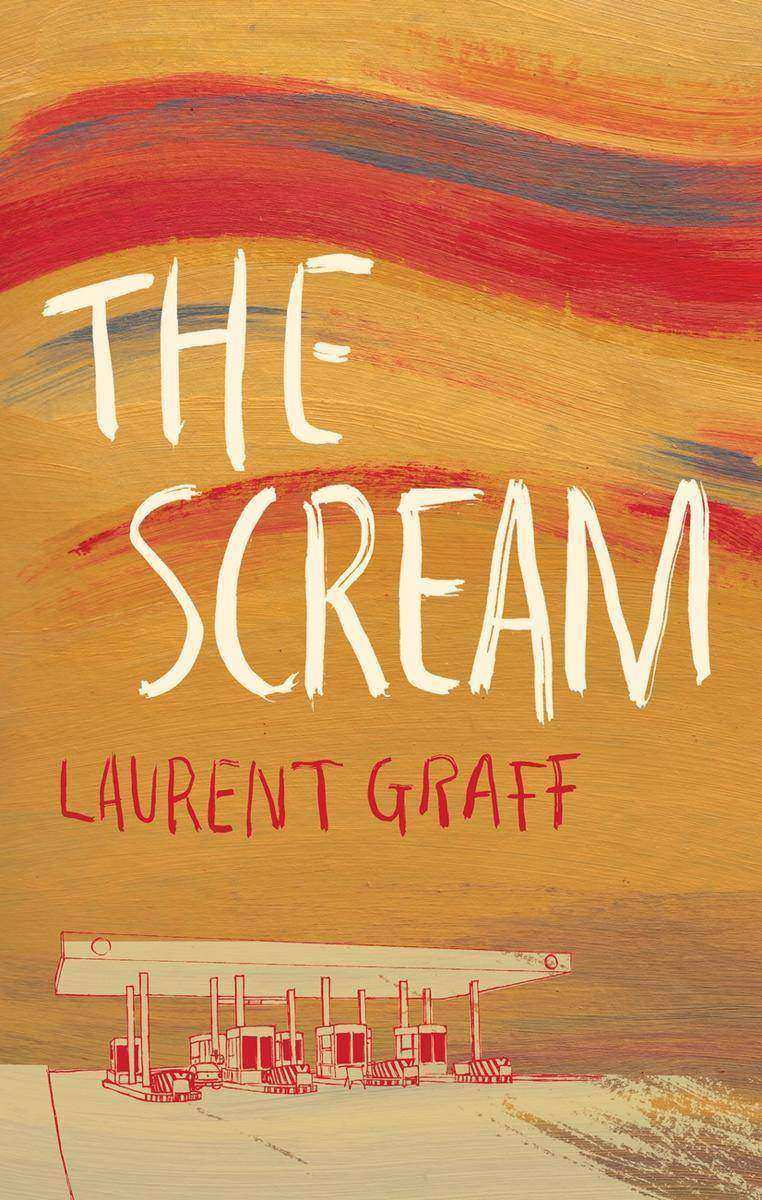
The Scream
¥40.79
The story of a solitary soul living at the end of the world, continuing his daily routine of going to work in a toll booth on the highway. A terrible, mysterious sound that seems to come from nowhere is wiping out the population, and every day fewer and fewer people come by in their cars. But not everyone can hear the sound, and very soon the only survivors will be those few ‘silent ones’ left unharmed. What peculiar power does a stolen painting of Munch's The Scream exert? Why does reality become stranger and indeed crueller than fiction? The Scream begins in the twilight zone of science fiction, taking the reader on a hallucinatory road trip like no other.? Reviews "...?one of his most successful books.?It must be approached like the other books of Graff: do not ask too many question at first reading, be content with being carried away by the style and adventures of the protagonist.?In the end, you will discover that the depth of the book is inversely proportional to its number of pages.?As usual." ***** Goodreads “There is no doubt about it, the writer of?The Scream?is an extravagant and profound story teller.” -- Le Monde des Livres "Laurent Graff's books are crazy, weird, outlandish, which makes them totally indispensable." --www.event.fr "...blends together reality with fiction... what the narrator is really looking for is himself." -- Le Progres ABOUT THE AUTHOR Laurent Graff?is highly-acclaimed French author who ‘cultivates discretion and self-effacement’ and hopes to live as long as he can. His novel?Happy Days?has been translated into 15 languages and Johnny Depp has been trying (and failing) to make it into a film for many years.
Looking Backward
¥7.93
Looking Backward
The World Set Free
¥7.93
The World Set Free
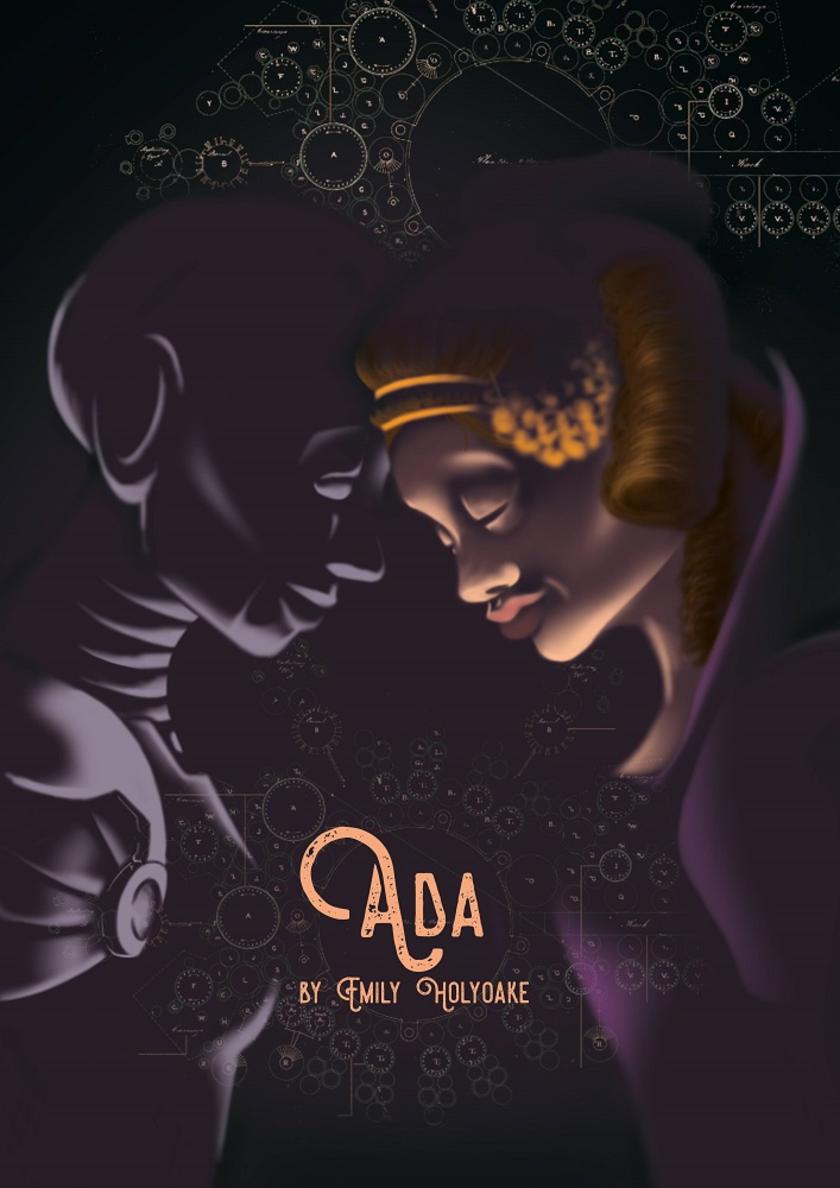
Ada
¥40.79
Play about Ada Lovelace, the first computer and Artificial Intelligence today. Suitable for schools, colleges and youth groups.Offers good roles for girls/women to perform relating to STEM subjects.“You may turn the handle, and I will whirr and calculate without error!”Decades before the first computers are built, Ada imagines machines that can do anything, even compose beautiful pieces of music. Far beyond Ada’s future, a learning machine called Ginny breaks free of her routine and tests the boundaries of what ought to be possible.ADA is an intricate re-telling of the life and legacy of Ada Lovelace, pioneer of computing, paralleling her history with a contemporary story about the potential of artificial intelligence.
The Girl in the Golden Atom
¥7.93
The Girl in the Golden Atom
The Classic Fairytales: Retold for the Stage
¥40.79
Three timeless tales retold for the stage by one of the UK’s most renowned writers of plays for children, Charles Way. Winner of the Writers Guild Best Children’s Play Award, his plays appeal to audiences of all ages and are translated into several languages and performed internationally. Each of the three plays explores the journey from childhood to adulthood, but each takes a specific angle. Sleeping Beauty is driven by the notion of duality. Everyone and everything in the play has a complimentary aspect; King and Queen, Castle and forest, bright witch and dark witch, etc. Gryff, half-dragon, half-human is the physical embodiment of the idea of duality and is at war with himself. This is both dramatic, since it provides the conflict needed for the drama, and thematically rich, since it explores what all of us, but more precisely children, feel as they grow up. Cinderella is a play about a journey from darkness to light, from sickness to health. Everyone in the play is under the influence of some kind of loss, and the play explores these feelings and the sometimes painful route one must take to accommodate them and move on in life. It’s a moving and beautiful play, that also manages to be tremendously funny and the introduction of Mozart as a character, whose music charts the whole journey toward light and joy, is a theatrical coup. Where Cinderella has music at its core, Beauty and the Beast has dance. This is a play about overcoming fear, and the subconscious world is represented through imagery and movement. The play begins with a startling dream sequence and then segues into the drawing-room world of a Jane Austen novel, before moving to the wilds of Dartmoor. Throughout this journey one is never sure if the play is in dreamtime or not, and Way connects this feeling to the very act of theatre itself. As ever, the themes are explored through dramatic action, and the result in Beauty and the Beast is a script of rare brevity that allows actors and directors room to explore the profound nature of the story.

Spacehounds of IPC
¥7.93
Spacehounds of IPC

50 Quick Facts About New York
¥9.71
New York is one of the most densely populated Staes in all of America and is home to New York City which is one of the worlds most visited tourist destinations and home to attractions such as the Empire State Building, Times Square and the Statue of Liberty amongst others. Inside this book you will find various facts and trivia about the state, it's history, geography and other interesting facts.
La Boheme
¥19.52
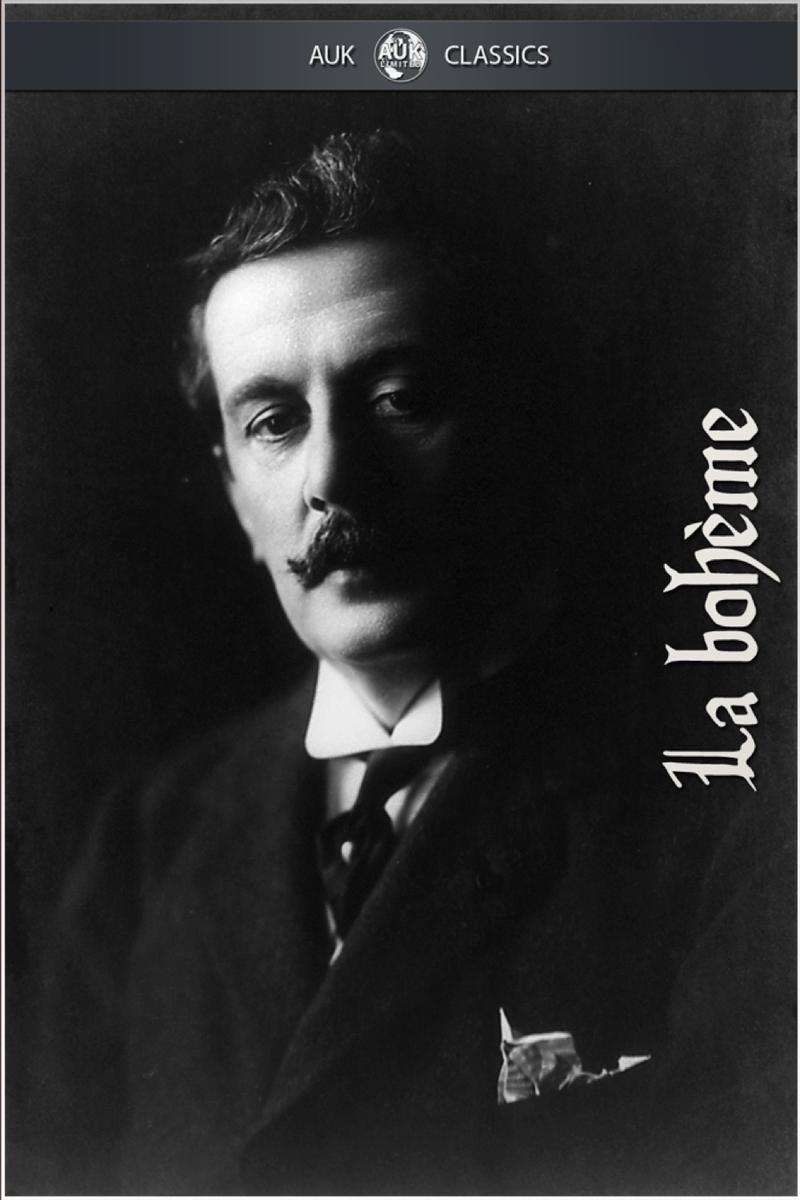
The full english text for the opera La Boheme by Giacomo Puccini. A romantic tragedy about the love between a poet, Rodolfo, and a seamstress, Mimi.
101 Amazing Facts about Jack the Ripper
¥19.52
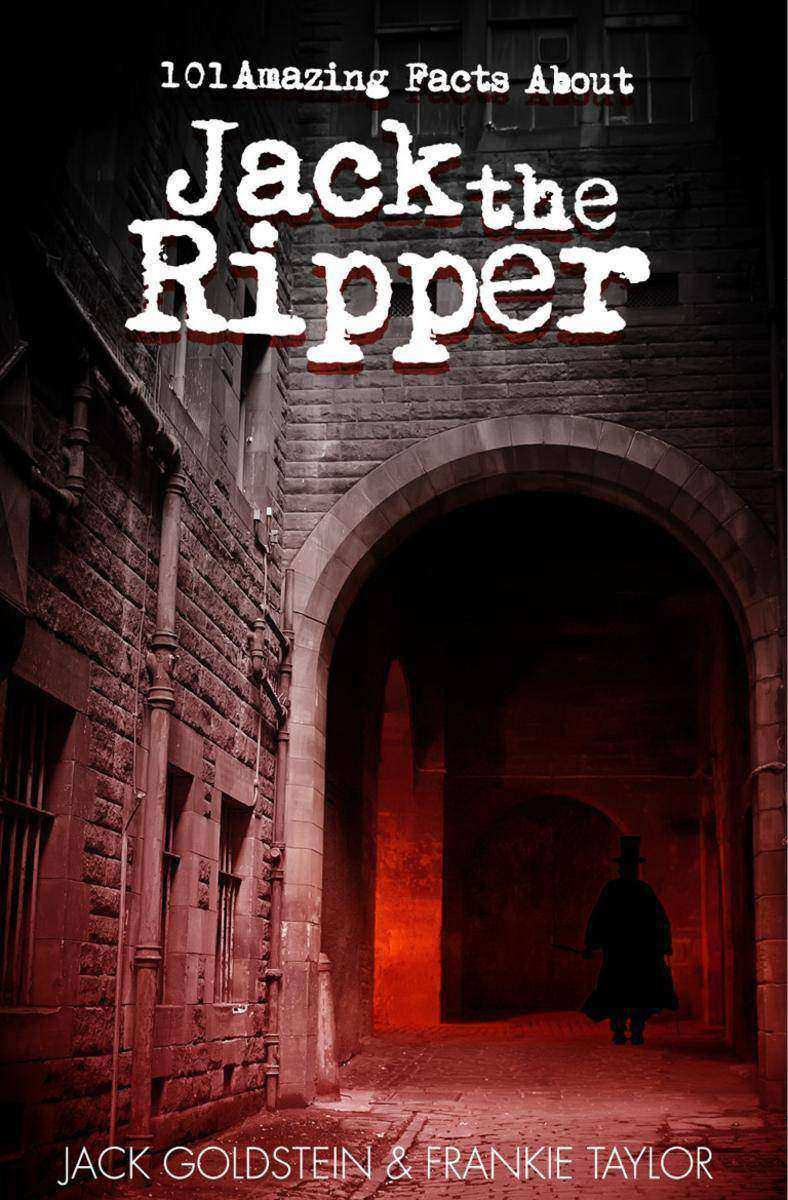
It is 1888 and the foggy streets of Whitechapel, one of the poorest areas of Victorian London, are gripped by fear. Five women thought have been murdered by the same hand, all but one of their corpses terrifyingly mutilated. But who were these women? And who could the murderer be? This fascinating book contains over one hundred facts about the awful crimes of the serial killer we all know as Jack the Ripper. Organised into sections covering each individual victim, clues to the Ripper's identity, possible suspects and more, this is an excellent addition to any classic crime fan's bookshelf.
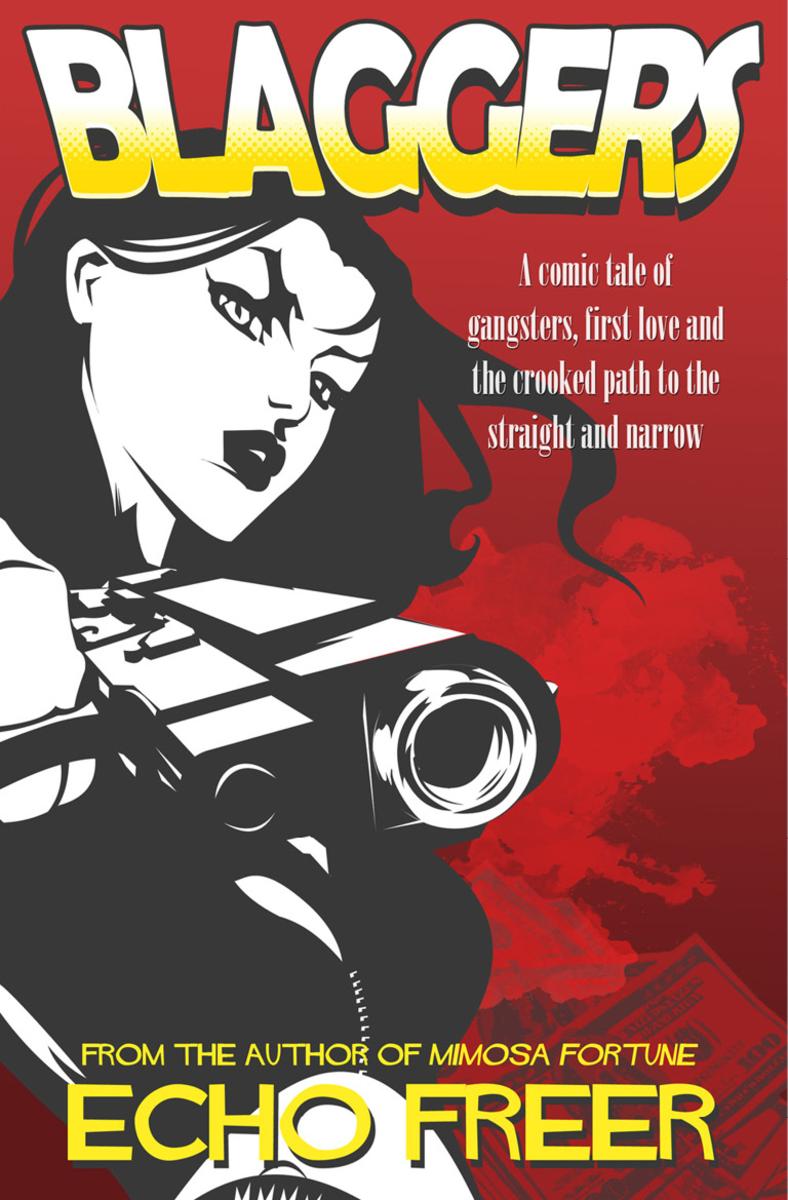
Blaggers
¥44.05
A comic tale of gangsters, first love and the crooked path to the straight and narrow: Mercedes Bent is trying to go straight - if only her family weren't so crooked. Mercedes has carved herself a nice little niche at the Daphne Pincher Academy for young ladies, running a sweepstake and taking bets on anything that moves. The only fly in the ointment is her arch-rival, gangster's daughter, Harley Spinks. How come she's got the great work placement and Mercedes has ended up in a boring bank? But things start to look up when Mercedes wangles a date with the bank's hottest young trainee, Zak - until she finds out that it's not just the Spinks gamg who are into dodgy dealings: her own brothers are as crooked as a pair of corkscrews too! It's a safe bet that Mercedes will have to keep her family's illegal acitivities under wraps - if she's to have even an outside chance with the boy of her dreams.
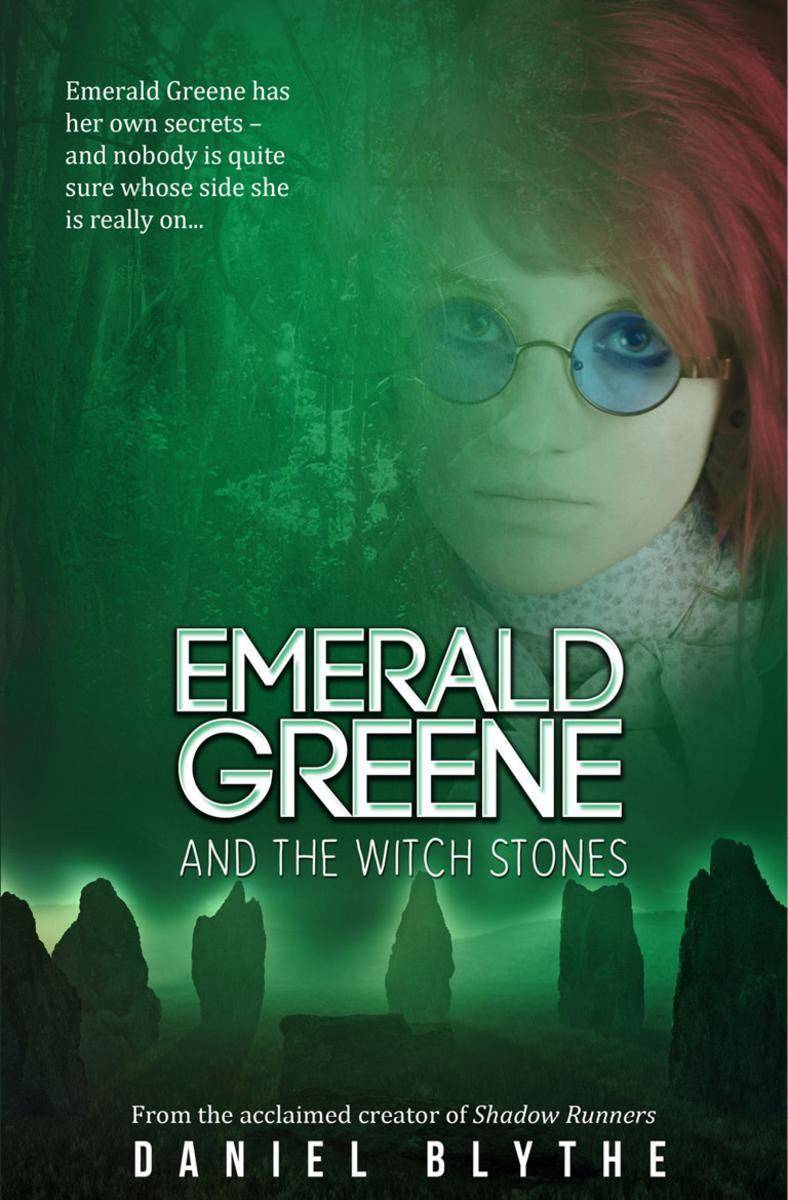
Emerald Greene and the Witch Stones
¥19.52
There's a new pupil at St Agnes' school in the historic city of Meresbury. She's a mysterious, otherworldly girl called Emerald Greene. A girl without a past, without a family or friends. When Jess and Richie decide to befriend her, they're in for a few shocks - for Emerald lives in a mansion which doesn't exist, and can see things nobody else can see. Meanwhile, Meresbury becomes home to a series of strange events. What is the secret of the tomb which the eccentric Professor Ulverston has unearthed in an ancient stone circle? Where does the talking cat come from? And why have Mr Courtney and his Special Measures operatives arrived in town? With unearthly apparitions stalking the land, Jess and Richie soon realise that their mysterious classmate might be the only one to know what's happening. But it seems Emerald Greene has her own secrets - and nobody is quite sure whose side she is really on...

Lives of the Necromancers
¥19.52
Throughout history people have claimed, or have been claimed, to have magical powers through contacting dead spirits. This is a fascinating look at some of those people, from ancient times to the modern age.
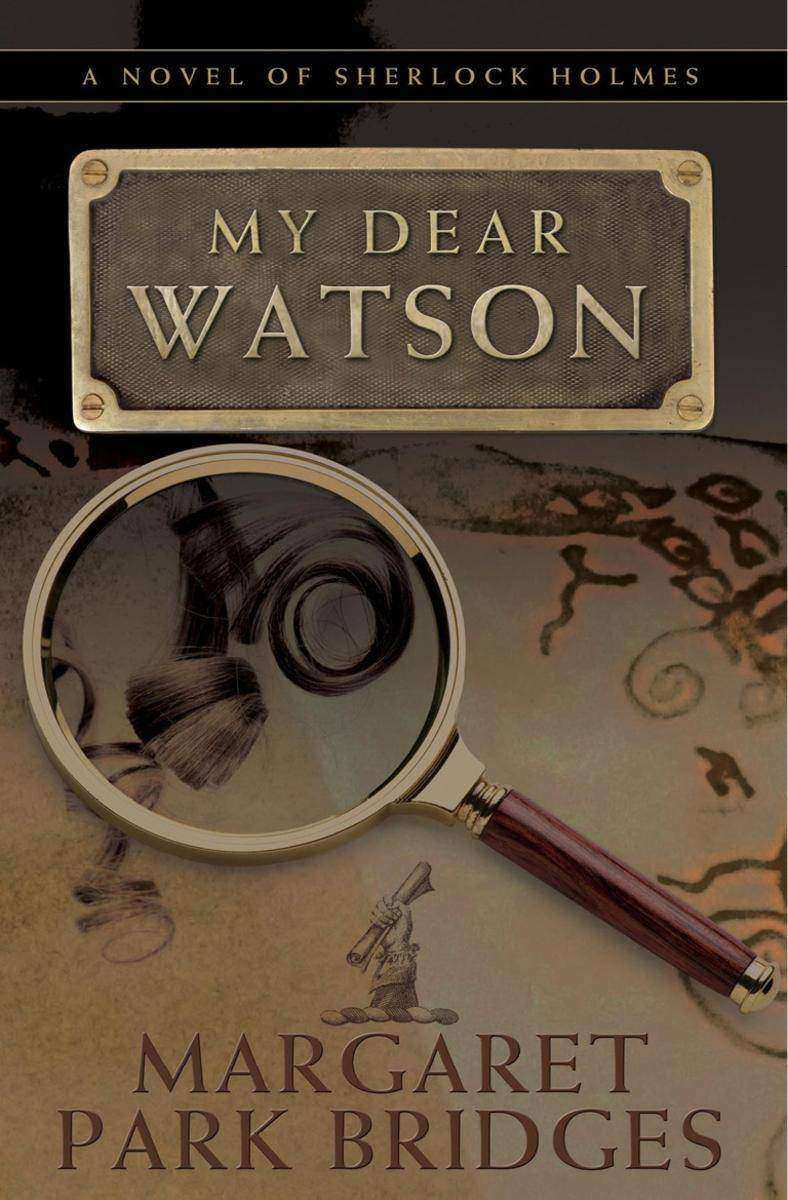
My Dear Watson
¥73.48
The greatest mystery surrounding Sherlock Holmes comes to light he was actually a woman! The master or rather, mistress of disguise finally puts pen to paper to reveal this decades-long deception and, in so doing, discovers another fact she kept secret even from herself. The complex mind of the brilliant consulting detective is finally opened to the public, in the chronicle of a new case involving Dr. Watson and Constance Moriarty, the beguiling daughter of Holmes infamous nemesis.
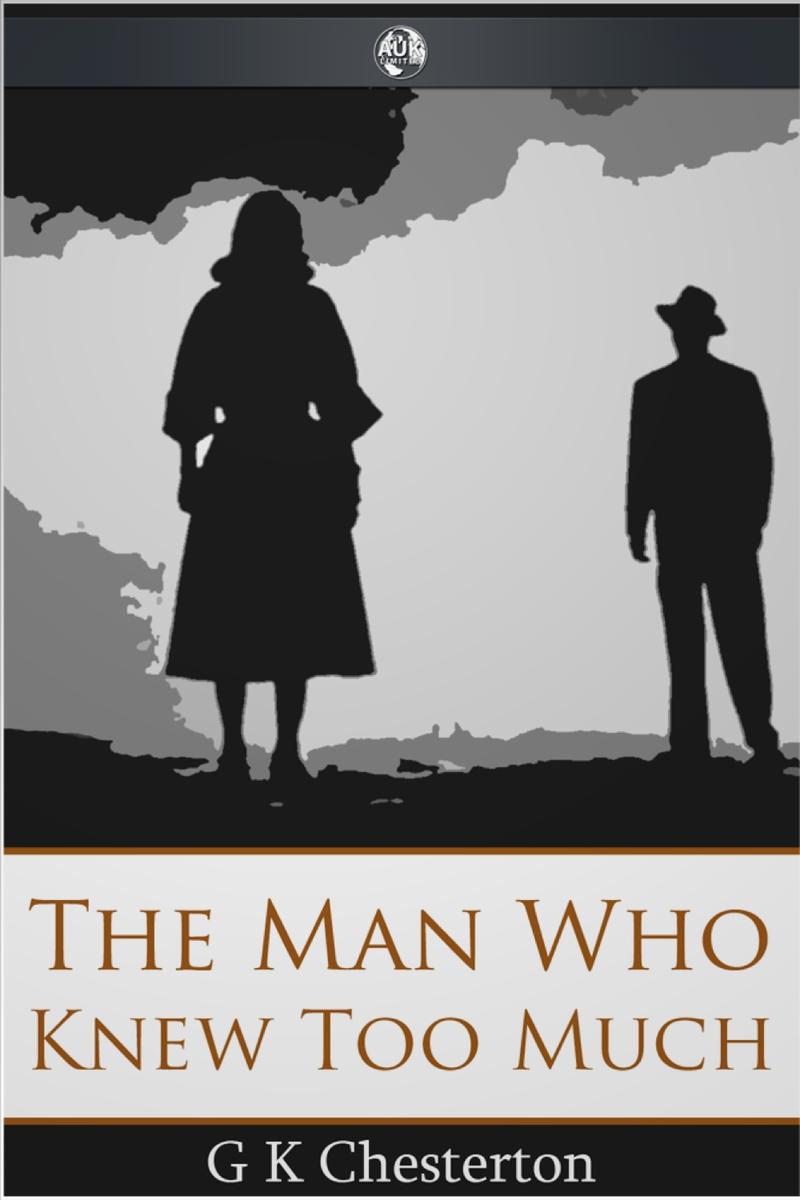
Man Who Knew Too Much
¥19.52
A fantastic collection of eight detective stories by G. K. Chesterton.Contains:The Face in the TargetThe Vanishing PrinceThe Soul of the SchoolboyThe Bottomless WellThe Fad of the FishermanThe Hole in the WallThe Temple of SilenceThe Vengeance of the Statue
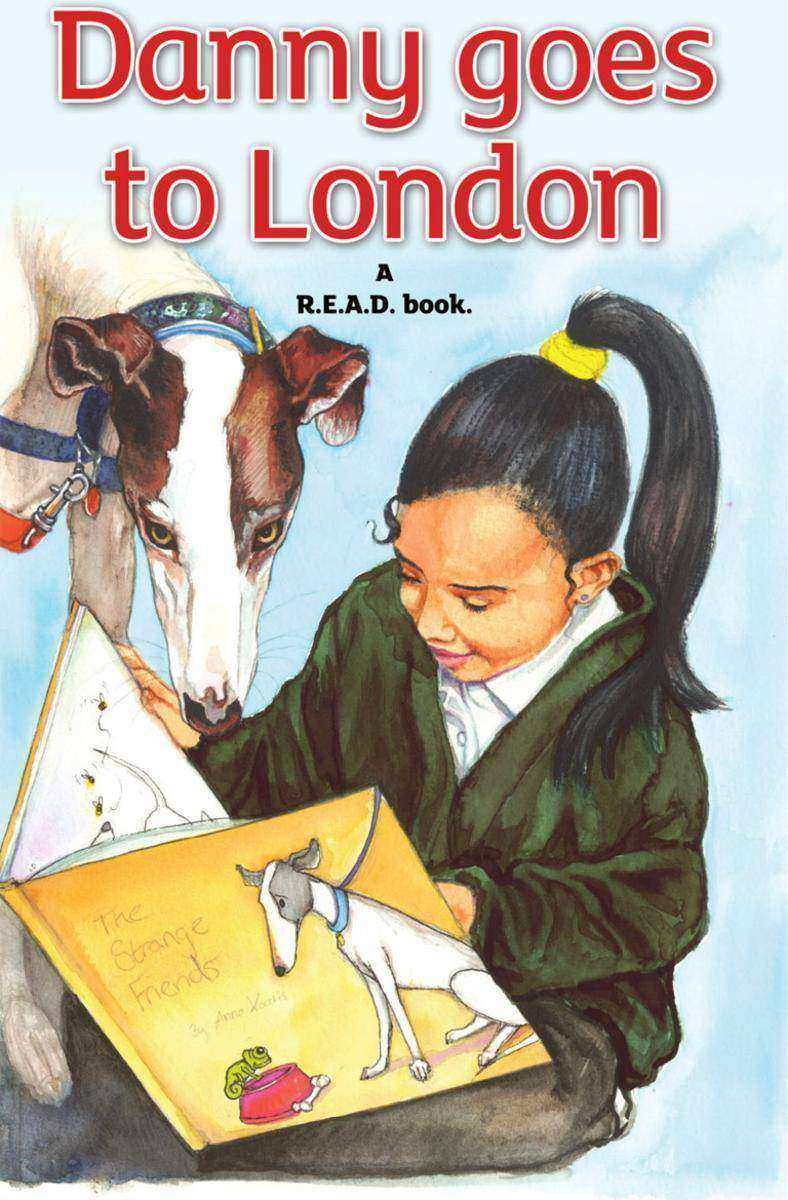
Danny Goes to London
¥53.86
Danny is usually a very quiet and well behaved dog. That's why he is so good as his job. Some dogs work on farms, some help people who can't see and Danny helps children who find it difficult to read. He usually visits schools and libraries but today he is being given a special award for his work and he is going to London to collect it. Who could possibly have imagined the mischief he gets up to on this special day?!

Sherlock Holmes and the Dead Boer at Scotney Castle
¥48.95
In Sherlock Holmes and The Dead Boer at Scotney Castle the great consulting detective comes up against the rich and powerful Kipling League. Dr Watson recounts the extraordinary events which took place on a spacious early summer day in the Sussex and Kent countryside in 1904. None of the earlier stories chronicling the adventures of Sherlock Holmes compares to the strange circumstances which determined Watson to take up his pen to relate this extraordinary adventure against Holmes express wishes.
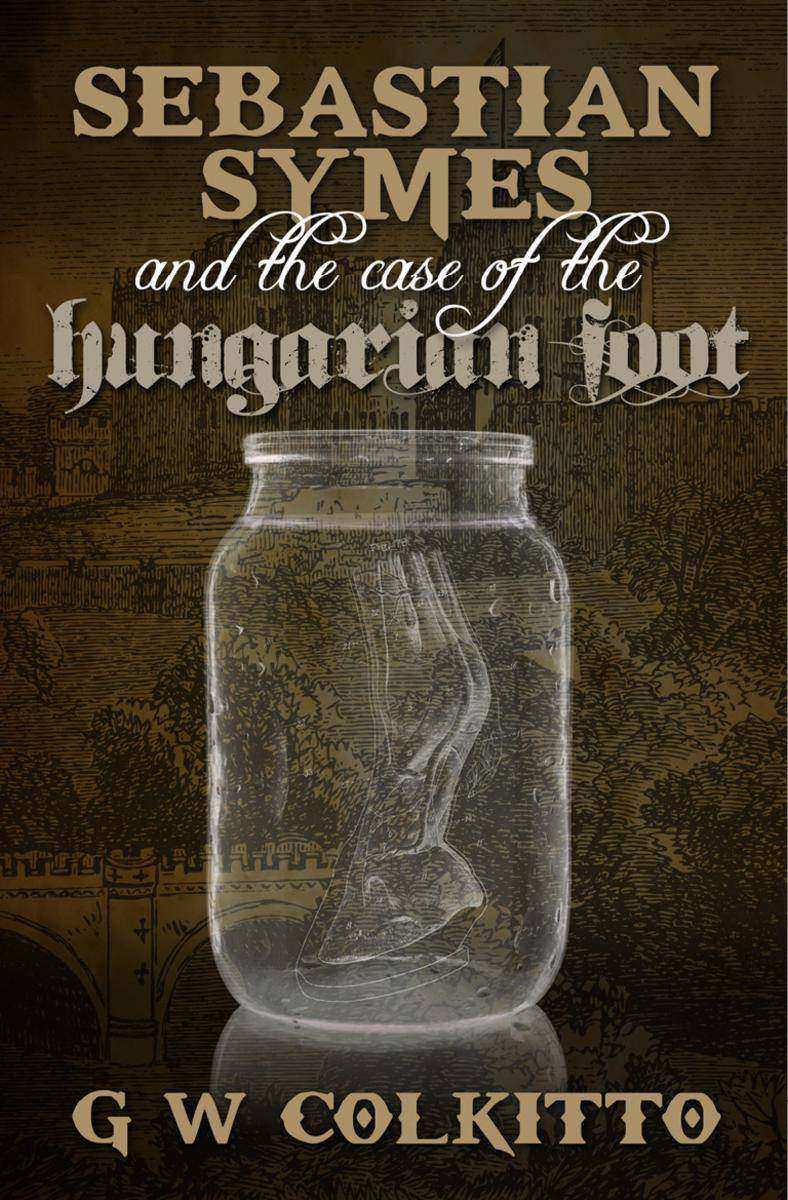
Case of the Hungarian Foot
¥19.52
Sebastian Symes, rival of Sherlock Holmes, searches for a butcher's missing daughter. He and his companion Major Ritson encounter a Hungarian Count, a religious relic and a company of Hussars, in a tale of Victorian morality.
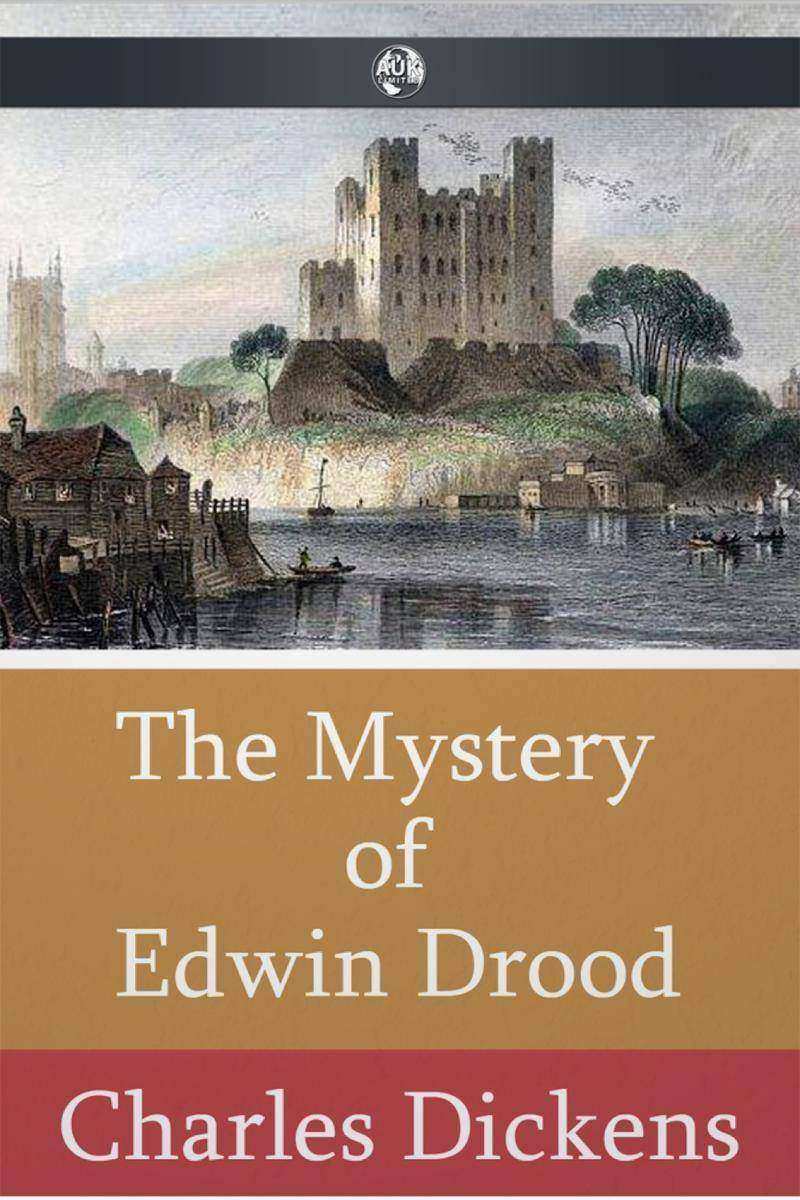
Mystery of Edwin Drood
¥19.52
This book, Charles Dickens' final novel, was never completed, leaving the reader to wonder at the final fate of the characters. Edwin Drood's uncle, a choirmaster named John Jasper, falls in love with his pupil, who happens to be Drood's fiance, Rosa Bud, who is also fancied by Neville Landless, a man from Ceylon (now better known as Sri Lanka). Amid these turbulent relationships Drood mysteriously vanishes.
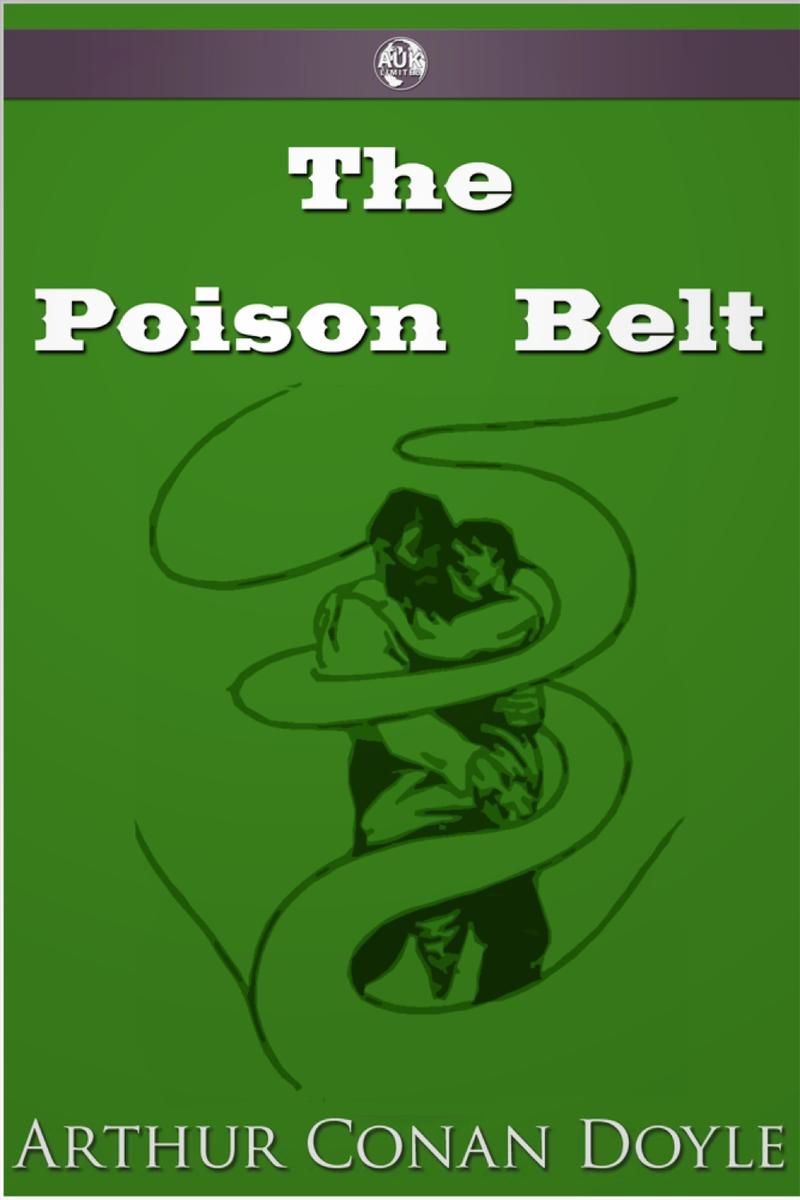
Poison Belt
¥19.52
Arthur Conan Doyle's fantastic second adventure starring the intrepid Professor Challenger. The Professor sends cryptic telegrams to his companions from the events of 'The Lost World', Edward Malone, Lord John Roxton, and Professor Summerlee, telling them to join them at his home. There he tells them that he has detected a giant belt of poisonous ether that the Earth is about to come in to contact with, and they must all seal themselves in a room with oxygen tanks to protect themselves. How will they survive as the whole world dies around them?

Sherlock's Home
¥48.95
1903 saw The Adventure of The Empty House and the return of Sherlock Holmes to 221b Baker Street where he explains the deception of his death at the Reichenbach Falls to his faithful friend Dr John Watson. 2012 sees The Crime of The Empty House where the former home of Sir Arthur Conan Doyle, Undershaw, lies in disrepair and the threat of being destroyed forever. Commissioned by Sir Arthur Conan Doyle himself, Undershaw was witness to the creation of many of his most famous works, including The Hound of the Baskervilles and The Return of Sherlock Holmes. It is a building deserving preservation for the British nation, and indeed the world, for all time. Sadly, the building is currently under threat from the property developers who wish to divide the house into 3 separate units and build a further 5 alongside. Planning permission for development has already been approved by Waverley Borough Council. The Undershaw Preservation Trust (UPT), with Mark Gatiss [BBC Sherlock] as Patron, is dedicated to the preservation and protection of this important literary building and are campaigning to get this decision overturned, so the house can be restored to its original glory and enjoyed as the single dwelling Sir Arthur Conan Doyle intended it to be. This book is a collection of short Sherlock Holmes stories and poems written by fans from around the world in support of the Save Undershaw campaign - even the cover has been designed by fans. Royalties from the book go towards the UPT to preserve this wonderful house for future generations of Doyleans, Sherlock Holmes enthusiasts and literary fans of all kinds. More information on the Save Undershaw campaign can be found on their website: www.saveundershaw.com.


