


 购物车
购物车 个人中心
个人中心
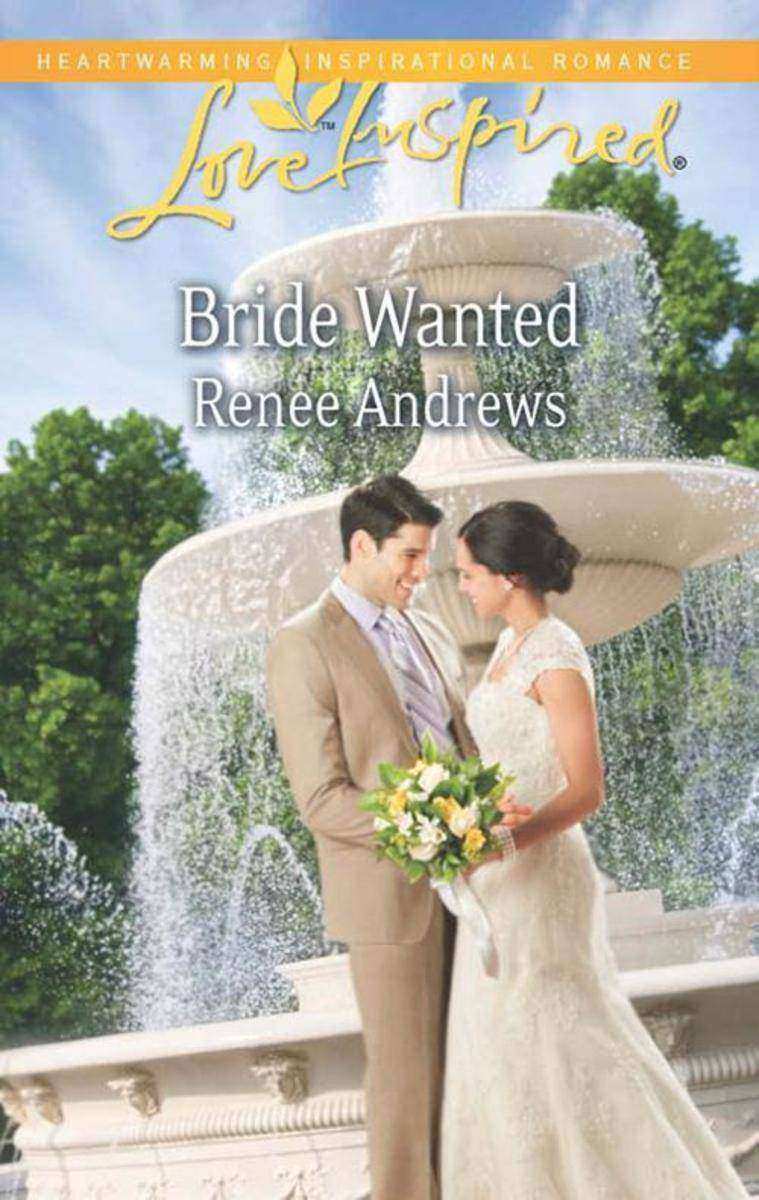
Bride Wanted (Mills & Boon Love Inspired)
¥31.10
Troy Lee has been writing to his future bride since he was a boy, though she’s never been more than words on a page…until now. When he meets Destiny Porter, he thinks he may have finally found the woman he’s been waiting for. But Destiny came to Claremont with a single purpose—get Troy’s permission to print his letters in her magazine. Yet the minute she lays eyes on the handsome Southern man, Destiny knows she’s in trouble. After reading and rereading the letters his grandmother secretly submitted, she’s surprised to find herself wanting to be that bride. But will he still want to be her groom when he finds out who she really is?
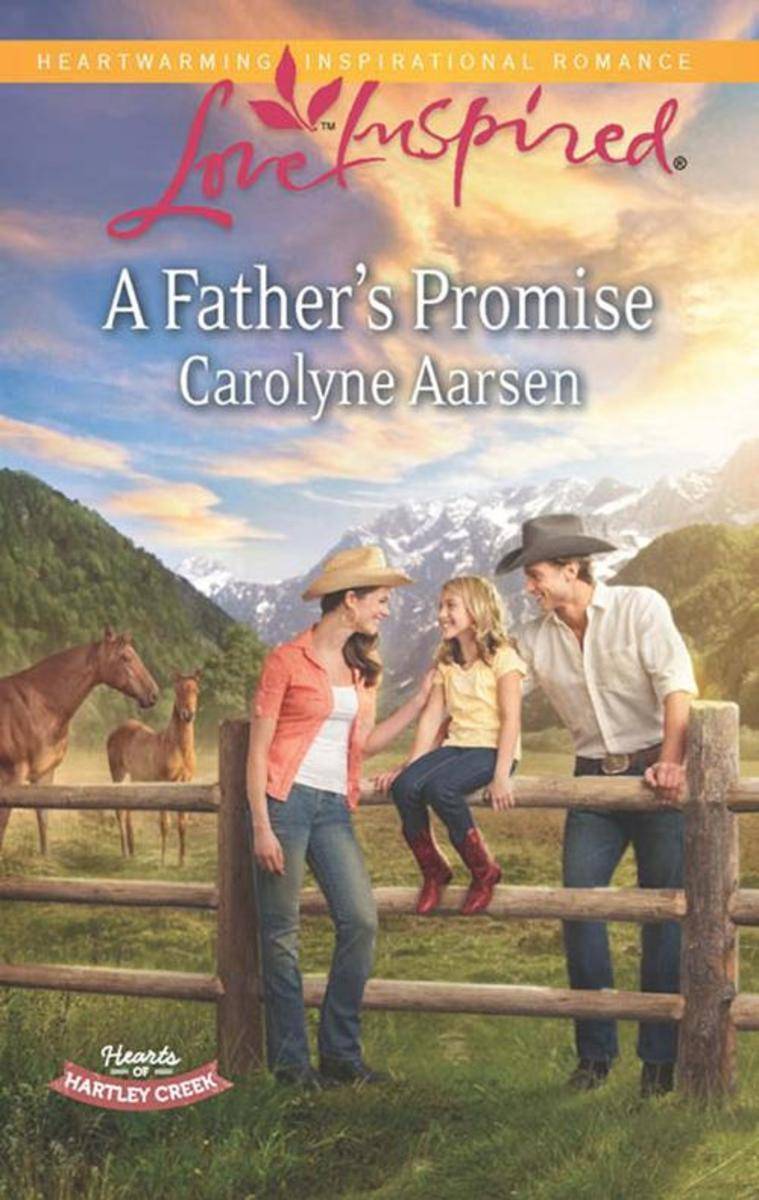
A Father's Promise (Mills & Boon Love Inspired) (Hearts of Hartley Creek, Book 1
¥31.10
Widowed attorney Zach Truscott is ready for a fresh start. So he and his beloved daughter head west to the quaint town of Hartley Creek. But instead of a new beginning, Zach comes face to face with a woman from the past. With a secret. For Renee Albertson, falling for the handsome single dad is easy; revealing the truth is difficult. Renee wants a second chance to make things right. But can they let go of the past and create a family together?
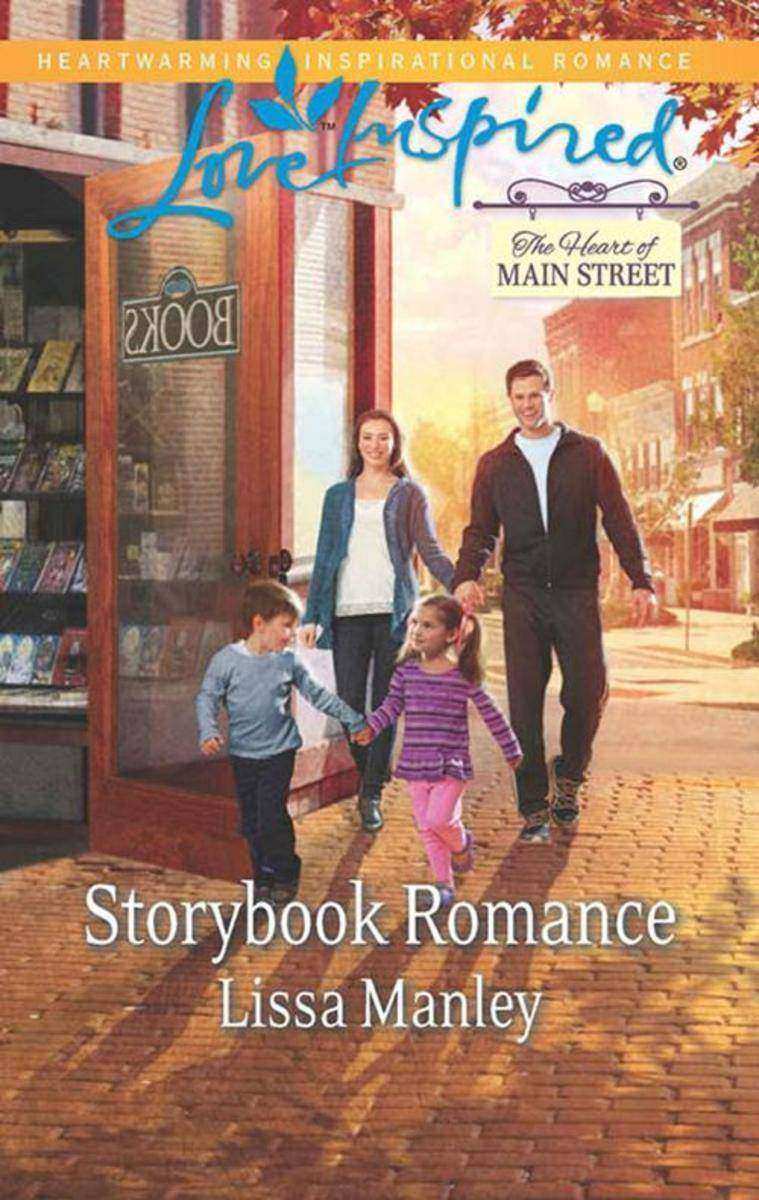
Storybook Romance (Mills & Boon Love Inspired) (The Heart of Main Street, Book 4
¥31.10
It’s been more than ten years, but Allison True has never forgotten her high school crush, Sam Franklin. Back in Bygones, her only focus is keeping her new bookstore afloat—yet the single dad of twin toddlers is testing her resolve to be career-minded. Getting involved with a man who vowed never to love again is a recipe for disaster in Allison’s book. But life with Sam and his twins could give her the happily ever after she’s always dreamed of.
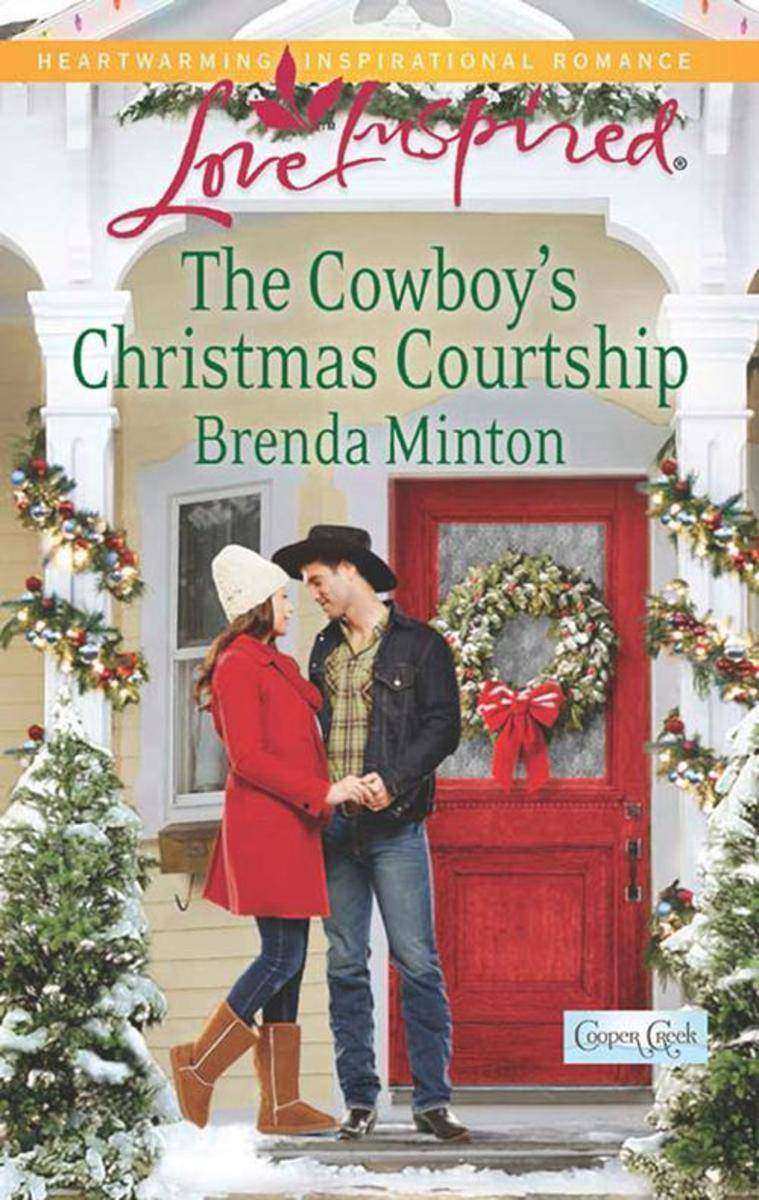
The Cowboy's Christmas Courtship (Mills & Boon Love Inspired) (Cooper Creek, Boo
¥31.20
With her mortgaged farm, rebellious brother and two jobs, Layla Silver is struggling to keep afloat for the holidays. But does she need Gage Cooper riding to her rescue? Back in high school, Gage was nobody’s hero. Now he’s an injured bull rider home for Christmas to make amends for his checkered past. And something about the stubborn, beautiful Layla has him wanting more than forgiveness. Can a wandering cowboy turn a Christmas courtship into an everlasting love?
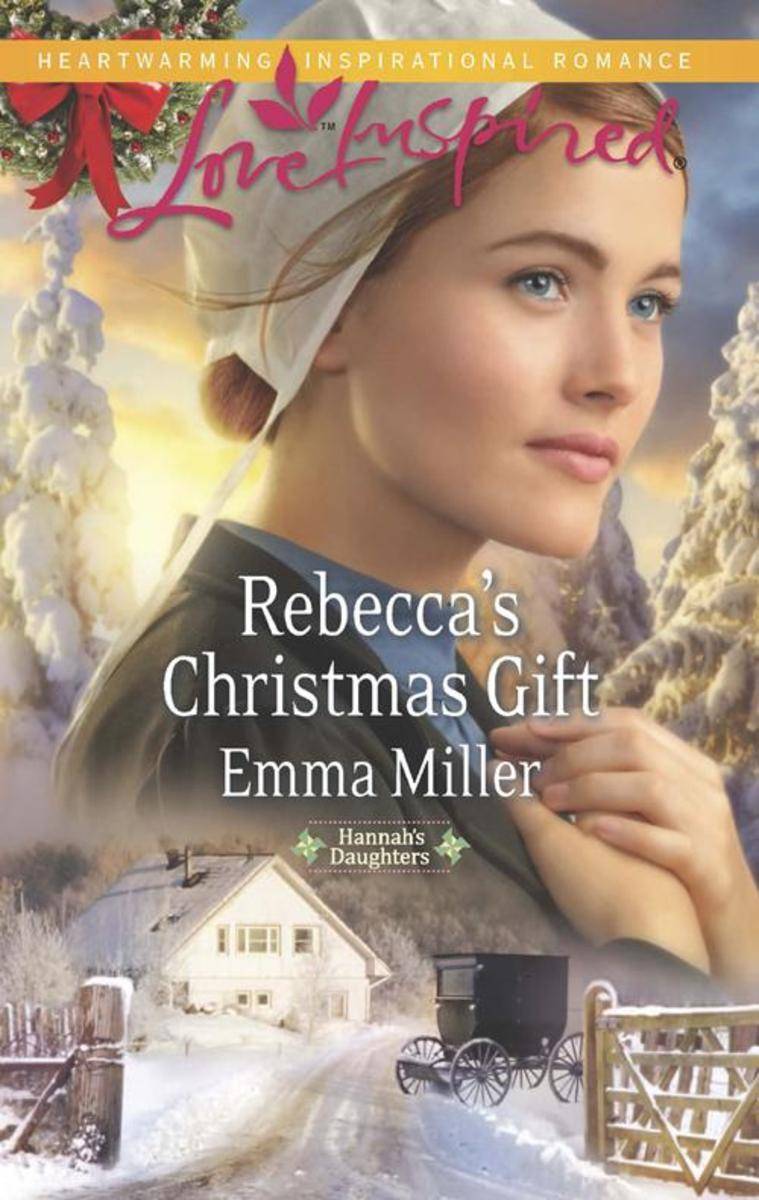
Rebecca's Christmas Gift (Mills & Boon Love Inspired) (Hannah's Daughters, Book
¥31.10
During the Christmas season, Rebecca Yoder agrees to help new preacher Caleb Wittner with this mischievous daughter. Amelia's turned the community of Seven Poplar upside down. Only Rebecca can see the pain hidden beneath the little girl's antics–and her father's brusque manner. After losing his wife in a fire, Caleb's physical scars may be healing, bu this emotions have not. Yet Rebecca's sweet manner soon has him smiling and laughing with his daughter–and his pretty housekeeper. Soon Caleb must decide whether to invite Rebecca into his life–or lose her forever.

The Firefighter's Match (Mills & Boon Love Inspired) (Gordon Falls, Book 3)
¥31.10
After serving overseas, former soldier Josephine "J.J." Jones needs a fresh start. And Gordon Falls is just the place. When J.J. meets executive Alex Cushman, her world is turned upside down. Alex is seeking a respite from all the pressures of his multi-million dollar business. And the beautiful firefighter might be the answer to his prayers. But a secret lies between them. One so big, it threatens to end their love before it's even begun. Can she ever trust Alex when she finds out he may be responsible for a family tragedy that changed all their lives?
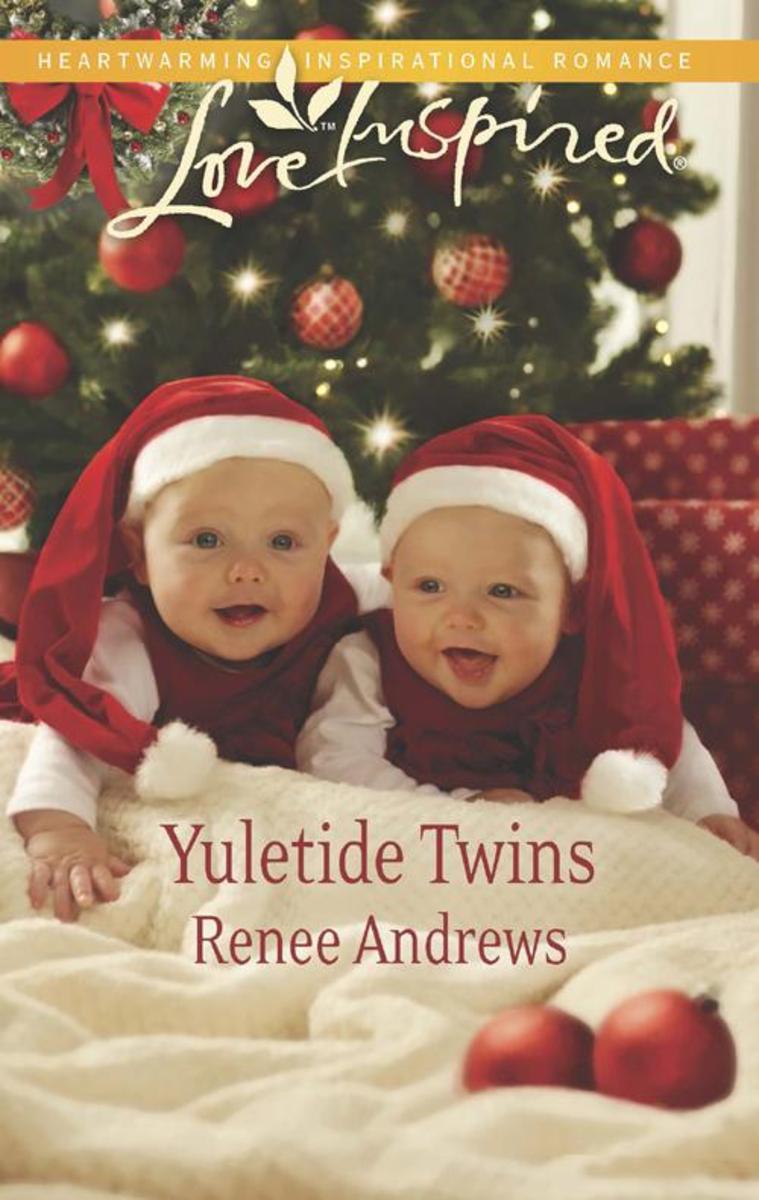
Yuletide Twins (Mills & Boon Love Inspired)
¥25.60
Alone and pregnant with twins is not how Laura Holland wants to spend her holidays. So she seeks out the only person who's never let her down: old college friend David Presley. David now runs a bookstore in a small Alabama town, but he's never stopped loving Laura since he first laid eyes on her in school. So despite his store's shaky finances, he offers her a job. When they work together to help boost business, Laura begins to see that the friend she's always depended on could be the husband she's always prayed for.
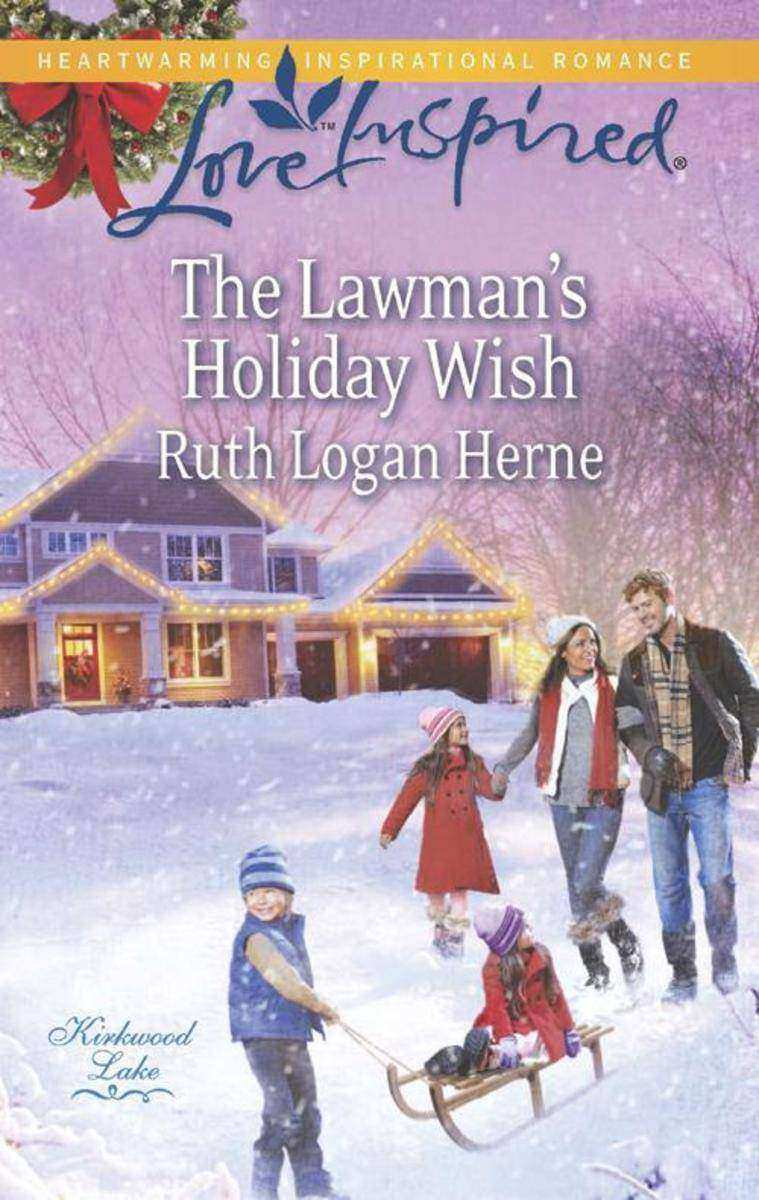
The Lawman's Holiday Wish (Mills & Boon Love Inspired) (Kirkwood Lake, Book 3)
¥31.10
No one in Kirkwood Lake seems willing to forget, or forgive, Rainey McKinney’s troubled past. But Rainey can’t afford to let that bother her. Her top priority is rebuilding her life and being a good mom to her twin daughters. Even handsome deputy sheriff Luke Campbell can’t distract her, tempting as he is. She’s determined to keep her distance, but as his son and her girls form a special bond, Rainey and Luke can’t help but do the same. Can Rainey put her past behind her once and for all and embrace a future full of hope—and love?
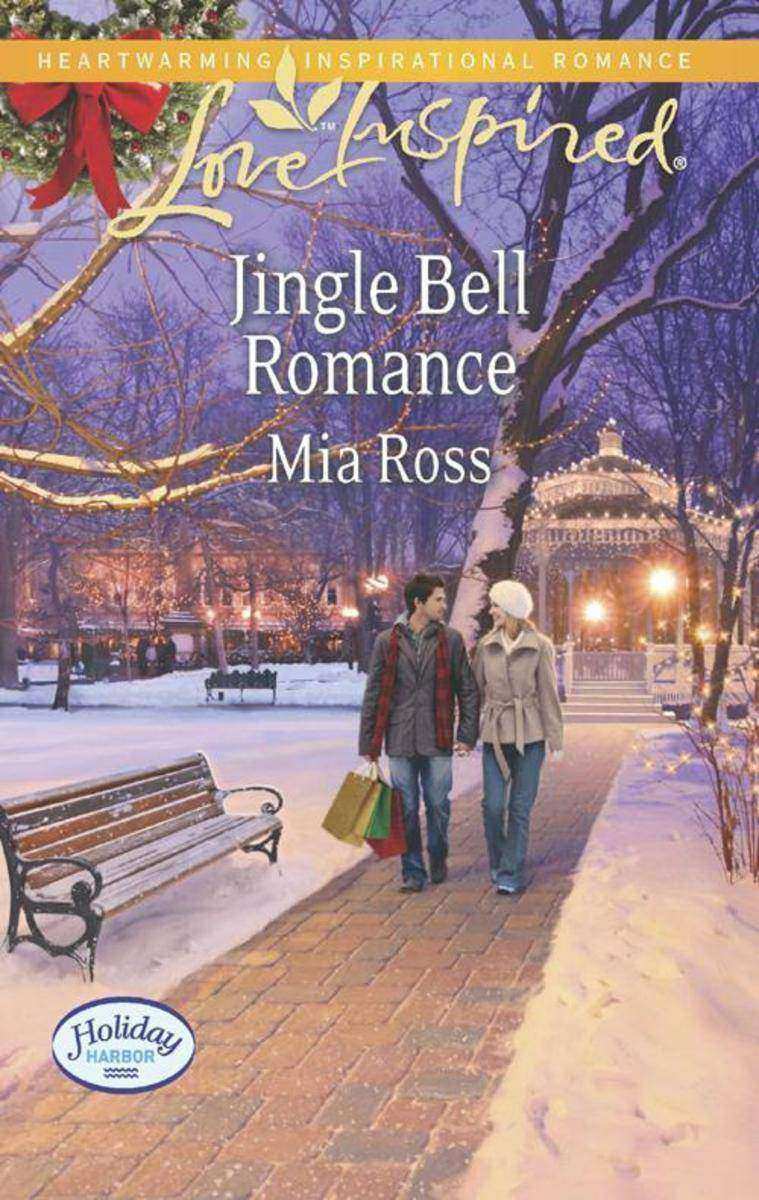
Jingle Bell Romance (Mills & Boon Love Inspired) (Holiday Harbor, Book 2)
¥31.10
Julia Stanton loves Christmas—almost as much as she loves the home she’s made in Holiday Harbor. So when her beloved pastor’s prodigal son returns for a brief visit, she hatches a plan to keep Nick McHenry in town. Growing up as an ambassador’s daughter, she’s charmed countless dignitaries and surely she can get the brooding bachelor to see how much joy there is in a family-filled holiday. Julia never expects to feel the spark of something more for Nick. But it will take more than attraction to turn this handsome scrooge into her hometown hero.
The Marriage Barter (Mills & Boon Love Inspired Historical) (Orphan Train, Book
¥31.10
MISSION: CHILDREN Rounding up a gaggle of orphans isn’t Wyatt Reed’s specialty. Still, the bounty hunter is being paid handsomely to bring these children from Evans Grove to the next town. And then he sets eyes on one pigtailed, pint-sized complication, and the beautiful widow who needs his help. Charlotte Miller’s marriage lacked love, but at least it gave her the right to adopt little Sasha. Without a husband now, she can’t be a mother. Wyatt agrees to be her groom-for-hire—only until Sasha is hers. Now the man who couldn’t wait to leave town is finding unexpected reasons to stay…and glimpsing a future surpassing any fortune he’s known. Orphan Train: Heading west to new families and forever love
The Baby Bequest (Mills & Boon Love Inspired Historical) (Wilderness Brides, Boo
¥31.10
Schoolteacher Ellen Thurston never expected to find love in Pepin, Wisconsin. But the moment she discovers a baby boy outside her door, it’s love at first sight. While the townsfolk don’t approve of Ellen as a single mother, what worries her most are her feelings for the handsome farmer who defends her decision to keep the child. Ellen is far above the reach of a German immigrant like Kurt Lang. Especially one weighted with responsibility. Kurt knows how hard it is to raise a child alone, but he will do whatever it takes to help make Ellen's dream of a family come true.

Healing the Soldier's Heart (Mills & Boon Love Inspired Historical)
¥31.10
Ensign James Rowland was fortunate to return from Waterloo unscathed—at least in body. But guilt from that terrible battle has left him almost mute and crushed in spirit. Only in the company of sweet, compassionate Lucy Williams, a volunteer at the Veterans’ Group in Bath, does he begin to feel happiness is within reach. Penniless governesses can’t afford dreams of romance. Lucy Williams is resigned to lifelong spinsterhood—until James enters her life. His mother opposes the match. Lucy herself is sure the chasm between their ranks is too wide. But now that she has helped heal James, he intends to overcome every obstacle between them…and emerge victorious in the battle for her love.
The Dutiful Daughter (Mills & Boon Love Inspired Historical) (Sanctuary Bay, Boo
¥31.10
Sophia Meriweather will—if all goes as it should—marry the heir to her father’s estate. If she’s to secure her family’s future, Sophia must put her would-be groom’s best friend from her mind. But keeping the darkly handsome widower and his two young children out of her heart is proving nearly impossible. Charles Winthrop, Lord Northbridge, doesn’t believe in love. Lovely Sophia may have charmed his normally silent children, but, for a man of honor and duty, she was a wife he dared not wish for. Yet nothing is as simple as it seems—especially when it comes to matters of the heart…
Mail-Order Mistletoe Brides: Christmas Hearts / Mistletoe Kiss in Dry Creek (Mil
¥25.60
Christmas Hearts by Jillian Hart: Thirteen-year-old Amelia longs for a new ma. Little George needs a father’s guidance. For their children’s sake, Cole Matheson and Mercy Jacobs agree on a business-like marriage. But though Cole tries to keep his distance, Mercy offers the very thing he’s stopped believing in—the chance to forge a real family. ** Mistletoe Kiss in Dry Creek by Janet Tronstad: “Passable cook wanted as wife. Marriage in name only.” Noah Miller doesn’t expect any replies to his plainspoken ad, though it’s the only kind of offer the guarded rancher’s prepared to make. Until widowed Maeve Flanagan and her sweet daughter arrive, turning his home and his heart upside down…
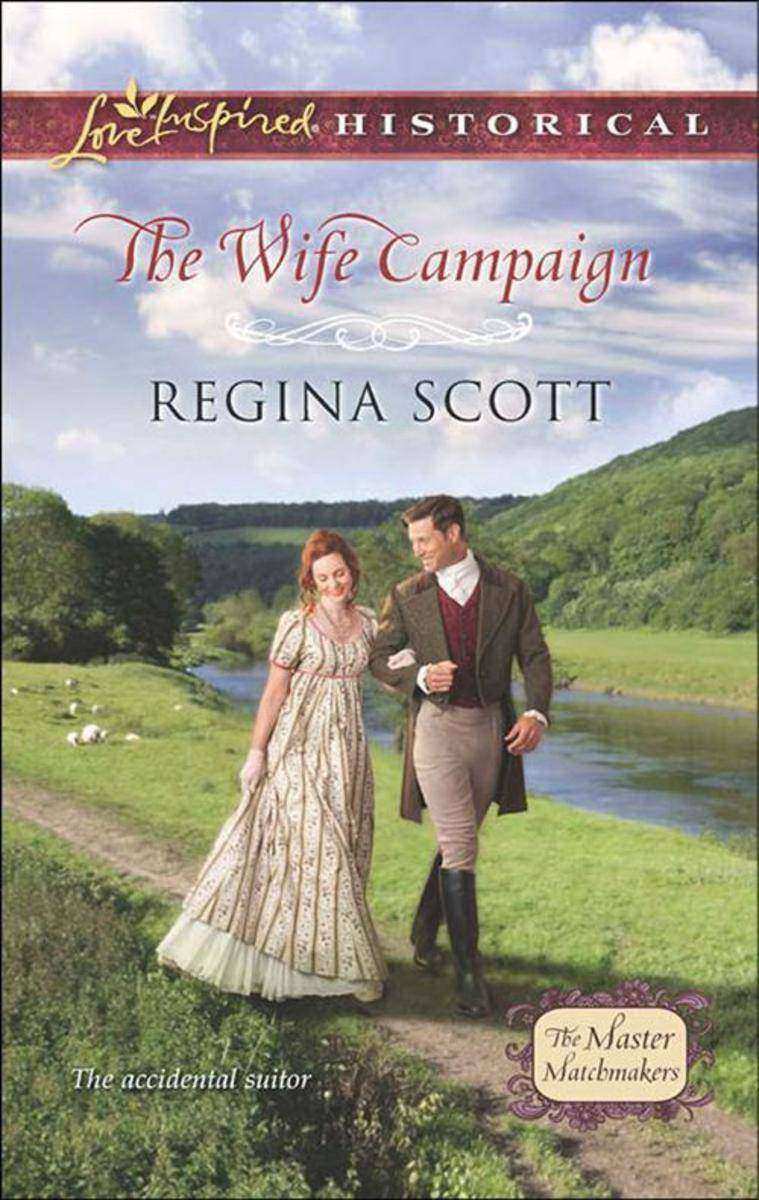
The Wife Campaign (Mills & Boon Love Inspired Historical) (The Master Matchmaker
¥31.10
Whitfield Calder, Earl of Danning, would much rather spend a fortnight tending to his estate than entertaining three eligible young ladies. But when his valet insists that marriage is an earl’s duty, Whit agrees to the house party. He has no intention of actually proposing to anyone…until flame-haired Ruby Hollingsford declares she’d never accept him anyway. Ruby has been tricked into attending this charade, but she certainly won’t compete for the earl’s attentions. Yet, Whit isn’t the selfish aristocrat she envisioned. And with a little trust, two weeks may prove ample time for an unlikely couple to fall headlong into love.
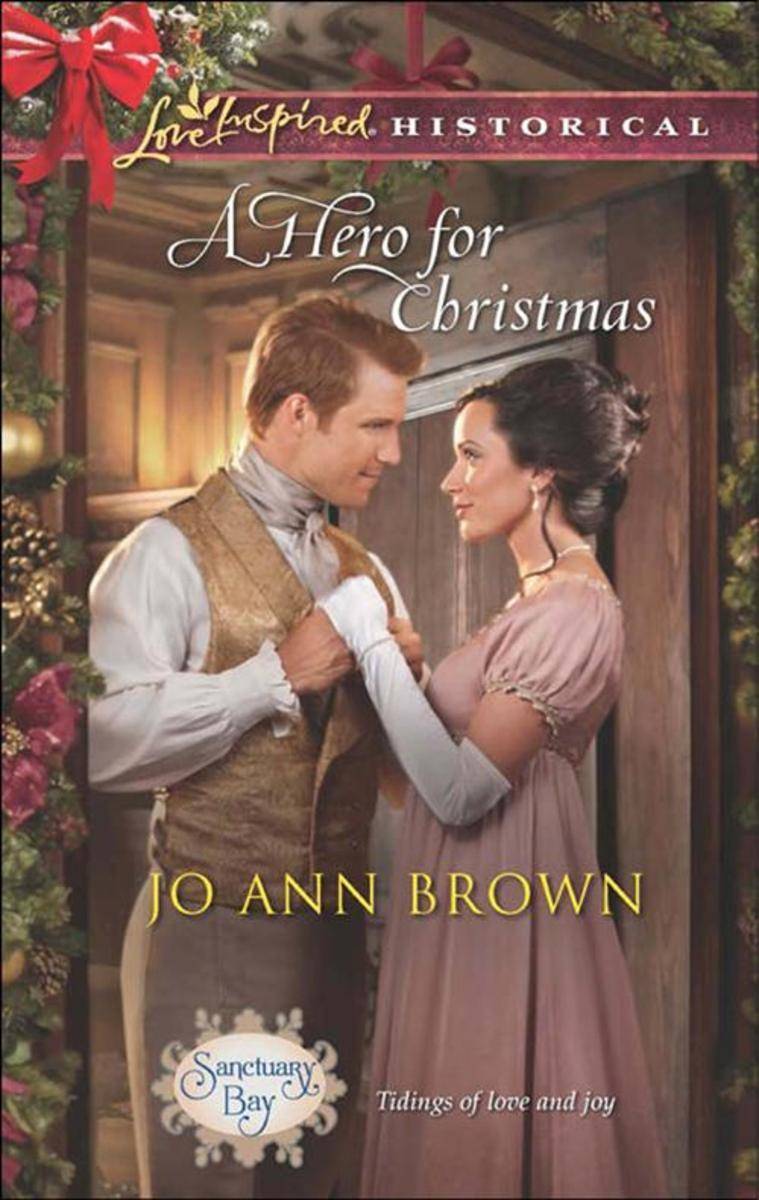
A Hero for Christmas (Mills & Boon Love Inspired Historical) (Sanctuary Bay, Boo
¥31.10
Jonathon Bradby would gladly return to fighting the French if it meant avoiding his new title: war hero. Only he knows the reputation isn’t deserved. Then a visit to Sanctuary Bay brings renewed acquaintance with the lovely Lady Catherine Meriweather. He’s drawn to her, yet Cat surely deserves a real hero. Overwhelmed with organizing a Yuletide celebration and her sister’s wedding, Cat gladly accepts Jonathan’s help. Soon she sees the gentle heart he conceals beneath his wit. But Jonathan’s need to prove himself could drive them apart—unless they’re bold enough to seize the unexpected gift of love.
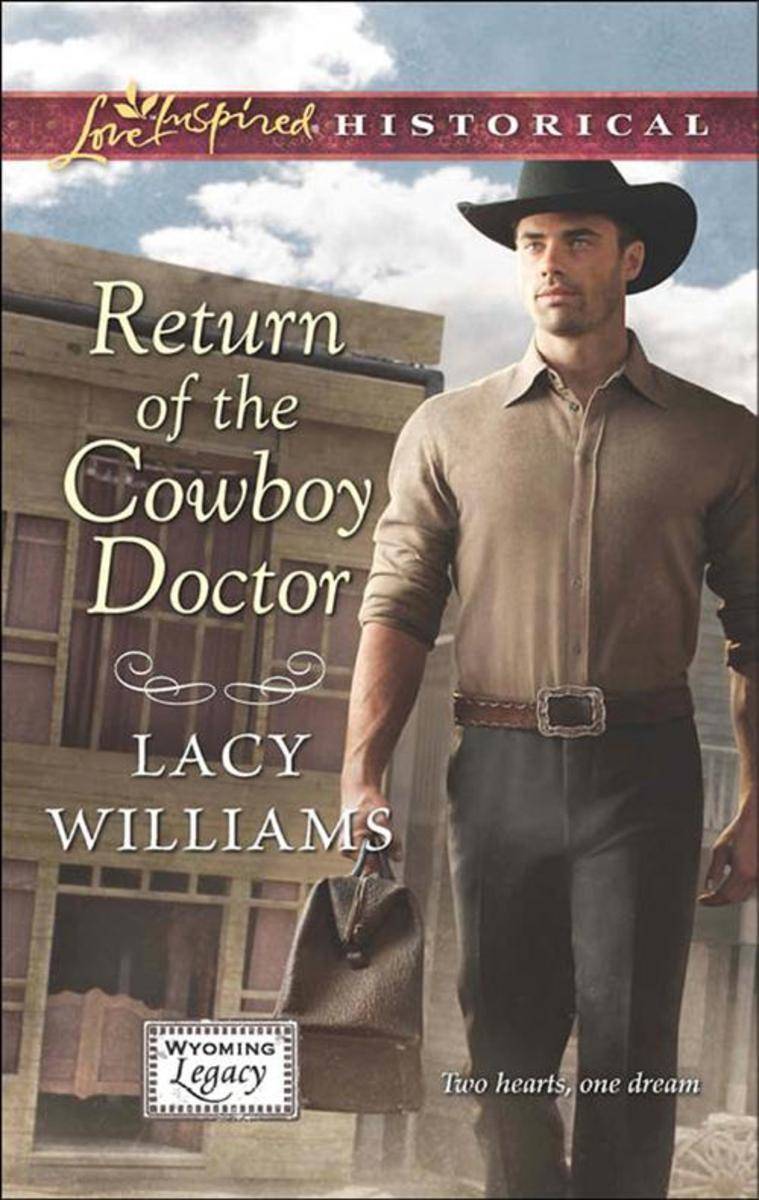
Return of the Cowboy Doctor (Mills & Boon Love Inspired Historical) (Wyoming Leg
¥25.60
Return of the Cowboy Doctor A western inspirational romance from Harlequin's Love Inspired Historical line The Cowboy's Reluctant Sweetheart Two years shy of his medical degree, cowboy Maxwell White is out of money. So, he's back in Bear Creek, Wyoming, working part-time for the local physician. Though he is immediately drawn to the doctor's lovely, whip-smart daughter, she seems to be irritated by Maxwell's very existence. Hattie Powell can't quash her feelings for the town's new would-be doctor. But that's exactly why she must keep him at a distance. Hattie is closer than ever to fulfilling her lifelong wish of becoming a doctor. Now, the only thing standing in her way is the man of her dreams. Wyoming Legacy: United by family, destined for love ---------------------------------- * USA TODAY on this christian western romance: "If you enjoy Western romance series with fresh characters in each book, but still want to check in on the heroes and heroines past, you'll enjoy this Love Inspired Historical series from author Lacy Williams." * Publisher's Weekly on this inspirational western, "sweet, poetic Max is a lovable hero, and Hattie's desire to have both career and family will resonate strongly with readers." ---------------------------------- Inspirational Romance Book Categories: > Historical Romance Cowboys > Religious Historical Romance > Western Inspirational Romance
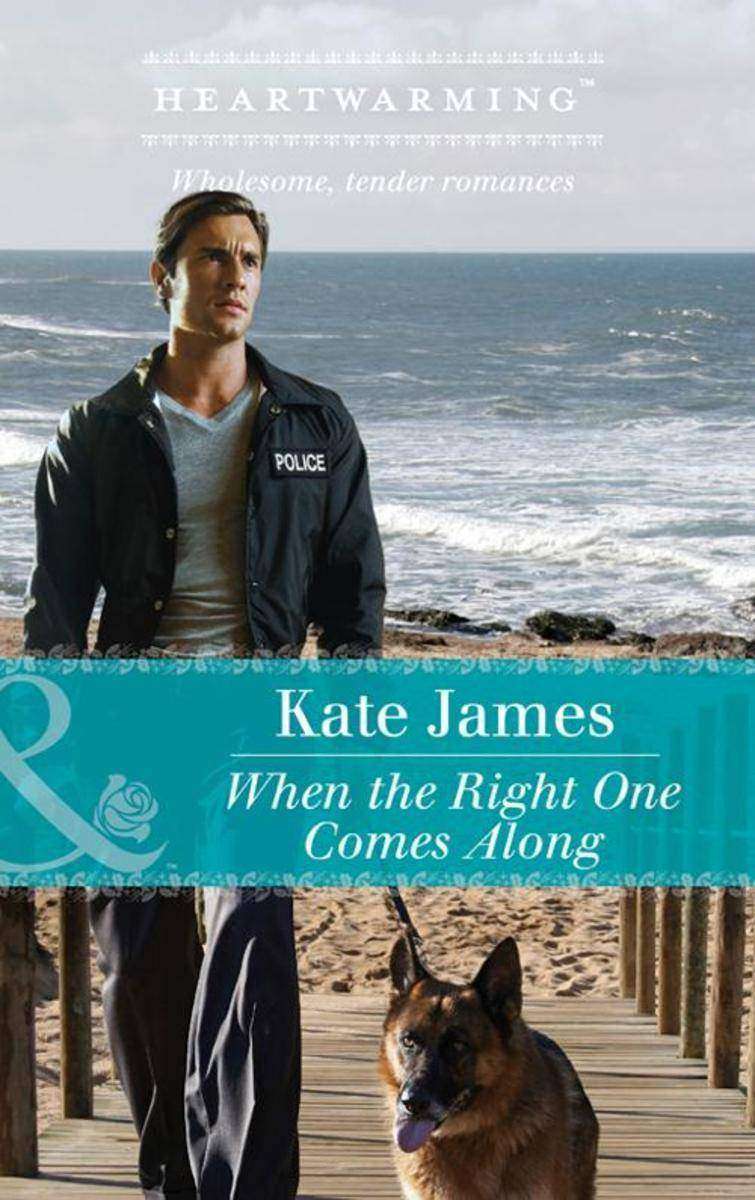
When The Right One Comes Along (Mills & Boon Heartwarming) (The K-9 Trilogy, Boo
¥31.10
Brought together by disaster. Kept together by love In the aftermath of a deadly earthquake, it's chaos for trauma surgeon Jessica Hansen. Among the many victims, one patient stands out—San Diego Police K-9 search and rescue officer Cal Palmer. Cal vows to help Kayla, a child orphaned by the disaster. But he needs Jessica's help. Will their shared concern for Kayla and for his canine partner, Scout, allow them to put aside their personal torments and discover the difference love can make?
A Winter Wedding (Whiskey Creek, Book 9)
¥54.74
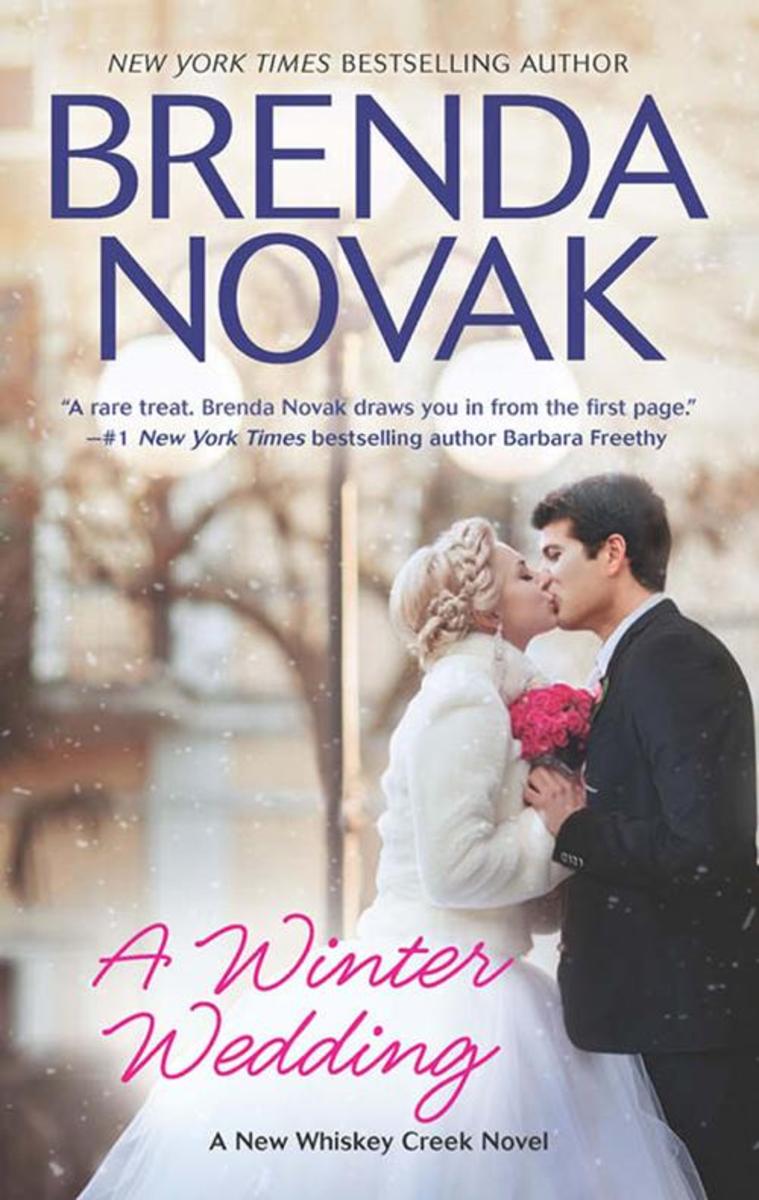
One Christmas can change your life… Kyle Houseman believes he’ll never find anyone he could love as much as Olivia Arnold, who’s now married to his stepbrother. Not only did he lose her, he's been through one divorce and has no desire to go through another. He’s determined to be extra careful about the next woman he gets involved with—which is why he fights his attraction to the beautiful stranger who rents his farmhouse for the Christmas holiday. Lourdes Bennett is a country music artist. She’s only planning to stay in Whiskey Creek long enough to write the songs for her next album—the album that’s going to put her back on top. Her dreams don’t include settling in a town even smaller than the one she escaped. But as she comes to know Kyle, she begins to wonder if she’d be making a terrible mistake to leave him behind…
Miranda
¥62.59
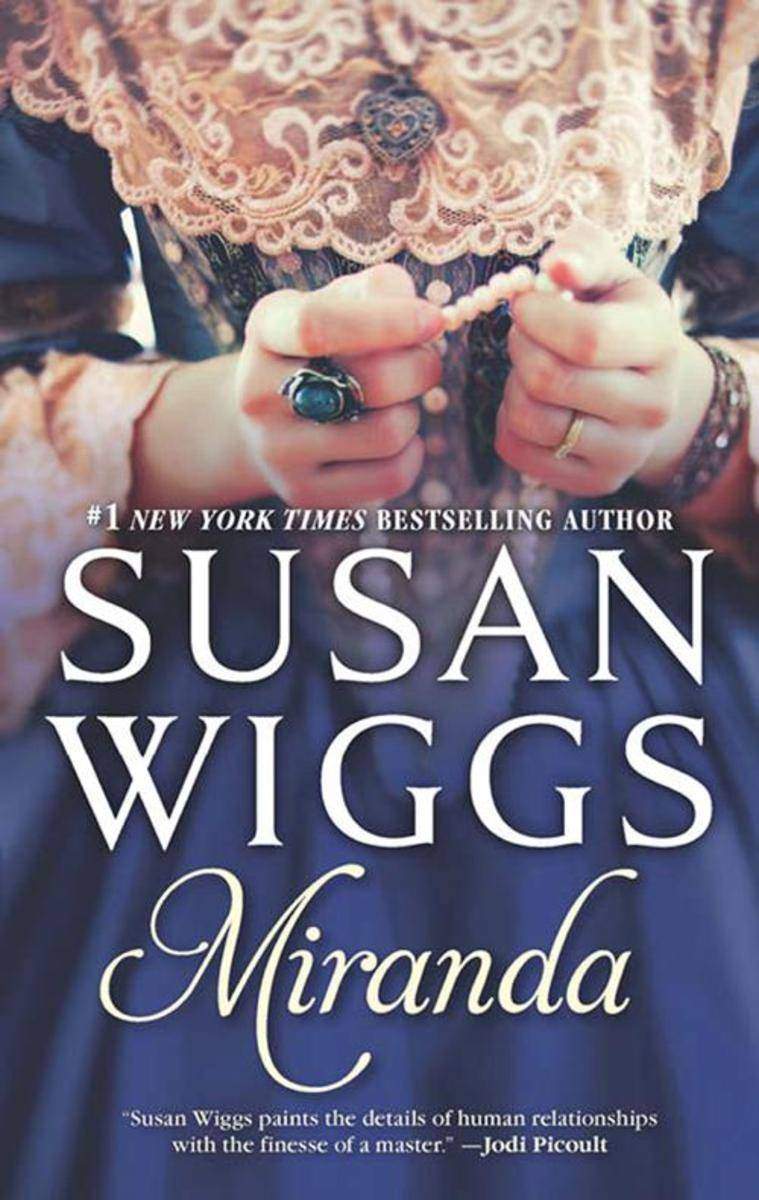
WHO WAS SHE? In Regency London, a woman escapes from a burning warehouse only to realize she doesn't know her own identity. Although the locket around her neck bears the name Miranda, she has no recollection of her past. Nor does she know why two very different men want her—the devilishly handsome Scotsman Ian MacVane, and Lord Lucas Chesney, the nobleman who claims to be her betrothed. In a race against time to discover who she is and which man she can trust, Miranda embarks on a soul-stirring journey that takes her from the dazzling salons of London to the craggy Highlands of Scotland. All of her beliefs—about herself, her world and the nature of love—are tested to their limits as she seeks the truth about her past and finds an unexpected passion that ignites the hidden fires within….
What Happens At Christmas...
¥42.48
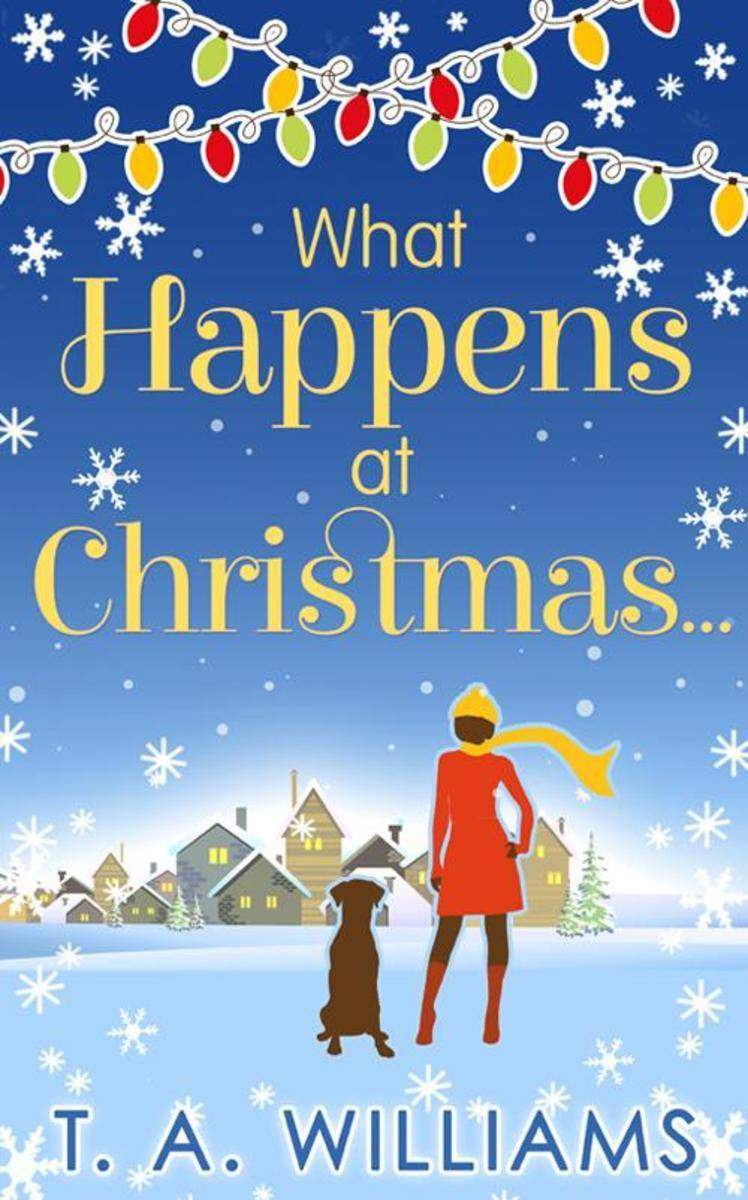
The perfect holiday read all year round, a feel-good festive romance with hot chocolate, tinsel and mistletoe by the bucket-load! For the perfect Christmas… When career-girl Holly Brice learns that her estranged father has died, she decides to take a trip down memory lane and find out about the man she never knew. Arriving in the sleepy little Dartmoor village, she’s shocked to discover that she’s inherited the cosy little cottage she remembers so fondly, a whole load of money – and her father’s adorable dog, too! Head to snow-covered Devon! And as the first snowflakes begin to fall and Holly bumps into her gorgeous neighbour, Jack Nelson, life gets even more complicated! Men have always been off the cards for high-flying Holly, but there’s something about mysterious writer Jack that has her re-thinking her three-date rule… Praise for T. A. Williams ‘T. A. Williams has that gorgeous way of writing a feel good story and something which will easily make you smile…he’s absolutely backed up that men can write chick-lit.’ ─ Reviewed The Book (TOP 1000 Amazon Reviewer) ‘When Alice met Danny is maybe the first book in this genre I have read that is written by a man, and T. A. Williams has done a splendid job!’ ─ Rachale's Reads ‘I have read others of the author’s books and have loved them equally. I wanted to jet off to join them and I bet you will too…Great characters, a fun and enjoyable read that will leave you with a big smile on your face.’ ─ Jilllovestoread ‘I had my doubts as to whether a 'bloke' would get it! To get beneath the skin of a woman and process how she'd feel in various scenario's. Let's just say I don't have any longer – Trevor you nailed it.’ ─ Crooksonbooks


