


 购物车
购物车 个人中心
个人中心
Save Point
¥8.09
n secolul XXI, omenirea, devastat de cium, se afl n pragul extinciei. i, pentru c nu exist leac, evenimentele se precipit, iar protagonitii, n ncercarea de ai salva vieile, pleac n cutarea unui trm iluzoriu, a unui nou eden care s prezerve umanitatea. n final, rmas singur, naratorul triete cu sperana c undeva, ntrun col al planetei, exist mcar un supravieuitor i pornete n cutarea lui.
A pokol zsoldosai
¥14.39
Lehet házunk a hegytet?n, men? kocsink a garázsban, drága holmikkal telet?m?tt gardróbunk, de mindez mit sem ér, ha nincs kivel megosztani az élményeinket. Van, aki hamar megtalálja élete párját, mások csak hosszú barangolás, megannyi kanyar után. Olykor nehéz, igen. Hinni, várni, szeretni, csalódni, talpra állni, és újra bízni. De eszünkbe ne jusson sajnálni az olykor keser? tapasztalatok egyetlen percét sem, hiszen minden rossz a javunkat szolgálja – már ha levonjuk a megfelel? tanulságot a t?rténtekb?l. Akár így, akár úgy, el?sz?r ismerkedjünk meg ?nmagunkkal, és ha tisztán látunk, biztosan észrevesszük azt a jókép? idegent, aki már alig várja, hogy megszólíthasson. Na, és ekkor beindul a móka, elindul k?z?s utunk. Addig pedig nincs más dolgunk, mint alaposan felkészülni a témából: Mit?l vonzó egy n? a pasik szemében? Mit hangsúlyoznak a férfiak ismerkedéskor? Miért fontos az els? randi? Tényleg édesapánk arcát keressünk a partnerünkben? Most akkor a hasonló a hasonlónak ?rül, vagy az ellentétek vonzzák egymást? Fogós kérdések, ugye? MEGYERI ZSUZSA D?RA párkapcsolati kisokosa a pszichológia t?rténetének legizgalmasabb kísérleteit, legérdekesebb kutatásait és felismeréseit gy?jti egy csokorba. Az eredmények szórakoztató és t?rténetekben b?velked? bemutatásával segít, hogy mi magunk is levonhassuk a ránk vonatkozó k?vetkeztetéseket, és az els? randitól a gyerekvállalásig a legt?bb nehéz helyzetet csillagos ?t?sre oldjuk meg – hiszen az élet párban szép!
Inima ca un pumn de boxeur
¥24.44
Volumul cuprinde prima pies? a lui Boris Vian tradus? ?n rom?ne?te, Ecarisajul pentru to?i, urmat? de seria de Cronici roman?ate ap?rut? ?n volumul de opere complete. Ecarisajul pentru to?i este una dintre cele mai cunoscute piese ale lui Vian, ?n care umorul negru, absurdul ?i jocurile de cuvinte amintesc teatrul lui Eugène Ionesco. C?t despre Cronicile roman?ate, acestea fac parte dintr?o categorie de texte aparte scrise de Vian ?i ap?rute ini?ial ?n publica?ii periodice precum s?pt?m?nalul La Rue: colorate, incisive, ciudate sau sobre, Cronicile sunt un dublu portret, al epocii lui Vian ?i al preocup?rilor autorului: via?a monden?, jazz?ul, automobilele, literatura, stilul de via?? american.
Az ellopott futár
¥14.39
Mit jelent az, hogy széls?jobboldal? Kikkel szimpatizálnak és mit képviselnek az újhungaristák? Mit jelképez a 88-as szám? Miféle ideológia áll a széls?jobboldali irányzatok hátterében? Mikor és miért válnak sikeressé a radikálisok? K?tetünk ezeken a kérdéseken kívül arra is választ ad, hogy melyek voltak a magyar széls?jobboldali mozgalmak megszületésének hazai el?zményei, külf?ldi szellemi el?képei és testvérmozgalmai. Mindemellett rávilágít a széls?jobboldaliság kritériumaira az irányzat 1919-es születését?l napjainkig, és feltárja a széls?jobboldali szubkultúrák változatos, markáns ismertet?jegyeit. A Jobbik és a Magyar Gárda tevékenységéig ível? áttekintés azt is megmutatja, milyen sokszín? jelenség a magyarországi széls?jobboldal, pontosabban az a radikális politikai mozgalmakat t?m?rít? gy?jt?fogalom, amelyet ma így szokás nevezni. A szerz?, PAKSA RUDOLF 1981-ben született Ajkán, az ELTE-n doktorált t?rténelemb?l és 2009 októberét?l az MTA T?rténettudományi Intézetének a munkatársa. ?rdekl?dési területe a modern kori magyar t?rténelem; kutatásai súlypontja a 19–20. századi historiográfia, a régi E?tv?s Collegium, valamint a Horthy-kori széls?jobboldali irányzatok.
Csontbrigád
¥14.39
T?bb mint egy év tel el azóta, hogy hazaértem. Akik kívülr?l néznek, aligha észlelnek kül?n?sebb változást. De nekem már csak k?d?sen rémlik egy n?, aki egykor én voltam, aki mindig felhúzva tartotta a vállát a feszültségt?l, mert másoknak akart megfelelni. Két hónappal hazatértem után eladtam elegáns, nagypolgári lakásomat, és bek?lt?ztem egy kisebbe, szerényebbe. Az autómat lecseréltem egy olcsóbb, alacsonyabb fogyasztásúra. Az addig igénybe vett szolgáltatások nagy részét lemondtam, megváltam a k?ltséges biztosítások t?bbségét?l, a giga-csomagoktól, az ilyen-olyan el?fizetésekt?l, és egy lényegesen egyszer?bb életvitelre rendezkedtem be. A ruháimat is kiválogattam, a felesleget elajándékoztam vagy áruba bocsátottam. Az maradt csak meg, és mindenb?l csak annyi, amire valóban szükségem van. Olykor gyertyával világítok, órákig bámulom, hogyan táncol a láng a s?tétben. Vagy ücs?rg?k a teraszon, és nézem az égboltot, amelynek addig ismeretlen szépségeit az ?ton fedeztem csak fel… Amíg ezt a boldogságot nem éltem át, elképzelni sem tudtam, hogy egyszer úgy fogom gondolni: ha mindenemet elveszíteném, akkor is maradna egy csomó dolog, ami boldoggá tesz. Látom a k?rnyezetemben él?ket, amint fáradtan hajszolnak valamit, amit már megnevezni sem tudok, annyira távolinak t?nik, hogy magam is így éltem. Nem tehetek t?bbet értük, mint hogy elmondom a magam t?rténetét, amely így kezd?dik: van esély! Csak a békességnek el?bb helyet kell készíteni, kell egy nagytakarítás. Amíg a beidegz?dések, el?ítéletek foglalják a helyet, addig a cs?nd nem ver tanyát odabent. Pedig ahhoz, hogy meghalljam a saját hangomat, cs?ndre volt szükség. Ilyen az életem a Camino után.
Picaj
¥24.44
Un preot militant pentru drepturile imigran?ilor pare s???i fi ucis so?ia ?i apoi s? se fi ?mpu?cat. Un str?in pare s? fi murit ?ntr?un banal accident rutier. Dar anchetatorii din subordinea inspectorului Alex Recht trebuie s? vad? dincolo de aparen?ele ?n?el?toare ?i, pe fundalul sumbru al iernii suedeze, s? reconstituie un puzzle al dramelor sociale ?i familiale care au condus la crime. Intriga detectivistic? se ?mplete?te cu analiza psihologic? ?i thrillerul, iar rezultatul este o carte captivant? care a impus?o pe Kristina Ohlsson printre cei mai importan?i autori din literatur? poli?ist? scandinav?.

Сила звички
¥36.13
UNGV?RY KRISZTI?N és TABAJDI G?BOR rendhagyó útikalauza a 20. század politikai diktatúrái és legmegrázóbb t?rténelmi eseményei mentén veszi lajstromba Budapest emlékeit. A szerz?páros olyan f?városi helyszíneket mutat be olvasóinak, amelyek jobbára ismeretlenek a turisták el?tt, a városlakók számára pedig már a félmúlt homályába vesznek. A fiatal kutatók budapesti sétáin feltárulnak az 1919-es Tanácsk?ztársaság és az azt k?vet? fehérterror, a német megszállás, a nyilas rémuralom és a zsidóüld?zés, a világháborús f?város, a szovjet megszállás és a Rákosi-diktatúra, az 1956-os forradalom és szabadságharc, végül a Kádár-korszak elfeledett vagy épp szándékosan titokban tartott t?rténeti helyszínei és emlékhelyei. Az egyes t?rténelmi eseményekhez k?thet? szobrok és m?emlékek kapcsán a szerz?k múlt és jelen emlékezetpolitikai t?rekvéseit is áttekintik. A t?rténészpáros kíméletlen és fájdalmas ?szinteséggel mutat rá: a múlt századi véres diktatúrák emlékei jel?letlenül bár, de ma is ott kísértenek a f?város utcáin – ideje lenne hát mindenkinek megismerni ?ket. UNGV?RY KRISZTI?N 1969-ben született Budapesten. Tanulmányait az ELTE BTK t?rténelem-német szakán végezte. Budapest ostromát feldolgozó doktori disszertációja k?nyv formájában is megjelent, és számos hazai, illetve külf?ldi kiadást megélt. 2001-t?l az 1956-os Intézet tudományos munkatársa, t?bb nemzetk?zi tudományos testület tagja. Kutatási területe a 20. század politika- és hadt?rténete, a széls?jobb mozgalmak, valamint az állambiztonság t?rténete. TABAJDI G?BOR 1980-ban született Budapesten. Az ELTE B?lcsészettudományi Karán t?rténelmet, politikaelméletet és filozófiát tanult. Jelenleg az Országos Széchényi K?nyvtár 1956-os Intézetének munkatársa. Eddig f?ként a 20. századi Magyarország politikat?rténetével kapcsolatos publikációi jelentek meg. F? kutatási területei: a magyar állambiztonsági szervek, illetve a pártállami rendszer m?k?désének t?rténete. A fiatal kutatókat t?m?rít? ?Fehér Hollók” munkacsoport koordinátora.
Zile ?i nop?i
¥40.79
n Ferma, tnrul Daniel primete pe neateptate o vizit de la mama sa, Tilde, care i spune, cu o for de convingere i o coeren tulburtoare, o istorie ntunecat a regiunii rurale din Suedia n care se retrsese de cteva luni mpreun cu soul ei. n povestea aceasta se amestec abuzul sexual, conspiraia i crima, iar Daniel este avertizat c, dac refuz s-o cread, propria lui mam n-o s l mai considere fiul ei. Pe de alt parte, un telefon primit de la tatl lui l informeaz pe Daniel c Tilde a suferit o cdere nervoas i povestea ei e rodul unei imaginaii paranoide. Care este adevrul Tnrul va trebui s cltoreasc pn la ferm n cutarea unor rspunsuri de care acum depinde chiar viaa mamei sale.

Cizme, rob?, c?ma?a de noapte
¥48.97
O poveste de dragoste se înfirip? între un soldat ?i o tân?r? turist?, într?un ora? de pe litoralul albanez. Numai c? nimic nu este ceea ce pare în acest minunat decor estival. Pe fundalul ruinelor unui teatru antic, regimul comunist monteaz? o înscenare grotesc? pentru a??i ?ine sub teroare propriul popor, iar protagoni?tii devin, cu sau f?r? voia lor, actori.

Szentivánéji álom
¥8.67
Ha nem lennének angol kosztüm?s filmek és szürkéskék szemek, a világ is sokkal biztonságosabb hely volna. Legalábbis így vélekedik Mész?ly Dóra, a LEI magazin újságírója, amikor elhatározza, hogy interjút kér a híres angol színészt?l, Edward Yorke-tól. A feladat egyszer?nek t?nik, hiszen a férfi éppen Budapesten forgatja legújabb filmjét, ám a kezdeti biztató jelek után az ügy egyre bonyolultabbá válik… A lány váratlan akadályok sorával találja magát szemk?zt, ám az egyébként is makacs természet? Dóra nem ismer lehetetlent. Minden találékonyságát latba vetve üld?zi tovább a színészt, mik?zben kalandjai hol filmgyári díszletek k?zé, hol egy magánnyomozó irodájába, hol az éjszakai Budapest kocsmáiba, hol egy londoni szállodába sodorják. De vajon sikerül-e rátalálnia Edwardra? M?RK LEON?RA az Elle magazin f?szerkeszt?-helyettese, el?tte évekig a N?k Lapja munkatársaként dolgozott. H?sn?jével, Mész?ly Dórával szemben nem az interjú a kedvenc m?faja, de ha valaki igazán felkelti az érdekl?dését, ? sem adja fel k?nnyen… ?Vágyni, csodára várni, álmodozni: jó. Tudom, mit érezhetett a k?nyv szerz?je, amikor megszületett benne a vágy. Ismerem az érzést, ami a csoda k?zelében meglep, és az álmodozás sem áll távol t?lem. M?rk Leonóra nagyon pontosan és végtelenül ?nironikusan mutatja be a fázisokat. Egyszer én is évekig üld?ztem egy német punkénekest. Aztán, amikor elkaptam, a fülembe csengtek egy kedves versnek a sorai: ?Nem akarok elérni semmit. Nem akarom, hogy ne legyen mire vágynom.? Hogy a k?nyv újságíró f?szerepl?je mit érez a kalandok során, nem árulom el. Járjuk vele végig az utat. K?nnyen magával húz, élvezet k?vetni. A vége meg: maradjon csattanó.” Karafiáth Orsolya

Alterna?tere
¥73.49
Enigma unor crime sângeroase din secolul al XVII?lea, tradi?ii africane aduse de sclavi, o confrerie secret? – toate acestea se împletesc în firul unei pove?ti spuse de diferi?i protagoni?ti, într?un amestec de perspective ?i rase care red? îns??i esen?a Braziliei. Iar deasupra tuturor se profileaz? figura misterioasei regine Jinga.

Ahogy tetszik
¥8.67
Bipoláris érzelmi zavar – hangzik a kórházi pszichiáter diagnózisa… Gyógyíthatatlan mentális betegség. Péceli Rita megrémül: ezek szerint élete végéig ?bolond” marad? Rita kezdetben megpróbálja ott folytatni, ahol a diagnózis el?tt abbahagyta. ?m széls?séges érzelmi hullámzásai alatt rossz d?ntéseket hoz, rossz kapcsolatokat k?t, elveszíti szerelmét, és biztos állása, megélhetése is veszélybe kerül. Egy éven belül háromszor kell befeküdnie a pszichiátriára. Rita a sok szenvedés hatására végül úgy d?nt, felveszi a keszty?t, és szembenéz a betegséggel. Vajon siker koronázza-e az er?feszítéseit, és képes lesz-e együtt élni a betegséggel, ha megfogadja segít?i tanácsait? ?lhet-e majd ezután is teljes érték? életet? S ami talán a legfontosabb: megtalálja-e a boldogságot? A regény igaz t?rténet alapján íródott. ?– Talán én nem tettem meg mindent – vallottam be halkan. – ?s félek, nem is fogok tudni megtenni. Pedig nem akarok újra kórházba kerülni. – Látja, most megfogalmazta a célját – mosolygott a szem?ld?két felhúzva Kamilla. – Higgye el, sikerülni fog. Kételkedve sóhajtottam fel, de akkor és ott megmozdult bennem valami. Elt?kéltem: mindent meg fogok tenni, nehogy megint a pszichiátrián k?ssek ki. – Az els? lépés, hogy elfogadják magukat – folytatta a pszichológus. – ?gy, ahogy vannak. A betegségüket. Ne vádolják magukat érte, ne érezzék szégyenbélyegnek, ne tagadják el saját maguk el?l, ha baj van. Maguk ugyanolyan értékes emberek, mint bárki más.”

Téli rege
¥8.67
Egy vicces, olykor megható szerelmes k?nyvet tart a kezében az olvasó. A t?rténetekb?l megtudhatjuk, hányféleképpen lehet n?ként csalódni úgy, hogy annak még a távoli Amerikában, a Szex és New York-sorozat hazájában is híre menjen. S miért a sok koppanás? Mert az ember lánya gyakran minden szerencse és f?leg ?nismeret híján halászgat a zavarosban. Ilyenkor bizony el?fordul, hogy a kiszemelt férfi nem éppen álmaink hercege, csak mi képzeltük róla, hogy ? a nagy ?. Ismer?s a szituáció? Fel a fejjel, azaz talpra, és indulás tovább! A végállomás csakis a boldogság lehet. ?…az el?szoba fel?l kulcsz?rgés hallatszott, majd nevetés harsant, amire vékonyka hang felelt. Egy n? és egy gyerek léphetett be a lakásba. Zoltán egész testében lemerevedett, majd odasúgta Helgának: – Ez Rozi a fiammal. Egy nappal el?bb hazahozta. A francba! Bújj el gyorsan, nehogy meglásson, kül?nben kikaparja a szemedet. Menj ki az erkélyre, én majd behúzom a s?tétít? függ?nyt. – Neked barátn?d van? – tátotta el a száját Helga. – Exbarátn?m, de nem hagy békét. Minden n?t elüld?z mell?lem. Na, menj már ki! Helgának azonban esze ágában sem volt az erkélyen kuksolni, amíg az ismeretlen n? el nem hagyja a terepet. Nekid?lt a konyhapultnak, karjait keresztbe fonta. – T?lem aztán megláthat – mondta kimérten. – ?n nem félek senkit?l, és senki el?l nem fogok bujkálni. – Ha neked esik, magadra vess – vetette oda a férfi idegesen. – ?n el?re szóltam.”
Elogiul minciunii
¥32.62
National Book Critics Circle Award 2005 pentru carte de nonfic?iune. Premiul pentru Pace Erich-Maria-Remarque, 2001 Carte interzis? ?n Bielorusia ?Explozia reactorului num?rul 4 va deveni cel mai mare dezastru nuclear civil din istoria omenirii. Zona este o realitate ?n toat? monstruozitatea ei. La fel ca ?n cartea SF a fra?ilor Struga?ki, Picnic la marginea drumului, Zona este un infern pe p?m?nt, guvernat de propriile legi. Aici danseaz? lumini deasupra c?mpului, praful ridicat de v?nt are culori ciudate, se nasc copii cu muta?ii genetice, popula?ia a fost evacuat?, regiunea, interzis? ?i p?zit? de patrule militare, dar oameni stranii ?i-au f?cut din Zon? locul ?n care tr?iesc. Ei sunt C?l?uzele reale ?n Zona reactorului de la Cernob?l.“ – Ion M. Ioni?? C?nd fra?ii Arkadi ?i Boris Struga?ki publicau ?n 1972 celebrul lor roman SF Picnic la marginea drumului, nu ?i-ar fi putut imagina, nici ?n cele mai negre vise, c? Zona descris? ?n roman va deveni realitate paisprezece ani mai t?rziu, ?n ?ara lor, URSS. Conform ideologiei oficiale, Zona nu avea cum s? apar? ?n patria sovietelor. Doar URSS construia cele mai sigure reactoare nucleare din lume care ?ar fi putut fi instalate chiar ?n Pia?a Ro?ie, at?t de fiabile erau“. Nu a fost a?a. Pe 26 aprilie 1986, lumea avea s? intre ?n epoca Cernob?l. Explozia reactorului num?rul patru va deveni cel mai mare dezastru nuclear civil din istoria omenirii. Zona este o realitate ?n toat? monstruozitatea ei. La fel ca ?n cartea SF a fra?ilor Struga?ki, Zona este un infern pe p?m?nt, guvernat de propriile legi. Aici lumini danseaz? deasupra c?mpului, praful ridicat de v?nt are culori ciudate, se nasc copii cu muta?ii genetice, popula?ia a fost evacuat?, regiunea, interzis? ?i p?zit? de patrule militare, dar oameni stranii ?i-au f?cut din Zon? locul ?n care tr?iesc. ?O istorie oral? mi?c?toare a catastrofei din 1986 de la reactorul nuclear de la Cernob?l, ?n care curajul fatalist ?i stoic este dublat de un umor incredibil de negru. Jurnalista rus? Svetlana Aleksievici a ?nregistrat o serie de m?rturii pe care le-a prezentat sub forma unor ?monologuri?, ?n stil romanesc, care zugr?vesc imaginea vie a atmosferei generale de nemul?umire de la sf?r?itul perioadei comuniste, ?n care liderilor de partid agresivi, propagandei paranoice ?i mobiliz?rilor haotice li se opun sarcasmul deprimant, g?ndurile amare ?i abuzul de votc?. Rezultatul este o radiografie de neuitat a sufletului rus.“ – Publishers Weekly
Rokonok
¥8.67
Voltak olyan korok, amikor az azonos nem?ek szerelme elfogadott volt. Vajon hogy lehet, hogy most, a 21. században mégse tudunk mit kezdeni ezzel a dologgal? Miért van az, hogy sokan még ma is csak a kül?nbségeket akarják látni, legyen szó akár vallásról, b?rszínr?l vagy szexuális orientációról? Sokan óvtak attól, hogy megírjam ezt a k?nyvet. Azt mondták, nem olyan világban élünk, hogy ilyenekr?l beszélni lehessen. ?n mégis azt hiszem, hogy az emberi érzéseknek, az emberi életek tanulságainak, az ember drámáinak, dilemmáinak és ?r?meinek mindig és mindenkor helye van, mert talán ezek a legfontosabbak az életben. Remélem, hogy ez a k?nyv sokaknak jelent majd segítséget, kapaszkodót és ad er?t, hogy mindenb?l, a legnehezebb élethelyzetekb?l is van kiút. Fenntartásokkal vettem kezembe ezt a k?nyvet. Nem szeretem a klikkesedést, és vallom, hogy akkor lesz majd jó világ, ha nem kell olyan k?nyveknek születnie, mint ez a mostani. De sajnos még kell. ?rz?dik a hangomban a sértettség? Talán én is sebzett vagyok? Nem tagadom. Nem egyszer? mindennap úgy kimenni az utcára, hogy legalább egyszer ne azt halljad: ?Ott j?n az a buzi a tévéb?l!” ?n mégis mindenkinek azt tanácsolom, hogy inkább ugorjon ?ssze a gyomra egy beszólástól, minthogy egész életében ?k?lbe szoruljon a fel nem vállalt élete miatt… Amikor elkezdtem olvasni ezeket az interjúkat, beszippantott, s?t beindított a sok kül?nb?z? hang. Egyre inkább úgy éreztem, hogy az egész rólam szól. Mondatok, gondolatok, apák, anyák, hülye helyzetek, szorongások, szépségek, a vágy titokzatos tárgyai, szex, szemétség, szerelem, szatíra… Heterók, biszexek, melegek és egyéb állatfajták egyaránt megtalálják a saját mondataikat ezekben a sztorikban korra, nemre való tekintet nélkül. Leny?g?z?, hogy megismételhetetlen életeink mennyire ?sszeforrnak a t?bbiek sorsával, mások t?rténetével. Ez villanyozott fel igazán! Mert eszembe jutott az els? ?barin?m” az oviból, meg az ?ikern?vérem” a gimib?l, akivel csókolóztam, és megrémültem, mert tudtam, hogy egészen másra gondolunk csók k?zben. ?s bevillant a torna?lt?z?, ahol hideg verejtékben für?dtem k?vér kisfiúként, mik?zben a nyolcadikos srácok el?ttünk ?lt?ztek át, és disznó vicceket mesélve r?h?gtek. ?s persze el?bújt az emlékeim k?zül a jelenet, amikor Spanyolországba k?lt?ztem, és apám a gyorsforgalmi úton a reptér felé megkérdezte, hogy akkor végül is meleg vagyok-e. ?s persze az anyámnak írt levél Madridból, mert neki mégis inkább tartoztam ezzel a vallomással. Aztán az els? látogatásom a picike melegbárban, biológiak?nyvemmel a kezemben – másnap az ?t?sért feleltem… Meg a nagy csalódásom a ?legjobb barátomban”, akivel a gimiben el?sz?r lefeküdtem. ?s persze eszembe jutott a ?nagy szerelem”, ami ugyanúgy nem tudott normális lenni, ahogy az egész életem sem az. Ugye, hogy ezek a helyzetek nagyjából mindenki életébe behelyettesíthet?k? A melegek csak annyiból ?mások”, amennyiben a t?bbiek annak akarják tekinteni ?ket. Ez a k?nyv azért fontos, mert mindenki megtalálhatja benne azt, ami róla szól. Lakatos Márk
ZeroZeroZero
¥90.84
Gyermeknek és feln?tteknek szóló egyetlen mese A kis herceg, a második világháborúban elpusztult s már klasszikusnak számító francia író remekm?ve. Története úgy indul, mint minden Saint-Exupéry-regény, egy repül?kalanddal, de ezúttal a bonyodalom nem a valóságban, hanem a költ?i képzelet világában folytatódik. Egy kisfiú jelenik meg a szerencsétlenül járt pilóta mellett a Szahara magányában, egy kisfiú egy másik bolygóról. S vele együtt feltündököl egy másik világ is, melynek embersége, tisztasága és szépsége sajnos már csak a költészet világából való. És Saint-Exupéry úgy beszéli el kis hercege történetét a maga icipi bolygóján, hogy mindnyájan fájdalmasan megáhítjuk azt az igazabb bolygót, s szívünkbe zárjuk az emberségben nagy kis herceget.

Era s? fiu eu
¥57.14
Twenty-seven-year old Anne Elliot is Austen's most adult heroine. Eight years before the story proper begins, she is happily betrothed to a naval officer, Frederick Wentworth, but she precipitously breaks off the engagement when persuaded by her friend Lady Russell that such a match is unworthy. The breakup produces in Anne a deep and long-lasting regret. When later Wentworth returns from sea a rich and successful captain, he finds Anne's family on the brink of financial ruin and his own sister a tenant in Kellynch Hall, the Elliot estate. All the tension of the novel revolves around one question: Will Anne and Wentworth be reunited in their love?Jane Austen once compared her writing to painting on a little bit of ivory, 2 inches square. Readers of Persuasion will discover that neither her skill for delicate, ironic observations on social custom, love, and marriage nor her ability to apply a sharp focus lens to English manners and morals has deserted her in her final finished work.
The Underground City
¥8.09
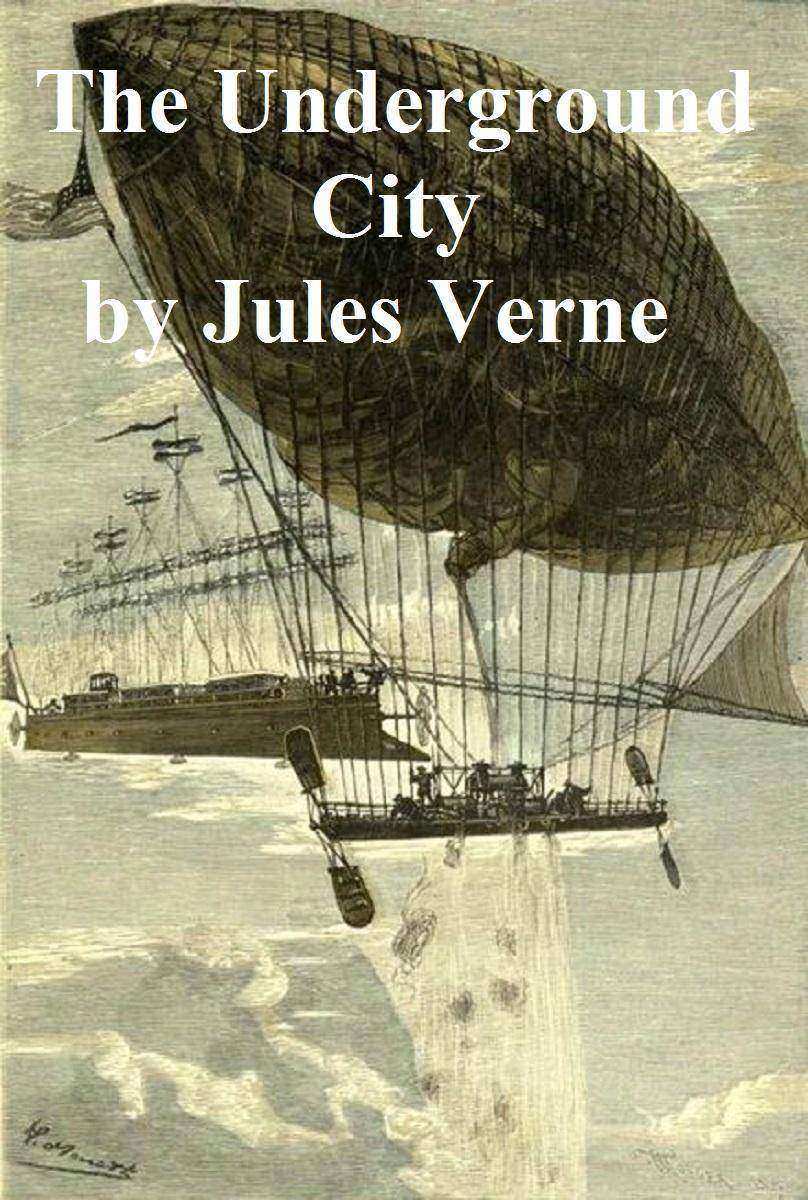
Classic science fiction novel. According to Wikipedia: "Jules Gabriel Verne (February 8, 1828-March 24, 1905) was a French author who pioneered the science-fiction genre. He is best known for novels such as Journey to the Center of the Earth (1864), Twenty Thousand Leagues under the Sea (1870), and Around the World in Eighty Days (1873). Verne wrote about space, air, and underwater travel before air travel and practical submarines were invented, and before practical means of space travel had been devised. He is the third most translated author in the world, according to Index Translationum. Some of his books have been made into films. Verne, along with H. G. Wells, is often popularly referred to as the "Father of Science Fiction"
The Merry Wives of Windsor, with line numbers
¥8.09
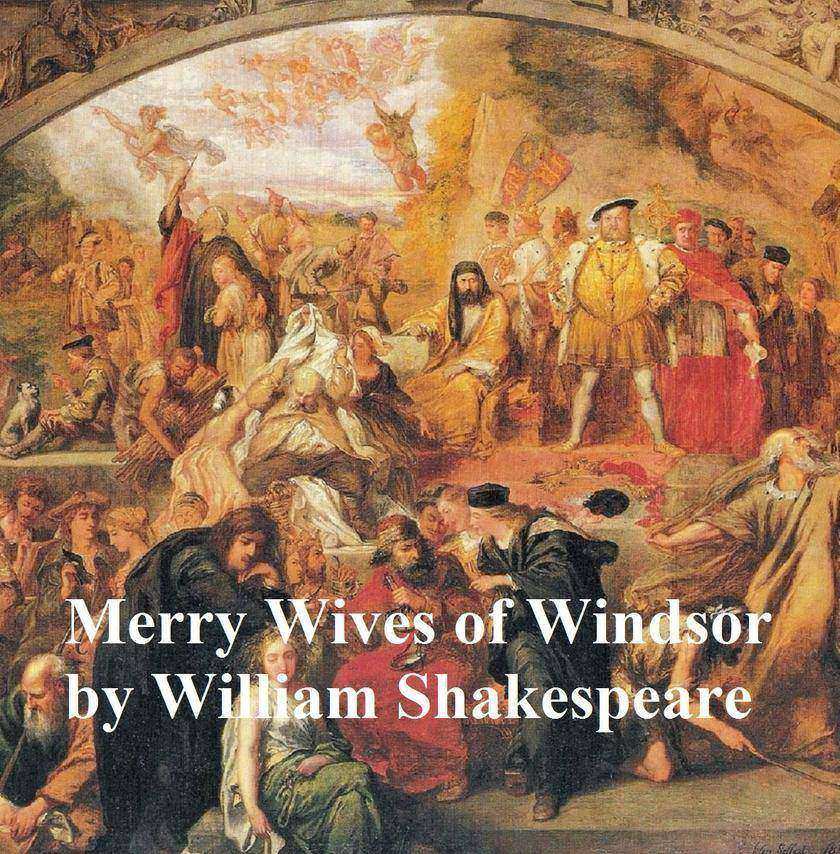
Classic Shakespeare comedy, with line numbers. According to Wikipedia: "William Shakespeare (baptised 26 April 1564 – died 23 April 1616) was an English poet and playwright, widely regarded as the greatest writer in the English language and the world's pre-eminent dramatist. He is often called England's national poet and the "Bard of Avon" (or simply "The Bard"). His surviving works consist of 38 plays, 154 sonnets, two long narrative poems, and several other poems. His plays have been translated into every major living language, and are performed more often than those of any other playwright."
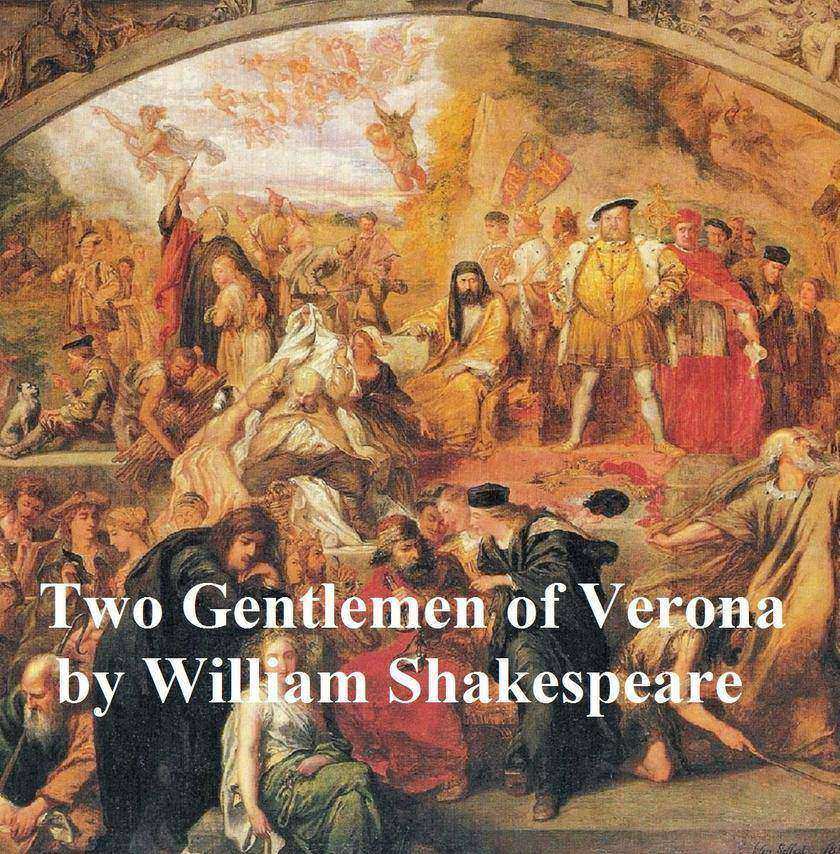
Two Gentlemen of Verona, with line numbers
¥8.09
Classic Shakespearean comedy. According to Wikipedia: "The Two Gentlemen of Verona is a comedy by William Shakespeare from early in his career. It has the smallest cast of any of Shakespeare's plays, and is the first of his plays in which a heroine dresses as a boy. It deals with the themes of friendship and infidelity. The highlight of the play is considered by some to be Launce, the clownish servant of Proteus, and his dog Crab, to whom "the most scene-stealing non-speaking role in the canon" has been attributed."
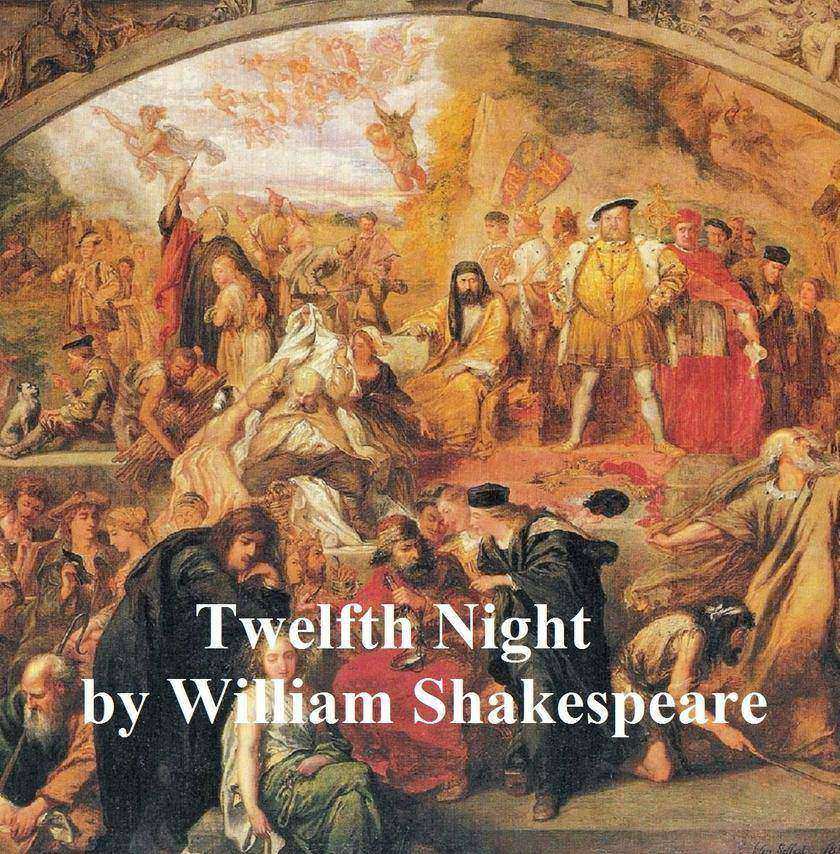
Twelfth Night, with line numbers
¥8.09
Classic Shakespearean comedy, with line numbers. According to Wikipedia: "Twelfth Night, Or What You Will is a comedy by William Shakespeare, based on the short story "Of Apollonius and Silla" by Barnabe Rich, which in turn was based on a story by Matteo Bandello. It is named after the Twelfth Night holiday of the Christmas season. It was written around 1601 and first published in the First Folio in 1623. The main title is believed to be an afterthought, created after John Marston premiered a play titled What You Will during the course of the writing."


