


 购物车
购物车 个人中心
个人中心

A Bravo Christmas Wedding (Mills & Boon Cherish) (Bravo Family Ties, Book 21)
¥31.10
Princess Aurora Bravo-Calabretti’s unroyal crush, Walker McKellan, has been employed as her bodyguard at a wedding. The trouble is, Aurora can’t help wishing that she was walking down the aisle herself… to meet Walker at the altar!
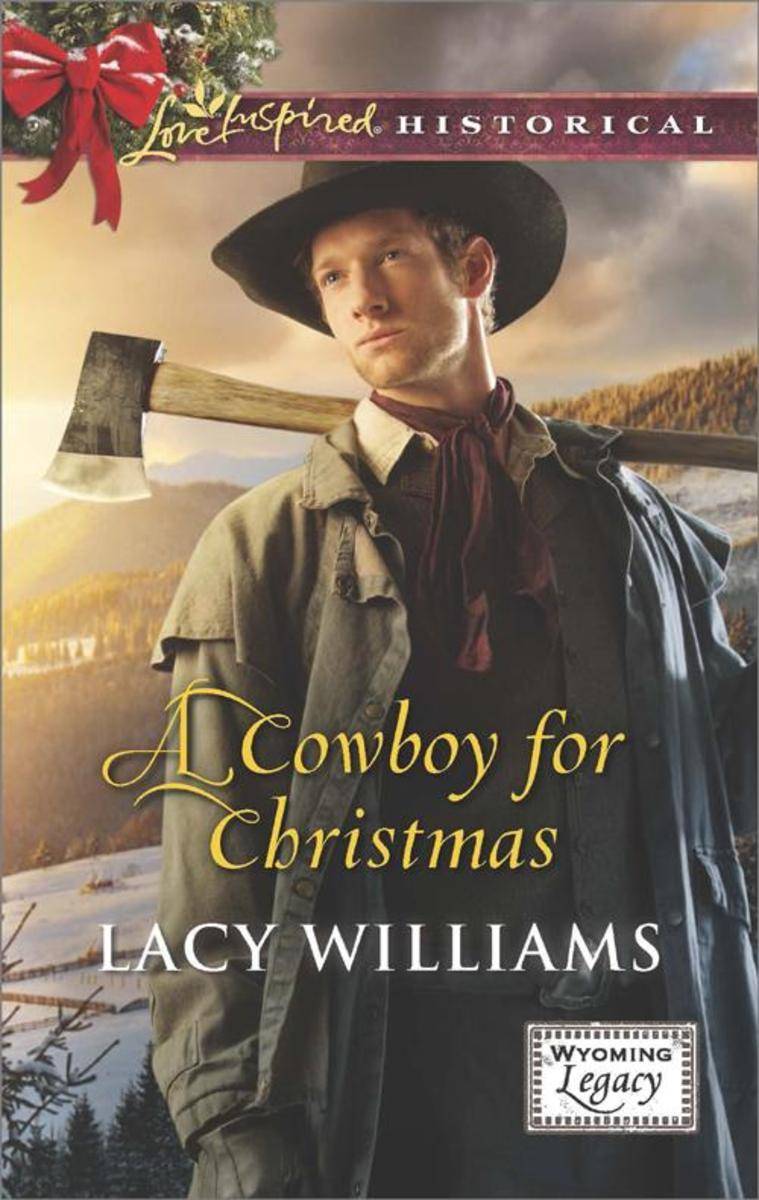
A Cowboy for Christmas (Mills & Boon Love Inspired Historical) (Wyoming Legacy,
¥25.60
From USA Today bestselling author Lacy Williams comes a story of redemption and hope renewed. Redemption Ranch After an accident leaves her injured, Daisy Richards stays secluded at her family's Wyoming ranch to avoid the town's gawking stares. Yet handsome cowboy newcomer Ricky White insists she can do anything she dreams--ride a horse, decorate a Christmas tree...even steal a man's heart. Once a reckless cad, Ricky is to blame for what happened to Daisy. Now reformed, he wants to make amends by setting things right for his boss's beautiful daughter in time for the holidays. But Daisy doesn't know Ricky's responsible for her predicament. When the truth is revealed, will he lose the greatest gift he's ever received--her trust? Wyoming Legacy: United by family, destined for love

A Diamond in Her Stocking (Mills & Boon Cherish)
¥31.10
Jesse Morgan can’t forget the incredible kiss he shared with Lizzie Dumont. But he hates the fact that she can’t see past his reputation as a heartbreaker. Now he’s on a mission to change her mind – and luckily Christmas is the most romantic season of the year!
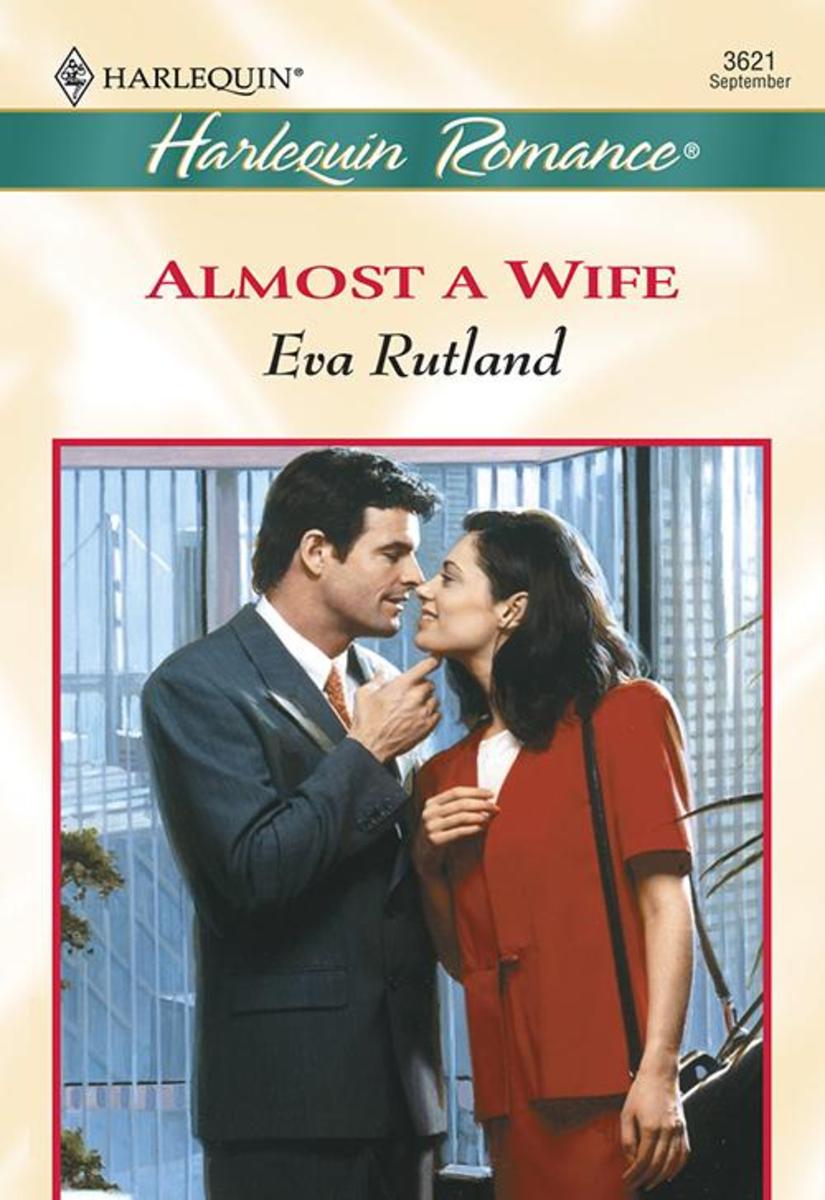
Almost A Wife (Mills & Boon Cherish)
¥31.10
Lisa loved her new job looking after two children–even though her employer, Tray Kingsley, had cost Lise her previous highly paid executive position. He had no idea they'd met before–or why Lisa was so mad at him! But living with Tray, caring for the children in his charge, Lisa was growing increasingly close to him. In practical terms she was almost his wife! What would she do if Tray suggested a marriage for real?
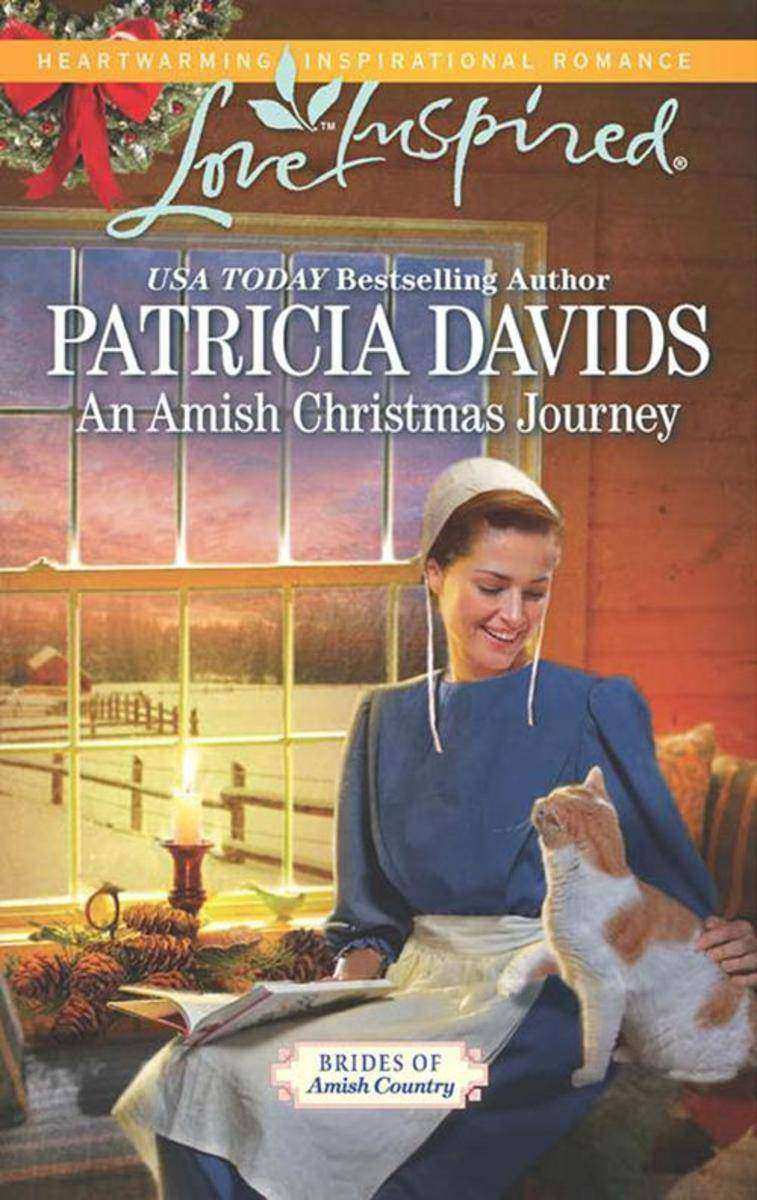
An Amish Christmas Journey (Mills & Boon Love Inspired) (Brides of Amish Country
¥31.10
Their Holiday Adventure Toby Yoder promised to care for his orphaned little sister the rest of her life. After all, the tragedy that took their parents and left her injured was his fault. Now he must make a three-hundred-mile trip from the hospital to the Amish community where they'll settle down. But as they share a hired van with pretty Greta Barkman, an Amish woman with a similar harrowing past, Toby can't bear for the trip to end. Suddenly, there's joy, a rescued cat named Christmas and hope for their journey to continue together forever. Brides of Amish Country: Finding true love in the land of the Plain People Toby Yoder promised to care for his orphaned little sister the rest of her life. After all, the tragedy that took their parents and left her injured was his fault. Now he must make a three-hundred-mile trip from the hospital to the Amish community where they'll settle down. But as they share a hired van with pretty Greta Barkman, an Amish woman with a similar harrowing past, Toby can't bear for the trip to end. Suddenly, there's joy, a rescued cat named Christmas and hope for their journey to continue together forever. Brides of Amish Country: Finding true love in the land of the Plain People

Bachelor By Design: Bachelor By Design / Too Hot For Comfort (Mills & Boon Silho
¥38.65
BACHELOR BY DESIGN Whether you're looking for lattes or love, you'll find both at Cafe Romeo… Building contractor Trace Callahan is determined to stay single–even if his aunt reads romance in his coffee grounds–until he finds the perfect woman. And that woman is definitely unlike Chloe D'Onofrio, the hot-tempered interior designer who bumps heads with him at every turn. She's too opinionated, too unpredictable, much too pretty–and keeps a cache of stolen diamonds under her staircase. So naturally, Trace can't help falling in love…. TOO HOT FOR COMFORT Something was sizzling…and it wasn't steak… Sally Beaumont thought a call-in cooking show was a brilliant idea…at the time. Unfortunately, listeners thought Too Hot for Comfort referred to the bedroom, not the kitchen! Suddenly Sally was the local expert on S.E.X.–a topic that simply wasn't discussed in Comfort, Texas. Someone was even making threats, but more disturbing was that Jake Nolte–retired cop, sexy next-door neighbor–was watching over her…driving her crazy with thoughts of S.E.X.

Beauty And The Bachelor: Beauty And The Bachelor / Counterfeit Daddy (Mills & Bo
¥38.65
Beauty and the Bachelor Whether you're looking for lattes for love, you'll find both at Café Romeo… Noah Callahan was a charming playboy who loved beautiful women–at least for a night or two. But as tempted as he was by gorgeous Sabrina Lovett, he wasn't taking any chances! His aunt Sophie's bachelor traps had already snared his two older brothers. But when the feisty redhead threatened Café Romeo's reputation, he had to step in…and could only hope he didn't lost his heart to Sabrina in the process. Counterfeit Daddy Family foolery! Chet James was getting rich writing a column about the trials and tribulations of being a single dad. Never mind that he was really a confirmed bachelor and childless! But when his editor, the tantalizing P.J. West, insisted on an exclusive week-in-the-life interview, he was left scrambling to borrow some kids and become the man she thought he was….
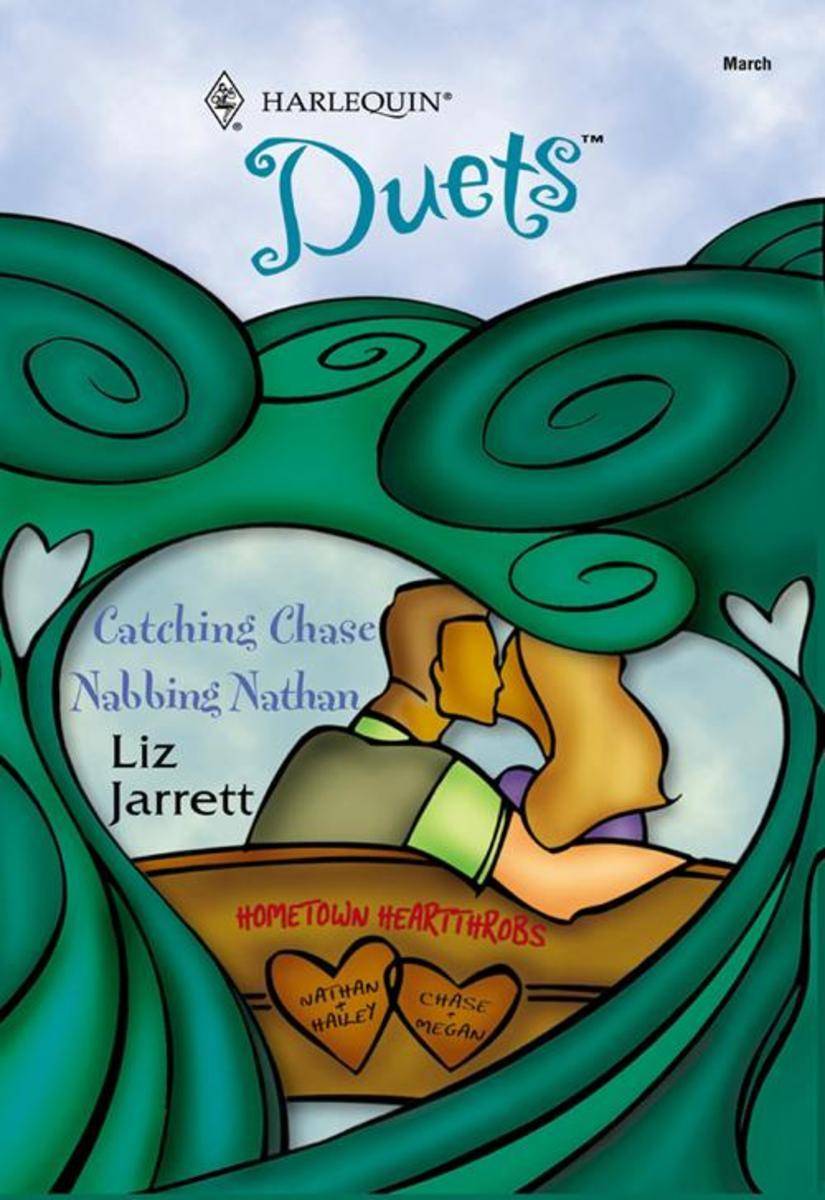
Catching Chase: Catching Chase / Nabbing Nathan (Mills & Boon Silhouette)
¥38.65
These Hometown Heartthrobs are home to stay… Catching Chase by Liz Jarrett Let the games begin! Handsome Devil #1, Chase Barrett, is on the bachelor block thanks to his matchmaking sister, Leigh. She's determined to do away with her three overprotective brothers–but in the nicest possible way! She's got Megan Kendall finally doing something about her hidden, long-held feelings for Chase–the rancher's always insisted there's no such thing as true love. But will Megan and the Barrett family turn Chase into a true believer instead? Nabbing Nathan by Liz Jarrett We have a winner, here! Handsome Devil #2, Nathan Barrett, knows what his crazy sister is up to, but as soon as he spots Hailey Montgomery, the unwitting would-be bride, he just can't help himself! He goes along with his sister, Leigh, and gives Hailey a job at his company and a place to live for the summer–before she leaves to finish her degree. It won't be soon enough though, since Leigh's put Hailey into high gear to fall for this Texas charmer!

Conveniently Wed (Mills & Boon Love Inspired Historical)
¥31.10
Husband by Necessity To save her family's homestead Daisy Mosley will do whatever it takes, even if it means marrying a rugged cowboy who thinks he knows best. But though the widowed mother of two takes Tucker Barlow into her home as her husband, she isn't ready to welcome him into her heart. Tucker knows his marriage to Daisy is about convenience, not love. But after years of hiding his feelings for his childhood friend, he wants to shower her with affection and favor her twin sons with the fatherly attention he'd missed. Can he show Daisy that he is more than just a practical groom–he is a man worthy of her love?
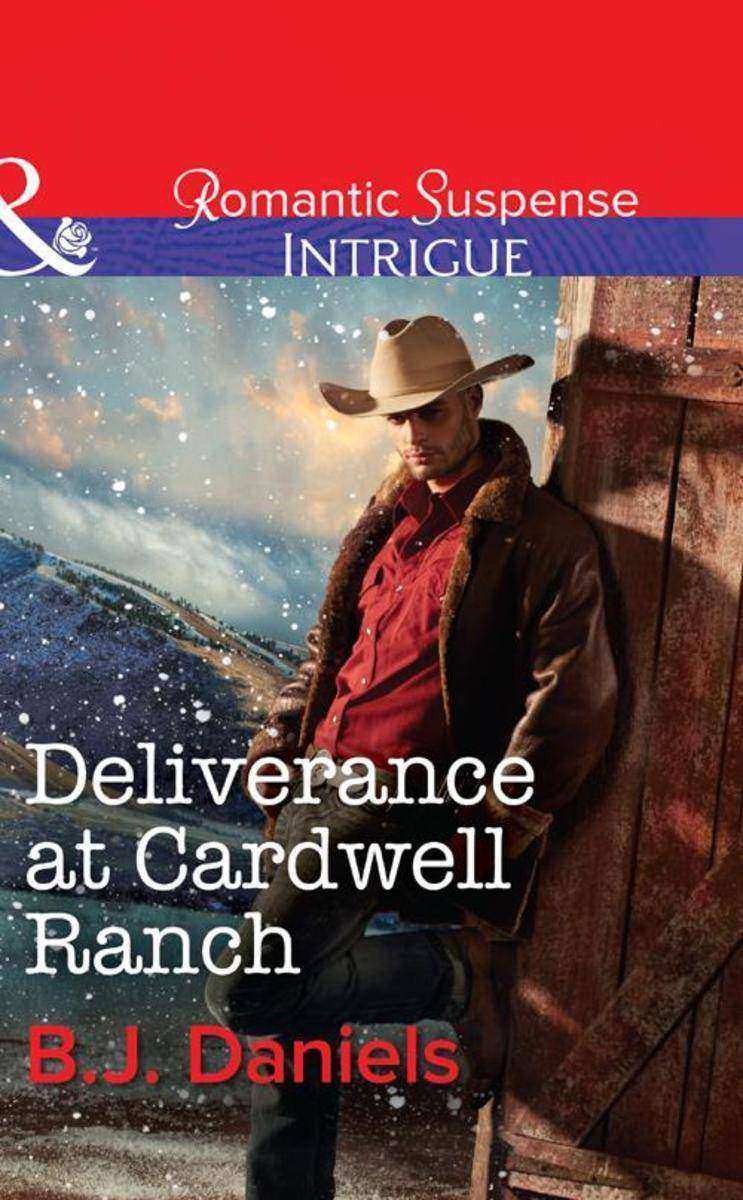
Deliverance at Cardwell Ranch (Mills & Boon Intrigue) (Cardwell Cousins, Book 3)
¥31.10
When deputy sheriff Austin Cardwell rescues a beautiful woman in a blizzard, it is only the beginning. While she has no memory of who she is and what she is fleeing, Austin knows she’s in danger… and as desire builds between them, he’ll do anything to keep her safe!

Doctor's Orders (Mills & Boon Silhouette)
¥25.60
CASSIE MILLER'S SYMPTOMS #1 Has no immunity to gossip, particularly regarding a certain single doctor. #2 Gets easily flustered and distracted when in presence of said doctor. #3 Heart starts racing at doctor's slightest touch. DR. BEAU'S ORDERS #1 Don't rely on appearances alone. Take the time to get to know someone–you might discover that the womanizing rich doctor is actually a down-home, one-woman kind of guy! #2 From the mouths of babes…come words to live and love by. (That new daddy your daughter wants just might be right in front of you…and the answer to all your dreams.) #3 If you're experiencing the classic symptoms of love, then marriage may be just what the doctor prescribed…
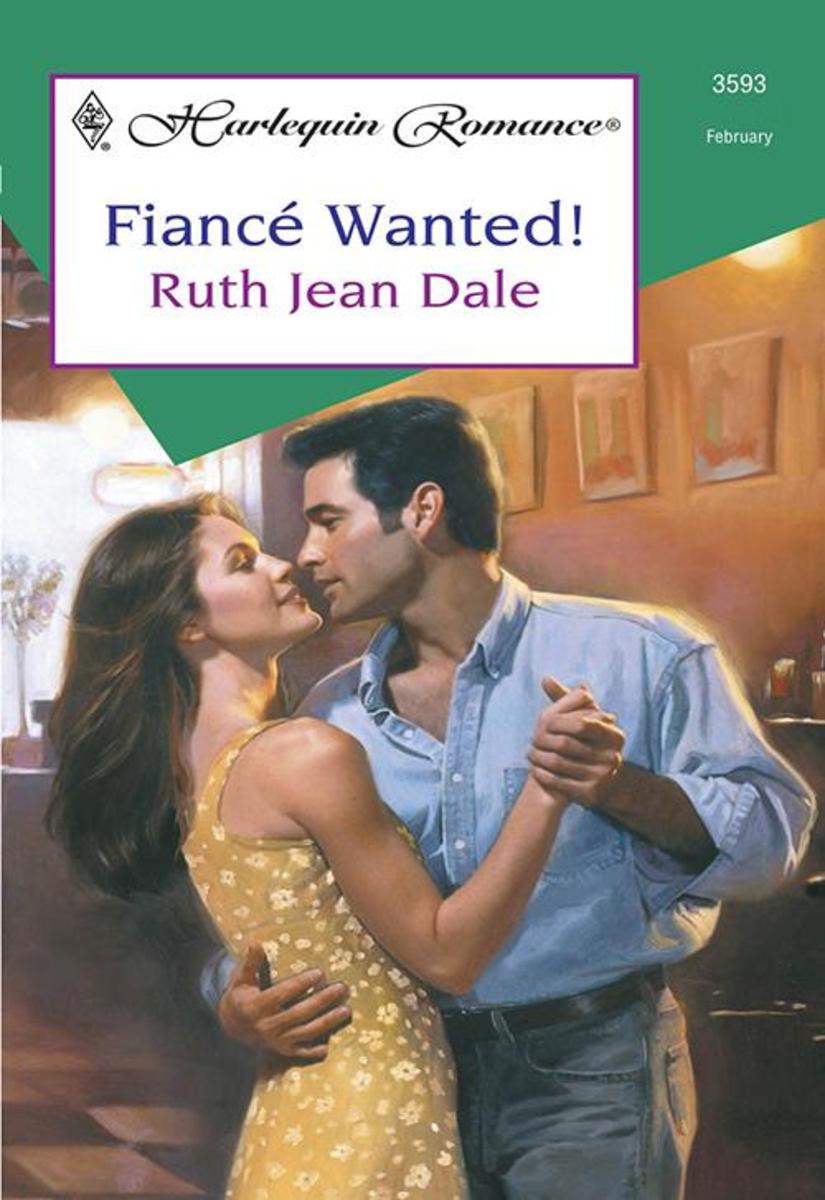
Fiance Wanted (Mills & Boon Cherish)
¥31.10
Katy Andrews was going to a family reunion where she knew her life just wouldn't be worth living she didn't take a man. Trouble was, all the decent men she knoew were too old, too young or too married, which left her with only one option… Laid-back rancher Dylan Cole was the man Katy loved to hate. They rarely managed to be in the same room for long without arguing! Now they had to call a truce long enough to convince Katy's family that they were engaged. But then they began to enjoy their pretend relationship a little too much…

Flamingo Place (Mills & Boon Kimani)
¥31.10
Play with the bad boys… Take away the entourage, the bad attitude and the bling, and Tre Monroe was everything Jen St. George had ever wanted in a man–he was handsome, rich and he knew the kind of loving she needed. But her hip-hop, playboy neighbor lived hard, and she had no time for that. But don't take them home! Still, there was more to him than just the facade. Yet, Jen didn't know if she could risk her heart to a man who moved so fast. She'd have to teach him to enjoy slowing down and taking his time. Especially if she made it worth his while….
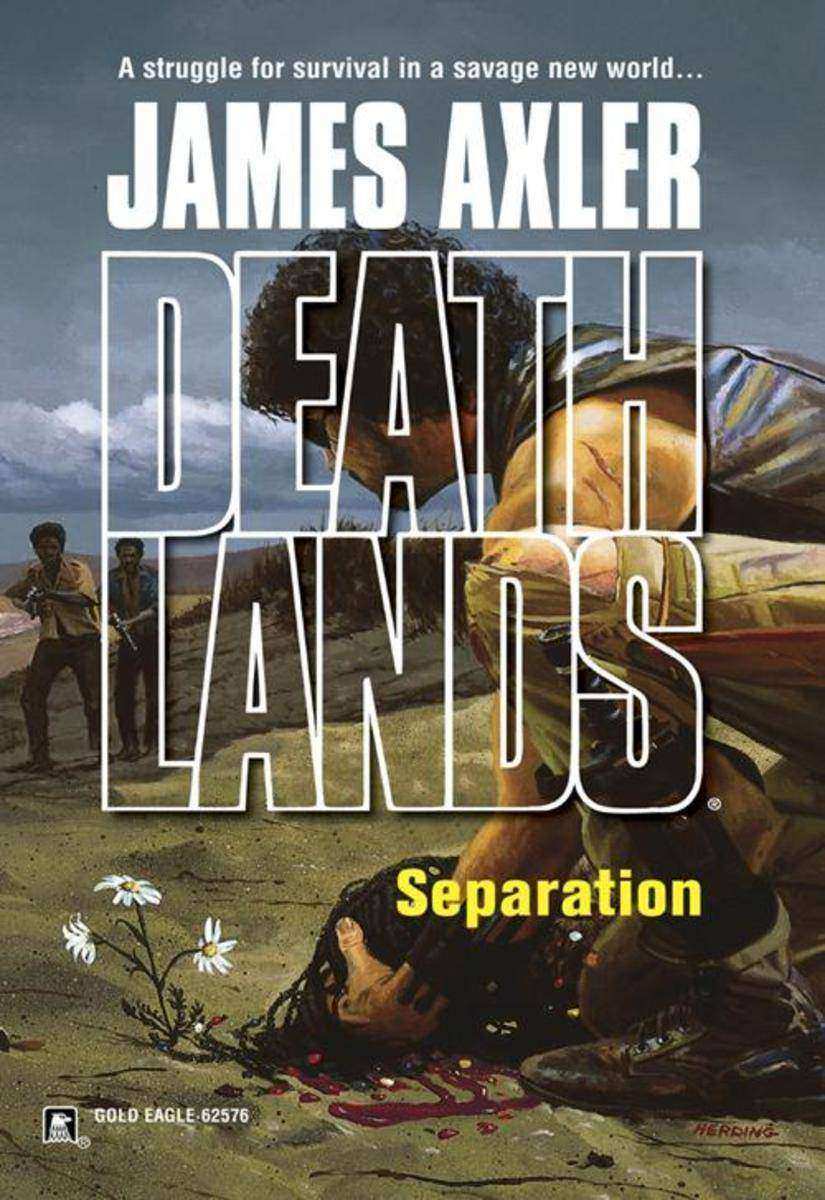
Separation
¥25.60
Hard strength and resilience are needed to survive each new day in the treacherous world of post nuclear America. For Ryan Cawdor and his companions, honour, integrity and a willingness to kill are necessary as well, as they struggle to balance a survivalist spirit with a warrior's resolve to press on, living by their own rules in a tortured land, pursuing a dream that leads them into the unknown…. Ryan and his group make their way to a remote island in hopes of finding brief sanctuary. Instead, they are captured by an isolated tribe of descendants of African slaves from pre-Civil War days. When the tribesmen declare Mildred Wyeth "free" from her white masters, it is a twist of fate that ultimately leads the battle hardened medic to question where her true loyalties lie. Will she side with Ryan, J. B. Dix and those with whom she has forged a bond of trust and friendship…or with the people of her own blood? But the loss of Mildred is not the only threat the group faces–in a treacherous world where the ties that bind can cut both ways. In the Deathlands, the future is not what it used to be….
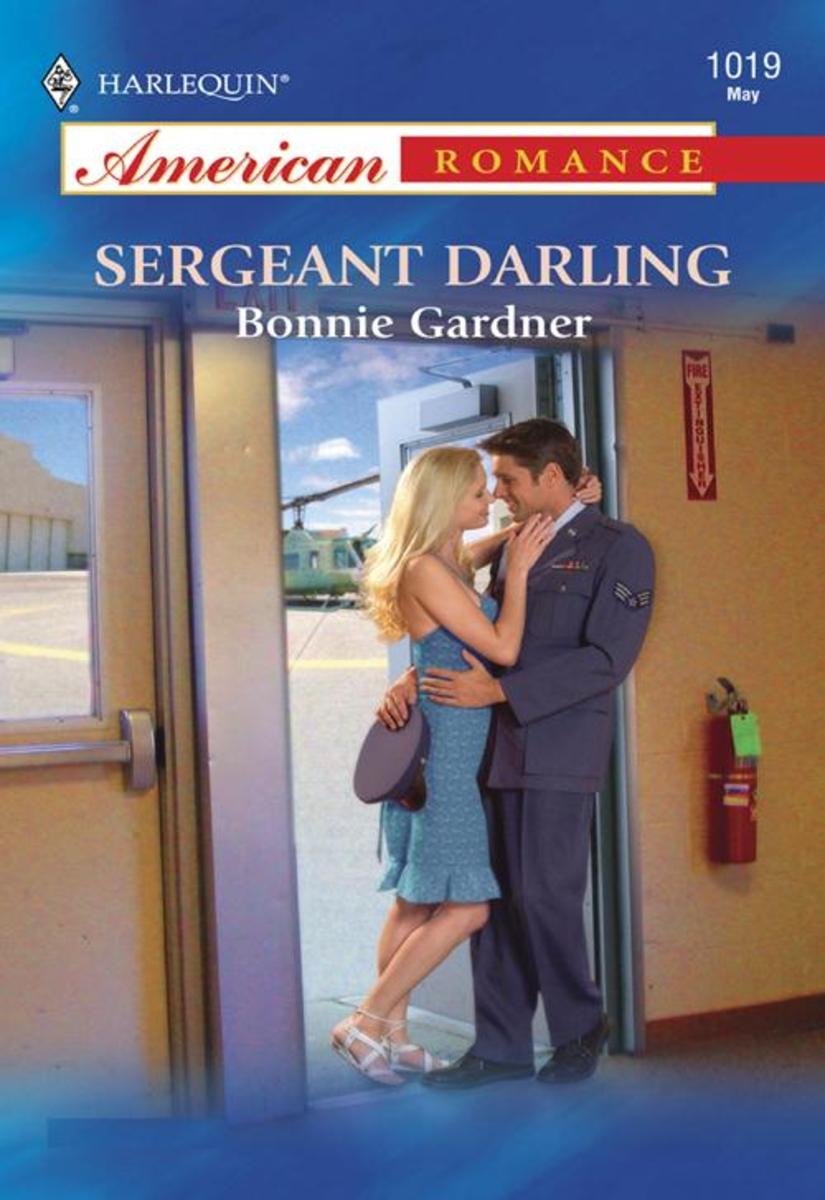
Sergeant Darling (Mills & Boon American Romance)
¥31.10
Mission Impossible? Nurse Patsy Pritchard wears her hospital uniform like camouflage gear, hiding a lonely heart she's declared off-limits to the men who try to get close. Then her eccentric aunt concocts a campaign with a handsome sergeant in mind, and Patsy knows her conflicts will only get worse–unless there's an unconditional surrender. Ray Darling has seen his share of hot spots and tough places, but getting through to the lovely blue-eyed blonde may be the hardest challenge yet. And just when his hopes appear to be more than dreams, he's sent overseas–and the gulf between him and Patsy is wider than ever…. When two people are caught up in their own private wars, they just might need unconventional tactics to conquer the obstacles ahead!

Serpent's Lair
¥25.60
SUICIDE MISSION Mack Bolan is dispatched to shut down a high-tech arms deal brokered by the Yakuza. But a simple assignment takes an ugly twist when Bolan's cover is blown. Outgunned, outnumbered and on the run with a gutsy kid in tow, Bolan's grim situation becomes worse when a new and deadlier enemy appears in his sights. An ancient cult is taking new recruits and its leader is manufacturing death in a canister. A temporary truce with his Yakuza enemies may be the Executioner's only chance. He has to stay alive long enough to halt the threat of the hour: a madman with a bioweapon that could wipe out the population of Japan… and beyond.
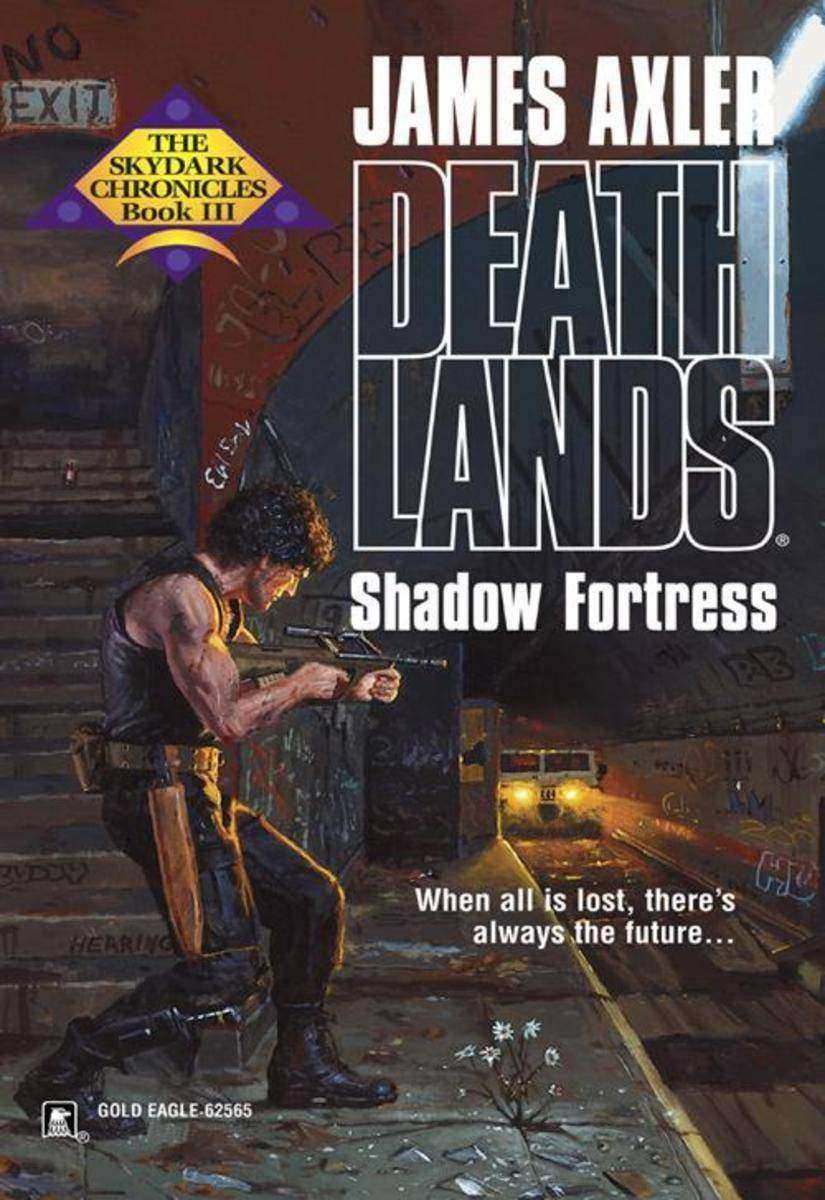
Shadow Fortress
¥25.60
A planet ravaged by the apocalyptic blast of 2001 gave birth to a new world of savagery–and a new breed of hero. In a land where violence rules with absolute authority, Ryan Cawdor and his wayfarer survivalists roam the strange, nascent twenty-second century, living by their own creed of honour as they continue their search for a sanctuary they can call home. In what was once the nuclear testing ground of the preDark world, the Marshall Islands are now the kingdom of the grotesque Lord Baron Kinnison. Here in this world of slavery and brutality the companions have fought a fierce war for survival, on land and sea–yet the crafty baron still conspires to destroy these interlopers. Activating a twentieth-century hot air balloon left untouched by the blast, they escape to the neighbouring pirate-ruled Forbidden Island, with the baron's sec men in hot pursuit–and become trapped in a war for total supremacy of this water world. Not even Deathlands can deny the human will to survive.
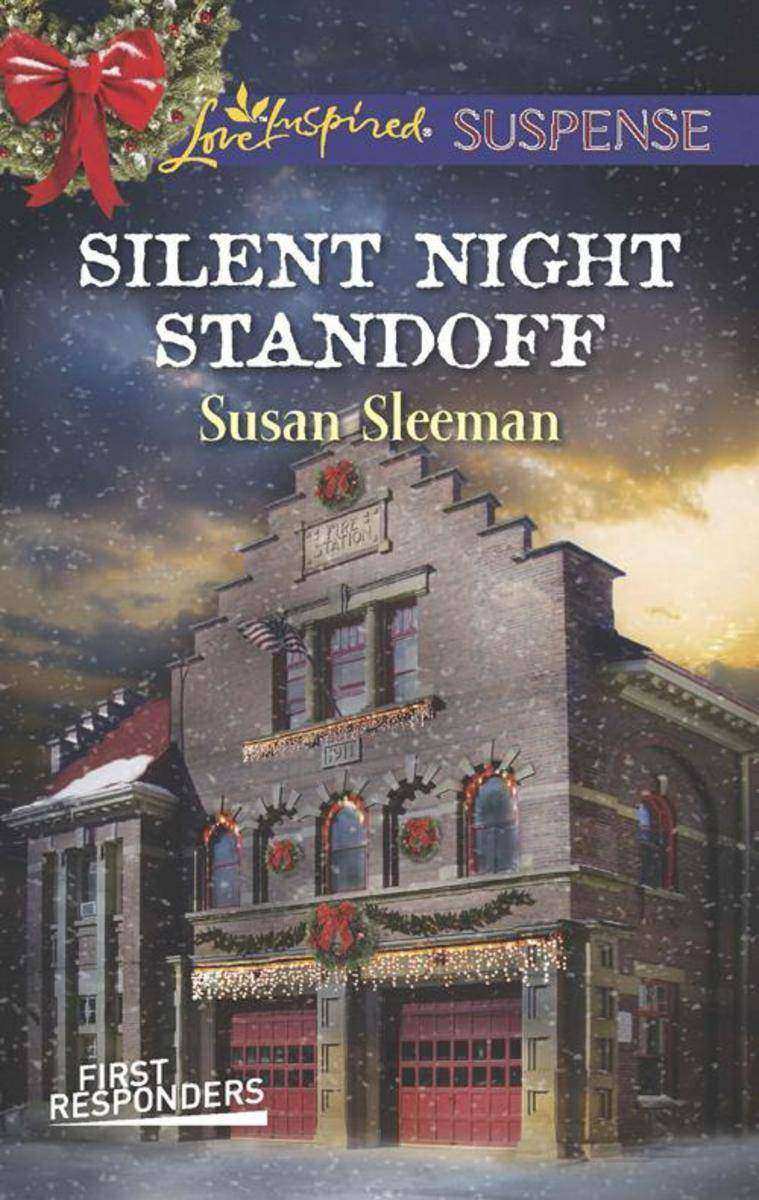
Silent Night Standoff (Mills & Boon Love Inspired Suspense) (First Responders, B
¥31.10
HOSTAGE SITUATION When armed robbers strike her bank, hostage negotiator Skyler Brennan's life is on the line. Rescue comes from the last person she thought she could count on–the ex-boyfriend who chose his job over their relationship. FBI agent Logan Hunter knows how much is resting on this case. The promotion of his dreams…and the safety of the woman he's never been able to forget. But when an unexpected twist in the case pulls Logan in two separate directions, he'll have to make an impossible choice. Will he manage to have it all by Christmas–a career and love–or will he lose them both? First Responders: Brave men and women alert and ready for danger and love.
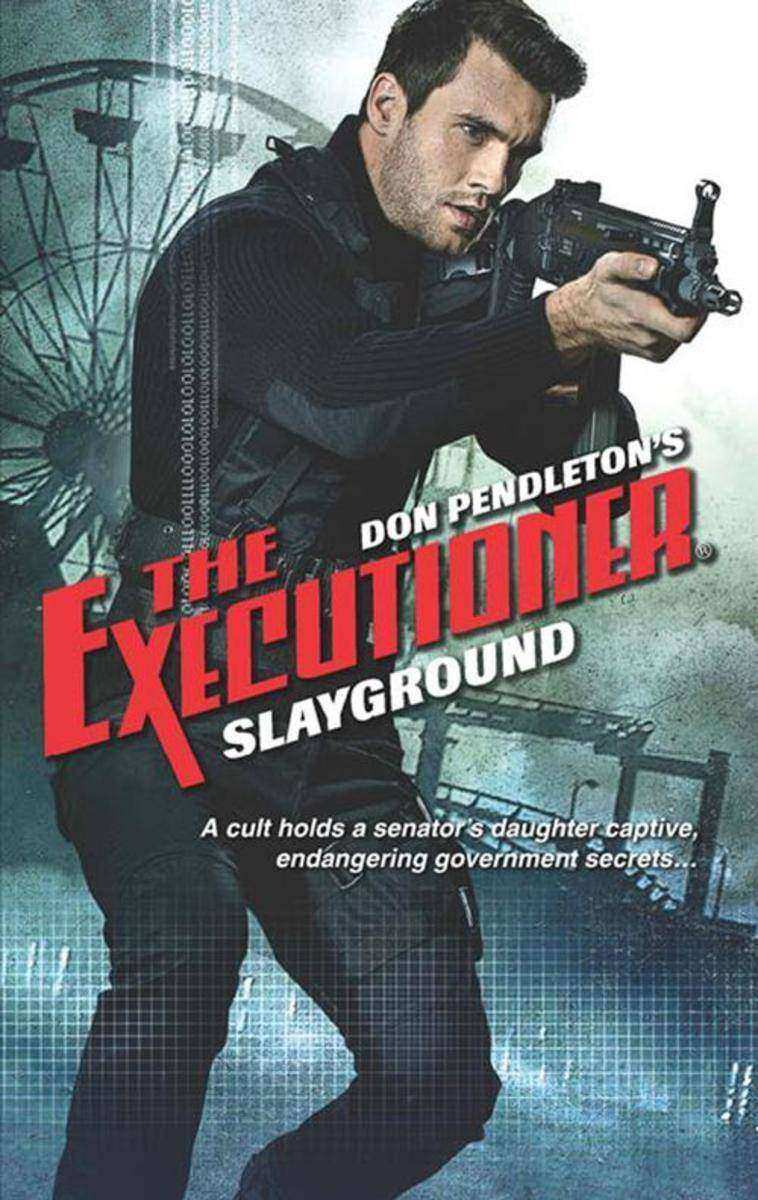
Slayground
¥25.60
SWAMP FEVERS National security is on the line when a senator's daughter disappears from her Florida college. The leader of the cult responsible is desperate to boost his sect's influence by gaining access to the sensitive government information the girl possesses…even if she dies in the process. Needing to act fast, but quietly, the White House sends Mack Bolan deep into the swamplands. Bolan's mission is to rescue the girl before she gives up any secrets, but infiltrating the leader's stronghold is no easy feat. Using the humid, marshy landscape to their advantage, the cult has laced the swamps with armed guards and deadly traps. And when Bolan discovers the sect's most dangerous weapons threaten the mind, not the body, he realizes he'll need more than guns and brawn to win this battle. But the Executioner has put his faith in justice, and he won't quit until his enemies are converted.

Splinter Cell
¥25.60
AVENUE OF ATTACK The disappearance of a tourist in Amsterdam is attributed to a rise in kidnappings of Westerners by terrorists. But those inside U.S. Intelligence know better. The hostage is a top American nuclear expert. When the scientist's brother, a former Army Ranger, is set to go it alone for a full-throttle rescue, the Oval Office puts Mack Bolan in charge. But the odds of extracting the man from enemy hands are next to impossible and getting worse. Low on hard intel, the Executioner and his highly trained companion must rely on a CIA informant to lead them into the heart of one of the most dangerous terrorist cells on the planet before any worst-case scenarios can erupt.

Spring In The Valley (Mills & Boon American Romance)
¥31.10
North Versus South… Police officer Brynn Sawyer is all but married to Pleasant Valley, her picture-perfect Southern hometown. And even if she were in the mood for romance, smooth New York lawyer Rand Benedict is the opposite of everything Brynn wants in a man. So why can't she stop thinking about him and his little boy, Jared? Rand can't deny the electric chemistry that burns between him and the beautiful Brynn. But Rand's real motivation for his arrival in Pleasant Valley isn't pleasant at alL.and the discovery of his secret just might tear apart a once-in-a-lifetime chance at love.


