


 购物车
 个人中心


Az élet kódja: Titokzatos kvantumok
¥74.56
Az élet kódja: Titokzatos kvantumok

Kódfejt?
¥74.56
Kódfejt?
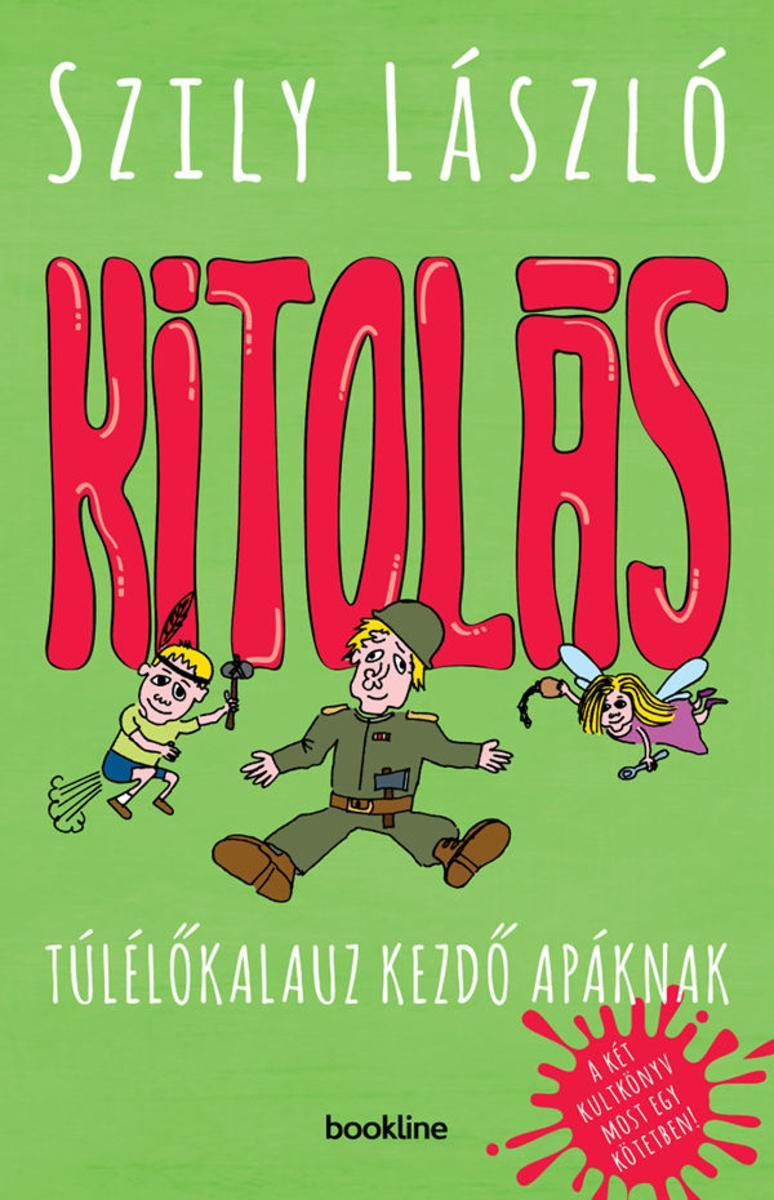
Kitolás: Túlél?kalauz kezd? apáknak
¥74.56
Kitolás: Túlél?kalauz kezd? apáknak
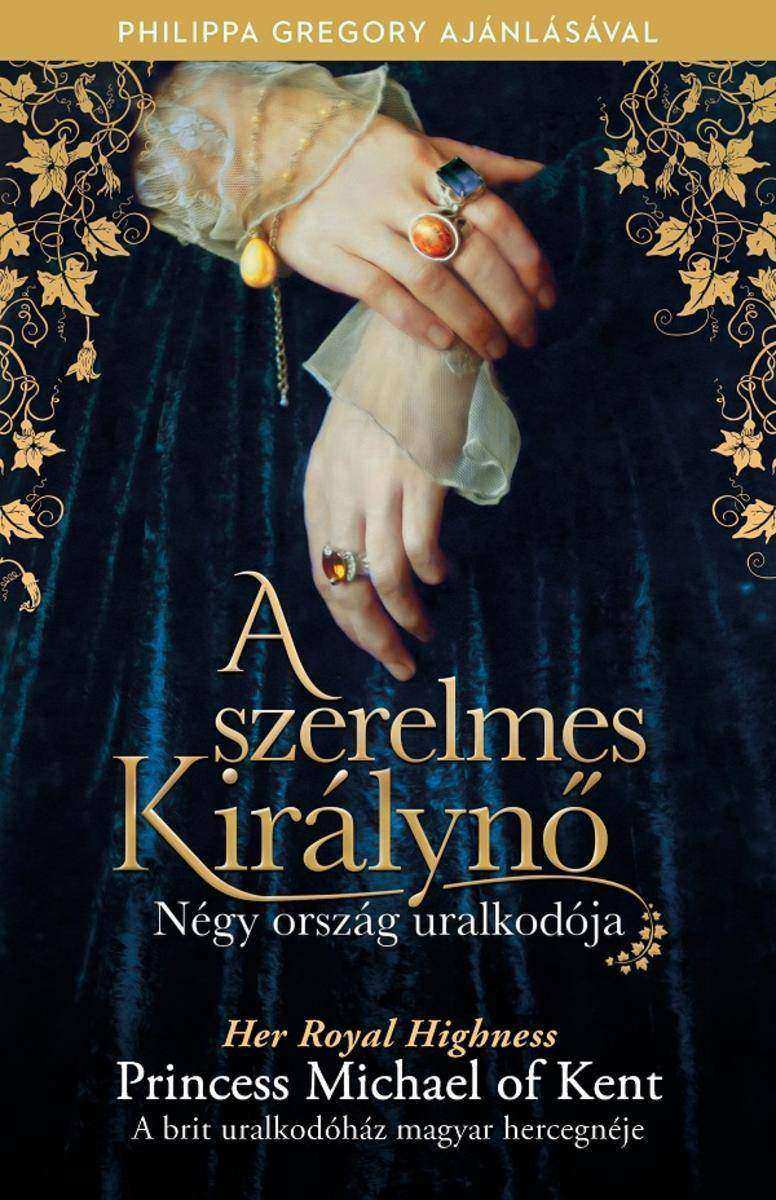
A szerelmes Királyn?: Négy ország uralkodója
¥74.56
A szerelmes Királyn?: Négy ország uralkodója
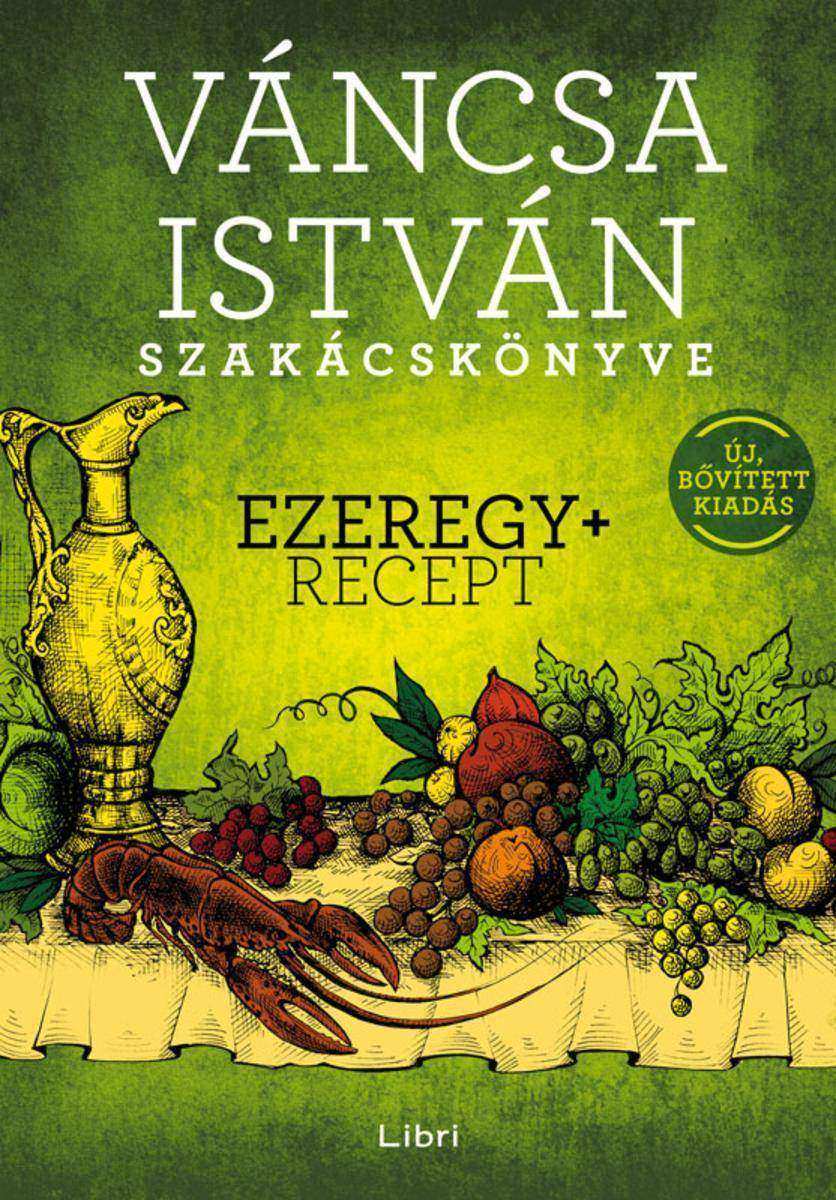
Váncsa István szakácsk?nyve
¥91.99
Váncsa István szakácsk?nyve

Viszlát, kilók! Helló, zsír!: A tartós fogyás és életer? titka
¥69.73
Viszlát, kilók! Helló, zsír!: A tartós fogyás és életer? titka

A lányok
¥66.79
A lányok

Fekete lapok - Wild Cards 1.
¥66.79
Fekete lapok - Wild Cards 1.

A boltkóros és a nagy szemfényvesztés
¥67.12
A boltkóros és a nagy szemfényvesztés
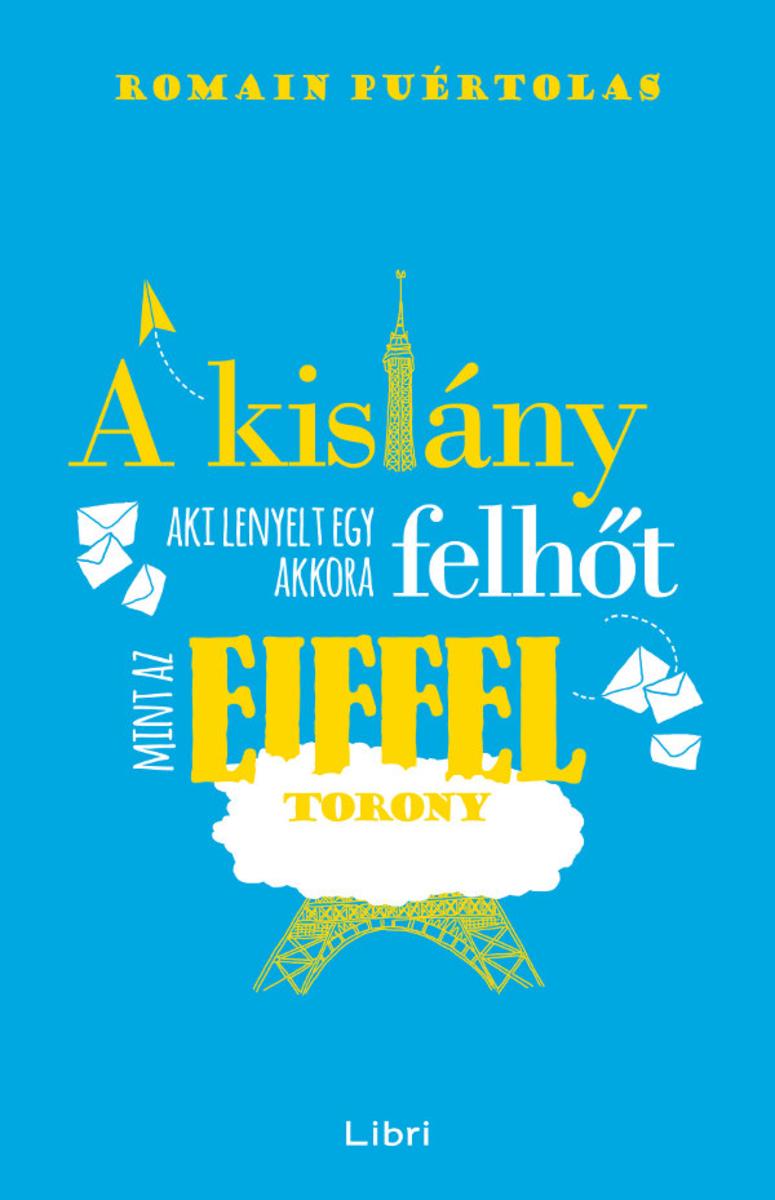
A kislány, aki lenyelt egy akkora felh?t, mint az Eiffel-torony
¥66.79
A kislány, aki lenyelt egy akkora felh?t, mint az Eiffel-torony
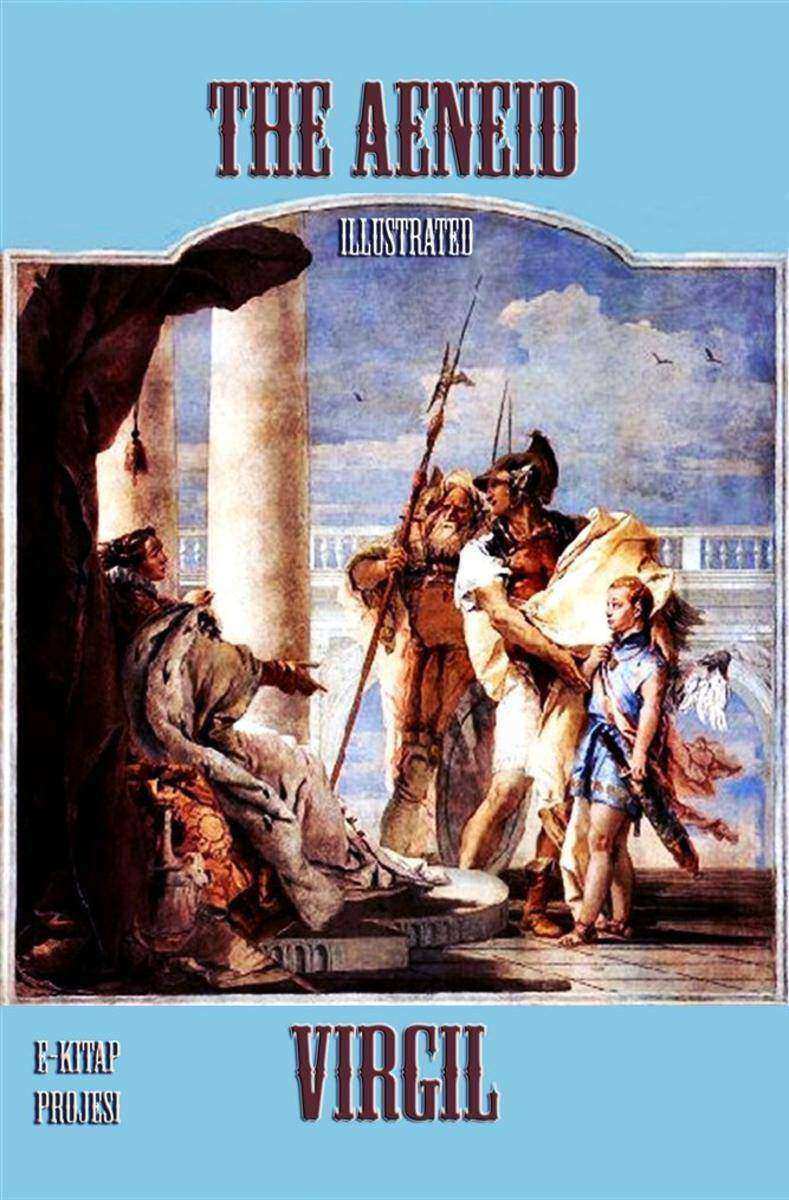
The Aeneid: "Illustrated"
¥18.74
"Where ocean bathes earth's footstool these sea-bowersBedeck its solid wavelets: wise was heWho blended shore with deep, with seaweed flowers,And Naiads' rivulets with Nereids' sea." Strictly speaking the peninsula on which the city stands is of the form of a trapezium. It juts out into the sea, beating back as it were the fierce waves of the Bosphorus, and forcing them to turn aside from their straight course and widen into the Sea of Marmora, which the ancients called the Propontis, narrowing again as it forces its way between the near banks of the Hellespont, which rise abrupt and arid from the European side, and slope gently away in Asia to the foot of Mount Ida. Northwards there is the little bay of the Golden Horn, an arm as it were of the Bosphorus, into which run the streams which the Turks call the Sweet Waters of Europe. The mouth of the harbour is no more than five hundred yards across. The Greeks of the Empire spanned it by a chain, supported here and there on wooden piles, fragments of which still remain in the Armoury that was once the church of S. Irene. Within is safe anchorage in one of the finest harbours of the world. South of the Golden Horn, on the narrow tongue of land—narrow it seems as seen from the hills of the northern shore—is the city of Constantine and his successors in empire, seated, like the old Rome, on seven hills, and surrounded on three sides by sea, on the fourth by the still splendid, though shattered, medi?val walls. Northwards are the two towns, now linked together, of Pera and Galata, that look back only to the trading settlements of the Middle Ages.The single spot united, as Gibbon puts it, the prospects of beauty, of safety, and of wealth: and in a masterly description that great historian has collected the features which made the position, "formed by Nature for the centre and capital of a great monarchy," attractive to the first colonists, and evident to Constantine as the centre where he could best combine and command the power of the Eastern half of his mighty Empire. Byzantium Before Constantine.It is impossible to approach Constantinople without seeing the beauty and the wonder of its site. Whether you pass rapidly down the Bosphorus, between banks crowned with towers and houses and mosques, that stretch away hither and thither to distant hills, now bleak, now crowned with dark cypress groves; or up from the Sea of Marmora, watching the dome of S. Sophia that glitters above the closely packed houses, till you turn the point which brings you to the Golden Horn, crowded with shipping and bright with the flags of many nations; or even if you come overland by the sandy wastes along the shore, looking across the deep blue of the sea to the islands and the snow-crowned mountains of Asia, till you break through the crumbling wall within sight of the Golden Gate, and find yourself at a step deep in the relics of the middle ages; you cannot fail to wonder at the splendour of the view which meets your eyes. Sea, sunlight, the quaint houses that stand close upon the water's edge, the white palaces, the crowded quays, and the crowning glory of the Eastern domes and the medi?val walls—these are the elements that combine to impress, and the impression is never lost. Often as you may see again the approach to the imperial city, its splendour and dignity and the exquisite beauty of colour and light will exert their old charm, and as you put foot in the New Rome you will feel all the glamour of the days that are gone by.

Пока не взошла луна (Poka ne vzoshla luna)
¥18.07
Щороку ми д?зна?мося дедал? б?льше нових сл?в у галуз? економ?ки, комп’ютерних технолог?й ? маркетингу, натом?сть невпинно убож?? наш лексикон у сфер? етики й морал?. Дев?д Брукс б’? на сполох: очевидно, що сучасне сусп?льство у гонитв? за новац?ями нехту? усталеними етичними принципами, втрача? моральн? стимули й ?деали, руйну? св?й духовний стрижень. ?ДНК особистост?? про те, як переглянути власн? пр?оритети ? зосередитися на внутр?шн?х чеснотах. Вона покаже, як деяким людям вдалося проторувати шлях до сильного характеру ? стати г?дною особист?стю. ?хн? ?стор?? стануть для читача певними ор??нтирами у пошуках власно? стратег?? гартування характеру, допоможуть п?знати себе, в?днайти душевну гармон?ю ? щастя.

Вазочки, конфетницы, корзинки.
¥17.74
Капталзм свобода — класика полтико-економчно лтератури ХХ столття — як нколи актуальна для Украни. Нобелвський лауреат Млтон Фрдман розгляда зв’язок мж економчною та полтичною свободою. Вн опису, чому варто обмежити вплив держави в економку, децентралзувати владу, забезпечити гнучкий валютний курс, роздержавити сфери освти соцального забезпечення.

The Critique of Pure Reason
¥28.04
Piping down the valleys wild,?Piping songs of pleasant glee,?On a cloud I saw a child,?And he laughing said to me:??"Pipe a song about a Lamb!"?So I piped with merry cheer.?"Piper, pipe that song again;"?So I piped: he wept to hear.??"Drop thy pipe, thy happy pipe;?Sing thy songs of happy cheer!"?So I sang the same again,?While he wept with joy to hear.??"Piper, sit thee down and write?In a book, that all may read."?So he vanish'd from my sight;?And I pluck'd a hollow reed,??And I made a rural pen,?And I stain'd the water clear,?And I wrote my happy songs?Every child may joy to hear. ?

Закусочные и сладкие пироги, пирожки, тарты, киши
¥17.74
Багато людей не визначають пр?оритет?в, не формулюють мети життя ?, як насл?док, просто пливуть за теч??ю. Так? люди ризикують опинитися не там, де хот?ли. Коли житт?ва р?ка почина? кидати тебе на порогах, де шукати рят?вний круг, як не втратити весло, що допоможе повернутися на обраний шлях? Автори ц??? книжки — в?домий блогер Майкл Гаят ? б?знес-тренер Ден?ел Гаркав? — вважають, що вряту? ефективний житт?вий план. ??Книжка ?Дивись уперед? покрокова ?нструкц?я з? створення карти д?й, яка стане вашим найважлив?шим проектом. Книжка стане в нагод? ус?м, хто хоче розвиватись ? зм?нюватись, та вважа?, що життя ма? приносити рад?сть.

Тринадцята казка (Trinadcjata kazka)
¥27.22
Одного дня життя дев’ятир?чного хлопчика повн?стю зм?нилося. Дитяча ц?кав?сть обернулася страшною пожежею, внасл?док яко? хлопчик отримав оп?ки майже усього т?ла. Пробувши у л?карн? п’ять м?сяц?в, в?н пережив ампутац?ю пальц?в та бол?сну реаб?л?тац?ю. Але якщо рубц? на т?л? можна прикрити одягом, то що робити ?з душевними шрамами? Чи можна п?сля цього мр?яти про повноц?нне щасливе життя? ?У полум’?? — це книга-спов?дь про незламн?сть, пошук себе ? велику роботу на шляху до усп?ху. Вона написана на основ? реальних под?й, як? зм?нили життя багатьох людей.

Торты нашего детства. Мамочкина вкуснятина!
¥17.99
Книга объединяет два главных прижизненных издания основателя и ярчайшего представителя поэзии абсурда. Эдвард Лир (1812-1888) – прославленный английский поэт и художник, отец литературного лимерика, жанра, оказавшего заметное влияние на литературу конца XIX и всего XX века. Лимерики (216 забавных пятистиший) приведены на языке оригинала с параллельными переводами, выполненными лучшим российским интерпретатором поэзии нонсенса Борисом Архипцевым, и сопровождаются авторскими иллюстрациями. Переводчик посвятил работе более 20 лет жизни, добившись уникального результата, невиданной прежде полноты раскрытия авторского замысла в сочетании с красотой и естественностью звучания русского стиха. ?…Архипцев переводит Эдварда Лира, как благочестивый толковник – Писание: он передает и смысл, и звук. Точен – часто до мельчайших деталей. Звучен – до самой лихой эквилибристики…??Н. Горбаневская. Книга погружает читателя в атмосферу тонкого английского юмора, превосходно переданного переводчиком, в мир абсурда, делая его близким и понятным человеку любого возраста – от младшего школьного до старшего пенсионного. Издательство Animedia Company желает вам приятного чтения.
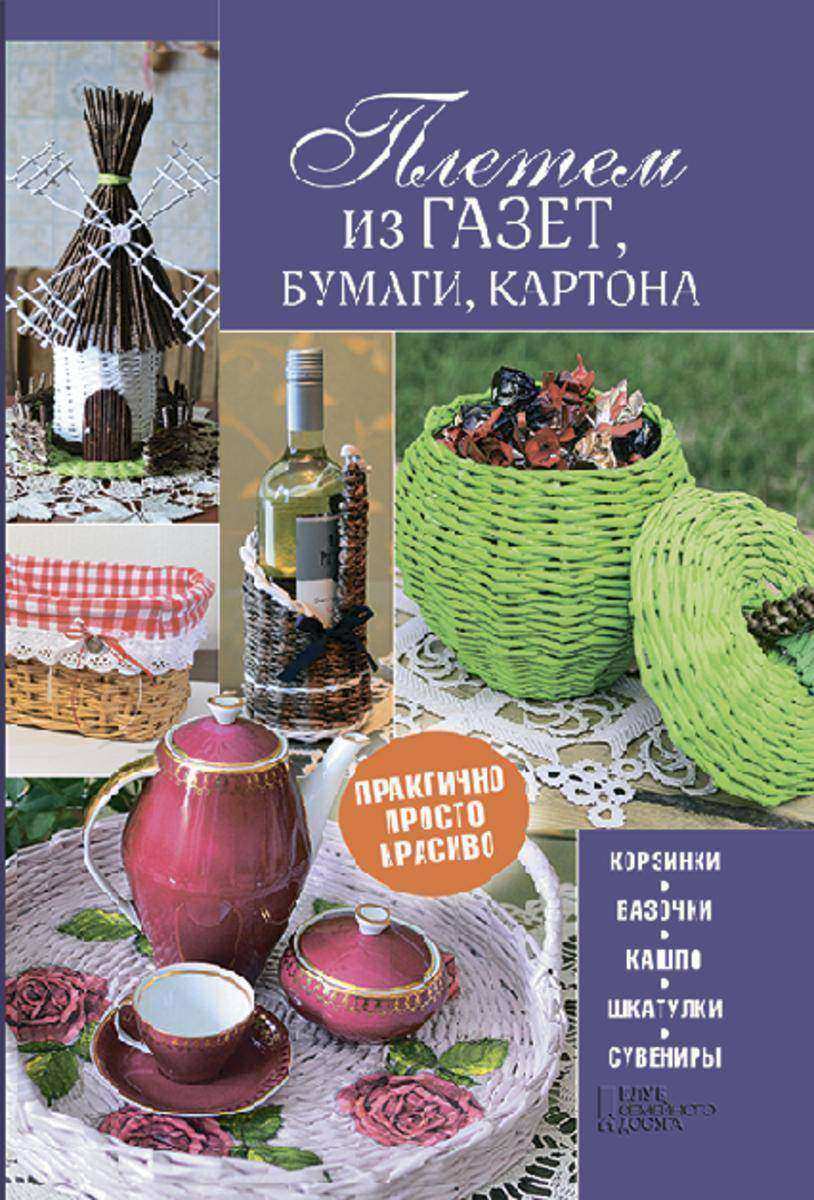
Плетем из газет, бумаги, картона (Pletem iz gazet, bumagi, kartona)
¥17.74
Rū?ītis ?ī skaistā pasaka ir mazā elfa dzīves stāsts. Vi?? mitinājās bagāta tirgotāja mājā un vienmēr bija pārticis.? ?ajā mājā dzīvoja arī kāds trūcīgs students, kur? bie?i cieta badu, jo visu naudu tērēja grāmatām. Kādu dienu Rū?ītis ieskatījās studenta istabi?ā pa atslēgas caurumu. Ko vi?? tur ieraudzīja? Kas notika tālāk? Lasiet pa?i! ?ajā burvju pasakā ir daudzas svarīgas patiesības un morāles vērtības. Tās saturs, noska?a un krāsainās ilustrācijas noteikti iepriecinās visus bērnus
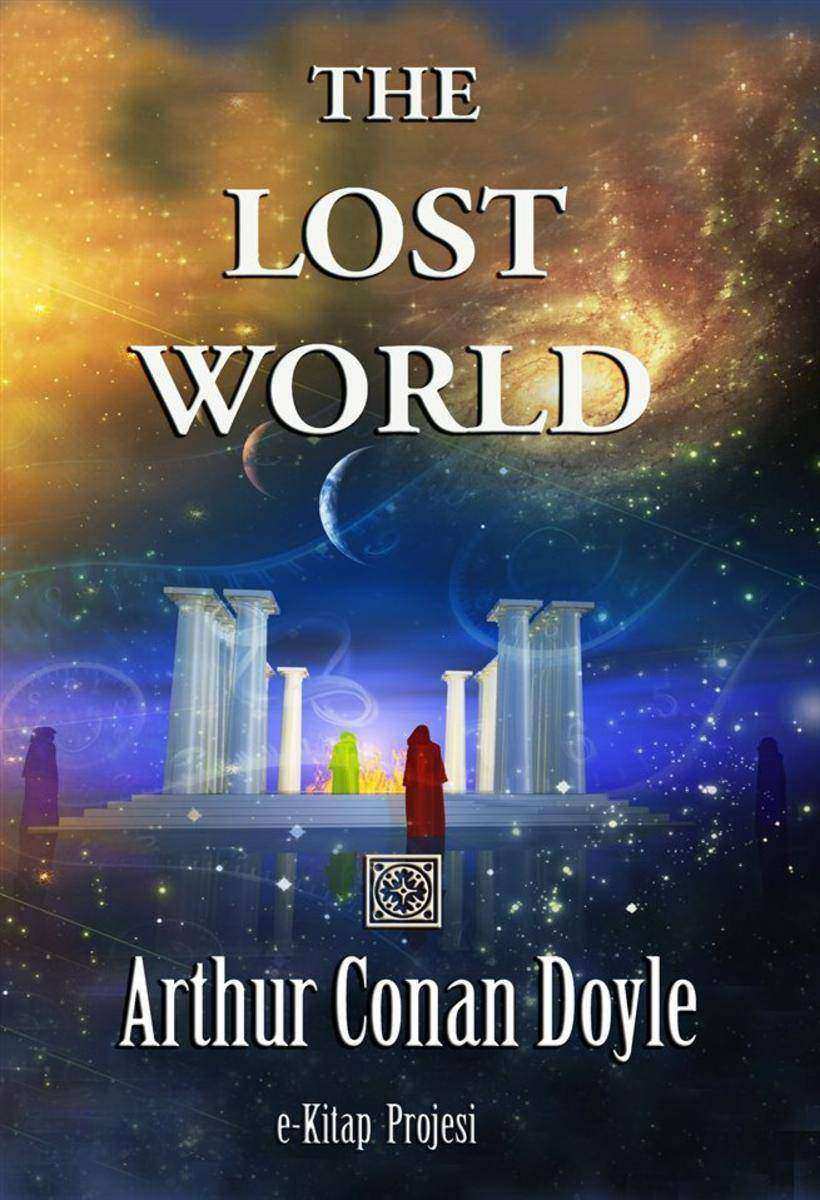
The Lost World
¥18.74
Leonardo's views of aesthetic are all important in his philosophy of life and art. The worker's thoughts on his craft are always of interest. They are doubly so when there is in them no trace of literary self-consciousness to blemish their expression. He recorded these thoughts at the instant of their birth, for a constant habit of observation and analysis had early developed with him into a second nature. His ideas were penned in the same fragmentary way as they presented themselves to his mind, perhaps with no intention of publishing them to the world. But his ideal of art depended intimately, none the less, on the system he had thrown out seemingly in so haphazard a manner. The long obscurity of the Dark Ages lifted over Italy, awakening to a national though a divided consciousness. Already two distinct tendencies were apparent. The practical and rational, on the one hand, was soon to be outwardly reflected in the burgher-life of Florence and the Lombard cities, while at Rome it had even then created the civil organization of the curia. The novella was its literary triumph. In art it expressed itself simply, directly and with vigour. Opposed to this was the other great undercurrent in Italian life, mystical, religious and speculative, which had run through the nation from the earliest times, and received fresh volume from mediaeval Christianity, encouraging ecstatic mysticism to drive to frenzy the population of its mountain cities. Umbrian painting is inspired by it, and the glowing words of Jacopone da Todi expressed in poetry the same religious fervour which the life of Florence and Perugia bore witness to in action. Italy developed out of the relation and conflict of these two forces the rational with the mystical. Their later union in the greater men was to form the art temperament of the Renaissance. The practical side gave it the firm foundation of rationalism and reality on which it rested; the mystical guided its endeavour to picture the unreal in terms of ideal beauty.The first offspring of this union was Leonardo. Since the decay of ancient art no painter had been able to fully express the human form, for imperfect mastery of technique still proved the barrier. Leonardo was the first completely to disengage his personality from its constraint, and make line express thought as none before him could do. Nor was this his only triumph, but rather the foundation on which further achievement rested. Remarkable as a thinker alone, he preferred to enlist thought in the service of art, and make art the handmaid of beauty. Leonardo saw the world not as it is, but as he himself was. He viewed it through the atmosphere of beauty which filled his mind, and tinged its shadows with the mystery of his nature. From his earliest years, the elements of greatness were present in Leonardo. But the maturity of his genius came unaffected from without. He barely noticed the great forces of the age which in life he encountered. After the first promise of his boyhood in the Tuscan hills, his youth at Florence had been spent under Verrocchio as a master, in company with those whose names were later to brighten the pages of Italian art. At one time he contemplated entering the service of an Oriental prince. Instead, he entered that of Caesar Borgia, as military engineer, and the greatest painter of the age became inspector of a despot's strongholds. But his restless nature did not leave him long at this. Returning to Florence he competed with Michelangelo; yet the service of even his native city could not retain him. His fame had attracted the attention of a new patron of the arts, prince of the state which had conquered his first master. In this his last venture, he forsook Italy, only to die three years later at Amboise, in the castle of the French king.

Лечение радикулита и ревматизма народными средствами
¥8.91
Das Buch enth?lt drei wundersch?ne M?rchen. ?Die Hirtin und der Schornsteinfeger“ ist eine fr?hliche Geschichte über Porzellanfiguren, die eine alte Kommode bewohnen. ?Das kleine M?dchen mit den Schwefelh?lzern“ ist eine traurige Erz?hlung über ein M?dchen, das Streichh?lzer am Heiligabend verkaufen muss. “Fünf aus einer Schote“ ist eine rührende Geschichte über ein krankes M?dchen, in dessen Leben unerwartet ein kleines Erbsenkorn auftaucht. Alle Erz?hlungen sind sch?n und farbig illustriert. Die Hirtin und der Schornsteinfeger Die Helden des M?rchens sind Porzellanfiguren: eine Hirtin, ein Schornsteinfeger und ein alter? Chinese, der will, dass die hübsche Hirtin einen geschnitzten Feldwebel heiratet. Das M?dchen ist damit nicht einverstanden, weil sein kleines Herz schon lange für den?? Schornsteinfeger schl?gt. Was passiert weiter?? Das k?nnt ihr hier erfahren. Die Erz?hlung ist sch?n und farbig illustriert. Das kleine M?dchen mit den Schwefelh?lzern Dies ist eines der berühmtesten M?rchen,? das jedes Kind lesen sollte. Es ist eine berührende? Geschichte über? ein armes M?dchen, das? an einem kalten Heiligabend versucht Schwefelh?lzer an die? Passanten zu verkaufen. Was wird mit dem M?dchen weiter geschehen? Ihr k?nnt es hier lesen. Die Erz?hlung ist sch?n und farbig illustriert. Fünf aus einer Schote Es ist eine Erz?hlung über eine kleine Erbse, die durch einen Spalt im Dachgeschoss in eine Wohnung reinf?llt. Dort lebt eine Frau mit ihrer kleinen Tochter, Karolina. Das M?dchen ist? schwer krank und kann seit langem? sein Bett nicht verlassen. Karolina beobachtet mit Neugier die Pflanze, die aus dem Korn w?chst. Was passiert im Leben des M?dchens?? Lest weiter!? Die Erz?hlung ist sch?n und farbig illustriert.?

Улучшаем зрение народными средствами
¥8.91
Die Hirtin und der Schornsteinfeger Die Helden des M?rchens sind Porzellanfiguren: eine Hirtin, ein Schornsteinfeger und ein alter? Chinese, der will, dass die hübsche Hirtin einen geschnitzten Feldwebel heiratet. Das M?dchen ist damit nicht einverstanden, weil sein kleines Herz schon lange für den?? Schornsteinfeger schl?gt. Was passiert weiter?? Das k?nnt ihr hier erfahren. Die Erz?hlung ist sch?n und farbig illustriert.


