


 购物车
购物车 个人中心
个人中心
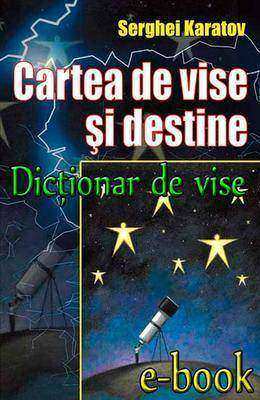
Dic?ionar de vise. Cartea de vise ?i destine
¥46.36
O analiz? metodic? ?i patima?? a cumplitei dictaturi ro?ii de care a avut parte Rom?nia. Atitudinea elitelor fa?? de tiran ?i fa?? de clica sa. ?n ce masur? suntem vinova?i? La?itatea este oare una dintre caracteristicile definitorii ale c?rturarului rom?n? La aceste ?i multe alte ?ntreb?ri r?spunde profesorul de filosofie, Ion Iano?i – un veritabil model european. Cartea e destinat? studen?ilor, elevilor, profesorilor, precum ?i publicului larg de cititori.
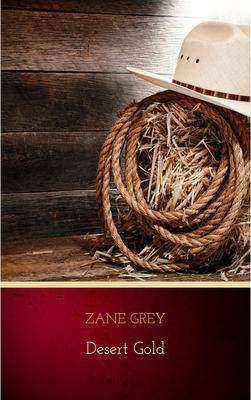
Desert Gold
¥8.82
The story describes the recent uprising along the border, and ends with the finding of the gold which two prospectors had willed to the girl who is the story's heroine.
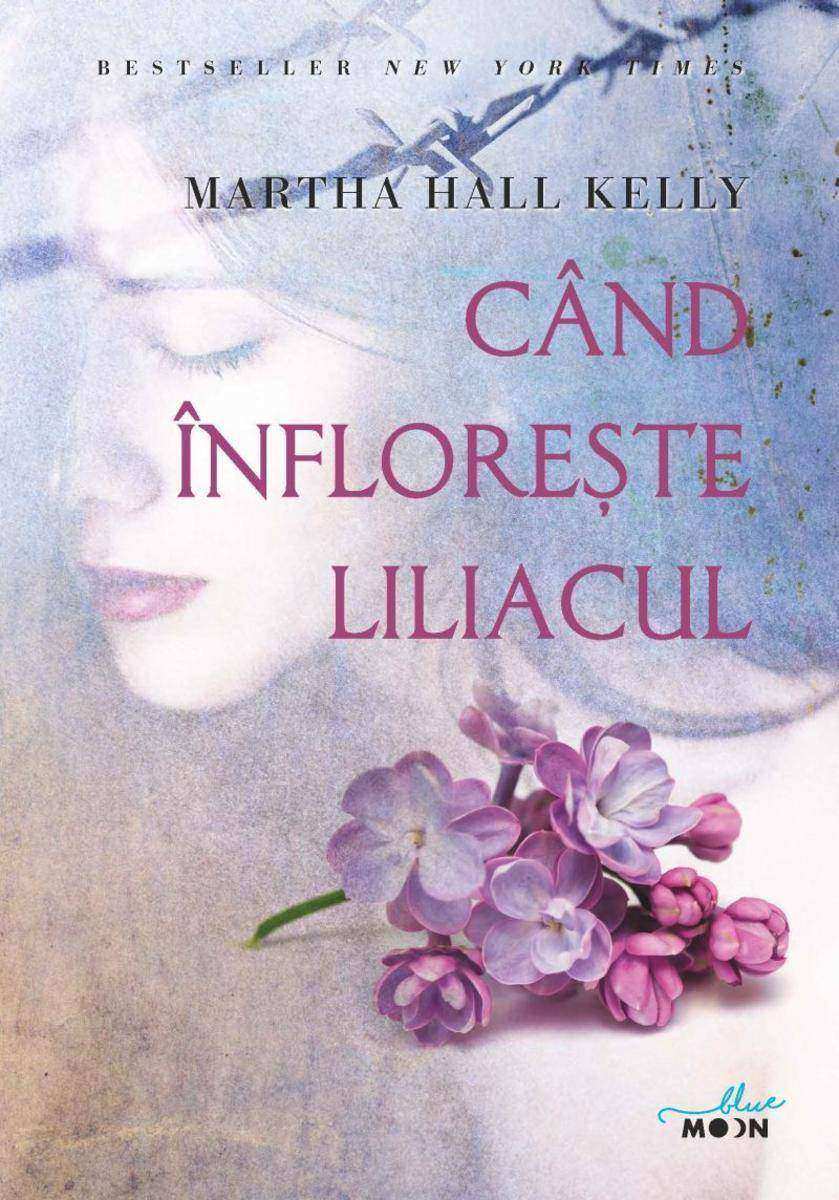
C?nd ?nflore?te liliacul
¥68.75
G?nde?ti exagerat de mult ?nainte de a ac?iona? E?ti ?nclinat s? faci previziuni negative? ??i faci griji c? e posibil s? se ?nt?mple ce poate fi mai r?u? Te afecteaz? prea tare feedbackul negativ? E?ti foarte autocritic? Dac? r?spunsul este afirmativ, suferi de anxietate. Vestea bun? este c? po?i ?nv??a s? ??i gestionezi capcanele anxiet??ii – ezitarea excesiv? ?nainte de a ac?iona, reflectarea ?ndelungat? ?i ?ngrijorarea, perfec?ionismul paralizant, teama de feedback ?i critic? ?i evitarea (inclusiv procrastinarea). R?spunde mai ?nt?i la chestionarele care te vor ajuta s? apreciezi ?n ce stadiu te afli ?n raport cu un blocaj specific anxiet??ii, apoi afl? ce schimb?ri de g?ndire ?i modific?ri comportamentale ??i recomand? autoarea. Bazate pe principiile terapiei cognitiv?comportamentale, acestea pot fi folosite ?n via?a de zi cu zi pentru a dep??i blocajele ?i a avea succes ?n rela?ii, at?t ?n via?a personal?, c?t ?i ?n cea profesional?.
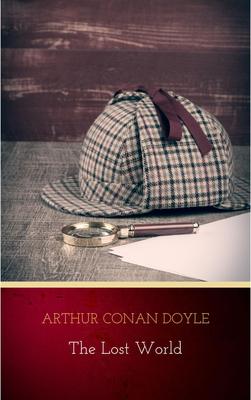
The Lost World
¥8.82
The Lost World is a novel released in 1912 by Arthur Conan Doyle concerning an expedition to a plateau in South America where prehistoric animals (dinosaurs and other extinct creatures) still survive. The character of Professor Challenger was introduced in this book. Interestingly, for a seminal work of dinosaur-related fiction, the animals only occupy a small portion of the narrative. Much more time is devoted to a war between early human hominids and a vicious tribe of ape-like creatures.
Rilla of Ingleside
¥9.00
Anne Shirley has left Redmond College behind to begin a new job and a new chapter of her life away from Green Gables. Now she faces a new challenge: the Pringles. They're known as the royal family of Summerside - and they quickly let Anne know she is not the person they had wanted as principal of Summerside High School. But as she settles into the cozy tower room at Windy Poplars, Anne finds she has great allies in the widows Aunt Kate and Aunt Chatty – and in their irrepressible housekeeper, Rebecca Dew. As Anne learns Summerside's strangest secrets, winning the support of the prickly Pringles becomes only the first of her delicious triumphs.
Diversiuni lirice
¥30.88
O culegere edific?toare de aforisme ?i pamflete, din care nu lipsesc umorul, inteligen?a vie, ascu?it?.
Antimemoriile lui Grobei
¥38.62
Aceasta nu este o arc? a salv?rii, a speran?ei, a regener?rii suflete?ti, nici locul ?n care personaje-kamikaze arunc? ?n jur ?n timpul sacrificiului lor, bun?tate, generozitate, bl?nde?e, ?n?elepciune, cump?tare. E o arc? simbolic?. Fictiv?, sau e chiar lumea noastr? condamnat? s? pluteasc? ?n deriv? pe un ocean sub care p?nde?te un tzunami apocaliptic? Da, ?ntr-adev?r, Breban nu neglijeaz? nici o specie, sunt toate conservate aici, e destul s? ?nl?turi dificila, fragila ?i totu?i rezistenta perdea ?esut? din mii de pagini de carte, ca s? descoperi o umanitate crud?, pe care mul?i dintre noi, dintre cititori sau autori avem tendin?a de a o evita, tendin?a de a o machia, de a-i face opera?ii estetice… Arca are capaciatatea de a re?nvia din cenu?a ?i de a ne propune o c?l?torie imaginar? spre o alt? dimensiune, ?ncerc?nd s?-i salveze deopotriv? pe credincio?i ?i pe atei, pe puternici ?i pe cei slabi, pe victime ?i pe c?l?i, pe mae?tri ?i pe discipoli, pe slugi ?i pe st?p?ni. Tu alegi de care parte vrei s? te afli, ?n afara arcei, pe arc? sau ?n structura ei intim? fragil? ?i totu?i rezistent?, capabil? s? te duc? spre cele mai insolite teritorii care ?nc? nu au fost inventate ?i pe care doar acul busolei lui Breban le indic? ?i le plaseaz? pe o hart? altfel inaccesibil?.

Through the Magic Door
¥8.82
Through the Magic Door (1907) is an essay by Arthur Conan Doyle: his subject is the charisma and charm of books. Doyle invites readers to enjoy the greatest minds of all times through what they have left behind and argues that, when we read, the selfishness and hopelessness of the world can be left behind.
The Orange Fairy Book
¥8.82
Andrew Lang's Fairy Books — also known as Andrew Lang's "Coloured" Fairy Books or Andrew Lang's Fairy Books of Many Colors — are a series of twelve collections of fairy tales, published between 1889 and 1910.
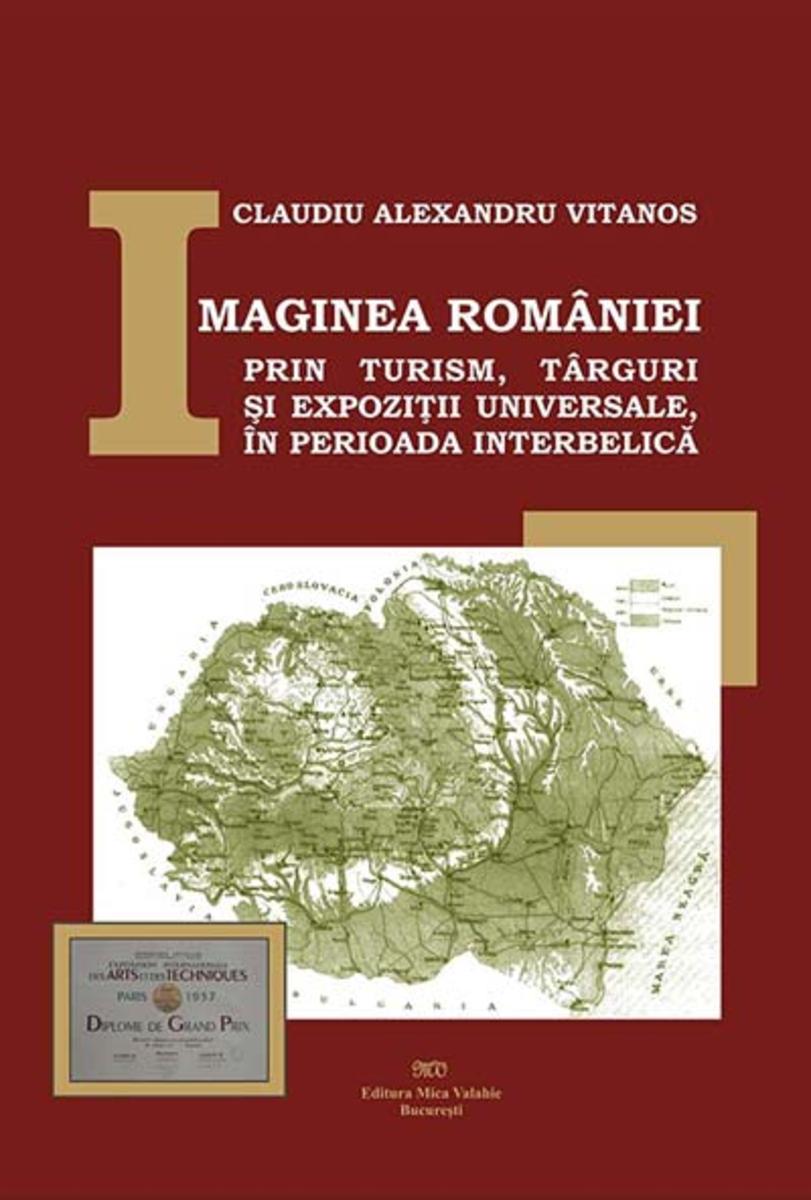
Imaginea Rom?niei prin turism, t?rguri ?i expozi?ii universale, ?n perioada inte
¥147.07
Anna Benz aminte?te de Karenina, combin?nd ?n plus senzualitatea periculoas? din 50 de umbre ale lui Grey ?i disperarea Doamnei Bovary.Anna Benz, o americanc? ?n v?rst? de aproape 40 de ani, locuie?te cu so?ul s?u elve?ian, Bruno – care este bancher – ?i cei trei copii mici ai lor ?ntr-un or??el lini?tit de l?ng? Zürich. De?i duce o via?? prosper? ?i a?ezat?, Anna simte c? e ?n pragul unui colaps mental. ?n deriv? ?i incapabil? s? comunice cu so?ul ei ?i s?-?i ?n?eleag? propriile g?nduri ?i sentimente, Anna ?ncearc? s?-?i reg?seasc? entuziasmul cu ajutorul unor experien?e noi: cursuri de german?, analiz? jungian? ?i o serie de aventuri sexuale ?n care intr? cu o non?alan?? ce o uime?te p?n? ?i pe ea.Dar situa?ia devine tot mai ap?s?toare ?i v?rtejul de minciuni ?i scap? de sub control.Pentru c? a trecut dincolo de limitele moralei, Anna va descoperi c? nu mai exist? ?ntoarcere.“Un roman de debut despre Anna, o casnic? plictisit? care, asemenea eroinei cu acela?i nume din romanul lui Tolstoi, se arunc? ?ntr-o aventur? psihologic? ?i sexual? a autocunoa?terii.“ - The Oprah MaMagazine“Senzual ?i profund, acest roman extraordinar de bine scris dezv?luie sufletul sf??iat al unei femei.“ - People“Cartea lui Essbaum e construit? impecabil, meticulos, iar alternan?a trecut-prezent e redat? cu mare virtuozitate.“ - Chicago Tribune“?n copil?rie visam s? ajung o romancier? faimoas?. Scriam pove?ti care erau minunate, a?a cum sunt inven?iile copil?riei, dar sunau ?ngrozitor. Mai t?rziu mi-am dat seama c? m? pricep la jocul poeziei, apoi versurile au devenit paragrafe…“ - Jill Alexanander Essbaum
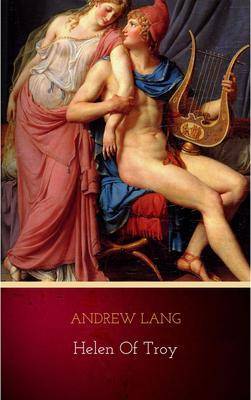
Helen of Troy
¥8.82
In Greek mythology, Helen, better known as Helen of Sparta or Helen of Troy, was daughter of Zeus and Leda, wife of king Menelaus of Sparta and sister of Castor, Polydeuces and Clytemnestra. Her abduction by Paris brought about the Trojan War. Helen was described as having the face that launched a thousand ships. Helen or Helene is probably derived from the Greek word meaning "torch" or "corposant" or might be related to "selene" meaning "moon".
O inim? de Broscu??. Volumul 3. Valsul stelar al vie?ii
¥65.32
Un fast spectacol despre feminitate, moarte ?i alte teme eterne, ne ofer? de ast? dat? redutabilul eseist, istoric ?i critic literar Irina Petra?, despre care Marin Mincu scria c? este ?cel mai “b?rbat“ critic al nostru“. ?Demersul constituie o modalitate de a-?i apropia moartea, propria moarte, de a o studia sub lupa m?ritoare, de a o ?ine deliberat, zi de zi, ceas de ceas, al?turi, ?n imediata proximitate, pentru a te impulsiona s? fii c?t mai mult, c?t mai decis ?n spirit, pentru a te determina s? te investe?ti ?n toate cu ?ntreaga-?i fiin??, una dintre limitele c?reia e moartea-cea-cotidian?, pentru a te remodela, sim?ind atingerea botului mor?ii, pentru a recurge la travaliul dep??irii de sine prin crea?ie. A nu te obi?nui cu vecin?tatea mor?ii, obi?nuindu-te ?n acela?i timp, a realiza eficienta ei, adun?ndu-te, sporindu-?i eficien?a, a fi, ?n pofida con?tiin?ei tragice a finitudinii umane – iat? o piatr? de ?ncercare, iat? un examen major, la care au c?zut nu pu?ini. Cei ce-au rezistat constituie pentru Irina Petra? un fast obiect de studiu, care, fiind cercetat cu acribia unui colec?ionar, nelipsit de o redutabil? experien?? ?n domeniu, alc?tuiesc o galerie acoperit? cu oglinzi, ?n care, v?z?nd reflectat propriul univers, propriile spaime, frici, angoase, nelini?ti, autorul se supune, el ?nsu?i, din spirit de fair play, dar ?i dintr-un subtil, rafinat amestec de sado-masochism intelectual, unui examen: ?i va rezista co?ul pieptului? va ?ti sa r?spund?? dar s? reziste? Ei, mon?trii sacri… au rezistat, descriind modul ?n care se men?in pe muchia abisului, ?n care ?i-au v?zut propriul chip, contemplat de cineva…“ (Aura Christi)
Niciodat? ?nduplecate. Al doilea volum al trilogiei Min?i primejdioase
¥106.19
Fascinant – cea mai bun lucrare de istorie militar din ultimii ani i o analiz edificatoare a disputelor care continu s mocneasc amenintor i azi. O carte extraordinar sub toate aspectele." – The New York Times O relatare palpitant i revelatoare a uneia dintre cele mai zbuciumate i legendare perioade din istoria secolului al XX-lea – Revolta Arab i marele joc" secret de a controla Orientul Mijlociu. CARTE INCLUS PE LISTA CELOR MAI BUNE TITLURI ALE ANULUI DE New York Times Christian Science Monitor NPR Seattle Times St. Louis Dispatch Chicago Tribune American Library Association Bazat pe cercetri extinse i intense, munc asidu n arhive, Lawrence n Arabia aduce o nou perspectiv asupra modului n care s-a configurat lumea Orientului Mijlociu. Cu o aciune de proporii epice, portretizri expresive, accente critice n condamnarea distrugerilor provocate de comploturile coloniale europene, volumul surprinde strlucit felul n care nesbuina trecutului declaneaz suferina prezentului. Printre numeroasele istorii individuale din Primul Rzboi Mondial care vor fi povestite i repovestite n cadrul centenarelor commemorate ntre 2014 i 2018, cea a lui T.E. Lawrence iese n eviden… Cartea lui Anderson nu putea fi mai oportun. Acum, cnd atenia ntregii lumi se concentreaz asupra Siriei i Egiptului, este uluitor s priveti n urm cu o sut de ani i s vezi un tablou asemntor…. Apelnd la o distribuie bogat, Anderson reuete s exploreze haosul din Orientul Mijlociu de la nceputul secolului al XX-lea dintr-o varietate de perspective distincte i revelatoare totodat. O mrturie captivant, de o mare complexitate i profunzime. – The New York Times Book Review Vast, hipnotic i – s ndrznim s o spunem – cinematografic n detaliu, Lawrence n Arabia ilustreaz modul n care biografia i istoria se poteneaz reciproc. – The Wall Street Journal Absorbii de mcelul ce avea loc n traneele Europei n Primul Rzboi Mondial, combatanii occidentali acordau prea puin importan teatrului de lupt din Orientul Mijlociu. Ca urmare, conflictul de aici a fost influenat surprinztor de mult de o mn de aventurieri i ofieri de rang mrunt aflai departe de marile coridoare ale puterii: Curt Prüfer – universitar tern, ataat pe lng Ambasada German din Cairo, Aaron Aaronsohn – renumit agronom provenit din Romnia i sionist nflcrat. William Yale – descendent scptat al unei familii aristocratice americane. n centrul acestui cerc se afla Lawrence – la nceputul lui 1914, doar un arheolog care lucre la spturi prin deerturile Siriei. n 1917 ajunsese deja cea mai romantic figur din Primul Rzboi Mondial, luptndu-se att cu inamicii Marii Britanii, ct i cu propriul guvern pentru a-i transforma n realitate viziunea sa asupra destinului poporului arab. Drumurile ncruciate ale acestor patru personaje – intrigile pe care le-au pus la cale, btliile pe care le-au purtat, trdrile pe care le-au suferit sau le-au uneltit ei nii – oglindesc grandoarea, complexitatea i tragedia rzboiului din deert.
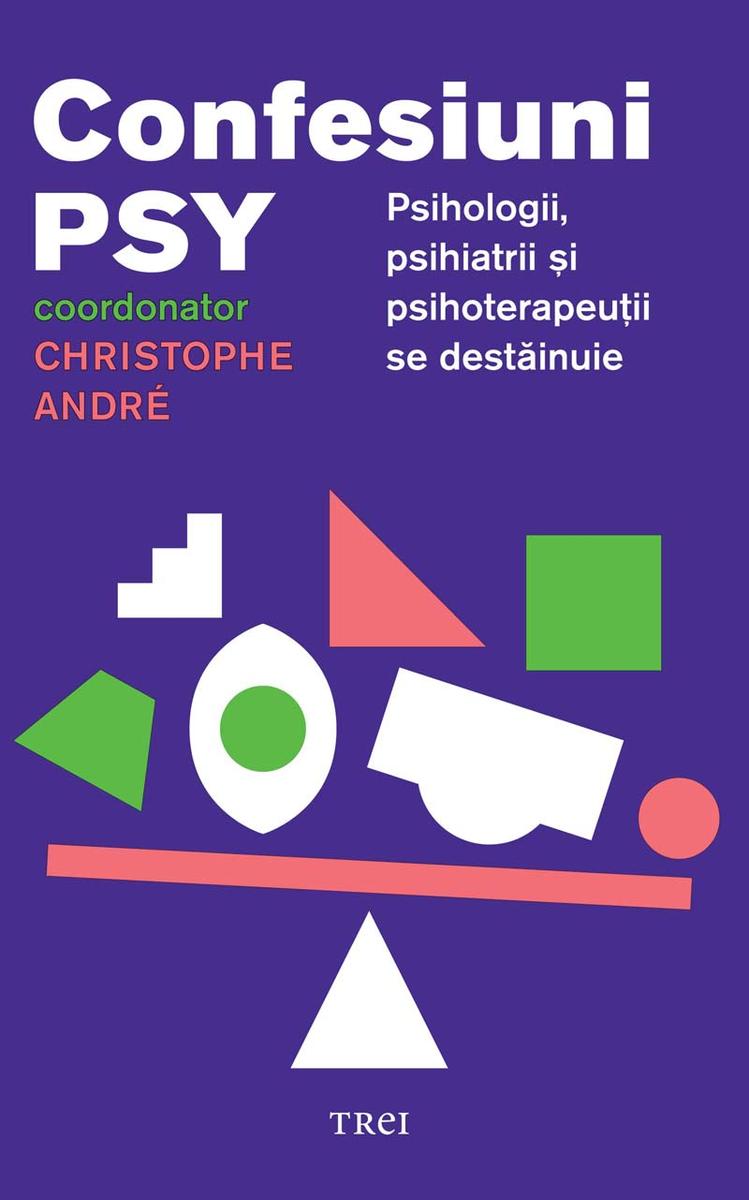
Confesiuni psy. Psihologii, psihiatrii ?i psihoterapeu?ii se dest?inuie
¥90.84
Un angajat cu experien?? ajunge s? ia decizii financiare nes?buite, repet?nd, f?r? s? ?tie, istoria t?t?lui s?u, un parior "ratat" pe care nici m?car nu-l cunoscuse. O t?n?r? depresiv? vrea s? se sinucid? prin "evaporare", pentru ca mai apoi s? afle c? bunica ei supravie?uise camerelor de gazare de la Auschwitz. Un b?iat e cuprins de senza?ii inexplicabile de frig, f?r? s? ?tie c? unchiul s?u murise ?nghe?at.?Cartea de fa?? vorbe?te despre acele fobii, depresii ?i g?nduri obsesive care ne cople?esc f?r? s? ne d?m seama de unde ni se trag. Combin?nd cercet?rile din neuro?tiin?e cu interven?iile specifice constela?iilor familiale, autorul demonstreaz? ?n ce fel uneori ajungem s? mo?tenim ?i s? retr?im, ?n mod incon?tient, suferin?ele ?i traumele nerezolvate ale str?mo?ilor. Cititorul are la ?ndem?n? c?i utile pentru eliberarea de traumele mo?tenite pe cale transgenera?ional?. Aceste tehnici merg de la identificarea anxiet??ilor mascate dup? cuvinte ?i comportamente aparte p?n? la genogram?, dialogul imaginar cu str?mo?ii ?i eliberarea, prin compasiune, de suferin?ele genera?iilor trecute.
Arhive secrete, secretele arhivelor vol I
¥106.19
C??tig?tor al Michael L. Printz Honor Award"Cel mai bun roman pentru adolescen?i al anului 2015" - Boston Globe"Cea mai bun? carte a anului 2015" - Kirkus Reviews"Hubbard surprinde perfect toat? fr?m?ntarea primei iubiri, bucuria prieteniei ?i rela?ia complicat? dintre adolescen?i ?i adul?i." – VOYAPaul Wagoner, elev ?n ultimul an de liceu, intr? ?n ?coal? cu o arm? furat?, ??i amenin?? iubita, pe Emily Beam, apoi ??i ia via?a.Emily, furioas? ?i cople?it? de vin?, este trimis? la ?coala cu internat Amherst, unde dou? colege ciudate ?i spiritul lui Emily Dickinson ?i sar ?n ajutor.Dar Emily trebuie s? g?seasc? ?n ea ?ns??i for?a de a-?i vindeca sufletul r?nit, de a afla binele din spatele r?ului, speran?a din spatele disper?rii ?i promisiunea prim?verii, odat? cu ultima z?pad?."Gra?ioas? ca o pan? dus? de v?nt, aceast? poveste plin? de lirism vorbe?te despre experien?a vindec?rii ?n urma unei tragedii." - Kirkus Reviews"Z?pada mieilor e o mic? bijuterie. Aduce ?n scen? un personaj feminin puternic, care se str?duie?te din r?sputeri s? treac? peste un eveniment dureros din via?a ei." - School LibraryJournal"Stilul lui Hubbard e elegant ?i emo?ionant." - Publisher’s Weekly"Romanul acesta ?mbin? proza ?i poezia ?ntr-un mod aparte, iar efectul este uluitor." - Booklist
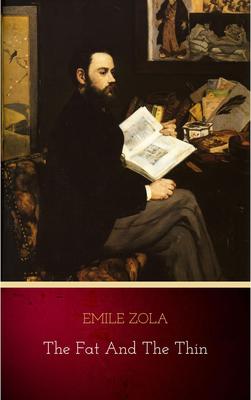
The Fat and the Thin
¥4.41
The third novel in Zola's twenty-volume series entitled "Les Rougon-Macquart," this story revolves around and within the 21-acre market Les Halles Centrales of Paris. The starving scholar Florent has escaped his unwarranted exile on Devil's Island, and he is alternately entranced and disgusted by his refuge in 'the belly of Paris.' Zola describes the market and Florent's experiences in the midst of it with his characteristically captivating comprehension, foreshadowing the total mastery of working-class speech in his later works. Florent makes a friend of Claude Lantier, a painter who explains the battle being waged in the vast Central Markets between the 'fat' burghers and 'thin' lower class, in which Florent is soon embroiled. He is a man caught between the fat and the thin, and this lack of allegiance leads to painful condemnation and Florent's ultimate disintegration. Presented here is the somewhat expurgated 1895 translation of Ernest Alfred Vizetelly, entitled "The Fat and the Thin".
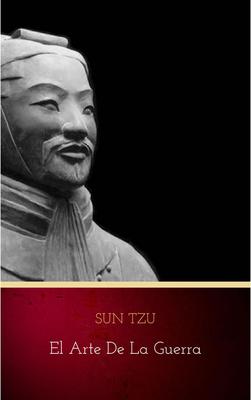
El Arte de la Guerra
¥8.82
El arte de la guerra es un libro sobre tácticas y estrategias militares, inspirado por Sun Tzu, un famoso autor militar.

Acolo unde femeile sunt regi
¥73.49
Un roman din seria Vanessa Munroe?De la autoarea bestsellerului Femeia cameleon?Aventurile Vanessei Munroe continu? cu o nou? poveste plin? de adrenalin?!Cu ani ?n urm?, un b?rbat a r?pit o pe Hannah, o feti?? de cinci ani, din curtea ?colii ?i a trecut o grani?a ?n Mexic. Acolo a introdus o ?n lumea unei secte secrete – cea a Ale?ilor.?Acum ?ns? c??iva oameni vor s? dea de urma feti?ei. Oameni care au crescut ?n mijlocul sectei, dar care au reu?it, ?n ciuda suferin?ei suportate acolo, s? ?i construiasc? o via?? nou?.Supravie?uitorii ?n?eleg mecanismele mentale ?i religioase ce guverneaz? secta ?i apeleaz? la ajutorul oferit de Vanessa Munroe, ?tiind c? ea ar putea fi singura lor ?ans? de a o g?si pe Hannah."Vanessa Munroe ??i elibereaz? for?a distructiv? c?nd cei neputincio?i sunt amenin?a?i. E o eroin? cu totul special?: dur?, ne?nfricat?, dar ?n acela?i timp vulnerabil? ?i plin? de compasiune." – Publishers Weekly"Mult a?teptata continuare a seriei Vanessa Munroe… Stevens descrie foarte conving?tor lumea ?ntunecat? a manipul?rii, ?ndoctrin?rii ?i abuzului." – Booklist"Munroe love?te din nou!" – Library Journal?
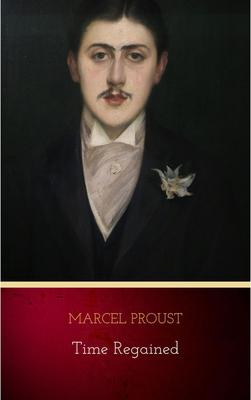
Time Regained
¥9.00
The final volume of Remembrance of Things Past chronicles the years of World War I, when, as M. de Charlus reflects on a moonlit walk, Paris threatens to become another Pompeii. Years later, after the war's end, Proust's narrator returns to Paris, where Mme. Verdurin has become the Princesse de Guermantes. He reflects on time, reality, jealousy, artistic creation, and the raw material for literature-his past life.
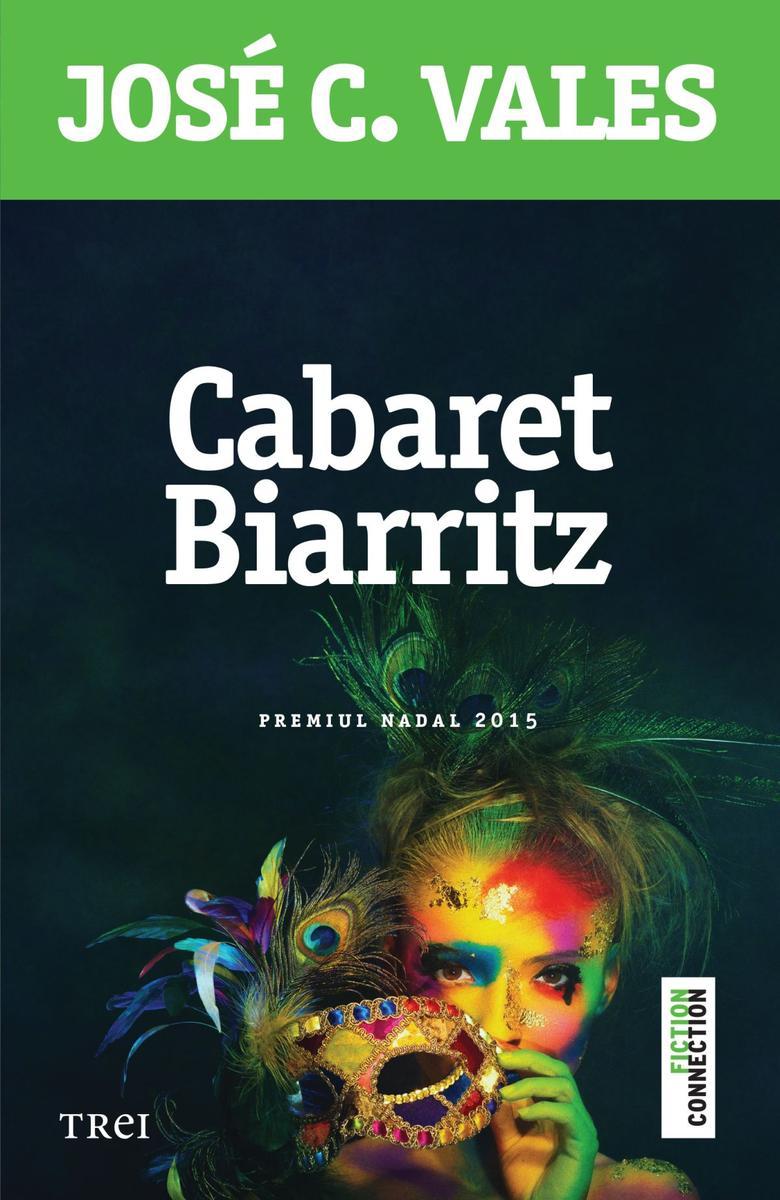
Cabaret Biarritz
¥73.49
“Un thriller la fel de alert precum?Fata din tren??i?Fata disp?rut?. Vocea lui Flynn Berry este foarte puternic?.” -?The New York Times Book ReviewFinalist Edgar Award pentru cel mai bun roman de debutInclus pe listele 10 Best MysteryBooks and Thrillers of the Year (The Washington Post) ?i Best New Mysteries (The Wall Street Journal)C?nd Nora se duce s?-?i viziteze sora, tr?ie?te cel mai cumplit co?mar: Rachel a fost ucis? cu brutalitate.??ngrozit? ?i dezorientat?, Nora ??i d? seama c? nu mai poate reveni la via?a ei. Nu are ?ncredere c? poli?ia ?l va g?si pe uciga?ul surorii sale, a?a c? ?ncepe o investiga?ie pe cont propriu. Dar pe m?sur? ce frica pe care o simte se transform? ?n obsesie, ?i ea devine o alt? persoan?, descoperind totodat? o serie de secrete despre sora ei pe care nu ?i le-ar fi imaginat niciodat?.Un senza?ional thriller psihologic. O analiz? p?trunz?toare a iubirii feroce dintre dou? surori, a formelor pe care le ia suferin?a ?i a puterii teribile a trecutului.Sora pierdut??marcheaz? debutul unei scriitoare extraordinare.?“Flynn Berry scrie despre femei, violen?? ?i memorie ?ntr-un stil care aminte?te de romanele Paulei Hawkins. O poveste spus? cu aten?ie la detalii ?i din care r?zbate o disperare mut?.” -?USA Today“Sora pierdut??are atmosfera unui film de Hitchcock… Un thriller psihologic imprevizibil, care exploreaz? amestecul complicat de iubire ?i resentimente pe care ?l presupune rela?ia dintre dou? surori.” –?Booklist “Ceea ce m-a f?cut s? nu las cartea din m?n? nu a fost intriga, de?i e plin? de suspans ?i foarte bine construit?. Ci a fost scriitura perfect? a lui Flynn Berry. E o povestitoare genial?.” –?Jill Alexander Essbaum, autoarea romanului Casnica“Obsesie ?i amintire, furie ?i regret – despre toate acestea vorbe?te romanul de debut al lui Flynn Berry.” -?Library Journal
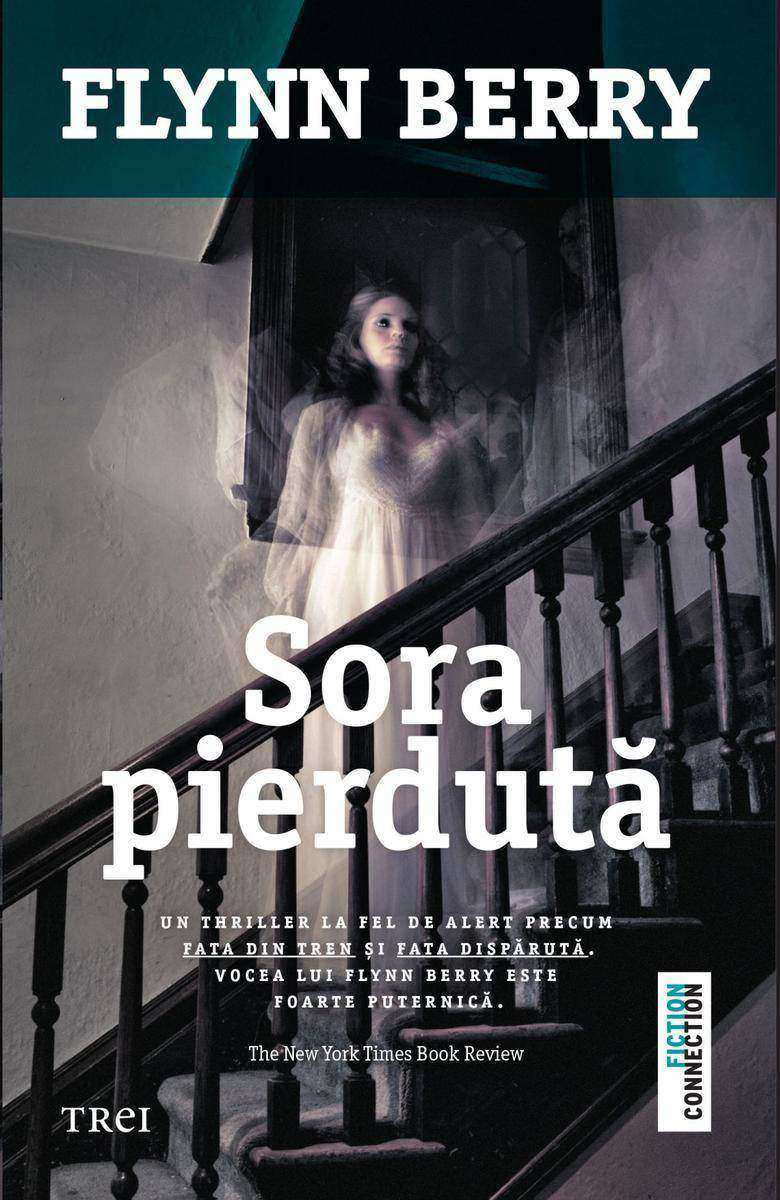
Sora pierdut?
¥65.32
C?nd "explodezi" de furie, gesturile necugetate pot avea consecin?e pe care s? le regre?i o via?? ?ntreag?: ajungi s?-?i strici rela?iile cu cei mai buni prieteni, ??i periclitezi situa?ia de la serviciu sau chiar te ?mboln?ve?ti grav. Reac?ia pasiv?, de tipul "Rabd? ?i ?ntoarce ?i cel?lalt obraz", dar ?i exprimarea brut? a furiei (prin lovirea unor perne, de exemplu) sunt, ambele, solu?ii la fel de nes?n?toase. Dar cum altfel s? faci fa?? stresului ?i nedrept??ilor ?i cum s? ??i aperi punctul de vedere, f?r? s? pari agresiv? Influentul terapeut american Albert Ellis te ajut? s?-?i ?n?elegi mai bine credin?ele care ??i provoac? furia, s? ??i exprimi ?n moduri asertive (dar neviolente) opiniile ?n fa?a celor care te-au m?niat, dar ?i s? aplici metode de relaxare ?i de control cognitiv-comportamental al reac?iilor afective exacerbate ?i al g?ndurilor ira?ionale disfunc?ionale. Miza c?r?ii nu const? ?n a-?i reprima sau ascunde furia, ci ?n a o accepta ?i a o modula ?n forme s?n?toase, care te pot ajuta s? fii mai asertiv ?i mai echilibrat.?


