


 购物车
 个人中心


Oglinda spart?
¥33.03
Imagineaz?-?i c? e?ti într-o ma?in? a timpului care te poart? înainte ?i înapoi prin propria via??. Te duce în trecut, la anii copil?riei, când înv??ai s? mergi pe biciclet?, apoi te face s? revezi primul t?u s?rut, cel dintâi serviciu sau anii mai târzii, când te confrun?i, eventual, cu divor?ul. Înso?it de Platon, afl? ce spun marii gânditori ai lumii despre toate aceste pietre de hotar de pe drumul vie?ii noastre. Aristotel î?i va vorbi despre importan?a începerii ?colii, Freud despre îndr?gostire, Heidegger despre implica?iile psihologice ale mutatului, iar Nietzsche despre criza vârstei de mijloc. La drum cu Platon te ajut? s? în?elegi ?i s? vezi cu al?i ochi evenimentele majore, momentele-cheie ?i fazele de tranzi?ie din via?a ta, f?când filosofia s? par? accesibil? ?i plin? de umor!
The Philosophy of Mathematics: "A True Definition of Mathematics"
¥37.11
In The philosophy of mathematics, mathematics employee classification efforts to understand the philosophy is the branch.?The main question is related to the source of the object that is the subject of mathematics and mathematics. In particular examine the characteris-tics of a true proposition:??? What are the sources of mathematical subject matter??? What is about the meaning of a mathematical object??? What is the nature of a mathematical proposition??? What is the relationship between logic and mathematics??? What is the role of mathematics hermeneutic??? Mathematics played a role in the investigation which type?? What is the subject of mathematical investigations??? What is the human traits behind mathematics??? What is mathematical beauty??? What is the nature and source of mathematical truth???What is the relationship between mathematics and abstract material universe with the world???Another important issue is the reality of a mathematical the-ory. Mathematics (from the Natural Sciences as different) experimentally is sought reasons to find real specific mathematical theory can not be tested (see. Epistemology). Luitz that Brouwer 's laid the foundation for intuitionist mathematics of the representatives knew of this view. The logical mathematics is the approach of Bertrand Russell and Gottlob Frege was defended by David Hilbert, formalism is considered the repre-sentative of the current. Traditionalism logician the empiricist's (Rudolf Carnap, A. J. Ayer, Carl Hempel) were represented by one of the key issues in the philosophy of mathematics is also important to regard the certainty problem. Austrian logician Kurt G?del's also work Mathema-tics and mathematics.

Exploratorii. Cartea a IV-a - Ultimul pas ?n s?lb?ticie
¥73.49
Nietzsche este, poate, cea mai ilustr? victim? a aventurii socratice a cunoa?terii de sine. Via?a nu posed? fenomene originale, ci numai unele repetitive, care prin reluarea lor ve?nic identic? ??i tocesc conturul lor original. Cadrul repeti?iei nu este via?a, c?ci via?a ?ns??i este un fenomen de repeti?ie. Omul este condamnat s? tr?iasc? ?ntr-un plictisitor ?ir de repeti?ii ?i relu?ri din care nu poate evada. Nu exist? fenomene absolut unice, care s? nu fie repetitive ?i, probabil, la fel este ?i cu oamenii. To?i au mai fost nu o dat?, ci de nenum?rate ori ?n trecut ?i vor mai fi de nenum?rate ori ?n viitor. Tot ce trebuia ?i putea s? se produc? s-a produs deja. Restul este doar monoton? repeti?ie: ve?nic? revenire a aceluia?i. Eterna ?ntoarcere exprim? nu devenirea heraclitean? f?r? repaos, ci marile linii de stabilitate din cadrul existen?ei. Prin ea, Nietzsche vrea s? eternizeze trec?torul, socotind timpul ca etern, etern? ?ntoarcere, adic? schimbare ?i stabilitate. Ecce homo este ?i exerci?iul acestui impas al g?ndirii lui Nietzsche. Prin aceasta ?ns? Nietzsche ?i-a adus contribu?ia la instaurarea unui nou ?idol“ al lumii moderne dup? ce aceasta a denun?at prezen?a ?idolilor“ de tot felul ?n spa?iul ei de con?tiin??. (Vasile Musc?)??ntruc?t, ?n scurt timp, va trebui s? m? adresez omenirii cu cea mai grea solicitare care i-a fost prezentat? vreodat?, mi se pare imperios necesar s? spun cine sunt. ?n principiu, ar trebui s? se ?tie: c?ci nu m-am l?sat ?neatestat?. Dar discrepan?a dintre m?re?ia misiunii mele ?i micimea contemporanilor mei ?i-a g?sit expresia ?n faptul c? nici nu am fost auzit, nici nu am fost v?zut. Tr?iesc pe propriul meu credit, s? fie poate o simpl? prejudecat? faptul c? tr?iesc?... Este de ajuns s? stau de vorb? cu vreun ?om cultivat?, care vine vara ?n Engadina de Sus, ca s? m? conving c? nu tr?iesc... ?n aceste ?mprejur?ri, este o ?ndatorire ?mpotriva c?reia obi?nuin?a mea ?i, mai mult chiar dec?t aceasta, m?ndria instinctelor mele, se revolt?, anume aceea de a spune: Auzi?i-m?! c?ci eu sunt cutare ?i cutare. ?nainte de toate, nu cumva s? m? confunda?i!“ (Friedrich Nietzsche)

Educa?ia sentimental?
¥33.03
Volumul red? circuitului public, pentru prima oar? ?n limba rom?n?, trei din operele g?nditorului atenian. Este vorba de Scrisori (?n num?r de treisprezece, deosebit de importante pentru cunoa?terea g?ndirii platoniciene, dar ?i pentru ?n?elegerea epocii ?i a personalit??ilor cu care a venit ?n contact filosoful), Dialoguri suspecte (Minos, Rivalii, Theages, Hipparhos, Clitofon) ?i Dialoguri apocrife (Axiohos, Despre drept, Despre virtute, Demodocus, Sisyfos, Eryxias).Traducerea apara?ine lui ?tefan Bezdechi, care a realizat ?i aparatul critic al Scrisorilor (introducere ?i note).

Ecce homo. Cum devii ceea ce e?ti
¥47.42
n Filosofia meritului autorul folosete metoda fenomenologic pentru a prezenta evoluia instituiilor socio-morale care reglementeaz meritele; autorul propune n acest scop concepte originale, cum sunt ideonomia (sistemul de idei care fundamenteaz teoretic un sistem de apreciere a meritului); socionomia (sistemul de reguli care legitimeaz social un merit specific unei comuniti) i politonomia (sistemul de norme prin care se instituionalizeaz juridic meritul politic).Tratatul de Filosofie a meritului este structurat n trei pri corespunztor celor trei domenii existeniale n care se manifest fiina uman, spiritual, social, politic. Lucrarea prezint n extenso criteriile, principiile i formele de manifestare a meritului, premisele constituirii sistemelor sociale de apreciere a meritului, natura bio-psihic i socio-moral a meritelor precum i caracterul normativ al meritelor politico-juridice. Prima parte abordeaz sfera meritele cu caracter antropologic, antroponomic i antropocratic. Partea a doua prezint n extenso meritele cu caracter sociologic, socionomic i sociocratic i partea a treia analizeaz formele de manifestare a meritului din perspectiva politologiei, a politonomiei i a politocraiei. n fiecare capitol se regsesc argumente logice, etimologice i sociologice care justific aprecierea unor atribute i caliti umane ca merite individuale. Fiecare din cele douzeciiapte de capitole explic un tip de merit din tripl perspectiv: ideal social i politic.

?nvierea
¥33.03
Critica ra?iunii pure, tradus? de Nicolae Bagdasar ?i Elena Moisuc ?n 1969, a ajuns la cea de-a treia edi?ie. Cu acest prilej, profesorul dr. Ilie P?rvu, de la Facultatea de Filosofie a Universit??ii din Bucure?ti a ?ngrijit noua opera?ie de editare, fiind astfel corectate unele erori de tipar ?i unele inconsecven?e terminologice. Totodat?, exist? un motiv ?n plus pentru ca studen?ii care posed? edi?ia a II-a a traducerii, ap?rut? ?n 1995, s? apeleze ?i la cea de-a treia edi?ie: ?n aceasta din urm? au fost indicate diferen?ele dintre edi?ia I german? (din 1781) ?i edi?ia a II-a (din 1787).
Also sprach Zarathustra
¥8.82
Das Buch besteht aus vier Teilen. Der erste Teil erschien 1883, der zweite und dritte 1884, der vierte 1885 als Privatdruck. 1886 ver?ffentlichte Nietzsche die drei ersten Teile als ?Also sprach Zarathustra. Ein Buch für Alle und Keinen. In drei Teilen.“ Im Gegensatz zu den frühen Werken Nietzsches handelt es sich beim Zarathustra nicht um ein Sachbuch. In hymnischer Prosa berichtet ein personaler Erz?hler vom Wirken eines fiktiven Denkers, der den Namen des Persischen Religionsstifters Zarathustra tr?gt. Nietzsche selbst nennt den Stil, in dem Also sprach Zarathustra geschrieben ist, halkyonisch und wünscht sich Leser, die eines ?gleichen Pathos f?hig und würdig sind“: ?Man muss vor Allem den Ton, der aus diesem Munde kommt, diesen halkyonischen Ton richtig h?ren, um dem Sinn seiner Weisheit nicht erbarmungswürdig Unrecht zu tun“. Dass Nietzsche diese Leserschaft in seiner Gegenwart nicht gesehen hat, legt der Untertitel des Werkes nahe: ?Ein Buch für Alle und Keinen“.

Secretele ?ntineririi. S?n?tatea ideal? prin controlul pH-ului
¥57.14
Pamfletul Sim?ul comun (1776) a fost un veritabil best-seller ?n epoc?, succesul de care s-a bucurat reflect?ndu-se ?n numeroasele republic?ri. Lucrarea pledeaz?, cu argumente solide, pentru separarea total? a coloniilor americane de Marea Britanie, invoc?nd drepturile naturale ale oamenilor, egalitatea ?i suveranitatea fiec?rei fiin?e, supunerea doar fa?? de lege ?i caracterul absurd al institu?iei monarhiei. Autorul surprinde cu verv? ?i fine?e toate circumstan?ele favorabile desprinderii de patria-mam?, ?ndemn?ndu-?i concet??enii s?-?i decid? singuri soarta.
C?inele din Baskerville
¥33.03
O analiz? aplicat? a operei unuia dintre cei mai controversa?i g?nditori germani, supranumit monahul de la Sils-Maria; o lectur? ?n filigran a modului nietzschean de abordare a c?torva concepte dificile, interpretate la modul catastrofic: supraomul, ve?nica ?ntoarcere a aceluia?i, anti-Christul. Lucrarea se situeaz? ?n buna ?i prestigioas? tradi?ie a marilor creatori care comenteaz? textele fundamentale ale omenirii dintr-un unghi specific.
Din registrul ideilor ginga?e
¥24.44
Immanuel Kant (1724-1804) este o figur? legendar? a filosofiei germane, opera sa fiind baza ? revolu?iei copernicane“ petrecute ?n istoria g?ndirii ?n plin? er? de av?nt al romantismului. ?n volumul de fa?? sunt cuprinse dou? eseuri foarte pu?in cunoscute publicului amator de filosofie, ?n care vom reg?si g?ndurile filosofului privitoare la ?nceputuri (ale istoriei omenirii) ?i sf?r?ituri (ale lumii ?n general). Scrise dup? celebra triad? a ? Criticilor“, textele poart? amprenta sistemului kantian de g?ndire, dar constituie totodat? ?ncerc?ri remarcabile de abordare a unor subiecte de larg interes, analizate din perspectiva ve?nicei clauze a ? condi?iilor de posibilitate“. Orice minte uman? care va ?ncerca s? cuprind? ?nceputul ?i sf?r?itul se va vedea constr?ns? ?ntr-un fel sau ?n altul de limitele pe care Kant ?ncearc? s? le expun? aici ?n idei c?t mai simple.? Istoria naturii ?ncepe a?adar cu binele, c?ci este lucrarea lui Dumnezeu, iar istoria libert??ii cu r?ul, c?ci este lucrarea oamenilor. Pentru individ, care, ?n exerci?iul libert??ii prive?te doar c?tre sine, o astfel de schimbare a fost o pierdere pentru natur?, ale c?rei scopuri sunt orientate spre oameni ca specie, a fost un c??tig.“

Destine ale reginelor frumuse?ii
¥61.83
Constantin Dobrogeanu-Gherea (1855-1920), critic literar ?i politician intelectual, s-a num?rat printre primii sociologi ai Rom?niei. Lucrarea de fa??, care ?ncheie celebrul studiu Neoiobagia, constituie prima analiz? bine ?ntemeiat? a vie?ii sociale care a caracterizat Rom?nia ?ntre 1866 ?i Al Doilea R?zboi Mondial, fiind o concluzie ?i totodata o sintez? a acestui studiu.Dincolo de cifre ?i de personajele citate, dincolo de obiectele specifice ale analizei, cititorul r?bd?tor poate descoperi c?, sub forma diferit?, vom g?si de data aceasta un fond: fibra profund? din care se ?mpletesc ve?nicele noastre probleme na?ionale.? ?i doar? din cele spuse se vede clar unde rezid? r?ul ??rii. O organiza?ie social? ?i de stat antagonic? ?i contradictorie, care preface institu?iile ei ?n aparen?e ?i minciun?. O via?? politic? ?i economic? plin? de resturi feudale, care nu vor s? moar?, ?i bazat? pe capitalismul modern,care nu poate ?nc? s? tr?iasc?.“ - Constantin Dobrogeanu-Gherea
The Philosophy of Auguste Comte
¥33.11
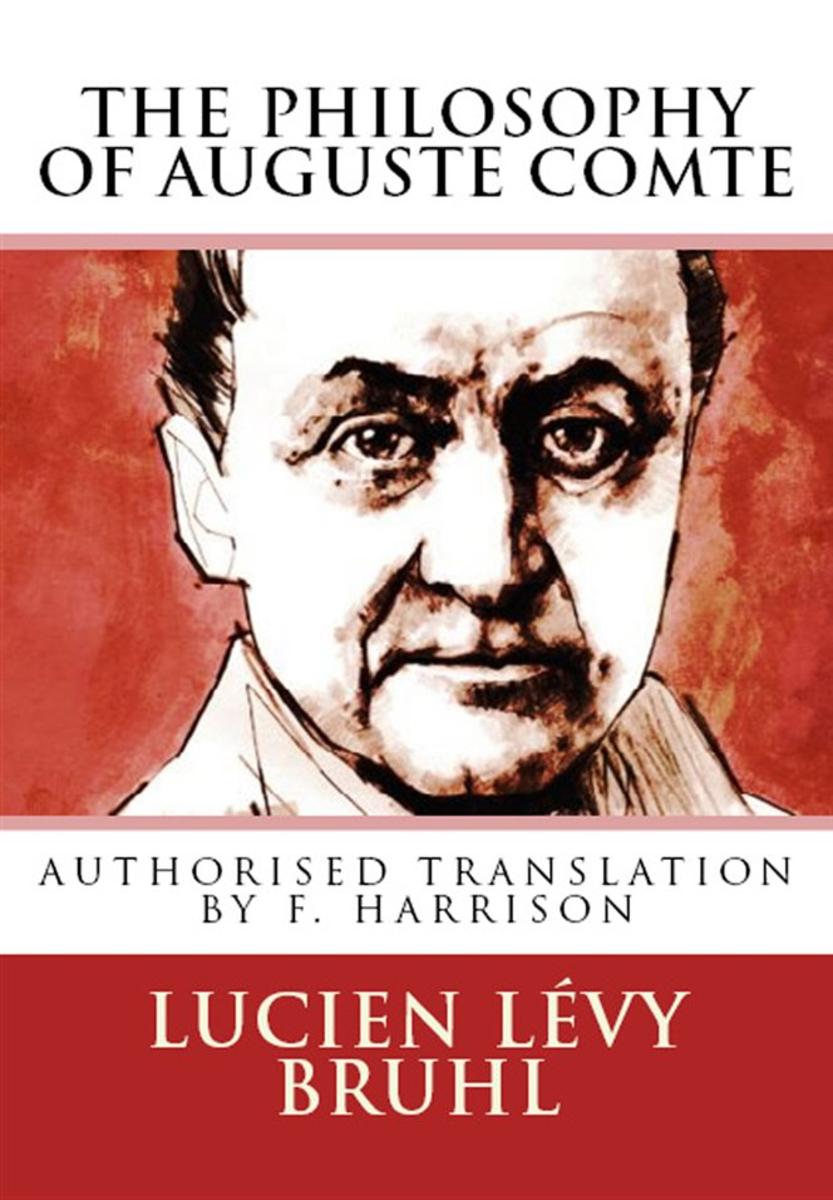
M. Lévy-Bruhl then explains that, whilst recognising the entire coherence of Comte’s collective labours, he proposes to confine his present study to the earlier and principal work, the Philosophy, which in M. Lévy-Bruhl’s opinion is the dominant and more fruitful composition.??This he regards as the representative work of the nineteenth century, as shown by the intellectual history of the period. He points to its influence on thought in England, in Europe, and in America. It will surprise many persons to learn that in M. Lévy-Bruhl’s opinion two eminent French writers, who assuredly neither were, nor were supposed to be, Positivists, “have done more for the diffusion of the ideas and method of Comte than Littré and all the other Positivists together.” ??These two are Taine and Renan, much as they differed from Comte’s actual scheme and doctrines. Renan indeed spoke of Comte as destined to prove one of the typical names of the century. The present writer remembers Renan saying to him with a most genial welcome, “I too am a believer in the religion of humanity.” ??Professor Lévy-Bruhl followed up his History of Modern Philosophy in France by a substantial work on the philosophy of Auguste Comte. It forms a volume of the Bibliothèque de Philosophie Contemporaine, which has already devoted four other works to the Positive Philosophy. It is as well to premise that this treatise dealt solely with the philosophy, not with the polity, or any part of the religious scheme of Comte. Professor Lévy-Bruhl writes as a student, but not as an adherent of Auguste Comte. His entire work is rather an exposition, not a refutation, or a criticism, or an advocacy of Comte’s philosophical system. But it may be said at once that no one abroad or at home, certainly neither Mill, nor Lewes, nor Spencer, nor Caird, has so truly grasped and assimilated Comte’s ideas as M. Lévy-Bruhl has done.??In his Introduction M. Lévy-Bruhl very clearly states the scope of his work, and his own general attitude. He traces the origin of Comte’s philosophy in the mental effervescence of the first generation of the present century towards a reorganisation of society, after the upheaval left by the Revolution and its consequences. He correctly states the relation of St. Simon to Comte as being that of an initial stimulus. ??The cardinal difference between Comte and all the socialists and founders of social and religious Utopias consisted in this, that Comte saw the necessity of a new system of philosophy as the indispensable preliminary to any reorganisation of society.

Пришестя робот?в.
¥31.07
"Wilde è profetico sin dalle prima righe, quando denuncia la prevalenza dell’emozione sulla razionalità, male principe del nostro tempo, e poi del pietismo sull’emancipazione, male di tanta politica di pseudo sinistra" (dall'Introduzione di Alfredo Sgarlato). Wilde: ?perché la vita raggiunga la sua più elevata perfezione, ci vuole qualche cosa di più. Ciò che ci vuole è l'individualismo?, ?Utopia? Una carta geografica del mondo in cui non sia segnato il paese dell'Utopia, non varrebbe la pena d'essere guardata, perché vi mancherebbe il paese in cui l'Umanità atterra ogni giorno. Ma non appena v'è sbarcata, ella guarda più lontano, scorge una terra ancora più bella, e spiega di nuovo le vele. Progredire significa realizzare l'Utopia?. SOMMARIO: Introduzione (di Alfredo Sgarlato) - Postfazione. Breve biblio-nota ai testi e alla traduzione (di Fabrizio Pinna) - OSCAR WILDE Società e libertà: elogio dell'individualismo - APPENDICE I Oscar Wilde, Rapporti fra il socialismo e l'individualismo (di Luigi Fabbri, 1913) - APPENDICE II The Soul of Man under Socialism (1891). LA COLLANA IN/DEFINIZIONI


来果禅师语录
¥18.00
本书系节录来果禅师(1881—1953年)语录中的解谤扶宗说、参禅普说、自行录等三卷。解谤扶宗说,一一破解宗、教、律、净相互争议的症结,令其能相容尊重。扶宗说以简明的一百则学禅的箴言,句句破心殷切,为后学大眼目,指迷津。参禅普说,以修道者常犯的毛病,如怕动、求静、怕苦事、无长远心、我慢等,抽丝剥茧作彻底的针砭。自行录,以来果禅师一生行履为主轴,文中有禅师的孝行,割肝疗治父疾和求法种种困厄的历程。 本书为门学禅者,先确立正见的方向(解谤扶宗说、参禅普说二章),后树立禅者大无畏的风格(自行录一章)。“语录”是启发性灵的一面镜子,只要对有所探索的人,此书必定是良师益友。

Liberty Girl
¥19.05
Human reason, in one sphere of its cognition, is called upon to consider questions, which it cannot decline, as they are presented by its own nature, but which it cannot answer, as they transcend every faculty of the mind. It falls into this difficulty without any fault of its own. It begins with principles, which cannot be dispensed with in the field of experience, and the truth and sufficiency of which are, at the same time, insured by experience. With these principles it rises, in obedience to the laws of its own nature, to ever higher and more remote conditions. But it quickly discovers that, in this way, its labours must remain ever incomplete, because new questions never cease to present themselves; and thus it finds itself compelled to have recourse to principles which transcend the region of experience, while they are regarded by common sense without distrust. It thus falls into confusion and contradictions, from which it conjectures the presence of latent errors, which, however, it is unable to discover, because the principles it employs, transcending the limits of experience, cannot be tested by that criterion. The arena of these endless contests is called Metaphysic.Time was, when she was the queen of all the sciences; and, if we take the will for the deed, she certainly deserves, so far as regards the high importance of her object-matter, this title of honour. Now, it is the fashion of the time to heap contempt and scorn upon her; and the matron mourns, forlorn and forsaken, like Hecuba: At first, her gover Modo maxima rerum, Tot generis, natisque potens... Nunc trahor exul, inops. —Ovid, Metamorphoses. xiii under the administration of the dogmatists, was an absolute despotism. But, as the legislative continued to show traces of the ancient barbaric rule, her empire gradually broke up, and intestine wars introduced the reign of anarchy; while the sceptics, like nomadic tribes, who hate a permanent habitation and settled mode of living, attacked from time to time those who had organized themselves into civil communities. But their number was, very happily, small; and thus they could not entirely put a stop to the exertions of those who persisted in raising new edifices, although on no settled or uniform plan. In recent times the hope dawned upon us of seeing those disputes settled, and the legitimacy of her claims established by a kind of physiology of the human understanding—that of the celebrated Locke. But it was found that—although it was affirmed that this so-called queen could not refer her descent to any higher source than that of common experience, a circumstance which necessarily brought suspicion on her claims—as this genealogy was incorrect, she persisted in the advancement of her claims to sovereignty. Thus metaphysics necessarily fell back into the antiquated and rotten constitution of dogmatism, and again became obnoxious to the contempt from which efforts had been made to save it. At present, as all methods, according to the general persuasion, have been tried in vain, there reigns nought but weariness and complete indifferentism—the mother of chaos and night in the scientific world, but at the same time the source of, or at least the prelude to, the re-creation and reinstallation of a science, when it has fallen into confusion, obscurity, and disuse from ill directed effort. I do not mean by this a criticism of books and systems, but a critical inquiry into the faculty of reason, with reference to the cognitions to which it strives to attain without the aid of experience; in other words, the solution of the question regarding the possibility or impossibility of metaphysics, and the determination of the origin, as well as of the extent and limits of this science. All this must be done on the basis of principles. ABOUT AUTHOR: That all our knowledge begins with experience there can be no doubt. For how is it possible that the faculty of cognition should be awakened into exercise otherwise than by means of objects which affect our senses, and partly of themselves produce representations, partly rouse our powers of understanding into activity, to compare to connect, or to separate these, and so to convert the raw material of our sensuous impressions into a knowledge of objects, which is called experience? In respect of time, therefore, no knowledge of ours is antecedent to experience, but begins with it. But, though all our knowledge begins with experience, it by no means follows that all arises out of experience. For, on the contrary, it is quite possible that our empirical knowledge is a compound of that which we receive through impressions, and that which the faculty of cognition supplies from itself (sensuous impressions giving merely the occasion), an addition which we cannot distinguish from the original element given by sense, till long practice has made us attentive to, and skilful in separating it. It is, therefore, a question which requires close investigation, and not to b
Cine a fost Isaac Newton?
¥32.62
Cartea de fa??, pe care cititorul o ?ine acum ?n m?n?, reprezint? o form? – literar vorbind, foarte complex?, fiindc? ea evolueaz? pe mai multe voci narative, dintre care doar unele ?i apar?in ?n mod direct autoarei – de exorcism. Geniul inimii e r?spunsul unui poet la o experien?? personal? plenitudinar?, ?n care bucuria ?i suferin?a se ?ntrep?trund reciproc pentru a exprima, ?mpreun? ?i tensionat, starea de gra?ie. Exist? o voce a experien?ei biografice ?n aceast? carte scris? febril, o alta de martor sau de participant la istorie, tot a?a cum exist? o voce a puterii ?i una a victimei. Deasupra tuturor st?, ?ns?, nu neap?rat triumf?toare, dar lucid-cerebral?, chemarea celor dou? credin?e pentru care merit? s? tr?ie?ti ?i s?-?i rememorezi via?a atunci c?nd ai ajuns cu ea la r?sp?ntie: credin?a ?n cultura modelelor care te-au precedat ?i credin?a deloc ingenu?, ci ivit? din cunoa?tere, ?n sacralitatea profund? a celor tr?ite ?i ?n transcenden??. (?tefan Borbély) A considera un text drept ?carte a ilumin?rilor mele“ ?i a a?eza ca titlu al primei p?r?i a volumului sintagma Povestea subteranei ne plaseaz? sub semnul aproape imposibil al drumului c?tre Sine, al cuprinderii, al denud?rii ?i al efortului de a ?n?elege un obiect al c?rui adev?r se va afla ?ntotdeauna ?n proximitatea pe?terii lui Platon. E un demers perpetuat, dar niciodat? epuizat ?i aproape exclus din plasma comunic?rii, care – ?n situa?ia ?romanului“ Aurei Christi – nu are coresponden?e, nu se apropie de experien?a budhist?, nici de prerogativele ocultismului de New Age, ci ne aduce ?n vecin?tatea ?ndemnului de pe frontispiciul templului lui Apollo din Delphi, preluat apoi, ca solu?ie ?ntre a fi ?i a p?rea, de c?tre Socrate: ?Cunoa?te-te pe tine ?nsu?i!“. Po?i ?nt?lni, pe acest drum, ?i acel daimonion care a str?juit g?ndirea aceluia?i ?n?elept atenian ca alt? fa?? a ?subteranelor“ fiin?ei, acolo unde lumina se ?ngem?neaz? cu ?ntunericul, stare ?poetizat?“ de Goethe, dar pr?bu?it? ?n tragic de Dostoievski. E o cobor?re spre ?n?elegere prin cuprindere ?i, implicit, prin atingerea nelimitatului. (Mircea Braga) Cartea Aurei Christi Geniul inimii pare o st?nc? masiv?, singuratic?, ?ntr-un peisaj ?mioritic“. Geniul inimii are originalitate ?i for??. Prima parte e liric?, a doua (?ntr-un fel) – o comedie negru-satiric?, a treia – predominant epic-narativ?. Prima parte este excelent?; mi-am ?nsemnat un num?r de poezii memorabile. A doua, ?n centrul ei mai ales, are sec?iuni, pasaje extrem de interesant-pl?cute-amuzante, ?n pofida tonului, uneori, foiletonistic. A treia e impresionant? ?n ansamblu, armonios-coerent?, de o sinceritate sf??ietoare. ?n tot volumul, istoricul, religiosul, subiectivul se leag? foarte frumos ?ntre ele. Nu-mi plac laudele la adresa lui Nietzsche! De fapt, cum se leag? acest autor de Biblie, de Evanghelii?! Aura Christi poate fi m?ndr? de o realizare major?, cu totul original?. Probabil, nu l-a citit pe romanticul britanic Wordsworth; dar el e cel care a scris (sau a ?nceput s? scrie) o memorabil? autobiografie ?n versuri. Pu?ini l-au continuat. Am putea spune c? Aura se num?r? printre cei pu?ini. (Virgil Nemoianu)

?tvenezer lándzsa: Anjouk - V. rész
¥75.54
"A megsemmisülés rejtélyes sz?vege egyszerre filozófiai traktátus, misztikus beavatás és poszthumán próza. A kortárs irodalomban egyre inkább feler?s?dik ez a nem-antropocentrikus hang, mely nem emberi sorsokat akar elbeszélni, hanem a nyelv és az ember k?z?s hiányt?rténetére mutat rá. ?Mennyien kapaszkodtak a létbe, mint egy végtelen fa t?rzsébe” - írja Horváth Márk és Lovász ?dám, hiszen az emberi állapot csak a társadalmi, nyelvi és metafizikai katasztrófa terében értelmezhet?. Apokaliptikus (neo)romantika és abszurd k?ltészet. Az utolsó ember kézik?nyve a túlélés lehetetlenségér?l."Nemes Z. Márió Az Idegenre hárult a sors ajándéka, hogy els?ként az utolsó emberek k?zu?l végignézze minden ku?ls?dleges k?telék pusztulását, és bizalmát lelkébe, s?t a lelkén is túlra helyezze, minden emberit maga m?g?tt hagyva. Minden ház gerendái k?z?tt barátságok és szerelmek jól táplált holttestei indultak oszlásnak, míg csak a csont fehérlett ki a vízb?l. Mint rég elhagyott kik?t?k tornyai, olyan hívogatóak voltak ezek a csontok az új kor embere számára.

神会语录
¥18.00
本书记录了神会与崇远法师就禅宗的是非邪正问题展辩论的经过,神会在辩论中批评神秀的大弟子普寂的禅法,指出惠能是得到传法袈裟的第六代祖师,禅宗历代祖师相传的只是单刀直、直了见性的顿悟法门,并强调般若波罗蜜是一切修行的根本。

Csupasz csontok
¥58.21
DAVID HUME (1711 – 1776) was a Scottish philosopher, historian, economist, and essayist known especially for his philosophical empiricism and skepticism. He was one of the most important figures in the history of Western philosophy and the Scottish Enlightenment. Hume is often grouped with John Locke, George Berkeley, and a handful of others as a British Empiricist. Beginning with his A Treatise of Human Nature (1739), Hume strove to create a total naturalistic "science of man" that examined the psychological basis of human nature. In stark opposition to the rationalists who preceded him, most notably Descartes, he concluded that desire rather than reason governed human behaviour, saying: "REASON IS, and OUGHT ONLY to BE the SLAVE of the PASSIONS". A prominent figure in the sceptical philosophical tradition and a strong empiricist, he argued against the existence of innate ideas, concluding instead that humans have knowledge only of things they directly experience.. NOTHING is more usual and more natural for those, who pretend to discover anything new to the world in philosophy and the sciences, than to insinuate the praises of their own systems, by decrying all those, which have been advanced before them. And indeed were they content with lamenting that ignorance, which we still lie under in the most important questions, that can come before the tribunal of human reason, there are few, who have an acquaintance with the sciences, that would not readily agree with them. It is easy for one of judgment and learning, to perceive the weak foundation even of those systems, which have obtained the greatest credit, and have carried their pretensions highest to accurate and profound reasoning. Principles taken upon trust, consequences lamely deduced from them, want of coherence in the parts, and of evidence in the whole, these are every where to be met with in the systems of the most eminent philosophers, and seem to have drawn disgrace upon philosophy itself. Nor is there required such profound knowledge to discover the present imperfect condition of the sciences, but even the rabble without doors may, judge from the noise and clamour, which they hear, that all goes not well within. There is nothing which is not the subject of debate, and in which men of learning are not of contrary opinions. The most trivial question escapes not our controversy, and in the most momentous we are not able to give any certain decision. Disputes are multiplied, as if every thing was uncertain; and these disputes are managed with the greatest warmth, as if every thing was certain. Amidst all this bustle it is not reason, which carries the prize, but eloquence; and no man needs ever despair of gaining proselytes to the most extravagant hypothesis, who has art enough to represent it in any favourable colours. The victory is not gained by the men at arms, who manage the pike and the sword; but by the trumpeters, drummers, and musicians of the army. From hence in my opinion arises that common prejudice against metaphysical reasonings of all kinds, even amongst those, who profess themselves scholars, and have a just value for every other part of literature. By metaphysical reasonings, they do not understand those on any particular branch of science, but every kind of argument, which is any way abstruse, and requires some attention to be comprehended. We have so often lost our labour in such researches, that we commonly reject them without hesitation, and resolve, if we must for ever be a prey to errors and delusions, that they shall at least be natural and entertaining. And indeed nothing but the most determined scepticism, along with a great degree of indolence, can justify this aversion to metaphysics. For if truth be at all within the reach of human capacity, it is certain it must lie very deep and abstruse: and to hope we shall arrive at it without pains, while the greatest geniuses have failed with the utmost pains..
A fekete vér
¥8.67
The present publication is intended to supply a recognised deficiency in our literature—a library edition of the Essays of Montaigne. This great French writer deserves to be regarded as a classic, not only in the land of his birth, but in all countries and in all literatures. His Essays, which are at once the most celebrated and the most permanent of his productions, form a magazine out of which such minds as those of Bacon and Shakespeare did not disdain to help themselves; and, indeed, as Hallam observes, the Frenchman's literary importance largely results from the share which his mind had in influencing other minds, coeval and subsequent. But, at the same time, estimating the value and rank of the essayist, we are not to leave out of the account the drawbacks and the circumstances of the period: the imperfect state of education, the comparative scarcity of books, and the limited opportunities of intellectual intercourse. Montaigne freely borrowed of others, and he has found men willing to borrow of him as freely. We need not wonder at the reputation which he with seeming facility achieved. He was, without being aware of it, the leader of a new school in letters and morals. His book was different from all others which were at that date in the world. It diverted the ancient currents of thought into new channels. It told its readers, with unexampled frankness, what its writer's opinion was about men and things, and threw what must have been a strange kind of new light on many matters but darkly understood. Above all, the essayist uncased himself, and made his intellectual and physical organism public property. He took the world into his confidence on all subjects. His essays were a sort of literary anatomy, where we get a diagnosis of the writer's mind, made by himself at different levels and under a large variety of operating influences. Of all egotists, Montaigne, if not the greatest, was the most fascinating, because, perhaps, he was the least affected and most truthful. What he did, and what he had professed to do, was to dissect his mind, and show us, as best he could, how it was made, and what relation it bore to external objects. He investigated his mental structure as a schoolboy pulls his watch to pieces, to examine the mechanism of the works; and the result, accompanied by illustrations abounding with originality and force, he delivered to his fellow-men in a book. W. C. H. KENSINGTON, November 1877. THE LIFE OF MONTAIGNE The author of the Essays was born, as he informs us himself, between eleven and twelve o'clock in the day, the last of February 1533, at the chateau of St. Michel de Montaigne. His father, Pierre Eyquem, esquire, was successively first Jurat of the town of Bordeaux (1530), Under-Mayor 1536, Jurat for the second time in 1540, Procureur in 1546, and at length Mayor from 1553 to 1556. He was a man of austere probity, who had "a particular regard for honour and for propriety in his person and attire . . . a mighty good faith in his speech, and a conscience and a religious feeling inclining to superstition, rather than to the other extreme. Between 1556 and 1563 an important incident occurred in the life of Montaigne, in the commencement of his romantic friendship with Etienne de la Boetie, whom he had met, as he tells us, by pure chance at some festive celebration in the town. From their very first interview the two found themselves drawn irresistibly close to one another, and during six years this alliance was foremost in the heart of Montaigne, as it was afterwards in his memory, when death had severed it.

Exercitii practice de psihogenealogie
¥48.97
Satisfacerea neîngr?dit? a nevoilor instinctuale ale omului este oare compatibil? cu limit?rile impuse de progresul civiliza?iei? Lansat? de Freud în celebrul text Disconfort în cultur? (1930), întrebarea este reluat? peste un sfert de veac de c?tre Herbert Marcuse, eminent filosof din ?coala de la Frankfurt. În vreme ce Freud ofer? un r?spuns pesimist, vorbind despre inevitabila subjugare a instinctelor umane de c?tre societatea represiv?, Marcuse întrevede o cale de îmblânzire a agresivit??ii Civiliza?iei prin for?a unificatoare, vital? ?i ludic? a Erosului. Solu?iile de emancipare sugerate de c?tre Marcuse au influen?at profund mi?c?rile studen?e?ti, ecologice, anticolonialiste sau de eliberare sexual? din ultima jum?tate de secol. De aceea interesul pentru criticile sale trece dincolo de ?tiin?ele socio-umane, înspre to?i cei ce vor s? în?eleag? mecanismele alienante ale „societ??ii abunden?ei“. Acest eseu folose?te categorii psihologice, deoarece ele au devenit categorii politice. Exist? procese psihice, alt?dat? autonome ?i identificabile, care sunt absorbite de func?ia individului în stat - de c?tre existen?a sa public?. Problemele psihologice se transform? a?adar în probleme politice. ?– Herbert Marcuse Pornind de la Freud ?i de la tradi?ia eliberatoare a filosofiei ?i culturii, Marcuse schi?eaz? tabloul unei civiliza?ii în care alienarea ?i reprimarea sunt înlocuite de dimensiunea libidinal? ?i nealienant? a muncii, jocului ?i sexualit??ii libere ?i deschise, toate acestea conducând mai departe c?tre emancipare ?i fericire. – Douglas Kellner, editor al seriei The Collected Papers of Herbert Marcuse


