


 购物车
购物车 个人中心
个人中心
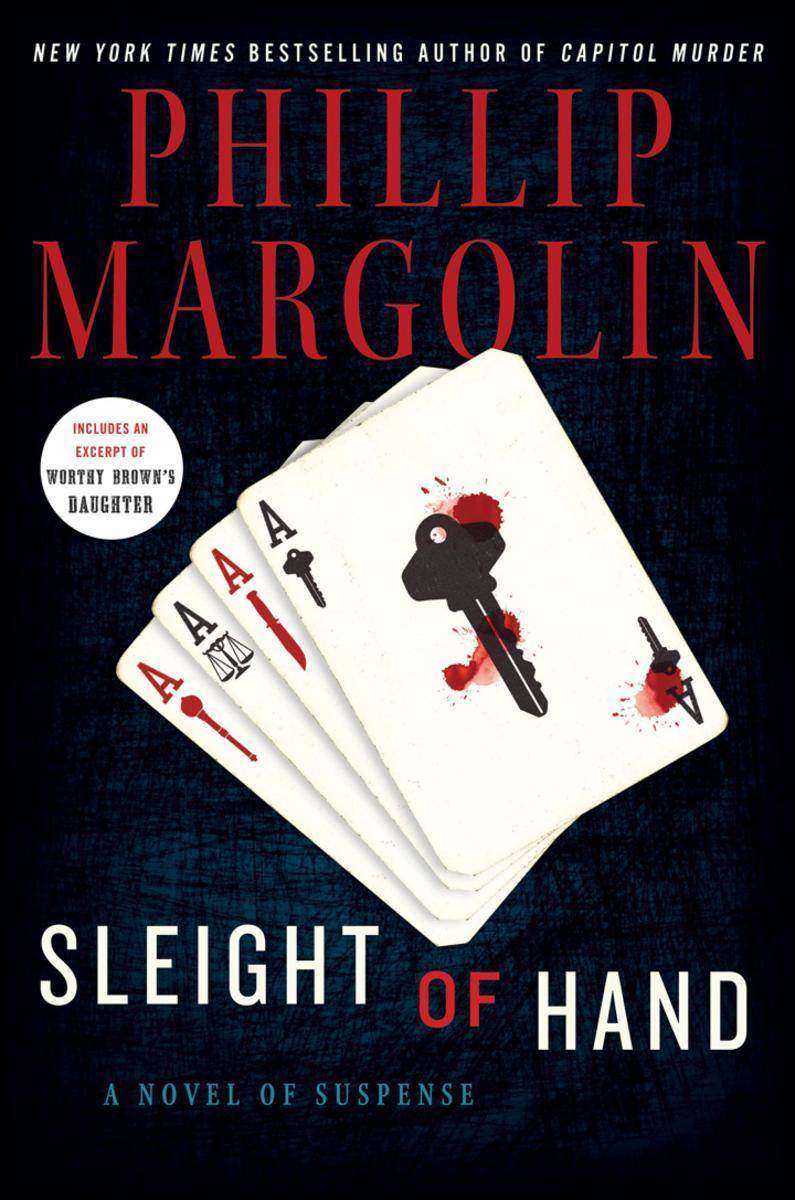
Sleight of Hand
¥69.16
Tenacious investigator Dana Cutler must take down a charismatic and diabolical lawyer before he can pull off the perfect crime in this powerhouse thriller from New York Times bestselling author Phillip Margolin.Charles Benedict—magnetic criminal defense lawyer, amateur illusionist, and professional hit man—and private investigator Dana Cutler are on a collision course set in motion by Benedict's greatest sleight of hand yet: framing a millionaire for the murder of his much younger wife.Ten years ago, Horace Blair fell in love with Carrie, the prosecutor during his DUI trial. After a torrid courtship, he persuaded her to marry him and to sign a prenuptial agreement guaranteeing her twenty million dollars if she remained faithful during the first ten years of their marriage. The week before their tenth anniversary, Carrie disappears, and Horace is charged with her murder. Desperate to clear his name, the millionaire hires one of D.C.'s most brilliant and ruthless defense attorneys—Charles Benedict.Meanwhile, private investigator Dana Cutler is in the Pacific Northwest on the trail of a stolen relic, a gold scepter dating back to the Ottoman Empire. Hitting a dead end, she returns to Virginia, perplexed and disappointed—and straight into the twisting case of Horace and Carrie Blair.It's the perfect crime, unless Dana Cutler can conjure a few tricks of her own to take down a cunning psychopath and expose his diabolical plot—before he can work his deadly magic on her.
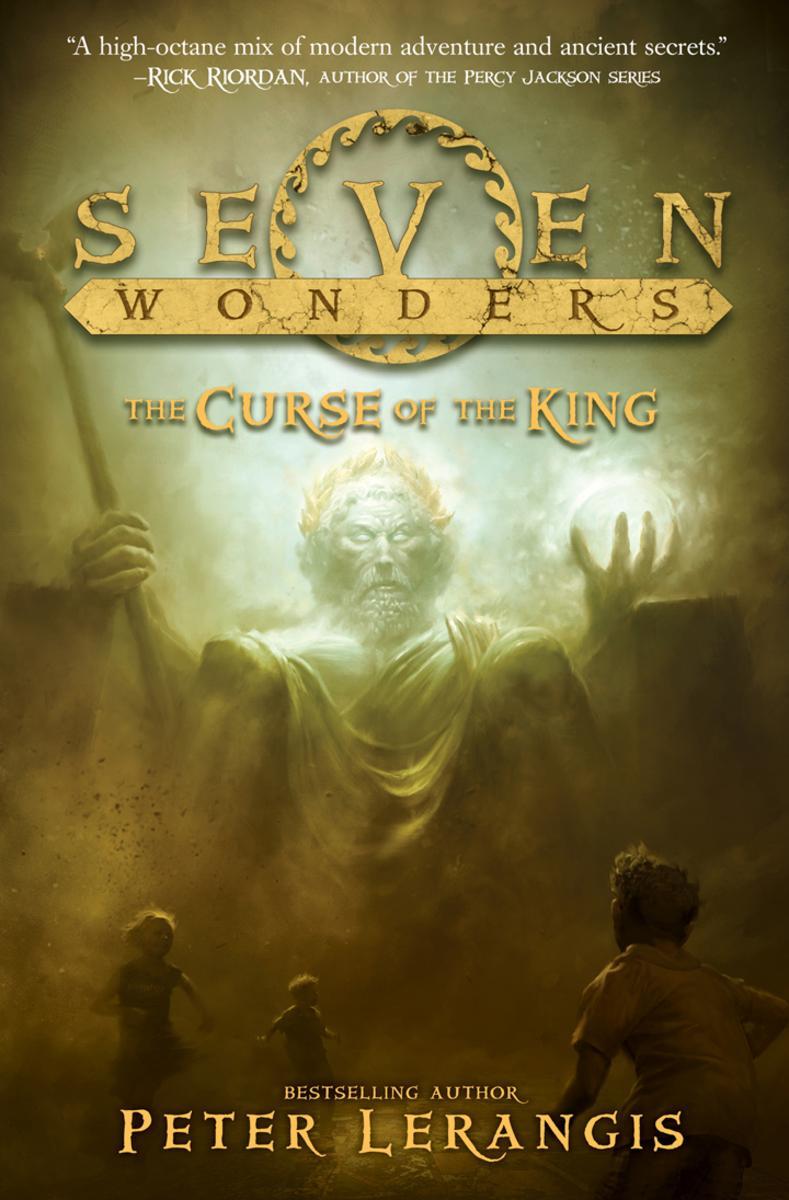
Seven Wonders Book 4: The Curse of the King
¥44.73
Percy Jackson meets Indiana Jones in the New York Times bestselling epic adventure Seven Wonders!The Curse of the King is the fourth book in a five-book series by master storyteller Peter Lerangis. This sequel to The Tomb of Shadows, Lost in Babylon, and The Colossus Rises chronicles the adventures of Jack McKinley and his friends as they face their greatest challenge yet—the long-lost Statue of Zeus. In their struggle to undo what's been done and unlock the secrets of this Wonder of the Ancient World, our heroes must confront gods, relive old battles, and face down their own destiny to save themselves—and the world—from destruction.Rick Riordan, author of the Percy Jackson series, praised Seven Wonders Book 1: The Colossus Rises as "a high-octane mix of modern adventure and ancient secrets. Young readers will love this story. I can't wait to see what's next in the Seven Wonders series!"
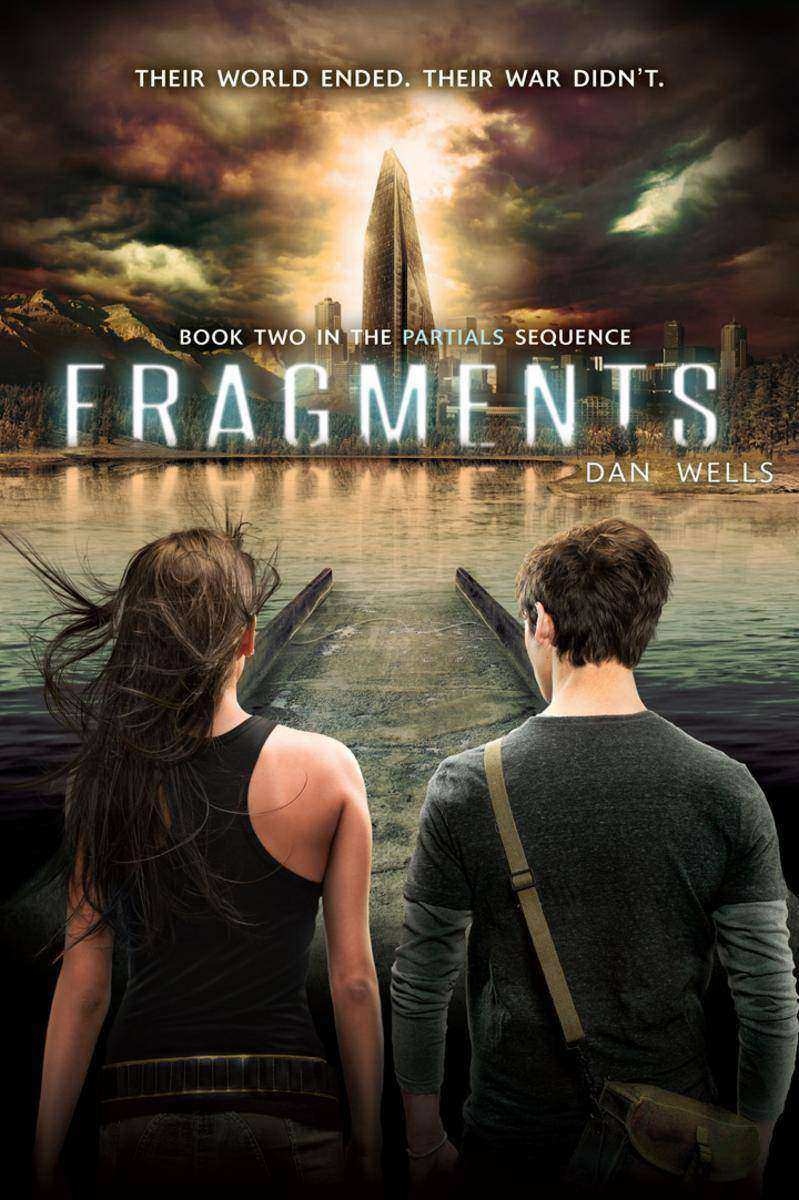
Fragments
¥55.93
Author Dan Wells is back with the sequel to the sci-fi blockbuster Partials, which Pittacus Lore called a "thrilling sci-fi adrenaline rush, with one of the most compelling and frightening visions of Earth's future I've seen yet."After discovering the cure for RM, Kira Walker sets off on a terrifying journey into the ruins of postapocalyptic America and the darkest desires of her heart in order to uncover the means—and a reason—for humanity's survival.Dan Wells extends his richly imagined, gritty world and introduces new memorable characters in this second installment in the Partials Sequence.
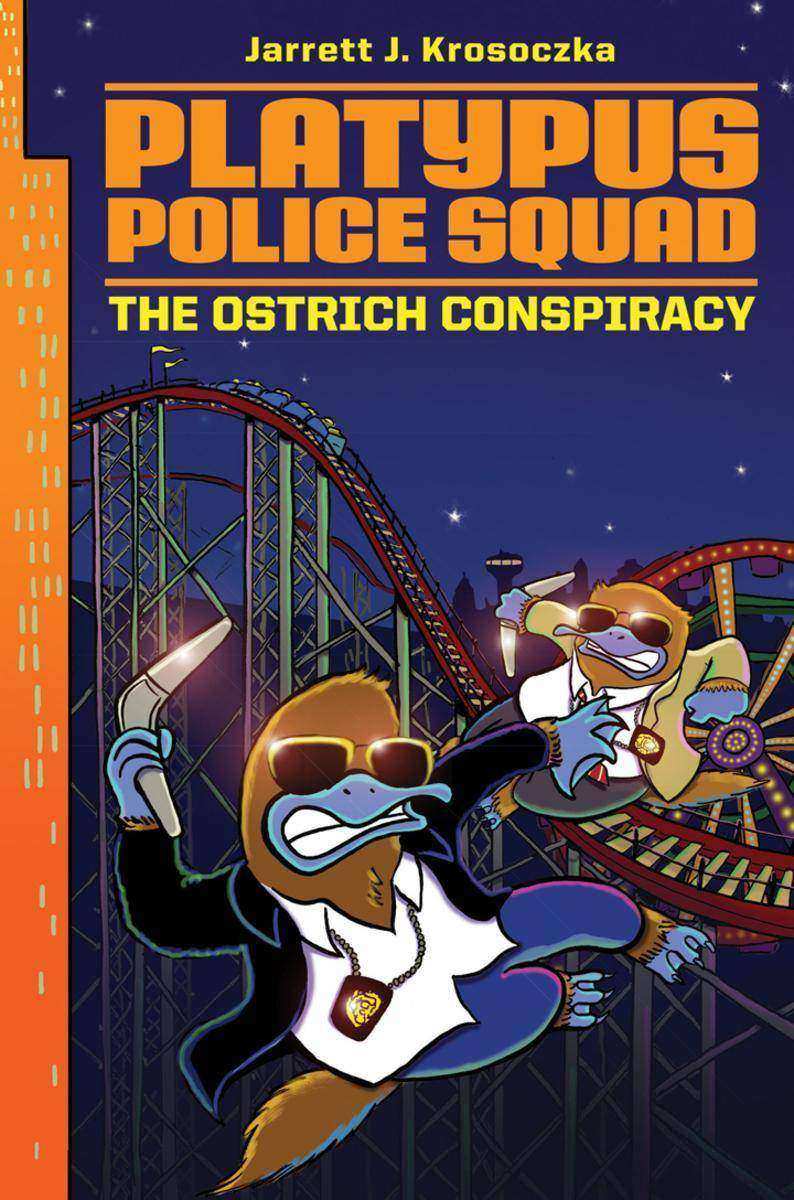
Platypus Police Squad: The Ostrich Conspiracy
¥72.93
Jarrett J. Krosoczka is back with The Ostrich Conspiracy, the second installment in a fast-paced, action-packed, and hilarious middle-grade series featuring two platypus detectives, perfect for fans of Diary of a Wimpy Kid, Big Nate, and Lunch Lady.The opening of the Kalamazoo City Dome—the world's largest indoor amusement complex—has everyone in the city buzzing, especially because it's going to be the shooting site for Chase Mercy's new blockbuster film. But that's when things start to go haywire. Who would want to sabotage the Dome, and whyDetectives Rick Zengo and Corey O'Malley are on the case!

Platypus Police Squad: Last Panda Standing
¥72.93
From Jarrett J. Krosoczka comes Last Panda Standing, the third installment in the hilarious, high-action illustrated middle grade series featuring two platypus detectives, perfect for fans of Diary of a Wimpy Kid, Big Nate, and Jarrett's own Lunch Lady series.The Kalamazoo City mayoral race is heating up, and Frank Pandini Jr. has been threatened by a mysterious assailant. He requests a special Platypus Police Squad protection detail: Detective Rick Zengo. This leaves O'Malley to be partnered up with Jo Cooper, the newest detective on the force. Can Zengo get to the bottom of the attacks—without O'Malley backing him up?
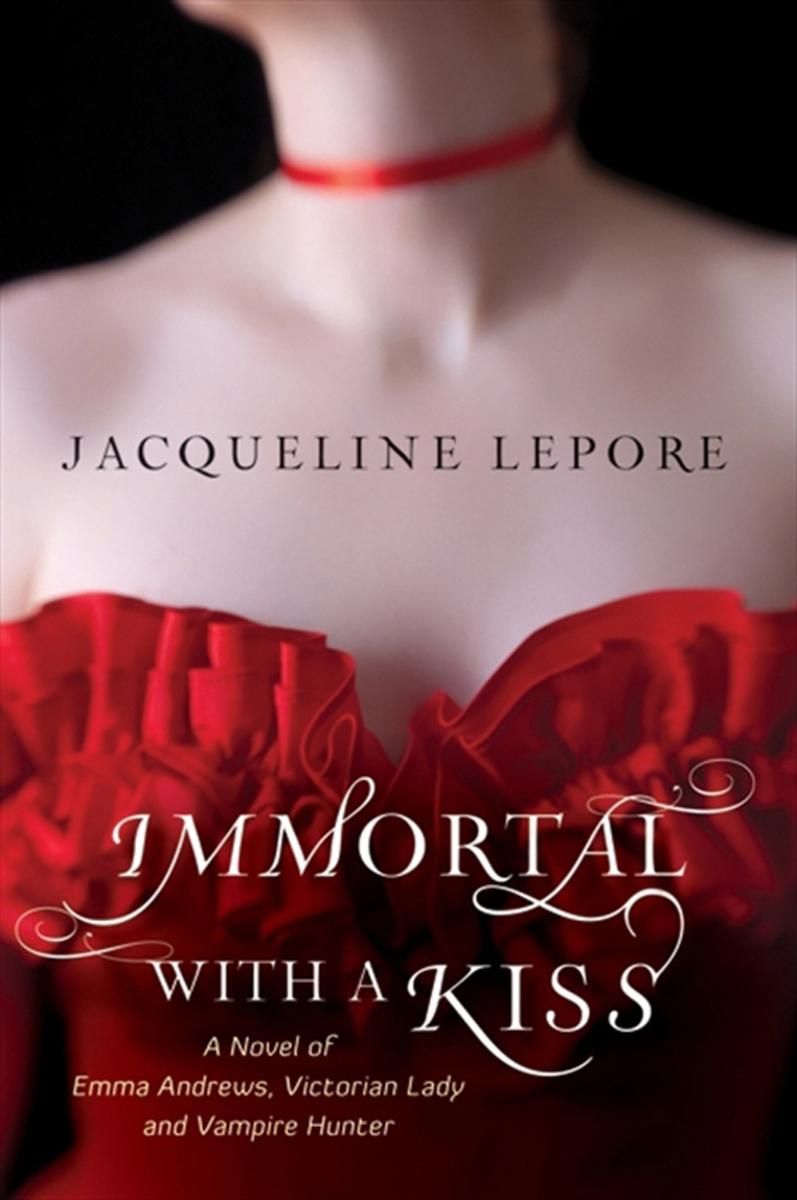
Immortal with a Kiss
¥78.55
Born by blood to be Dhampir—a vampire hunter—Emma Andrews nearly lost her life and everyone she loves at Dulwich Manor. Now something evil is preying on students at a northern Lake District girls' school—the same school Emma's mother attended years ago. Drawn as much by the desire to learn more about her family's secrets as the possibility of vampires, Emma finds the schoolgirls in the grip of a terrible legacy—the ageless evil of the Cyprian Queen, a dark goddess of ancient legend. Now Emma must tread a careful path—along with her old friends Sebastian, Father Luke, and the mysterious and dashing Valerian Fox—deeper into the darkness to face her most paralyzing fears . . . and perhaps come one step closer to the Dracula himself.
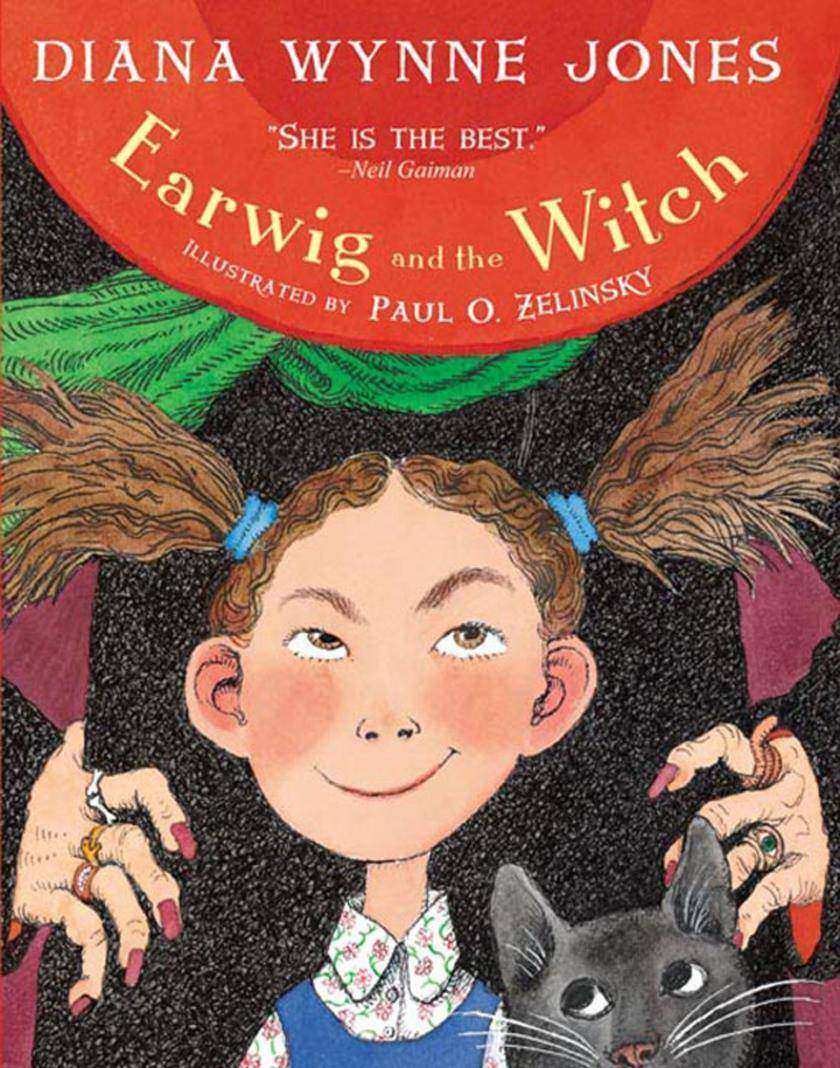
Earwig and the Witch
¥33.18
"I would like to declare Diana Wynne Jones an international treasure," proclaimed Neil Gaiman, Newbery Medalist and best-selling author. In this enchanting introduction to Diana Wynne Jones's magical and funny work, Earwig is a fearless young orphan. When she finds herself in a house of dark magic, she does whatever she can to adapt—especially if it means that she'll learn a little magic herself! A young middle grade novel by World Fantasy Award for Lifetime Achievement?winner Diana Wynne Jones, beautifully illustrated in black and white by Caldecott Medalist Paul O. Zelinsky.Not every orphan would love living at St. Morwald's Home for Children, but Earwig does. She gets whatever she wants, whenever she wants it, and it's been that way since she was dropped on the orphanage doorstep as a baby. But all that changes the day Bella Yaga and the Mandrake come to St. Morwald's, disguised as foster parents. Earwig is whisked off to their mysterious house full of invisible rooms, potions, and spell books, with magic around every corner. Most children would run in terror from a house like that . . . but not Earwig. Using her own cleverness—with a lot of help from a talking cat—she decides to show the witch who's boss.
Bumped
¥55.33
When a virus makes everyone over the age of eighteen infertile, would-be parents pay teen girls to conceive and give birth to their children, making teens the most prized members of society. Girls sport fake baby bumps and the school cafeteria stocks folic-acid-infused food.Sixteen-year-old identical twins Melody and Harmony were separated at birth and have never met until the day Harmony shows up on Melody’s doorstep. Up to now, the twins have followed completely opposite paths. Melody has scored an enviable conception contract with a couple called the Jaydens. While they are searching for the perfect partner for Melody to bump with, she is fighting her attraction to her best friend, Zen, who is way too short for the job. Harmony has spent her whole life in Goodside, a religious community, preparing to be a wife and mother. She believes her calling is to convince Melody that pregging for profit is a sin. But Harmony has secrets of her own that she is running from.When Melody is finally matched with the world-famous, genetically flawless Jondoe, both girls’ lives are changed forever. A case of mistaken identity takes them on a journey neither could have ever imagined, one that makes Melody and Harmony realize they have so much more than just DNA in common.From New York Times bestselling author Megan McCafferty comes a strikingly original look at friendship, love, and sisterhood—in a future that is eerily believable.

Die for Me
¥50.33
My life had always been blissfully, wonderfully normal. But it only took one moment to change everything.Suddenly, my sister, Georgia, and I were orphans. We put our lives into storage and moved to Paris to live with my grandparents. And I knew my shattered heart, my shattered life, would never feel normal again. Then I met Vincent.Mysterious, sexy, and unnervingly charming, Vincent Delacroix appeared out of nowhere and swept me off my feet. Just like that, I was in danger of losing my heart all over again. But I was ready to let it happen.Of course, nothing is ever that easy. Because Vincent is no normal human. He has a terrifying destiny, one that puts his life at risk every day. He also has enemies . . . immortal, murderous enemies who are determined to destroy him and all of his kind. While I'm fighting to piece together the remnants of my life, can I risk putting my heart—as well as my life and my family's—in jeopardy for a chance at love?

The Gathering
¥55.93
Strange things are happening in Maya's tiny Vancouver Island town. First, her friend Serena, the captain of the swim team, drowns mysteriously in the middle of a calm lake. Then, one year later, mountain lions are spotted rather frequently around Maya's home—and her reactions to them are somewhat . . . unexpected. Her best friend, Daniel, has also been experiencing unexplainable premonitions about certain people and situations.It doesn't help that the new bad boy in town, Rafe, has a dangerous secret, and he's interested in one special part of Maya's anatomy—her paw-print birthmark.
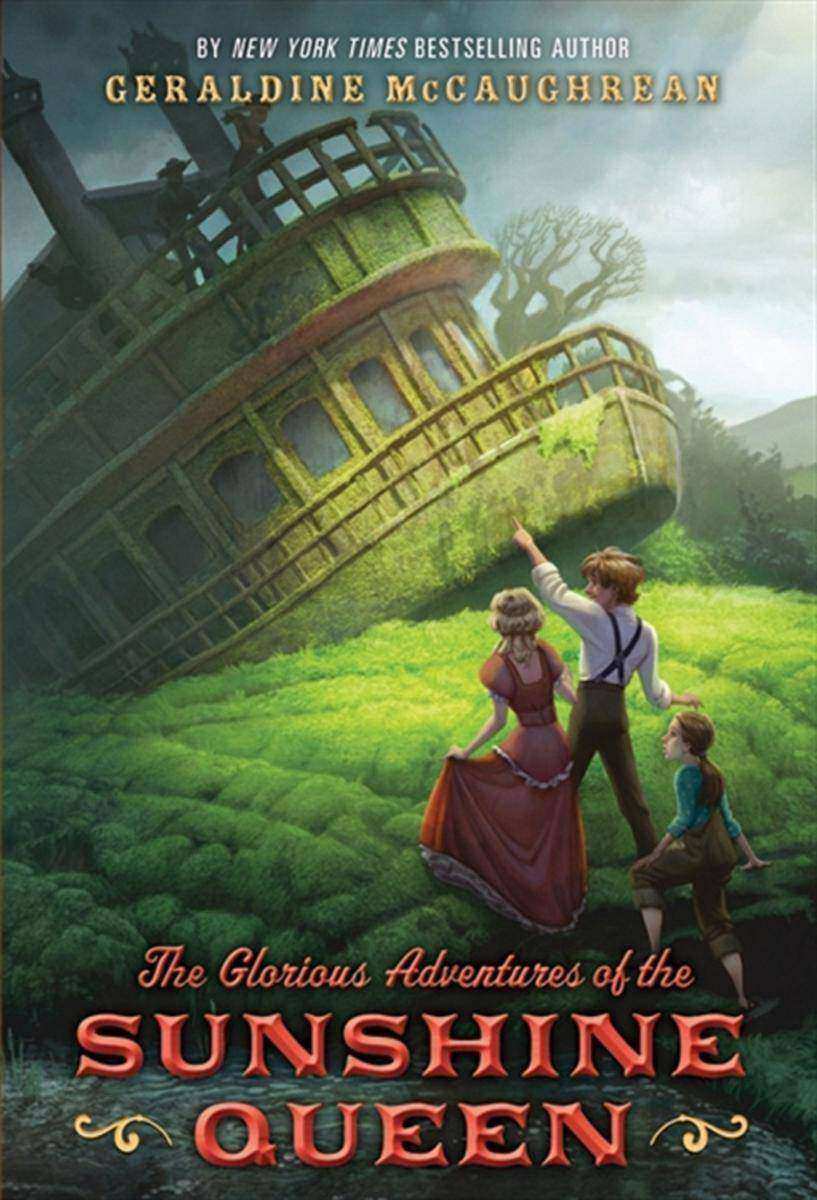
The Glorious Adventures of the Sunshine Queen
¥95.39
Ever since the magnificent Miss Loucien gave up teaching to join the Bright Lights Theater Company, school days have lacked a certain . . . drama . . . especially for Cissy, who longs for a life in show business, and Kookie, who craves adventure. But when a diphtheria outbreak interrupts the dull routine, Cissy and Kookie are evacuated to the doubtful safety of the Bright Lights’ summer home—a shipwrecked paddle steamer on the flooded Missouri River.Thus begins a wild and unpredictable journey downstream serving up grand performances, aggrieved river gamblers, irate lawmen, and perilous races. And when at long last Cissy steps into the limelight, the stakes are higher than she ever imagined.Renowned storyteller Geraldine McCaughrean weaves a rip-roaring adventure in this funny tale that’s chock-full of humor and heart.
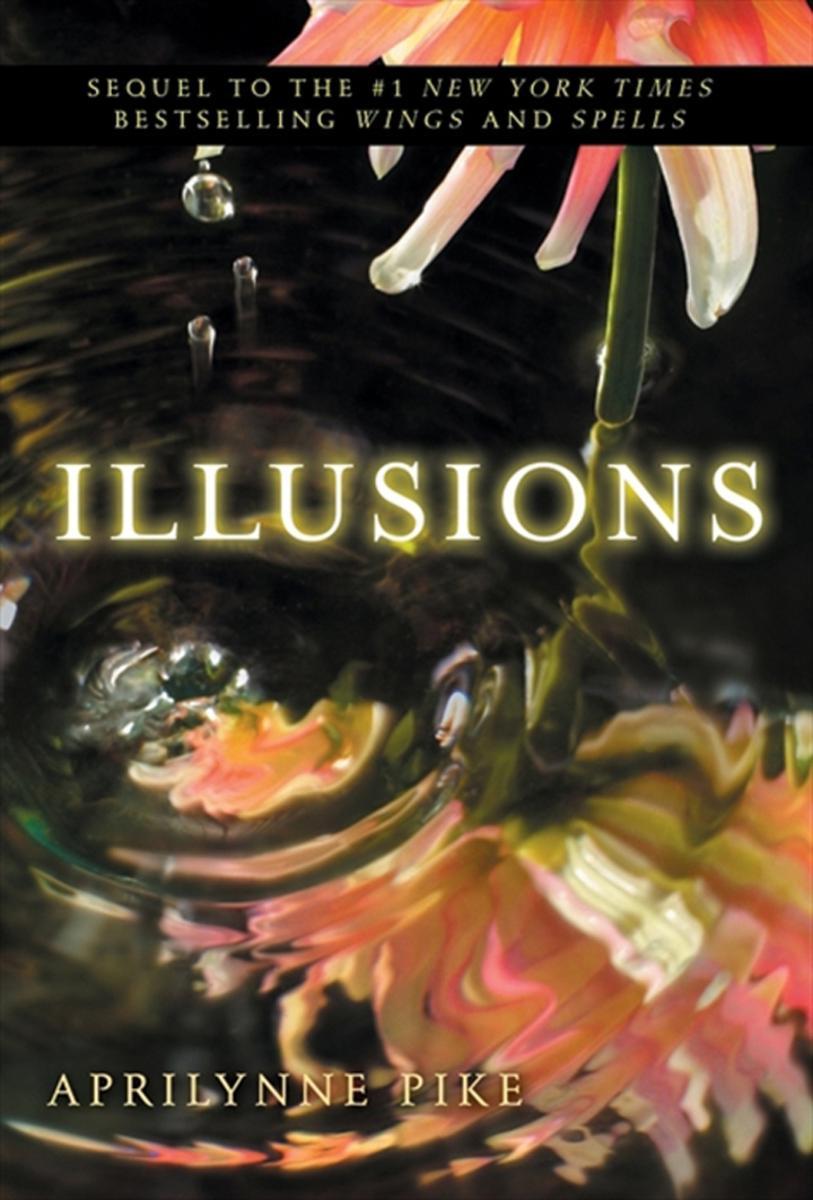
Illusions
¥55.93
"I don't do patrols, I don't go hunting, I just stick close to you. You live your life. I'll keep you safe," Tamani said, sweeping a lock of hair from her face. "Or die trying."Laurel hasn't seen Tamani since she begged him to let her go last year. Though her heart still aches, Laurel is confident that David was the right choice.But just as life returns to normal, Laurel realizes that a hidden enemy lies in wait. Once again, Laurel must turn to Tamani to protect and guide her, for the danger that now threatens Avalon is one that no faerie thought would ever be possible. And for the first time, Laurel cannot be sure that her side will prevail.
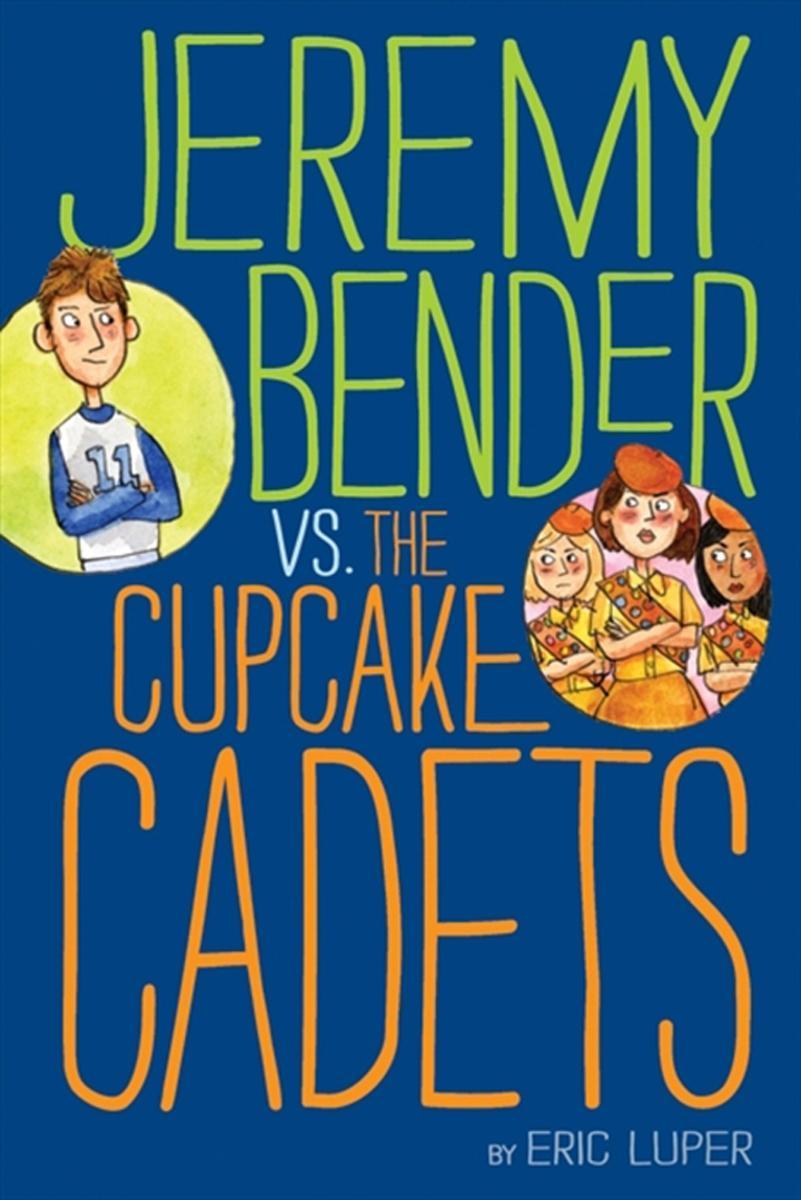
Jeremy Bender vs. the Cupcake Cadets
¥95.39
When eleven-year-old Jeremy Bender does major damage to his father's prized boat, he figures he has one way to avoid being grounded for life: Fix it before Dad finds out. But even if Jeremy and his best friend, Slater, combined their allowances for a year, they still wouldn't have enough money for the cost of repairs. Inspiration strikes when the boys see an ad for the Windjammer Whirl. Sponsored by the Cupcake Cadets, the model sailboat race pays five hundred dollars to the winner. There's just one problem: You must be a Cadet—and a girl—to compete.Confident that it will be the easiest money they've ever made, Jeremy convinces Slater they should dress up like girls and infiltrate the troop. But as the boys proceed to botch everything from camping to field hockey, they realize that being a Cadet is no piece of cupcake. Can Jeremy and Slater earn their badges and win the moneyOr will their Cupcake careers be over faster than you can say "vanilla frosting"?
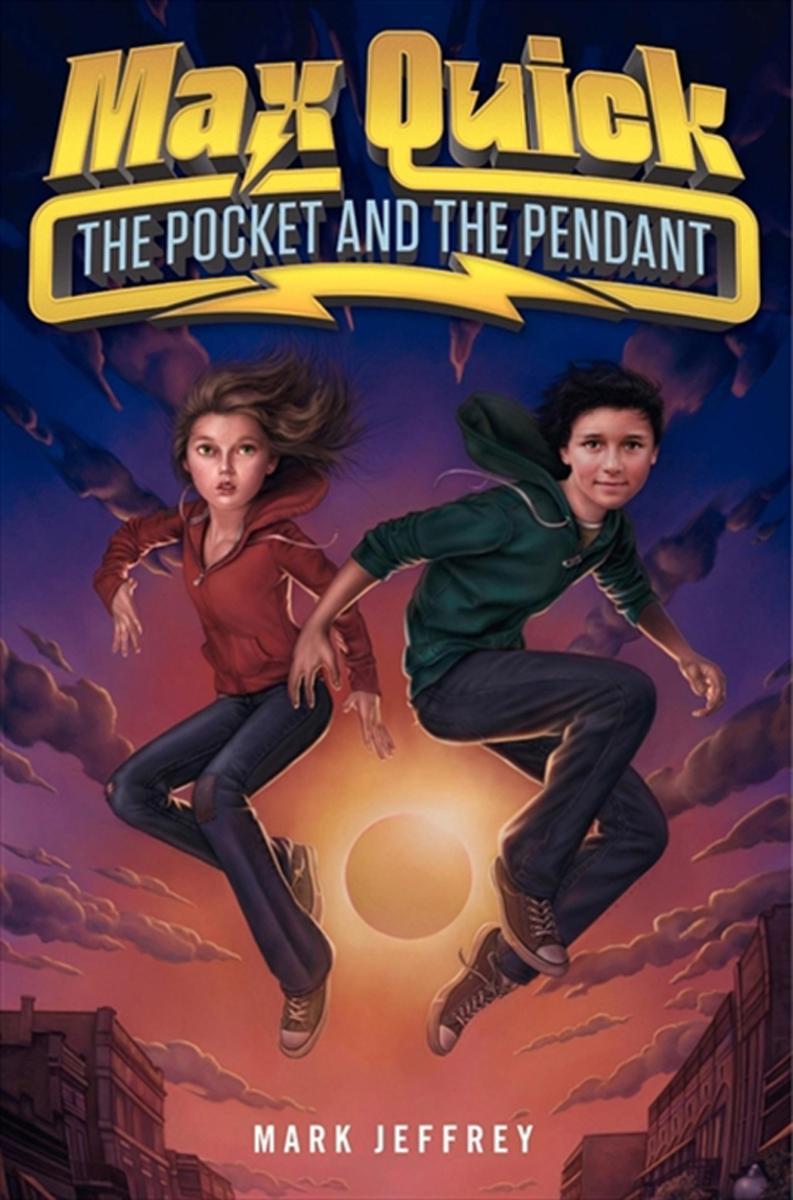
Max Quick
¥90.77
Max Quick is a pickpocket, a vagabond, an orphan, and a thief. Even so, nothing about him seems particularly special . . . until one day when time mysteriously stops. Suddenly, nearly everyone in the world is frozen in time—except for Max.Now Max must journey across America to find the source of the Time-stop. Along the way, he meets others who aren't suspended in time, like Casey, a girl who's never been on her own until now. Together, as they search for the cause of this disaster, Max and his companions encounter ancient mysteries, magic books, and clues to the riddle of stopped time. But relentless and mysterious villains are hot on Max's heels and will do everything in their power to prevent Max from ending the Time-stop. And the closer Max gets to the answers, the more it seems that his own true identity is not what he once believed.Racing against a clock that no longer ticks, Max must embrace his past to save his future—and the world—from being altered forever.
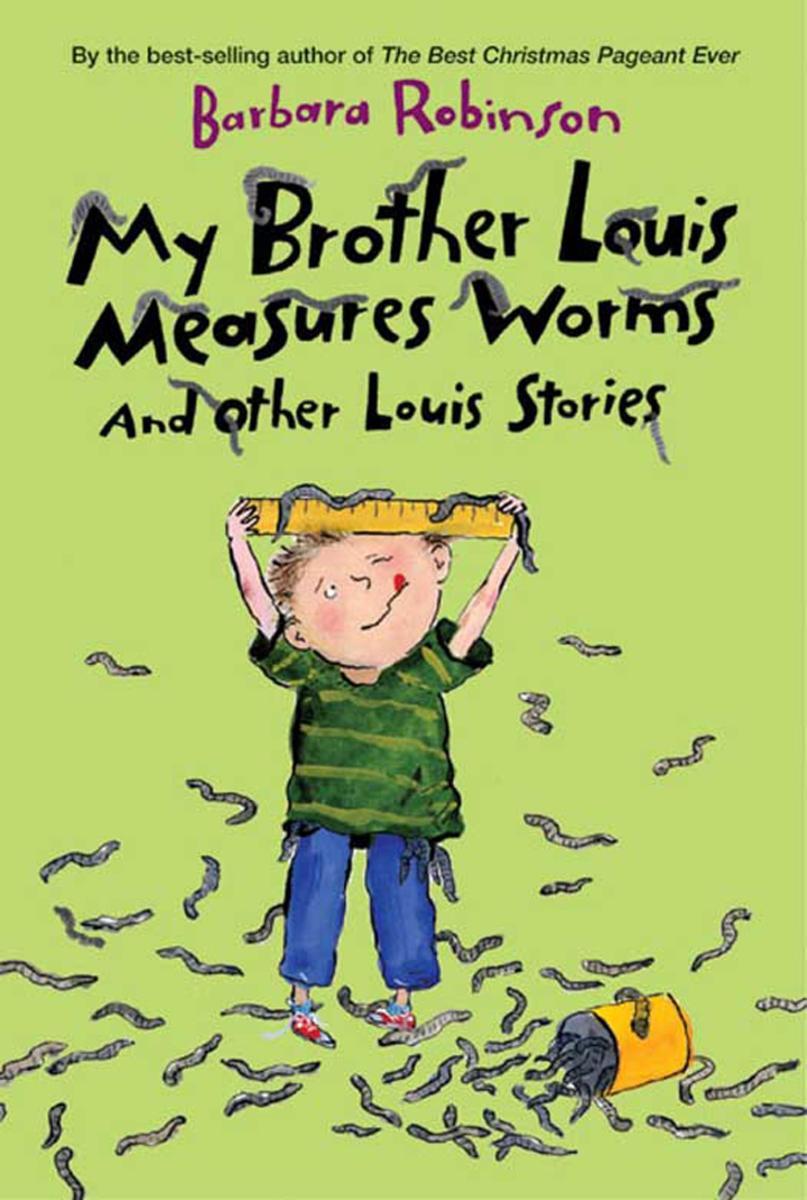
My Brother Louis Measures Worms
¥87.18
How is it that Louis has been driving his mother's car around town if he's only eight years oldWhere did the cat go to have her kittensWho won the free weddingWhether it's costume parades, mysterious paint allergies, or bicycle disasters, there's never a dull moment when the Lawson family is around!

Ashes to Ashes
¥55.93
A timeless and romantic ghost story that will haunt readers long after the last page is turned.When Callie's life is cut short by a tragic accident in her hometown of Charleston, South Carolina, her spirit travels to another dimension called the Prism. Here she meets a striking and mysterious ghost named Thatcher, who guides her as she learns how to bring peace to those she left behind. But Callie soon uncovers a dark secret about the spirit world: some of the souls in it are angry, and they desperately want revenge. These souls are willing to do whatever it takes to stay on Earth, threatening the existence of everyone she ever cared about.Perfect for fans of Gayle Forman's If I Stay and Lauren Oliver's Before I Fall, this thoughtful and suspenseful novel will have readers eager to read the sequel, Dust to Dust.

Dust to Dust
¥55.93
Perfect for fans of If I Stay or Imaginary Girls, Dust to Dust is the mysterious, thoughtful, and poignant sequel to Melissa Walker's haunting and heartbreaking novel Ashes to Ashes.When Callie McPhee miraculously recovers from a tragic accident that should have taken her life, she thought her connection to the ghost world would be severed forever. And that she would never see Thatcher—the ghost she fell in love with in the hereafter—again. But when she receives unexpected signs from Thatcher, she's led down a dark road toward the angry souls who once tried to steal her soul's energy for another chance at life.Now Callie must prevent the real world and the spirit world from colliding, and that could mean saying good-bye to people she'd never imagined she'd lose.
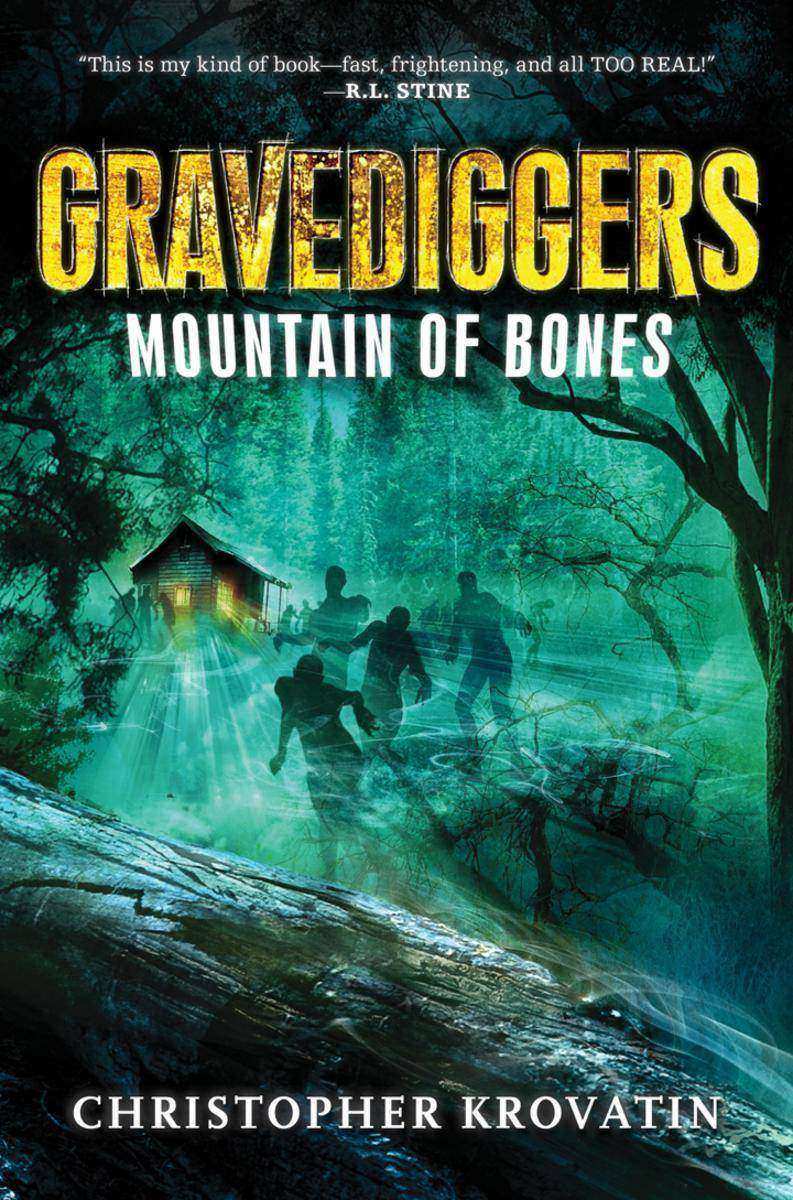
Gravediggers: Mountain of Bones
¥39.24
R.L. Stine, author of the bestselling Goosebumps series, raved that Gravediggers is “my kind of book—fast, frightening, and all too real!”During a class hiking trip, Ian, Kendra, and PJ get lost in the mountains and discover that they are being stalked by a pack of ravenous zombies. With the help of a witch doctor and some unusual folk magic, will they be able to defeat these monsters and escape the mountain with their lives?Author Christopher Krovatin perfectly blends humor and horror together in this first installment in a funny, frightening series that will get every kid reading.

Gravediggers: Terror Cove
¥95.39
Action, laughs, and thrills make Gravediggers: Terror Cove an exciting second book in the Gravediggers series, which R.L. Stine, author of Goosebumps, called "fast, frightening, and all too real!"Newly crowned zombie slayers Ian, Kendra, and PJ are on a family vacation in the tropics when they are warned about a cursed island called Isla Hambrienta. What none of them expect to find is a zombie colony much stronger than the one they defeated on the mountain—and another presence on the island that's way more dangerous than the creatures they're supposed to turn to dust.Fans of creepy books like Skeleton Creek by Patrick Carman will love Christopher Krovatin's wild stories about zombies and the kids who defeat them.
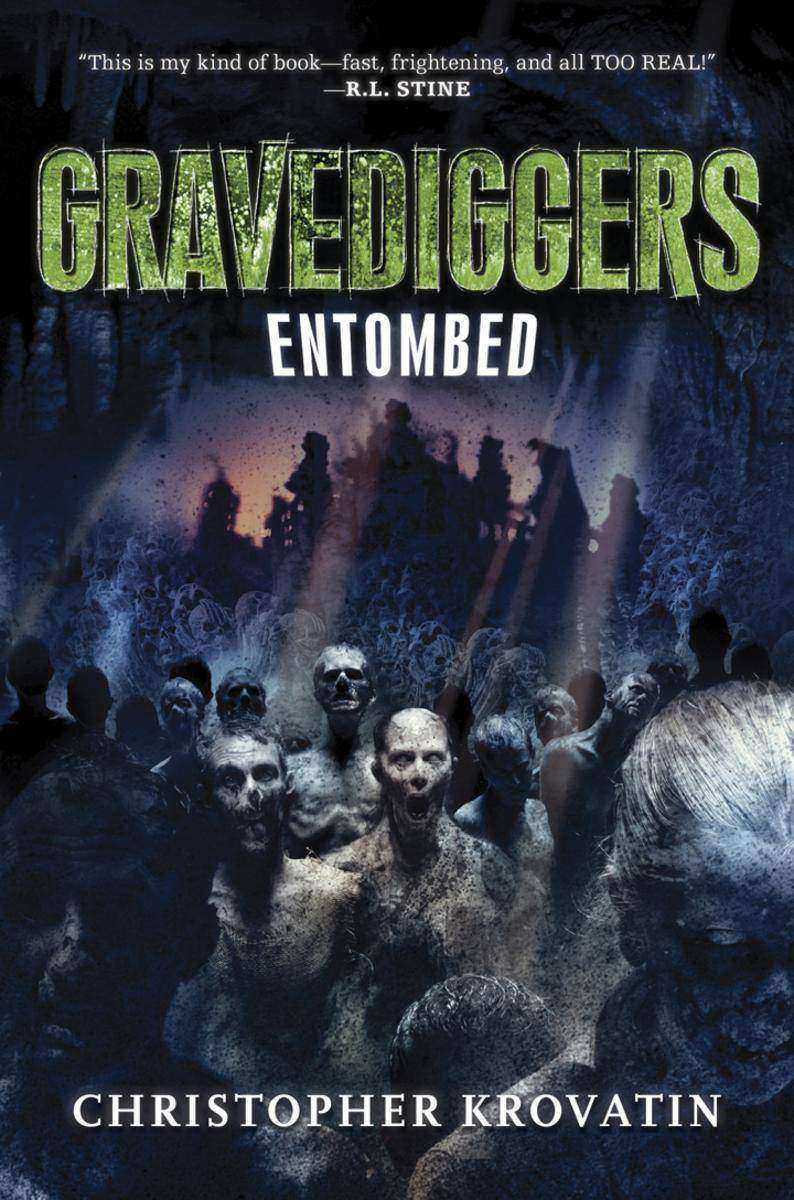
Gravediggers: Entombed
¥95.39
For tween fans of R.L. Stine and Patrick Carman, this exciting final installment of the Gravediggers series is full of gross-out gore, humor, and “splattery mayhem” (Kirkus Reviews).Severed limbs. Rotting flesh. Popping bones. Best friends Ian, Kendra, and PJ have seen it all, and they’ve spent the last few months risking their lives to rid the world of zombies. Now they face their biggest challenge yet: tracking down the vengeful ex-Gravedigger who is holding their mentor hostage in an abandoned underground city. Deep in the menacing caves of Kudus, time is running out for O’Dea, whose powers can be used to unlock a deadly curse.If that weren’t enough, all the kids are keeping things from each other—secrets that threaten to break up the group and thwart their efforts to destroy the gruesome zombies that are crawling all over Kudus. Will their friendship survive this harrowing underground missionWill they escape Kudus with their lives

Someone Else's Garden
¥78.55
The eldest of seven children,born low-caste and female in rural India,Mamta is abused and rejected by a father whocan see no reason to “water someone else’s garden” until ahusband is found for her. Seeking escape in matrimony, Mamta beginsher wedded life with hope—but is soon forced to flee her village and thehorrors of her arranged marriage to the bustle of a small city. Saved from becomingone of the nameless and faceless millions of rejected humanity by thesalvation of sublime love, Mamta struggles to find a precarious state ofacceptance and make peace with her past.Powerfully affecting and uplifting, set against a vivid and colorful backgroundof Eastern life, Dipika Rai’s Someone Else’s Garden transcends geographicaldivides and cultural chasms to brilliantly expose the commonalityof the human condition, compelling us to seek answerswithin ourselves to humanity’s eternalquestions: Is life random?Do we have a destiny?


