


 购物车
 个人中心


Re?ete din crudit??i. Pentru s?n?tate, pentru via??
¥48.97
This exquisite novel tells the story of one of the most compelling heroines in modern literature--Emma Bovary. A bored provincial housewife, abandons her husband to pursue the libertine Rodolphe in a desperate love affair. A succès de scandale in its day, Madame Bovary remains a powerful and scintillating novel.A brilliant psychological portrait, Madame Bovary searingly depicts the human mind in search of transcendence.?The novel is considered Flaubert's masterpiece, as well as a seminal work of realism and one of the most influential novels ever written.
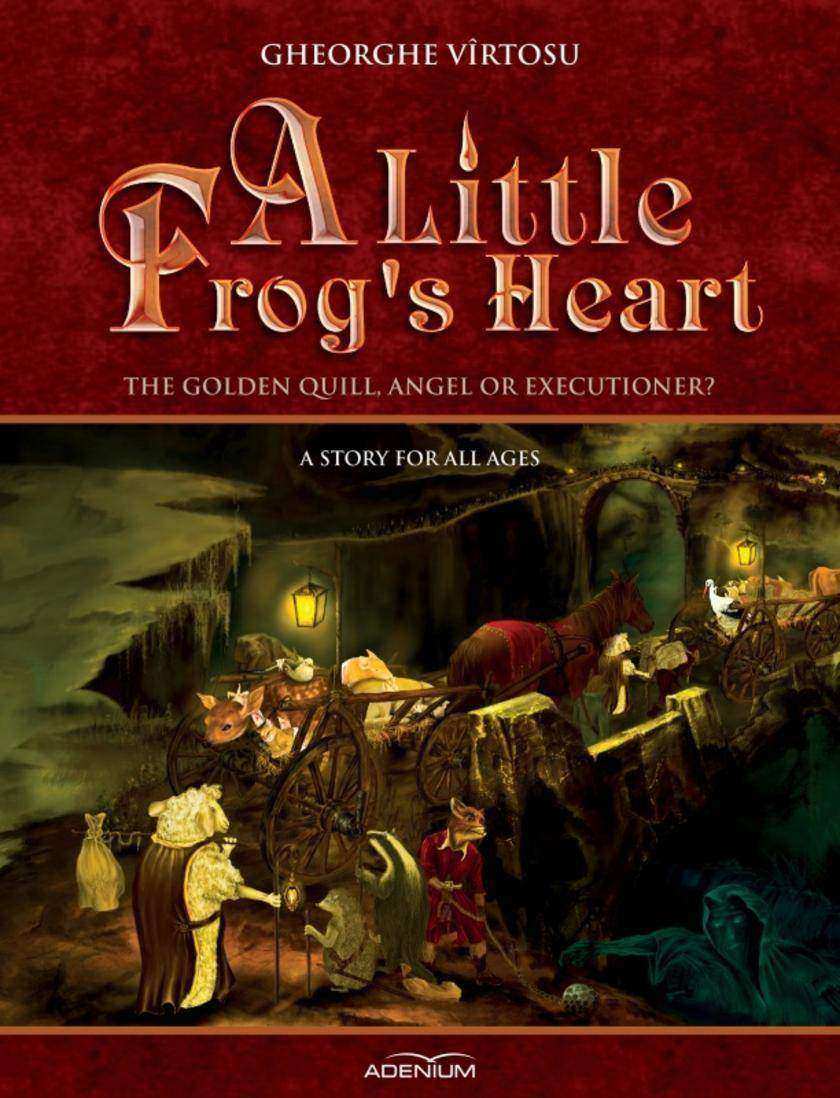
A Little Frog’s Heart:The Golden Quill, Angel Or Executioner?
¥57.14
Huckleberry Finn is a wonderful story filled with adventure and unforgettable characters that no one who has read it will ever forget.?The book is noted for its colorful description of people and places along the Mississippi River. Set in a Southern antebellum society that had ceased to exist about twenty years before the work was published, Adventures of Huckleberry Finn is an often scathing satire on entrenched attitudes, particularly racism.

Vérrel írt ígéretek
¥71.45
"A Doll's House" is a three-act play in prose by Henrik Ibsen. It premiered at the Royal Theatre in Copenhagen, Denmark, on 21 December 1879, having been published earlier that month. List of characters of the Book: ? ? Nora Helmer – wife of Torvald, mother of three, living out the ideal of the 19th century wife, but leaves her family at the end of the play. ? ? Torvald Helmer – Nora's husband, a newly promoted bank manager, suffocates but professes to be enamoured of his wife. ? ? Dr. Rank – Rich family friend, who is secretly in love with Nora. He is terminally ill, and it is implied that his "tuberculosis of the spine" originates from a venereal disease contracted by his father. ? ? Kristine Linde – Nora's old school friend, widowed, seeking employment (named Kristine in the original Norwegian text). ? ? Nils Krogstad – Employee at Torvald's bank, single father, pushed to desperation. A supposed scoundrel, he is revealed to be a long-lost lover of Kristine. ? ? The Children – Ivar, Bobby and Emmy? ? Anne Marie – Nora's former nanny, now cares for the children.? ? Helene – The Helmers' maid? ? The Porter – Delivers a Christmas Tree to the Helmer household at the beginning of the play. We must come to a final settlement, Torvald. During eight whole years. . . We have never exchanged one serious word about serious things.Nora, in Ibsen's A Doll's House (1879) ABOUT AUTHOR: Henrik Johan Ibsen (Norwegian; 20 March 1828 – 23 May 1906) was a major 19th-century Norwegian playwright, theatre director, and poet. He is often referred to as "the father of realism" and is one of the founders of Modernism in theatre.?
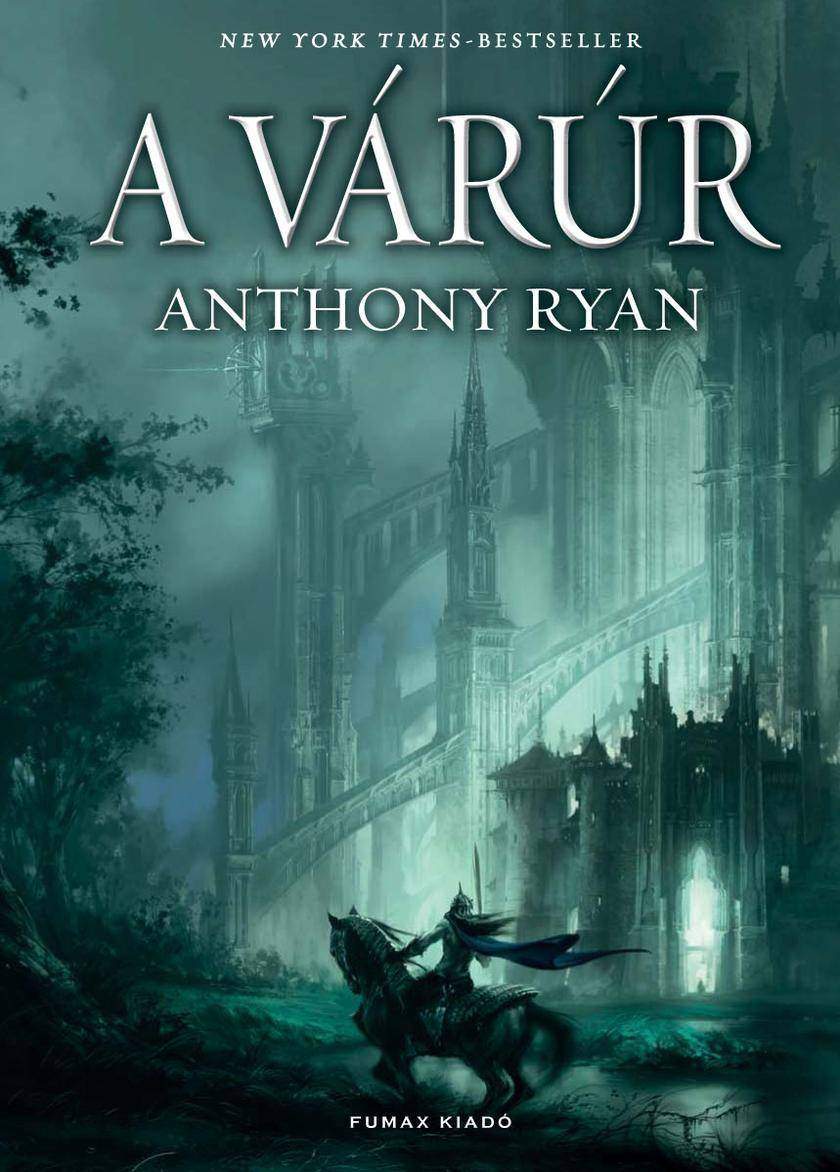
A várúr
¥80.03
"When Jesus arrives, Hades bids his servants to bolt and lock the doors, but to no avail; Jesus shatters the gates and enters. He seizes Satan and binds him in iron chains, then consigning him into Hades’s keeping until the second coming. Jesus next turns his attention to the patriarchs. He raises up Adam, along with all the prophets and the saints. Together, they all depart up out of Hades, and ascend into Paradise.) The “Harrowing of Hell” portion of that Gospel was widely circulated in other compilations of religious literature, most notably in the Golden Legend of the lives of the saints, compiled by Jacob of Voragine in the 13th century." The literary versions of the “Harrowing of Hell” in turn gave rise to many works of art, including the “mystery play” tradition of medieval religious drama. Most commonly, however, people would learn about Jesus’s descent into the underworld from the artwork which decorated the churches and cathedrals of Europe. A Dialogue in Hades, this illlustrated version of the book, gives a many perspective to the readers, With WELL ILLUSTRATIONS BY MURAT UKRAY {E-KITAP PROJESI}..

Madarak a dobozban
¥57.14
"A Daughter of the Snows" is Jack London's first novel. The novel features a strong female heroine, Frona Welse. Frona was born into a wealthy family and educated at Stanford but she takes to the Yukon trail after upsetting her father and his wealthy community of friends with her out-spoken ways and her innocent friendship with the town's prostitute. "All ready, Miss Welse, though I'm sorry we can't spare one of the steamer's boats." Frona Welse arose with alacrity and came to the first officer's side. "We're so busy," he explained, "and gold-rushers are such perishable freight, at least—" "I understand," she interrupted, "and I, too, am behaving as though I were perishable. And I am sorry for the trouble I am giving you, but—but—" She turned quickly and pointed to the shore. "Do you see that big log-house Between the clump of pines and the river I was born there." "Guess I'd be in a hurry myself," he muttered, sympathetically, as he piloted her along the crowded deck.Everybody was in everybody else's way; nor was there one who failed to proclaim it at the top of his lungs. A thousand gold-seekers were clamoring for the immediate landing of their outfits. Each hatchway gaped wide open, and from the lower depths the shrieking donkey-engines were hurrying the misassorted outfits skyward. On either side of the steamer, rows of scows received the flying cargo, and on each of these scows a sweating mob of men charged the descending slings and heaved bales and boxes about in frantic search. Men waved shipping receipts and shouted over the steamer-rails to them. Sometimes two and three identified the same article, and war arose. The "two-circle" and the "circle-and-dot" brands caused endless jangling, while every whipsaw discovered a dozen claimants. "The purser insists that he is going mad," the first officer said, as he helped Frona Welse down the gangway to the landing stage, "and the freight clerks have turned the cargo over to the passengers and quit work. But we're not so unlucky as the Star of Bethlehem," he reassured her, pointing to a steamship at anchor a quarter of a mile away. "Half of her passengers have pack-horses for Skaguay and White Pass, and the other half are bound over the Chilcoot. So they've mutinied and everything's at a standstill." "Hey, you!" he cried, beckoning to a Whitehall which hovered discreetly on the outer rim of the floating confusion. A tiny launch, pulling heroically at a huge tow-barge, attempted to pass between; but the boatman shot nervily across her bow, and just as he was clear, unfortunately, caught a crab. This slewed the boat around and brought it to a stop. "Watch out!" the first officer shouted. ABOUT AUTHOR: John Griffith "Jack" London (born John Griffith Chaney, January 12, 1876 – November 22, 1916) was an American author, journalist, and social activist, Authors of; "The Pearls of Parlay" and "The Heathen", and of the San Francisco Bay area in The Sea Wolf. And also; as his dystopian novel The Iron Heel, his non-fiction exposé The People of the Abyss, and The War of the Classes.
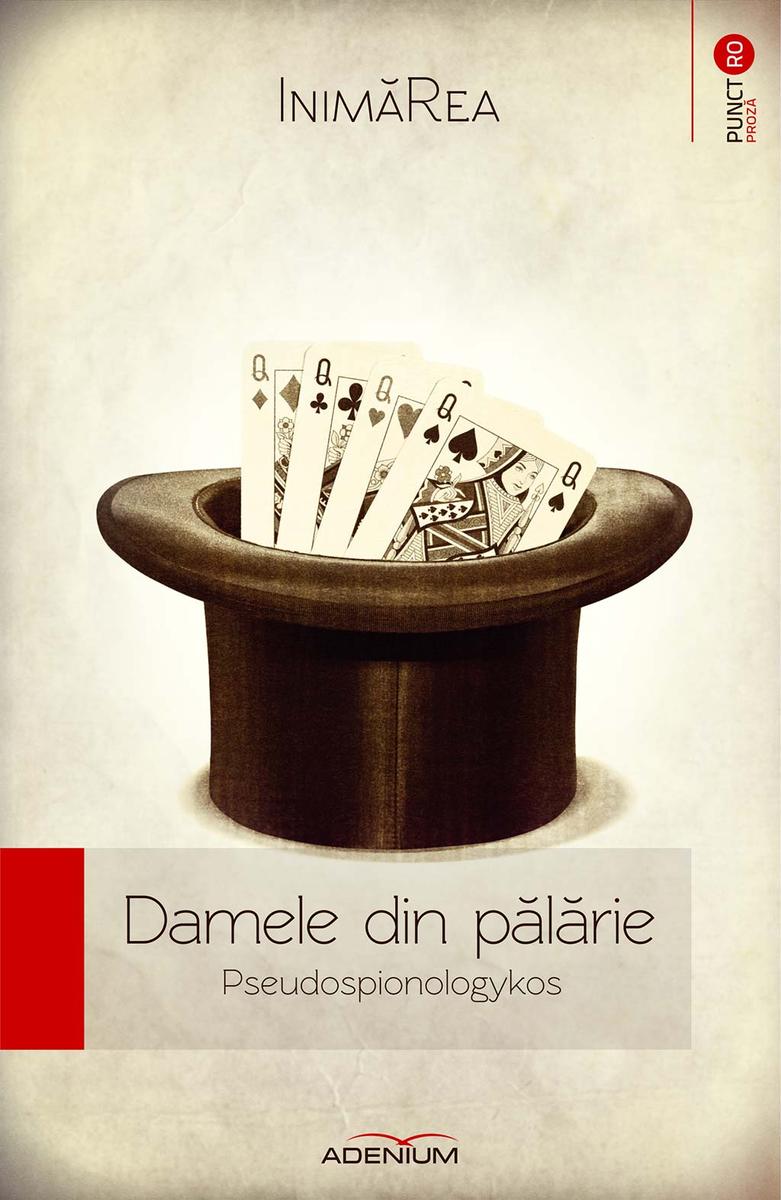
Damele din p?l?rie. Pseudospionologykos
¥32.62
Inspirat de o tem? pe care o prime?te de la noul s?u profesor de ?tiin?e sociale, micul Trevor are o idee menit? s? schimbe lumea. O ambi?ie uria?? pentru un pu?ti de numai doisprezece ani, dar care reu?e?te, ?n ciuda obstacolelor, s? nu-?i piard? idealismul ?i s? demonstreze c? to?i putem fi capabili de fapte bune.?n jocul aritmetic al lui Trevor, de la un singur om care face trei lucruri importante pentru trei oameni diferi?i, se poate ajunge la o lume ?ntreag? ?n care o favoare primit? nu se ?ntoarce, ci se r?spl?te?te d?nd mai departe ajutorul celor care au nevoie de el.?O capodoper? cu un final incendiar." Kirkus Reviews?Foarte puternic… dialoguri veridice ?i nuan?e care fac personajele mai vii dec?t ar fi ?n realitate." Chicago Tribune?Catherine Ryan Hyde ne conduce c?tre un final curajos ?i puternic." Los Angeles Times?Filosofia din spatele c?r?ii este at?t de interesant?, iar optimismul ei at?t de contagios, ?nc?t cititorul absoarbe f?r? s?-?i dea seama o poveste de care-?i va aminti mult? vreme." The Denver Post

Star Maker: "A Prodigious Novel"
¥18.88
“Star Maker”, regarded as one of the true classics of science fiction, Star Maker is a poetic and deeply philosophical work. The story details the mental journey of an unnamed narrator who is transported not only to other worlds but also other galaxies and parallel universes, until he eventually becomes part of the "cosmic mind." First published in 1937, Olaf Stapledon's descriptions of alien life are a political commentary on human life in the turbulent inter-war years. The book challenges preconceived notions of intelligence and awareness, and ultimately argues for a broadened perspective that would free us from culturally ingrained thought and our inevitable anthropomorphism. This is the first scholarly edition of a book that influenced such writers as C.S. Lewis and Arthur C. Clarke and which Jorge Luis Borges called "a prodigious novel."? Some Books of Stapledon: Last and First Men (1930) Sirius: A Fantasy of Love and Discord (1944) Odd John: A Story Between Jest and Earnest (1935) Last Men in London (1932) A Modern Magician (1979) Death into Life (1946) Darkness and the Light (1942) A World of Sound (1936) A Man Divided (1950) The Seed and the Flower (1916)
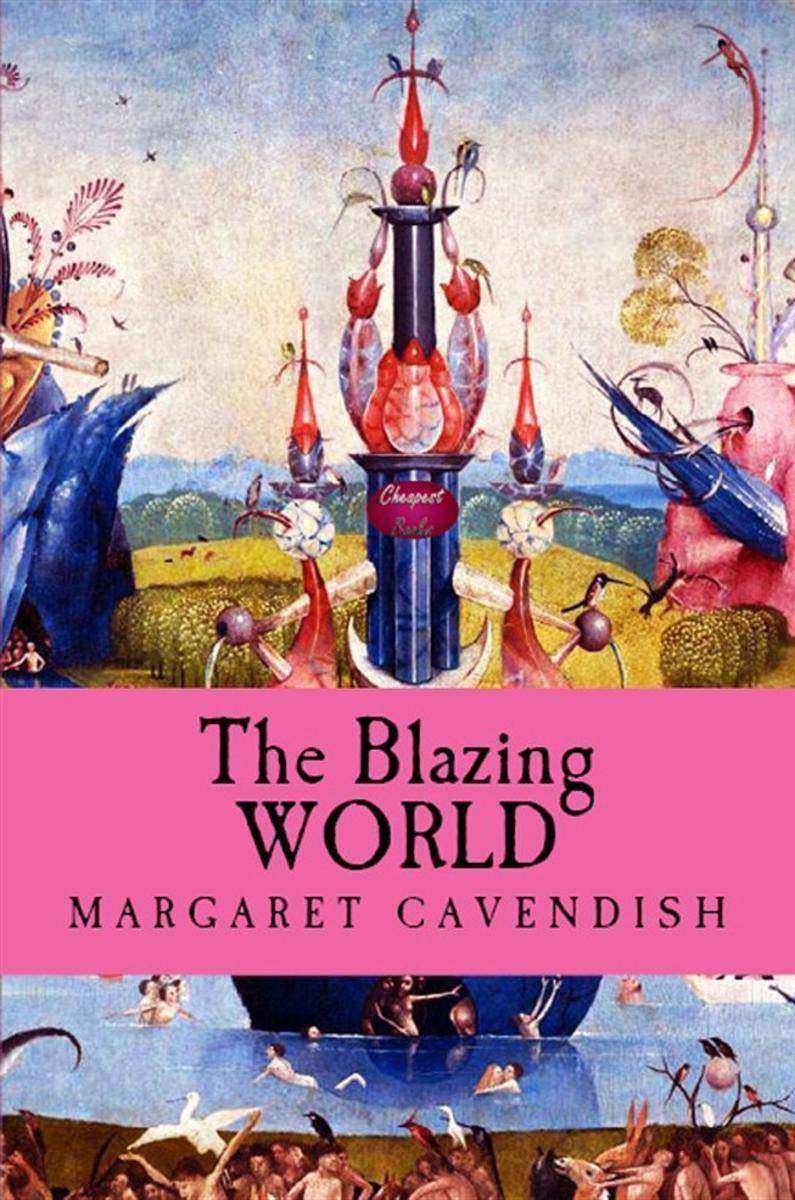
The Blazing World
¥28.37
“The Blazing World”, is a Description of a New World, Called The Blazing-World, better known as The Blazing World, is a 1666 work of prose fiction by English writer Margaret Cavendish, the Duchess of Newcastle. It has been described as an early fore-runner of science fiction.??Here on this Figure Cast a Glance.?But so as if it were by Chance,?Your eyes not fixt, they must not Stay,?Since this like Shadowes to the Day?It only represent's; for Still,?Her Beauty's found beyond the Skill?Of the best Paynter, to Imbrace?These lovely Lines within her face.?View her Soul's Picture, Judgment, witt,?Then read those Lines which Shee hath writt,?By Phancy's Pencill drawne alone?Which Peces but Shee, can justly owne.??To The Duchesse of Newcastle, ?On Her New Blazing-World.??Our Elder World, with all their Skill and Arts,?Could but divide the World into three Parts:?Columbus, then for Navigation fam'd,?Found a new World, America 'tis nam'd;?Now this new World was found, it was not made,?Onely discovered, lying in Time's shade.?Then what are You, having no Chaos found?To make a World, or any such least ground??But your Creating Fancy, thought it fit?To make your World of Nothing, but pure Wit.?Your Blazing-World, beyond the Stars mounts higher,?Enlightens all with a C?lestial Fier.??William Newcastle.

?n fiecare zi moare un celebru
¥35.15
Dinu are 25 de ani, o carier? ?n presa de scandal ?i nemul?umiri pe toate planurile: e convins c? iubita ?l ?n?al?, a scris o carte pe care nu reu?e?te s-o publice, iar jobul s?u, de a scoate senza?ionalul din necazurile altora, nu-i aduce nici o satisfac?ie. ?n loc s?-?i accepte cu demnitate condi?ia de t?n?r intelectual rom?n, e decis s?-?i rezolve toate problemele, ?n doar o s?pt?m?n?. ?ntr-o astfel de situa?ie, de o gravitate medie, c?teva sfaturi ra?ionale ar putea fi exact ce are nevoie. Din p?cate, persoanele din jurul s?u nu se obosesc cu a?a ceva. Luca, prietenul s?u cel mai bun ?i fost coleg de facultate, ?l ?mpinge, de fiecare dat?, spre cea mai simpl? sau imoral? solu?ie. De cealalt? parte, fratele s?u Andrei ?ncearc? s?-l transforme ?ntr-un bun cre?tin, precum ceilal?i membrii ai sectei. Obsesia fa?? de starul hip-hop Ty Julius, impus? de cerin?ele publicului de tabloid, e singurul lucru care reu?e?te s?-i mai st?rneasc? sentimente puternice. Asta p?n? c?nd o ?nt?lne?te pe Simona, care i-ar putea schimba via?a complet, ?n bine, sau ?n r?u, sau poate chiar deloc.
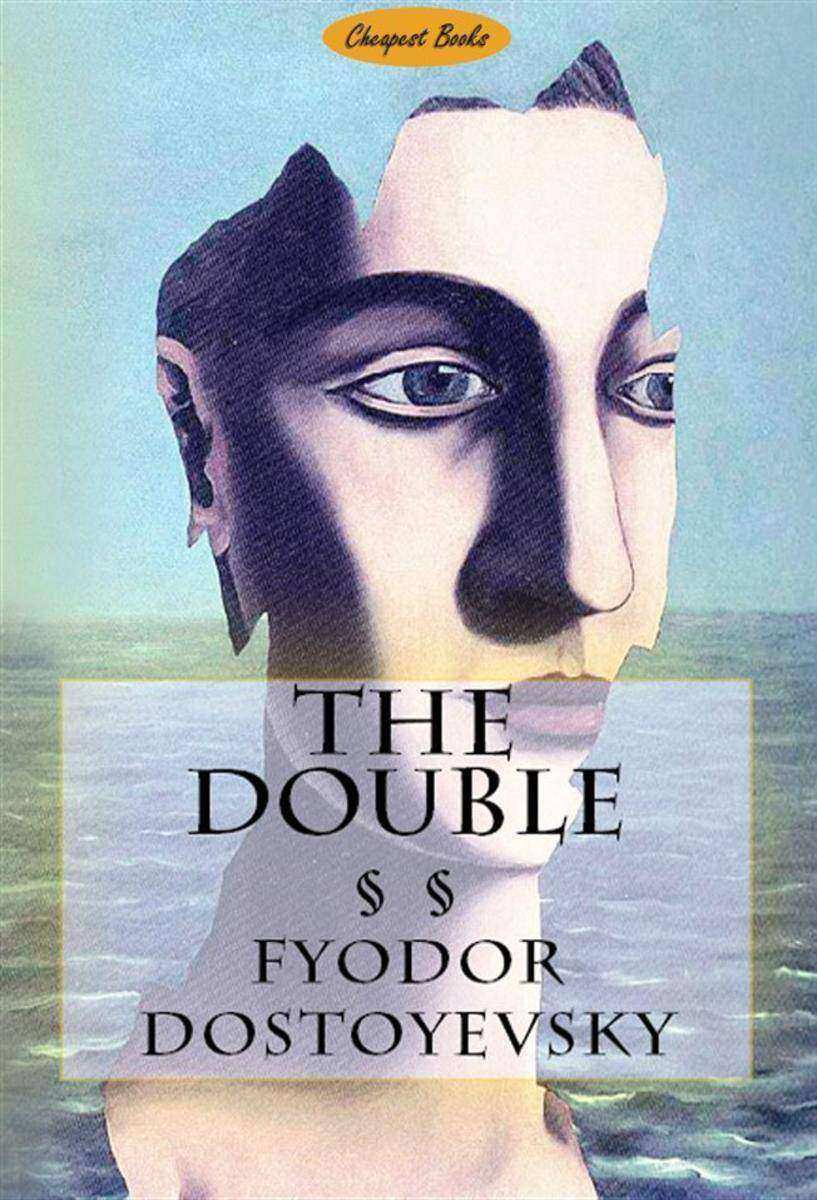
The Double
¥18.80
-THE DOUBLE- centers on a government clerk who goes mad. It deals with the internal psychological struggle of its main character, Yakov Petrovich Golyadkin, who repeatedly encounters someone who is his exact double in appearance but confident, aggressive, and extroverted, characteristics that are the polar opposites to those of the toadying "pushover" protagonist. ??The motif of the novella is a doppelganger (Russian "dvoynik"), known throughout the world in various guises such as the fetch. * * *? It was a little before eight o’clock in the morning when Yakov Petrovitch Golyadkin, a titular councillor, woke up from a long sleep. He yawned, stretched, and at last opened his eyes completely.?For two minutes, however, he lay in his bed without moving, as though he were not yet quite certain whether he were awake or still asleep, whether all that was going on around him were real and actual, or the continuation of his confused dreams. ??Very soon, however, Mr. Golyadkin’s senses began more clearly and more distinctly to receive their habitual and everyday impressions. The dirty green, smoke-begrimed, dusty walls of his little room, with the mahogany chest of drawers and chairs, the table painted red, the sofa covered with American leather of a reddish colour with little green flowers on it, and the clothes taken off in haste overnight and flung in a crumpled heap on the sofa, looked at him familiarly. At last the damp autumn day, muggy and dirty, peeped into the room through the dingy window pane with such a hostile, sour grimace that Mr. Golyadkin could not possibly doubt that he was not in the land of Nod, but in the city of Petersburg, in his own flat on the fourth storey of a huge block of buildings in Shestilavotchny Street.
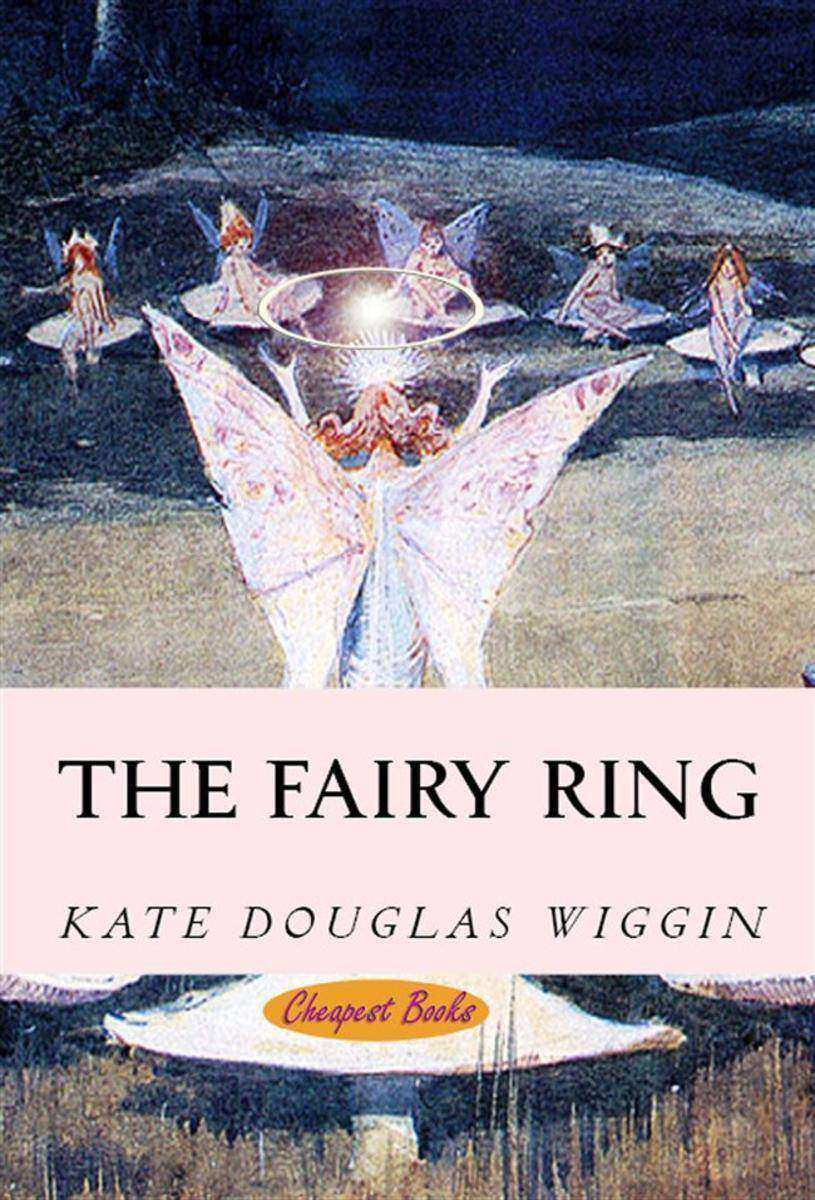
The Fairy Ring
¥37.85
"THERE was once upon a time a king who had a garden; in that garden was an apple tree, and on that apple tree grew a golden apple every year."?These stories are the golden apples that grew on the tree in the king's garden; grew and grew and grew as the golden years went by; and being apples of gold they could never wither nor shrink nor change, so that they are as beautiful and precious for you to pluck today as when first they ripened long, long ago.??Perhaps you do not care for the sort of golden apples that grew in the king's garden; perhaps you prefer plain russets or green pippins? Well, these are not to be despised, for they also are wholesome food for growing boys and girls; but unless you can taste the flavor and feel the magic that lies in the golden apples of the king's garden you will lose one of the joys of youth.??No one can help respecting apples (or stories) that gleam as brightly today as they did hundreds and thousands of years ago, when first the tiny blossoms ripened into precious fruit.??"Should you ask me whence these stories,?Whence these legends and traditions?With the odors of the forest,?With the dew and damp of meadows?"—??I can say only that the people were telling fairy tales in Egypt, in Joseph's time, more than three thousand years ago; and that grand old Homer told them in the famous "Odyssey," with its witches and giants, its cap of darkness, and shoes of swiftness. Old nurses and village crones have repeated them by the fireside and in the chimney corner; shep-herds and cowherds have recounted them by the brookside, until the children of the world have all learned them by heart, bequeathing them, generation after generation, as a priceless legacy to their own children. Nor must you fancy that they have been told in your own tongue only. Long, long before the art of printing was known, men and women of all nations recited these and similar tales to one another, never thinking that the day would come when they would be regarded as the peculiar property of youth and childhood. ?
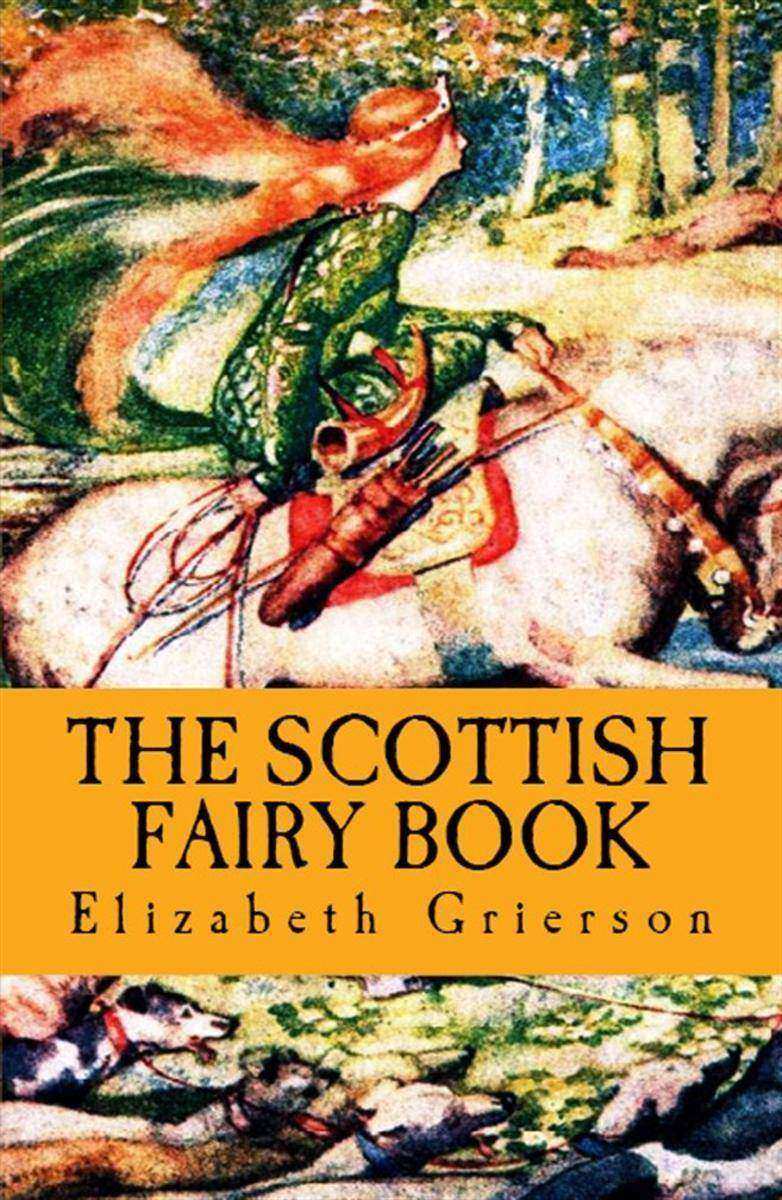
The Scottish Fairy Book
¥18.80
There are, roughly speaking, two distinct types of Scottish Fairy Tales. There are what may be called "Celtic Stories," which were handed down for centuries by word of mouth by professional story-tellers, who went about from clachan to clachan in the "High-lands and Islands," earning a night's shelter by giving a night's entertainment, and which have now been collected and classified for us by Campbell of Isla and others.??These stories, which are also common to the North of Ireland, are wild and fantastic, and very often somewhat monotonous, and their themes are strangely alike. They almost always tell of some hero or heroine who sets out on some dangerous quest, and who is met by giants, generally three in number, who appear one after the other; with whom they hold quaint dialogues, and whom eventually they slay. Most of them are fairly long, and although they have a peculiar fascination of their own, they are quite distinct from the ordinary Fairy Tale.

Democracy in America: Book One
¥28.04
A young girl named Fanny Price comes to live with her wealthy uncle and aunt, Sir Thomas and Lady Bertram. Fanny's family is quite poor; her mother, unlike her sister Lady Bertram, married beneath her, and Fanny's father, a sailor, is disabled and drinks heavily. Fanny is abused by her other aunt, Mrs. Norris, a busybody who runs things at Mansfield Park, the Bertrams' estate. The Bertram daughters, Maria and Julia, are shallow, rather cruel girls, intent on marrying well and being fashionable. The elder son, Tom, is a roustabout and a drunk. Fanny finds solace only in the friendship of the younger son, Edmund, who is planning to be a clergyman. Fanny grows up shy and deferential, caught as she typically is between members of the Bertram family. Sir Thomas leaves Mansfield Park for Antigua, where he owns plantations. In his absence, two new figures arrive at Mansfield: Henry and Mary Crawford, the brother and sister of the local minister's wife. Henry and Mary are attractive and cheerful, and they soon become indispensable members of the Mansfield circle. Henry flirts extensively with Maria, who is engaged to marry the boring but wealthy Rushworth. He also flirts with Julia when it suits his purposes. At first, Mary is interested in Tom, the older son and heir, but she soon realizes that he is boring and not really interested in her. She finds herself increasingly attracted to Edmund, although the prospect of marrying a clergyman does not appeal to her, and she is often cruel to him on this account. In the meantime, Fanny has innocently fallen in love with Edmund, although she does not even admit this to herself. Yates, a visiting friend of Tom's, proposes that the group should put on a play. His idea is eagerly received by all except for Edmund and Fanny, who are horrified at the idea of acting. The play goes on anyways, however; Maria and Henry, as well as Mary and Edmund (who has been prevailed upon to take a role to avoid bringing in an outsider to play it), get to play some rather racy scenes with one another. When one of the women cannot make a rehearsal, Fanny is pressured to take a role. She is almost forced to give in when Sir Thomas makes a sudden entrance, having arrived from Antigua. Sir Thomas is unhappy about the play and quickly puts a stop to the improprieties. Since Henry has not declared his love, Maria is married to Rushworth. She and Julia leave Mansfield Park for London. Relationships between the Crawfords and the Bertrams intensify. Edmund nearly proposes to Mary several times, but her condescension and amorality always stop him at the last minute. He confides his feelings to Fanny, who is secretly upset by them. In the meantime, on a lark, Henry has decided to woo Fanny. He is surprised to find himself sincerely in love with her. Fanny has become indispensable as a companion to her aunt and uncle, and on the occasion of her brother William's visit, they give a ball in her honor. Some time after the ball, Henry helps William get a promotion in the Navy. Using this as leverage, he proposes to Fanny, who is mortified and refuses. He continues to pursue her. Her uncle is disappointed that she has refused such a wealthy man, and, as an indirect result, she is sent to stay with her parents in their filthy house. Meanwhile, Edmund has been ordained and continues to debate over his relationship with Mary, to Fanny's dismay. Henry comes to see Fanny at her parents' and renews his suit. He then leaves to take care of business on his estate. Fanny continues to receive letters from Mary encouraging her to take Henry's proposal. A series of events then happen in rapid succession: Tom Bertram falls dangerously ill as a result of his partying and nearly dies; Henry, who has gone not to his estate but to see friends, has run off with the married Maria; Julia, upset over her sister's rash act, elopes with Yates, Tom's friend. Julia and Yates are reconciled to the family. Edmund finally comes and marries Fanny
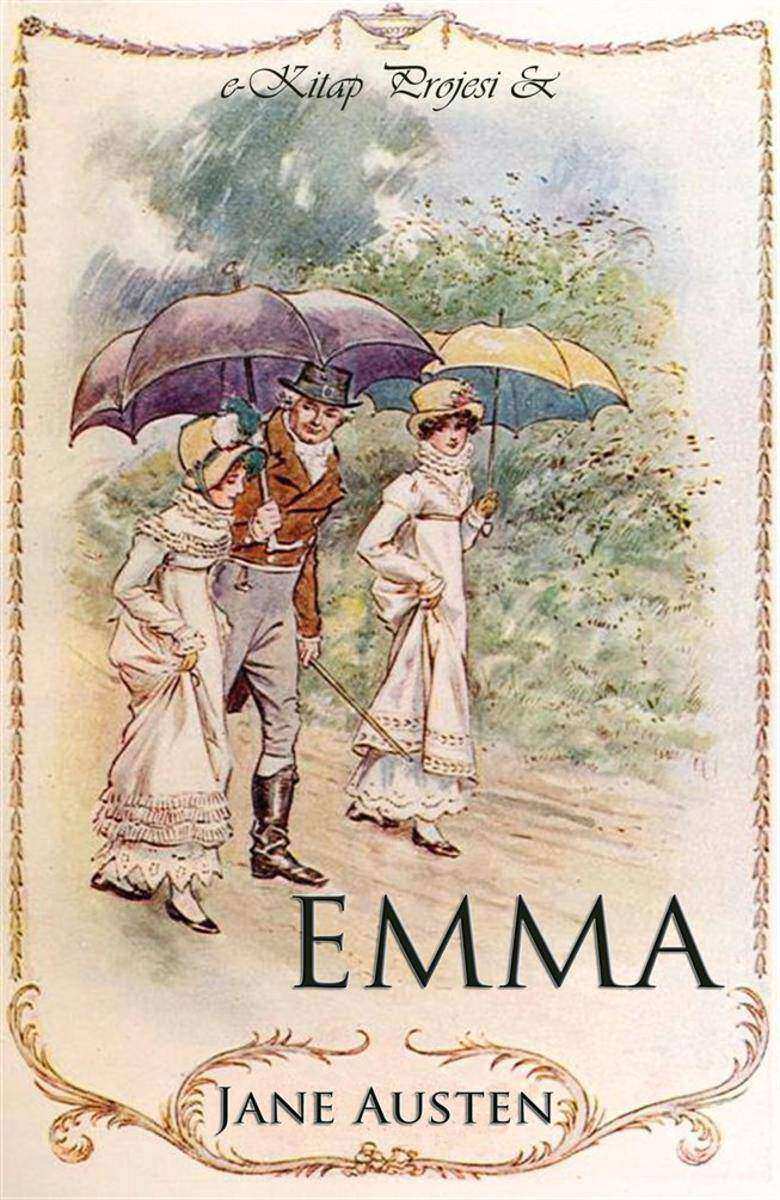
Emma
¥23.30
A few years ago, while visiting or, rather, rummaging about Notre-Dame, the author of this book found, in an obscure nook of one of the towers, the following word, engraved by hand upon the wall:— ? ? ? ? ? ? ? ANArKH. These Greek capitals, black with age, and quite deeply graven in the stone, with I know not what signs peculiar to Gothic caligraphy imprinted upon their forms and upon their attitudes, as though with the purpose of revealing that it had been a hand of the Middle Ages which had inscribed them there, and especially the fatal and melancholy meaning contained in them, struck the author deeply. He questioned himself; he sought to divine who could have been that soul in torment which had not been willing to quit this world without leaving this stigma of crime or unhappiness upon the brow of the ancient church. Afterwards, the wall was whitewashed or scraped down, I know not which, and the inscription disappeared. For it is thus that people have been in the habit of proceeding with the marvellous churches of the Middle Ages for the last two hundred years. Mutilations come to them from every quarter, from within as well as from without. The priest whitewashes them, the archdeacon scrapes them down; then the populace arrives and demolishes them. Thus, with the exception of the fragile memory which the author of this book here consecrates to it, there remains to-day nothing whatever of the mysterious word engraved within the gloomy tower of Notre-Dame,—nothing of the destiny which it so sadly summed up. The man who wrote that word upon the wall disappeared from the midst of the generations of man many centuries ago; the word, in its turn, has been effaced from the wall of the church; the church will, perhaps, itself soon disappear from the face of the earth. It is upon this word that this book is founded.

?tinapló: Wesselényi Miklós utazása Széchenyi Istvánnal, 1821-1822
¥28.78
Janka a csinos, 31 éves pincérn? legh?bb vágya, hogy belépjen életébe a nagy szerelem. Amikor megismerkedik Dáviddal, a híres énekessel, úgy érzi, benne megtalálta azt, akit mindig is keresett. Kapcsolatuk mégsem alakul felh?tlenül, bármilyen szenvedélyesen szerelmes is a popsztárba. Ahogy egyre jobban megismeri Dávidot, kiderül a férfi s?tét oldala. Janka azonban nem tud t?le elszakadni... A regény?arra keresi a választ, hogy milyen egy bántalmazó férfi és egy bántalmazói kapcsolat. Hogyan lehet egy ilyen kapcsolaton túljutni és ?nmagunkra találni annak ellenére, hogy képtelennek érezzük magunkat az elszakadásra? Hogyan lehet egy fájdalmas kapcsolaton túl is újra boldognak lenni?

Csillagpuszta
¥22.97
A kosaras srácok t?rténete folytatódik! Valaki felgyújtja Sédar klubját. Nyolcszornyolc, az edz? kizártnak tartja, hogy a Sharks csapatának k?ze legyen a dologhoz. A gyanúsítottak k?re azonban egyre b?vül, el?veszik a játékosokat is: Tunyát, aki mindig kül?nck?dik, Levet, aki visszahúzódó és félénk, Grimaszt, aki a legkisebb provokációból is balhét csinál. ?s ha mindez nem volna elég, Stifti, aki a szép szál Sédar iránti féltékenységét soha sem titkolta, ezúttal Szilviával is ?sszekap. Ráadásul Porto Vecchio hárompontosakat szóró királyn?je is eltitkol valamit. A Sharksnak a nagy izgalmak k?zepette is meg kell ?riznie higgadtságát, hogy legy?zhessék a Templomosokat.
For Every Man A Reason
¥4.58
He stood watching while George Atkinson spun around, dark eyes flashing, hair tousled. There was a two days' growth of beard darkening Atkinson's face. "Why, George," Loveral said, swiftly examining the litter of metal and wood which was spread over a table behind Atkinson. There was a home-made hammer in Atkinson's hand. "What have we here, George?""Something for you," Atkinson said, tightening his fingers about the handle of the hammer.Loveral grinned his famous Loveral grin. "That's fine. What could it be?" "None of your damned business.""George," Loveral said, his smile still white but his eyes narrow and quick.The woman was behind them. Her voice screeched. "George, I told you. Why didn't you listen, George? You should have listened to me. You—" Loveral held up a hand, still watching Atkinson. "Now tell me, George, what is it you're making for me?"Atkinson raised the hammer slightly.Loveral stood very still. "That's a nice hammer, George."Atkinson's eyes were black beneath his thick brows."You made that, didn't you?" Loveral asked."Yes, I made that," Atkinson said. "I made that and I made something else. Another minute and I'll have that finished, too." "George," said Loveral, stepping quietly forward, "I don't like to say this, of course. You've been one of our very best members. But nobody works here, George. We can't allow that. You know the rules." "I know the rules, all right.""Well, then," Loveral said, extending his hand toward the hammer, "we'll just destroy this and whatever else you might have been making. We'll just forget it ever happened. We'll get along real fine that way, George. We'll just be such good friends.""We'll just go to hell," said Atkinson, snatching his hammer away. Loveral's smile disappeared. "I'll tell you, George. I have to mean business with this. You know the reasons. If we allow anybody to work here, then there's going to be trouble. That isn't our plan. We're here to grow within ourselves and expand culturally. Not to commercialize a beautiful world like Dream Planet."

Az alvilág zsoldjában
¥86.33
Doktor Proktor, a kétbalkezes professzor maga sem sejti, milyen kalandokba keveredik majd, amikor véletlenül feltalálja a f?ldkerekség legnagyobb erej? pukiporát, ami bárkit képes az ?rbe r?píteni. ?m amíg két kisiskolás segít?je azon dolgozik, hogy a találmány híressé és gazdaggá tegye ?ket, a csodaszer híre illetéktelenek fülébe is eljut. A doktor hamarosan egy sz?késbiztos cellában találja magát, a gonosz ikerpár ellopja a találmányt, és egy folyton éhes anakonda is beszabadul Oslo szennyvízcsatornáiba. K?zben pedig feltartóztathatatlanul k?zeleg a nemzeti ünnepre gyakorló iskolai katonazenekar... A világhír? skandináv krimiíró Doktor Proktor-sorozatát már t?bb mint 20 nyelvre fordították le. A f?szerepl?k fergeteges kalandjait elképeszt? fordulatok, abszurd humor és a Nesb?-féle kül?nleges atmoszféra teszi feledhetetlenné.
Hard Times
¥28.04
The story begins on May 5, 1805, in one of the wildest and most abrupt portions of New Spain, which now forms the State of Coahuila, belonging to the Mexican Confederation. If the reader will have the kindness to take a glance at a numerous cavalcade, which is debouching from a canyon and scaling at a gallop the scarped side of a rather lofty hill, on the top of which stands an aldea, or village of Indios mansos, he will at the same time form the acquaintance of several of our principal characters, and the country in which the events recorded in this narrative occurred. This cavalcade was composed of fifteen individuals in all; ten of them were lancers, attired in that yellow uniform which procured them the nickname of tamarindos. These soldiers were execrated by the people, in consequence of their cruelty. They advanced in good order, commanded by a subaltern and an alférez—an old trooper who had grown gray in harness, who had long white moustachios and a disagreeable face. As he galloped on, he looked around him with the careless, wearied air of a man for whom the future reserves no hopes either of ambition, love, or fortune. About twenty paces from this little band, and just so far ahead that their remarks reached the soldiers' ears in a completely incomprehensible fashion, three persons, two men and a woman, were riding side by side.The first was a gentleman of about thirty years of age, of commanding stature; his harsh, haughty, and menacing features were rendered even more gloomy by a deep scar of a livid hue which commenced on his right temple and divided his face into two nearly equal parts. This man, who was dressed in the sumptuous costume of the Mexican campesinos, which he wore with far from common grace, was named Don Aníbal de Saldibar, and was considered the richest hacendero in the province.His companion, who kept slightly in the rear, doubtless through respect, was a civilized Indian, with a quick eye, aquiline nose, and a wide mouth lined with two rows of dazzling white teeth. His countenance indicated intelligence and bravery. He was short and robust, and the almost disproportioned development of his muscles gave an enormous width to his limbs. This individual must assuredly be endowed with extraordinary strength. His attire, not nearly so rich as that of the hacendero, displayed a certain pretension to elegance, which was an extraordinary thing in an Indian. This man's name was Pedro Sotavento, and he was majordomo to Don Aníbal.As we have said, the third person was a female. Although it was easy to see, through the juvenile grace of her movements and her taper waist, that she was still very young, she was so discreetly hidden behind gauze and muslin veils, in order to protect her from the burning heat of the sun which was then at its zenith, that it was impossible to distinguish her features. Long black locks escaped from beneath her broad-brimmed vicu?a hat, and fell in profusion on her pink and white shoulders, which were scarcely veiled by a China crape rebozo. At the moment when we approach these three persons they were conversing together with considerable animation."No," Don Aníbal said, with a frown, as he smote the pommel of his saddle, "it is not possible, I cannot believe in so much audacity on the part of these Indian brutes. You must have been deceived, Sotavento." The majordomo grinned knowingly, and buried his head between his shoulders with a motion which was habitual to him."You will see, mi amo," he replied, in a honeyed voice, "my information is positive." "What!" the hacendero continued with increased fury, "They would really attempt resistance! Why, they must be mad!""Not so much as you suppose, mi amo; the aldea is large and contains at least three thousand callis.""What matter? Suppose there were twice as many, is not one Spaniard as good as ten Indians?"
A kis szellem
¥58.78
Defoe's novel Robinson Crusoe (1719) tells of a man's shipwreck on a deserted island and his subsequent adventures. The author based part of his narrative on the story of the Scottish castaway Alexander Selkirk, who spent four years stranded on the island of Juan Fernandez. He may have also been inspired by the Latin or English translation of a book by the Andalusian-Arab Muslim polymath Ibn Tufail, who was known as "Abubacer" in Europe. The Latin edition of the book was entitled Philosophus Autodidactus and it was an earlier novel that is also set on a deserted island. "One day, about noon, going towards my boat, I was exceedingly surprised with the print of a man's naked foot on the shore, which was very plain to be seen on the sand."— Defoe's Robinson Crusoe, 1719 The novel has been variously read as an allegory for the development of civilisation, as a manifesto of economic individualism and as an expression of European colonial desires but it also shows the importance of repentance and illustrates the strength of Defoe's religious convictions. It is also considered by many to be the first novel written in English. Early critics, such as Robert Louis Stevenson admired it saying that the footprint scene in Crusoe was one of the four greatest in English literature and most unforgettable; more prosaically, Dr. Wesley Vernon has seen the origins of forensic podiatry in this episode. It has inspired a new genre, the Robinsonade as works like Johann David Wyss's The Swiss Family Robinson (1812) adapt its premise and has provoked modern postcolonial responses, including J. M. Coetzee's Foe (1986) and Michel Tournier's Vendredi ou les Limbes du Pacifique (in English, Friday, or, The Other Island) (1967). Two sequels followed, Defoe's The Farther Adventures of Robinson Crusoe (1719) and his Serious reflections during the life and surprising adventures of Robinson Crusoe: with his Vision of the angelick world (1720). Jonathan Swift's Gulliver's Travels (1726) in part parodies Defoe's adventure novel. ? About Author: Daniel Defoe (1660 – 24 April 1731), born Daniel Foe, was an English trader, writer, journalist, pamphleteer, and spy, now most famous for his novel Robinson Crusoe. Defoe is notable for being one of the earliest proponents of the novel, as he helped to popularise the form in Britain, and, along with others such as Samuel Richardson, is among the founders of the English novel. A prolific and versatile writer, he wrote more than 500 books, pamphlets and journals on various topics (including politics, crime, religion, marriage, psychology and the supernatural). He was also a pioneer of economic journalism. ? Early lifeDaniel Foe (his original name) was probably born in the parish of St. Giles Cripplegate, London. Defoe later added the aristocratic-sounding "De" to his name and on occasion claimed descent from the family of De Beau Faux. His birthdate and birthplace are uncertain: sources offer dates of anywhere between 1659 to 1662; considered most likely to be 1660. His father, James Foe, was a prosperous tallow chandler and a member of the Butchers' Company. In Defoe's early life he experienced firsthand some of the most unusual occurrences in English history: in 1665, 70,000 were killed by the Great Plague of London and the Great Fire of London (1666) left standing only Defoe's and two other houses in his neighborhood. In 1667, when he was probably about 7, Dutch fleet sailed up the Medway via the River Thames and attacked Chatham. His mother Annie had died by the time he was about 10.

Lelkünk üzenete
¥81.26
Elég egy váratlan hajnali telefonhívás és egy rég nem hallott a hang a vonal másik végén, hogy Myron Bolitar, a kemény?kl? játékosügyn?k ismét egy els? ránézésre megoldhatatlan rejtély kell?s k?zepén találja magát. Nyolc éve, hogy utoljára találkozott a gy?ny?r? Terese Collinsszal, aki most arra kéri, utazzon Párizsba. Myron sejti, hogy nem csupán egy romantikus randevú várja a szerelem városában, ám amikor a repül?térre érve rend?r?k fogadják, majd hamarosan kiderül, hogy Terese az els? számú gyanúsítottja egy gyilkosságnak, úgy érzi, zsákutcába került. Nem ismeri sem a nyelvet, sem a szokásokat, így aligha tud bármit is kinyomozni. De miel?tt alaposabban végiggondolhatná a helyzetet, t?rténik valami, ami új megvilágításba helyezi az ügyet... ?Ekkor borítottam rá az asztalt. Amint leült mellém, azonnal végiggondoltam a lehet?ségeket. Már tudtam, mir?l van szó: emberrablás. Ha beszállok a furgonba, nekem l?ttek. Hallották már azt a nagy b?lcsességet, hogy az emberrablásoknál mindig az els? negyvennyolc óra a legkritikusabb? Amit nem szoktak hozzátenni - talán mert annyira nyilvánvaló -, hogy minden másodperccel cs?kken az esélye annak, hogy valaha is megtalálják az áldozatot. Itt ugyanez volt a helyzet. Ha beszállok abba a kocsiba, túlélési esélyeim a minimumra cs?kkennek. Ha felállok, és elindulok a furgon felé, szintén romlanak a kilátásaim. Ráadásul Sebhelyes Fej nem számít korai ellencsapásra. Azt hiszi, szépen begyakorolt kis monológját hallgatom. Nem jelentek fenyegetést. ?gy hát a meglepetés erejére építettem. Egy pillanatra ? is odanézett, hogy meggy?z?dj?n, valóban ott áll-e a kocsi. Ennyi elég is volt. Az asztal peremét már korábban megmarkoltam. Lábizmaim megfeszültek. ?gy pattantam f?l, mintha dobbantóról ugranék. Az asztallap egyenesen az arcába csapódott." Harlan Coben napjaink egyik legnépszer?bb krimiírója. Regényeit a m?faj gy?ngyszemeiként tartják számon, eddig negyven kül?nb?z? nyelvre fordították le, és k?zel 50 millió (!) példányt adtak el bel?lük világszerte.


