


 购物车
 个人中心

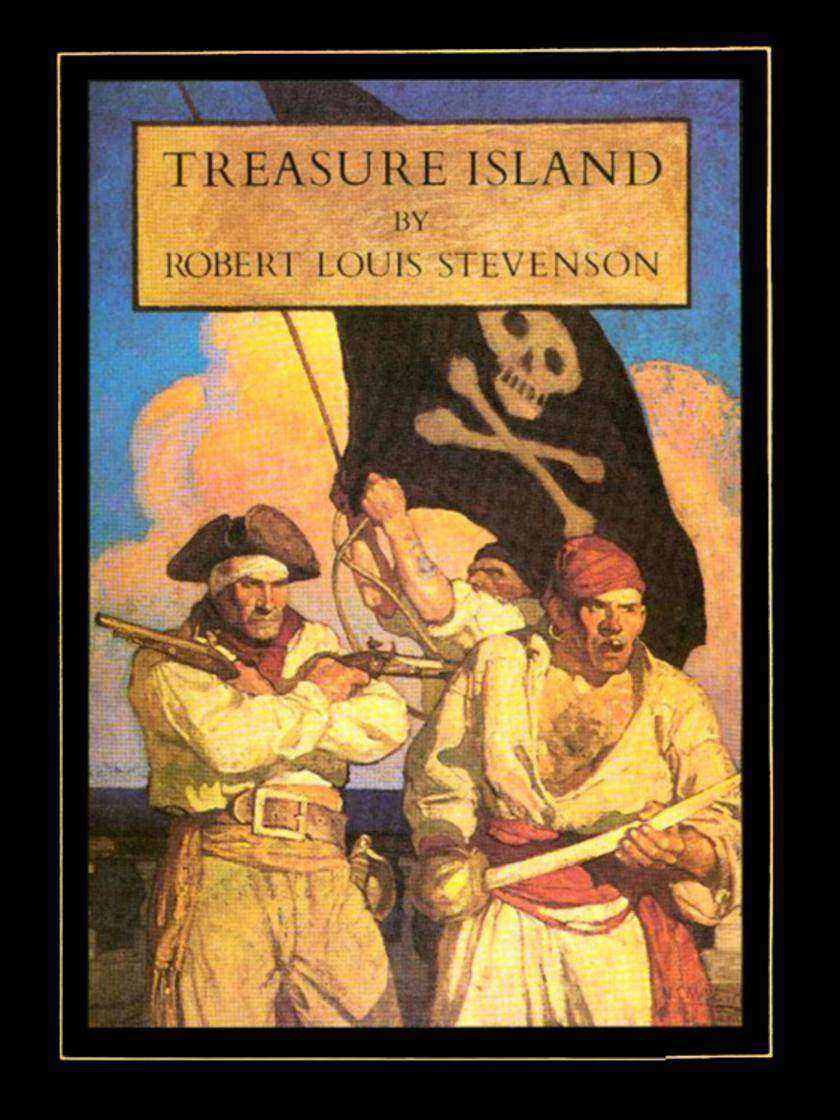
Treasure Island
¥8.09
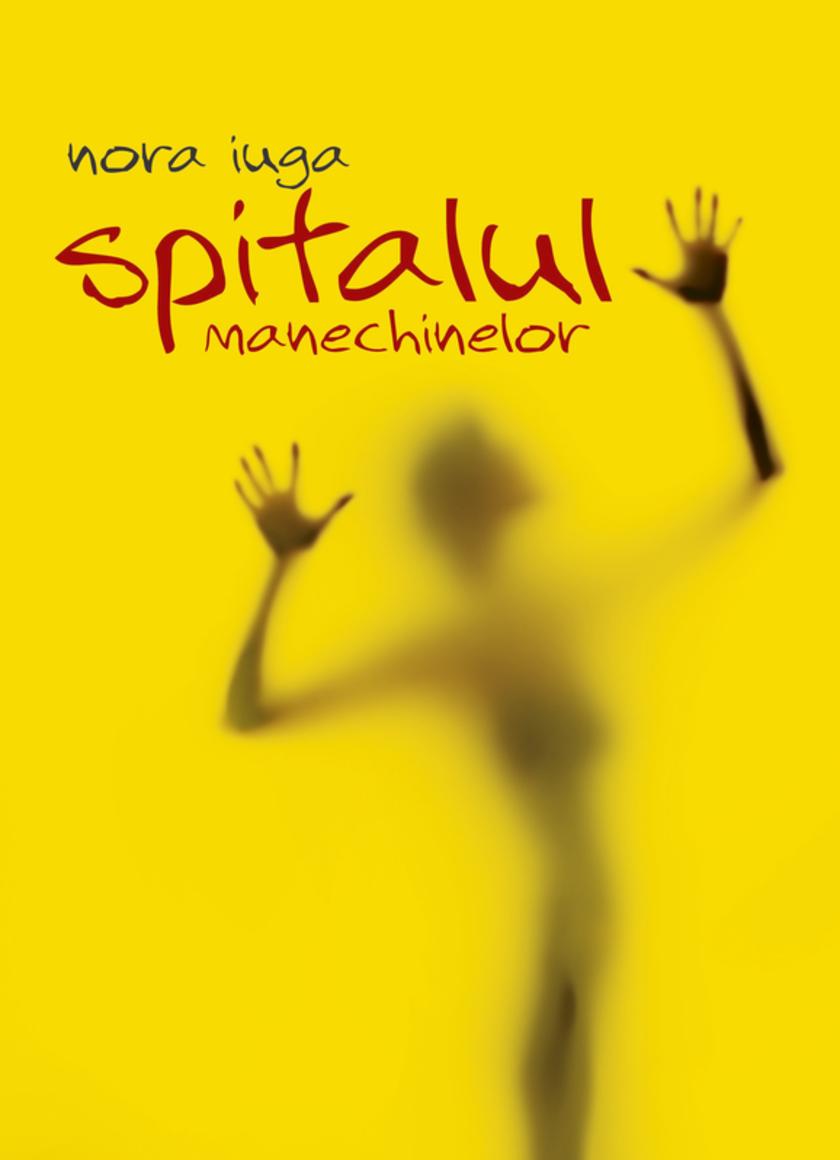
Tanara Oriana moare intr-un accident, chiar in ziua nuntii ei. Pentru oricine, acesta ar parea sfarsitul. Nu si pentru ea. Se intoarce ca recuperator de suflete, insa nu la vechea viata si familie, pentru care trebuie sa ramana moarta, ci la una cu totul noua. Rasfatul si confortul, considerate garantate mai inainte, se duc acum pe Apa Sambetei. Va trebui sa lupte pentru a-i salva pe ceilalti, dar si pe sine. Apar noi prieteni, noi dusmani si… prima iubire? Exista viata dupa moarte? Unii vor spune ca da, altii ca nu. Dar exista un raspuns la care cu siguranta nu v-ati gandit. Exista recuperatorii de suflete. Smulsi din existentele lor, sunt aruncati in altele, neintrebati de nimeni, fara sa li se ceara acceptul. Trebuie doar sa se supuna legilor celor de Dincolo. Iar unii aleg razvratirea…In volumul 3, lucrurile iau o intorsatura la care nimeni nu s-ar fi gandit. Ce este Dincolo? Indiferent cu ti-ai imaginat tu, cititorule ca e, nimic din ce ai trait pana acum ne te-a pregatit pentru ce vei afla.Ai curaj? Atunci, continua aventura alaturi de Oriana si ingerii ei.

Primitív ?ser?
¥80.36
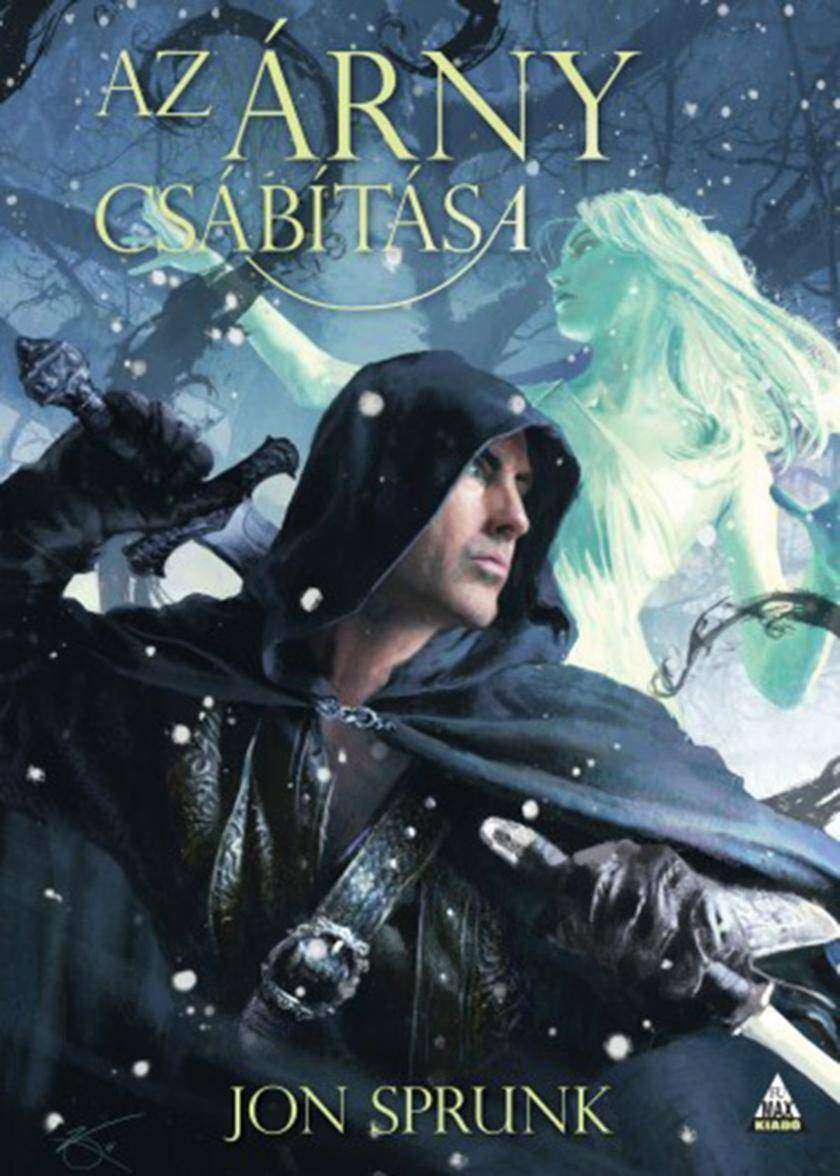
Lelakatolt ajtók, szokatlan fények, mutáns csótányok. Nate lakásával valami nincs rendben. De a gondolatait most más k?ti le. Utálja a munkáját, a bankszámlája lassan kimerül, és még barátn?je sincs. Elképzelni sem tudja, mit vár az életét?l. ?j lakása nem éppen ideális, de legalább élhet?, és megengedheti magának. A bérleti díj egészen alacsony, a házkezel? cég ügyn?ke szuperbarátságos, és a rendellenességek inkább csak idegesít?ek, mint nyugtalanítóak. Egészen addig, amíg a férfi nem találkozik Mandyvel, a szomszédjával, és fel nem fedezi a lány lakásának furcsaságait. ?s a másik szomszédjáét, Xela-ét . ?s Tim és Veek lakásáét is. Merthogy a régi, Los Angeles-i téglaépület minden egyes bérlakása szolgál némi rejtéllyel. Olyan rejtélyekkel, amelyeknek a t?rténete t?bb mint száz évvel korábbra nyúlik vissza. Némelyik furcsaság szembe?tl?, míg másokat zárt ajtók rejtenek el a kíváncsi tekintetek el?l. Viszont ha e kül?n?s rejtélyek ?sszeadódnak, az akár a véget is jelentheti Nate és barátai számára. Vagy az egész világ számára…

Cum s? te sim?i mai bine, s? te faci mai bine, s? r?m?i mai bine
¥65.32
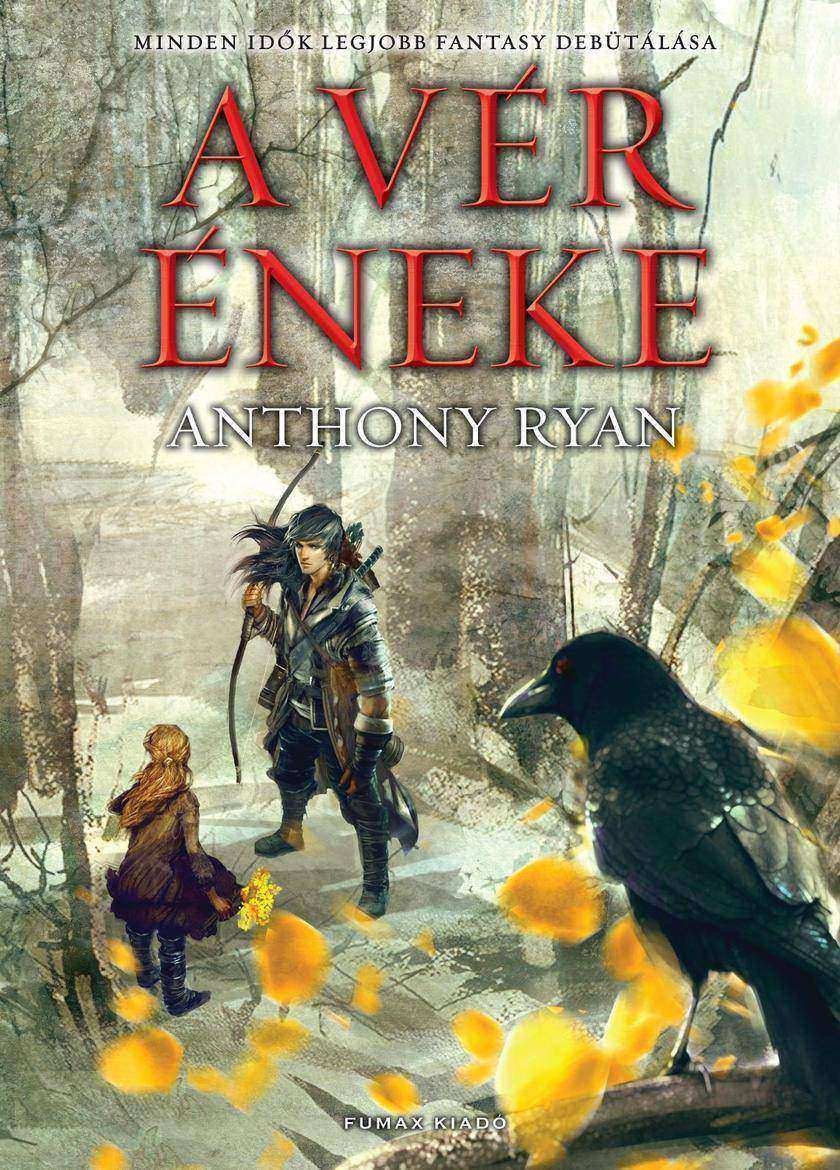
Owen élete fenekestül felfordul, amikor apja, akit a fiú meggy?z?dése szerint ártatlanul ítéltek el, meghal a b?rt?nben. Monroe, a fiú iskolájának informatikusa felajánlja neki, hogy egy Animus használatával lehet?vé teszi Owen számára, hogy tisztázza apja nevét. Az eszk?z segítségével ugyanis feltárhatja a saját DNS-ében rejl? genetikus emlékeket. ?m Owen nagyobb fába vágta a fejszéjét, mint hitte. A szimuláció alatt ugyanis felfedez egy ?si és nagy hatalmú, rég elveszettnek hitt relikviát – az ?denszigonyt. Két rivális titkos szervezet, az Orgyilkos Testvériség és a Templomos Rend semmit?l sem riad vissza, hogy megszerezze ezt az ereklyét. Owen számára hamarosan nyilvánvalóvá válik, hogy csak úgy menekülhet meg, ha ? találja meg el?sz?r a Szigonyt. Monroe irányítása alatt Owen és néhány másik fiatal egy olyan szimulációba lépnek be, amely a DNS-eikben lév? k?z?s emlékeken alapul: az 1863-as New York-i felkelés idejébe térnek vissza. Owen és társai súlyos kihívásokkal kerülnek szembe a forrongó város utcáin, ott megélt tapasztalatiknak pedig hosszú távú k?vetkezményei lesznek a jelenben. A t?bbsz?r?sen díjnyertes Matthew J. Kirby trilógiájában egy az Assassin’s Creed világában játszódó teljesen új t?rténetet ismerhetünk meg, amely szorosan illeszkedik a kánonba, számtalan utalással a játékokra és a decemberben mozikba kerül? filmre.
N?i rafinéria
¥57.31
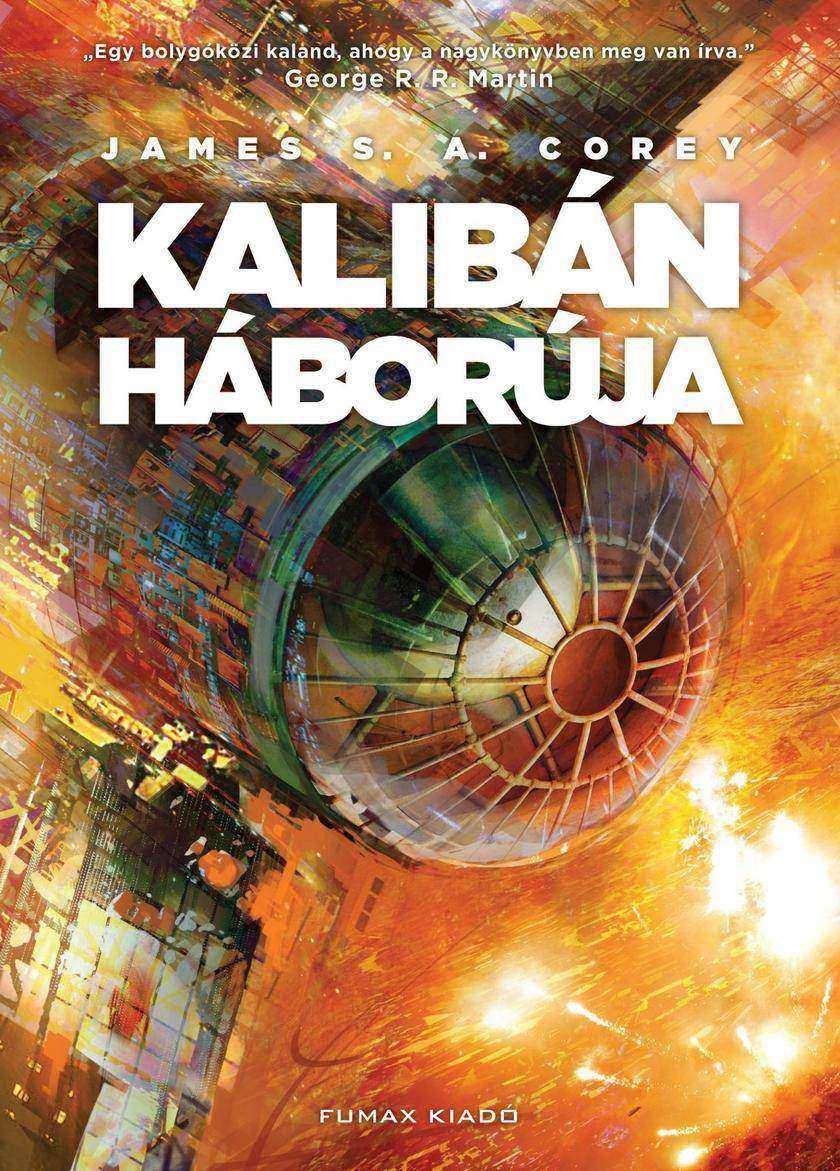
Miután John és Brooke magára maradt, városról városra stoppolva vadásznak Amerika k?zép-nyugati részén a még megmaradt utolsó Sorvadtakra. Csakhogy a Sorvadtak is vadásznak rájuk, ráadásul az FBI is a nyomukban van. Minden újabb várossal, minden újabb kamionos pihen?vel, minden újabb autópályával egyre k?zelebb kerülnek egy olyan kegyetlen gyilkoshoz, akire John semmilyen jól bejáratott analitikus és el?rejelz? módszere nem alkalmazható. K?zben Brooke meghasadt pszichéje az elméjén osztozó t?bb százezer halott személyiségt?l túlterhelve tántorog az ?sszeomlás peremén. Hol birtokában van szellemi képességeinek, hol nem, és minden nap új nevek, gondolatok és emlékek t?rnek felszínre benne, mígnem felbukkan az a személyiség, akire John végképp nem számított: Senki utolsó áldozata, csapdába esve John egyetlen megmaradt barátjának testében.

Spy the Lie. Fo?ti ofi?eri CIA te ?nva?? cum s? detectezi ?n?el?toriile
¥57.14
A New York Times bestseller Hollóárnyék-trilógia Magyarországon is nagy sikert elért szerz?jének új sorozata! TARTALOM: Véráldottak – olyan férfiak és n?k, akik a vad sárkányok véréb?l készült elixírek elfogyasztásával mérhetetlen er?knek parancsolnak. A Vashajó Szindikátust a véráldottak hatalma tette naggyá. Most azonban pusztító vihar k?zeleg: a sárkányok vérvonala gyengül?ben, a felemelked? Korvantin Birodalom pedig ugrásra készen várja a pillanatot, hogy kihasználhassa a Szindikátus gyengeségét. Ráadásul a vadonban is mozgolódás támad: a sárkányok támadásai egyre gyakoribbá válnak – és ami még ennél is rosszabb, szervezettnek t?nnek. Az utolsó reménysugár nem más, mint egy mitikus sárkány, amelynek nagyerej? vére valódi csodákra képes – ha egyáltalán létezik ez a rejtélyes lény. A sors végül három h?st választ ki magának. Claydon Tocreekre, a lajstromozatlan véráldottra és kisstíl? tolvajra hárul a feladat, hogy az ismeretlen vadonban felkutassa a legendás sárkányt, aminek a létezésében még csak nem is hisz. Lizanne Lethridge, a Szindikátus félelmetes erej?, ifjú elit kéme hirtelen találja magát ellenséges terepen, küldetése egyre veszedelmesebb helyzetekbe sodorja. Corrick Hilemore, az ismert világ peremén cirkáló kalózvadász Vashajó parancsnokhelyettese k?nnyen lehet, hogy túl nagy fába vágta a fejszéjét, amikor a k?ny?rtelen rablók nyomába eredt – és helyettük egy jóval komolyabb ellenséggel kerül szembe. Ahogy a birodalmak egymásnak feszülnek, mindhármuknak harcolni kell azért, amiben hisznek, ha nem akarják, hogy a világot elnyelje az ébred? t?z.

Meztelenül
¥63.03
Mit ér az emlékezés, ha senki nem kíváncsi arra, ami elmúlt? B?n-e a hallgatás, ha védeni akarjuk szeretteinket a múlt sz?rny?ségeit?l? Mit tehetünk, ha a t?rténelem megismételni látszik ?nmagát?? Egy újságíró és egy sokat megélt nyolcvannégy éves h?lgy találkozása régi sebeket tép fel. Mélyen eltemetett emlékek kerülnek felszínre: A remény és a hit a kegyetlenséggel szemben, emberek az embertelenségben, és üzleti érdekek, melyek a pokol káoszát irányítják. Mi k?ti ?ssze egy kislány, egy náci tiszt, egy szovjet ezredes és egy m?fordító sorsát hetven év távlatából? ?Ez a t?rténet...
?ntoarcerea: Am murit, din fericire 1
¥36.79
45.538 de cuvinte. At?tea stau str?nse ?n cartea asta. A?a ?mi indic? un contor al softului ?n care am editat textul. Ceea ce ?nseamn? c? ?n aceast? prezentare a ei, a c?r?ii, trebuie s? m? comport ca un gospodar care ar ?ncerca s? hr?neasc? toat? p?s?rimea satului cu o singur? m?n? de gr?un?e. N-am cum. ?i nici n-a? vorbi despre ea a?a cum o facem despre copiii no?tri, care sunt mereu ?i mai de?tep?i, mai frumo?i sau m?car mai ?nal?i dec?t ai altora. ?n momentul ?sta, tot programul de editare m? salveaz?. Observ c? are posibilitatea de a rezuma textul meu ?n numai zece sentin?e: De riduri. De paradigm?. Nu de om, ci de m?gar [...] De necur??ie. De ?coal?. De efeminat. De care uitasem. De munc?. De butie. De p?reri. ?mi dau seama ?ns? c? posibilul cititor interesat, ori librarul care ar dori s? v?nd? cartea, nu are cum s? ?n?eleag? prea multe din asta. Nu pricep nici eu de unde apeten?a programului pentru prepozi?ia de. Sunt singur ?n cas?, nimeni nu-?i poate da cu p?rerea despre volumul ?sta, editorii m? sun? rug?nd s? le trimit acest sinopsis. ?n clipa aia, Cimbru, c?inele meu, cel care m? ?n?elege mereu at?t de bine, ??i f?lf?ie coada pe l?ng? cracii pantalonilor mei. ?i pun manuscrisul ?n fa?? ?i-l rog s? m? ajute cumva. ?l miroase curios, de dou?, trei ori, p?n? ??i d? seama c? nu-i bun de m?ncat. E clar, cartea asta nu este bun? de m?ncat! Poate o fi bun? la altceva. Nu ?tiu, m?car ca palet? de ping-pong.
Jókedvet adj!
¥57.31
A regény Jókai munkásságának ahhoz a Fekete gyémántokkal megkezdett irányzatához kapcsolódik, melyben a modern ?nagyvilági” életet kívánta ábrázolni. A m? szerkezetileg két lazán ?sszefügg? részre tagolódik. Az els?, A ?tegnap” 1848-49-ben játszódik. F?h?se Illavai Ferenc, igazi Jókai alak: csúnya, de rettenthetetlenül bátor, m?velt, szerény, okos és jóságos. Gyámfiát és egyben unoka?ccsét, Opatovszky Kornélt t?bbsz?r kimenti kül?nféle halálos veszedelmekb?l, noha méltatlan rá, hogy ?r?k?séül megtartsa. Nagy szolgálatot tesz a gróf Tarnaváry családnak, életüket és vagyonukat is megmenti…. A második rész, A ?ma”: az 1860-as évek eleje, a Schmerling-korszak. Mind az Opatovszky-, mind a Tarnaváry-birtok t?nkrement az oktalan spekulációban és az egymással vívott harcban… A regény b?velkedik az izgalmas fordulatokban, ezért szerkezeti és jellemzési gyengéi ellenére kit?n? olvasmány.
Spitalul manechinelor
¥8.09
Snt fericit de aceast regsire n literatur a lui InimRea, cum snt bucuros c, din ntmplare, i-am fost cumva un martor privilegiat, publicnd acum aproape patru ani n Timpul primele pagini din Cas pe pmnt i susinnd publicarea celor Cteva idei despre fericire la Editura T. Iar acum, Adenium i reediteaz unul din romanele deja publicate, care va fi, cum am scris deja c sper, urmat de altele. Cum nc mai trim n era Navigatorului, i urez lui InimRea vnt bun la pup!“ – Liviu Antonesei
Az árny csábítása
¥43.41
Karinthy legismertebb, legnépszer?bb m?ve mindmáig az ?gy írtok ti. Ez a m? hozta meg számára az ismertséget, ezzel a k?nyvével aratta els? igazi, nagy sikerét. A kávéházi játékokból, nemzedéktársainak kigúnyolásából alakult karikatúrasorozat id?vel tudatos enciklopédiává b?vült, s nemcsak a magyar szerz?k arcképcsarnoka teljesedett ki, hanem világirodalmi és m?faji tematikával is gazdagodott. Máig ható sikerének titka, hogy Karinthy a célba vett írói egyéniség egész karakterét, az alkotói modor és modorosság torzképét rajzolta meg. K?tetünk a Még mindig így írtok ti méltán híres gy?jteményén túl a korabeli lapokban megjelent k?zlések legjobb gúnyrajzait is tartalmazza.
A vér éneke
¥81.18
After the publication of "The Wonderful Wizard of OZ" I began to receive letters from children, telling me of their pleasure in reading the story and asking me to "write something more" about the Scarecrow and the Tin Woodman. At first I considered these little letters, frank and earnest though they were, in the light of pretty compliments; but the letters continued to come during succeeding months, and even years. Finally I promised one little girl, who made a long journey to see me and prefer her request,—and she is a "Dorothy," by the way—that when a thousand little girls had written me a thousand little letters asking for the Scarecrow and the Tin Woodman I would write the book, Either little Dorothy was a fairy in disguise, and waved her magic wand, or the success of the stage production of "The Wizard of OZ" made new friends for the story, For the thousand letters reached their destination long since—and many more followed them. ? ?And now, although pleading guilty to long delay, I have kept my promise in this book. L. FRANK BAUM., Chicago, June, 1904 To those excellent good fellows and comedians David C. Montgomery and Frank A. Stone whose clever personations of the Tin Woodman and the Scarecrow have delighted thousands of children throughout the land, this book is gratefully dedicated by THE AUTHOR Chapter 1 Tip Manufactures a Pumpkinhead ??In the Country of the Gillikins, which is at the North of the Land of Oz, lived a youth called Tip. There was more to his name than that, for old Mombi often declared that his whole name was Tippetarius; but no one was expected to say such a long word when "Tip" would do just as well. This boy remembered nothing of his parents, for he had been brought when quite young to be reared by the old wom-an known as Mombi, whose reputation, I am sorry to say, was none of the best. For the Gillikin people had reason to suspect her of indulging in magical arts, and therefore hesi-tated to associate with her. Mombi was not exactly a Witch, because the Good Witch who ruled that part of the Land of Oz had forbidden any oth-er Witch to exist in her dominions. So Tip's guardian, how-ever much she might aspire to working magic, realized it was unlawful to be more than a Sorceress, or at most a Wizardess. ? Tip was made to carry wood from the forest, that the old woman might boil her pot. He also worked in the corn-fields, hoeing and husking; and he fed the pigs and milked the four-horned cow that was Mombi's especial pride... ? ABOUT AUTHOR: Lyman Frank Baum (May 15, 1856–May 6, 1919) was an American author, actor, and independent filmmaker best known as the creator, along with illustrator W. W. Denslow, of one of the most popular books ever written in American children's literature, The Wonderful Wizard of Oz, better known today as simply The Wizard of Oz. He wrote thirteen sequels, nine other fantasy novels, and a plethora of other works, and made numerous attempts to bring his works to the stage and screen.? Other Books of Author: The Wonderful Wizard of Oz (1900) Dorothy and the Wizard in Oz (1908) American Fairy Tales (1901) The Emerald City of Oz (1910) Ozma of Oz (1907) The Lost Princess of Oz (1917) Glinda of Oz (1920) The Road to Oz (1909) Tik-Tok of Oz (1914)
Kalibán háborúja
¥65.66
The Trial (German: Der Process) is a novel by Franz Kafka about a character named Josef K., who awakens one morning and, for reasons never revealed, is arrested and prosecuted for an unspecified crime. According to Kafka's friend Max Brod, the author never finished the novel and wrote in his will that it was to be destroyed. After his death, Brod went against Kafka's wishes and edited The Trial into what he felt was a coherent novel and had it published in 1925.

Castelul din nori s-a sf?r?mat. Millennium 3
¥114.37
Un thriller pentru adolescen?i. Un succes interna?ional.Cite?te primul volum al trilogiei Alb?-ca-Z?pada!E cea mai grea iarn? din ultimii ani; str?zile din Tampere, Finlanda, sunt ?nghe?ate ?i acoperite de z?pad?. ?i nimic nu contrasteaz? mai tare cu albul z?pezii dec?t s?ngele.Lumikki Andersson, o adolescent? ?n v?rst? de 17 ani, locuie?te singur? ?i urmeaz? cursurile unui liceu de arte. ?i-a f?cut o regul? din a nu se implica ?n lucruri ce nu o privesc. Totu?i, aceast? regul? este pus? la ?ncercare ?n ziua ?n care Lumikki g?se?te bancnote p?tate de s?nge ?n camera obscur? a liceului.D?ndu-?i seama c? trei elevi de la liceul s?u au un amestec ?n acest incident, Lumikki se treze?te prins? ?n h??i?ul unei afaceri interna?ionale cu droguri. Via?a ?i este pus? ?n pericol.Acum ?i adolescen?ii au o Lisbeth Salander a lor!Lumikki Andersson, eroina trilogiei Alb?-ca-Z?pada, a ?nv??at s? se apere singur? ?i s? nu aib? ?ncredere ?n nimeni. E un lup singuratic ?i o supravie?uitoare. A fost agresat? brutal la ?coal?, iar acum s-a mutat ?n Tampere, unde locuie?te singur?. Lumikki e inteligent?, sarcastic?, are o anume duritate ?i ?i place solitudinea. De asemenea, ?i place s? se lupte corp la corp, s? ?noate ?n ap? ?nghe?at?, s? alerge ?i s? viziteze galerii de art?. A hot?r?t c? nu mai vrea s?-i fie niciodat? fric? de nimic.?Ro?u ca s?ngele d? startul unei aventuri provocatoare, al?turi de Lumikki, o eroin? care calc? pe urmele Larei Croft.“ – Keskisuomalainen?Romanul Sallei Simukka te prinde ?n str?nsoare ca iarna siberian?.“ – goodreads.com?Romanele acestei foarte talentate scriitoare finlandeze, Salla Simukka, au fost o revela?ie pentru mine. Lumikki Andersson, eroina curajoas? a trilogiei, ne poart? ?ntr-o c?l?torie plin? de evenimente nea?teptate, care ne ?nc?nt? ?i ne ?nfioar? deopotriv?.“ – Emily Thomas, editor, Hot Key Books
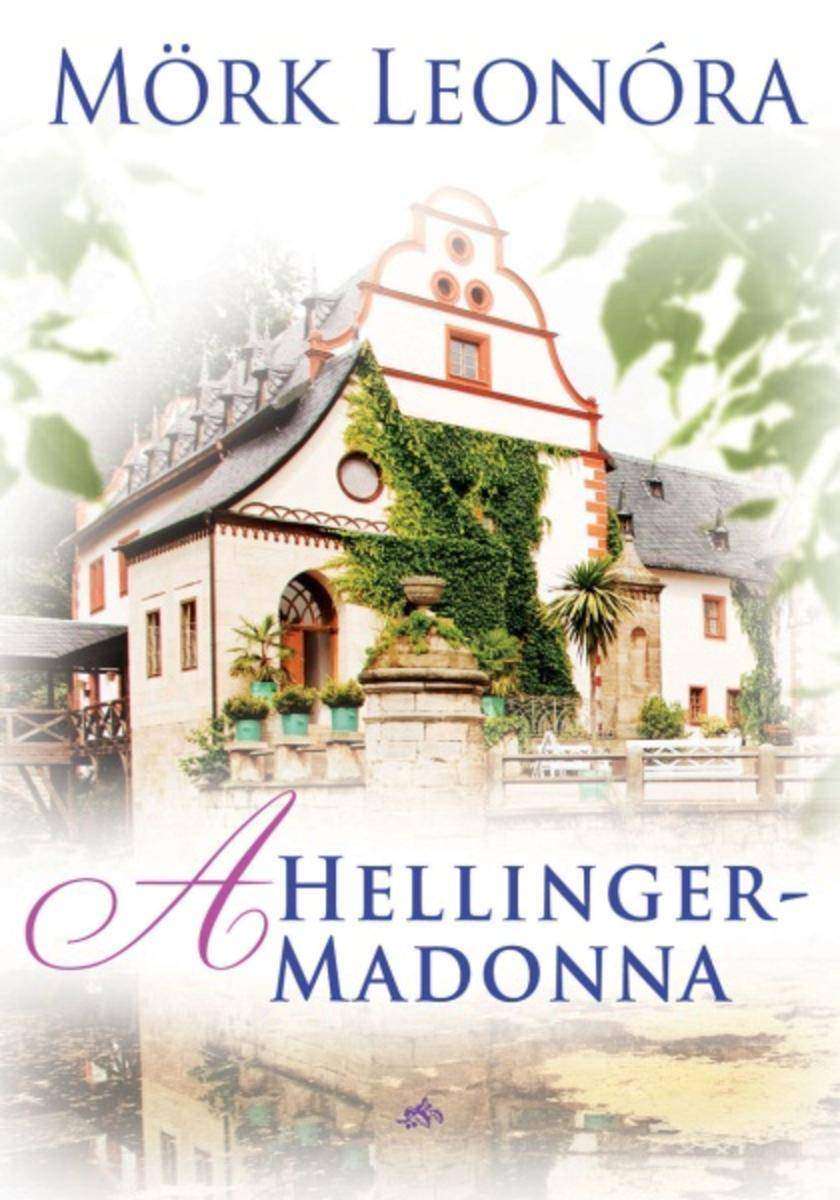
A Hellinger- Madonna
¥57.31
Scrum este cel de-al doilea roman al lui Augustin Nacu ?i reprezint? istoria unei evad?ri e?uate, un joc periculos, dar ?i frumos, disperat de frumos al unui grup de prieteni, mai ?nt?i, elevi, apoi, studen?i, din Uniunea Sovietic?, afla?i ?ntr-o goan? perpetu? dup? visul lor. Cu mici excep?ii, ac?iunea se desf??oar? la Chi?in?u, capitala Republicii Sovietice Socialiste Moldovene?ti, la ?nceputul anilor optzeci ai secolului XX, constituind sf?r?itul a?a-zisei epoci de stagnare a lui Brejnev ?i acel intermezzo dinaintea perestroik?i lui Gorbaciov, av?nd mai multe ie?iri ?ntr-un viitor nu doar imaginar pentru tot at?tea ?ntoarceri ?ntr-un trecut teribil de real, chiar ?i ?n unul mai ?ndep?rtat, cel de la mijlocul secolului men?ionat, o perioad? dramatic? pentru Basarabia ?i oamenii ei, bunici ?i p?rin?i, a c?ror remanent? disperare s-a transmis printr-o ?memorie a genelor“ copiilor ?i nepo?ilor, aliment?ndu-le mereu acestora din urm? dorin?a nest?vilit? de libertate, din care s-a iscat acel vis ?i, implicit, acel joc al lor...
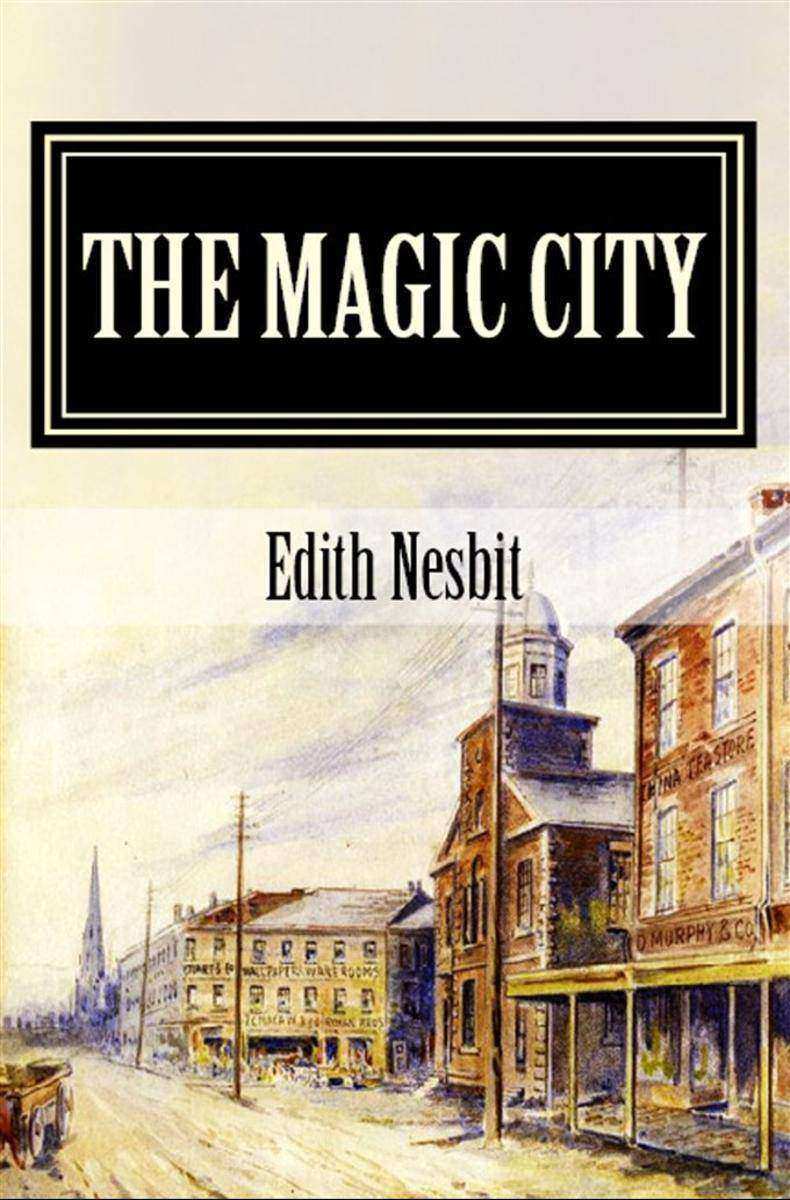
The Magic City: (Illustrated)
¥18.80
Philip Haldane and his sister lived in a little red-roofed house in a little redroofed town. They had a little garden and a little balcony, and a little stable with a little pony in it—and a little cart for the pony to draw; a little canary hung in a little cage in the little bow-window, and the neat little servant kept everything as bright and clean as a little new pin. Philip had no one but his sister, and she had no one but Philip. Their parents were dead, and Helen, who was twenty years older than Philip and was really his half-sister, was all the mother he had ever known. And he had never envied other boys their mothers, because Helen was so kind and clever and dear. She gave up almost all her time to him; she taught him all the lessons he learned; she played with him, inventing the most wonderful new games and adventures. ABOUT AUTHOR: Edith Nesbit (married name Edith Bland; 1858 – 1924) was an English author and poet; she published her books for children under the name of E. Nesbit. She wrote or collaborated on over 60 books of fiction for children, several of which have been adapted for film and television. She was also a political activist and co-founded the Fabian Society, a socialist organisation later connected to the Labour Party.
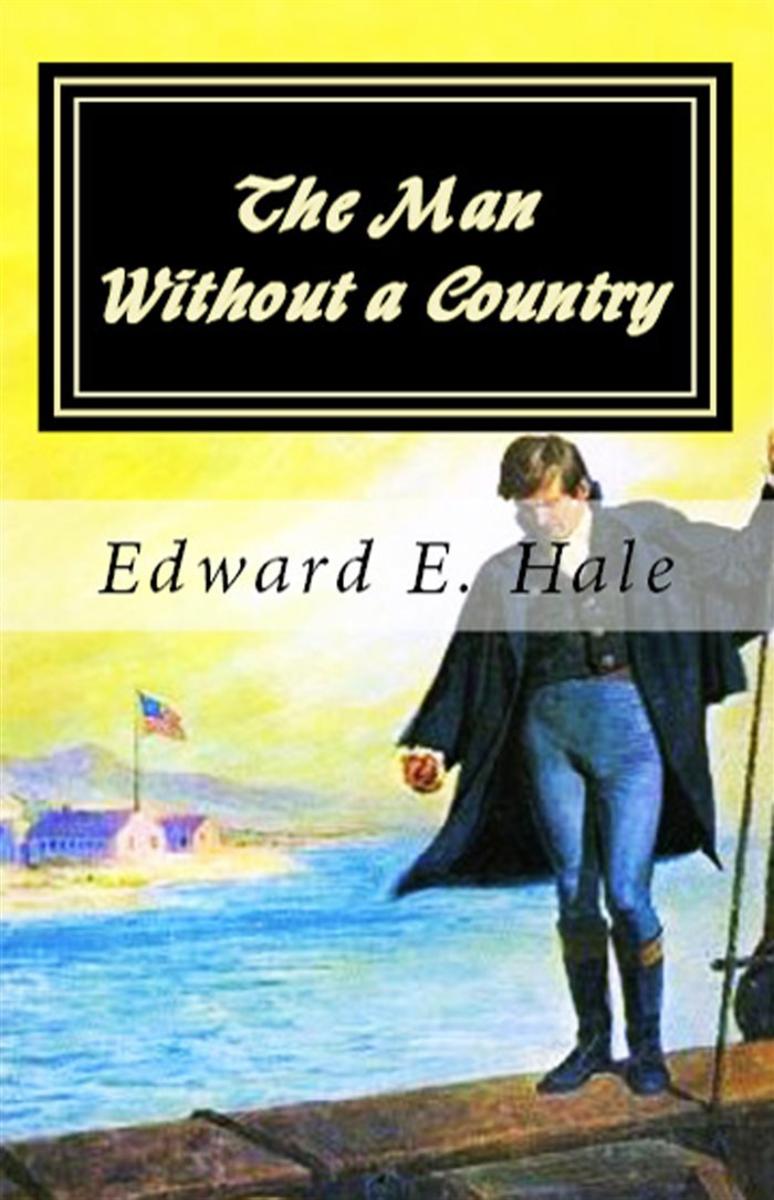
The Man Without a Country: (Illustrated)
¥12.18
"The Man Without a Country" first appeared in the Atlantic Monthlyfor December, 1863. It was the author's wish that it be published anonymously, in the hope that it might be ascribed to some officer of the Navy; but unfortunately, the man who compiled the year's index for the magazine, which was mailed with the December number, recognized Dr. Hale's handwriting, and gave him credit for it in the index. The story was written during the darkest period of the Civil War, and this war is perhaps the gloomiest period in the history of our great republic in the history of our great Republic; it was written at a time when one-half of the people in the United States were burning with patriotism, and were ready to lay down their lives to preserve the Union, while the other half were striving to disrupt what to them was merely a confederation of States, in no wise binding, and were damning the United States, even as did Philip Nolan; at at time when the President was bending low under the weight of sorrow for the loss of thousands of noble men who were falling in battle, and was enduring in pitiful silence the villification that was heaped upon him by the "copper-head" opposition; at a time when patriotism was preached in the pulpit, sung by our poets, and exhaled with every breath. The story launched in such an atmosphere, met with immediate favor. It was reprinted everywhere without regard for copyright, and was translated into several foreign languages. It was accepted by many as a narrative of actual facts, and provoked many discussions as to whether Philip Nolan was a real person; some even went so far as to identify him.
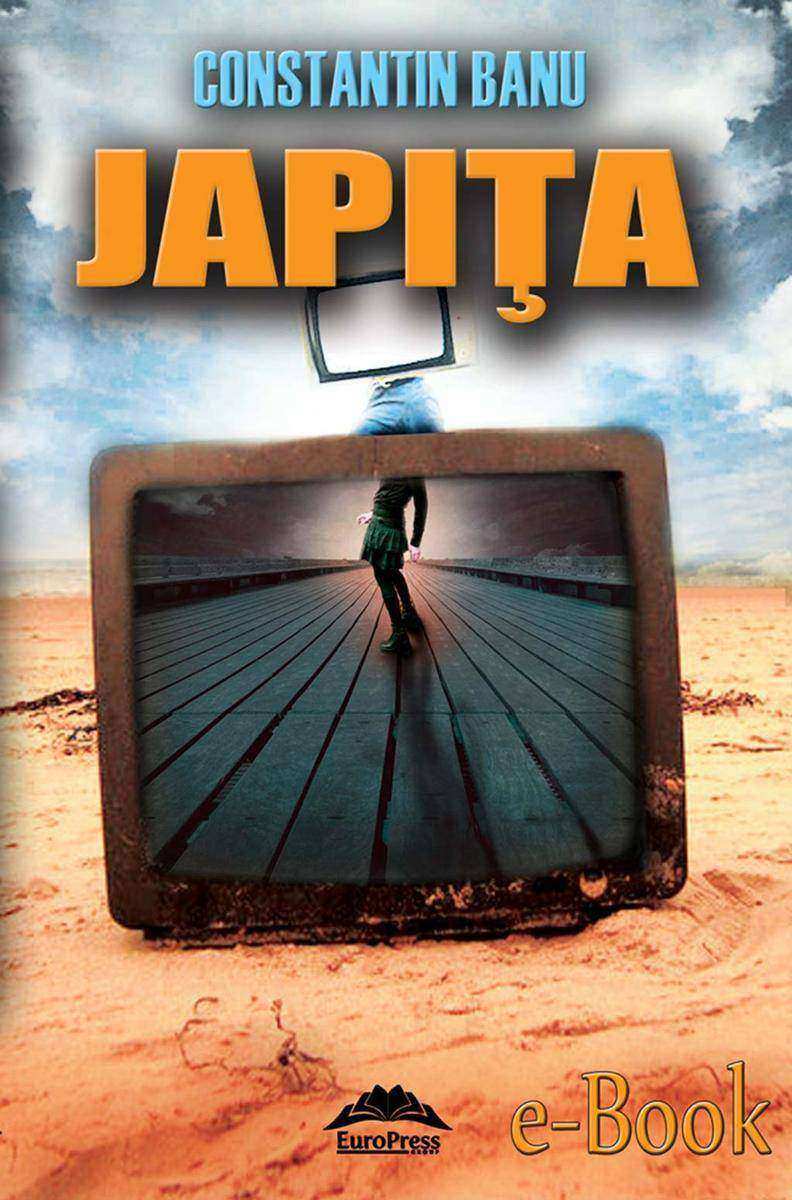
Japi?a
¥32.62
Prin volumul Istorie ?i sacralitate, Const. Miu ne poart? prin lumea cuv?ntului spus ori scris, de la ?nceputuri ?i p?n? ?n prezent. Autorul, ?n acest volum, atrage aten?ia, al?turi de al?i autori dedica?i adev?rului, pe care domnia sa ?i citeaz?, c? lingvi?tii no?tri din motive de ne?n?eles au l?sat a se ?n?elege c? limba rom?n? ar fi una de ?mprumut. Nu putem ?ti ce anume i-a determinat pe ace?tia s? conchid? ?n privin?a unor cuvinte din dic?ionarul limbii rom?ne c? ar avea r?d?cini turcice, slave ori din limba latin?. Se pare c? au uitat c? aceast? limb? este vorbit? pe ?ntreg arealul ??rii, spre deosebire de limba italian?, ce are mai multe dialecte ?i idiomuri care difer? de la o provincie la alta.
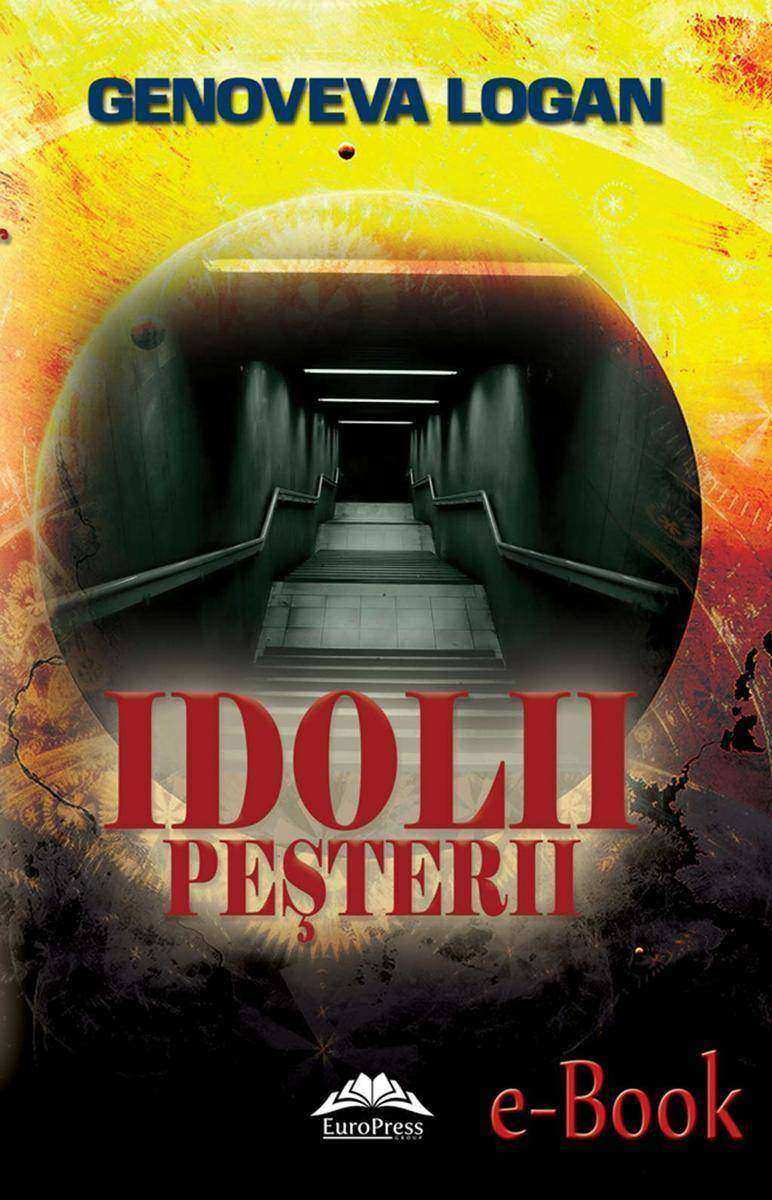
Idolii pe?terii
¥24.44
Aceste povestiri au fost scrise ?n perioada 2010?2014 ?i publicate, ?n parte, ?n periodice. Le?am numit parabole, av?nd o anumit? inten?ionalitate, ?i am aplicat ?n realizarea lor aceea?i structur? (cvadripartit?) ?i acela?i registru can?titativ (aproximativ o mie de cuvinte).Pe cele din C?l?uzitorul de suflete (cea dint?i sec?iune) le consider europene, ac?iunea lor petrec?ndu?se ?n loca?ii diferite de pe b?tr?nul continent ?i majoritatea ideilor pe care se bazeaz? n?sc?ndu?se ?n timpul unor peregrin?ri (iubirile, c?r?ile, muzica ?i c?l?toriile sunt, dup? umila?mi p?rere, cele mai frumoase lucruri care ni se pot ?nt?mpla ?ntr?o via??). Cu excep?ia primei ?i a ultimei lucr?ri care schi?eaz? un posibil cadru, ordinea povestirilor este alfabetic?. De?i g?ndite ca fantastice, ele au ?i o dimensiune experien?ial?, ?n acela?i timp put?nd fi citite ?i ca poeme ?n proz?: ale ora??elor prin care am trecut, ale oamenilor pe care i?am cunos?cut ?i, desigur, ale sufletului meu, undeva, ?n str?fundurile mele consider?ndu?m?, ca mul?i semeni de?ai mei, oarecum poet… (Ladislau Daradici)

Through Russia: [Illustrated Edition]
¥23.14
This Book, is a collection of short stories about Russia. Book contains many collections of short stories by the popular and influential Russian author, a founder of the socialist realism literary method and arguably the greatest Russian literary figure of the 20th century. Maxim Gorky also wrote about stories, plays, memoirs and novels which touched the imagination of the Russian people, and was the first Russian author to write sympathetically of such characters as tramps and thieves, emphasizing their daily struggles against overwhelming odds..Some Other Books Maxim Gorky: Mother (1907) Creatures That Once Were Men (1918) Twenty-six and One and Other Stories (1902) The Man Who Was Afraid (1901)
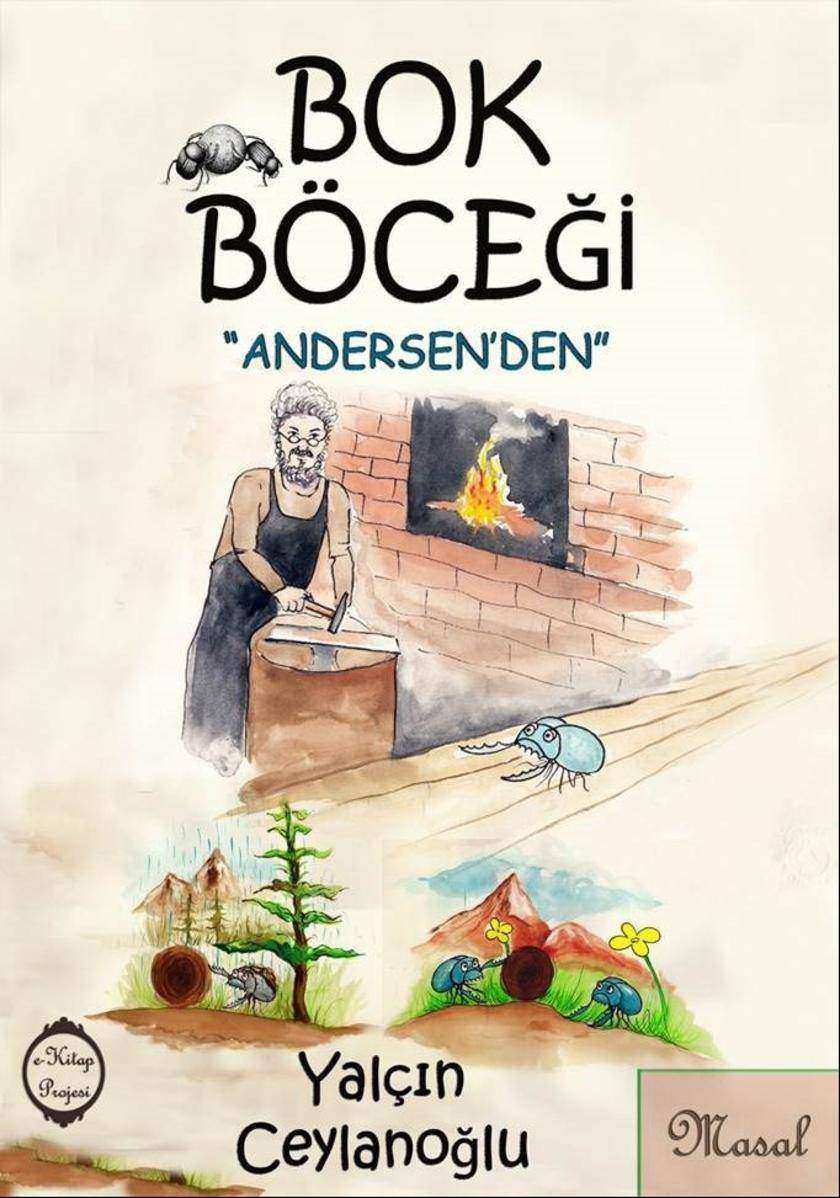
Bok B?ce?i: "Andersen'den"
¥18.56
Güne, onun üzerinde parlyor ve ok güzel ldyordu. Bok bcei, “Dünya, henüz o kadar akln karmam.”, dedi ve unu syledi: “Sadece ona katlanmann yolunu yordamn bilmeniz gerekiyor.” Dünya güzeldi: mparatorun süvari atna, nallar verilmiti ünkü binicisi, “Bok Bcei” olacakt. Bok bcei unu syledi: “imdi ineceim ve dier bok bceklerine, uruma ne kadar fazla ey yapldn anlatacam. Dardaki yolculuumda tiryakisi olduum tüm zevklerden bahsedeceim ve artk at, nallarn eskitene kadar yuvamda kalacam syleyeceim!” Yazar Hakknda: “1972 ylnda Adana'da dodu. lk, orta ve lise eitimini Adana'da tamamlad. ukurova niversitesi Biyoloji Blümü'nden 1994 ylnda mezun oldu. eviri iiyle urat. 2004 ylndan bu yana, zel bir irkette muhasebe eleman olarak alyor. Hobi olarak, blog yazarl, editrlük (Adana Blog Yazarlar Facebook sayfas) ve eviri yapyor. Yabanc dil olarak, ngilizce biliyor. Mitoloji ve simgecilik konularyla ilgileniyor."
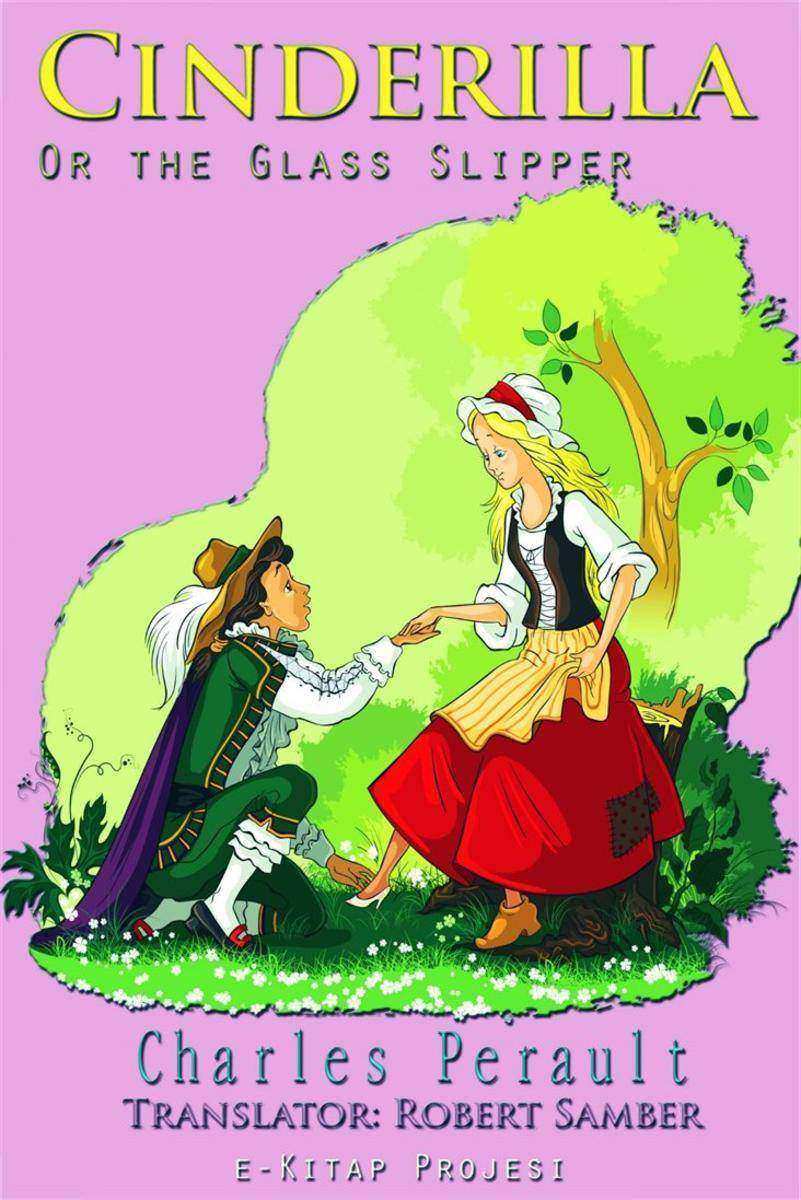
Cinderilla: "Or, the Little Glass Slipper"
¥9.24
Cinderella, or "The Little Glass Slipper", is a folk tale embodying a myth-element of unjust oppression/triumphant reward. Thousands of variants are known throughout the world. The title character is a young woman living in unfortunate circumstances, that are suddenly changed to remarkable fortune. The oldest documented version comes from China, and the oldest European version from Italy. The most popular version was first published by Charles Perrault in Histoires ou contes du temps passé in 1697, and later by the Brothers Grimm in their folk tale collection Grimms' Fairy Tales. Although the story's title and main character's name change in different languages, in English-language folklore "Cinderella" is the archetypal name. The word "Cinderella" has, by analogy, come to mean one whose attributes were unrecognized, or one who unexpectedly achieves recognition or success after a period of obscurity and neglect. The still-popular story of "Cinderella" continues to influence popular culture internationally, lending plot elements, allusions, and tropes to a wide variety of media. ONCE there was a gentleman who married, for his second wife, the proudest and most haughty woman that was ever seen. She had, by a former husband, two daughters of her own humour and they were indeed exactly like her in all things. He had likewise, by another wife, a young daughter, but of unparalleled goodness and sweetness of temper, which she took from her mother, who was the best creature in the world. No sooner were the ceremonies of the wedding over, but the stepmother began to shew herself in her colours. She could not bear the good qualities of this pretty girl; and the less, because they made her own daughters appear the more odious. She employed her in the meanest work of the house; she scoured the dishes, tables, &c. and rubbed Madam's chamber, and those of Misses, her daughters; she lay up in a sorry garret, upon a wretched straw-bed, while her sisters lay in fine rooms, with floors all inlaid, upon beds of the very newest fashion, and where they had looking-glasses so large, that they might see themselves at their full length, from head to foot.


